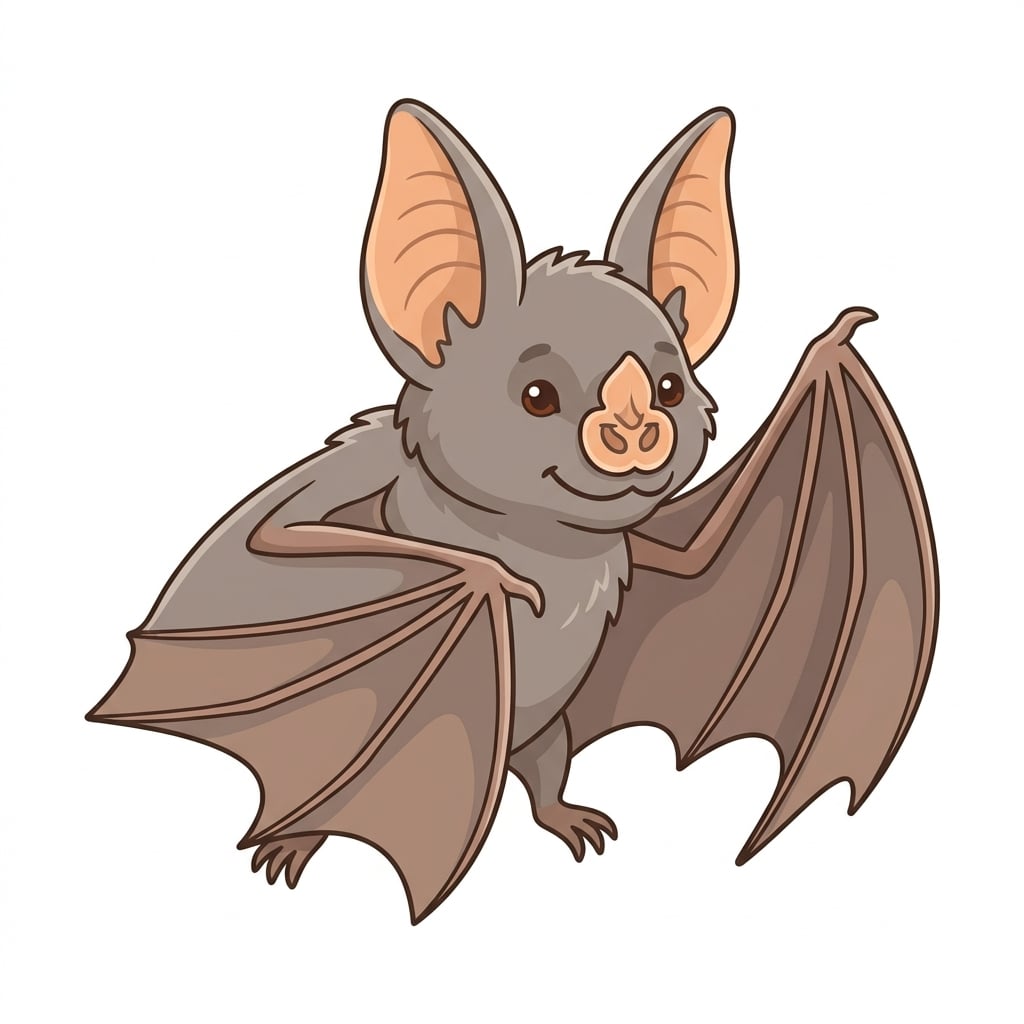
Greater Horseshoe Bat
Mammal
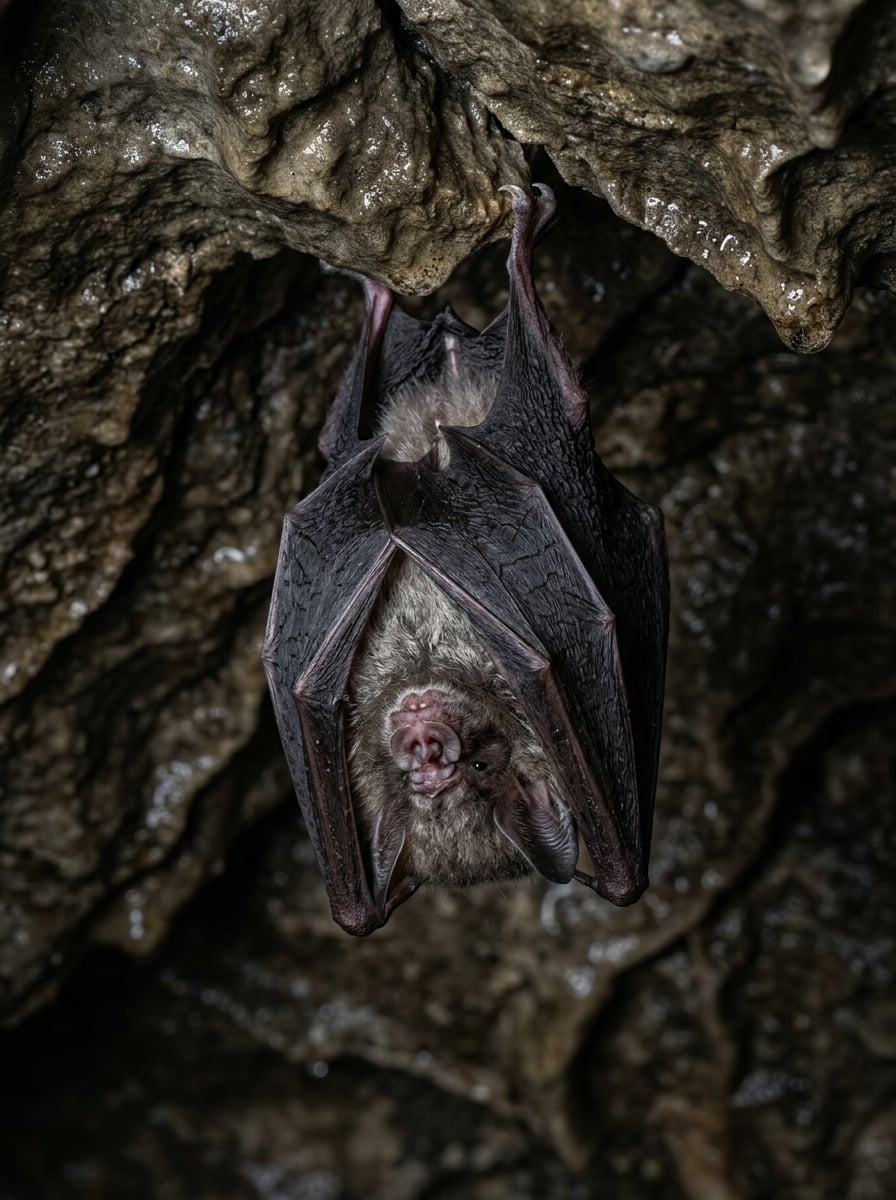
The Greater Horseshoe Bat shouts through its nose — focused by a strange horseshoe-shaped flap of skin — and roosts hanging free, completely wrapped in its own wings like a tiny cloaked figure. One of Britain's largest and rarest bats, it is found only in the south-west.
💡 Fun Facts
- The Greater Horseshoe Bat shouts through its nose, not its mouth. An elaborate horseshoe-shaped flap of skin around its nostrils focuses its calls into a beam, and it can even pick out the fluttering wingbeats of an insect in the dark.
- At rest it hangs completely wrapped in its own wings, like a tiny figure in a cloak — quite unlike other bats, which tuck themselves into cracks and crevices.
- It is one of Britain's largest and longest-lived bats, recorded at nearly 30 years old. Once widespread, it suffered a decline of more than 90%, and now lives only in the south-west. Its recovery depends on cattle-grazed fields, because its favourite dung beetles need the animals' dung.
🔍 How to spot it
- Size
- The largest bat here — wingspan up to 40 cm and weighing up to about 34 g; a plum-sized body.
- Markings
- Soft, fluffy grey-brown fur, paler below; young ones are greyer.
- Features
- The unmistakable horseshoe-shaped flap around its nose (the 'nose-leaf'); broad, rounded wings.
- Behaviour
- Hangs completely wrapped in its wings like a tiny cloaked figure; flies slow and low along hedges, and often perch-hunts — waiting on a branch to dart out at insects — all while shouting through its nose.
- Where & when
- Only in SW England and south Wales; roosts in caves, mines and large old buildings over insect-rich, cattle-grazed countryside.
- Easily confused with
- The lesser horseshoe bat shares the same nose-leaf and cloak-wrapped roosting pose, but is much smaller — plum versus walnut — and calls at a much higher pitch, so size tells them apart.
📅 Through the Year
- Hibernation:October to April
- Active:April to October
- Maternity/Breeding:June to July
📄 Educational Handout Available
Download the printable infographic: Bat Life Cycle
📄 Educational Handout Available
Download the printable infographic: How Bats Hunt & Eat
📄 Educational Handout Available
Download the printable infographic: Where Bats Live