UK Local Habitat
Estuary 🌊
Where freshwater rivers meet the salty sea, creating nutrient-rich mudflats that support thousands of wading birds.
📄 Educational Handout Available
Download the printable infographic for this habitat.
Climate & Environment
Variable salinity (saltiness) that changes twice a day with the tides.
Key Plants
Saltmarsh grasses and samphire that can tolerate being flooded with saltwater.
💡 Fun Facts
- Estuaries are sometimes called the 'nurseries of the sea' because many fish lay their eggs there.
- The mud can be so thick and sticky it acts like quicksand.
Key Creatures
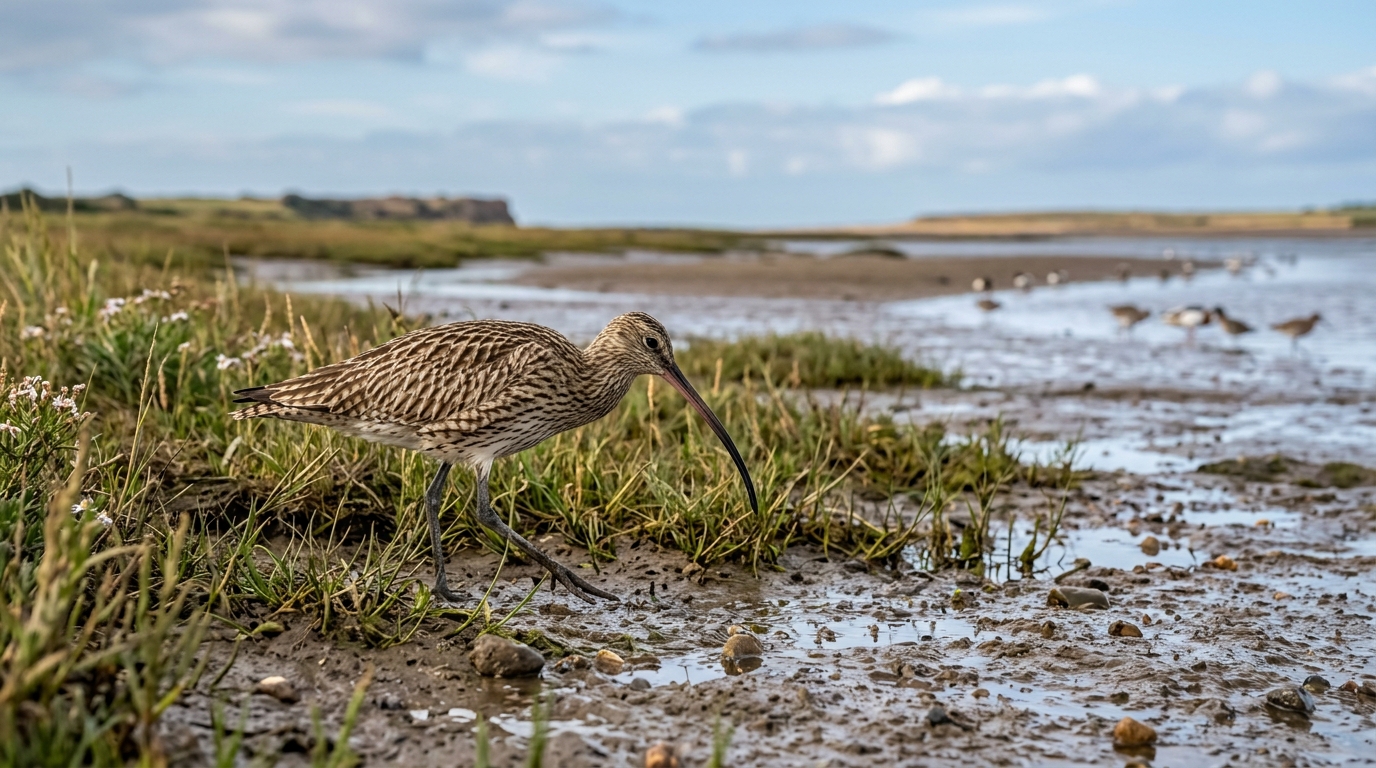
Curlew
How it survives here:
Uses its long, curved beak to probe deep into the mud for worms.
View Creature Detail
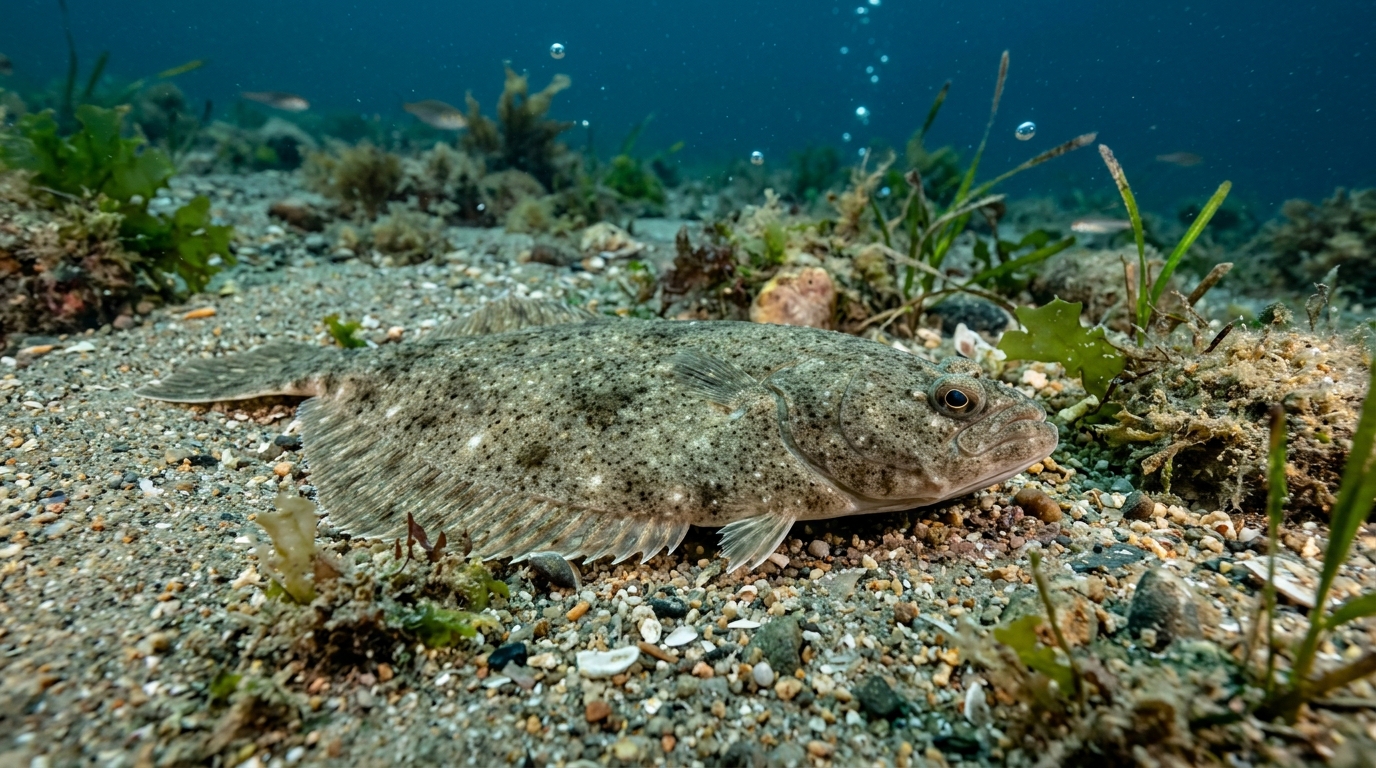
Flounder
How it survives here:
A flatfish that buries itself in the mud to hide from predators.
View Creature Detail
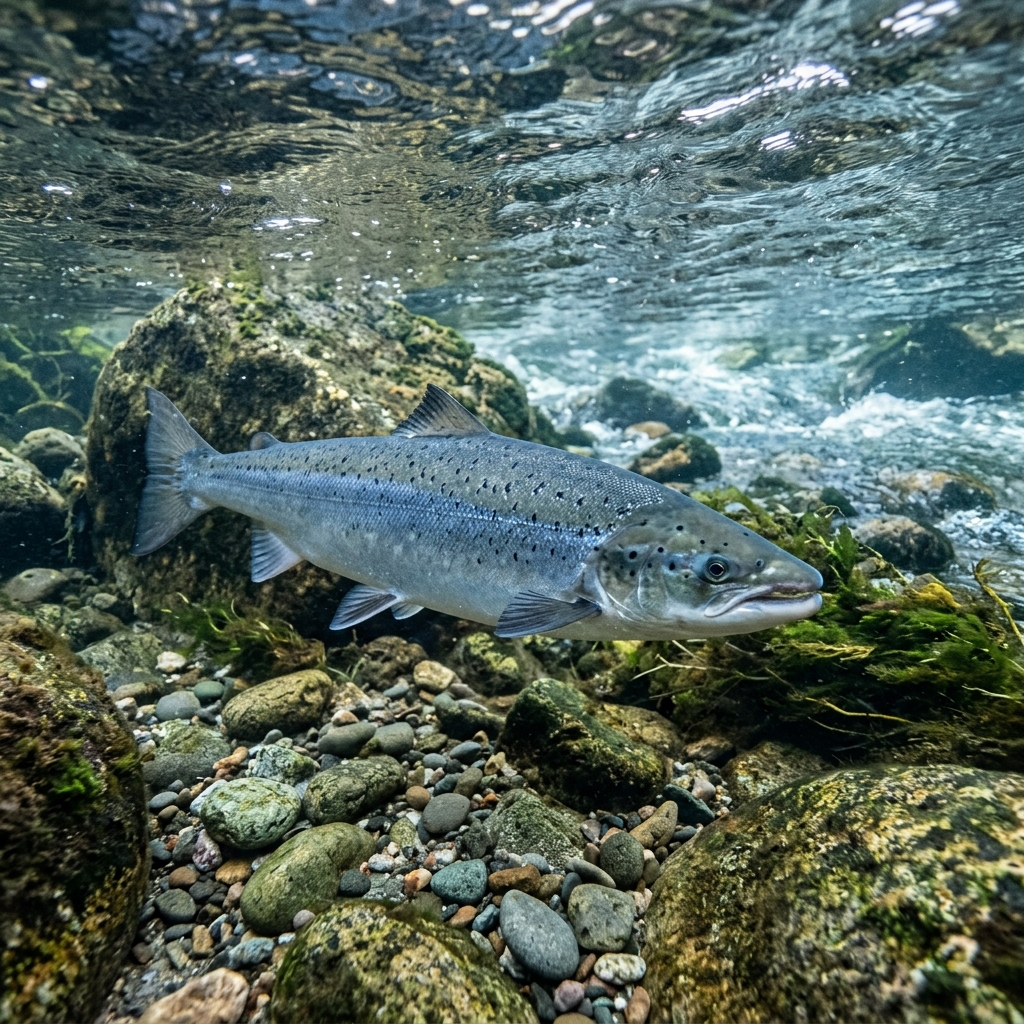
Atlantic Salmon
How it survives here:
Can change its body chemistry to survive in both fresh river water and salty ocean water.
View Creature Detail
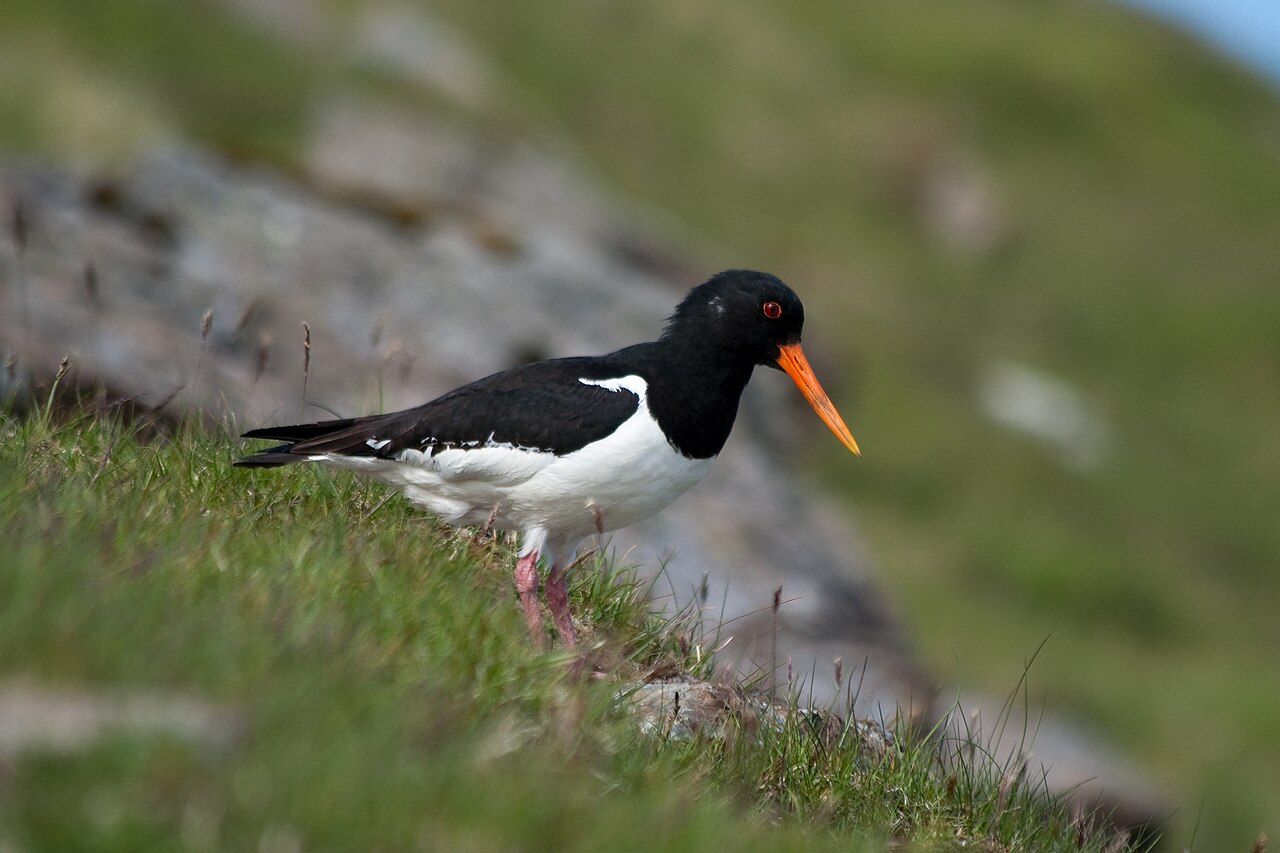
Oystercatcher
How it survives here:
Has a strong, flattened beak specifically designed to pry open the shells of cockles and mussels.
View Creature Detail
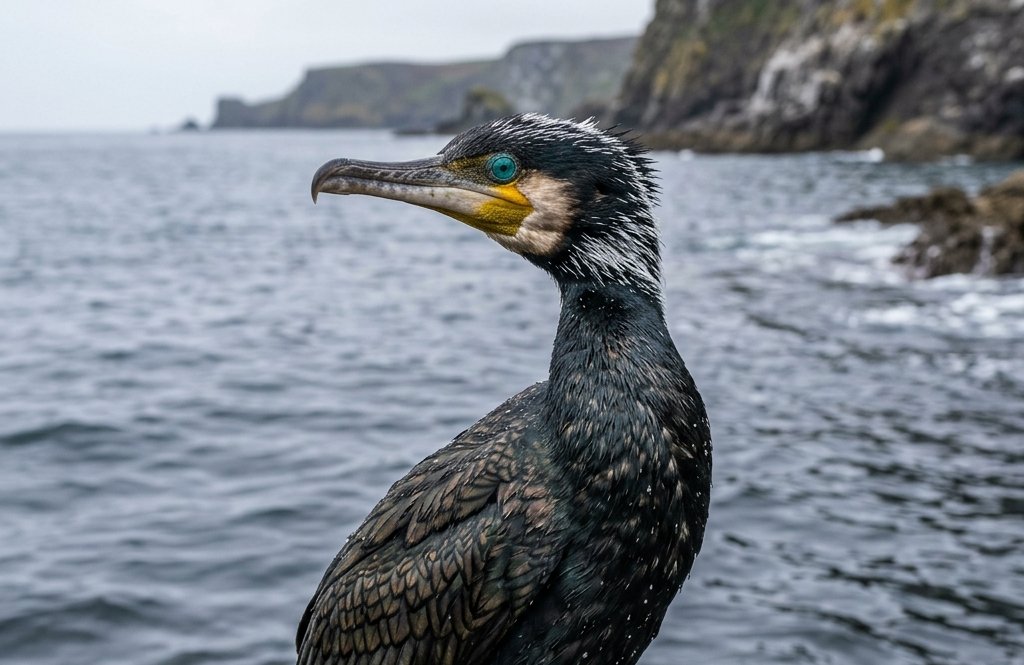
Cormorant
How it survives here:
An expert diving bird that hunts underwater and then stands with its wings spread to dry them in the wind.
View Creature Detail
Curriculum Links
KS2 / ScienceY6
Living things and their habitats
Explore this on the site:Year 6: Living things and their habitats