birds - Conservation Pack
Print this page on A4 paper. Make sure "Background graphics" is enabled in your print dialog.
Curlew
C
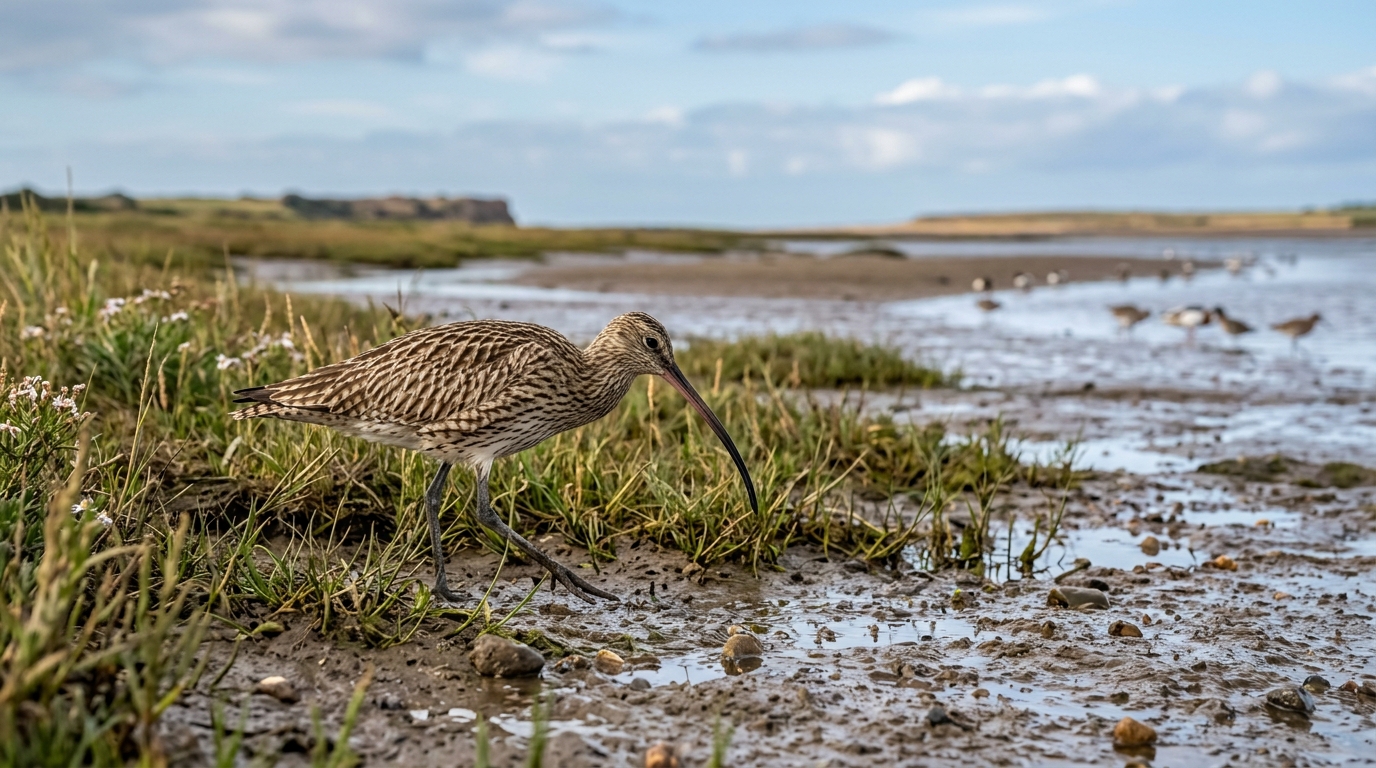
StatusNear Threatened
Primary HabitatEstuaries, mudflats, moorlands
Ecosystem RolePredator of invertebrates
Human ImpactHabitat loss due to agriculture and forestry
Adaptability
50
Skylark
C
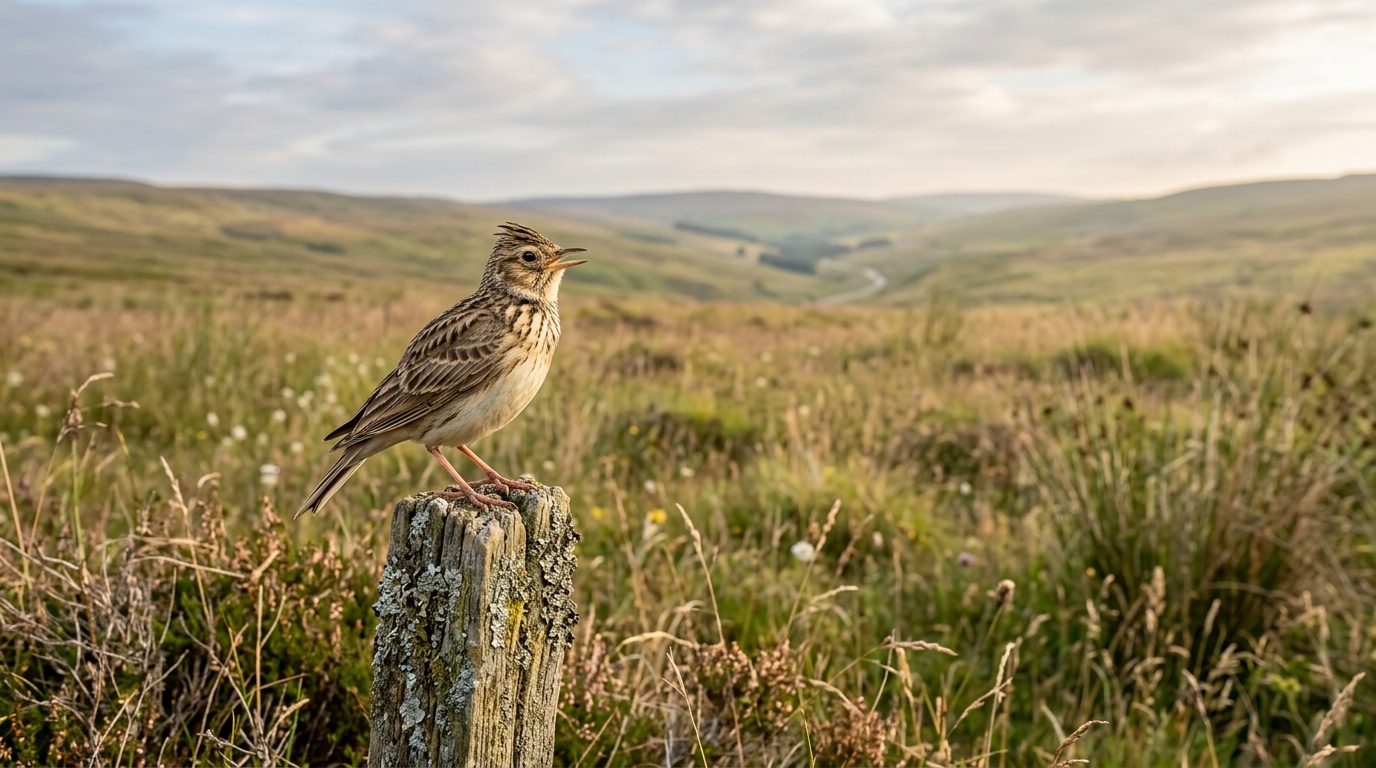
StatusLeast Concern
Primary HabitatFarmland, heathland, saltmarshes
Ecosystem RoleInsectivore/granivore, prey for raptors
Human ImpactPopulation decline due to intensive agriculture
Adaptability
55
Mallard duck
C
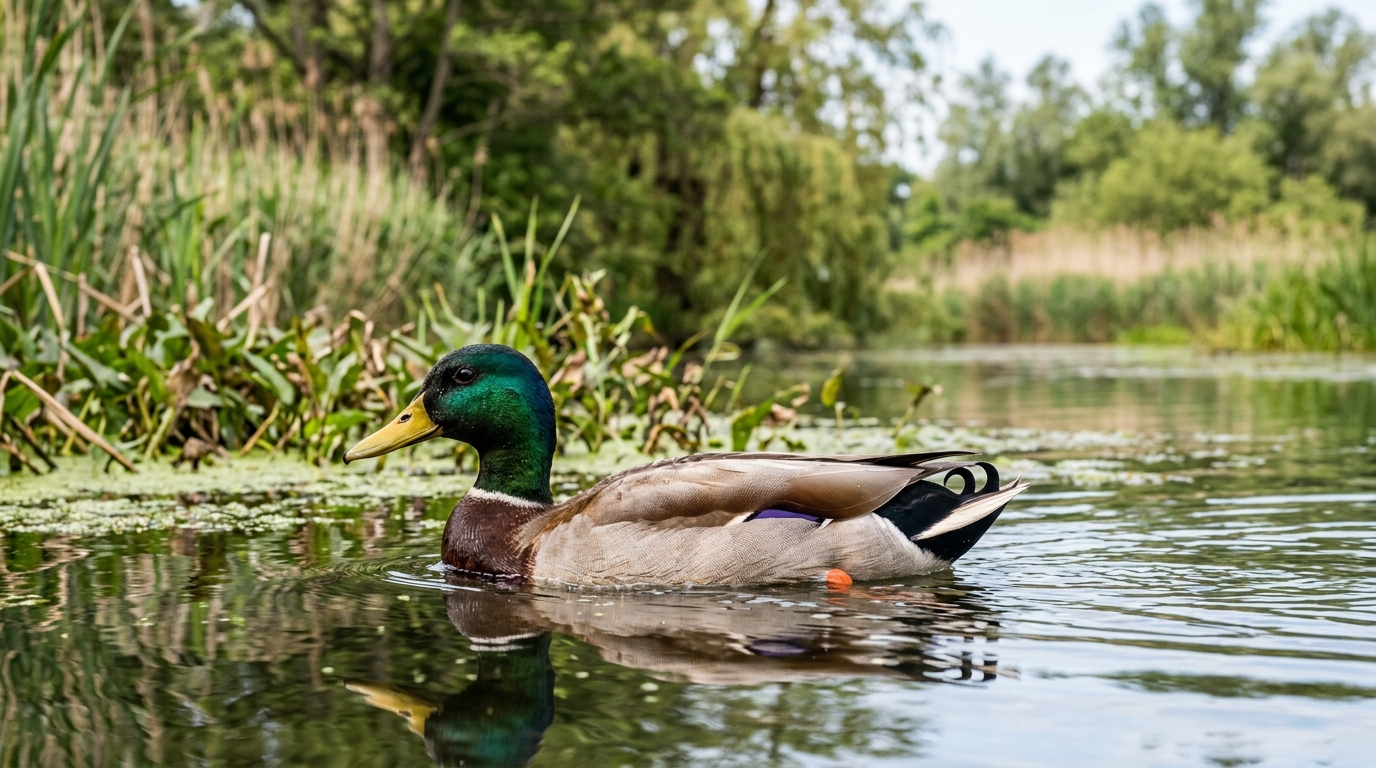
StatusLeast Concern
Primary HabitatWetlands, ponds, rivers, urban parks
Ecosystem RoleOmnivore, seed disperser
Human ImpactHunting, habitat loss, hybridization
Adaptability
95
Barn Owl
C
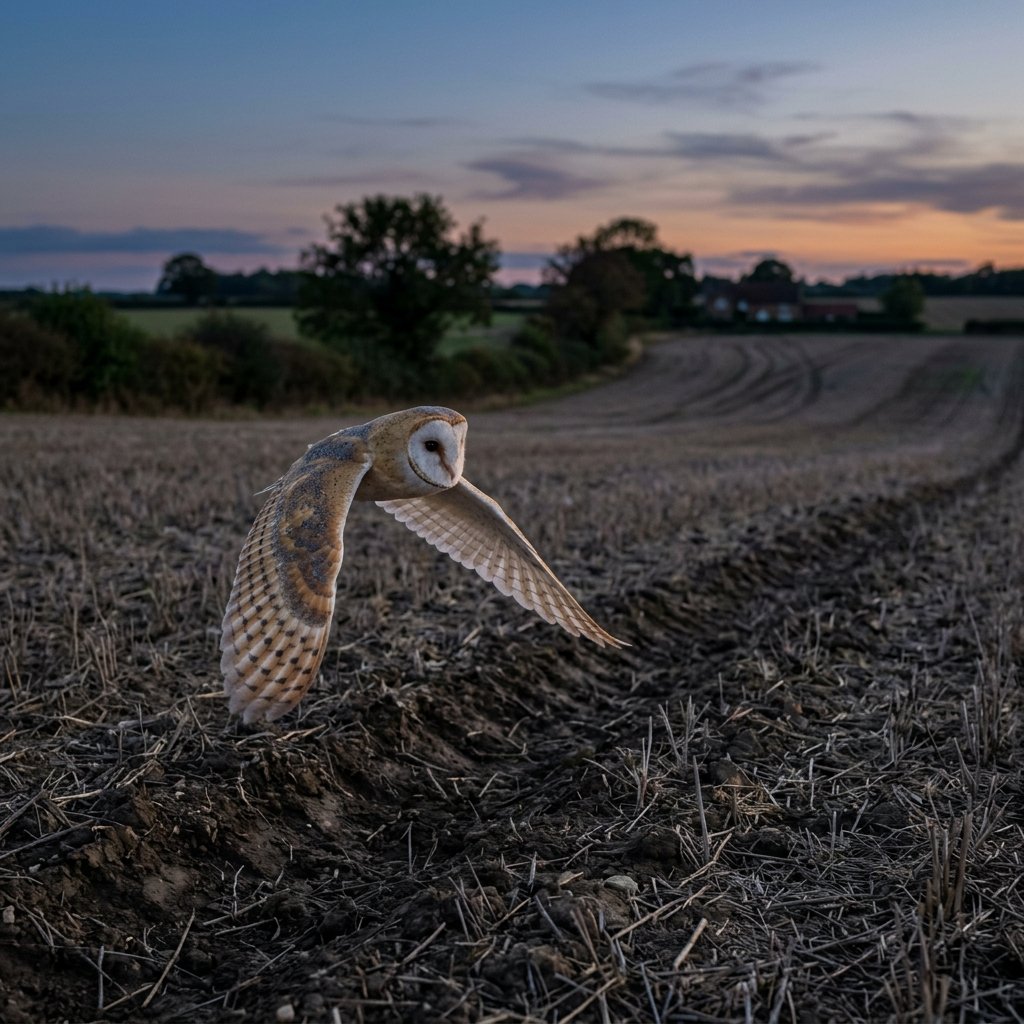
StatusLeast Concern
Primary HabitatFarmland, woodland edges, grasslands
Ecosystem RoleNocturnal predator of small mammals
Human ImpactAffected by rodenticides, vehicle collisions, loss of nesting sites
Adaptability
60
Turkey
C
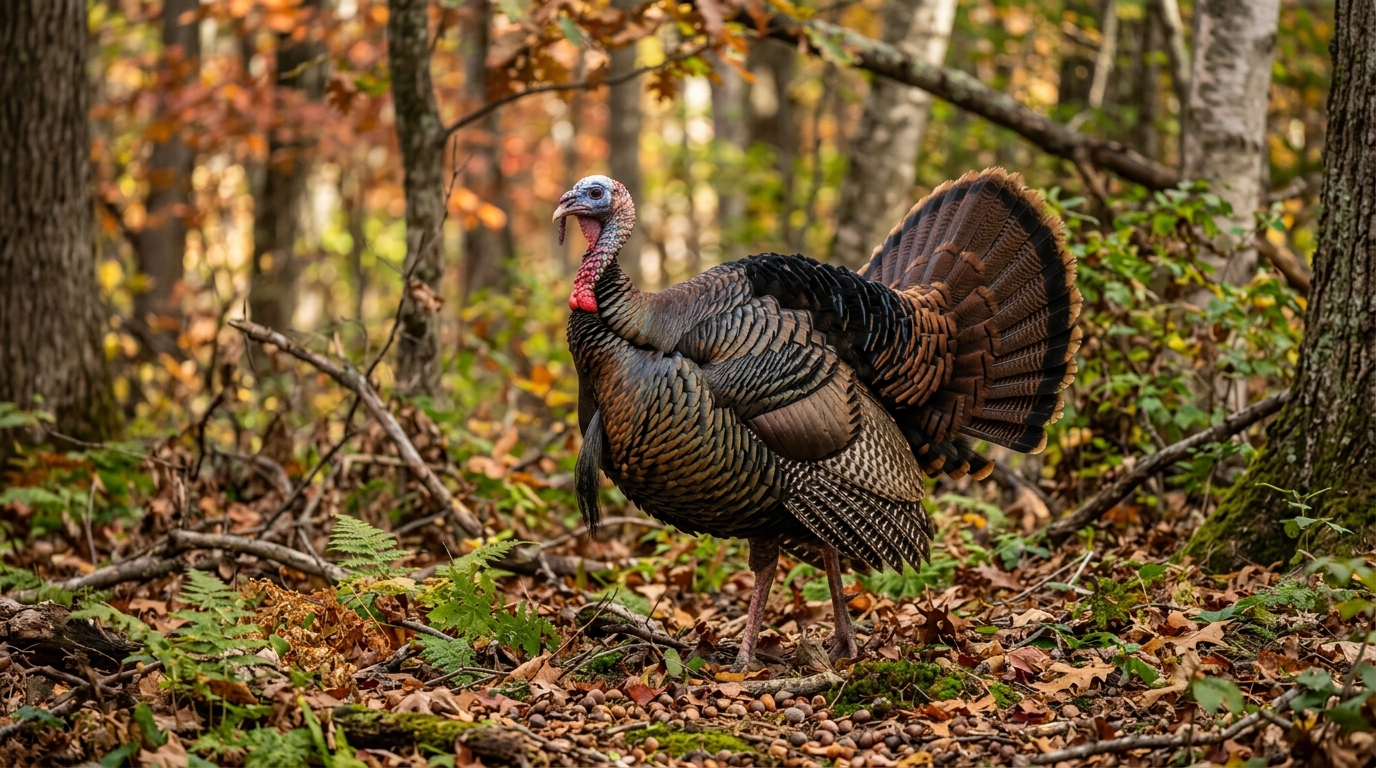
StatusLeast Concern
Primary HabitatForests, woodland edges
Ecosystem RoleForager, prey
Human ImpactHeavily domesticated and hunted
Adaptability
70
Goose
C
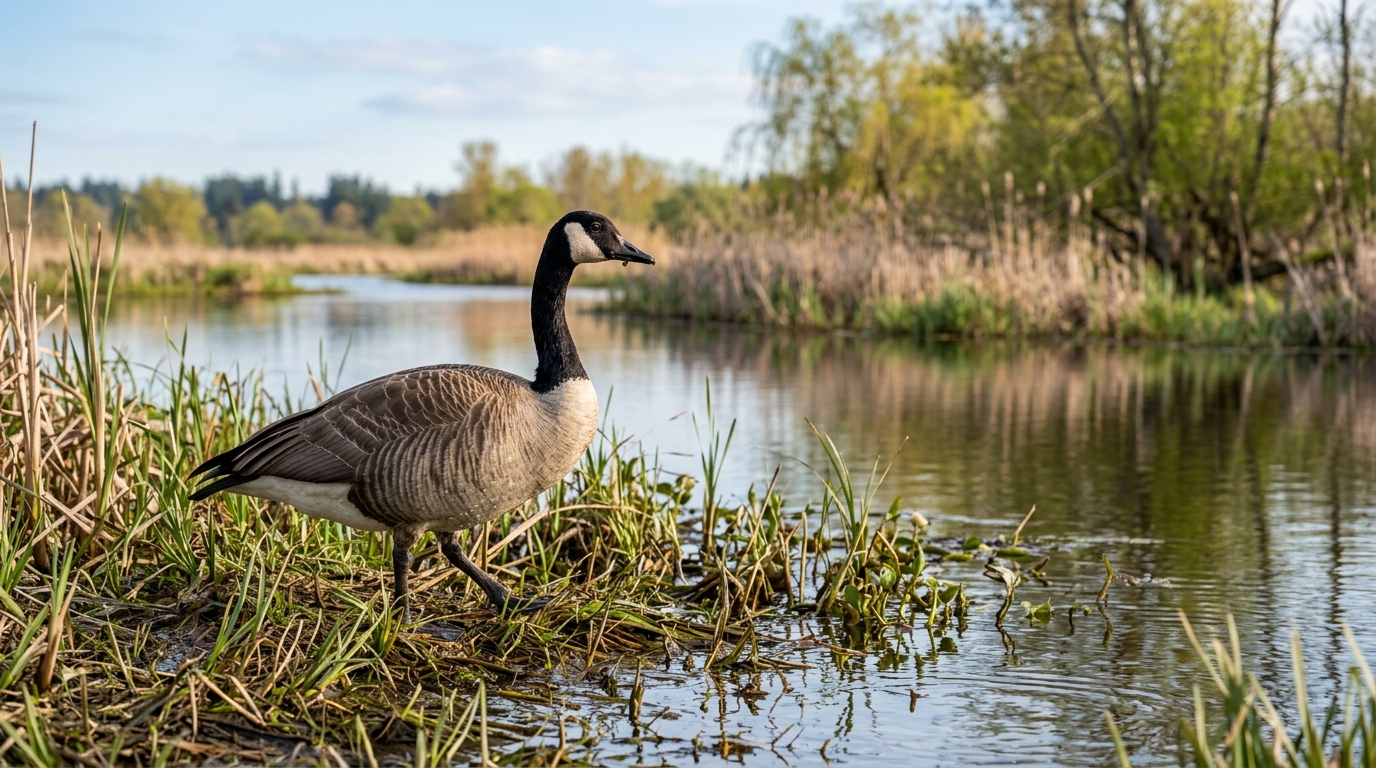
StatusLeast Concern
Primary HabitatWetlands, fields, urban parks
Ecosystem RoleHerbivore, seed disperser
Human ImpactHabitat modification, some hunting
Adaptability
90
Quail
C
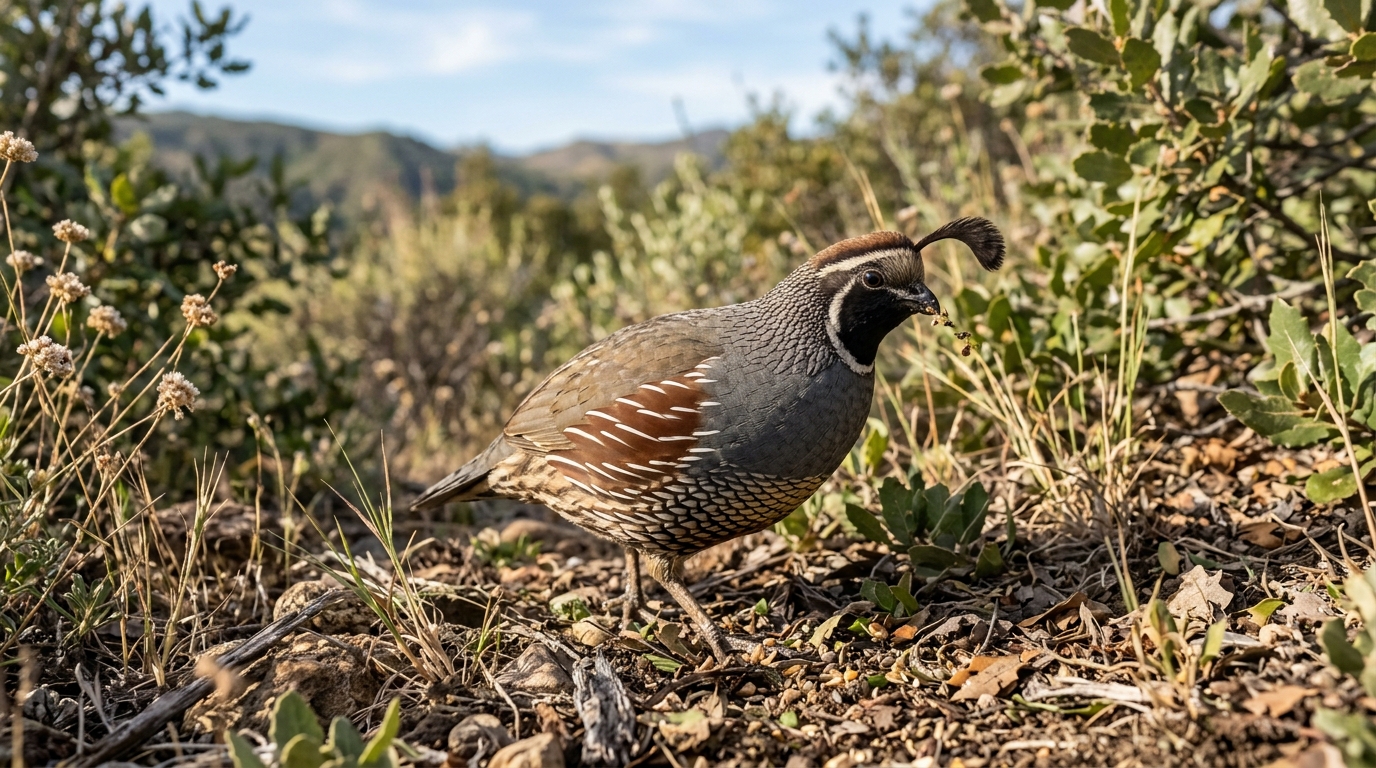
StatusLeast Concern
Primary HabitatGrasslands, scrublands
Ecosystem RoleSeed eater, prey
Human ImpactHabitat loss, hunting, farming
Adaptability
60
Ostrich
C
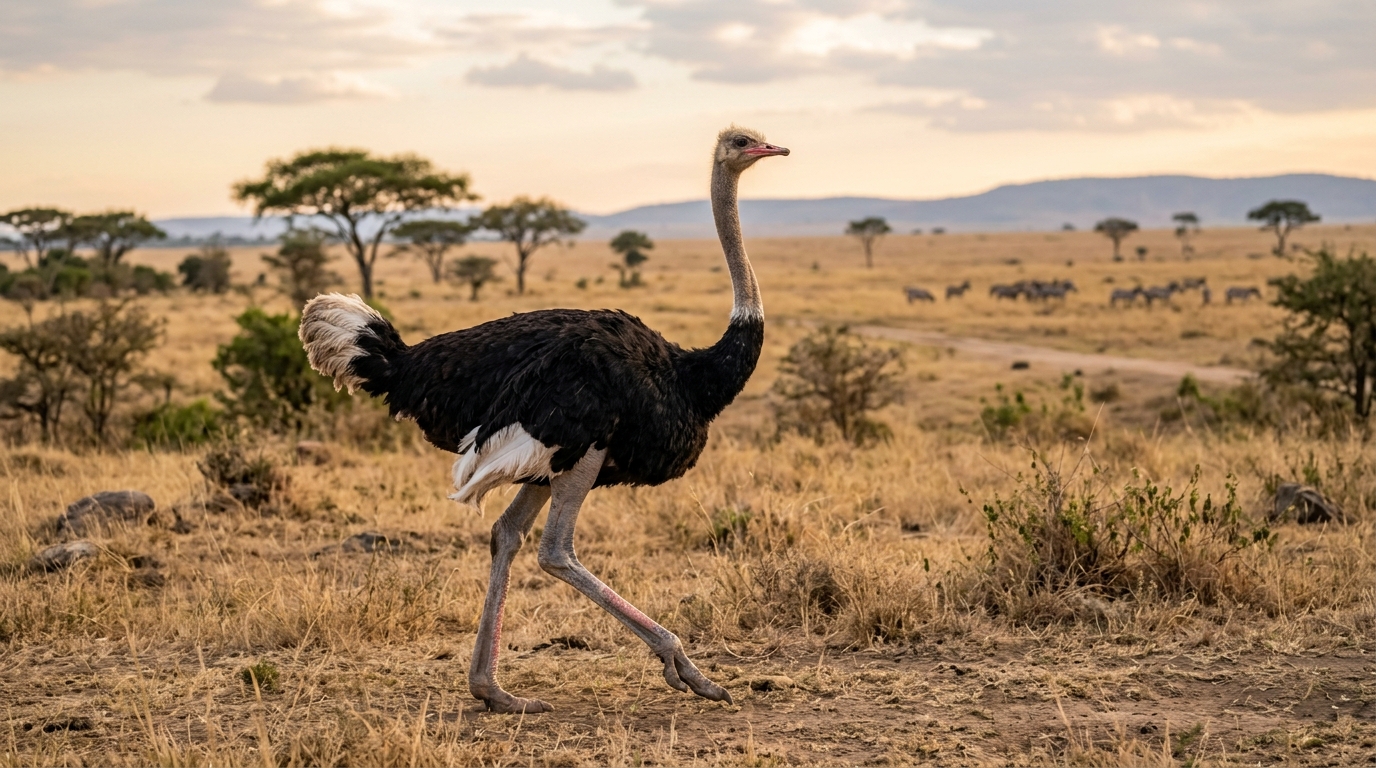
StatusLeast Concern
Primary HabitatSavannas, deserts
Ecosystem RoleOmnivore, prey for large carnivores
Human ImpactFarming, historical overhunting
Adaptability
65
Woodpecker
C
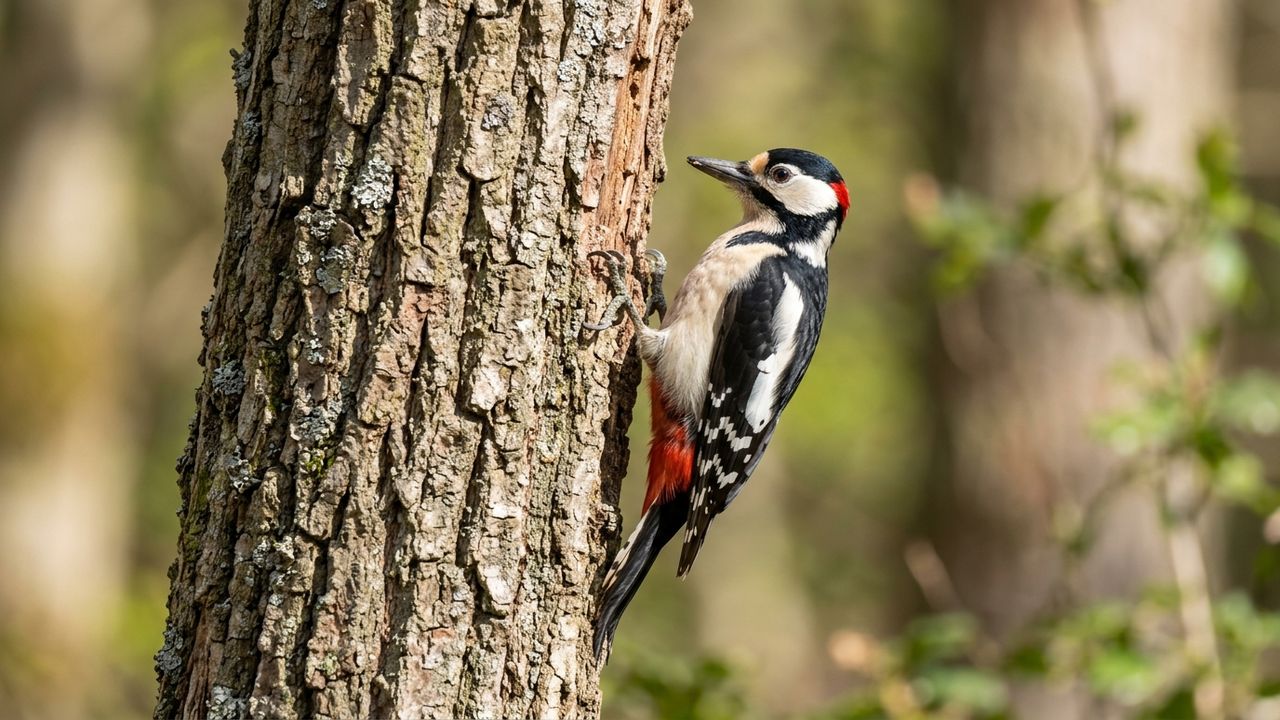
StatusLeast Concern
Primary HabitatWoodlands and parks with mature trees
Ecosystem RolePest controller, creator of tree cavities used by others
Human ImpactLoss of dead wood in managed forests
Adaptability
65
Tawny owl
C
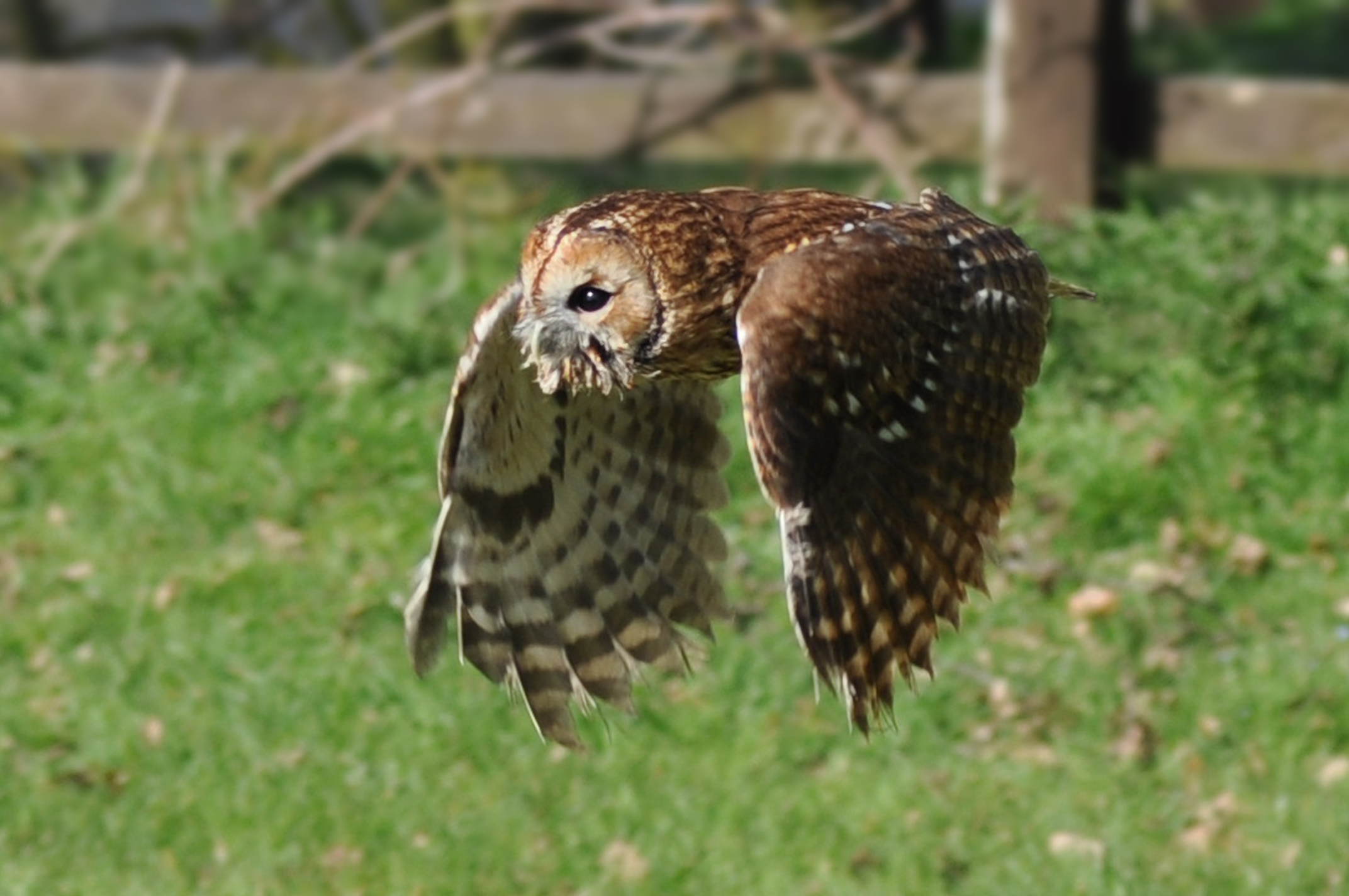
StatusAmber List (UK)
Primary HabitatBroadleaf woodlands
Ecosystem RoleNocturnal predator of small mammals
Human ImpactSecondary poisoning from rodenticides
Adaptability
60
Yellowhammer
C
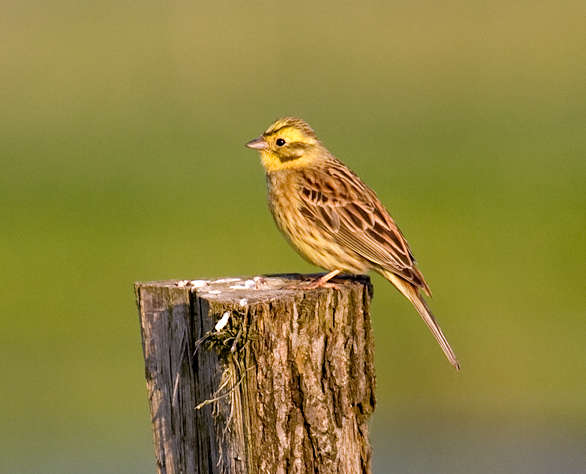
StatusRed List (UK)
Primary HabitatFarmland, hedgerows
Ecosystem RoleSeed eater, insect consumer during breeding
Human ImpactDeclining due to intensive farming practices
Adaptability
50
Eurasian jay
C
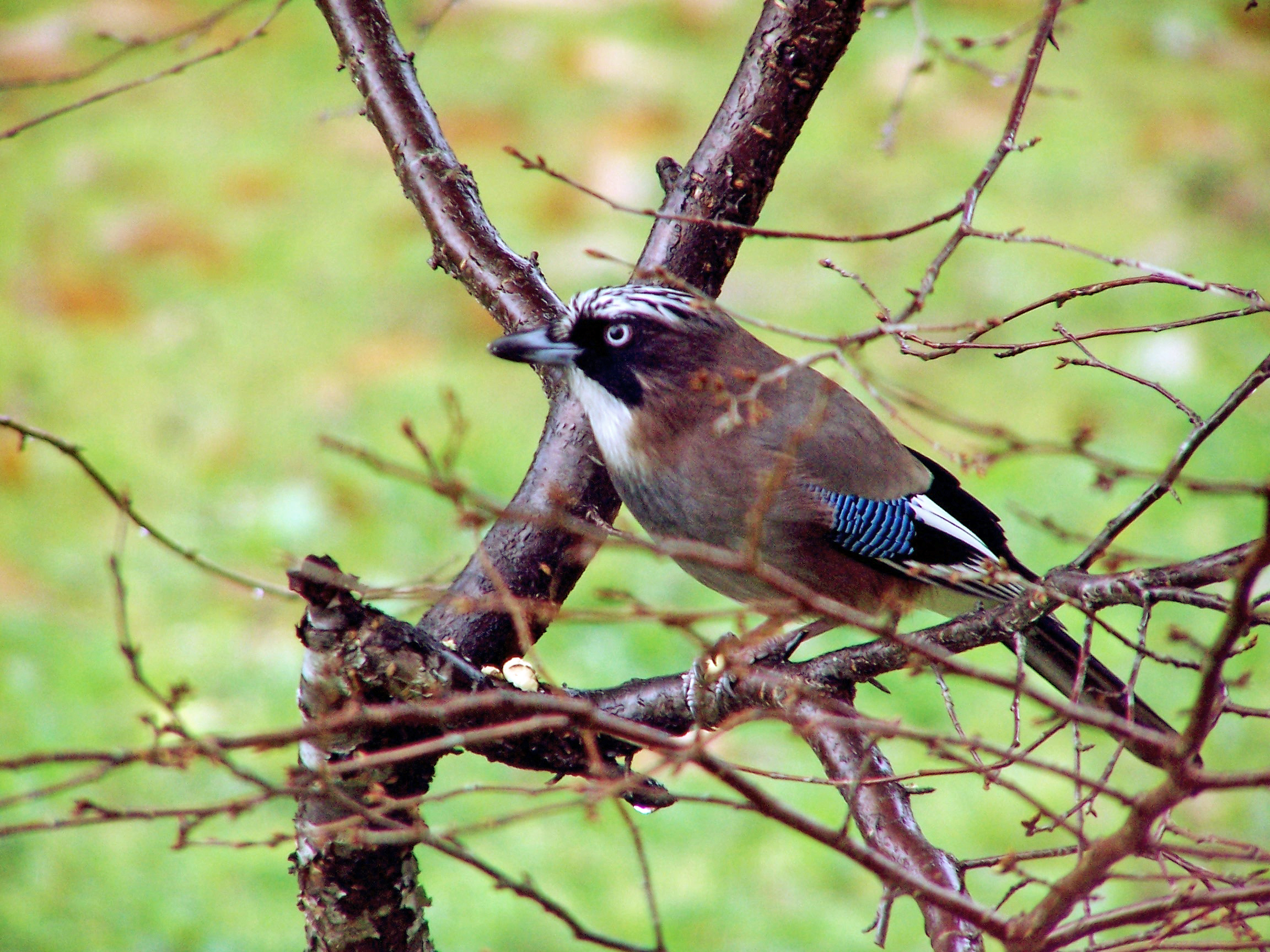
StatusLeast Concern
Primary HabitatWoodlands and forests
Ecosystem RoleSeed disperser
Human ImpactHabitat fragmentation
Adaptability
75
Snowy owl
C
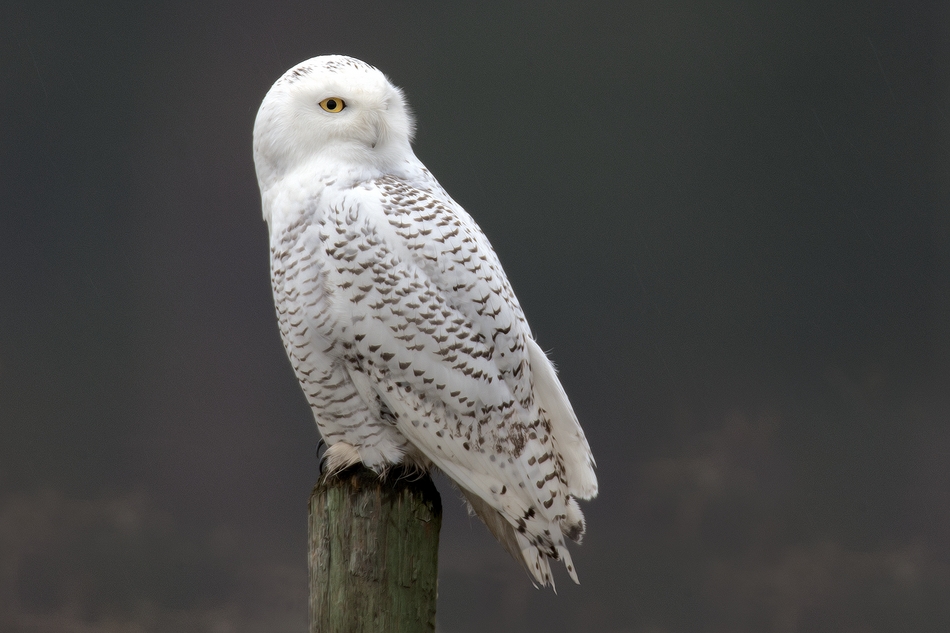
StatusVulnerable
Primary HabitatArctic tundra
Ecosystem RoleApex predator
Human ImpactClimate change and prey cycles
Adaptability
45
Ptarmigan
C
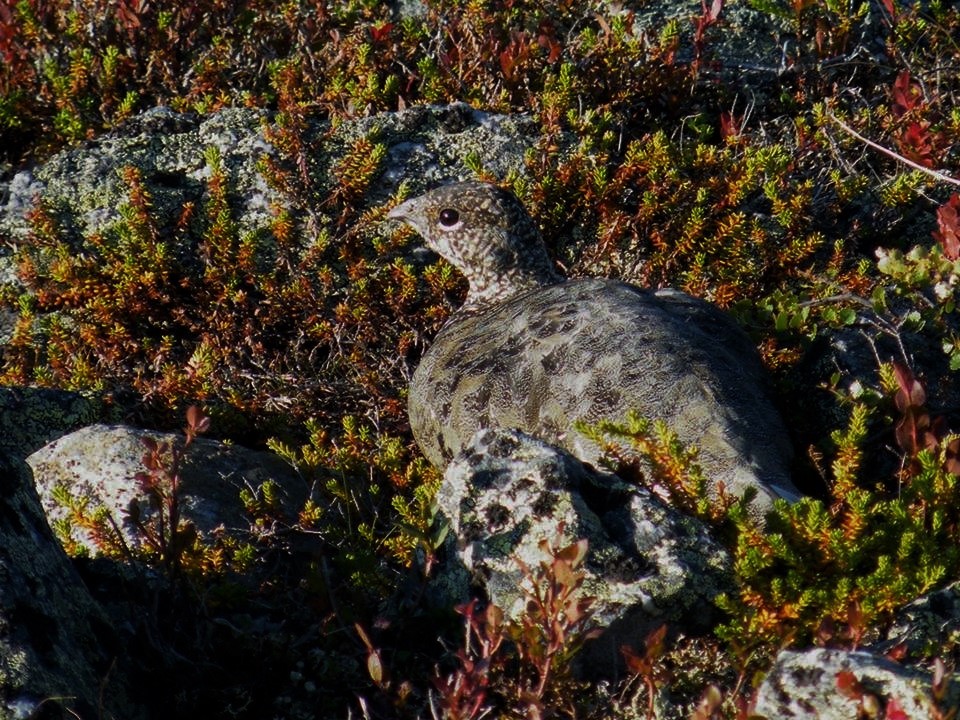
StatusLeast Concern
Primary HabitatTundra and alpine mountains
Ecosystem RolePrimary consumer/Prey
Human ImpactClimate change reducing alpine habitats
Adaptability
55
Roadrunner
C
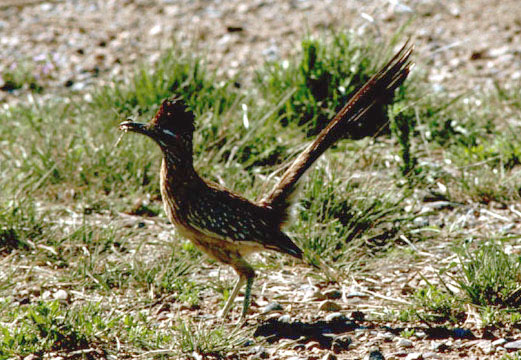
StatusLeast Concern
Primary HabitatDesert and scrubland
Ecosystem RolePredator
Human ImpactHabitat fragmentation
Adaptability
70
Scarlet macaw
C
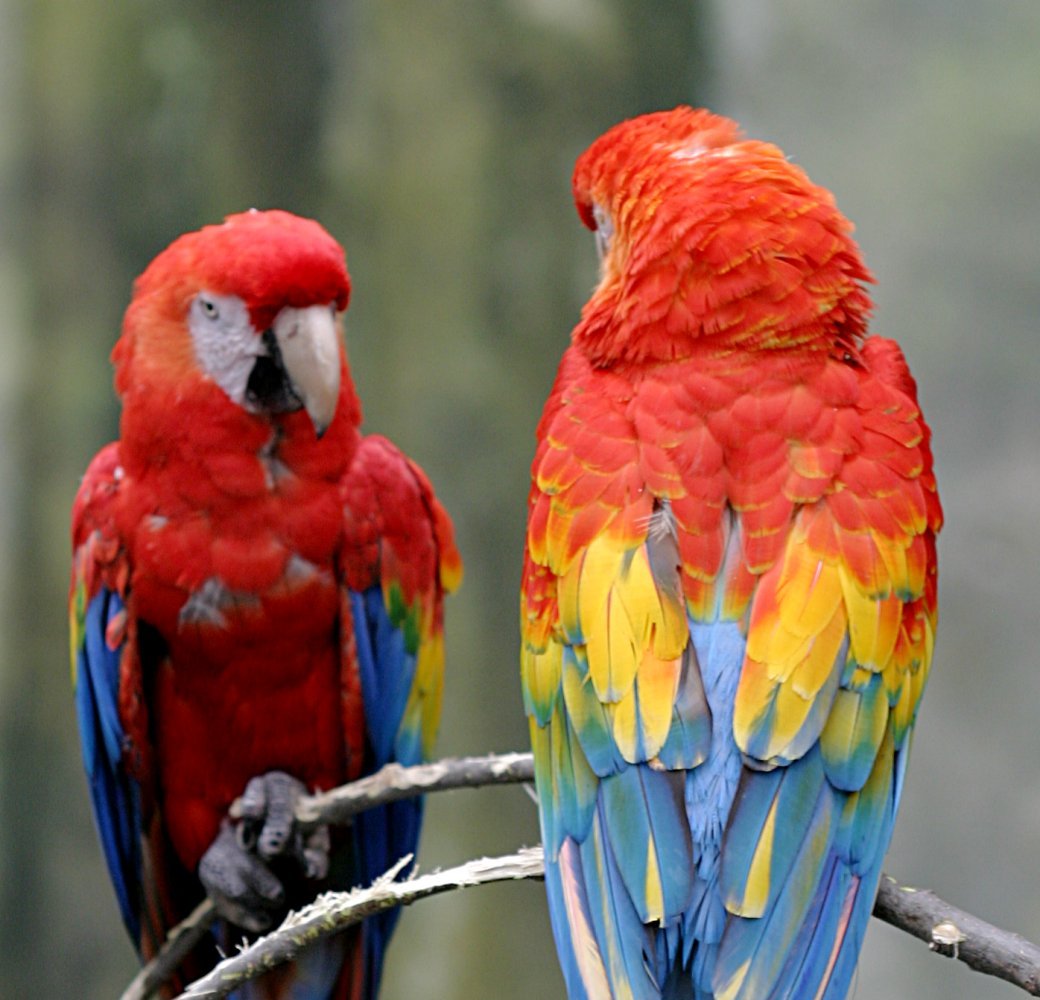
StatusLeast Concern
Primary HabitatRainforest
Ecosystem RoleSeed disperser
Human ImpactPet trade and habitat loss
Adaptability
60
Himalayan monal
C
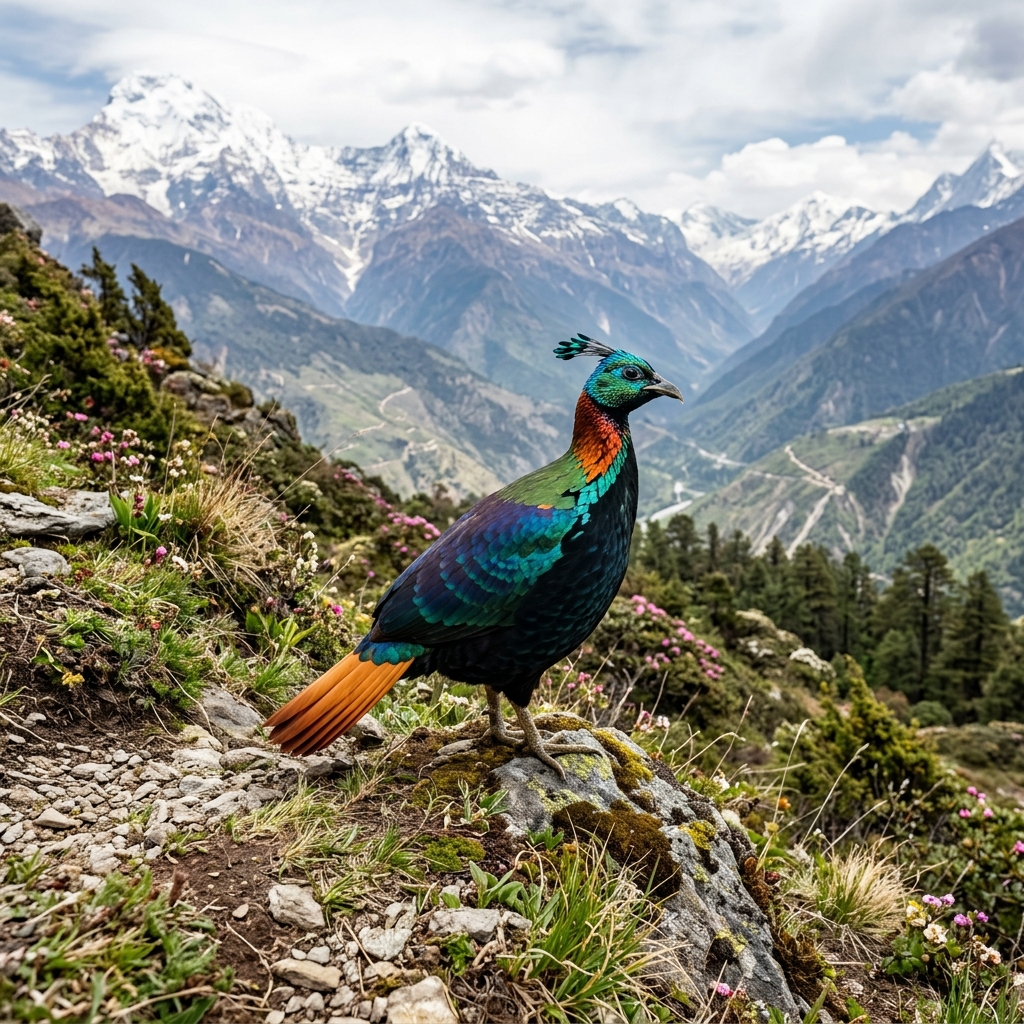
StatusLeast Concern
Primary HabitatHimalayan scrub and forests
Ecosystem RoleSeed disperser
Human ImpactThreatened by habitat loss and hunting
Adaptability
40
Kingfisher
C
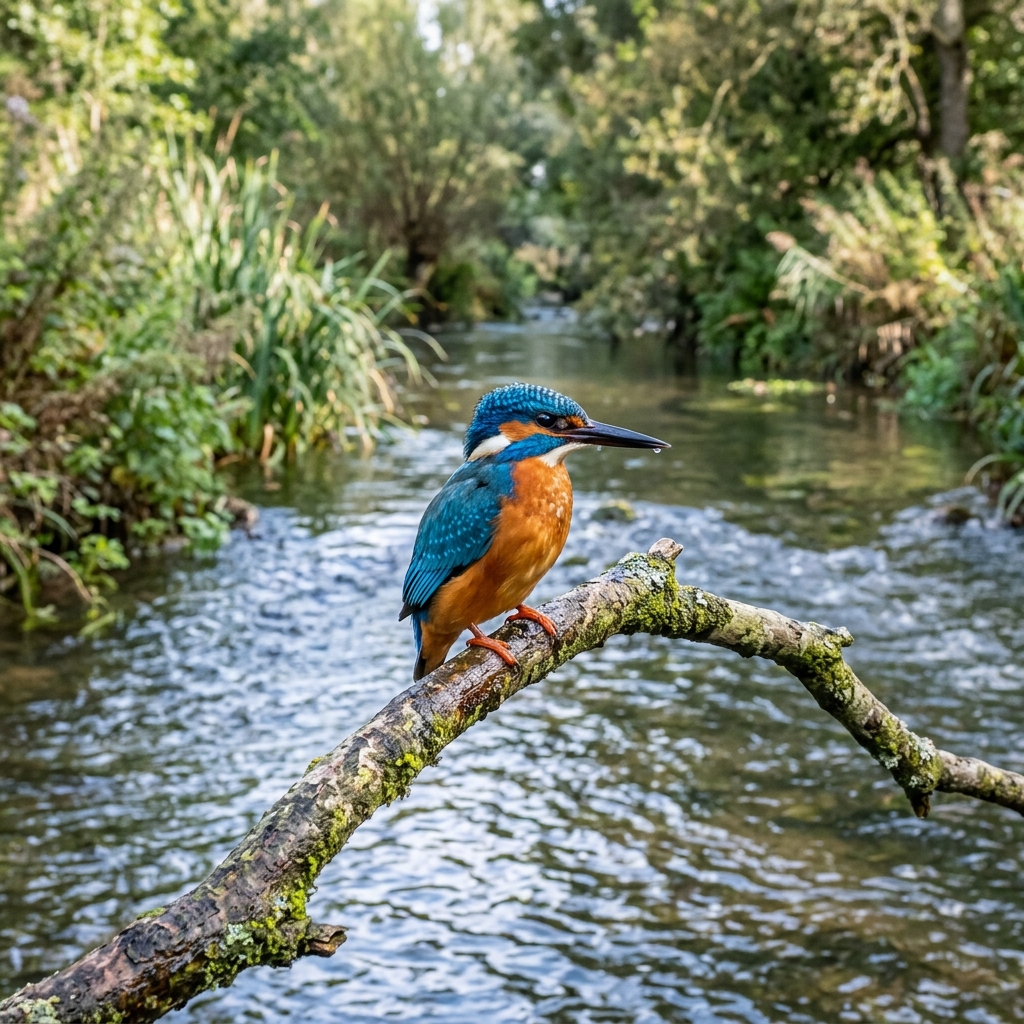
StatusLeast Concern
Primary HabitatRivers and streams
Ecosystem RolePredator
Human ImpactVulnerable to harsh winters and pollution
Adaptability
50
Burrowing Owl
C
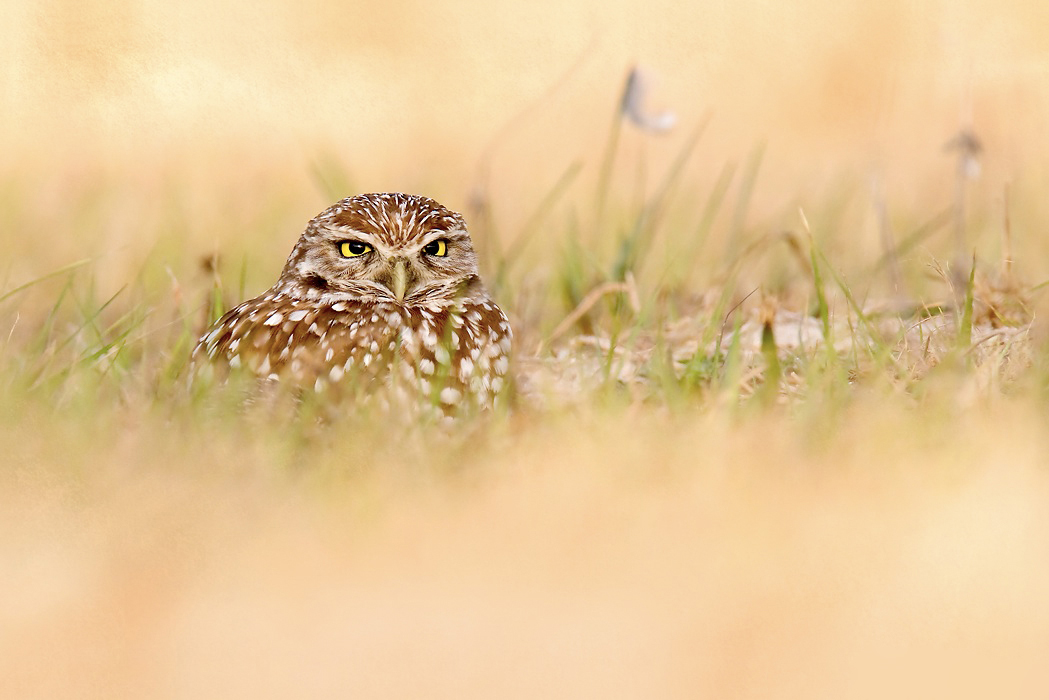
StatusLeast Concern
Primary HabitatGrasslands and deserts
Ecosystem RolePredator of insects and small rodents
Human ImpactHabitat loss from agriculture and development
Adaptability
50
Toucan
C
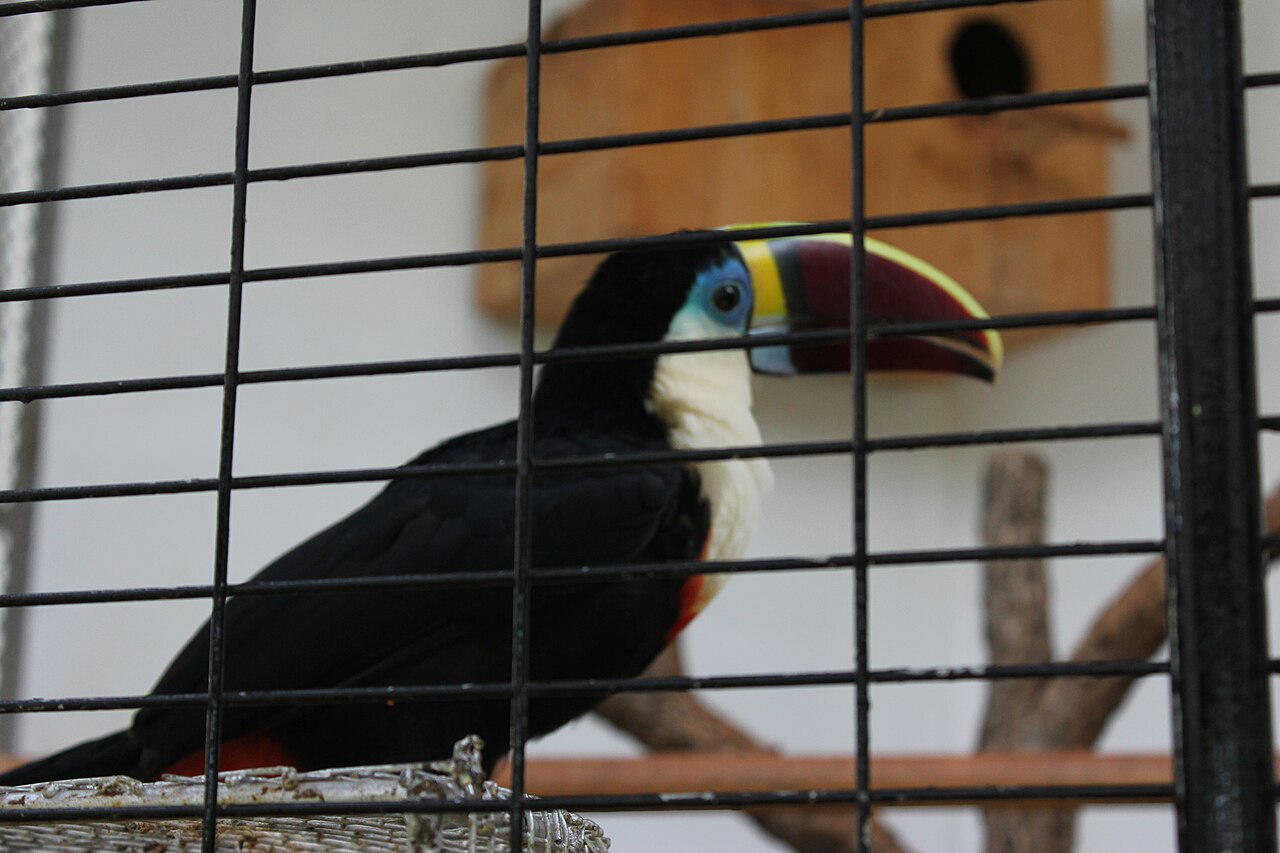
StatusLeast Concern
Primary HabitatRainforest canopy
Ecosystem RoleSeed disperser
Human ImpactThreatened by deforestation and pet trade
Adaptability
40
Golden Eagle
C
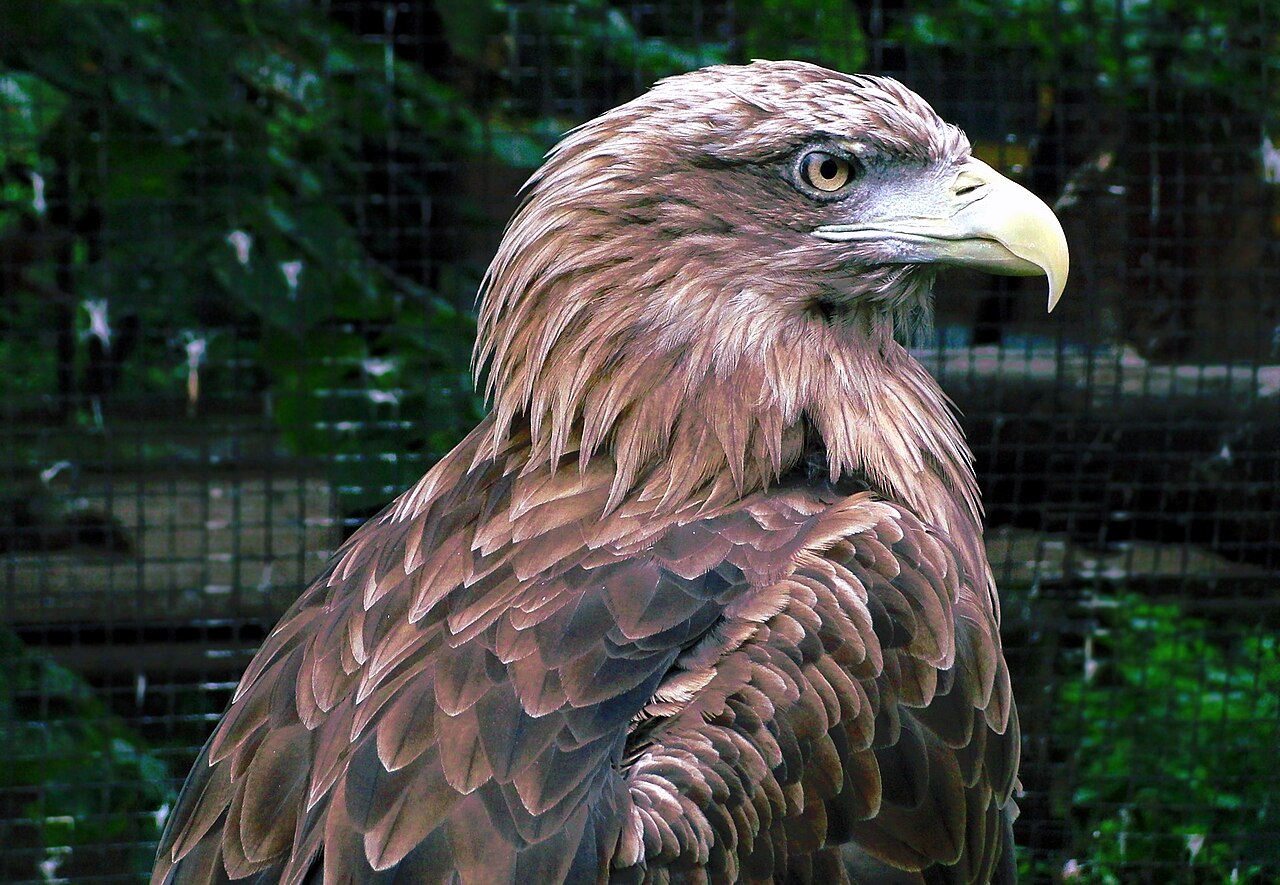
StatusLeast Concern
Primary HabitatMountains and open country
Ecosystem RoleApex Predator
Human ImpactElectrocution on power lines and poisoning
Adaptability
75
Oystercatcher
C
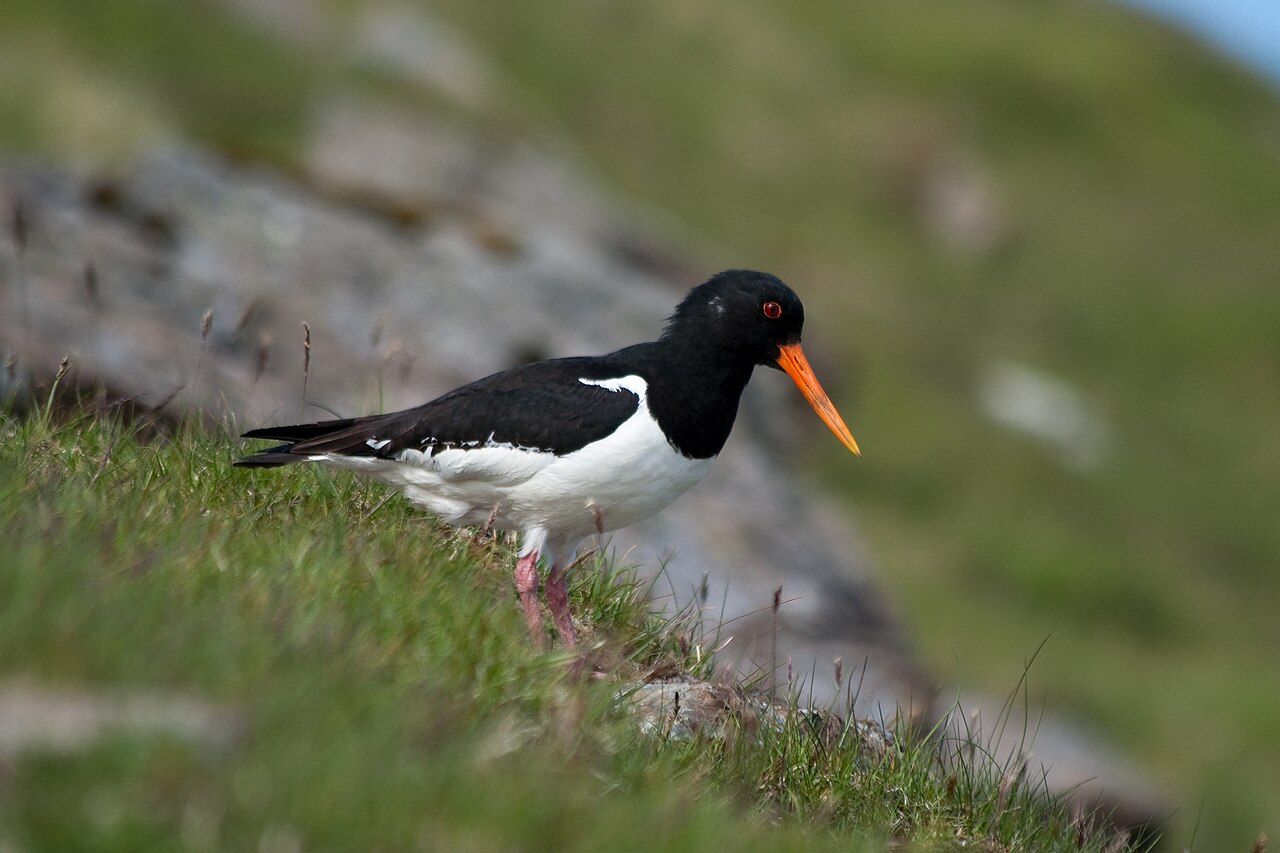
StatusNear Threatened (varies by region)
Primary HabitatCoastal shores and estuaries
Ecosystem RolePredator of benthic invertebrates
Human ImpactDisturbance of nesting sites by coastal recreation
Adaptability
60
Cormorant
C
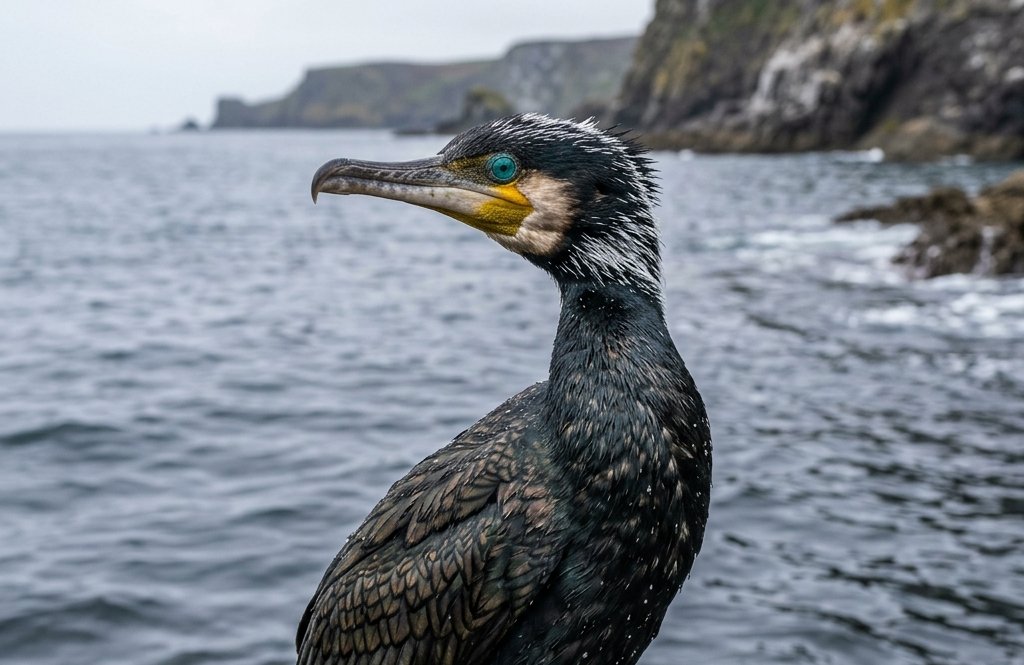
StatusLeast Concern
Primary HabitatCoastal areas, lakes, and rivers
Ecosystem RolePiscivore (fish predator)
Human ImpactPersecuted by fisheries, affected by marine pollution
Adaptability
75
Kestrel
C
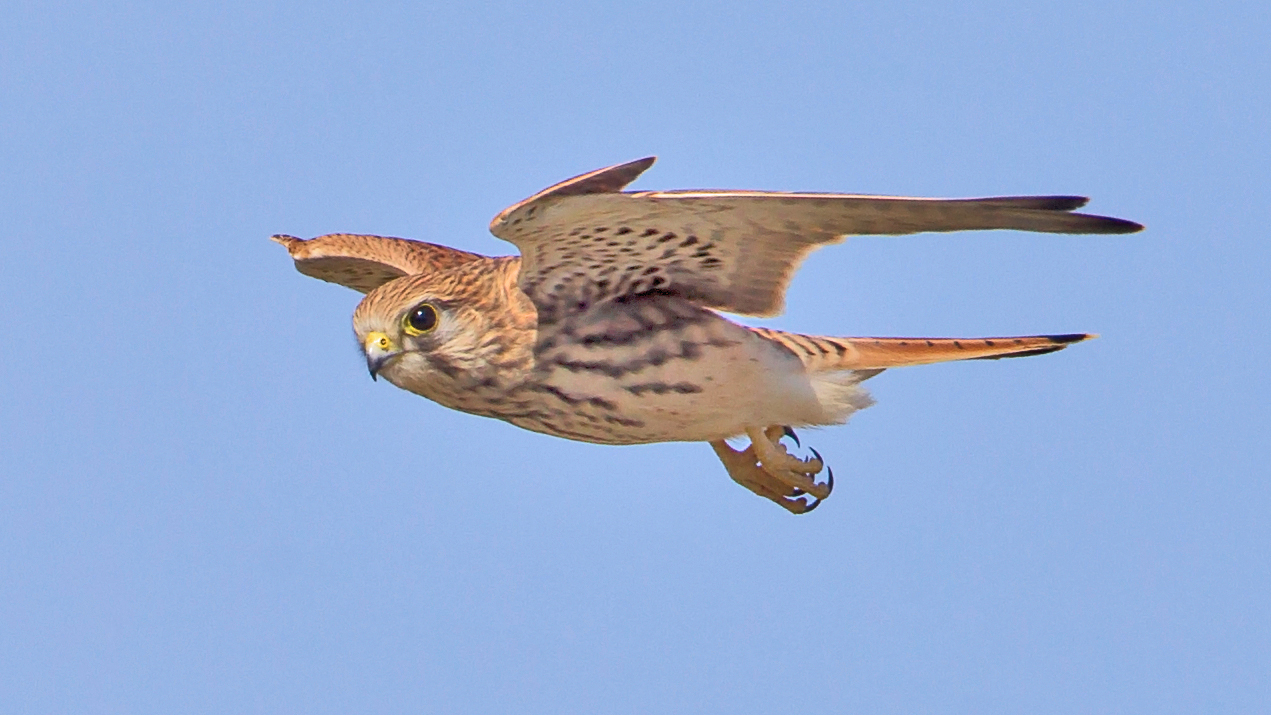
StatusLeast Concern
Primary HabitatGrasslands, heaths, and farmland
Ecosystem RolePredator of small mammals
Human ImpactAffected by agricultural intensification
Adaptability
80
Bee Hummingbird
C
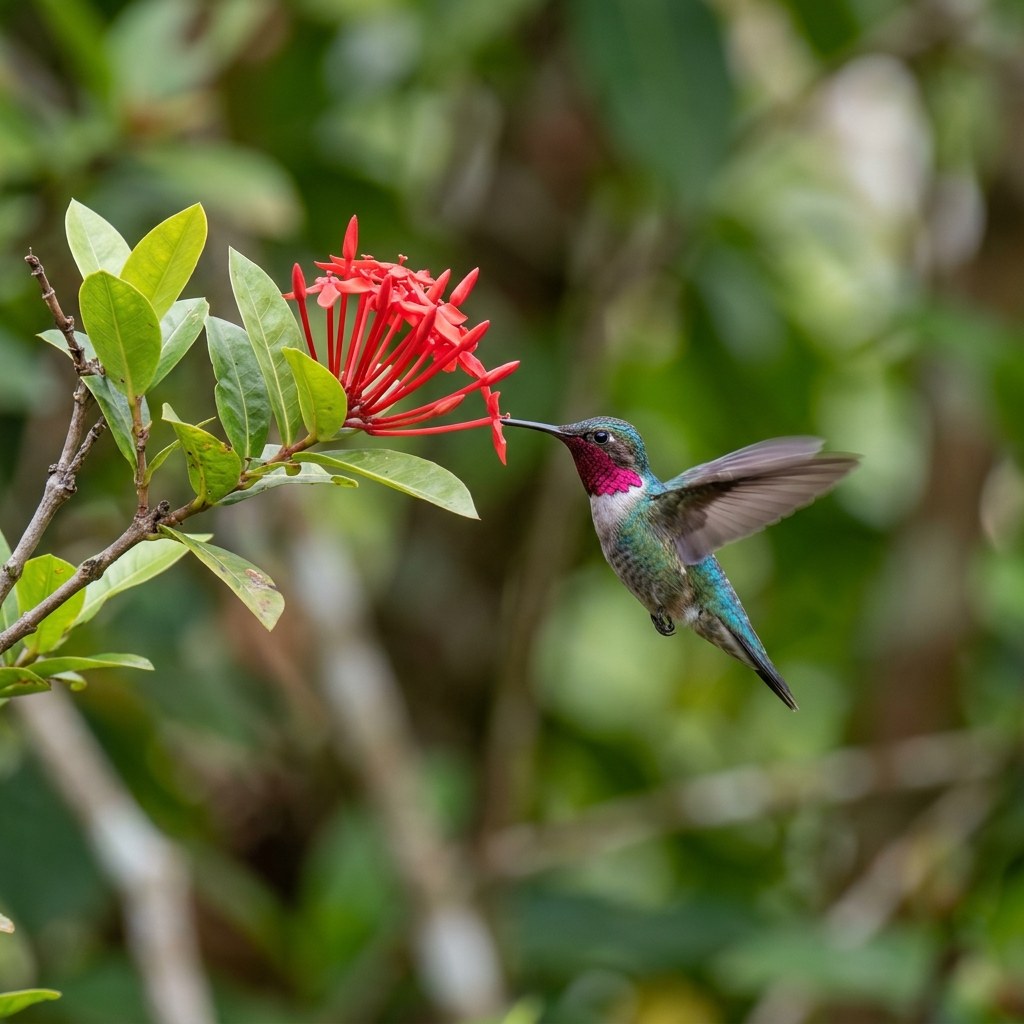
StatusNear Threatened
Primary HabitatForest edges
Ecosystem RolePollinator
Human ImpactDeforestation
Adaptability
30
Peregrine Falcon
C
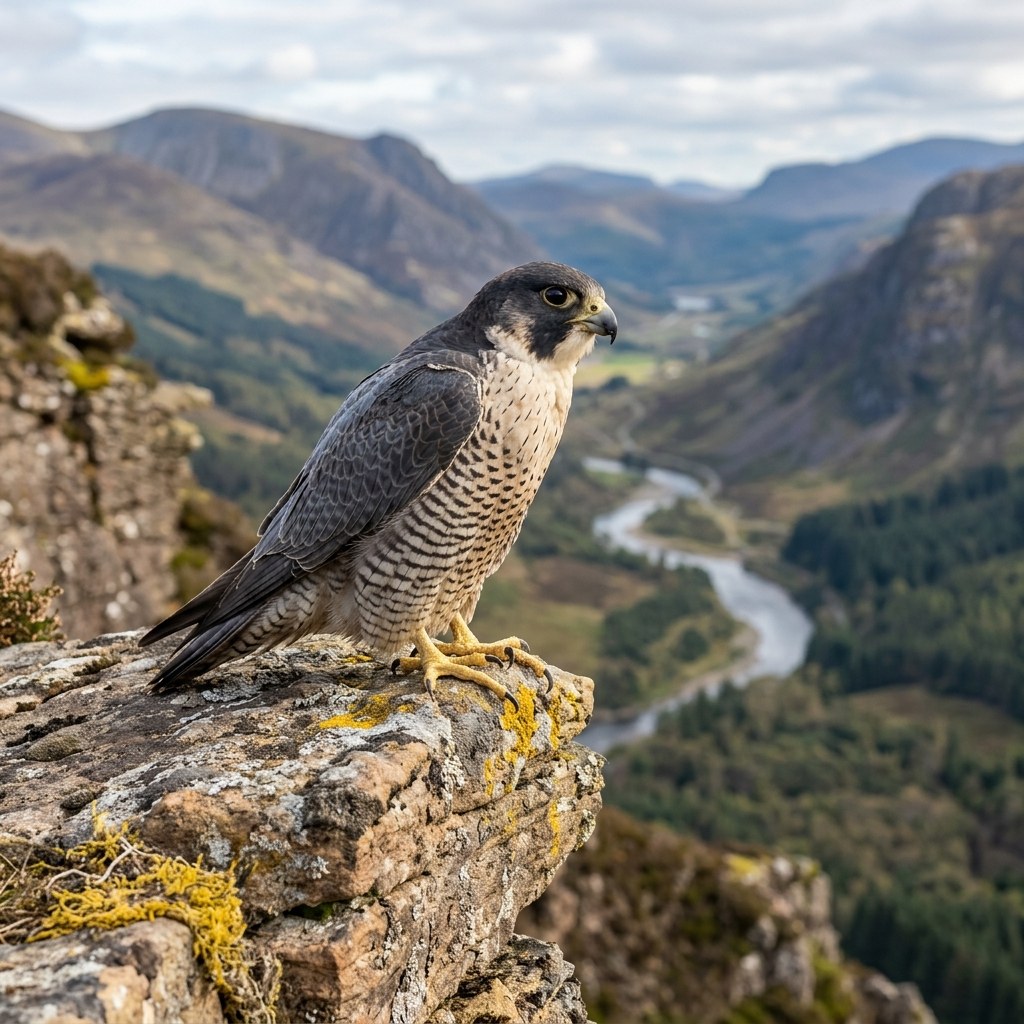
StatusLeast Concern
Primary HabitatCliffs, urban areas
Ecosystem RoleApex avian predator
Human ImpactRecovered from DDT
Adaptability
85
Swan
C
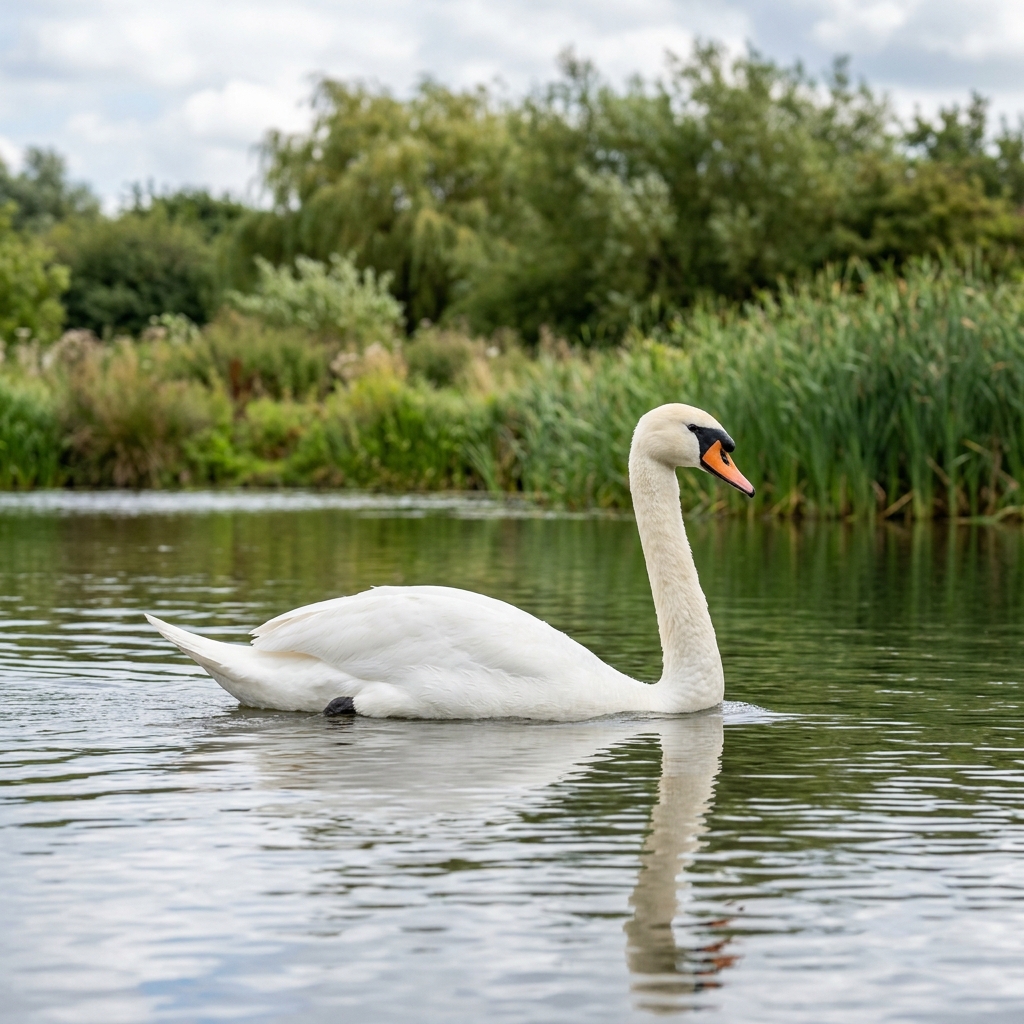
StatusLeast Concern
Primary HabitatLakes and rivers
Ecosystem RoleAquatic herbivore
Human ImpactProtected by the Crown
Adaptability
70
Grey Heron
C
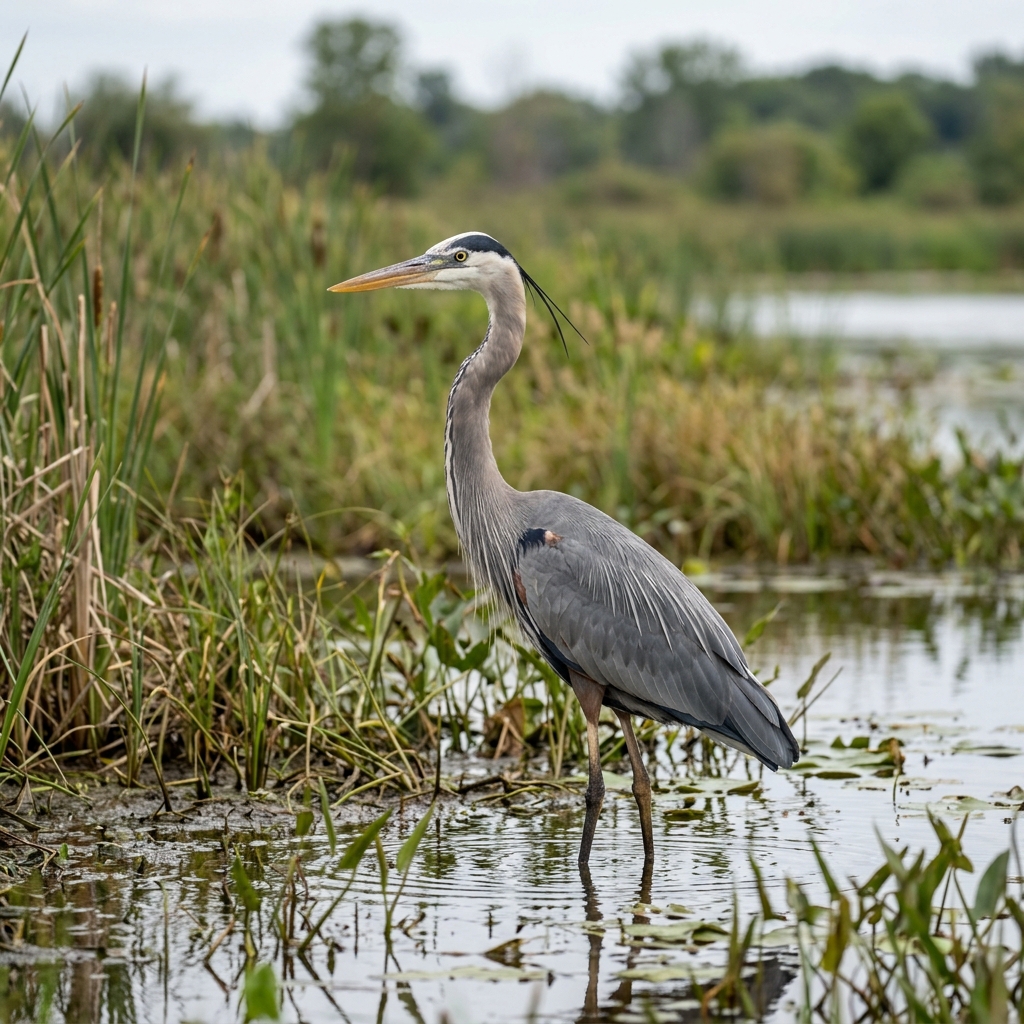
StatusLeast Concern
Primary HabitatWetlands and rivers
Ecosystem RoleApex predator of ponds
Human ImpactSometimes considered a pest by fish owners
Adaptability
75
Duck
C
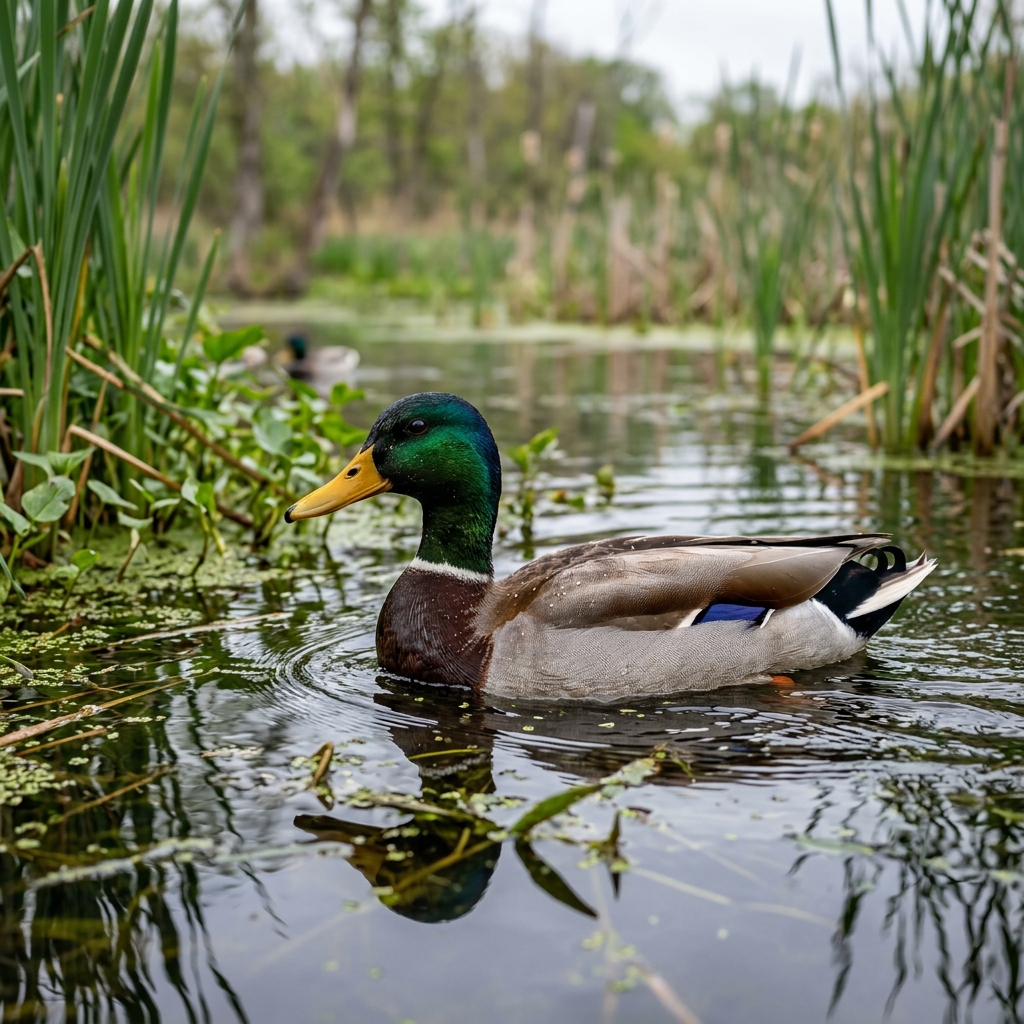
StatusLeast Concern
Primary HabitatPonds and rivers
Ecosystem RoleOmnivore
Human ImpactVery common in urban parks
Adaptability
95
Robin
C
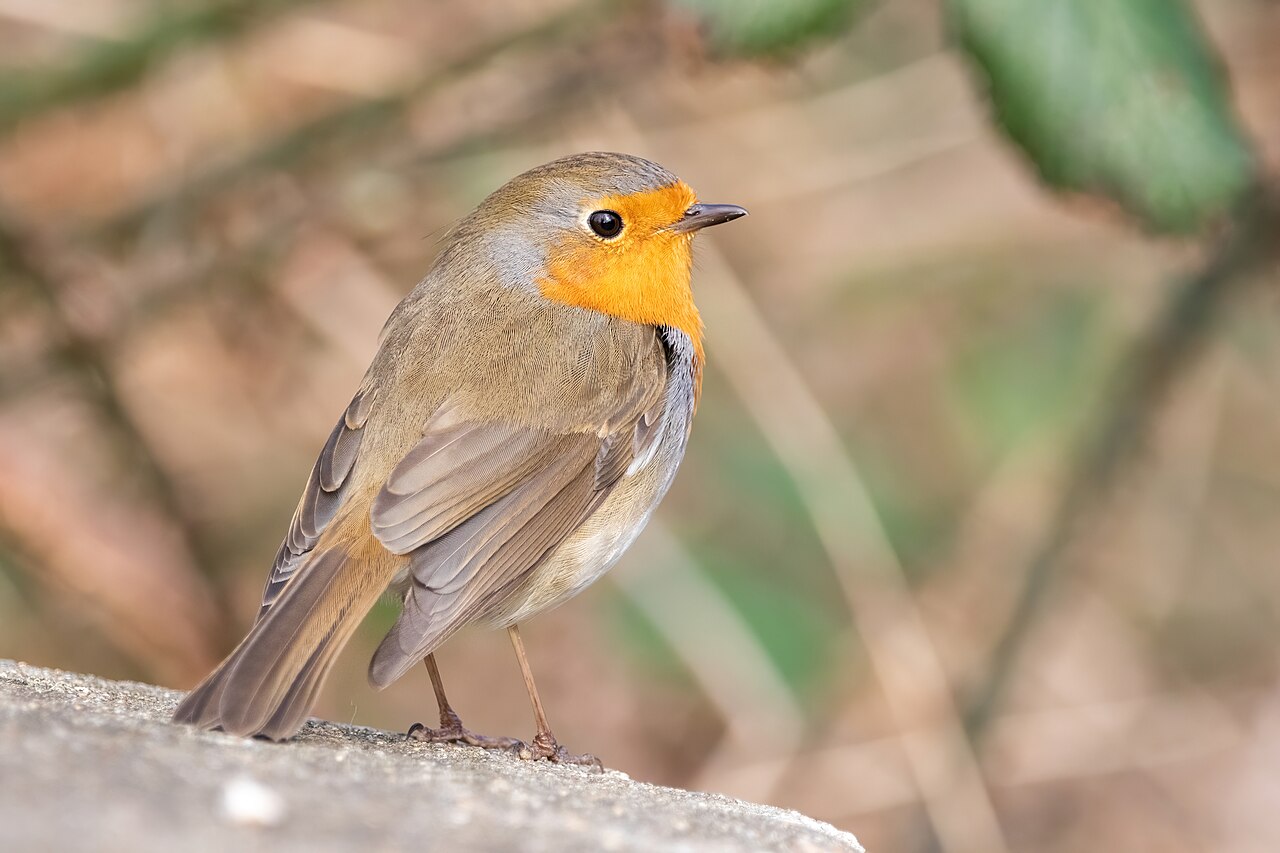
StatusLeast Concern
Primary HabitatGardens and woodland
Ecosystem RoleInsect control
Human ImpactUK's favourite bird
Adaptability
85
Blue Tit
C
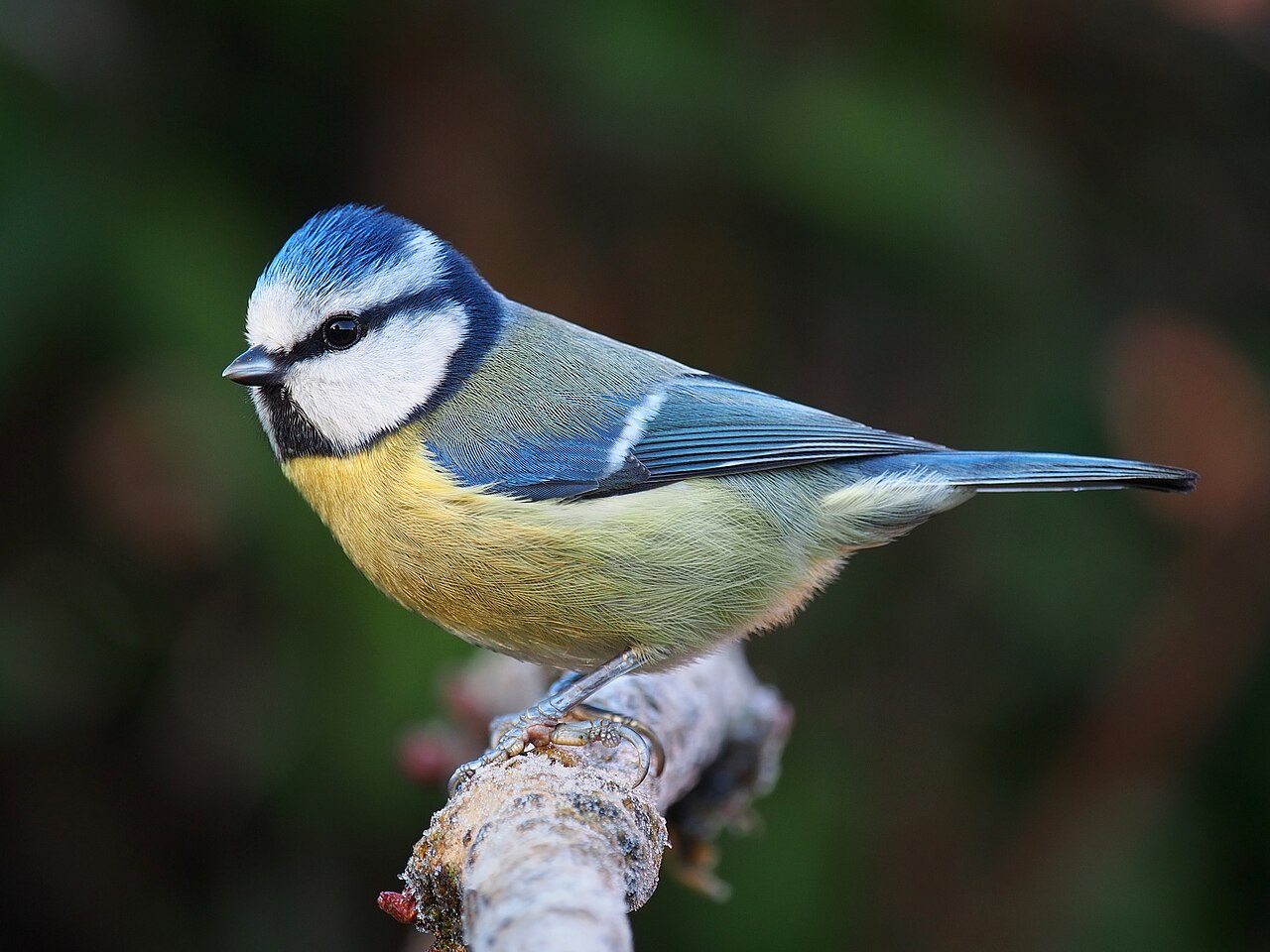
StatusLeast Concern
Primary HabitatWoodland and gardens
Ecosystem RolePest control
Human ImpactSupported by bird feeders
Adaptability
90
Woodpigeon
C
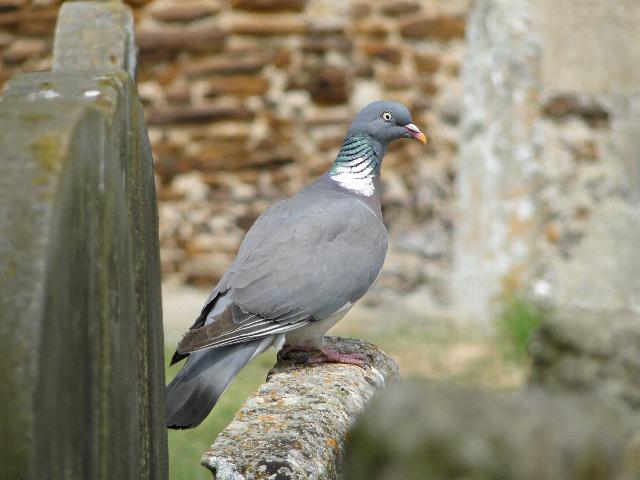
StatusLeast Concern
Primary HabitatWoodland and gardens
Ecosystem RoleSeed consumer
Human ImpactCommon agricultural pest
Adaptability
90
Penguin
C
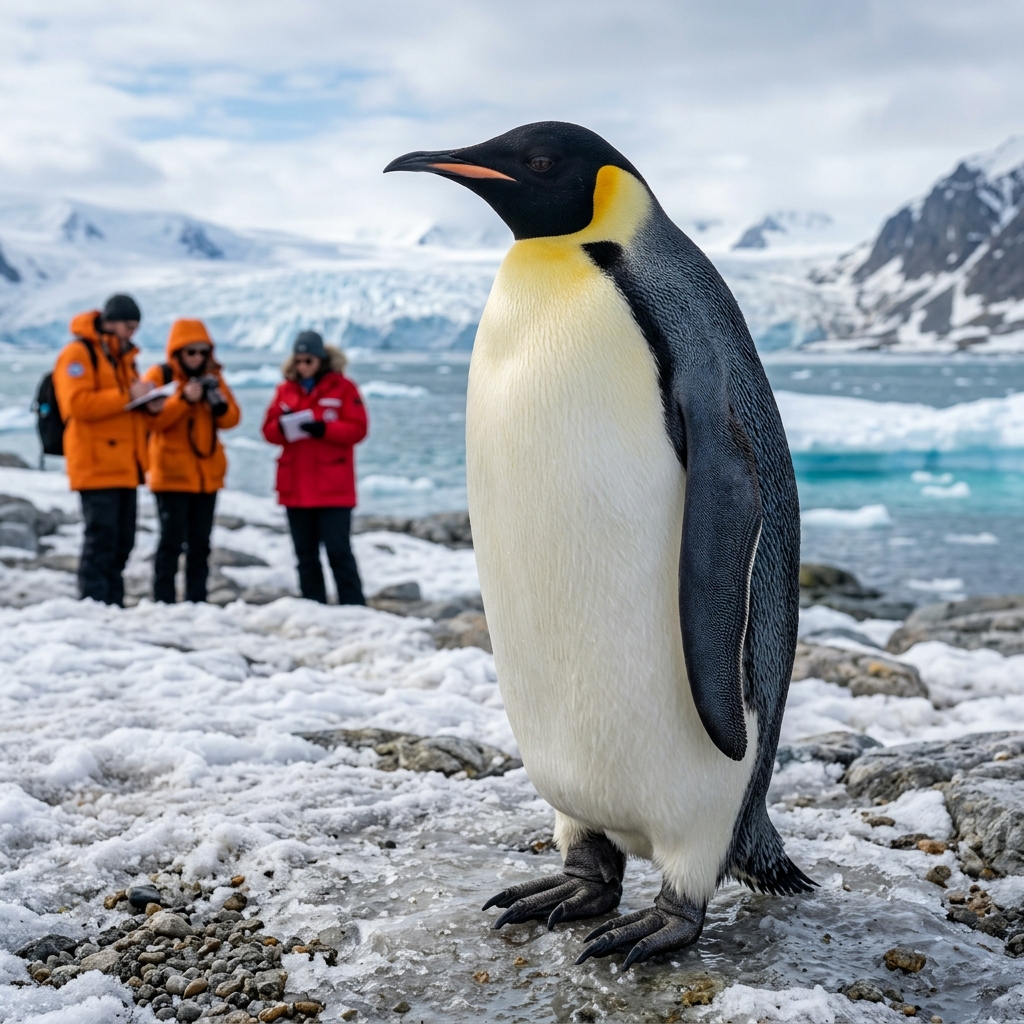
StatusNear Threatened
Primary HabitatAntarctic ice
Ecosystem RoleMarine predator
Human ImpactClimate change melting sea ice
Adaptability
30
Swift
C
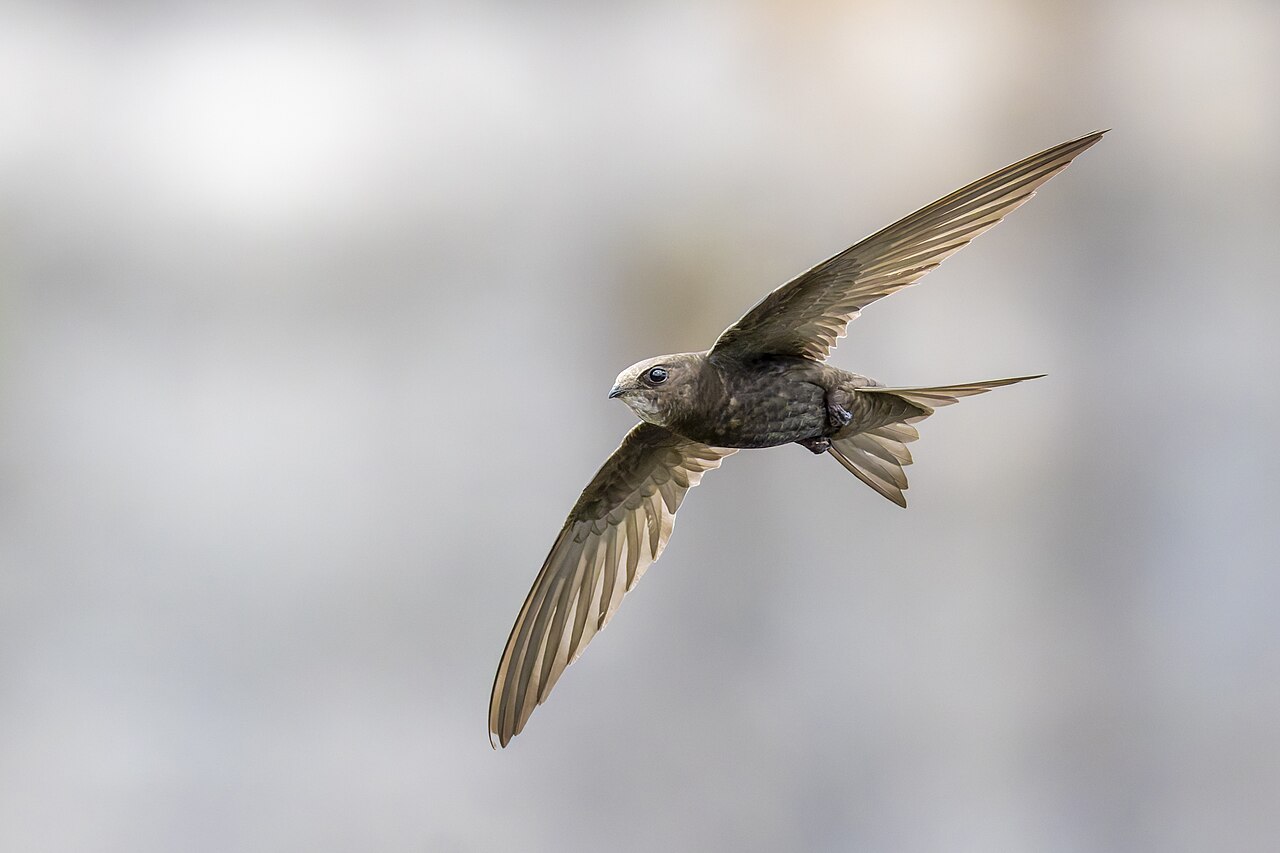
StatusEndangered (UK)
Primary HabitatAerial / Urban
Ecosystem RoleAerial insectivore
Human ImpactLoss of nesting sites in modern buildings
Adaptability
40
Swallow
C
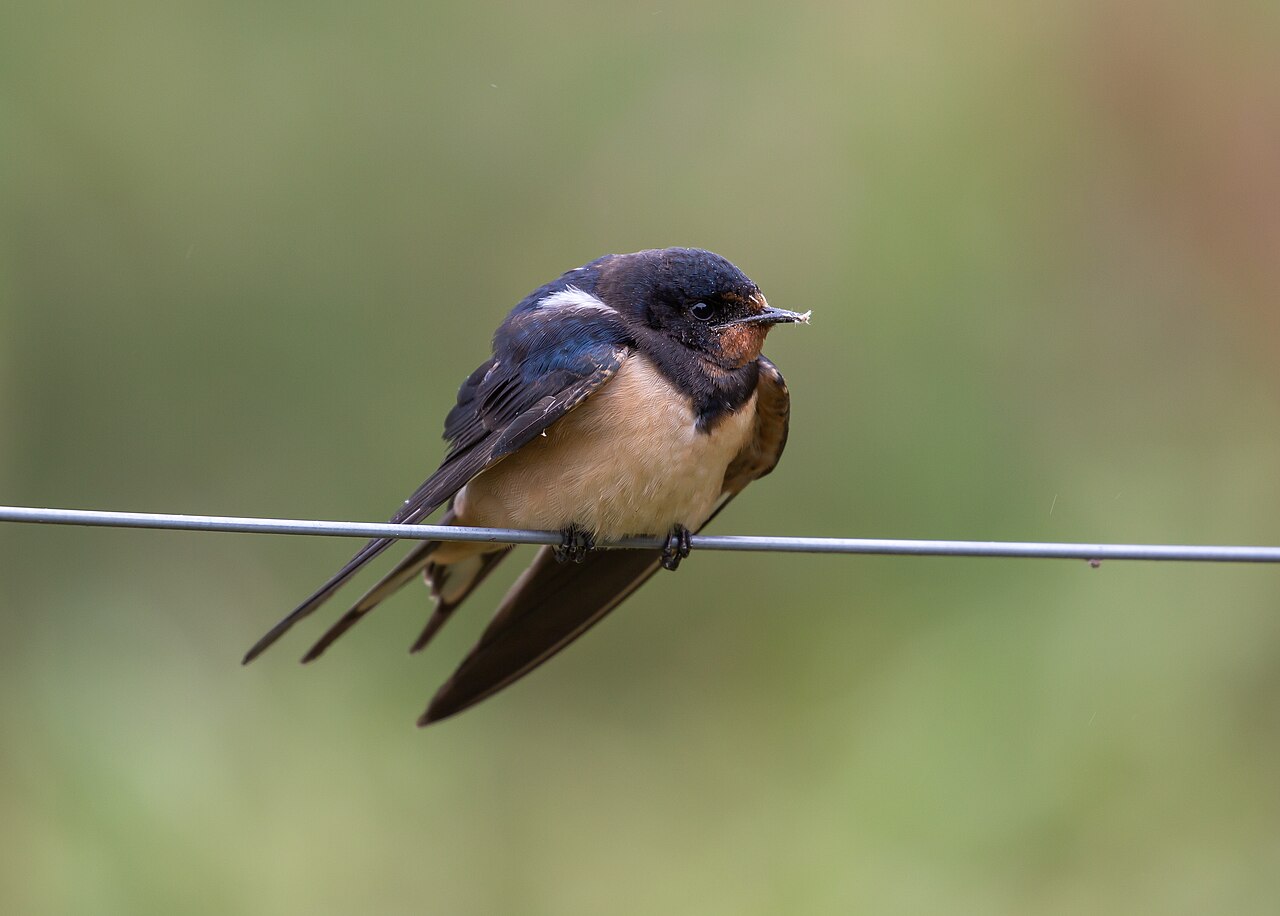
StatusGreen (UK)
Primary HabitatFarmland
Ecosystem RoleAerial insectivore
Human ImpactAffected by decline in flying insects
Adaptability
60
Chicken
C
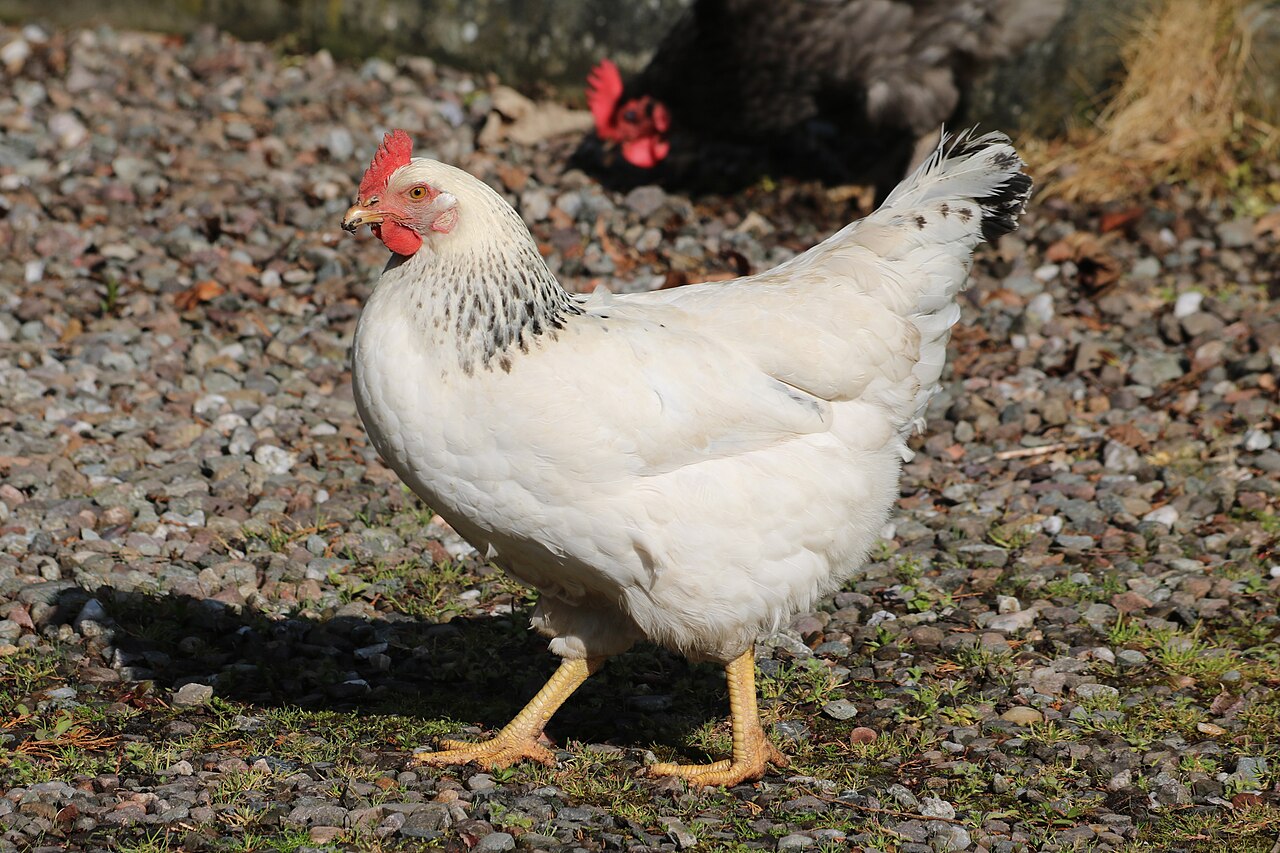
StatusDomesticated
Primary HabitatFarms
Ecosystem RoleOmnivore
Human ImpactMost abundant bird on Earth
Adaptability
95
Pheasant
C
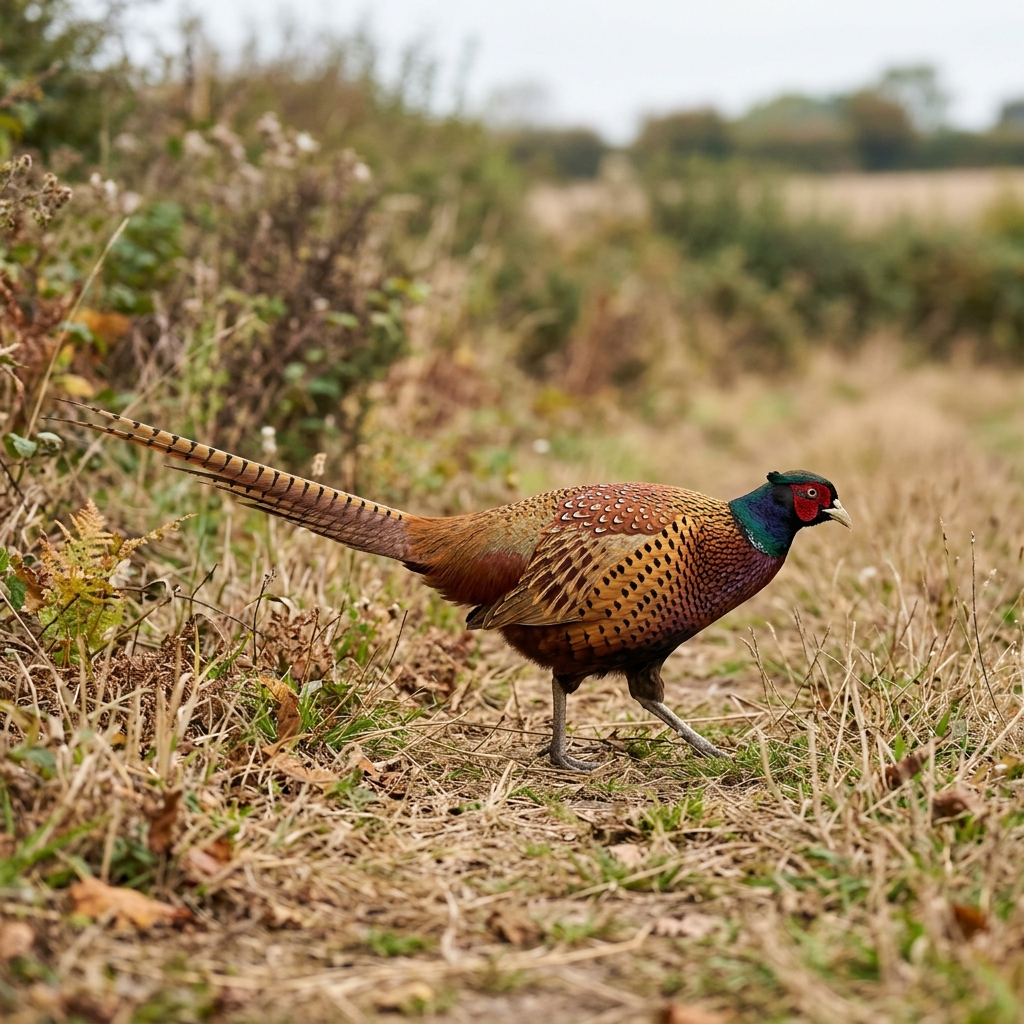
StatusIntroduced
Primary HabitatFarmland and woodland
Ecosystem RoleSeed eater
Human ImpactBred in millions for shooting
Adaptability
80
Seagull
C
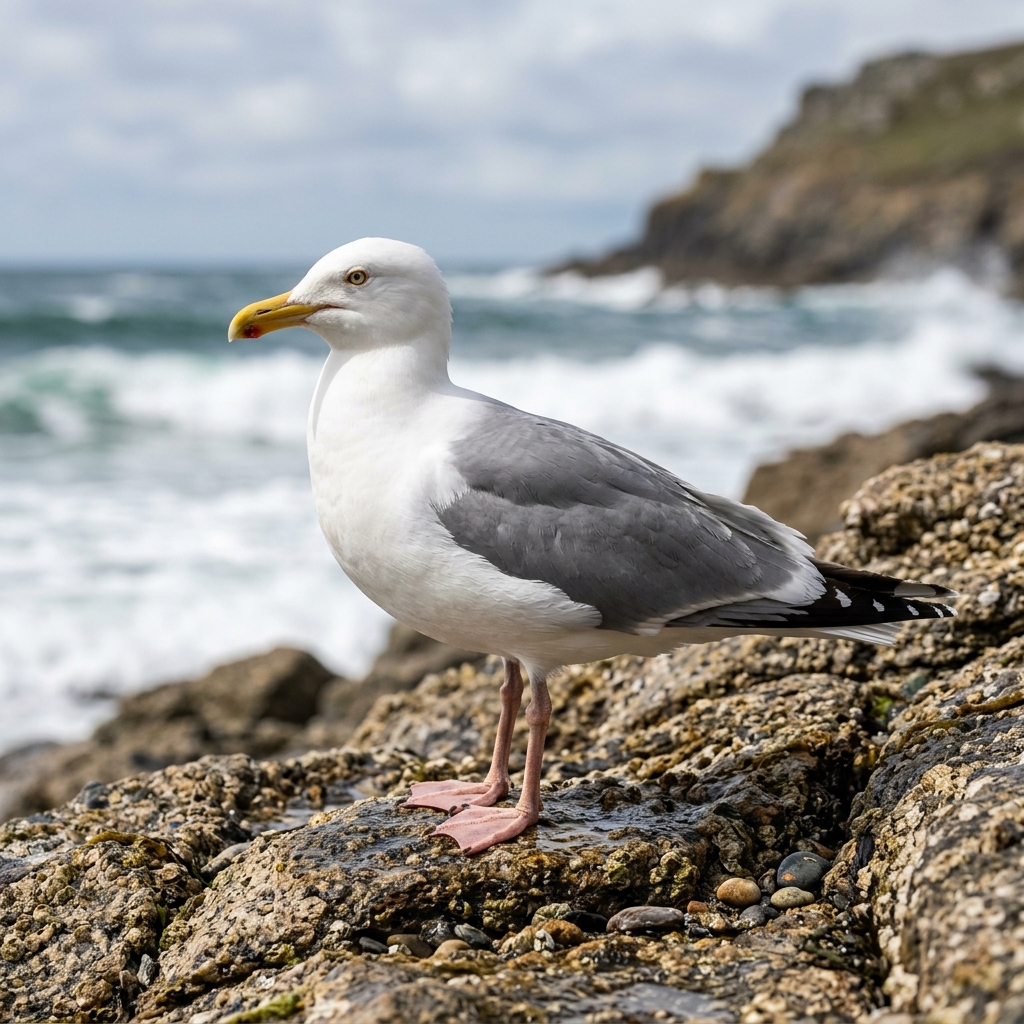
StatusRed (UK) - Declining
Primary HabitatCoasts and urban areas
Ecosystem RoleScavenger
Human ImpactHighly adapted to stealing human food
Adaptability
95
Puffin
C
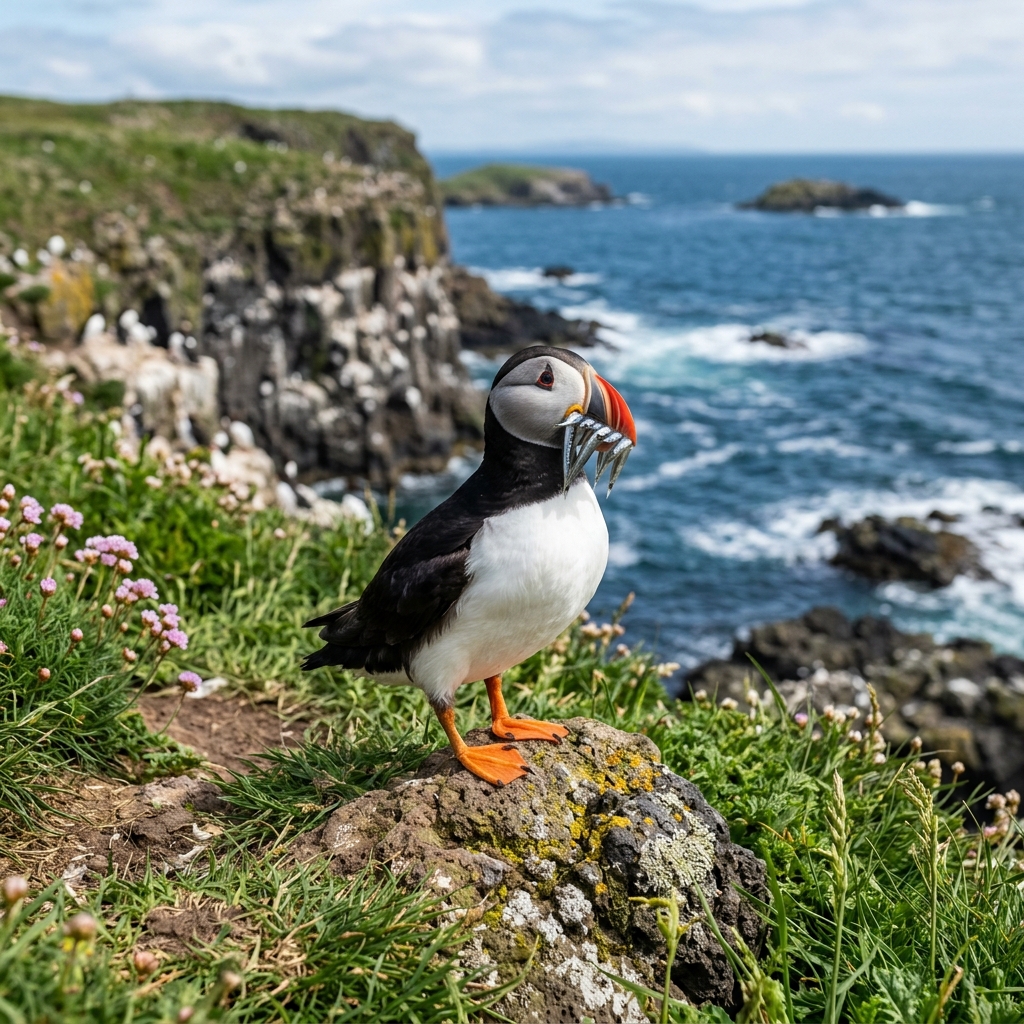
StatusVulnerable
Primary HabitatSea cliffs
Ecosystem RoleMarine bird
Human ImpactOverfishing of sandeels
Adaptability
40
The Swallow's Sun Compass
C
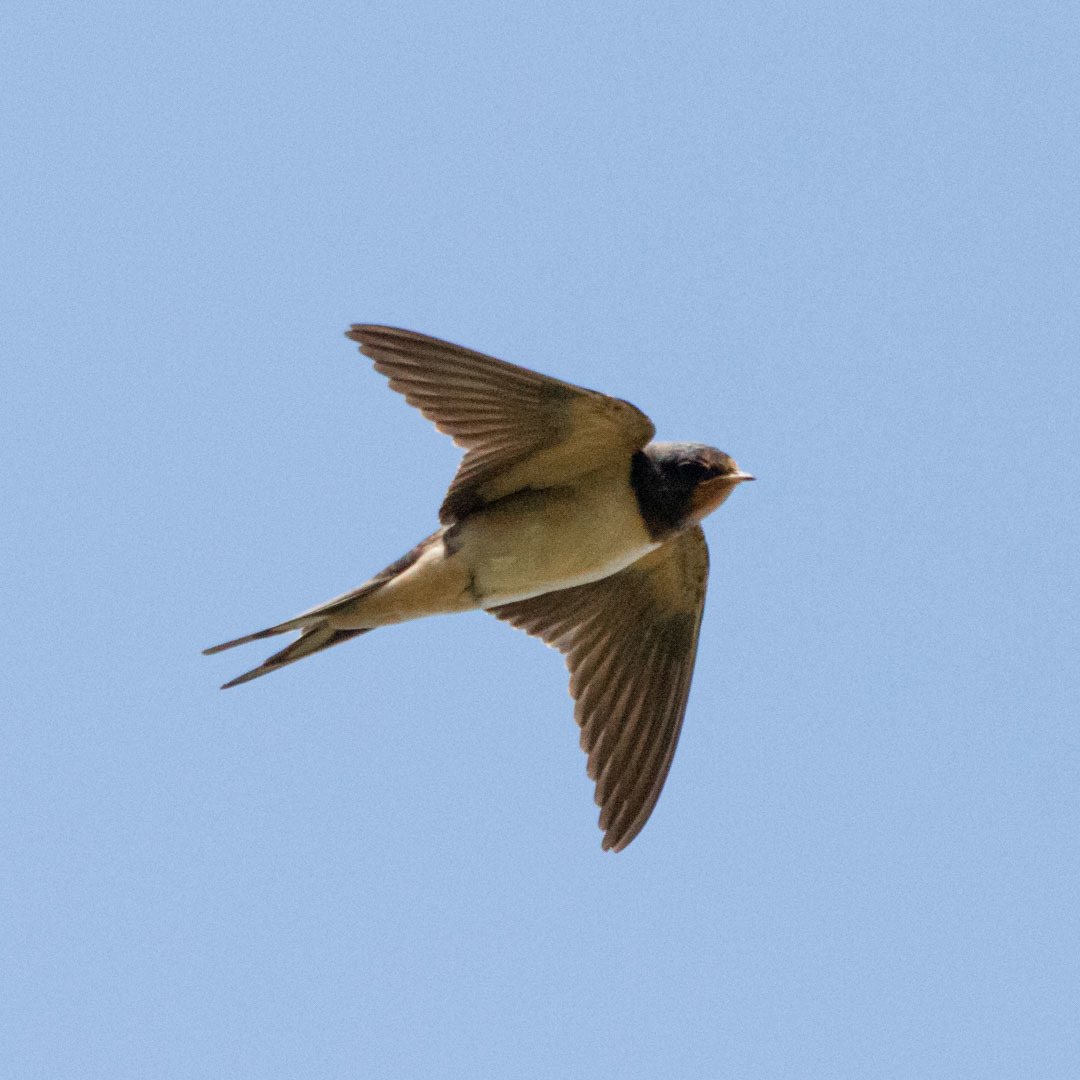
StatusGreen (UK)
Primary HabitatFarmland
Ecosystem RoleAerial insectivore
Human ImpactAffected by decline in flying insects
Adaptability
60
Blackbird
C
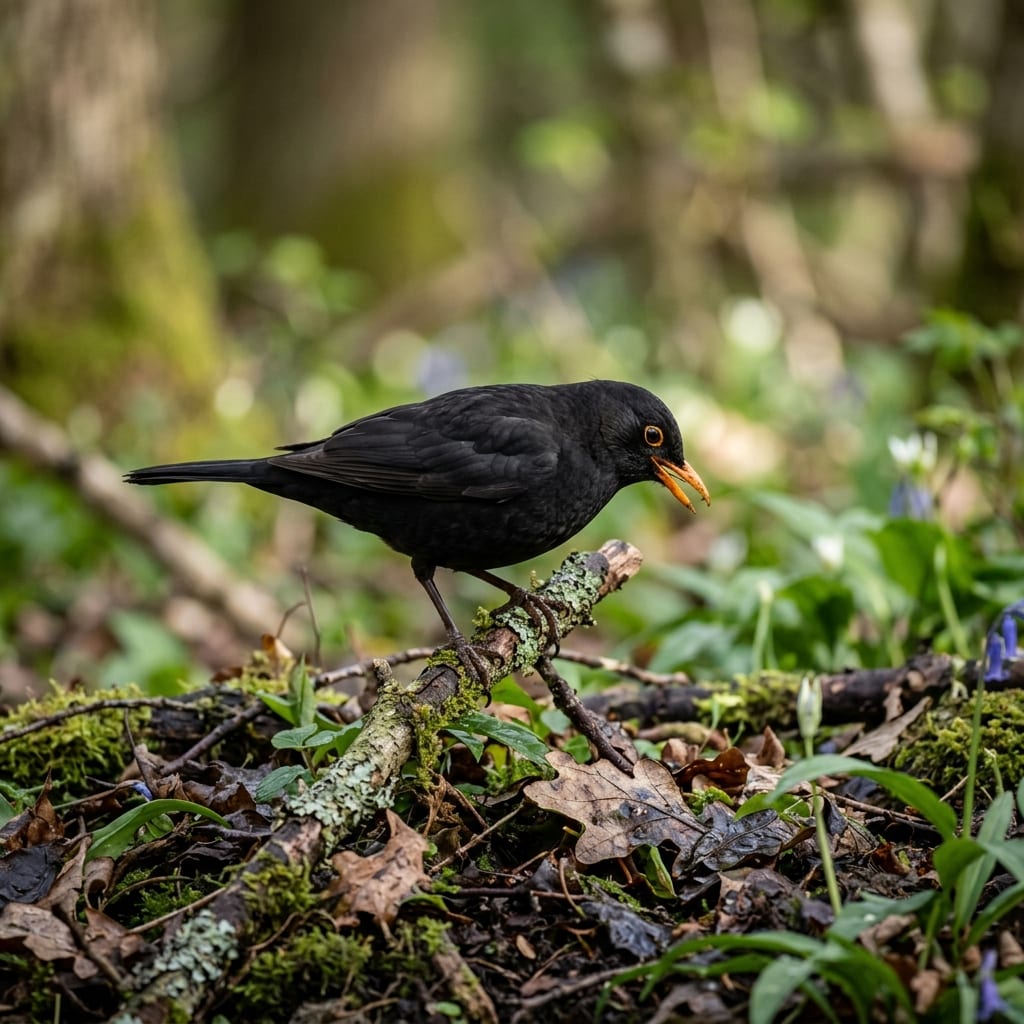
StatusGreen (UK Birds of Conservation Concern)
Primary HabitatGardens, woodlands, parks and hedgerows
Ecosystem RoleSeed disperser and insect predator
Human ImpactThrives alongside people in gardens and parks
Adaptability
90
Fieldfare
C
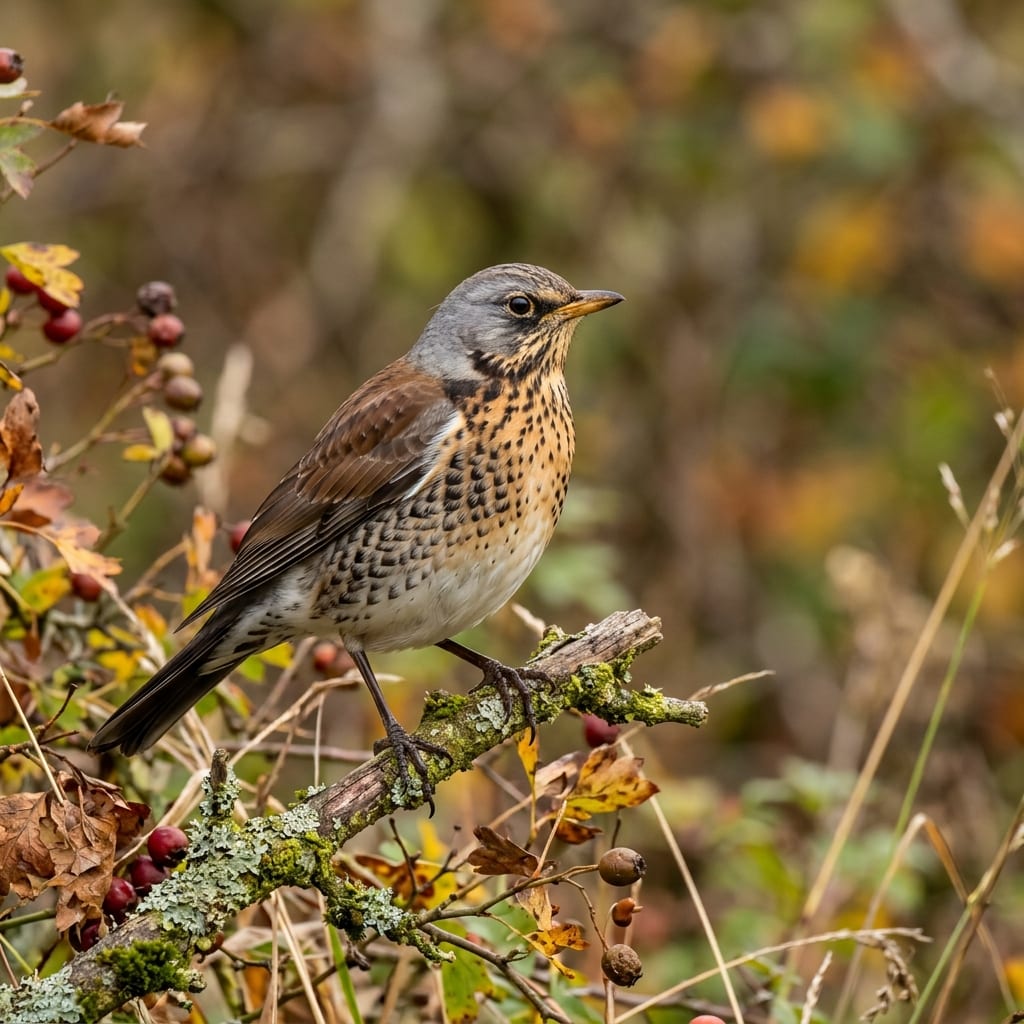
StatusRed (UK Birds of Conservation Concern) — a very rare breeder
Primary HabitatOpen fields, hedgerows and orchards in winter
Ecosystem RoleSeed disperser of berries across the countryside
Human ImpactDepends on hedgerows and orchards for winter food
Adaptability
70
Redwing
C
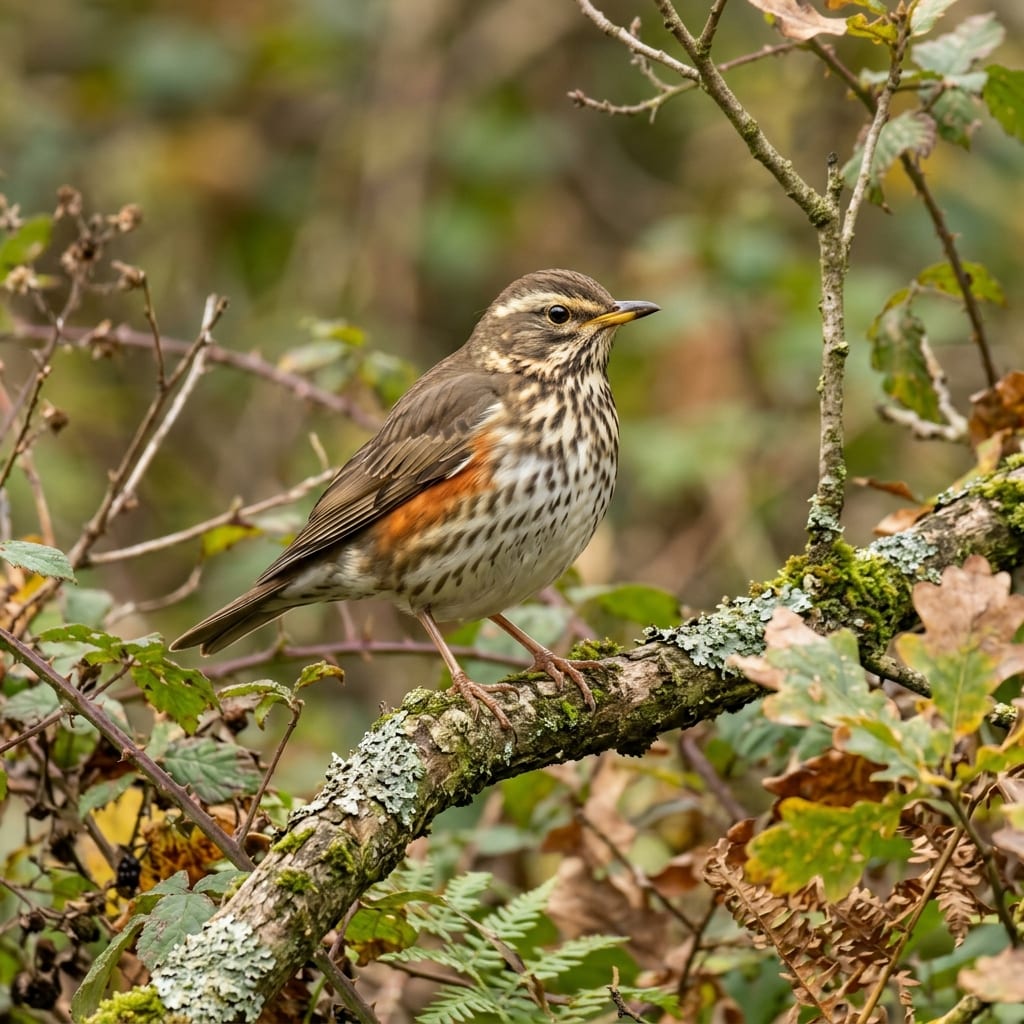
StatusRed (UK Birds of Conservation Concern) — a very rare breeder
Primary HabitatFields, hedgerows and woodland edges in winter
Ecosystem RoleSeed disperser and invertebrate predator
Human ImpactRelies on hedgerow berries through winter
Adaptability
70
Song Thrush
C
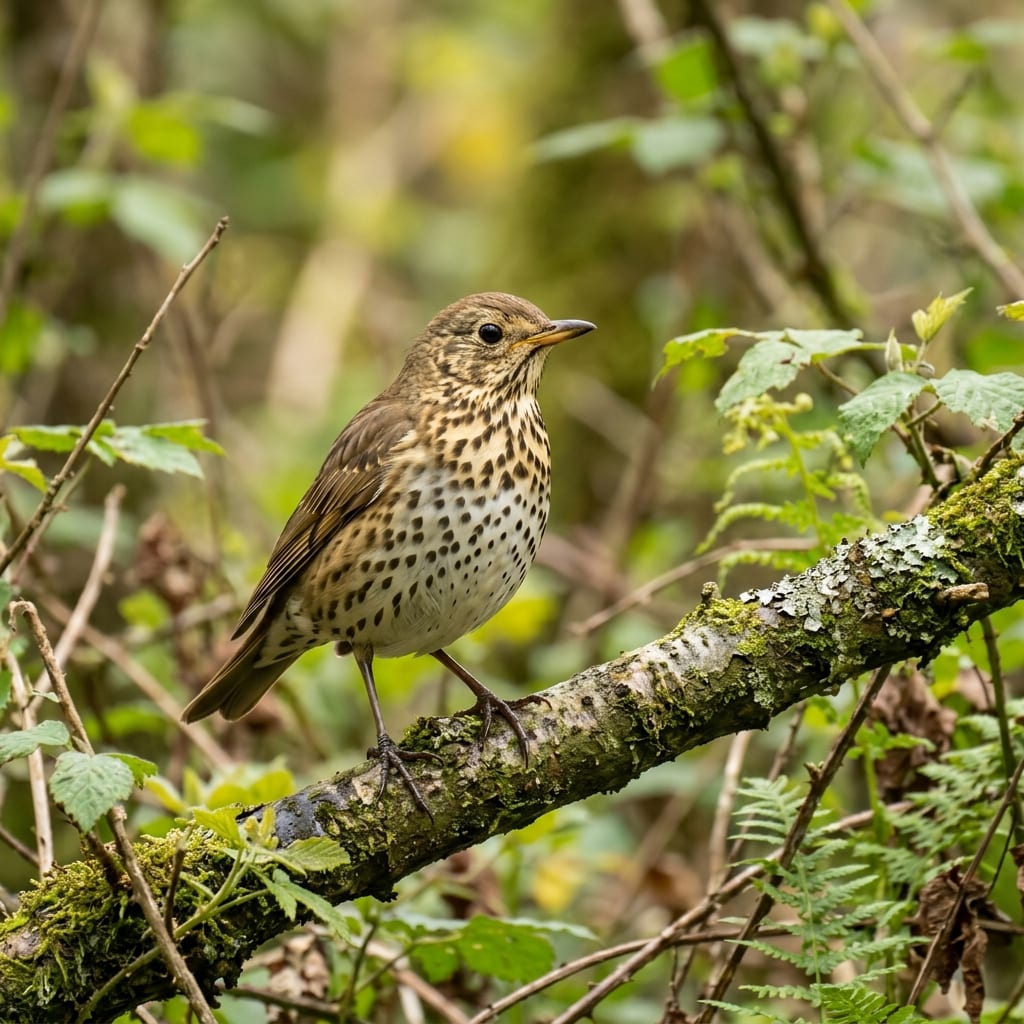
StatusAmber (UK Birds of Conservation Concern)
Primary HabitatGardens, woodlands, parks and hedgerows
Ecosystem RoleControls snail and insect numbers; disperses seeds
Human ImpactHas declined on farmland; welcome in gardens
Adaptability
75
Goldfinch
C
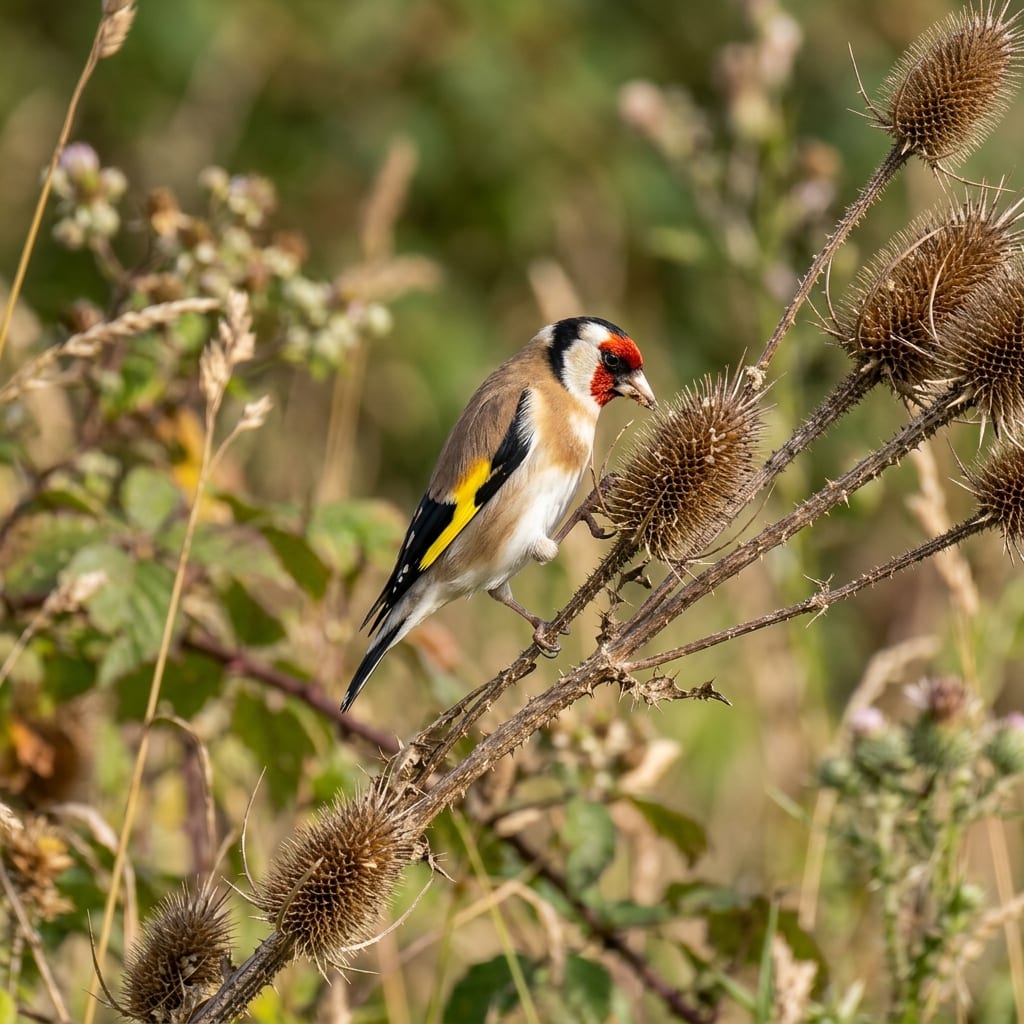
StatusGreen (UK Birds of Conservation Concern)
Primary HabitatGardens, parklands, waste ground and meadows
Ecosystem RoleSeed-eater that helps control weedy plants
Human ImpactHas increased thanks to garden feeding on nyjer seed
Adaptability
85
Bullfinch
C
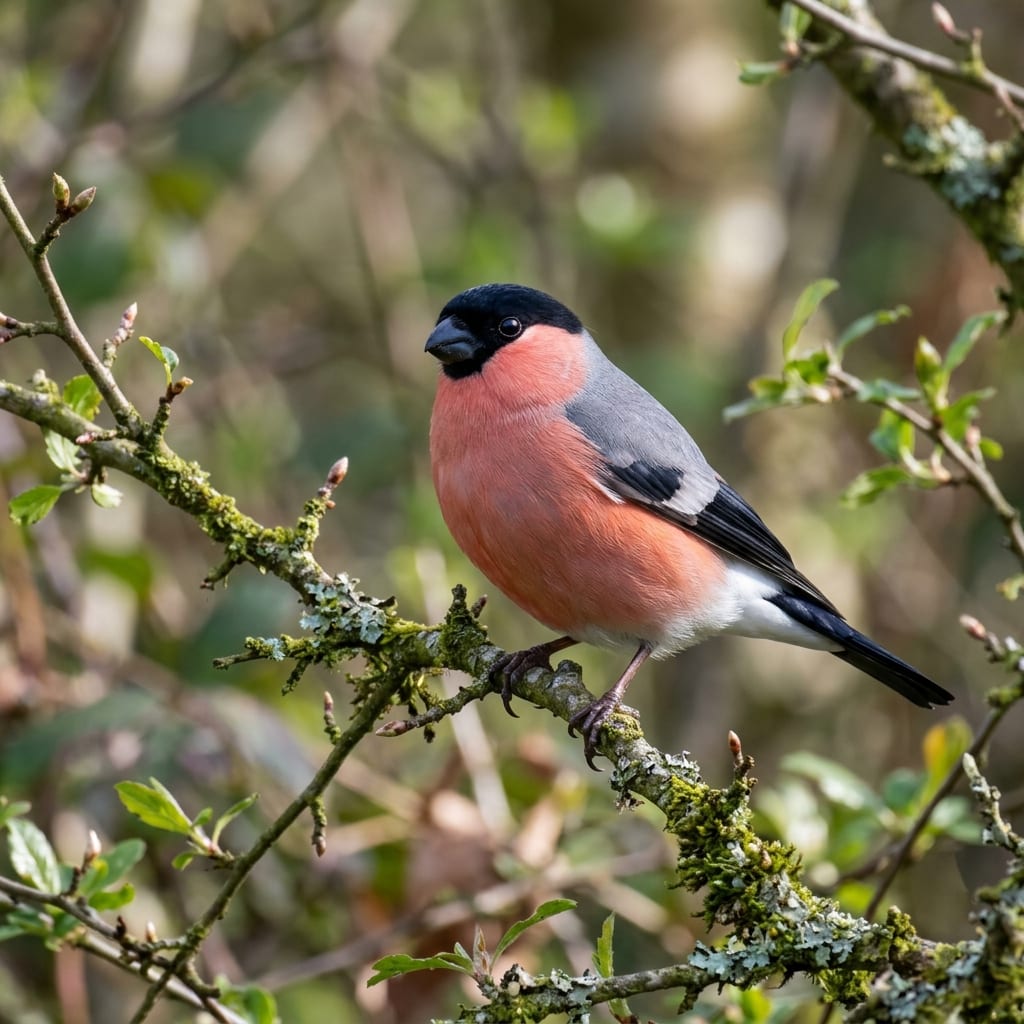
StatusAmber (UK Birds of Conservation Concern)
Primary HabitatWoodlands, hedgerows and orchards
Ecosystem RoleSeed and bud eater; disperses some seeds
Human ImpactDeclined with the loss of hedgerows and scrub
Adaptability
65
Siskin
C
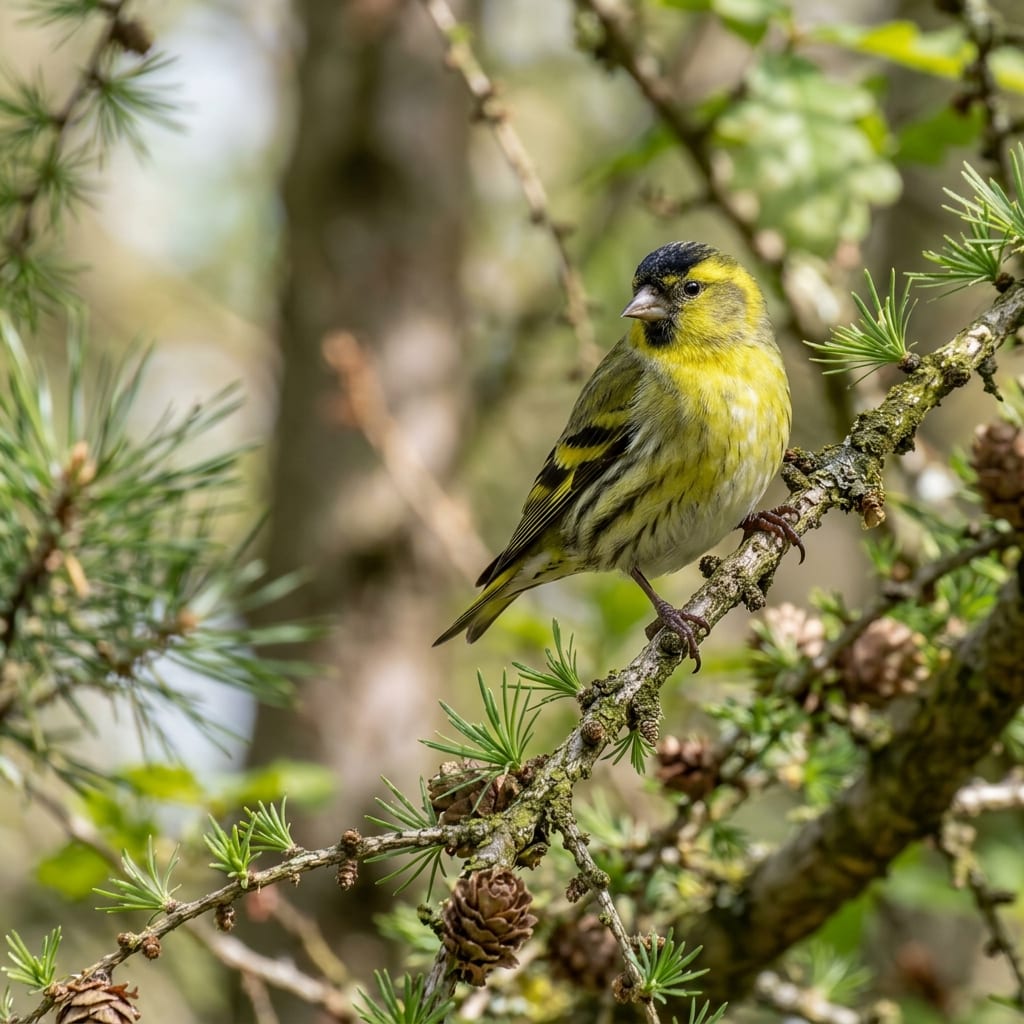
StatusGreen (UK Birds of Conservation Concern)
Primary HabitatConifer and birch woodlands; gardens in winter
Ecosystem RoleSeed-eater and seed disperser of trees
Human ImpactIncreasingly visits garden feeders in late winter
Adaptability
80
Lesser Redpoll
C
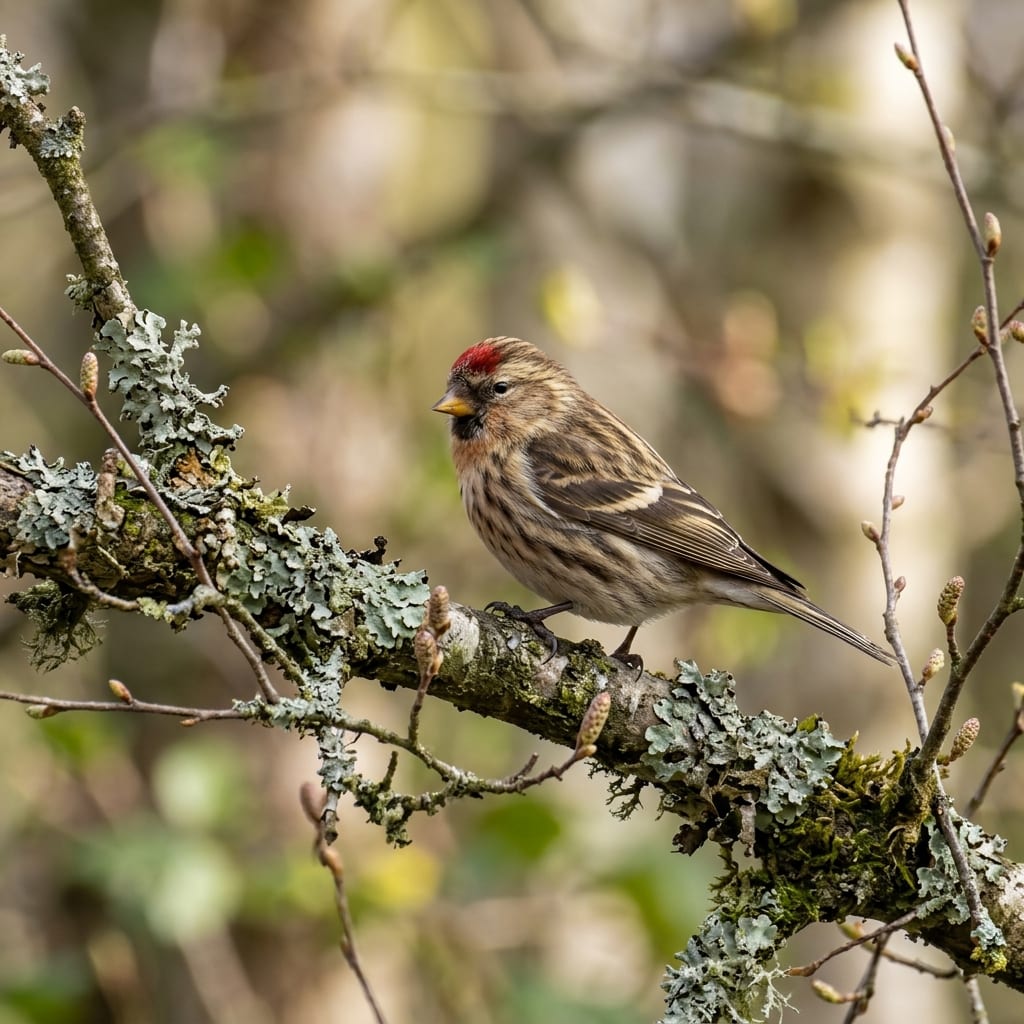
StatusRed (UK Birds of Conservation Concern)
Primary HabitatBirch and conifer woodlands, scrub and heath
Ecosystem RoleSeed-eater and tree-seed disperser
Human ImpactHas declined sharply, placing it on the Red list
Adaptability
60
Moorhen
C
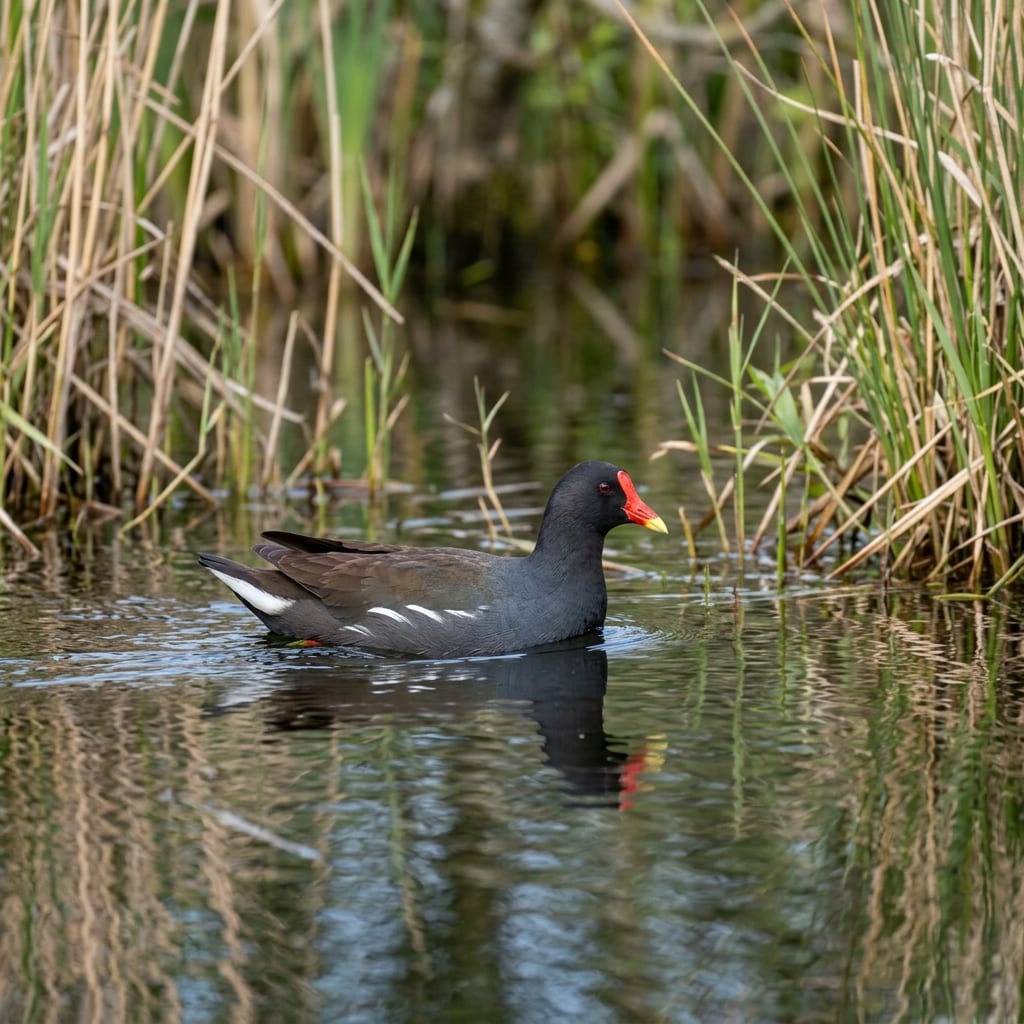
StatusGreen (UK Birds of Conservation Concern)
Primary HabitatPonds, lakes, rivers and marshes
Ecosystem RoleOmnivore linking plant and animal food webs in wetlands
Human ImpactAdapts well to park ponds and farm pools
Adaptability
85
Coot
C
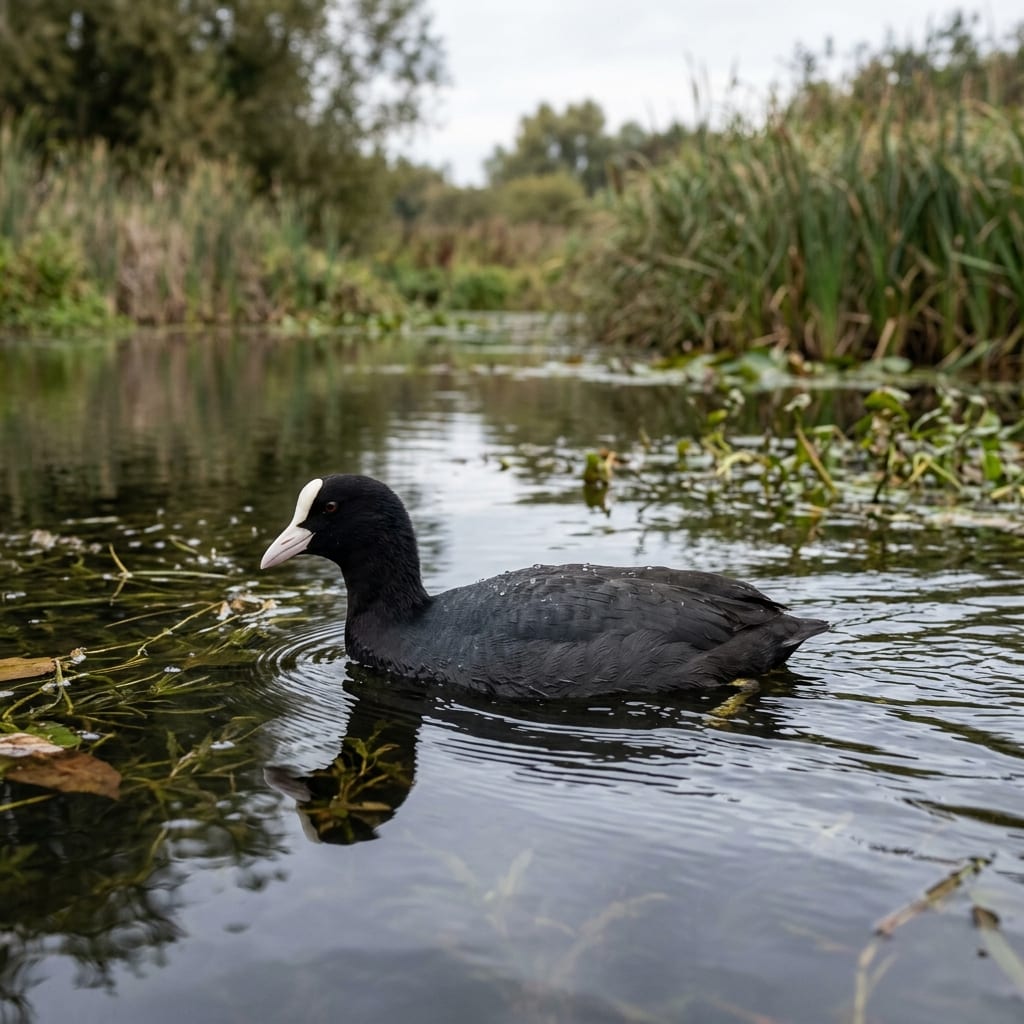
StatusGreen (UK Birds of Conservation Concern)
Primary HabitatLakes, reservoirs, gravel pits and slow rivers
Ecosystem RoleGrazes water plants, shaping wetland vegetation
Human ImpactThrives on man-made lakes and reservoirs
Adaptability
85
Starling
C
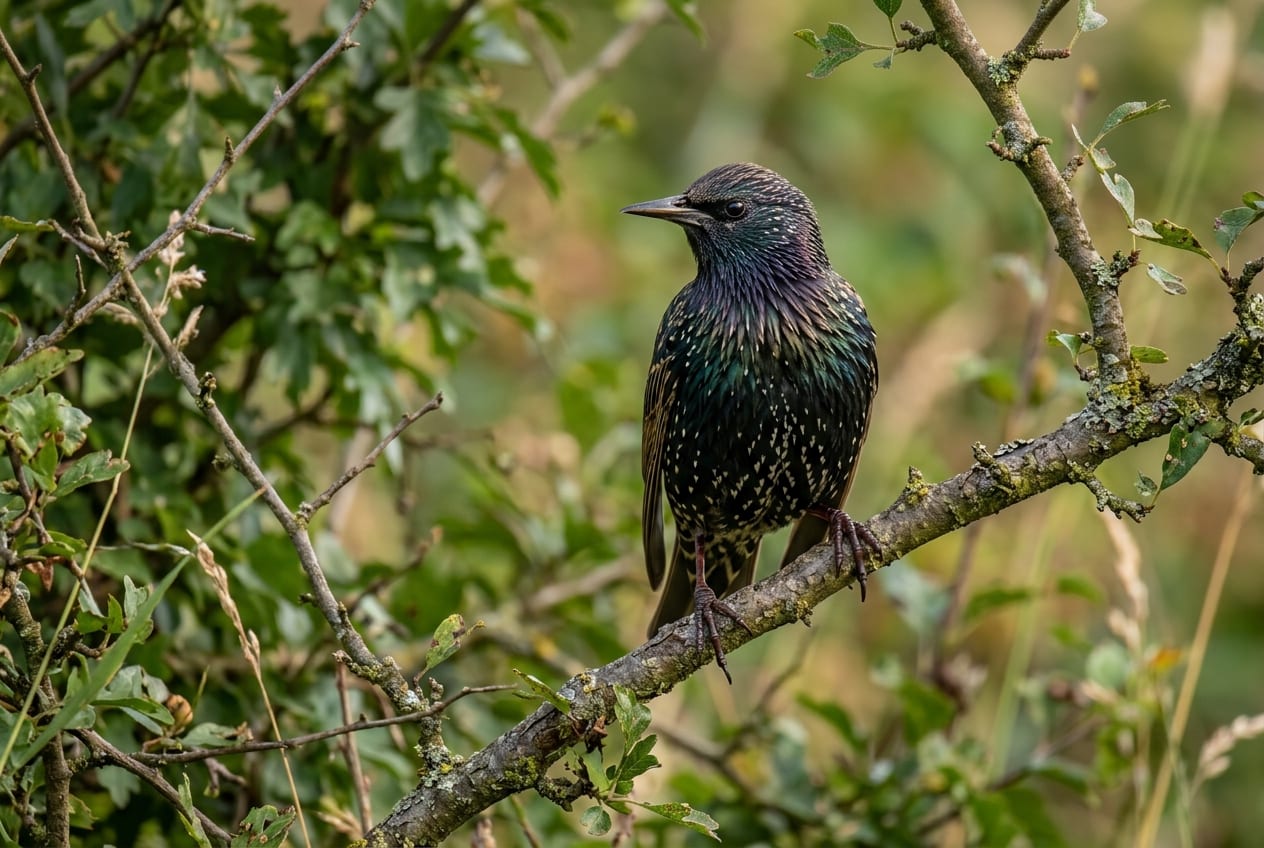
StatusRed (UK Birds of Conservation Concern 5)
Primary HabitatGardens, farmland, parks and towns
Ecosystem RoleInsect predator and seed disperser
Human ImpactOnce one of our commonest birds, but it has declined steeply and is now Red-listed
Adaptability
85
Carrion Crow
C
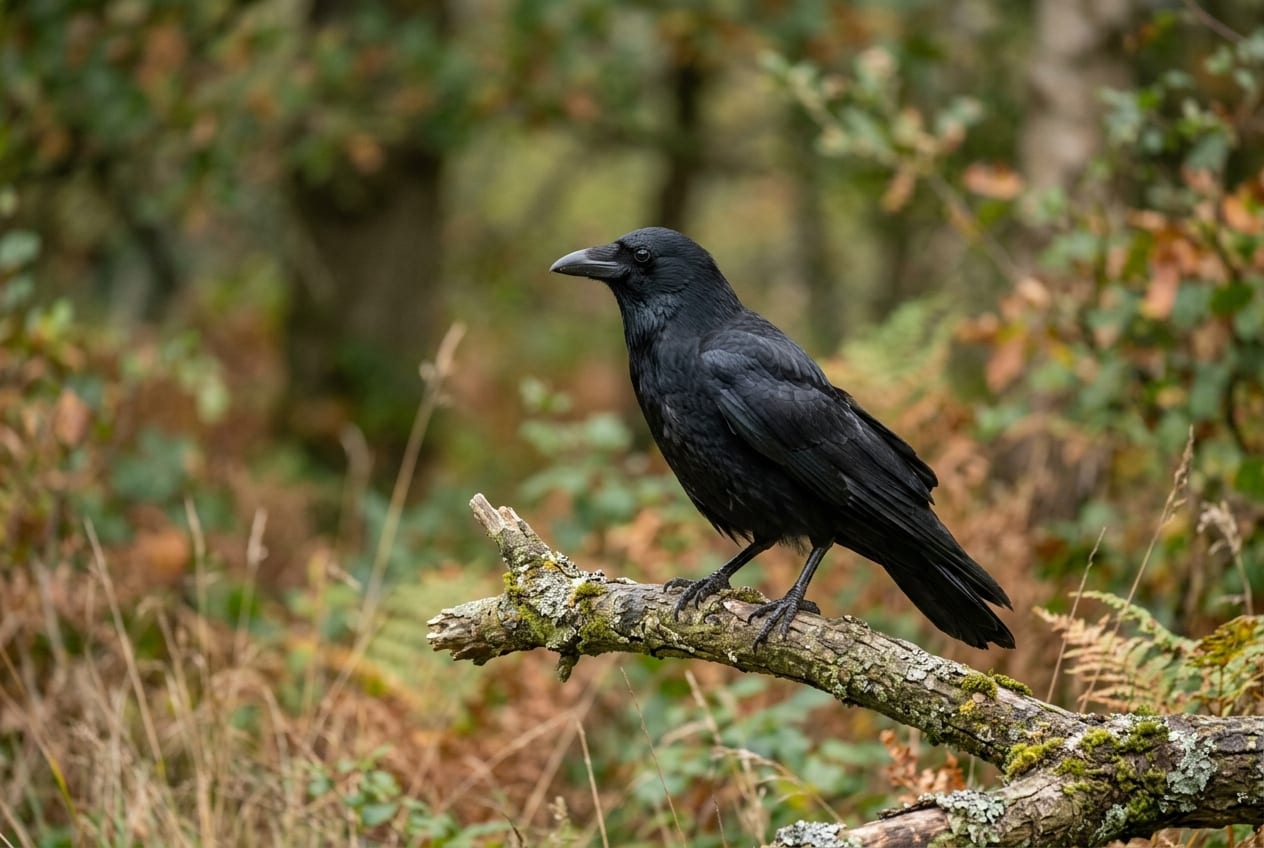
StatusGreen (UK Birds of Conservation Concern 5)
Primary HabitatFarmland, woodland edges, moorland, parks and towns
Ecosystem RoleScavenger and predator that helps clear away carrion
Human ImpactThrives alongside people and is widespread across the UK
Adaptability
95
Rook
C
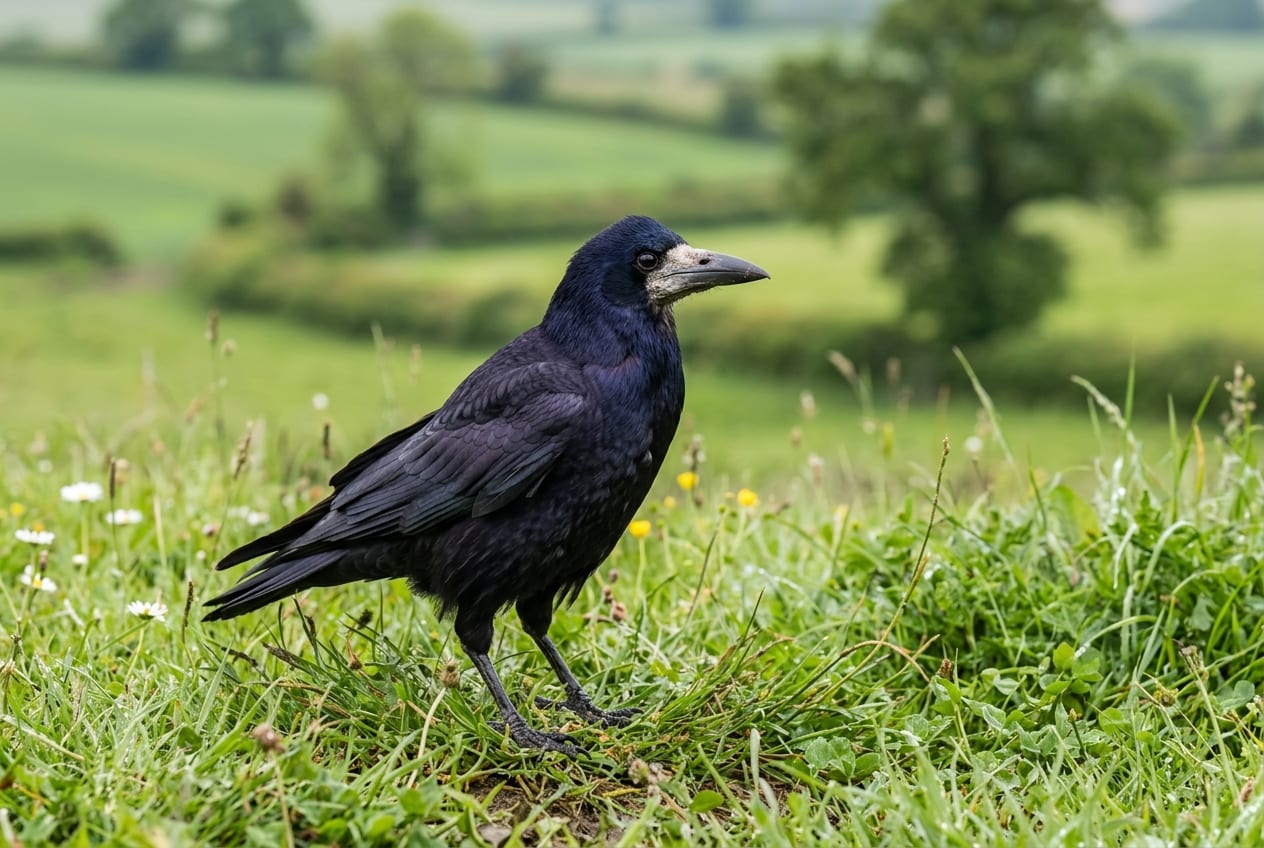
StatusGreen (UK Birds of Conservation Concern 5)
Primary HabitatFarmland and open country with tall trees for nesting
Ecosystem RoleSoil invertebrate predator that helps control crop pests
Human ImpactLong associated with British farmland; widespread, though numbers vary across the country
Adaptability
85