mammals - Conservation Pack
Print this page on A4 paper. Make sure "Background graphics" is enabled in your print dialog.
Polar bear
C
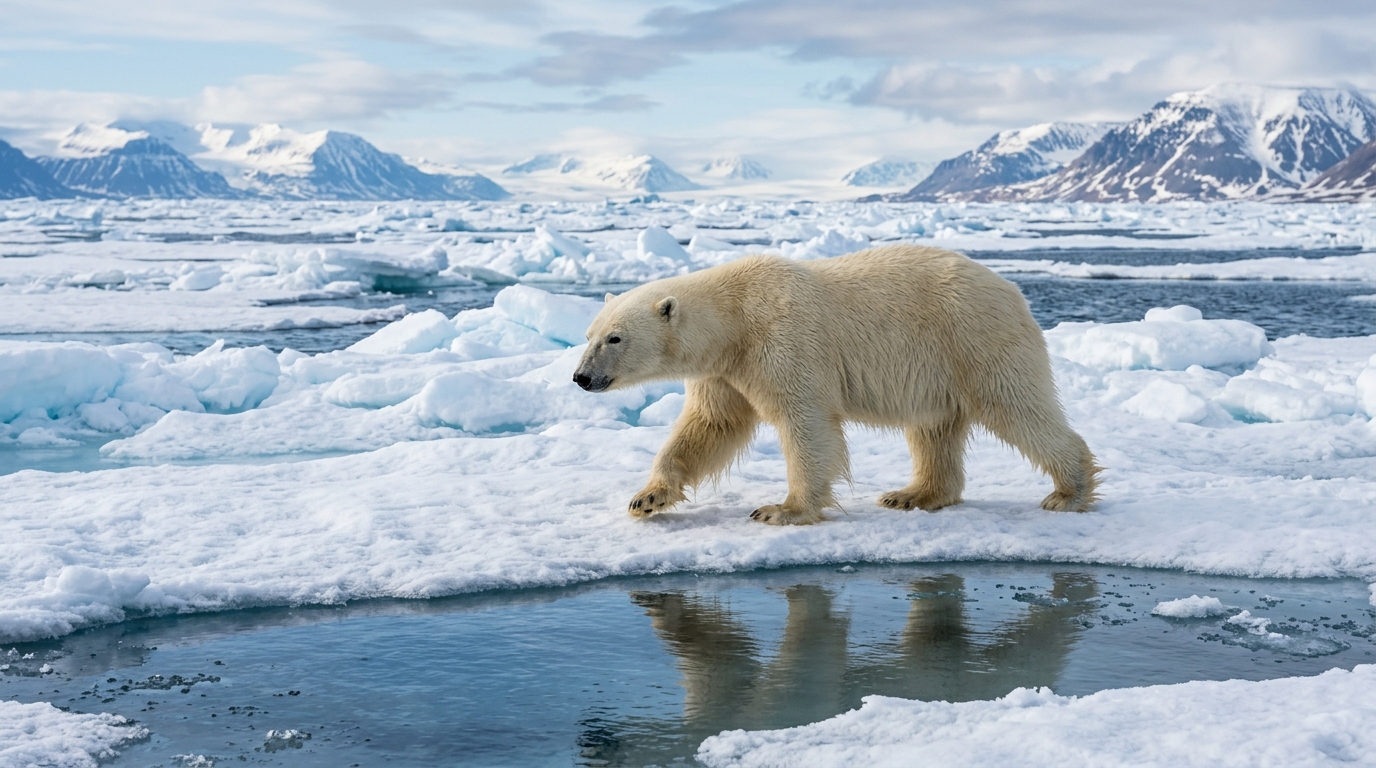
StatusVulnerable
Primary HabitatSea ice, Arctic ocean
Ecosystem RoleApex Predator
Human ImpactThreatened by climate change and melting sea ice
Adaptability
30
Harvest Mouse
C
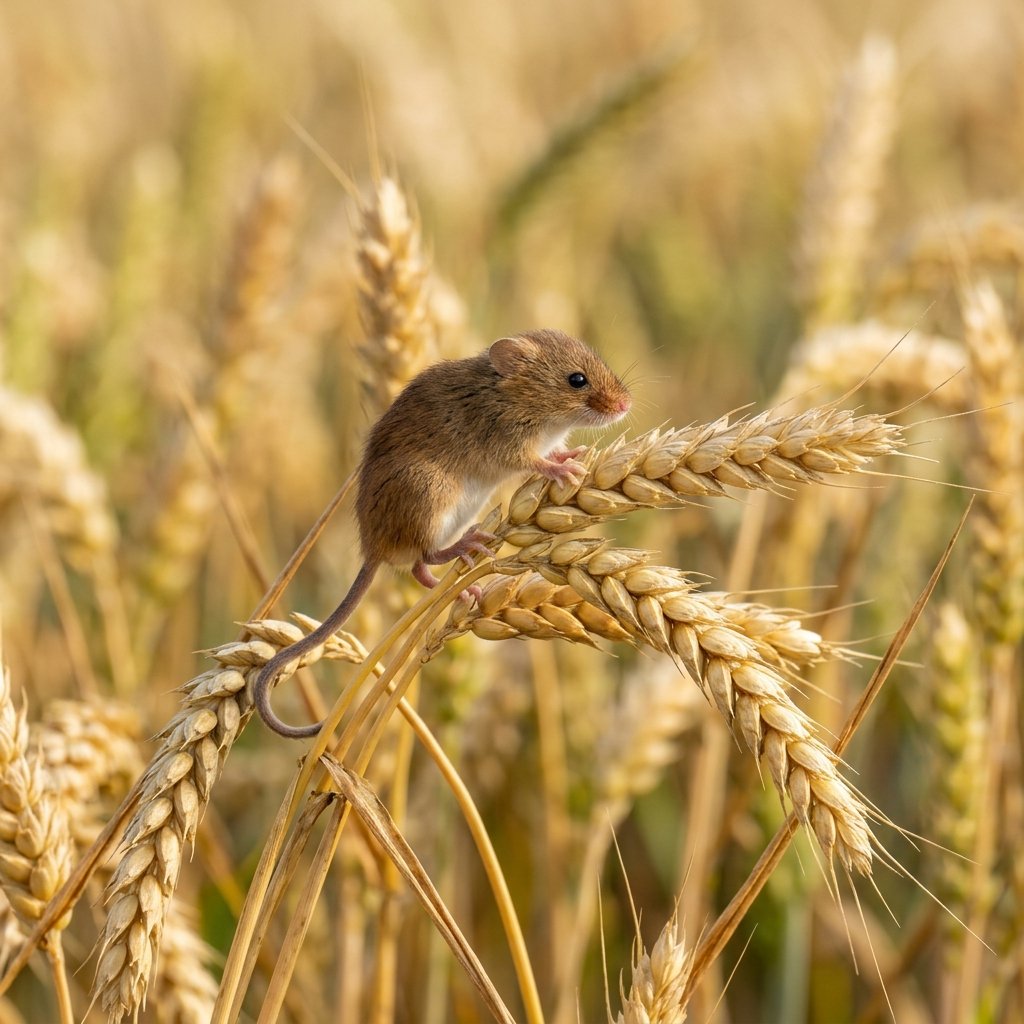
StatusNear Threatened
Primary HabitatTall grasses, reedbeds, arable land
Ecosystem RoleSeed eater, important prey species
Human ImpactVulnerable to intensive farming practices
Adaptability
40
Llama
C
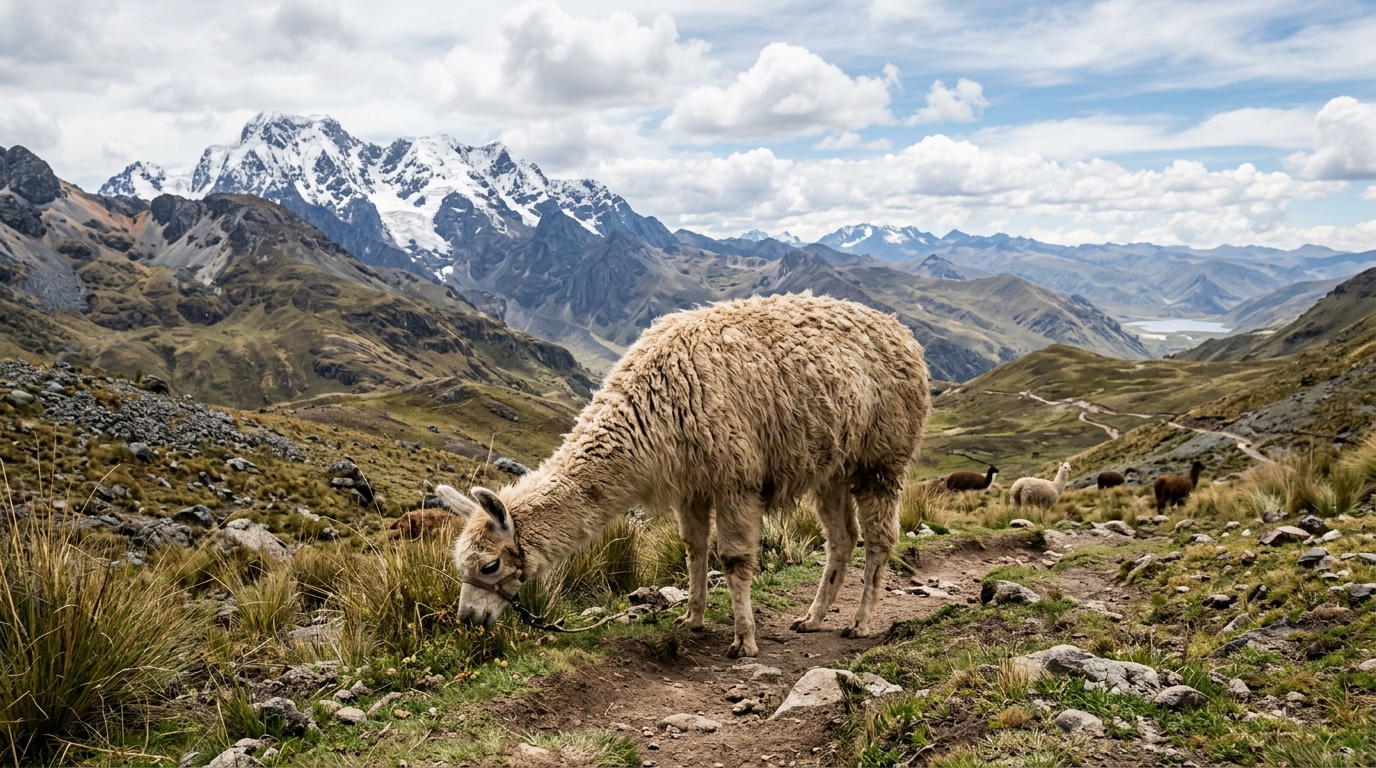
StatusDomesticated
Primary HabitatAndean Highlands / Farmland
Ecosystem RoleGrazer
Human ImpactFarmed for wool and pack transport
Adaptability
85
Alpaca
C
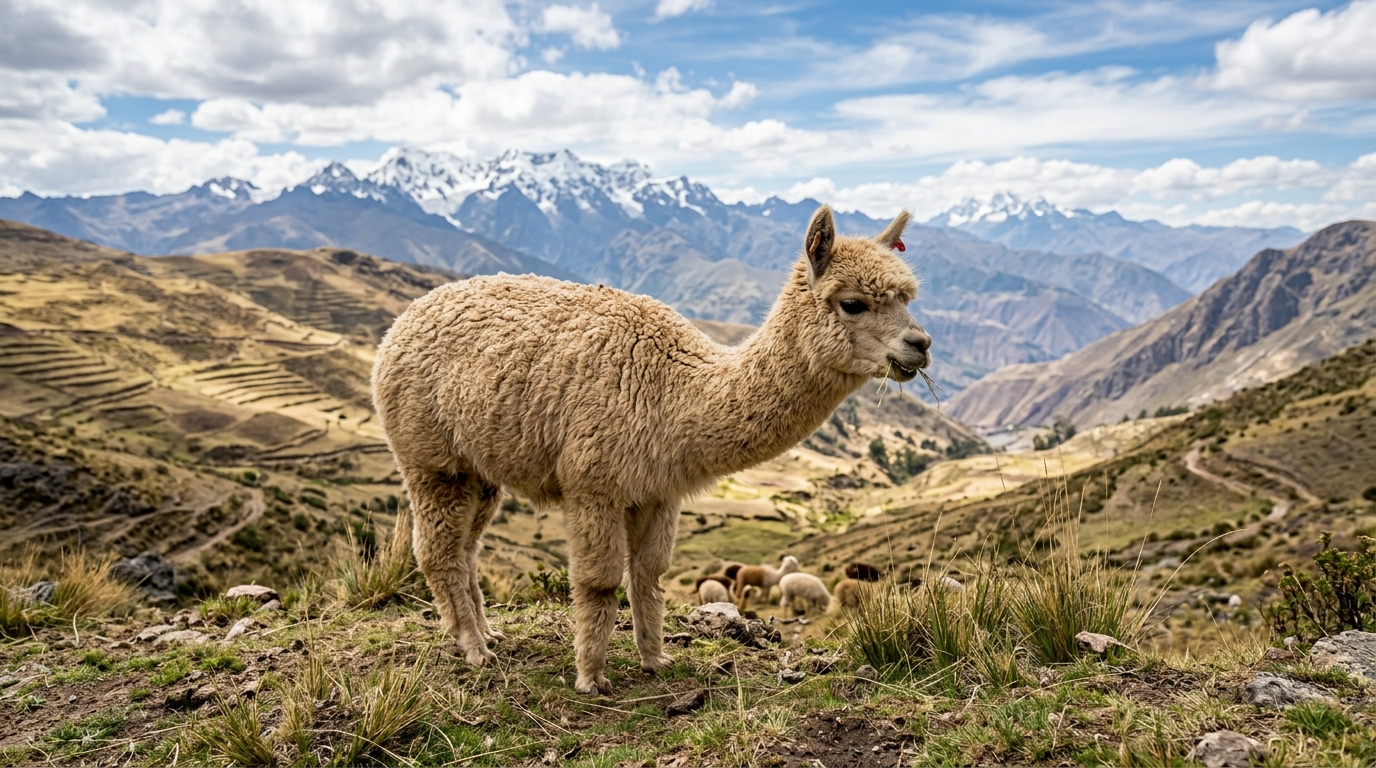
StatusDomesticated
Primary HabitatAndean mountains, farms
Ecosystem RoleGrazer
Human ImpactBred for fleece and meat
Adaptability
80
Eurasian badger
C
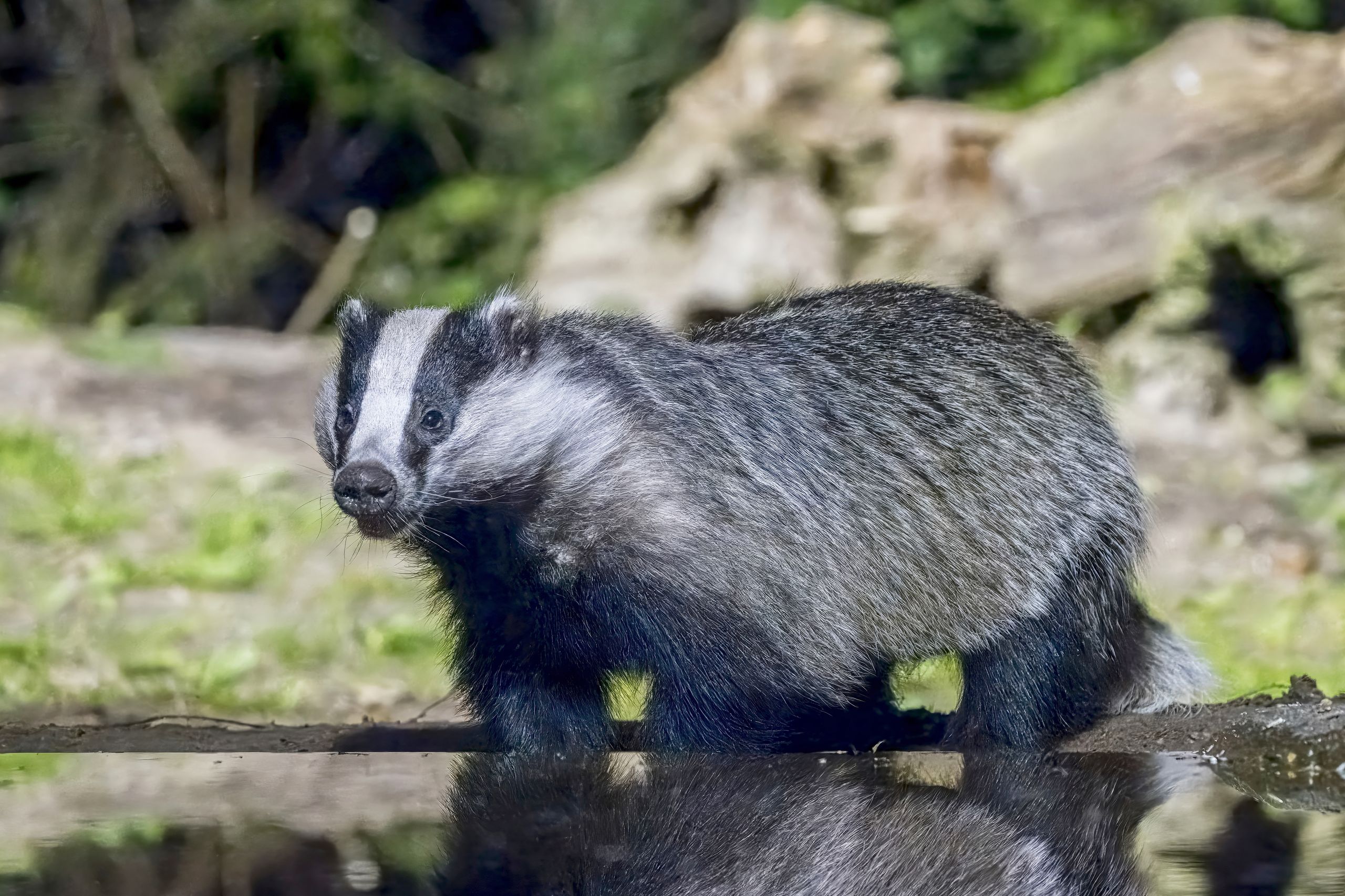
StatusLeast Concern
Primary HabitatWoodlands, fields, and urban edges
Ecosystem RoleOmnivore, earthworm predator
Human ImpactRoad casualties, culling, habitat loss
Adaptability
80
Hazel dormouse
C
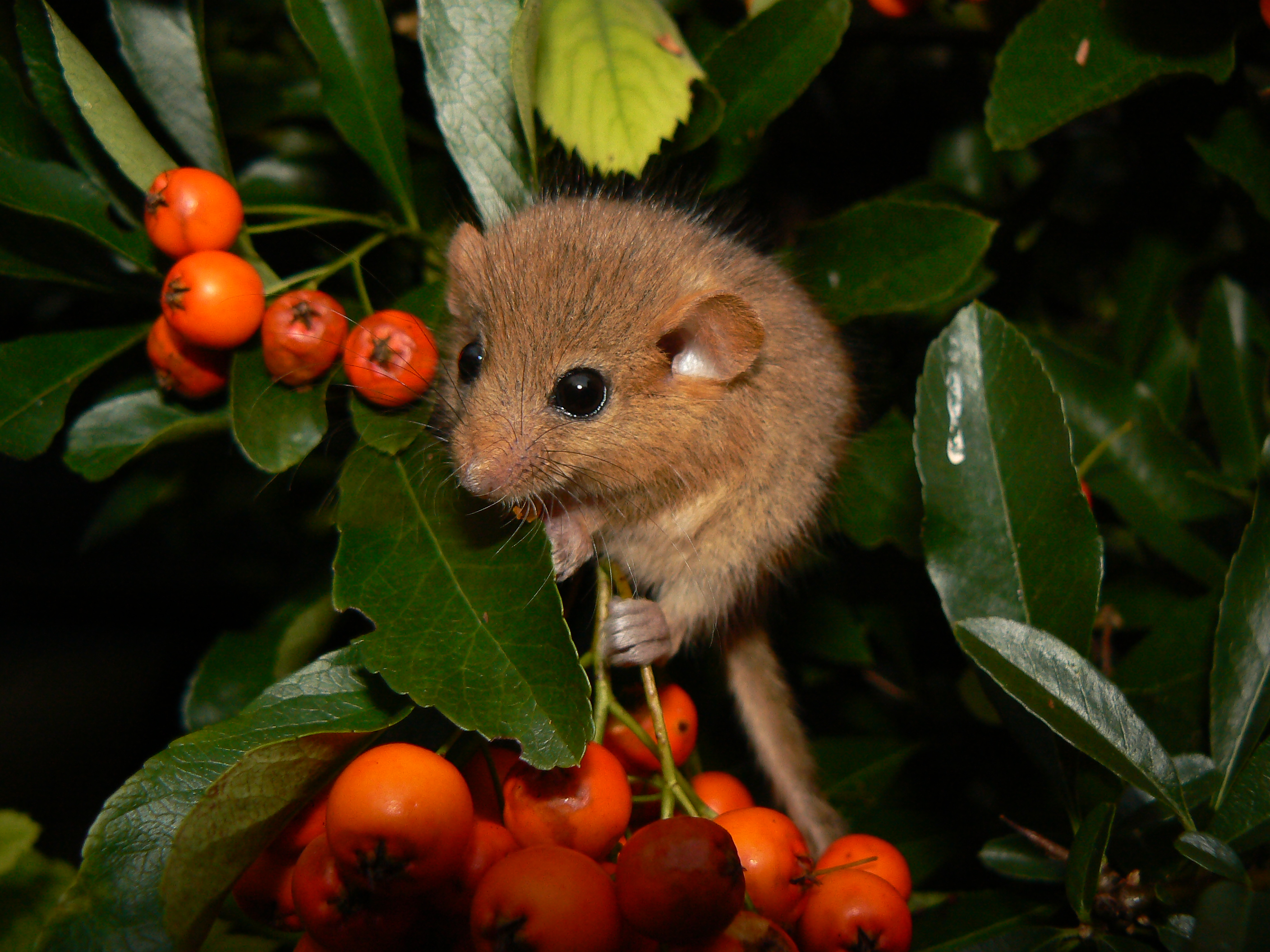
StatusVulnerable (UK)
Primary HabitatDeciduous woodland, hedgerows
Ecosystem RoleSeed disperser
Human ImpactSeverely affected by loss of woodland and hedgerows
Adaptability
30
European hedgehog
C
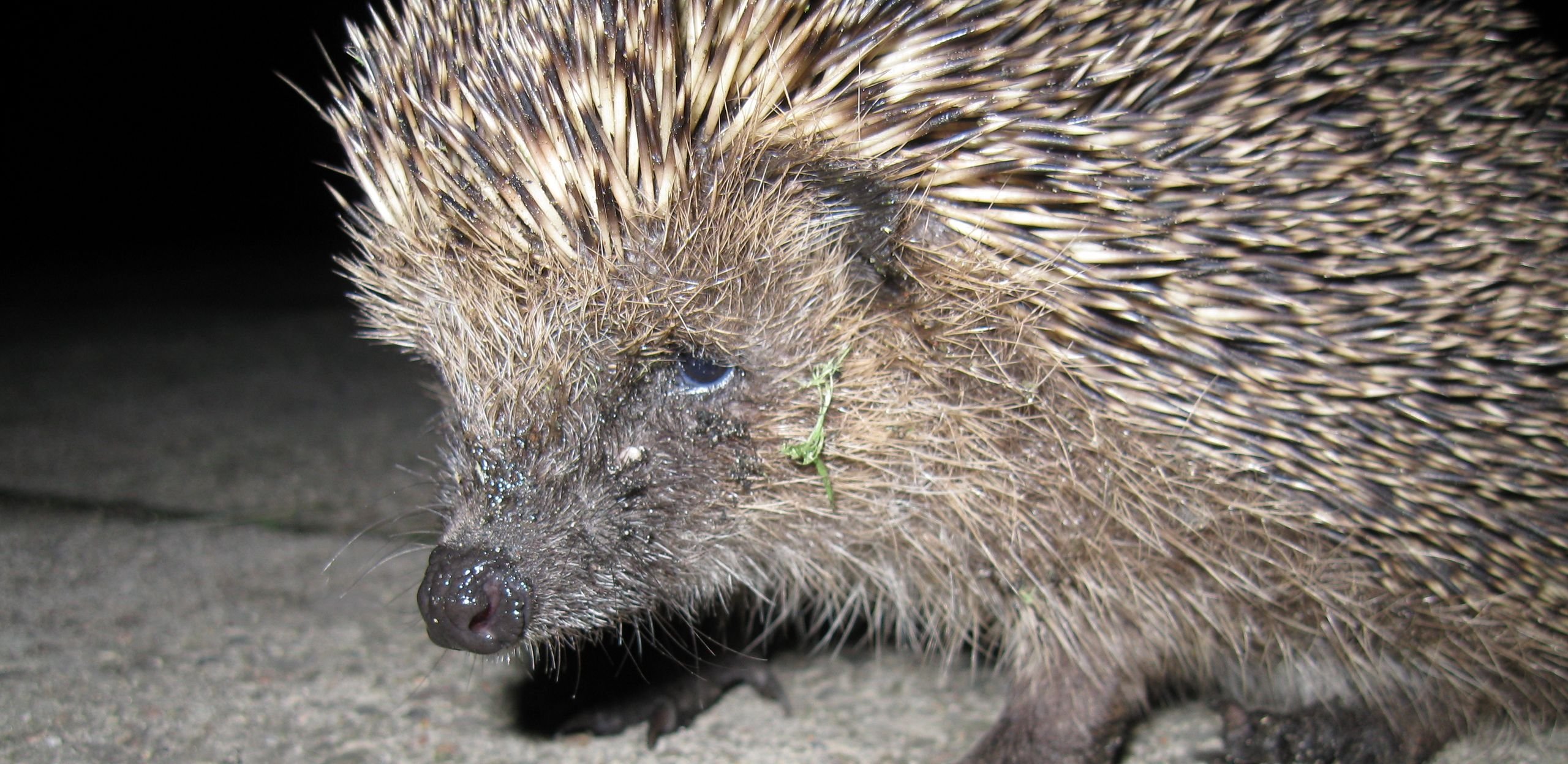
StatusVulnerable (UK)
Primary HabitatWoodland edges, hedgerows, and gardens
Ecosystem RoleInvertebrate predator
Human ImpactRoad casualties, habitat fragmentation, lack of garden access
Adaptability
65
Ringed seal
C
StatusLeast Concern
Primary HabitatArctic ice floes and coasts
Ecosystem RoleMesopredator
Human ImpactClimate change and ice loss
Adaptability
40
Reindeer
C
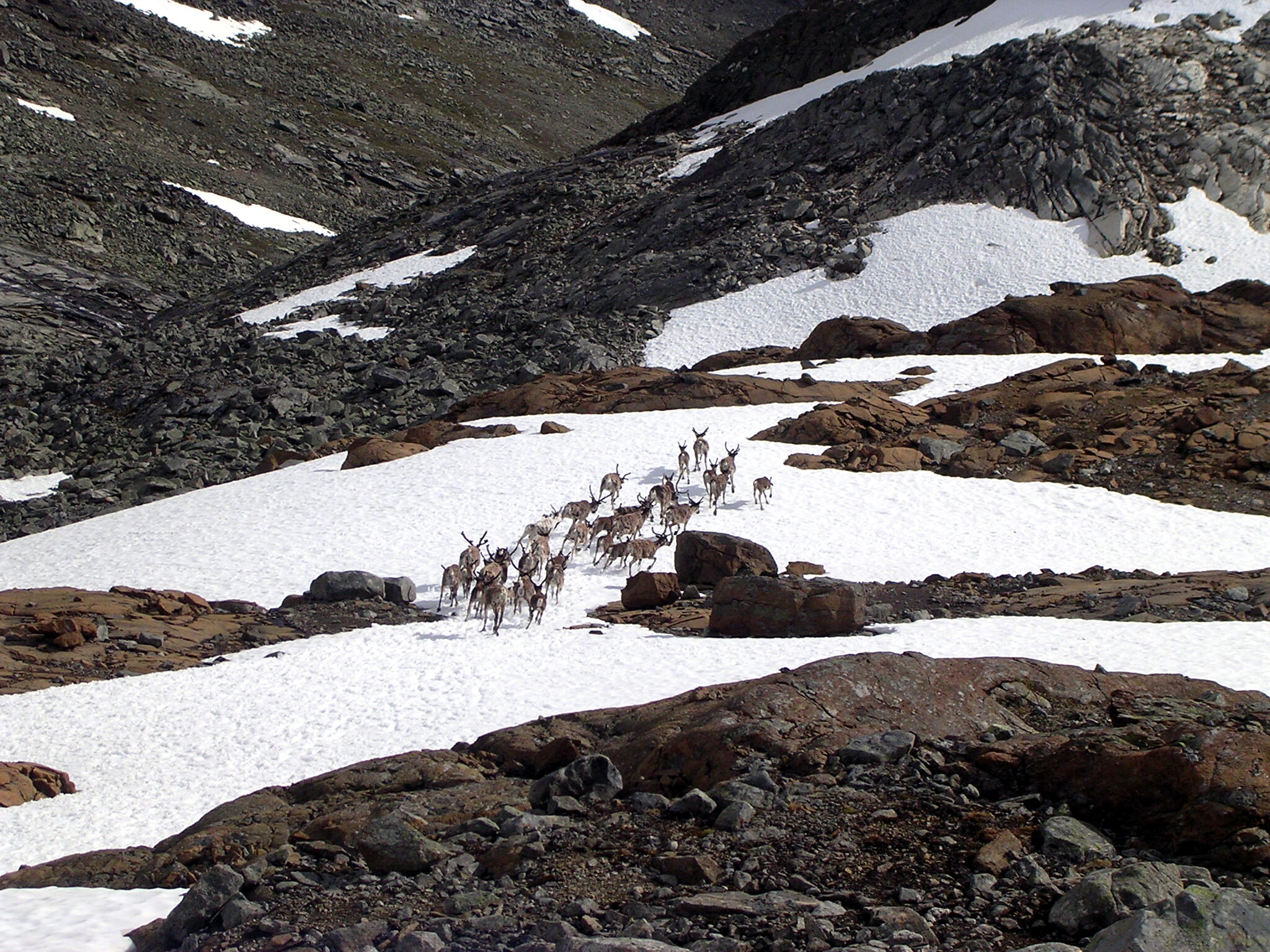
StatusVulnerable
Primary HabitatTundra and boreal forests
Ecosystem RoleLarge herbivore
Human ImpactHabitat loss and climate change
Adaptability
50
Stoat
C
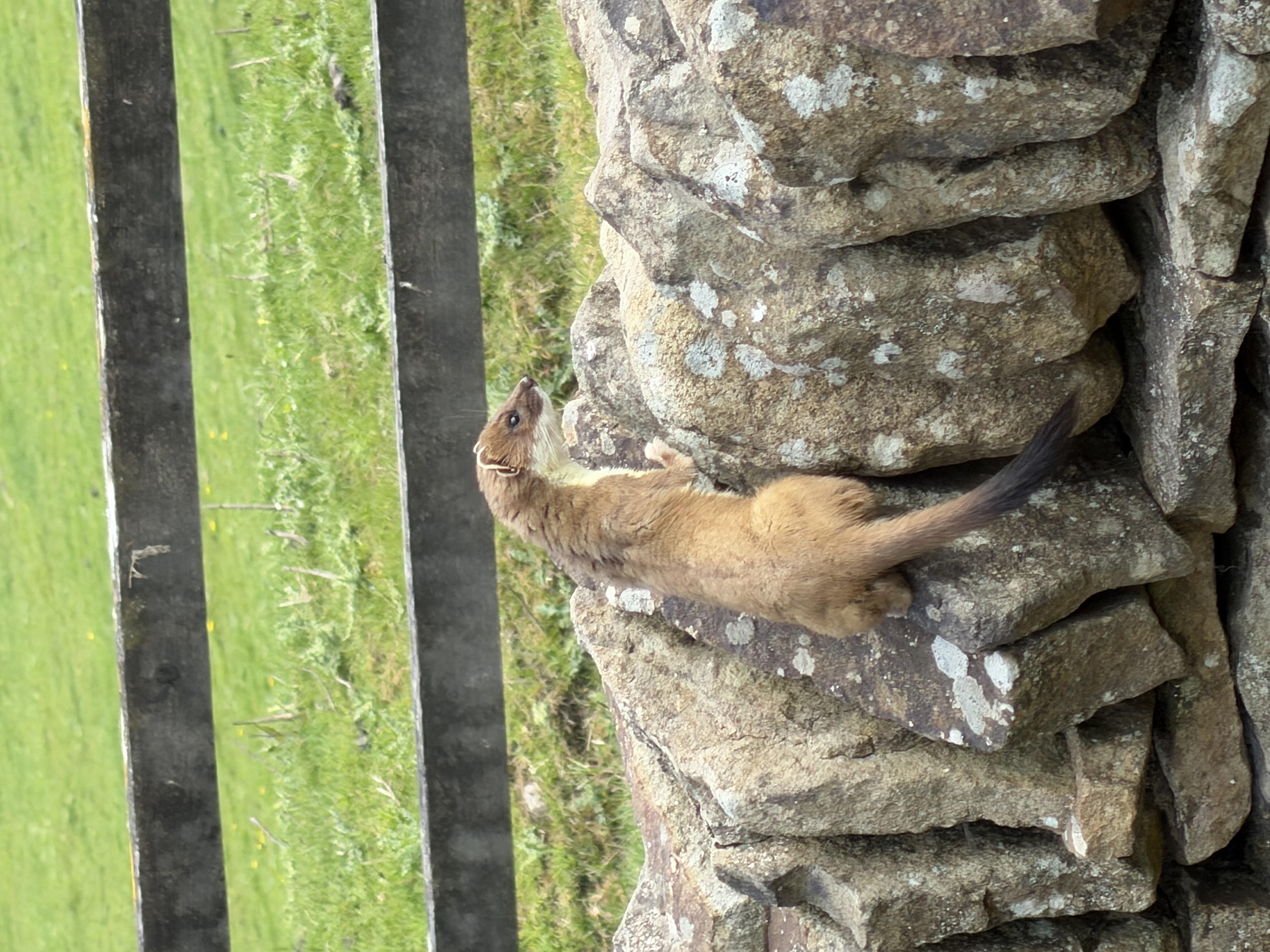
StatusLeast Concern
Primary HabitatWoodlands, meadows, and tundra
Ecosystem RoleSmall predator
Human ImpactTrapping for fur (historical)
Adaptability
80
Snow vole
C
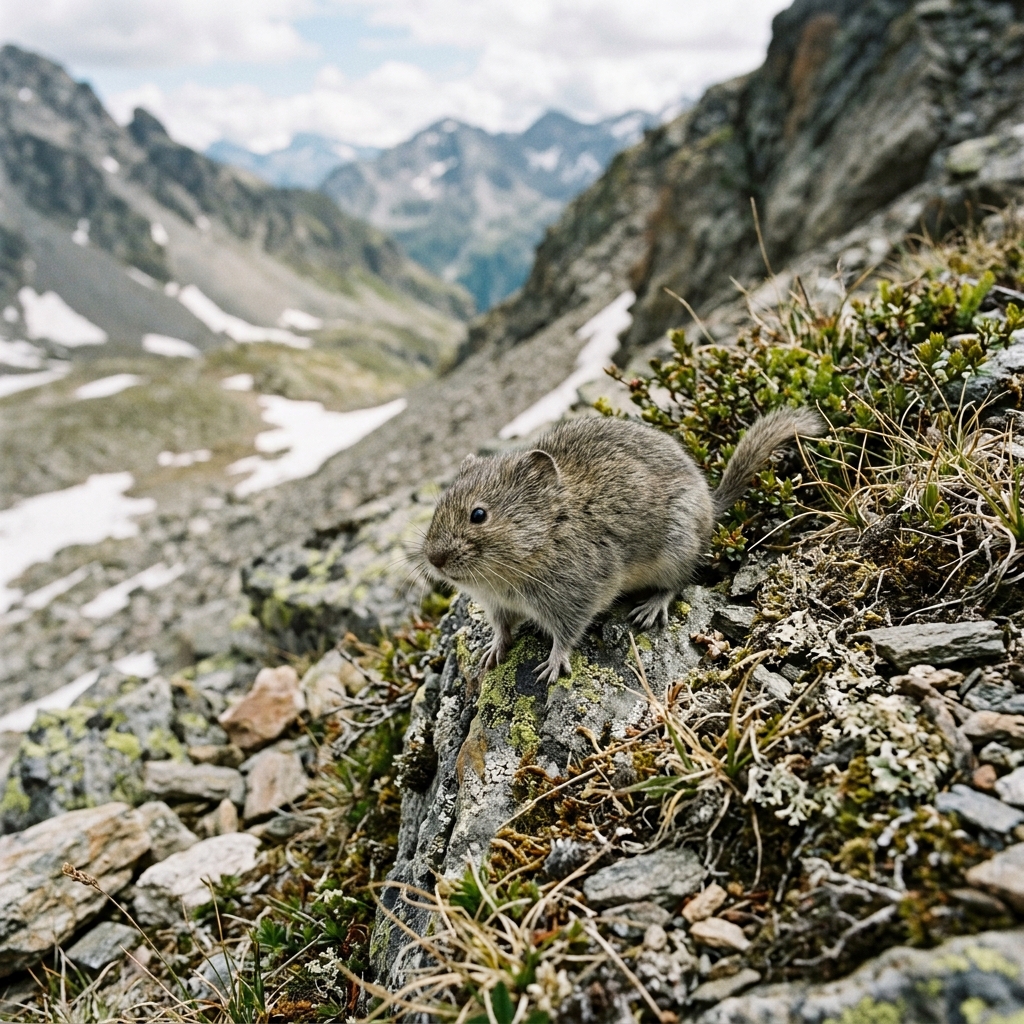
StatusLeast Concern
Primary HabitatAlpine and subalpine rocky areas
Ecosystem RolePrimary consumer/Prey
Human ImpactSki resort development
Adaptability
50
Narwhal
C
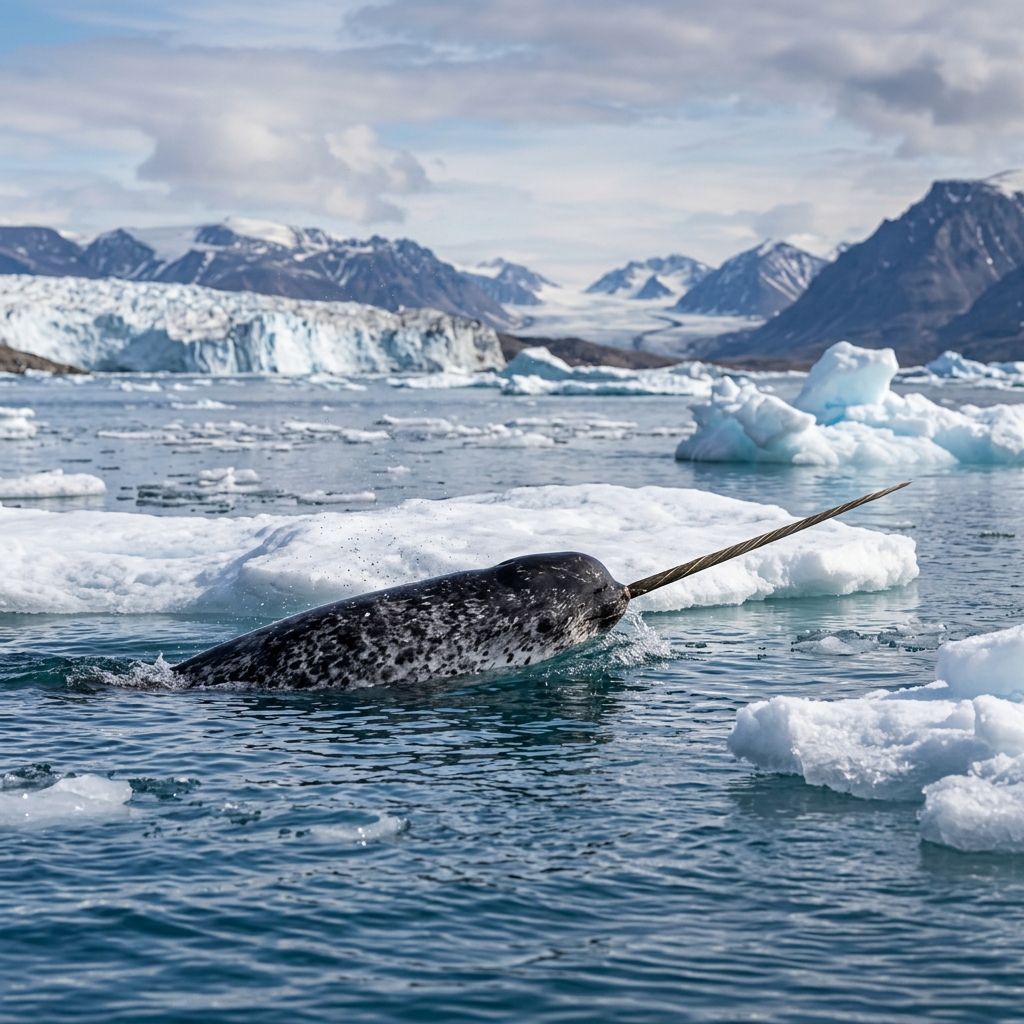
StatusLeast Concern
Primary HabitatArctic ocean
Ecosystem RoleMid-level predator
Human ImpactNoise pollution and ice loss
Adaptability
30
Beluga whale
C
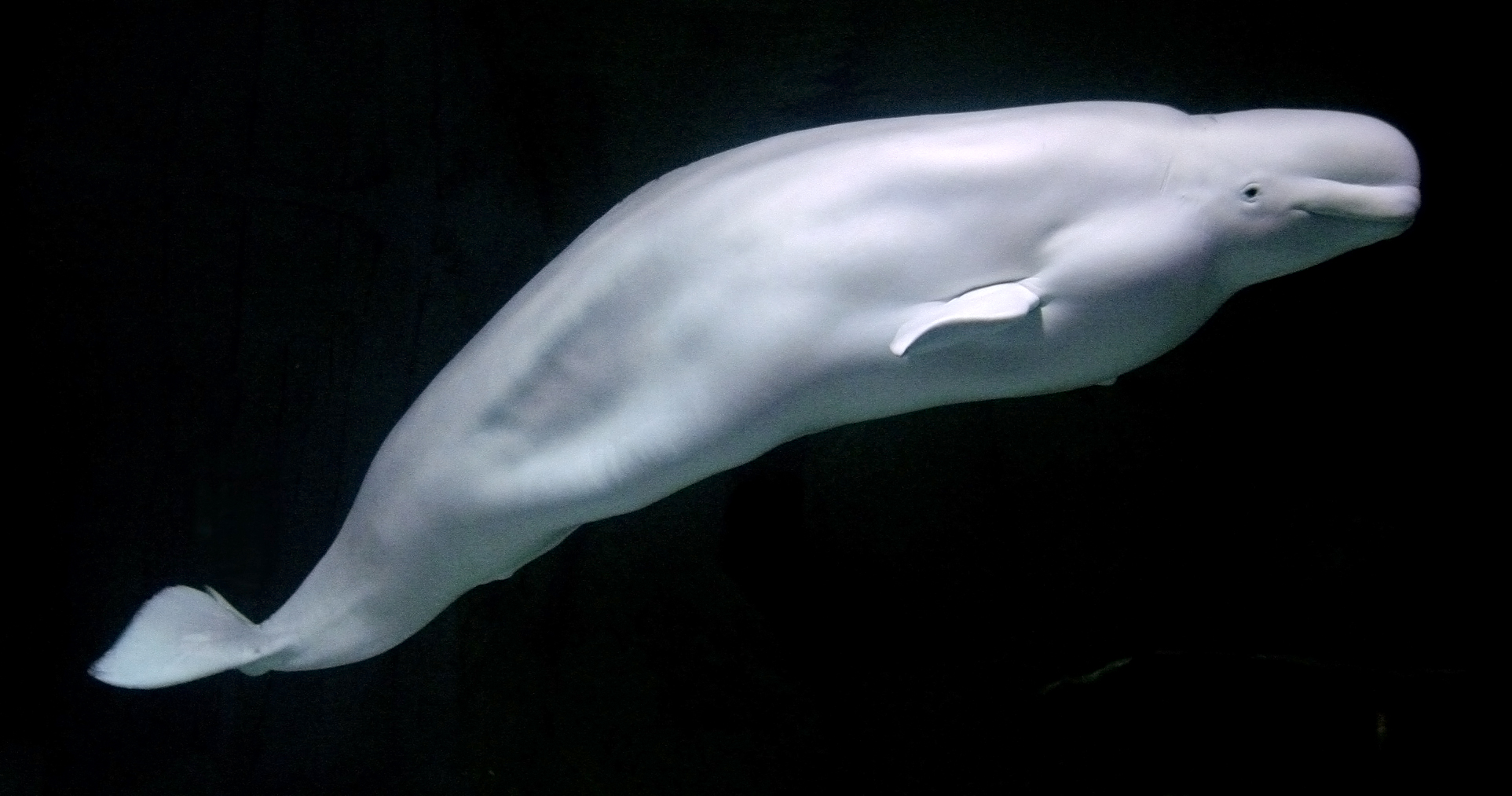
StatusLeast Concern
Primary HabitatArctic and subarctic oceans
Ecosystem RolePredator
Human ImpactChemical pollution and ship strikes
Adaptability
60
Arctic hare
C
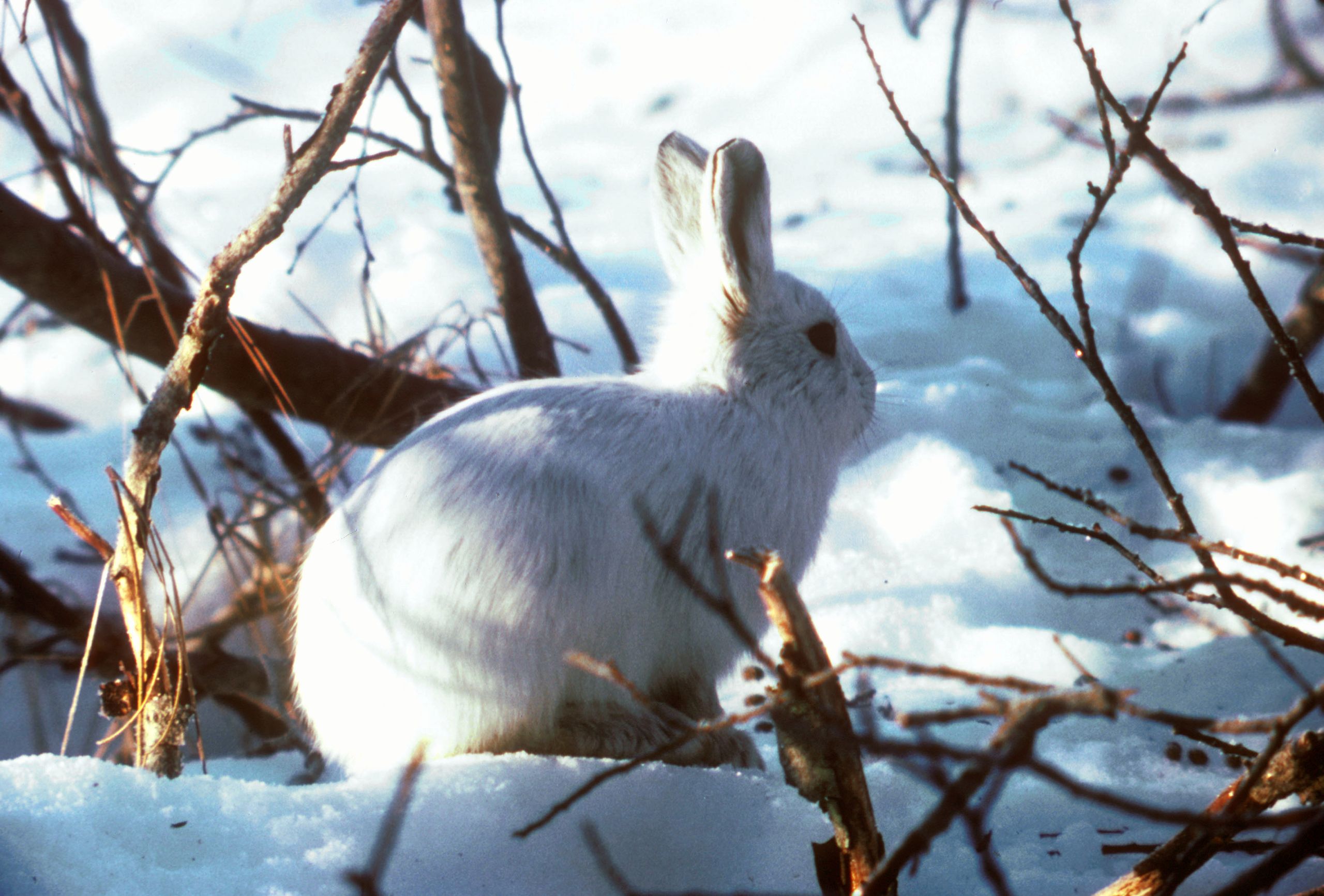
StatusLeast Concern
Primary HabitatArctic tundra
Ecosystem RolePrimary consumer/Prey
Human ImpactClimate change
Adaptability
65
Fennec Fox
C
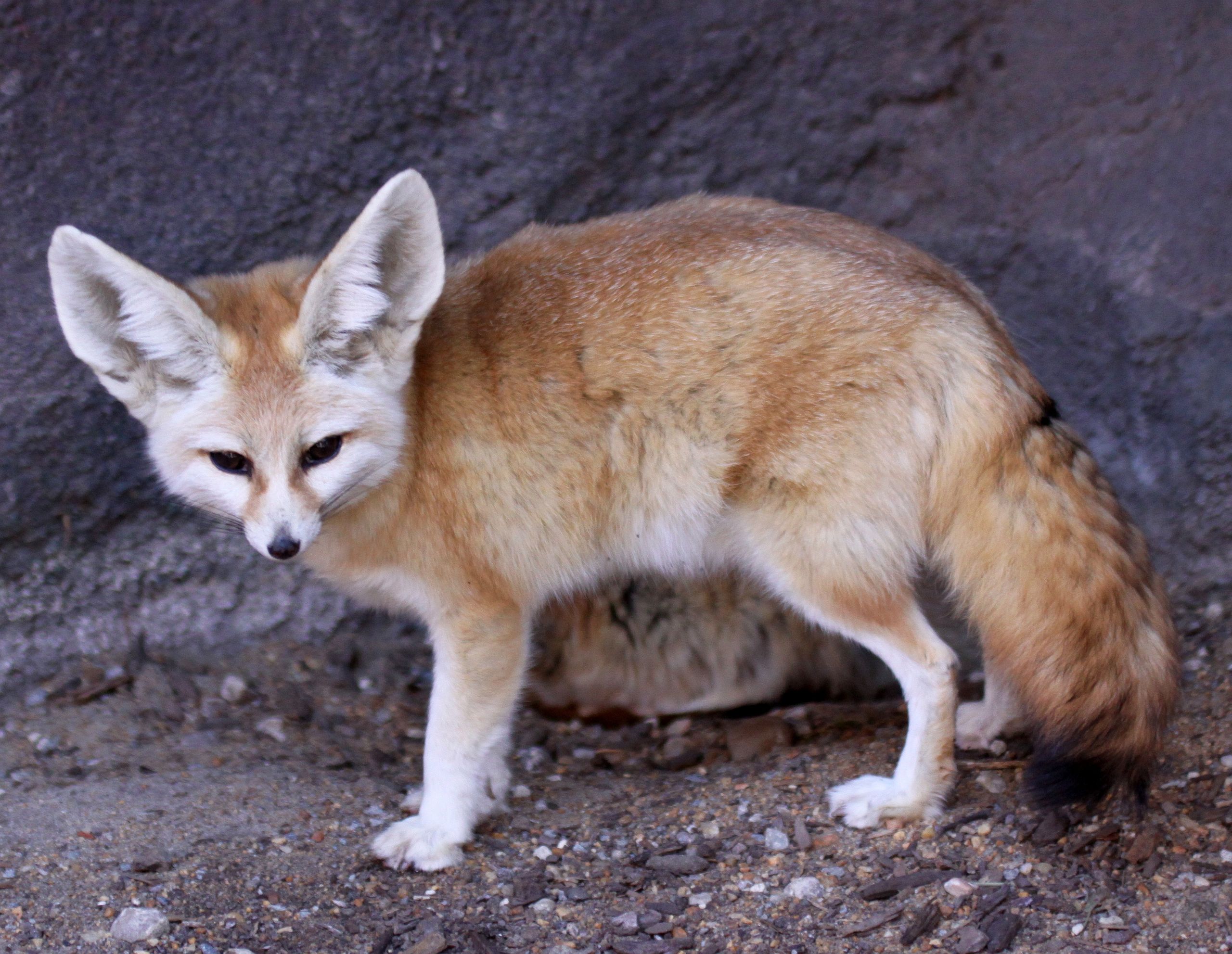
StatusLeast Concern
Primary HabitatSandy deserts
Ecosystem RoleSmall predator
Human ImpactPet trade
Adaptability
75
Dromedary Camel
C
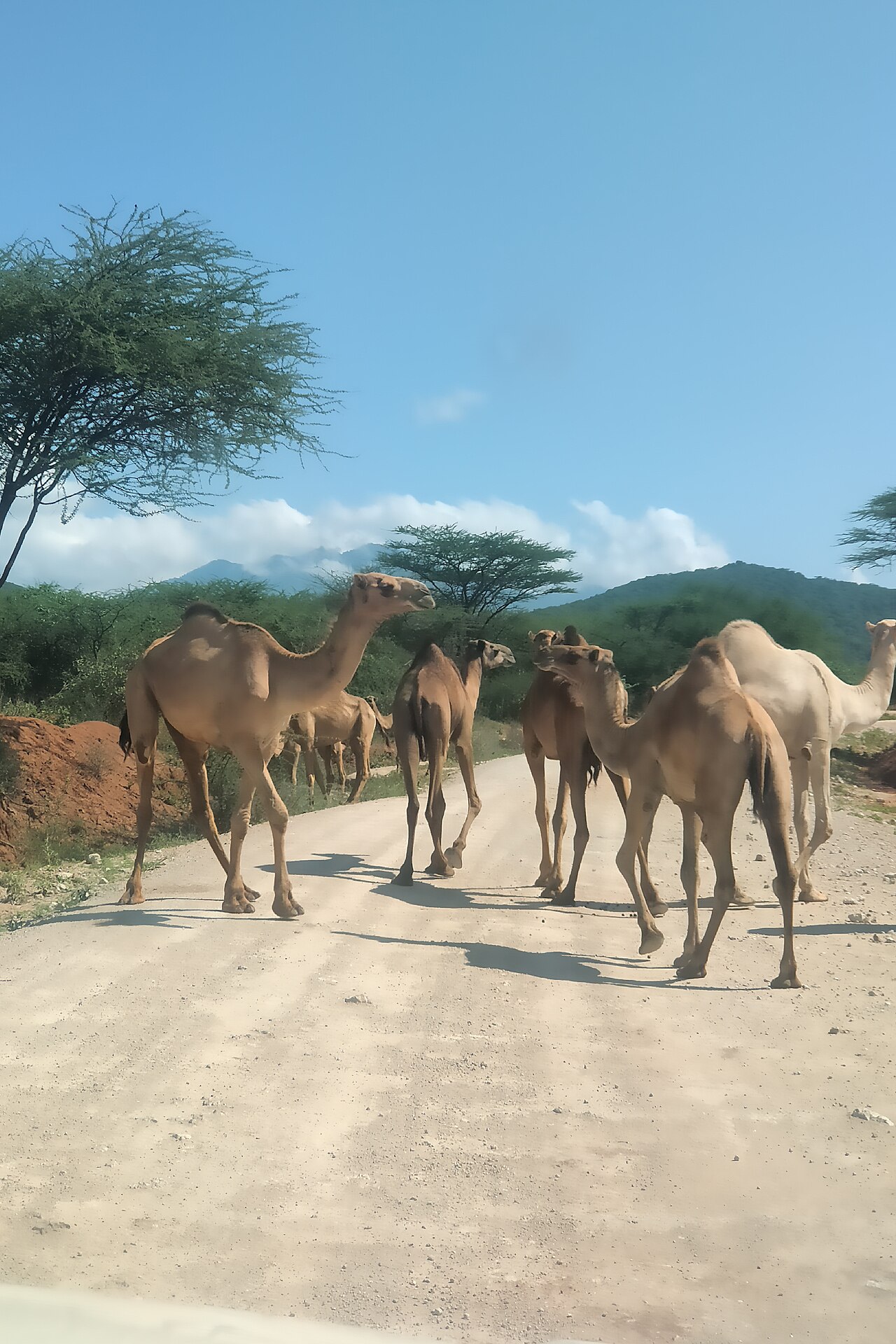
StatusDomesticated
Primary HabitatDeserts and arid regions
Ecosystem RoleLarge herbivore (mostly domestic)
Human ImpactFully integrated with human societies
Adaptability
85
Arabian oryx
C
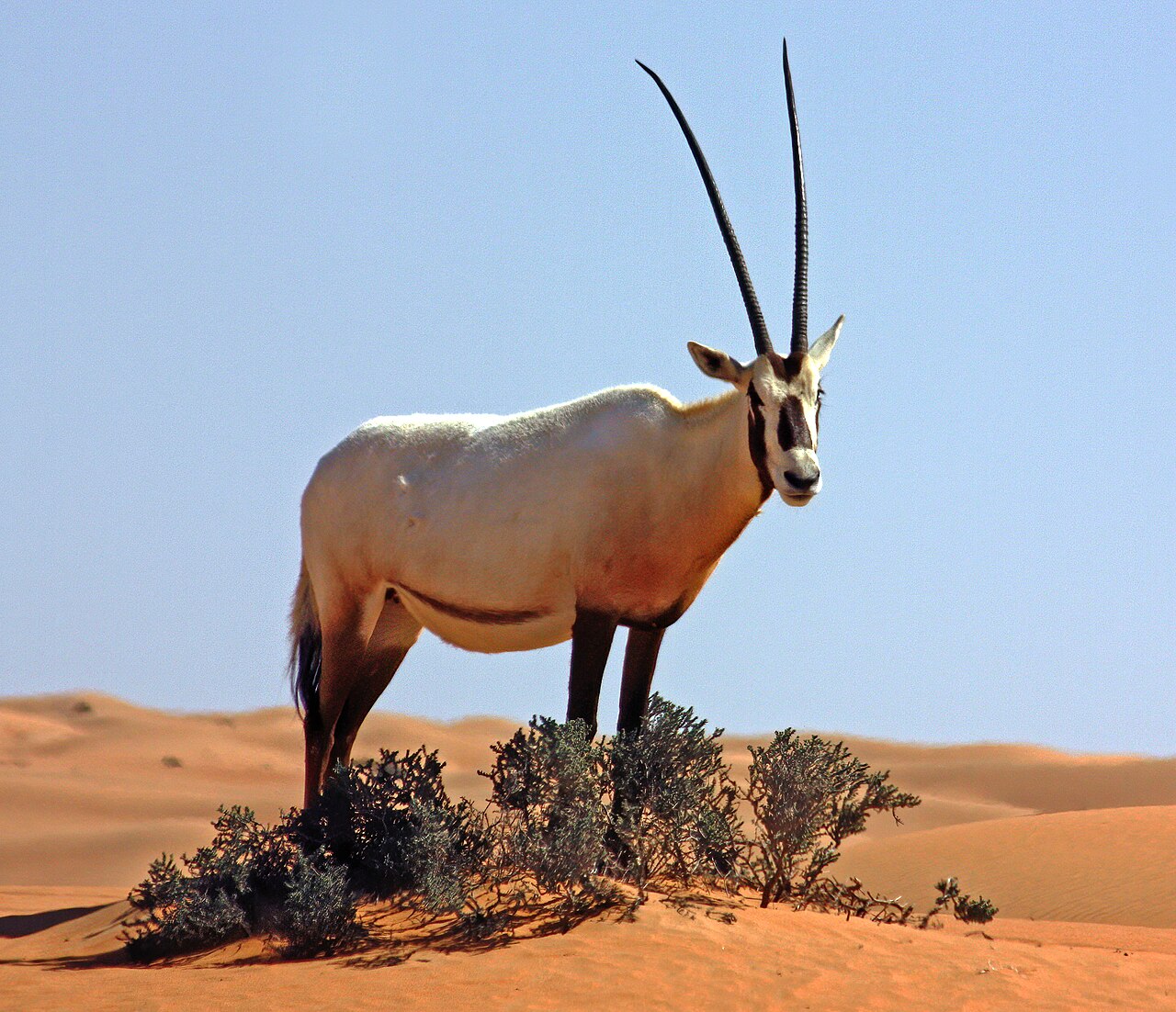
StatusVulnerable
Primary HabitatDesert and arid plains
Ecosystem RoleLarge herbivore
Human ImpactHistorical overhunting, current conservation reliance
Adaptability
50
Kangaroo rat
C
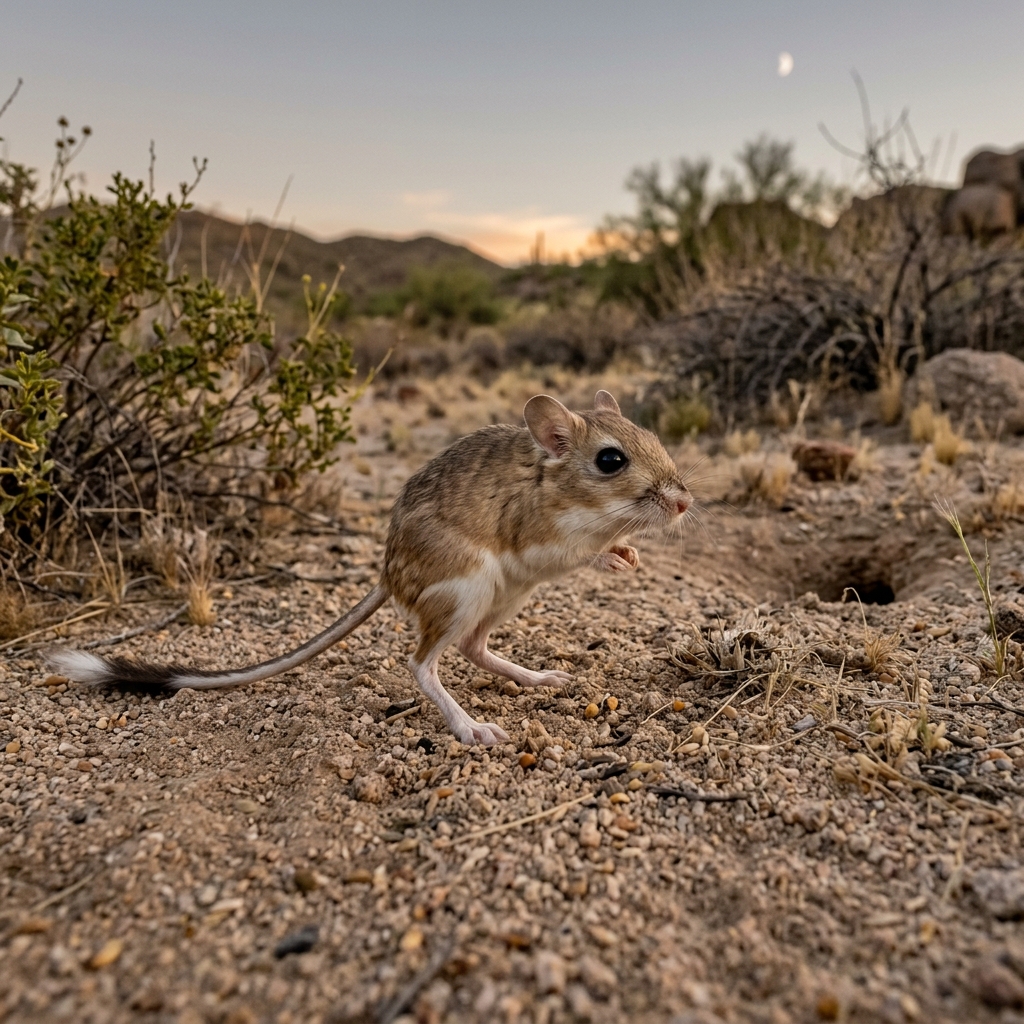
StatusLeast Concern
Primary HabitatArid and semi-arid environments
Ecosystem RoleSeed disperser/Prey
Human ImpactHabitat conversion for agriculture
Adaptability
75
Spider monkey
C
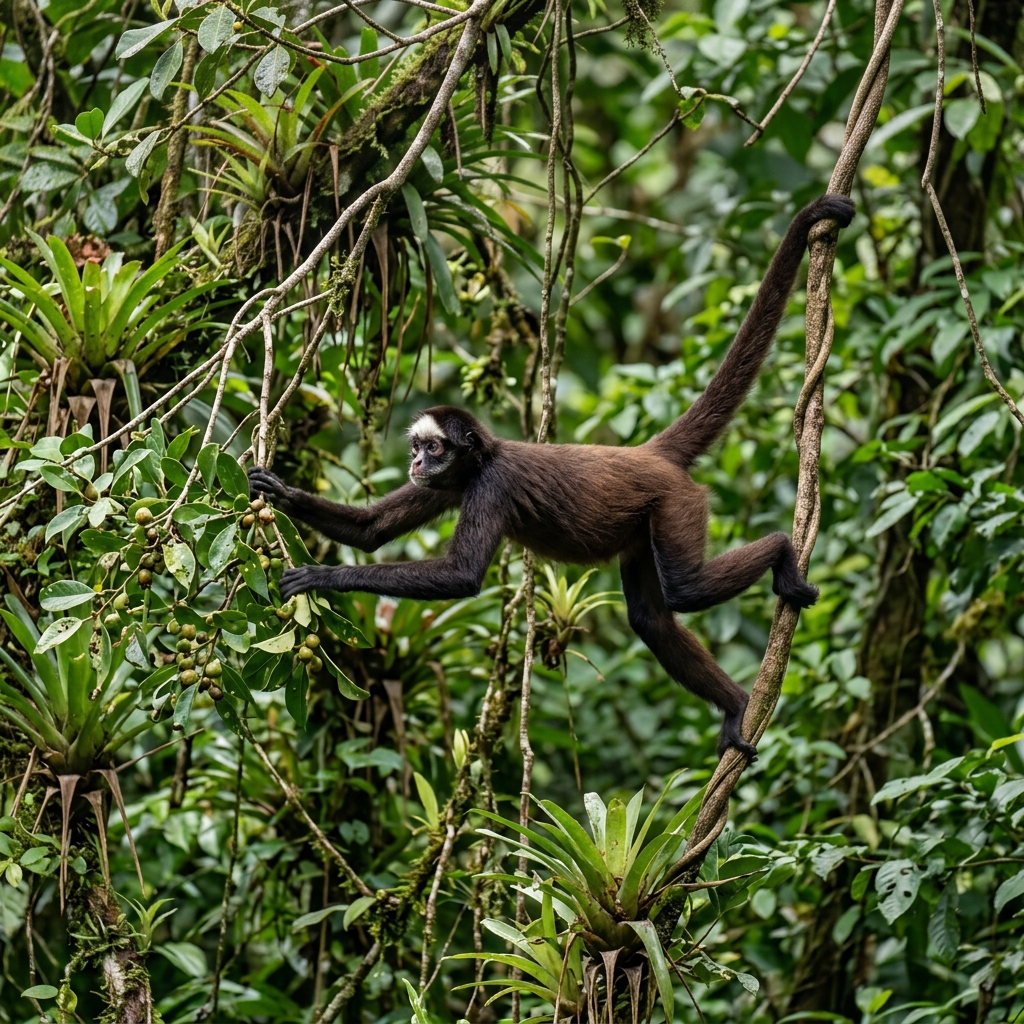
StatusEndangered
Primary HabitatTropical rainforest canopy
Ecosystem RoleSeed disperser
Human ImpactDeforestation and hunting
Adaptability
40
Giraffe
C
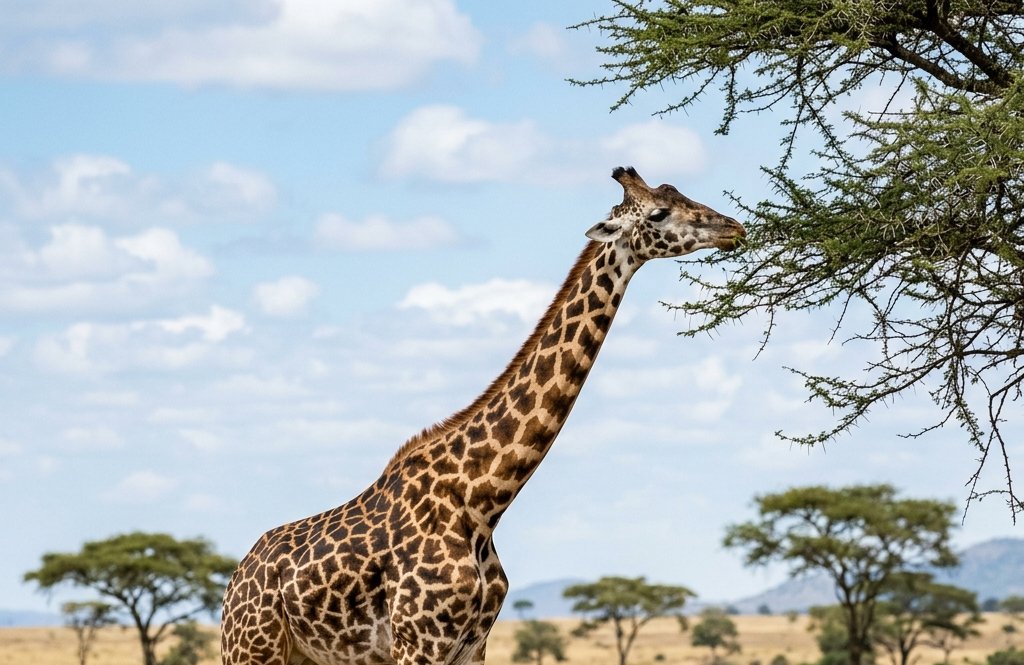
StatusVulnerable
Primary HabitatSavanna and woodlands
Ecosystem RoleBrowser
Human ImpactPoaching and habitat loss
Adaptability
50
Snow Leopard
C
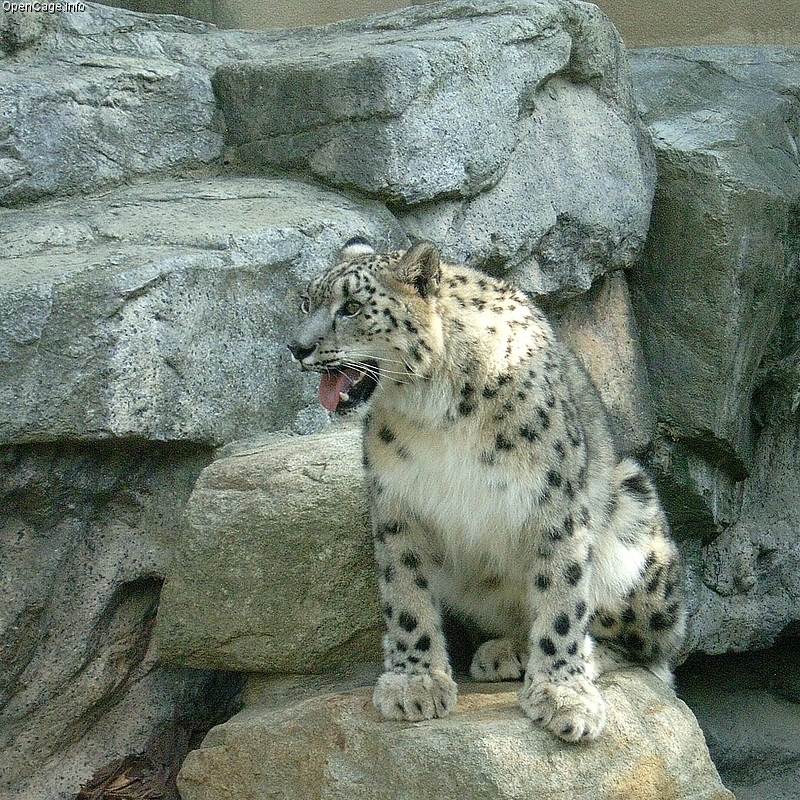
StatusVulnerable
Primary HabitatAlpine and subalpine zones
Ecosystem RoleApex Predator
Human ImpactPoaching, climate change, retaliatory killings
Adaptability
40
Alpine ibex
C
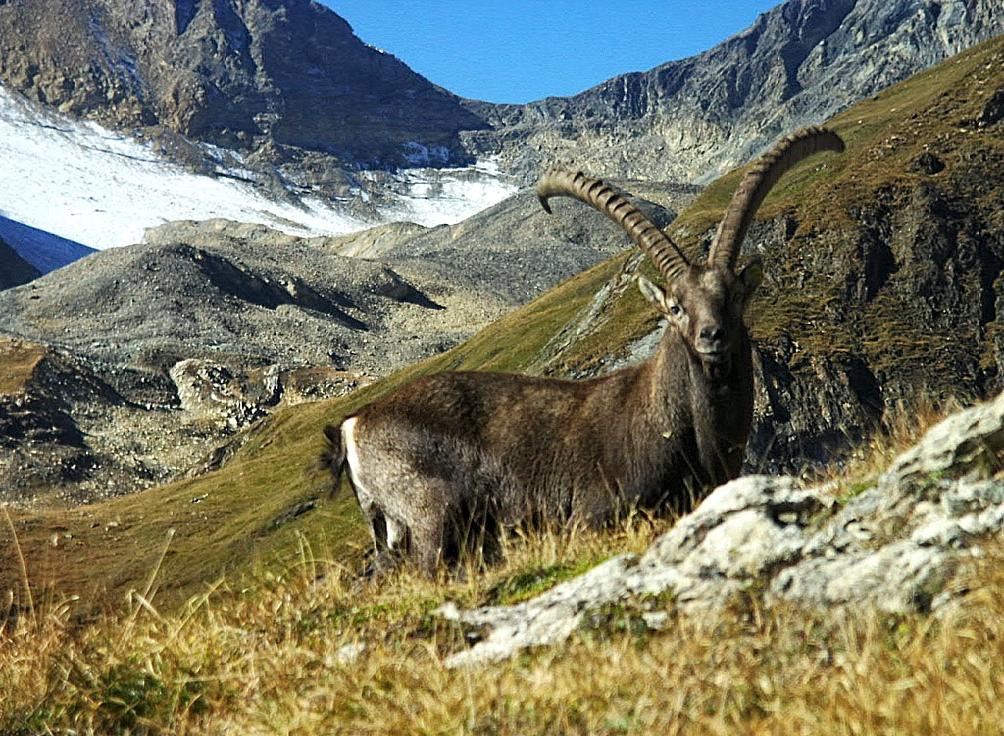
StatusLeast Concern
Primary HabitatAlpine mountain ranges
Ecosystem RolePrimary consumer
Human ImpactHistorically hunted, now recovering
Adaptability
60
Eurasian Otter
C
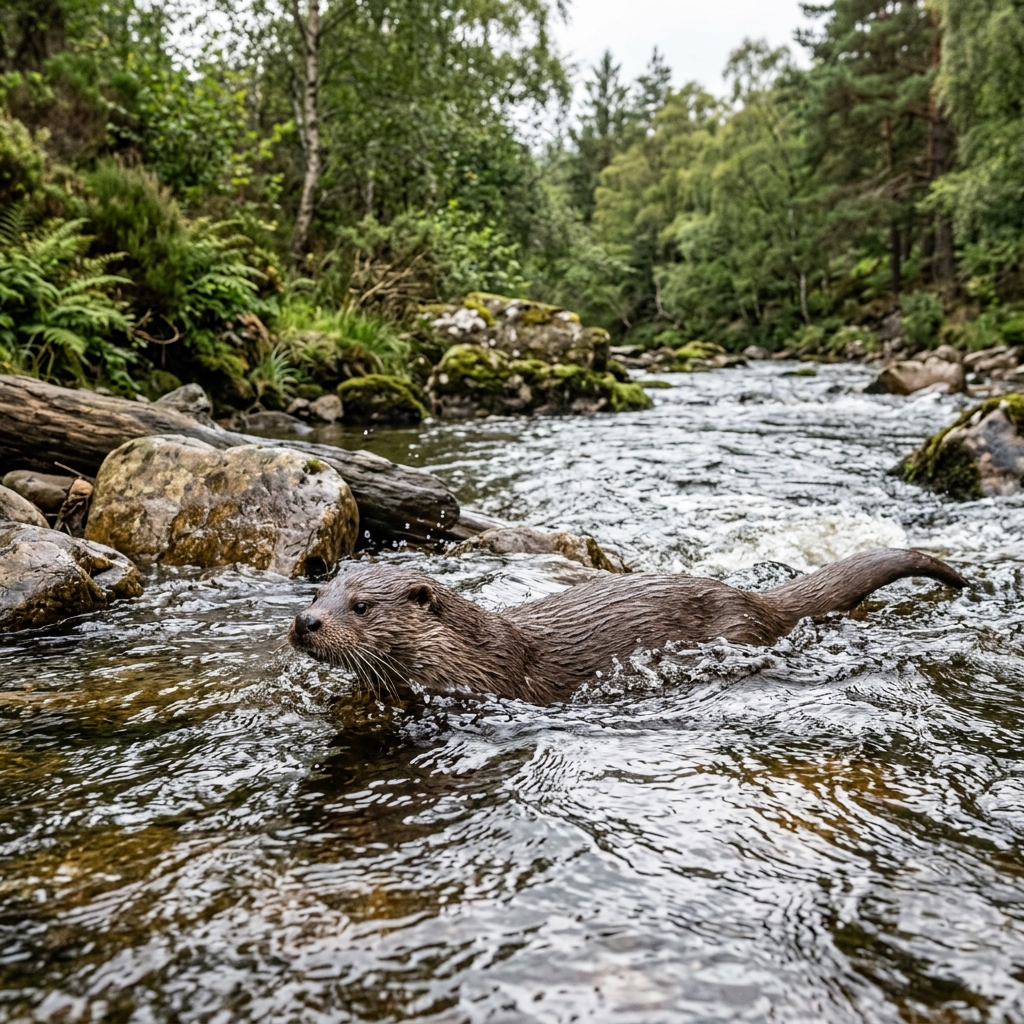
StatusNear Threatened
Primary HabitatFreshwater rivers and coasts
Ecosystem RoleApex Predator (aquatic)
Human ImpactAffected by water pollution and habitat destruction
Adaptability
65
Brown Bear
C
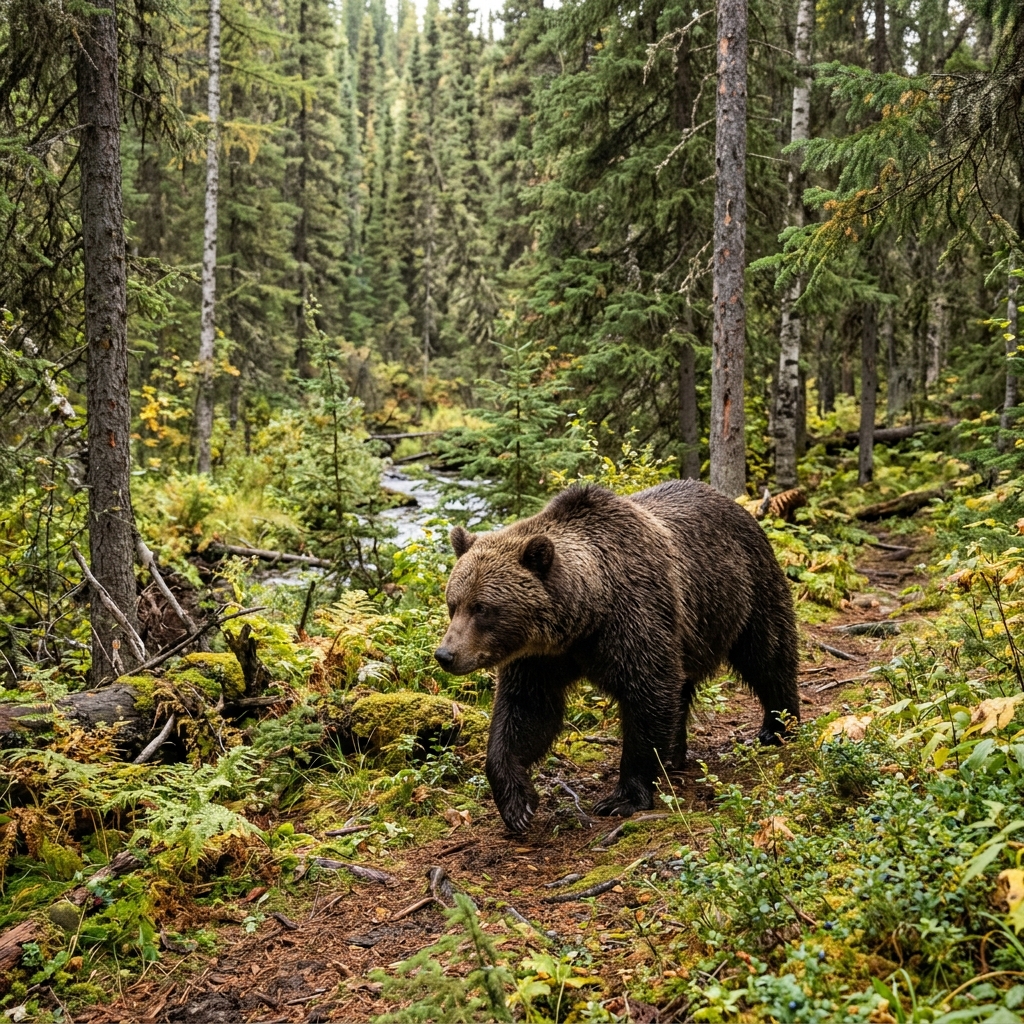
StatusLeast Concern
Primary HabitatForests and mountains
Ecosystem RoleApex Predator / Seed disperser
Human ImpactHabitat fragmentation and hunting
Adaptability
75
Moose
C
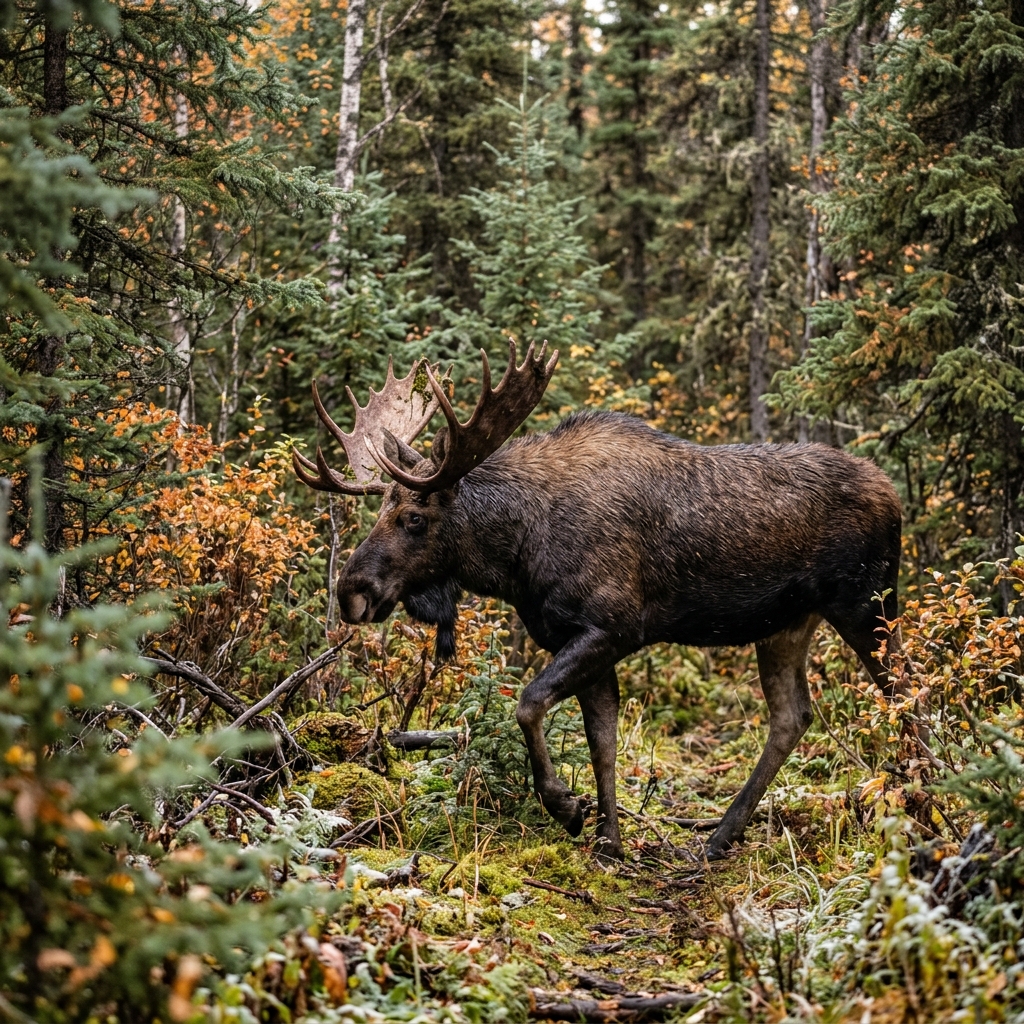
StatusLeast Concern
Primary HabitatBoreal and mixed deciduous forests
Ecosystem RoleHerbivore
Human ImpactVehicle collisions and climate change affecting range
Adaptability
65
Pine Marten
C
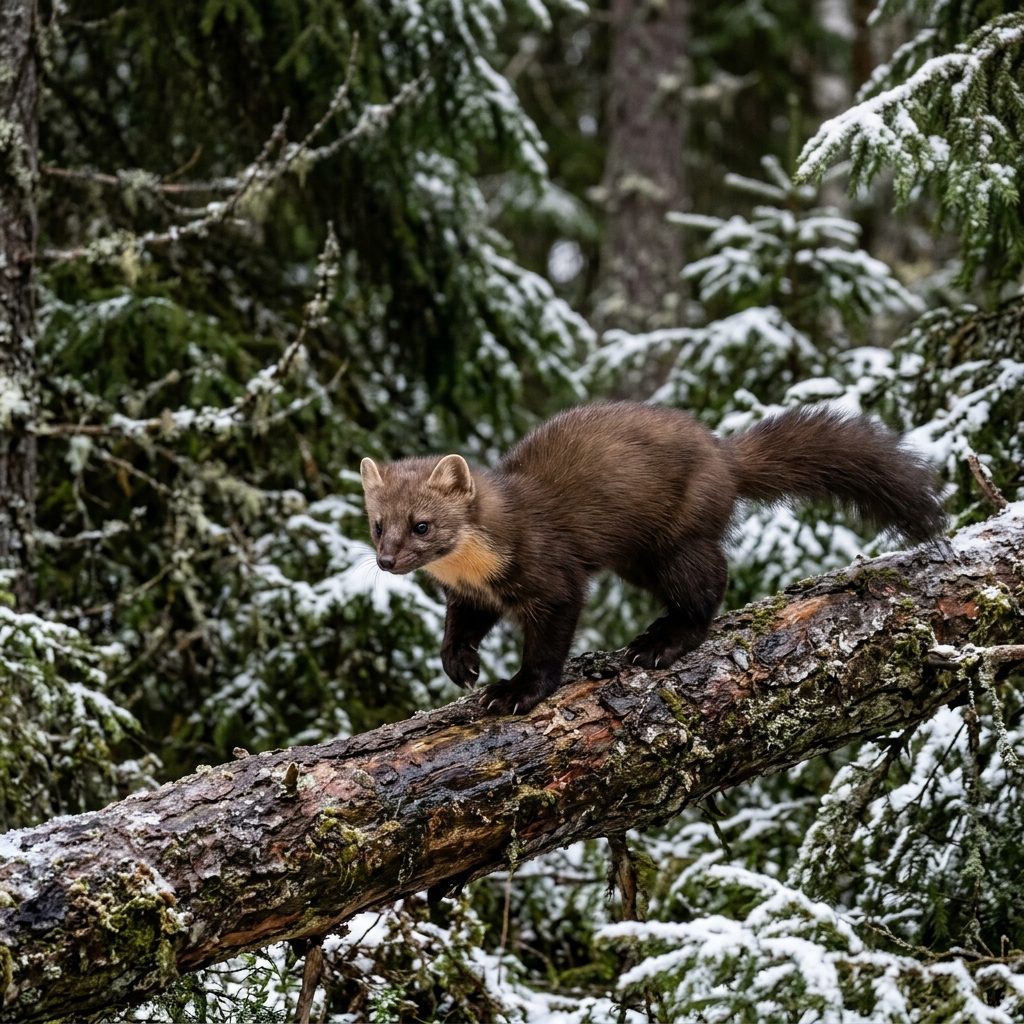
StatusLeast Concern
Primary HabitatWoodlands and forests
Ecosystem RolePredator
Human ImpactHistorical trapping and habitat loss
Adaptability
60
Urban Fox
C
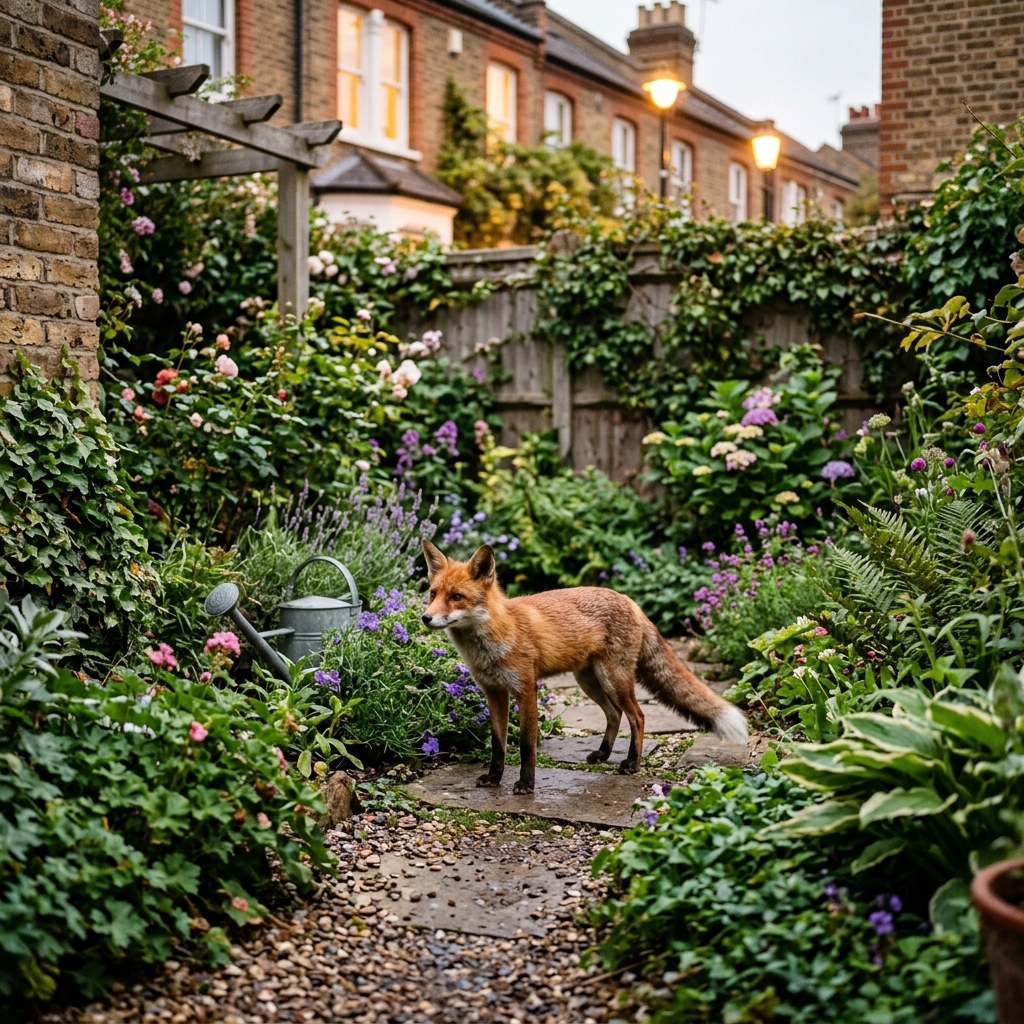
StatusLeast Concern
Primary HabitatUrban areas and woodlands
Ecosystem RoleScavenger/Predator
Human ImpactThrives in human-dominated environments
Adaptability
95
Hedgehog
C
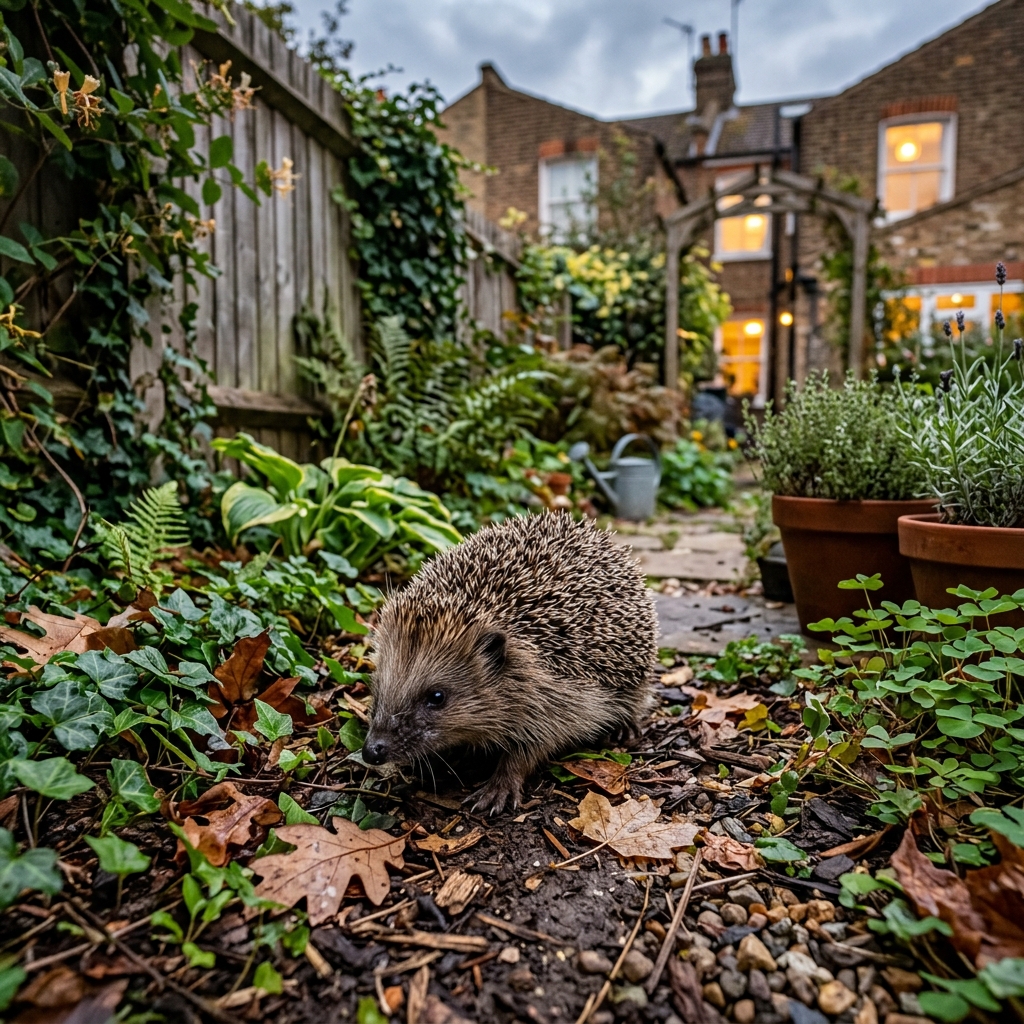
StatusVulnerable (UK)
Primary HabitatGardens, hedgerows, and woodland edges
Ecosystem RoleInsectivore
Human ImpactThreatened by roads and habitat fragmentation
Adaptability
70
Field Vole
C
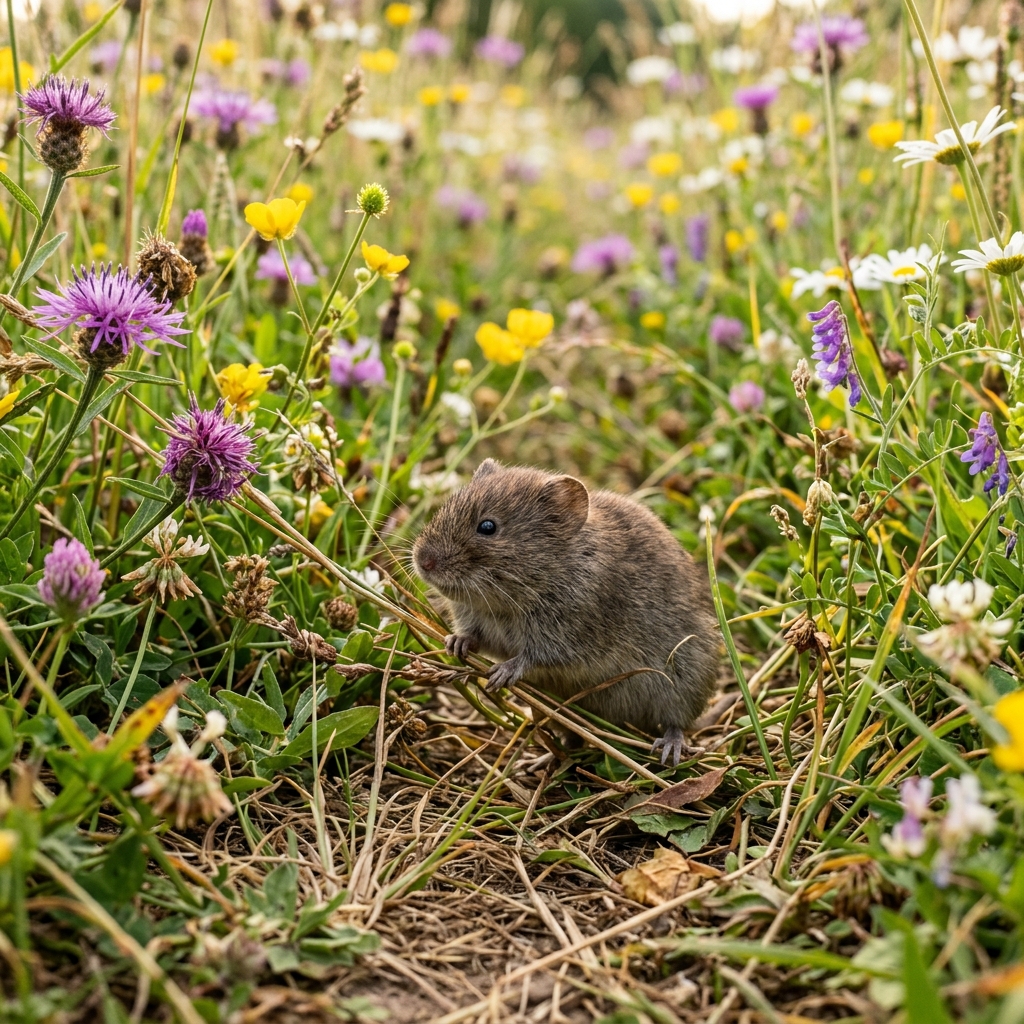
StatusLeast Concern
Primary HabitatRough grassland
Ecosystem RolePrimary food source for many predators
Human ImpactRequires unmanaged field margins
Adaptability
80
Jaguar
C
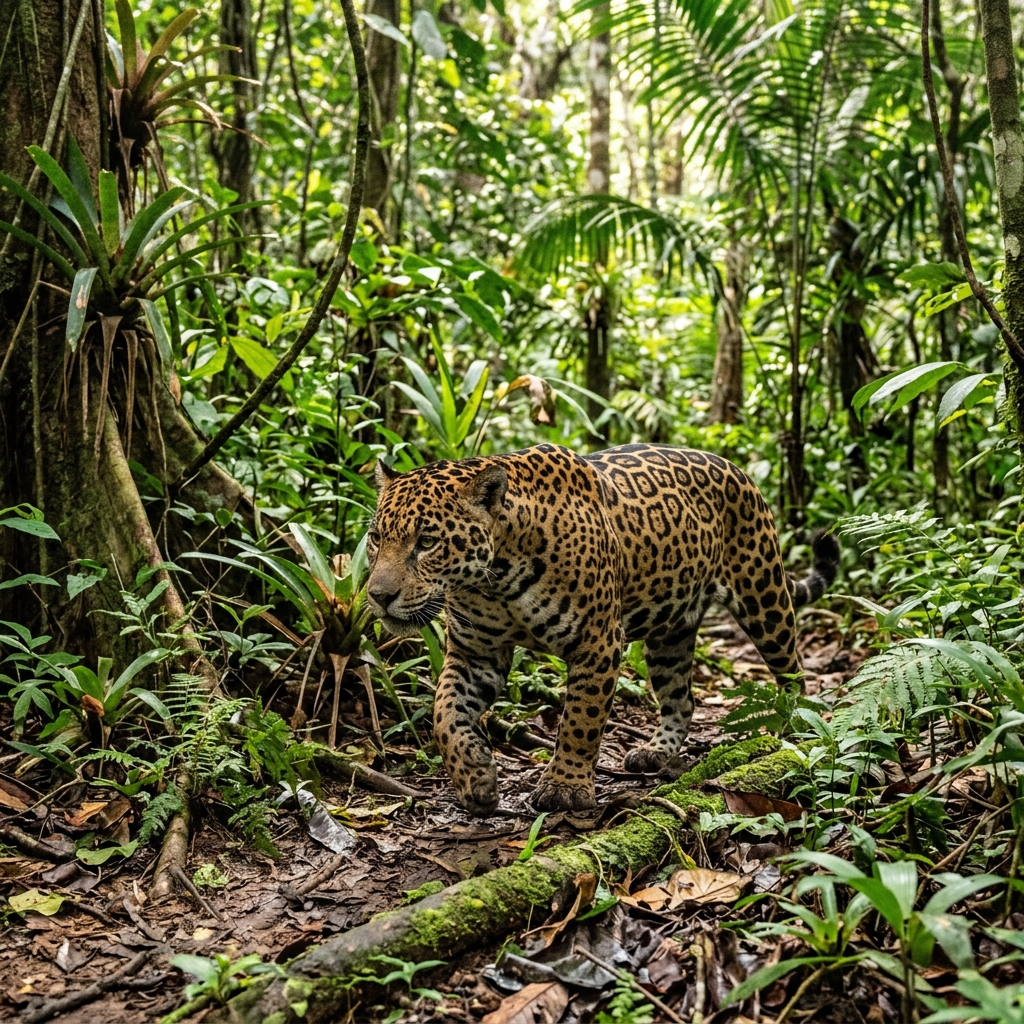
StatusNear Threatened
Primary HabitatRainforests and swamps
Ecosystem RoleApex Predator
Human ImpactHabitat fragmentation and poaching
Adaptability
50
Walrus
C
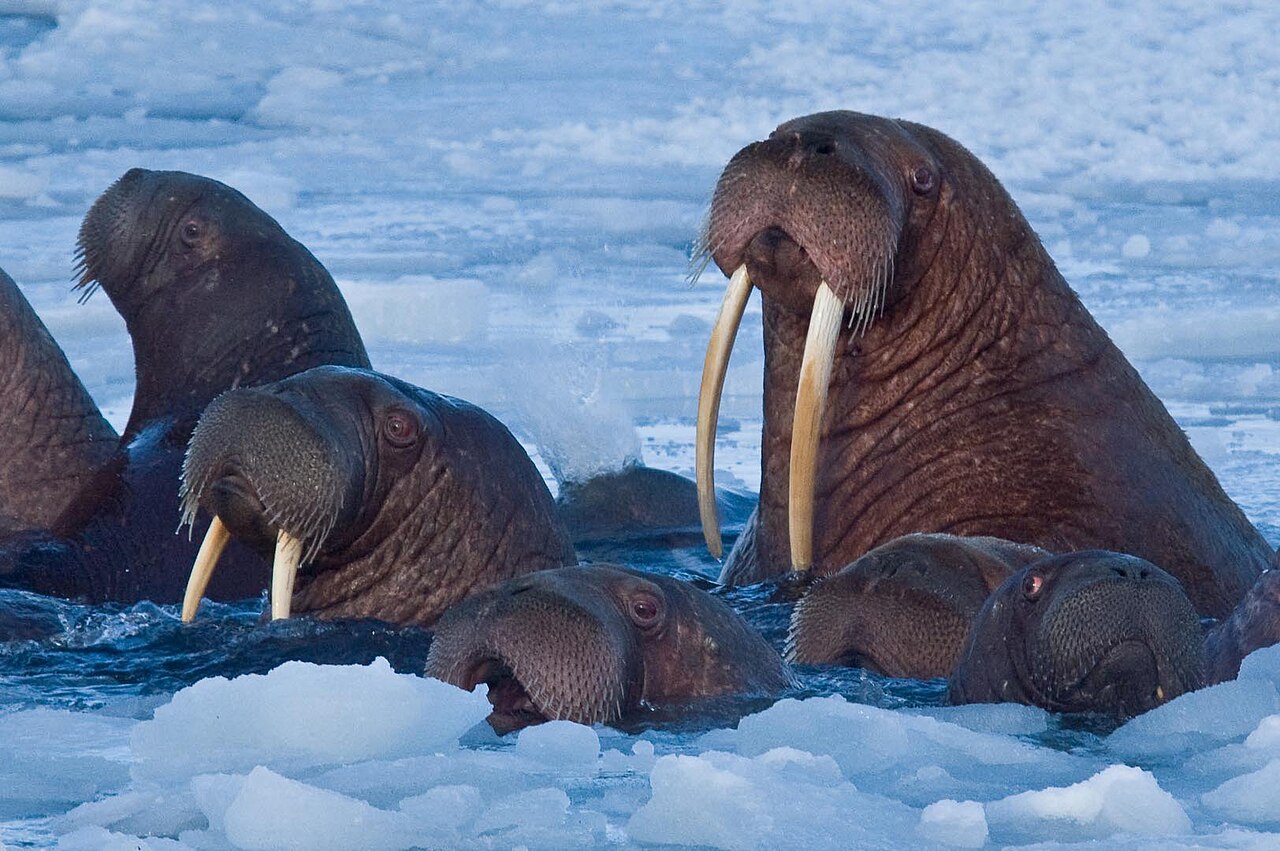
StatusVulnerable
Primary HabitatArctic sea ice and coastlines
Ecosystem RoleBenthic predator
Human ImpactThreatened by climate change and sea ice loss
Adaptability
40
Orca
C
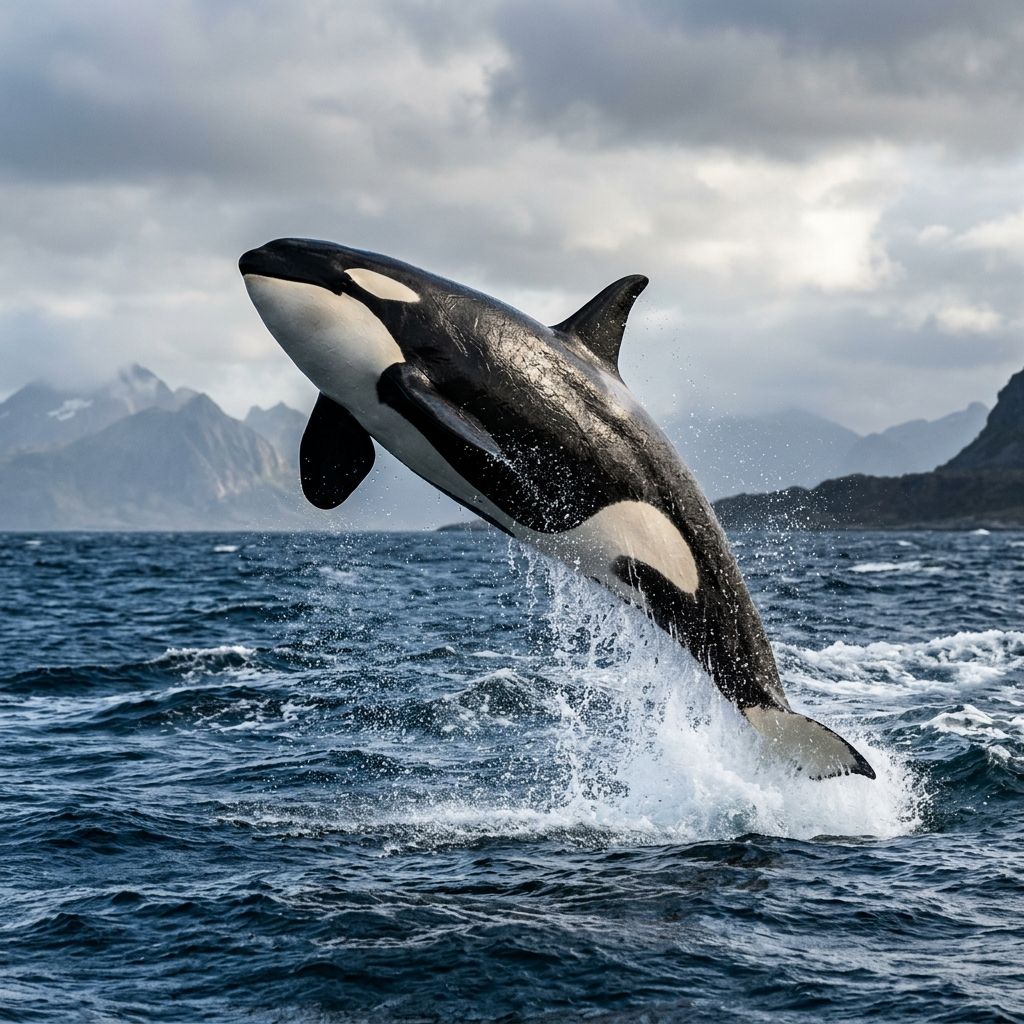
StatusData Deficient
Primary HabitatOceans worldwide
Ecosystem RoleApex Predator
Human ImpactVulnerable to chemical pollution and noise
Adaptability
85
Lemming
C
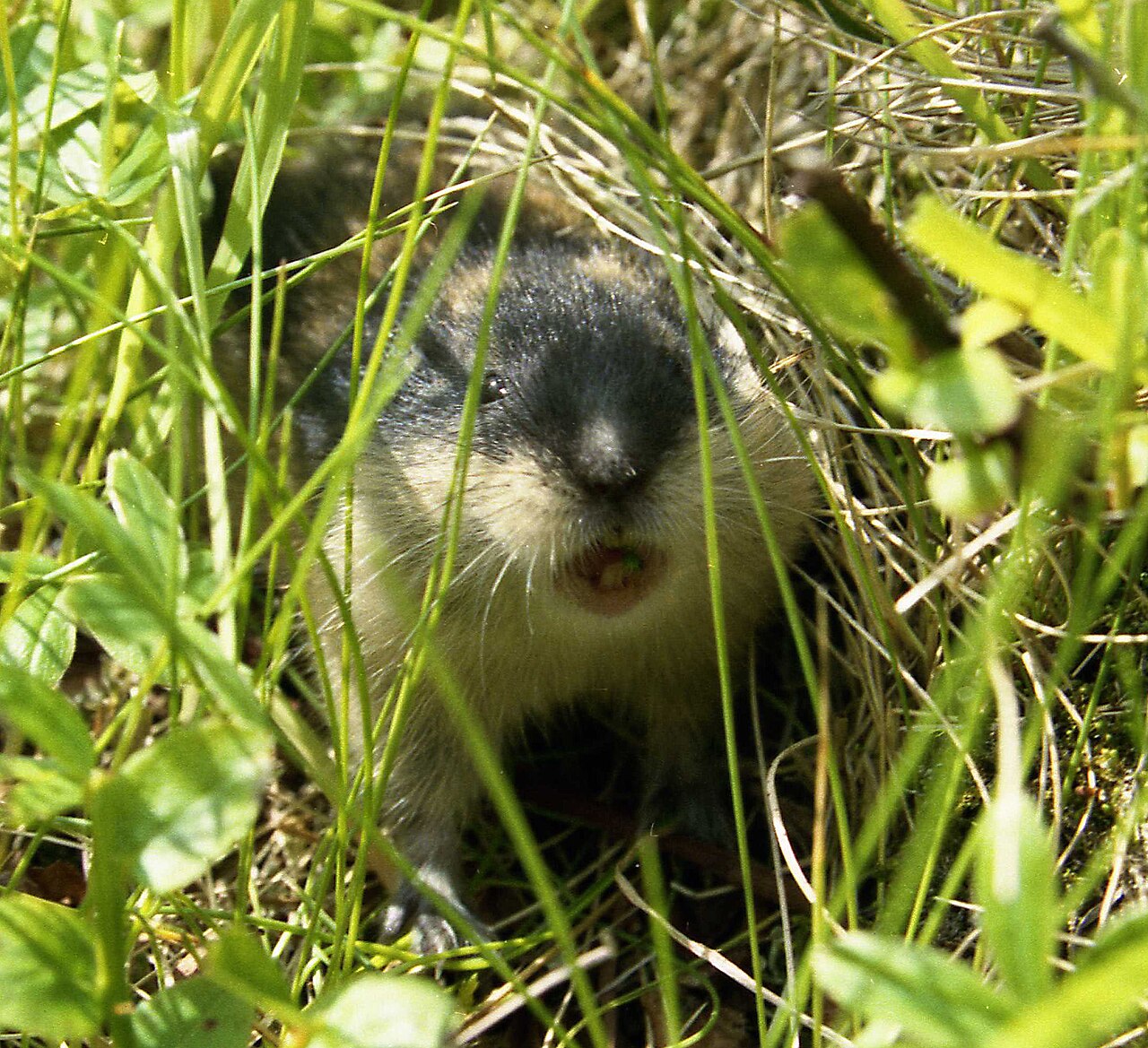
StatusLeast Concern
Primary HabitatArctic Tundra
Ecosystem RolePrimary Consumer, Key prey species
Human ImpactAffected by climate-driven changes to snow cover
Adaptability
70
Musk Ox
C
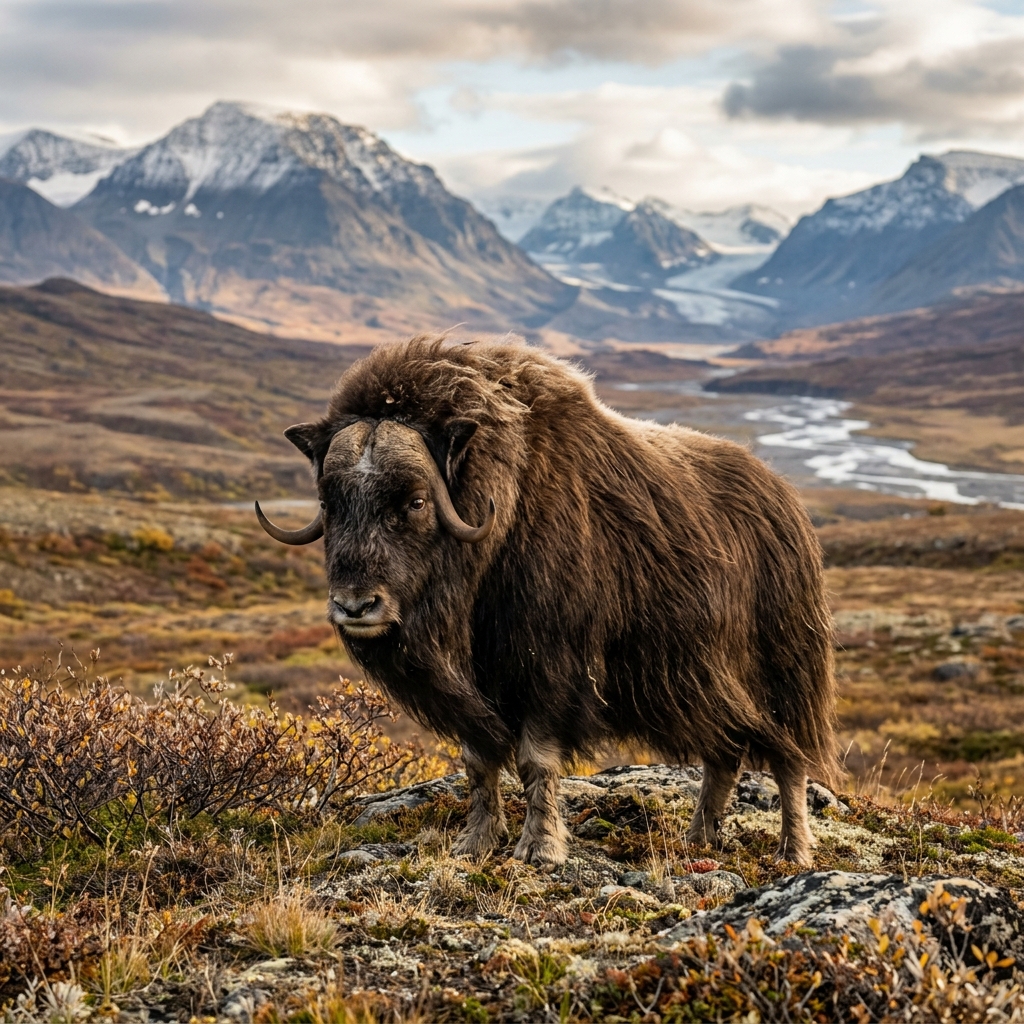
StatusLeast Concern
Primary HabitatArctic Tundra
Ecosystem RoleLarge Herbivore
Human ImpactHistorically hunted, now recovering
Adaptability
40
Bowhead Whale
C
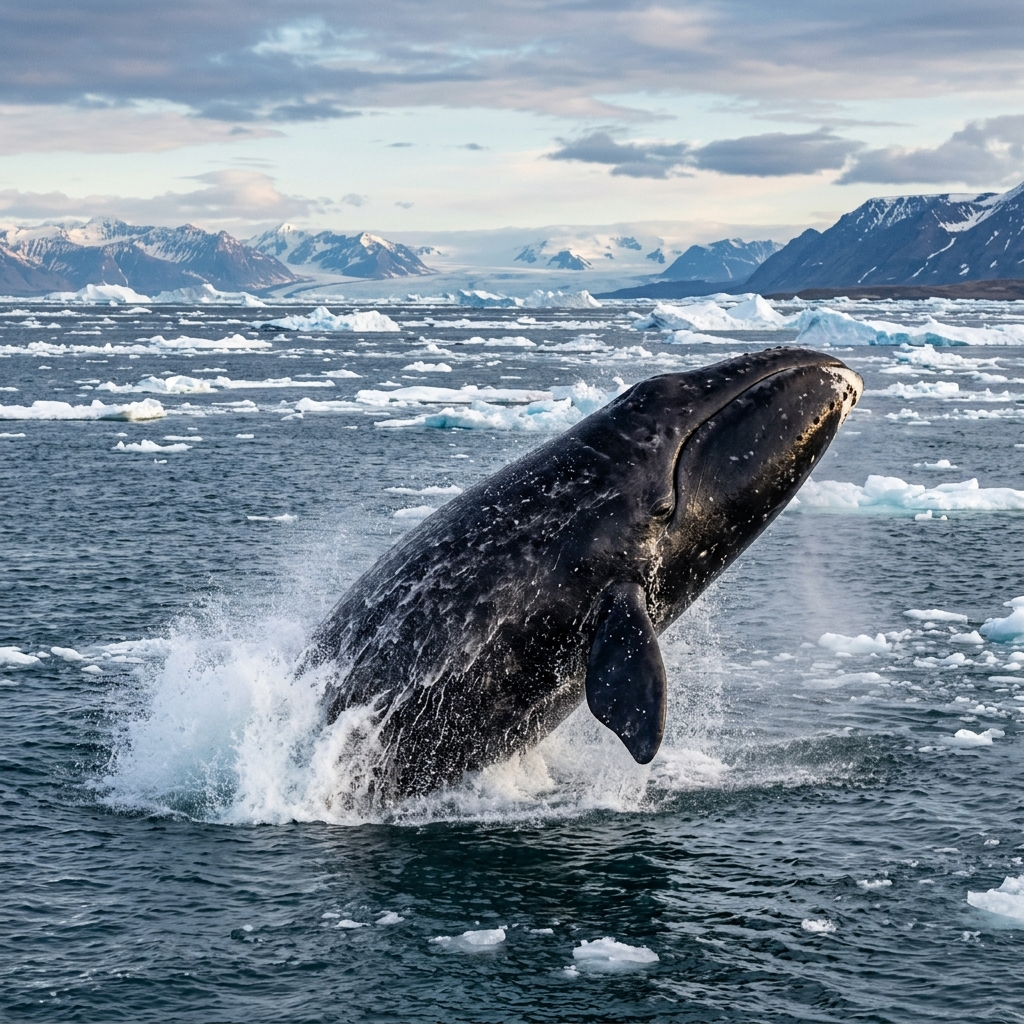
StatusLeast Concern
Primary HabitatArctic and sub-Arctic waters
Ecosystem RoleFilter feeder
Human ImpactRecovering from commercial whaling, threatened by ship strikes
Adaptability
30
Arctic Wolf
C
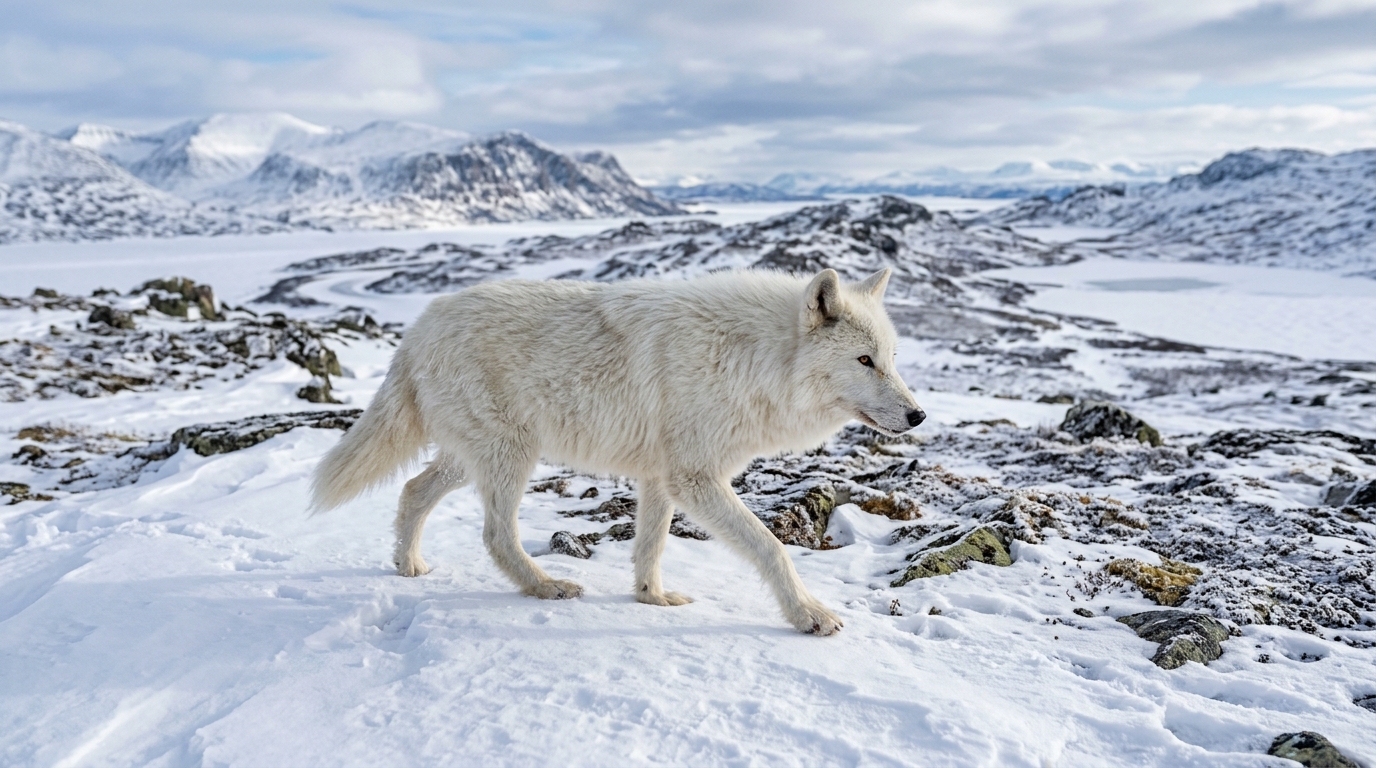
StatusLeast Concern
Primary HabitatArctic Tundra
Ecosystem RoleApex Predator
Human ImpactMinimal due to remote habitat
Adaptability
65
Dingo
C
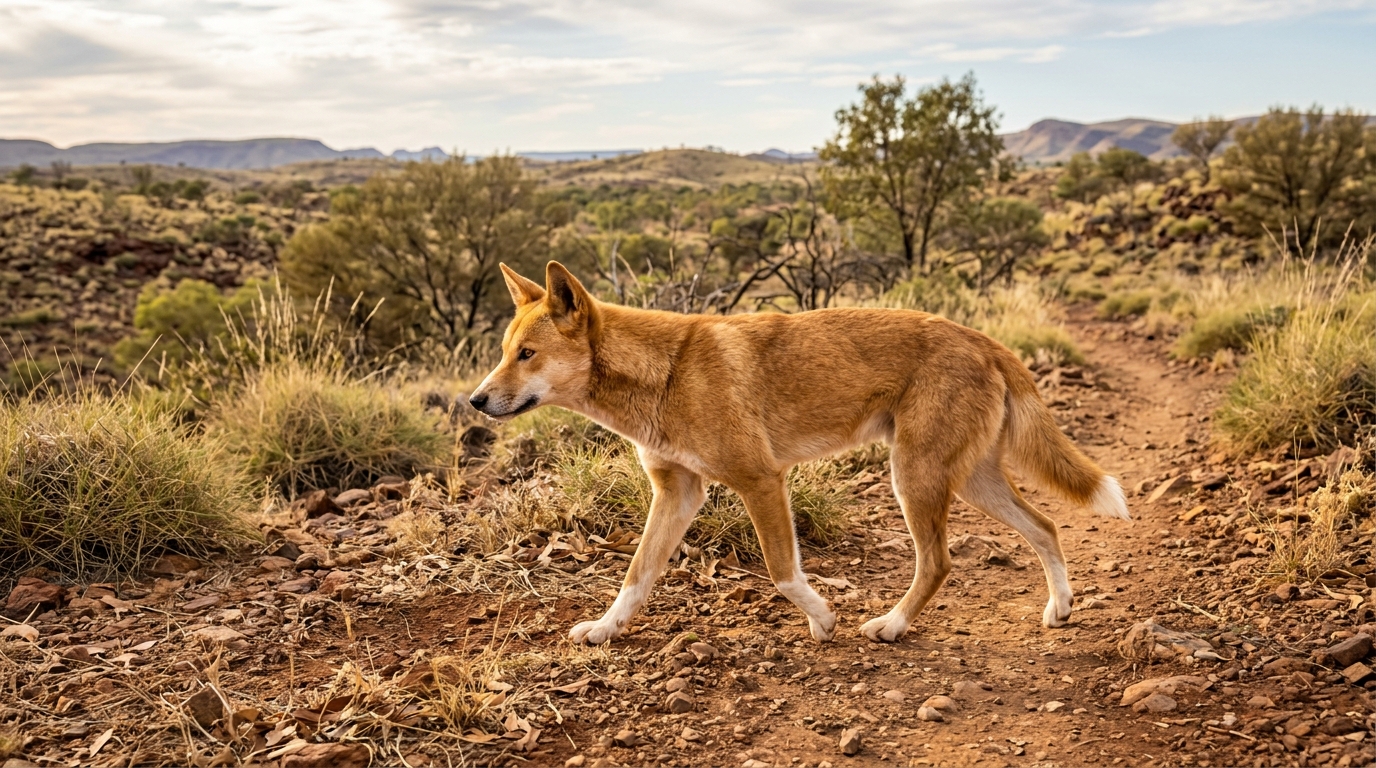
StatusVulnerable
Primary HabitatOutback and forests
Ecosystem RoleApex Predator
Human ImpactTargeted by widespread culling and fencing
Adaptability
80
Howler Monkey
C
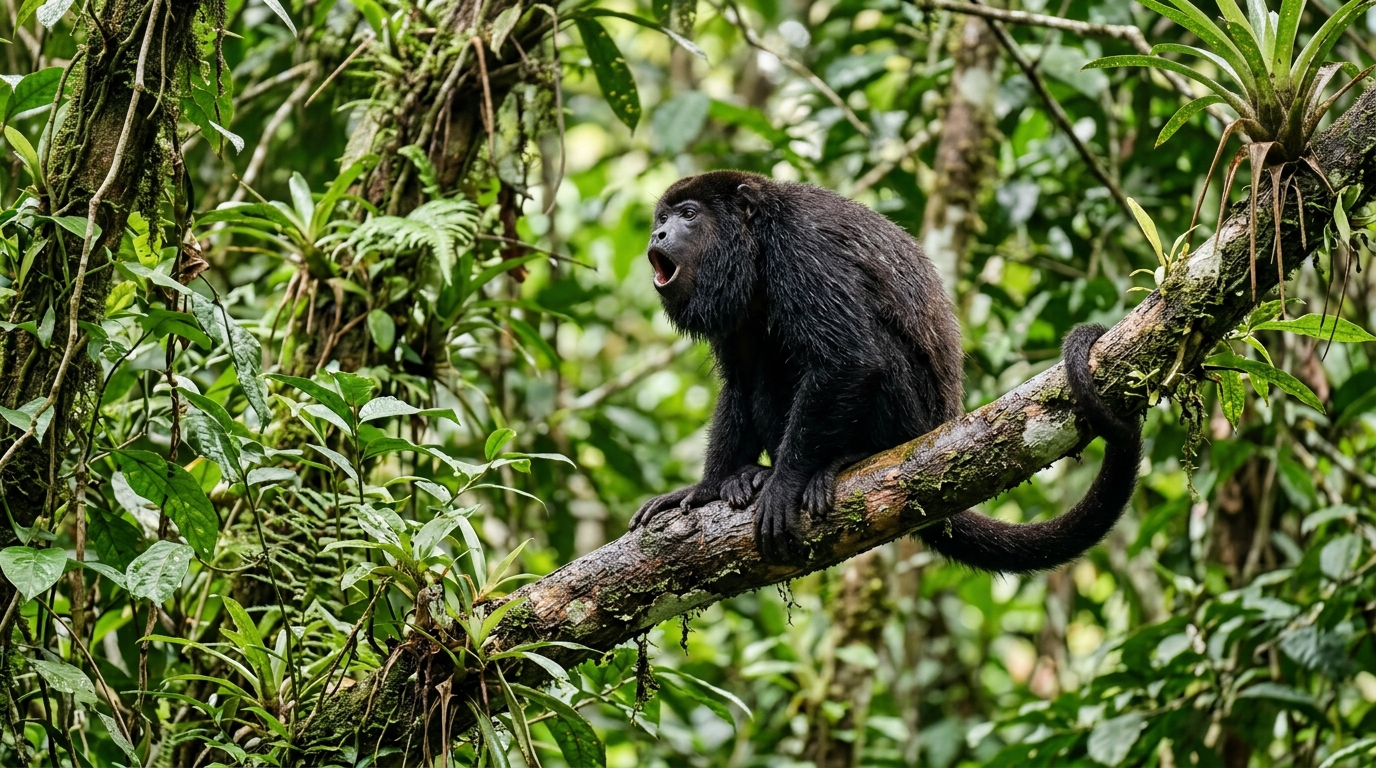
StatusLeast Concern
Primary HabitatRainforests
Ecosystem RoleFolivore and seed disperser
Human ImpactHabitat fragmentation
Adaptability
50
Pika
C
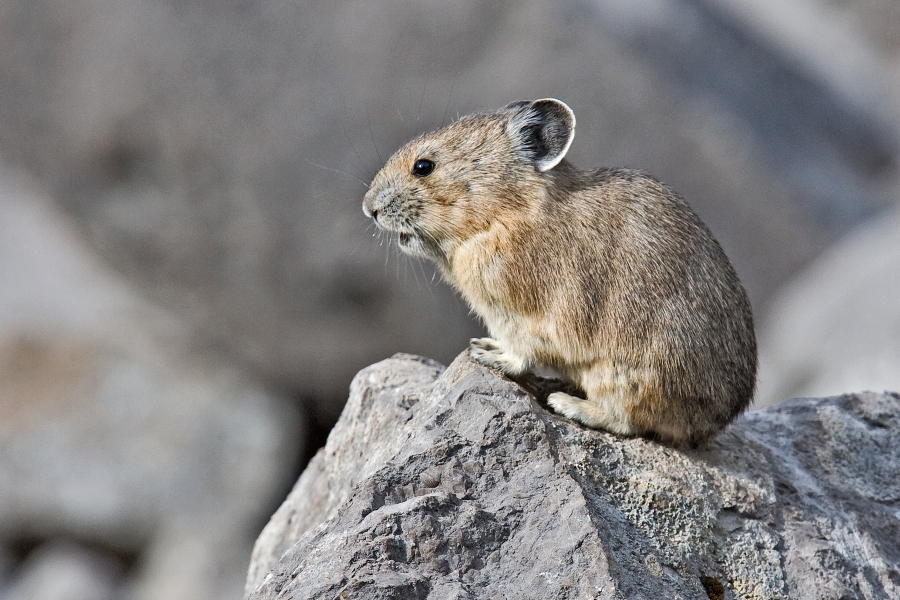
StatusLeast Concern
Primary HabitatAlpine scree slopes
Ecosystem RoleHerbivore
Human ImpactHighly sensitive to climate change warming their habitats
Adaptability
20
Wolf
C
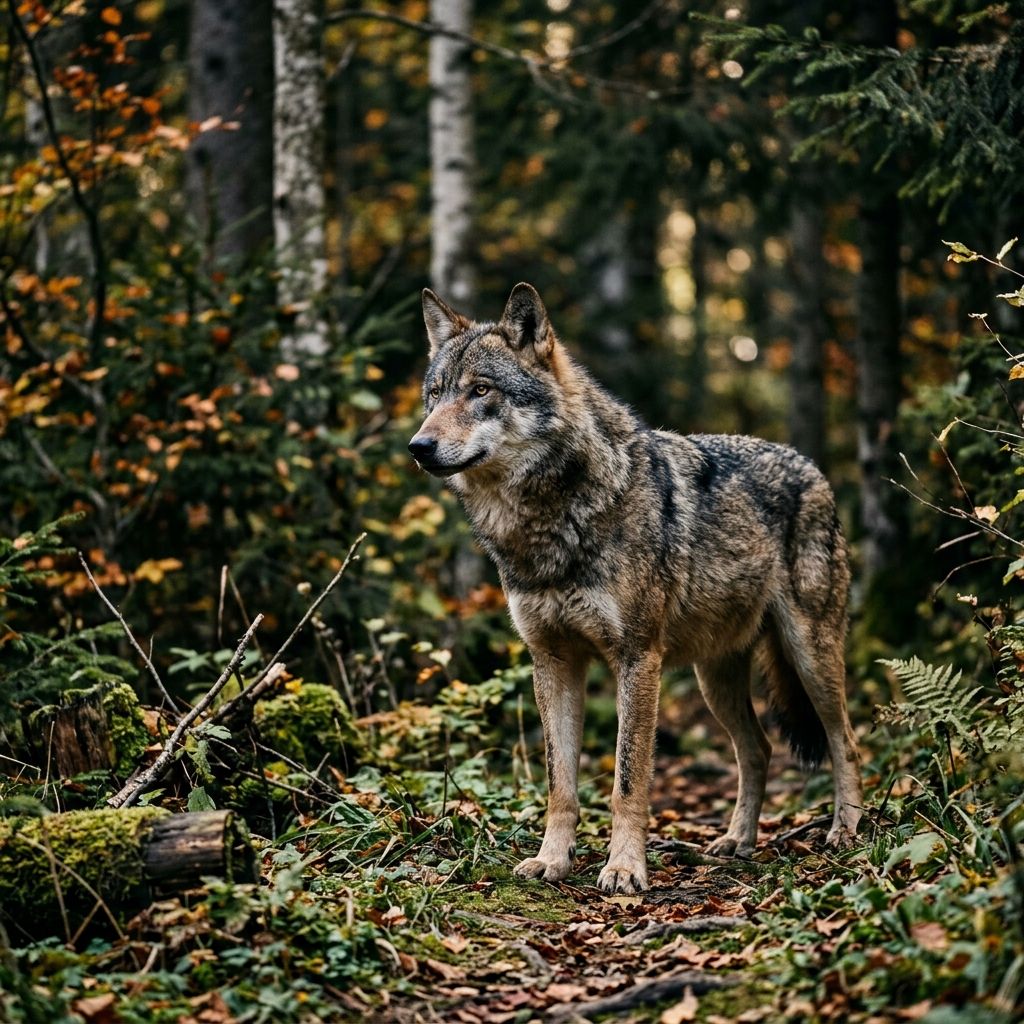
StatusLeast Concern
Primary HabitatForests, Tundra, and Grasslands
Ecosystem RoleApex Predator
Human ImpactHabitat fragmentation and human-wildlife conflict
Adaptability
85
Lynx
C
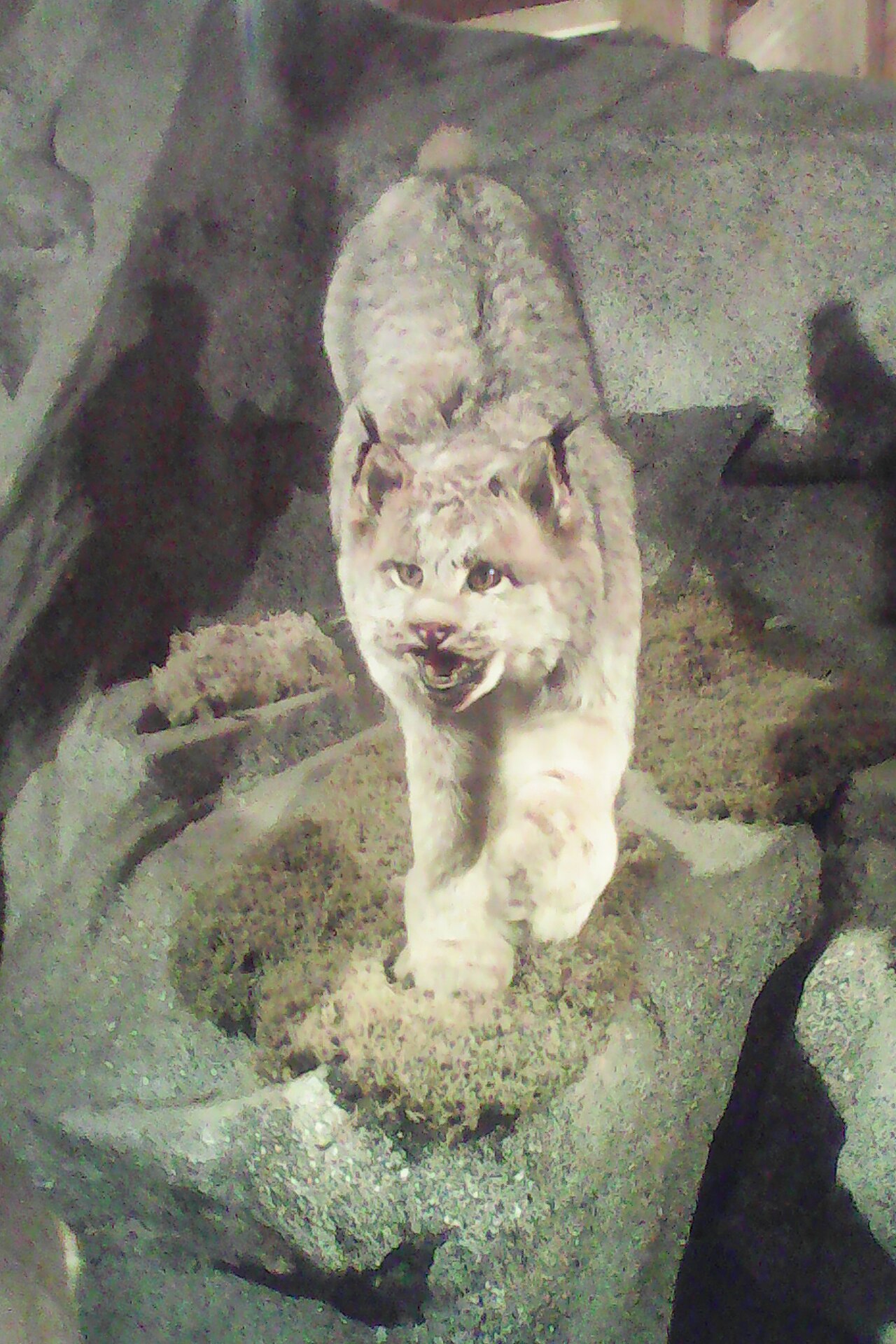
StatusLeast Concern (Eurasian)
Primary HabitatBoreal and temperate forests
Ecosystem RoleMesopredator/Apex Predator
Human ImpactThreatened by habitat fragmentation and poaching
Adaptability
65
Tapir
C
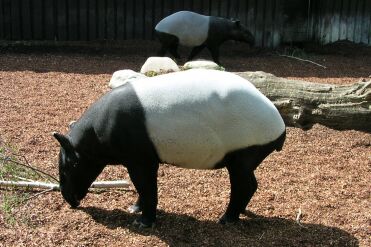
StatusVulnerable/Endangered
Primary HabitatTropical rainforests and wetlands
Ecosystem RoleSeed disperser
Human ImpactThreatened by habitat destruction and hunting
Adaptability
40
Rat
C
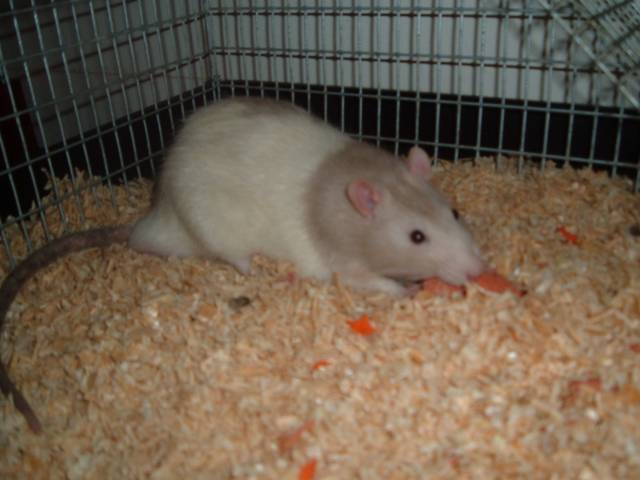
StatusLeast Concern
Primary HabitatUrban areas, forests, fields
Ecosystem RolePrey for many predators, scavenger
Human ImpactWidely controlled as a pest
Adaptability
100
Blue Whale
C
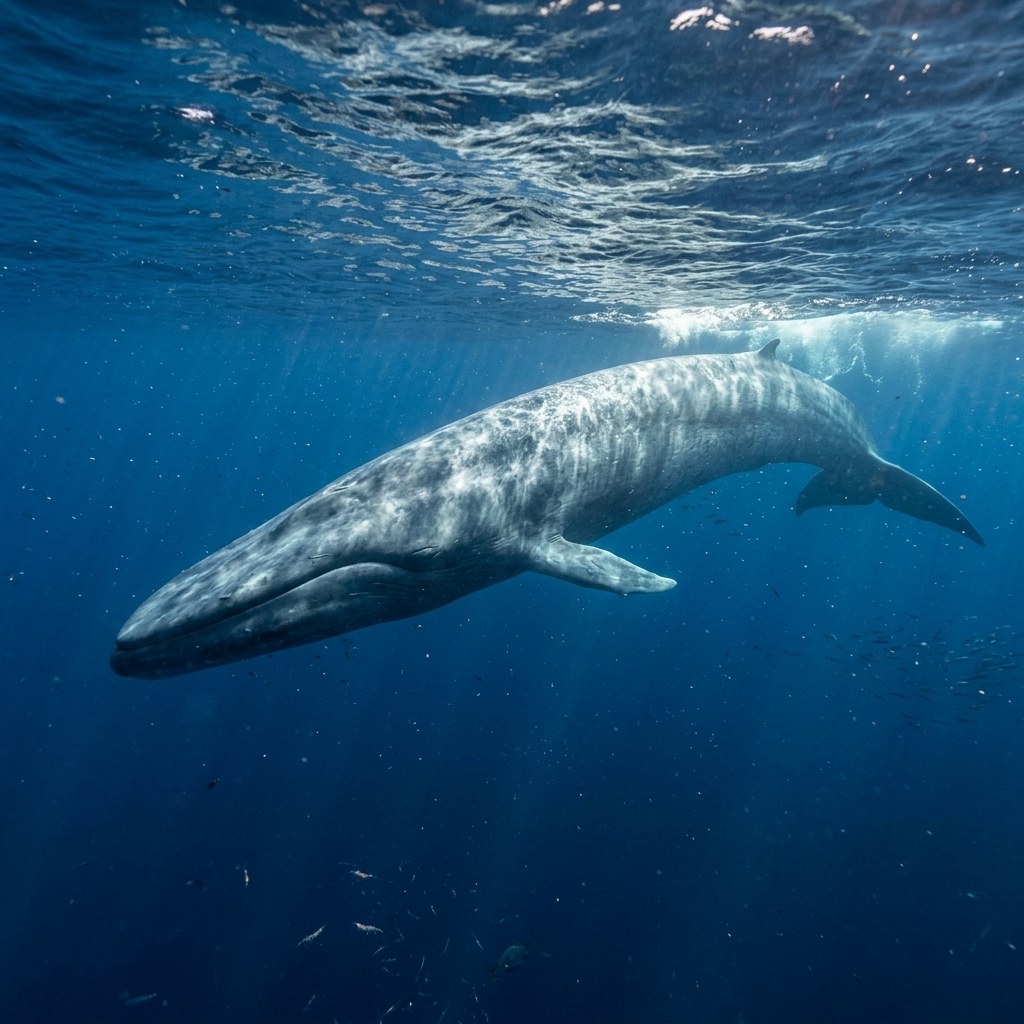
StatusEndangered
Primary HabitatOceans
Ecosystem RoleApex Marine Predator
Human ImpactShip strikes, climate change
Adaptability
30
Fin Whale
C
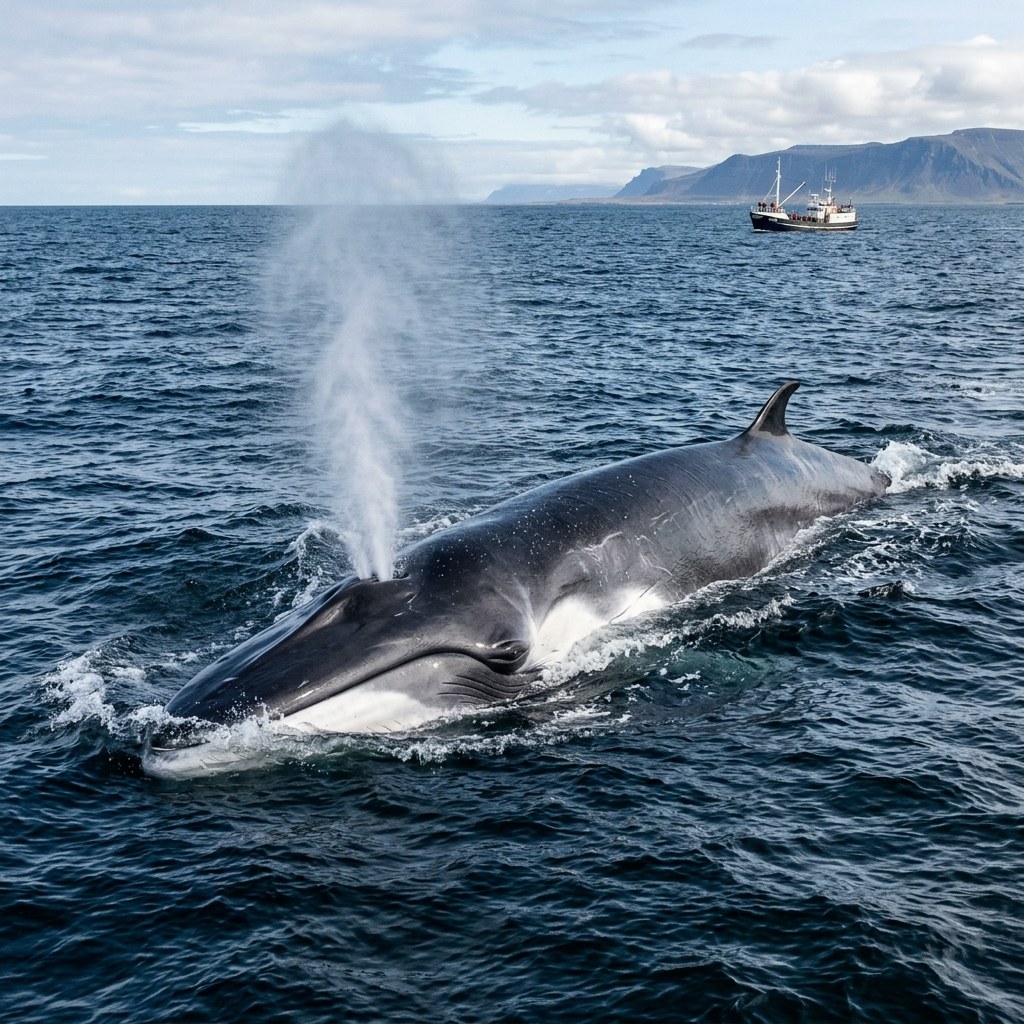
StatusVulnerable
Primary HabitatPelagic ocean
Ecosystem RoleMarine Predator
Human ImpactWhaling, noise pollution
Adaptability
35
African Bush Elephant
C
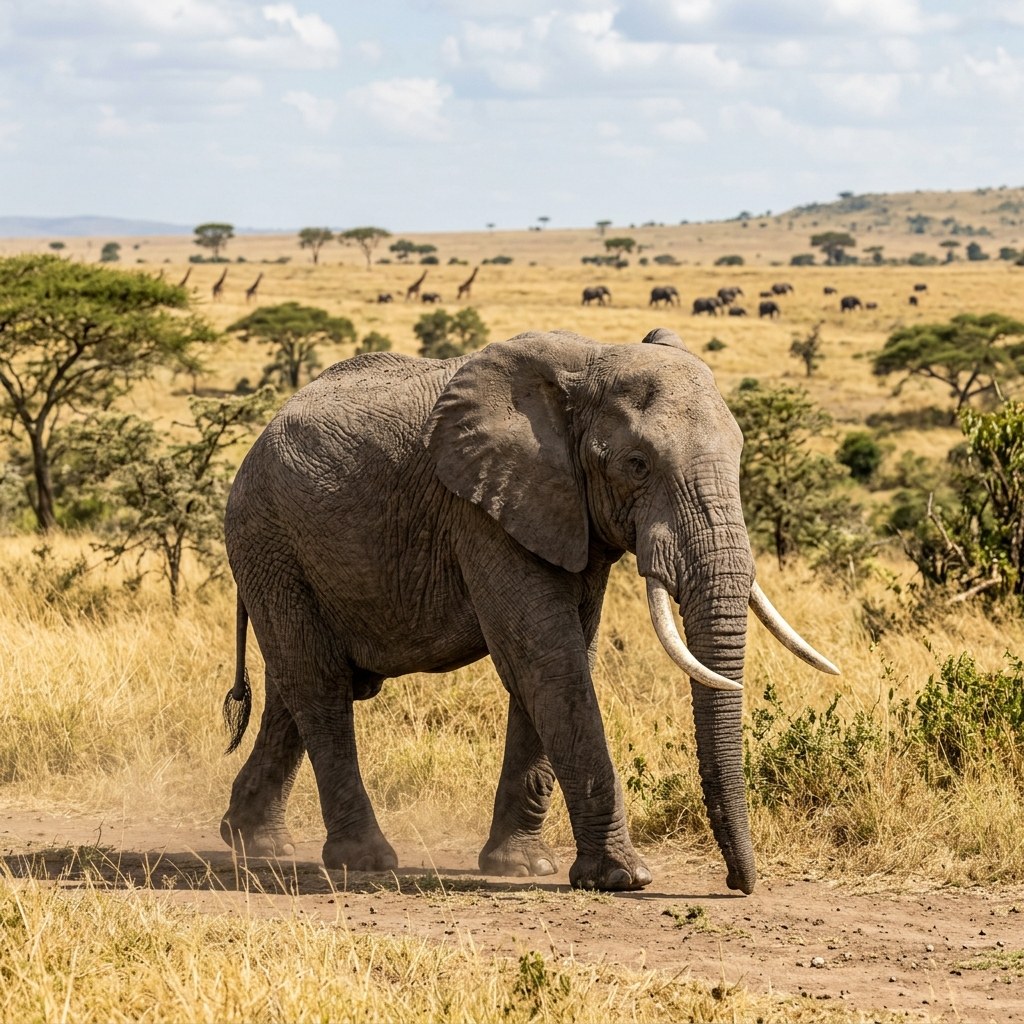
StatusEndangered
Primary HabitatSavanna
Ecosystem RoleEcosystem Engineer
Human ImpactPoaching for ivory
Adaptability
60
Brazilian Free-tailed Bat
C
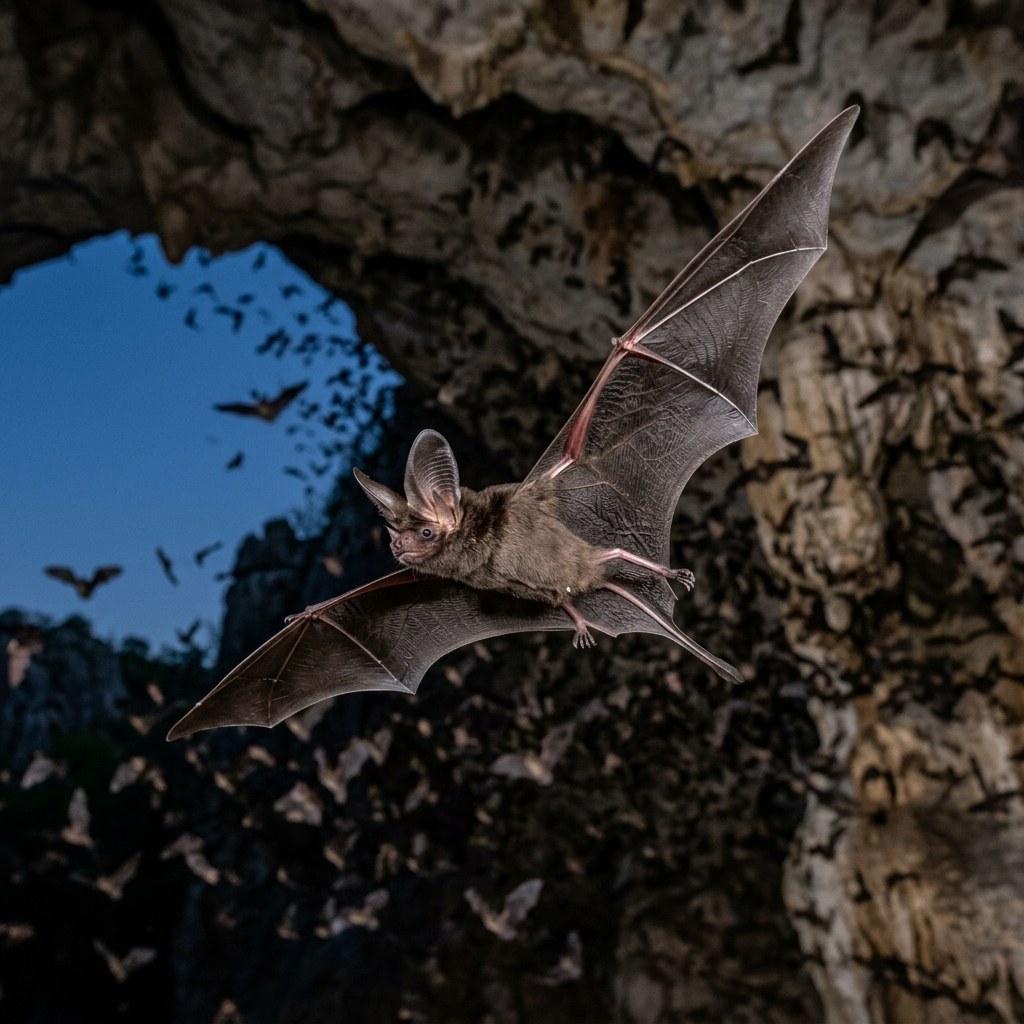
StatusLeast Concern
Primary HabitatCaves, urban bridges
Ecosystem RoleInsect population control
Human ImpactPesticides, roost disturbance
Adaptability
80
Cheetah
C
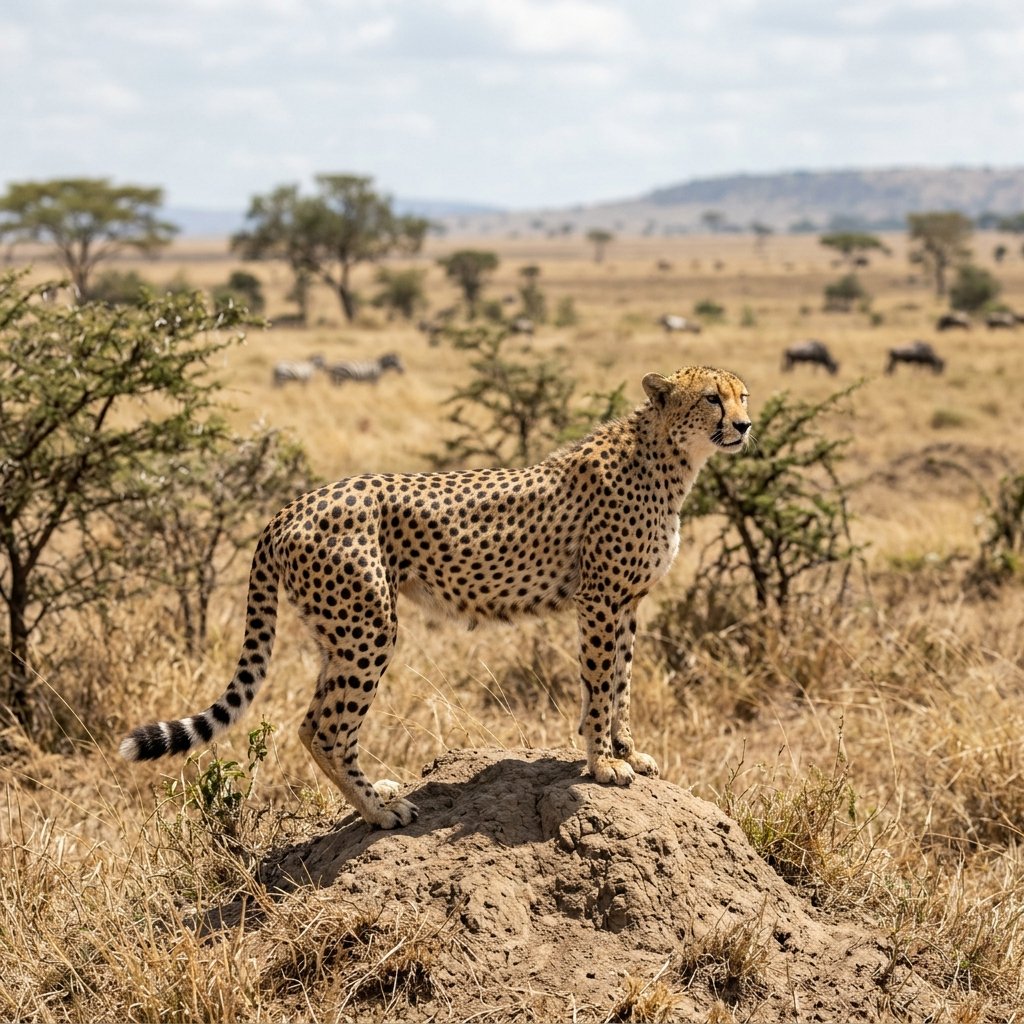
StatusVulnerable
Primary HabitatSavanna
Ecosystem RoleApex Predator
Human ImpactHabitat fragmentation
Adaptability
40
Three-toed Sloth
C
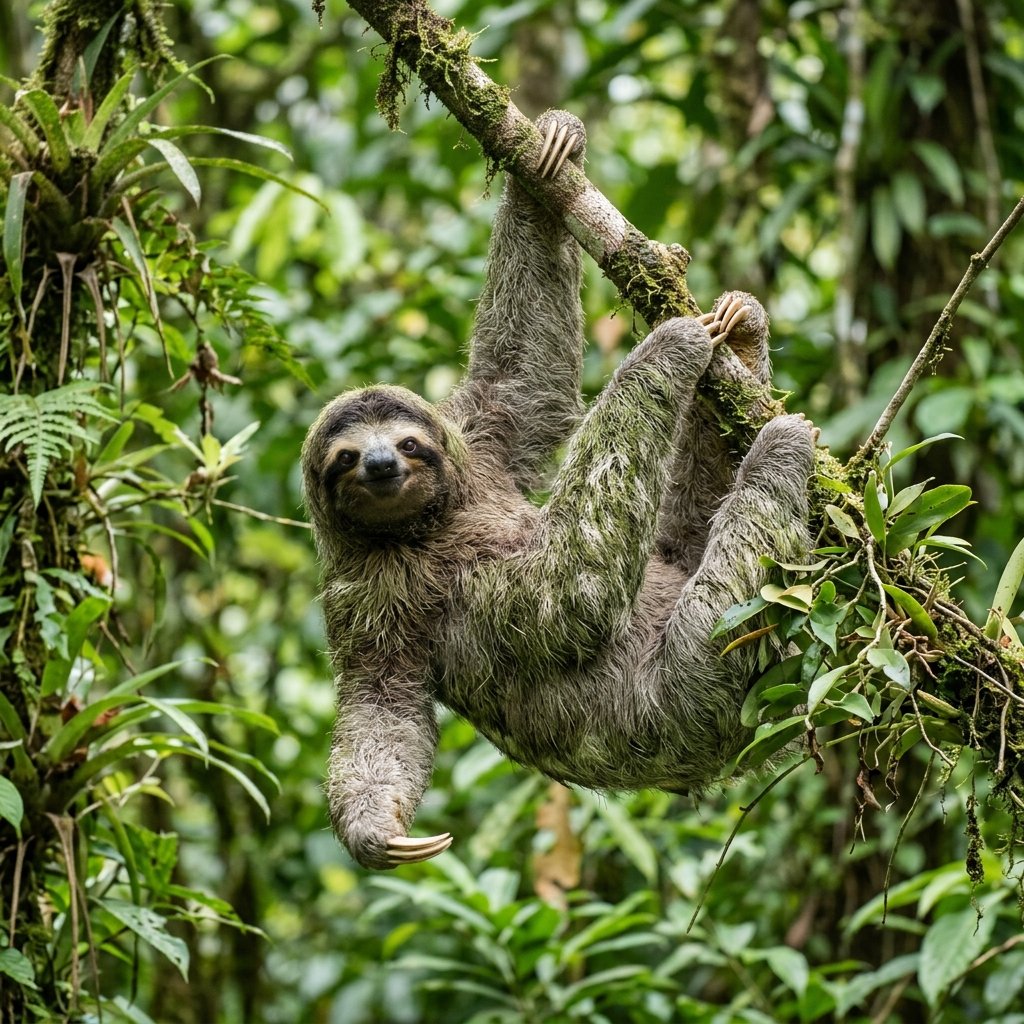
StatusLeast Concern
Primary HabitatTropical rainforest canopy
Ecosystem RoleArboreal folivore
Human ImpactDeforestation
Adaptability
20
Thomson's Gazelle
C
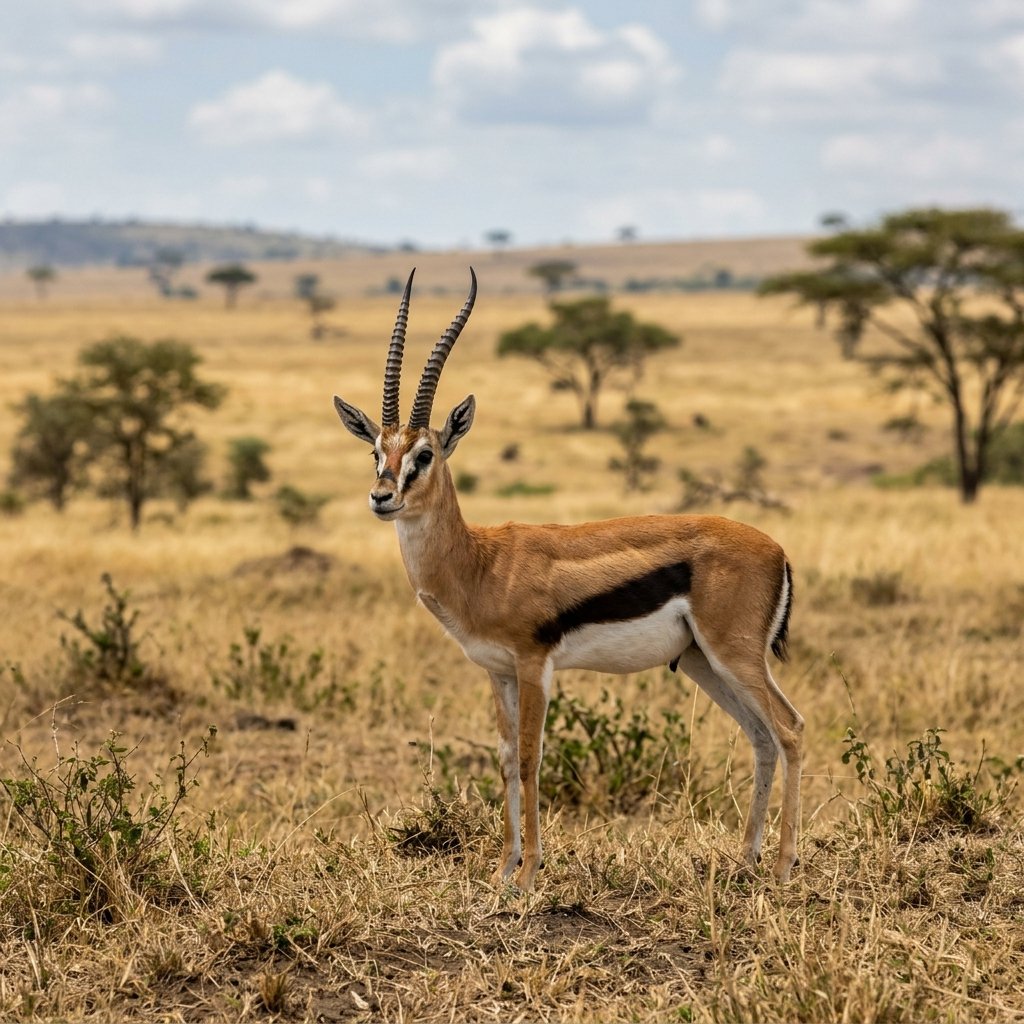
StatusNear Threatened
Primary HabitatSavanna
Ecosystem RolePrimary Consumer
Human ImpactHabitat loss
Adaptability
50
Dog
C
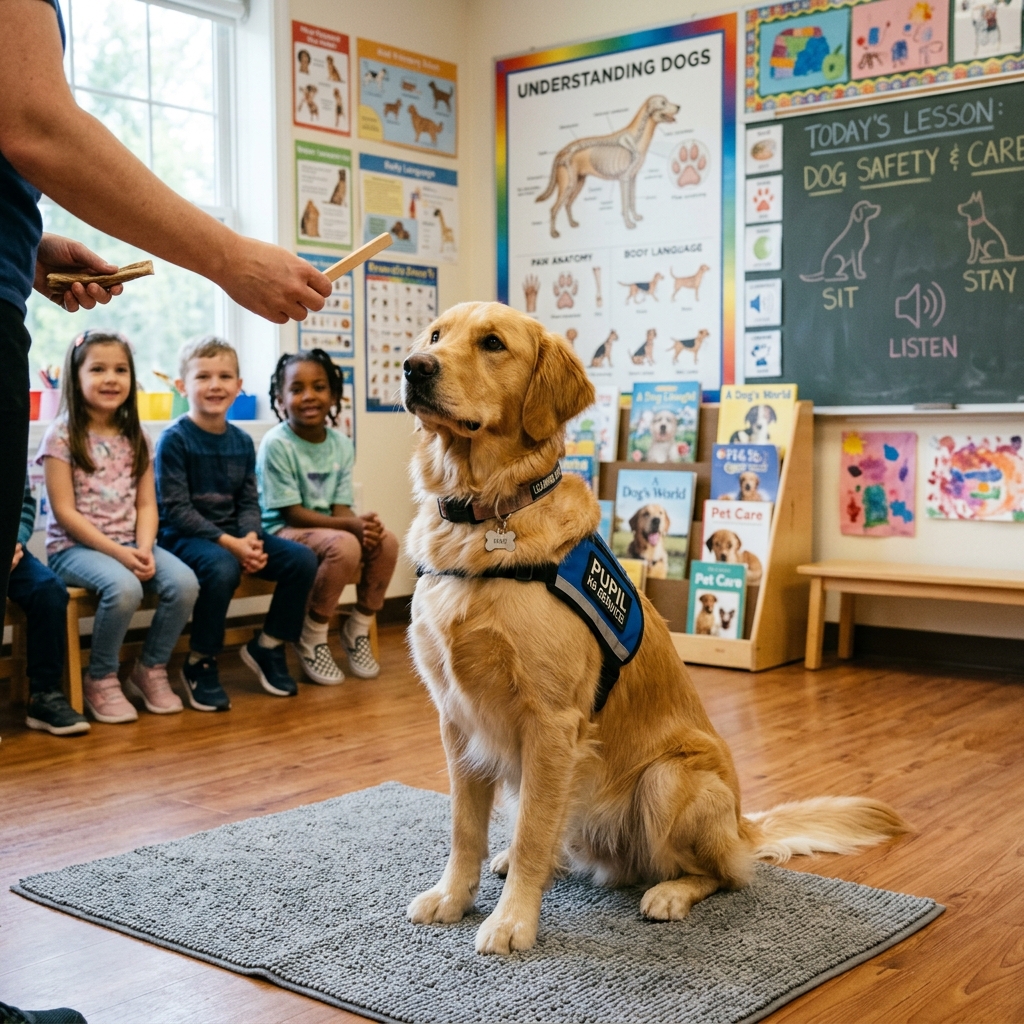
StatusDomesticated
Primary HabitatHuman homes
Ecosystem RoleCompanion
Human ImpactCompletely dependent on humans
Adaptability
95
Cat
C
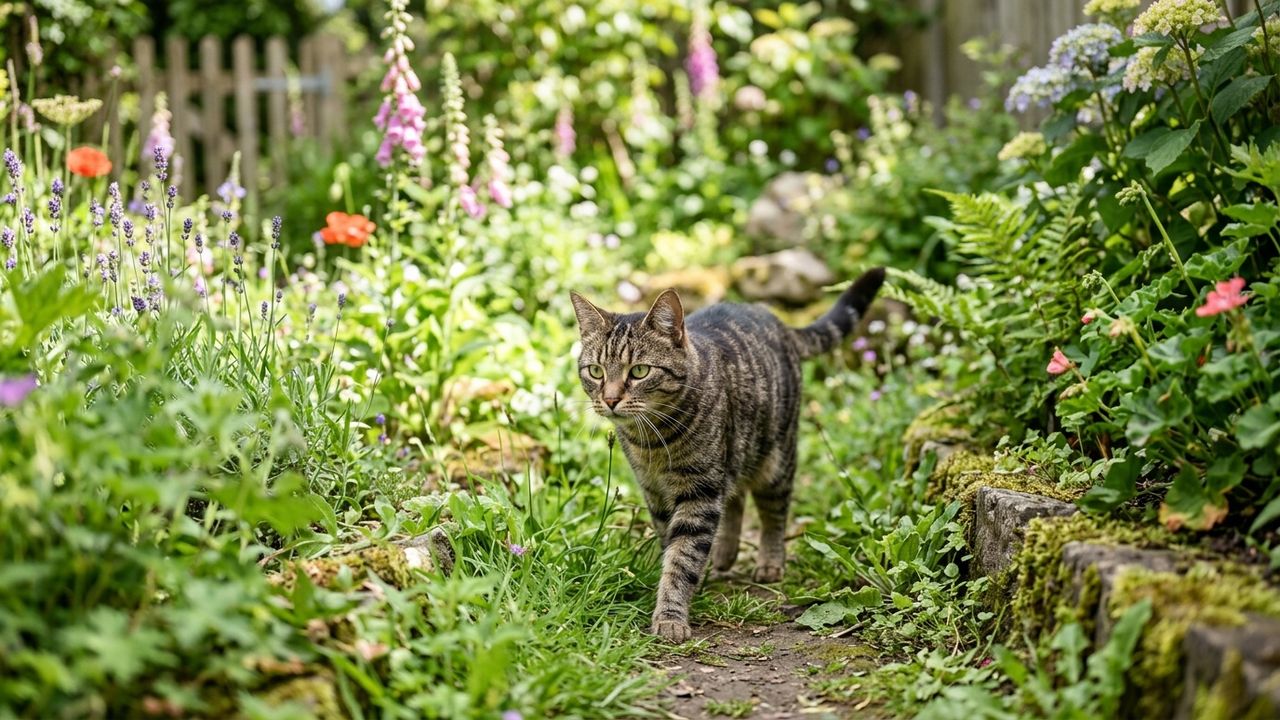
StatusDomesticated
Primary HabitatHuman homes
Ecosystem RoleApex micro-predator
Human ImpactCan severely impact local bird populations
Adaptability
90
Guinea Pig
C
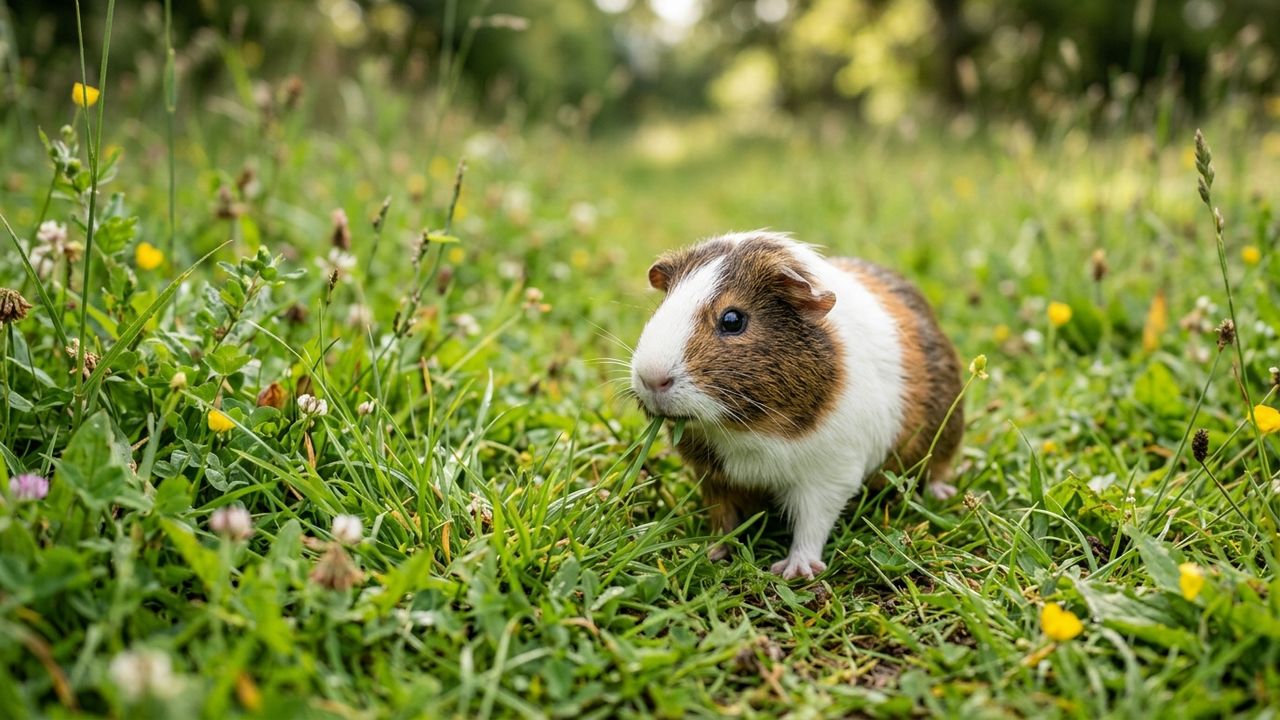
StatusDomesticated
Primary HabitatHuman homes
Ecosystem RoleHerbivore
Human ImpactPopular pet
Adaptability
80
Hamster
C
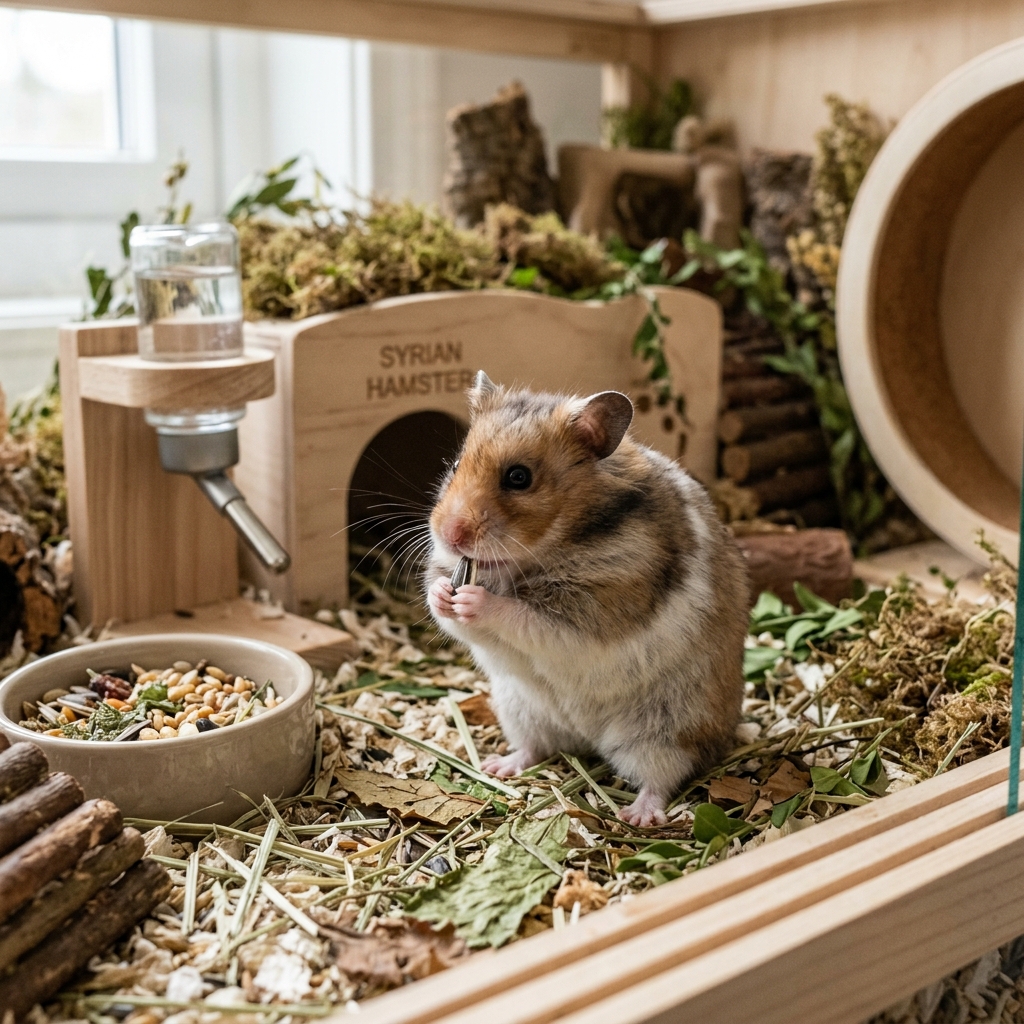
StatusDomesticated
Primary HabitatHuman homes
Ecosystem RoleOmnivore
Human ImpactPopular pet
Adaptability
70
Cow
C
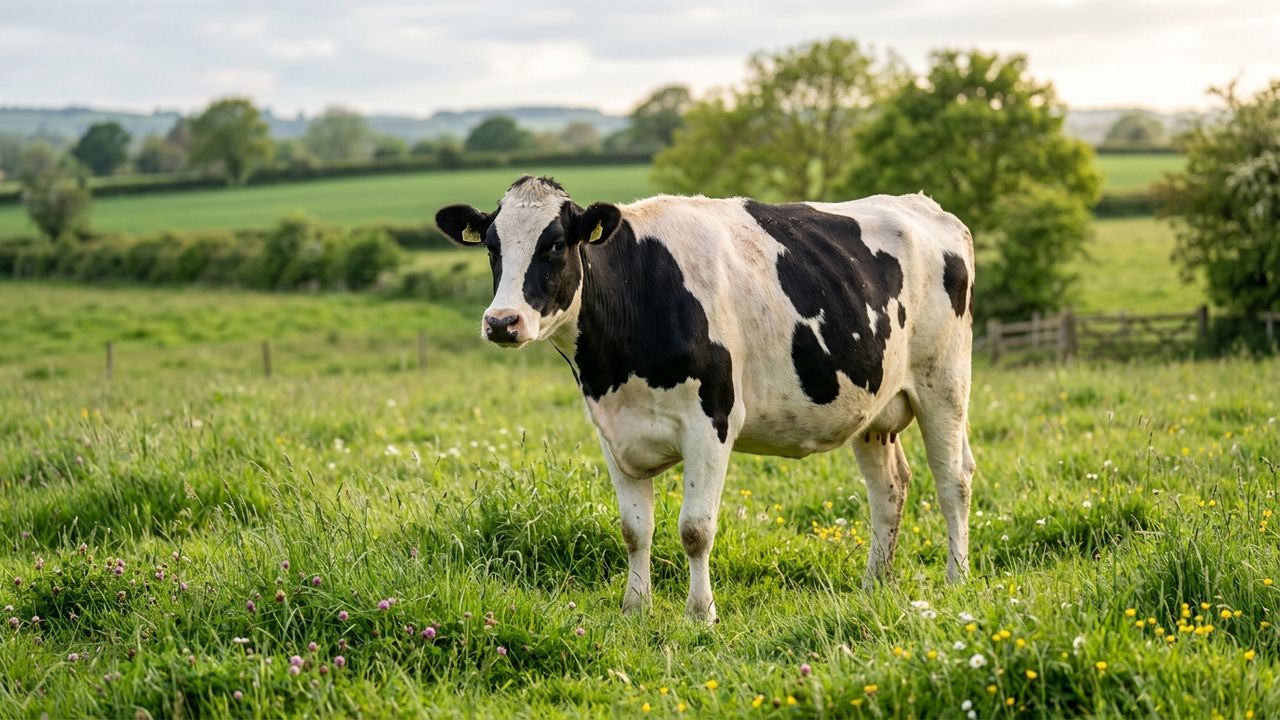
StatusDomesticated
Primary HabitatFarmland
Ecosystem RoleGrazer
Human ImpactFarmed for milk and meat
Adaptability
80
Pig
C
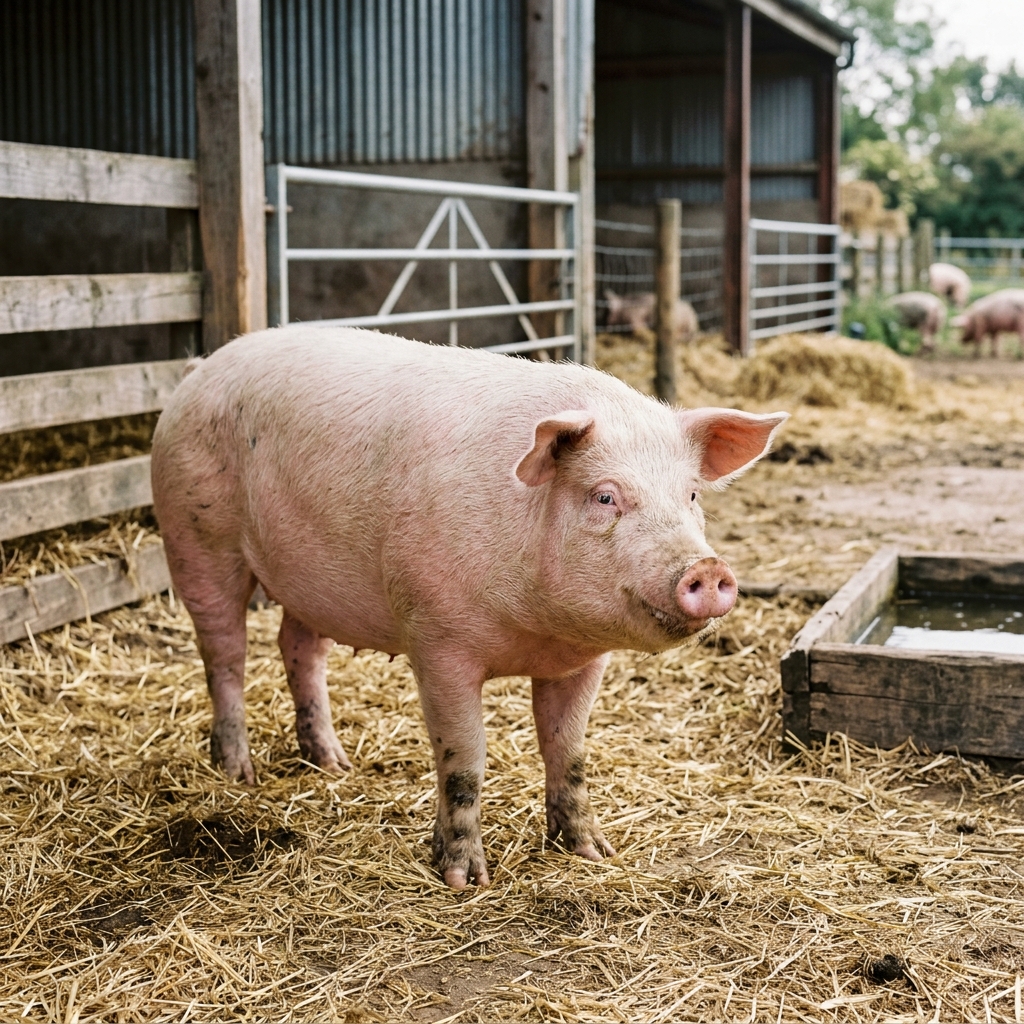
StatusDomesticated
Primary HabitatFarmland
Ecosystem RoleOmnivore
Human ImpactFarmed globally
Adaptability
90
Horse
C
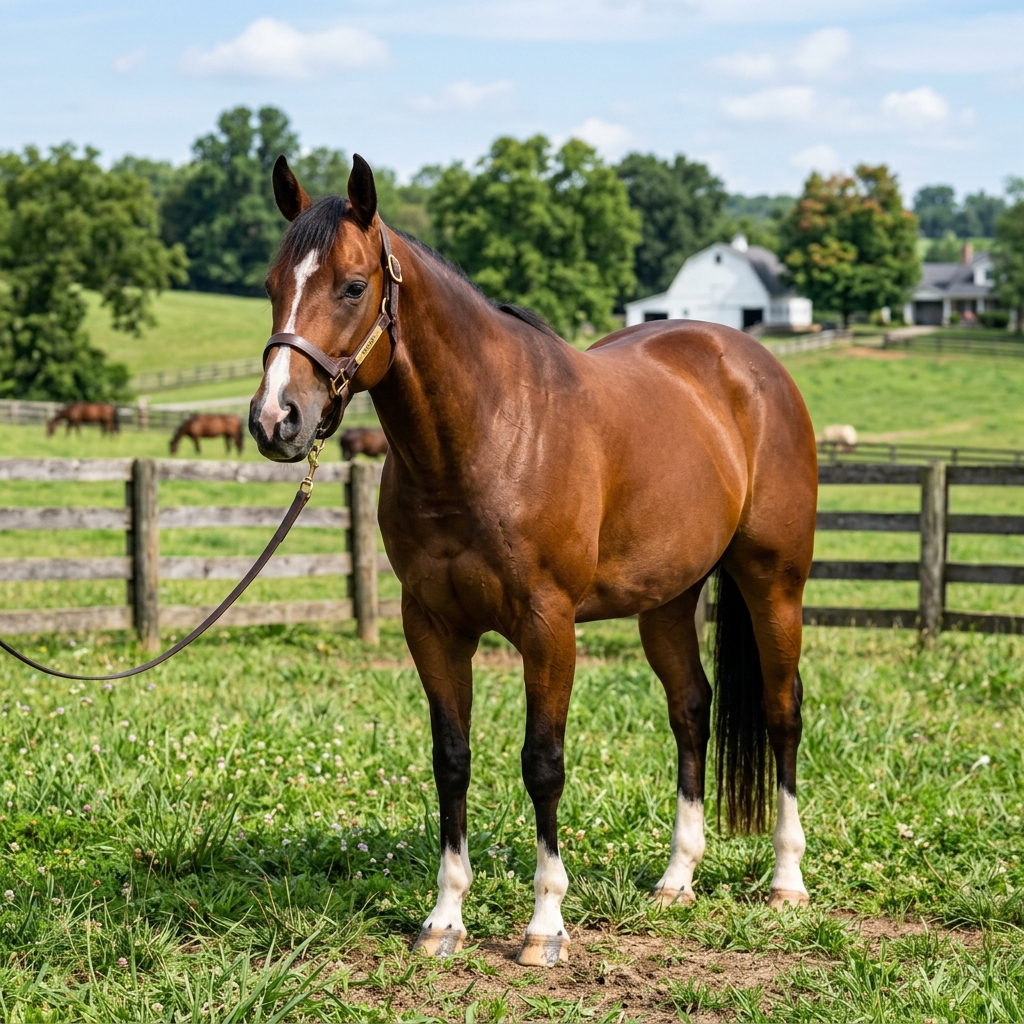
StatusDomesticated
Primary HabitatFields and stables
Ecosystem RoleGrazer
Human ImpactUsed for riding and work
Adaptability
85
Goat
C
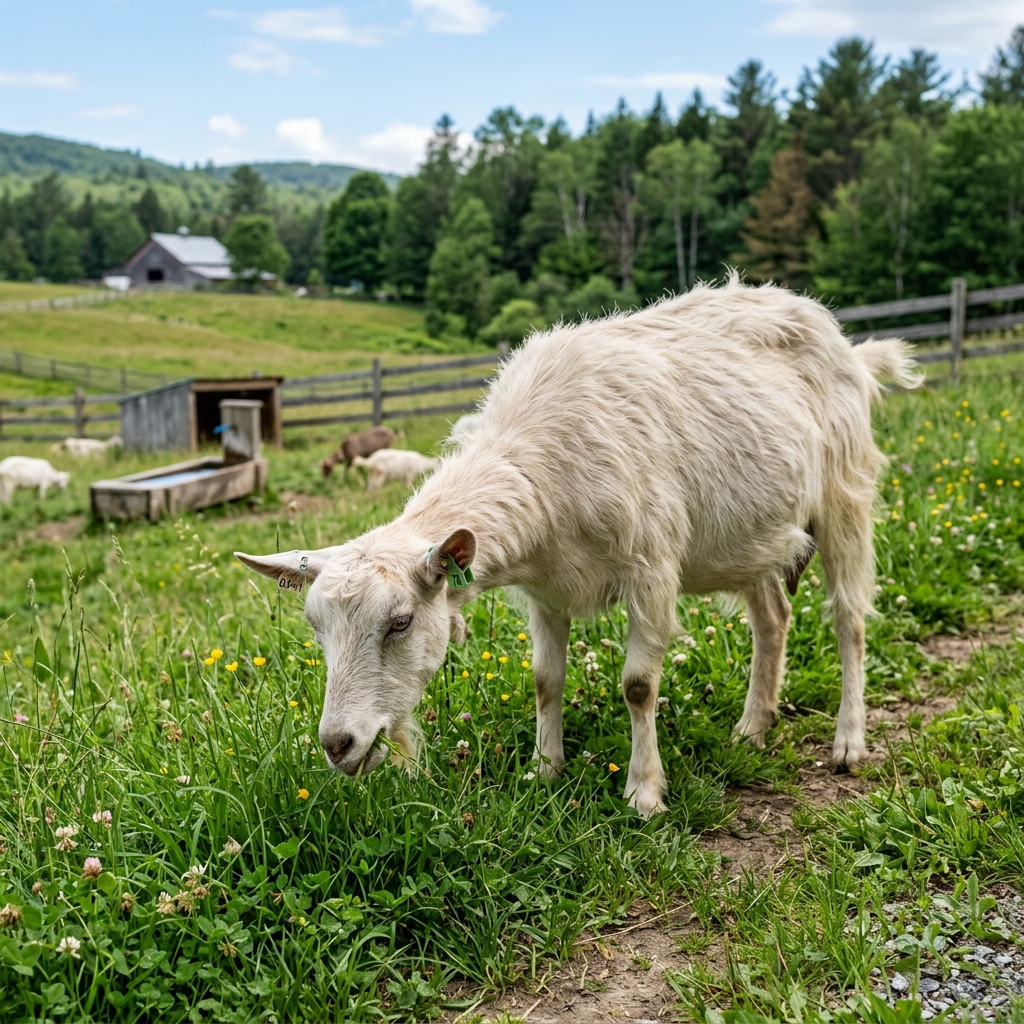
StatusDomesticated
Primary HabitatMountains and farms
Ecosystem RoleBrowser
Human ImpactFarmed for milk and meat
Adaptability
95
Donkey
C
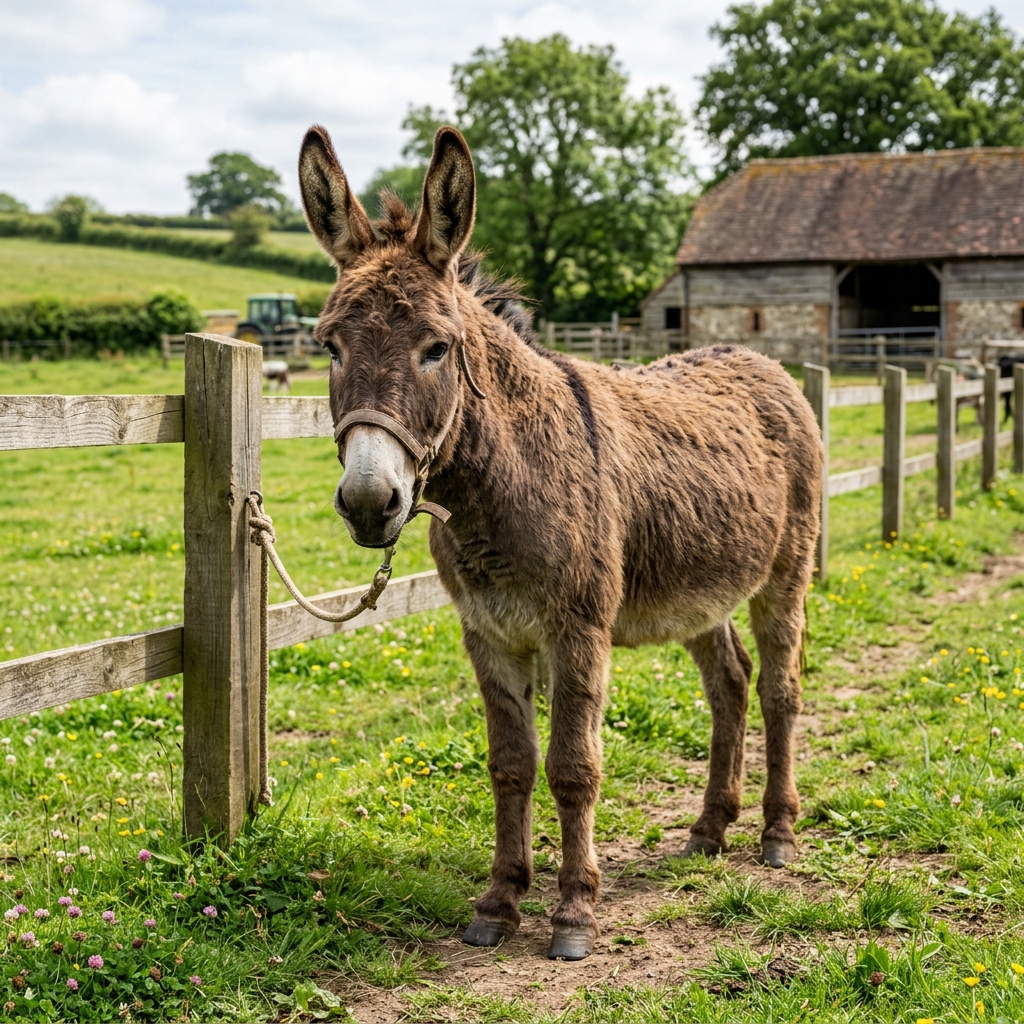
StatusDomesticated
Primary HabitatDeserts and farms
Ecosystem RoleGrazer
Human ImpactUsed globally as a working animal
Adaptability
90
Fox
C
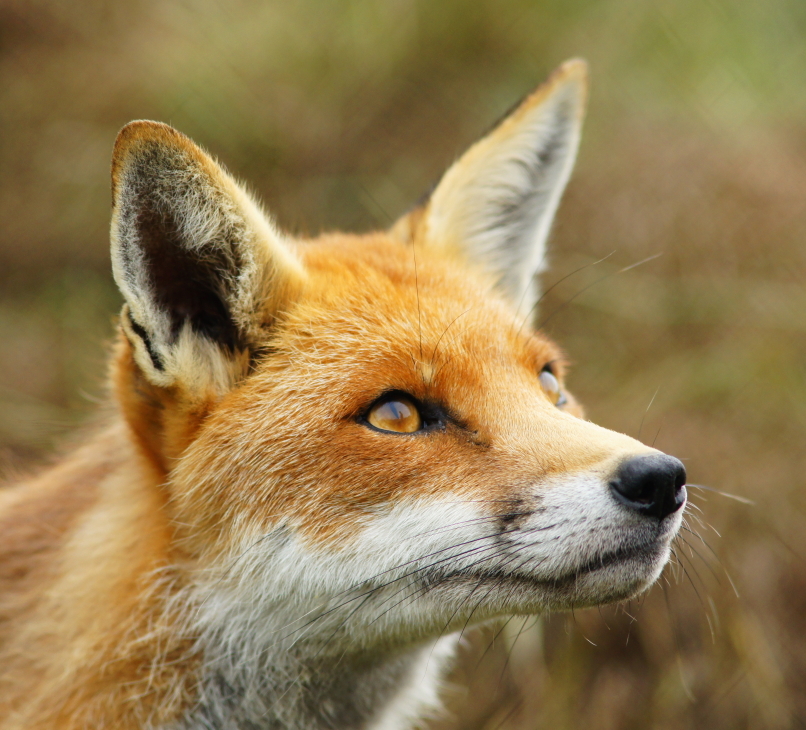
StatusLeast Concern
Primary HabitatWoodland and urban
Ecosystem RoleMeso-predator
Human ImpactVery adapted to city living
Adaptability
95
Badger
C
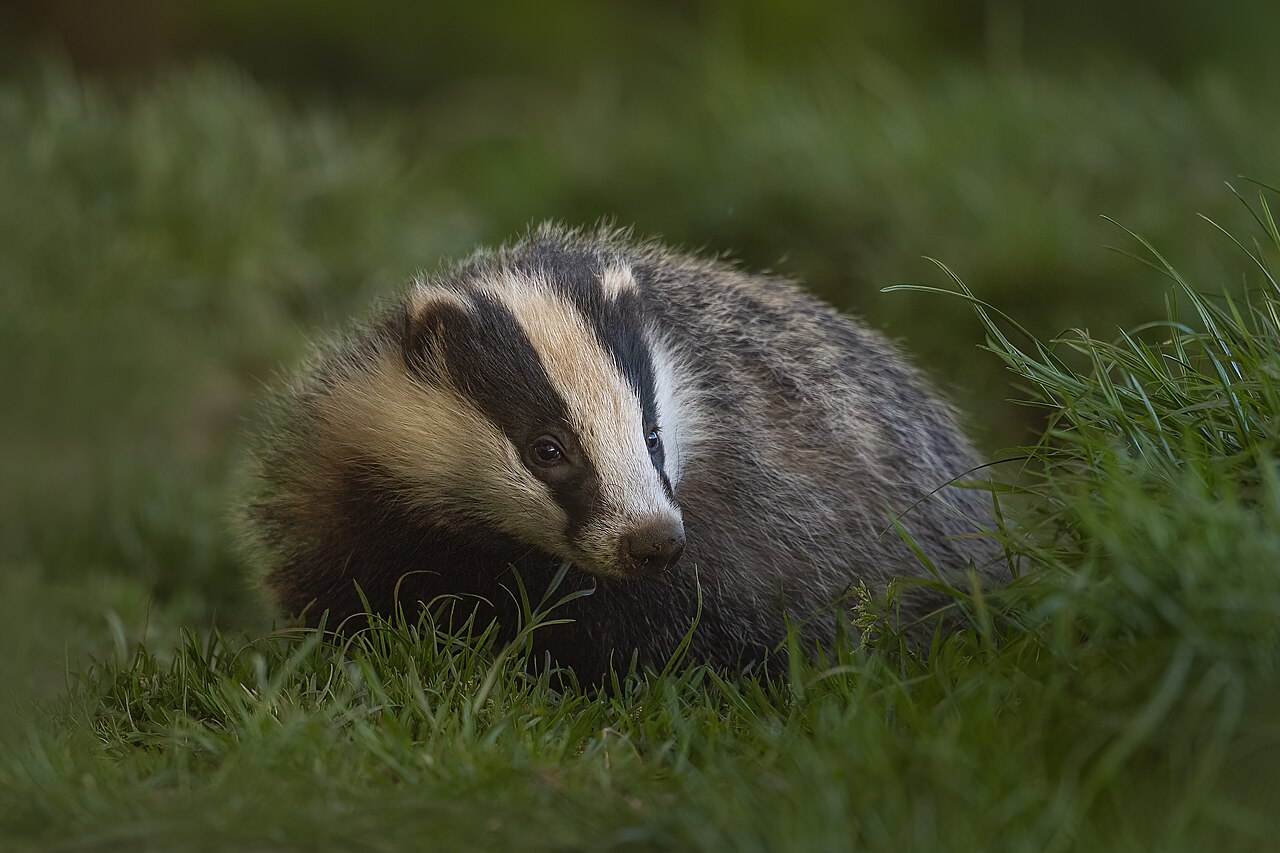
StatusLeast Concern
Primary HabitatWoodland
Ecosystem RoleOmnivore / Earthworm predator
Human ImpactThreatened by traffic and culls
Adaptability
70
Squirrel
C
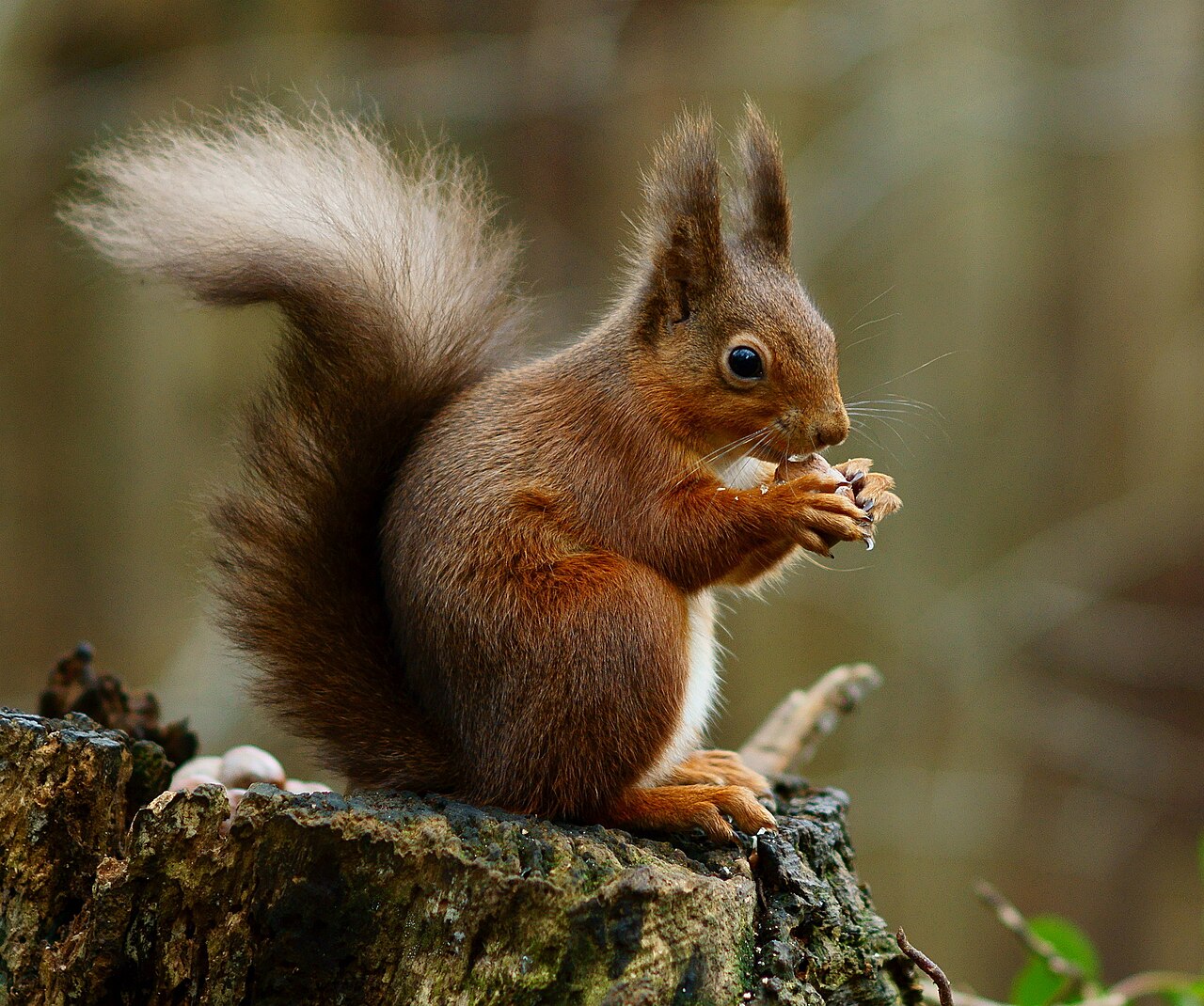
StatusEndangered (UK)
Primary HabitatConiferous woodland
Ecosystem RoleSeed dispersal
Human ImpactDisplaced by invasive grey squirrels
Adaptability
40
Zebra
C
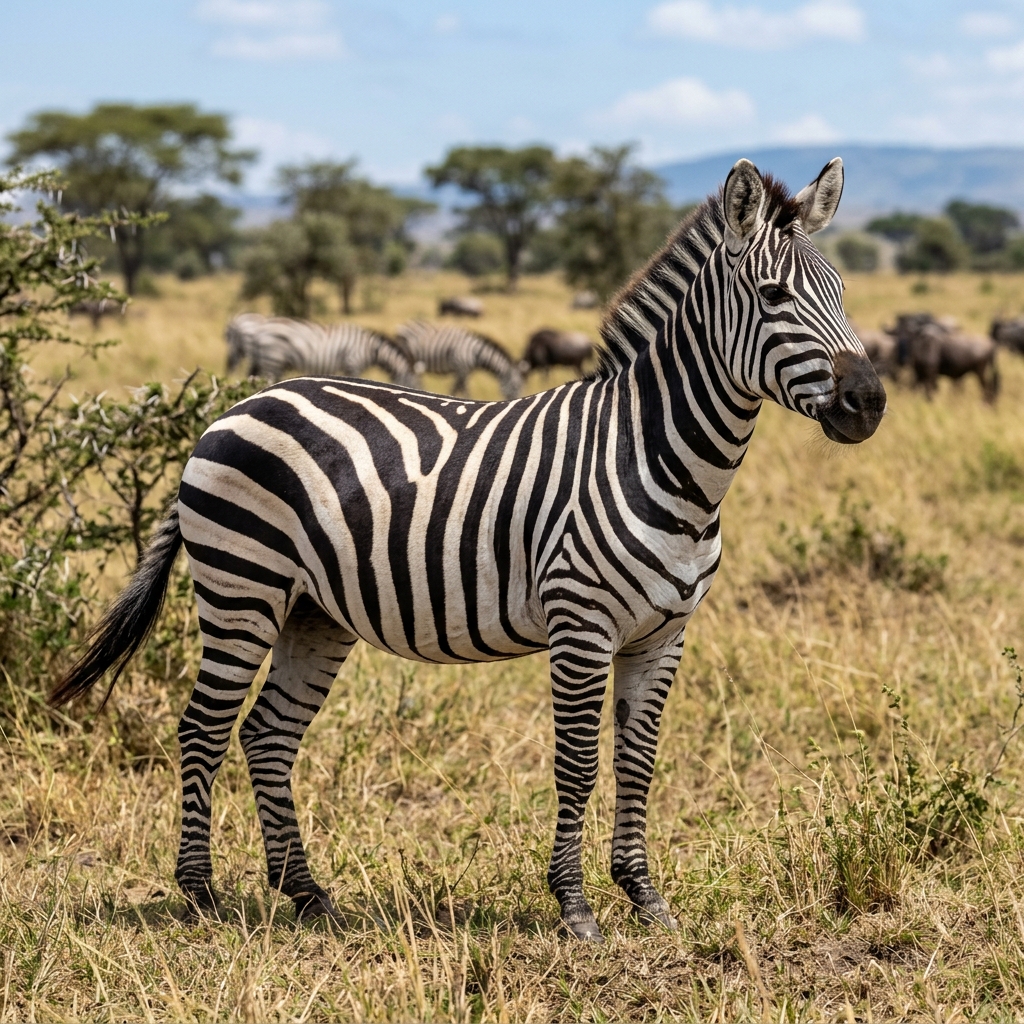
StatusNear Threatened
Primary HabitatSavanna
Ecosystem RolePrimary consumer
Human ImpactHabitat loss
Adaptability
60
Rhinoceros
C
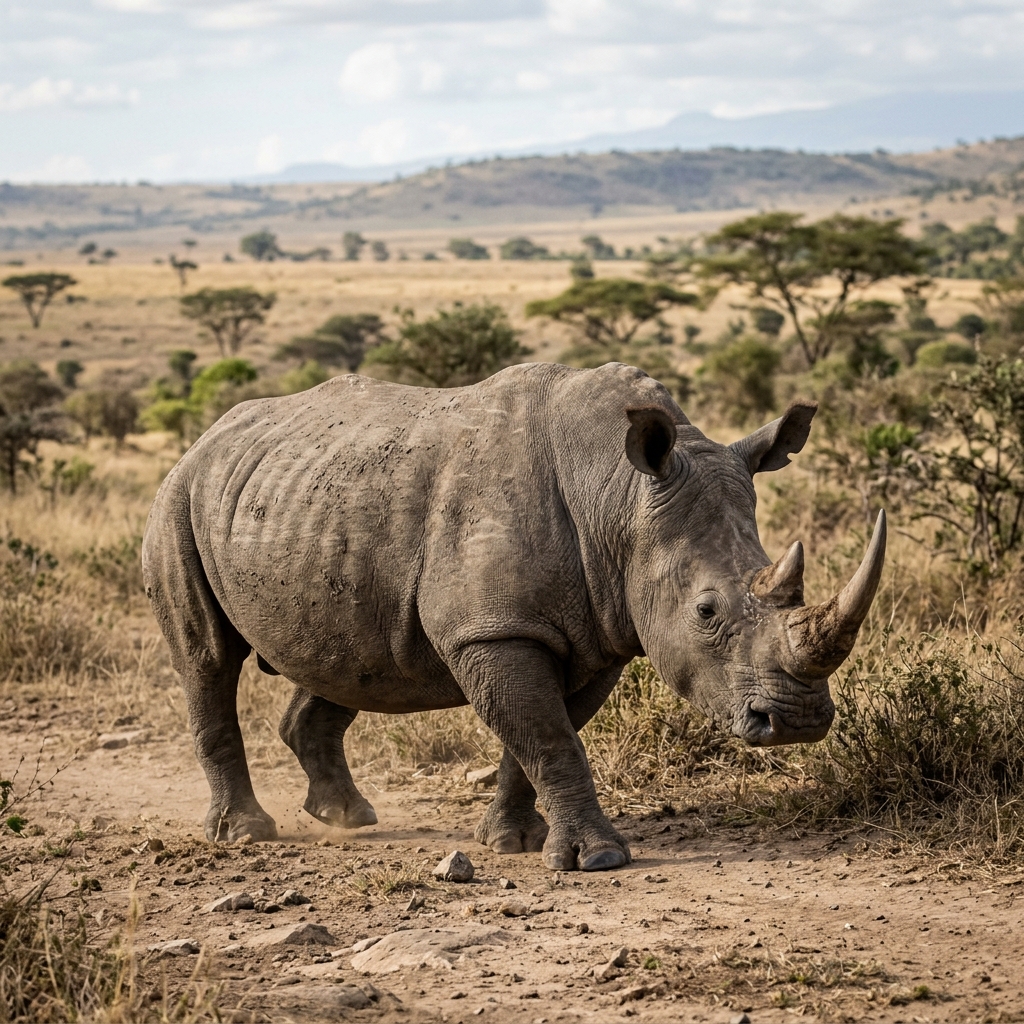
StatusCritically Endangered
Primary HabitatSavanna
Ecosystem RoleMega-herbivore
Human ImpactHeavily poached for its horn
Adaptability
30
Hippopotamus
C
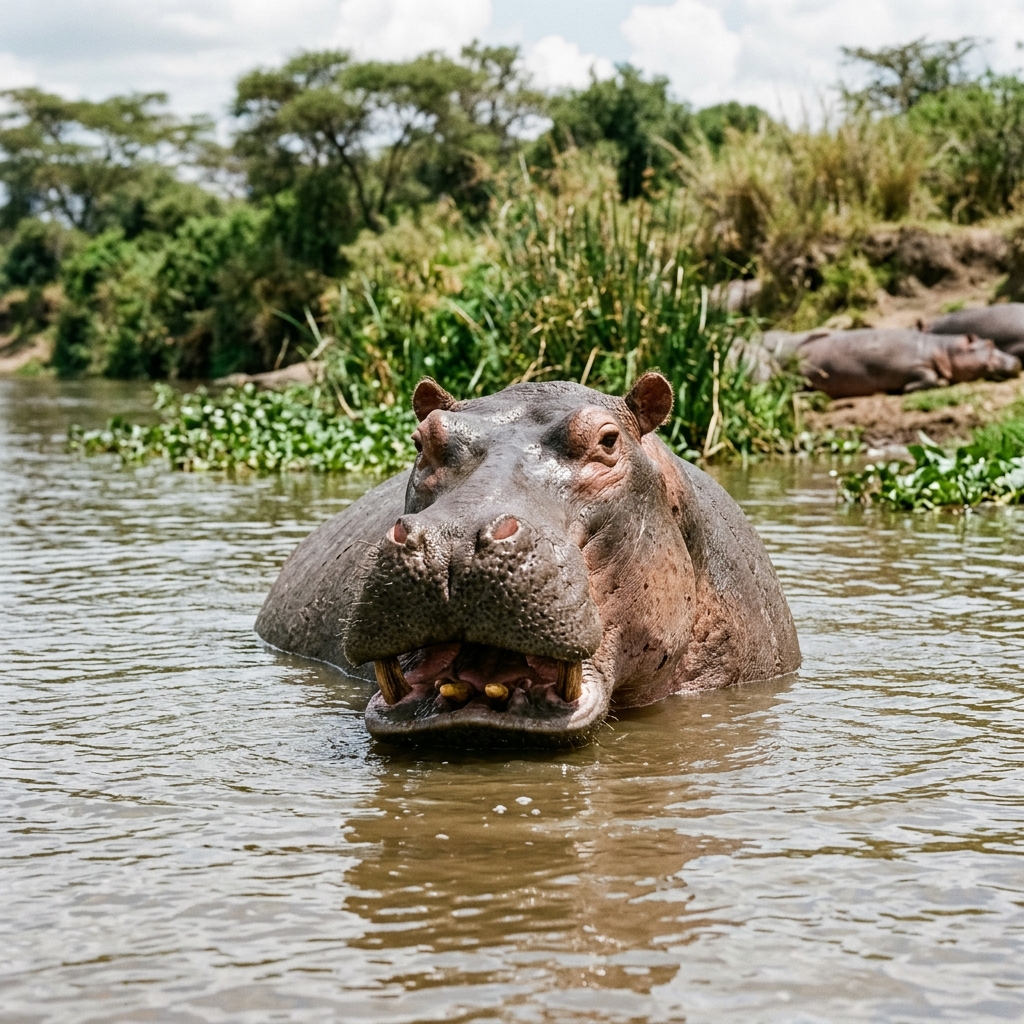
StatusVulnerable
Primary HabitatRivers and lakes
Ecosystem RoleMega-herbivore / Ecosystem engineer
Human ImpactHabitat loss
Adaptability
40
Kangaroo
C
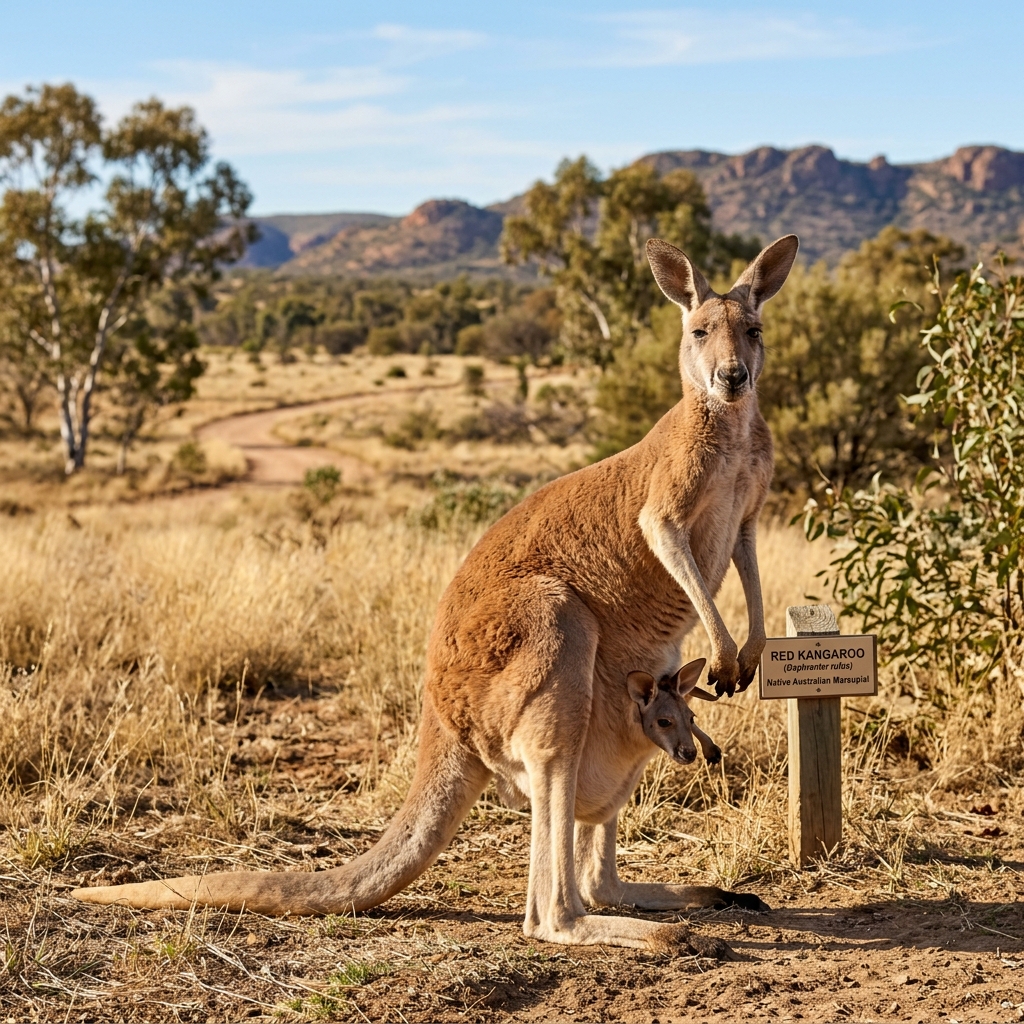
StatusLeast Concern
Primary HabitatAustralian outback
Ecosystem RoleGrazer
Human ImpactFences disrupt movement
Adaptability
75
Gorilla
C
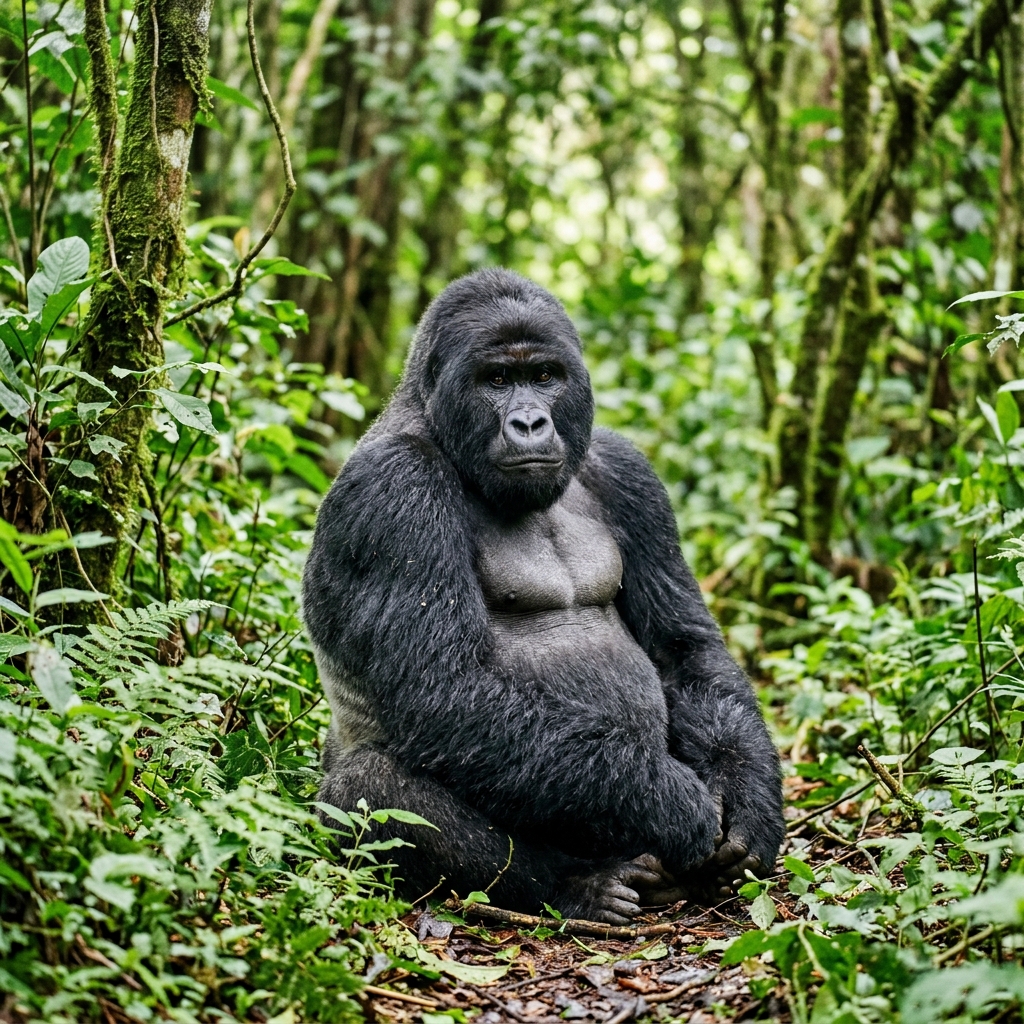
StatusCritically Endangered
Primary HabitatTropical rainforest
Ecosystem RoleSeed dispersal
Human ImpactPoaching and habitat destruction
Adaptability
30
Rabbit
C
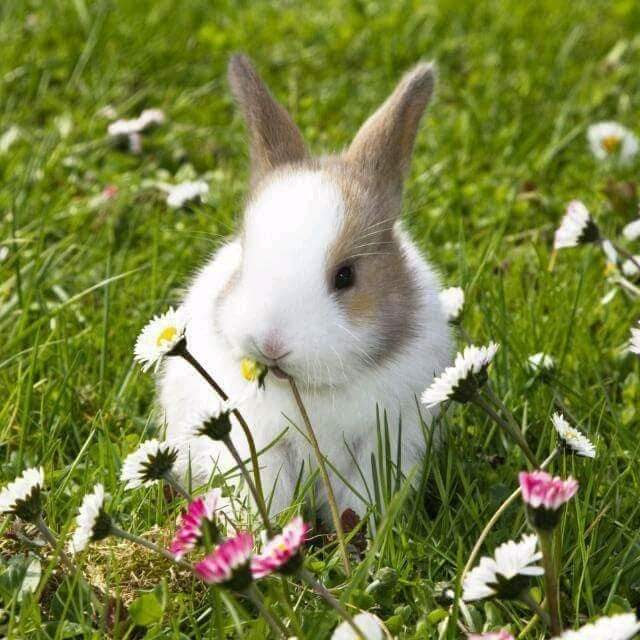
StatusEndangered (Native range)
Primary HabitatMeadows and woodland edges
Ecosystem RoleKey prey species
Human ImpactOften considered a pest
Adaptability
85
Vole
C
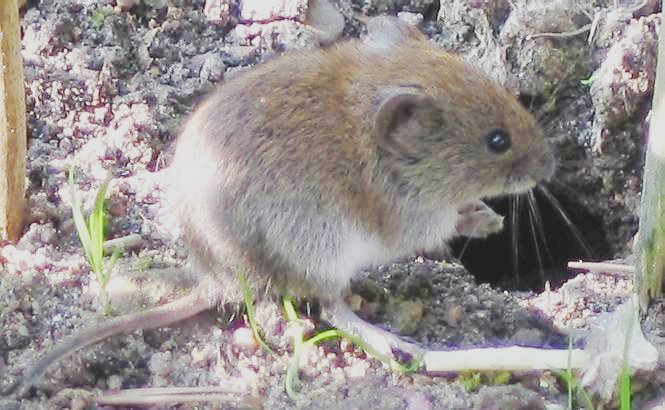
StatusLeast Concern
Primary HabitatGrasslands
Ecosystem RoleCrucial prey for owls and kestrels
Human ImpactVulnerable to habitat clearing
Adaptability
60
Lion
C
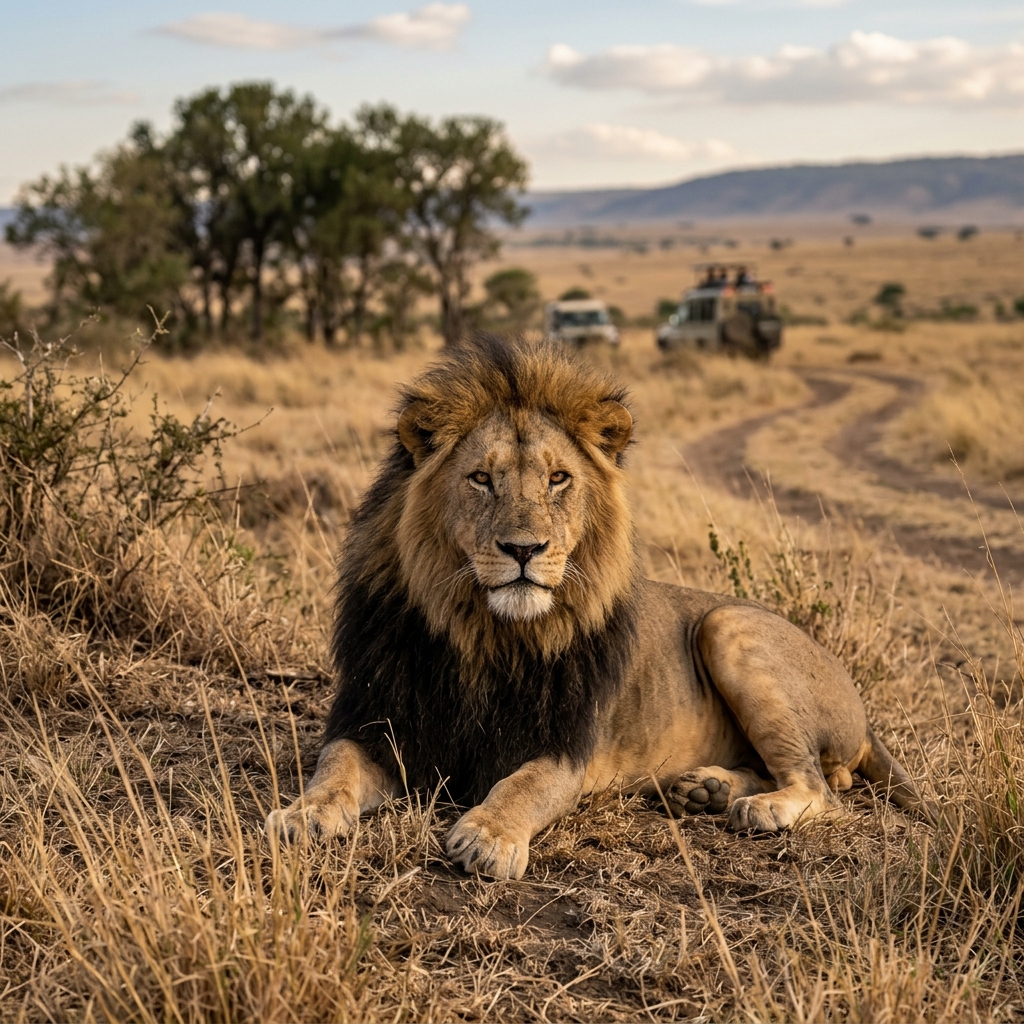
StatusVulnerable
Primary HabitatSavanna
Ecosystem RoleApex predator
Human ImpactHabitat loss and conflict
Adaptability
50
Tiger
C
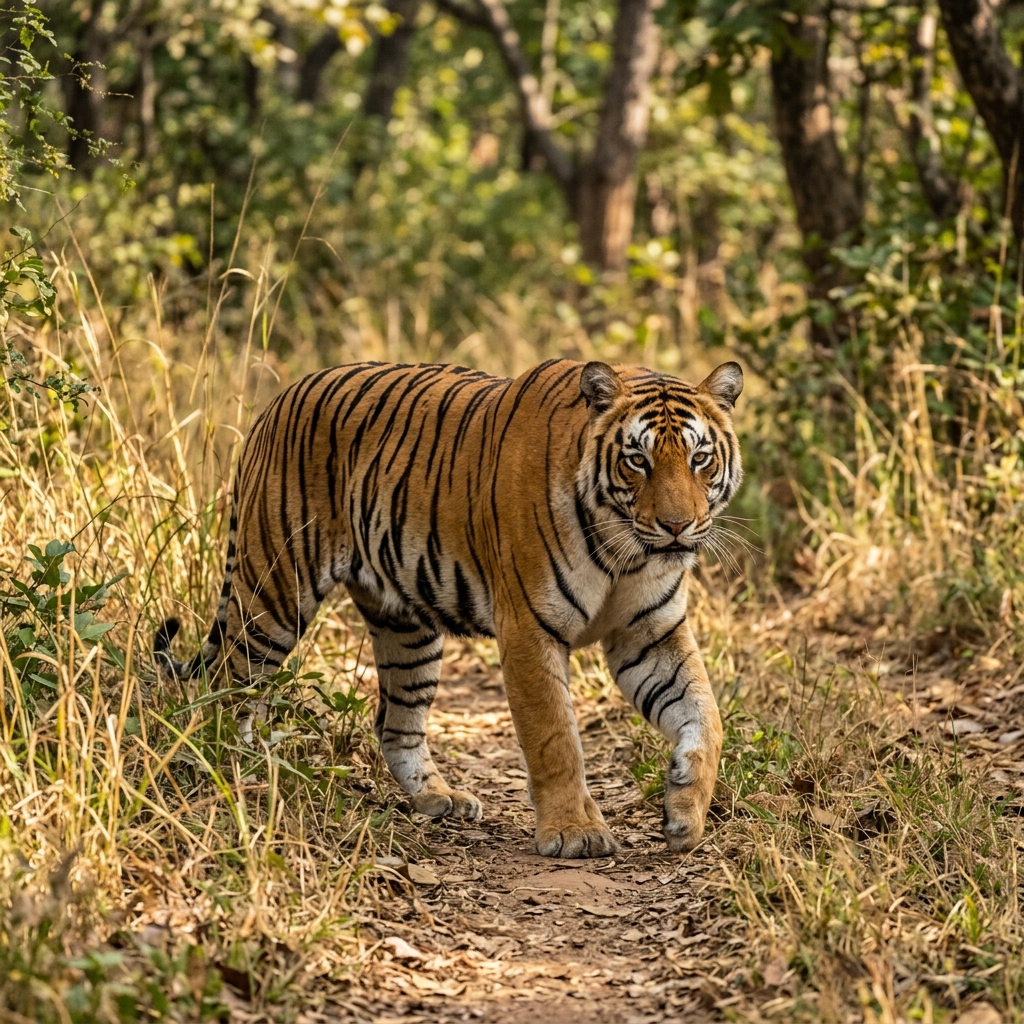
StatusEndangered
Primary HabitatJungles and forests
Ecosystem RoleApex predator
Human ImpactPoaching
Adaptability
40
Wood Mouse
C
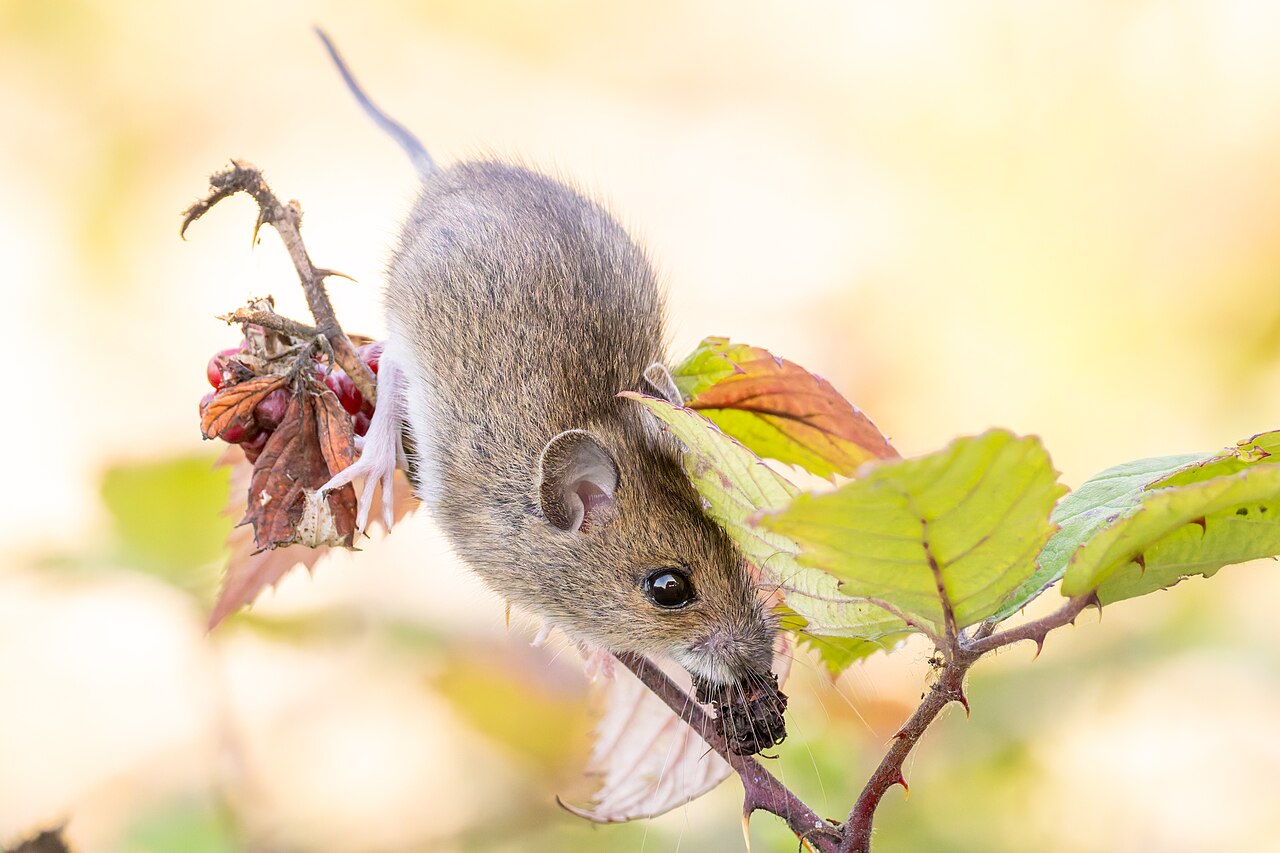
StatusLeast Concern
Primary HabitatWoodland and fields
Ecosystem RoleCrucial food base for many predators
Human ImpactPesticides
Adaptability
85
Brown Hare
C
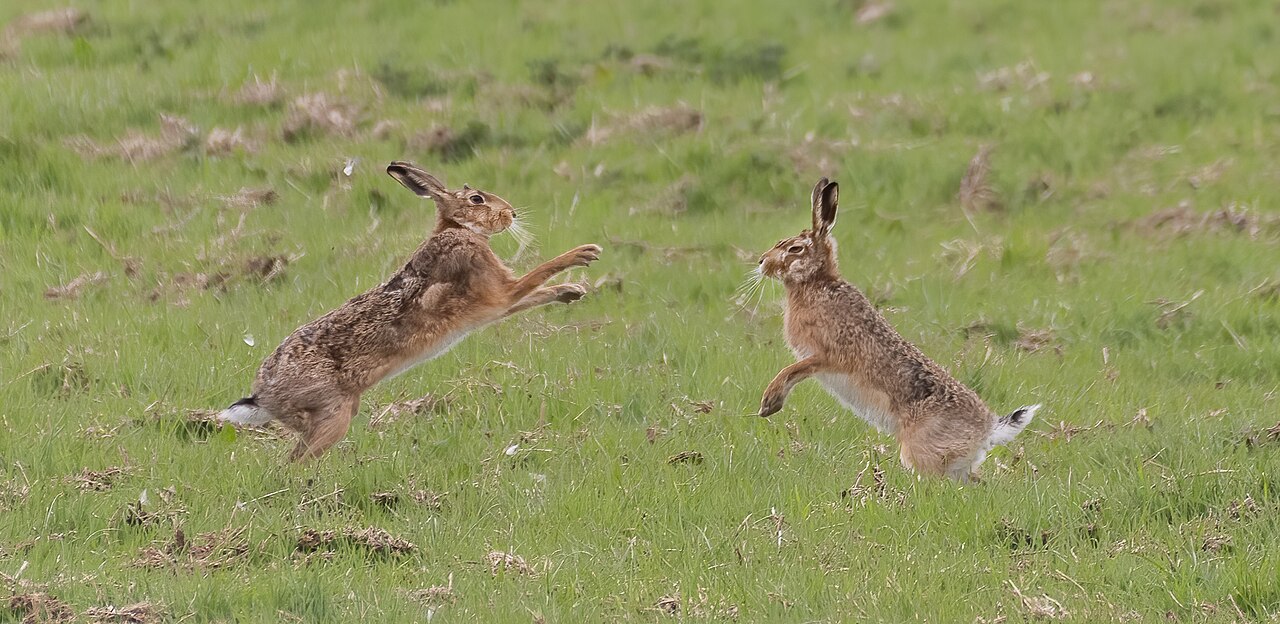
StatusLeast Concern
Primary HabitatArable fields and grassland
Ecosystem RolePrimary consumer
Human ImpactHabitat loss from agriculture
Adaptability
60
Common Pipistrelle
C
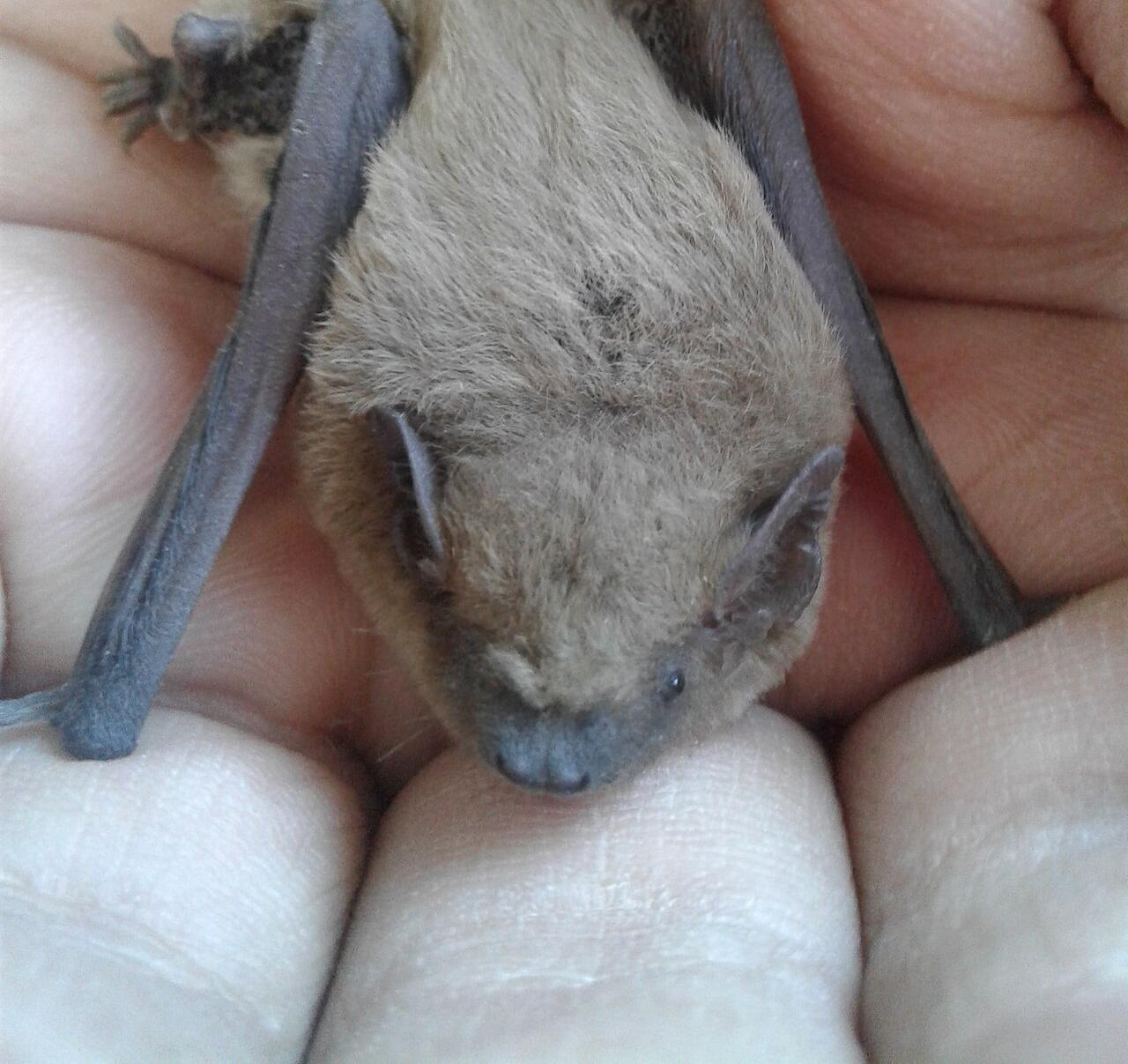
StatusLeast Concern — the UK's commonest bat; fully protected
Primary HabitatGardens, parks, farmland, woodland edge and towns; roosts in buildings
Ecosystem RoleNight-time insect-hunter — a major controller of midges and gnats
Human ImpactHelped by gardens and buildings, but harmed by lost roosts, cats, light pollution and insect decline
Adaptability
85
Grey Squirrel
C
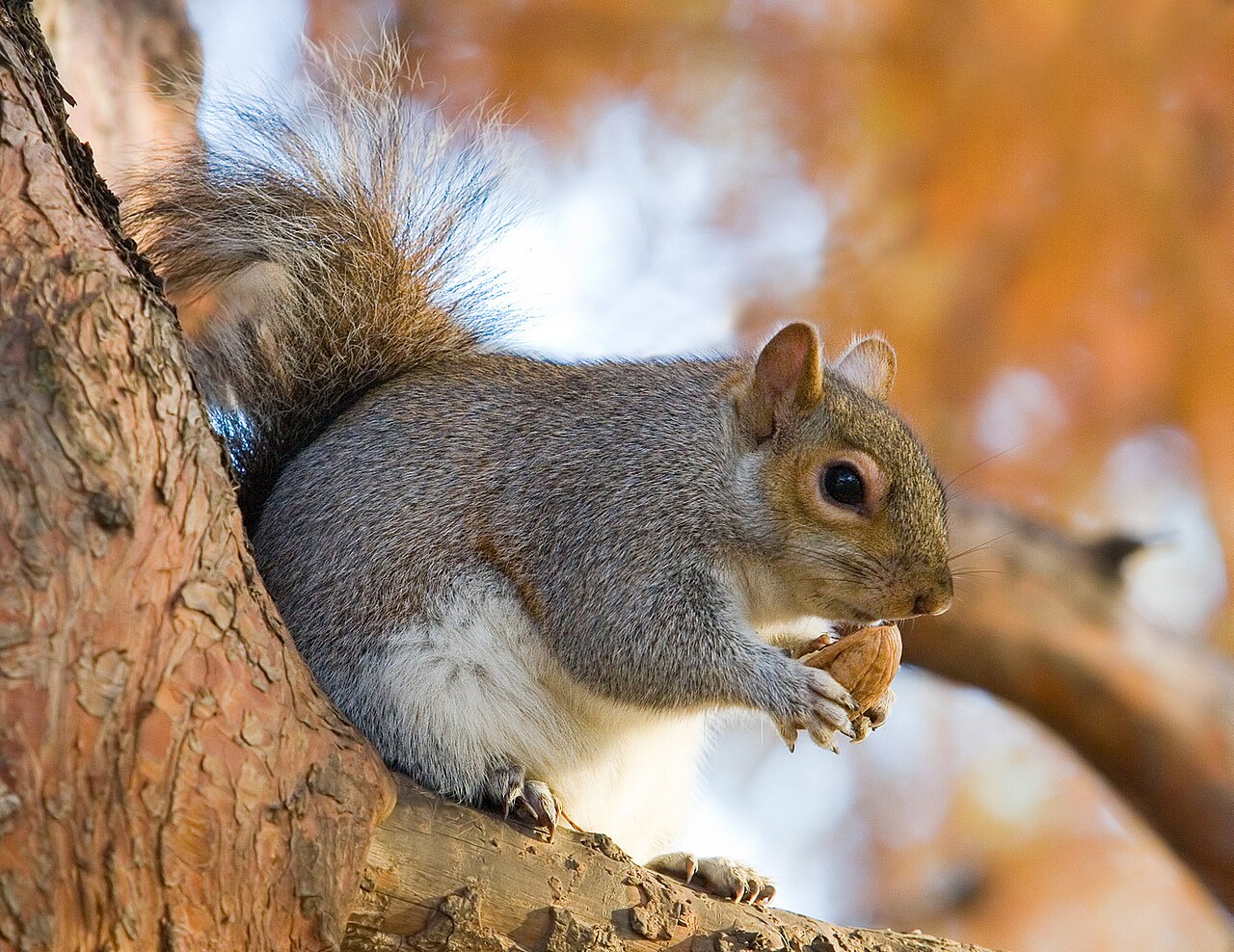
StatusLeast Concern (Invasive)
Primary HabitatWoodland and parks
Ecosystem RoleSeed dispersal
Human ImpactIntroduced species, outcompetes red squirrels
Adaptability
95
Sheep
C
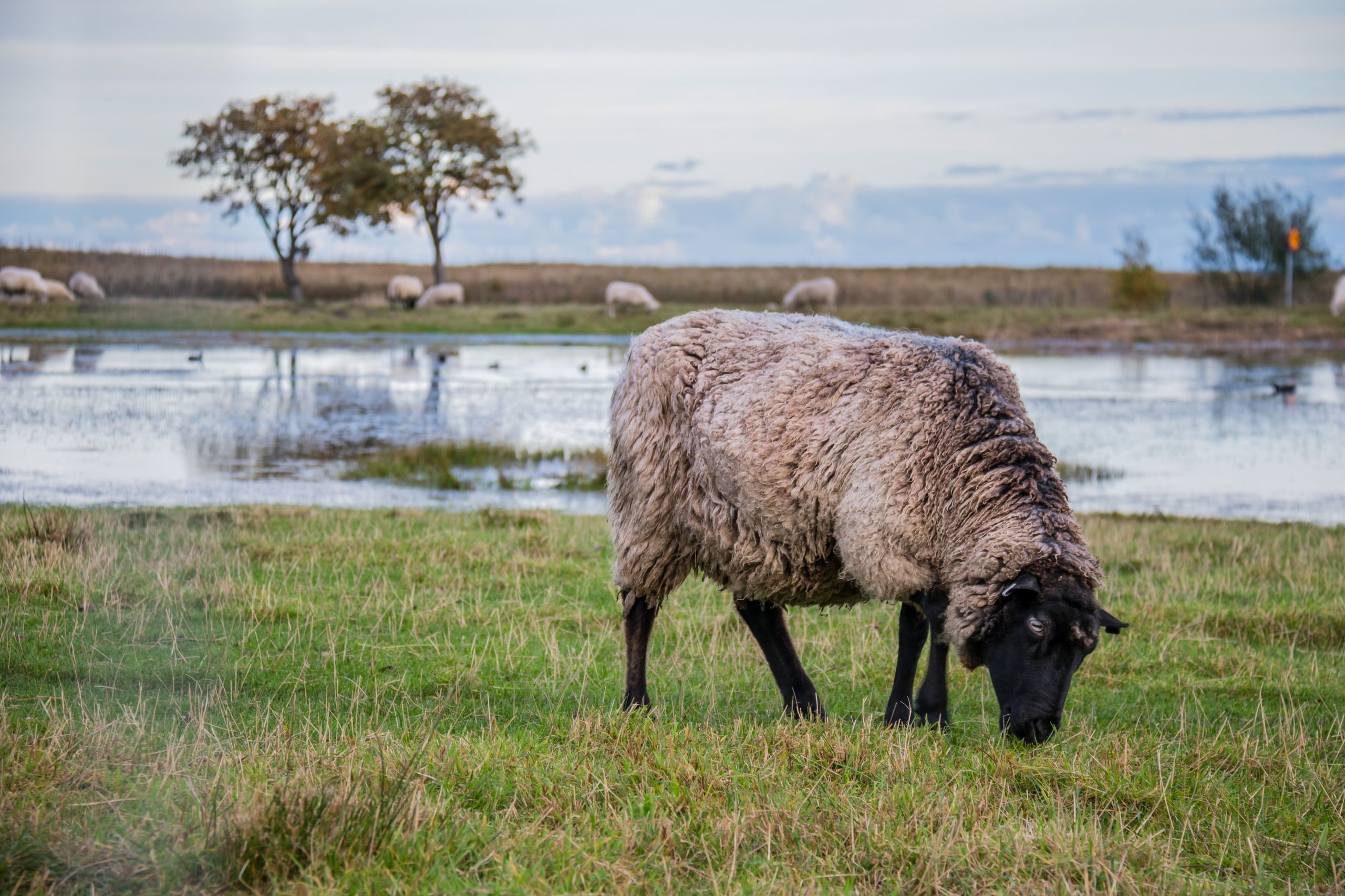
StatusDomesticated
Primary HabitatHills and pasture
Ecosystem RoleGrazer
Human ImpactMajor shaper of the UK landscape
Adaptability
85
Human
C

StatusLeast Concern
Primary HabitatEverywhere
Ecosystem RoleApex consumer
Human ImpactShapes the entire planet
Adaptability
100
Deer
C
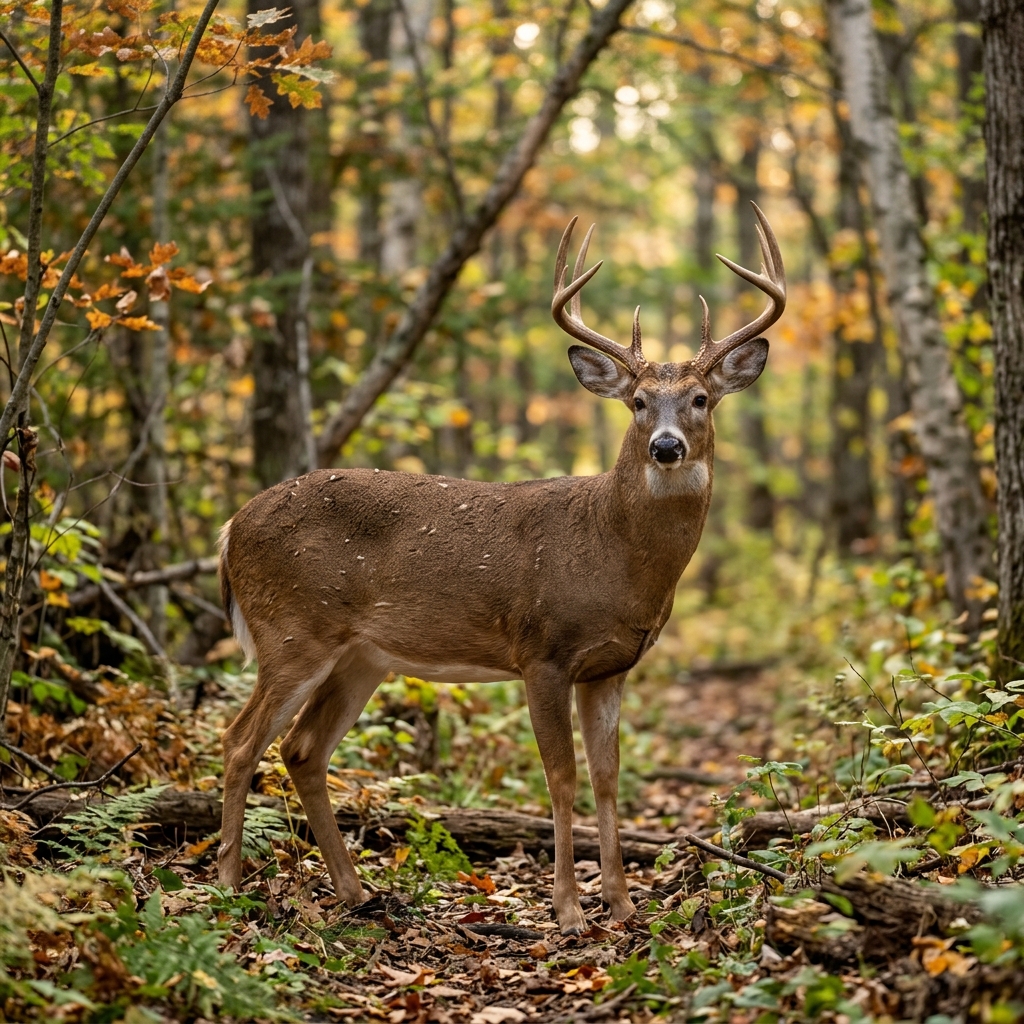
StatusLeast Concern
Primary HabitatWoodland and moorland
Ecosystem RoleLarge herbivore
Human ImpactOverpopulation due to lack of predators
Adaptability
85
Mole
C
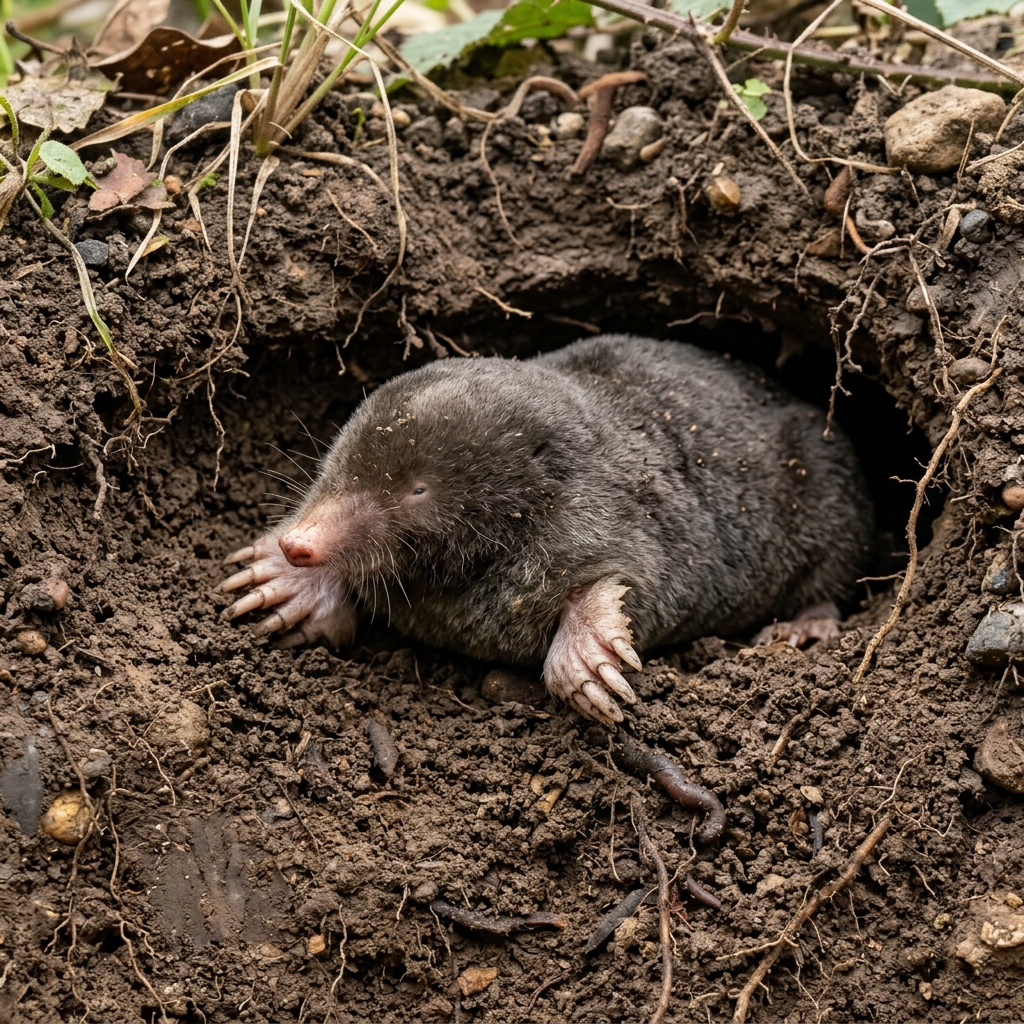
StatusLeast Concern
Primary HabitatFields and woodland
Ecosystem RoleSoil aerator
Human ImpactOften trapped as a pest
Adaptability
75
Weasel
C
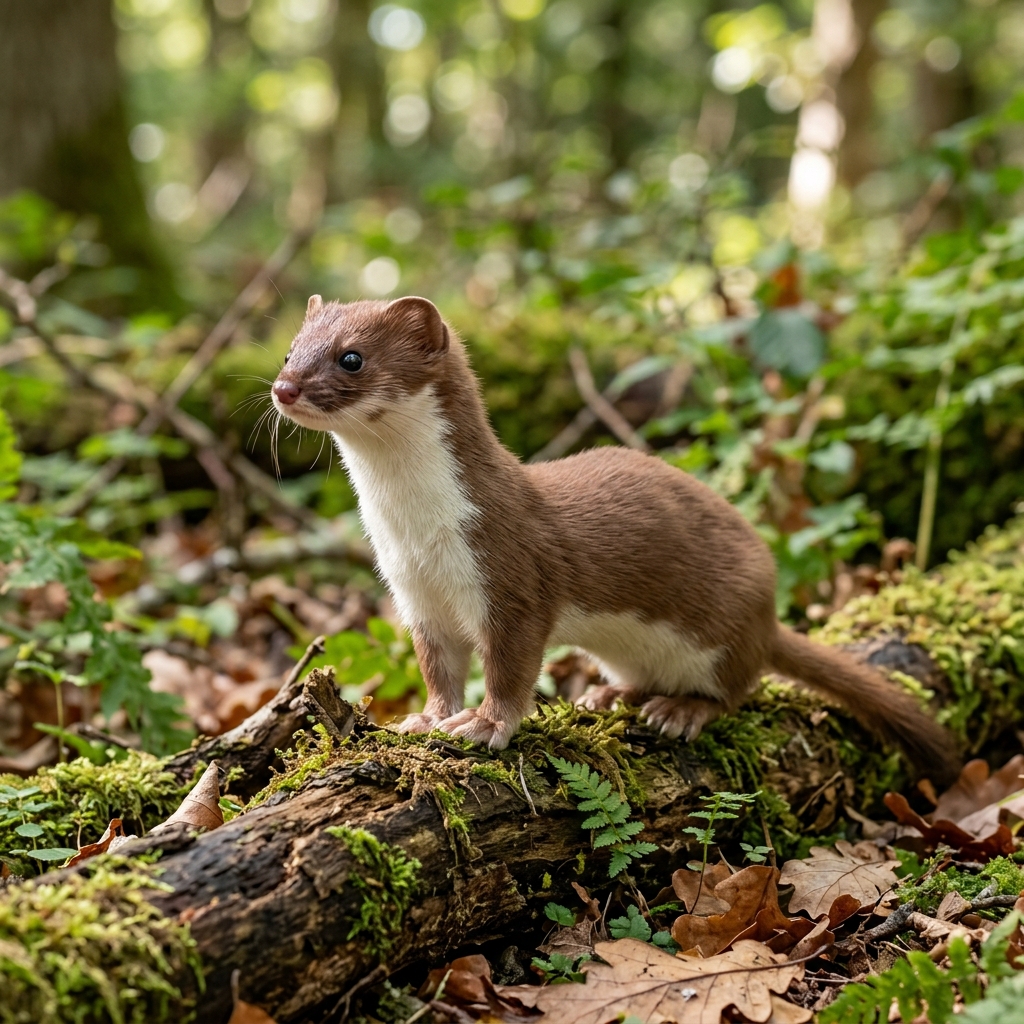
StatusLeast Concern
Primary HabitatWoodland and hedgerows
Ecosystem RoleApex micro-predator
Human ImpactHabitat loss
Adaptability
70
Grey Seal
C
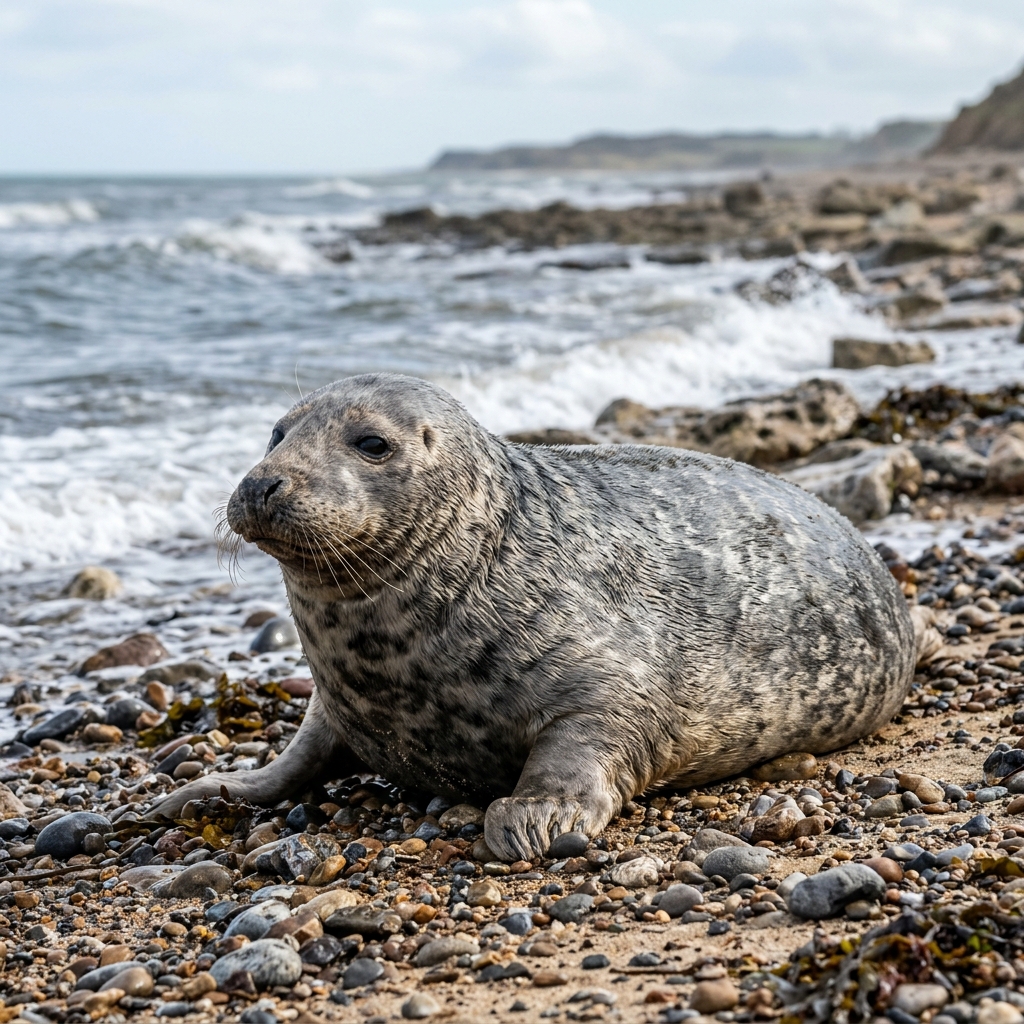
StatusLeast Concern
Primary HabitatRocky coasts
Ecosystem RoleApex marine predator
Human ImpactVulnerable to fishing nets
Adaptability
60
Beaver
C
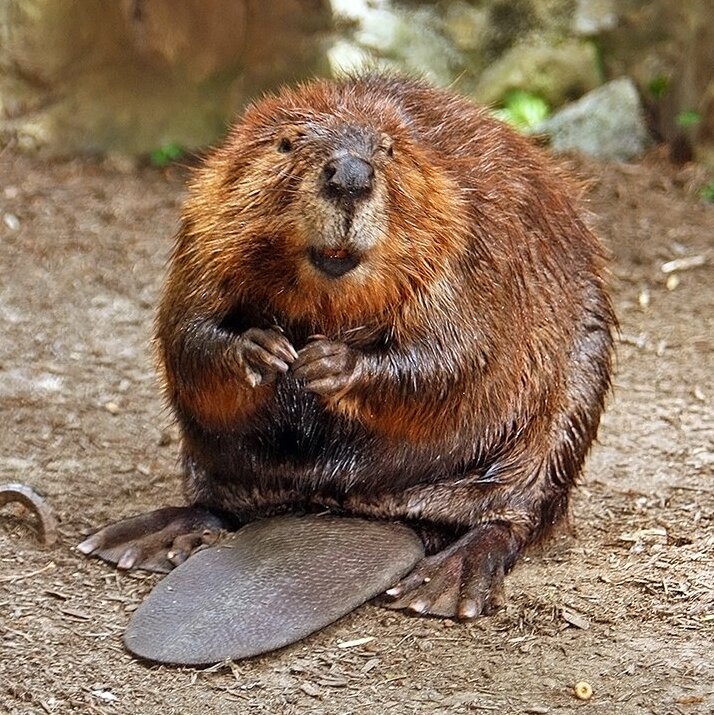
StatusLeast Concern
Primary HabitatRivers
Ecosystem RoleEcosystem engineer
Human ImpactHunted to near extinction, now being reintroduced
Adaptability
60
Otter
C
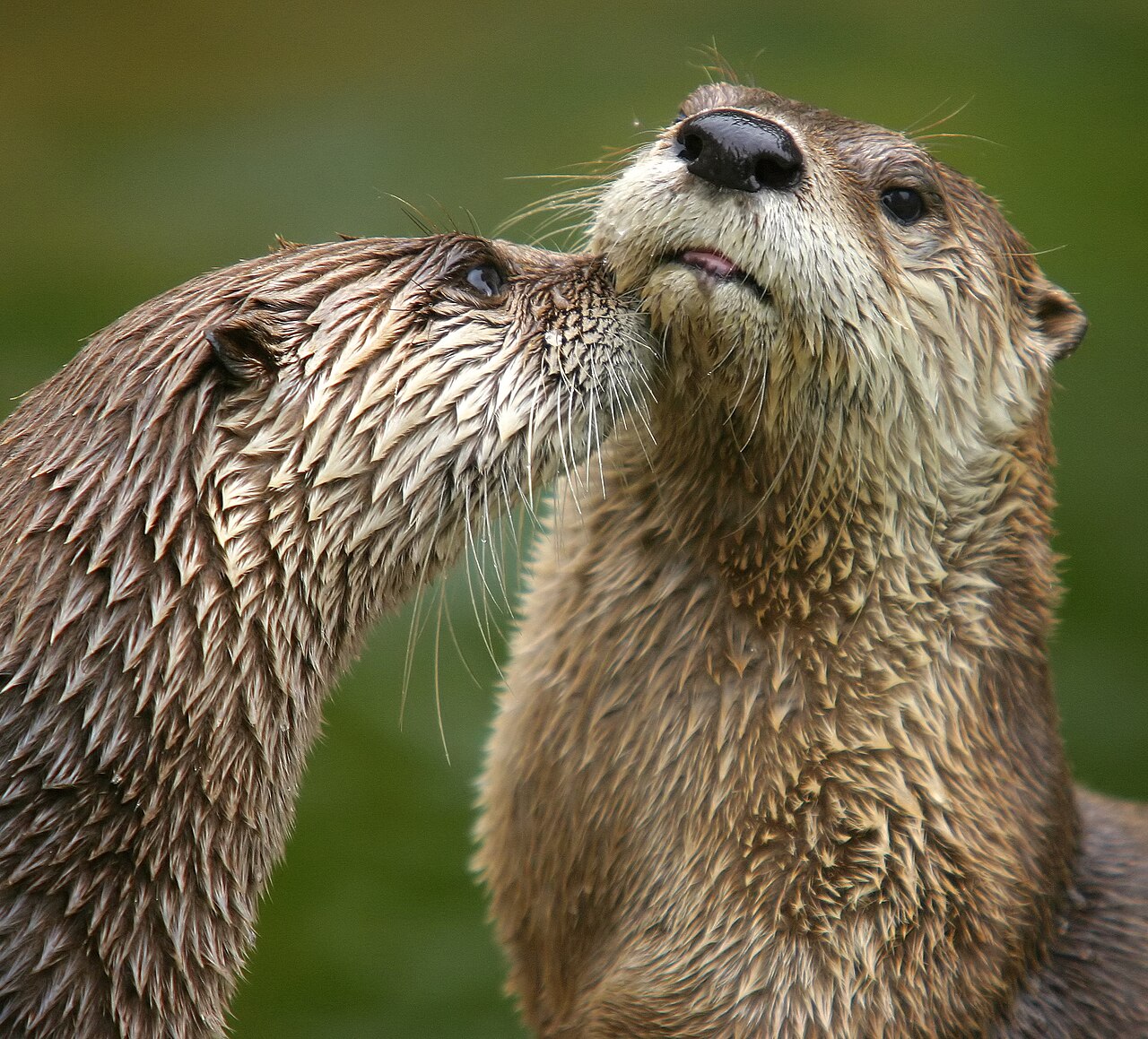
StatusNear Threatened
Primary HabitatClean rivers
Ecosystem RoleApex aquatic predator
Human ImpactRecovering well from past river pollution
Adaptability
70
Dolphins in UK Waters
C
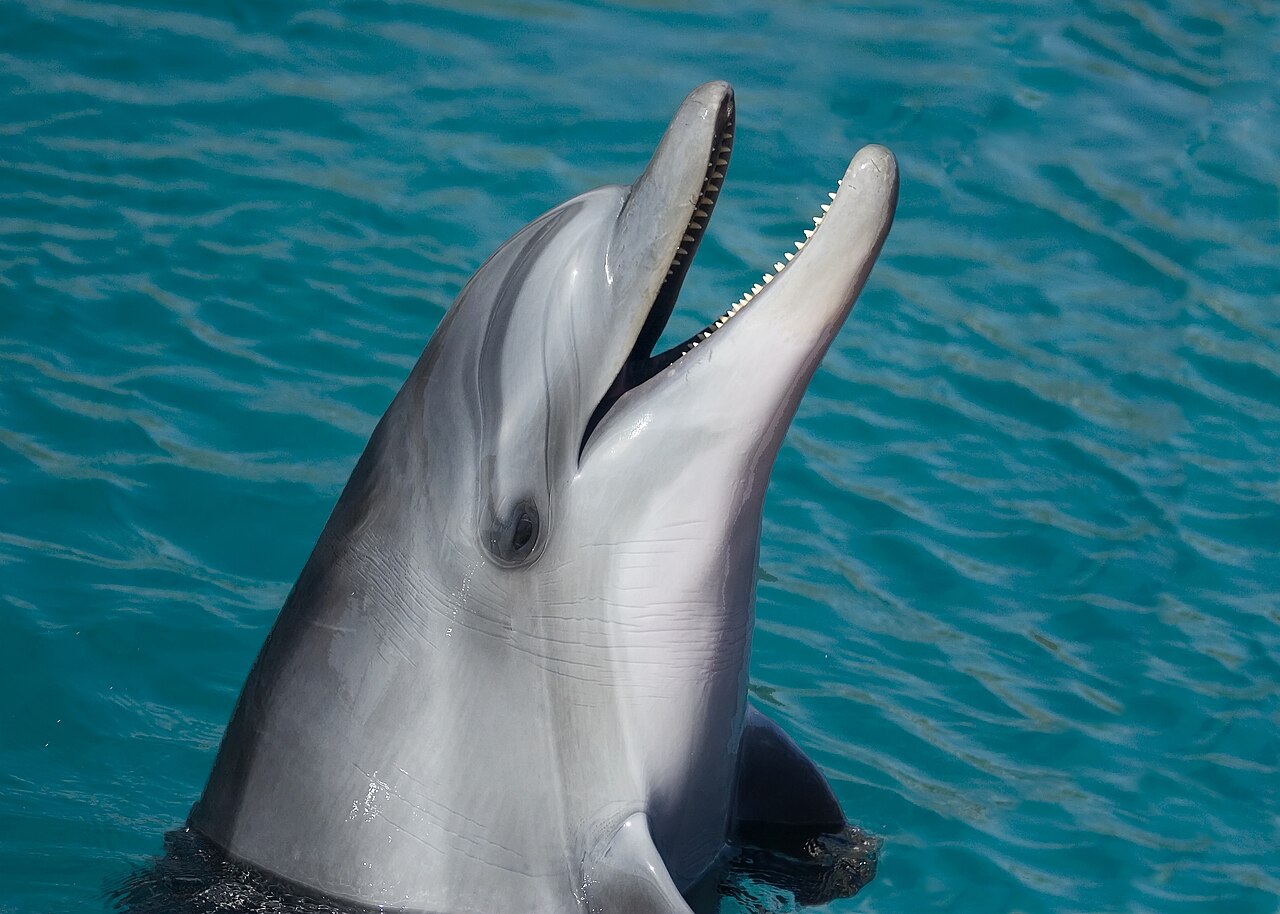
StatusLeast Concern
Primary HabitatCoastal waters
Ecosystem RoleApex marine predator
Human ImpactPollution and fishing nets
Adaptability
70
The Badger's Night Life
C
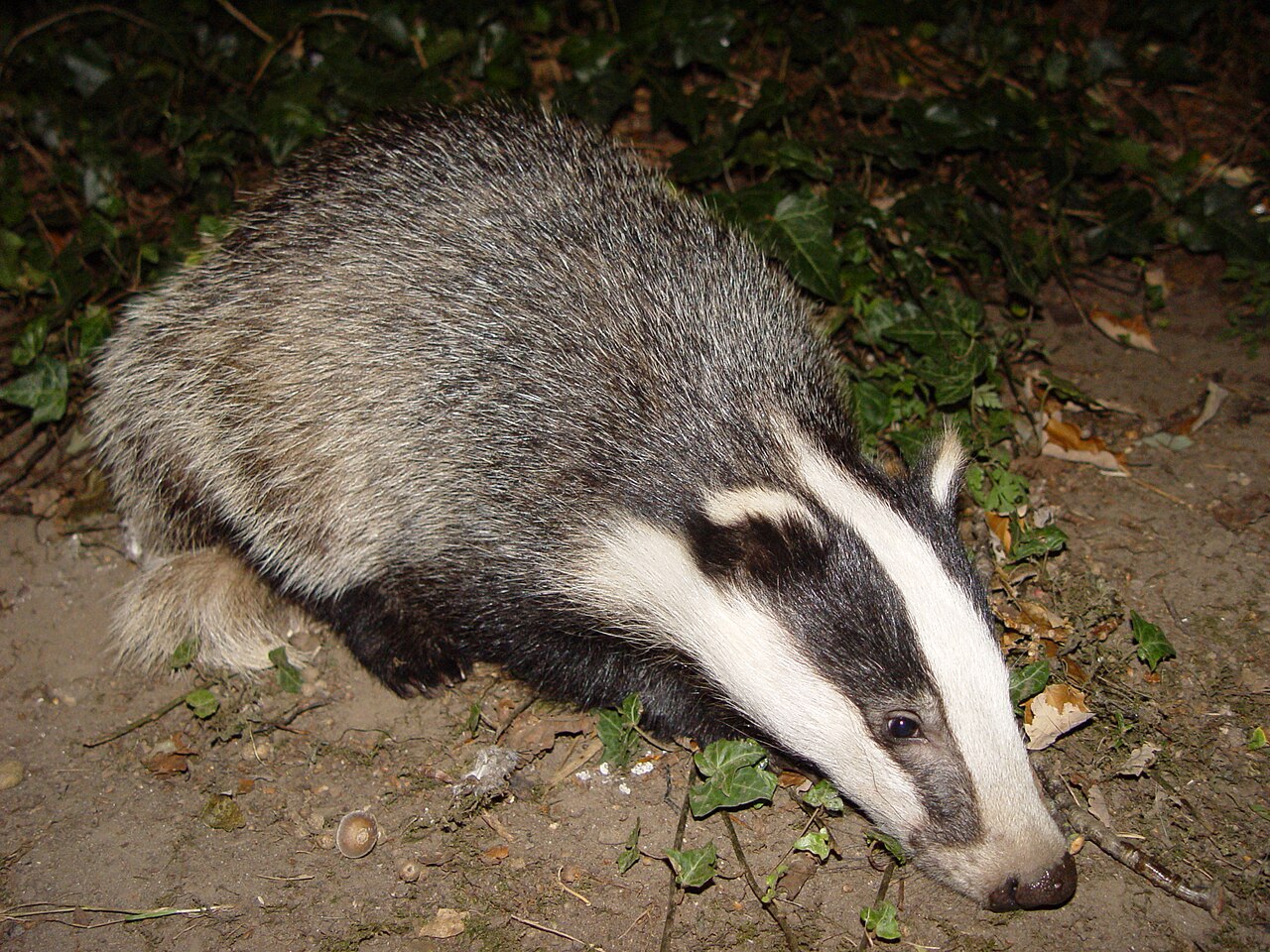
StatusLeast Concern
Primary HabitatWoodland
Ecosystem RoleOmnivore / Earthworm predator
Human ImpactThreatened by traffic and culls
Adaptability
70
Arctic Fox
C
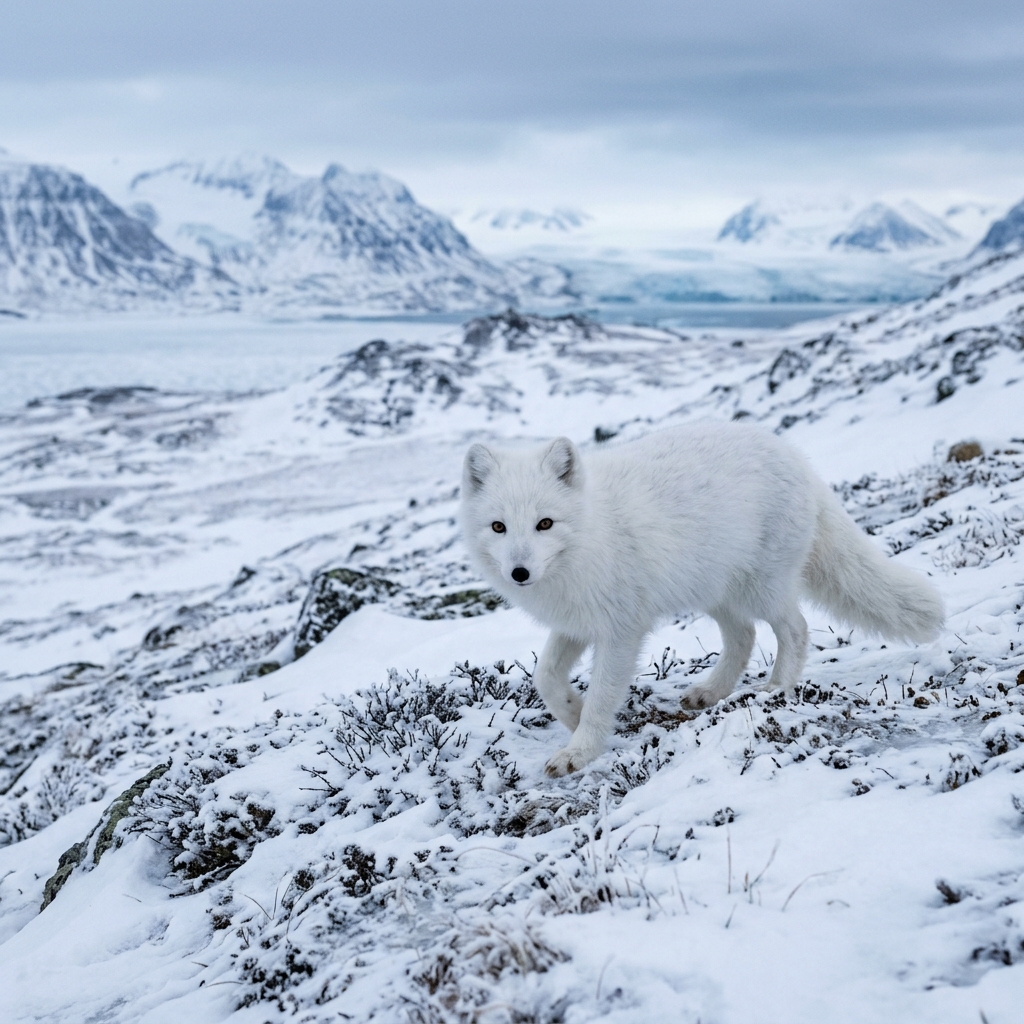
StatusLeast Concern
Primary HabitatArctic tundra
Ecosystem RoleScavenger/Predator
Human ImpactClimate change melting habitat
Adaptability
50
Water Vole
C
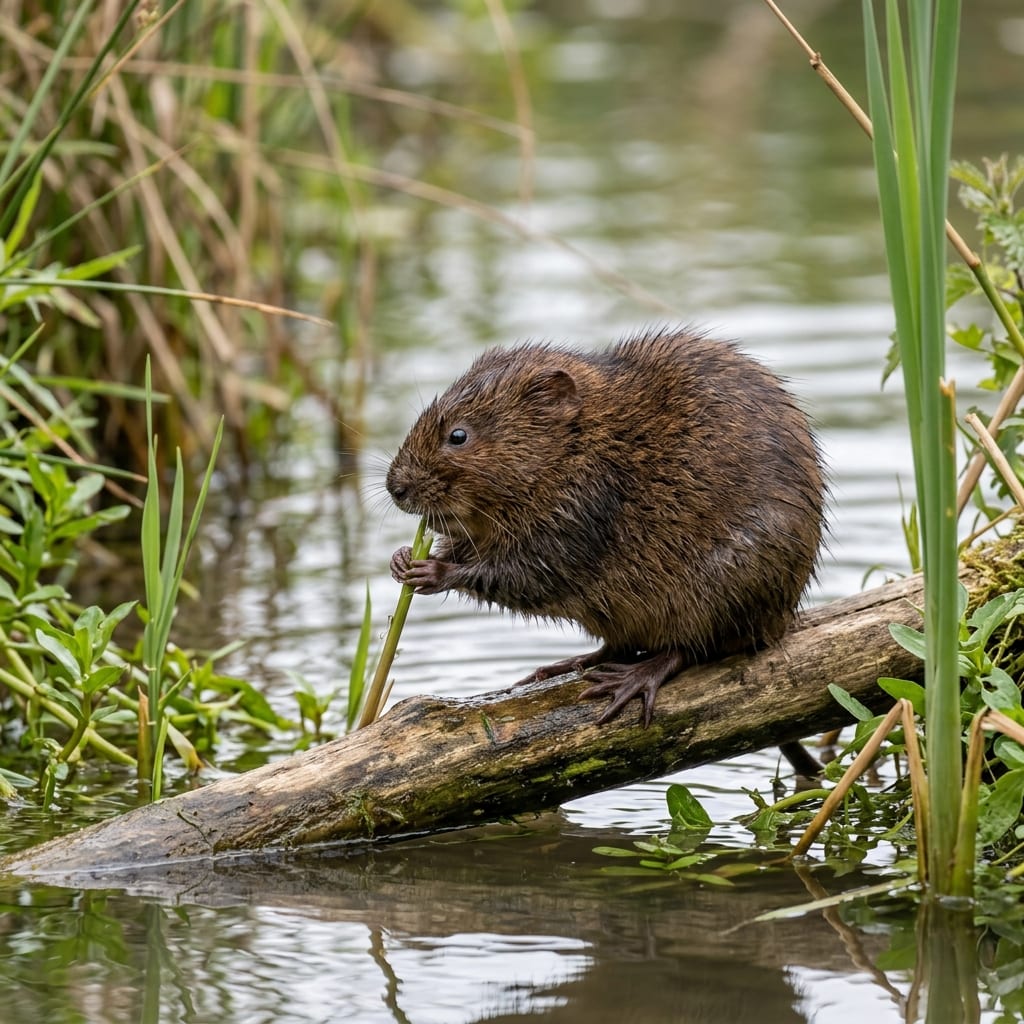
StatusProtected (Wildlife and Countryside Act) — Britain's fastest-declining mammal
Primary HabitatBanks of rivers, streams, ditches and ponds
Ecosystem RoleGrazer that shapes bankside plants; prey for many predators
Human ImpactDevastated by habitat loss and American mink; now recovering in places
Adaptability
35
Noctule
C
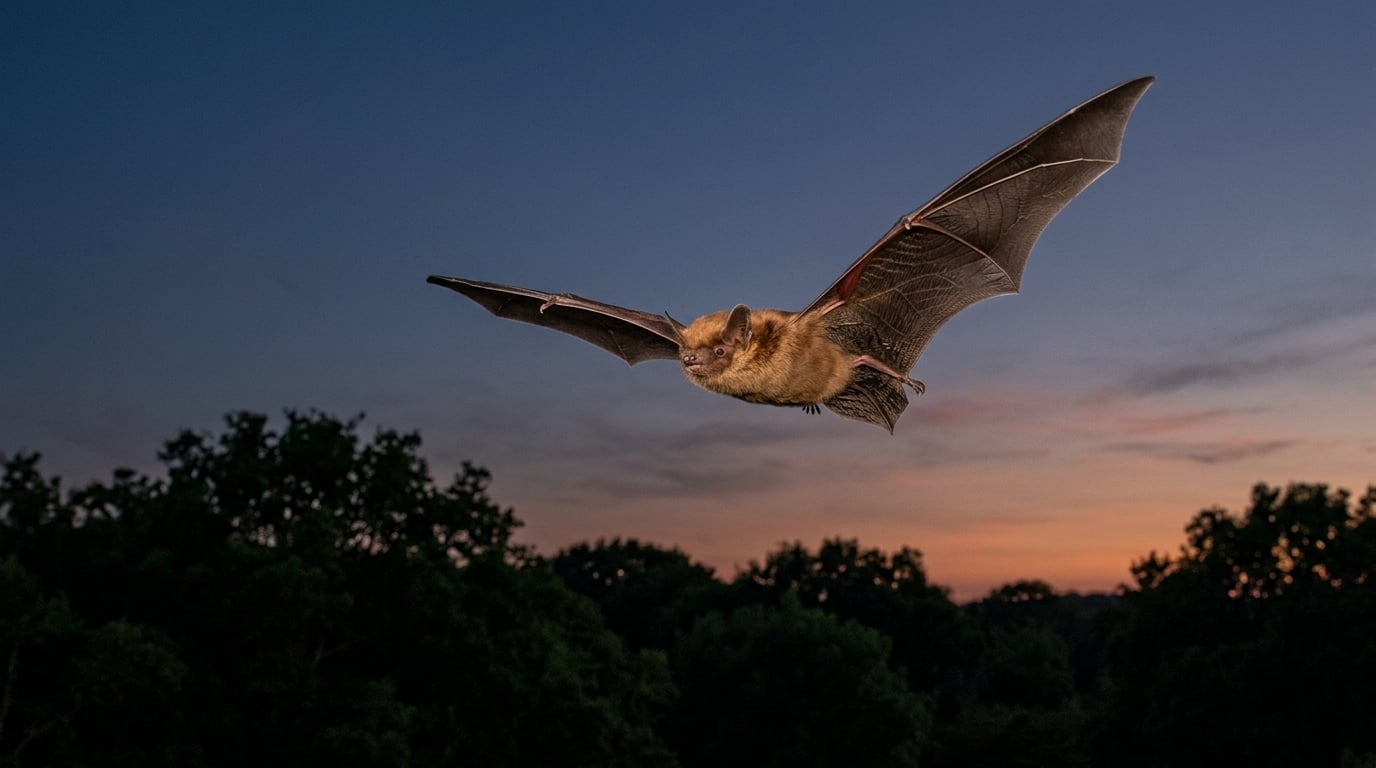
StatusLeast Concern, but declining as old trees are lost; fully protected by law
Primary HabitatOpen sky above woodland, pasture, wetlands and lakes; roosts in tree holes
Ecosystem RoleHigh-flying insect-hunter; a major predator of chafers and dung beetles
Human ImpactLoses its home when old trees are felled, and can collide with wind turbines
Adaptability
50
Barbastelle
C
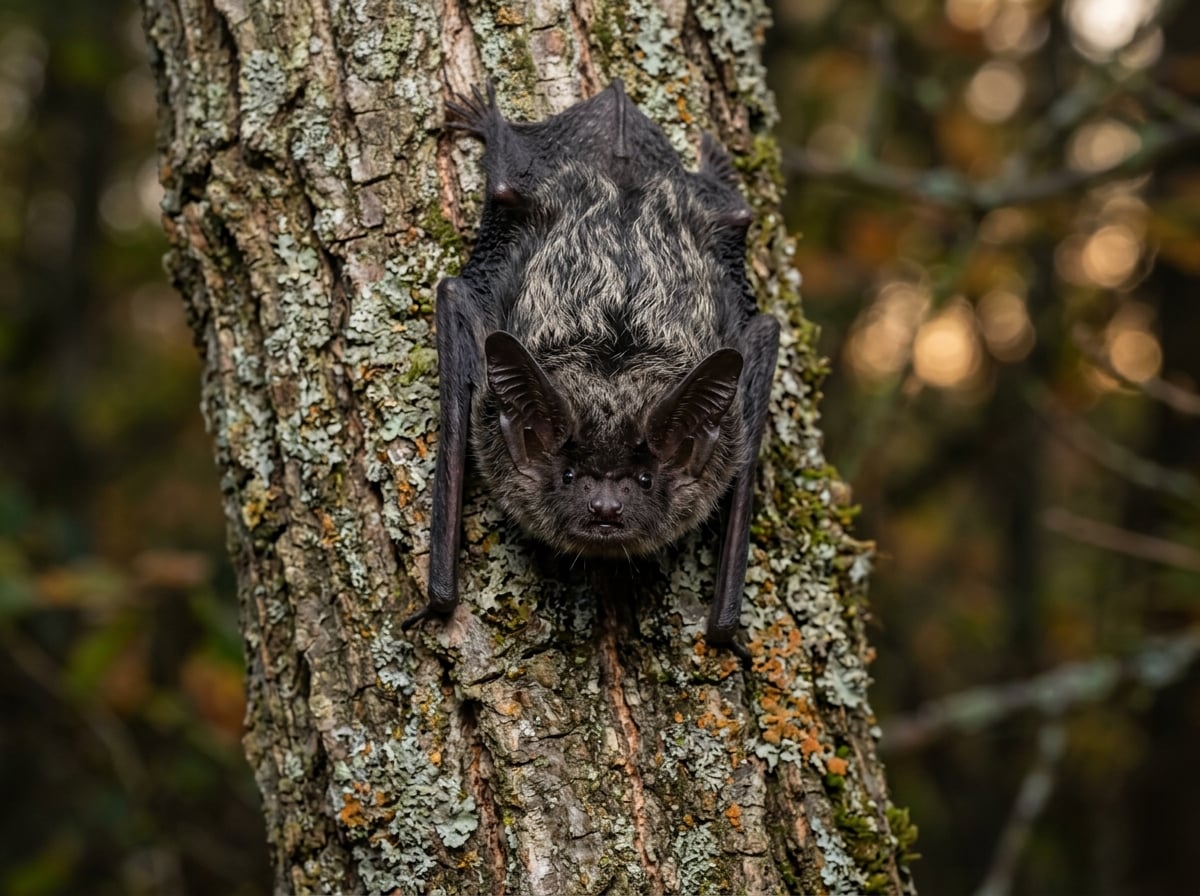
StatusNear Threatened and one of Britain's rarest mammals; specially protected
Primary HabitatAncient and mature woodland and wooded river valleys in southern and central England and Wales; roosts behind loose bark and in tree splits
Ecosystem RoleA specialist hunter of night-flying moths
Human ImpactVery vulnerable to the loss of ancient woodland and old trees, and to insecticides that kill its moths
Adaptability
20
Daubenton's Bat
C
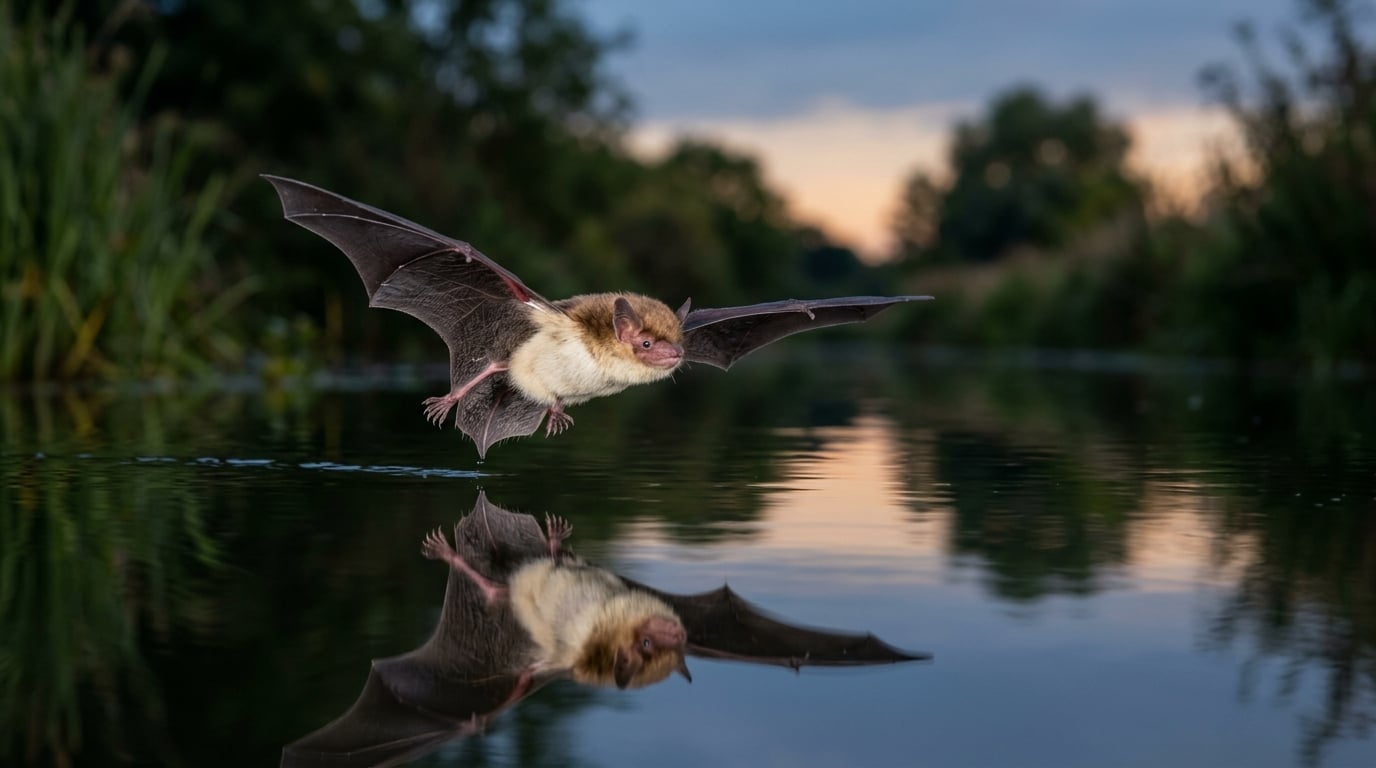
StatusLeast Concern and increasing; fully protected
Primary HabitatOver calm fresh water — rivers, canals, lakes and ponds; roosts in tree holes, bridges and tunnels near water
Ecosystem RoleSpecialist hunter of insects emerging from water — midges, caddisflies and mayflies
Human ImpactHarmed by water pollution and by lighting over waterways; helped by clean rivers and bridge roosts
Adaptability
70
Bechstein's Bat
C
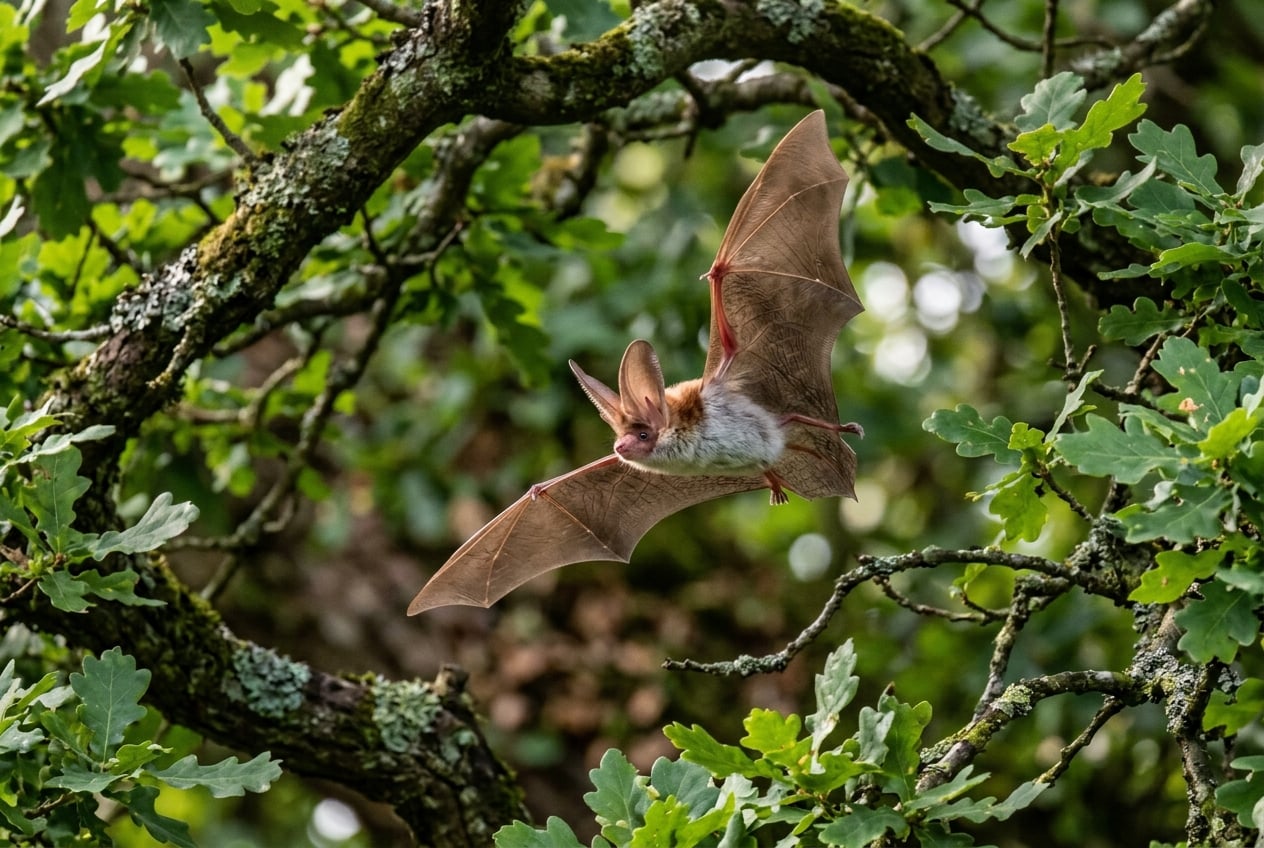
StatusNear Threatened and rare in Britain (only around 1,500); specially protected
Primary HabitatAncient broadleaved woodland, especially oak, in southern England and south Wales; roosts in tree holes and woodpecker cavities
Ecosystem RoleWoodland insect-hunter that both catches flying insects and gleans resting ones
Human ImpactOne of the UK's most woodland-dependent bats — very sensitive to the loss of ancient woodland
Adaptability
15
Greater Horseshoe Bat
C
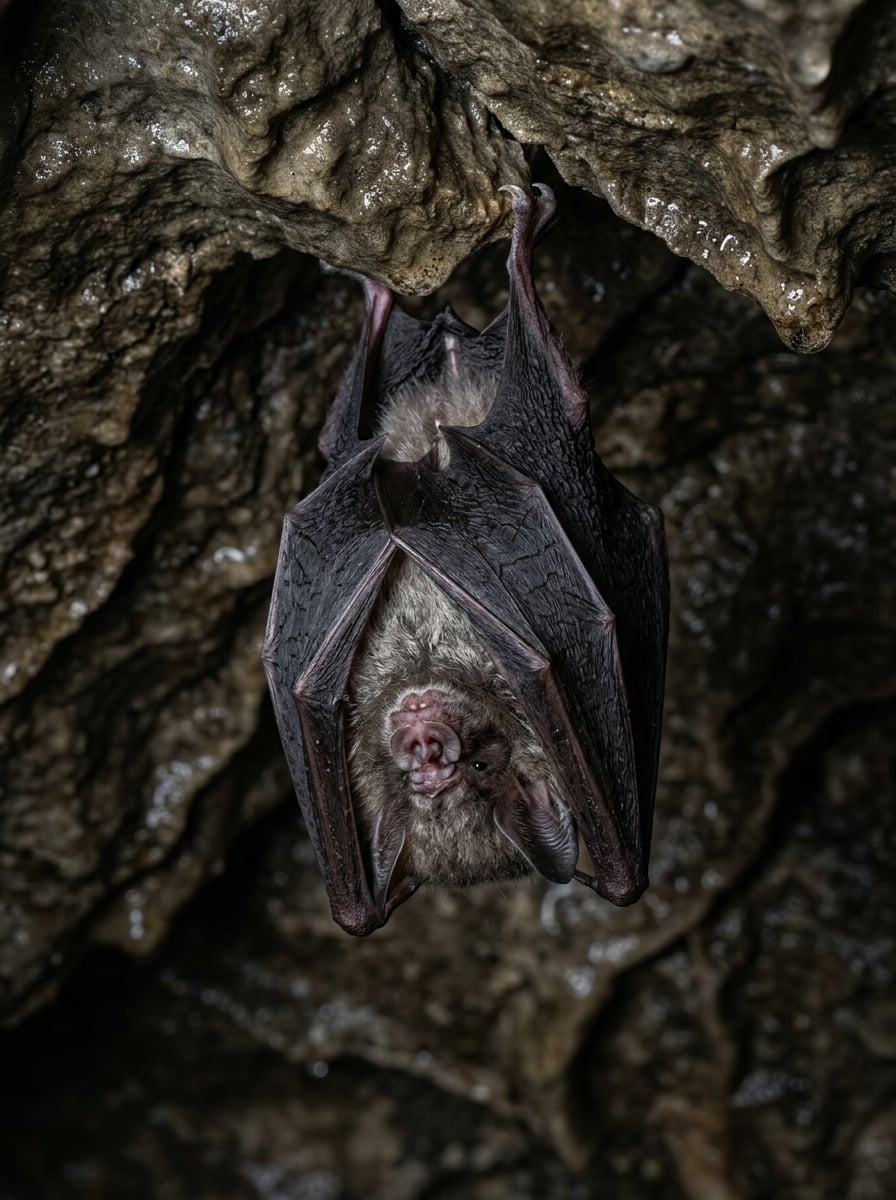
StatusRange-restricted in Britain after a huge decline, now slowly recovering; specially protected
Primary HabitatInsect-rich pasture, hedgerows and woodland edge in SW England and south Wales; roosts in caves, mines and large old buildings
Ecosystem RoleHunter of large beetles and moths; closely tied to traditional cattle-grazed countryside
Human ImpactWas devastated by lost roosts, insecticides and the loss of cattle pasture (its dung beetles need grazing animals); recovering where these are protected
Adaptability
25