Bats - Print View
16 resources from 16 pages
Bats
Created on 9 October 2026
16 resources from 16 pages
Contents
- Common Pipistrelle(Year 1: Seasonal changes)
- Noctule(n3225-noctule-bat)
- Barbastelle(n3226-barbastelle-bat)
- Daubenton's Bat(n3227-daubentons-bat)
- Bechstein's Bat(n3228-bechsteins-bat)
- Greater Horseshoe Bat(n3229-greater-horseshoe-bat)
- How Bats Hunt & Eat(How Bats Hunt & Eat)
- Bat Life Cycle(Bat Life Cycle)
- Where Bats Live(Where Bats Live)
- Midge(n3233-midge)
- Peppered Moth(Year 6: Evolution and inheritance)
- Tawny owl(Creatures from Habitats)
- Brazilian Free-tailed Bat(Record Breakers Dataset)
- Habitat Profile: Woodland(Habitat Profile: Woodland)
- Habitat Profile: Hedgerow(Habitat Profile: Hedgerow)
- Habitat Profile: River(Habitat Profile: River)
 More open educational resources at https://ecoexplorers.co.uk
Seasonal Behaviour:
In summer, mother bats all join together in one place (like a warm attic or an old tree) to have their babies. This is called a 'maternity roost'. They keep their babies (called 'pups') warm and fly out at dusk to hunt for insects.
From: Year 1: Seasonal changes
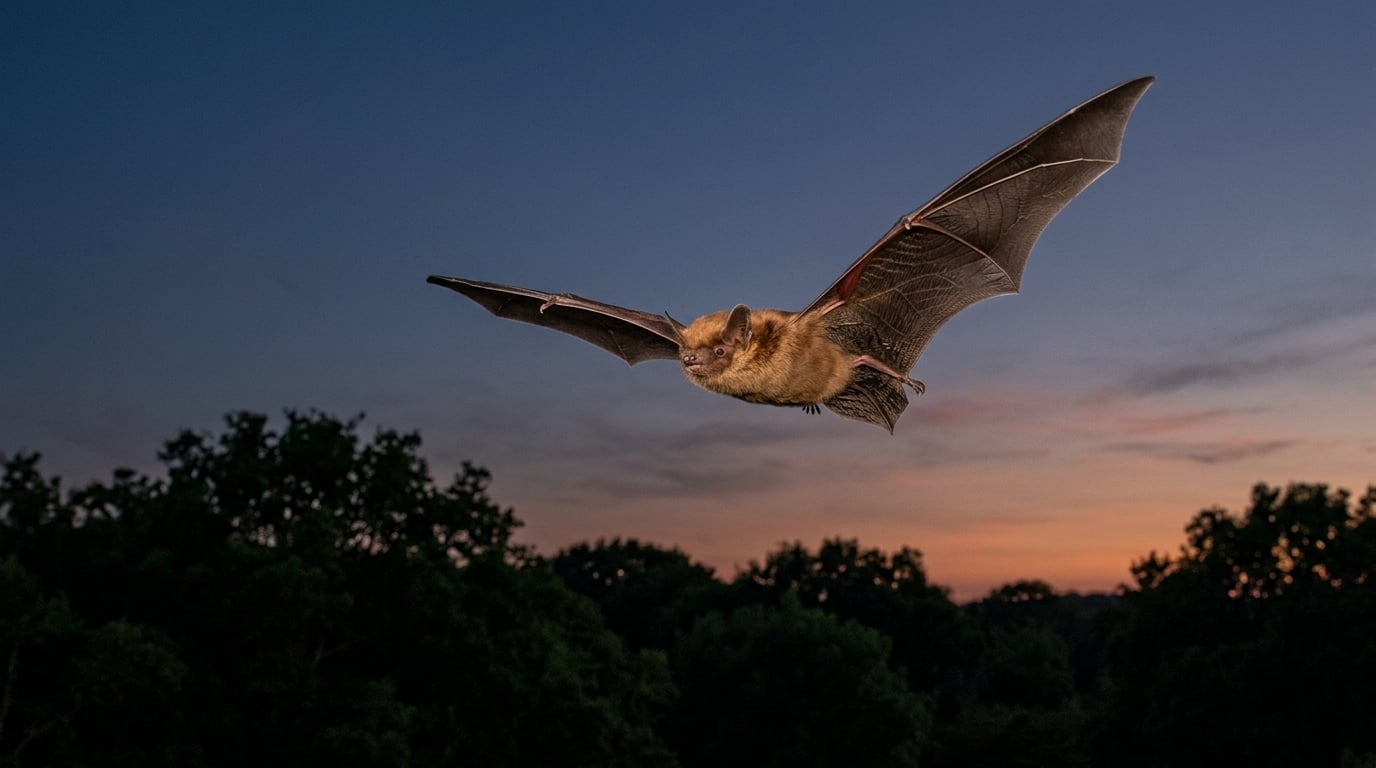
From: n3225-noctule-bat
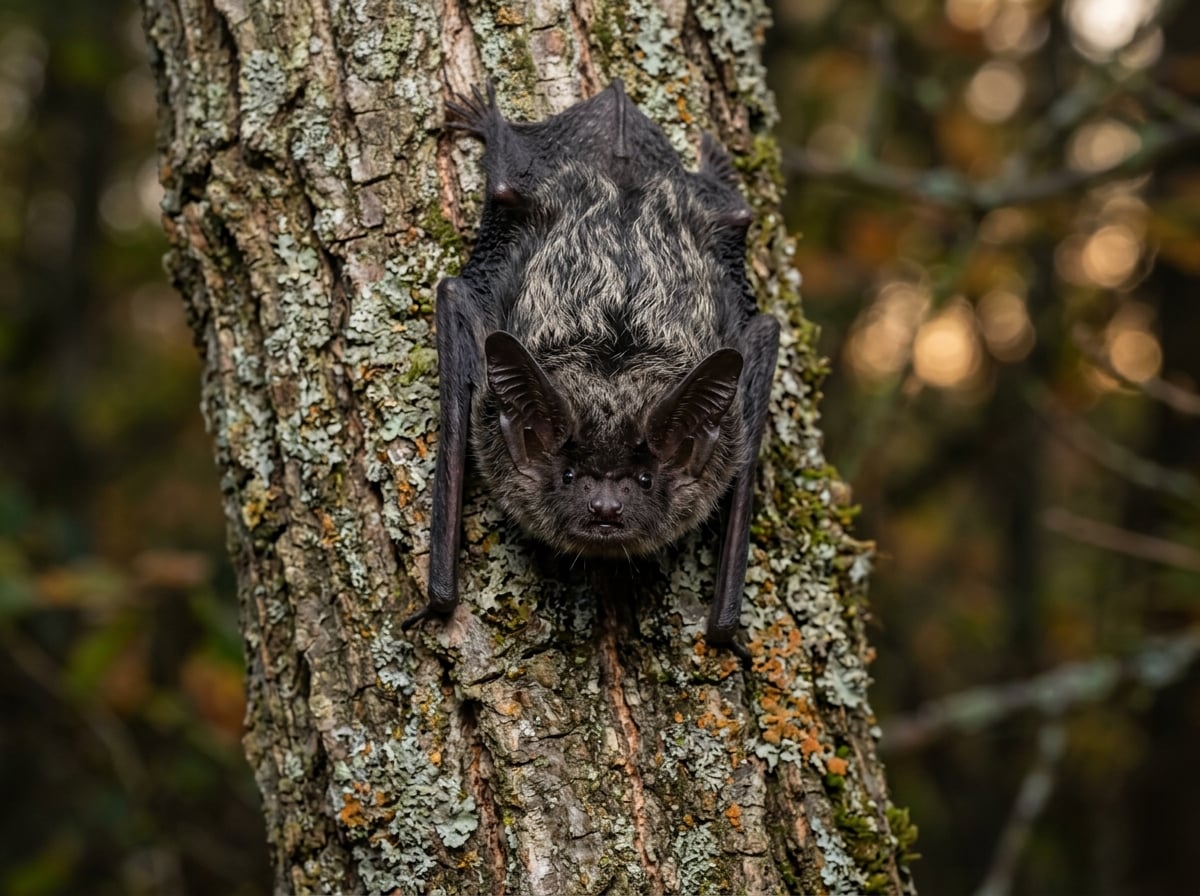
From: n3226-barbastelle-bat
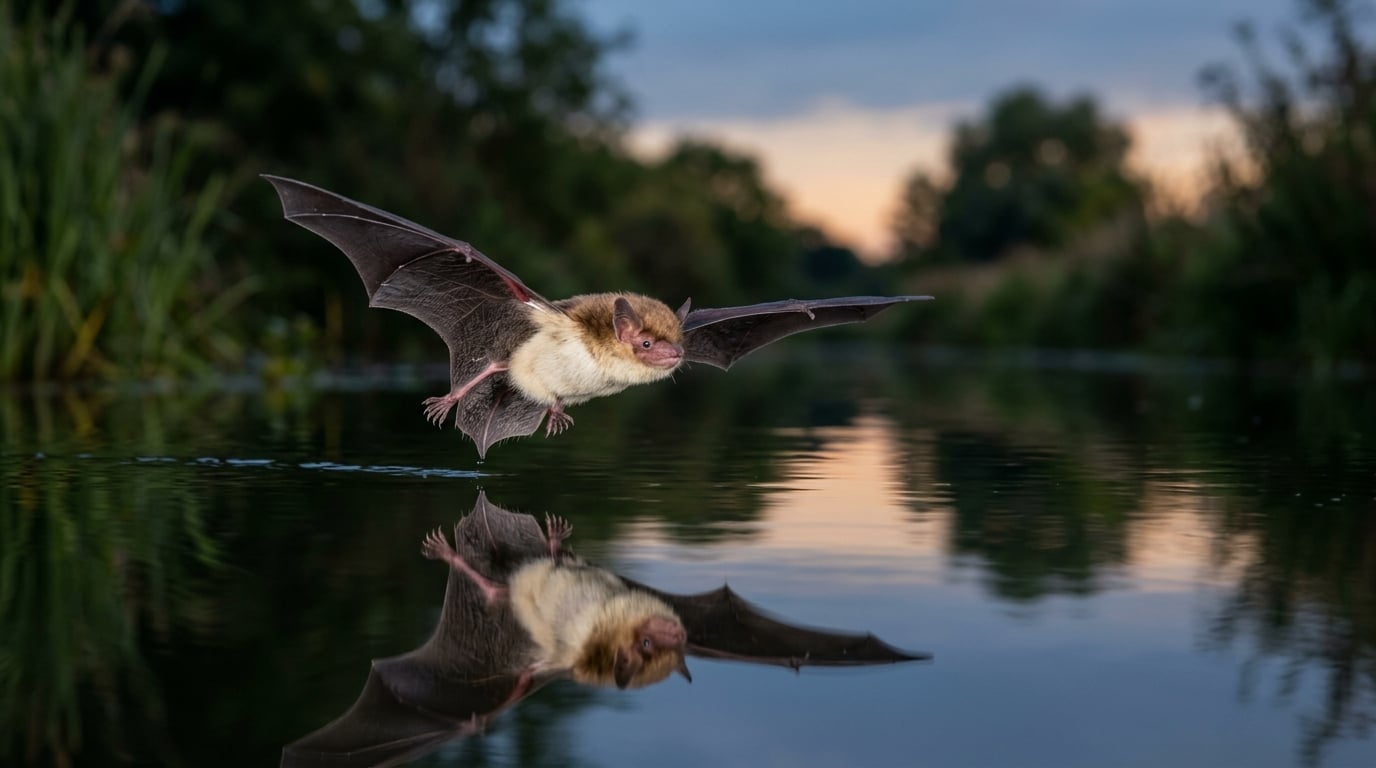
From: n3227-daubentons-bat
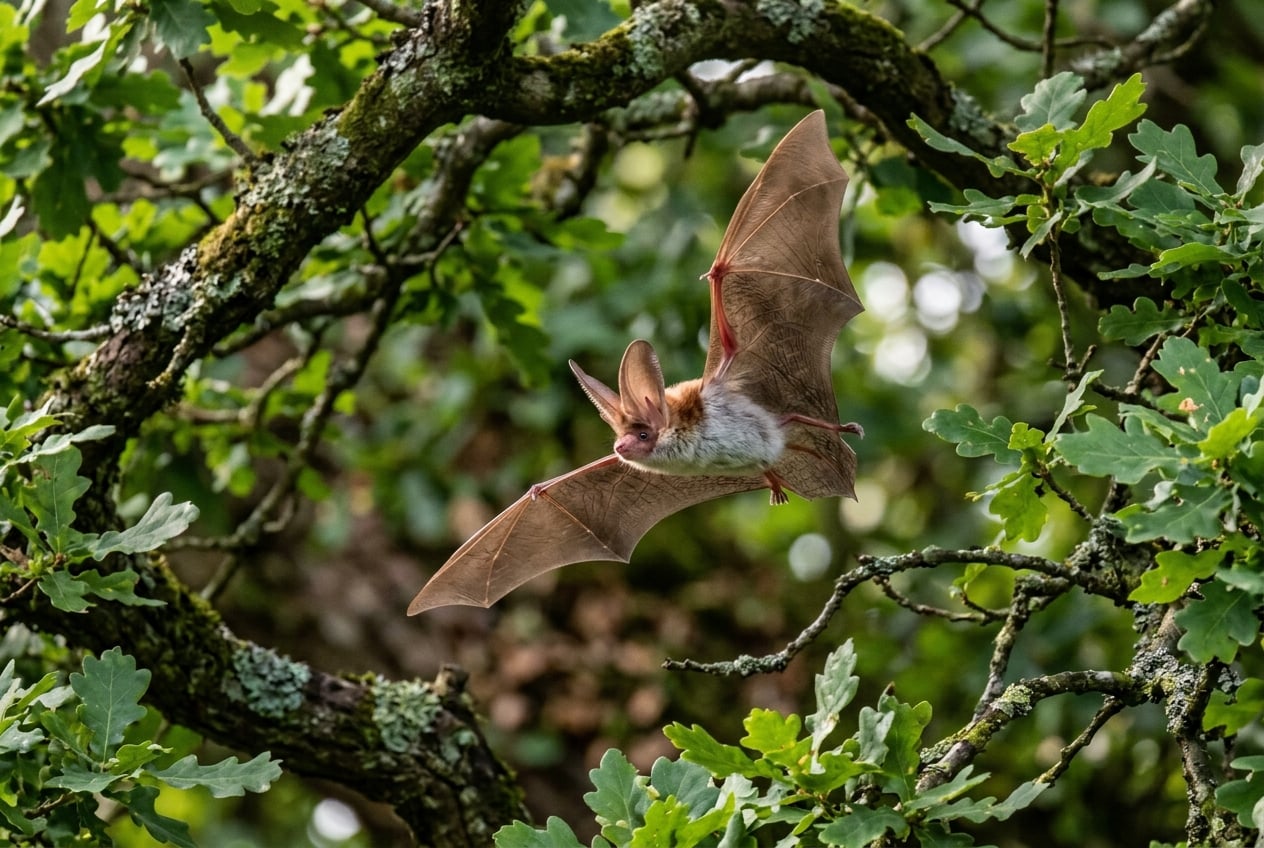
From: n3228-bechsteins-bat
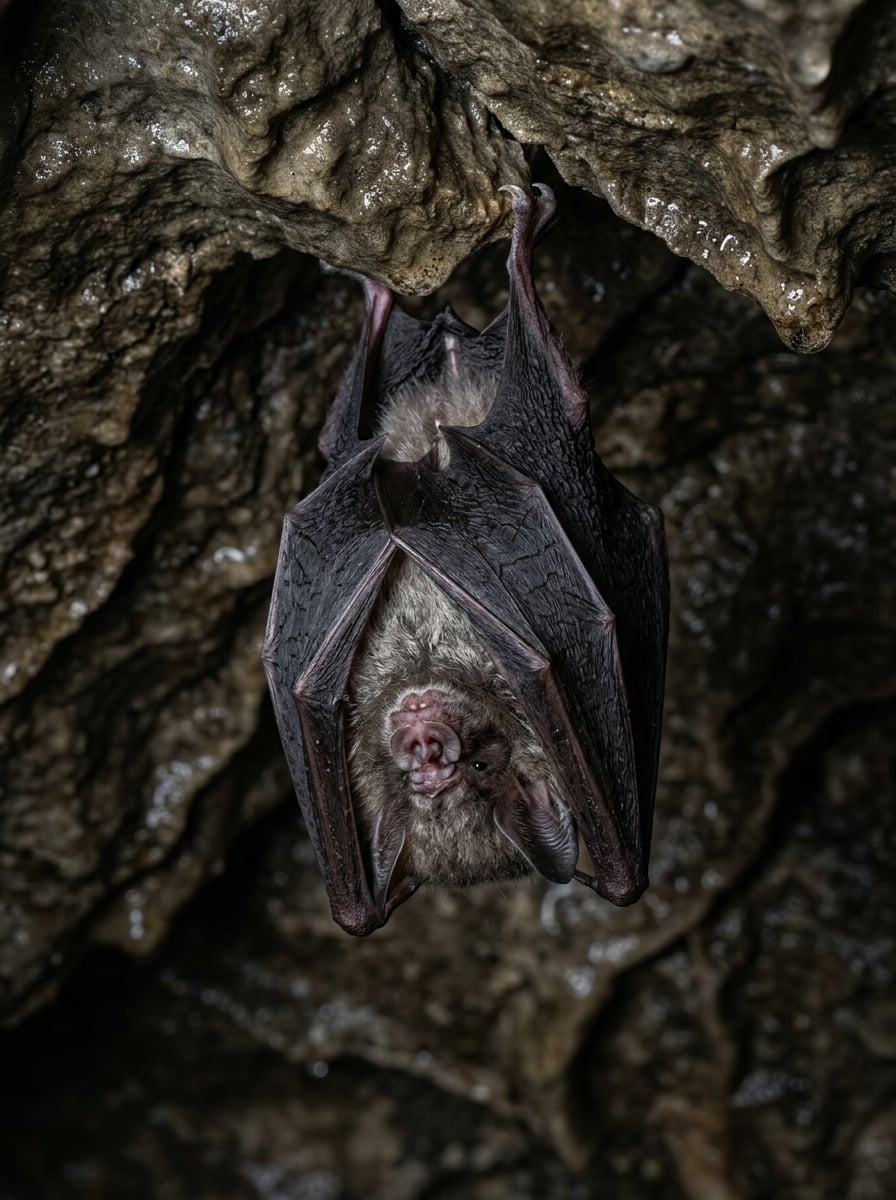
From: n3229-greater-horseshoe-bat
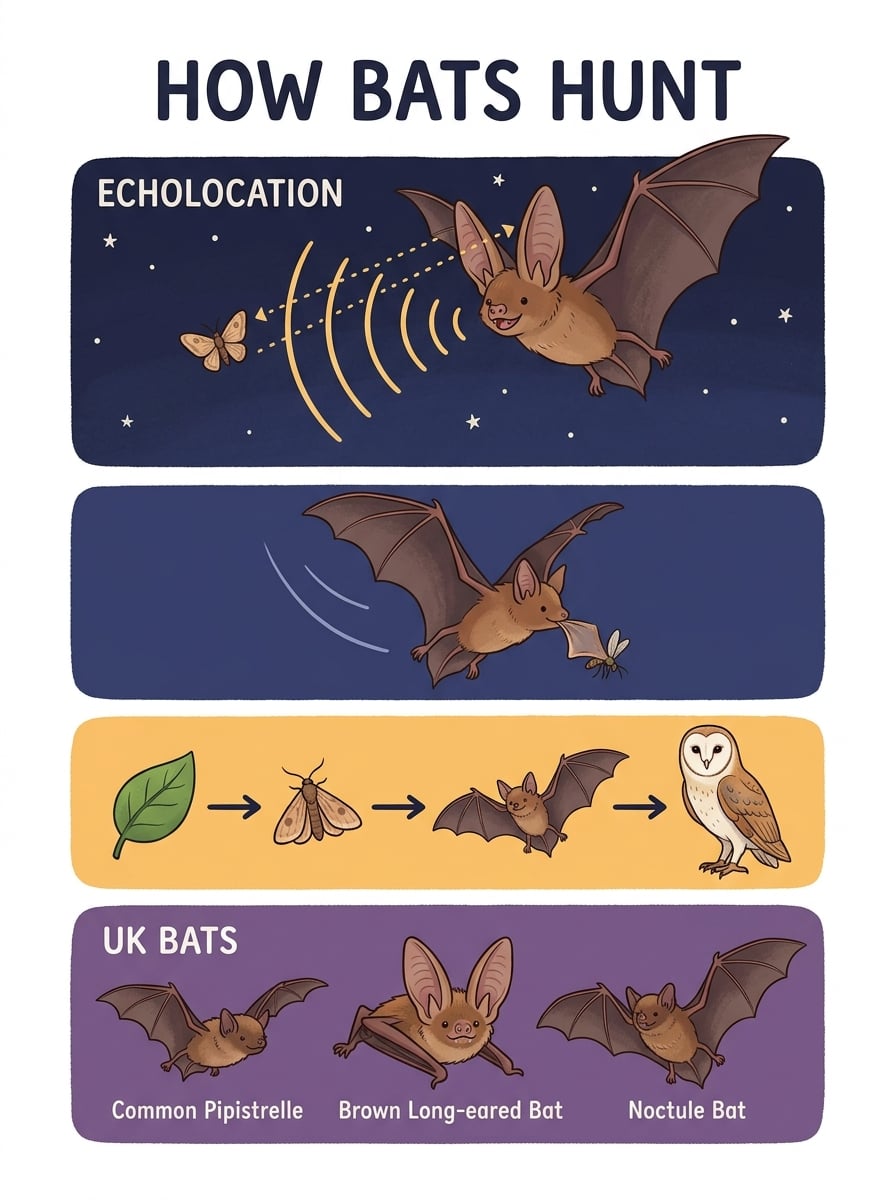
From: How Bats Hunt & Eat
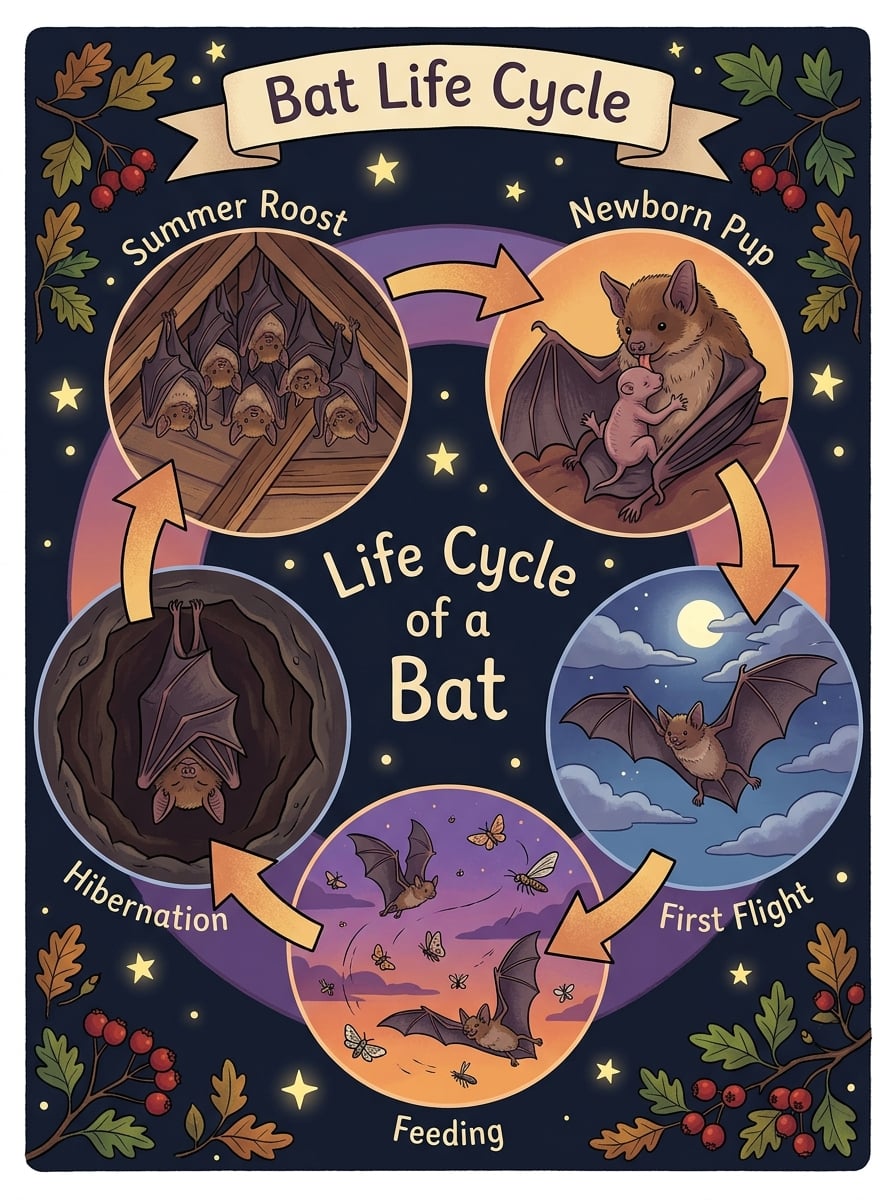
From: Bat Life Cycle
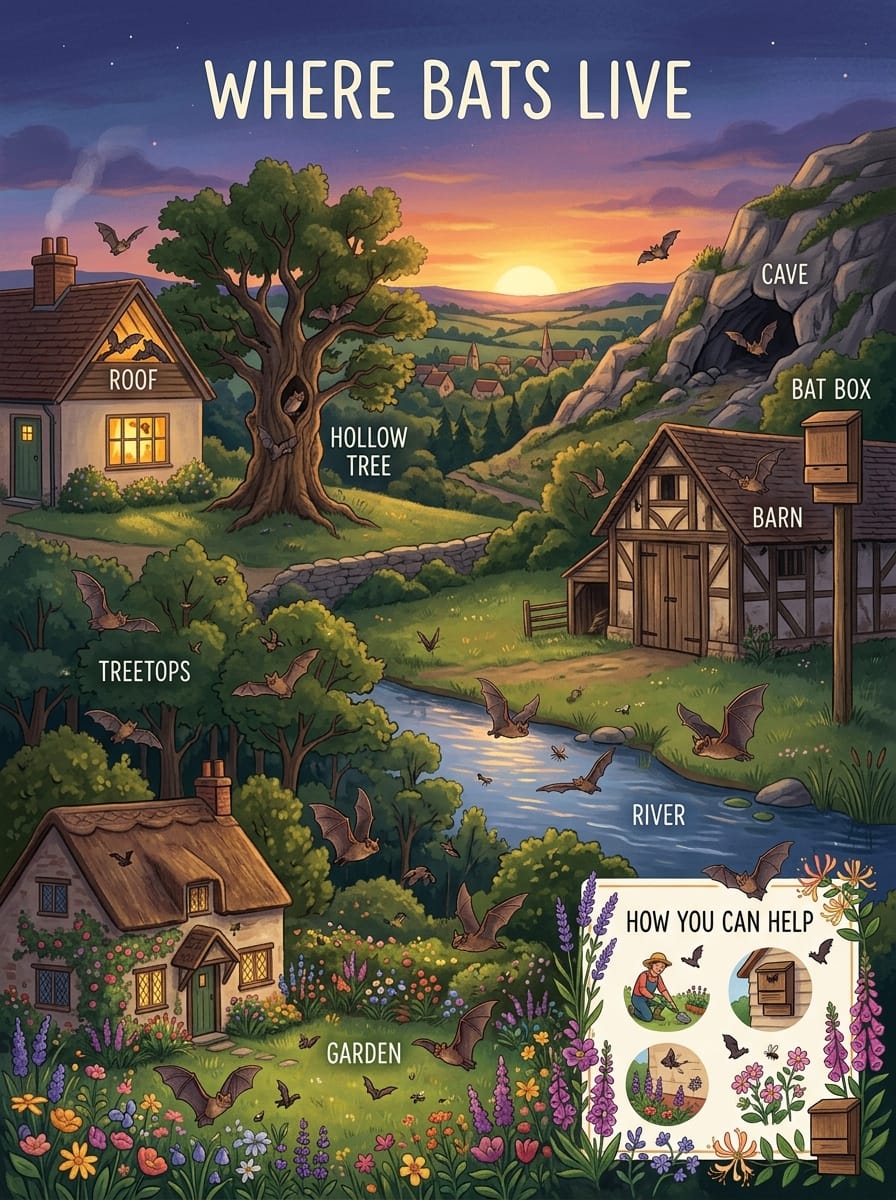
From: Where Bats Live
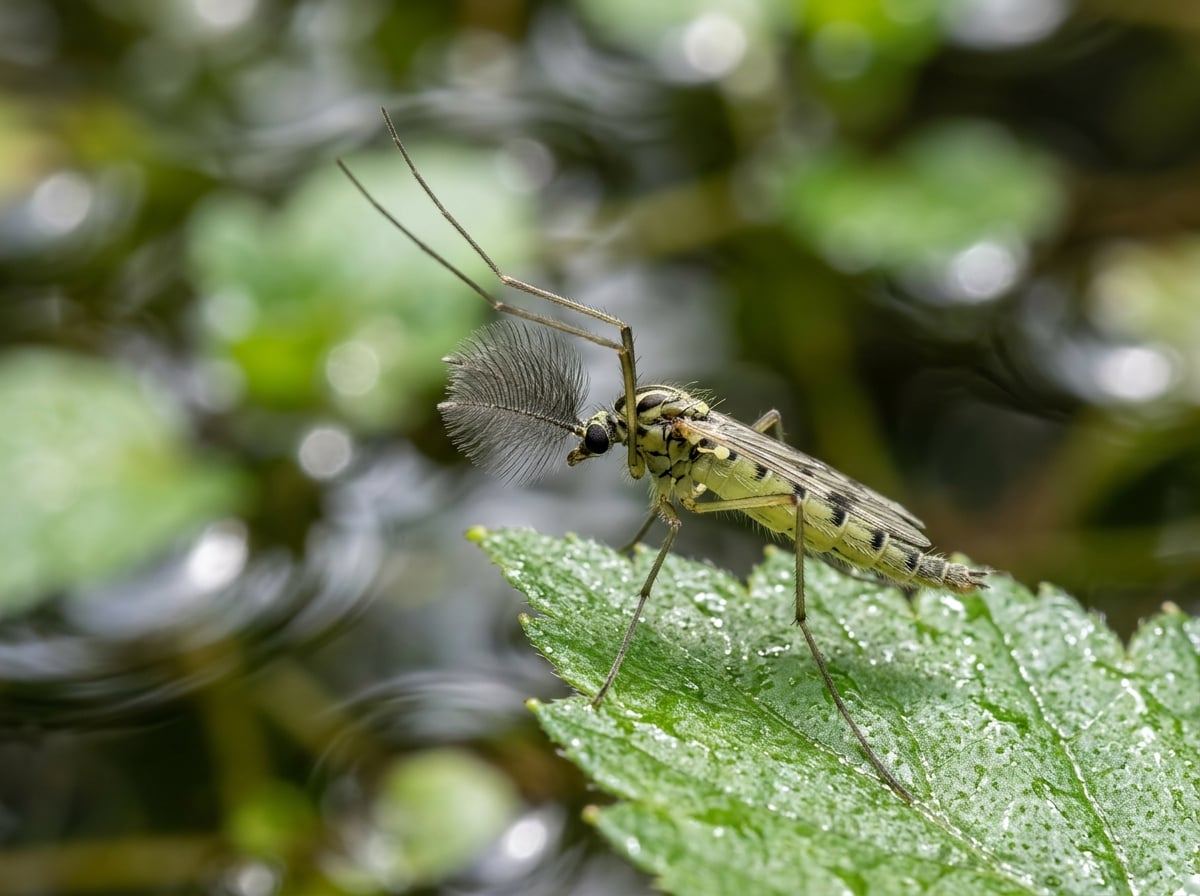
From: n3233-midge
Adaptations: A famous example of natural selection, where the darker form of the moth became more common on soot-covered trees during the Industrial Revolution because it was better camouflaged.
From: Year 6: Evolution and inheritance
Tawny owl
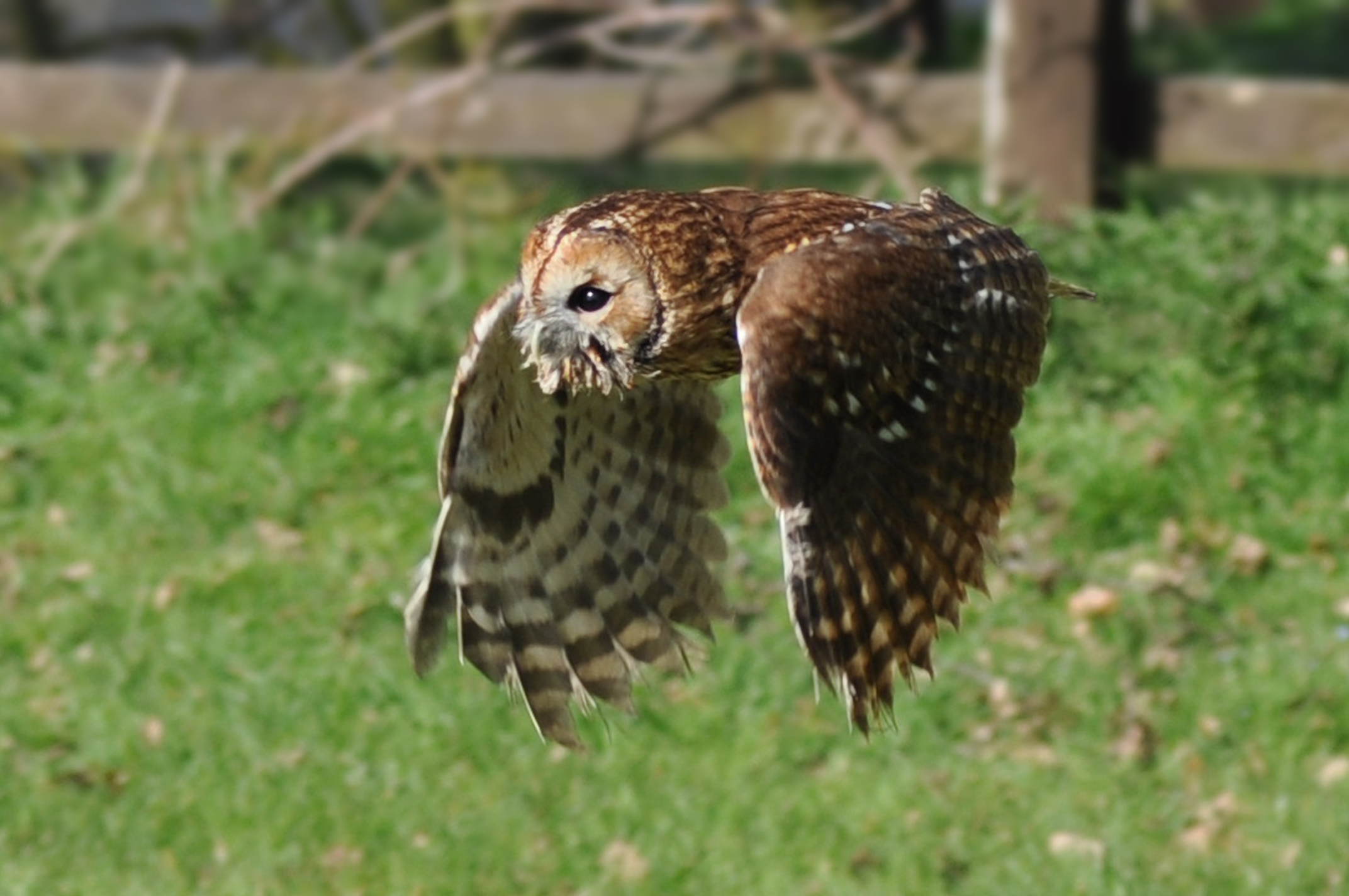
A woodland owl commonly heard making the classic 'twit twoo' call.
From: Creatures from Habitats
Brazilian Free-tailed Bat
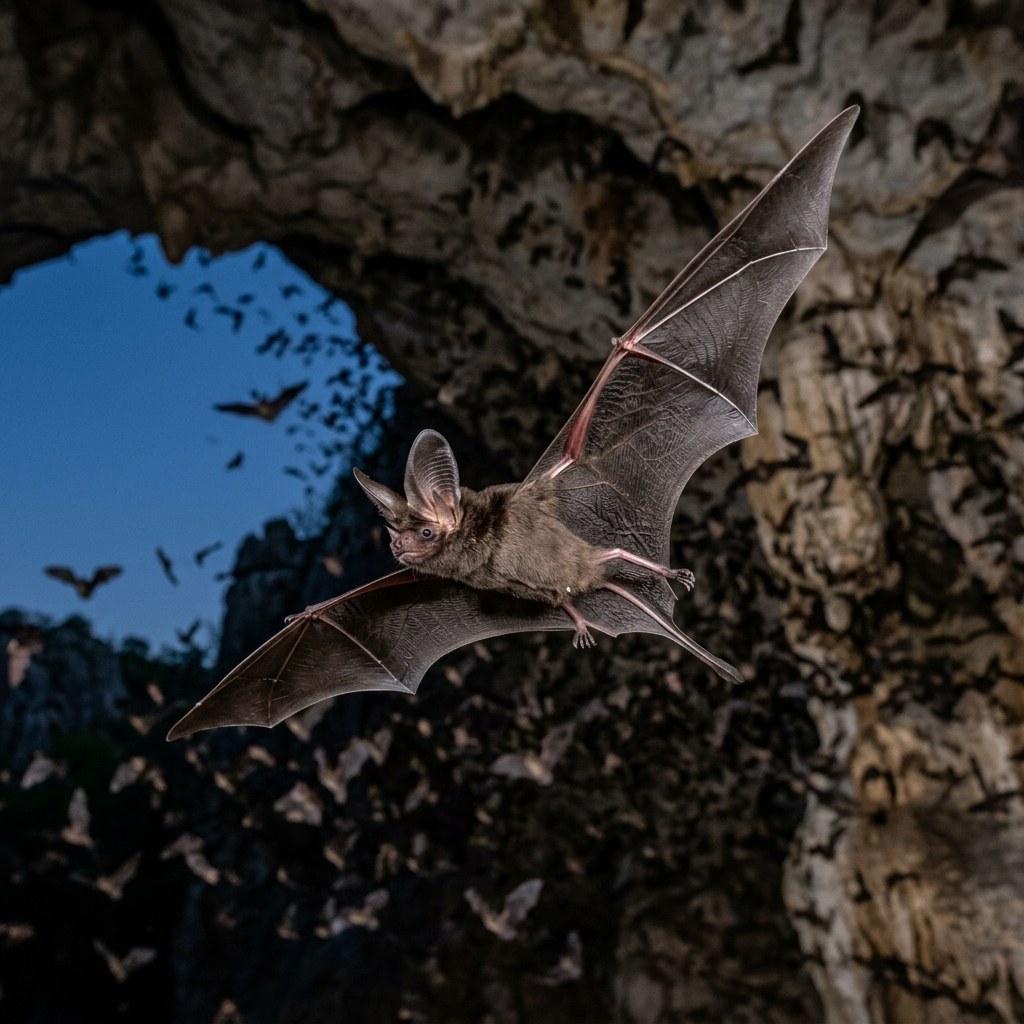
The Brazilian free-tailed bat holds the record for the fastest level flight of any animal, pouring out of caves at dusk in clouds of millions to hunt insects.
From: Record Breakers Dataset
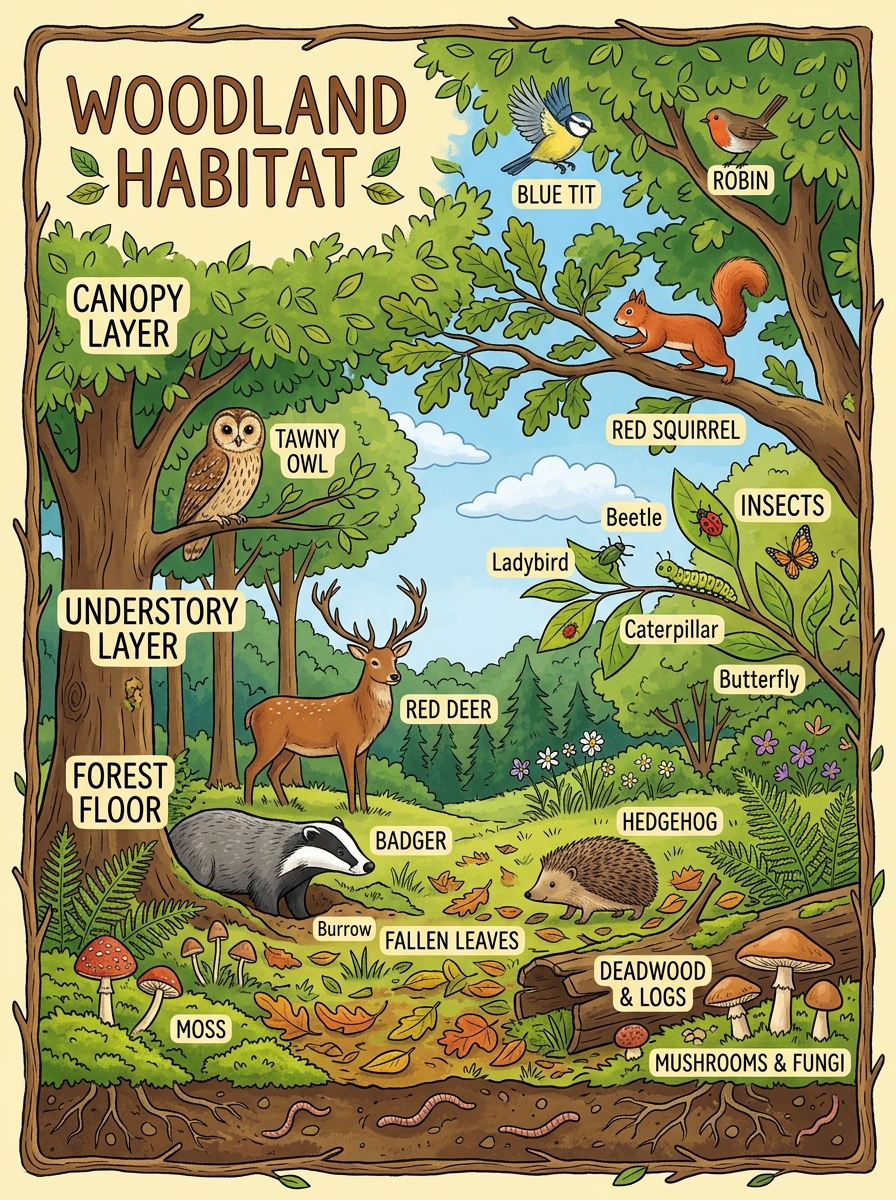
From: Habitat Profile: Woodland
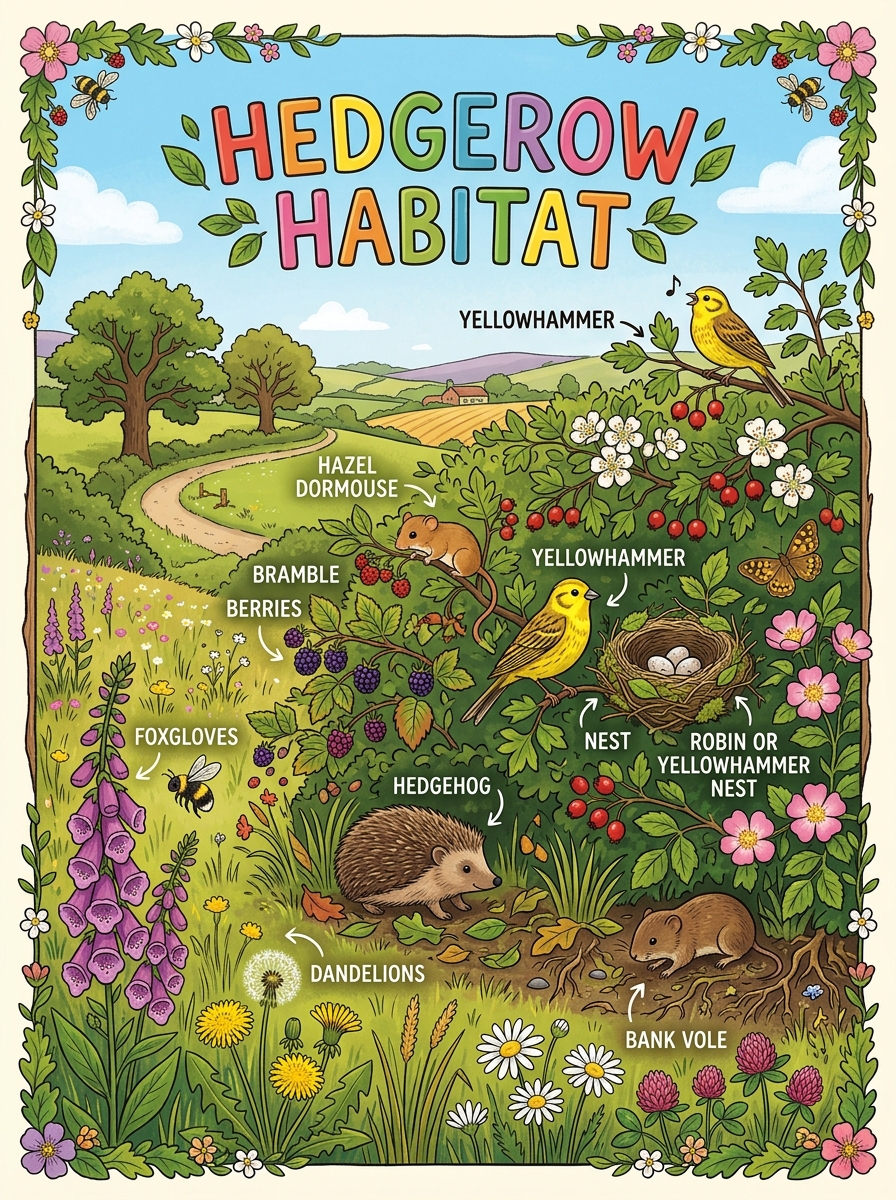
From: Habitat Profile: Hedgerow
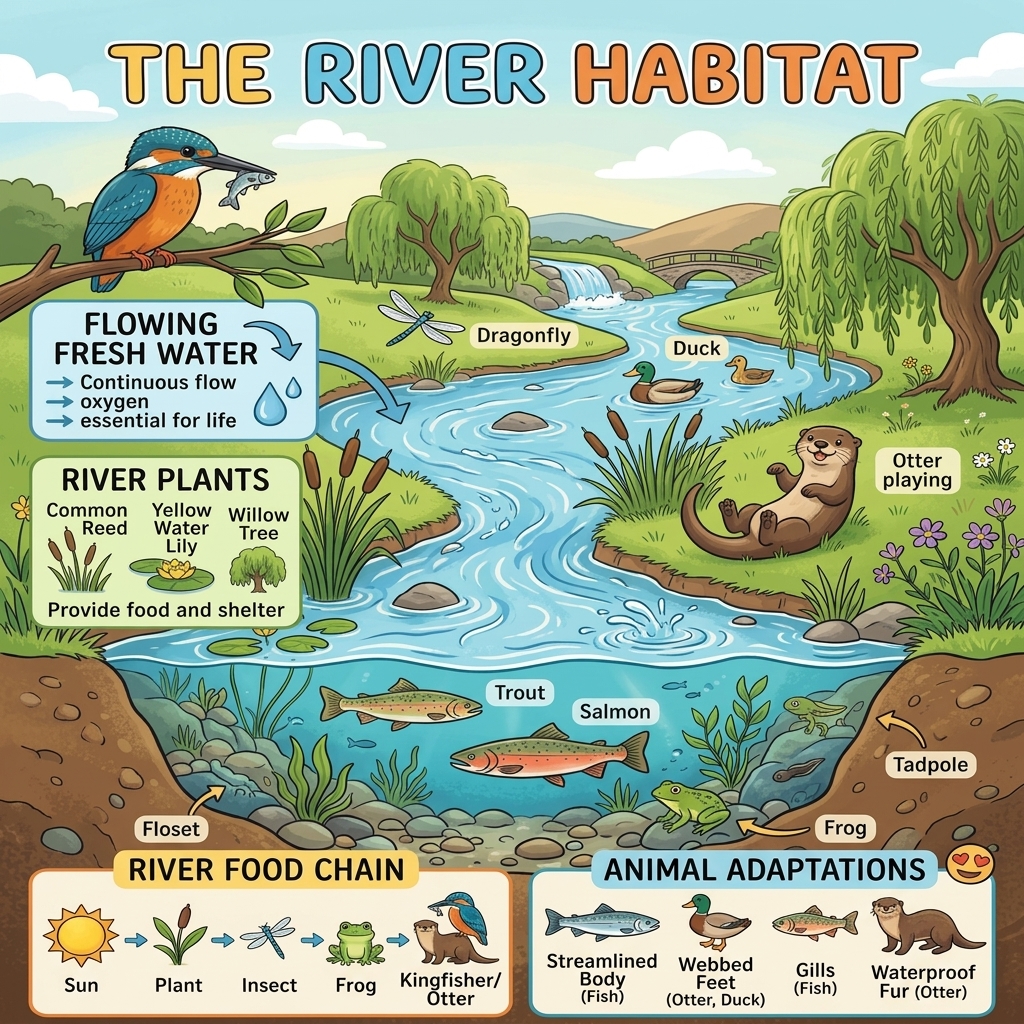
From: Habitat Profile: River
Find more open educational resources athttps://ecoexplorers.co.uk