
Day and Night - Print View
32 resources from 18 pages
Day and Night
Created on 24 October 2026
32 resources from 18 pages
Contents
- About this pack: Day and Night(t1208-pack-day-and-night-overview)
- Daytime and night-time animals(Year 3: Light)
- Taking Turns with the Day(Year 5: Earth and space)
- Daytime(Year 5: Earth and space)
- Night-time(Year 5: Earth and space)
- The Sun(Year 5: Earth and space)
- The Moon(Year 5: Earth and space)
- Sort: Day & Night(Day & Night: Diurnal vs Nocturnal)
- Built for the Dark(Year 5: Earth and space)
- Built for the Day(Year 5: Earth and space)
- How Bats Hunt & Eat(How Bats Hunt & Eat)
- Beautiful Bugs: Butterflies vs. Moths(Beautiful Bugs: Butterflies vs. Moths)
- The Badger's Night Life(Year 5: Earth and space)
- Robin(Year 1: Animals, including humans)
- Blackbird(n3200-blackbird)
- Grey Squirrel(Year 1: Seasonal changes)
- Honeybee(n3212-honeybee)
- Peacock Butterfly(n3204-peacock-butterfly)
- Common Lizard(Year 1: Animals, including humans)
- Tawny owl(Creatures from Habitats)
- European hedgehog(Creatures from Habitats)
- Badger(n304-badger)
- Common Pipistrelle(Year 1: Seasonal changes)
- Wood Mouse(Year 1: Animals, including humans)
- Elephant Hawk-moth(n3216-elephant-hawk-moth)
- Fox(n44-fox)
- Deer(Year 2: Living things and their habitats)
- Rabbit(Year 1: Animals, including humans)
- Barn Owl(More Habitat Creatures)
- Noctule(n3225-noctule-bat)
- Snowy owl(Creatures from Habitats)
- Fennec Fox(Creatures from Habitats)
 More open educational resources at https://ecoexplorers.co.uk
Step outside by day and you meet one set of creatures; step out again after dark and you meet a completely different one. This pack sorts British wildlife into the day shift, the night shift, and the dawn-and-dusk animals in between — exploring how each is built for its own time, and why nature shares out the hours of the day this way.
From: t1208-pack-day-and-night-overview
Our world is always spinning around, a bit like a roundabout. When our part of the world faces the sun, it's bright daytime. When it spins away from the sun, it becomes dark nighttime.
This pattern splits animals into two big teams.
Daytime animals, like birds and squirrels, are busy when it's light.
Night-time animals, like hedgehogs and foxes, come out when it's dark. This is their clever plan to stay safe from daytime hunters or to keep cool on a hot day.
From: Year 3: Light
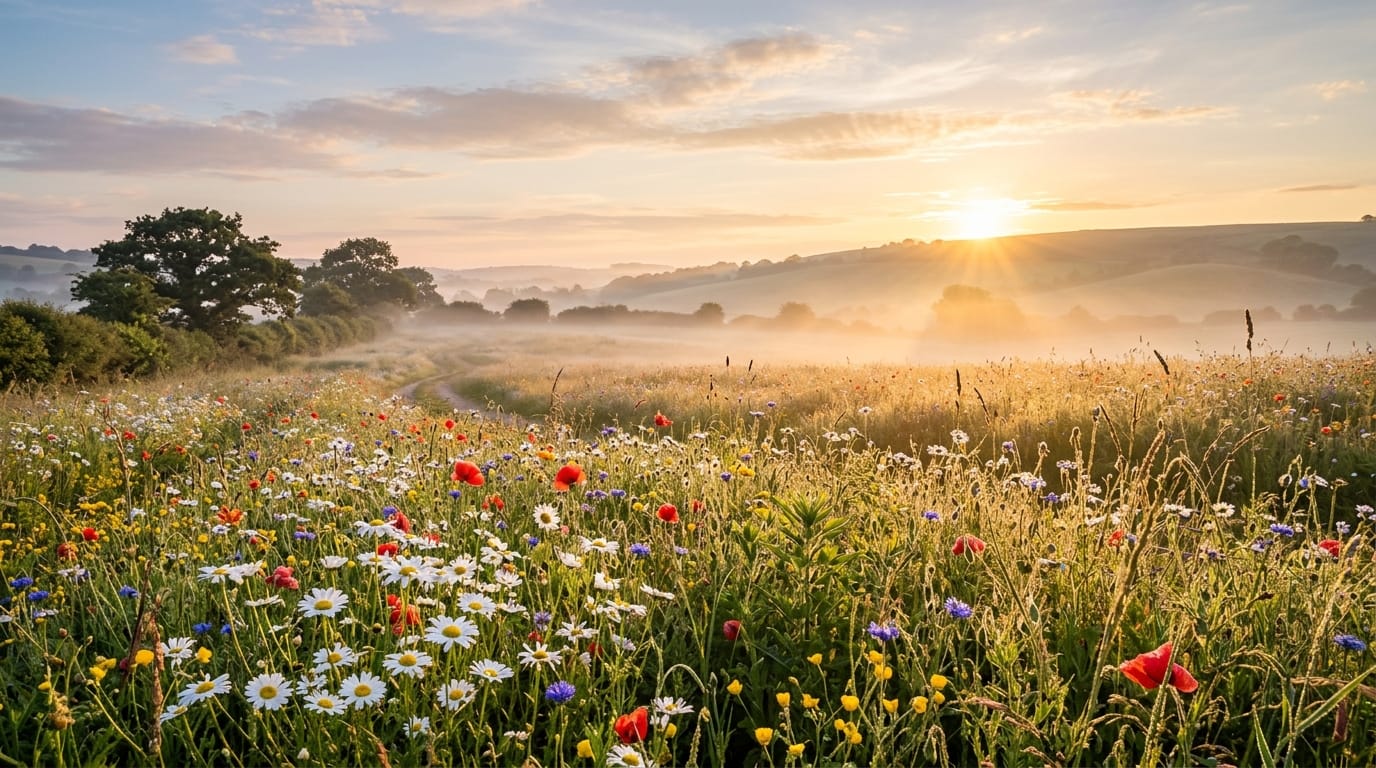
The Earth is always turning, so every corner of it gets its share of daylight and darkness, over and over. And here is the wonderful part: the animals have quietly divided up those hours between them. Some are awake all day. Others only stir once the sun has gone down.
Why share out the hours?
Imagine if every single animal wanted the same breakfast at the same moment — there simply wouldn't be enough to go round. So some take the day shift and some take the night shift, and that way they keep out of each other's way.
Staying safe and staying comfy:
Being wide awake when the creatures that hunt you are fast asleep is a brilliant trick for staying alive. And the weather matters too. In very hot places, animals often wait for the cool of the night. But a cold-blooded animal like a lizard needs the daytime, because it has to soak up the sun's warmth before it can move about at all.
Watch closely at dawn and dusk and you might catch the handover — the moment the day creatures clock off and the night creatures clock on.
From: Year 5: Earth and space
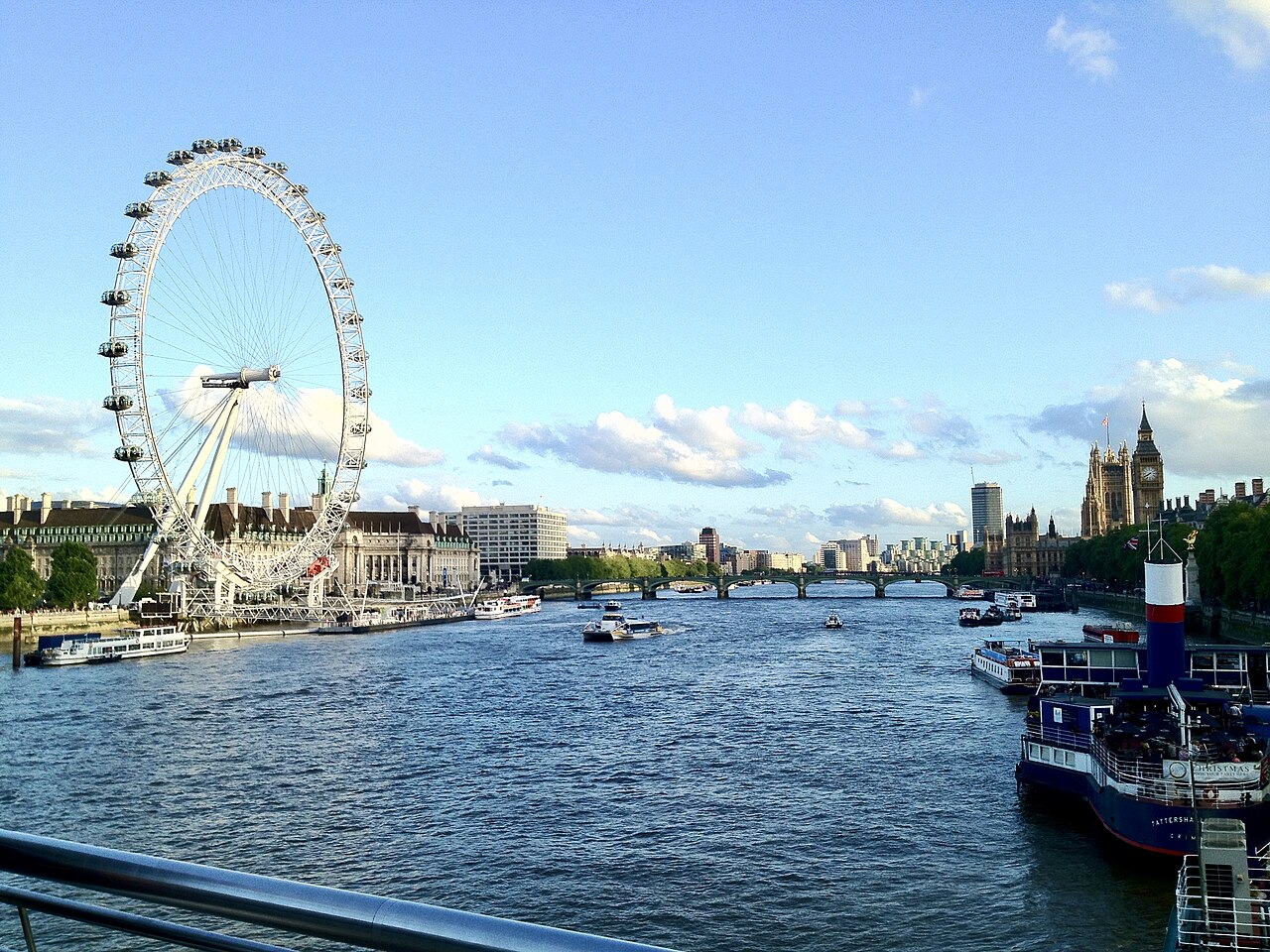
Daytime is when the part of the Earth you are on is facing towards the Sun.
The Sun's light shines on your part of the world, making it bright. This is when the Sun appears to move across our sky.
From: Year 5: Earth and space
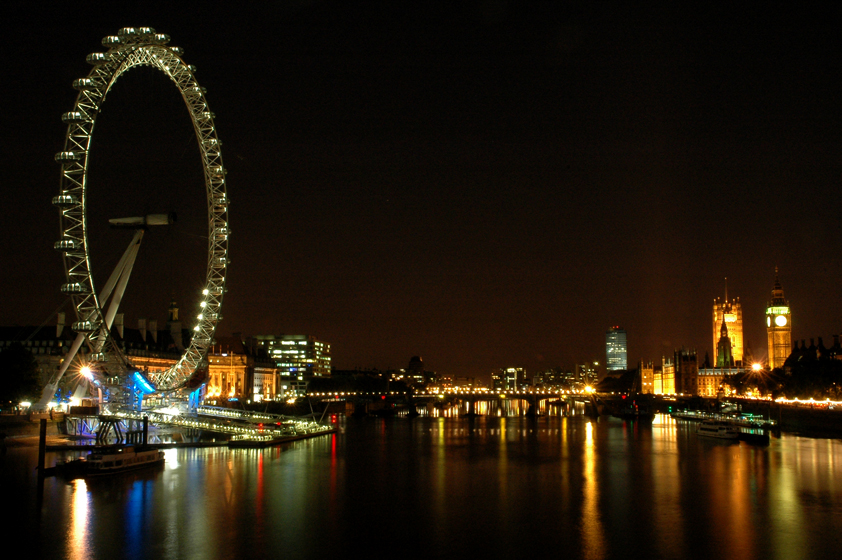
Night-time happens when the part of the Earth you are on has spun around and is facing away from the Sun.
You are in the Earth's own shadow, so it becomes dark and you can see the Moon and distant stars.
From: Year 5: Earth and space

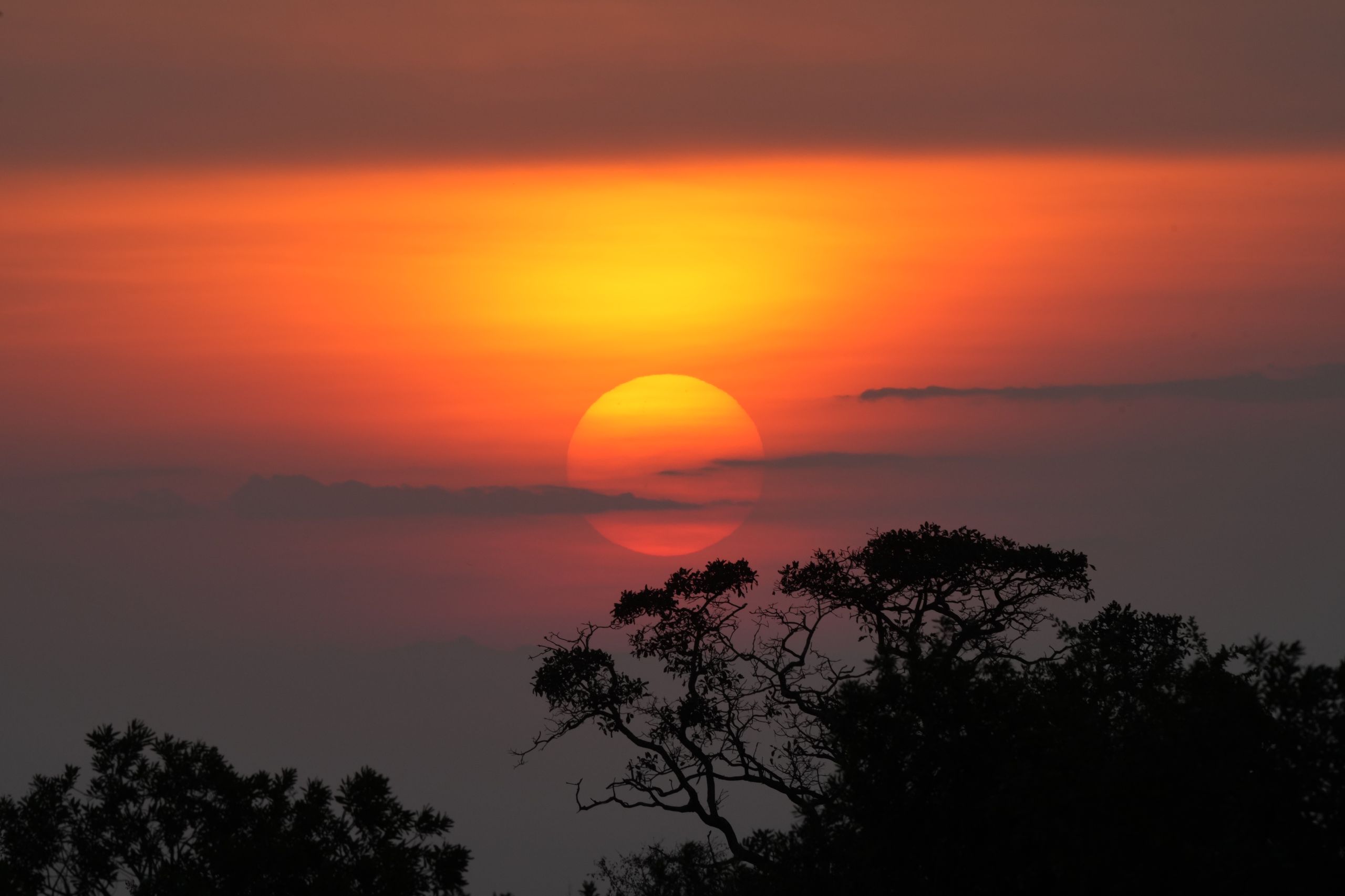

The Sun is our very own star, the fiery powerhouse at the centre of our Solar System! It's not just a light bulb in the sky; it's an unimaginably huge, churning ball of super-hot gas (mostly hydrogen and helium). Think of it as a giant explosion that's been burning for billions of years.
Its jobs are to:
1. Be the "boss" of the Solar System. Its massive gravity (pulling force) is what holds all eight planets, including Earth, in their orbits, stopping them from flying off into deep space.
2. Blast out a colossal amount of energy as light and heat. This energy travels across space, warming our planet, giving us light to see, and providing the power for all plants to grow (which is what makes all other life possible!).
From: Year 5: Earth and space
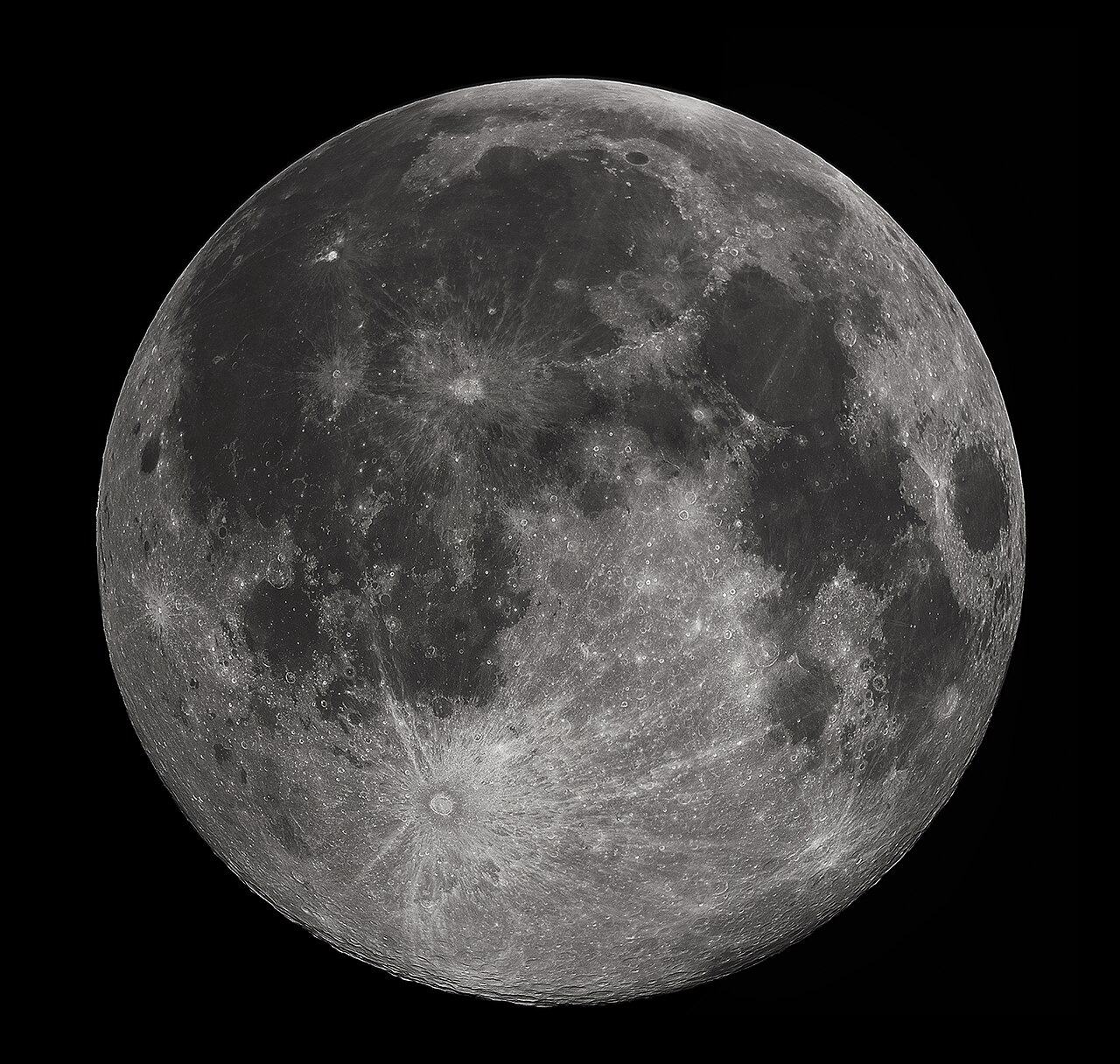
The Moon is Earth's natural satellite. This means it travels (or orbits) around the Earth. It's a large, spherical body made of rock.
Its job is to:
Orbit the Earth. Its gravity also pulls on our oceans, which is what causes the tides (the sea coming in and out).
From: Year 5: Earth and space
Sort: Day & Night
From: Day & Night: Diurnal vs Nocturnal
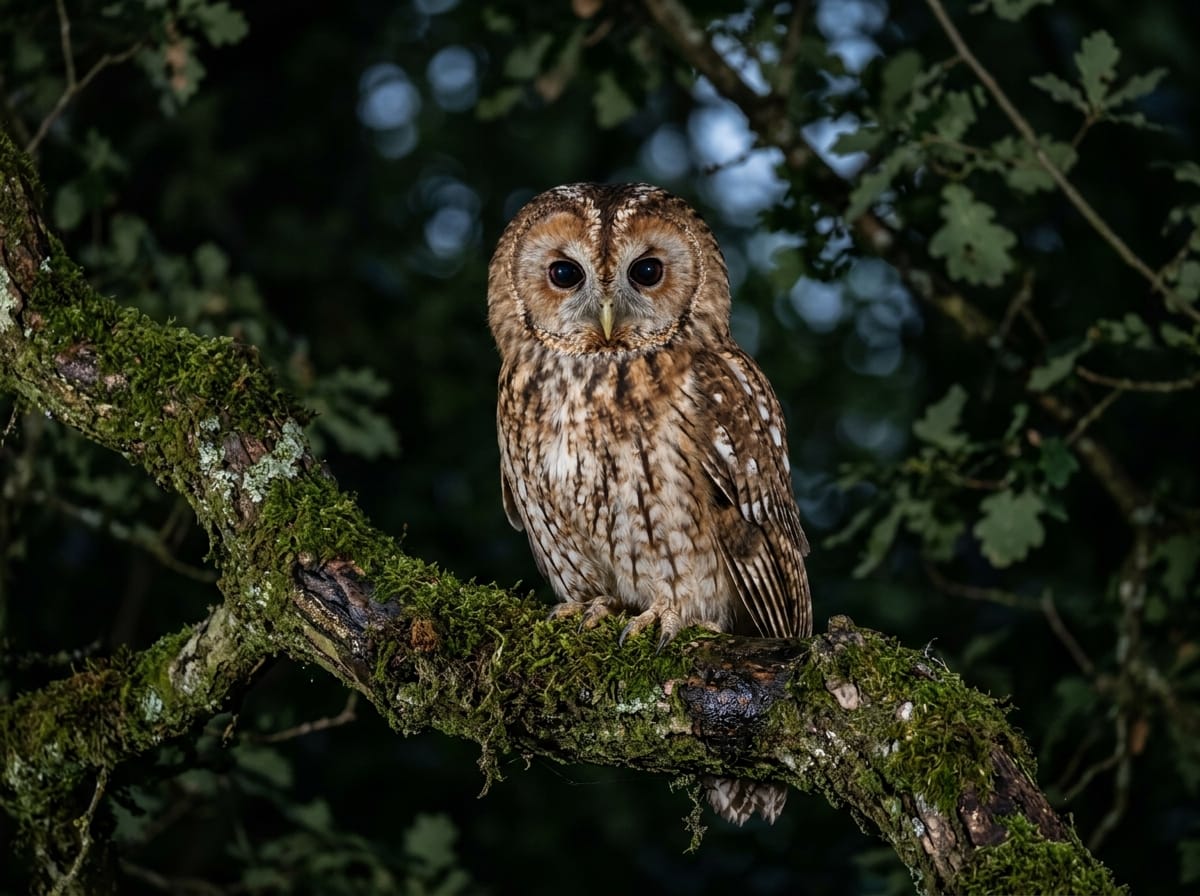
When the sun goes down, a whole hidden world wakes up. The animals of the night can't switch on a light — so instead they are built, in the most astonishing ways, to live in the dark.
Eyes that drink the light:
A tawny owl has huge eyes that gather up every last scrap of light. And many night animals, like foxes and cats, have a special mirror-like layer behind the eye called a tapetum — it bounces light straight back so the eye gets to use it twice. That is exactly why their eyes flash back at you in a torch beam.
Ears, noses and whiskers:
An owl's two ears sit at slightly different heights, which lets it pinpoint the tiniest rustle in pitch blackness. A hedgehog or a badger follows its nose to find food by smell. A wood mouse feels its way with long whiskers, so it never bumps about.
Seeing with sound:
Cleverest of all, a bat calls out into the night and listens to the echoes bouncing back — using sound to "see" the darkness it cannot look through.
From: Year 5: Earth and space
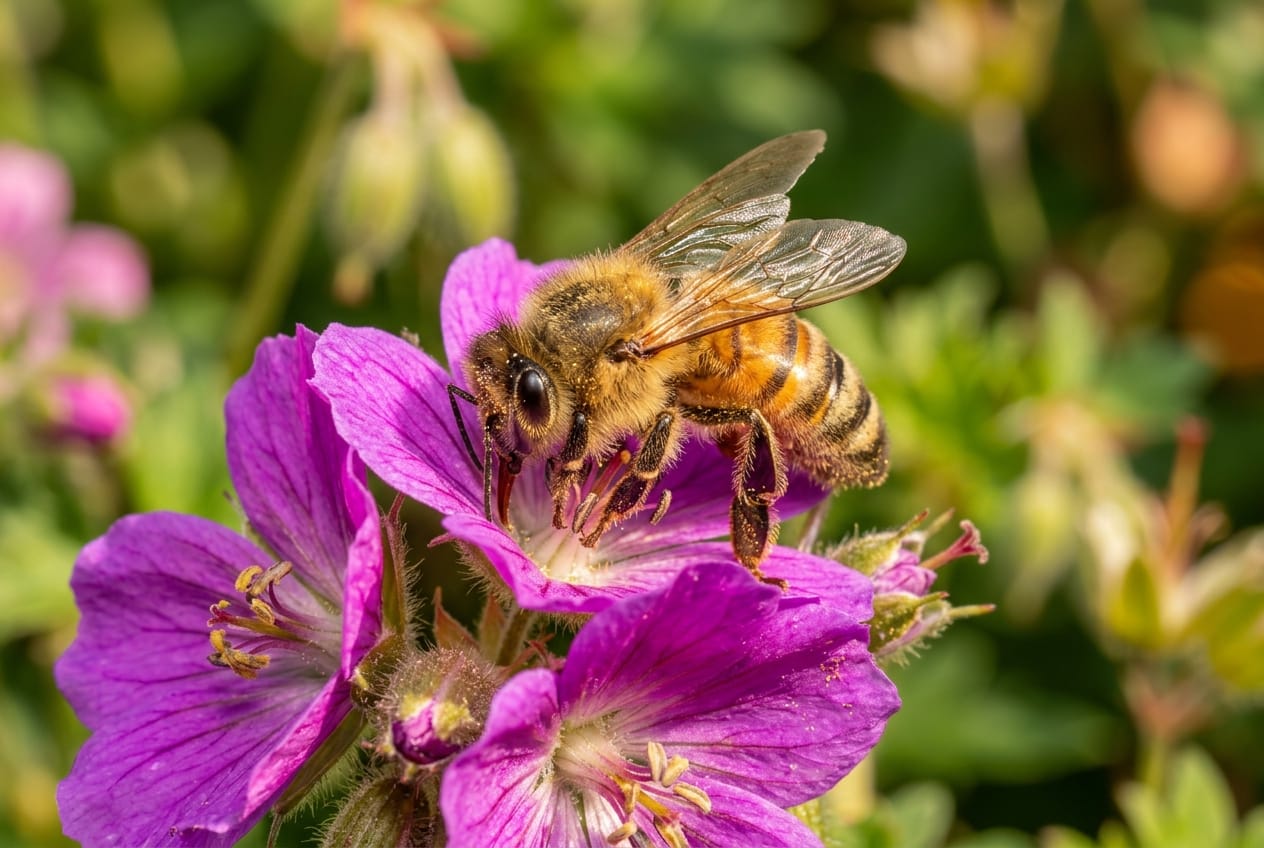
As the night animals head off to bed, the day shift clocks on — and these creatures are built to make the very most of the sunshine.
A world of colour:
Day animals such as bees and butterflies have wonderful colour vision. In fact, a bee can see colours that we can't see at all, and this helps it spot exactly the right flowers. Daylight is when colour and pattern really matter — for finding flowers, finding a mate, and keeping an eye out for danger.
Catching the sun's warmth:
A cold-blooded animal like the common lizard can't make its own heat inside its body. So it stretches out and suns itself — this is called basking — until it is warm enough to dash about and hunt.
Flying by sunlight:
Bees go out gathering in the daytime and even steer by the sun, like a compass in the sky. A butterfly spreads its wings open to the warmth first, soaking up the sun, before it is ready to flutter away.
From: Year 5: Earth and space
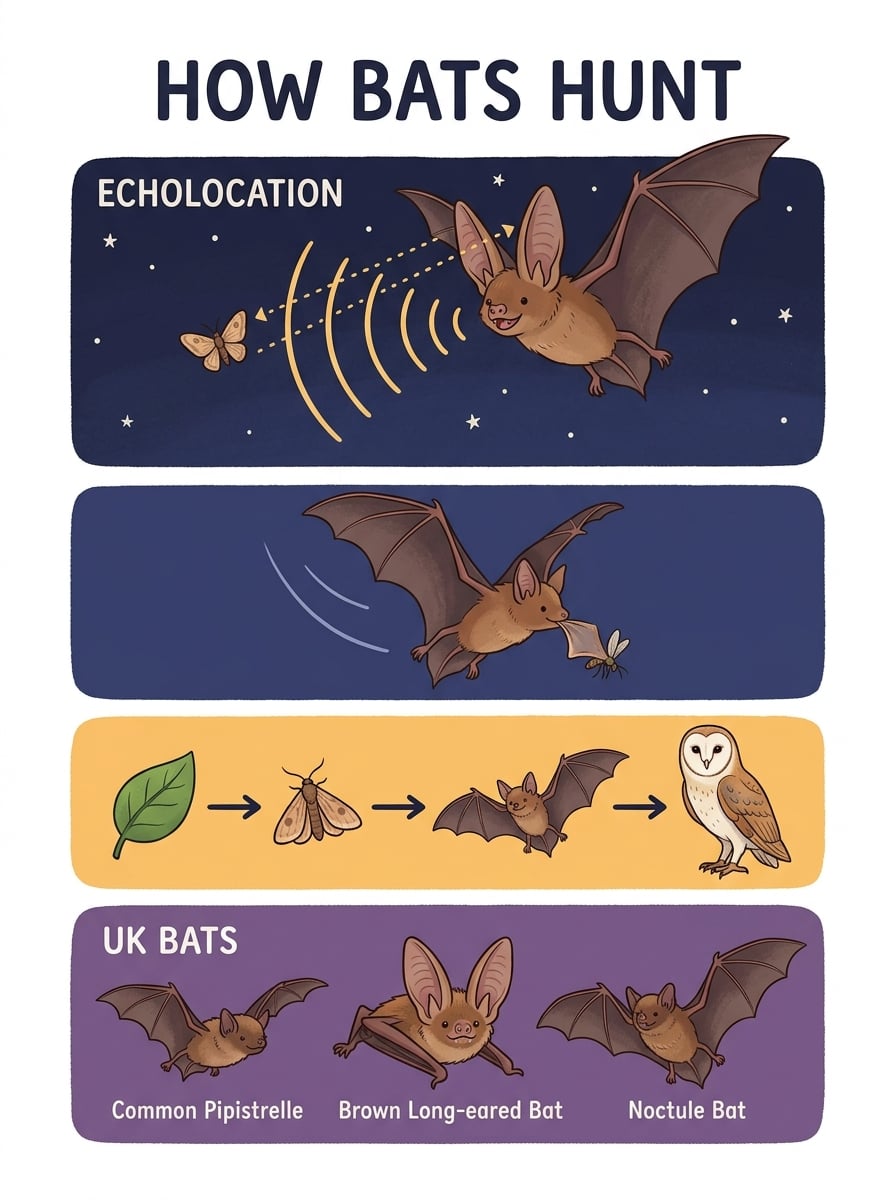
From: How Bats Hunt & Eat
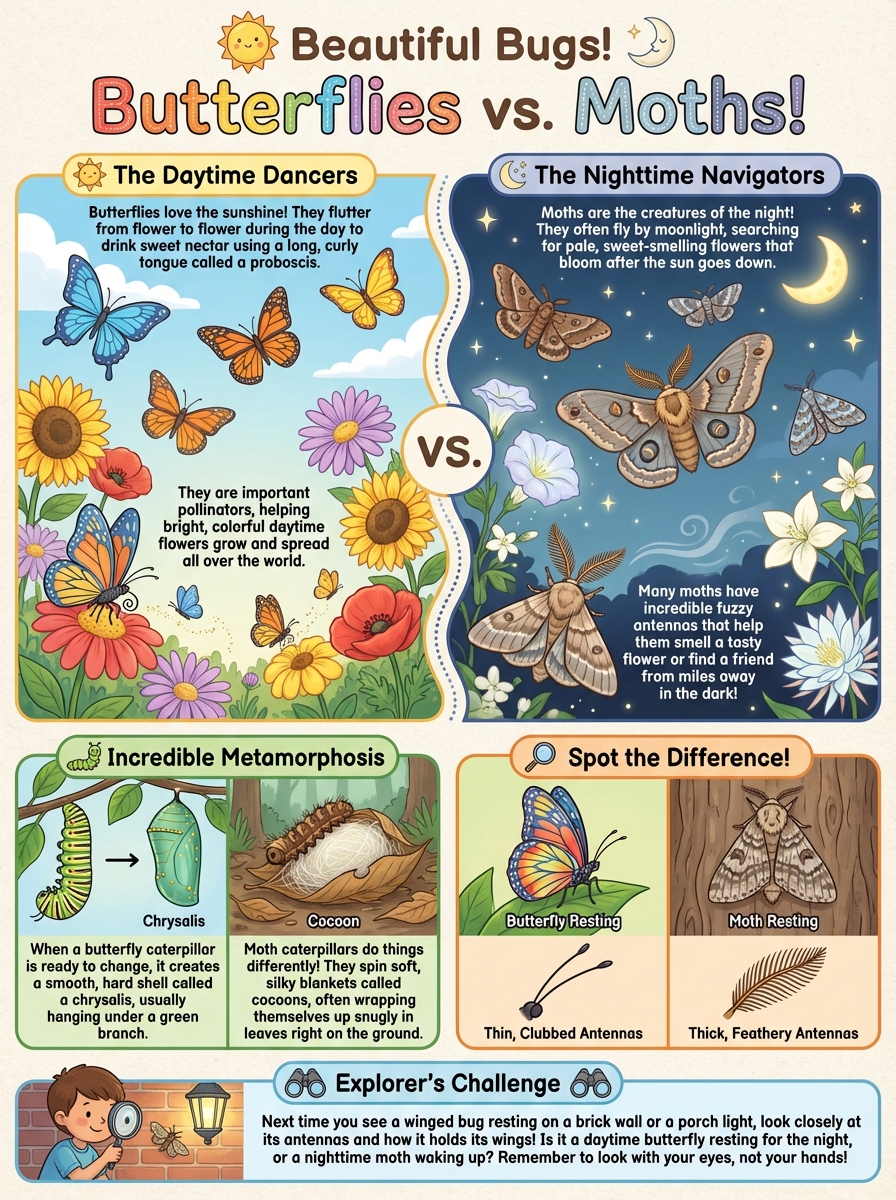
From: Beautiful Bugs: Butterflies vs. Moths
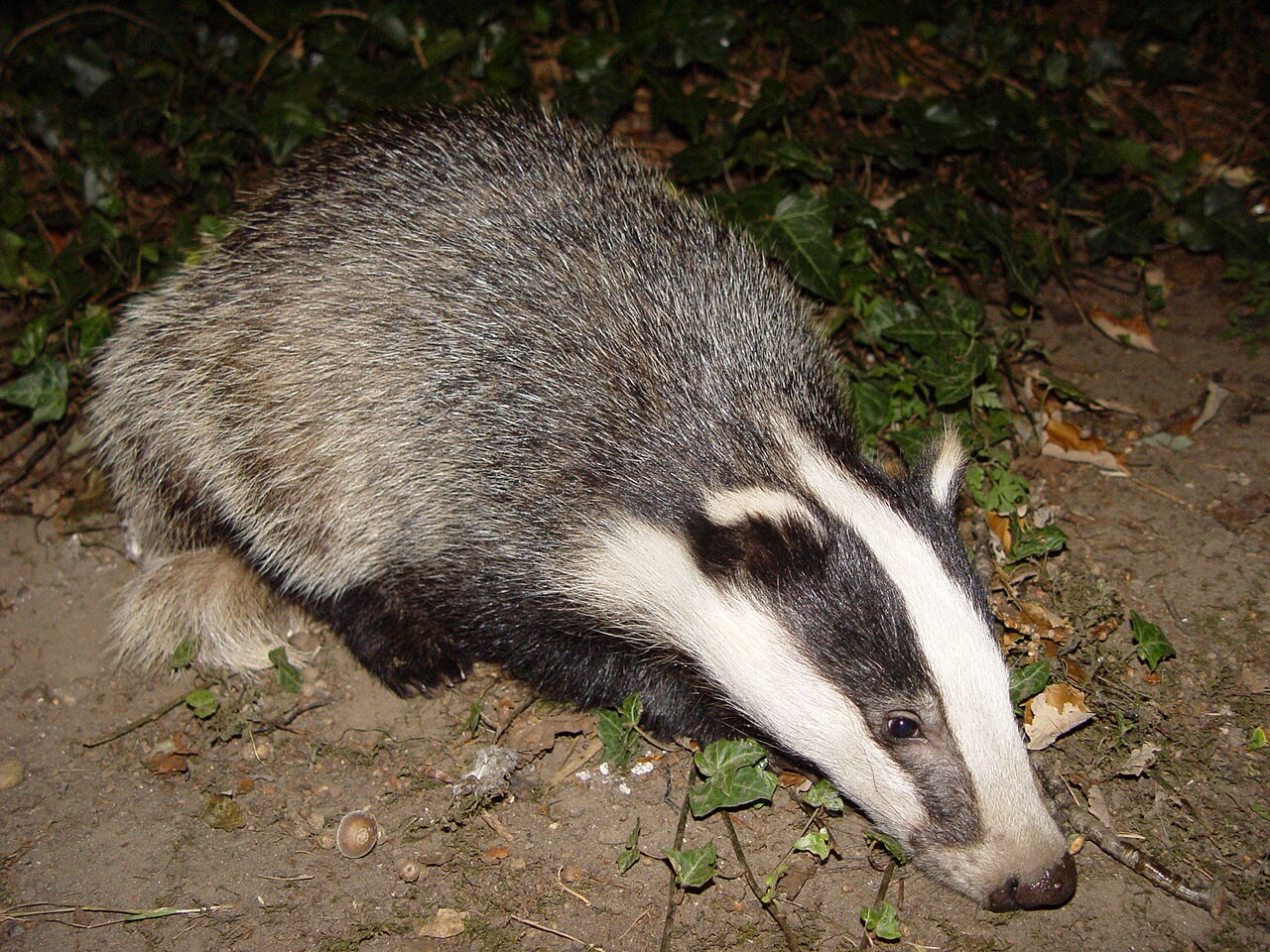
How they use space:
They are nocturnal, which means they have adapted to be active during the night, which is caused by the Earth's rotation.
From: Year 5: Earth and space
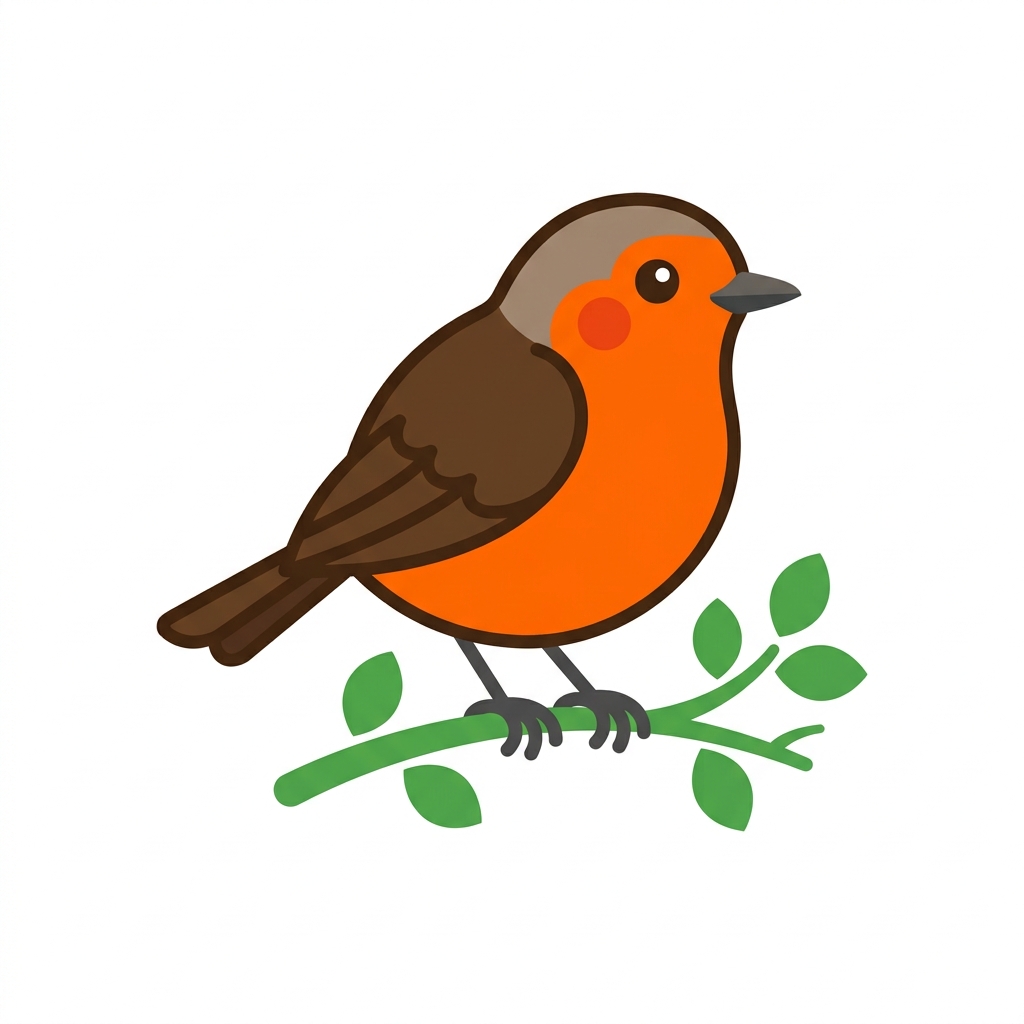
Robin
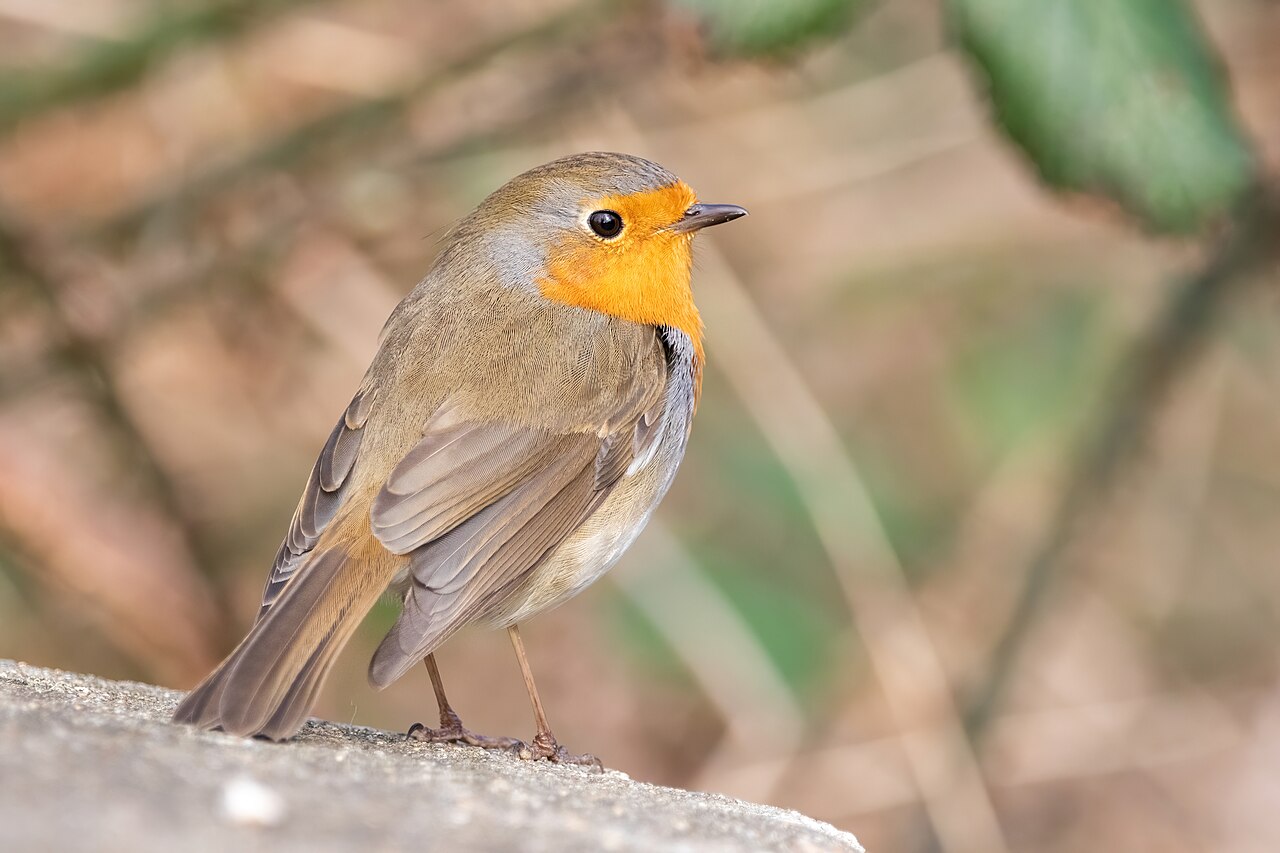
A familiar garden bird with a bright red breast, known for its territorial nature.
💡 Fun Facts
- Is famous for singing all year round, often under streetlights at night.
- Both male and female robins have a red breast and look identical.
From: Year 1: Animals, including humans
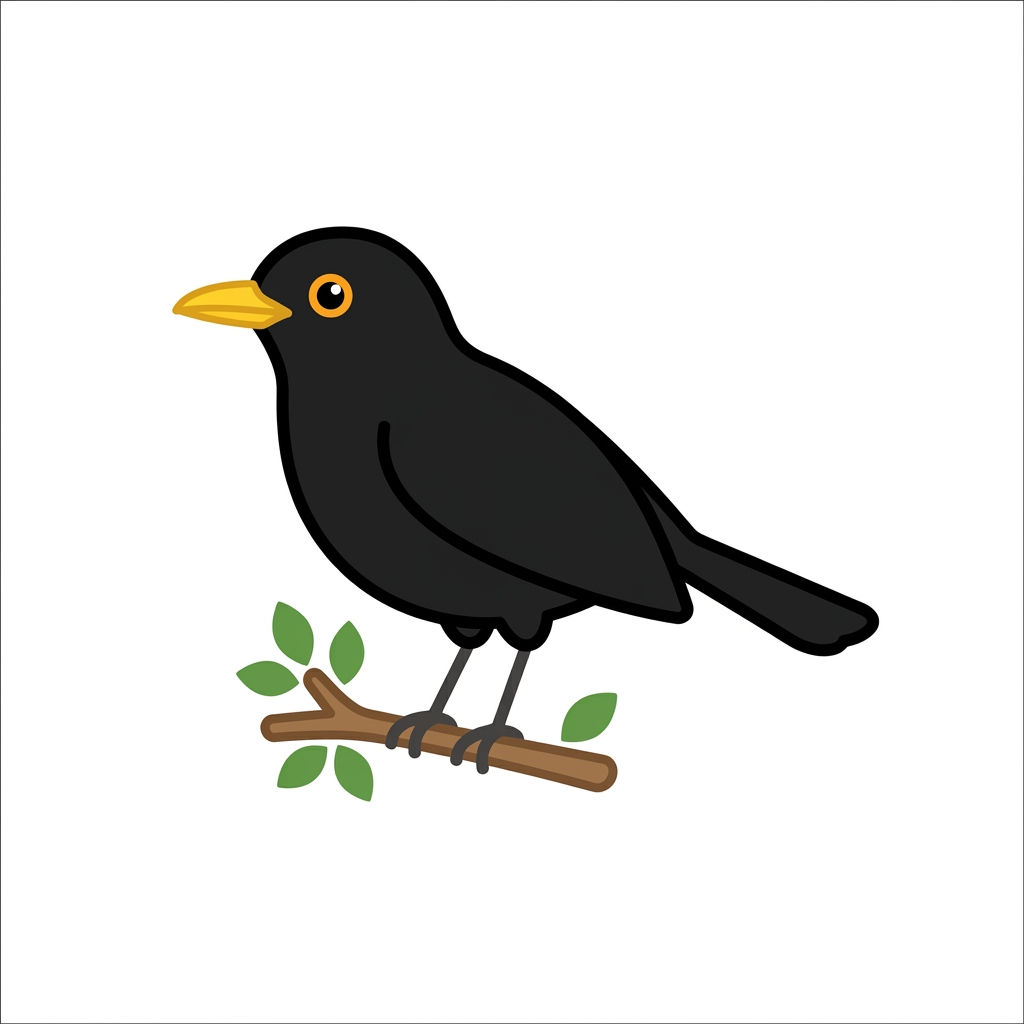
Blackbird
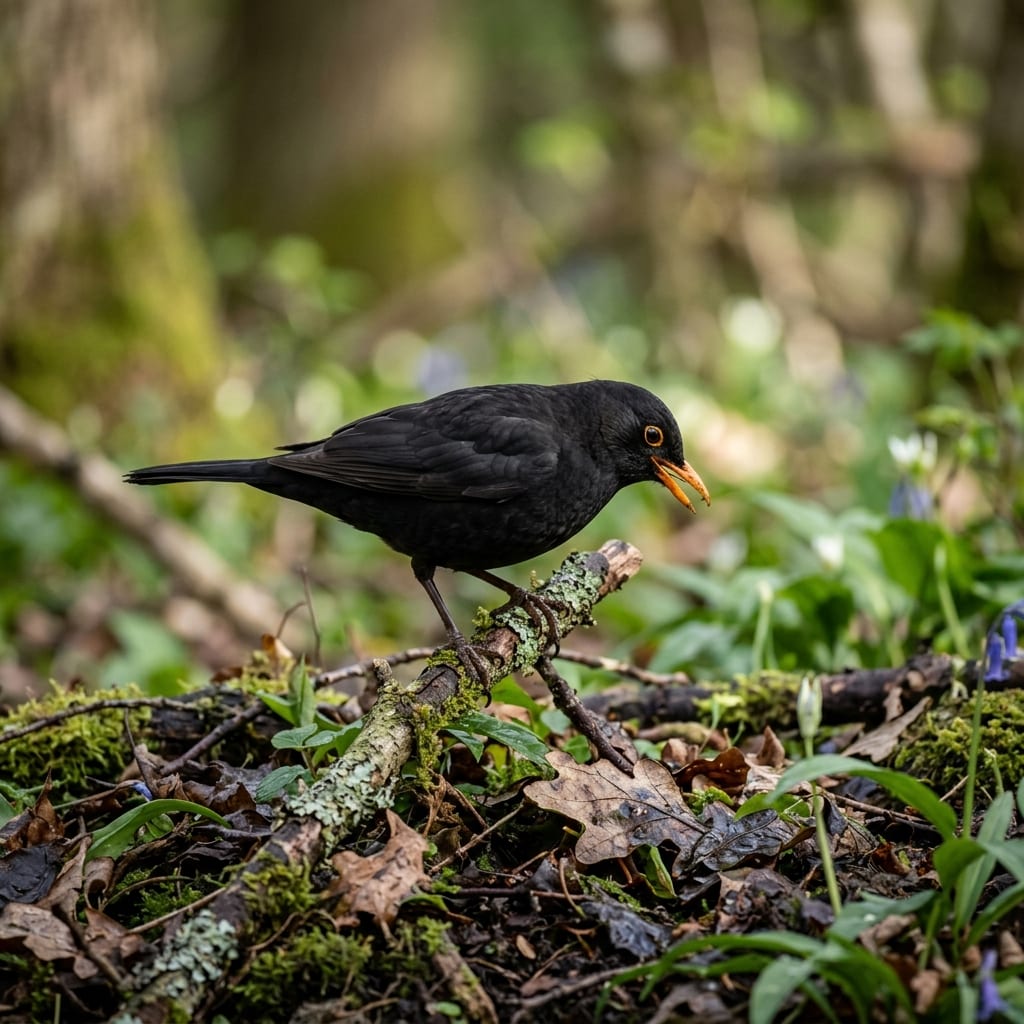
The blackbird is one of Britain's best-loved garden birds, famous for the male's mellow, flute-like song. It hops across lawns tugging up earthworms and feasts on berries and windfall fruit in autumn.
💡 Fun Facts
- The male blackbird is glossy black with a bright orange-yellow beak, but the female is actually a warm, speckled brown!
- Blackbirds are among the finest songbirds in Britain, and their rich, flute-like song is one of the first sounds of a spring morning.
- They love to hunt earthworms on the lawn, cocking their head to one side to watch and listen for movement in the soil.
📅 Through the Year
- Breeding:March to July
From: n3200-blackbird
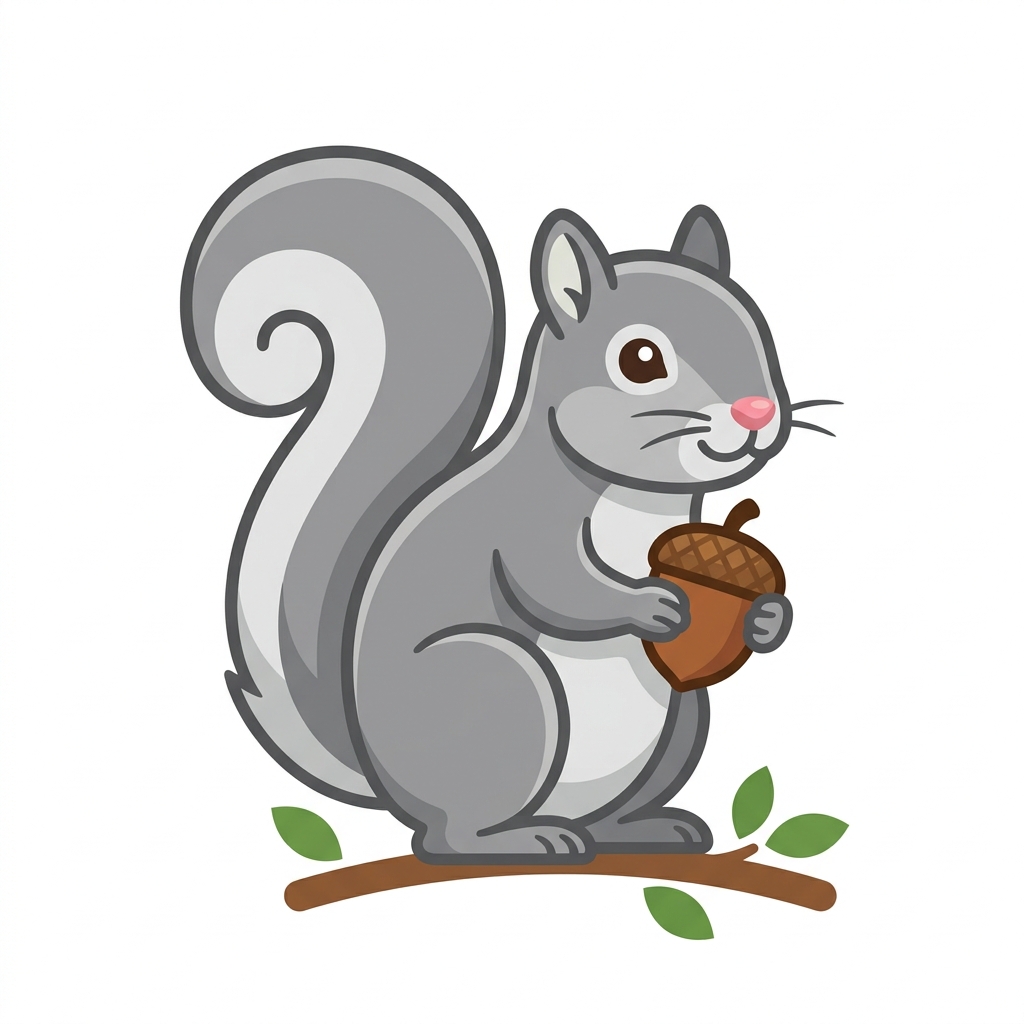
Grey Squirrel
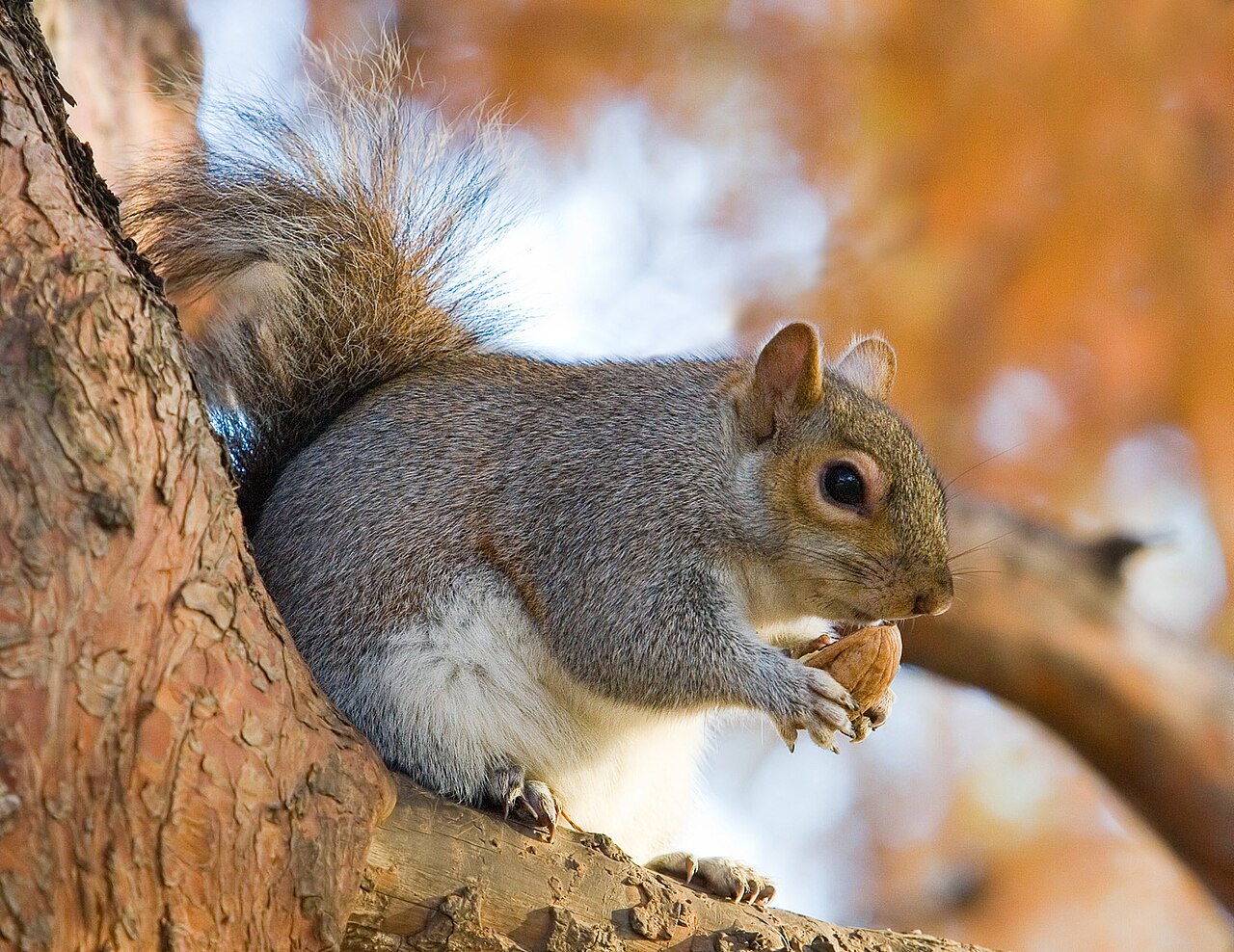
You often see these furry-tailed animals in parks and woods, especially in autumn.
Seasonal Behaviour:
In autumn, squirrels are busy 'caching'. This means they bury hundreds of nuts and acorns all over the place. They do this to save food for the winter when the trees are bare.
💡 Fun Facts
- Grey squirrels have a great memory, but they don't remember where they buried every single nut. The nuts they forget often grow into new oak trees!
- A squirrel's twitchy tail isn't just for show; it helps them to balance when they leap between trees.
- Their front teeth never stop growing, which is useful because they spend so much time chewing on hard nuts.
From: Year 1: Seasonal changes
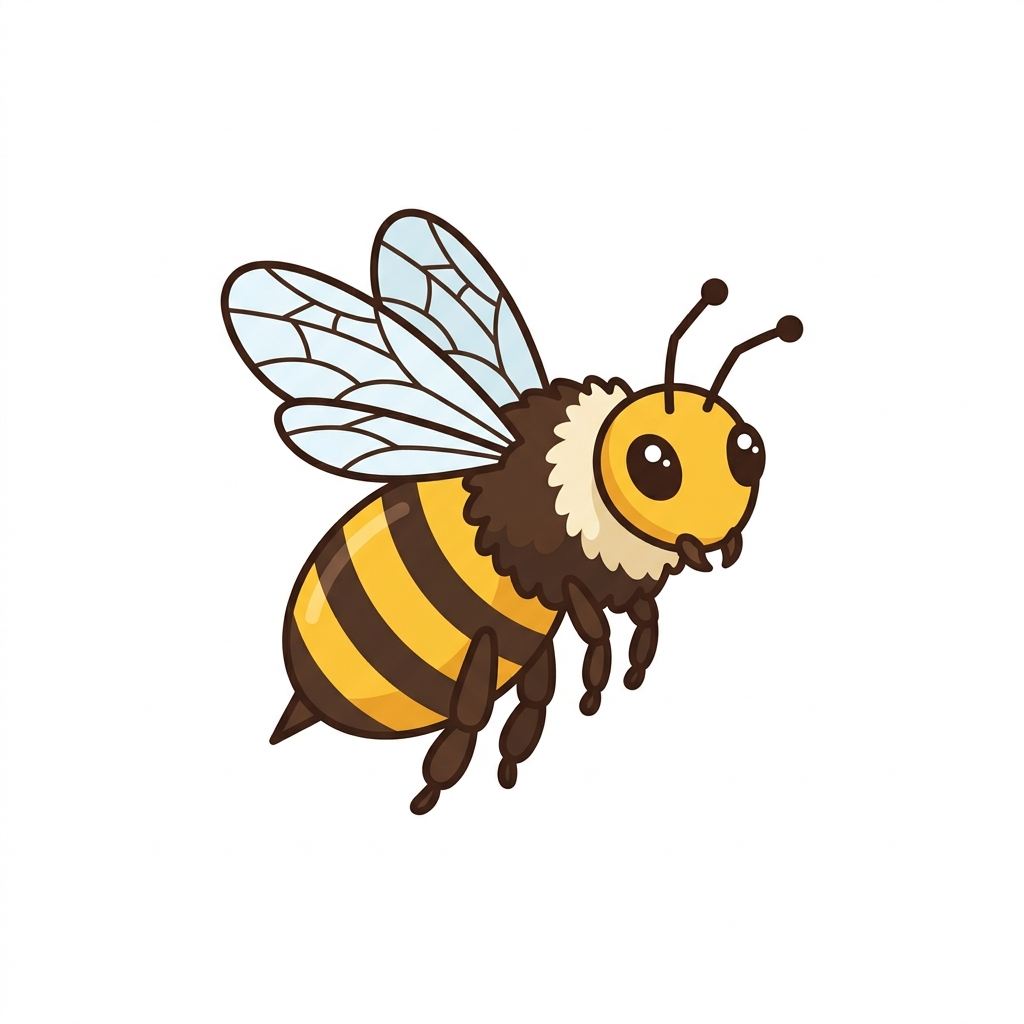
Honeybee
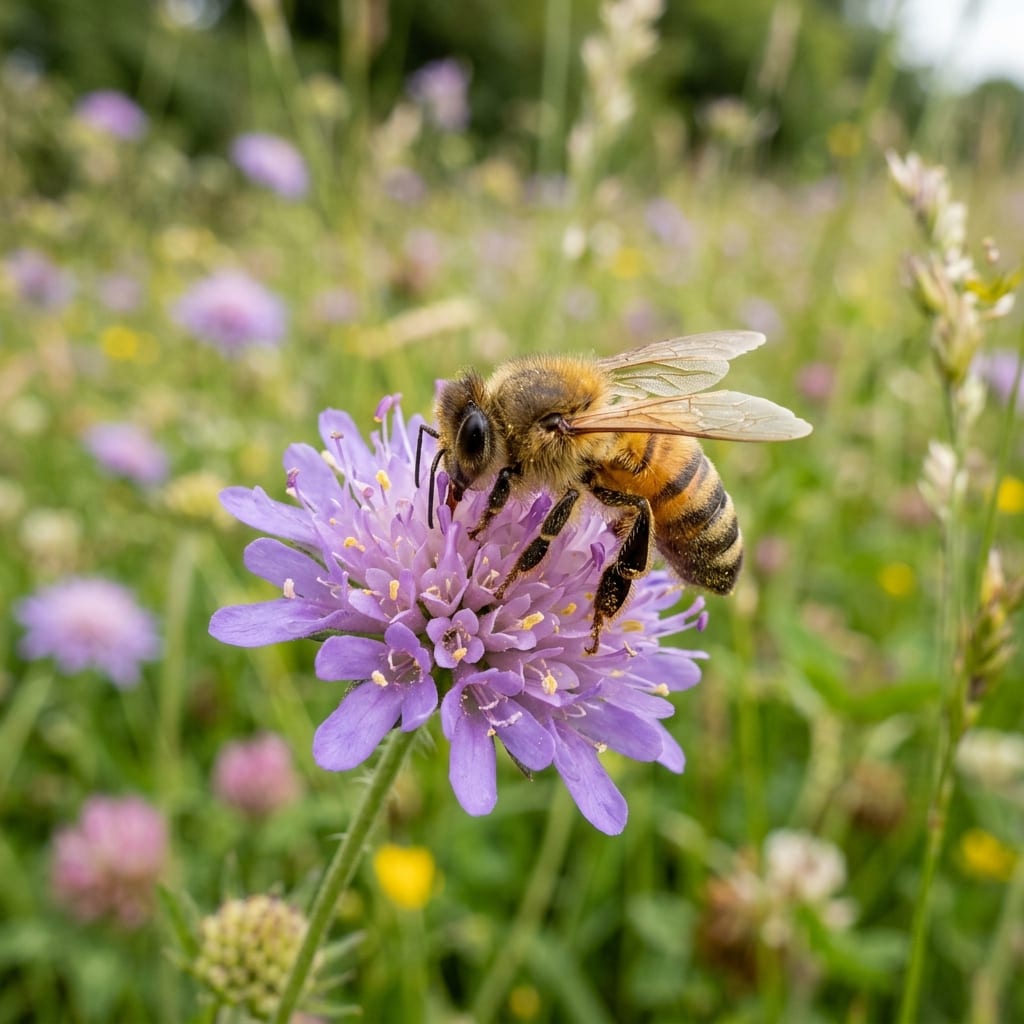
The busy golden-and-brown bee that lives in huge colonies and makes honey. A vital pollinator, it visits millions of flowers and dances to share where the best ones are.
💡 Fun Facts
- A single honeybee colony can be home to tens of thousands of bees, all working together as one big family.
- Honeybees tell each other where to find flowers by dancing a special 'waggle dance' inside the hive.
- To make just one jar of honey, the bees of a hive must visit around two million flowers.
📅 Through the Year
- Active:March to October
From: n3212-honeybee
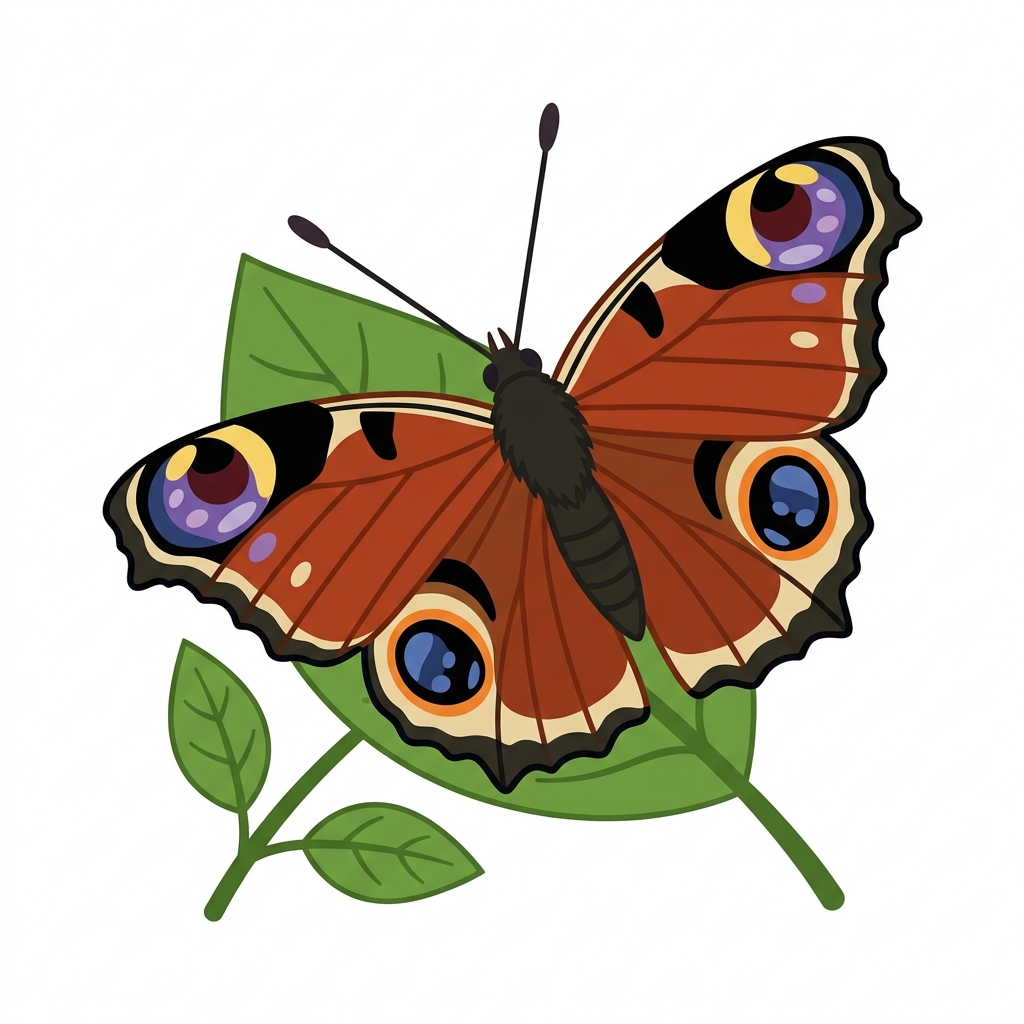
Peacock Butterfly
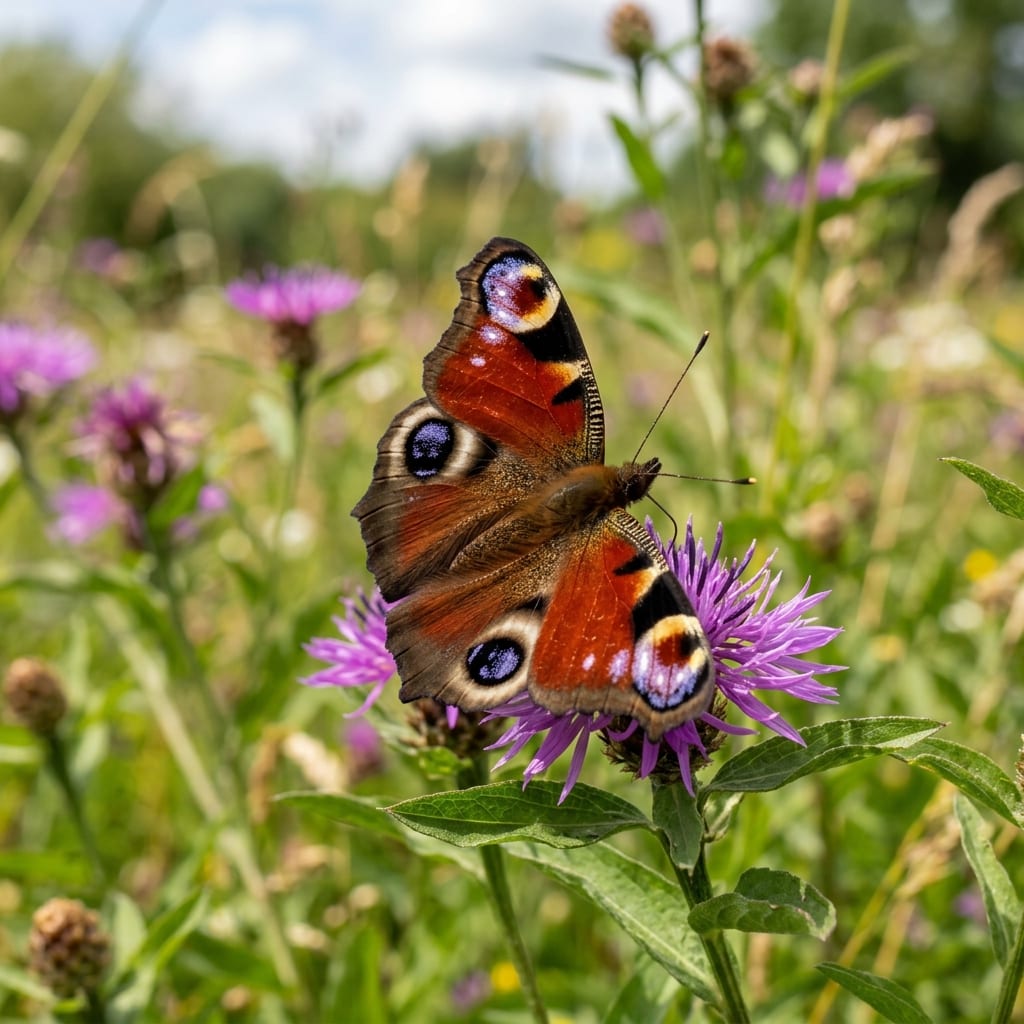
A stunning deep-red butterfly with four eye-like spots that flash to startle predators. Shut tight, its wings look like a dead leaf as it sleeps through the winter.
💡 Fun Facts
- The Peacock has four big, bright eyespots on its wings that look like staring eyes to scare away hungry birds.
- If a predator gets too close, it rubs its wings together to make a hissing, rustling sound.
- With its wings shut, the Peacock looks just like a dark dead leaf, perfect camouflage while it hibernates through winter.
📅 Through the Year
- Hibernation:October to February
- Active:March to September
From: n3204-peacock-butterfly
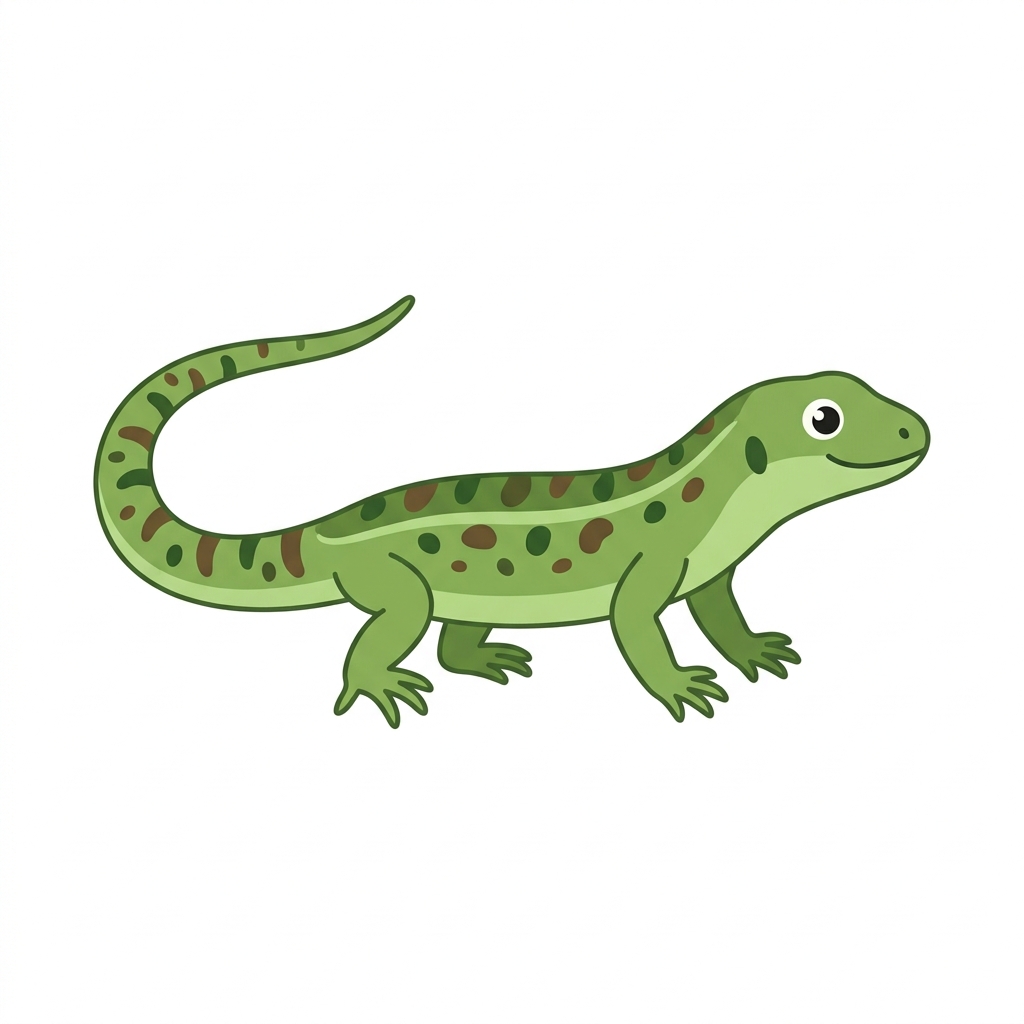
Common Lizard
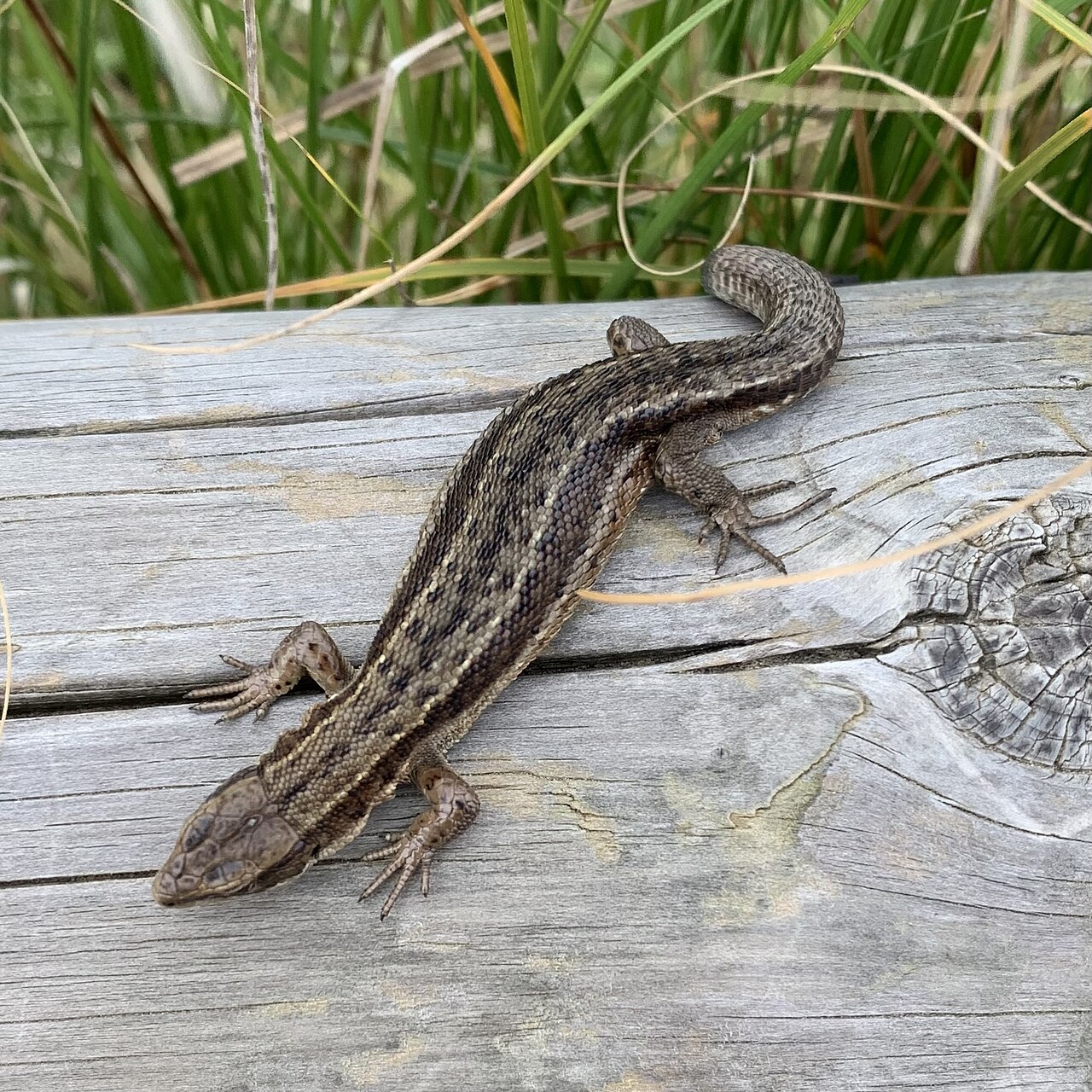
The UK's most common and widespread reptile, often seen basking in sunny spots on logs or rocks.
💡 Fun Facts
Can shed its tail if caught by a predator. The tail continues to wriggle, distracting the attacker while the lizard escapes.
Gives birth to live young, which is unusual for a reptile, rather than laying eggs.
They hibernate through the winter, often in groups inside log piles or under rocks.
📅 Through the Year
- Hibernation:November to February
- Active:March to October
From: Year 1: Animals, including humans
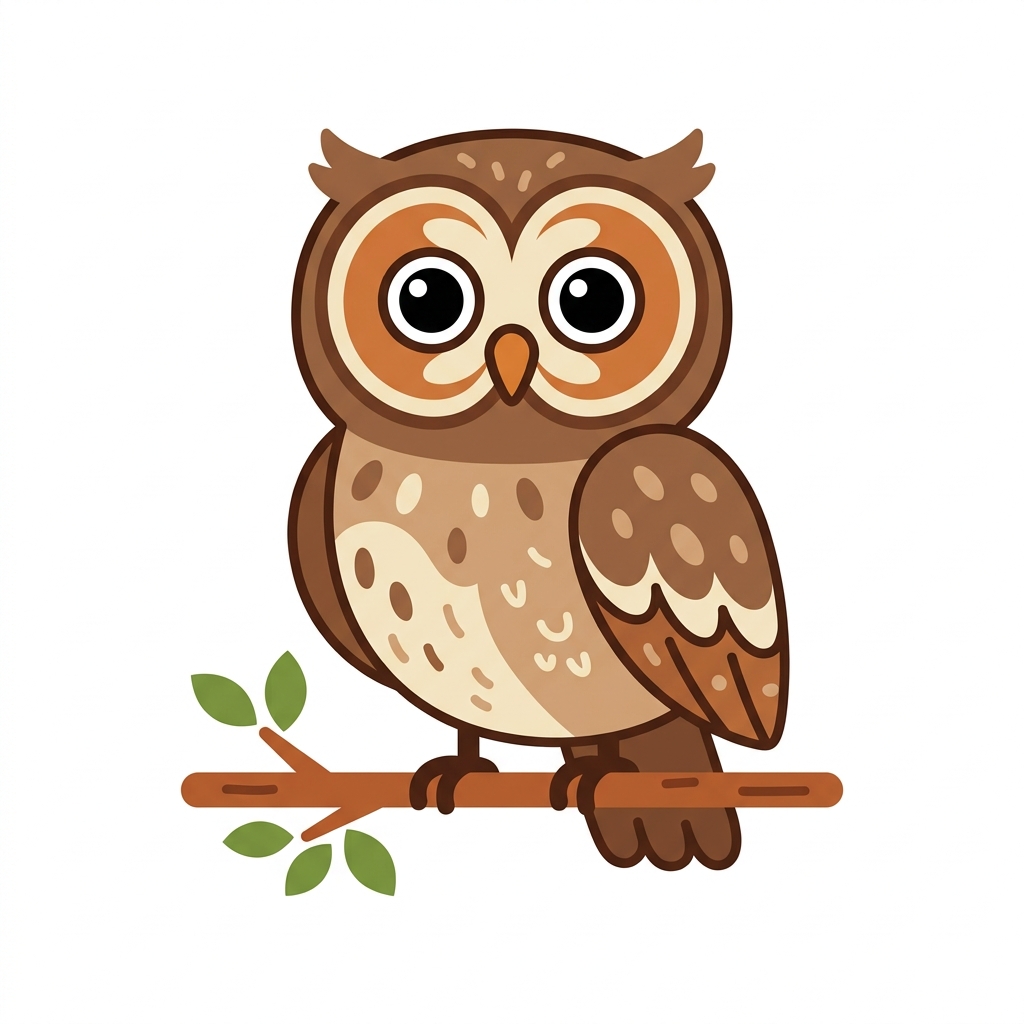
Tawny owl
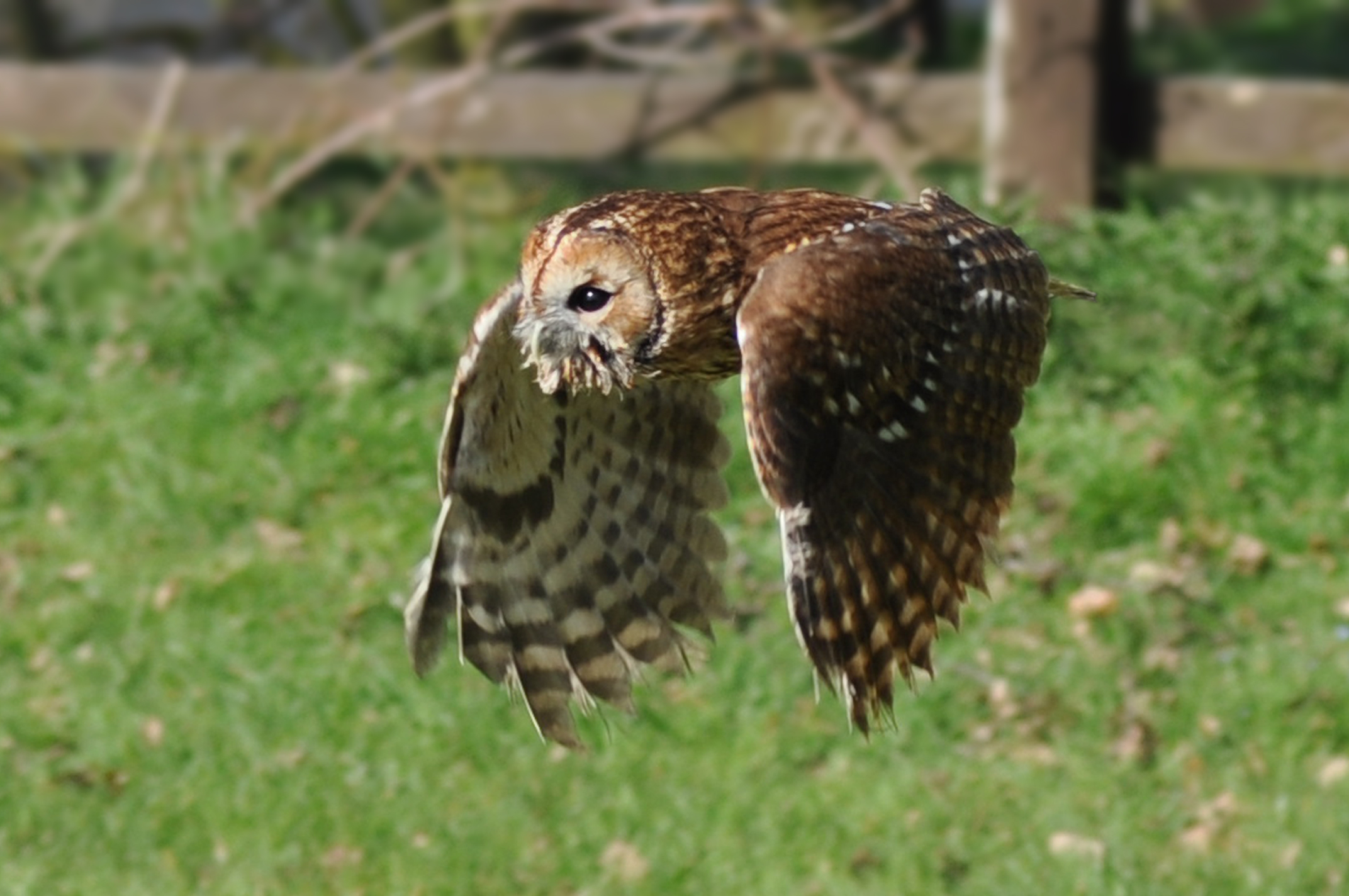
A woodland owl commonly heard making the classic 'twit twoo' call.
💡 Fun Facts
- They have specialized fringed feathers that allow them to fly completely silently.
- They are strictly nocturnal and rely on exceptional hearing to hunt in the dark.
- The 'twit twoo' sound is actually two owls calling to each other (a female's 'twit' and a male's 'twoo').
- They rarely drink water as they get all hydration they need directly from their diet. The protein and fat in their prey break down to water inside their bodies.
From: Creatures from Habitats
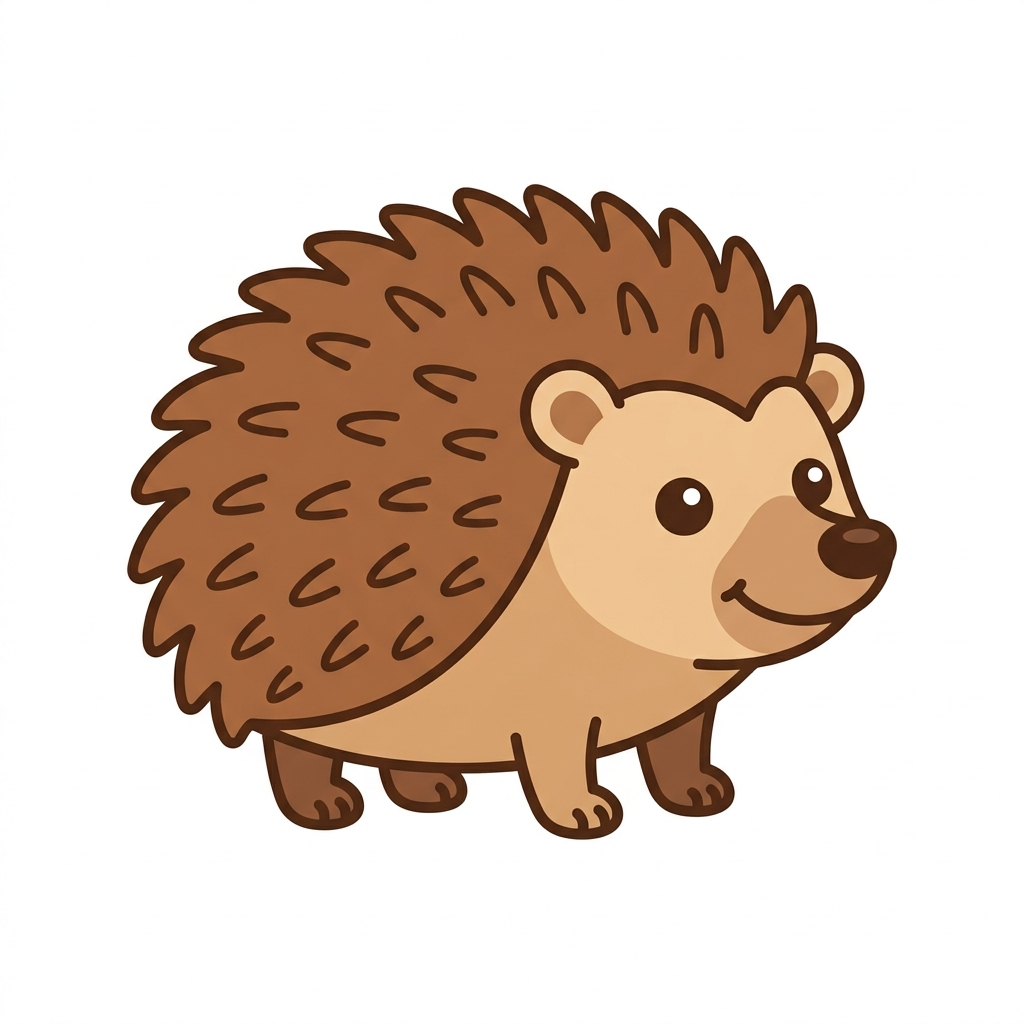
European hedgehog
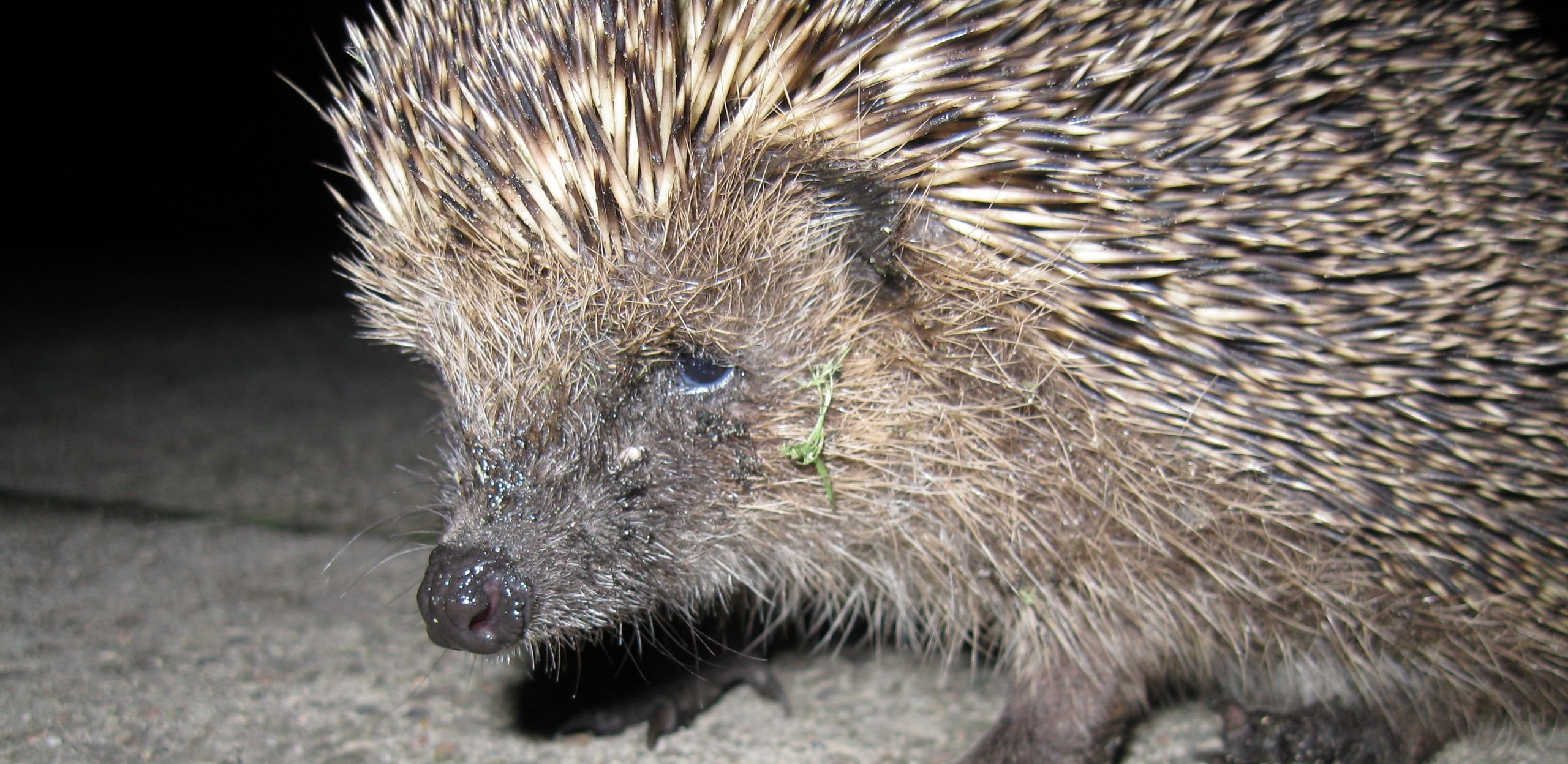
A spiny mammal often found foraging in gardens and woodland undergrowth.
💡 Fun Facts
- They have around 5,000 to 7,000 spines covering their backs for protection.
- When threatened, they roll into a tight ball, protecting their soft faces and bellies.
- They are highly immune to snake venom.
From: Creatures from Habitats
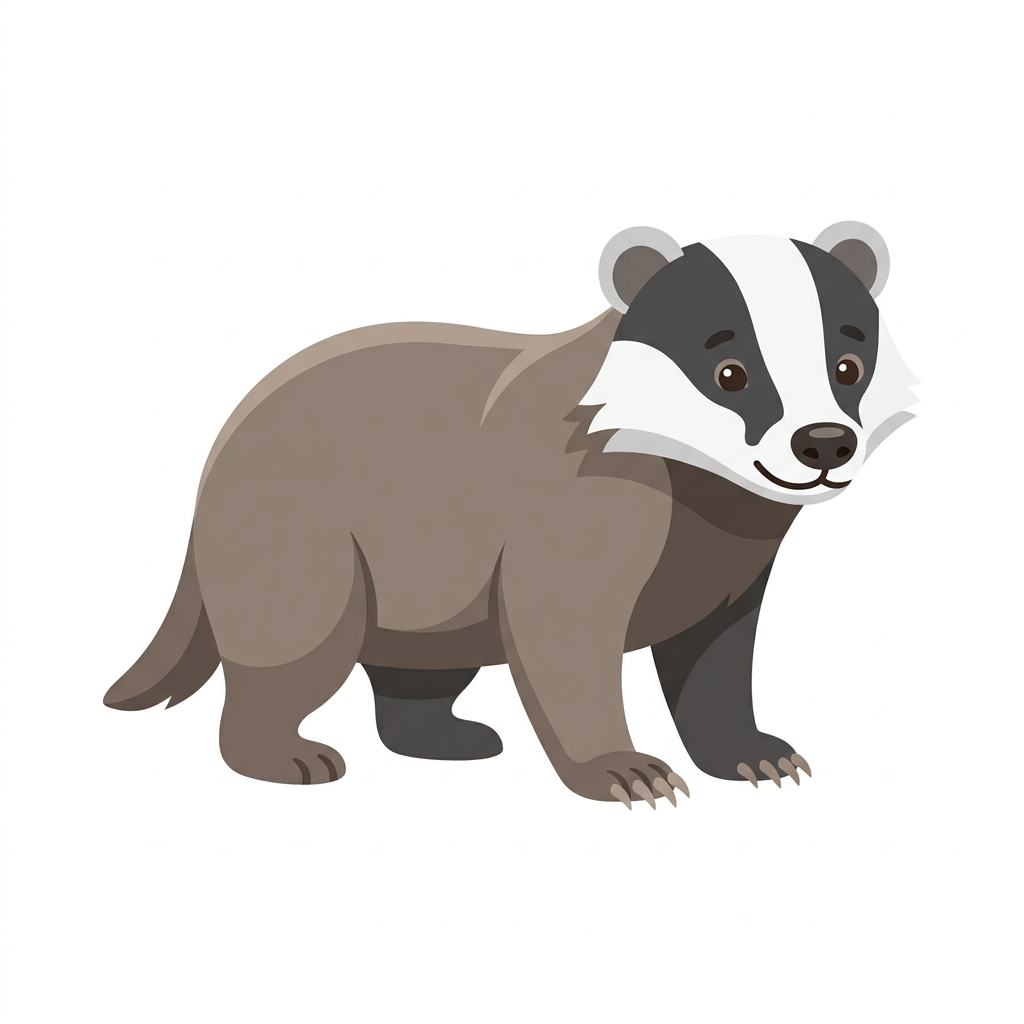
Badger
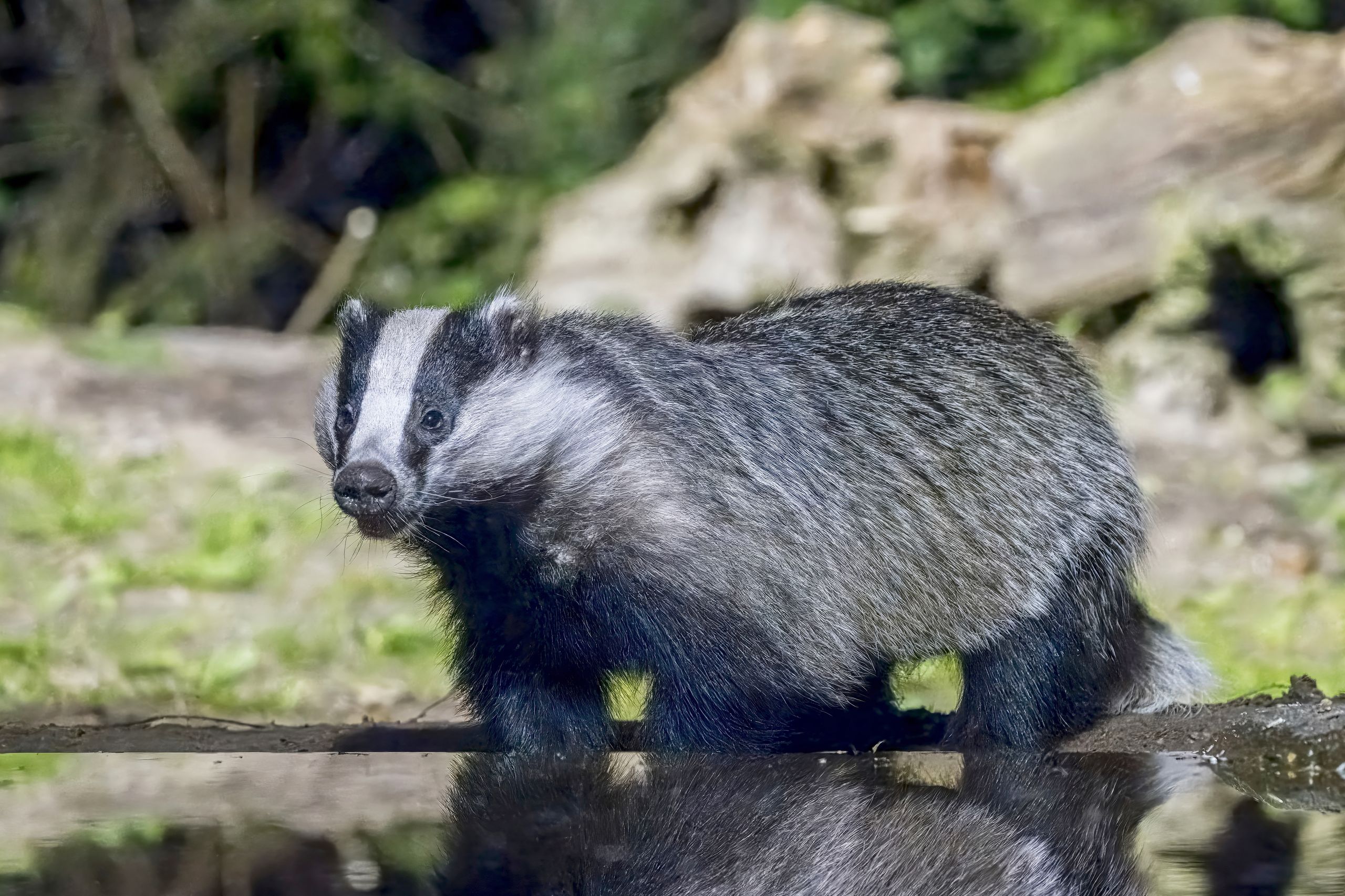
A heavily built nocturnal mammal with a distinctive black-and-white striped face.
💡 Fun Facts
- They live in underground burrow systems called setts, which can be centuries old.
- They are incredibly clean animals and change their bedding of leaves and grass regularly.
- Earthworms make up the majority of their diet.
From: n304-badger
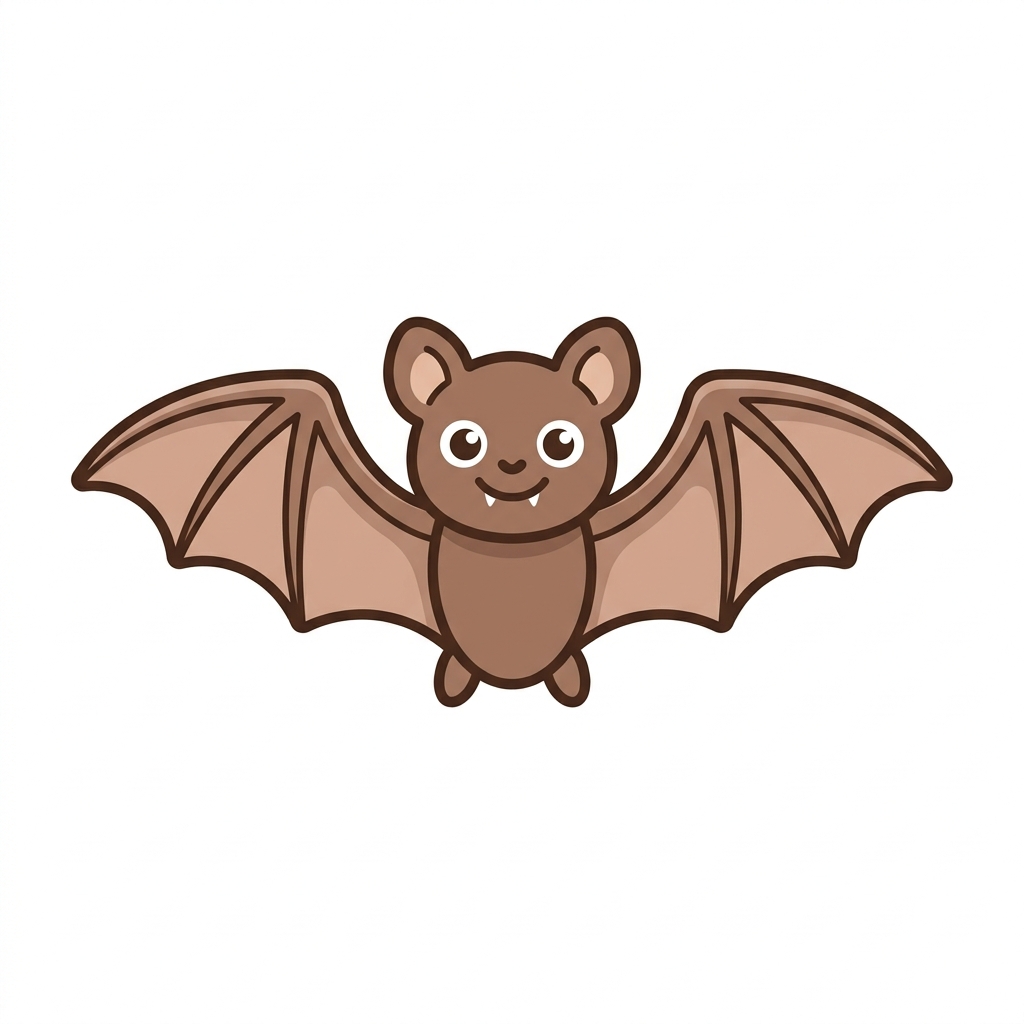
Common Pipistrelle
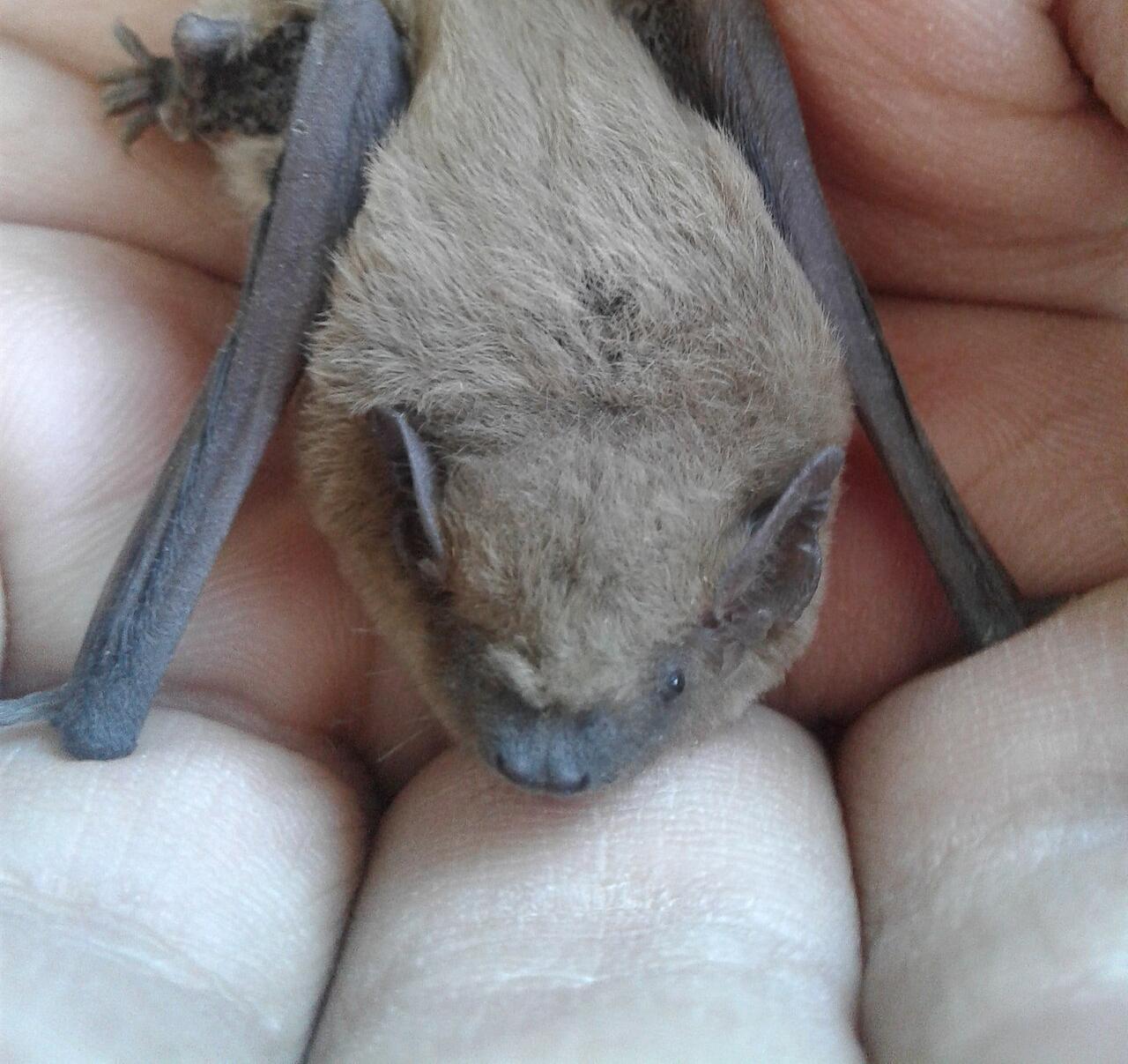
The Common Pipistrelle is the UK's commonest and one of its smallest bats — tiny enough to fit in a matchbox. It is the bat most people see flickering over a garden at dusk, hunting thousands of midges a night.
Seasonal Behaviour:
In summer, mother bats all join together in one place (like a warm attic or an old tree) to have their babies. This is called a 'maternity roost'. They keep their babies (called 'pups') warm and fly out at dusk to hunt for insects.
💡 Fun Facts
- A single, tiny Common Pipistrelle can eat up to 3,000 small insects — mostly midges and gnats — in one night.
- It is the UK's commonest and most widespread bat, and also one of the smallest: its body is shorter than your thumb and it weighs about the same as a 20p coin.
- It was only discovered to be a separate species in the 1990s, when bat detectors revealed that two kinds of 'pipistrelle' were squeaking at different pitches — and never breeding with each other.
🔍 How to spot it
- Size
- Tiny — body smaller than your thumb and about the weight of a 20p coin; one of the UK's smallest bats.
- Markings
- Golden-brown fur, a little paler below, with a dark face, ears and wings — like a little dark 'bandit mask'.
- Features
- Short, triangular ears and a short, blunt flap inside the ear; no strange flap on its nose (some bats, like the horseshoe bats, have one).
- Behaviour
- Fast, jerky, twisting flight about 2 to 10 m up, turning again and again to snatch insects; appears about 20 minutes after sunset, often round street lights and gardens.
- Where & when
- Everywhere — gardens, parks, farmland and towns right across the UK; the bat most people see flickering over a garden at dusk. Roosts in buildings.
- Easily confused with
- The almost-identical soprano pipistrelle looks the same to our eyes; experts tell the two apart by the pitch of their calls on a special detector (the soprano calls a little higher).
📅 Through the Year
- Hibernation:November to March
- Active:April to October
From: Year 1: Seasonal changes
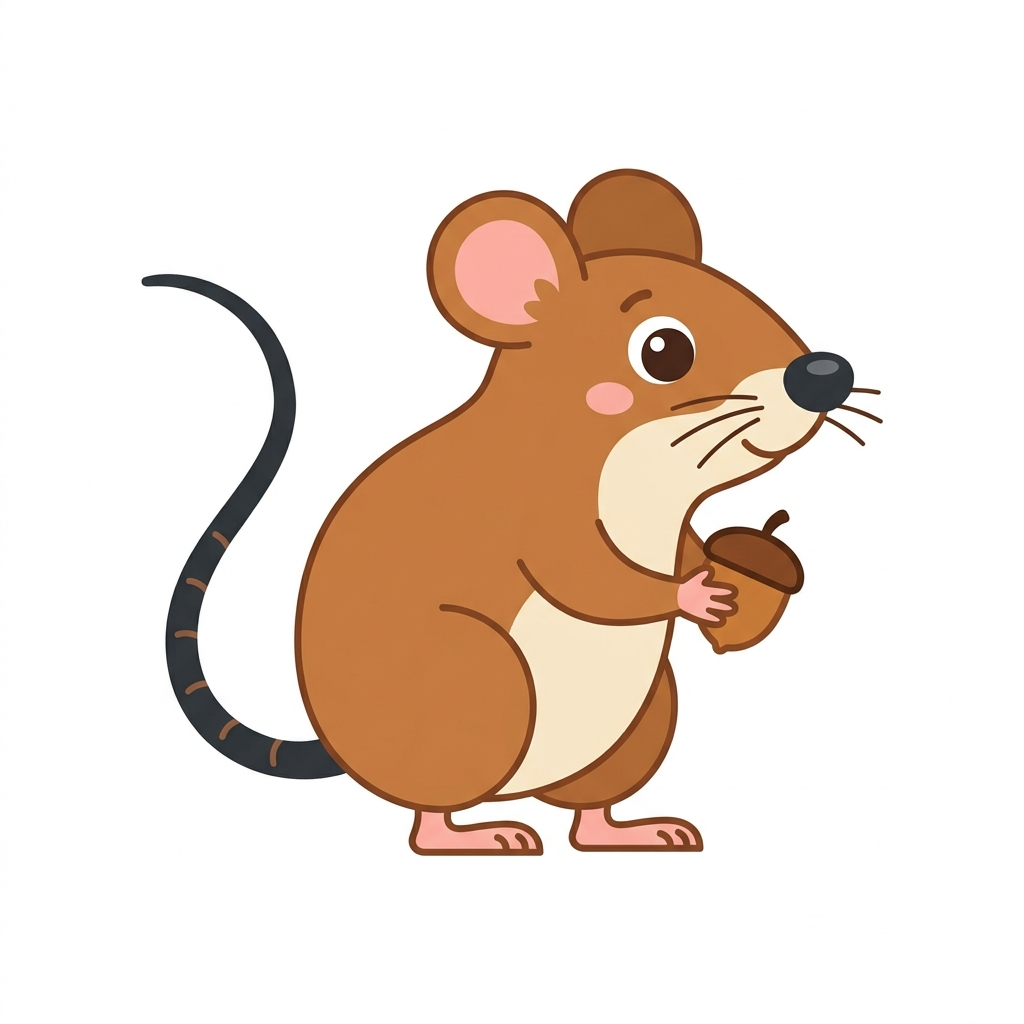
Wood Mouse
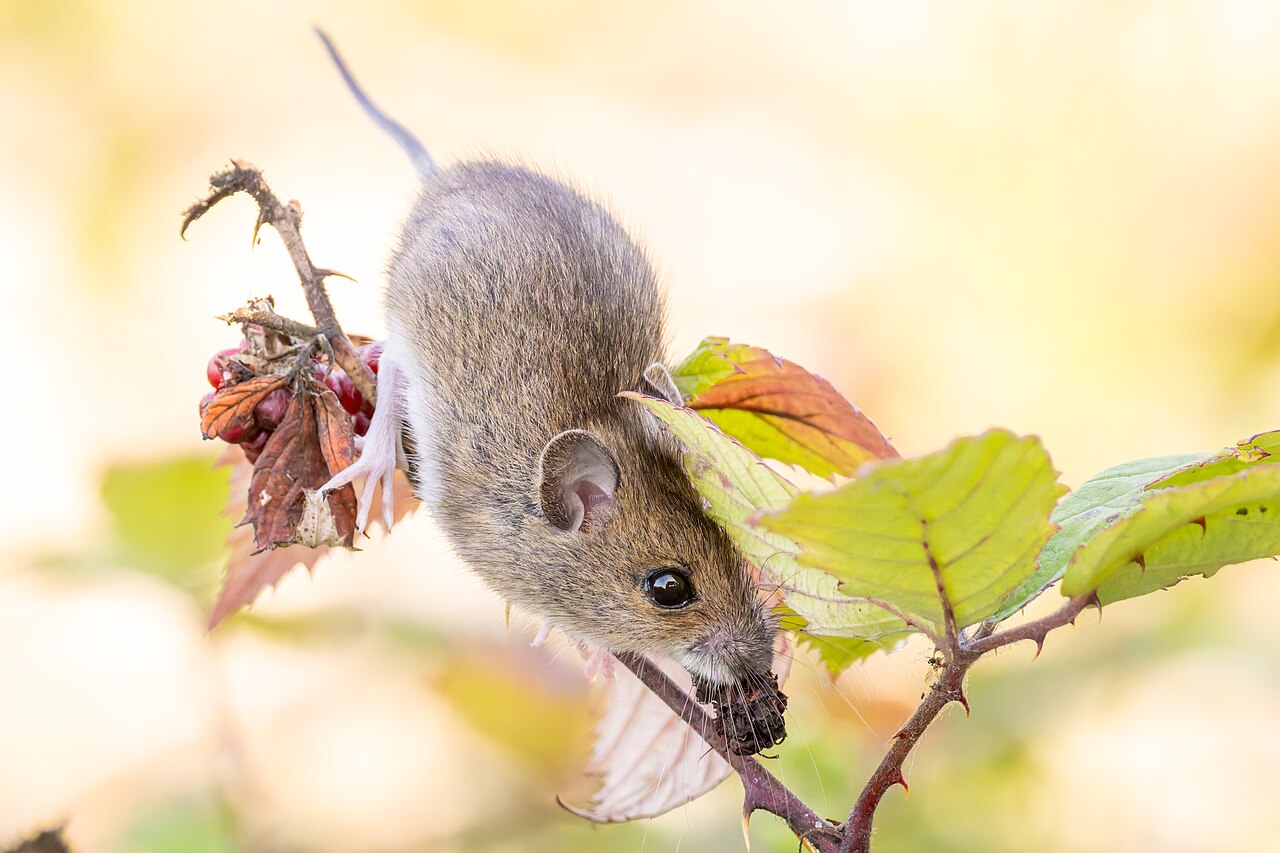
A small, nocturnal rodent with large eyes and ears, common in woods and gardens.
How to identify:
Look for its sandy-brown fur, large black eyes, prominent ears, and a long tail that is usually the same length as its body.
💡 Fun Facts
- A wood mouse can jump almost a metre in the air to escape from danger.
- They are excellent climbers and will scale plants to find seeds and berries.
- They often store food, such as seeds and nuts, in underground burrows for the winter.
From: Year 1: Animals, including humans
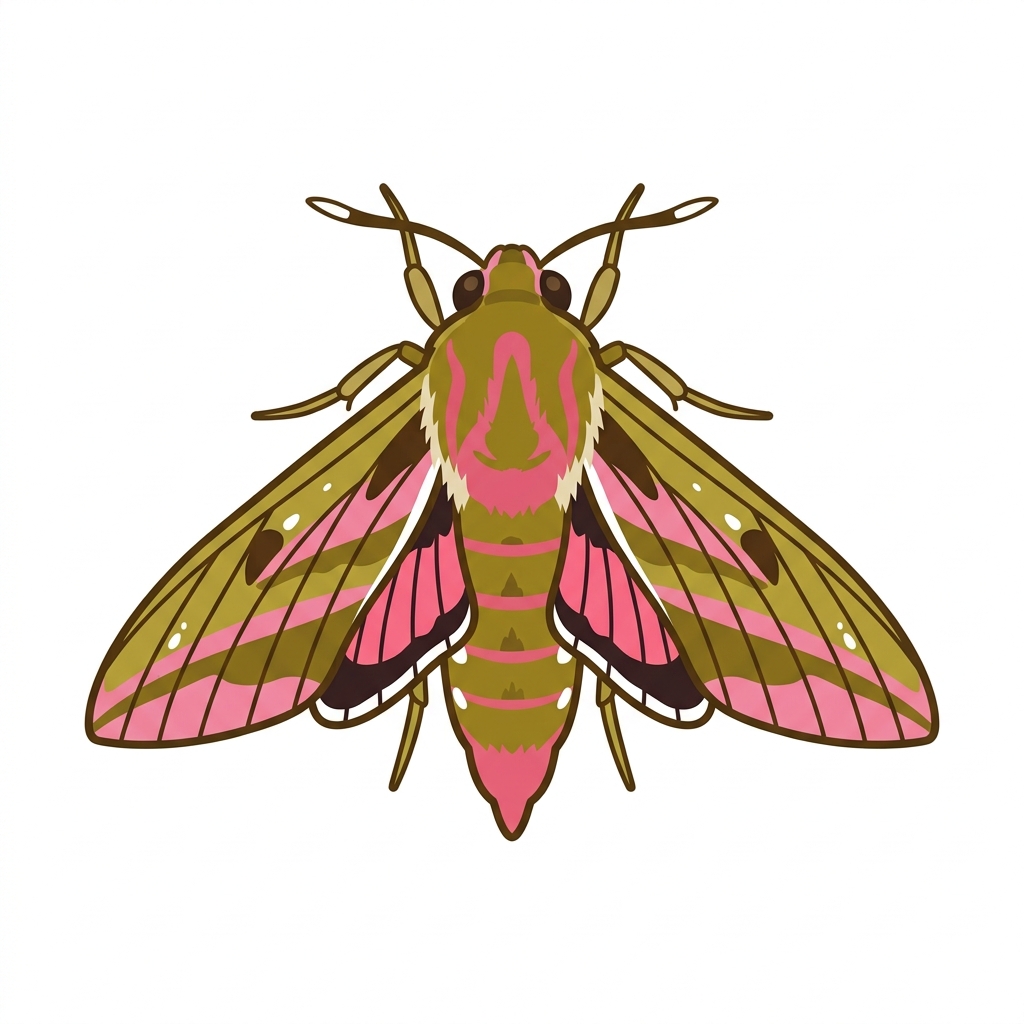
Elephant Hawk-moth
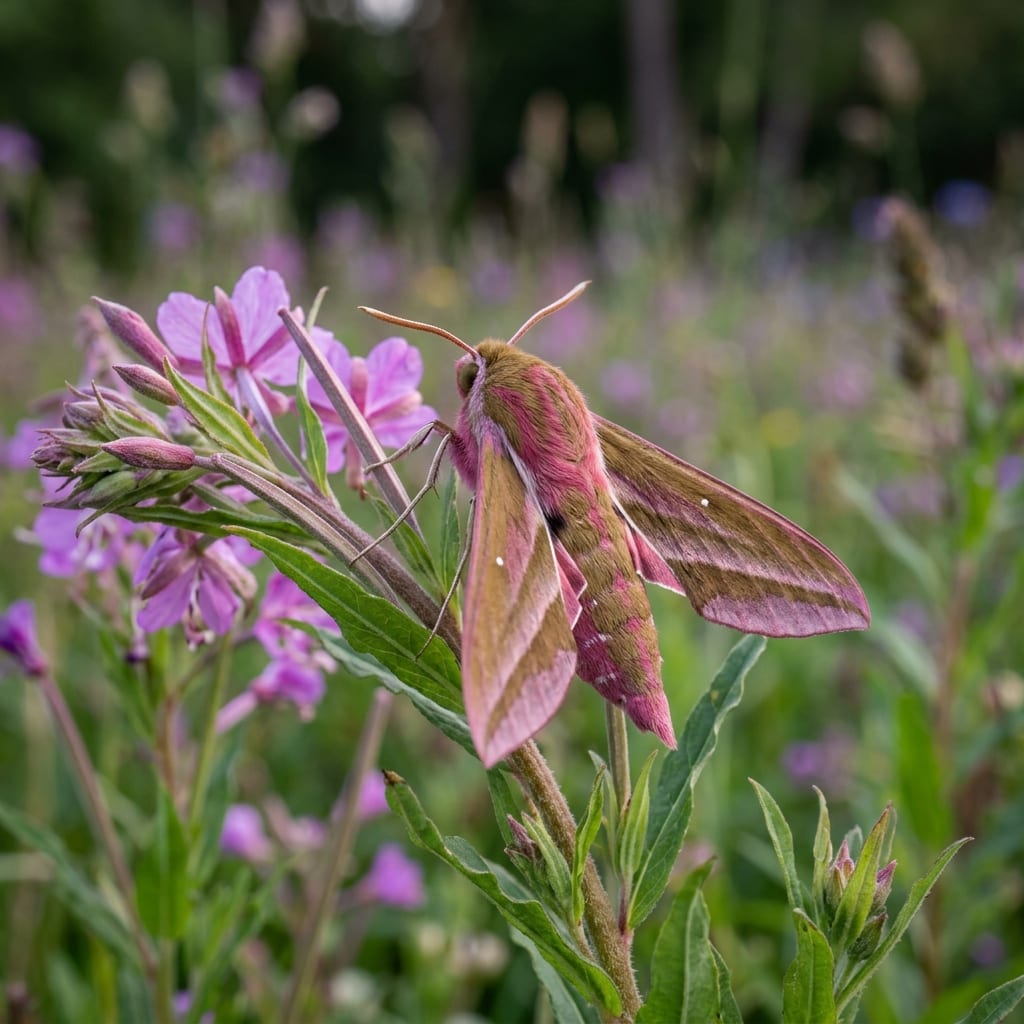
A spectacular pink-and-green moth that flies on summer nights. Its remarkable caterpillar has a trunk-like front and flashes snake-like eyespots to frighten predators.
💡 Fun Facts
- This gorgeous moth is a dazzling mix of pink and olive-green, like a living sunset.
- Its caterpillar is named after an elephant because its front end can stretch out like a long, grey trunk.
- When alarmed, the caterpillar puffs up and shows off two big fake eyespots to look like a scary little snake.
📅 Through the Year
- Active:May to July
From: n3216-elephant-hawk-moth
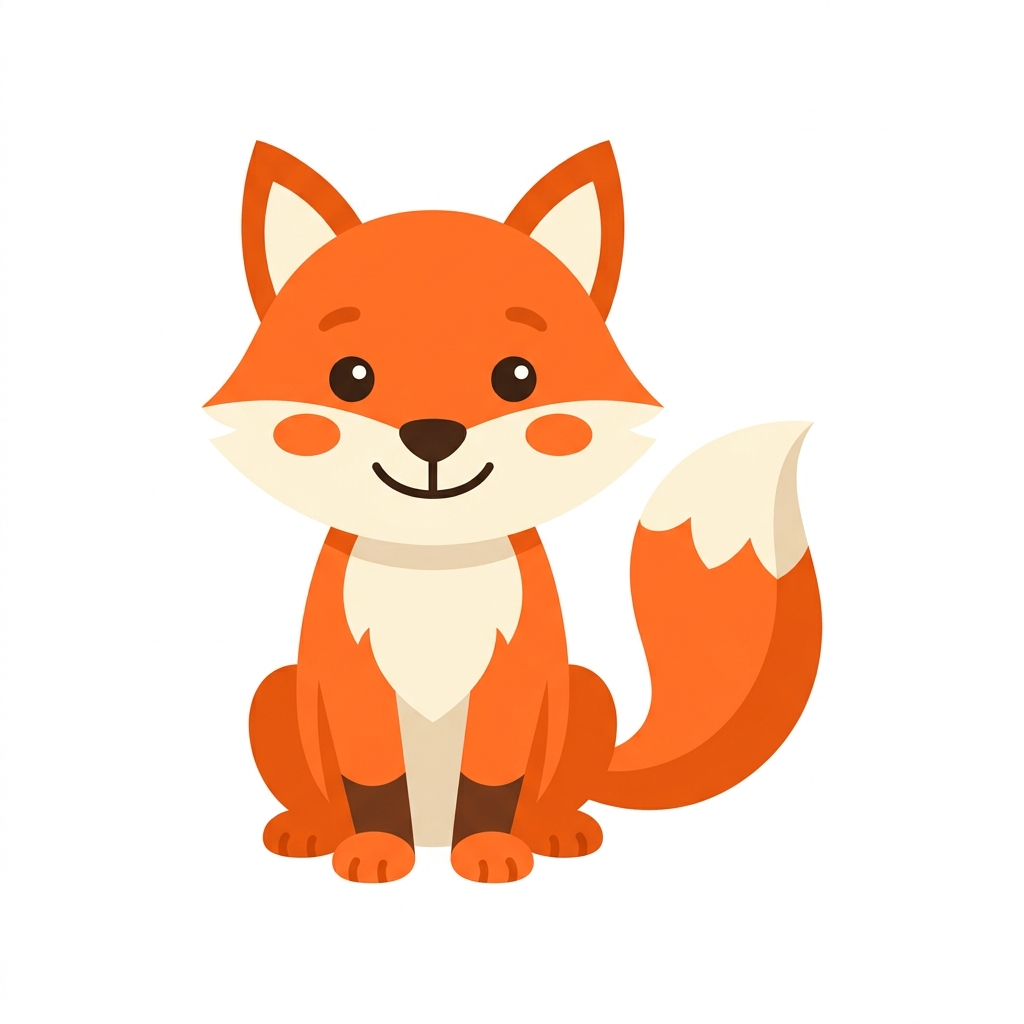
Fox
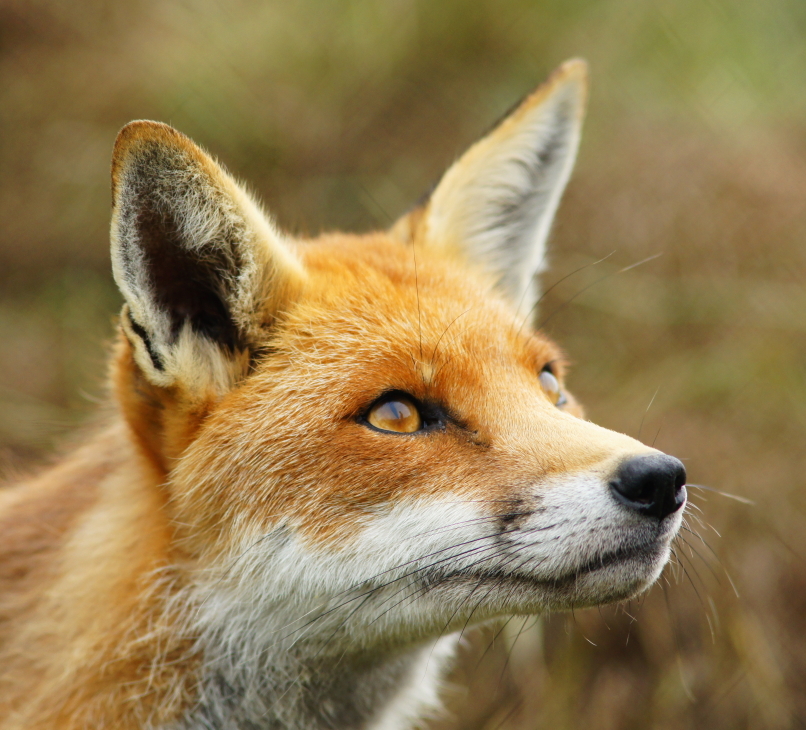
A cunning omnivore, often found in both countryside and urban areas.
💡 Fun Facts
- Has whiskers on its legs as well as its face to help it feel its way around in the dark.
- Can make around 20 different sounds, including a scream-like bark that is often heard at night.
From: n44-fox
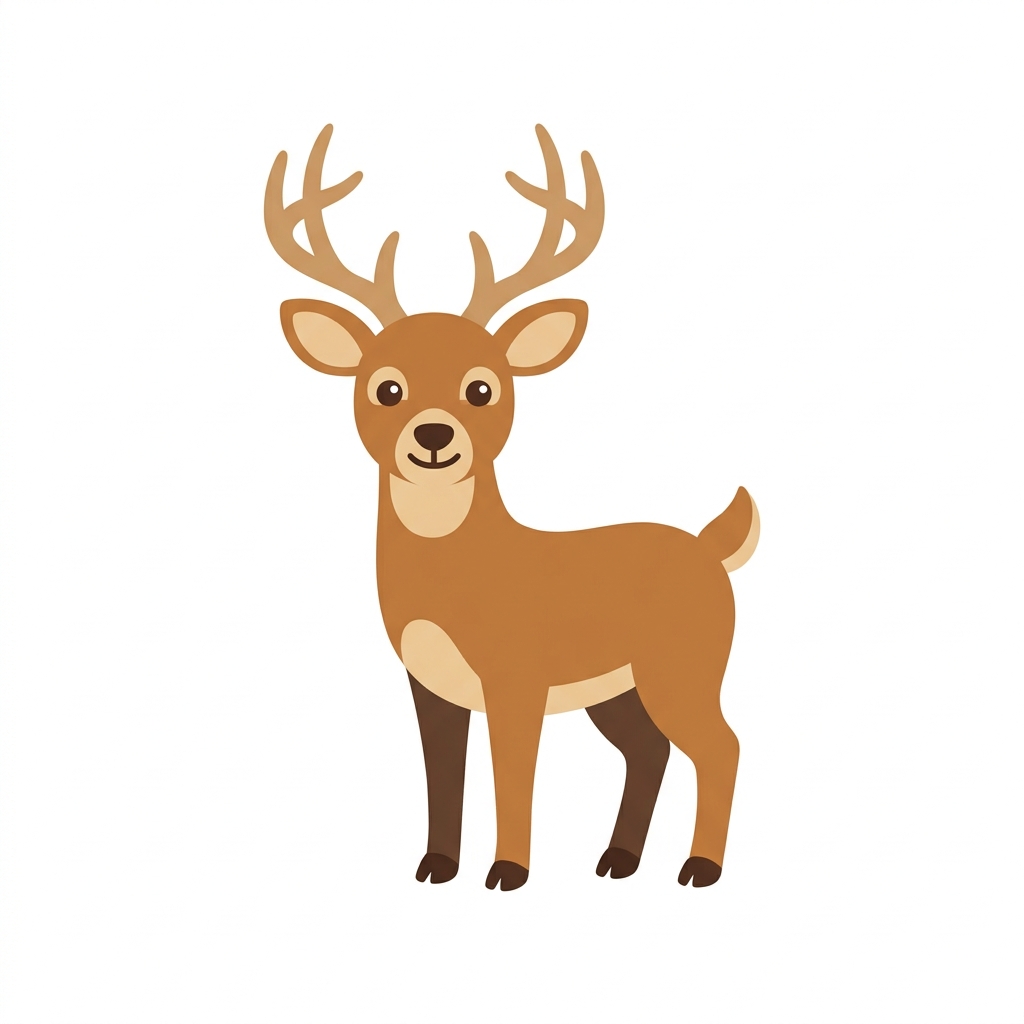
Deer
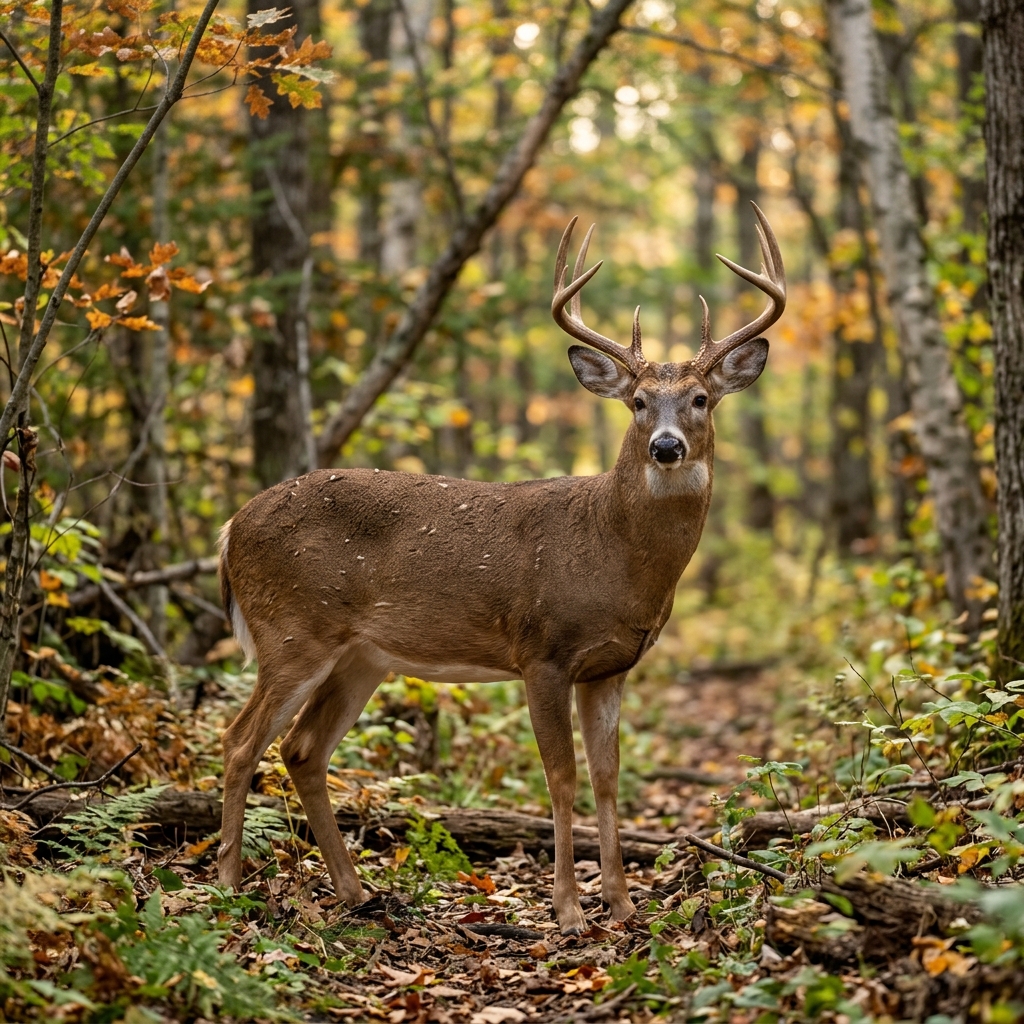
A graceful woodland mammal. The Red Deer is the UK's largest native land mammal.
💡 Fun Facts
- Only male deer (stags or bucks) grow antlers, which they shed and regrow every single year.
- Fawn (baby deer) are born with white spots that help them camouflage in the dappled sunlight of the forest.
- Deer have eyes on the side of their head, giving them a 310-degree view to spot danger.
From: Year 2: Living things and their habitats
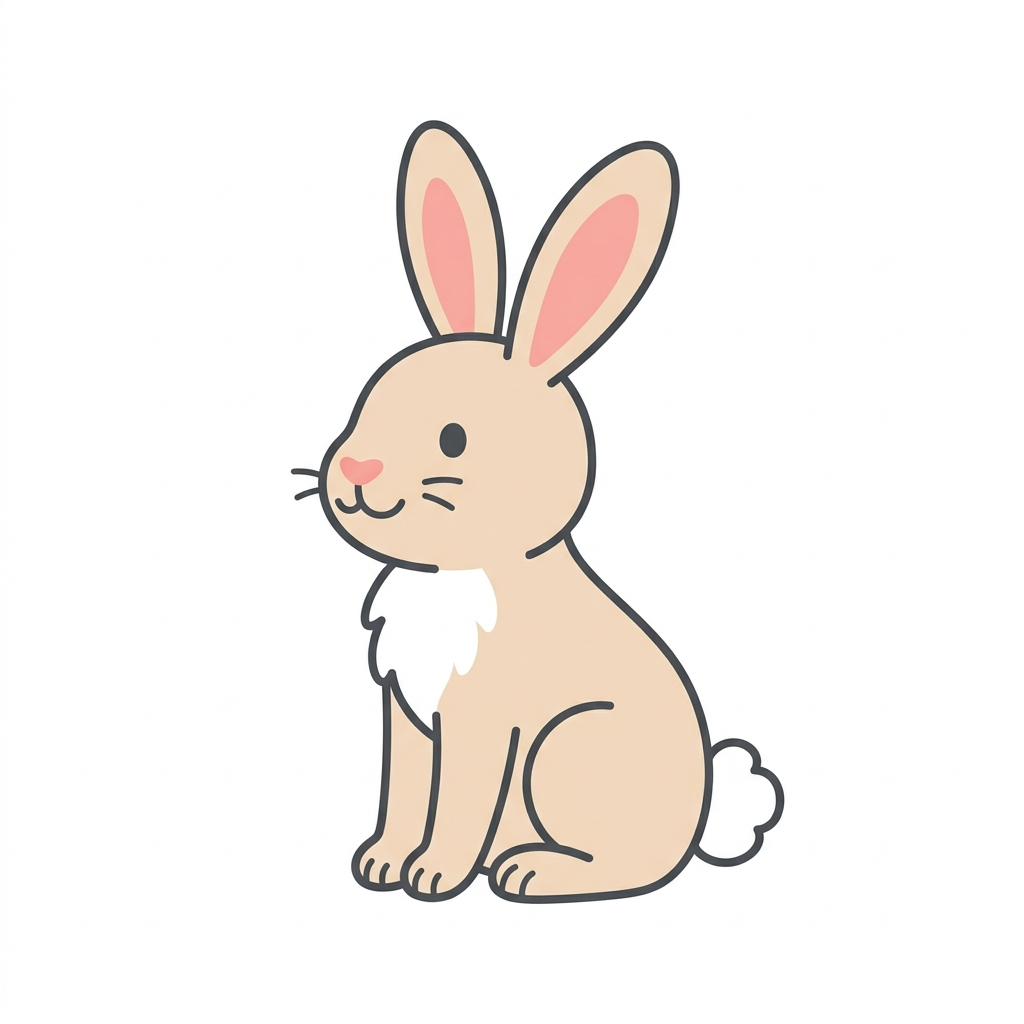
Rabbit
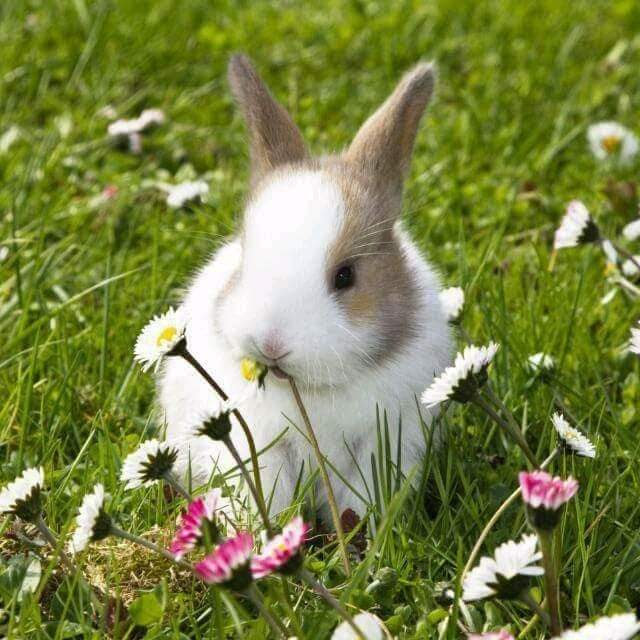
A common mammal with long ears, powerful hind legs, and teeth that never stop growing.
How to identify:
Look for long ears, a twitching nose, a fluffy white tail (scut), and its hopping movement.
💡 Fun Facts
- A rabbit's teeth grow continuously throughout its life, so it must chew on grass and tough plants to wear them down.
- They eat their own droppings to digest their food a second time and get all the nutrients out.
- Their long ears can turn 180 degrees, helping them to pinpoint the source of a sound.
From: Year 1: Animals, including humans
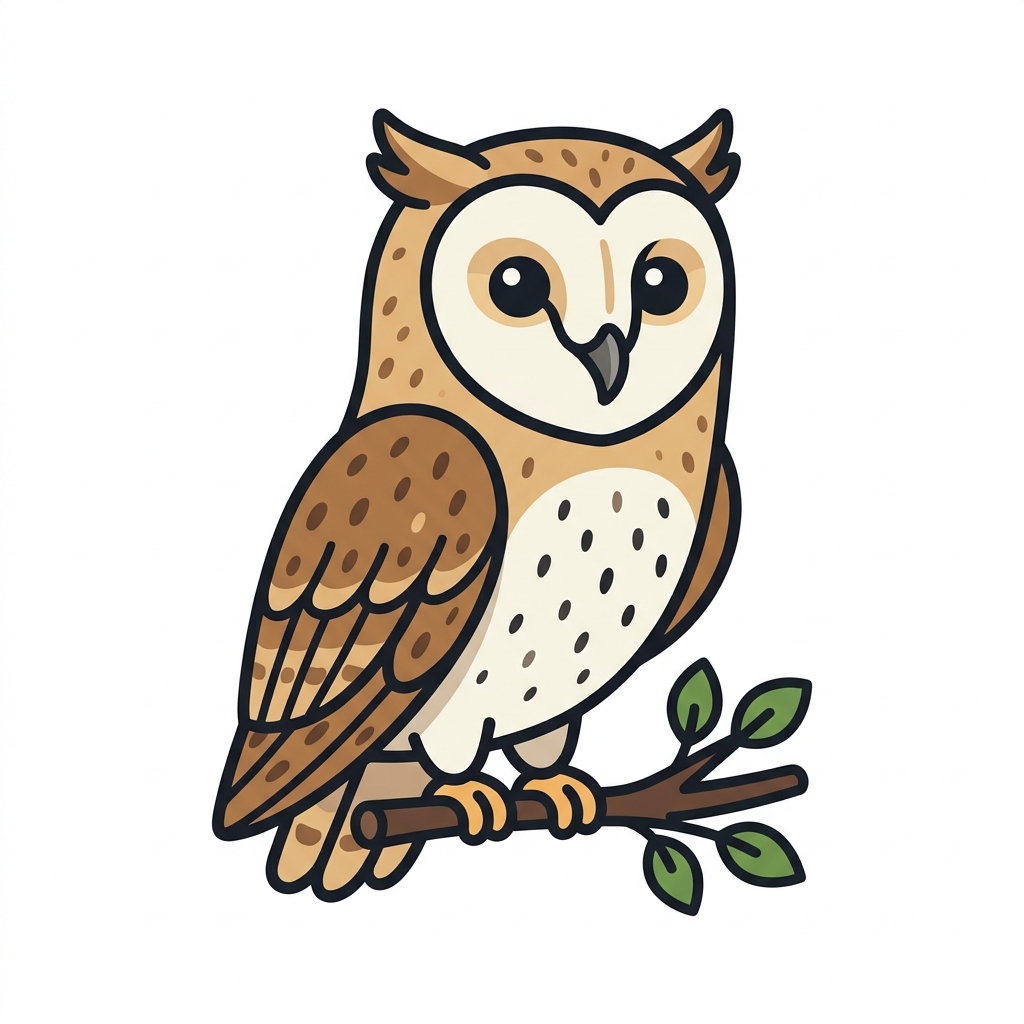
Barn Owl
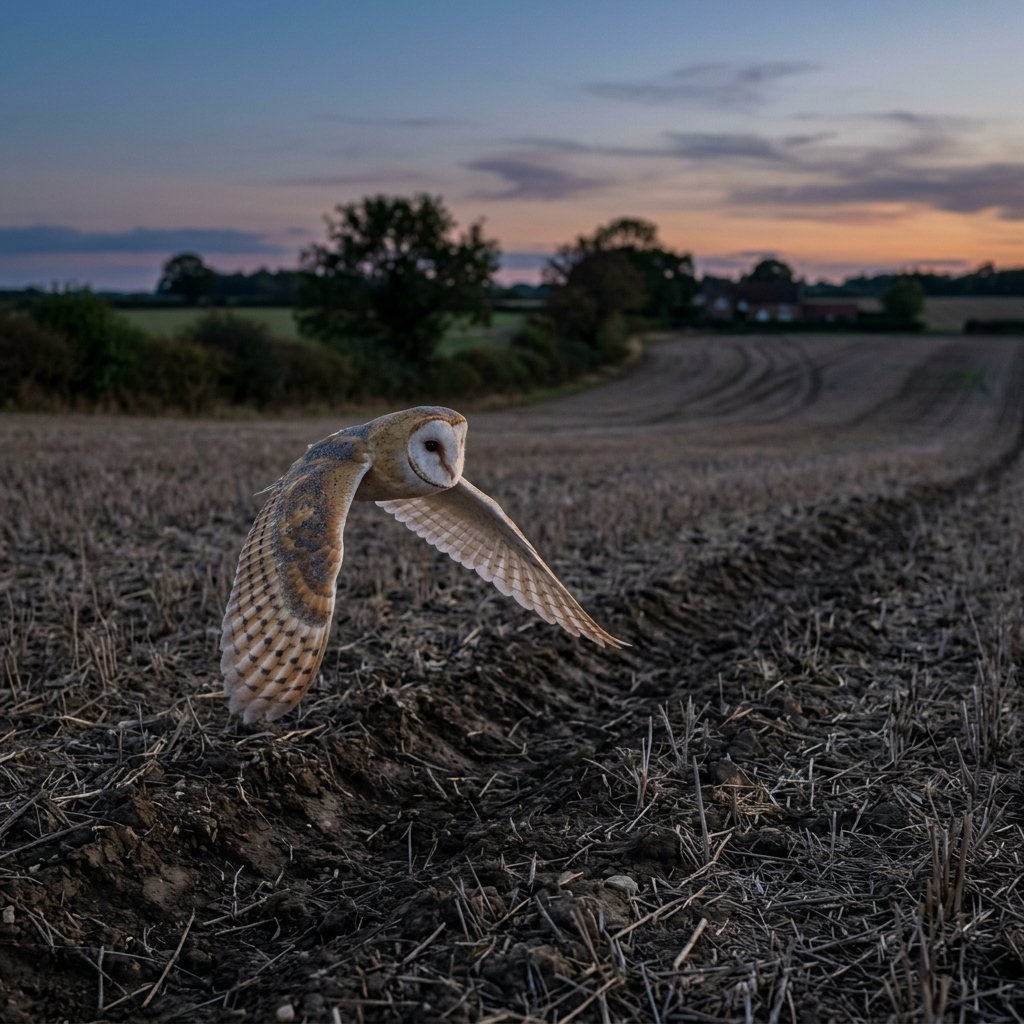
A ghost-white, silent hunter that glides over farmland at twilight.
💡 Fun Facts
- They have heart-shaped faces that act like a satellite dish, directing the rustling sounds of prey straight into their ears.
- Their feathers have soft fringes that make their flight completely silent.
- They often swallow their prey whole and later cough up a 'pellet' containing the bones and fur.
From: More Habitat Creatures
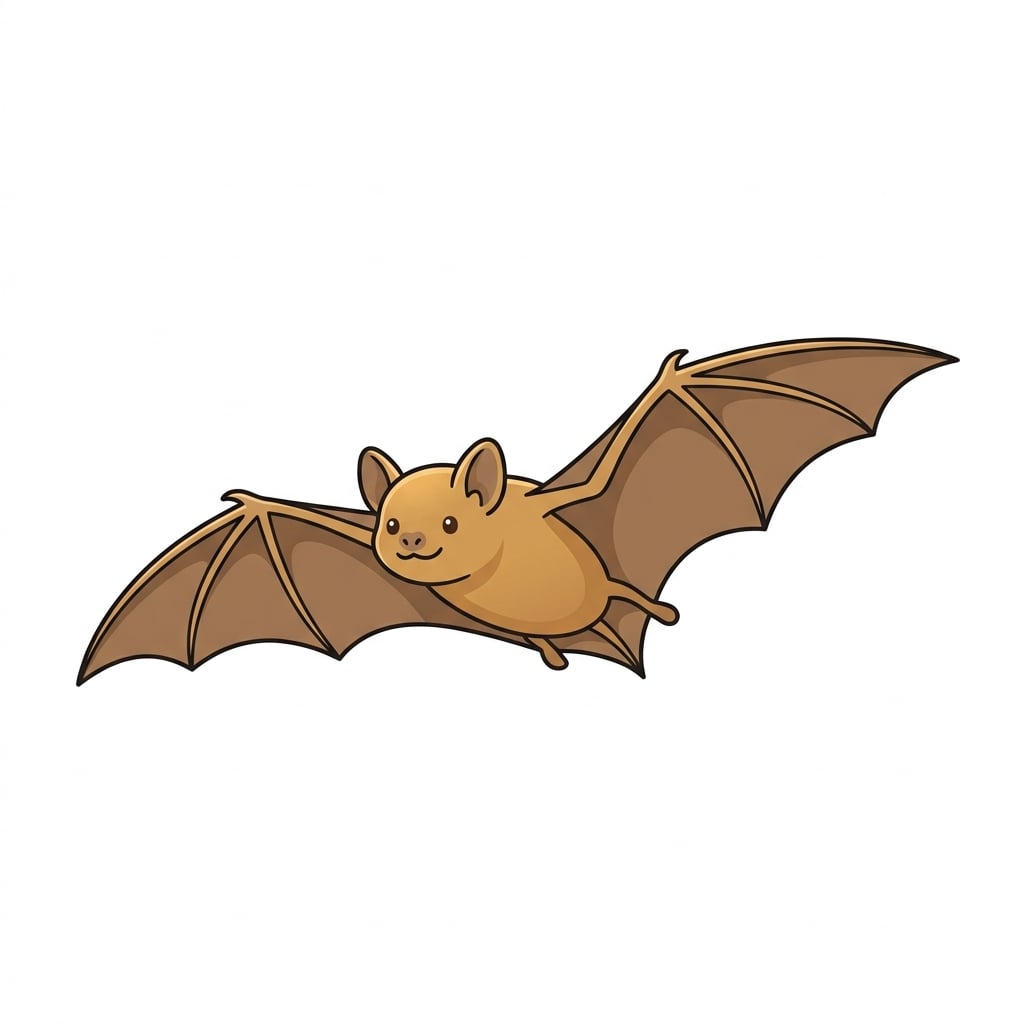
Noctule
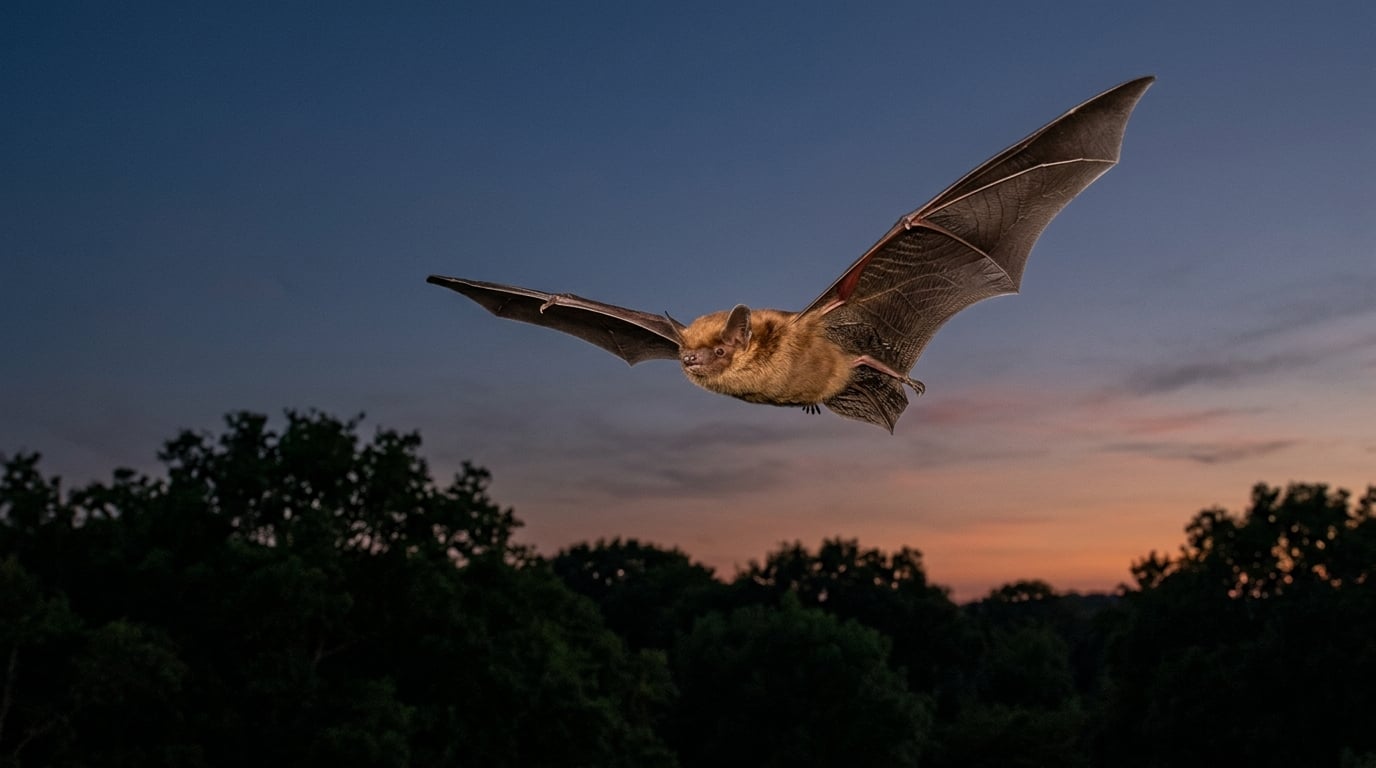
The Noctule is one of Britain's biggest bats — a powerful, golden-brown flier that hunts high in the open sky, often appearing before the sun has even set. Watch for its fast, straight flight and sudden, dramatic dives after insects.
💡 Fun Facts
- The Noctule is one of Britain's biggest bats, and it hunts higher than almost any other — swooping through the open sky far above the treetops, then folding its wings for a sudden, breathtaking power-dive onto an insect.
- It is one of the very first bats to appear each evening, often flying out before the sun has even set — so on a bright summer evening it is the bat you can watch against a glowing sky.
- Its squeaks are so low and loud — a 'chip-chop' sound — that some lucky people can actually hear a Noctule with their own ears, which is impossible with most bats.
- Noctules make their homes in old holes in trees, like abandoned woodpecker holes, so they need old, gnarled woodland to thrive.
🔍 How to spot it
- Size
- One of the UK's largest bats — wingspan up to 40 cm and weighing up to 40 g; big and broad against the sky.
- Markings
- Sleek, glossy golden-brown fur, with a darker face and wings — and no 'mask'.
- Features
- Short, rounded ears and a distinctive short, mushroom-shaped flap inside the ear; and no strange flap on its nose (some bats, like the horseshoe bats, have one).
- Behaviour
- Comes out very early — often before sunset — and flies high, fast and straight, with sudden steep dives onto insects.
- Where & when
- In the open sky above woodland, parkland, pasture and water across much of Britain; roosts in holes in old trees.
- Easily confused with
- The serotine is a similar size but flies lower and slower with a more fluttering flight; experts also look for the Noctule's mushroom-shaped ear-flap. Leisler's bat is a smaller cousin.
📅 Through the Year
- Hibernation:November to March
- Active:April to October
- Maternity/Breeding:June to July
From: n3225-noctule-bat
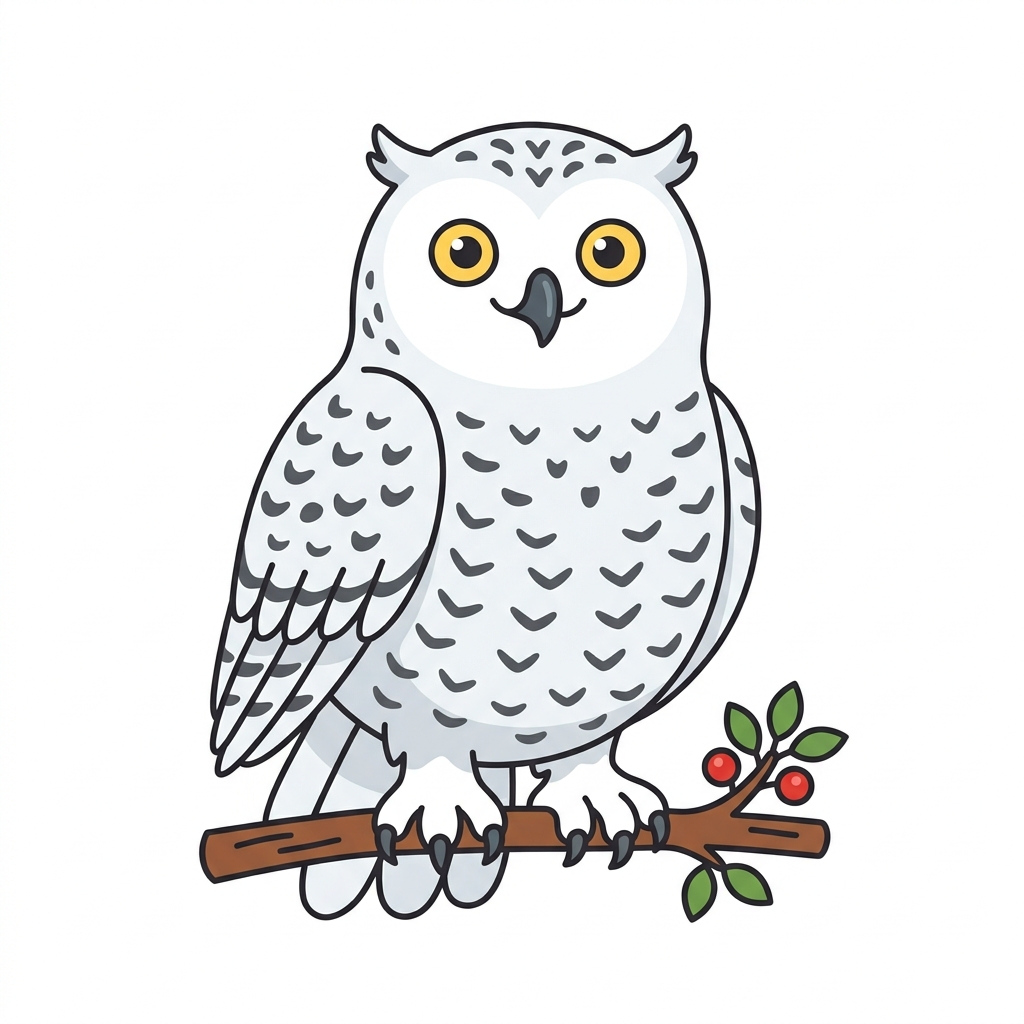
Snowy owl
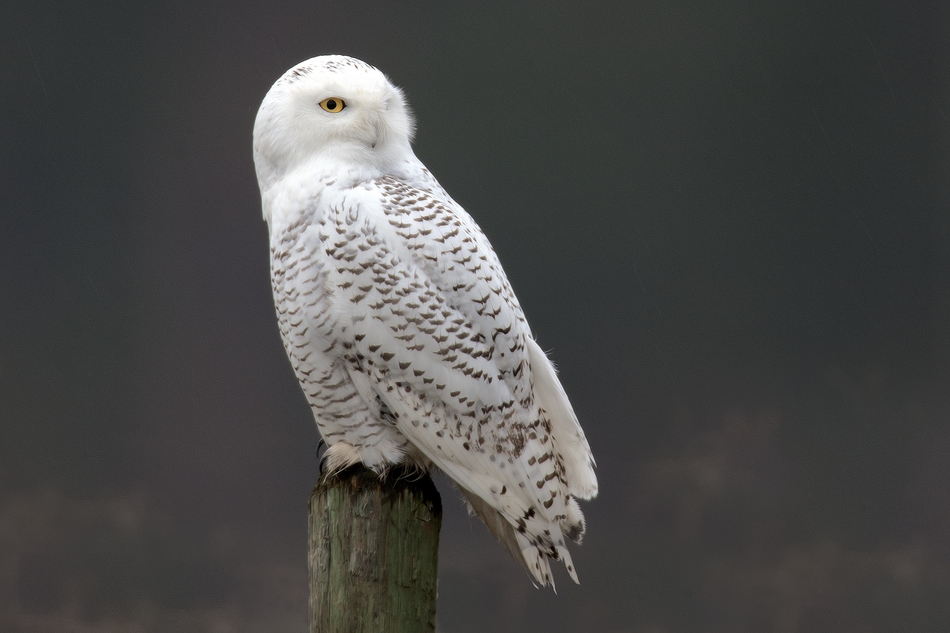
A large, white owl that hunts during the day in the continuous light of the Arctic summer.
💡 Fun Facts
- Unlike most owls, they are diurnal, meaning they hunt during the daytime.
- The males are almost entirely white, while females and juveniles have dark spots for camouflage on the tundra.
- They heavily rely on lemmings for food and will lay more eggs in years when lemmings are plentiful.
From: Creatures from Habitats
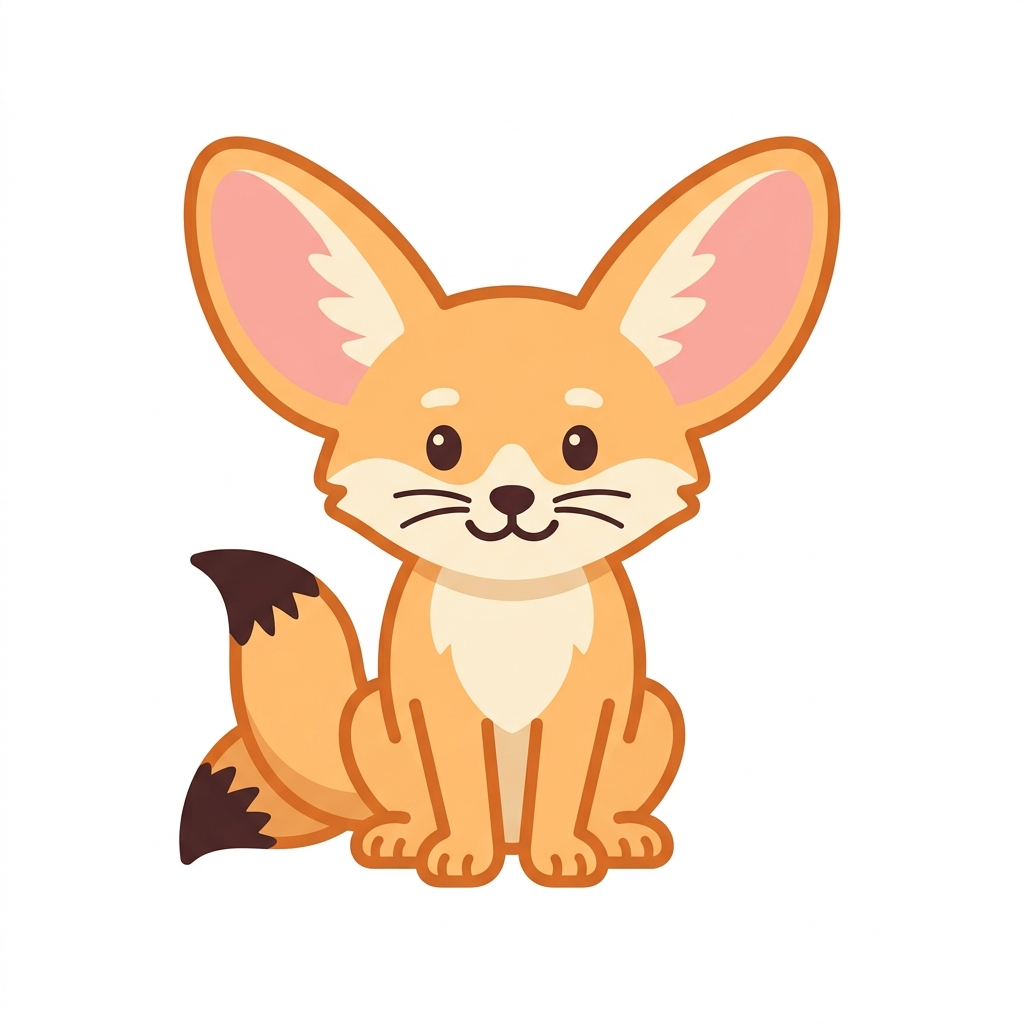
Fennec Fox
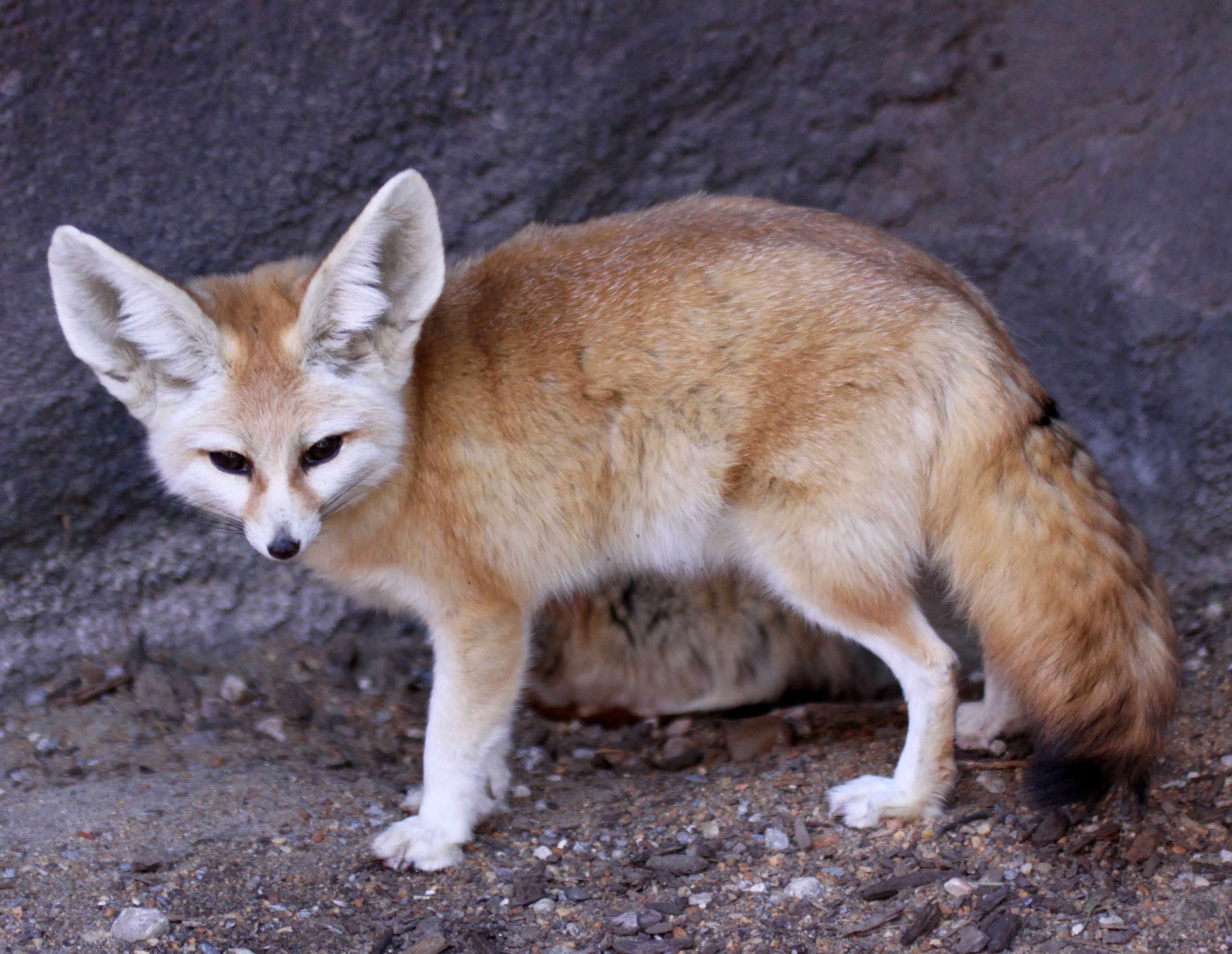
A tiny nocturnal fox native to the Sahara Desert, easily recognizable by its massive ears.
💡 Fun Facts
- Their large ears act like radiators to dissipate heat and help them hear prey underground.
- Their kidneys are adapted to restrict water loss, so they don't need to drink free-standing water.
- They have thick fur on the soles of their feet to protect them from the burning desert sand.
From: Creatures from Habitats
Find more open educational resources athttps://ecoexplorers.co.uk