More Habitat Creatures
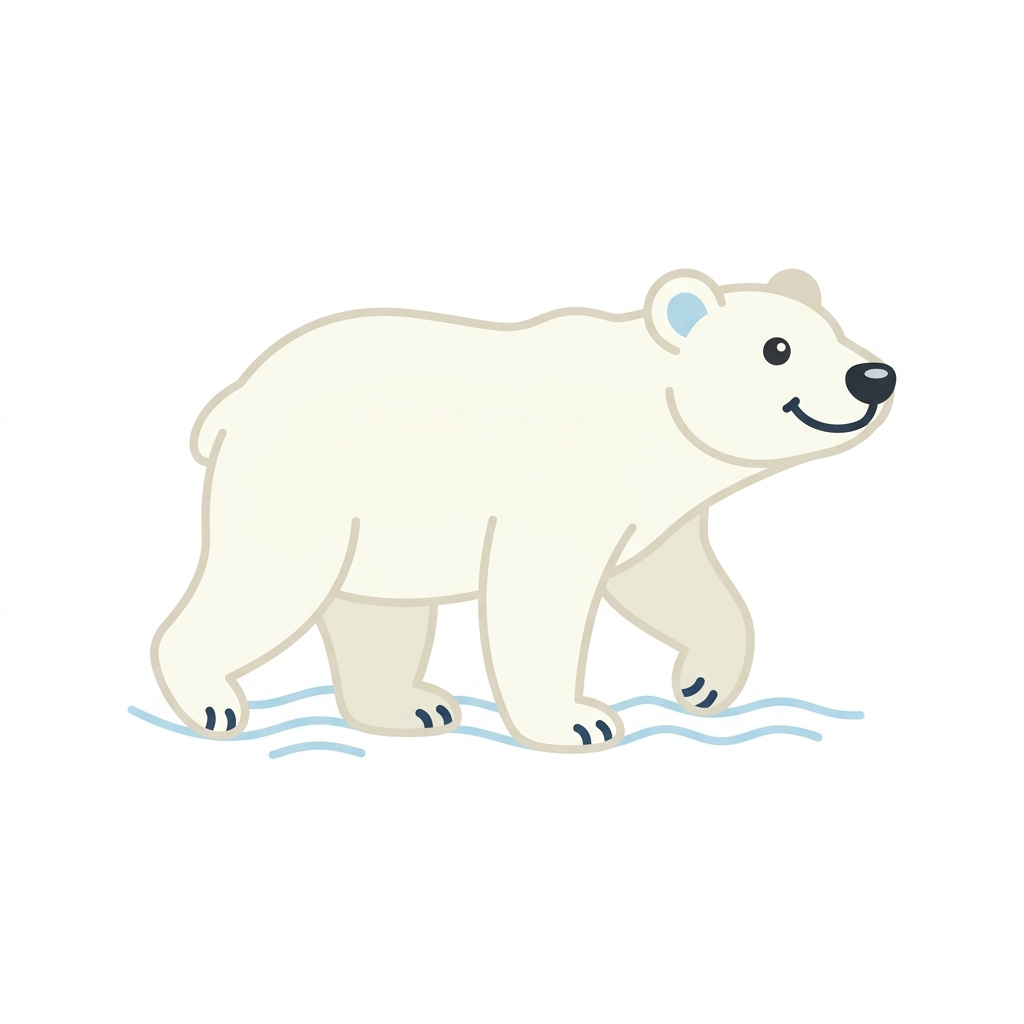
Polar bear
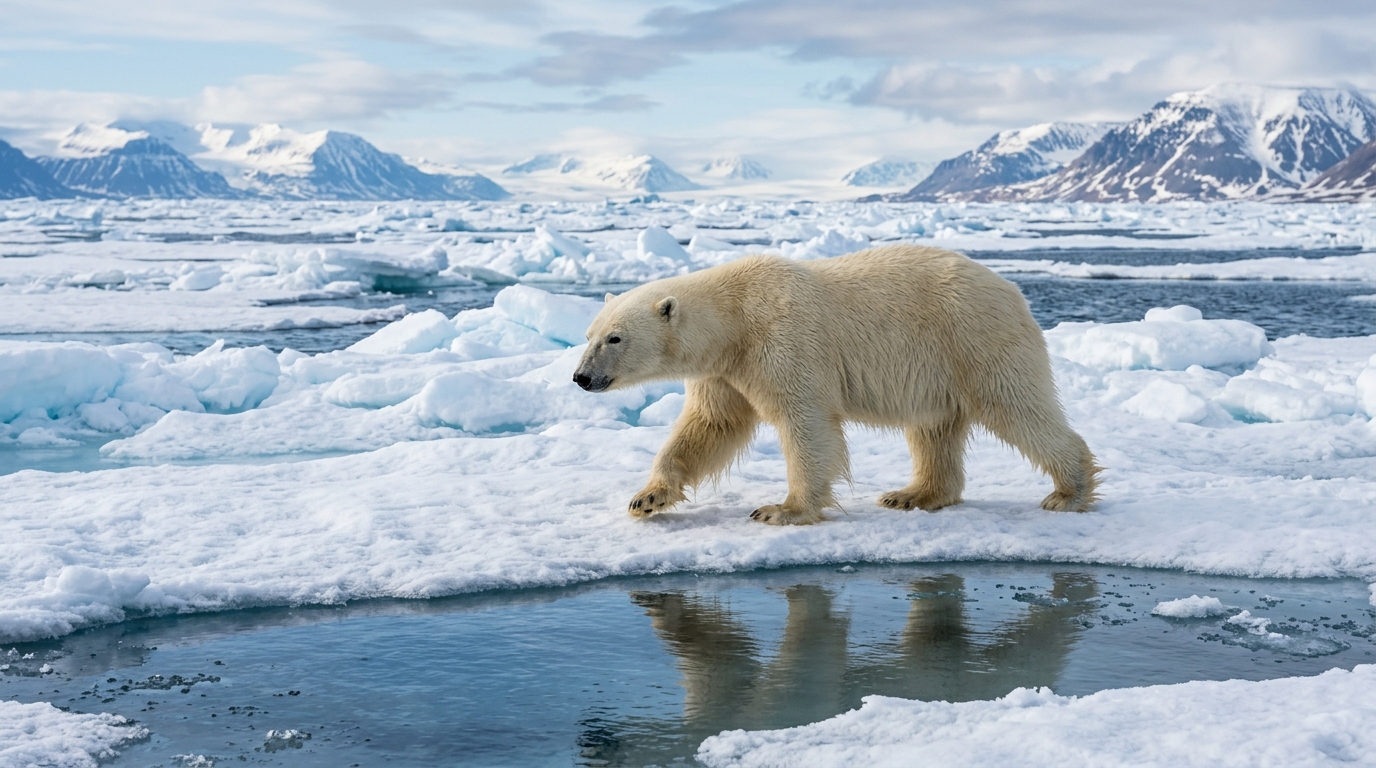
A massive, powerful marine mammal perfectly adapted to the freezing conditions of the Arctic sea ice.
💡 Fun Facts
- They have black skin under their white fur to absorb heat from the sun.
- They are classified as marine mammals because they spend most of their time on sea ice.
- They have a thick layer of blubber up to 10cm thick to stay warm.
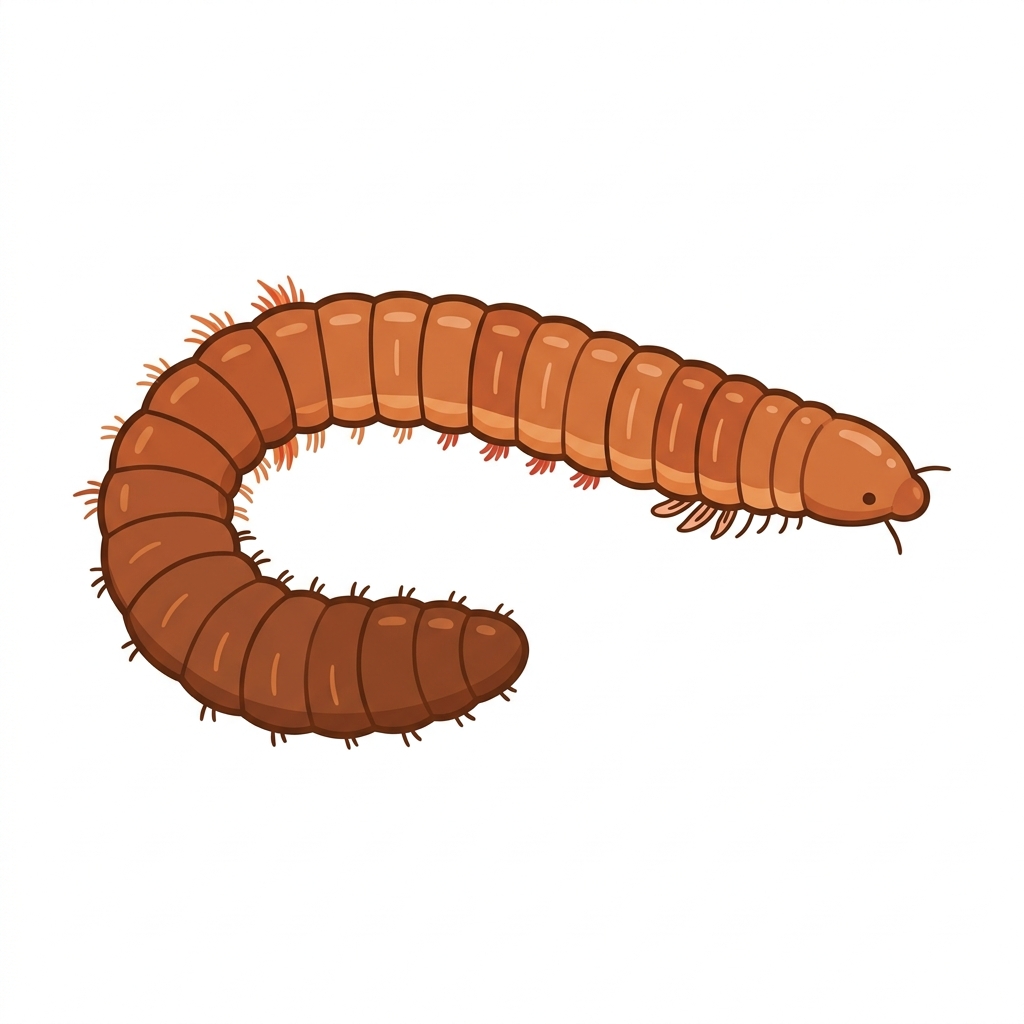
Lugworm
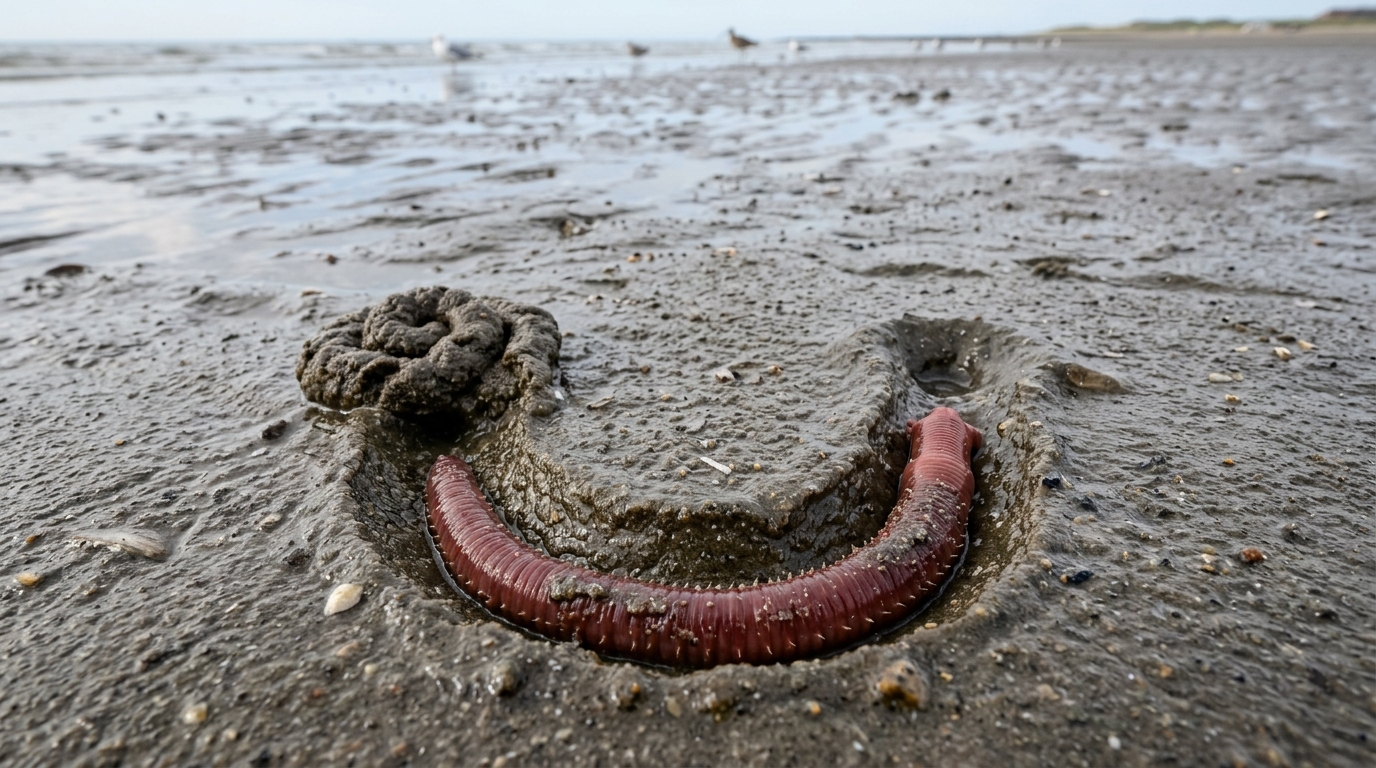
A thick, segmented marine worm that spends its life hiding beneath the sand on coastal beaches.
💡 Fun Facts
- They live in U-shaped burrows deep under the wet sand on beaches.
- You can tell they are there by the little squiggly casts of sand they leave on the surface.
- They eat organic matter mixed in with the sand as they dig.
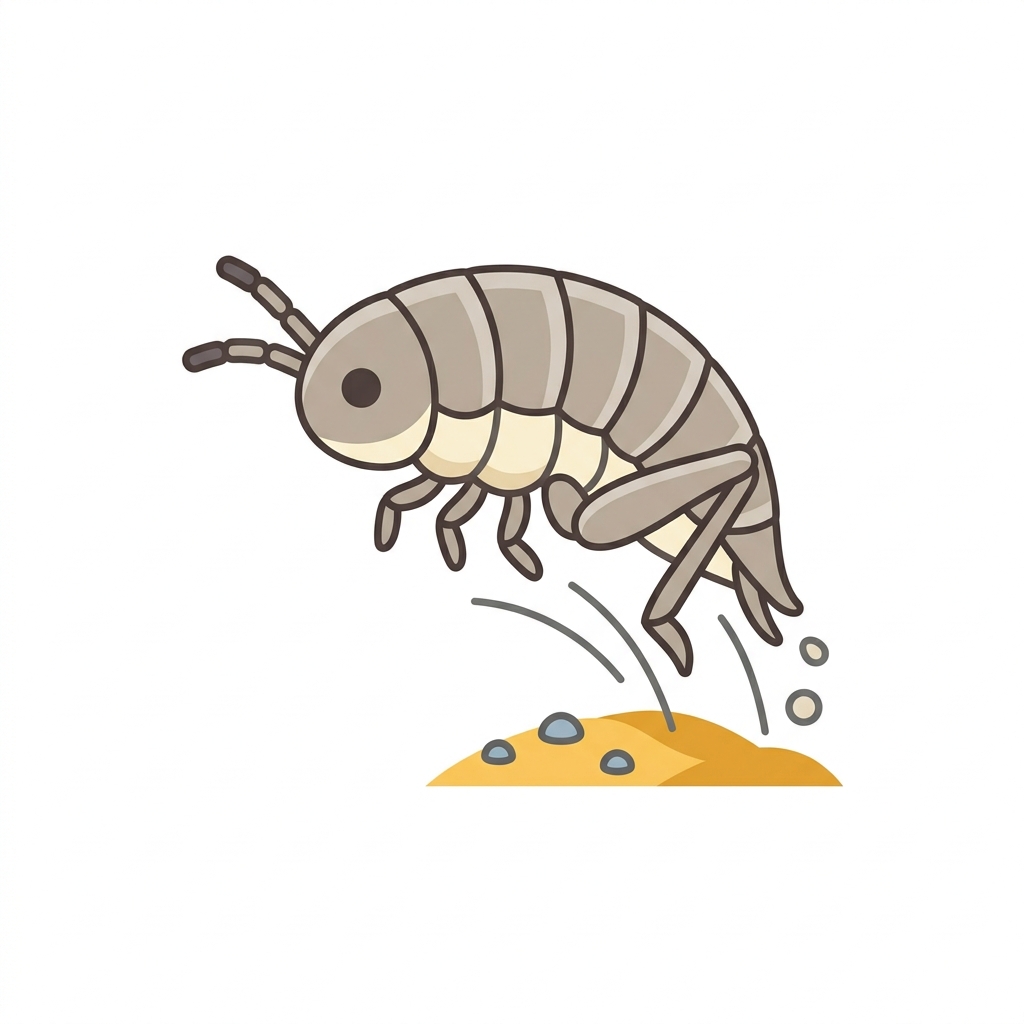
Sandhopper
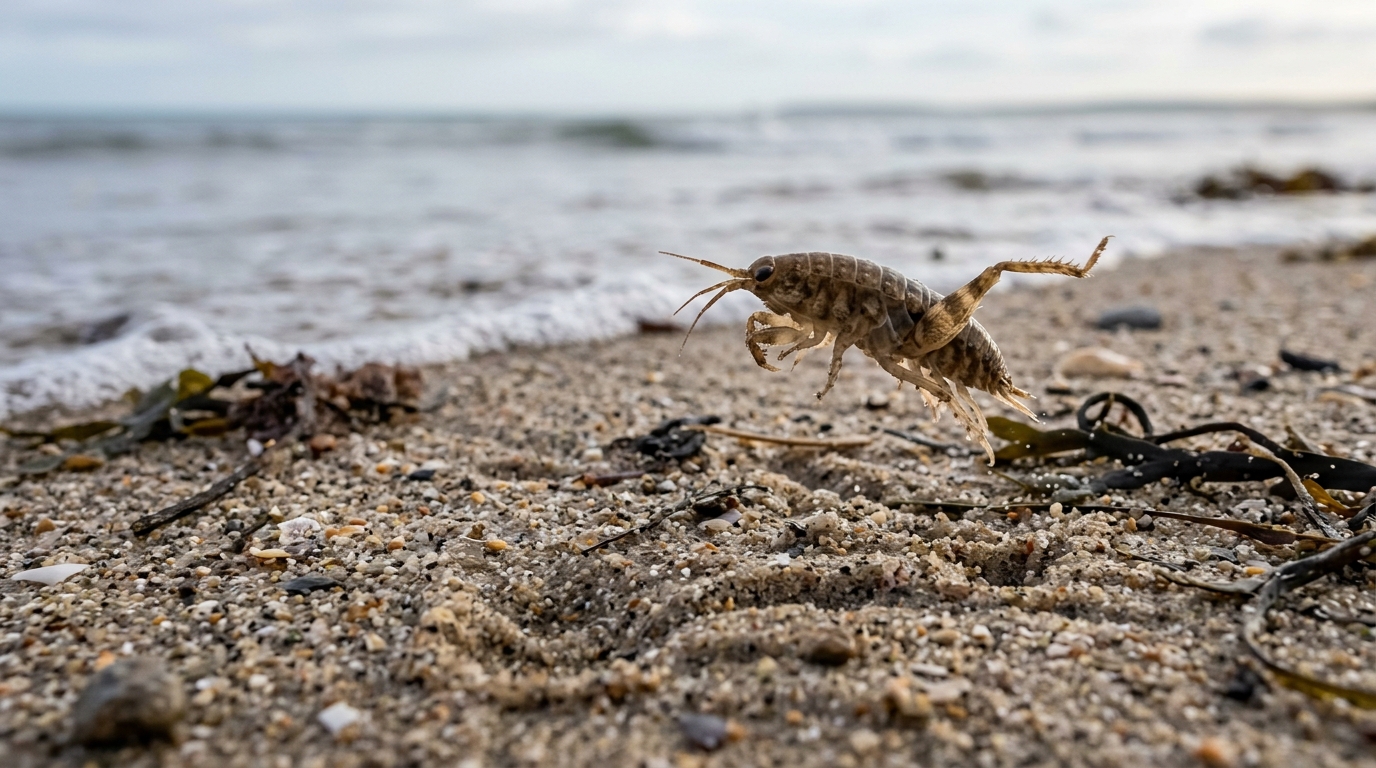
A tiny, jumping crustacean often found hiding under piles of seaweed on sandy beaches.
💡 Fun Facts
- They are tiny crustaceans that jump into the air when disturbed, just like fleas.
- They hide under rotting seaweed during the day to stay cool and damp.
- They help keep beaches clean by eating dead plants and animals.
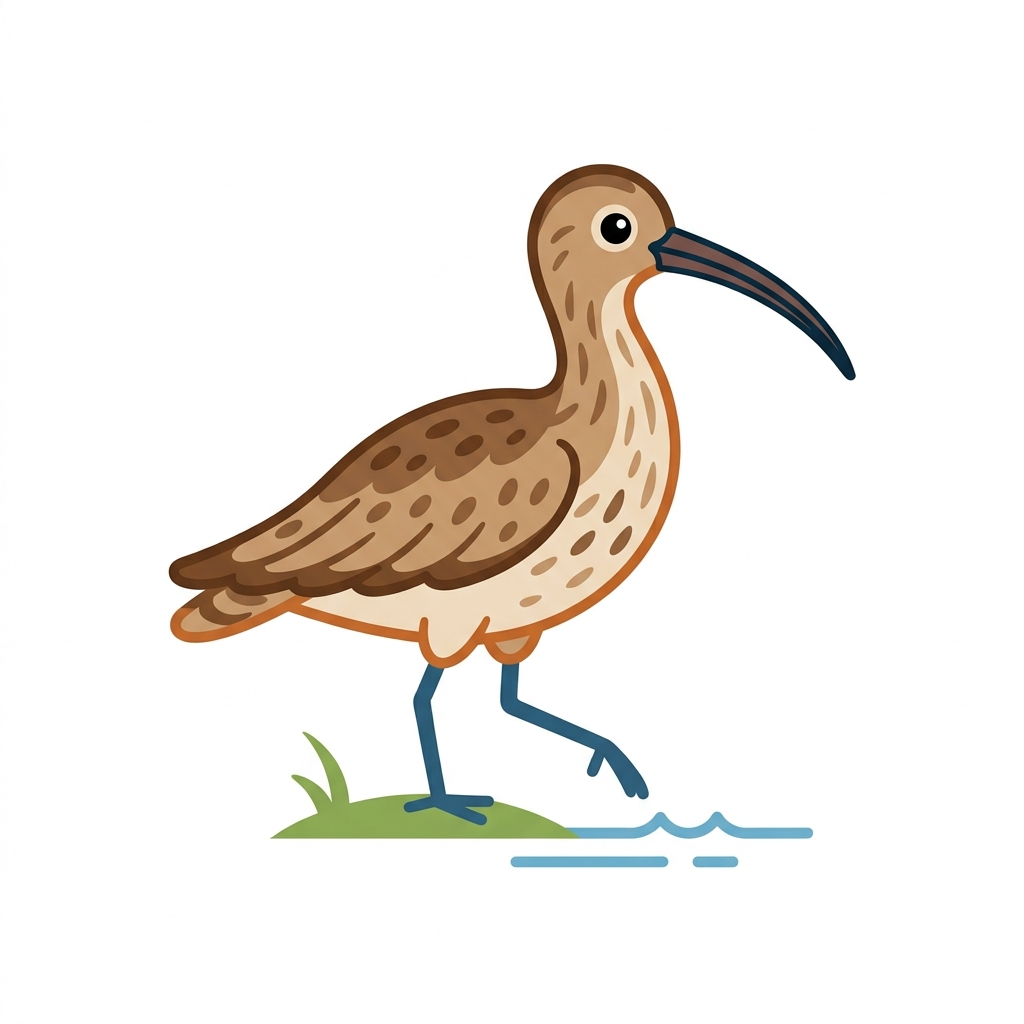
Curlew
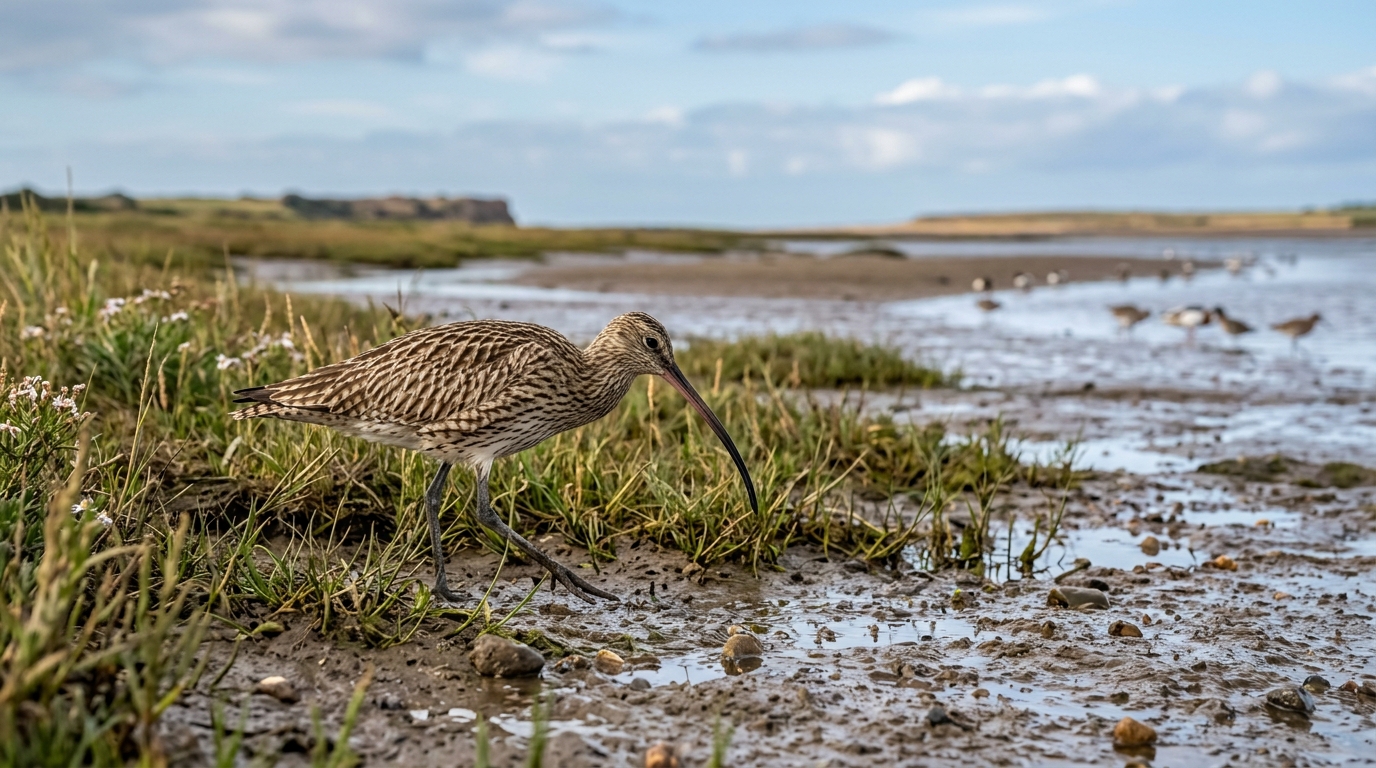
A large wading bird with a distinctively long, downwards-curving beak used for hunting in the mud.
💡 Fun Facts
- They are the largest wading bird in the UK.
- Their long, curved beak is perfectly shaped for pulling worms out of deep estuary mud.
- Their haunting, bubbling call is a classic sound of the British coast.
📅 Through the Year
- Breeding:April to July
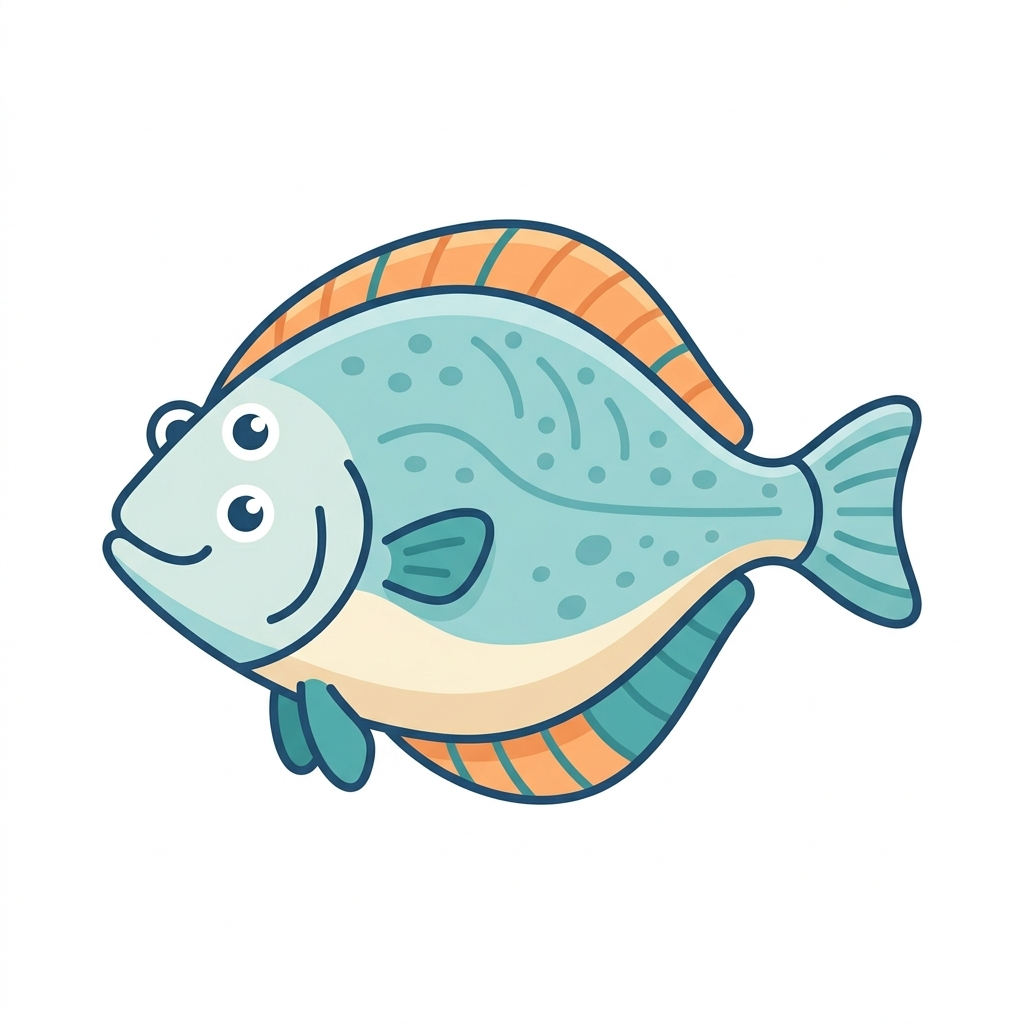
Flounder
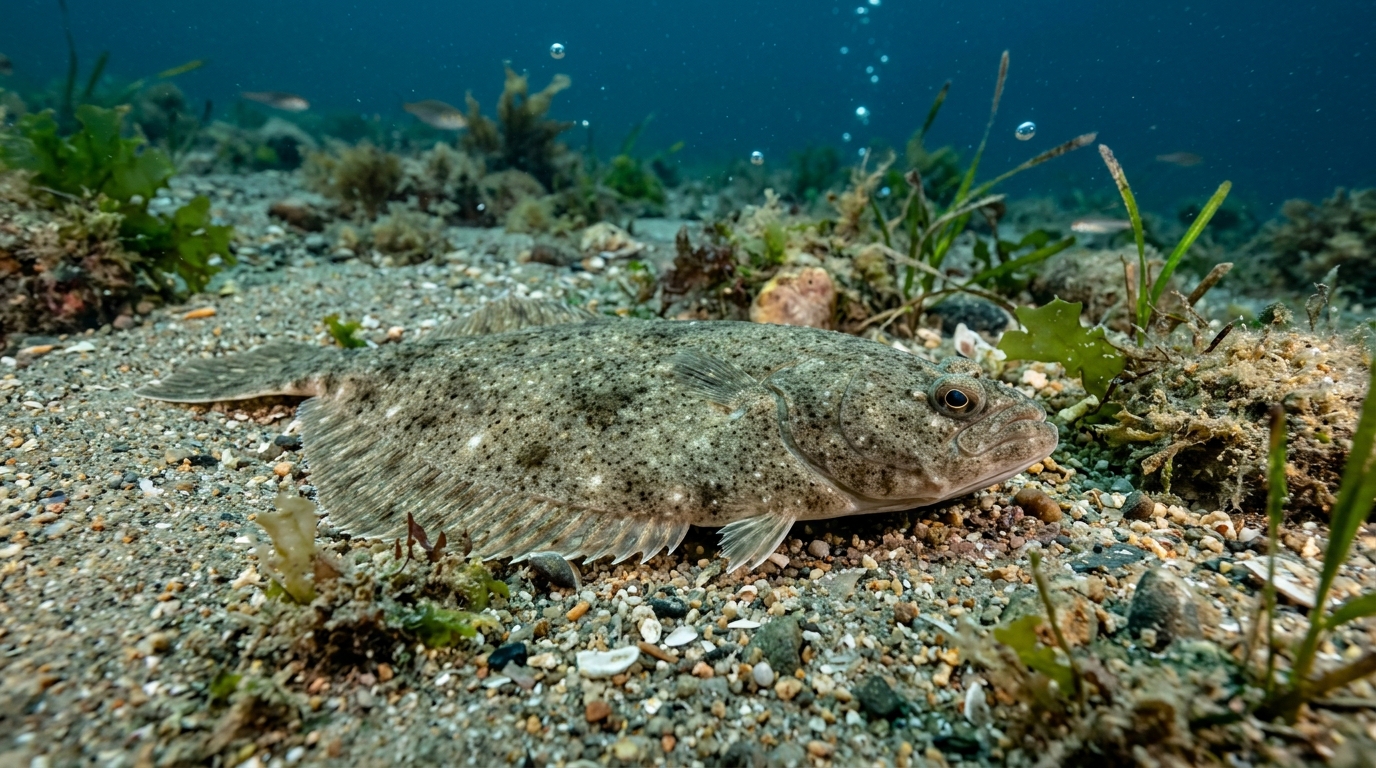
A uniquely shaped flatfish that lives on the muddy bottoms of estuaries and coastal waters.
💡 Fun Facts
- They are flatfish that lie sideways on the sea floor.
- Both of their eyes migrate to one side of their head as they grow up.
- They are masters of camouflage and can bury themselves in the mud to hide.
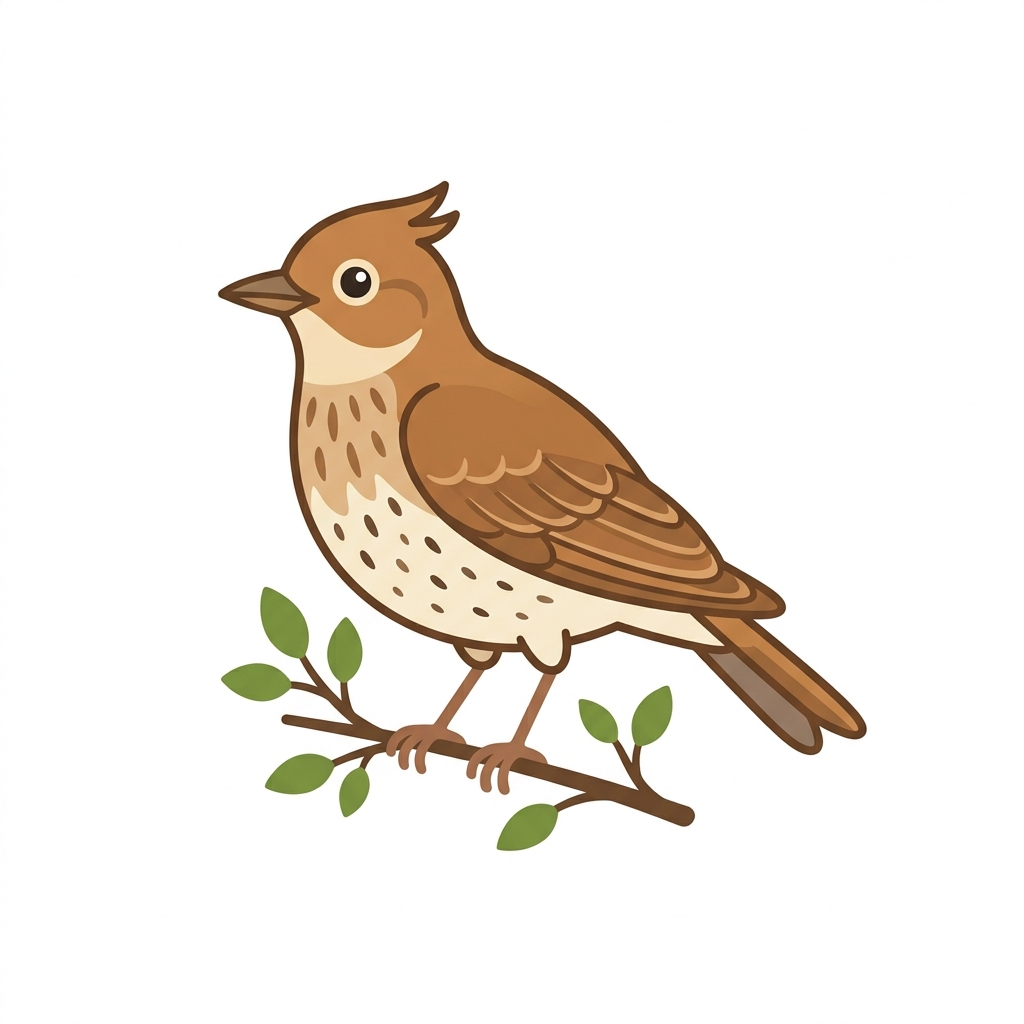
Skylark
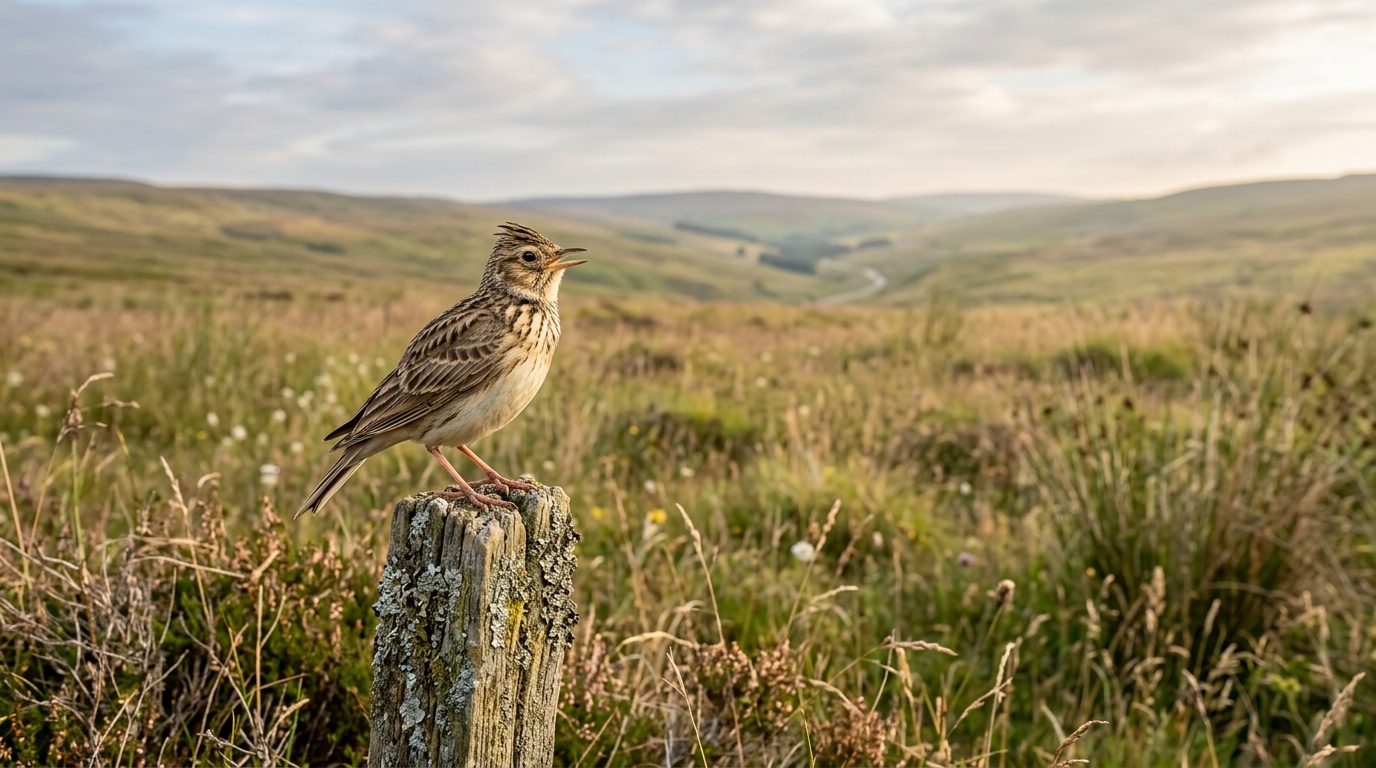
A small, brown bird famous for its incredible singing flights high above open fields and meadows.
💡 Fun Facts
- They are famous for hovering high in the sky while singing a beautiful, complex song.
- They build their nests on the ground, hidden among the tall grass or crops.
- They are brown and streaky, making them very hard to spot when they are on the ground.
📅 Through the Year
- Breeding:April to August
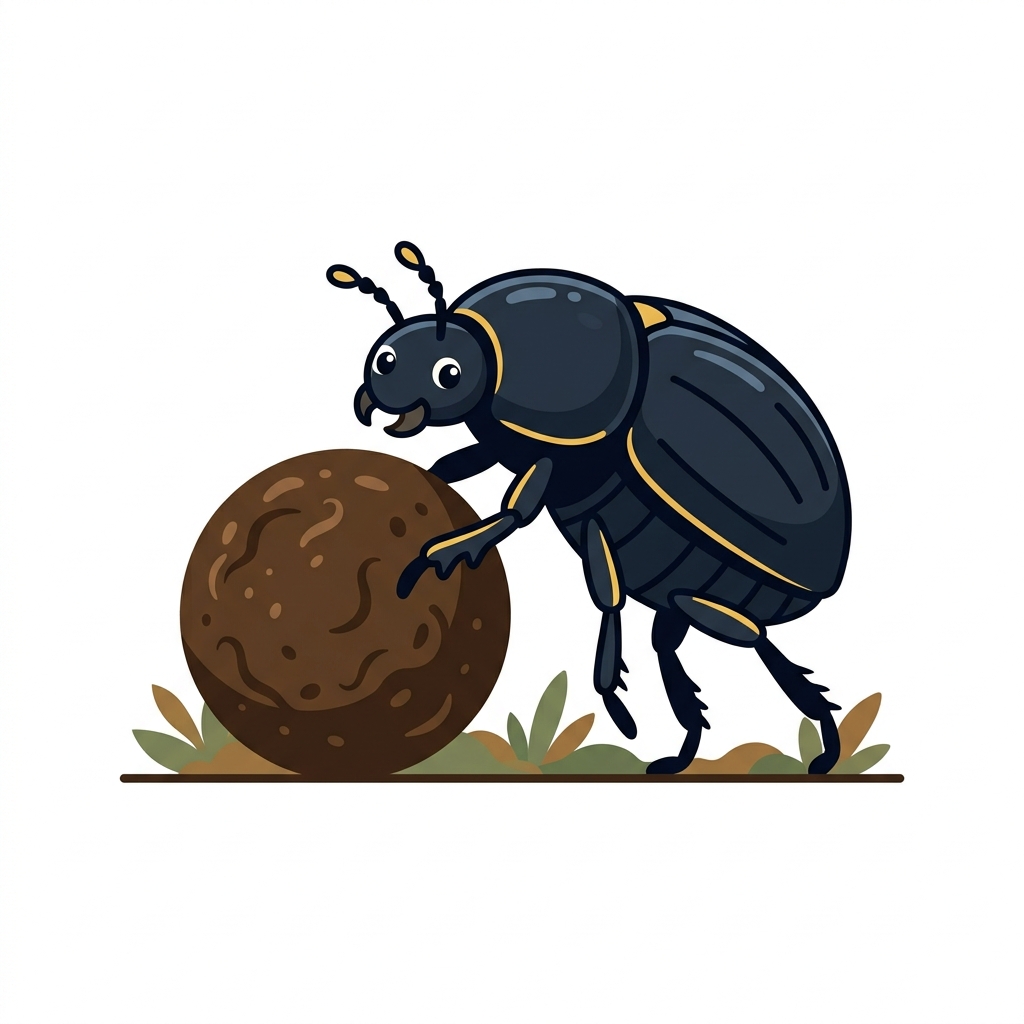
Dung beetle
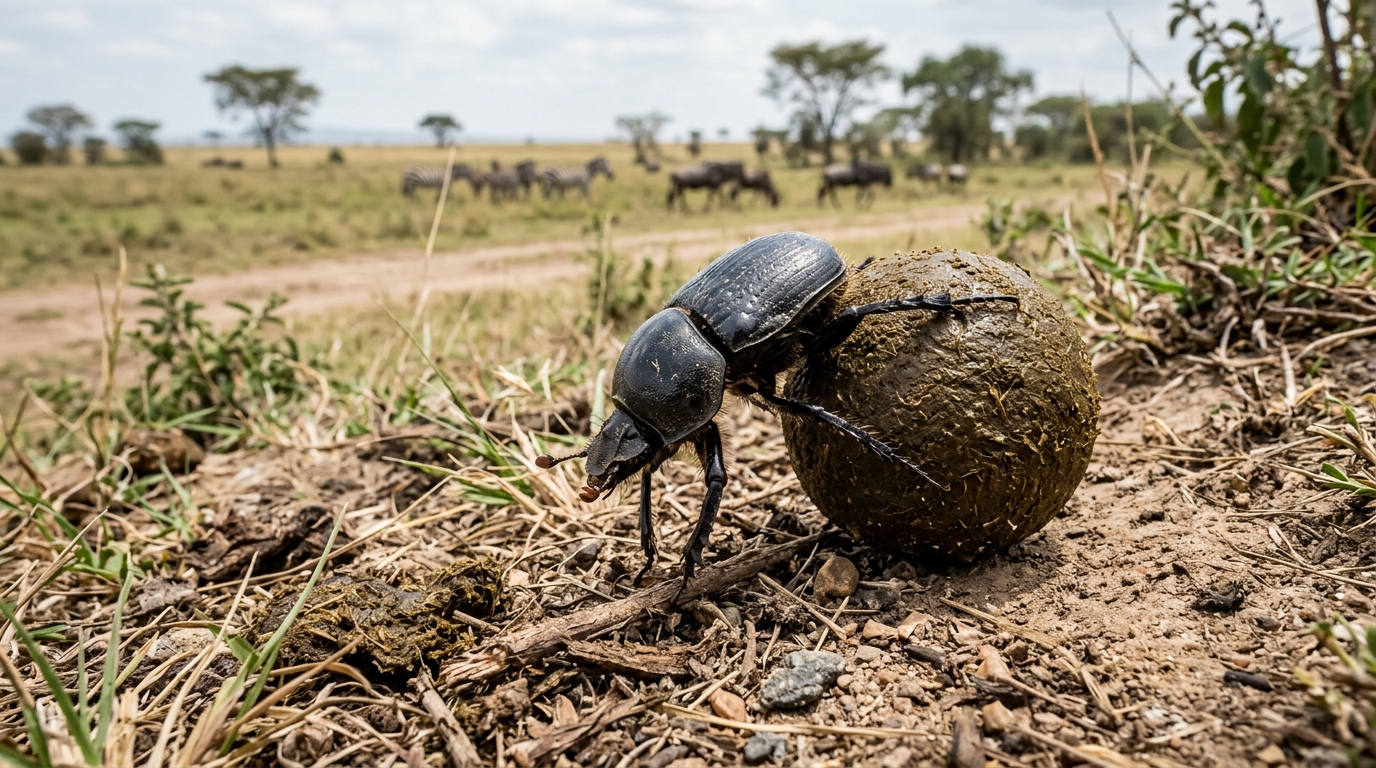
A fascinating insect that feeds entirely on animal droppings, playing a vital role in cleaning up pastures.
💡 Fun Facts
- They roll animal poo into balls to eat and lay their eggs inside.
- By burying dung, they act as nature's incredible recyclers and improve the soil.
- Some species can navigate using the light of the Milky Way.
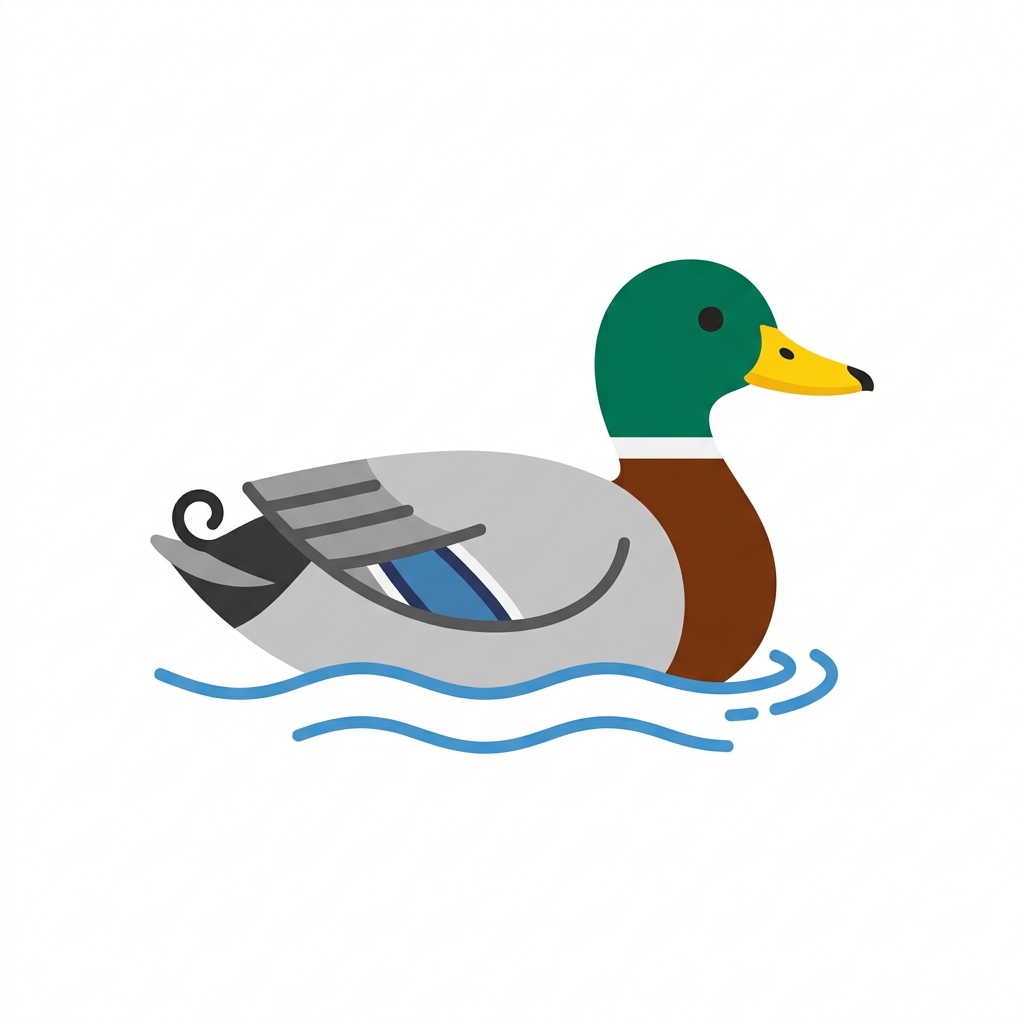
Mallard duck
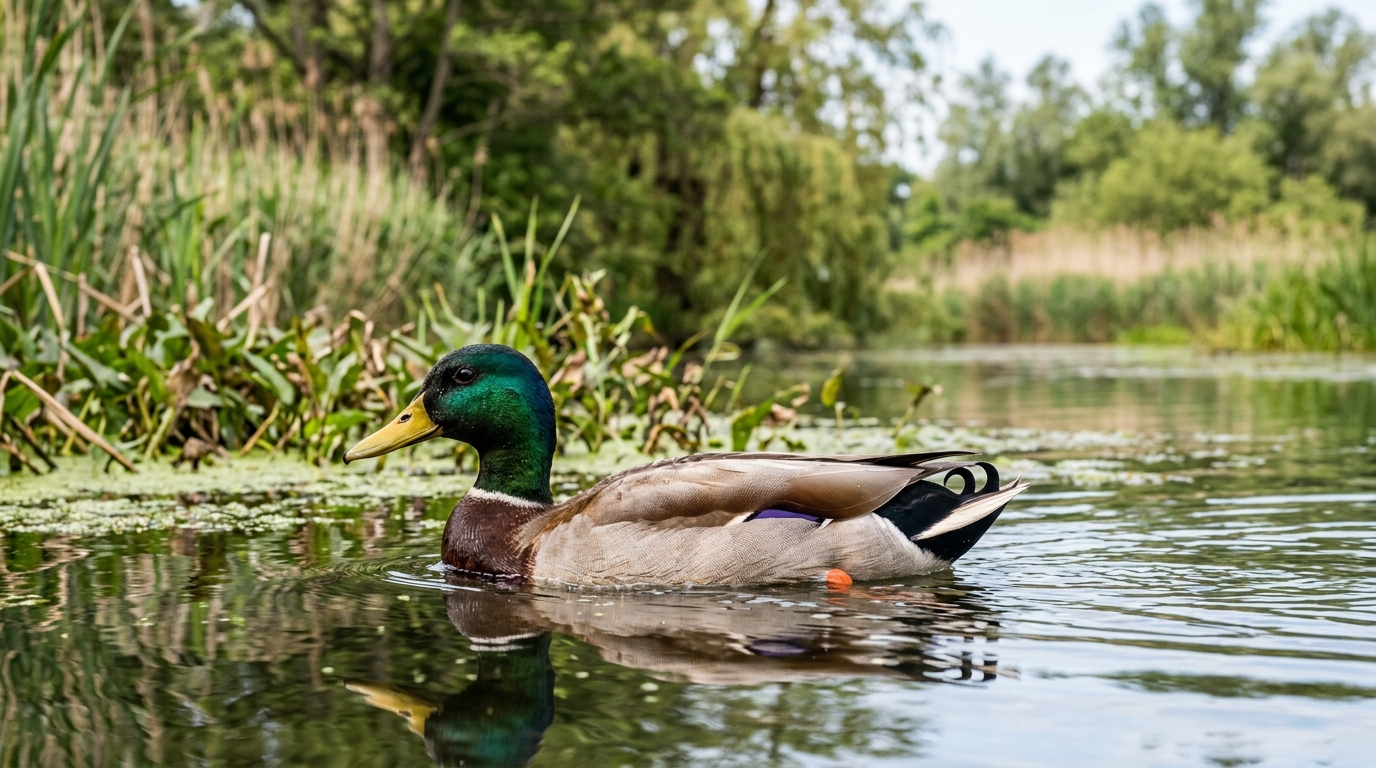
One of the most familiar ducks in the world, commonly found in city park ponds and rivers.
💡 Fun Facts
- The males have glossy green heads, while females are brown to camouflage while nesting.
- They are 'dabbling' ducks, meaning they tip forward in the water to eat plants just below the surface.
- Their feathers are highly waterproof thanks to a special oil they spread from a gland near their tail.
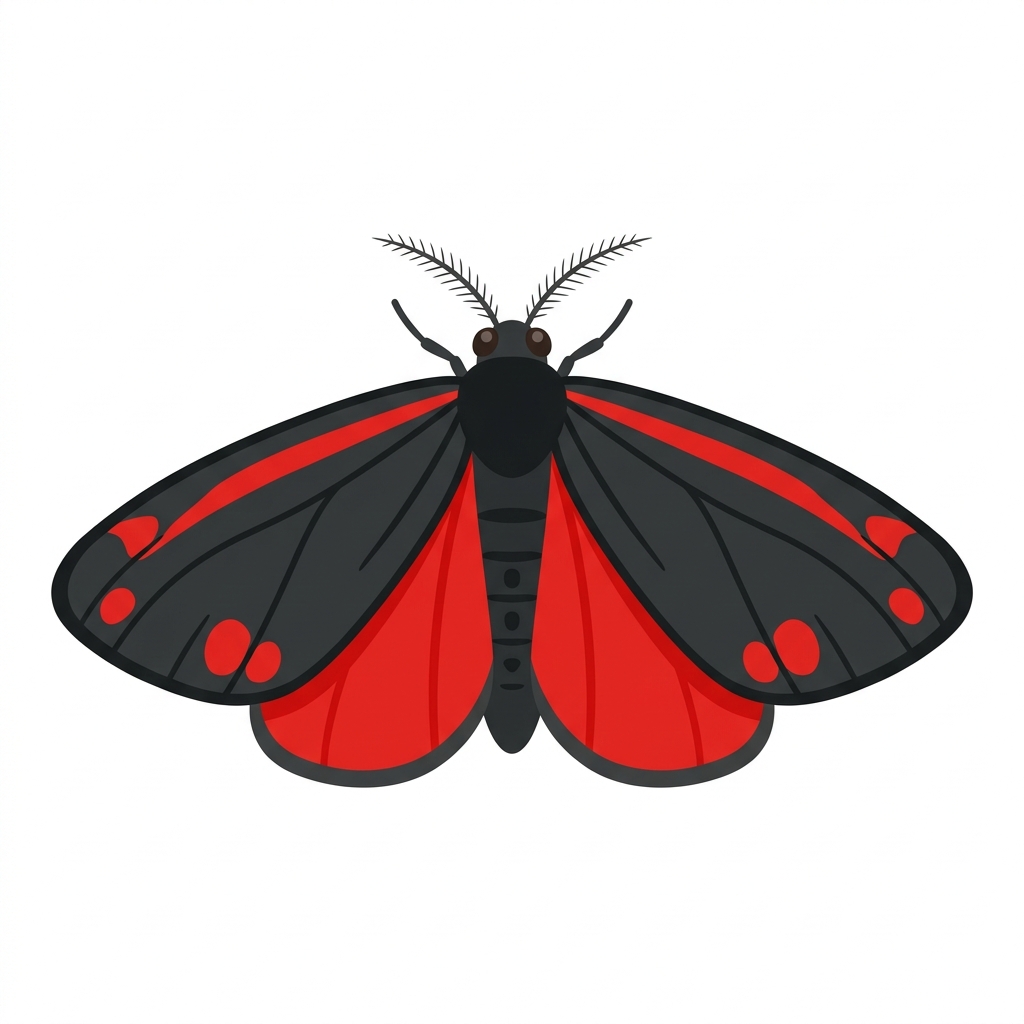
Cinnabar moth
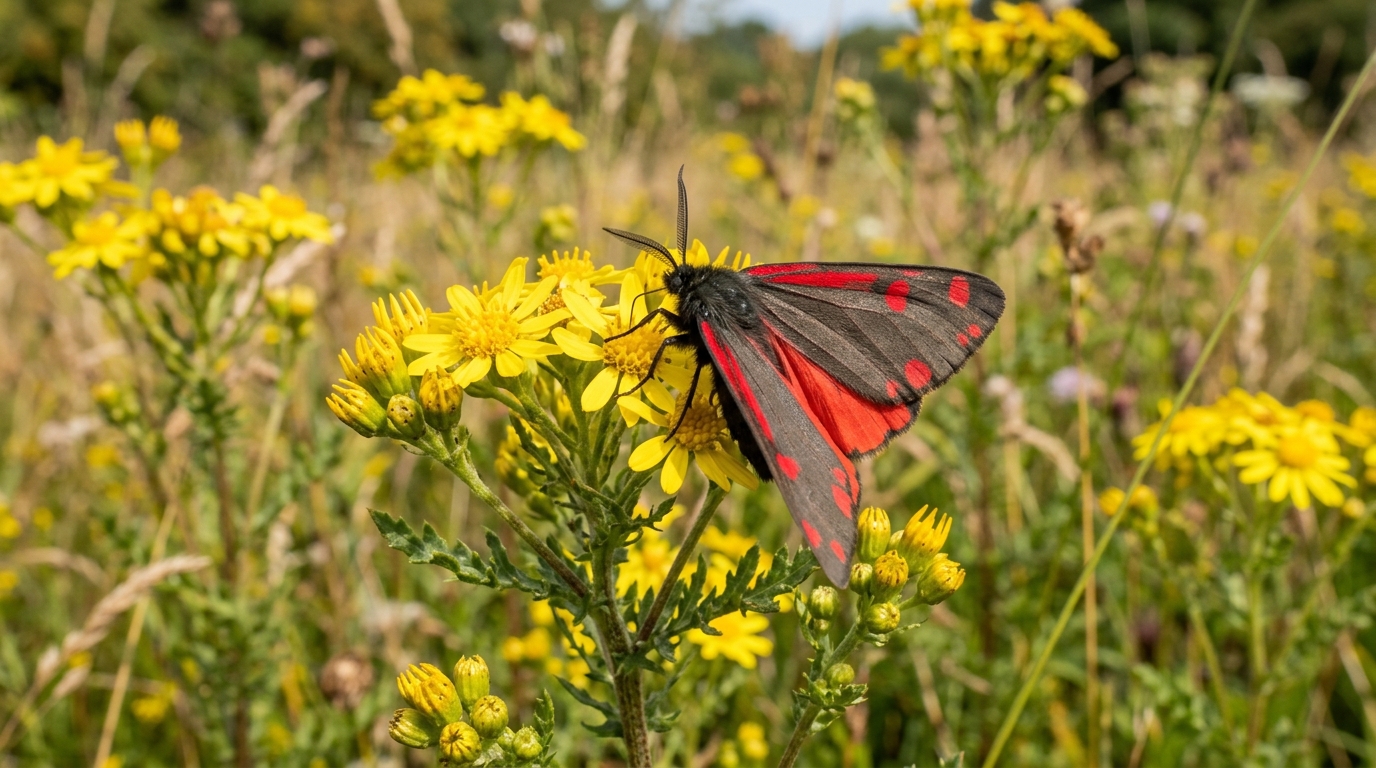
A striking black and red moth that thrives in brownfield sites where their favourite food plant grows.
💡 Fun Facts
- Their brightly striped yellow and black caterpillars feed on poisonous ragwort.
- They store the plant's poison in their bodies, making them taste terrible to birds.
- Unlike most moths, they often fly during the daytime.
📅 Through the Year
- Active:May to July
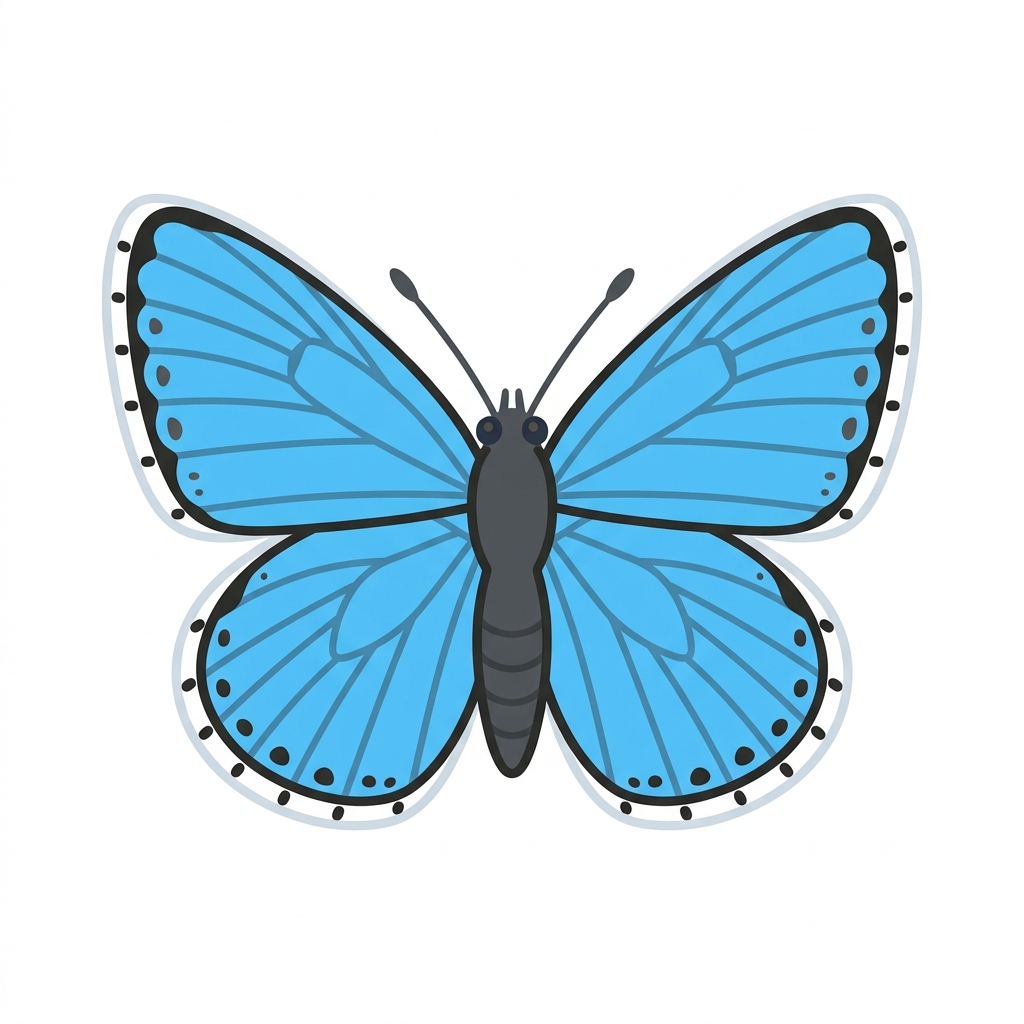
Adonis blue butterfly
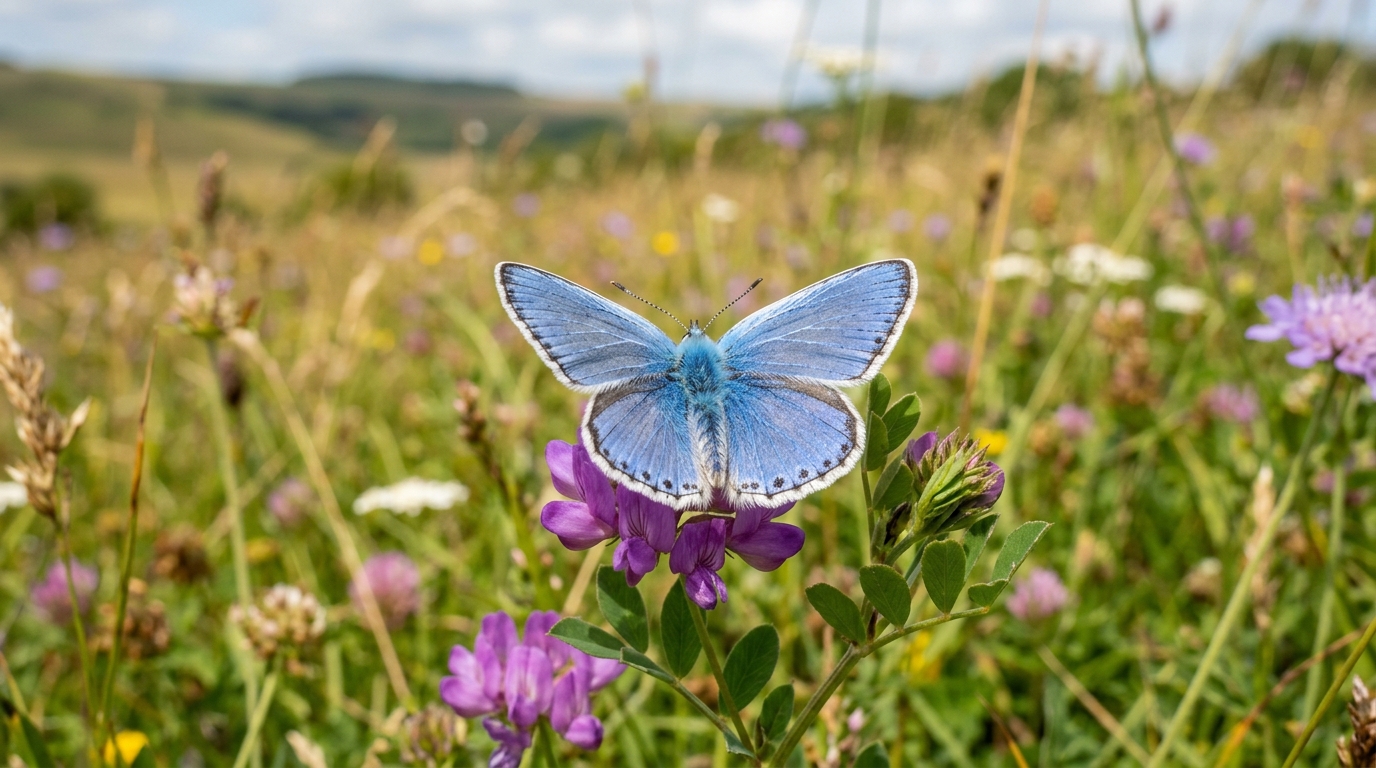
A stunningly bright butterfly found exclusively on the chalk hills of southern England.
💡 Fun Facts
- The males have brilliantly bright blue wings, while the females are brown.
- Their caterpillars secrete a sugary liquid that attracts ants, which then protect the caterpillar from predators!
- They only live in chalk downlands where horseshoe vetch grows.
📅 Through the Year
- Active:May to September
Animal Dung
Also known as poo or droppings, this natural waste is nature's ultimate fertiliser and a crucial food source for special recycling insects.
💡 Fun Facts
- Animal waste might seem gross, but it is packed with leftover nutrients that are vital for a healthy ecosystem!
- Decomposers like dung beetles and fungi break it down, turning it back into rich soil that helps new plants grow.
- Many seeds survive passing through an animal's stomach and are 'planted' in their own pile of natural fertiliser!
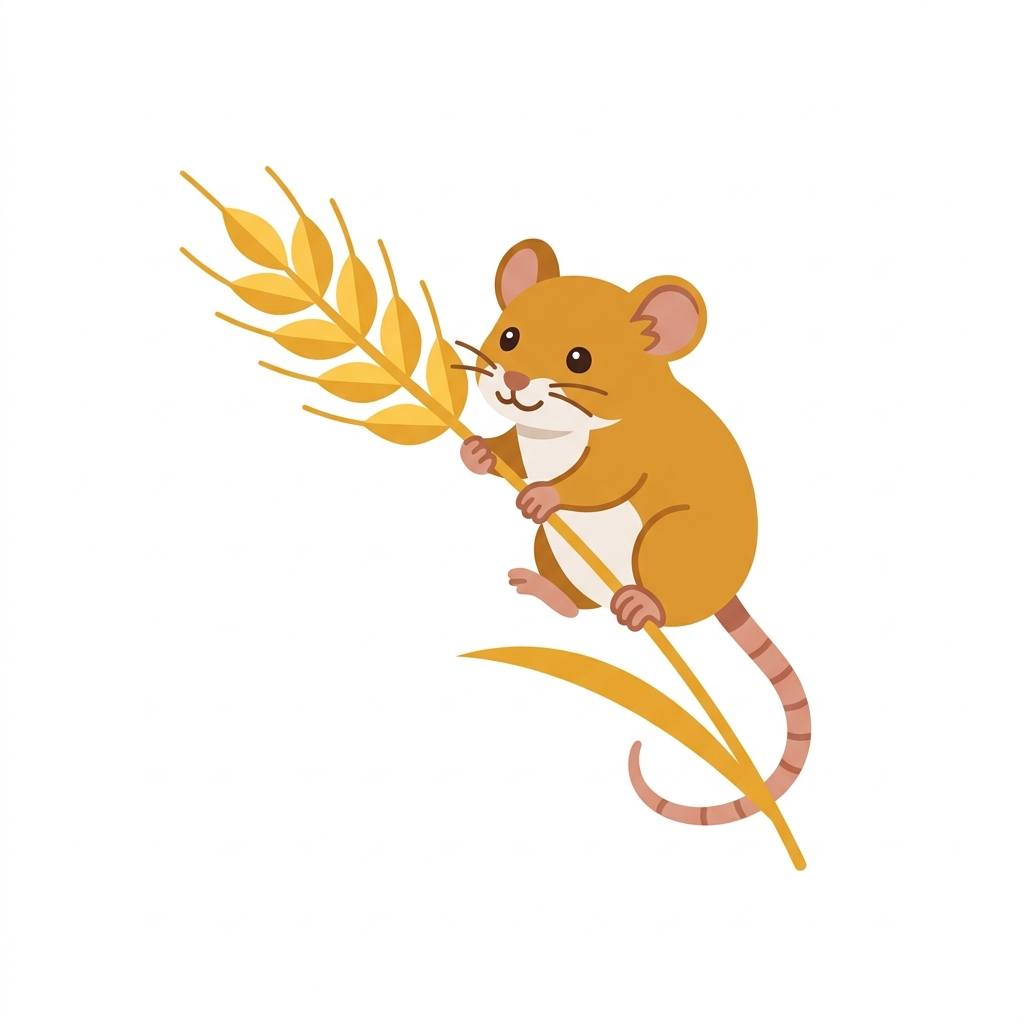
Harvest Mouse
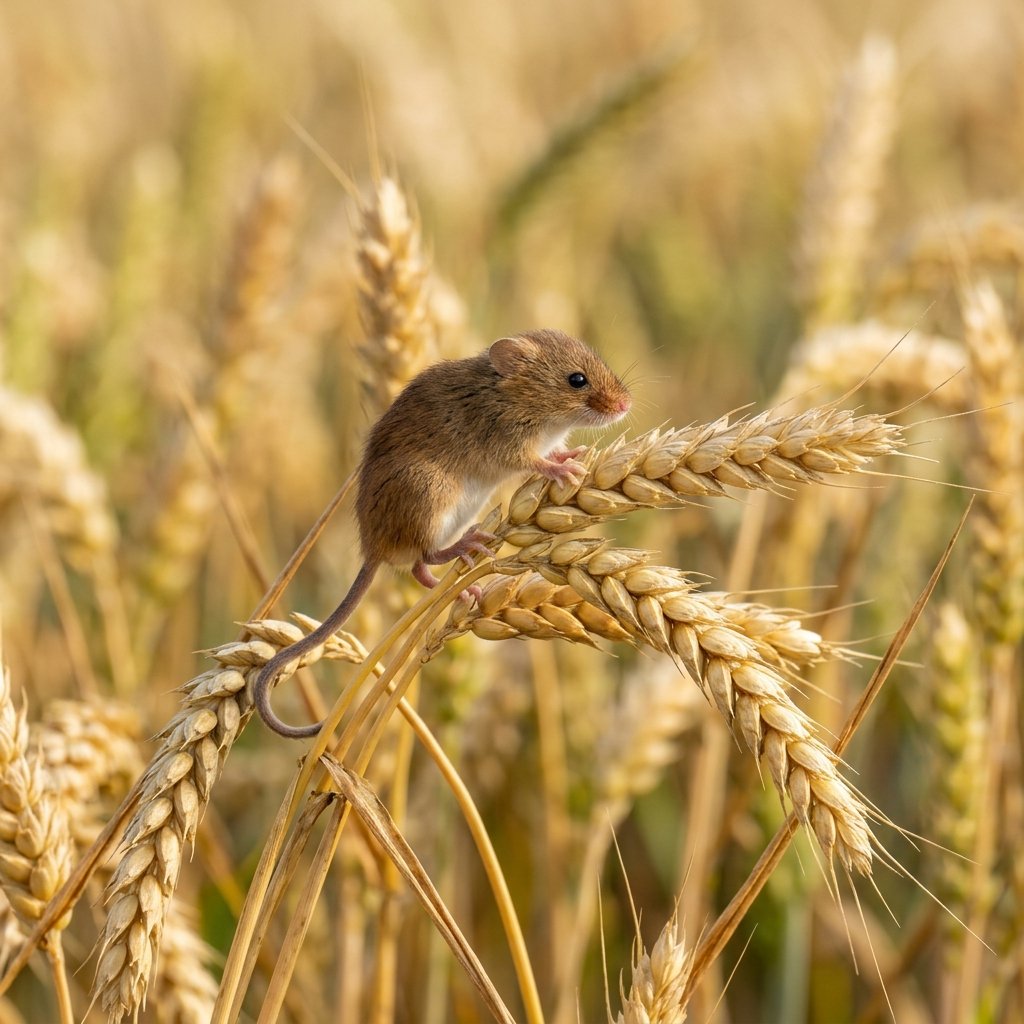
The smallest rodent in Europe, famous for living in the tall stalks of cereal crops.
💡 Fun Facts
- It is the only British mammal with a prehensile (grasping) tail, which it uses like a fifth limb to climb grass stems.
- They are tiny—weighing about the same as a 20p coin!
- They weave beautiful, tennis-ball-sized nests out of living grass high above the ground.
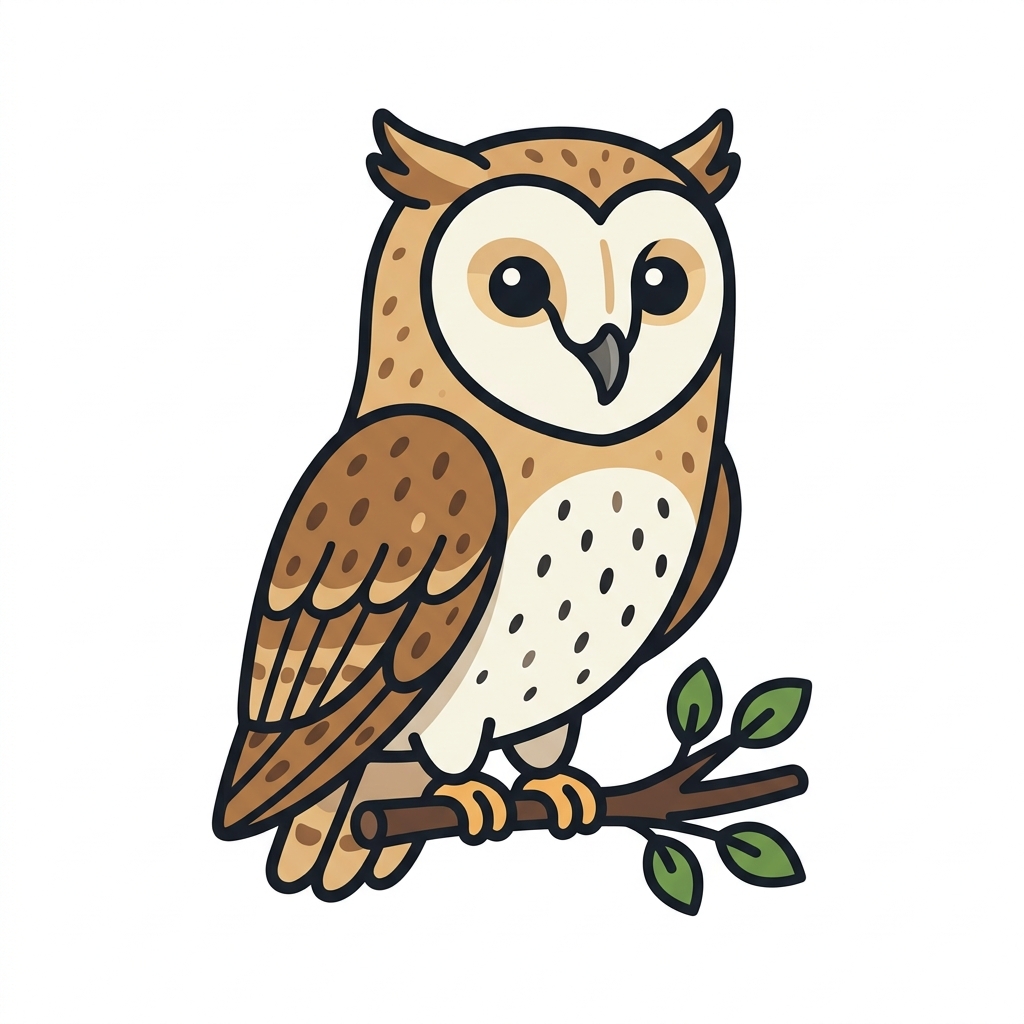
Barn Owl
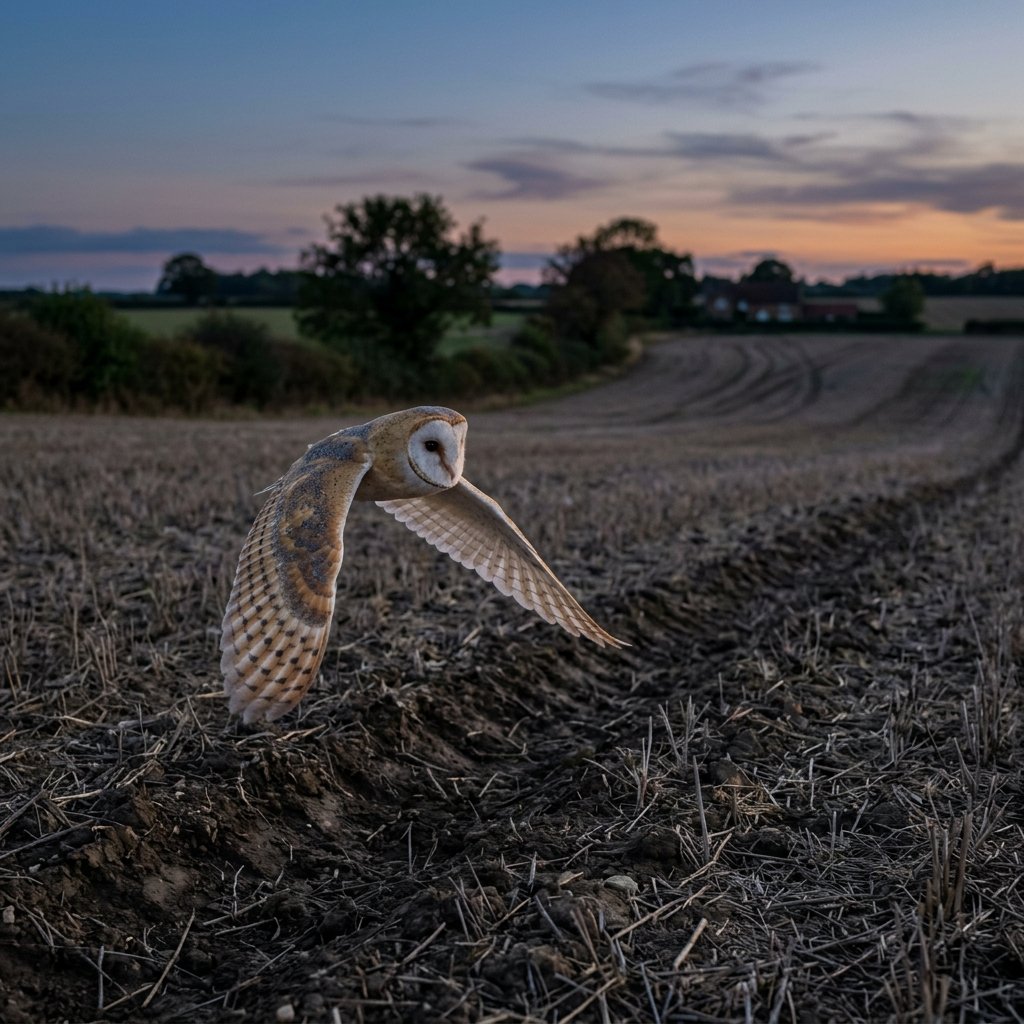
A ghost-white, silent hunter that glides over farmland at twilight.
💡 Fun Facts
- They have heart-shaped faces that act like a satellite dish, directing the rustling sounds of prey straight into their ears.
- Their feathers have soft fringes that make their flight completely silent.
- They often swallow their prey whole and later cough up a 'pellet' containing the bones and fur.
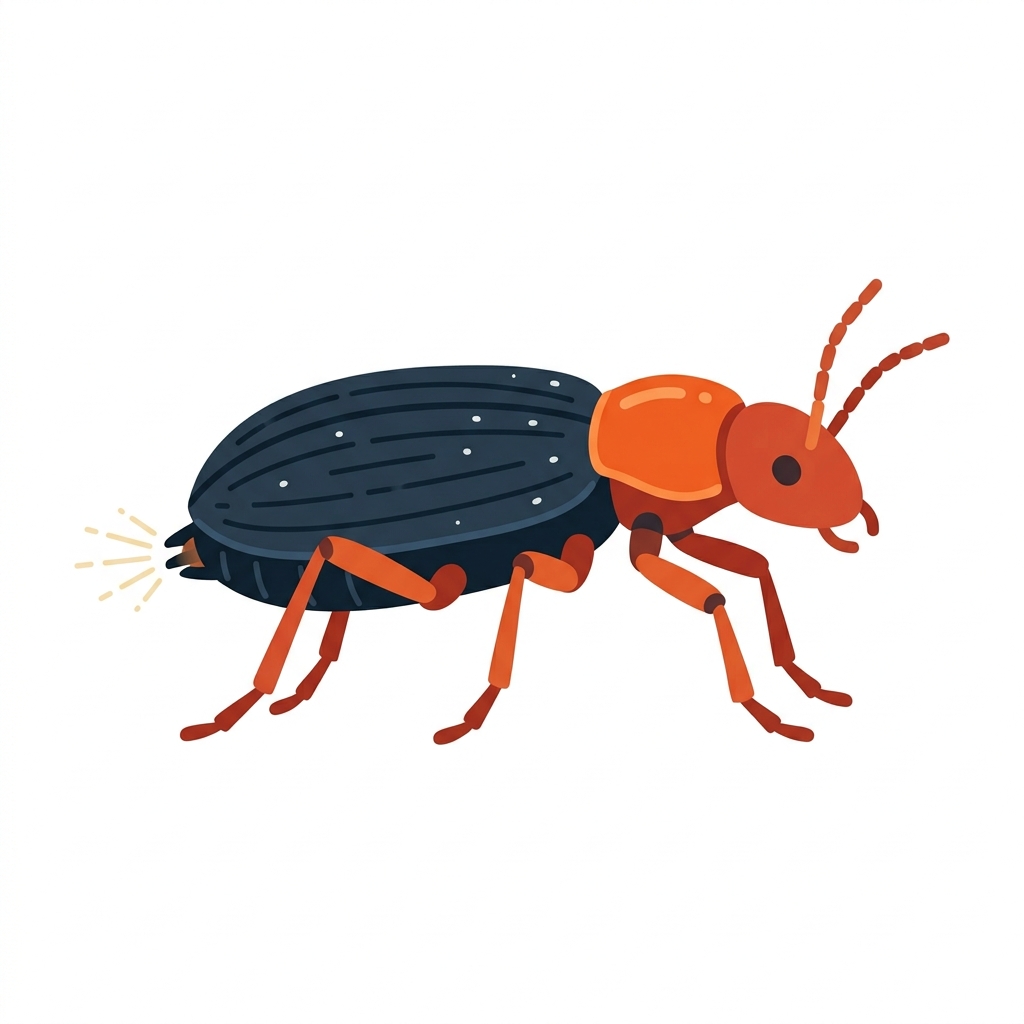
Bombardier Beetle
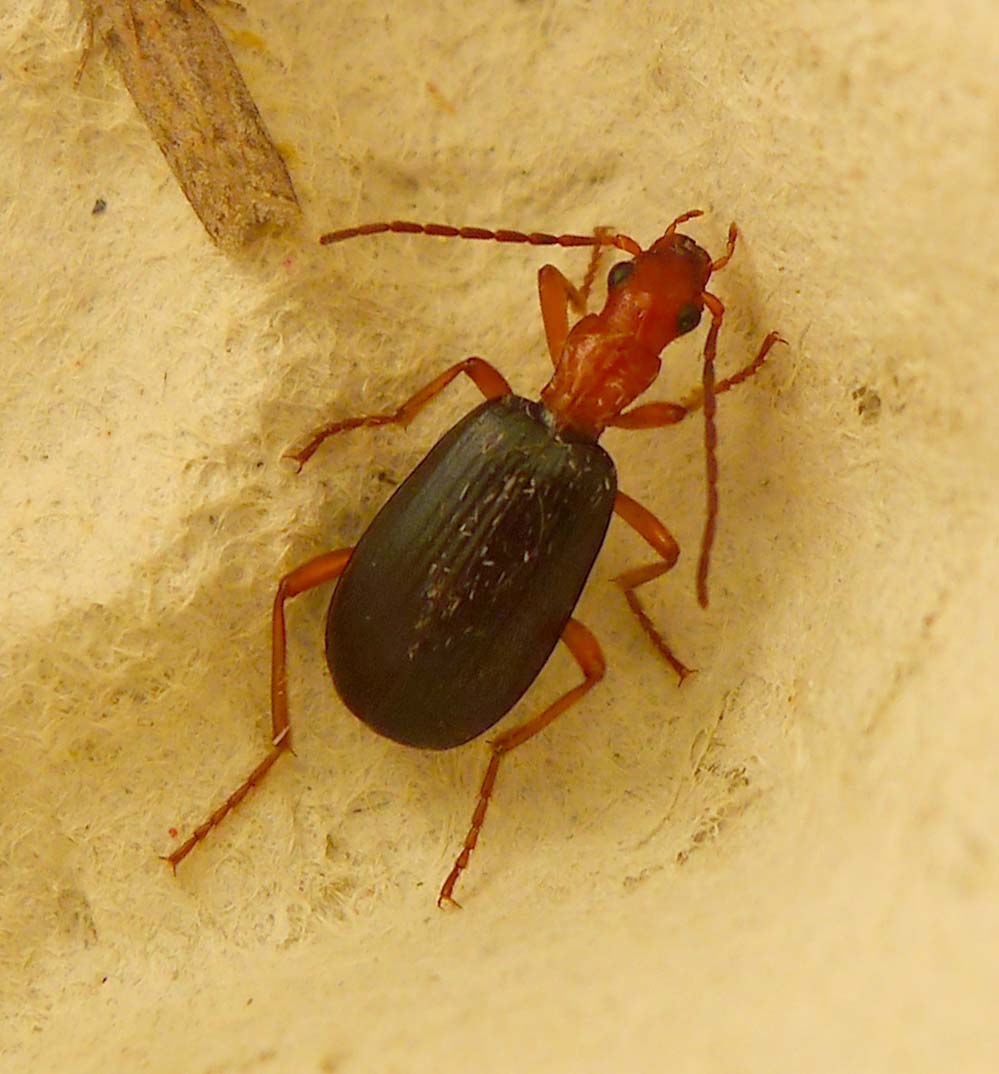
A ground beetle with a super-powered defence mechanism that shoots boiling hot spray from its abdomen when threatened.
💡 Fun Facts
- The spray is not just hot; it's also very stinky!
- The beetle can aim its spray in almost any direction.
- It stores two special liquids in its body and mixes them to create the explosion.
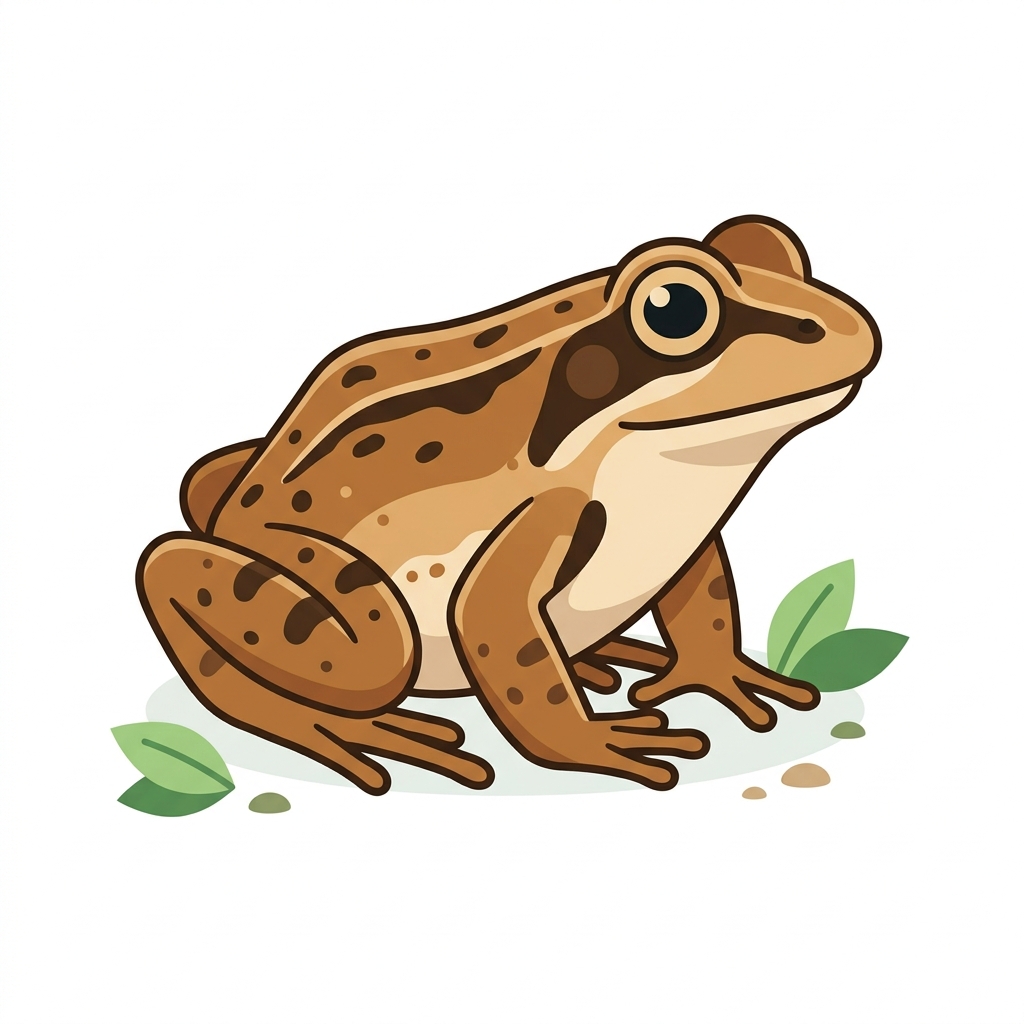
Wood Frog
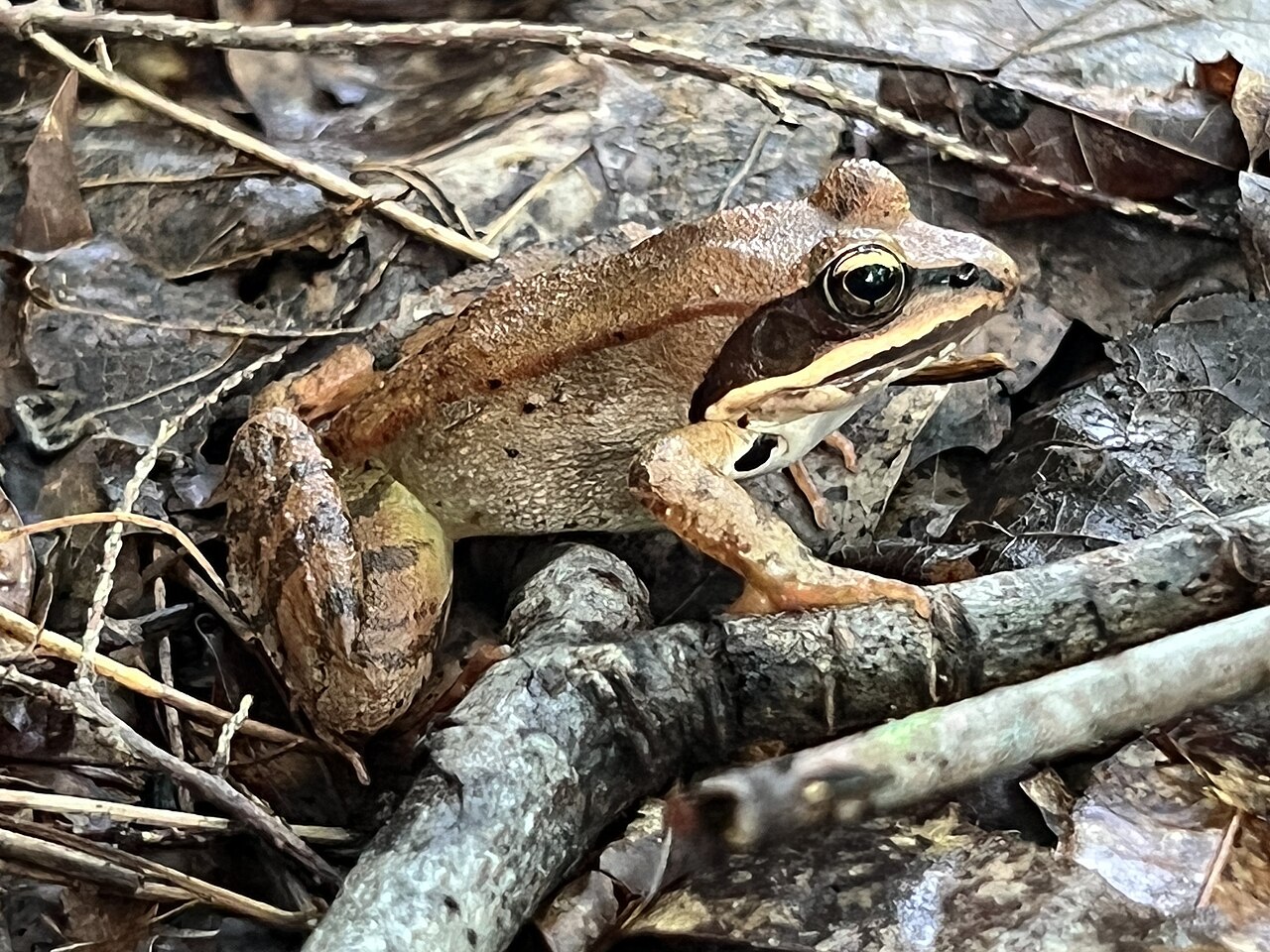
An amazing North American amphibian that can survive being frozen completely solid during the winter, thawing out in the spring to hop away.
💡 Fun Facts
- The frog's body can be more than 60% frozen solid in winter.
- This special trick is called cryoprotection ('cold protection').
- It has special sugar in its blood that protects its important organs from ice damage.
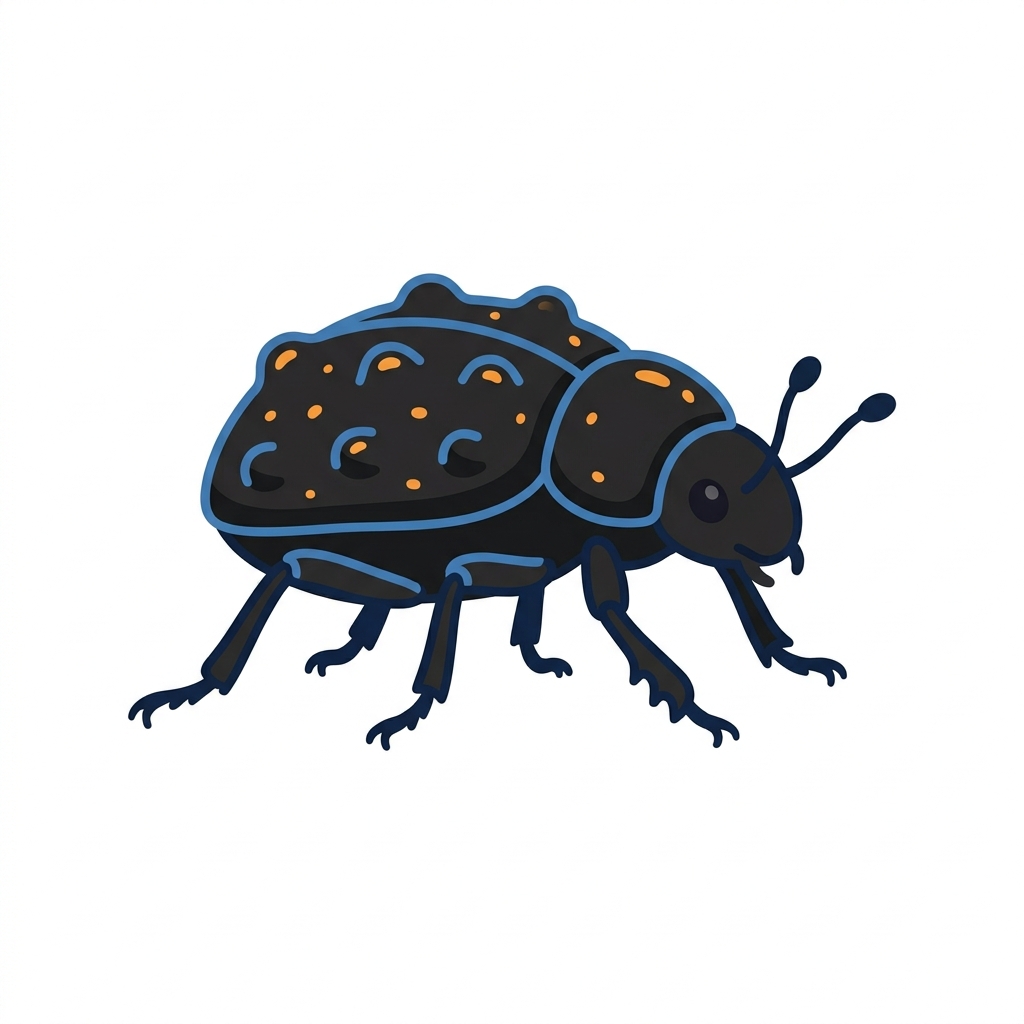
Namib Desert beetle
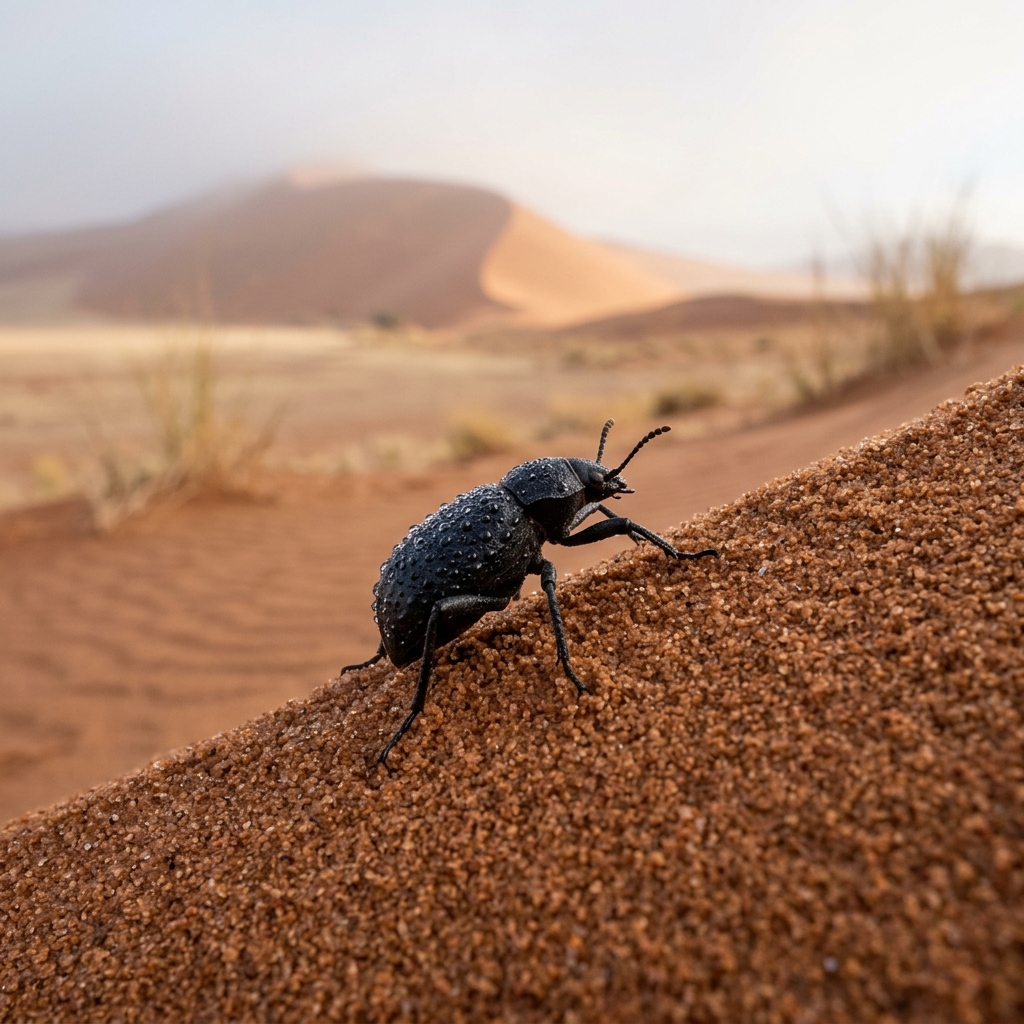
A beetle that survives in the dry Namib Desert by harvesting water from morning fog.
💡 Fun Facts
- They stand on their heads on sand dunes to catch water droplets from the coastal fog on their bumpy backs.
- The bumps on their back are hydrophilic (water-attracting), while the valleys are hydrophobic (water-repelling).
- The water droplets roll down their back straight into their mouth.
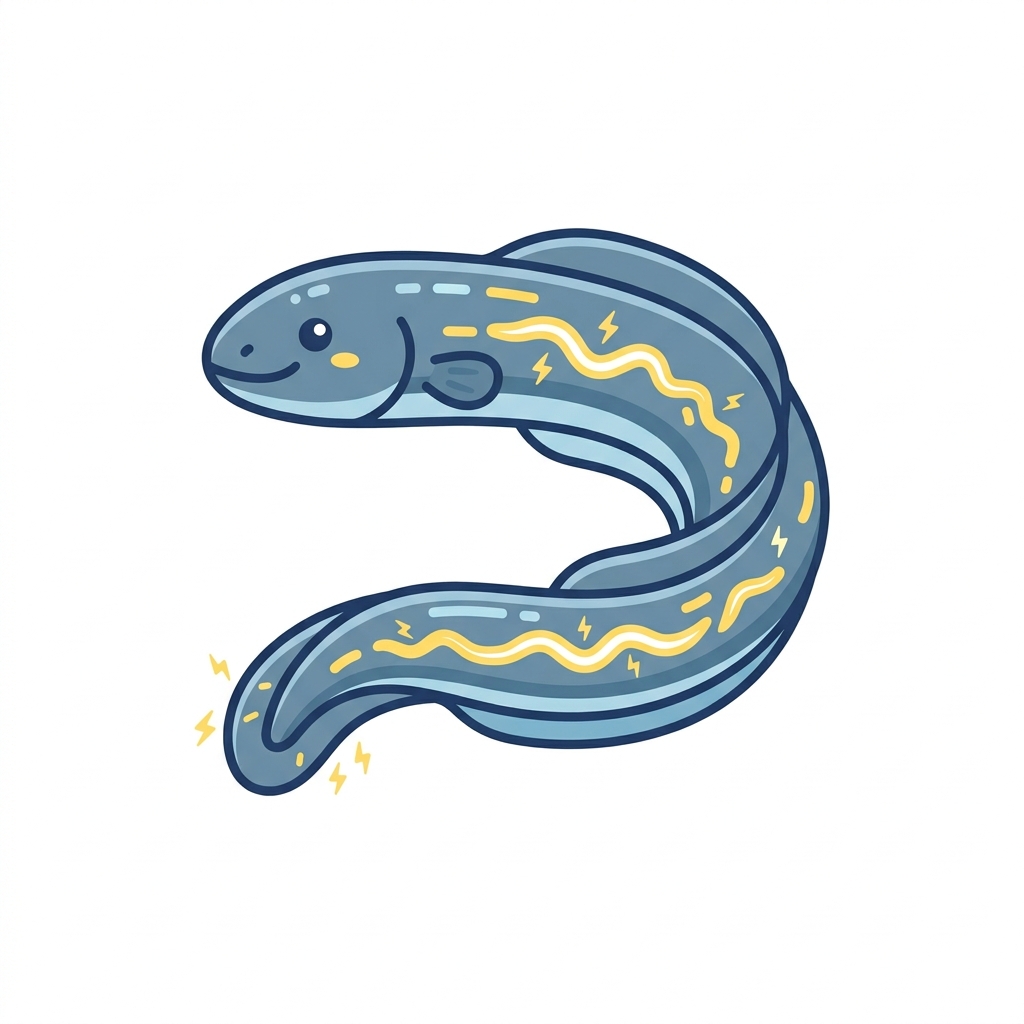
Electric Eel
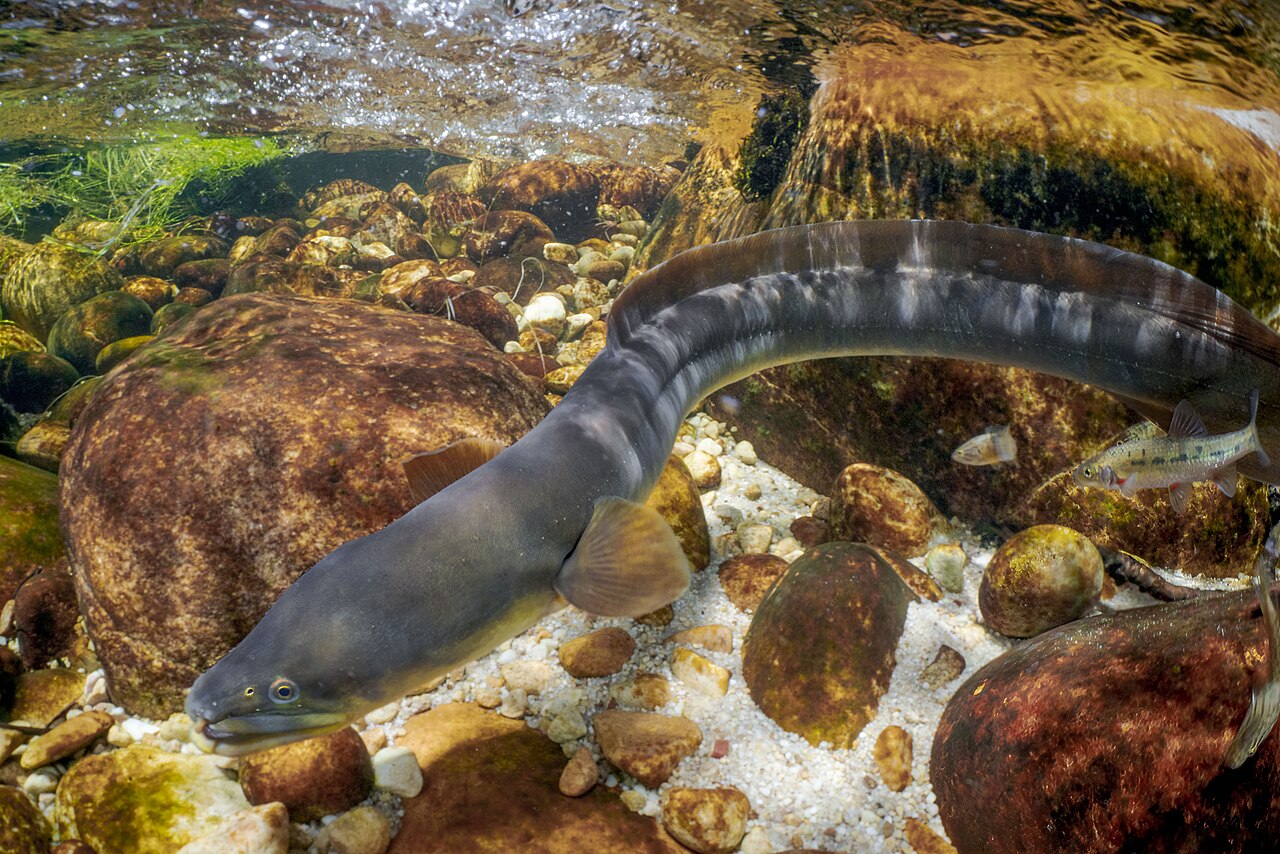
A fascinating South American freshwater fish that has special organs taking up most of its body, allowing it to generate powerful electric shocks to stun prey and defend itself.
💡 Fun Facts
- An electric eel's shock can be over 600 volts, which is more than twice as powerful as the electricity in our homes!
- They use low-voltage pulses to navigate and find prey in murky water, similar to radar.