Habitat Creatures
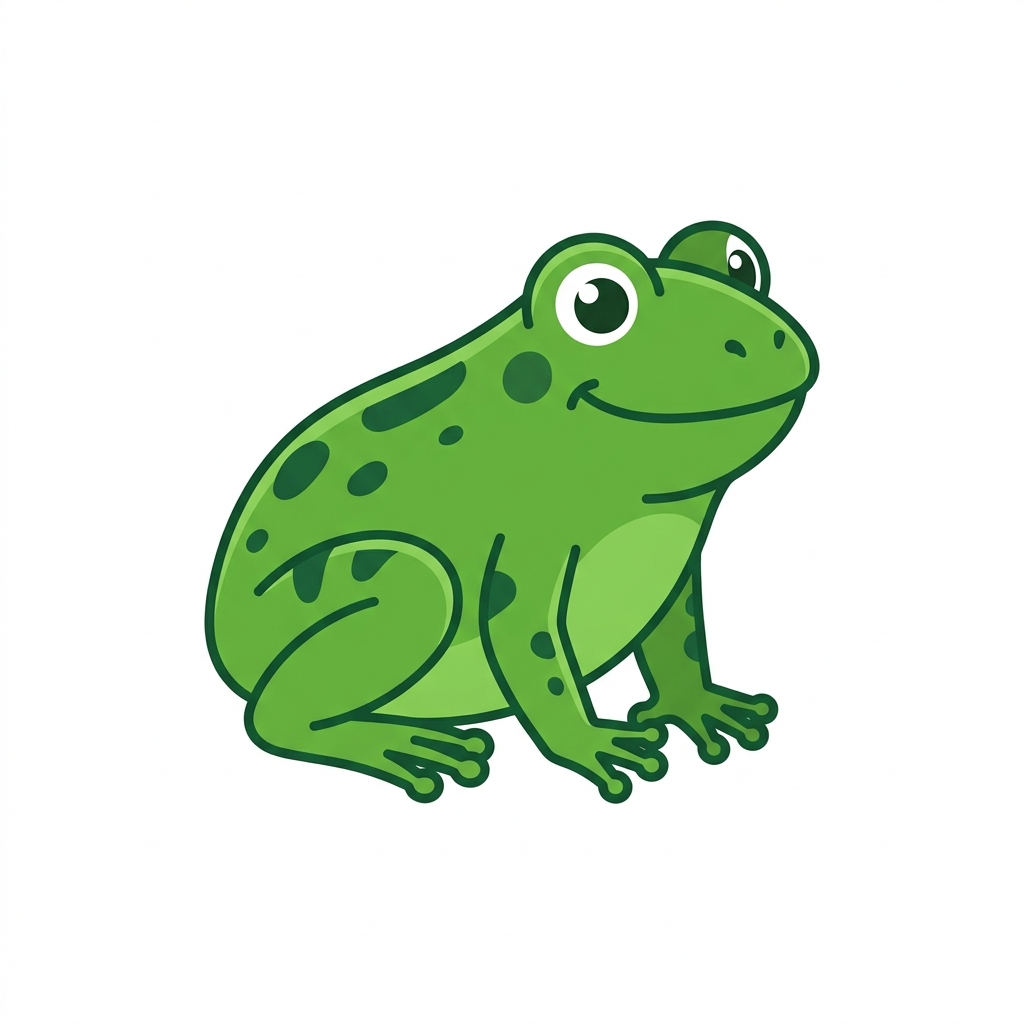
Common frog
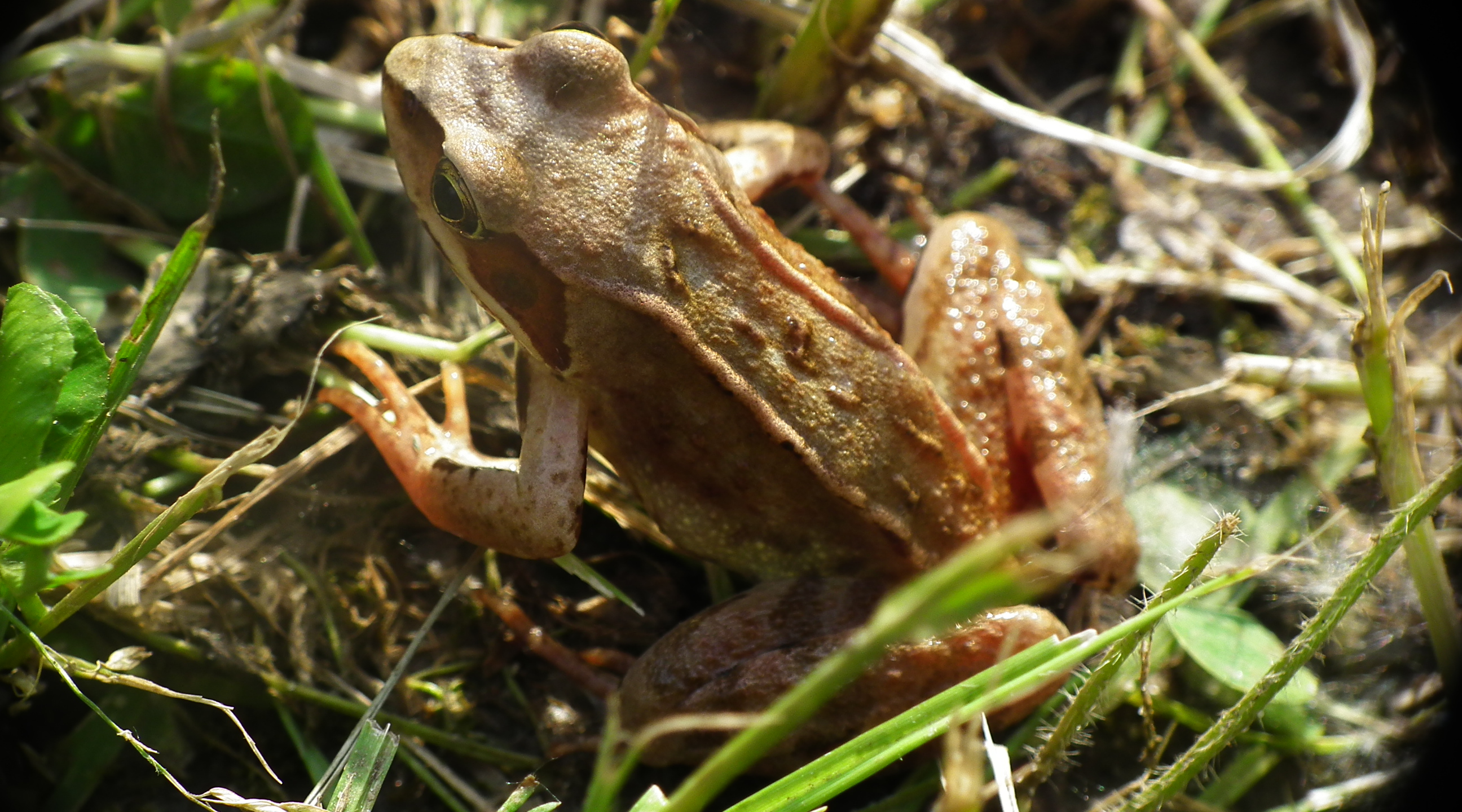
An amphibian commonly found in ponds and damp grassy areas across Europe.
💡 Fun Facts
- They absorb water through their skin, so they don't need to drink.
- They hibernate during the winter in muddy pond bottoms or compost heaps.
- Their eyes are on top of their head, allowing them to see while mostly submerged.
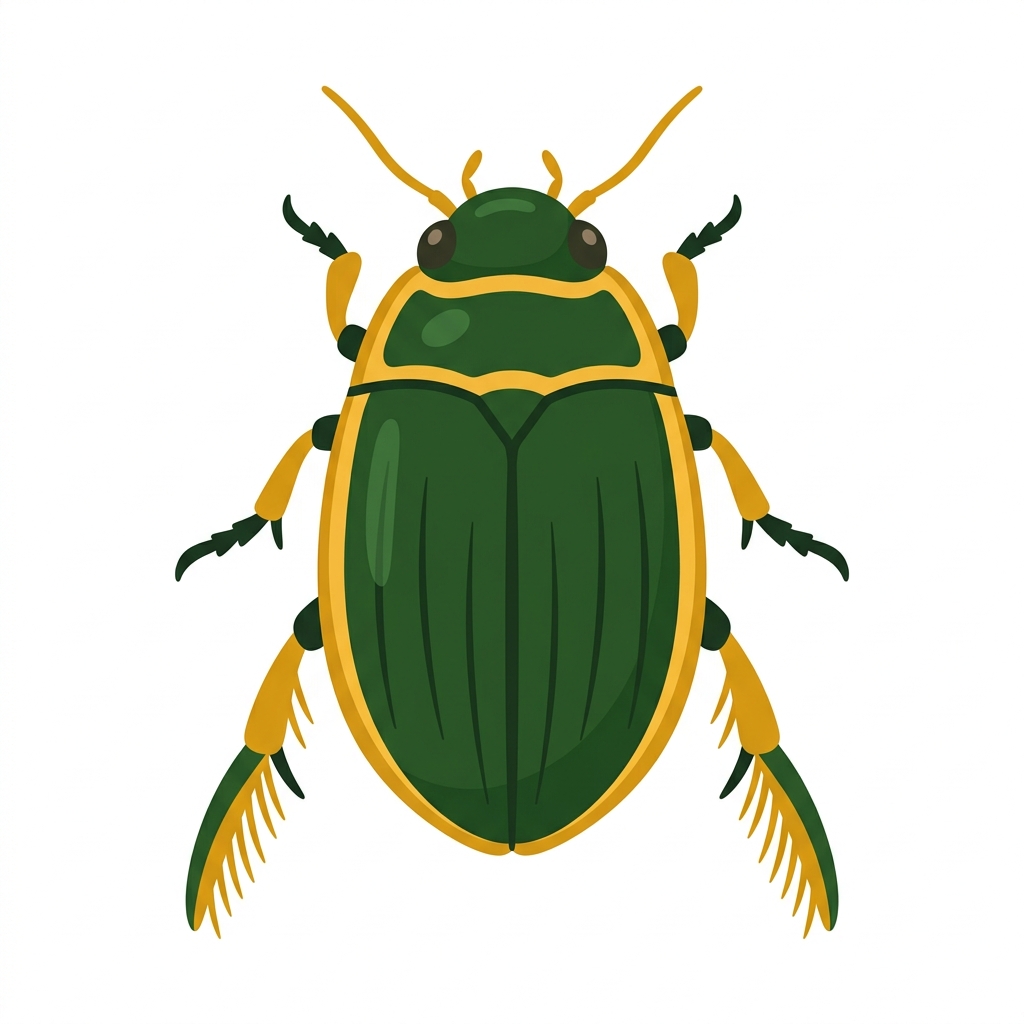
Great diving beetle
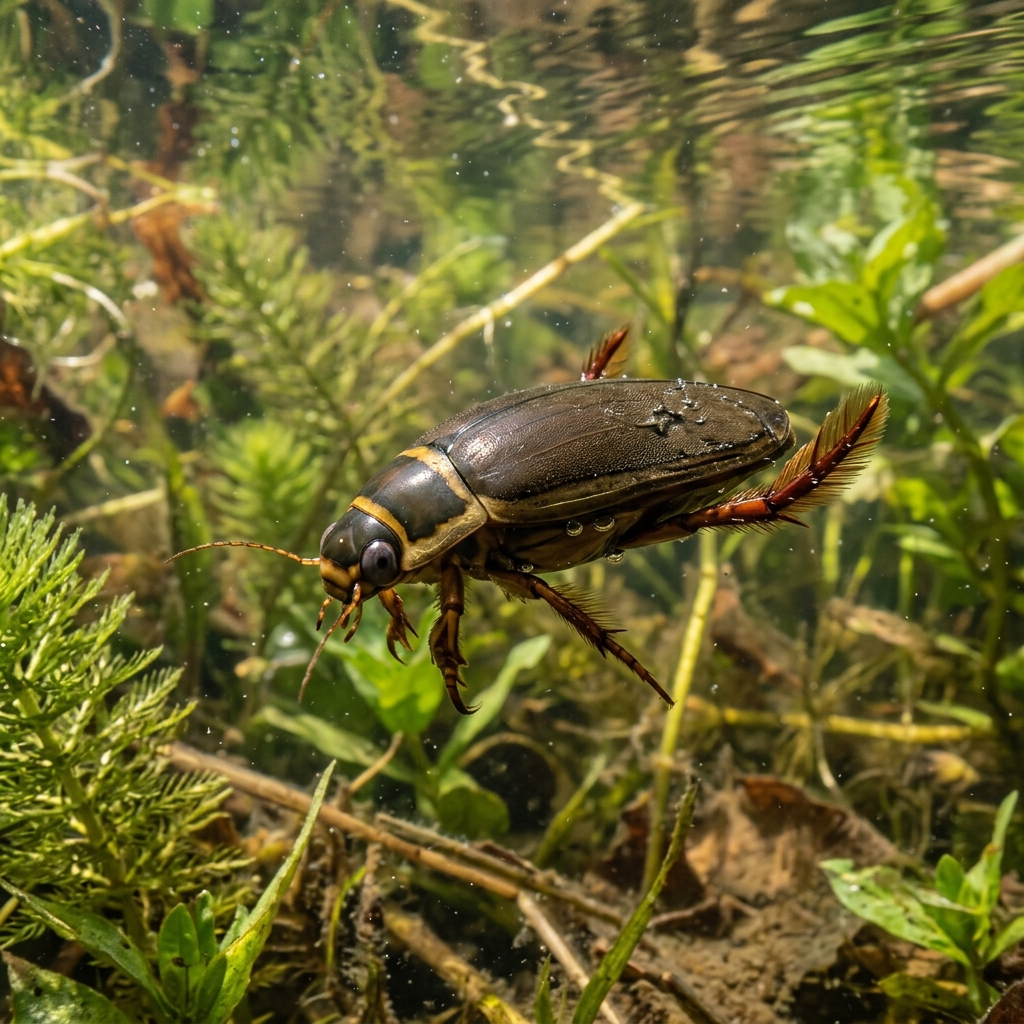
A large, predatory water beetle that hunts in ponds and slow-moving streams.
💡 Fun Facts
- They breathe underwater by trapping a bubble of air under their wing cases.
- Both the adults and their larvae are fierce predators that even eat small fish.
- They can fly and often move between ponds at night.
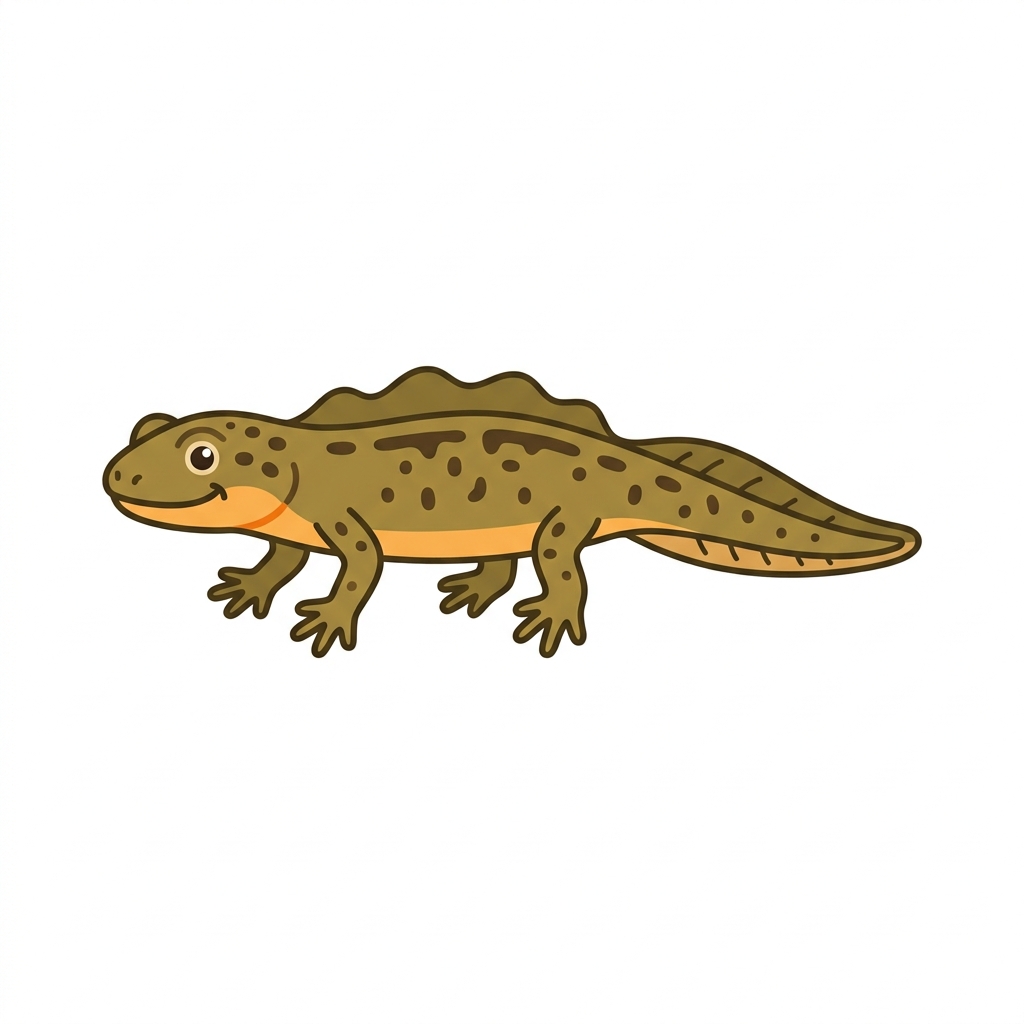
Smooth newt
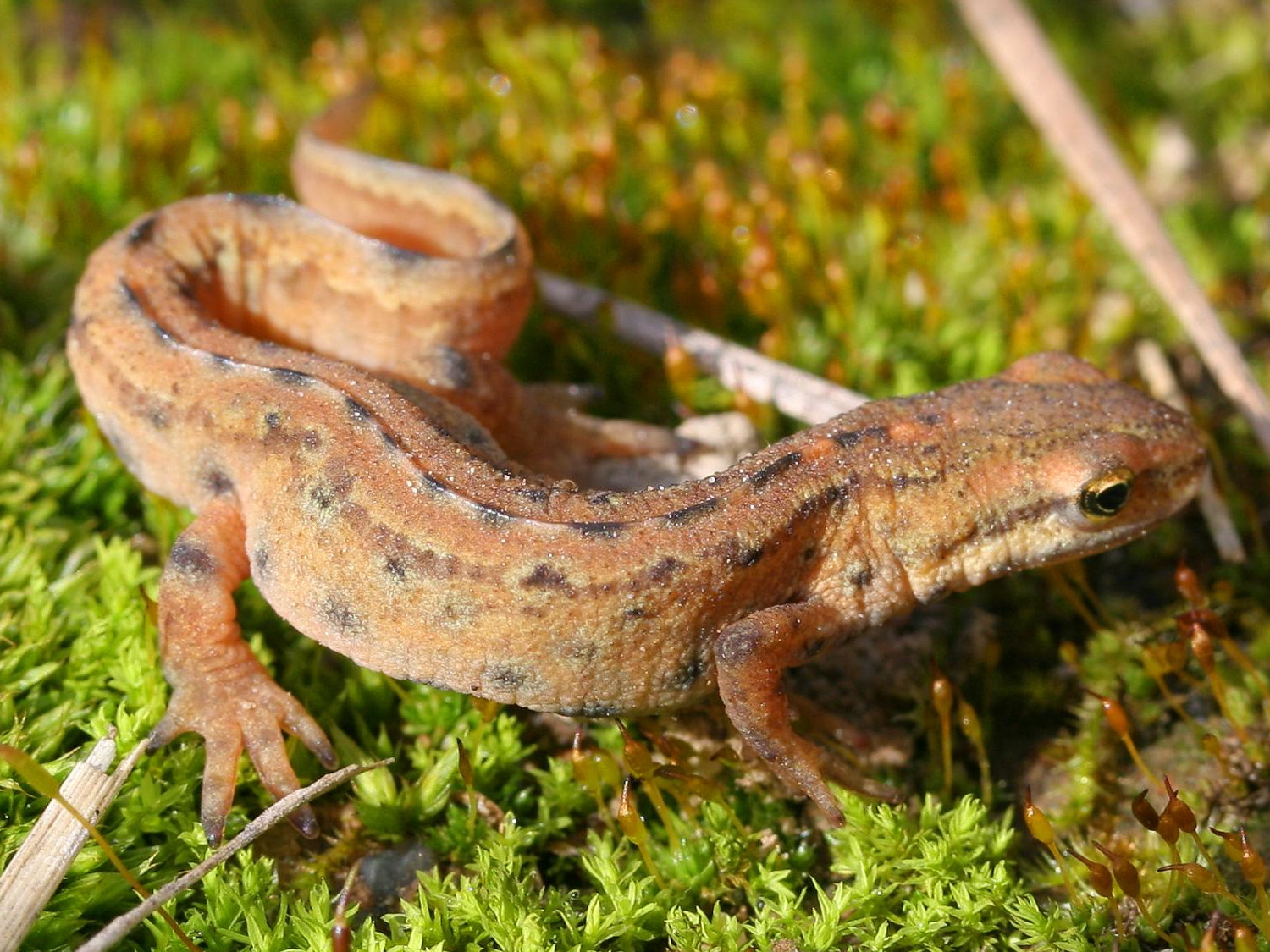
A small amphibian that spends its spring breeding in water and the rest of the year on land.
💡 Fun Facts
- During breeding season, males develop a wavy crest along their backs.
- They can absorb oxygen directly through their moist skin while underwater.
- Their diet consists of insects, slugs, and worms.
📅 Through the Year
- Breeding:March to June
- Hibernation:November to February
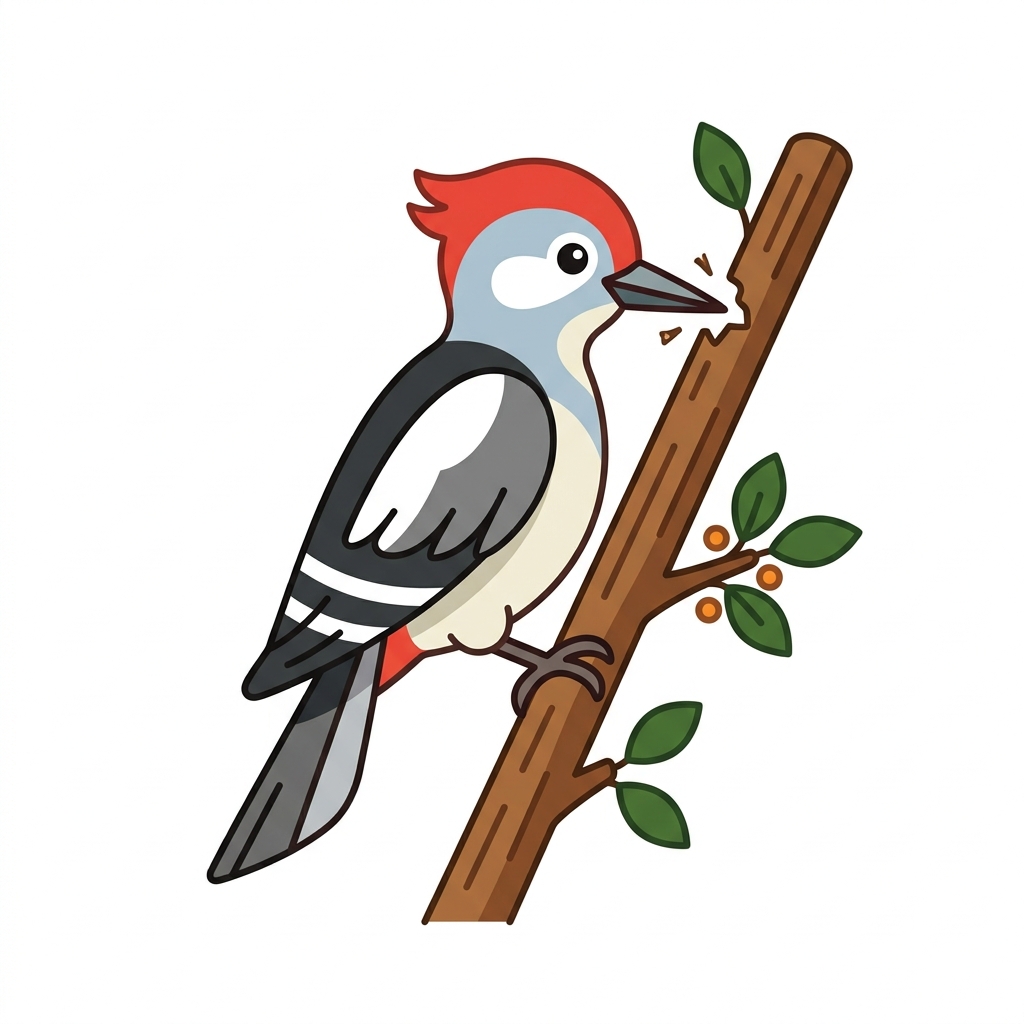
Woodpecker
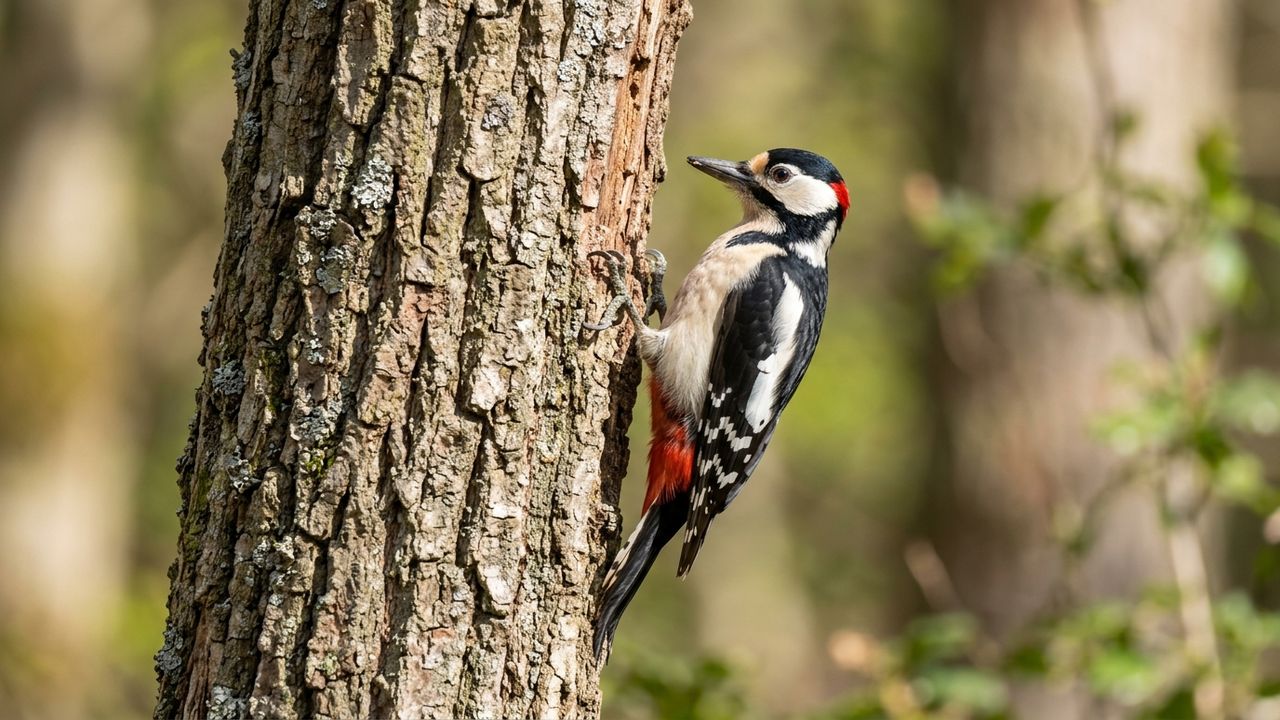
A bird known for drumming on tree trunks to communicate and find food.
💡 Fun Facts
- They have shock-absorbing skulls to protect their brains from the impact of pecking.
- They use a long, sticky, barbed tongue to extract insects from deep inside trees.
- Their stiff tail feathers act like a prop to support them on tree trunks.
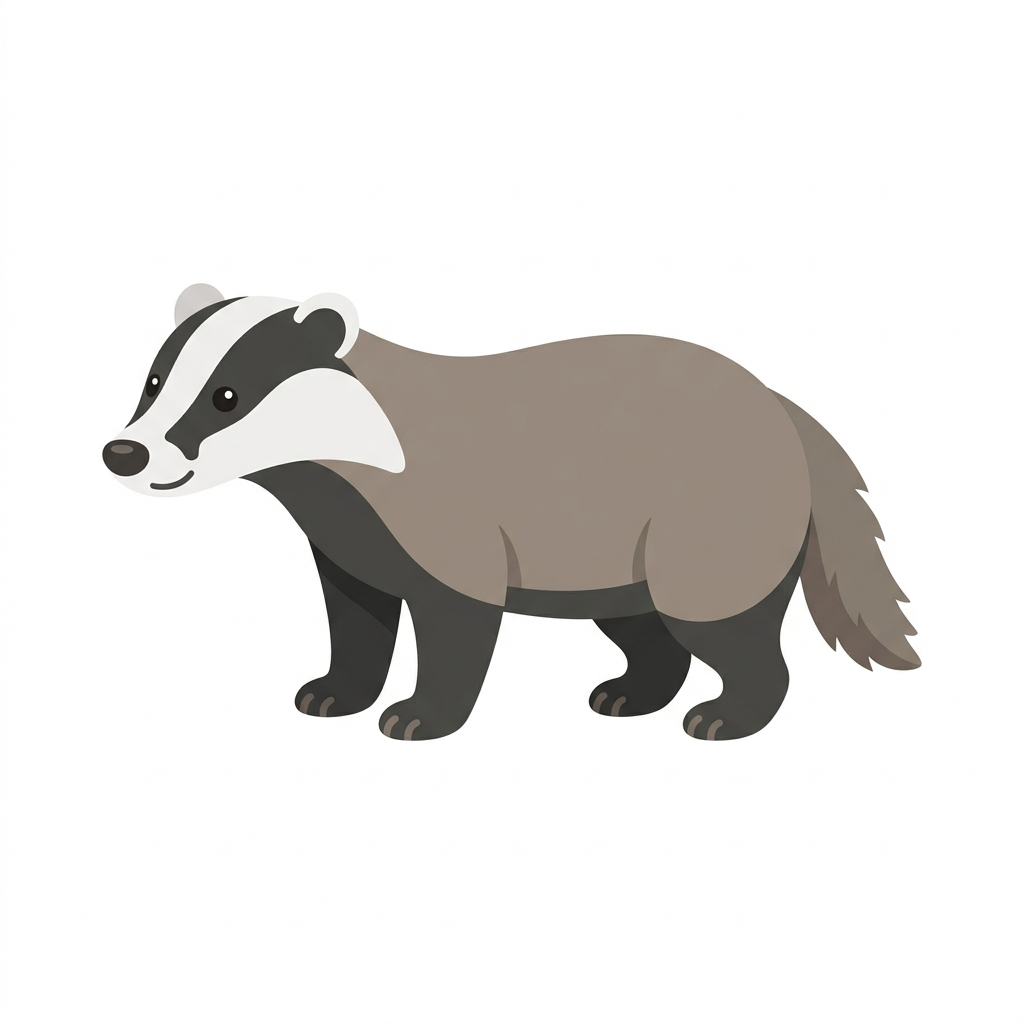
Eurasian badger
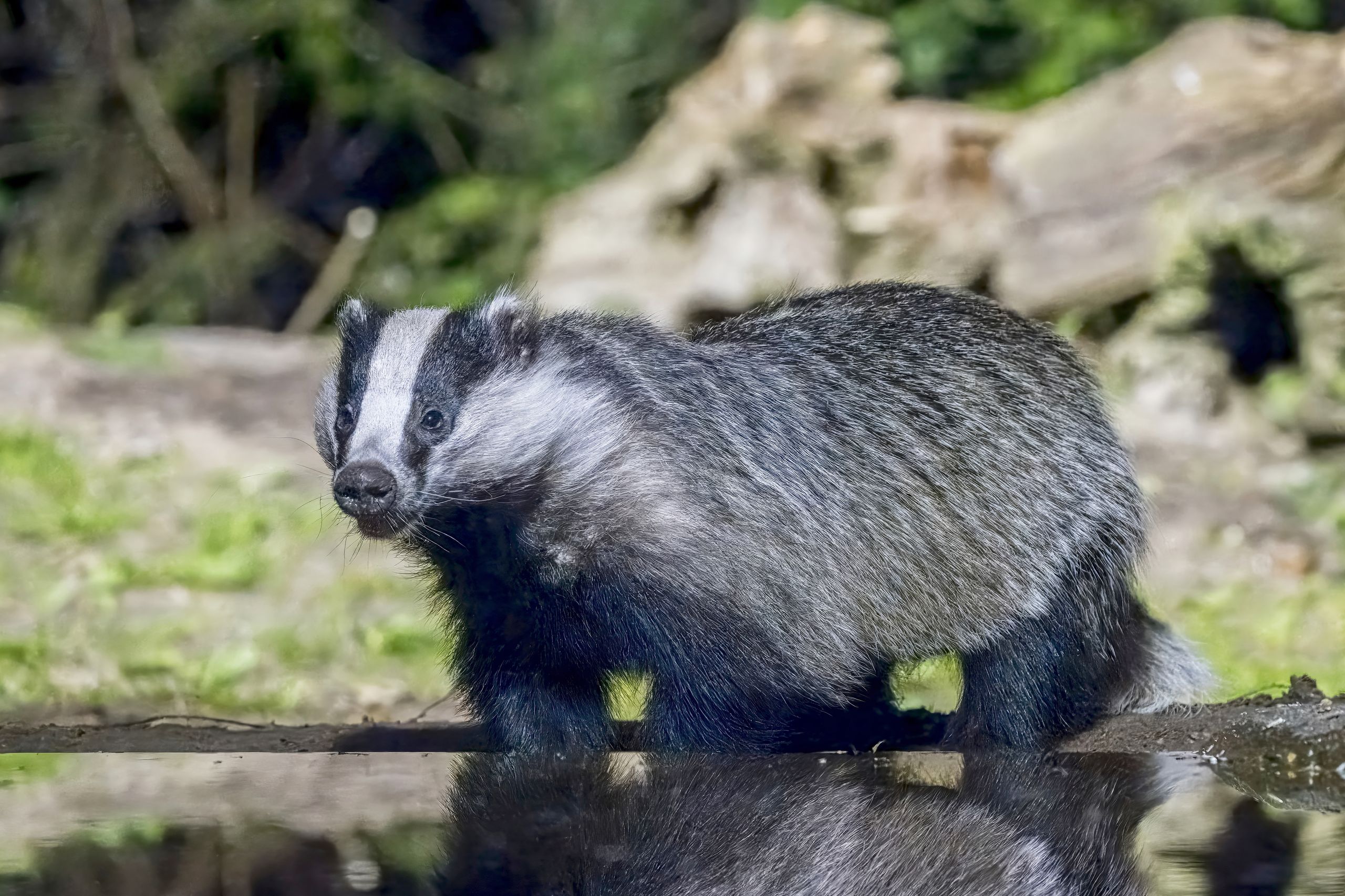
A heavily built nocturnal mammal with a distinctive black-and-white striped face.
💡 Fun Facts
- They live in underground burrow systems called setts, which can be centuries old.
- They are incredibly clean animals and change their bedding of leaves and grass regularly.
- Earthworms make up the majority of their diet.
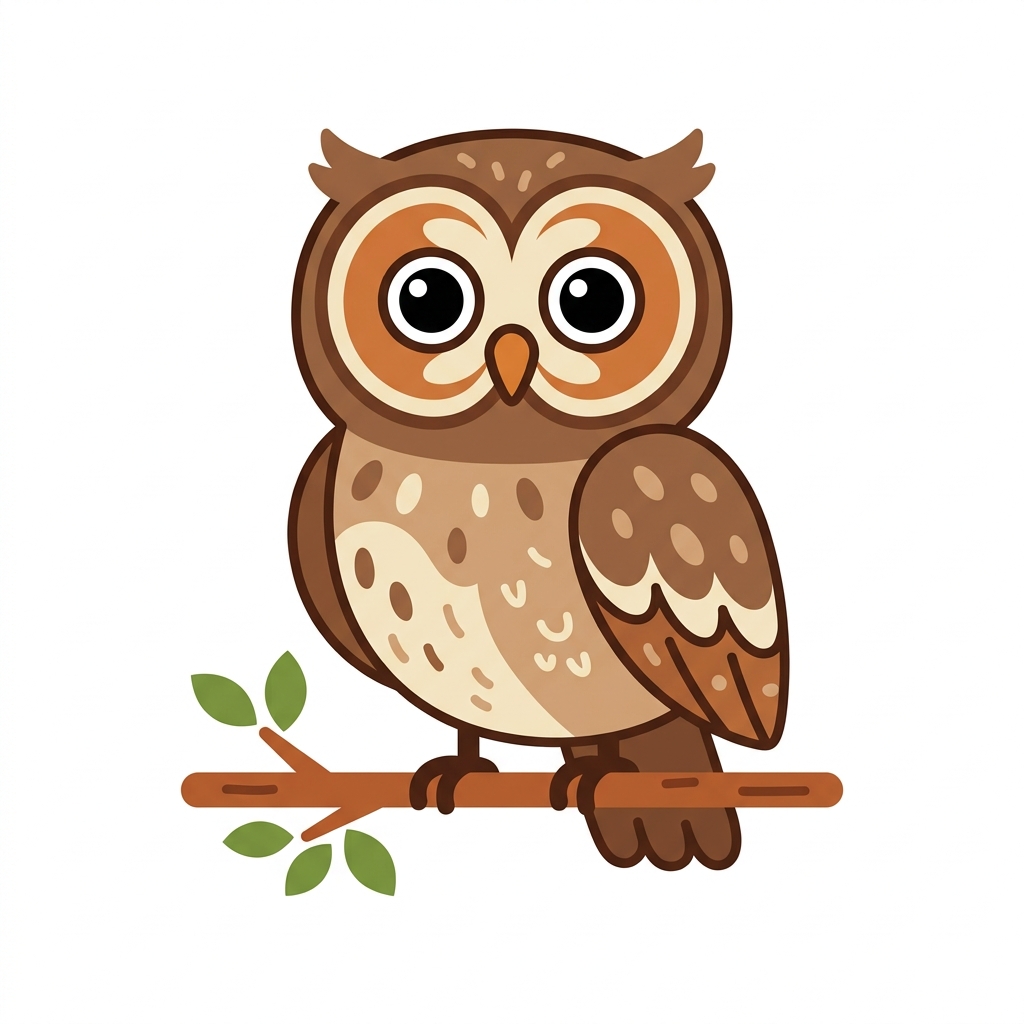
Tawny owl
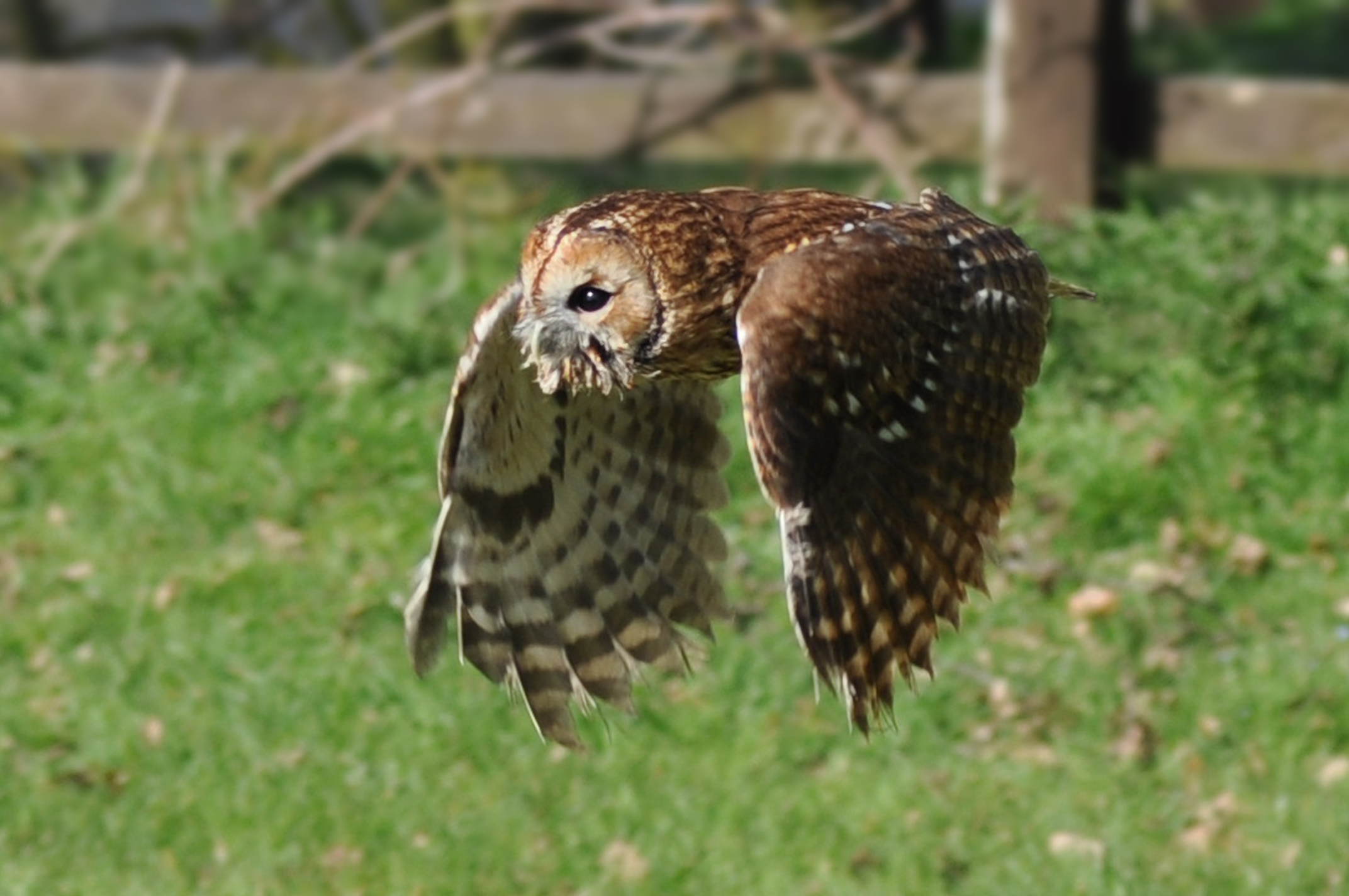
A woodland owl commonly heard making the classic 'twit twoo' call.
💡 Fun Facts
- They have specialized fringed feathers that allow them to fly completely silently.
- They are strictly nocturnal and rely on exceptional hearing to hunt in the dark.
- The 'twit twoo' sound is actually two owls calling to each other (a female's 'twit' and a male's 'twoo').
- They rarely drink water as they get all hydration they need directly from their diet. The protein and fat in their prey break down to water inside their bodies.
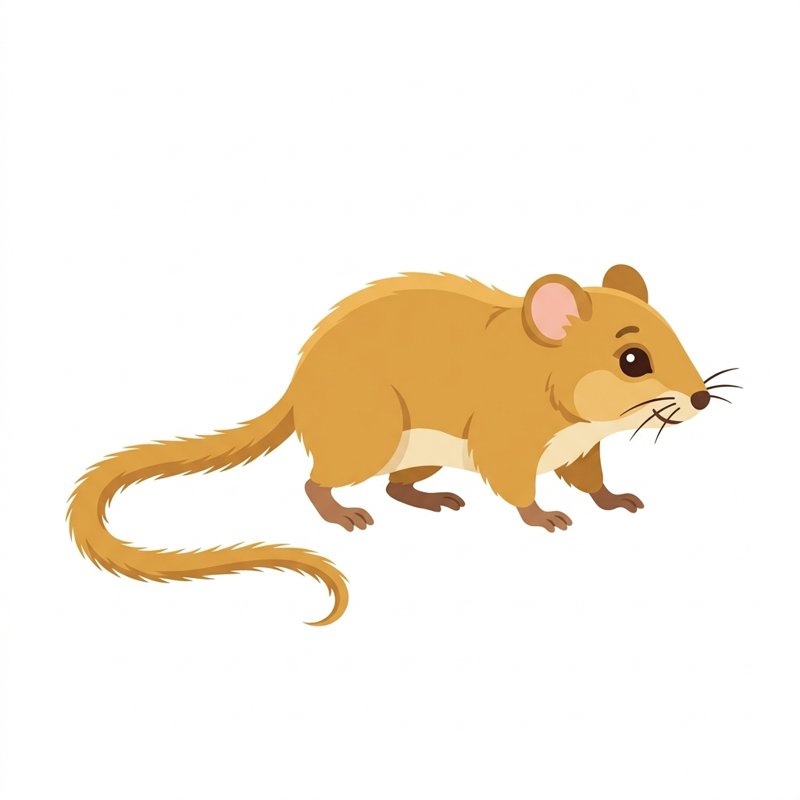
Hazel dormouse
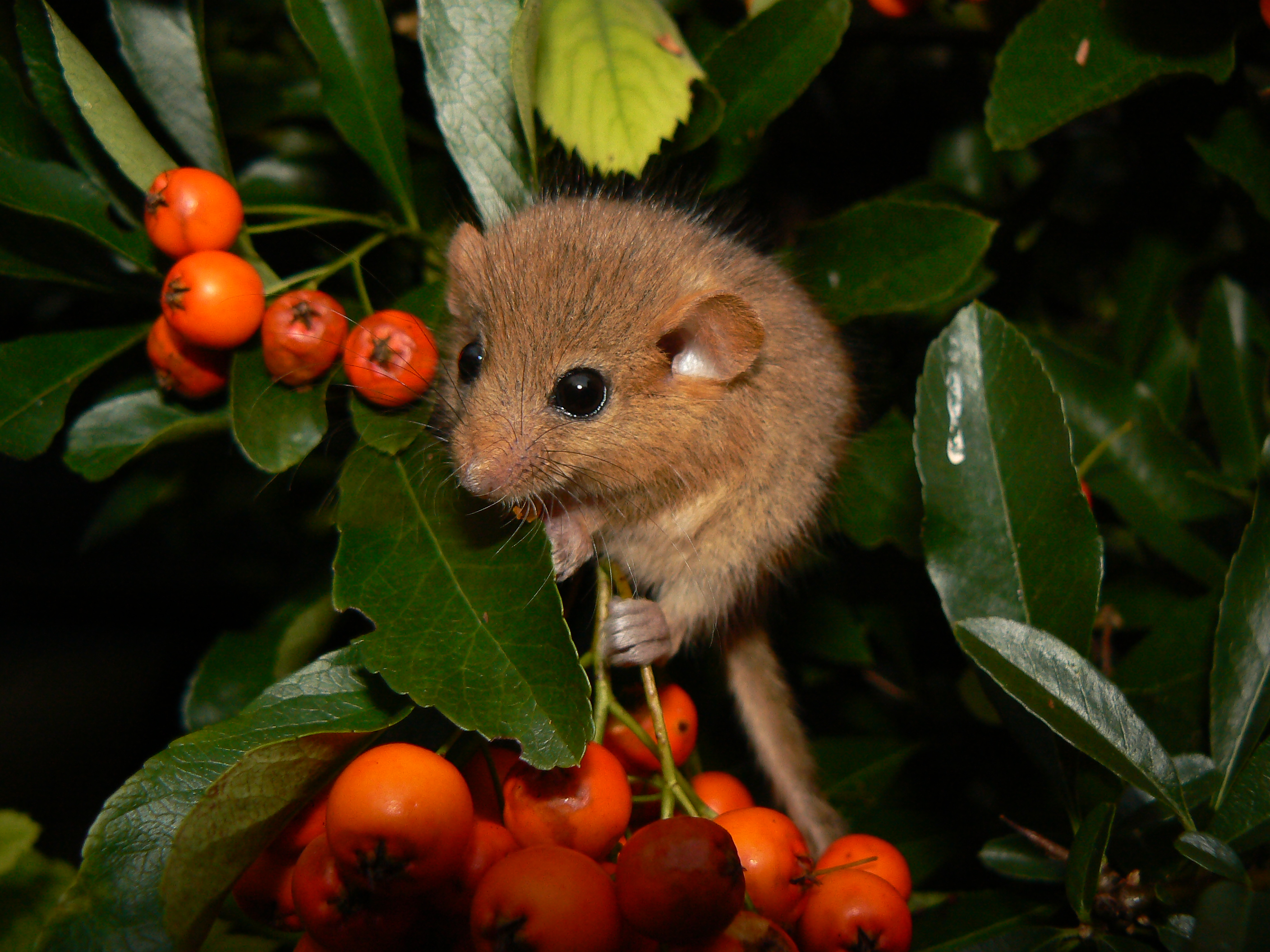
A tiny, golden-furred rodent that lives in hedgerows and woodland edges.
💡 Fun Facts
- They spend up to seven months of the year hibernating in a woven nest.
- They are agile climbers and rarely come down to the ground.
- They fatten up on hazelnuts and berries in autumn to survive the winter.
📅 Through the Year
- Hibernation:November to April
- Active:May to October
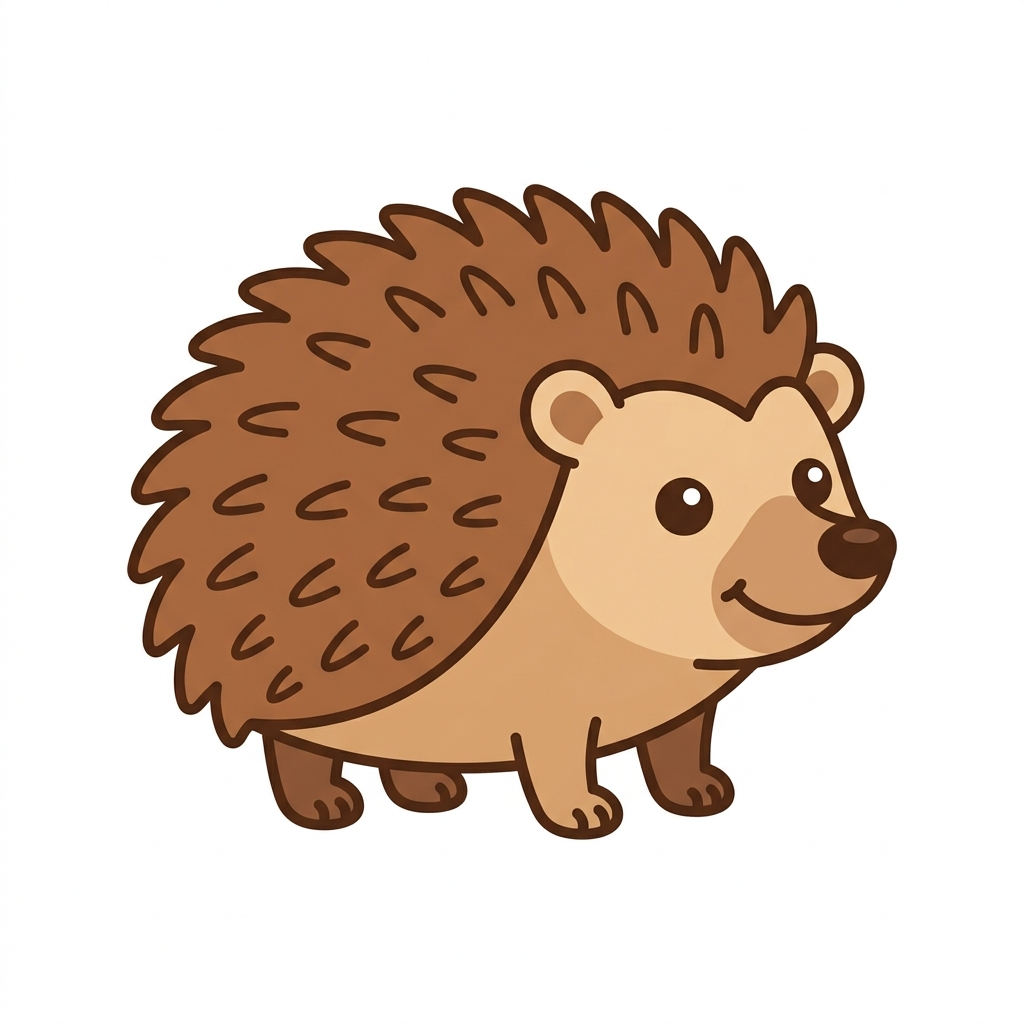
European hedgehog
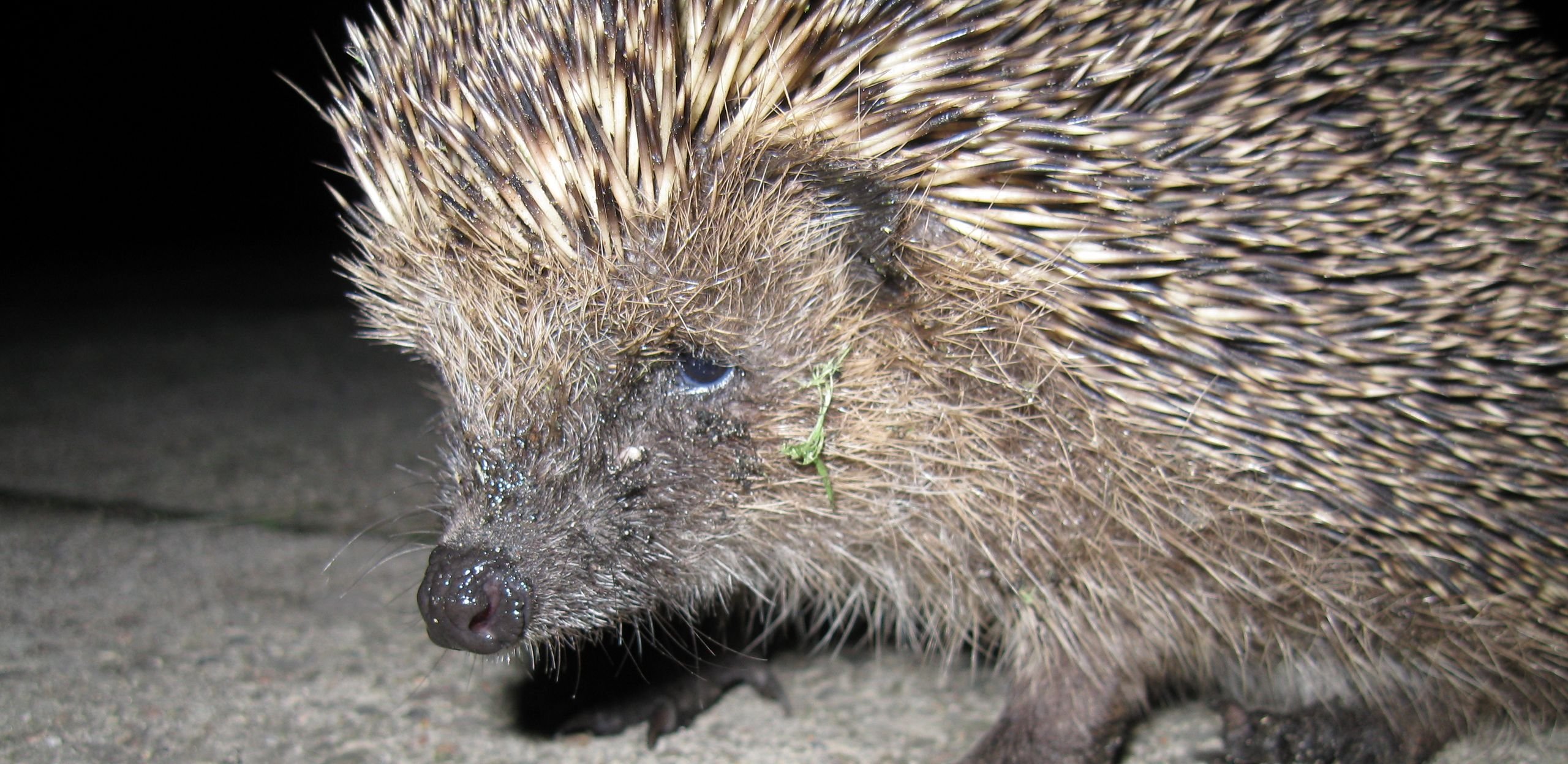
A spiny mammal often found foraging in gardens and woodland undergrowth.
💡 Fun Facts
- They have around 5,000 to 7,000 spines covering their backs for protection.
- When threatened, they roll into a tight ball, protecting their soft faces and bellies.
- They are highly immune to snake venom.
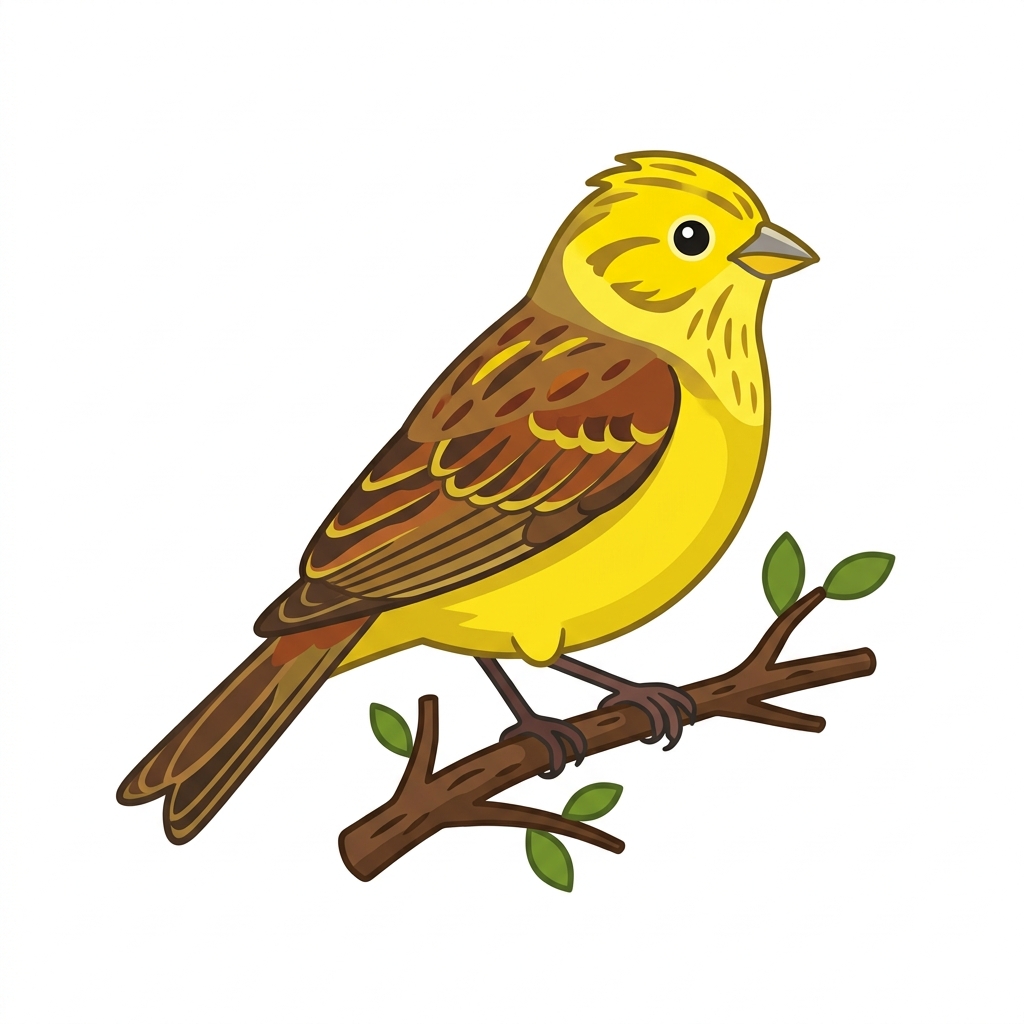
Yellowhammer
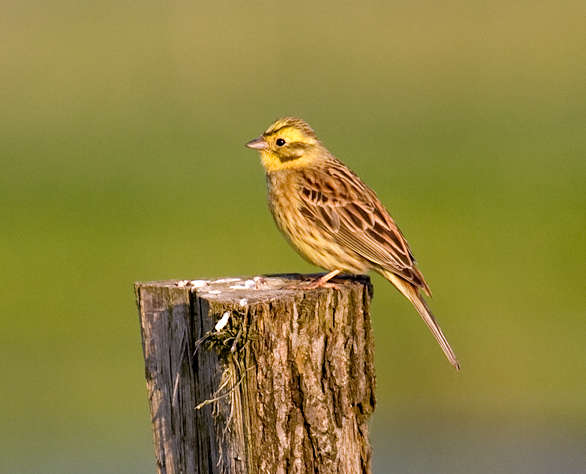
A bright yellow bird commonly seen perched on hedgerows in farmland.
💡 Fun Facts
- Their song is often described as sounding like 'a little bit of bread and no cheese'.
- They build their cup-shaped nests on or very close to the ground.
- In winter, they often join mixed flocks to forage for seeds.
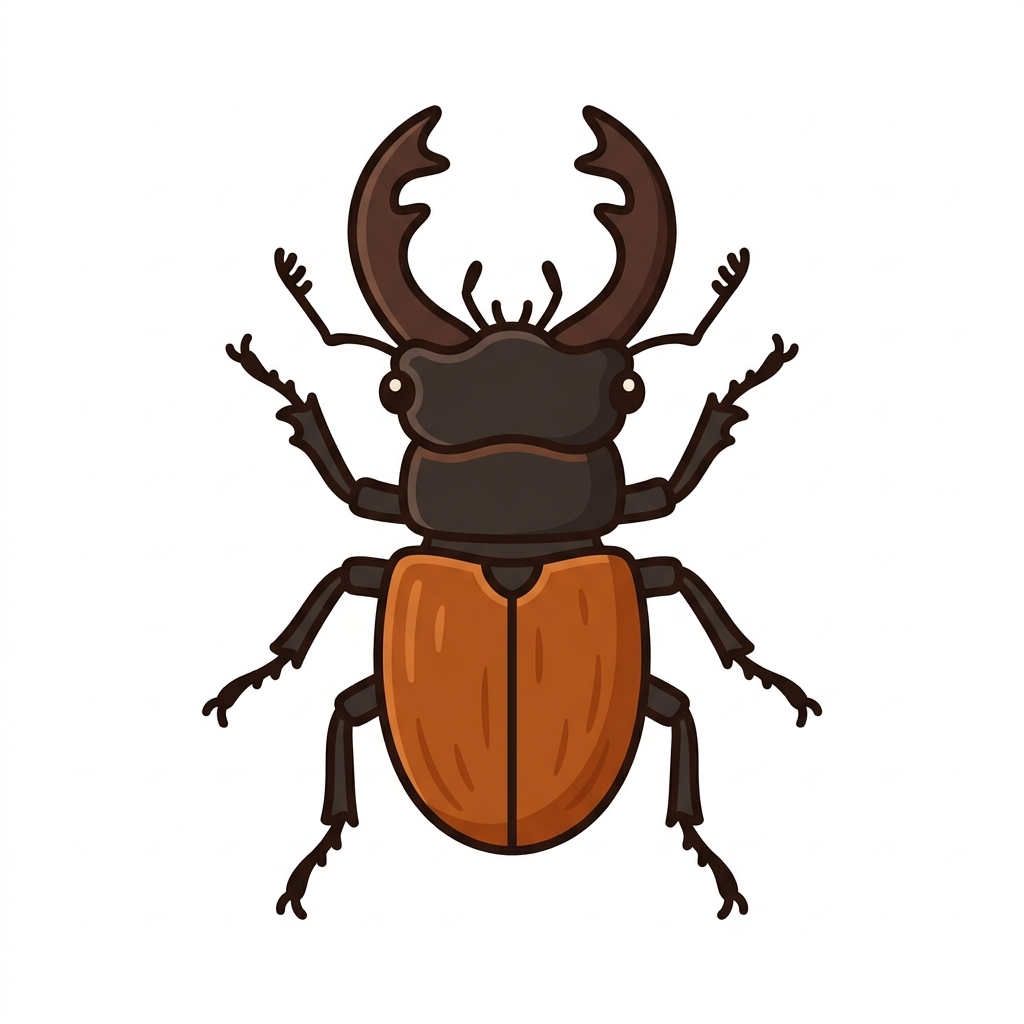
Stag beetle
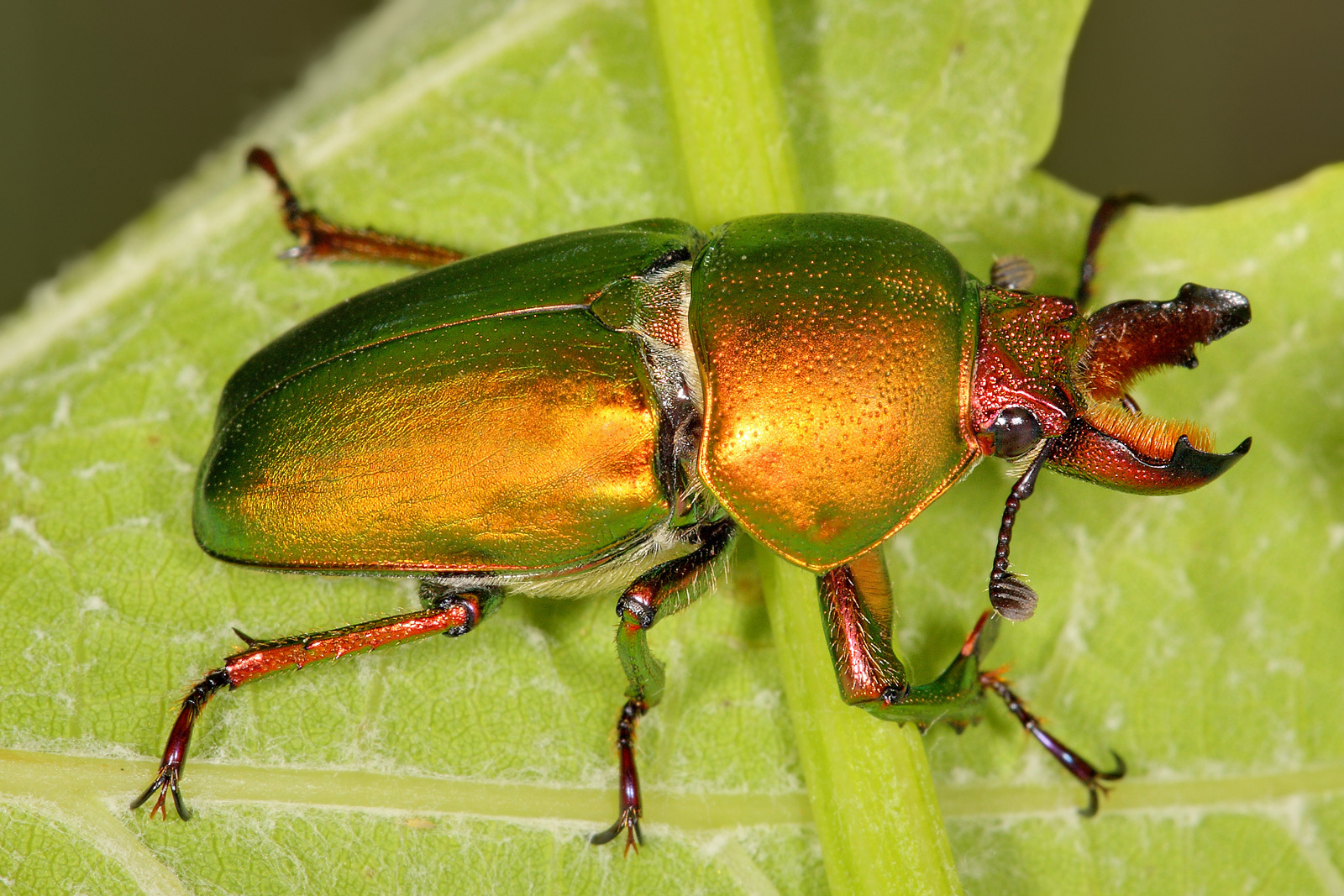
One of the largest insects in Europe, known for the male's large jaw 'antlers'.
💡 Fun Facts
- The males use their large antlers to wrestle rival males for mates.
- The larvae can spend up to seven years living inside and eating rotting wood.
- Despite their fierce appearance, adult stag beetles cannot bite hard and mostly drink tree sap.
📅 Through the Year
- Active:May to August
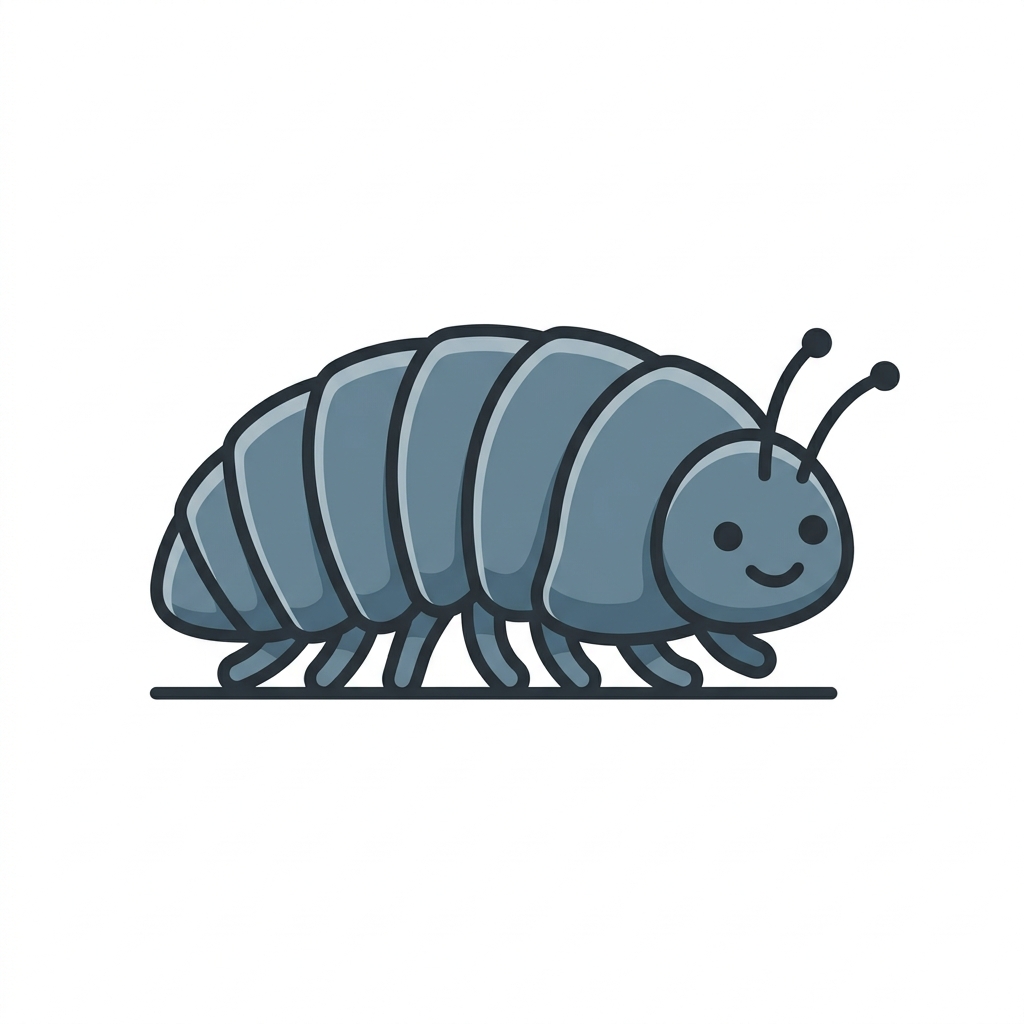
Woodlouse
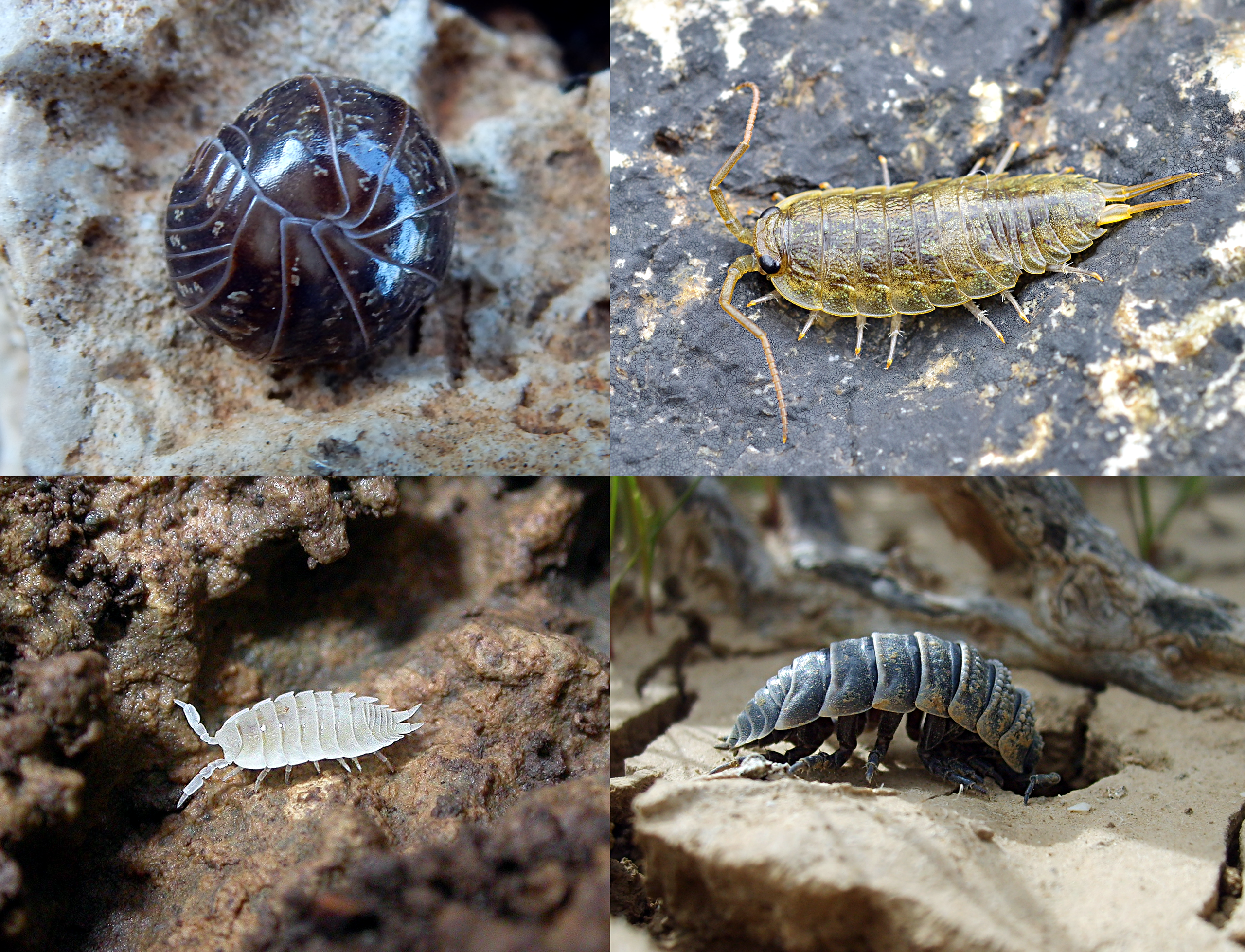
A small terrestrial crustacean found in damp, dark places like under logs.
💡 Fun Facts
- They are not insects, but crustaceans, closely related to crabs and lobsters.
- They breathe through gills, which is why they must live in damp environments.
- Some species can roll up into a perfect sphere when threatened.
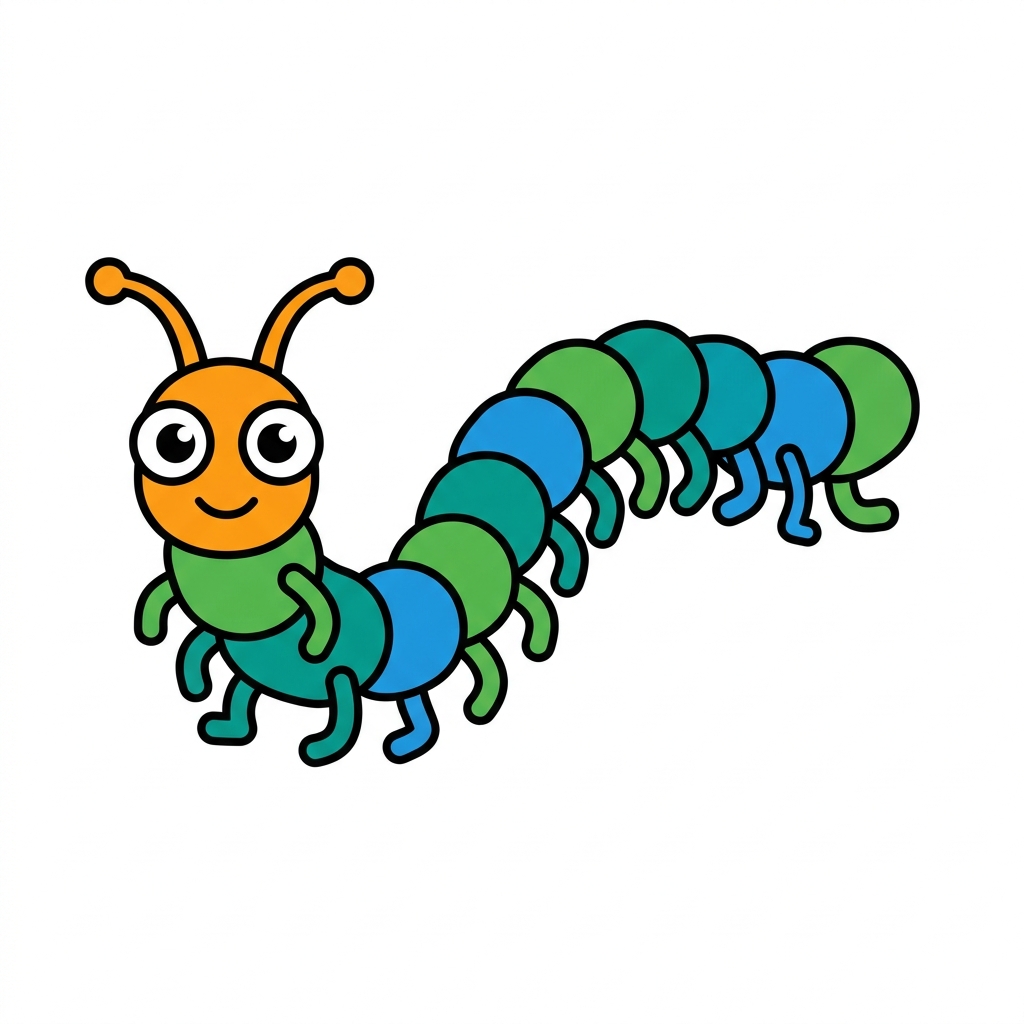
Centipede
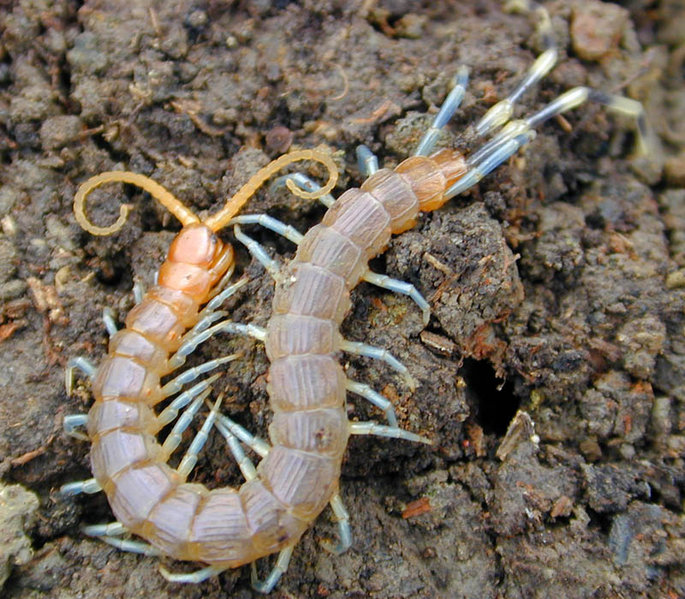
A fast-moving predatory arthropod with a long, segmented body and many legs.
💡 Fun Facts
- Despite their name meaning '100 legs', they can have anywhere from 30 to over 300 legs.
- They have venomous claws near their head to paralyze their insect prey.
- They are strictly carnivorous, unlike the similar-looking herbivorous millipedes.
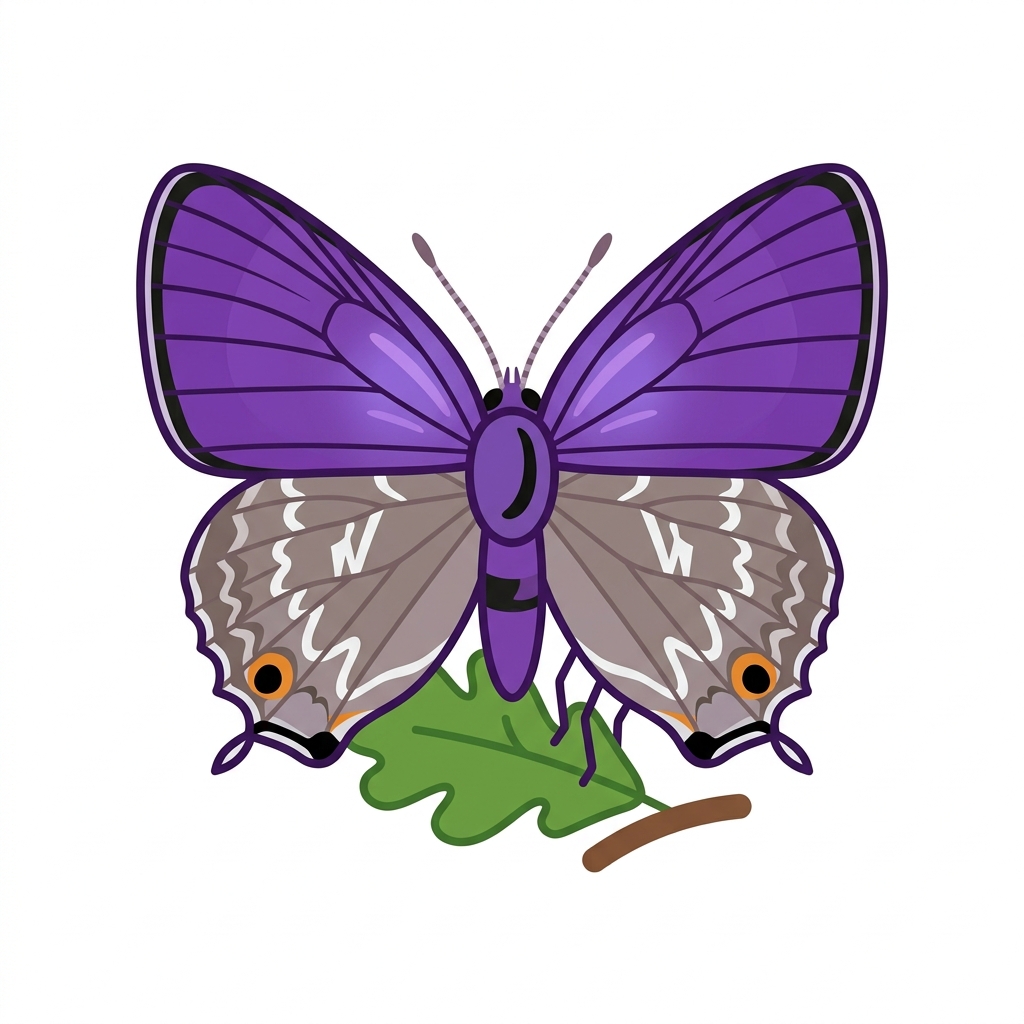
Purple hairstreak butterfly
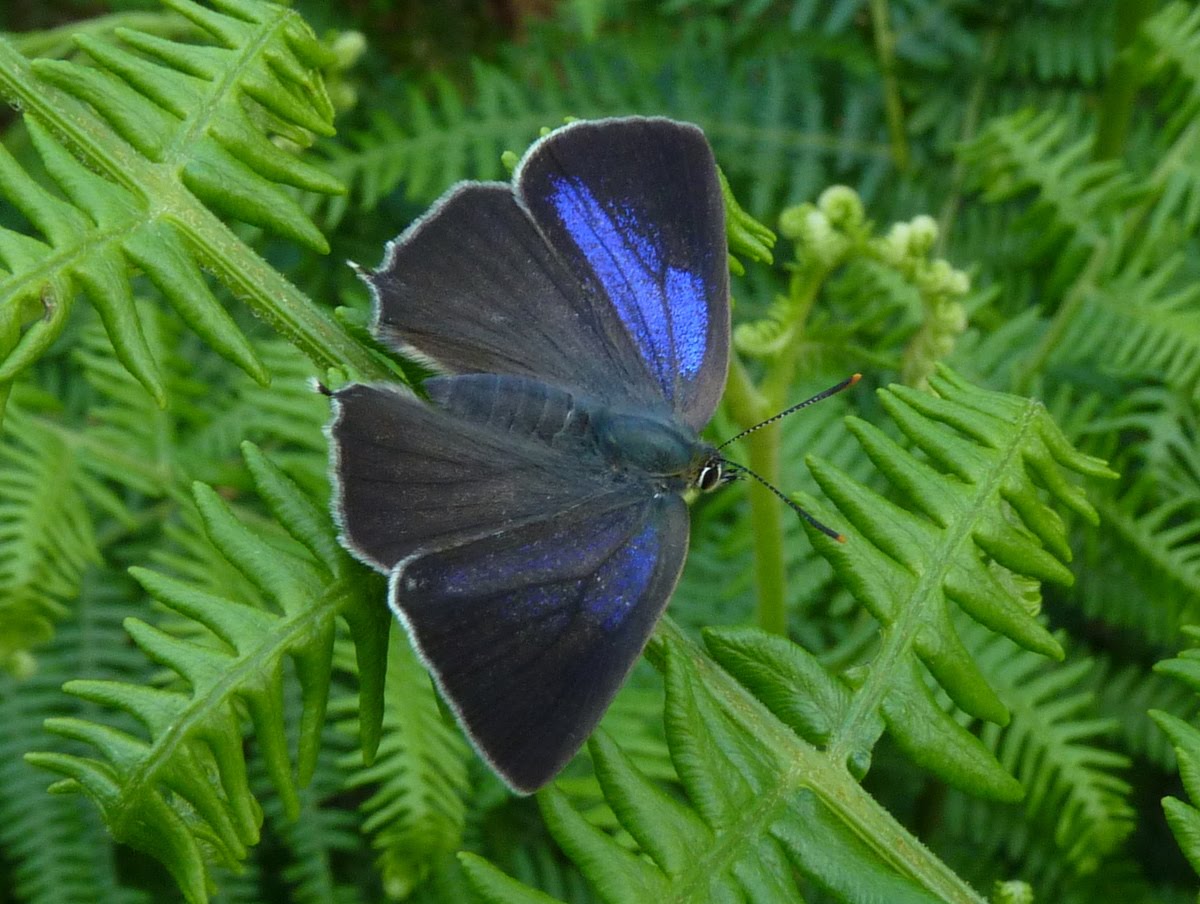
A small, elusive butterfly that spends most of its time high up in oak trees.
💡 Fun Facts
- The males have a brilliant purple sheen on their wings, while females only have small purple patches.
- Their caterpillars feed exclusively on oak leaves.
- Adults feed on honeydew secreted by aphids rather than flower nectar.
📅 Through the Year
- Active:July to August
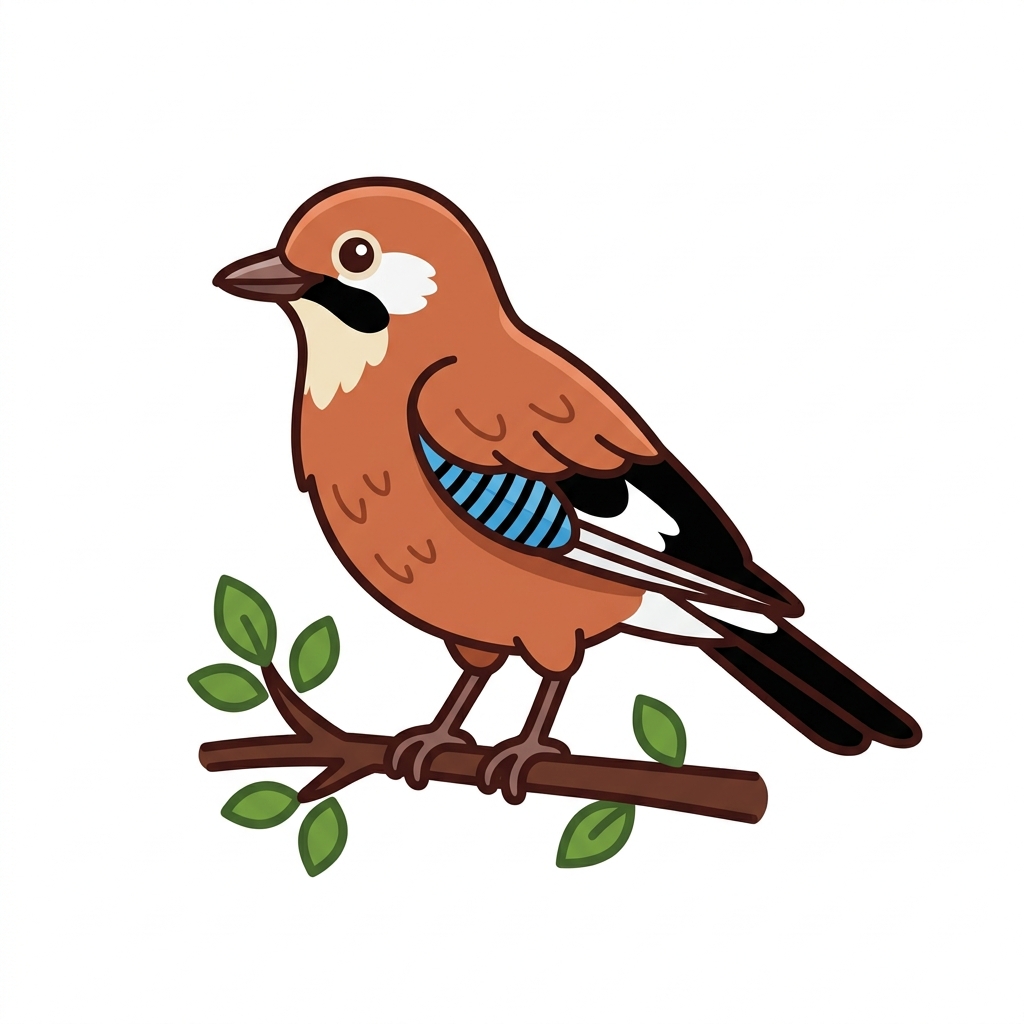
Eurasian jay
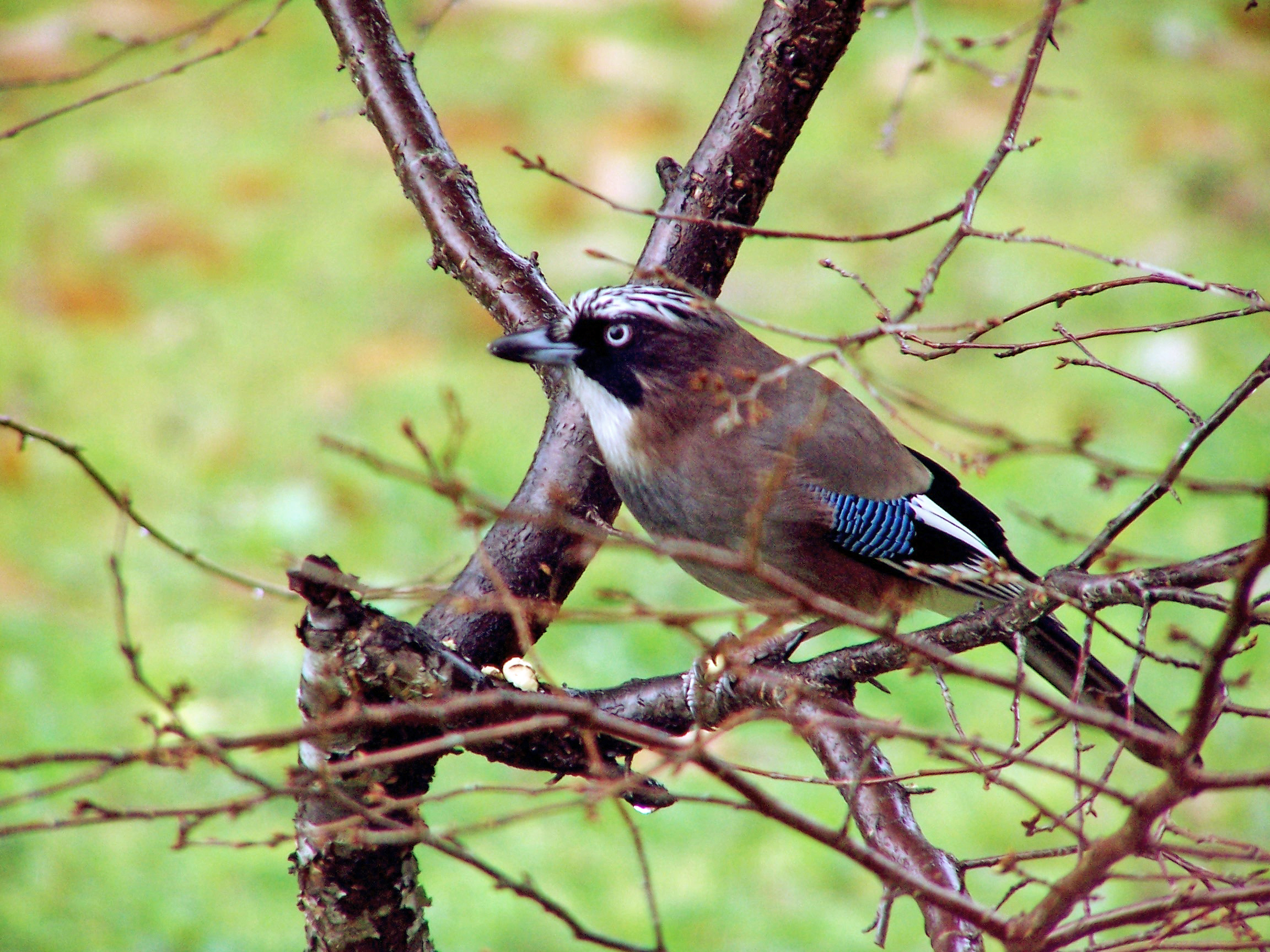
A colorful member of the crow family, known for its loud, screeching calls.
💡 Fun Facts
- They are excellent mimics and can perfectly copy the calls of birds of prey to scare other birds.
- They bury thousands of acorns in autumn to eat during winter, helping to plant new oak forests.
- They have bright blue patches on their wings that are actually created by the structure of the feathers, not pigment.
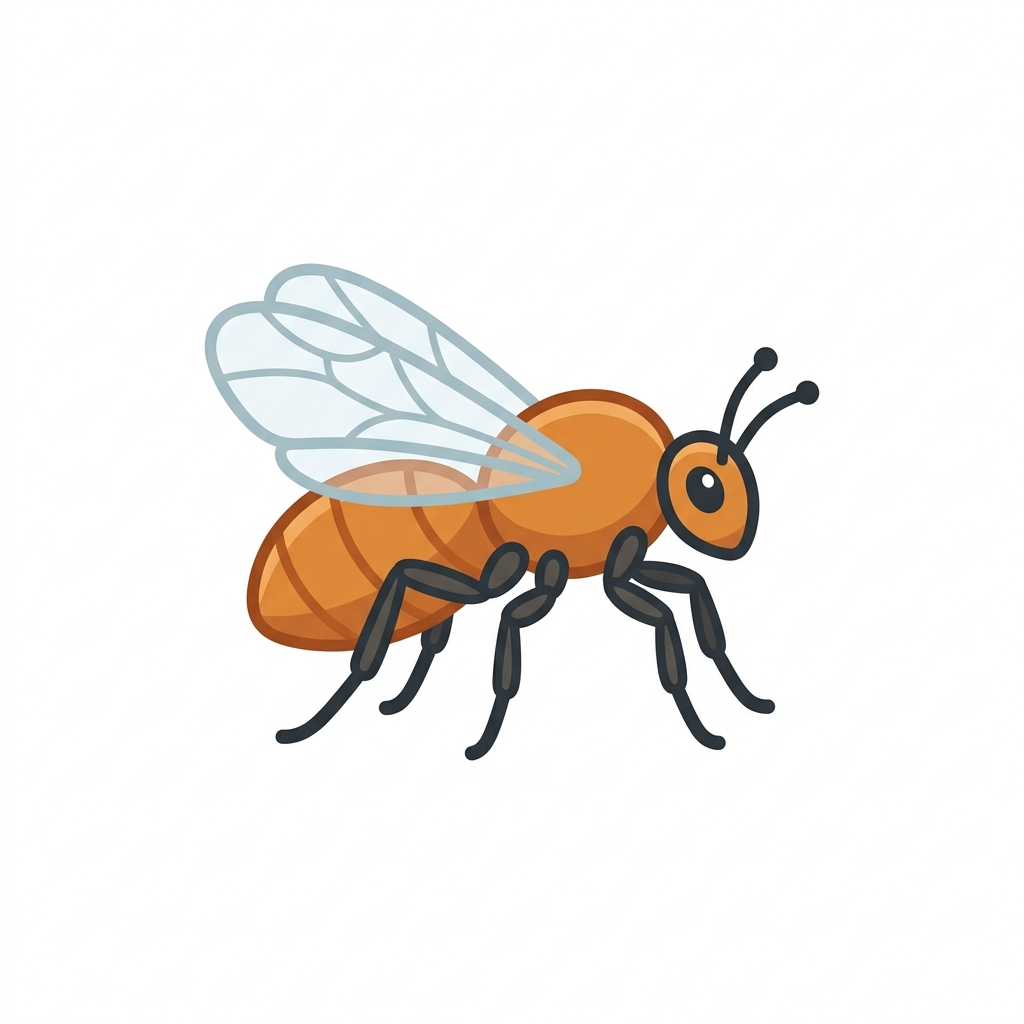
Gall wasp
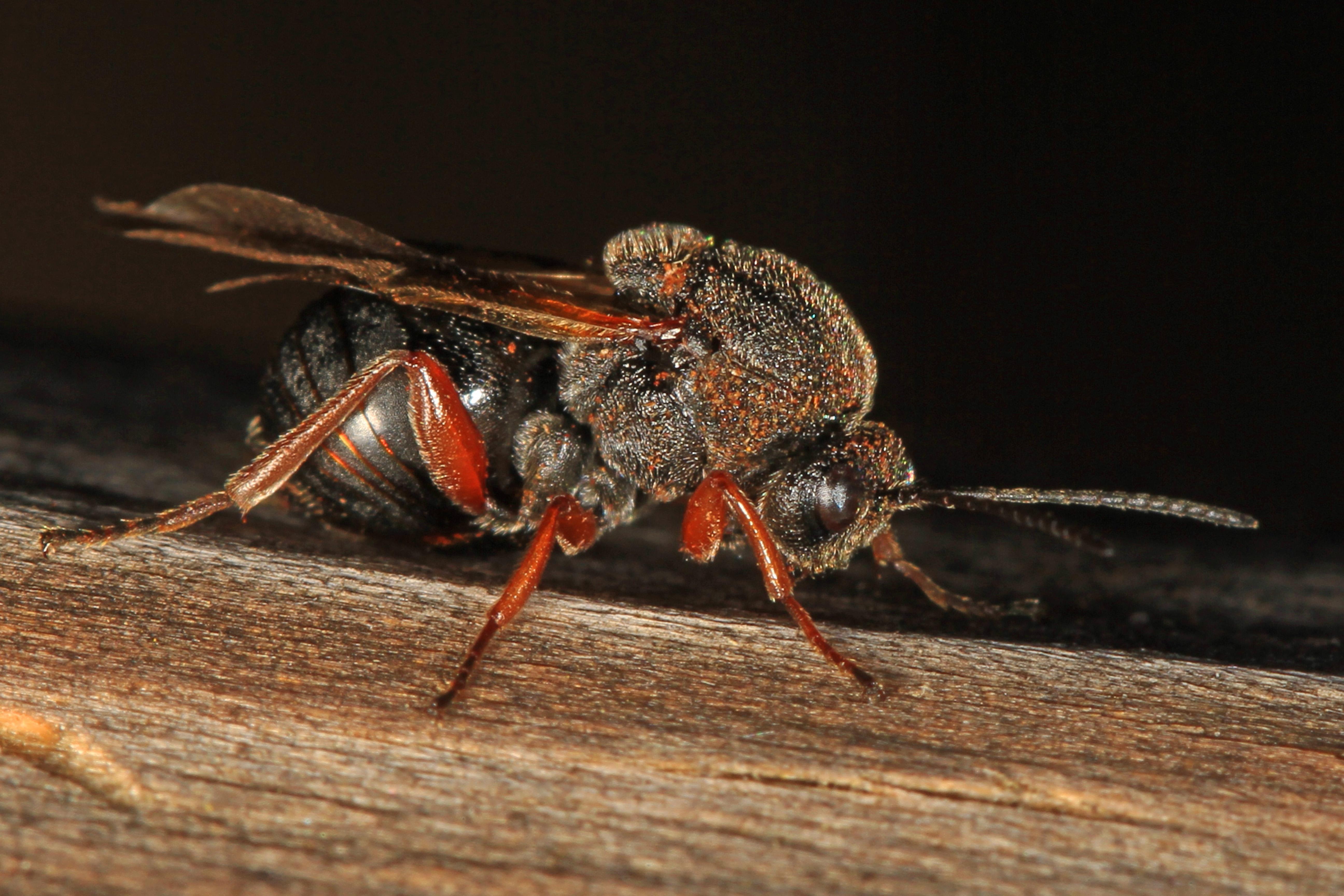
A tiny wasp that causes oak trees to grow strange, round structures called galls.
💡 Fun Facts
- The female wasp lays an egg inside an oak leaf bud, tricking the tree into growing a protective 'gall' around it.
- The developing wasp larva lives safely inside the gall, eating the nutritious tissue.
- There are hundreds of species of gall wasps, each creating a uniquely shaped gall on the tree.
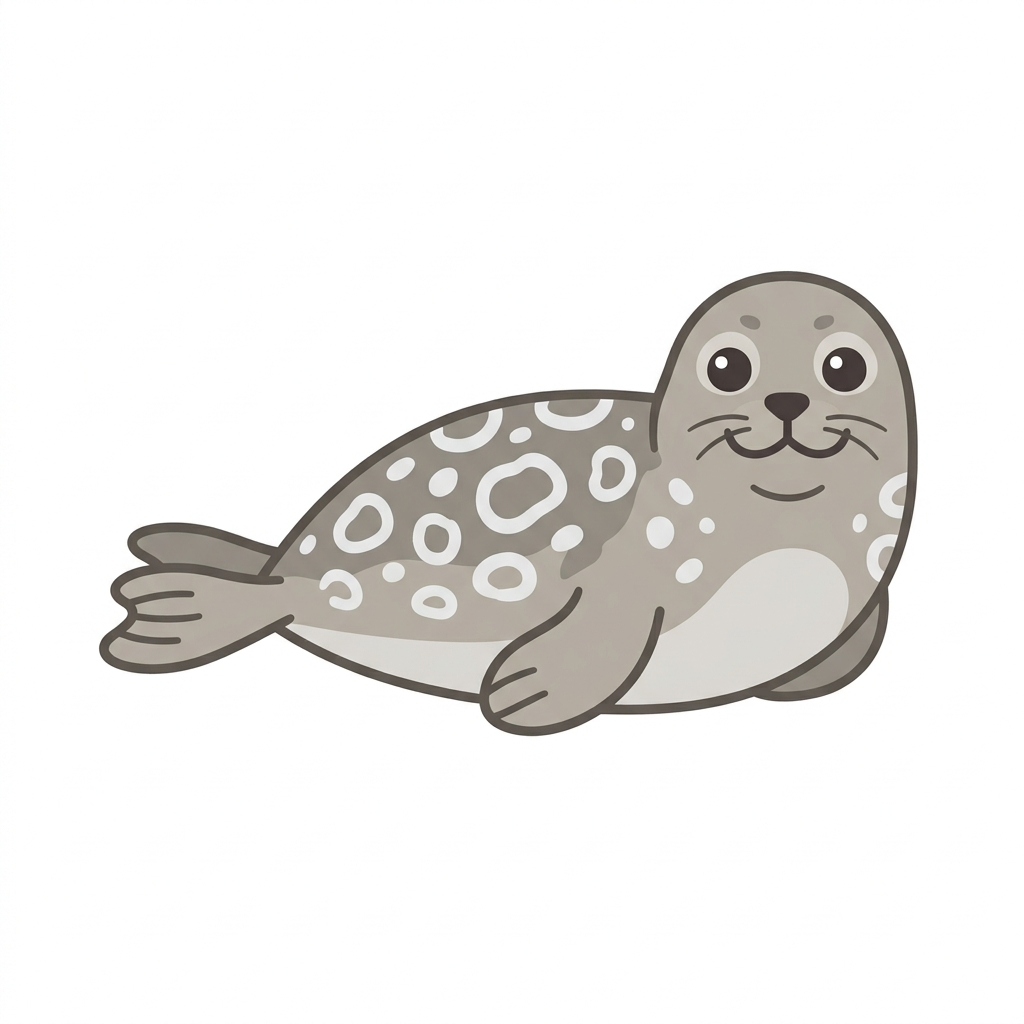
Ringed seal
The most common seal in the Arctic, heavily reliant on sea ice for breeding.
💡 Fun Facts
- They use their sharp claws to dig breathing holes through thick sea ice.
- They build snow caves (lairs) above their breathing holes to protect their pups from polar bears.
- They get their name from the silver ring-shaped markings on their dark backs.
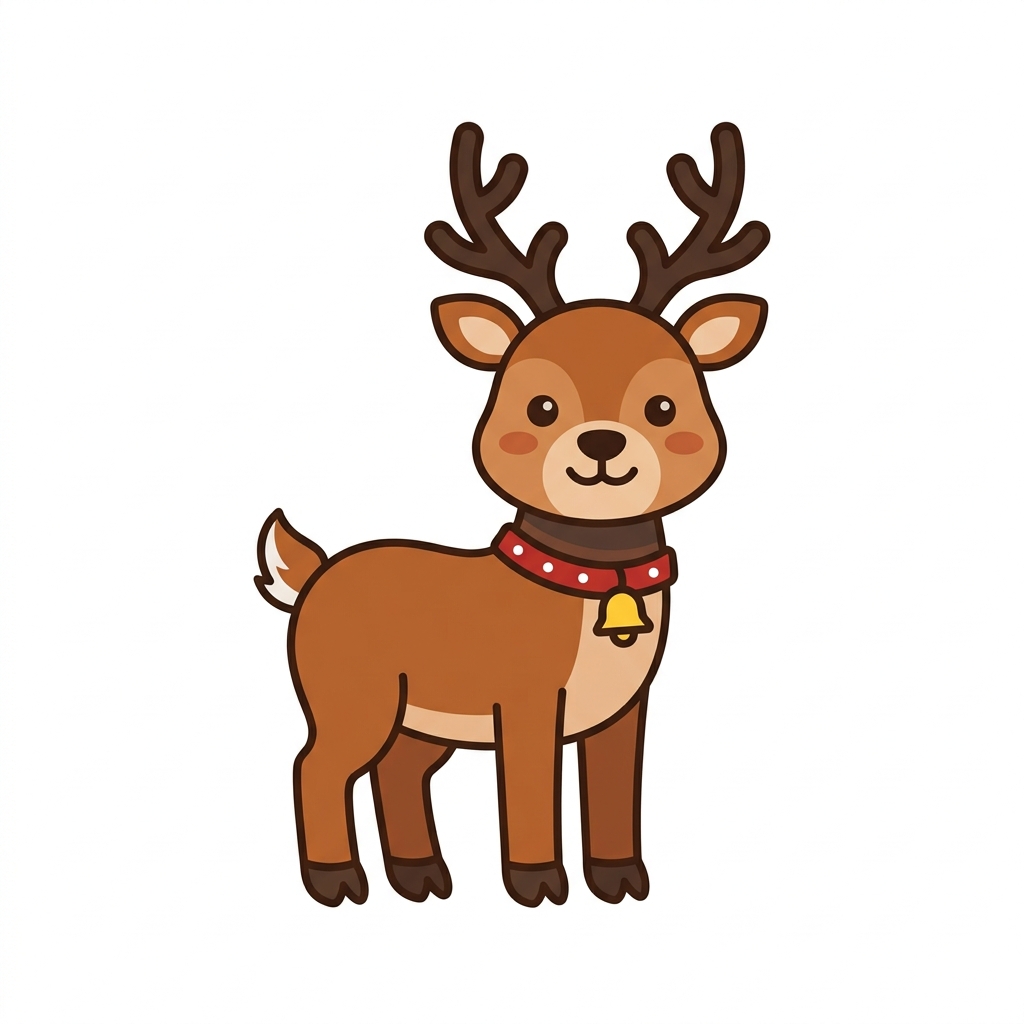
Reindeer
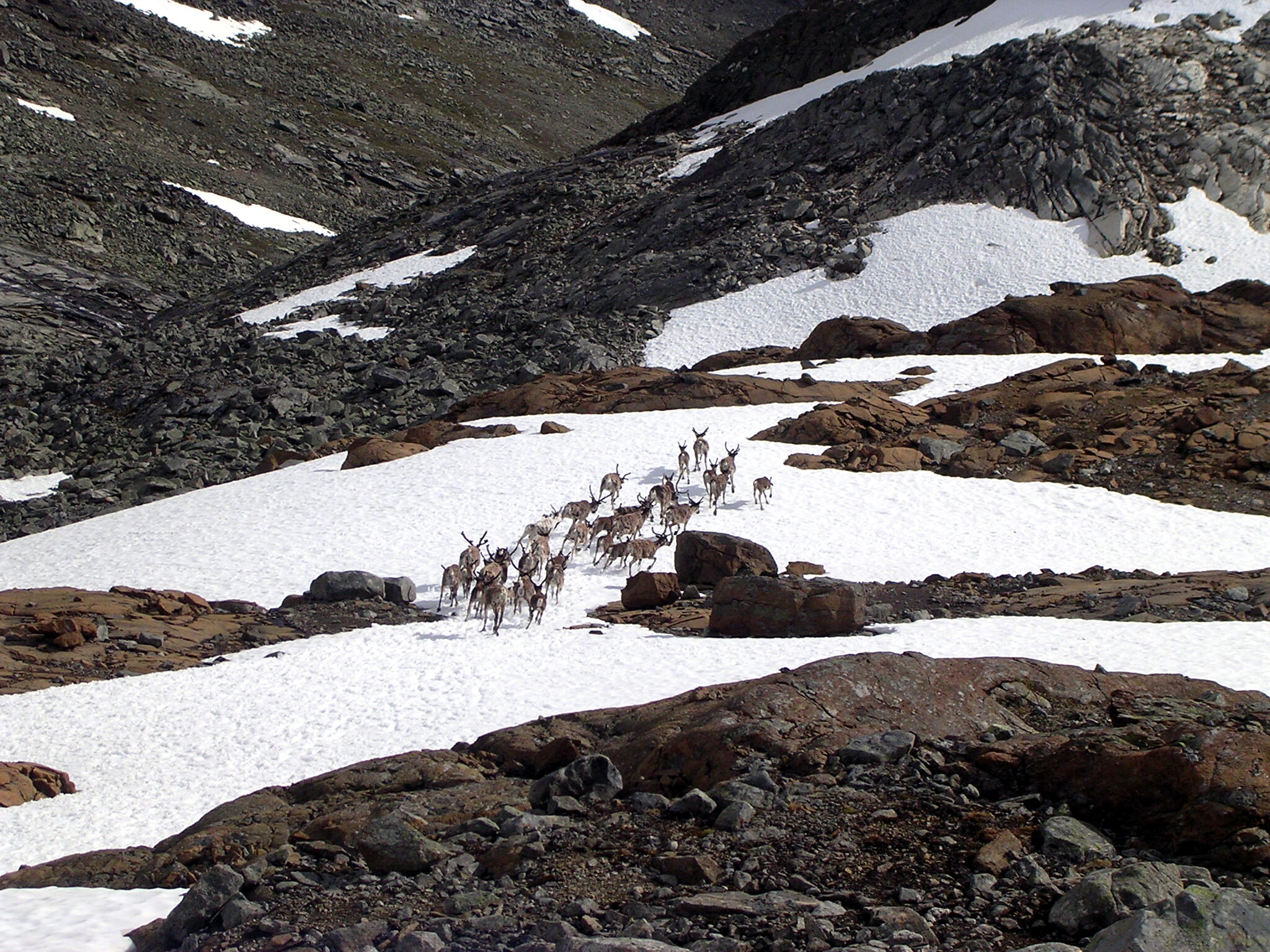
A cold-adapted deer species crucial to the ecology of the Arctic tundra.
💡 Fun Facts
- Their hooves change from soft and spongy in summer to hard and sharp in winter to cut through ice.
- They are the only deer species where both males and females grow antlers.
- Their noses warm the freezing air they breathe before it reaches their lungs.
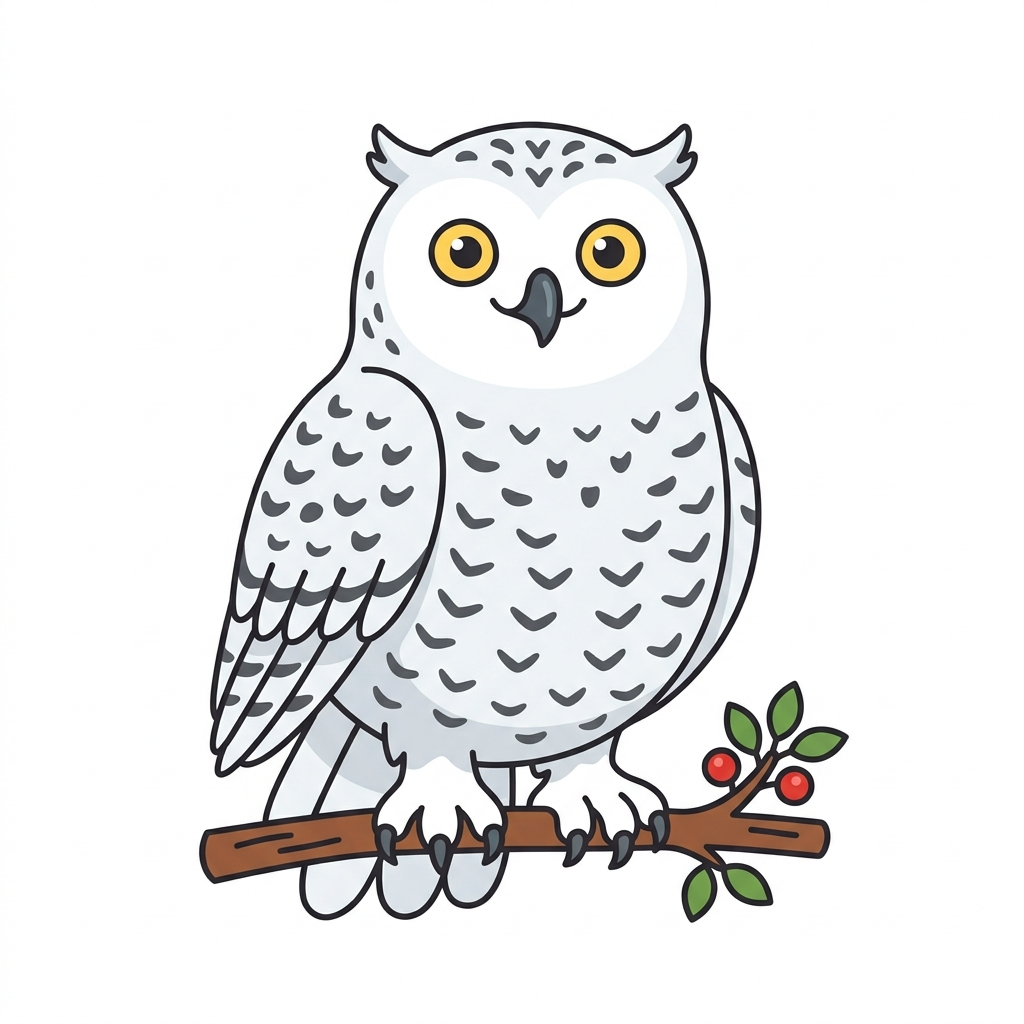
Snowy owl
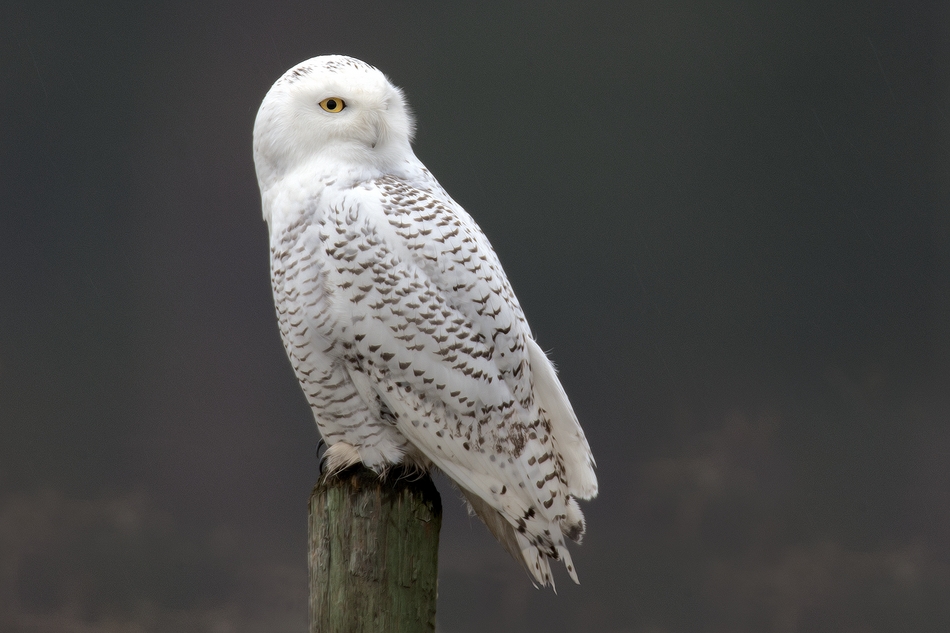
A large, white owl that hunts during the day in the continuous light of the Arctic summer.
💡 Fun Facts
- Unlike most owls, they are diurnal, meaning they hunt during the daytime.
- The males are almost entirely white, while females and juveniles have dark spots for camouflage on the tundra.
- They heavily rely on lemmings for food and will lay more eggs in years when lemmings are plentiful.
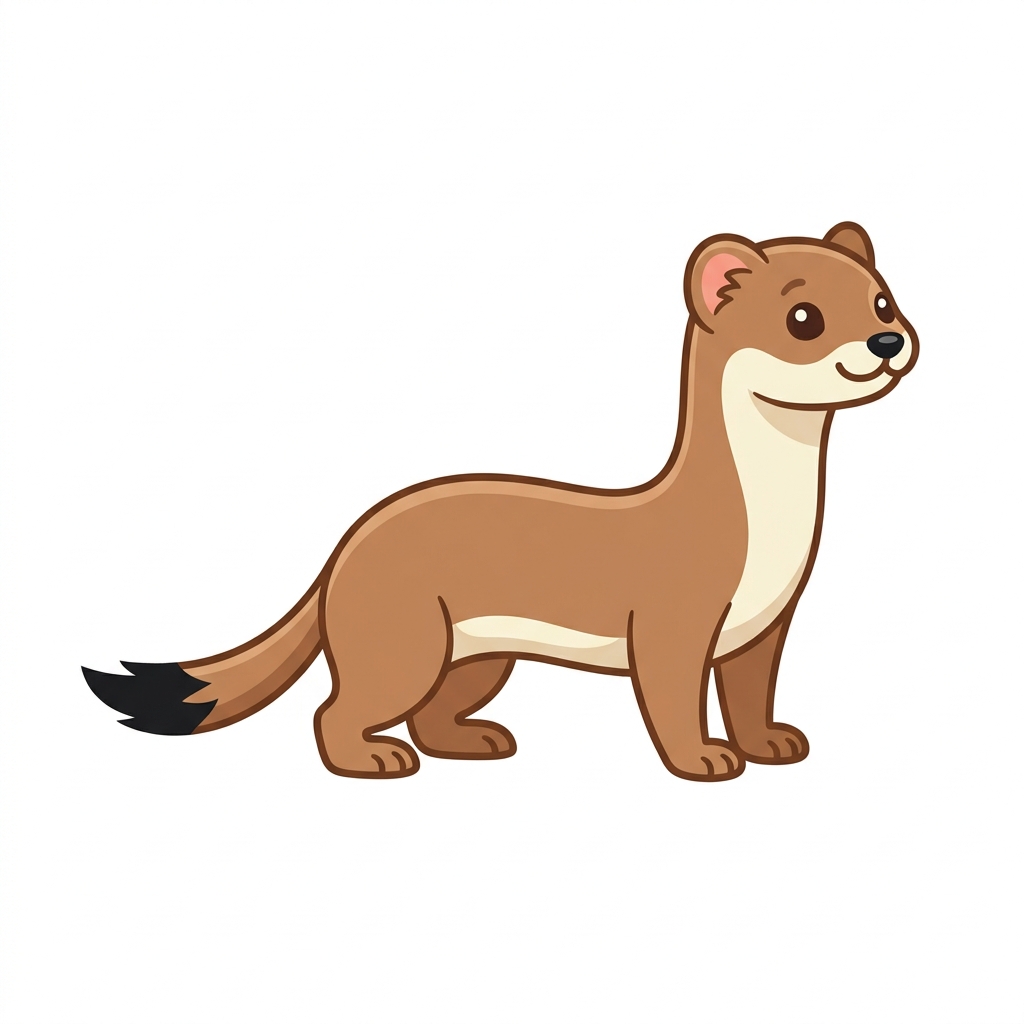
Stoat
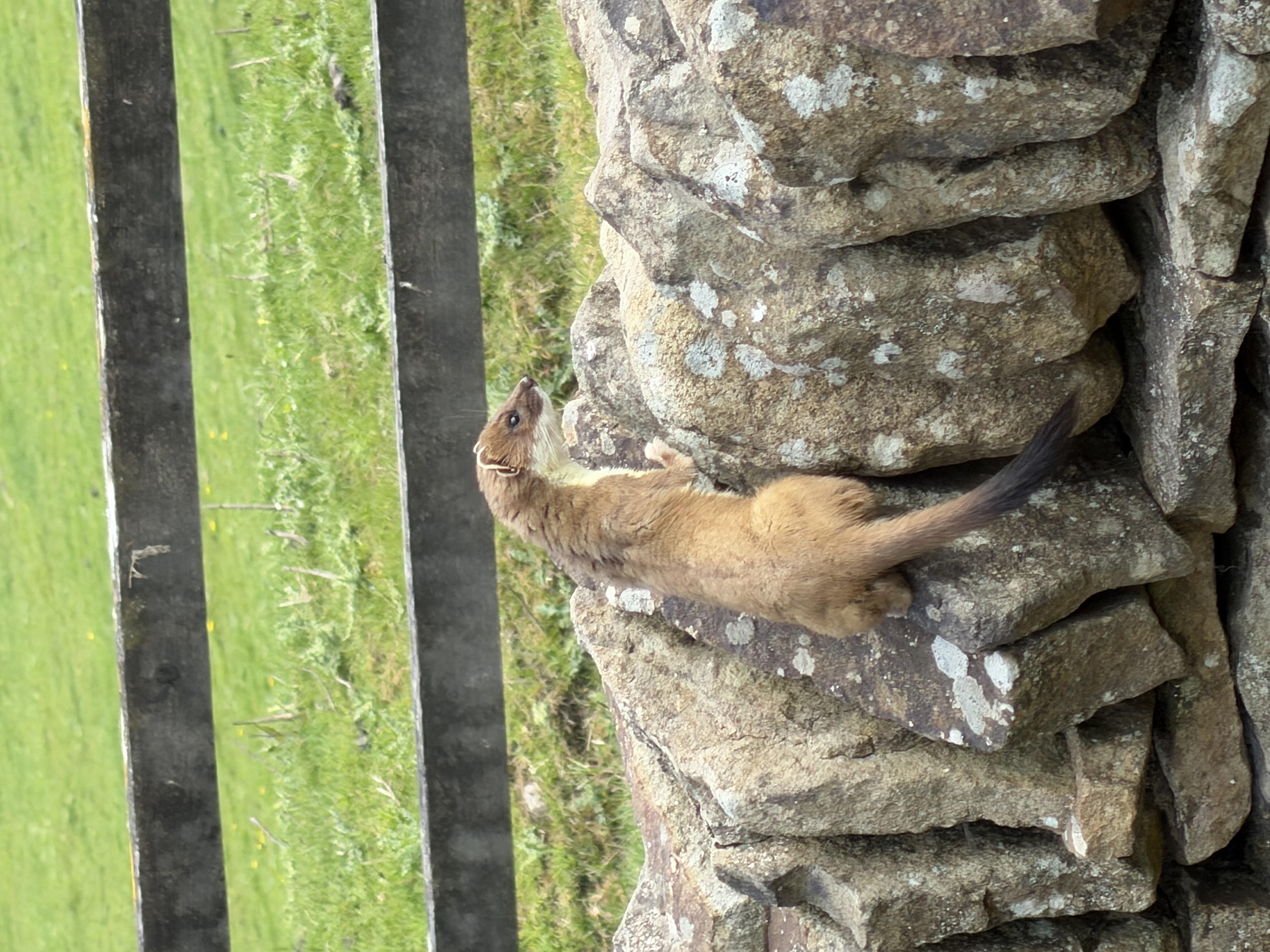
A small, fierce predator that turns completely white in winter.
💡 Fun Facts
- In winter, their coat turns white (known as ermine) except for a distinctive black tip on the tail.
- They are capable of taking down prey much larger than themselves, like rabbits.
- They perform a mesmerizing 'dance' with leaps and flips to confuse their prey before striking.
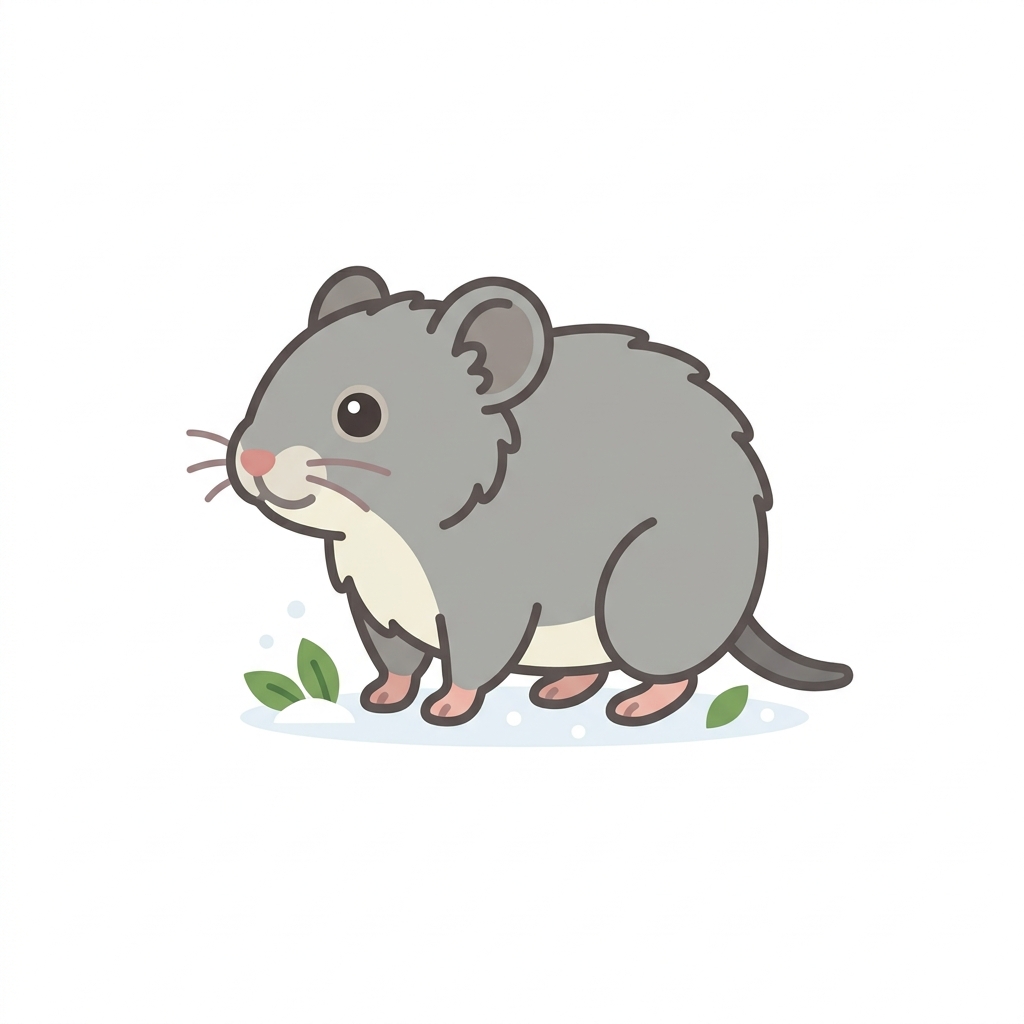
Snow vole
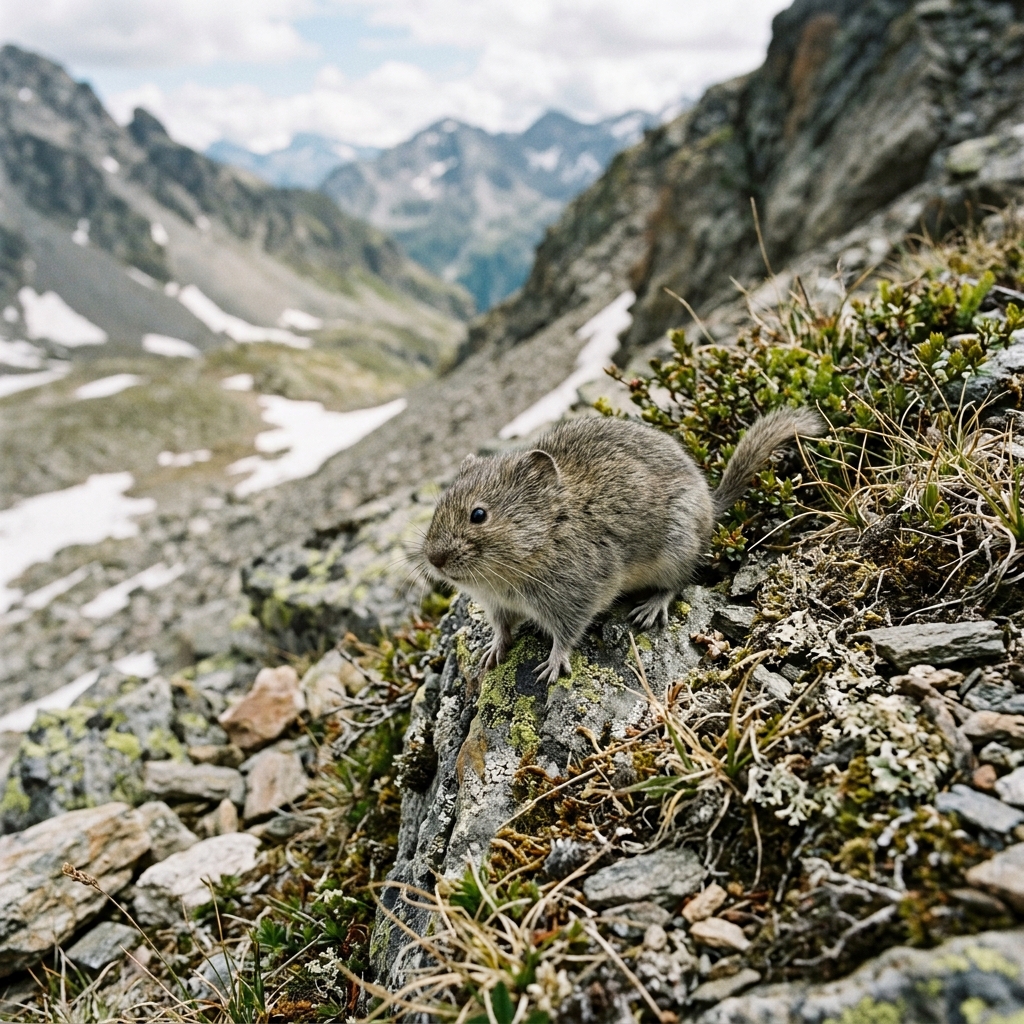
A small rodent adapted to living in high alpine and snowy environments.
💡 Fun Facts
- They spend the winter living in the 'subnivium', a network of tunnels under the snow layer.
- Their thick fur insulates them against freezing mountain temperatures.
- They don't hibernate, staying active and foraging for roots all winter.
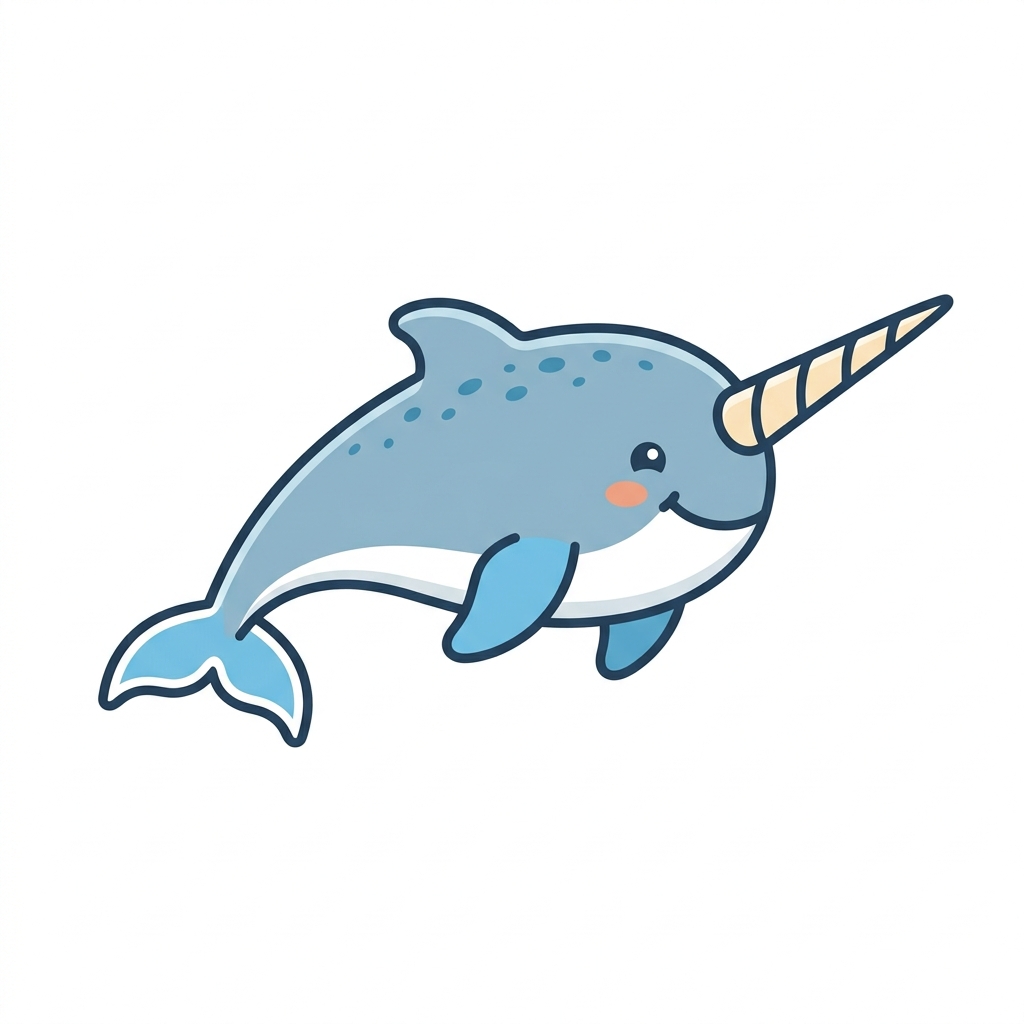
Narwhal
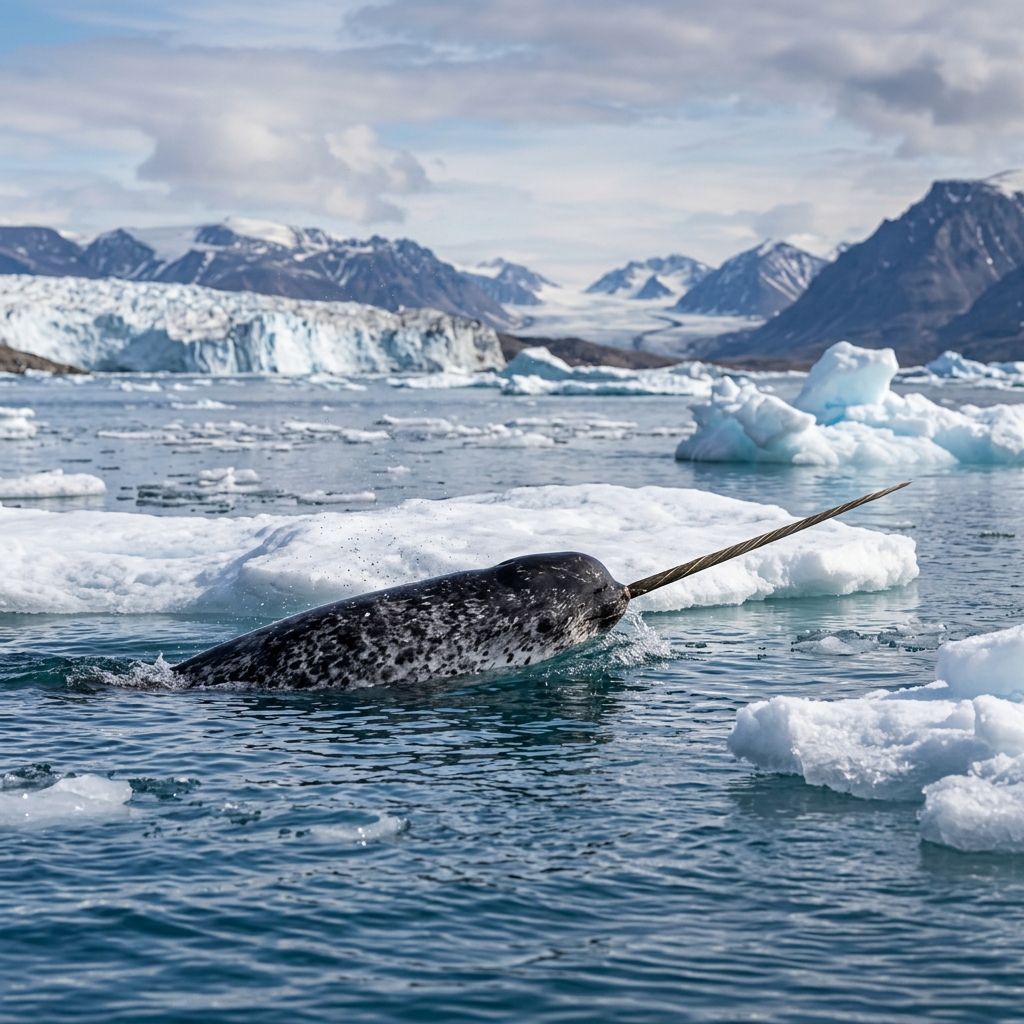
A medium-sized whale known for the male's long, spiraled tusk.
💡 Fun Facts
- The tusk is actually an overgrown canine tooth with millions of nerve endings.
- They are known as the 'unicorns of the sea'.
- They can dive over a mile deep and hold their breath for 25 minutes.
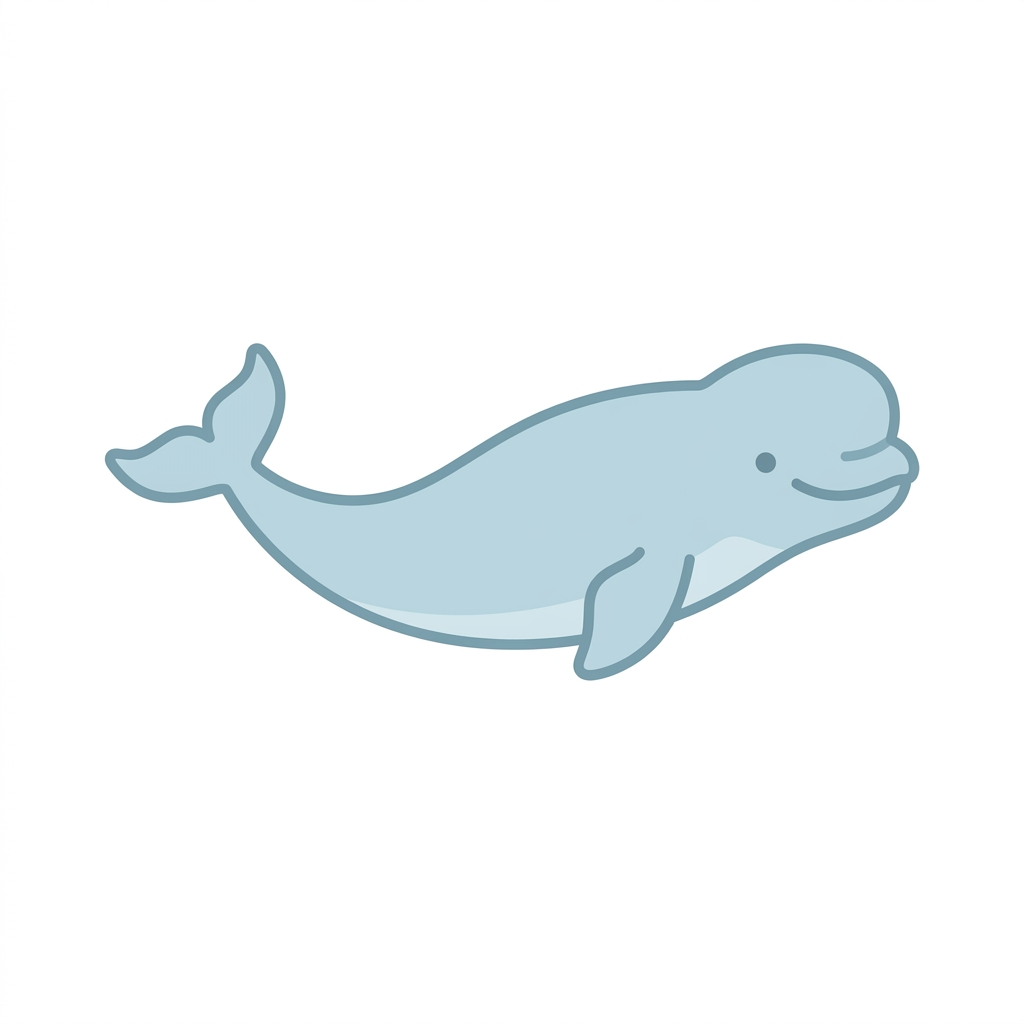
Beluga whale
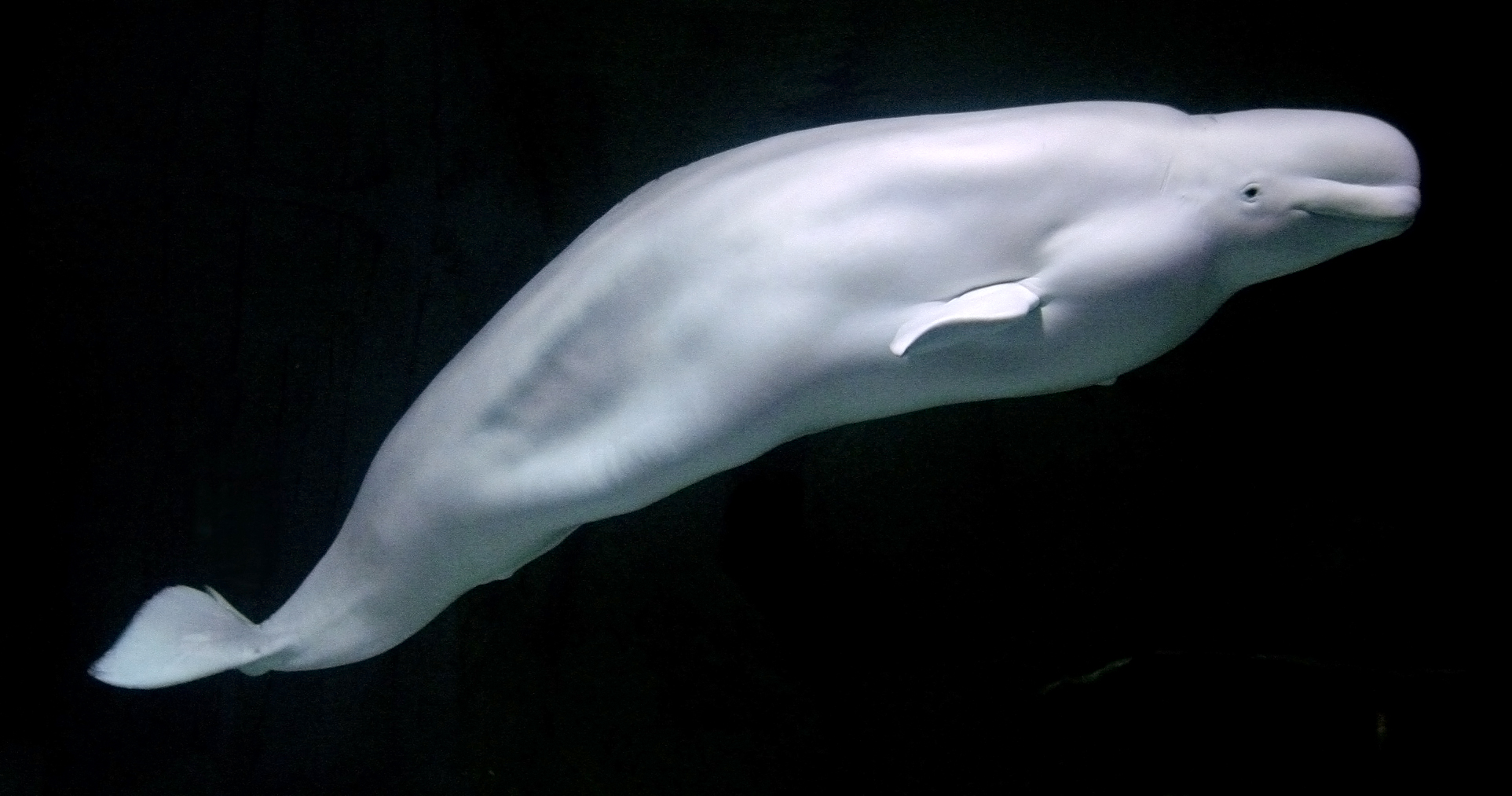
A highly vocal, all-white whale that lives in Arctic and sub-Arctic waters.
💡 Fun Facts
- They are known as 'sea canaries' because of their high-pitched whistles and clicks.
- Unlike most whales, their neck vertebrae are not fused, allowing them to turn their heads.
- They lack a dorsal fin, which helps them swim easily under the ice.
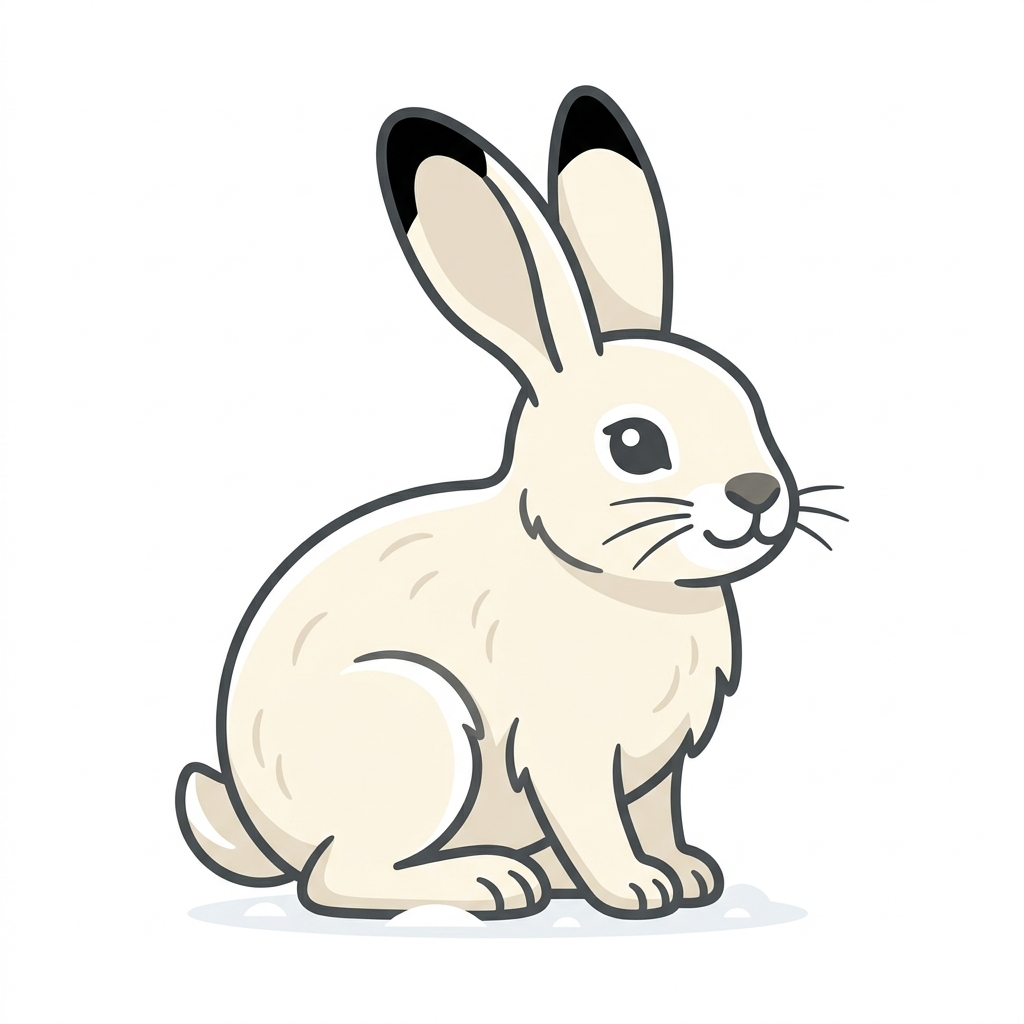
Arctic hare
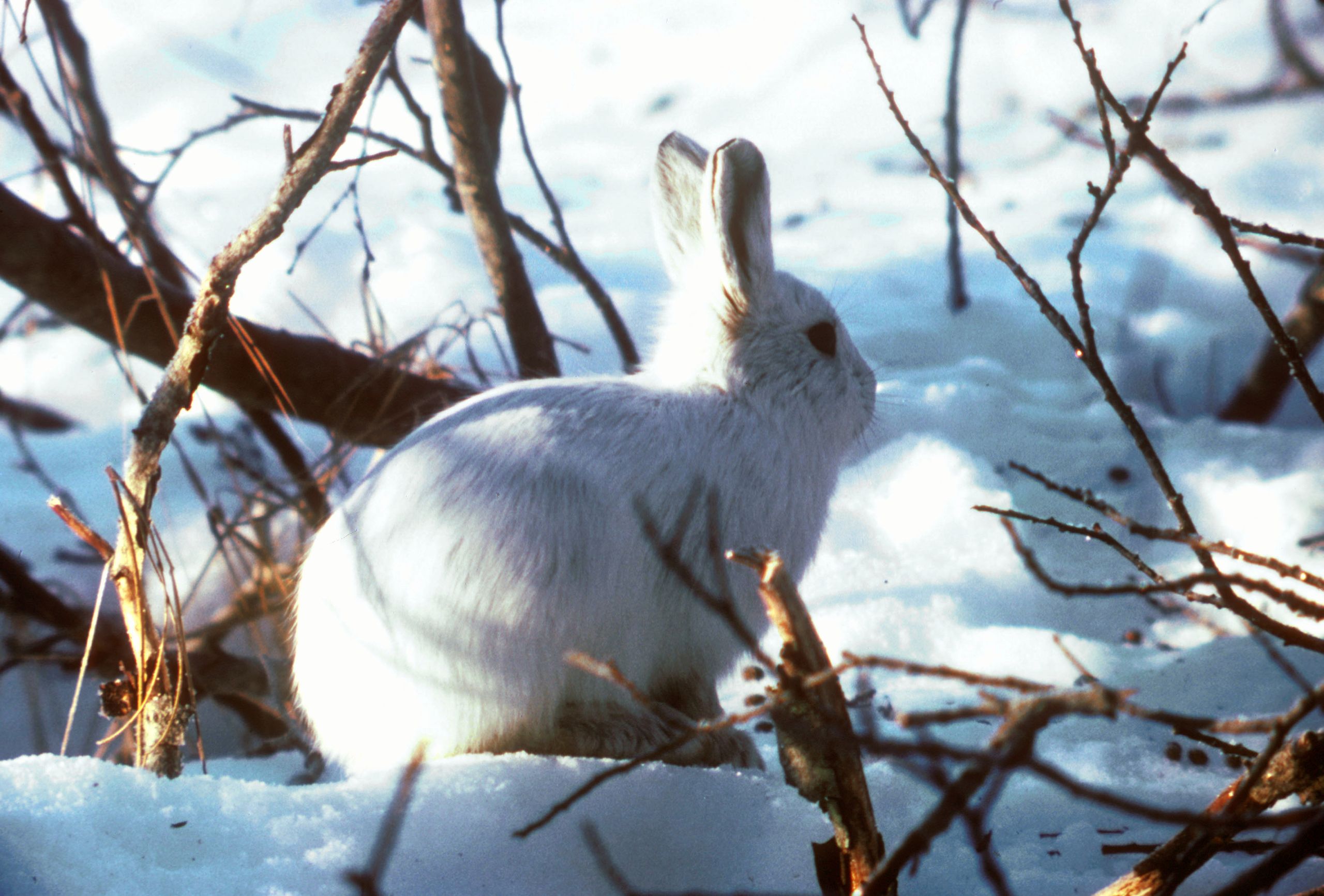
A species of hare highly adapted to freezing temperatures and deep snow.
💡 Fun Facts
- They have large, heavily furred hind feet that act like snowshoes.
- Their fur turns bright white in the winter and brown or gray in the summer.
- They have shorter ears than desert hares to prevent heat loss in the cold.
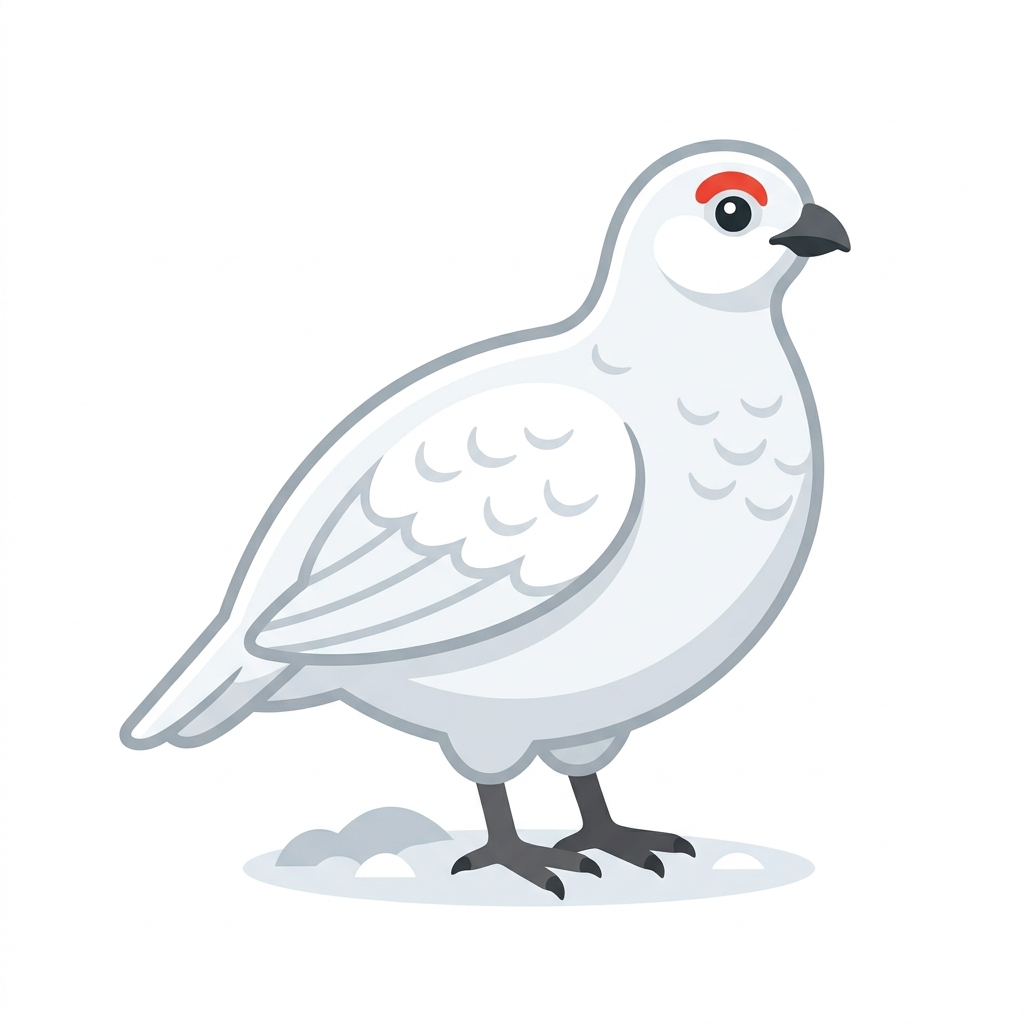
Ptarmigan
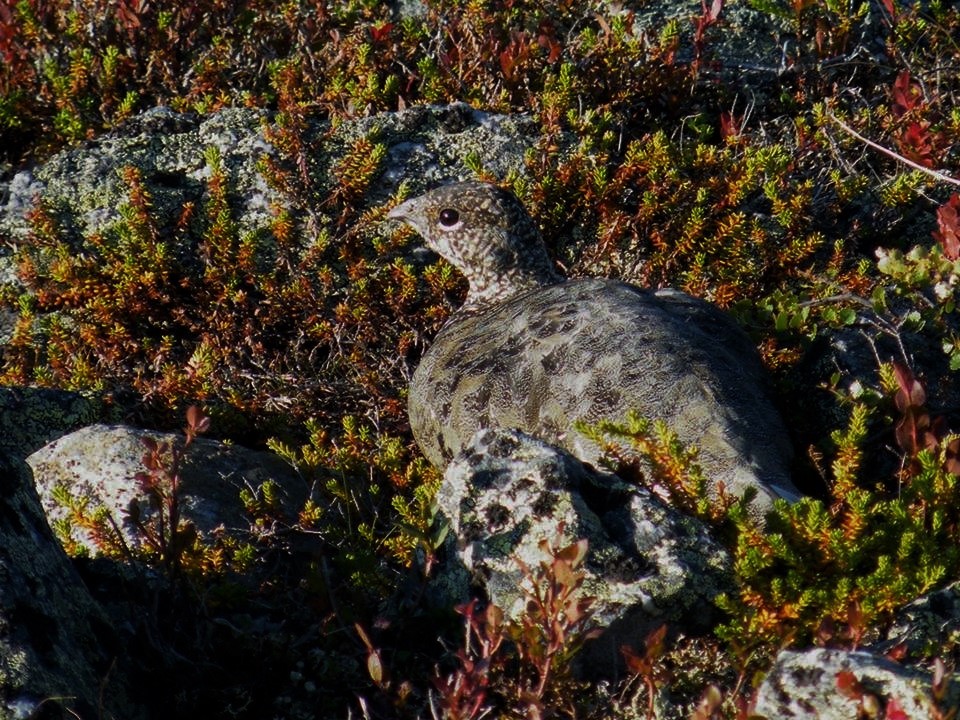
A plump, cold-adapted bird that lives on high mountains and Arctic tundra.
💡 Fun Facts
- They are the only birds in the world that moult into a completely white plumage for winter.
- Their feet are heavily feathered to act as snowshoes and provide insulation.
- They often bury themselves in the snow to stay warm during blizzards.
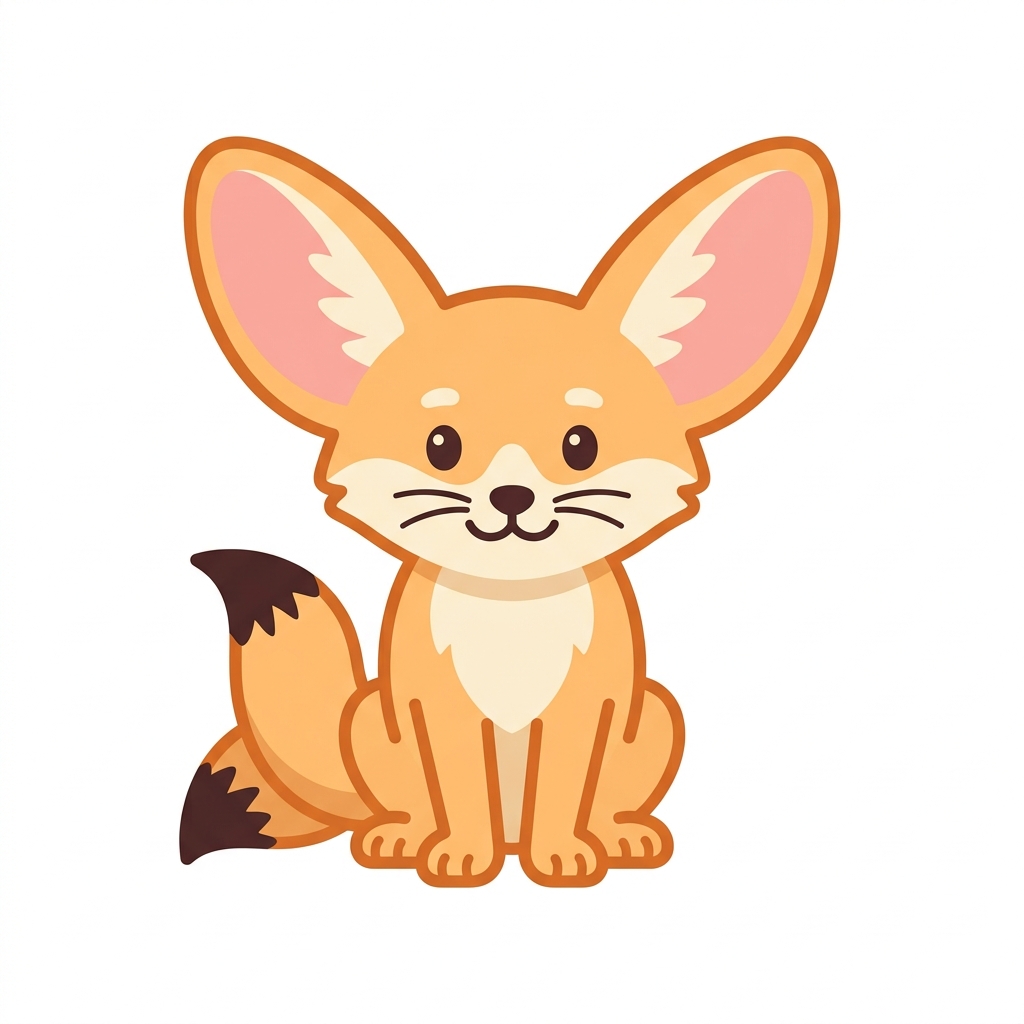
Fennec Fox
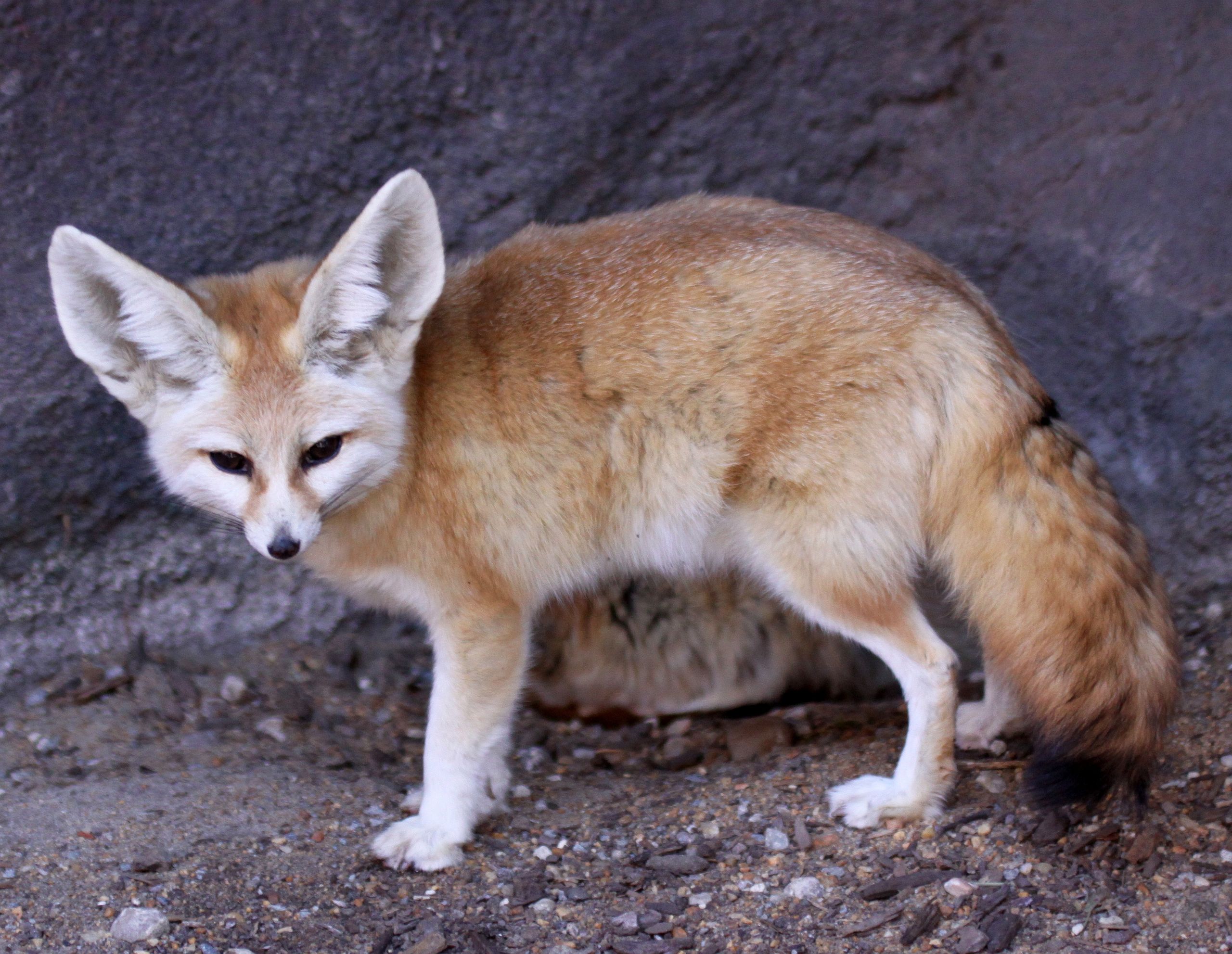
A tiny nocturnal fox native to the Sahara Desert, easily recognizable by its massive ears.
💡 Fun Facts
- Their large ears act like radiators to dissipate heat and help them hear prey underground.
- Their kidneys are adapted to restrict water loss, so they don't need to drink free-standing water.
- They have thick fur on the soles of their feet to protect them from the burning desert sand.
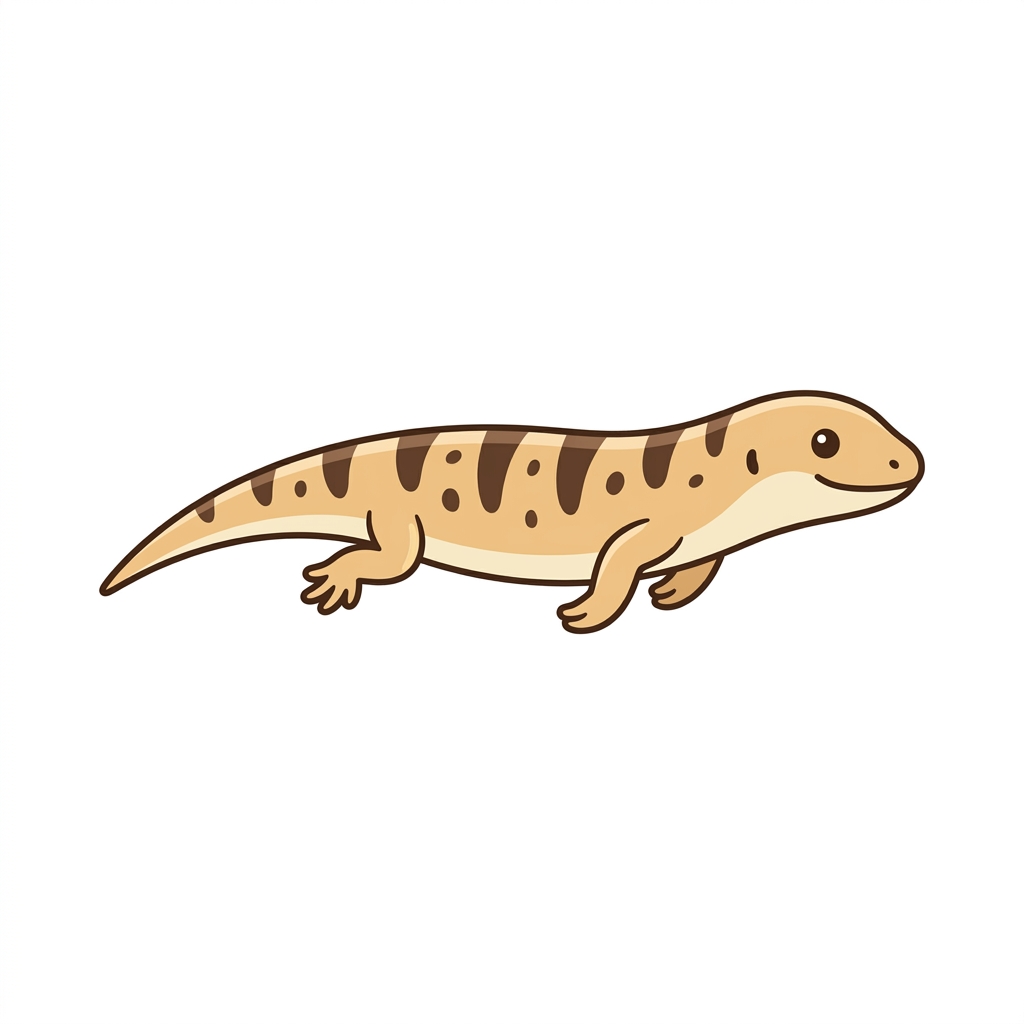
Sandfish skink
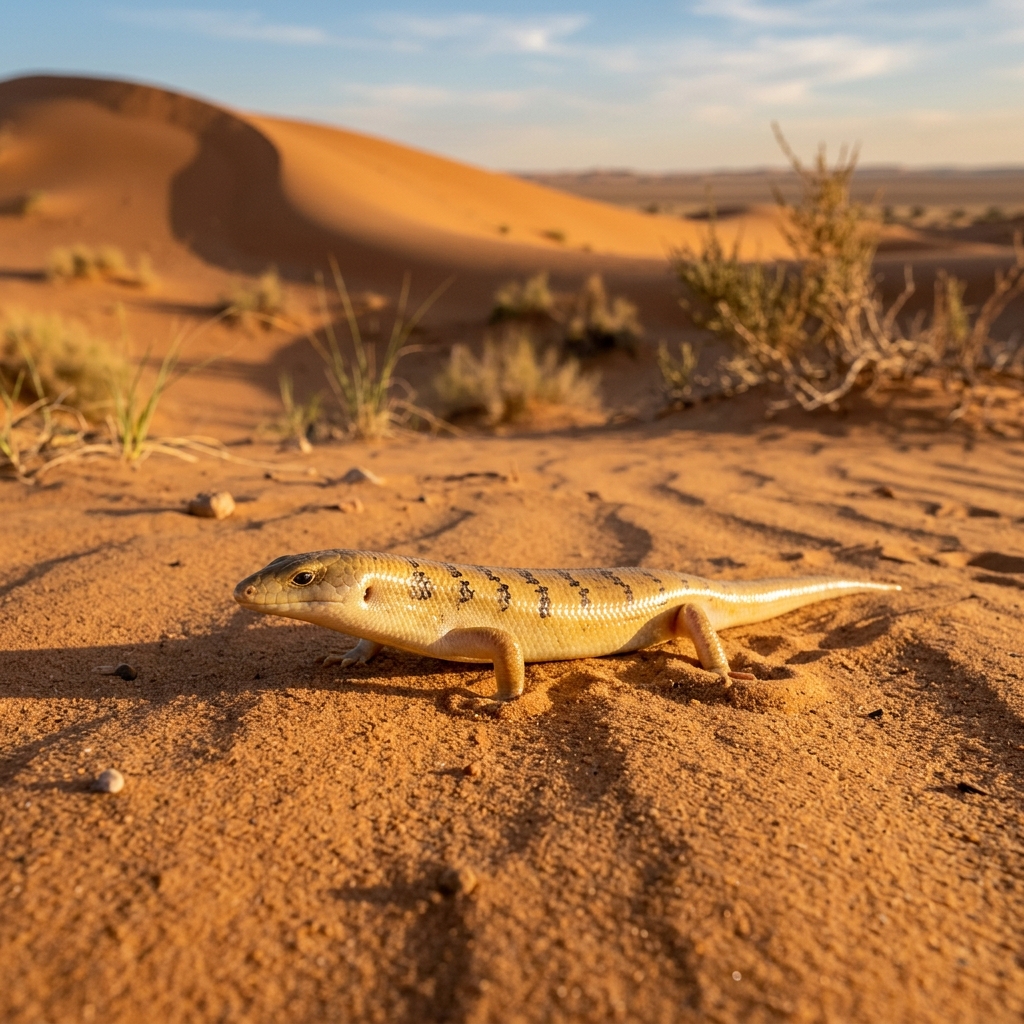
A desert lizard that literally 'swims' through loose sand.
💡 Fun Facts
- They can dive into loose sand and wriggle through it just like a fish swimming in water.
- They have transparent scales covering their eyes to keep the sand out.
- Their wedge-shaped snout acts like a shovel to help them dig quickly.
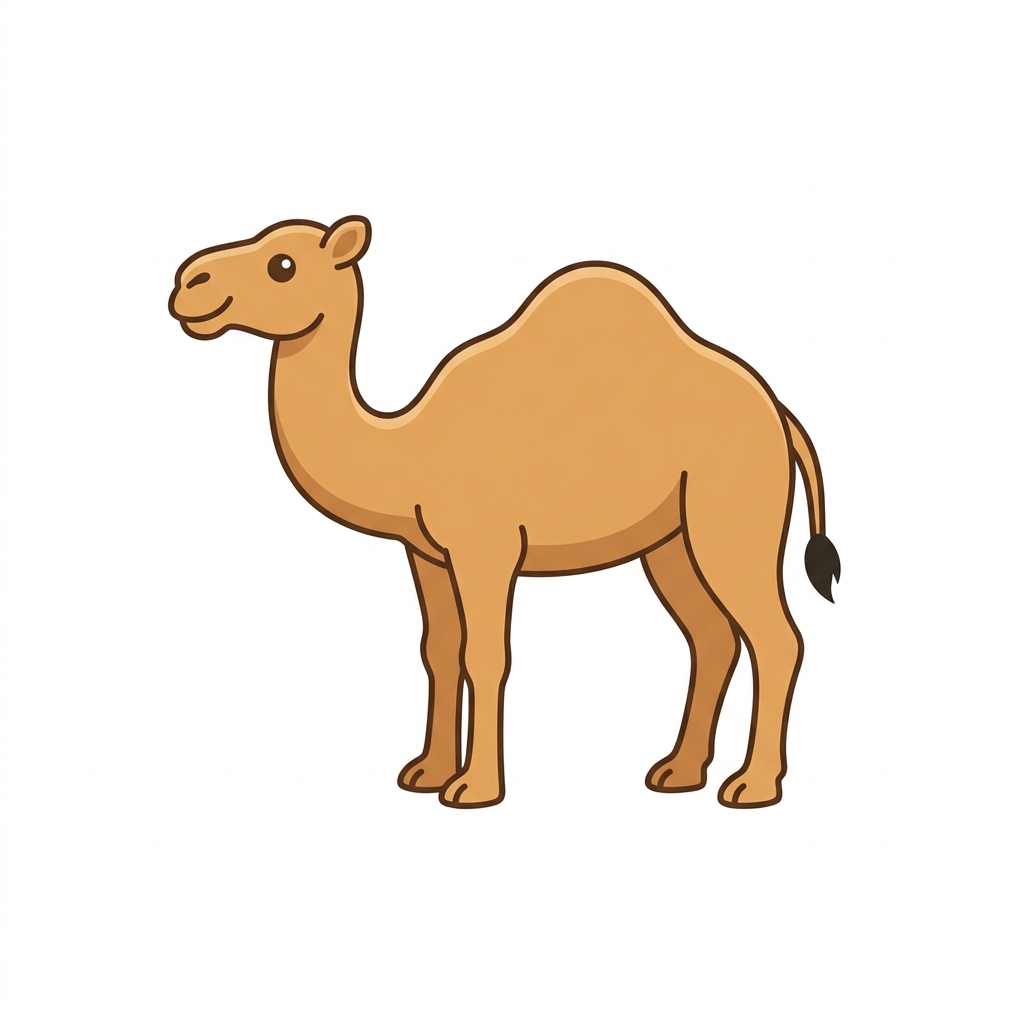
Dromedary Camel
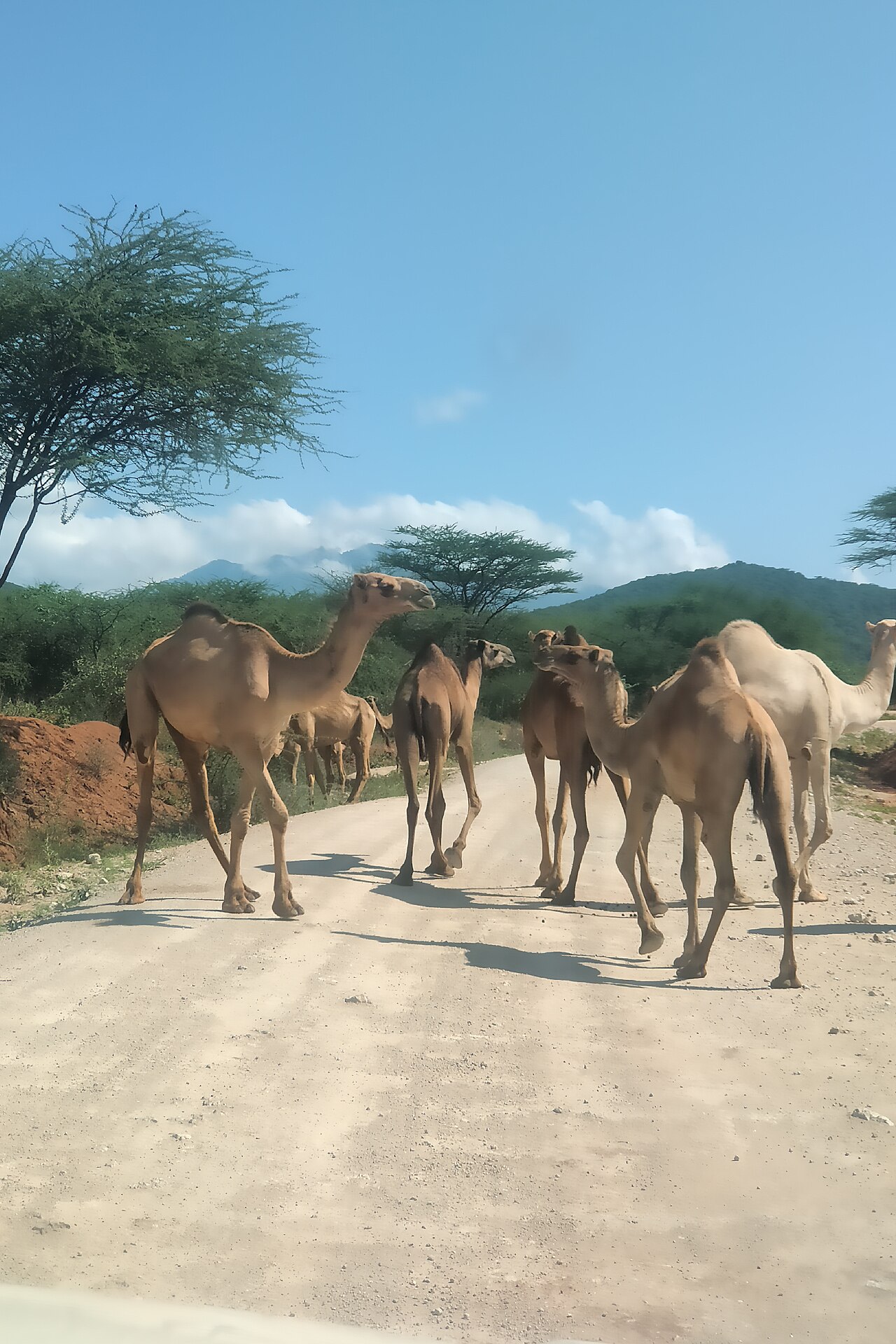
A large desert mammal with a single hump on its back.
💡 Fun Facts
- Their hump stores fat, not water, which can be broken down into energy and water when food is scarce.
- They can drink up to 30 gallons of water in just 13 minutes when they find a water source.
- They have long eyelashes and sealable nostrils to keep out blowing desert sand.
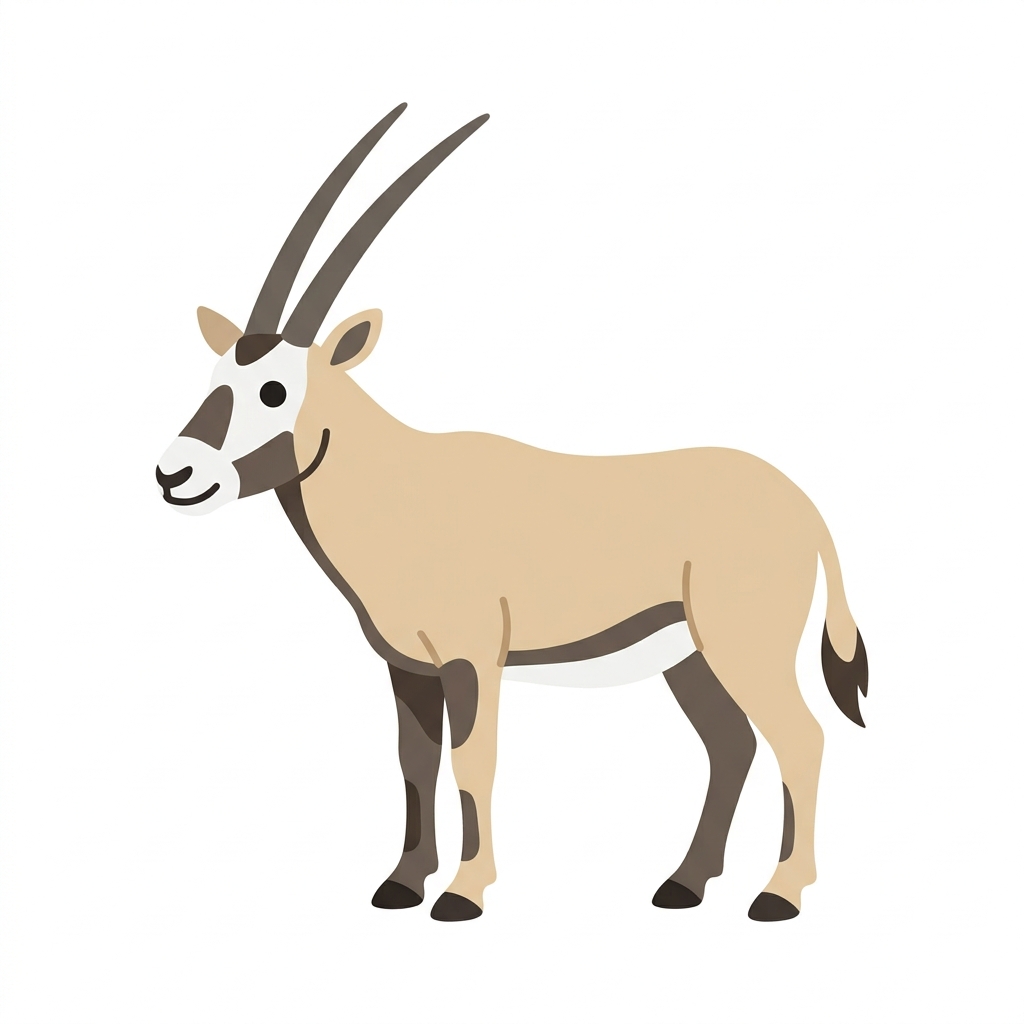
Arabian oryx
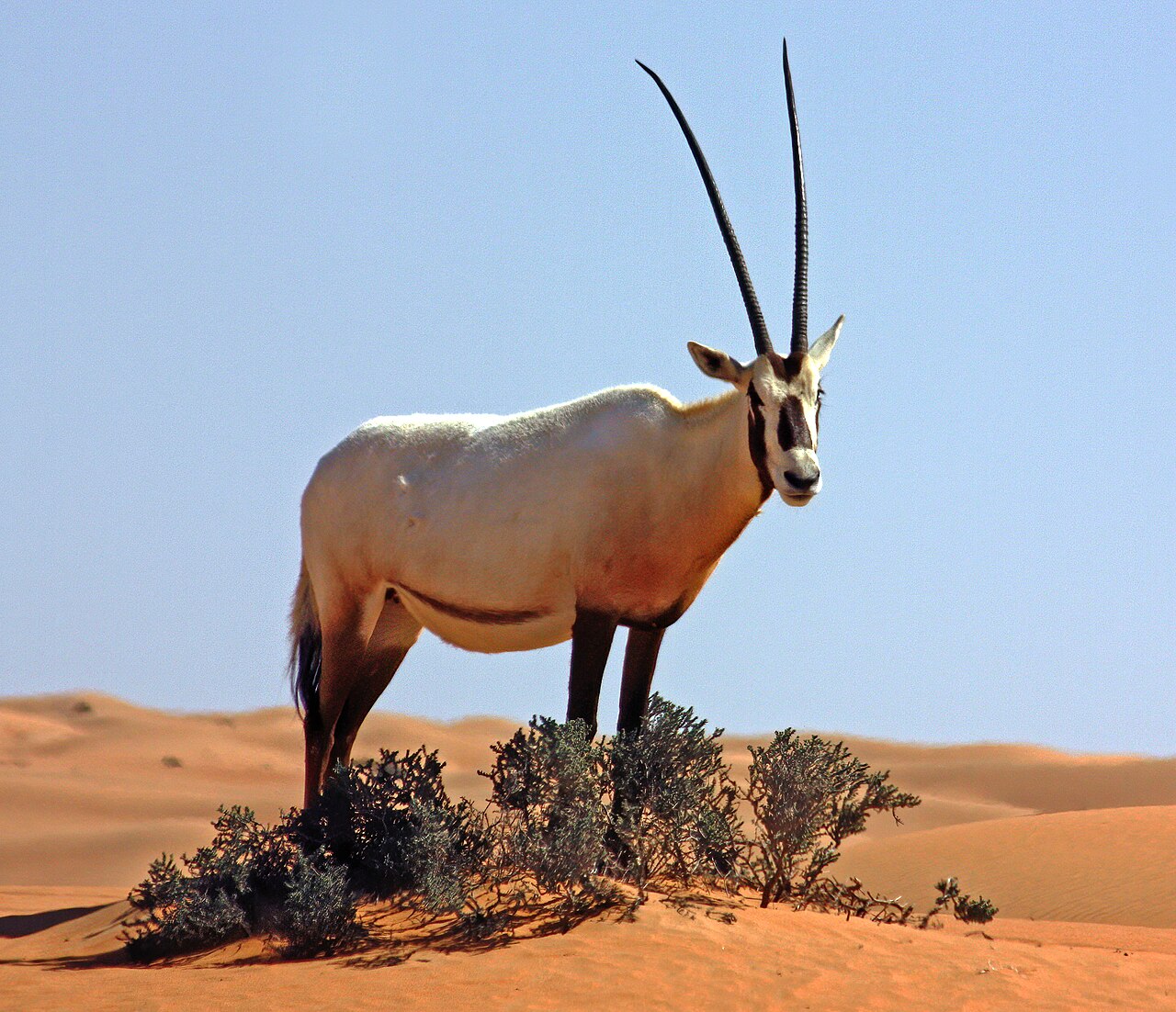
A highly desert-adapted antelope with long, straight horns.
💡 Fun Facts
- They can survive for weeks or even months without drinking water, getting moisture from roots and melons.
- Their white coats reflect the desert sun, while their dark legs help them absorb heat on cold mornings.
- They can sense rainfall from miles away and will migrate toward the fresh plant growth.
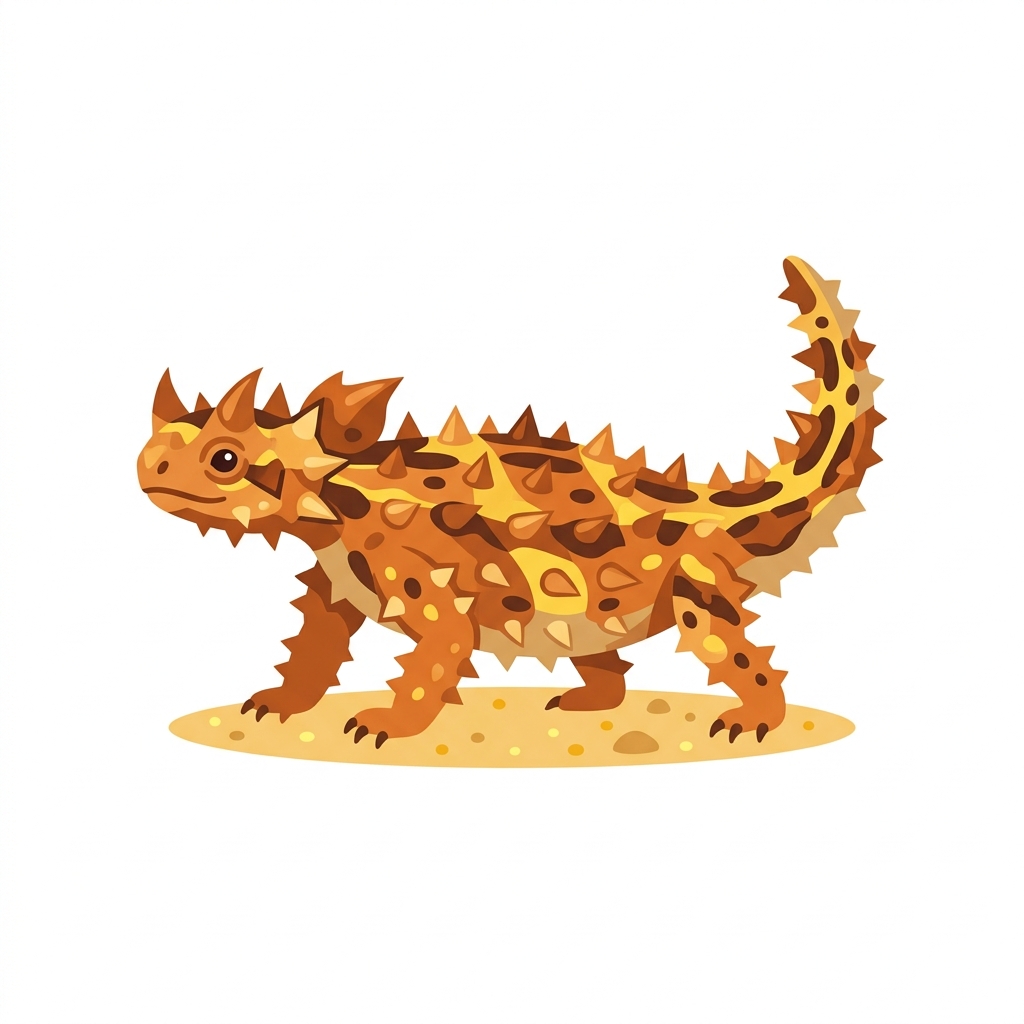
Thorny Devil
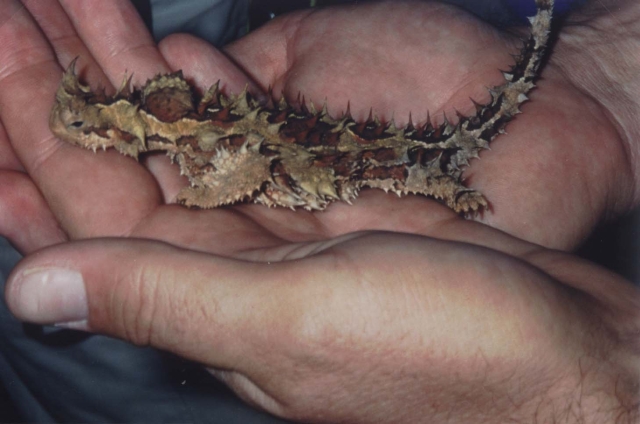
A small Australian lizard covered entirely in sharp, conical spines.
💡 Fun Facts
- They have a 'false head' on the back of their neck that they present to predators while hiding their real head.
- The microscopic grooves between their scales channel dew and rain straight to their mouths.
- They eat almost exclusively ants, consuming up to 3,000 in a single day.
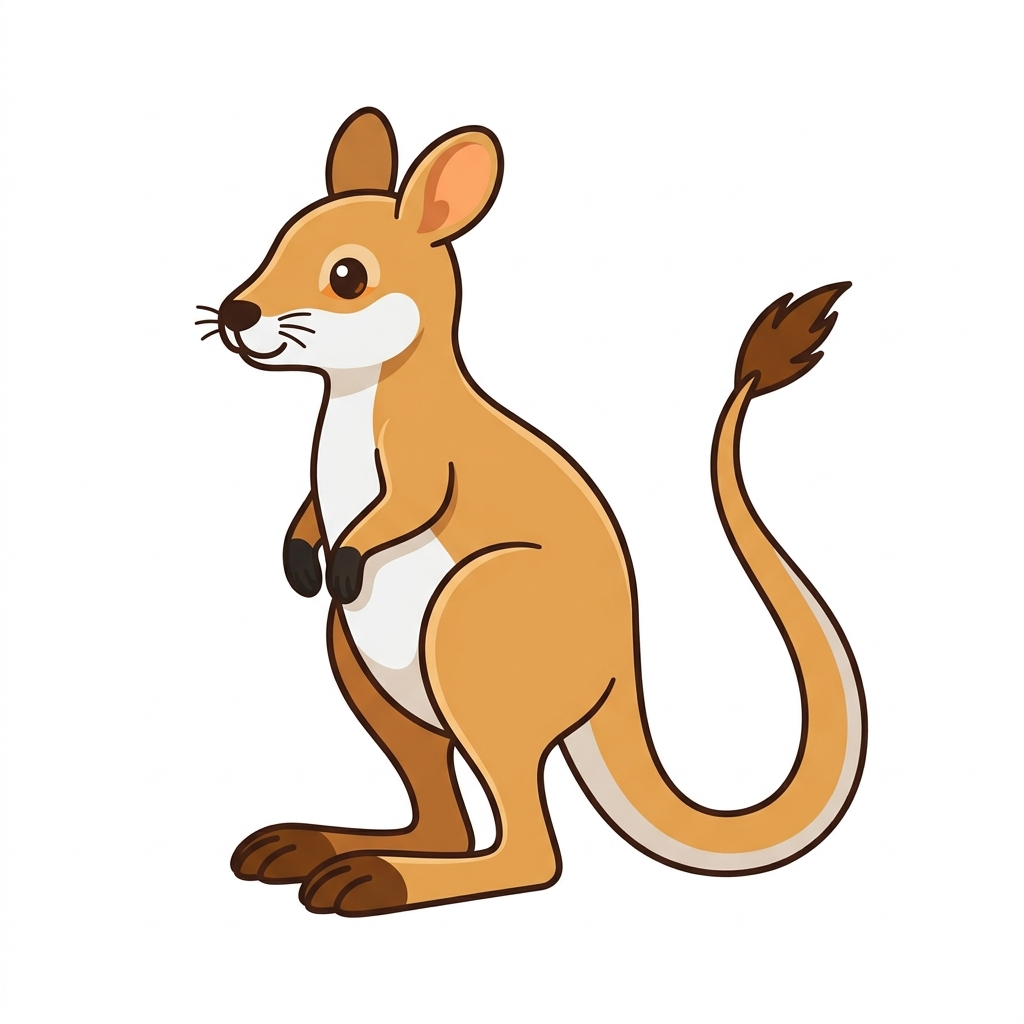
Kangaroo rat
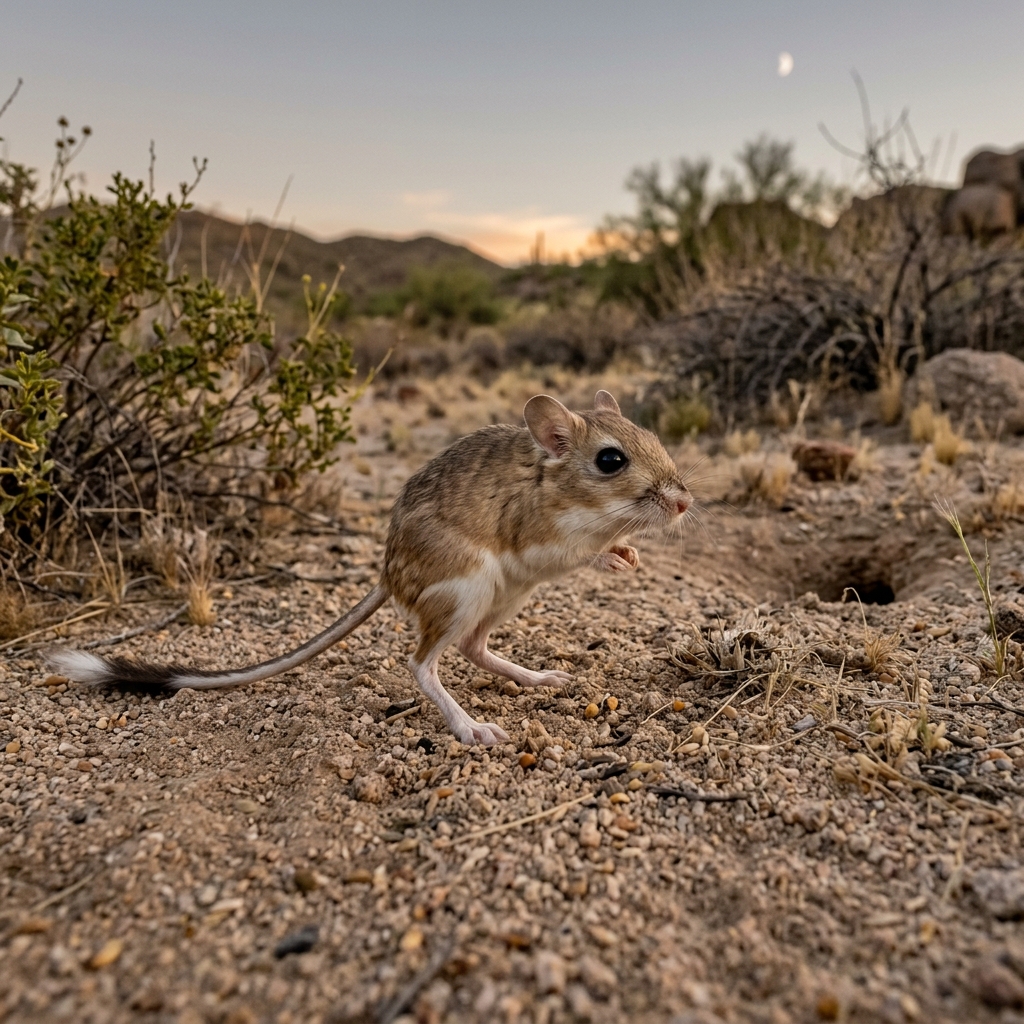
A small, leaping rodent native to North American deserts.
💡 Fun Facts
- They never need to drink water in their entire lives, extracting all they need from the seeds they eat.
- Their powerful hind legs allow them to leap up to 9 feet to escape predators like rattlesnakes.
- They have specialized cheek pouches to carry seeds back to their burrows.
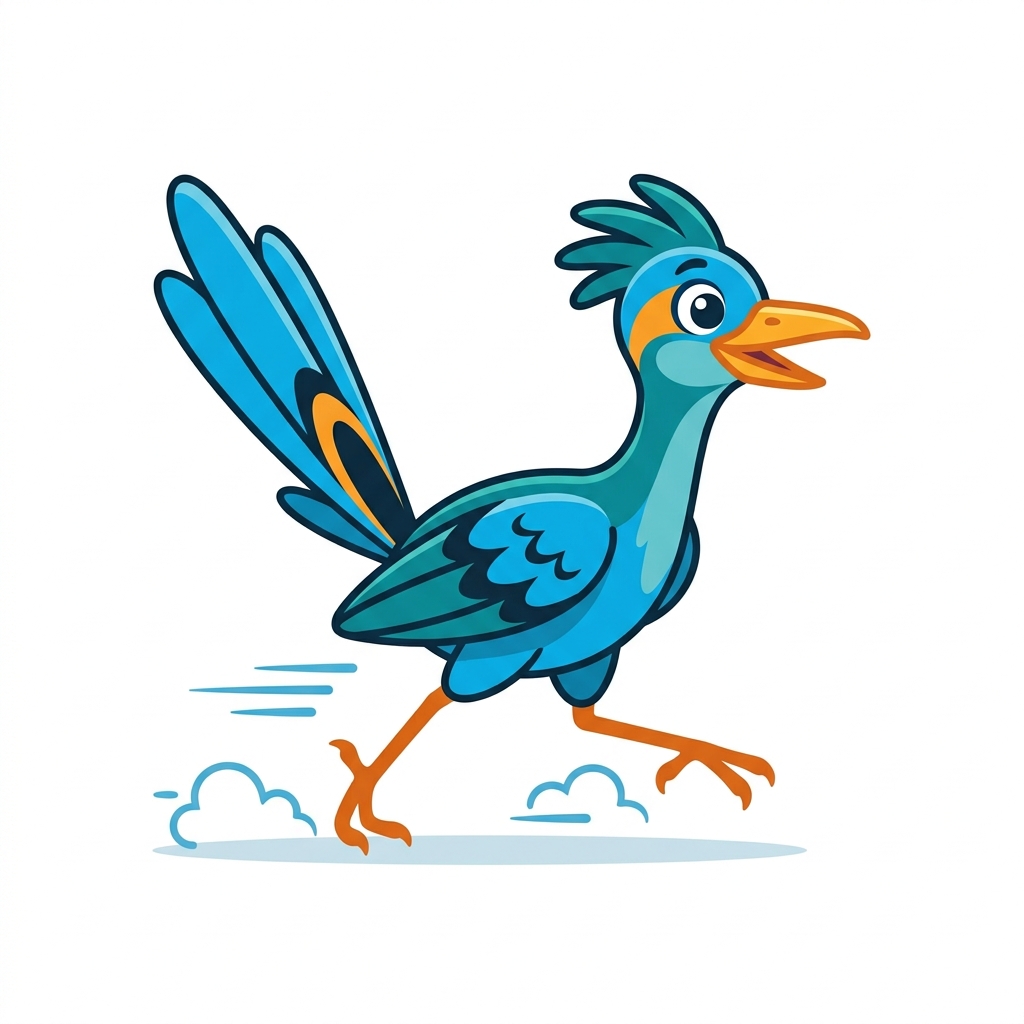
Roadrunner
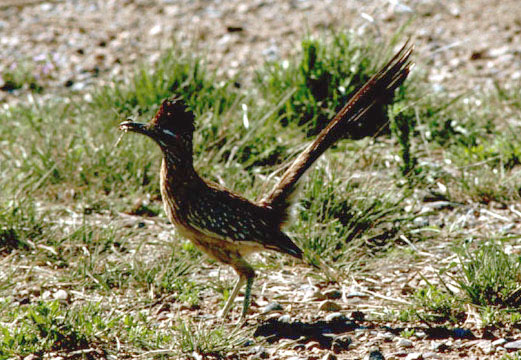
A fast-running bird found in the deserts of the American Southwest.
💡 Fun Facts
- They can run at speeds of up to 20 miles per hour to chase down lizards and insects.
- They secrete excess salt from their bodies through special glands near their eyes to conserve water.
- They are known to hunt and eat venomous rattlesnakes.
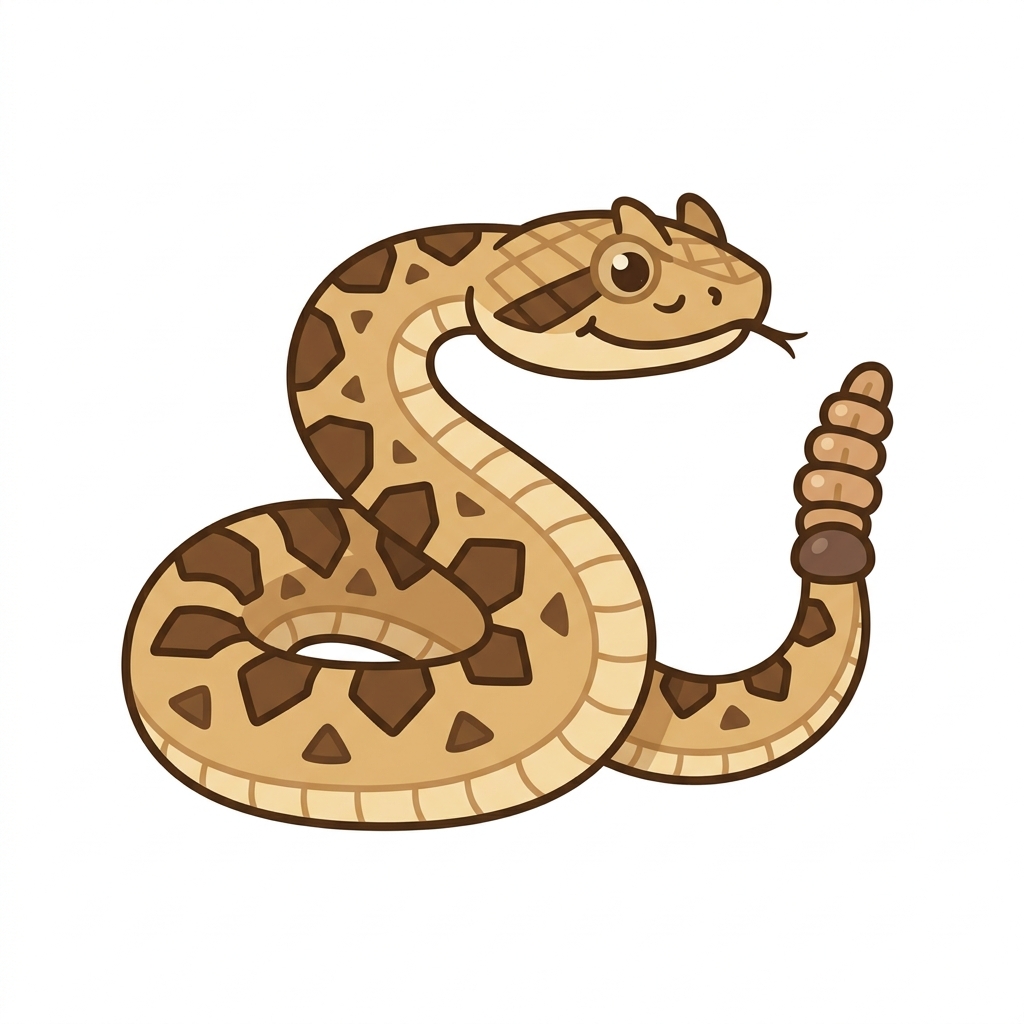
Sidewinder Rattlesnake
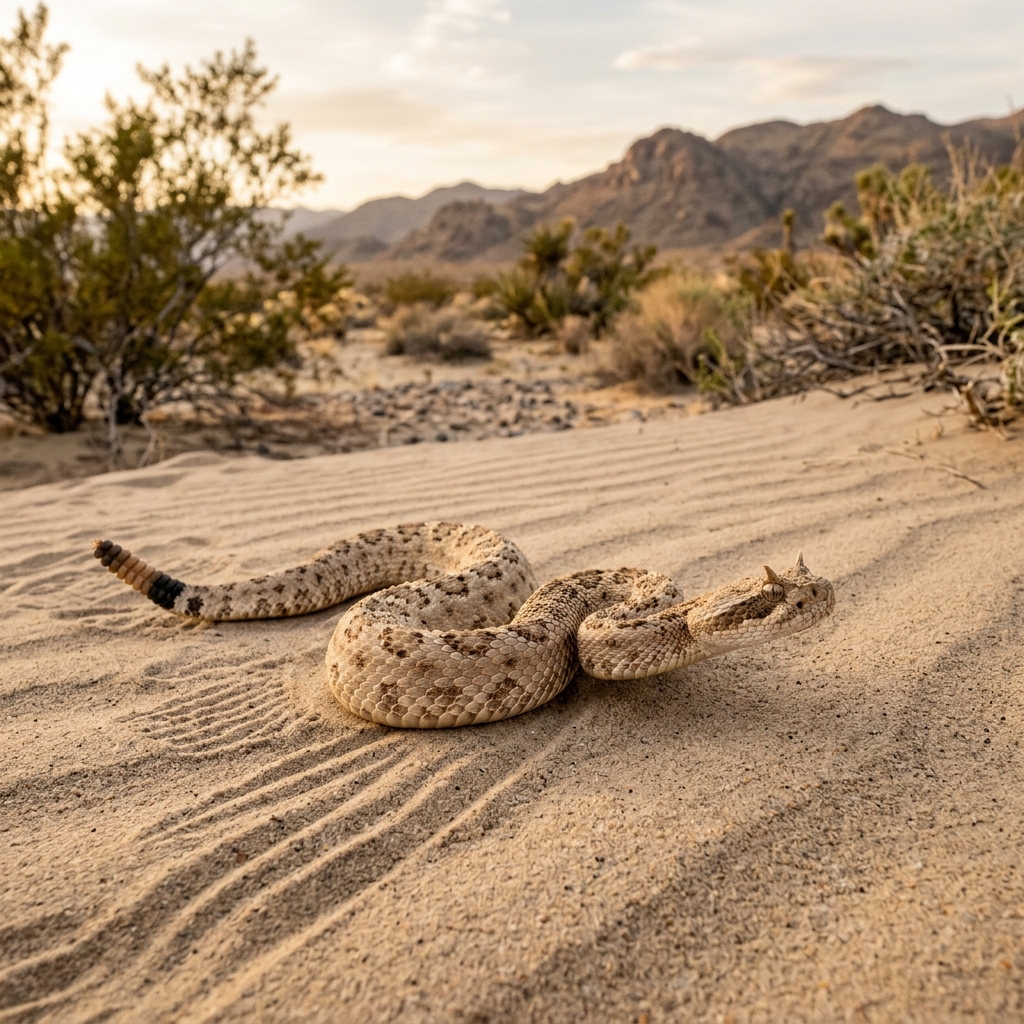
A venomous snake adapted to moving across loose desert sand.
💡 Fun Facts
- It moves sideways in a J-shaped pattern (sidewinding), so only two small parts of its body touch the hot sand at a time.
- They bury themselves in the sand with only their eyes and nostrils exposed to ambush prey.
- They have 'horns' over their eyes that act like sunshades and keep sand out.
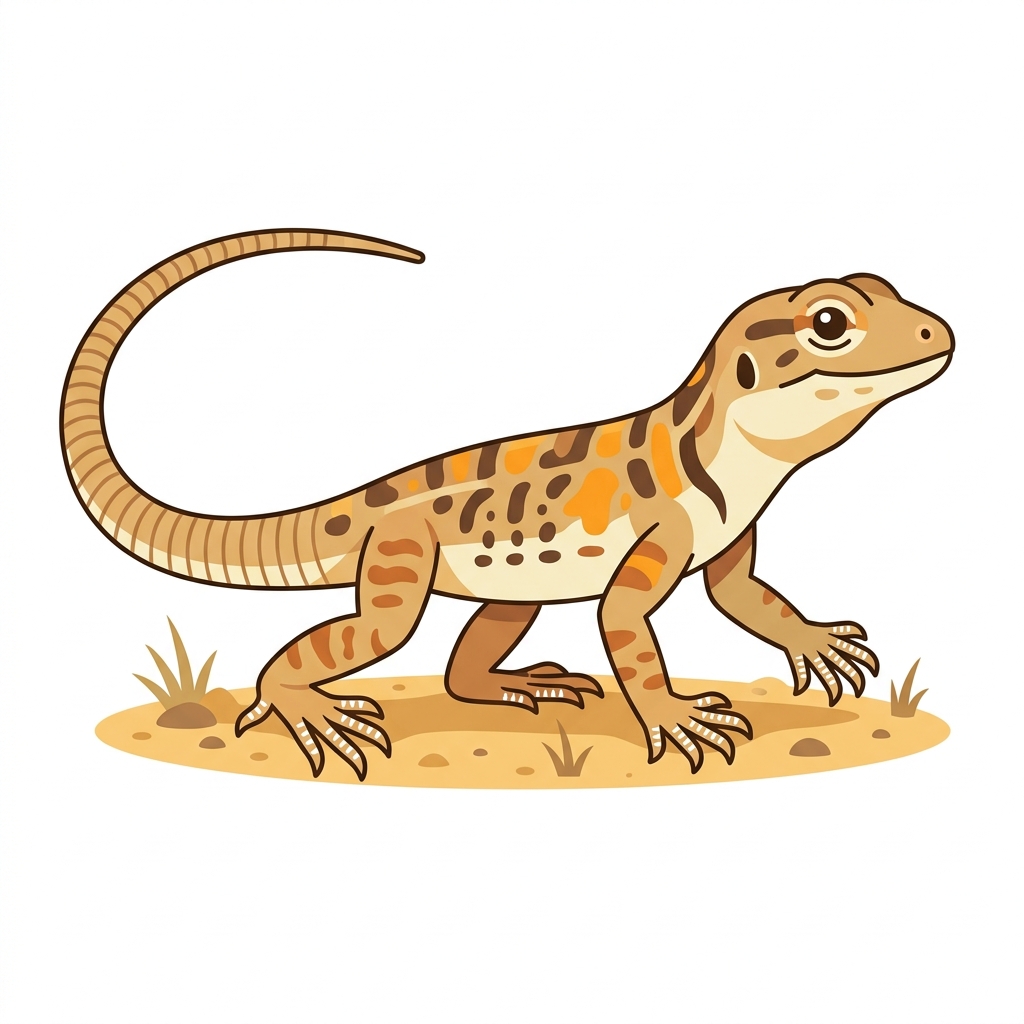
Fringe-toed lizard
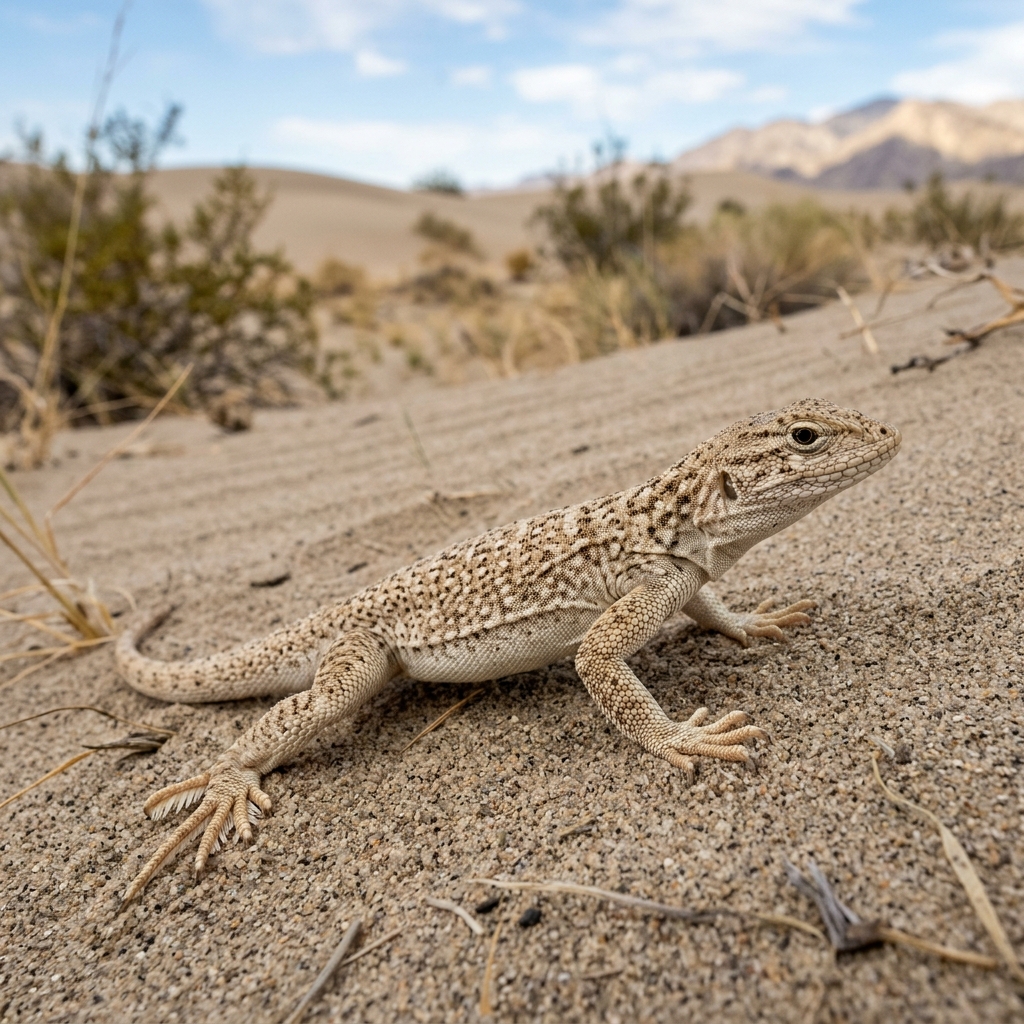
A fast-running lizard adapted to sandy desert dunes.
💡 Fun Facts
- They have special fringes of scales on their toes that act like snowshoes on the loose sand.
- When running at top speed, they often run only on their hind legs.
- They can dive headfirst into the sand to hide from predators.
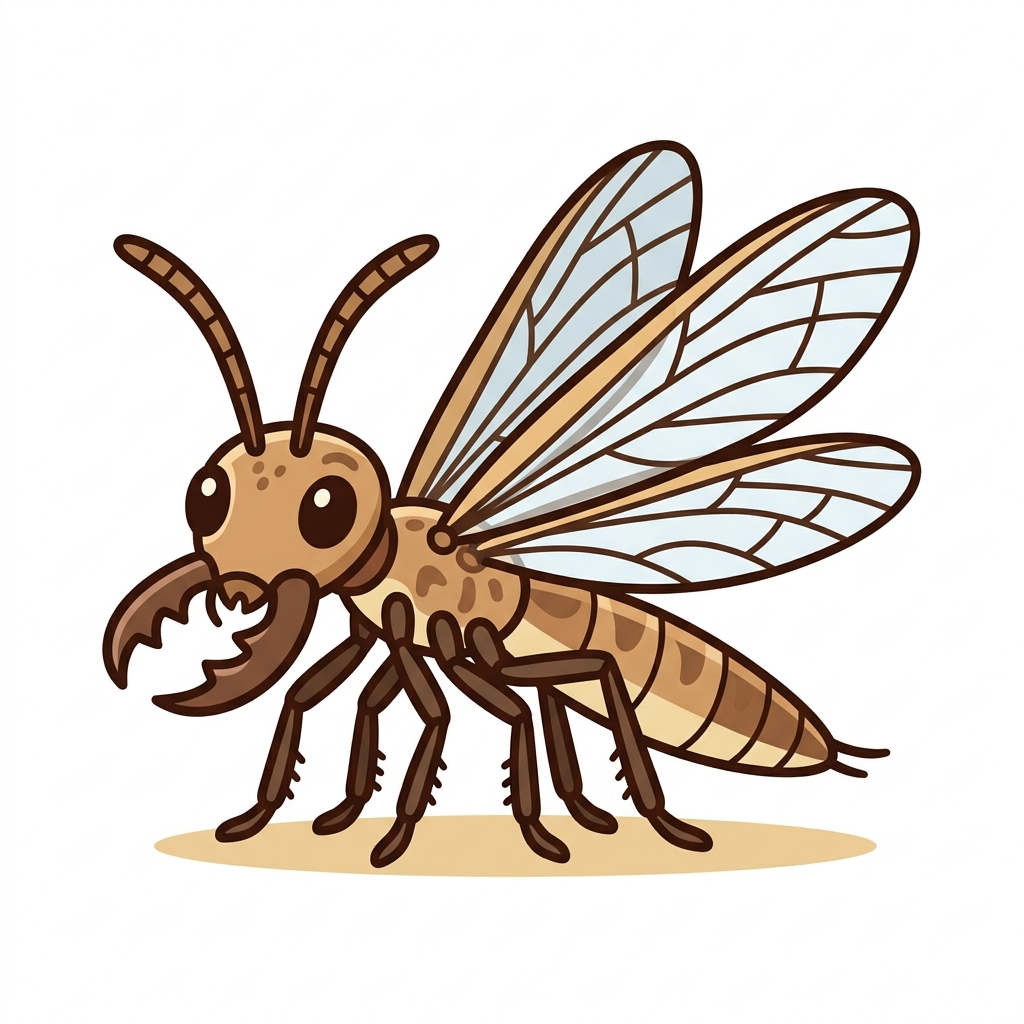
Antlion
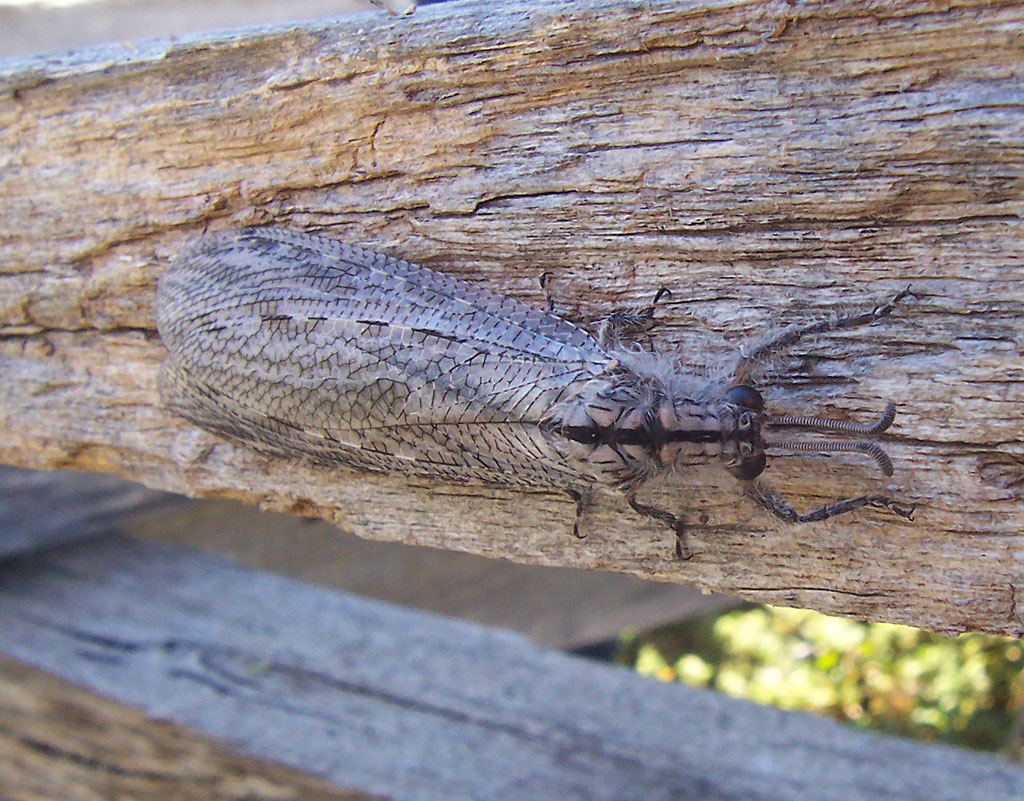
The fierce larva of a winged insect that traps prey in sand pits.
💡 Fun Facts
- The larva digs a cone-shaped pit in loose sand and waits buried at the bottom with its jaws open.
- When an ant falls in, the antlion throws sand at it to cause miniature avalanches and drag it down.
- They only walk backward, leaving distinctive winding trails in the sand.
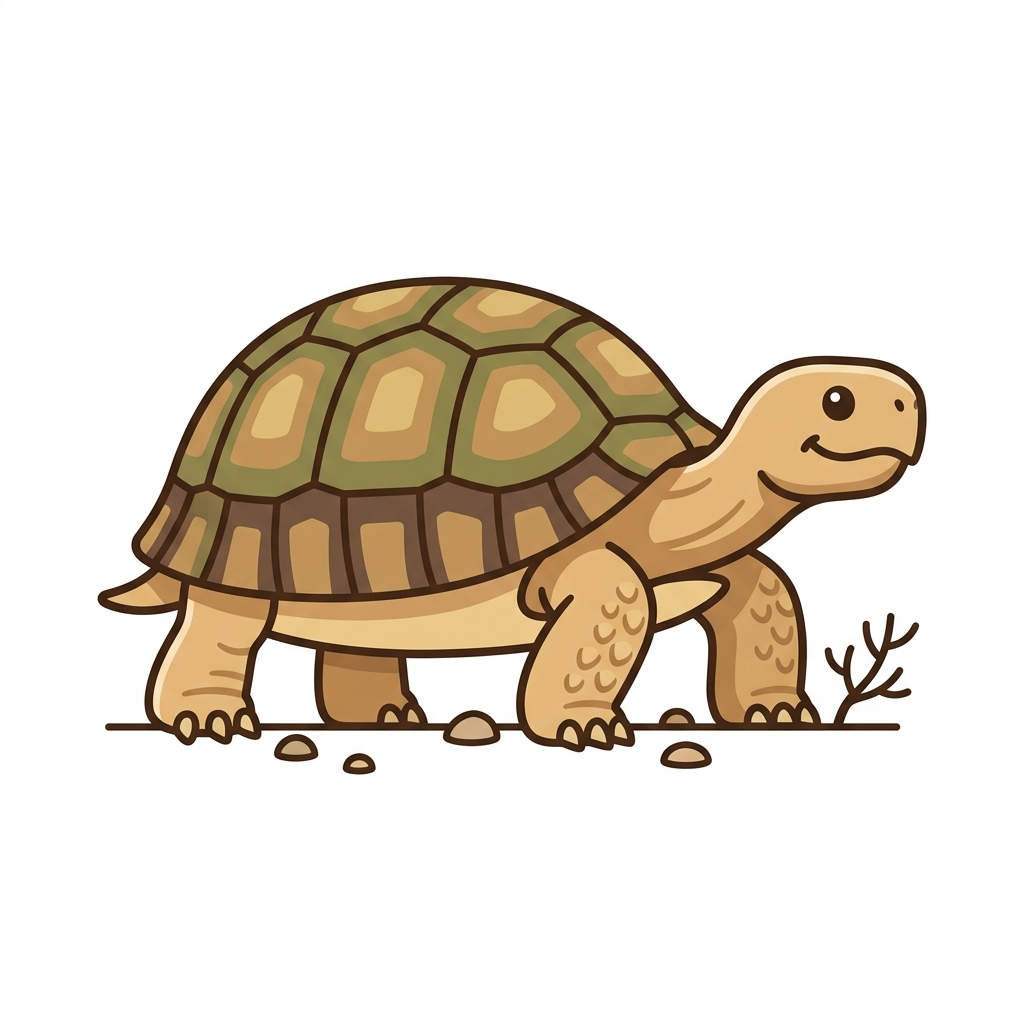
Desert Tortoise
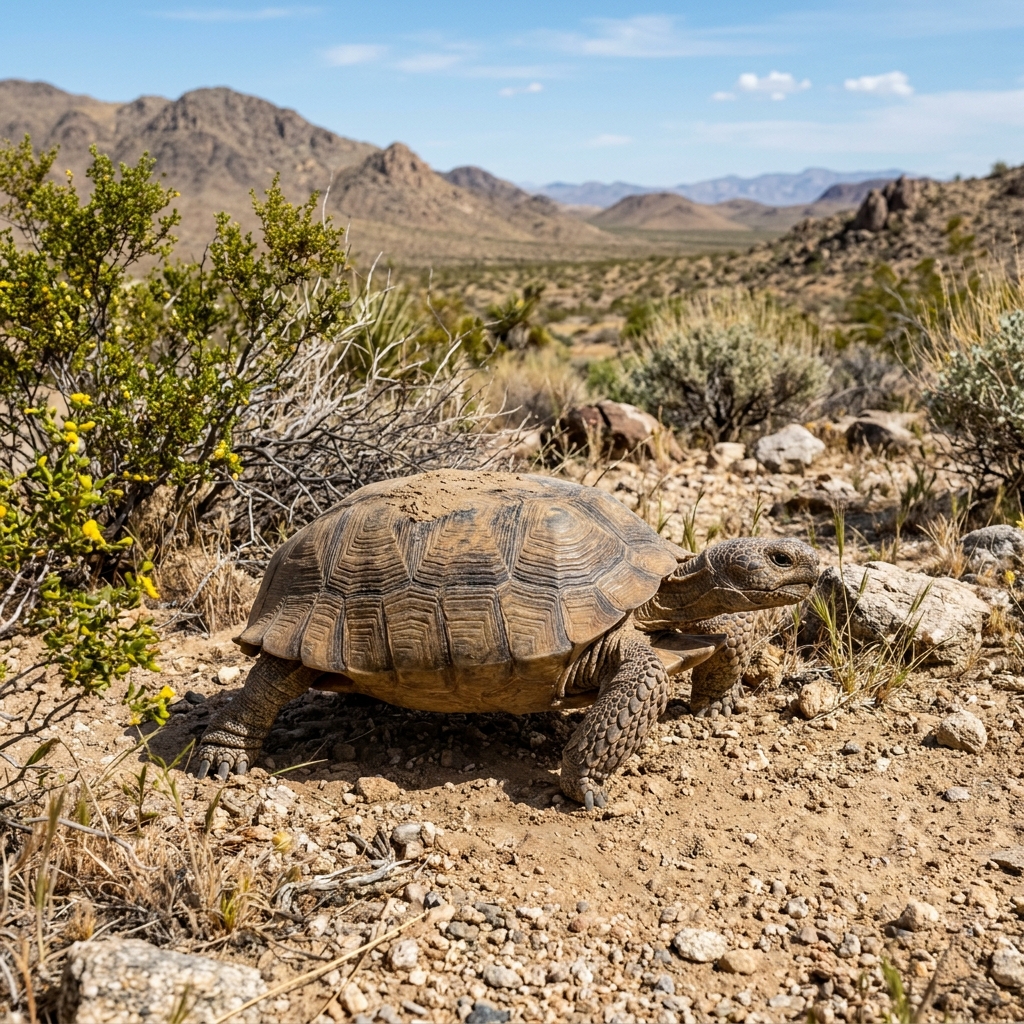
A large reptile heavily adapted to surviving in dry desert conditions.
💡 Fun Facts
- They can survive for more than a year without access to fresh water.
- They spend up to 95% of their lives in underground burrows to escape the extreme heat and cold.
- Their large bladders can hold an amount of water equal to 40% of their body weight.
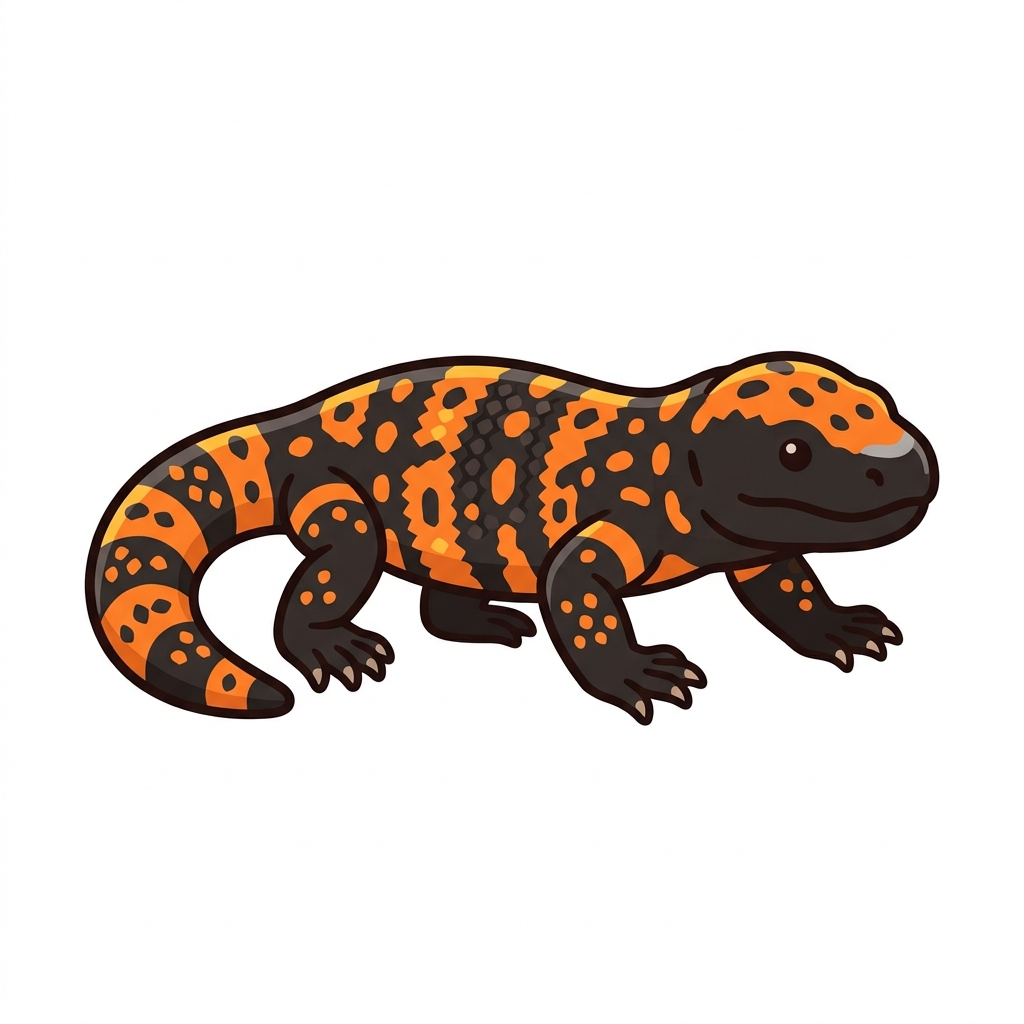
Gila monster
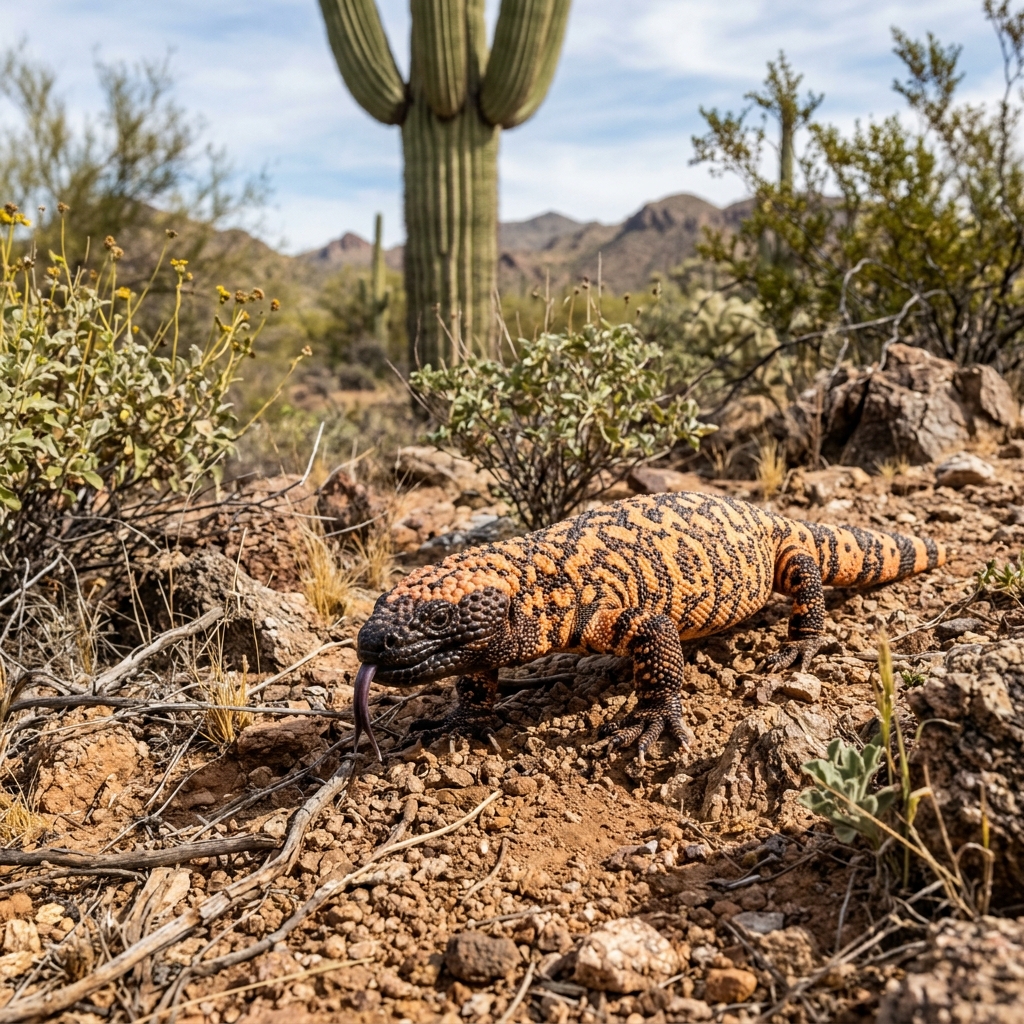
One of the few venomous lizards in the world, native to the Mojave Desert.
💡 Fun Facts
- Unlike venomous snakes, they don't inject venom through fangs, but rather chew it into their prey from glands in their lower jaw.
- They spend most of their time in burrows and only come out to hunt a few weeks a year.
- They store fat in their thick tails to survive when food is scarce.
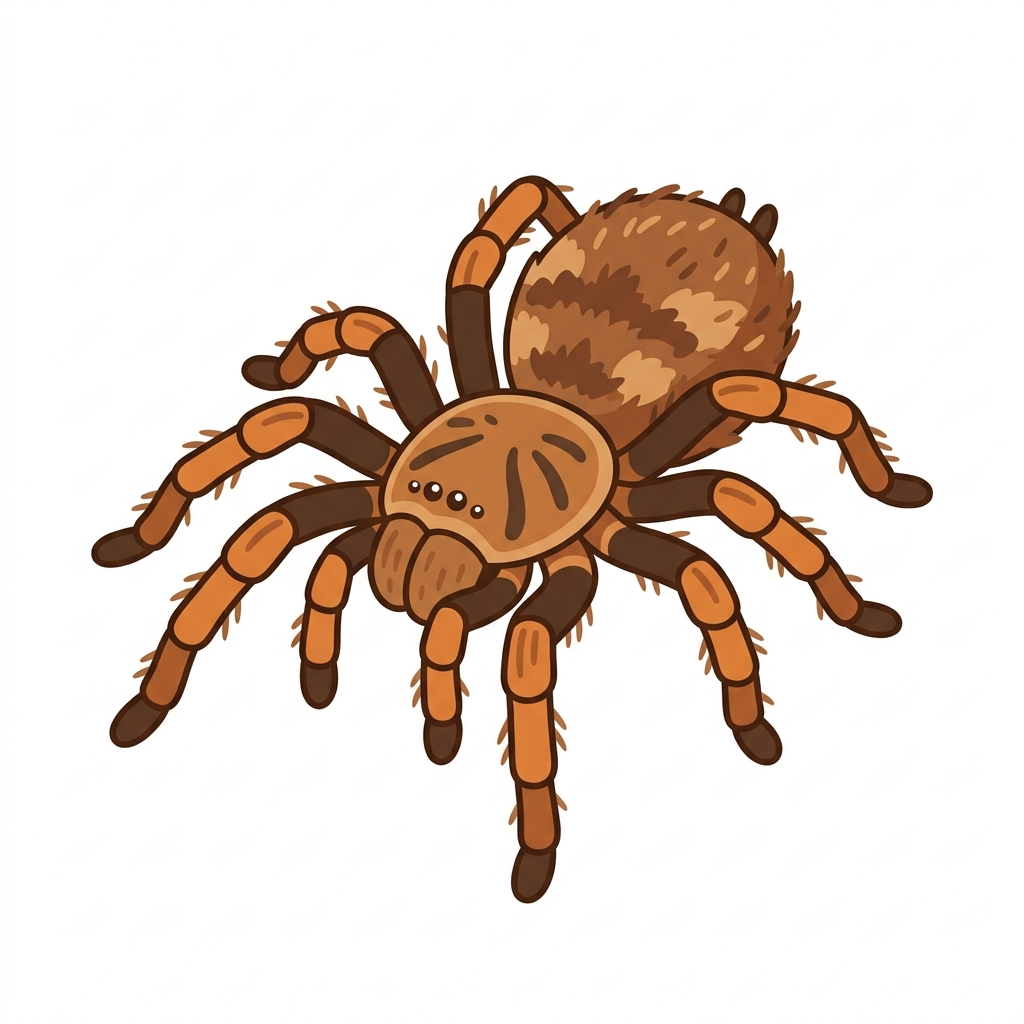
Desert tarantula
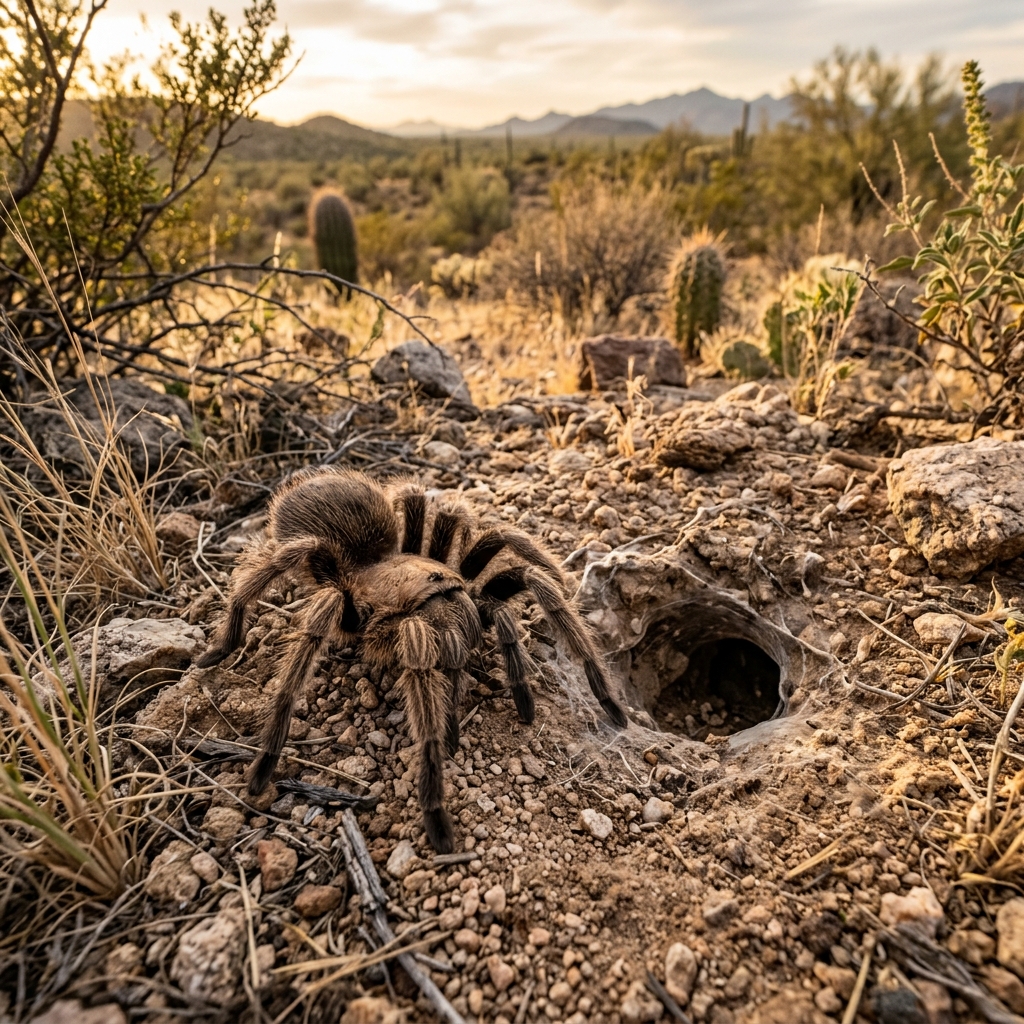
A large, hairy spider that hunts at night in the desert.
💡 Fun Facts
- They don't spin webs to catch prey; they actively hunt on the ground at night.
- When threatened, they can rub their hind legs against their abdomen to flick irritating barbed hairs into a predator's eyes.
- Females can live for up to 30 years in the wild.
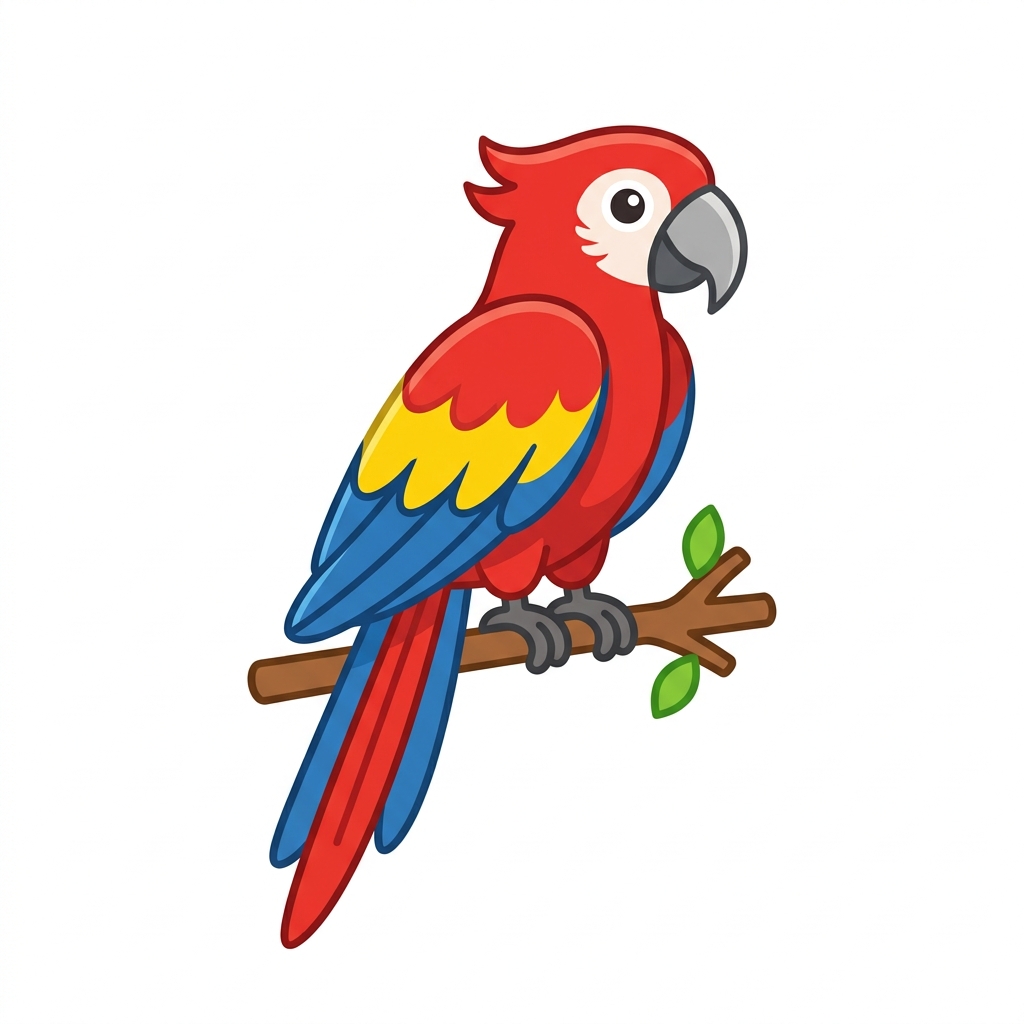
Scarlet macaw
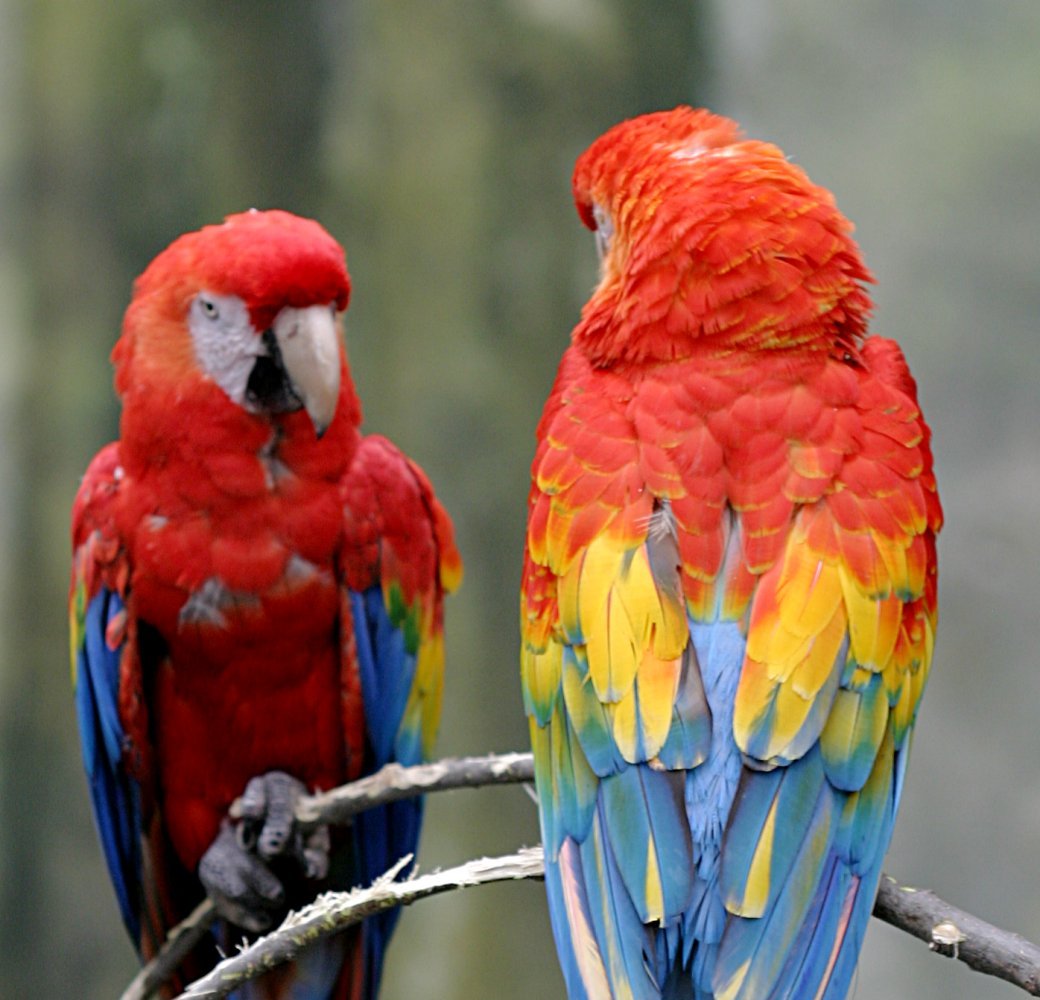
A large, incredibly colorful parrot native to Central and South American rainforests.
💡 Fun Facts
- They use their strong, curved beaks to crack open incredibly hard nuts and seeds.
- They mate for life and often fly in pairs, calling loudly to each other.
- They often eat clay from riverbanks to neutralize the toxins in some of the seeds they eat.
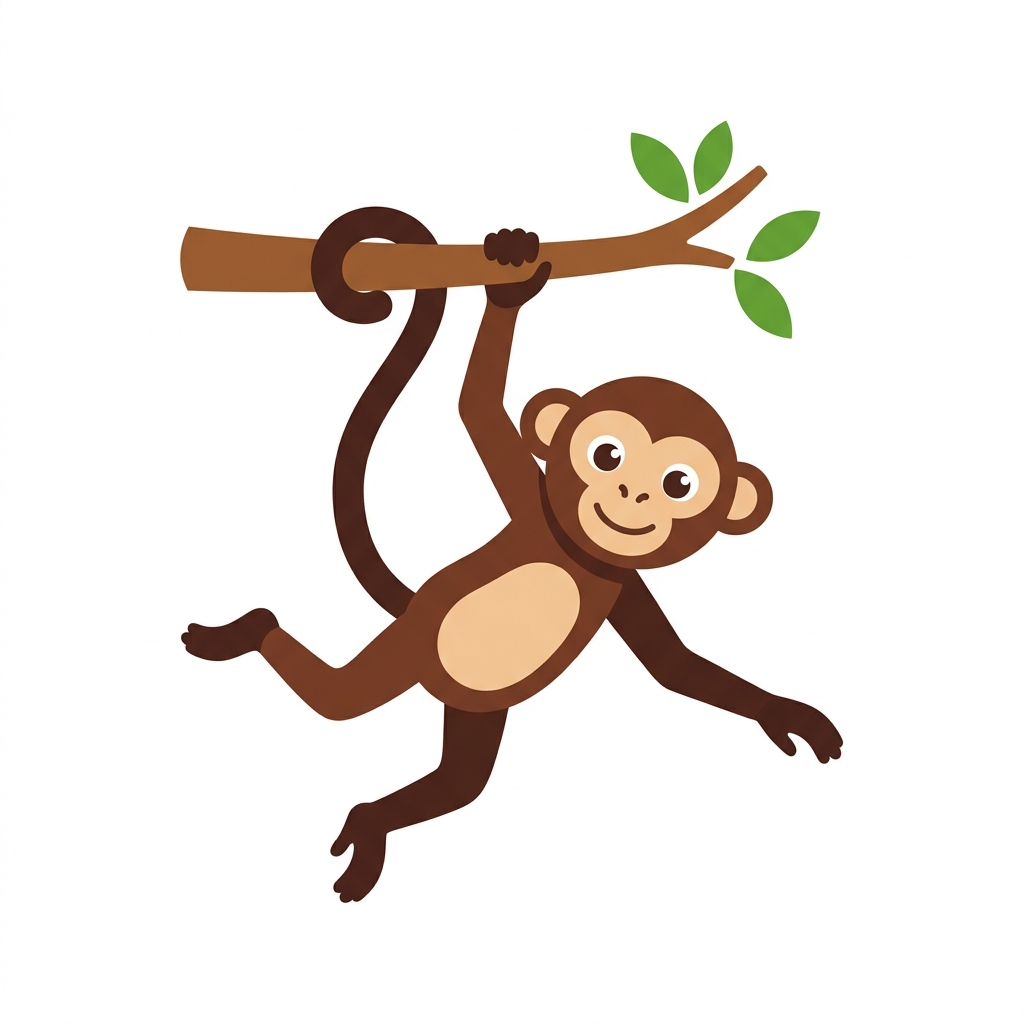
Spider monkey
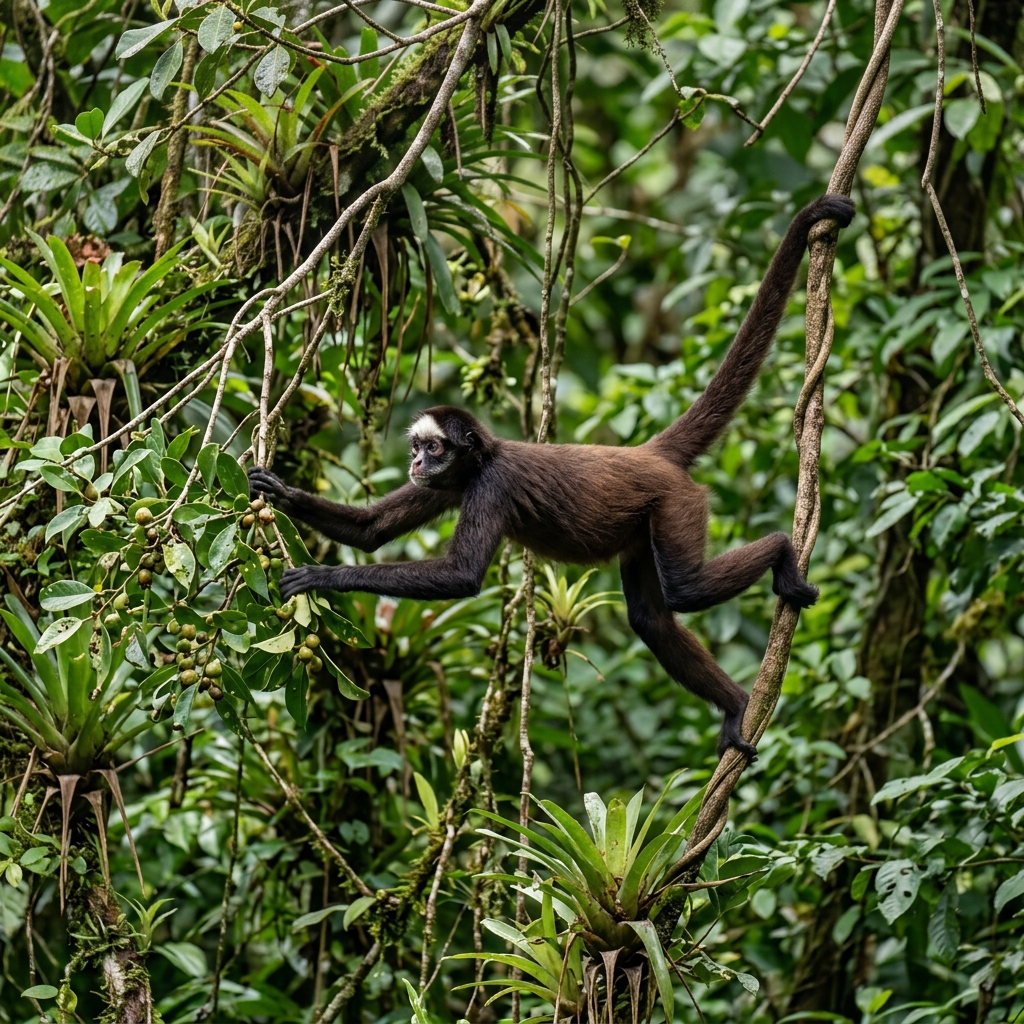
A highly agile monkey named for its long, spindly limbs.
💡 Fun Facts
- They have a prehensile tail that acts like a fifth hand, able to support their entire body weight.
- They don't have thumbs, which helps their hands act like hooks for swinging through the trees.
- They use a 'brachiation' technique to swing effortlessly from branch to branch.
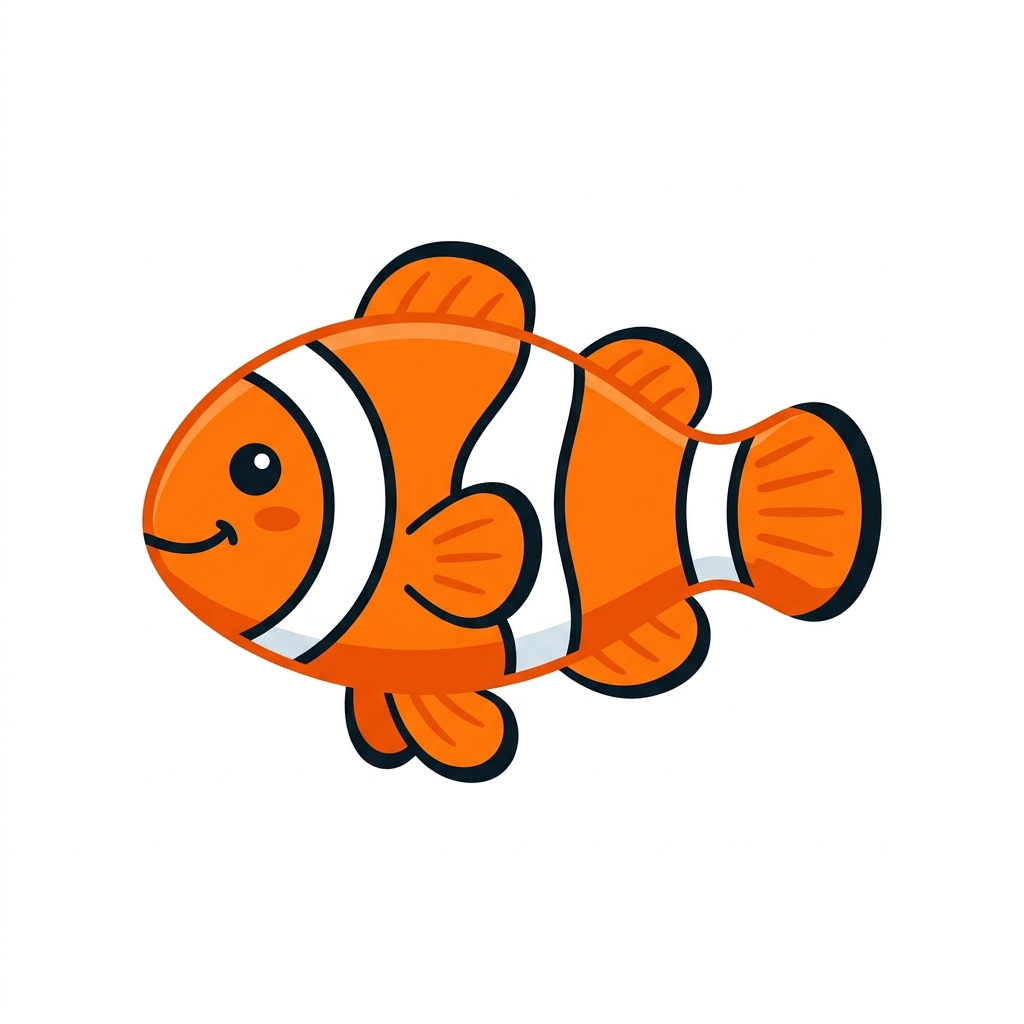
Clownfish
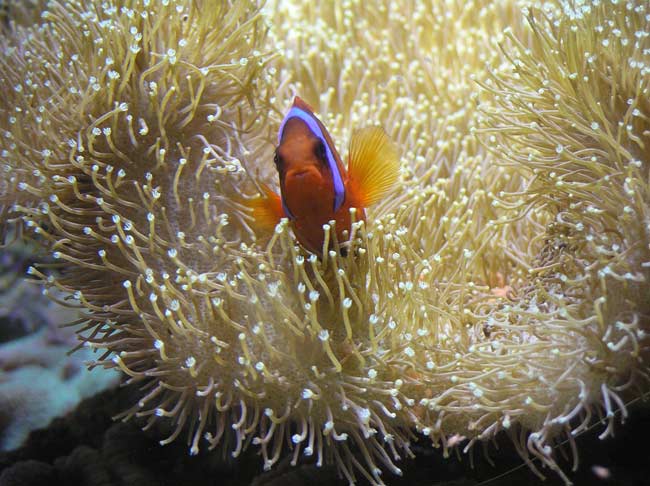
A small, bright orange fish that lives amongst the stinging tentacles of sea anemones.
💡 Fun Facts
- They are immune to the anemone's stings because of a thick layer of protective mucus on their skin.
- They have a symbiotic relationship with the anemone: the fish gets a safe home, and the anemone gets scraps of food.
- All clownfish are born male; the largest and most dominant one in a group will turn into a female.
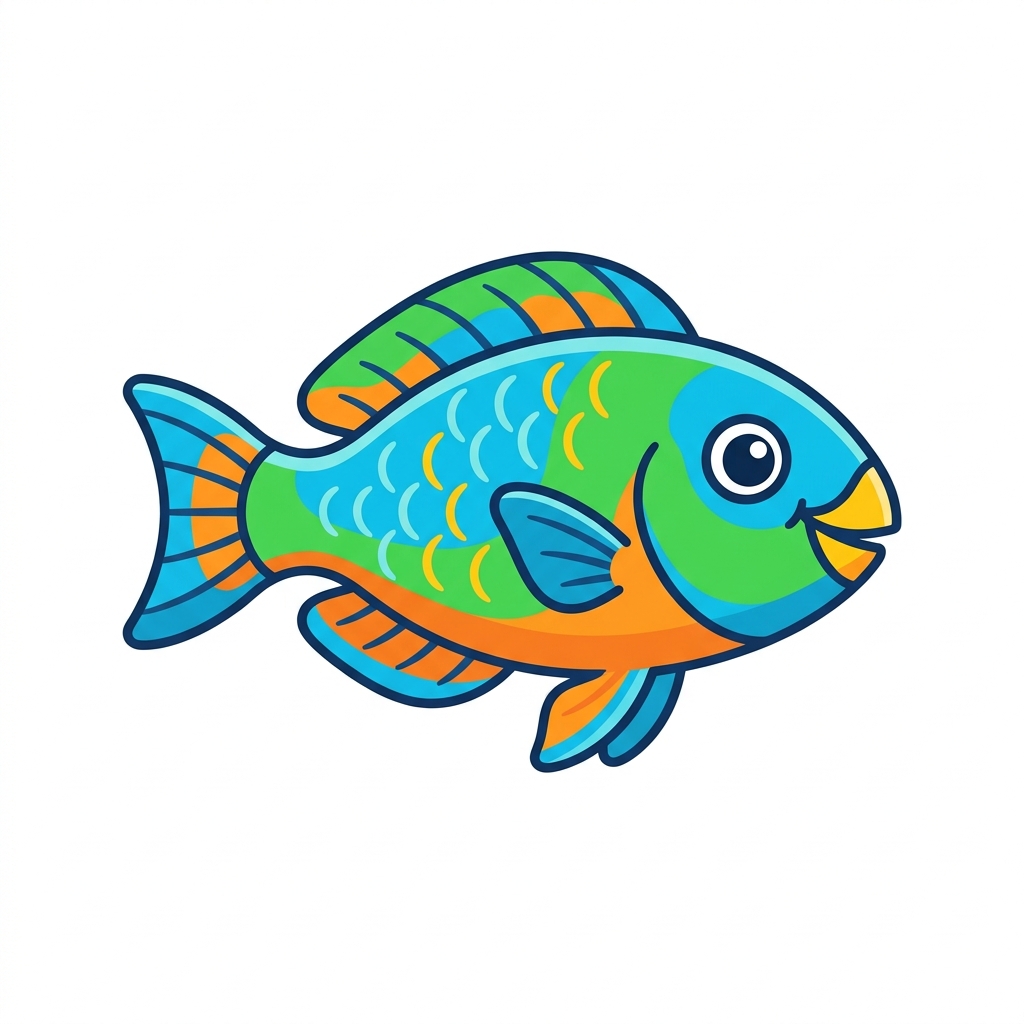
Parrotfish
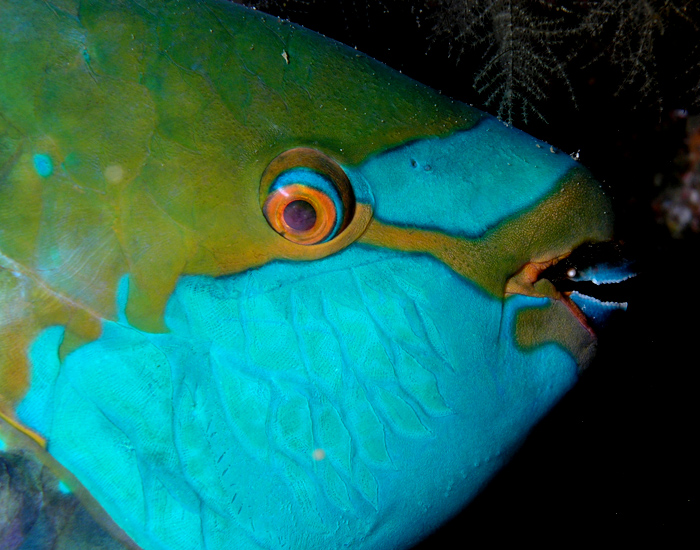
A brightly colored reef fish with teeth fused together into a beak shape.
💡 Fun Facts
- They use their strong beaks to scrape algae off coral reefs, helping to keep the reef clean and healthy.
- They digest the hard coral skeletons and poop out fine white sand, creating many of the world's tropical beaches.
- At night, they secrete a protective mucus bubble around themselves like a sleeping bag to hide their scent from predators.
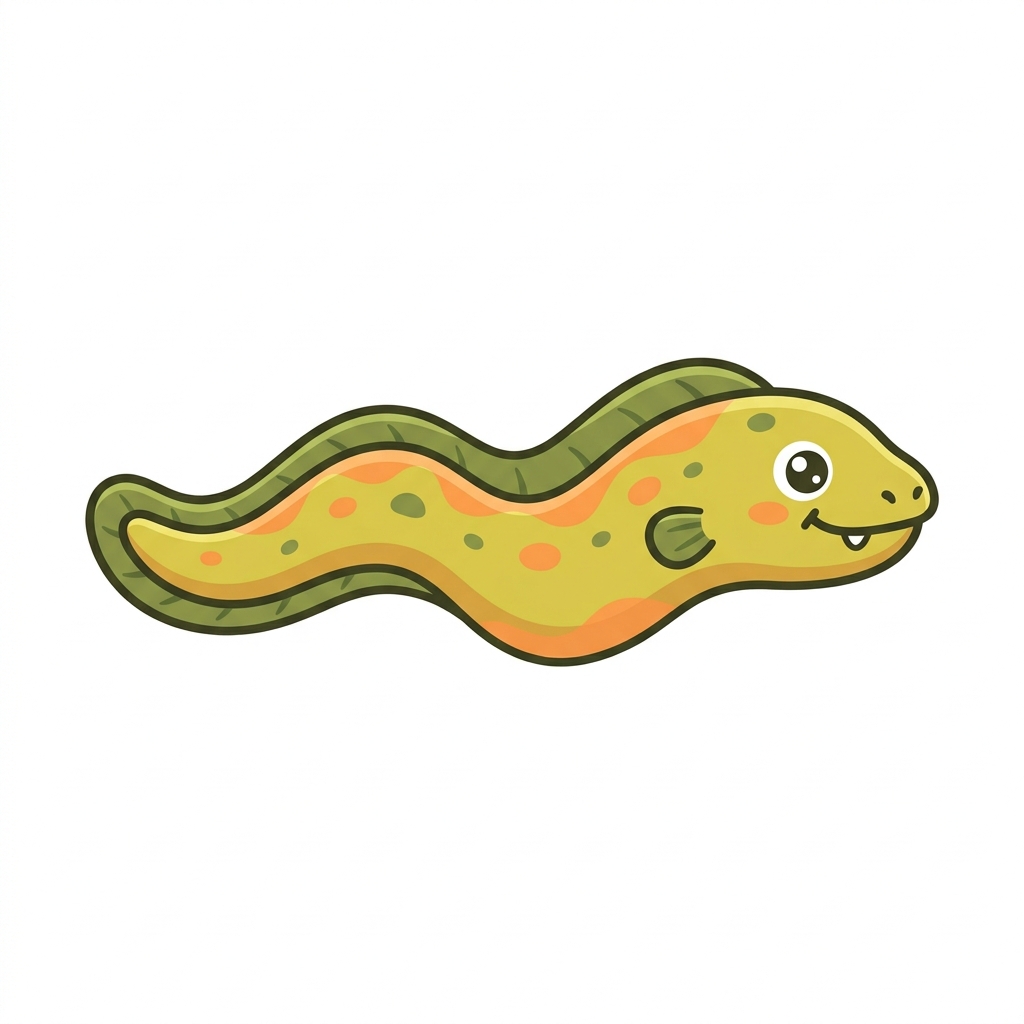
Moray eel
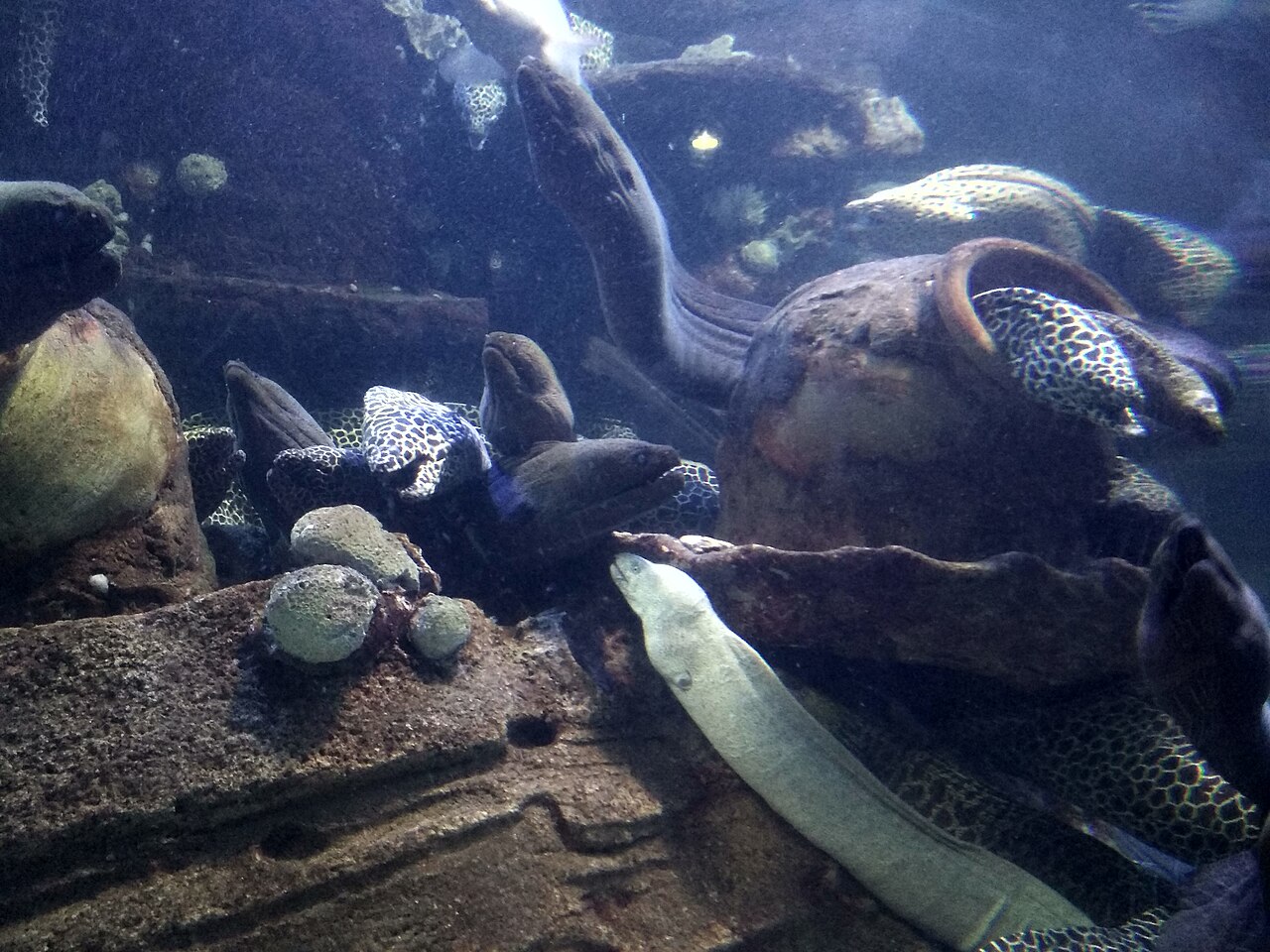
A snake-like fish that hides in crevices on the coral reef.
💡 Fun Facts
- They have a second set of jaws hidden in their throat (pharyngeal jaws) that shoot forward to drag prey down their throat.
- They constantly open and close their mouths to pump water over their gills so they can breathe.
- They have poor eyesight and rely almost entirely on their excellent sense of smell to hunt.
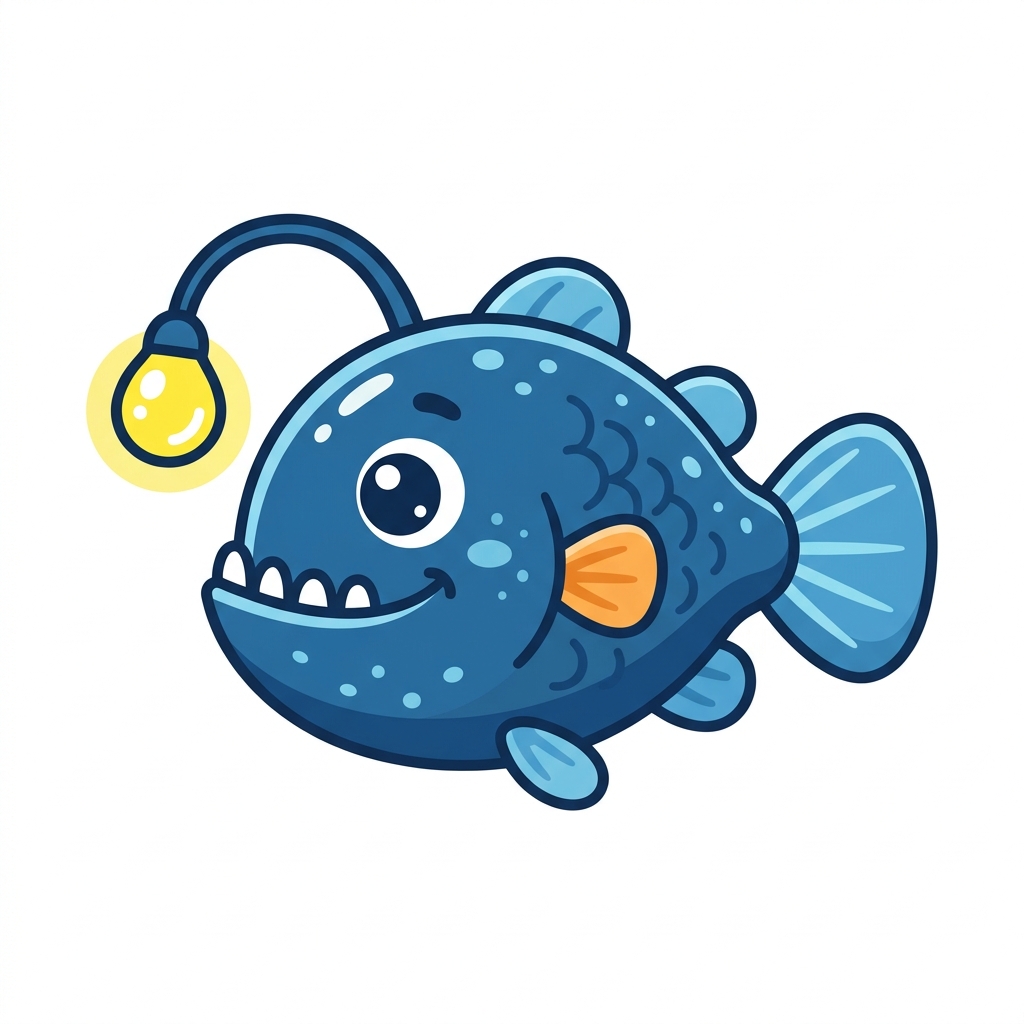
Anglerfish
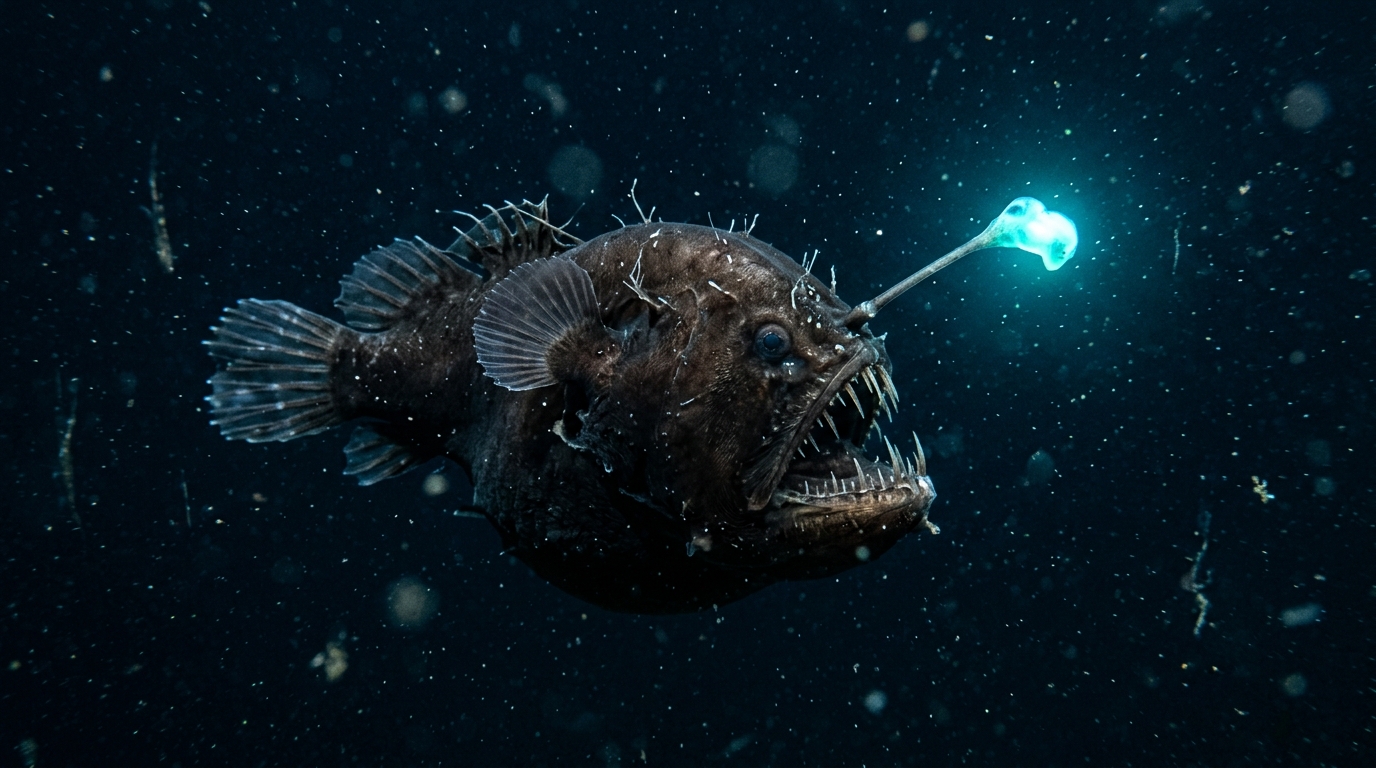
A deep-sea fish known for the glowing lure on its head.
💡 Fun Facts
- The glowing lure is filled with bioluminescent bacteria that light up to attract prey in the pitch black.
- Their teeth are angled inward, making it impossible for prey to escape once bitten.
- In some species, the tiny male permanently attaches himself to the much larger female, eventually fusing with her body.
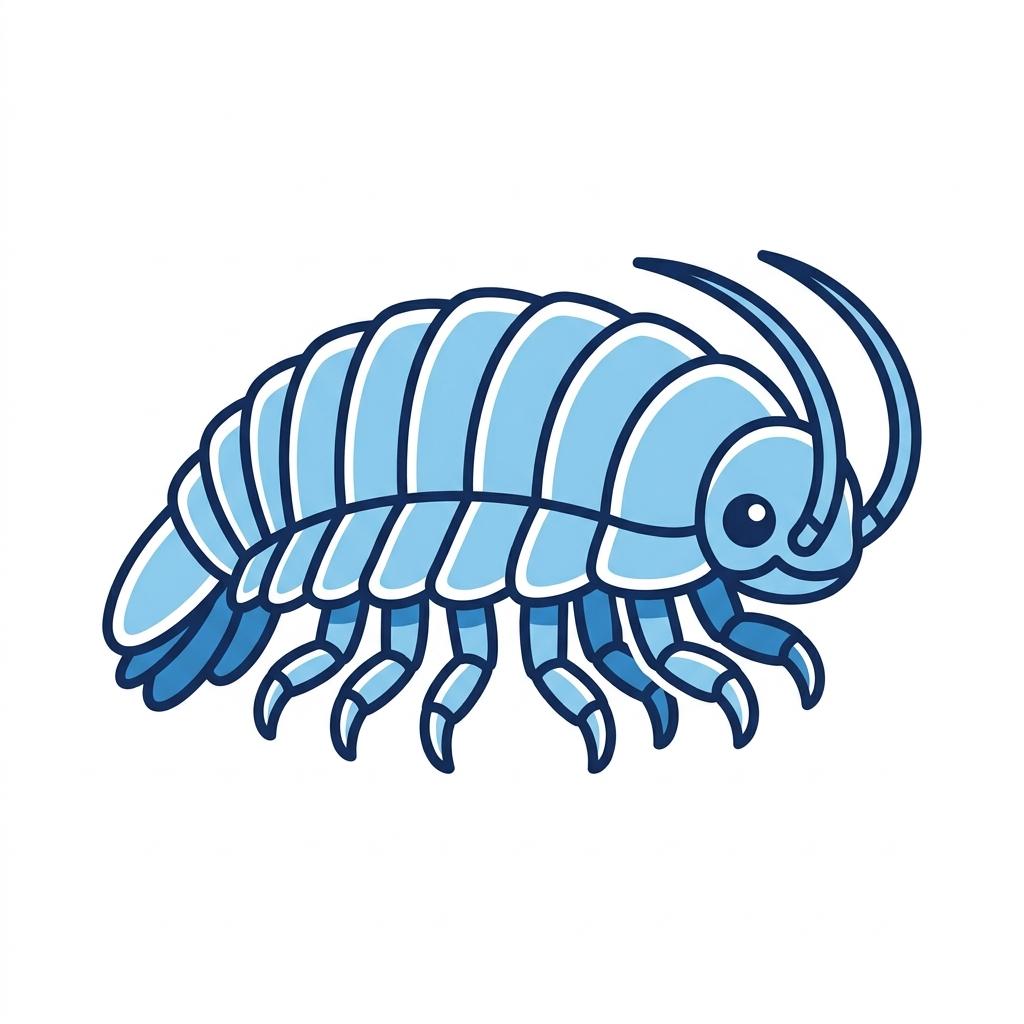
Giant isopod
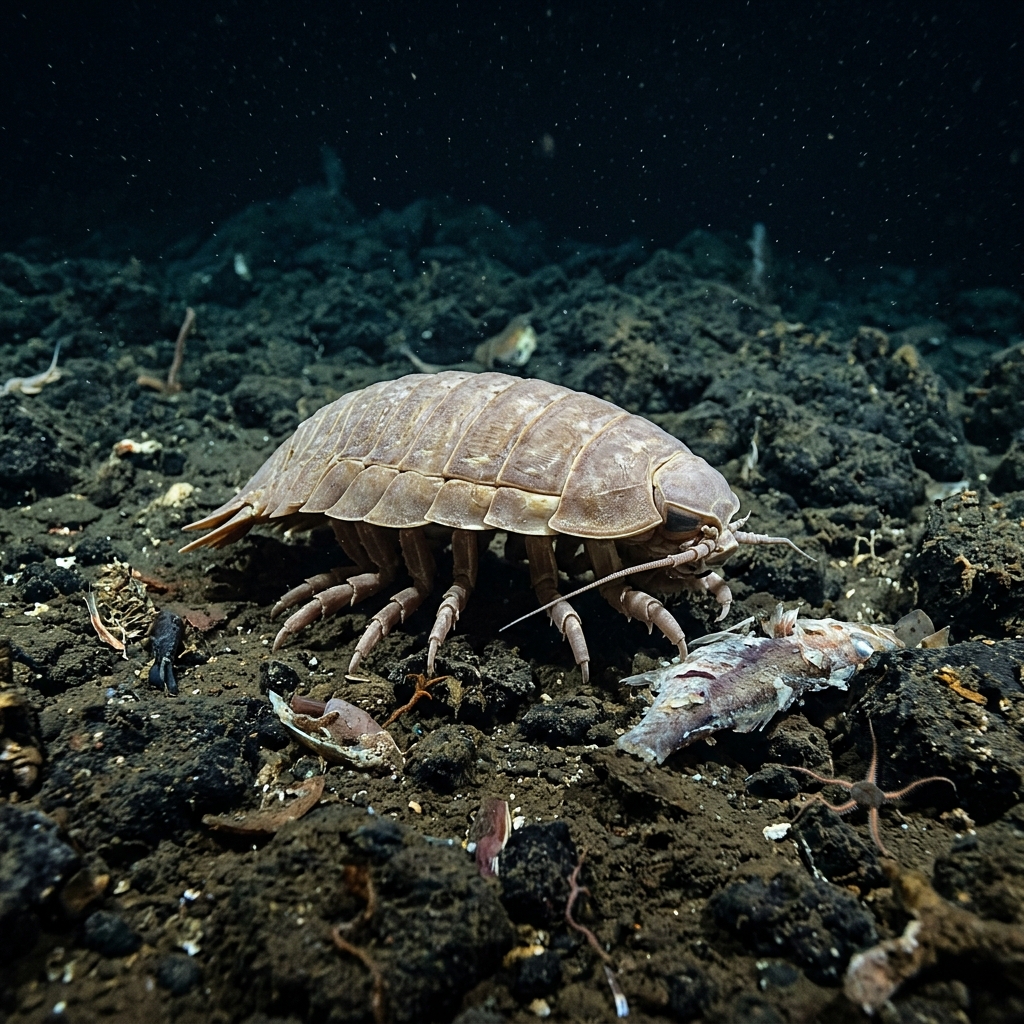
A huge deep-sea crustacean that looks like an enormous woodlouse.
💡 Fun Facts
- It is an example of 'deep-sea gigantism', where deep-sea creatures grow much larger than their shallow-water relatives.
- They are primarily scavengers that eat dead whales, fish, and squid that sink to the ocean floor.
- They can survive for years without eating anything at all between large meals.
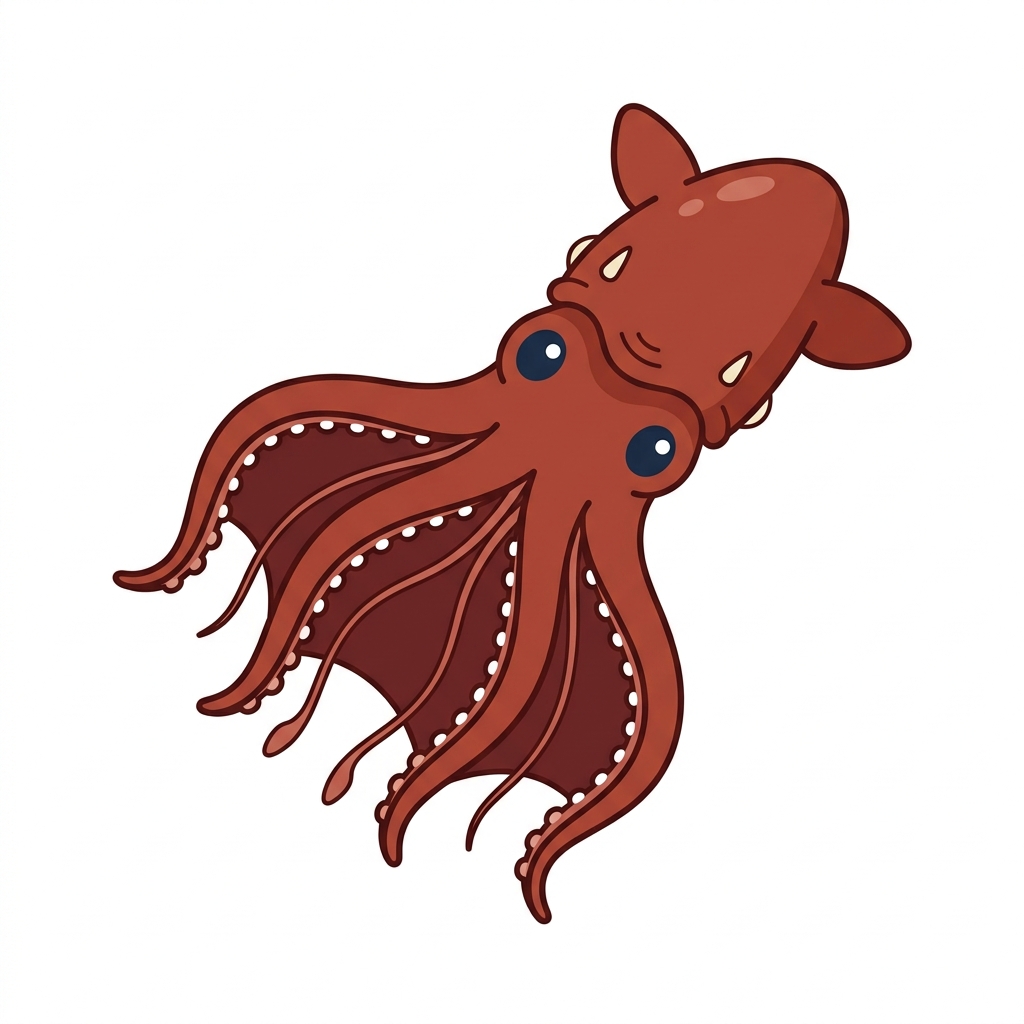
Vampire squid
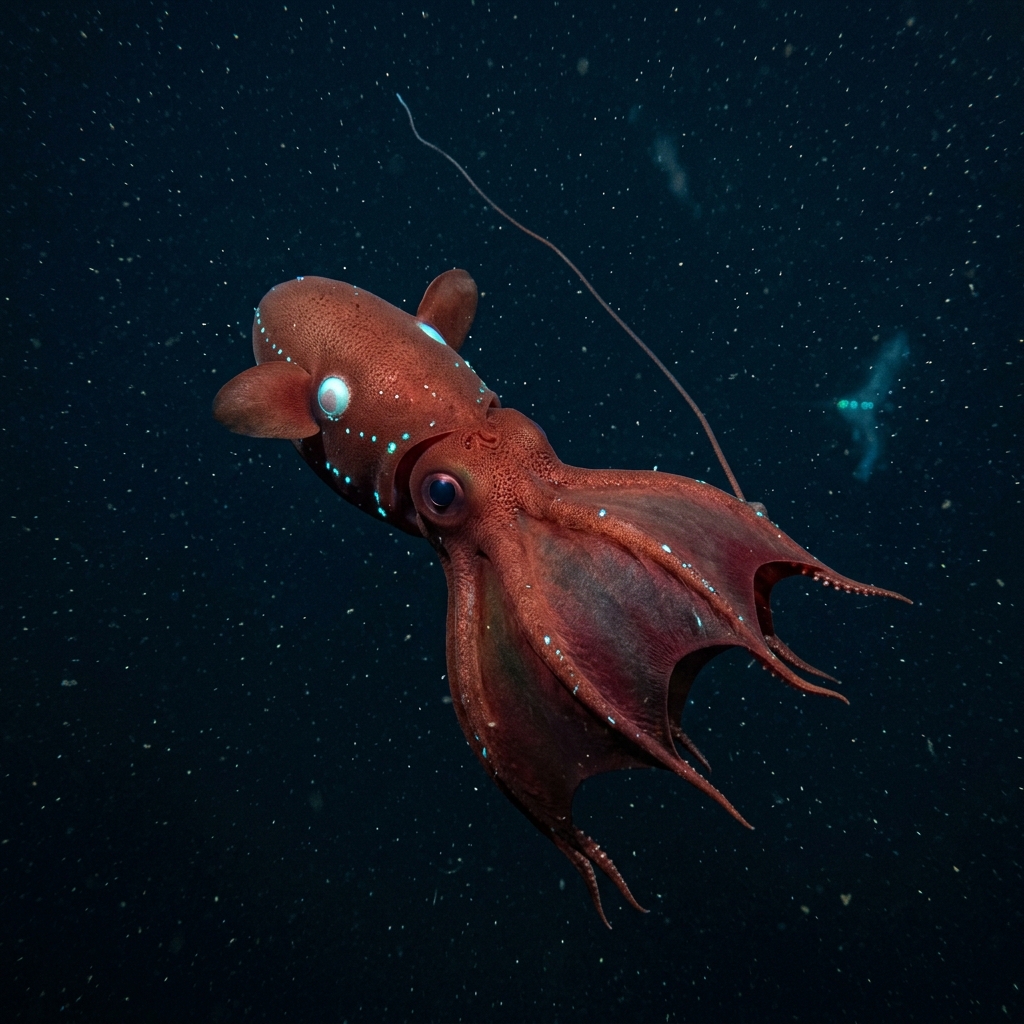
A strange deep-sea cephalopod that looks like a cross between an octopus and a squid.
💡 Fun Facts
- Despite its name, it doesn't drink blood; it uses sticky filaments to catch falling 'marine snow' (dead plankton and poop).
- When threatened, it turns inside out, exposing rows of spiky-looking cirri on its arms to look intimidating.
- It can shoot a cloud of glowing blue bioluminescent mucus to confuse predators in the dark.
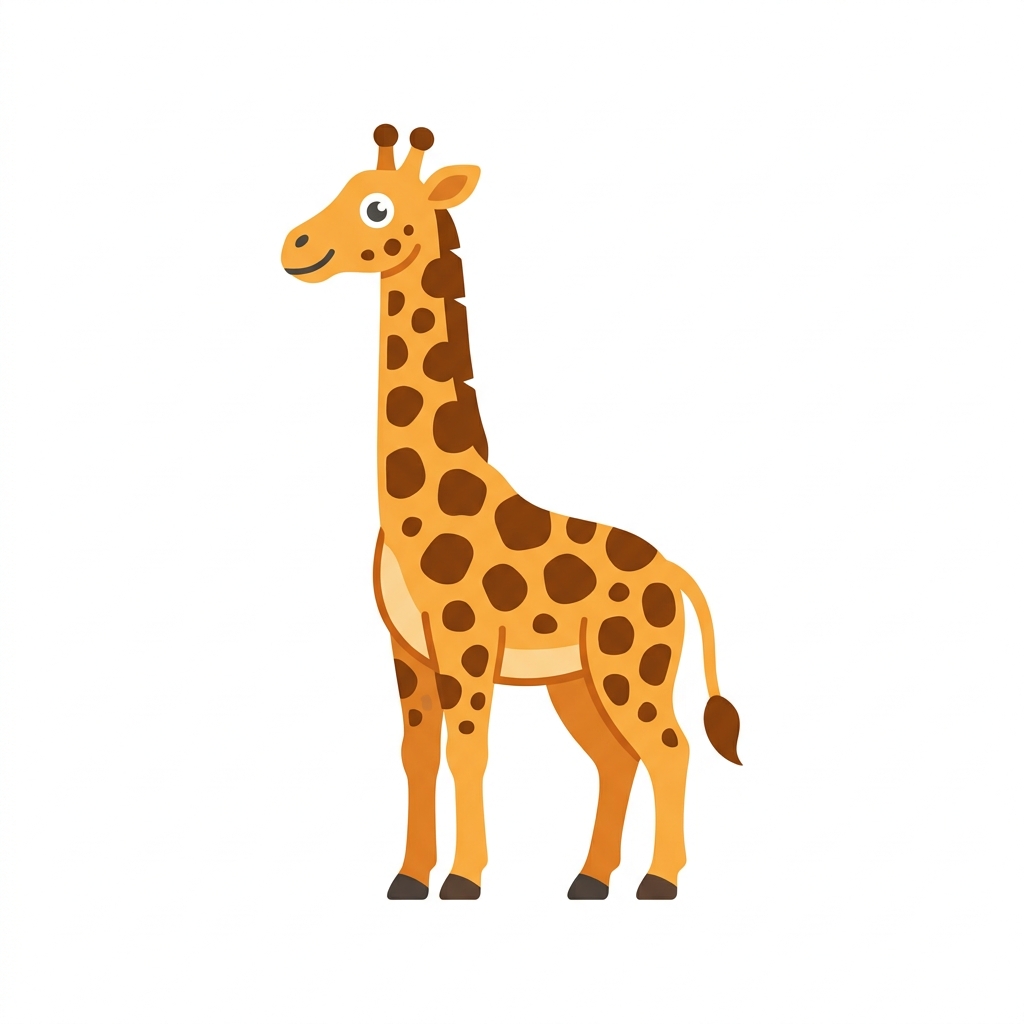
Giraffe
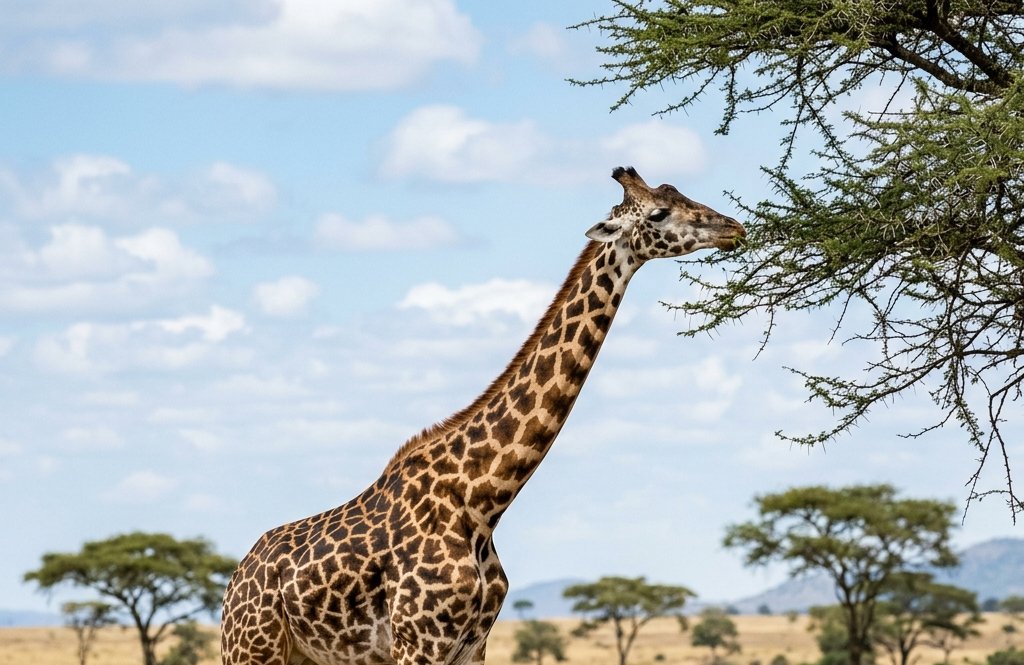
The tallest living land animal, known for its incredibly long neck.
💡 Fun Facts
- A giraffe's neck is too short to reach the ground, so it has to splay its legs to drink.
- They only need to drink once every few days because they get most of their water from leaves.
- Each giraffe's spot pattern is completely unique, like a human fingerprint.
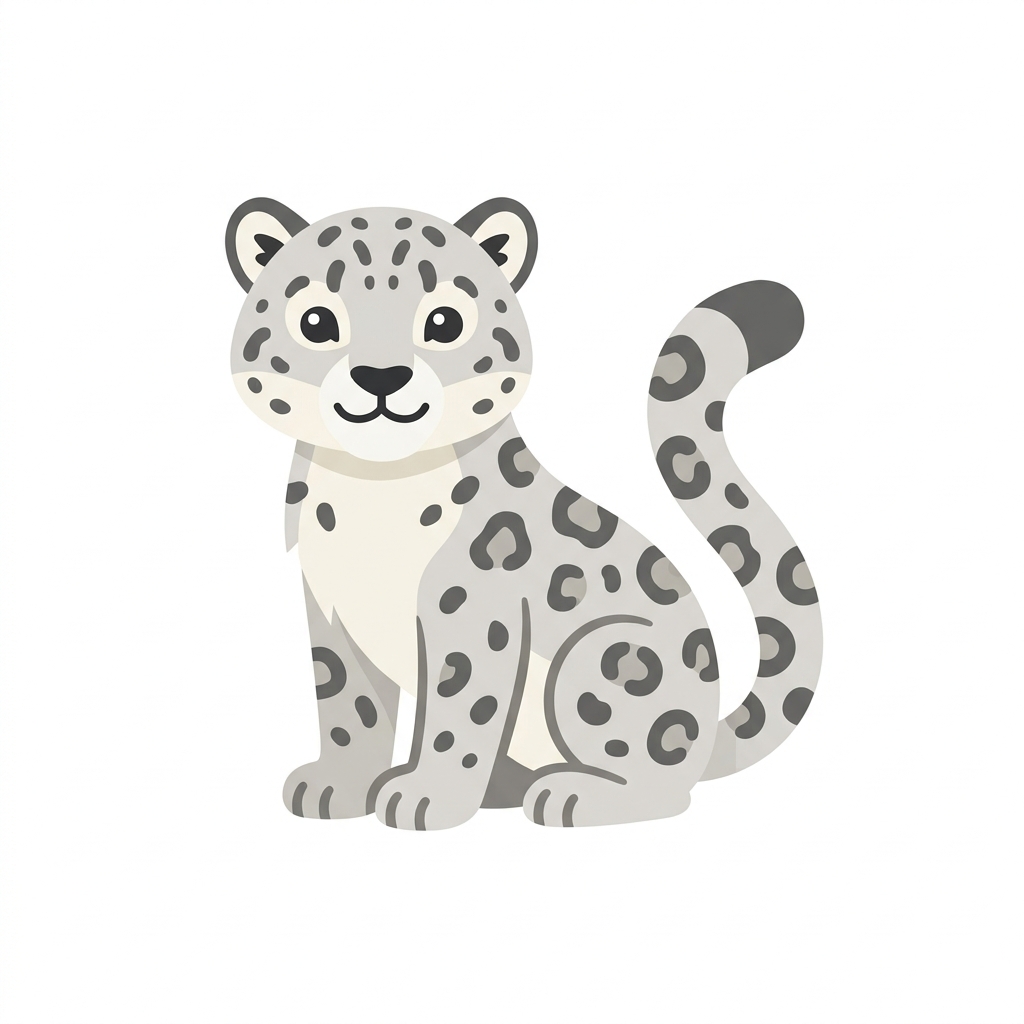
Snow Leopard
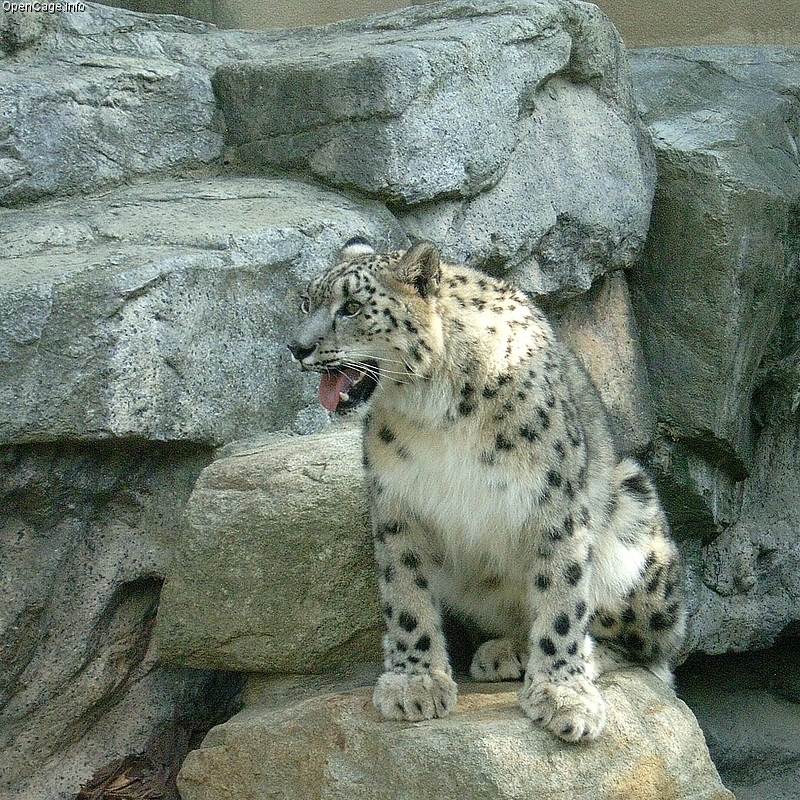
An elusive big cat adapted to the freezing, steep mountains of Central Asia.
💡 Fun Facts
- They use their long, thick tails for balance on steep cliffs and wrap them around their bodies for warmth like a scarf.
- Their large paws act like natural snowshoes to prevent them from sinking into the deep snow.
- Unlike most big cats, they cannot roar.
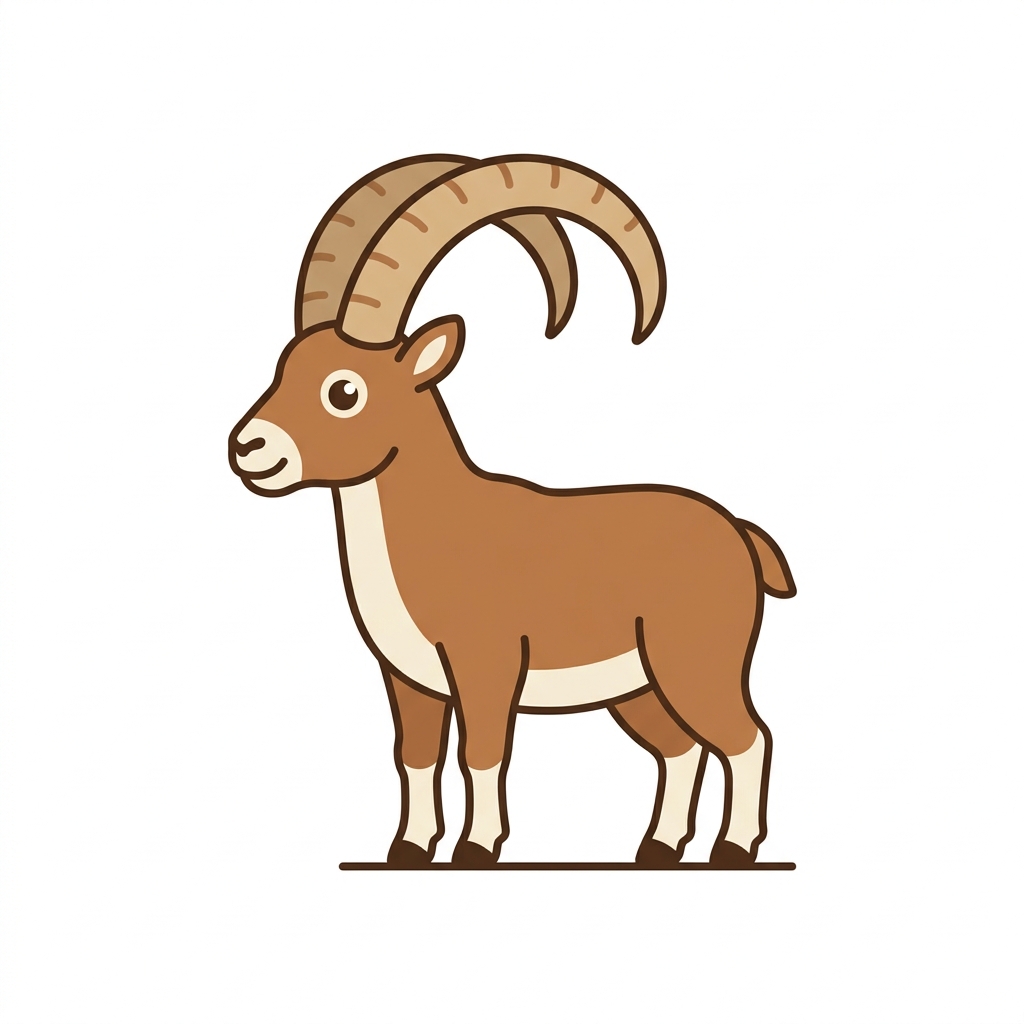
Alpine ibex
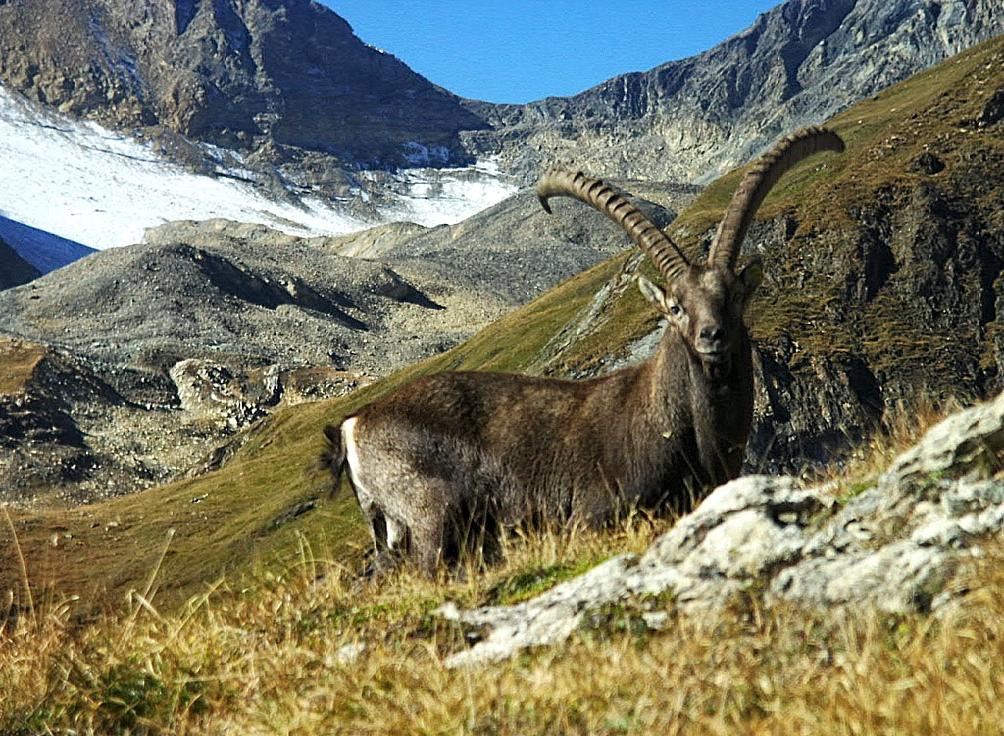
A species of wild goat known for its massive, curved horns and incredible climbing abilities.
💡 Fun Facts
- Their specialized hooves have a hard outer edge and a soft, rubbery center that grips perfectly onto near-vertical rock faces.
- The males' horns can grow over a meter long and are used to battle rivals.
- They often climb incredibly steep dams just to lick the salt off the stones.
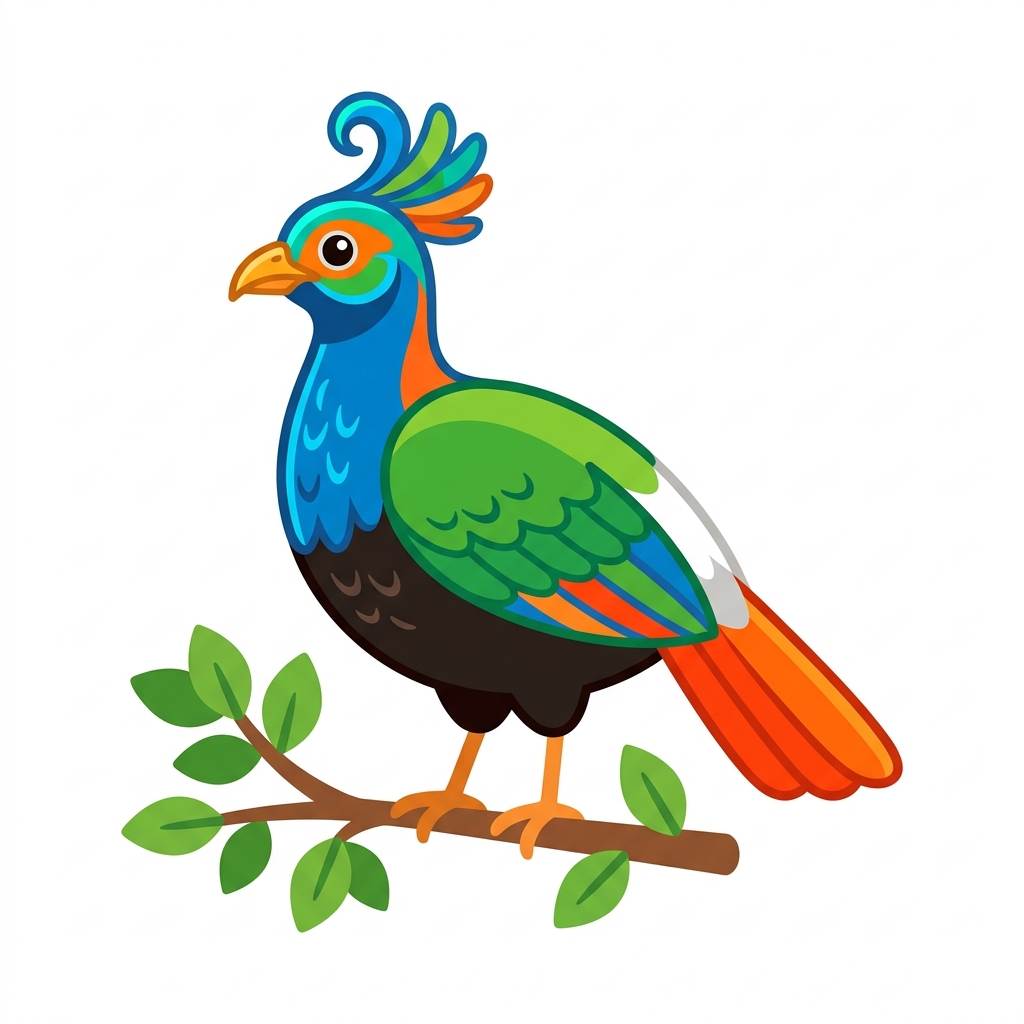
Himalayan monal
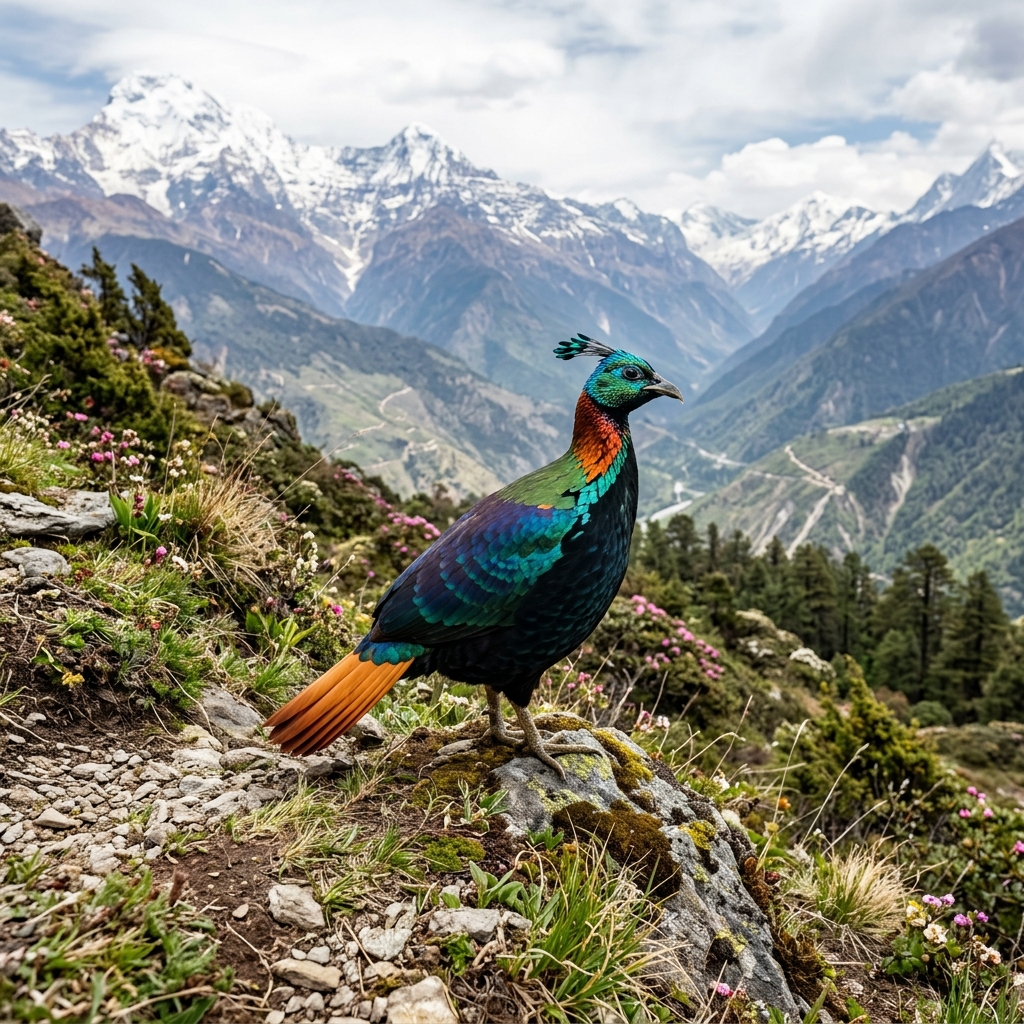
An incredibly colorful pheasant that lives high in the Himalayan mountains.
💡 Fun Facts
- The males have dazzling, iridescent feathers in nine different colors to attract mates.
- They are strong diggers and use their curved upper beak to root around in the dirt and snow for insects and roots.
- They are the national bird of Nepal.
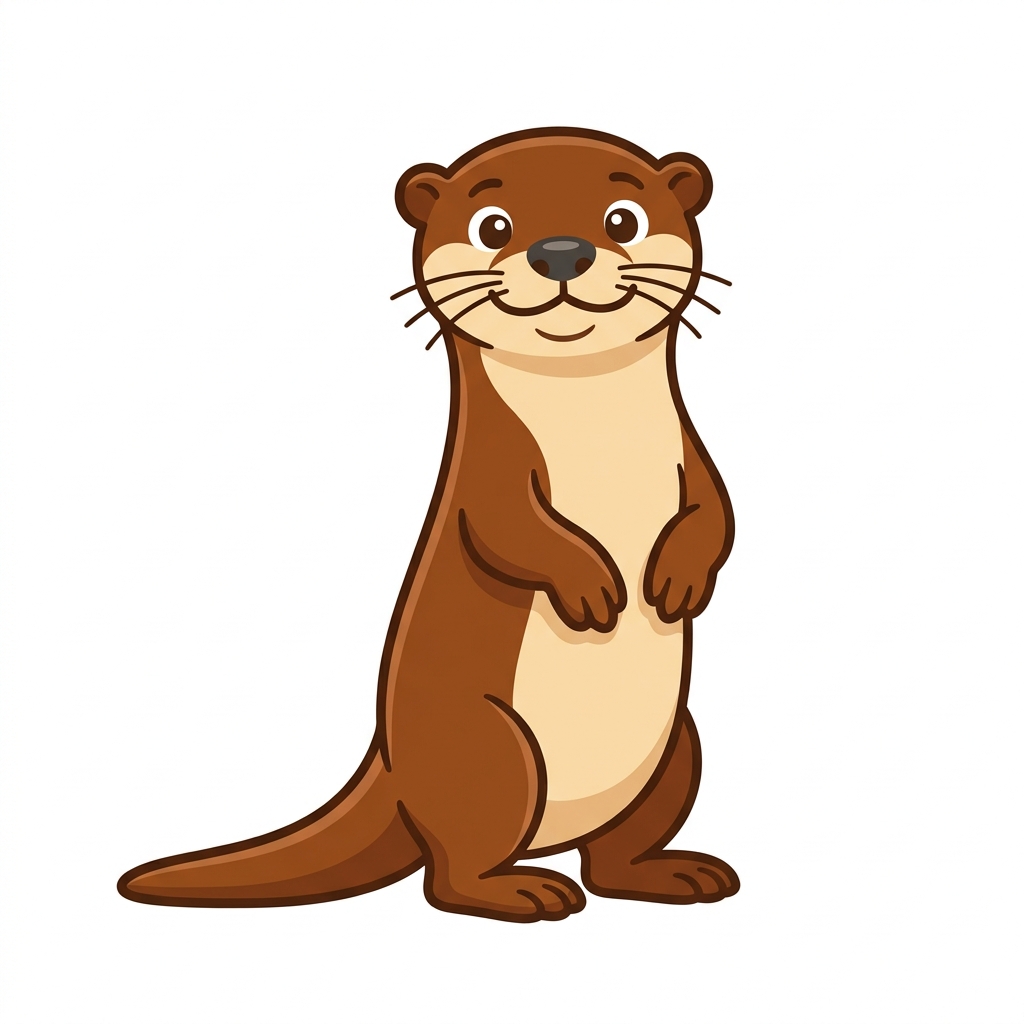
Eurasian Otter
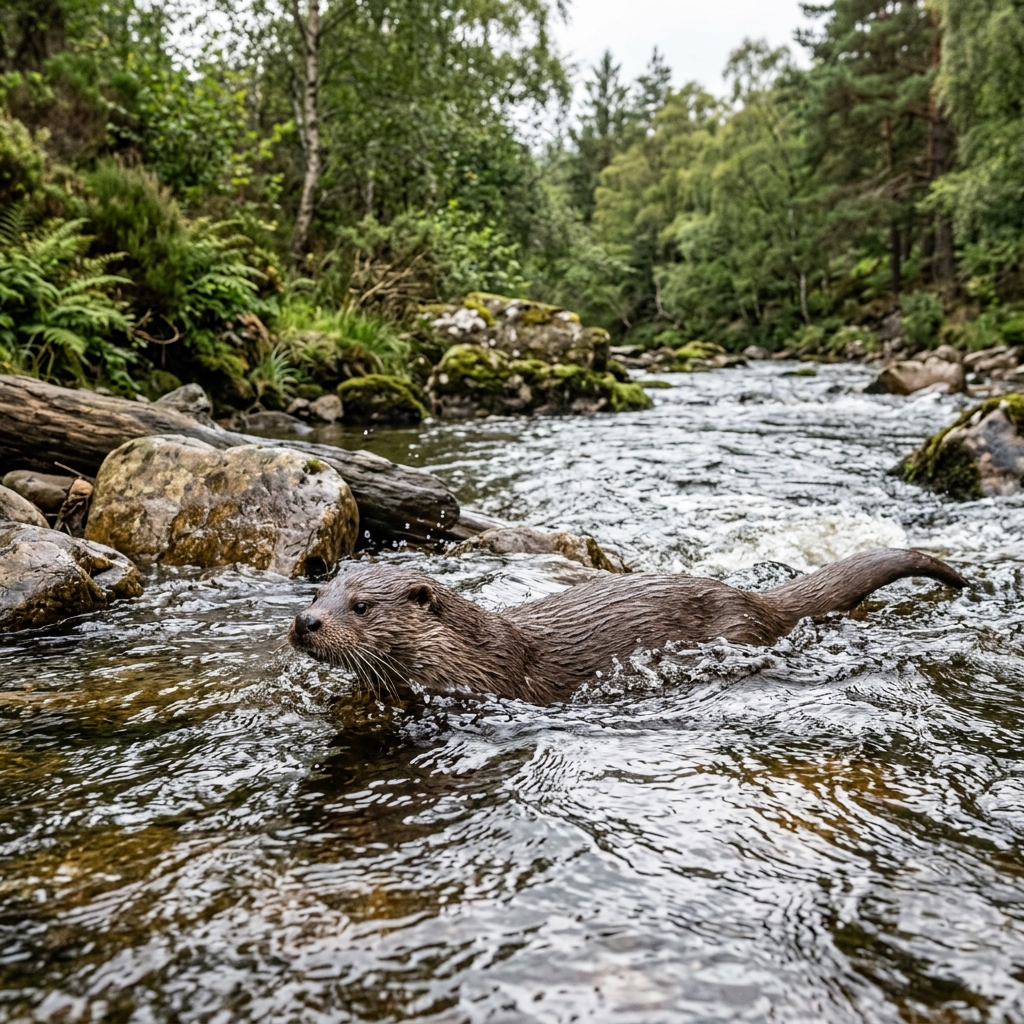
A playful and elusive fish-hunter found in clean rivers.
💡 Fun Facts
- Has webbed feet for powerful swimming, dense waterproof fur, and can close its ears and nose underwater while hunting for fish.
Kingfisher
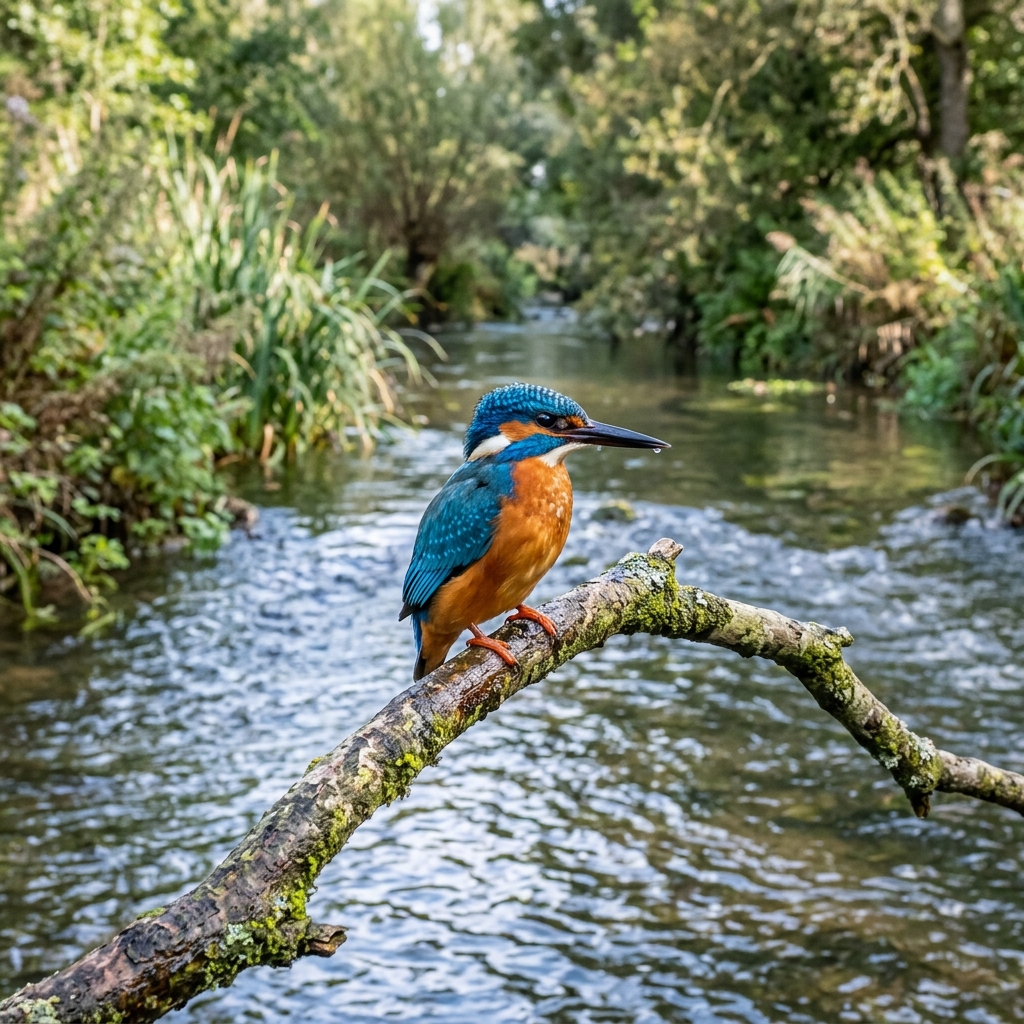
A brilliant blue-and-orange bird that dives for small fish.
💡 Fun Facts
- A bird with a streamlined, bullet-shaped body that lets it dive into the water without making a splash to catch small fish.
Atlantic Salmon
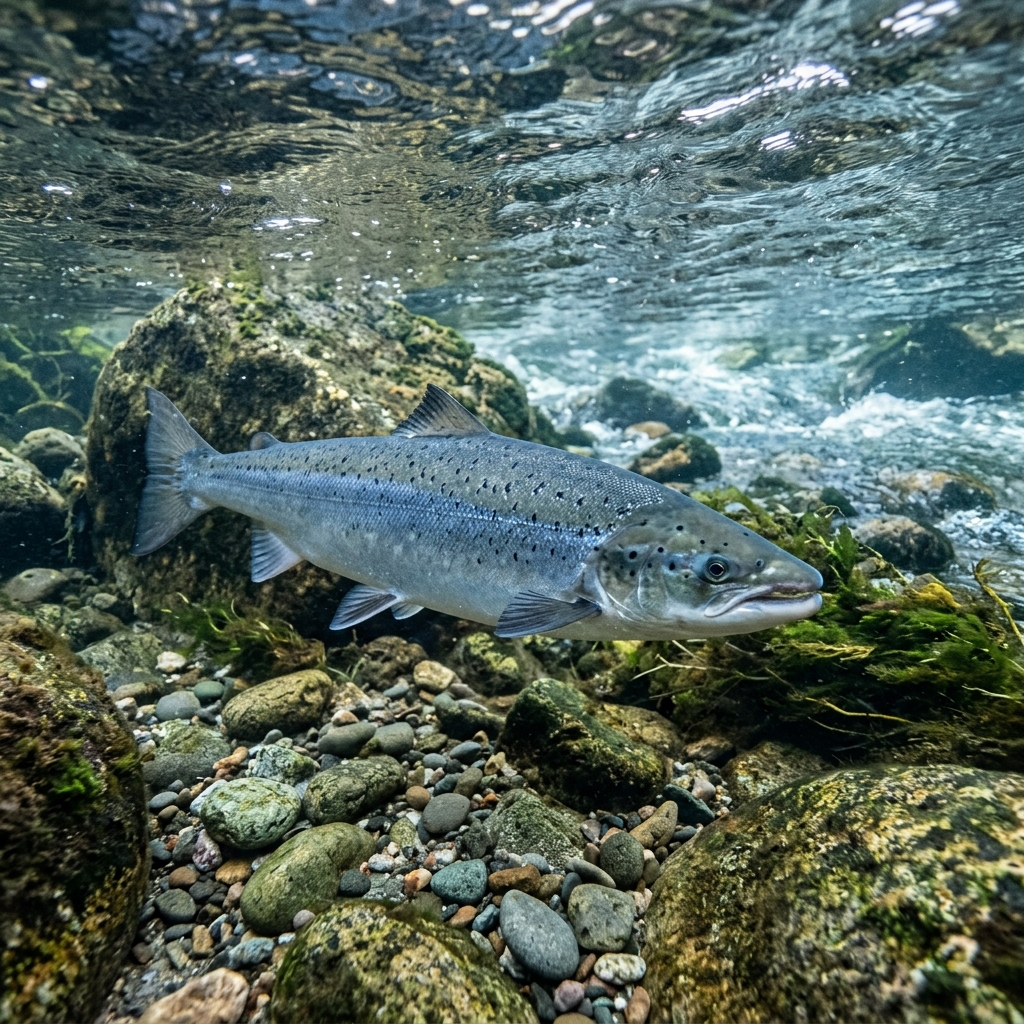
A remarkable fish that migrates between rivers and the ocean.
💡 Fun Facts
- Born in the river, swims out to the ocean to grow, and then uses a magnetic sense to find its exact birth river to lay its own eggs!
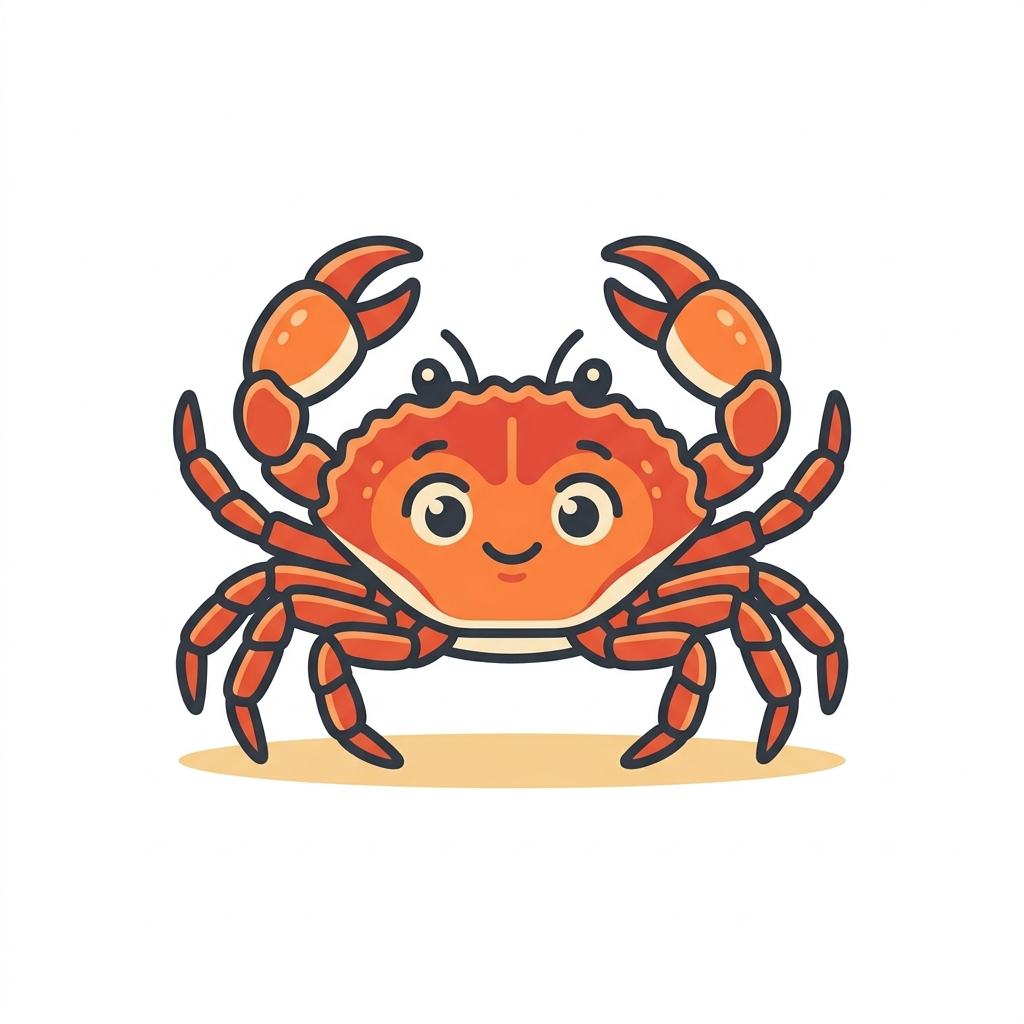
Shore Crab
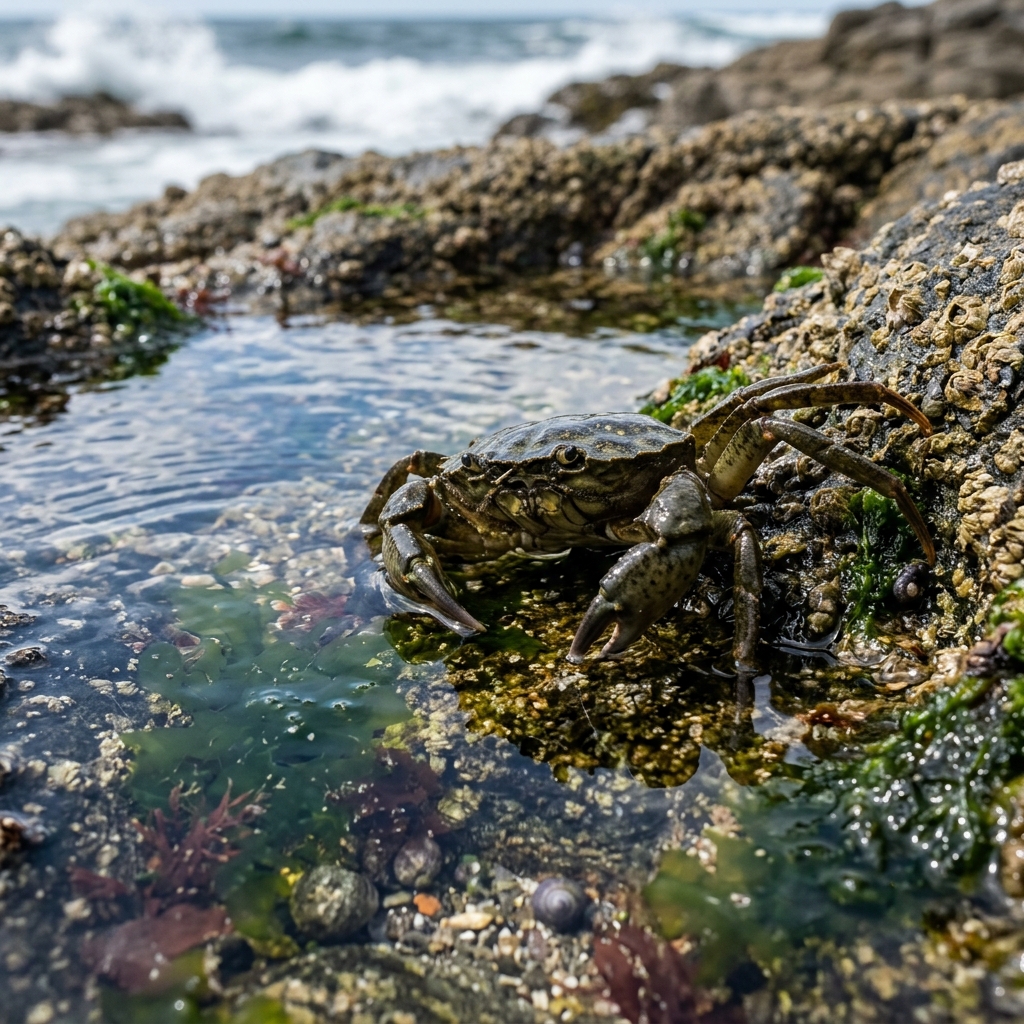
A tough-shelled crustacean hiding in rocky crevices.
💡 Fun Facts
- Has a tough exoskeleton to protect it from waves and predators, and hides deep in the rocky crevices when the tide is out.
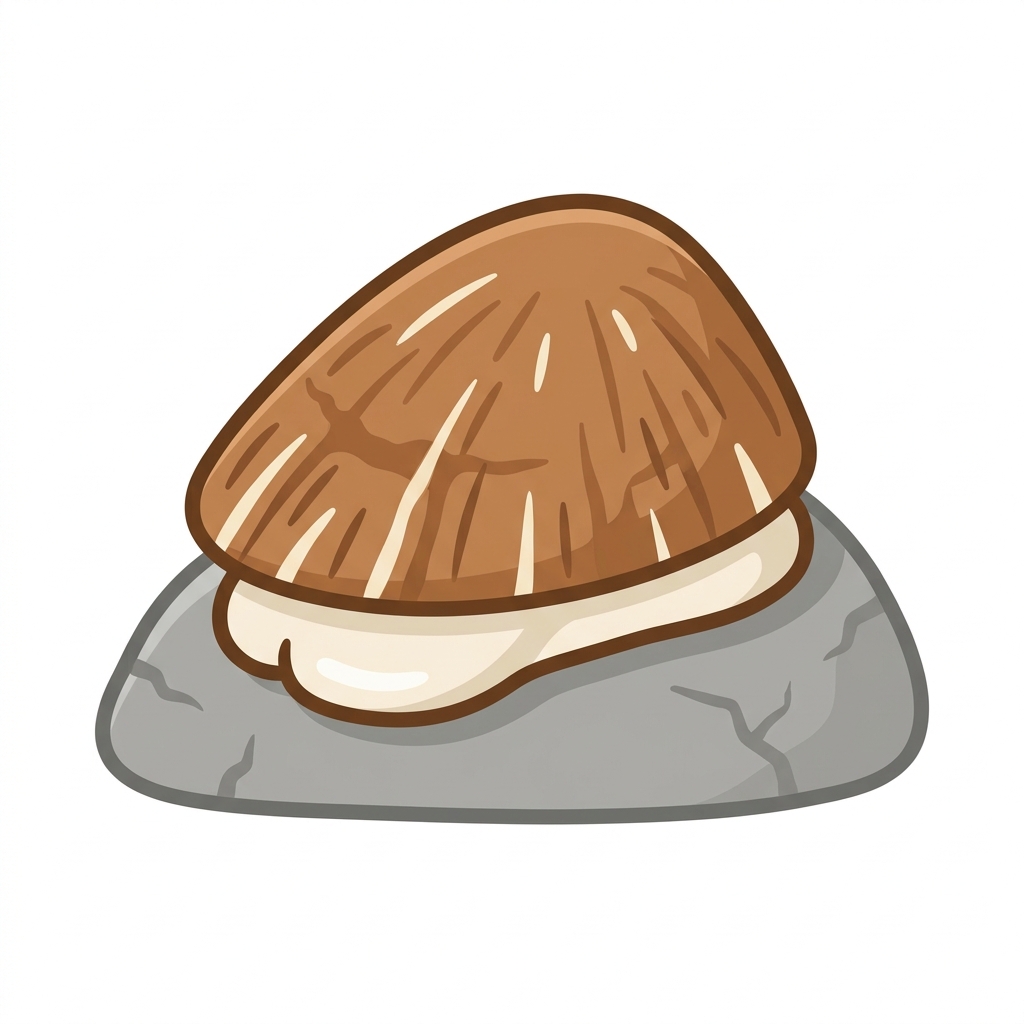
Common Limpet
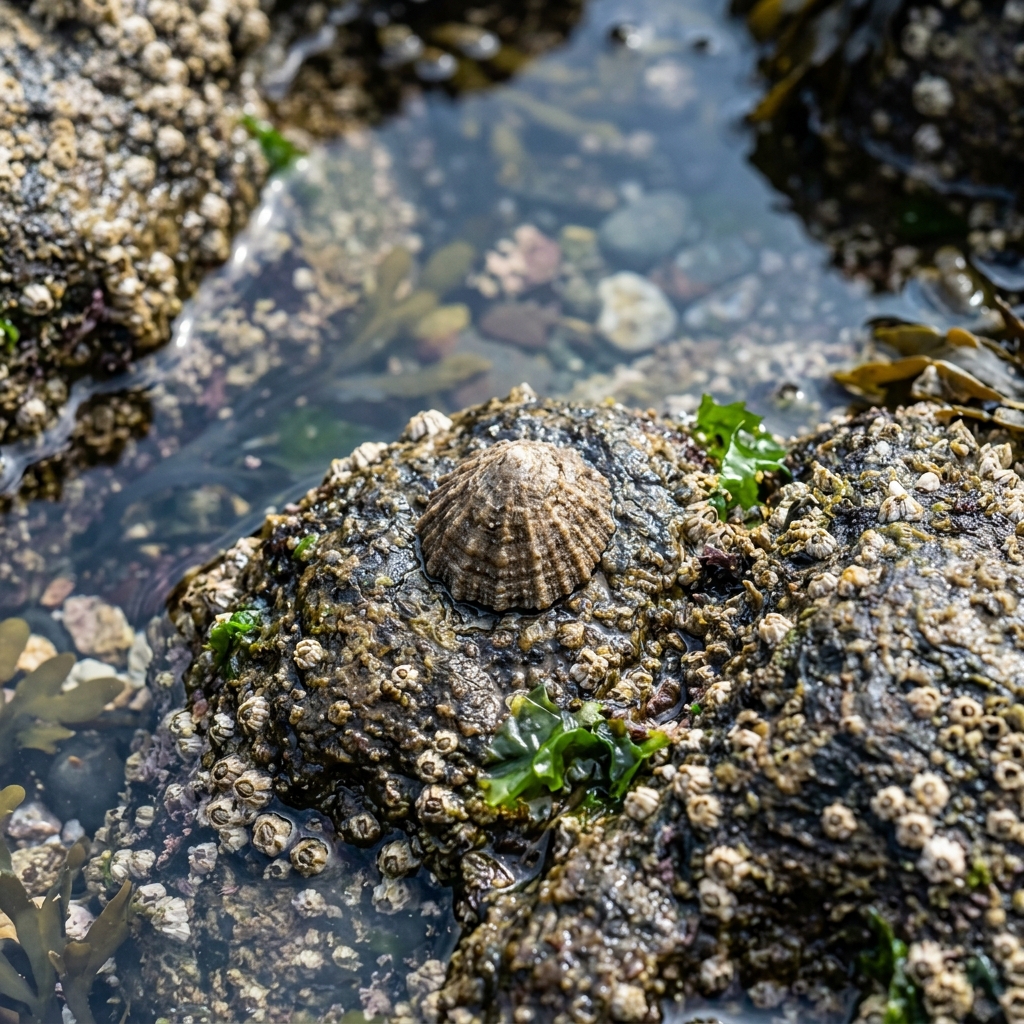
A sea snail that clamps onto rocks with incredible force.
💡 Fun Facts
- Clamps down onto the rock with incredible force, sealing water inside its shell to stop itself from drying out in the sun.
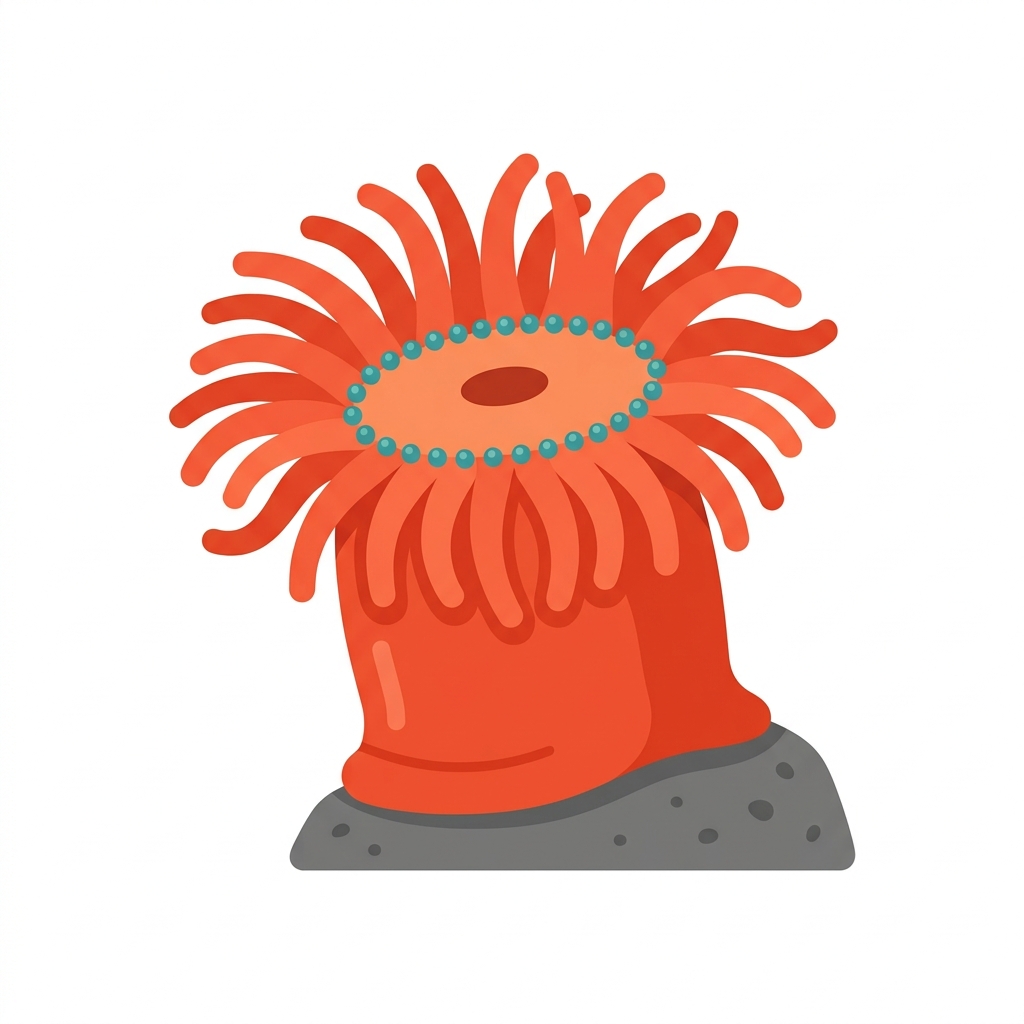
Beadlet Anemone
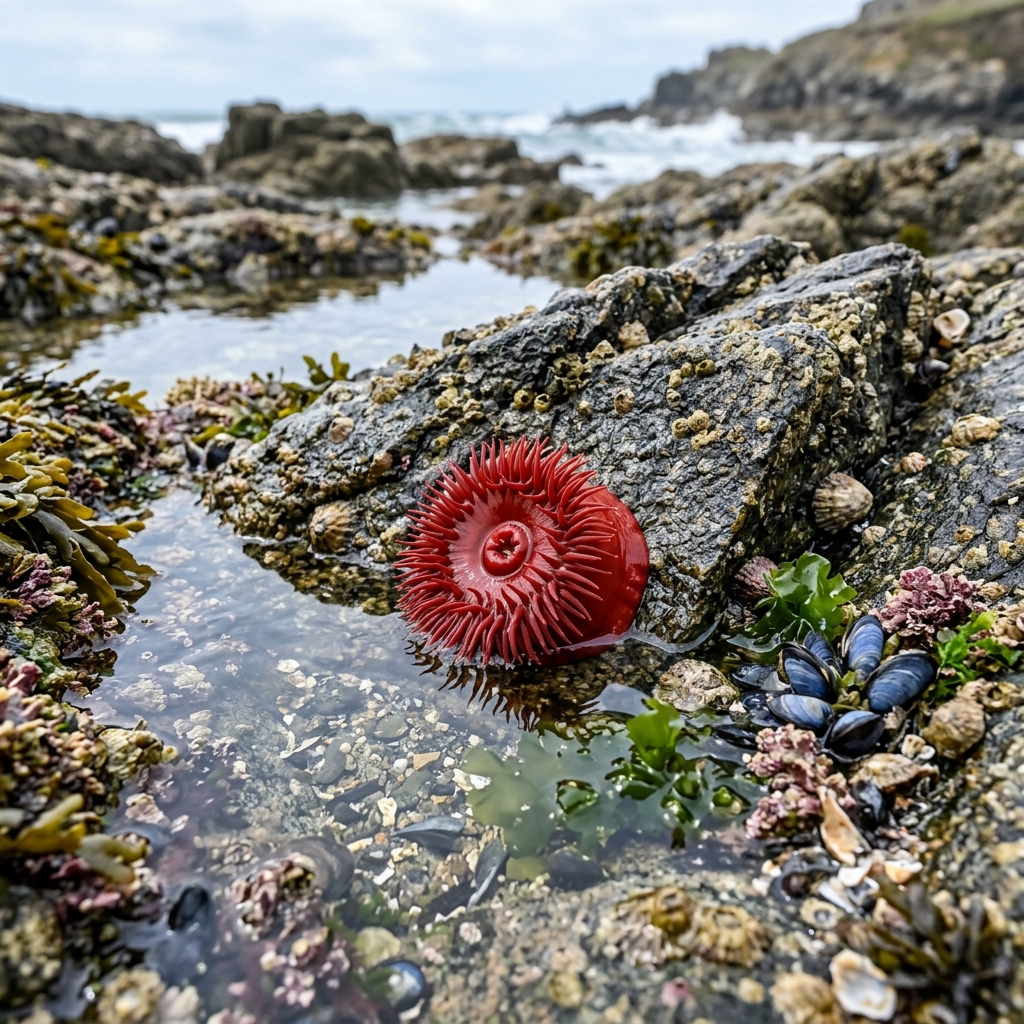
A jelly-like predator that survives low tide by pulling its tentacles inside.
💡 Fun Facts
- Pulls its stinging tentacles inside its body when the tide goes out, looking like a harmless blob of red jelly to conserve moisture.
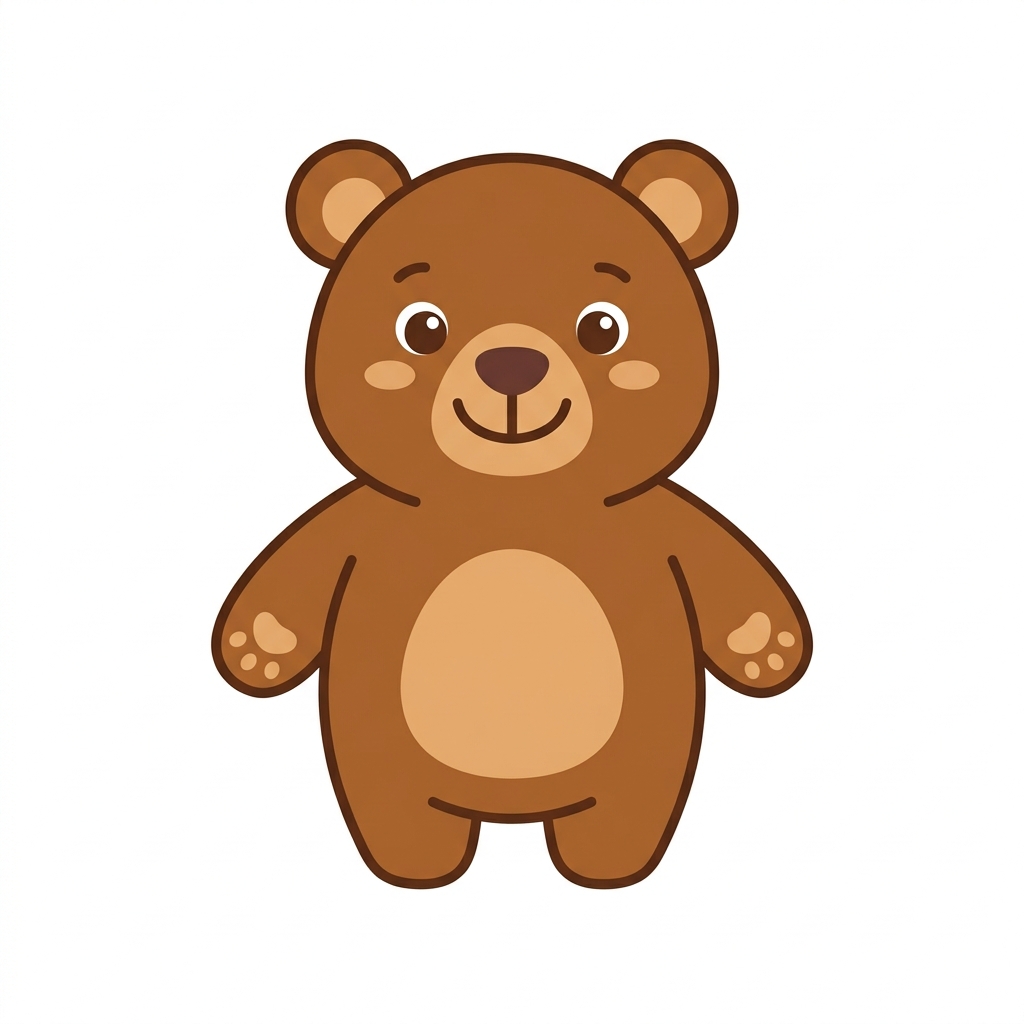
Brown Bear
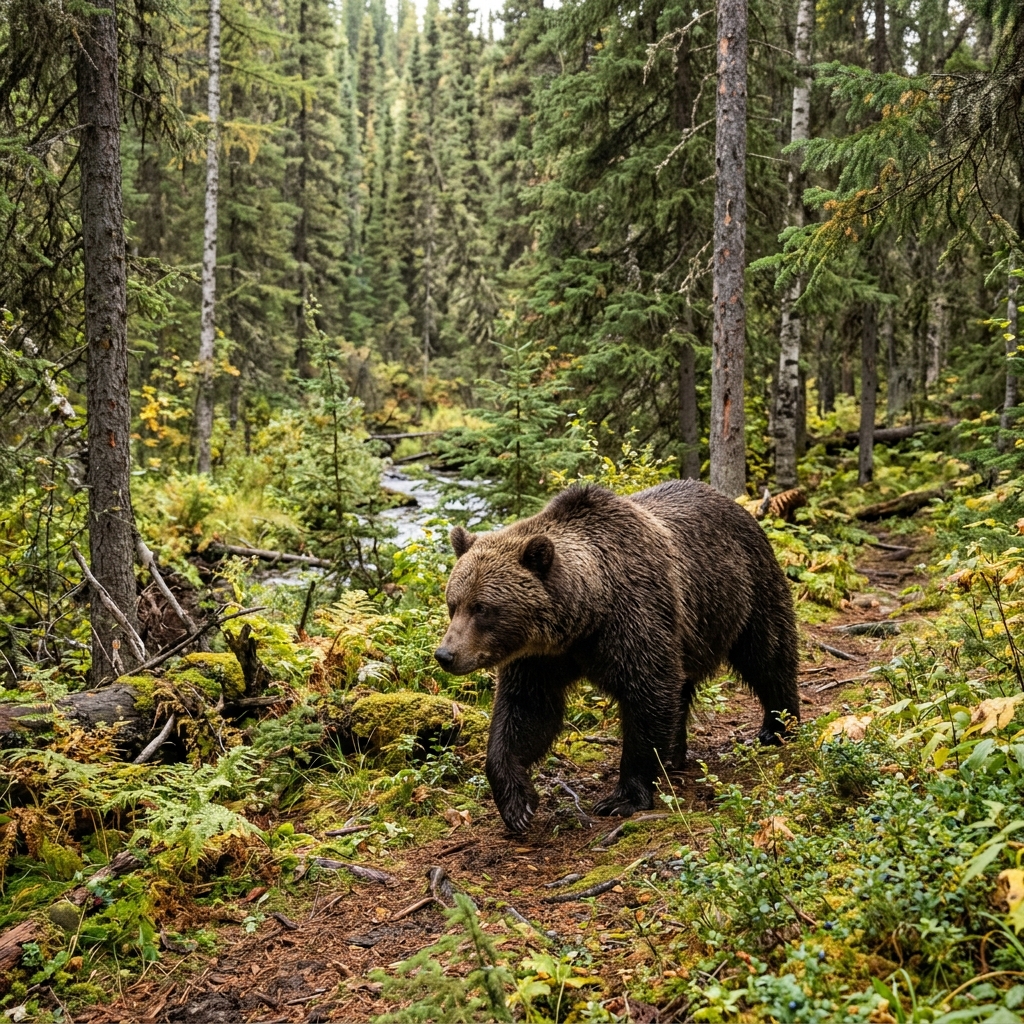
A massive omnivore that hibernates through the harsh winter.
💡 Fun Facts
- Eats heavily during the short summer to build up fat, then hibernates in a den through the freezing winter when food is scarce.
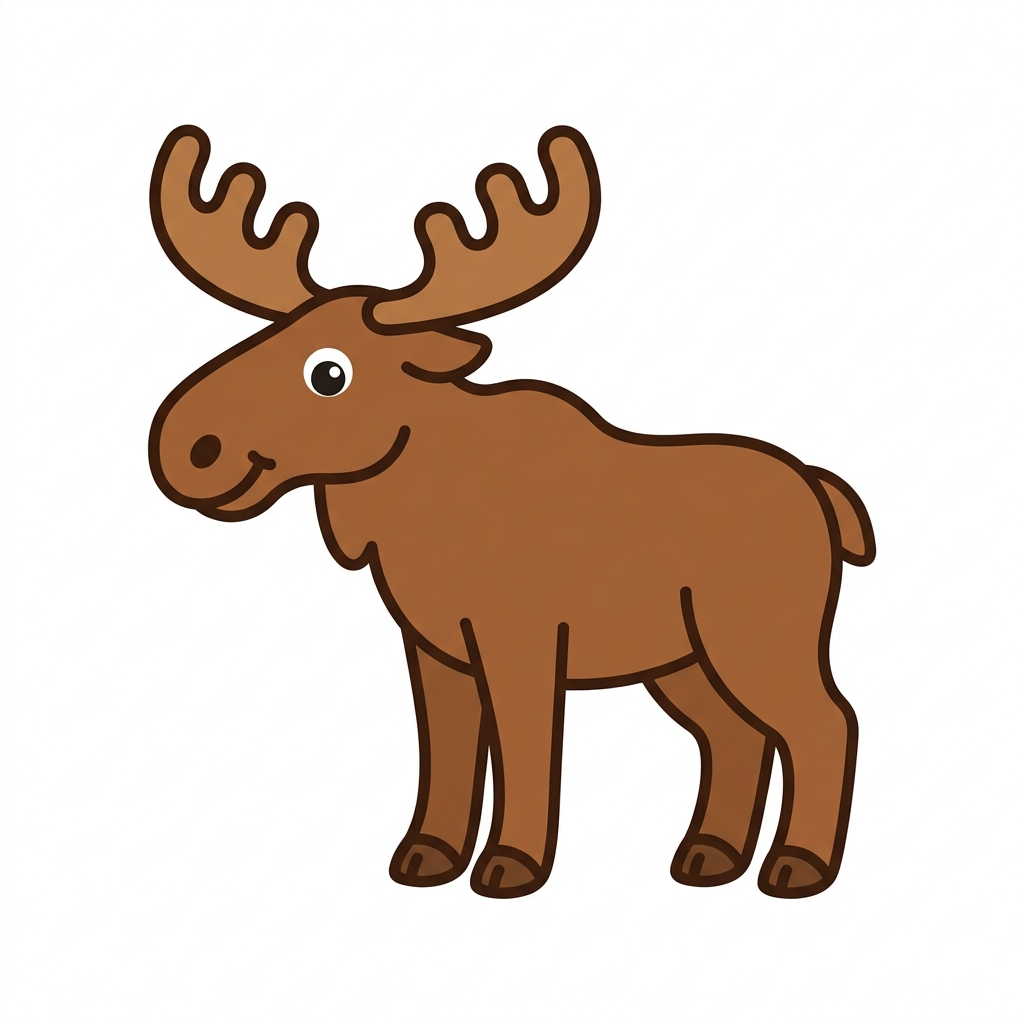
Moose
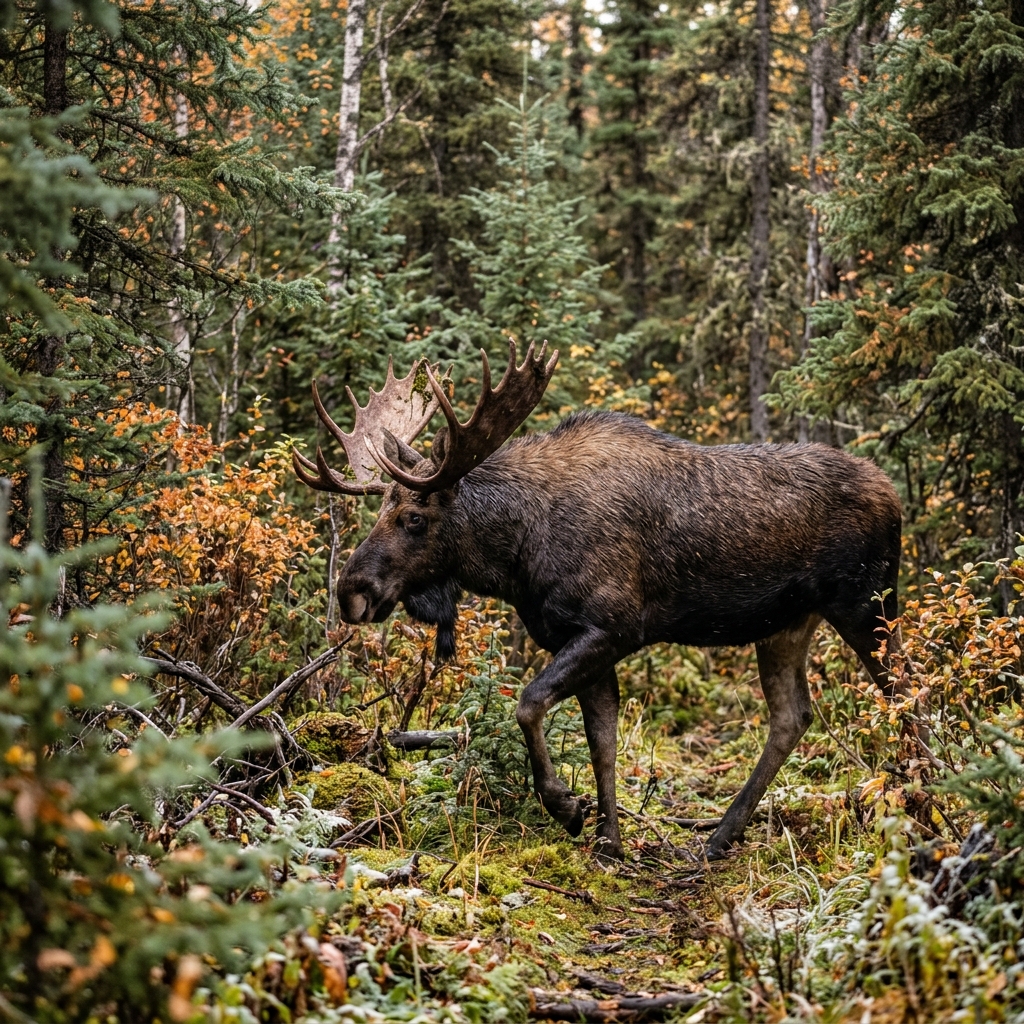
The largest species of deer, perfectly adapted to deep snow.
💡 Fun Facts
- Has incredibly long legs to wade through deep winter snow and reach the high branches of pine trees.
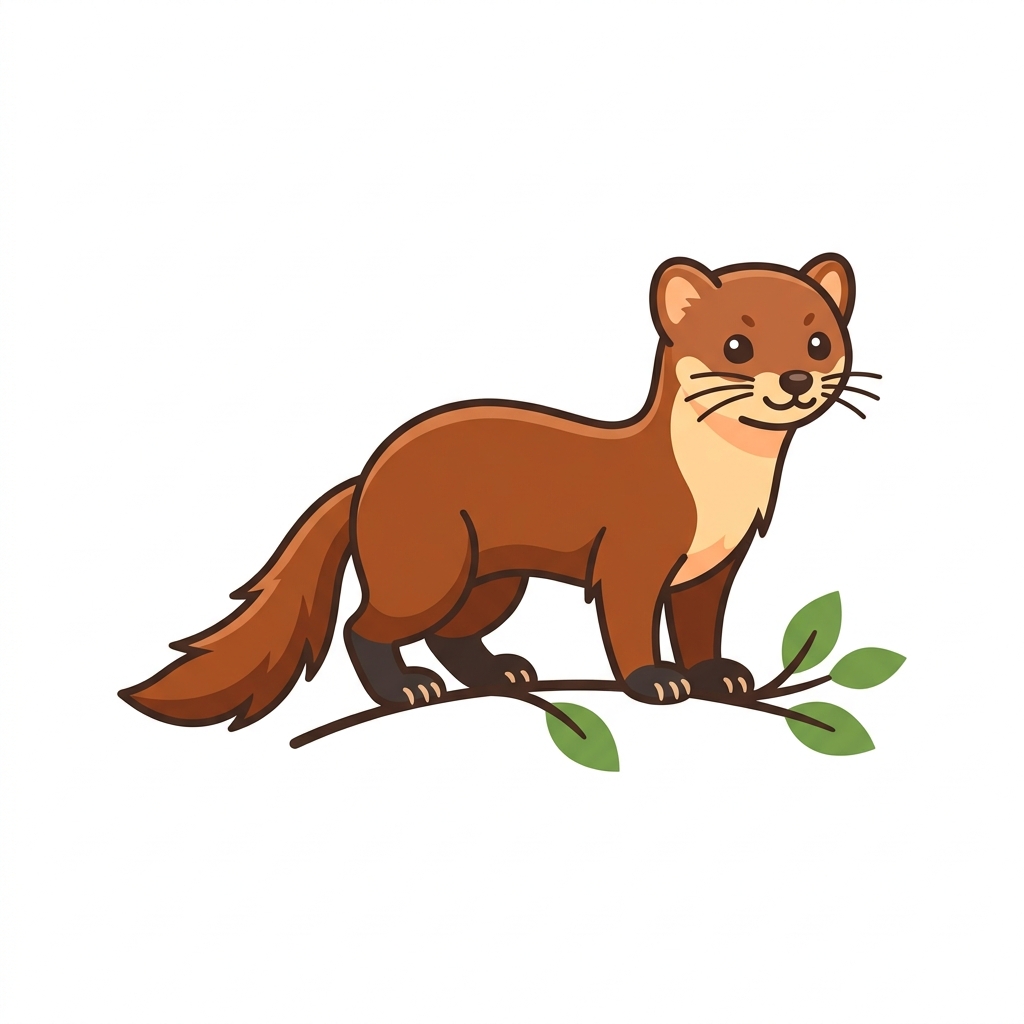
Pine Marten
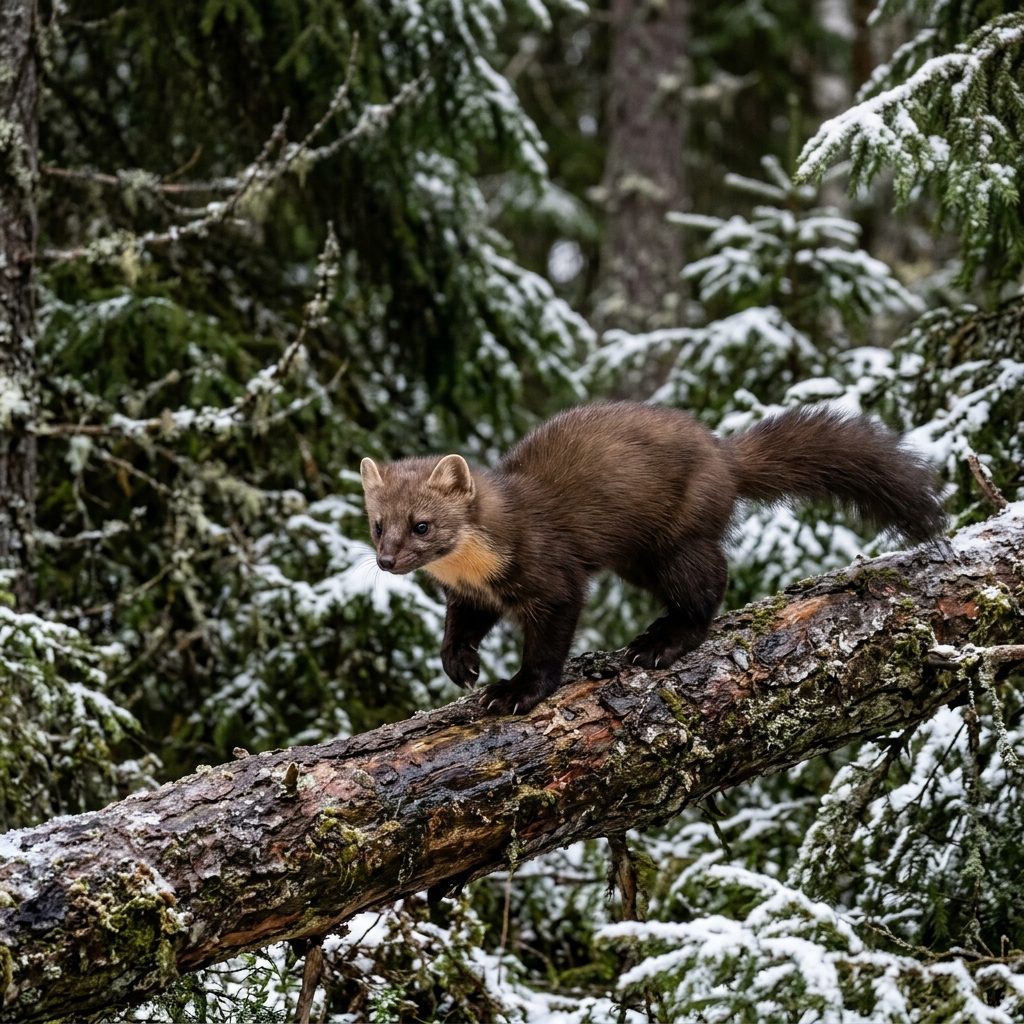
An agile tree-climbing predator with semi-retractable claws.
💡 Fun Facts
- An agile tree-climber with semi-retractable claws, allowing it to leap between snow-covered branches to hunt red squirrels.
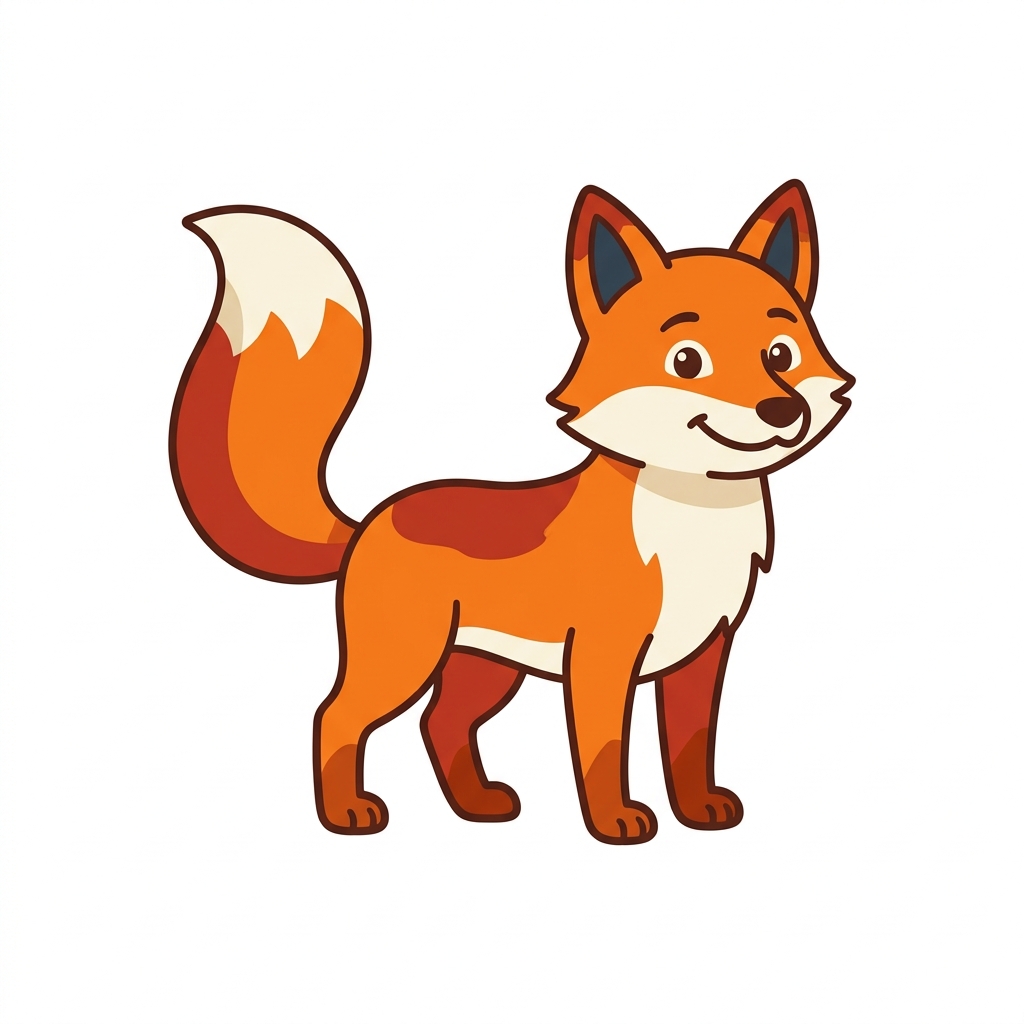
Urban Fox

A highly adaptable scavenger that thrives in towns and cities.
💡 Fun Facts
- Highly adaptable and not a fussy eater; it will hunt mice, eat fallen fruit, or scavenge leftover takeaways from bins.
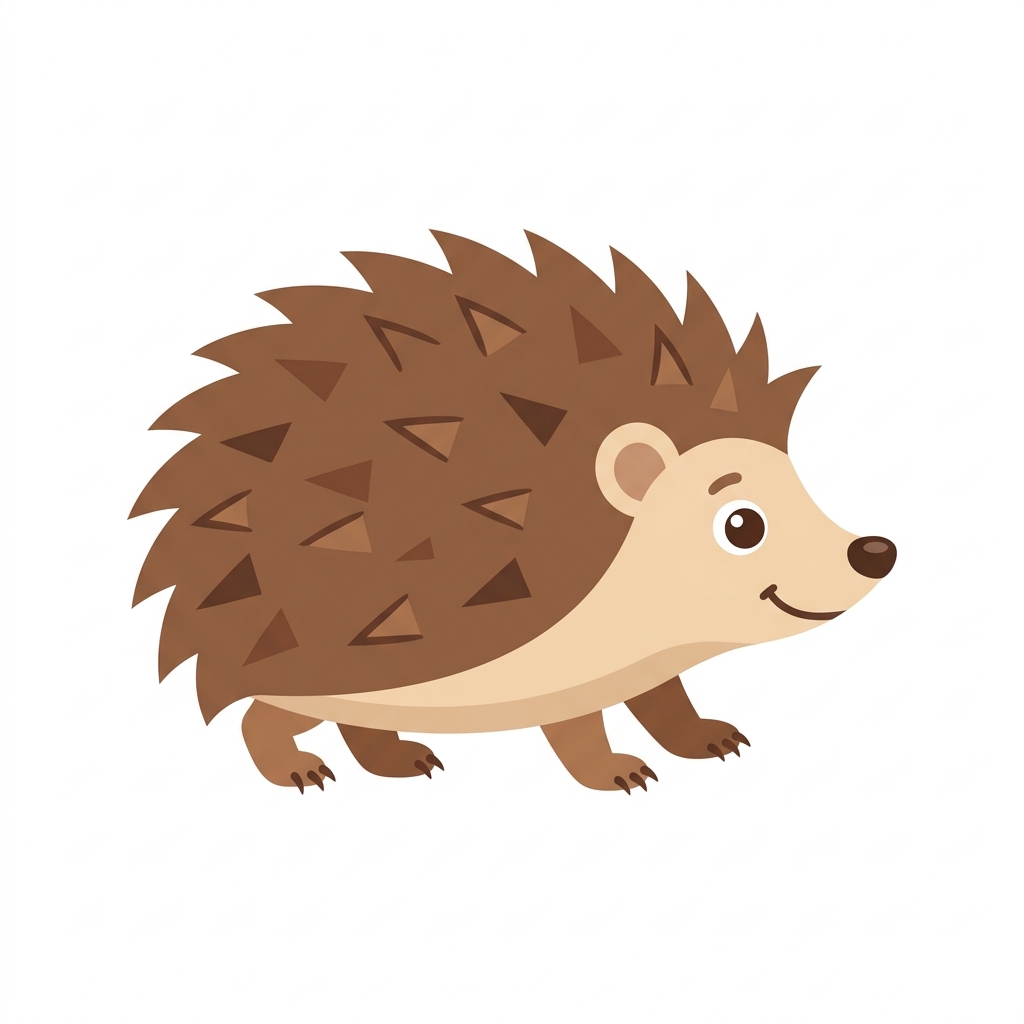
Hedgehog
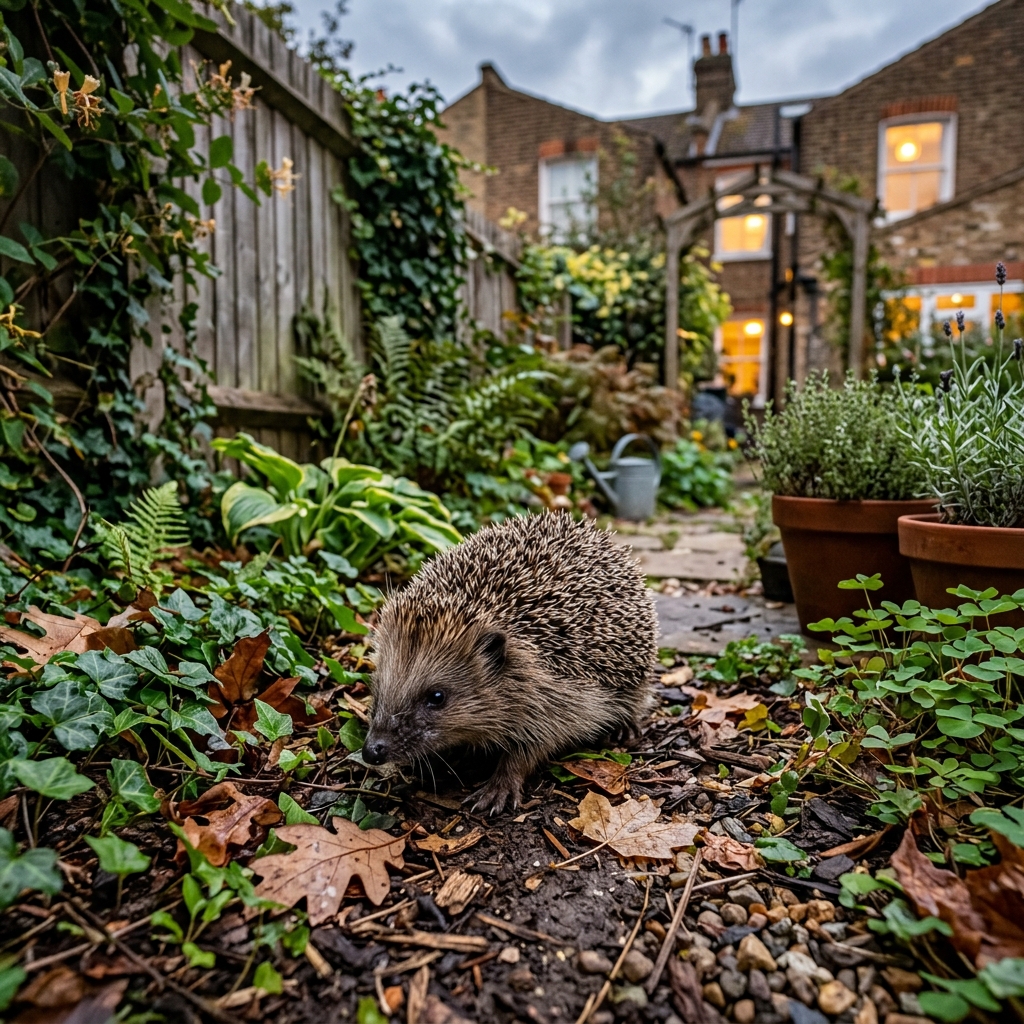
A prickly nocturnal mammal that visits gardens to eat slugs.
💡 Fun Facts
- Travels through small holes in fences at night, eating slugs and snails from the flowerbeds to help the gardeners.
📅 Through the Year
- Hibernation:November to March
- Active:April to October
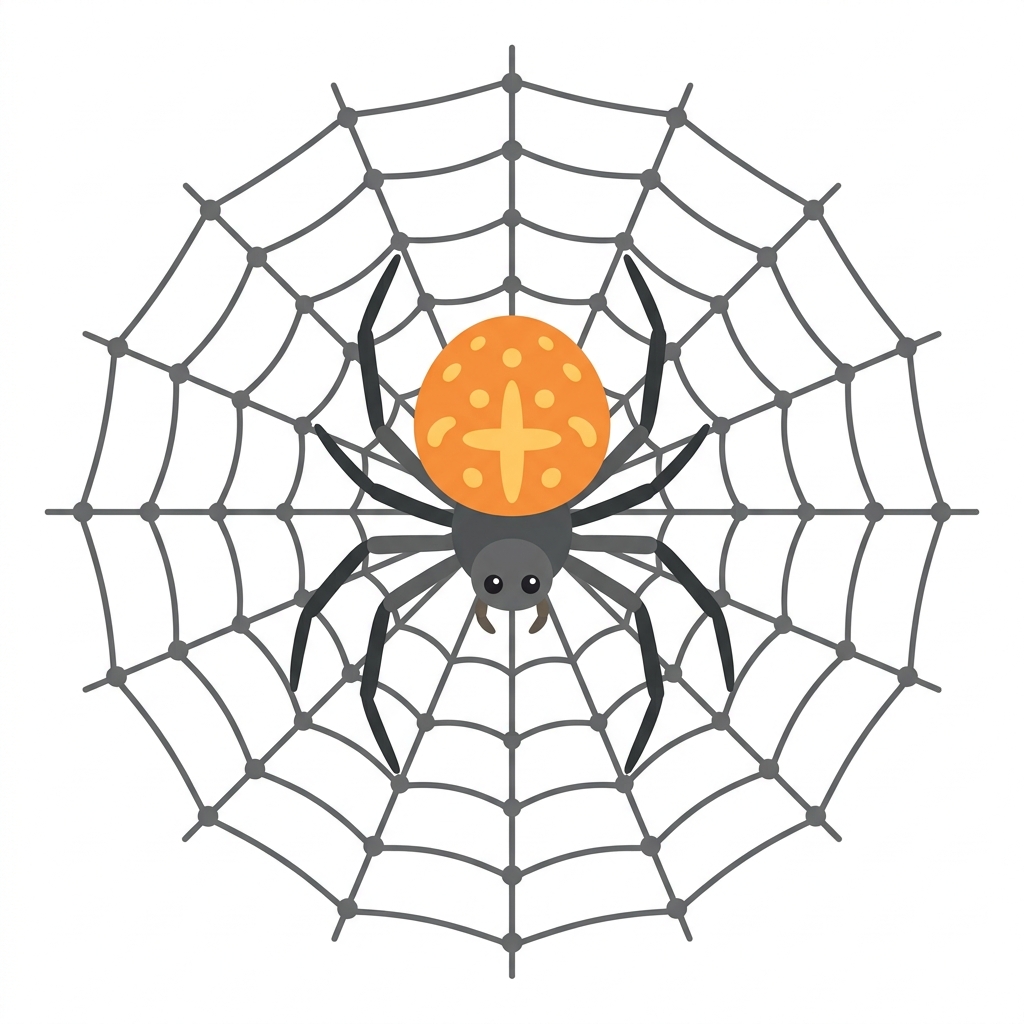
Garden Spider
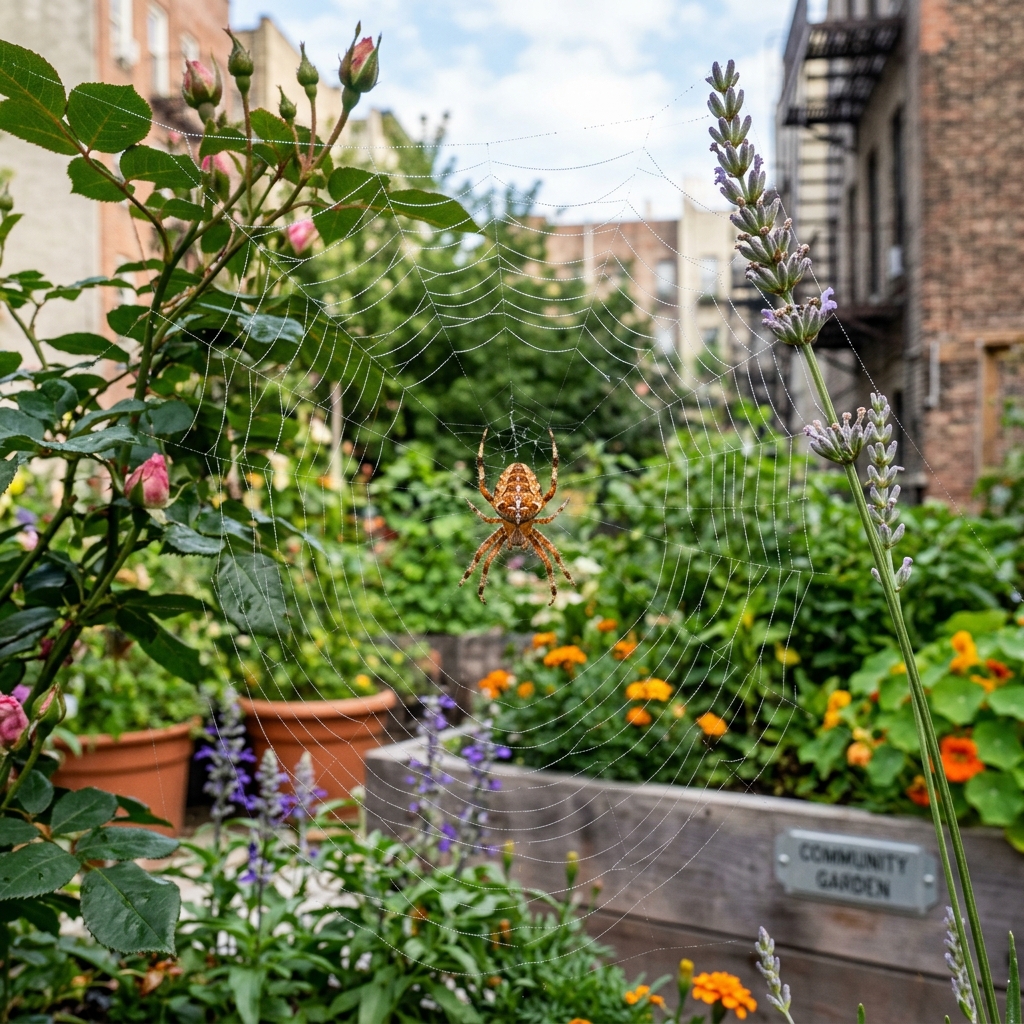
A master web-weaver found in almost every garden.
💡 Fun Facts
- Spins large orb webs across gaps in fences or bushes to catch flying insects, rebuilding the web every single morning.
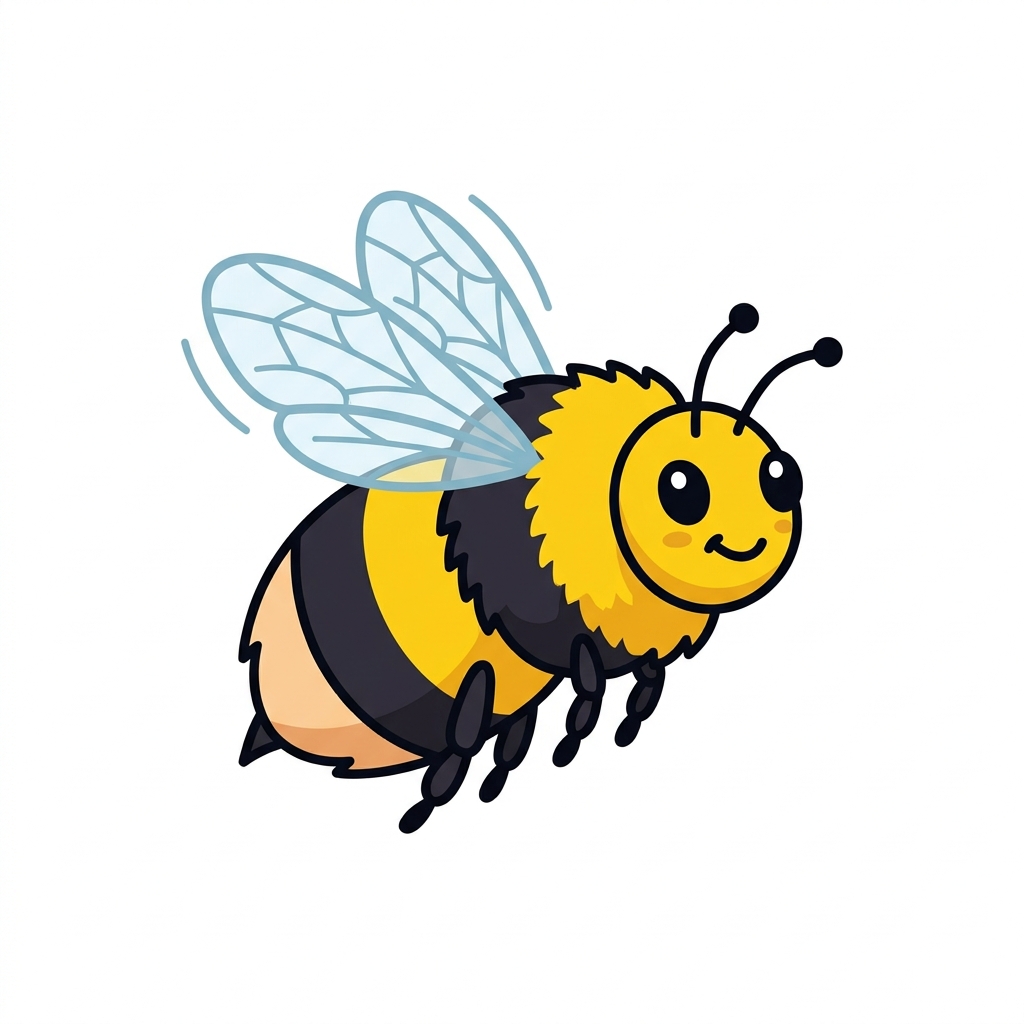
Buff-tailed Bumblebee
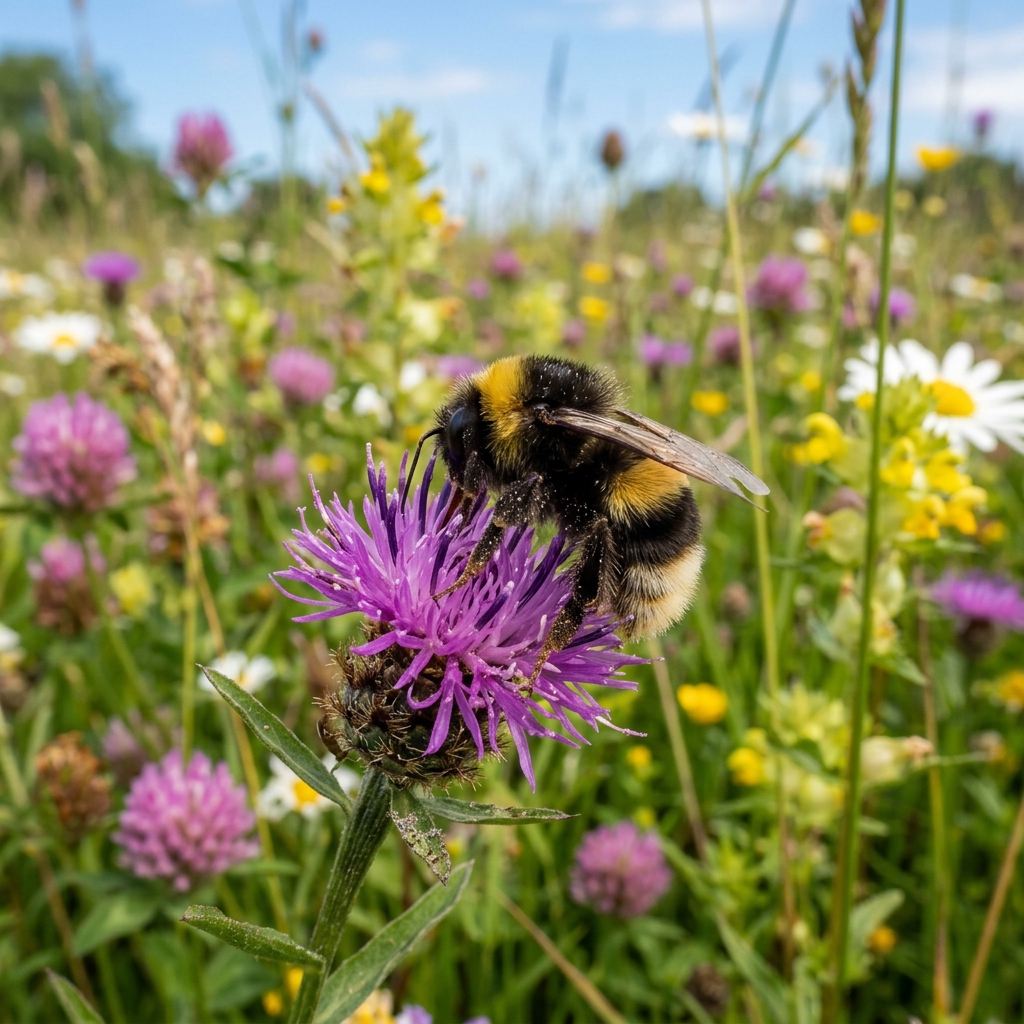
An essential pollinator for meadow flowers.
💡 Fun Facts
- Covered in thick hair to stay warm while flying from flower to flower, collecting nectar and accidentally pollinating the plants.
📅 Through the Year
- Hibernation:November to February
- Active:March to October
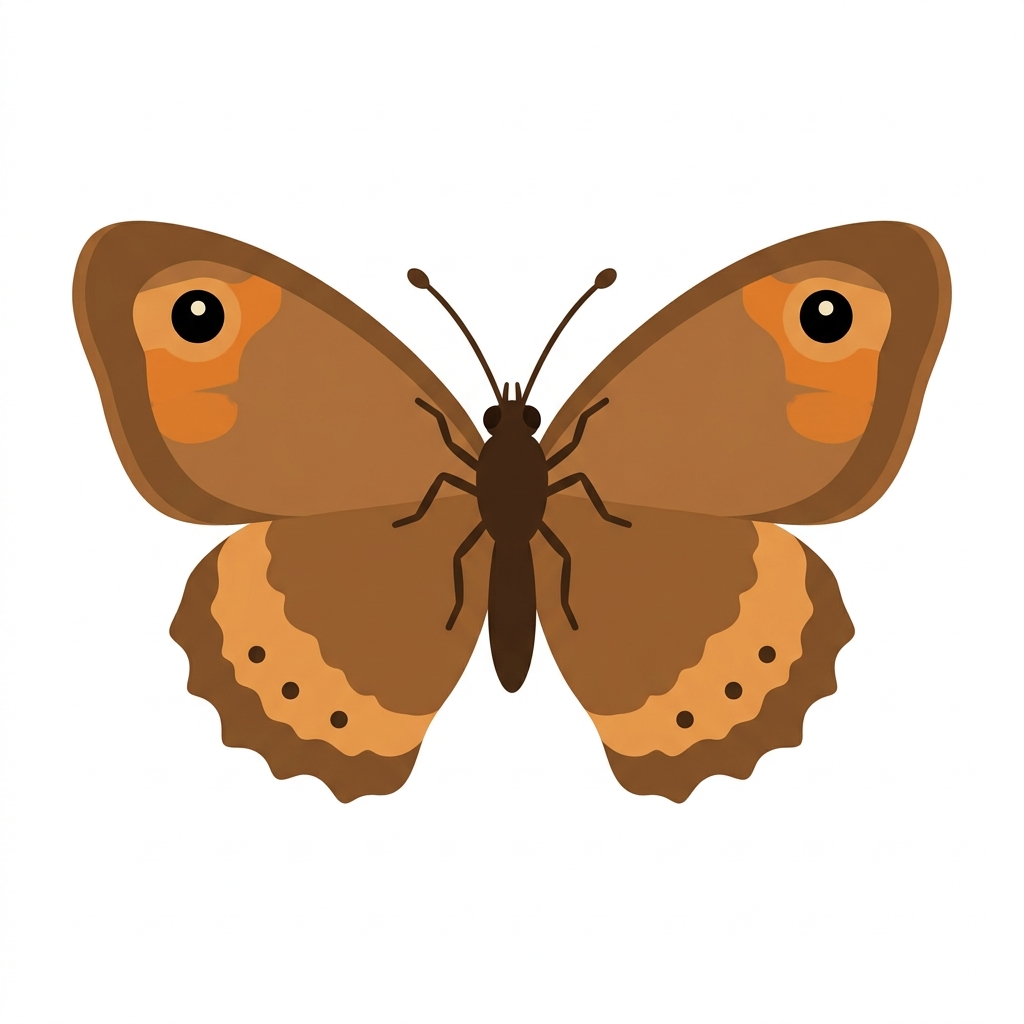
Meadow Brown Butterfly
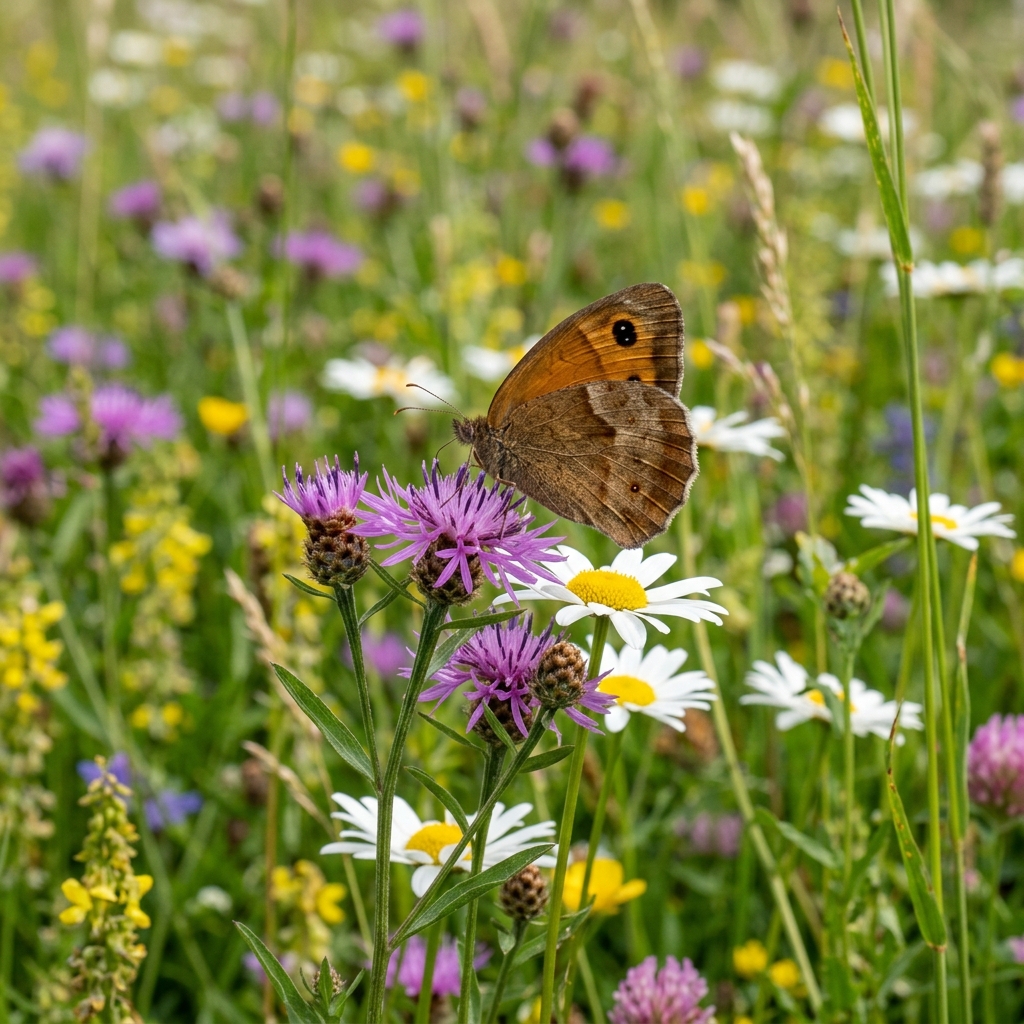
A camouflaged butterfly whose caterpillars eat fine grasses.
💡 Fun Facts
- The caterpillars feed exclusively on the fine meadow grasses, perfectly camouflaged in the green stems.
📅 Through the Year
- Active:June to September
Citizen Science Activity
Help scientists track nature! You can record your sightings for this topic on the Big Butterfly Count website.
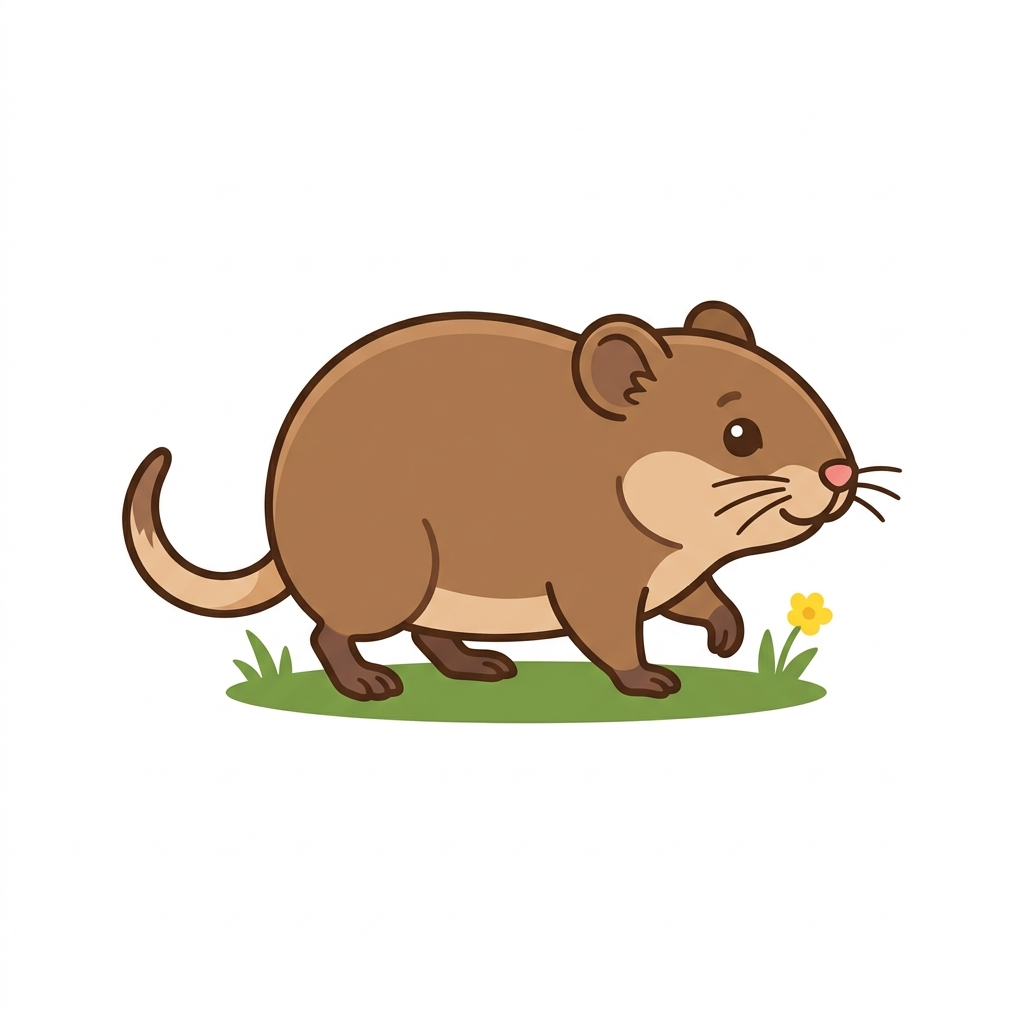
Field Vole
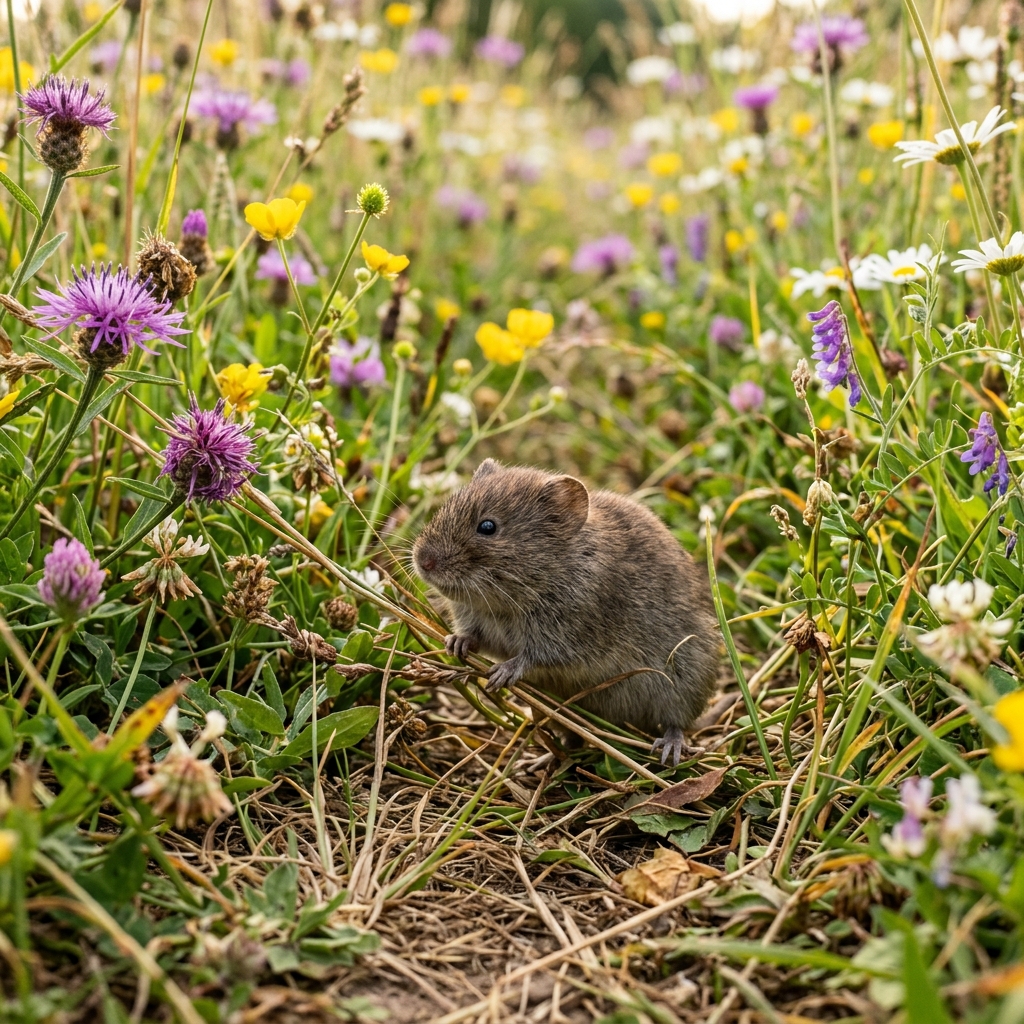
A small mammal that weaves tunnels through the tall grass.
💡 Fun Facts
- Weaves intricate tunnel networks through the tall grass to safely hunt for seeds without being spotted by birds of prey above.
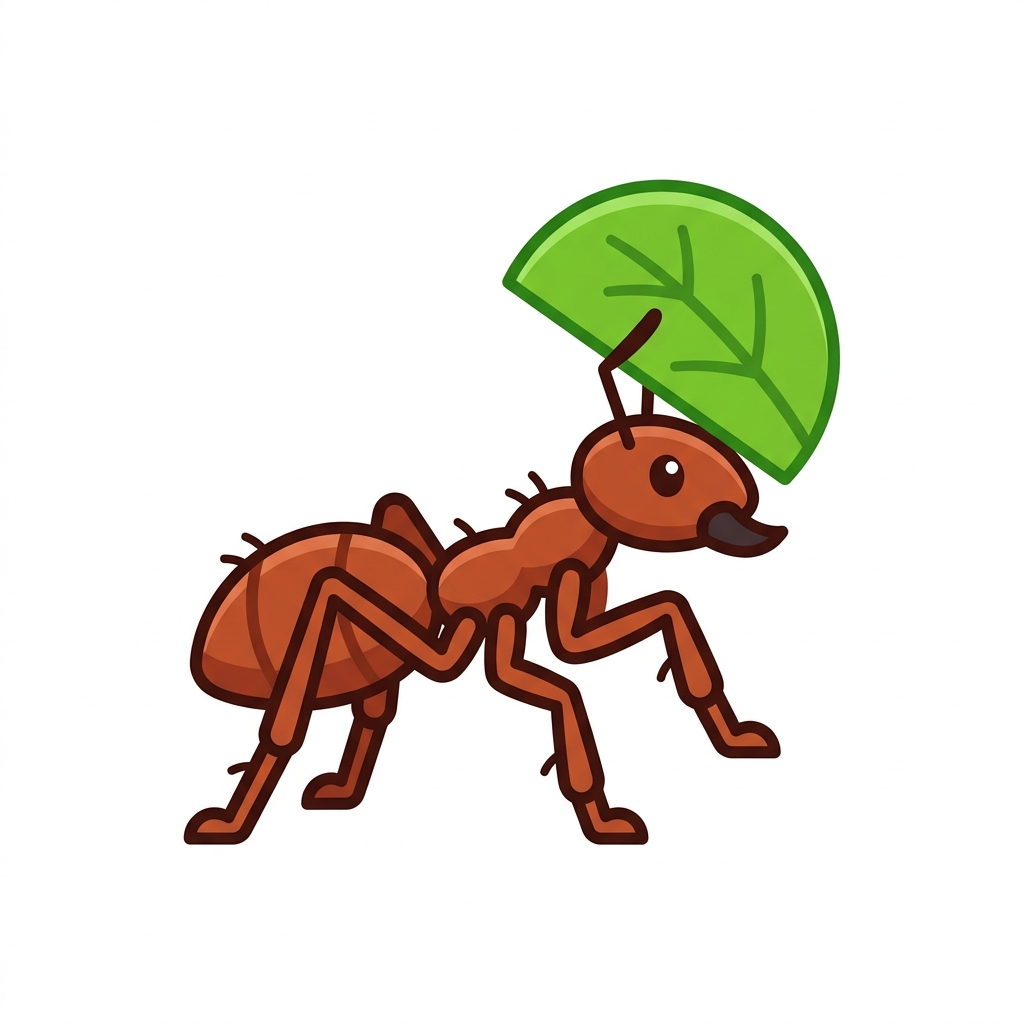
Leaf-cutter Ant
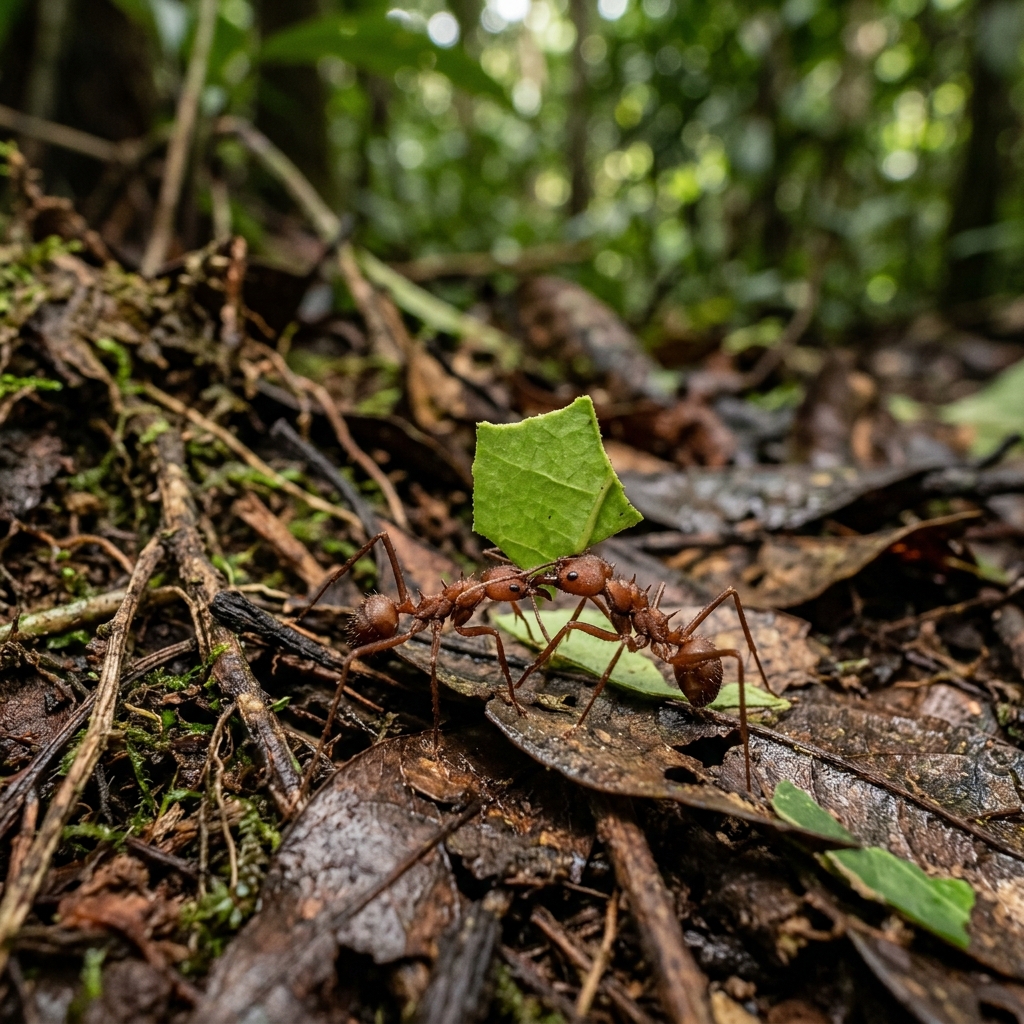
A strong insect that farms fungus underground.
💡 Fun Facts
- Cuts pieces of leaves and carries them underground, using them to farm a special fungus which they then eat.
Jaguar
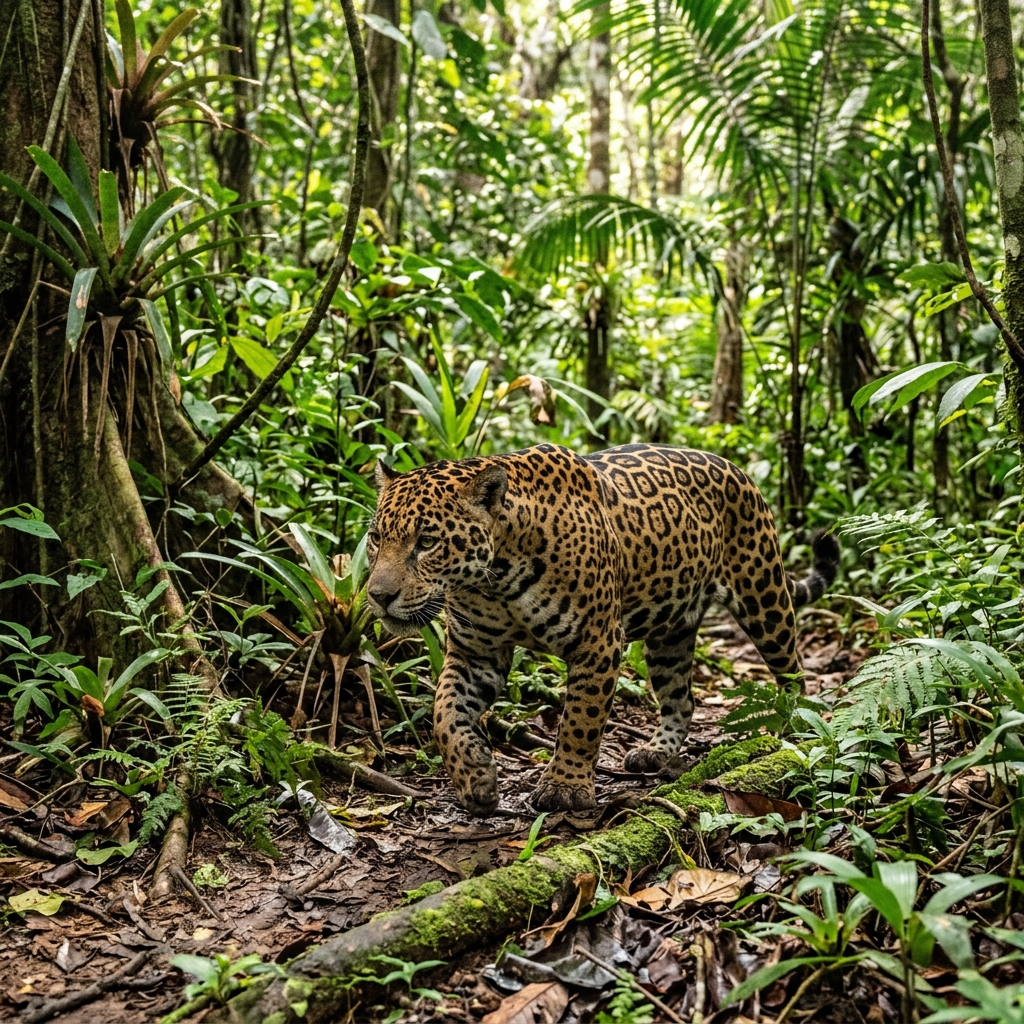
A powerful apex predator perfectly camouflaged for the shadows.
💡 Fun Facts
- Has a beautiful spotted coat (rosettes) that provides perfect camouflage in the dappled shadows of the forest floor while stalking prey.
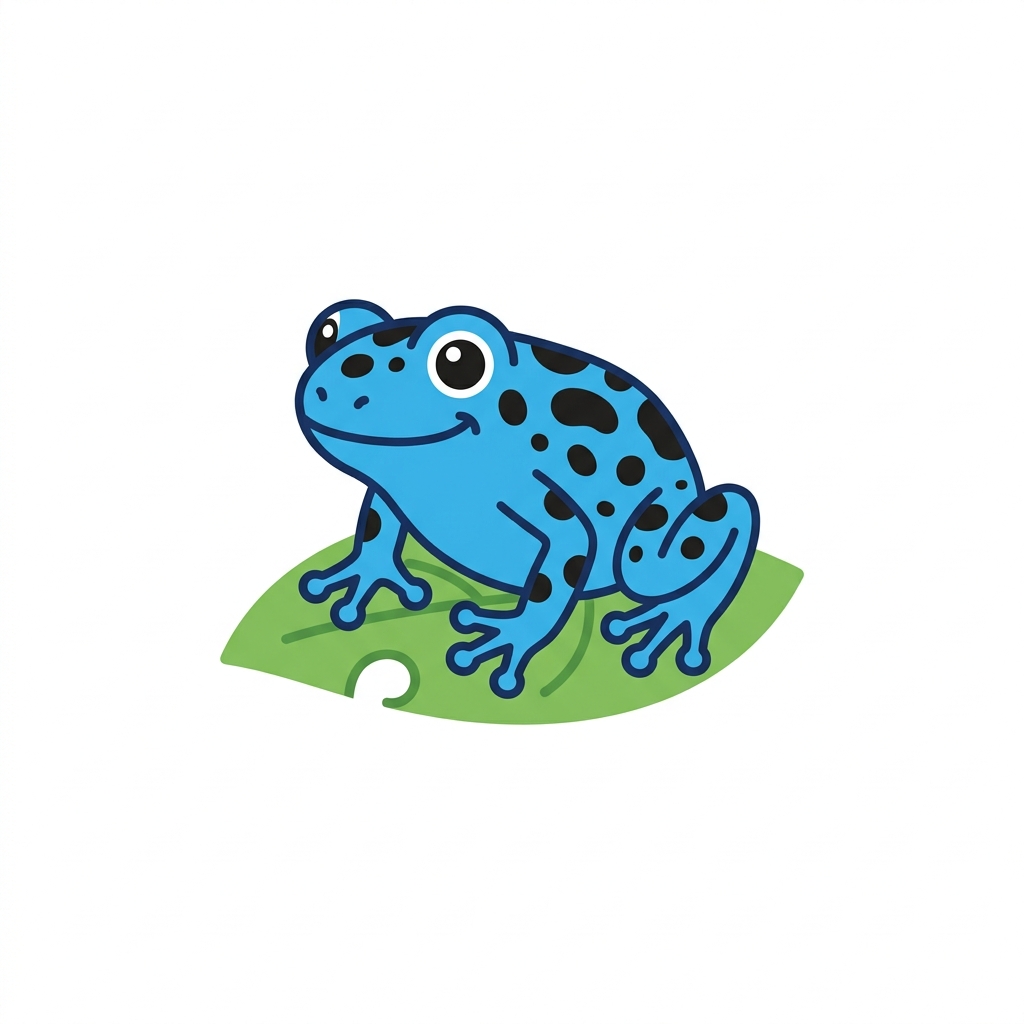
Poison Dart Frog
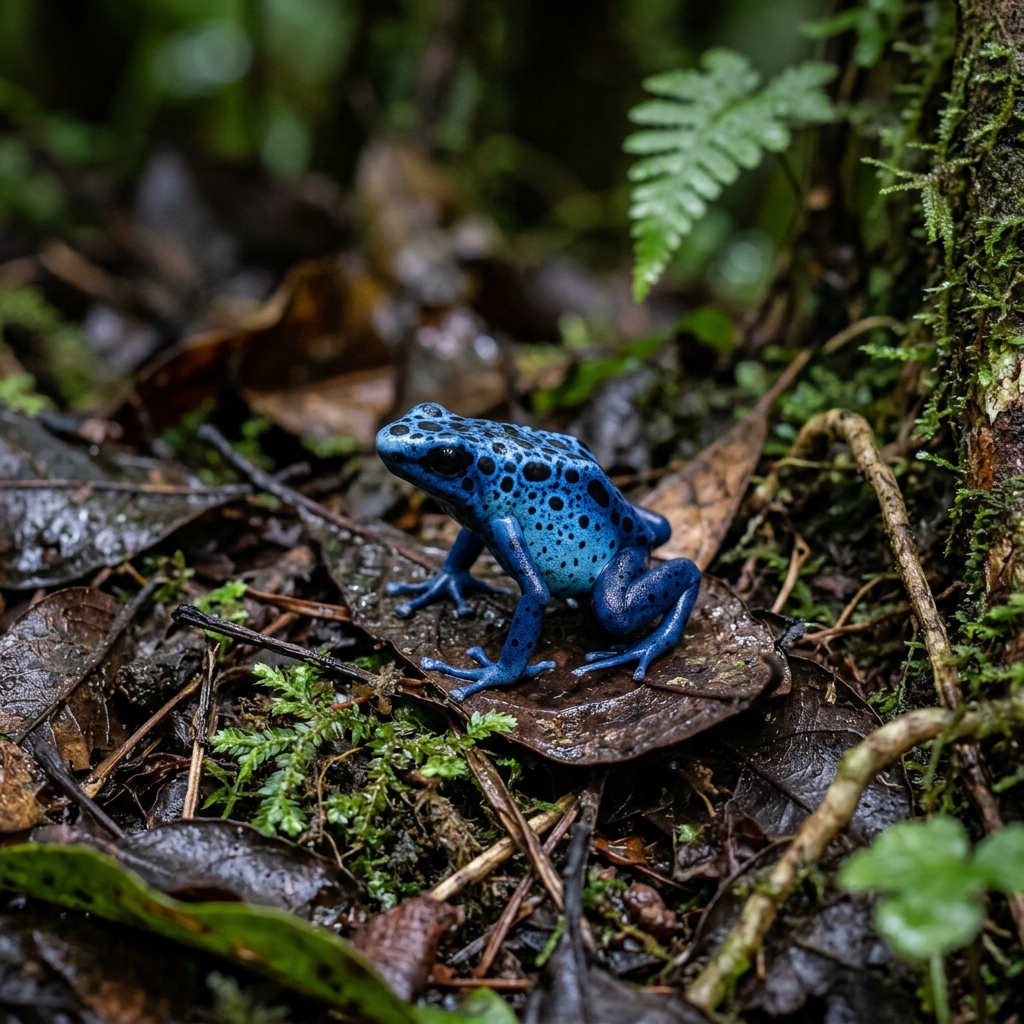
A tiny, brightly coloured amphibian with highly toxic skin.
💡 Fun Facts
- Uses incredibly bright colours to warn predators on the dark forest floor that its skin is highly toxic.
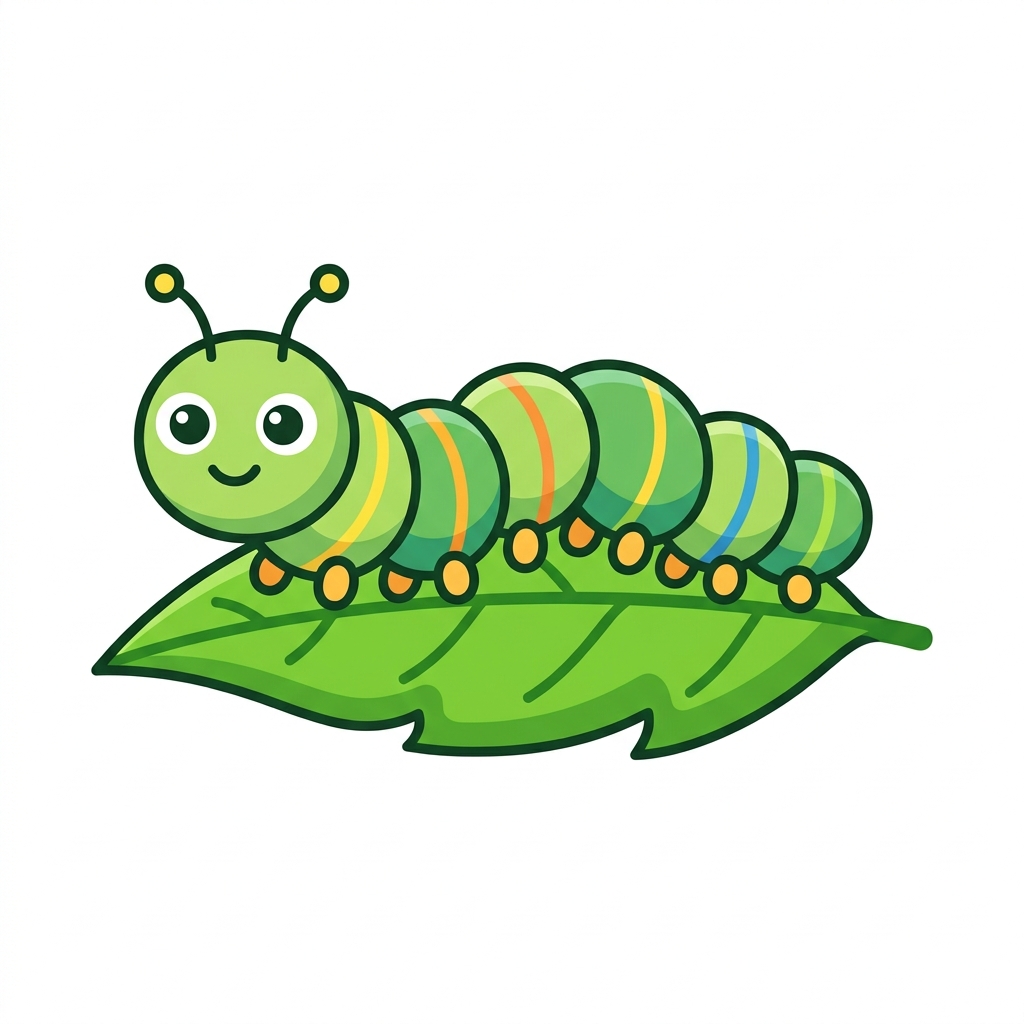
Caterpillar
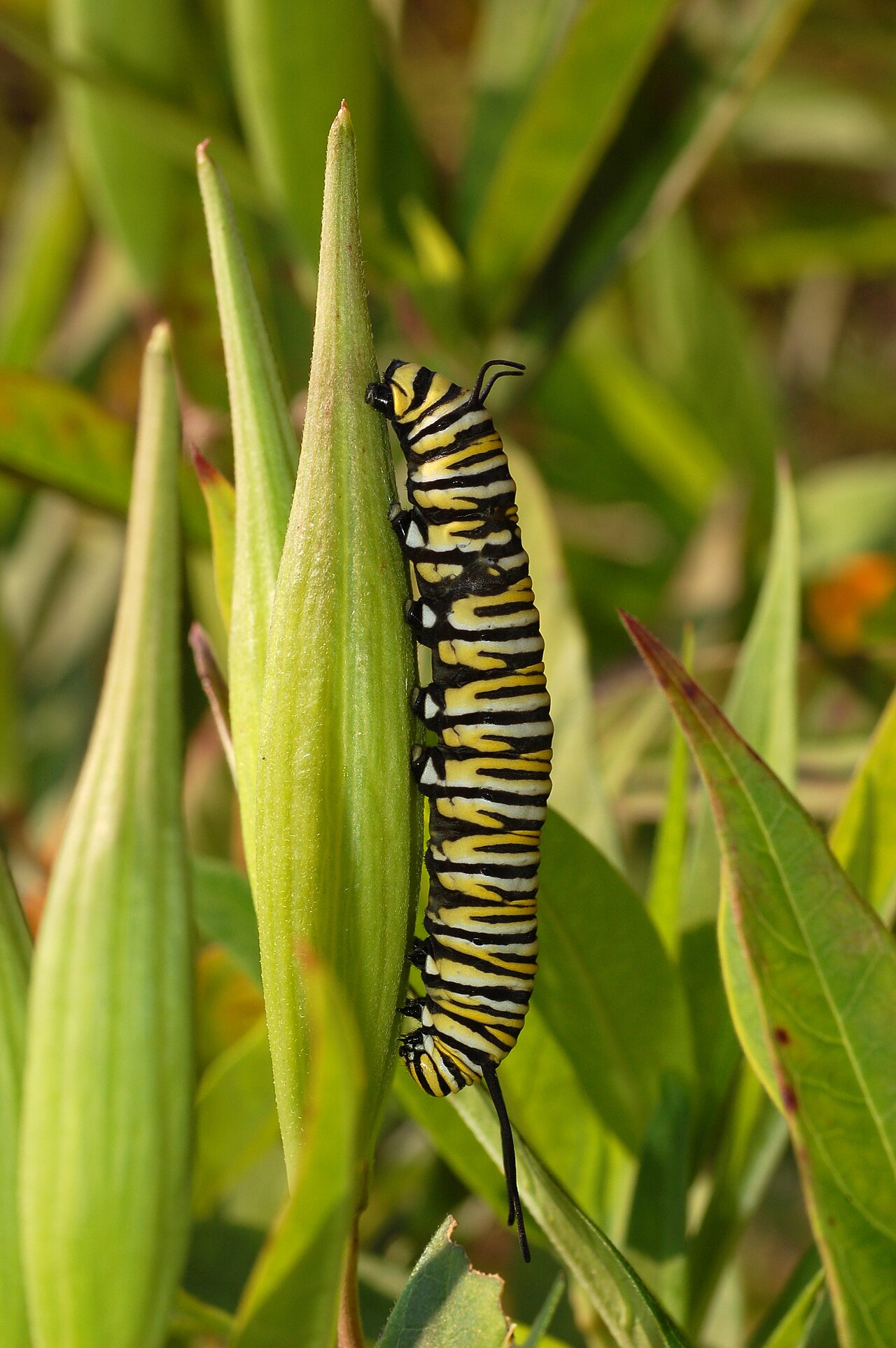
The larval stage of a butterfly or moth, known for being a voracious eater of leaves.
💡 Fun Facts
- They can eat up to 27,000 times their body weight during their lifetime.
- They have 12 eyes, though their vision is very poor.
Phytoplankton
Microscopic marine plants that form the base of the ocean food web.
Savannah Grass
Tough, resilient grasses that survive dry seasons and feed many grazing animals.
Pondweed
Aquatic plants that provide food and oxygen for many freshwater creatures.
Dead Leaves
Fallen leaves provide essential energy for detritivores on the forest floor.
Flowers & Nectar
Sweet nectar produced by plants to attract pollinators like bees and butterflies.
Berries & Fruits
Sweet, soft, and nutritious fruits and berries produced by plants and trees.
Nuts & Seeds
Hard, nutrient-rich seeds and nuts like acorns, hazelnuts, and sunflower seeds.
Seaweed
Marine algae that grows along rocky shores, providing food for coastal animals.
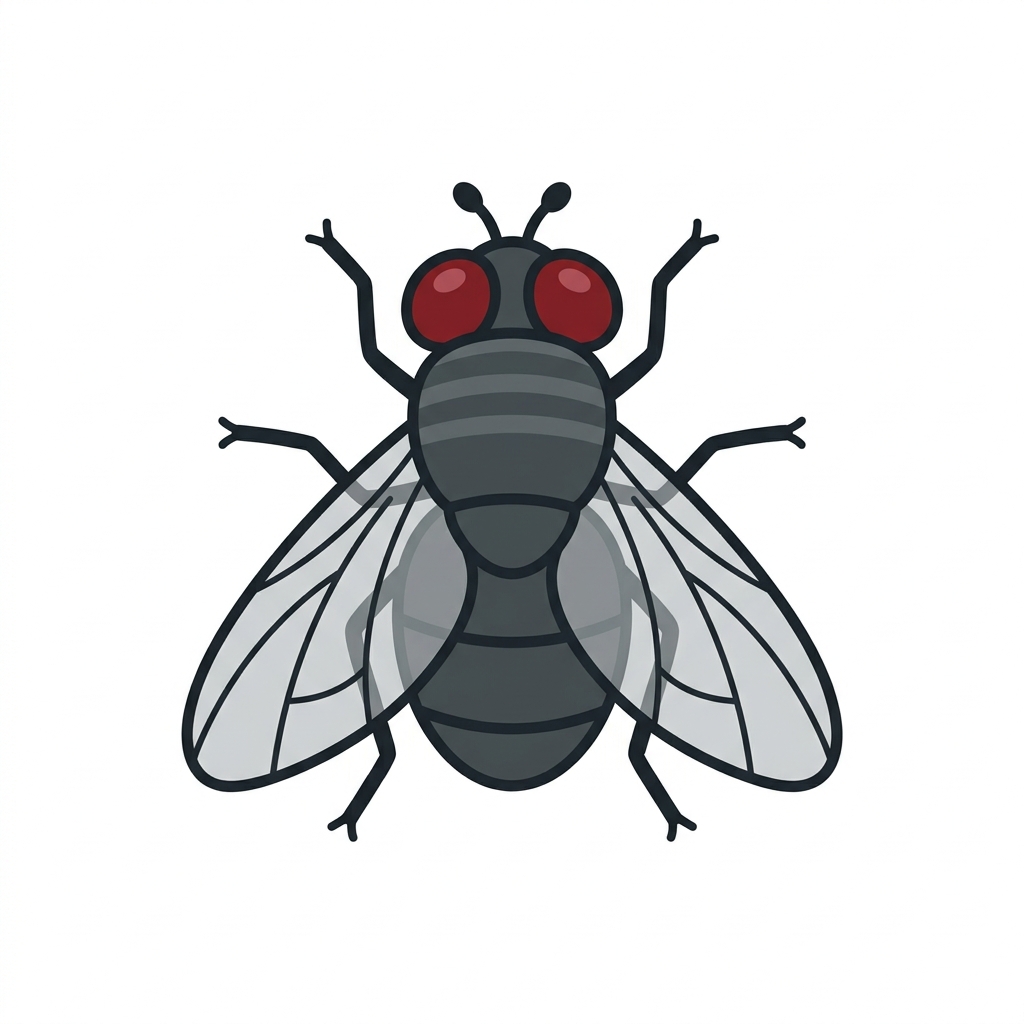
Fly
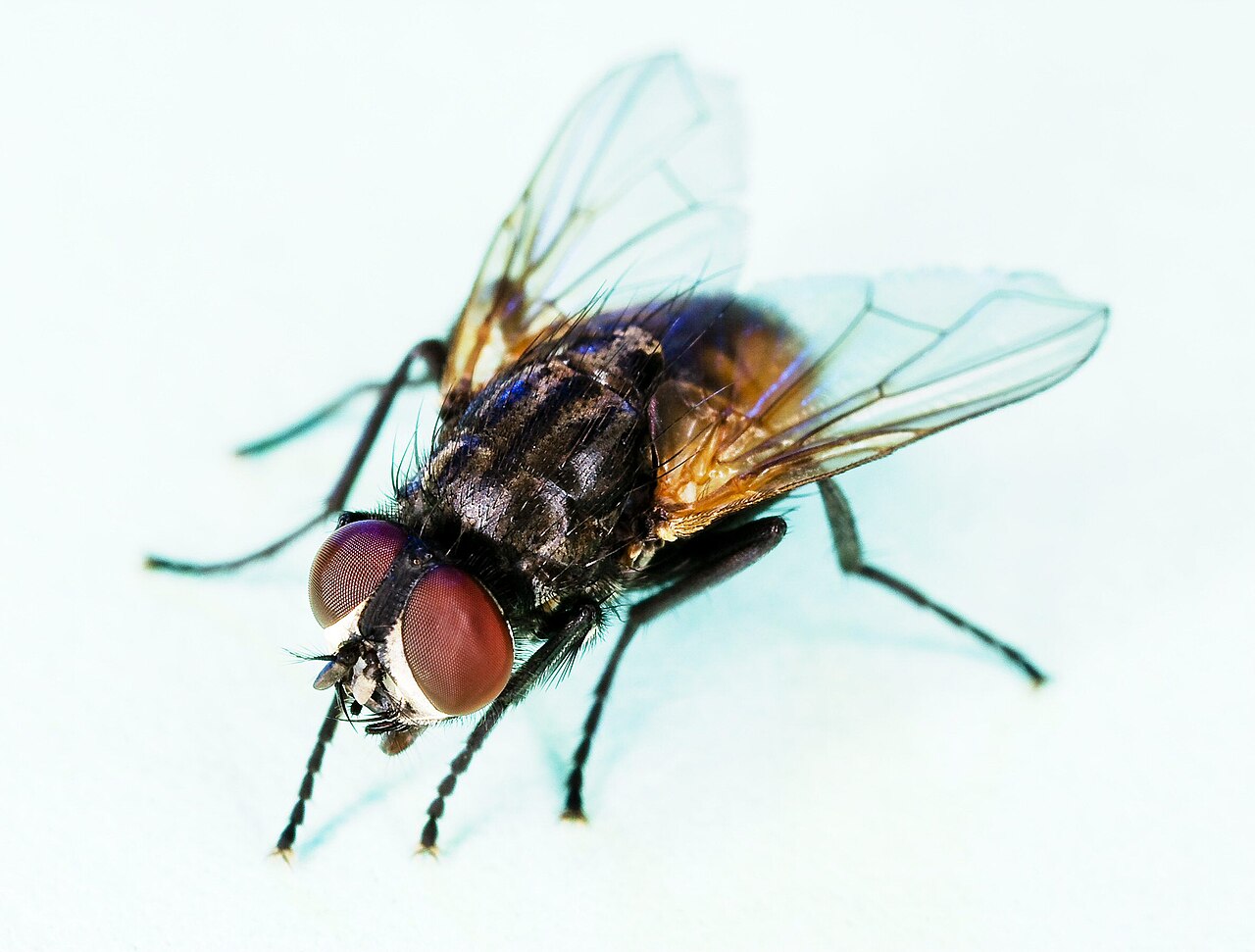
A flying insect that plays an important role in nature by breaking down waste and serving as food for birds, spiders, and amphibians.
💡 Fun Facts
- Houseflies taste with their feet! They have taste receptors on their lower legs.
- They can beat their wings up to 200 times per second, which creates the buzzing sound we hear.
- Flies can walk upside down on ceilings because they have sticky pads and tiny claws on their feet.