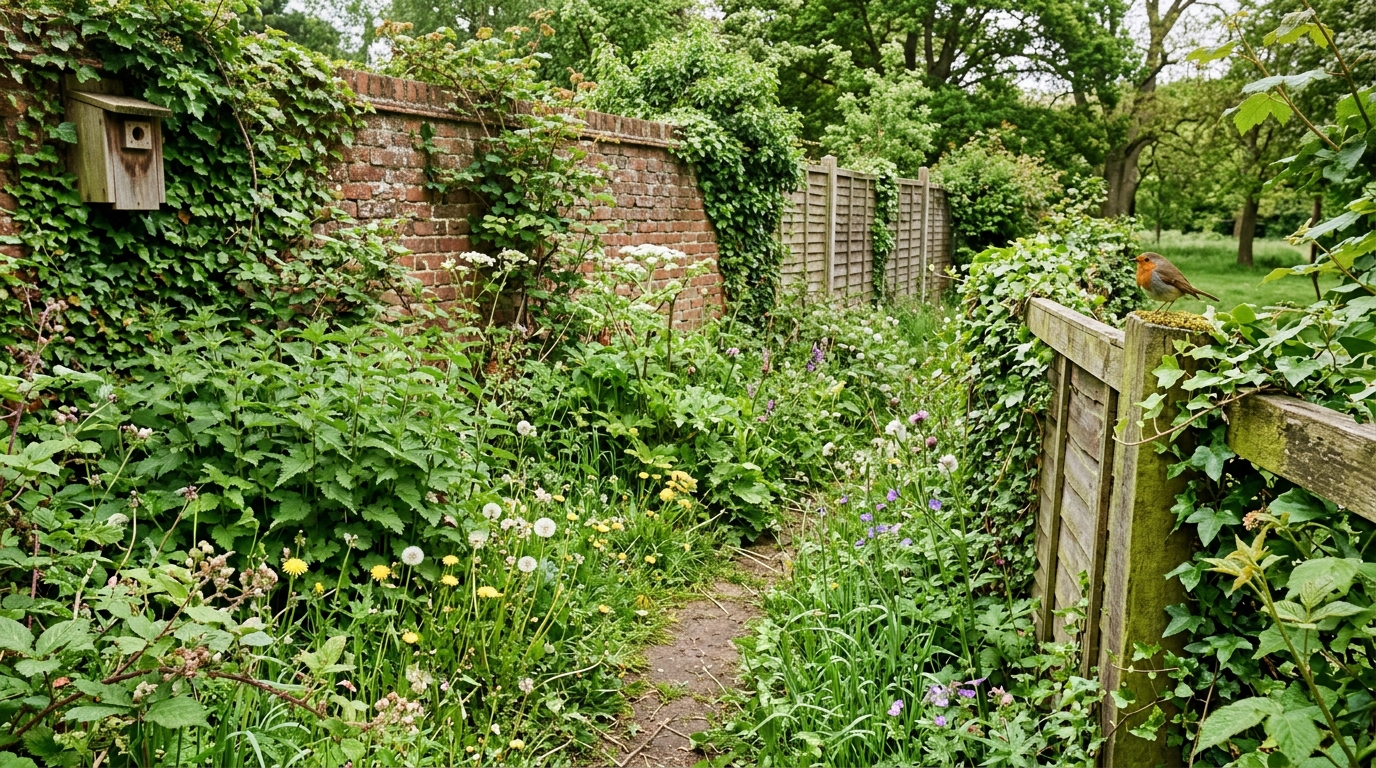
Cities, towns, and villages provide surprising sanctuaries for wildlife. This page is part of our GCSE Natural History preparation, focusing specifically on UK native species and environments.
Wildlife in this Habitat
Here are some of the fascinating creatures you might spot, from local UK wildlife to pets and naturalised species.
UK Feathered Visitors
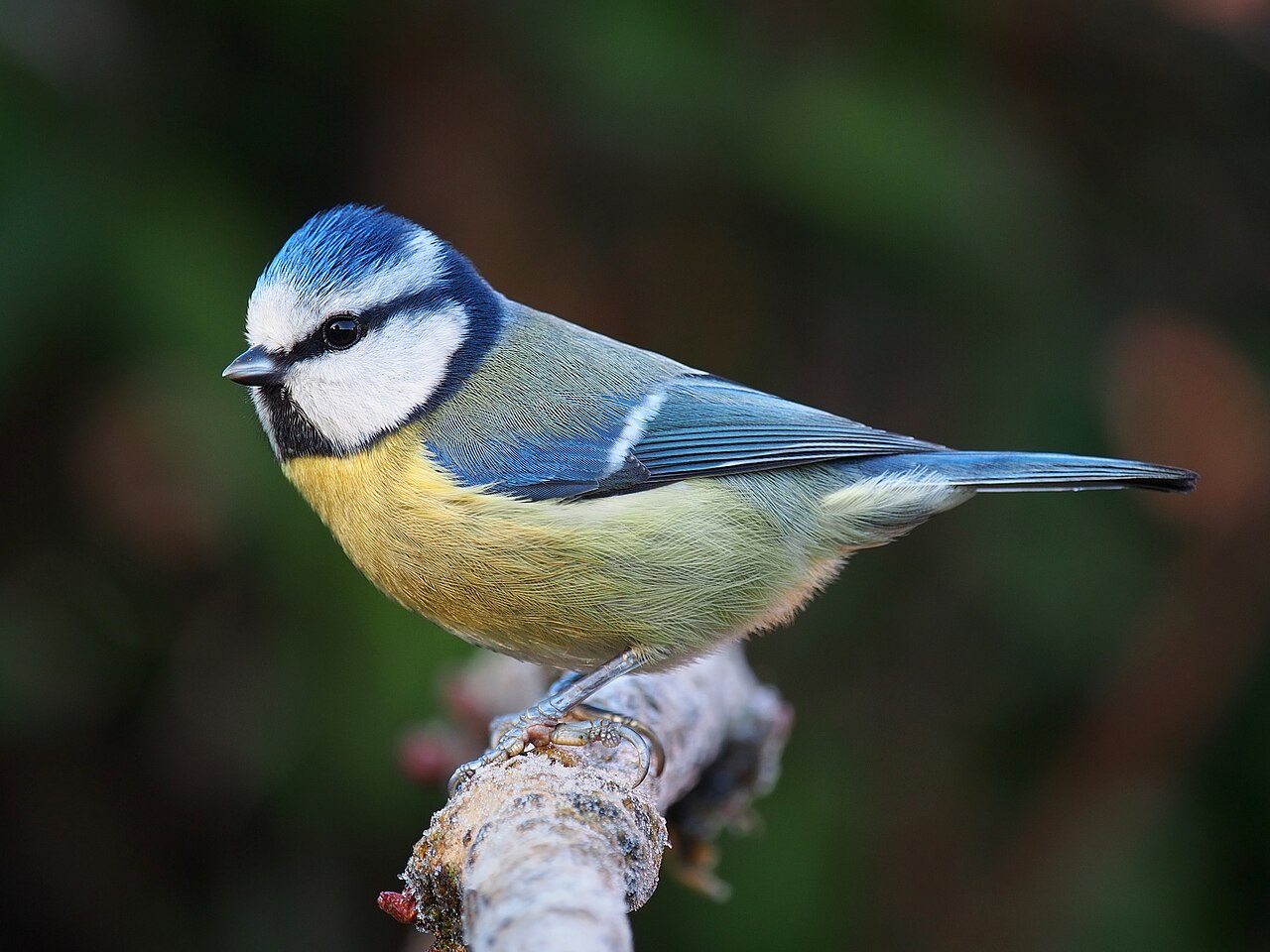
Blue Tit
Agile little birds with bright blue caps, often seen swinging on bird feeders.
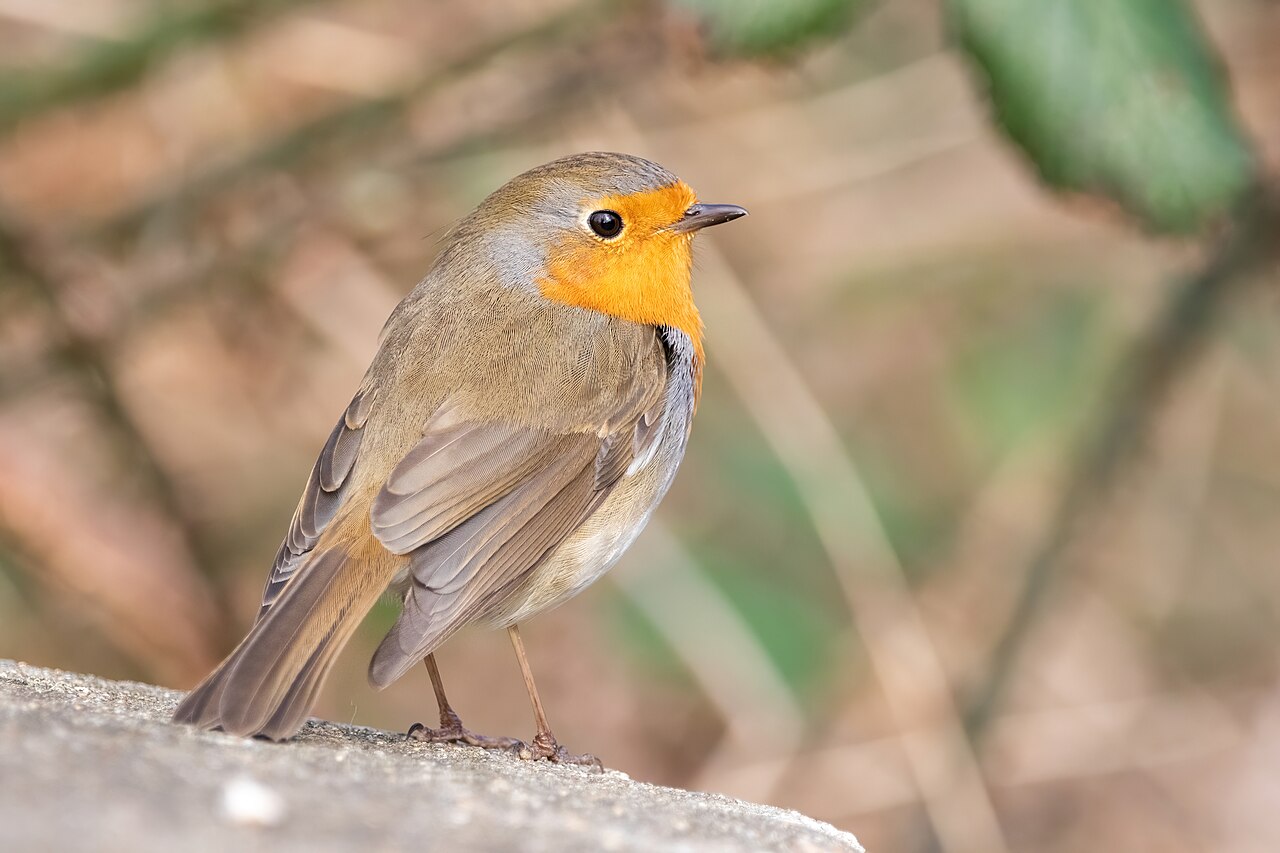
Robin
Fiercely territorial birds famous for their bright red breasts and beautiful songs.
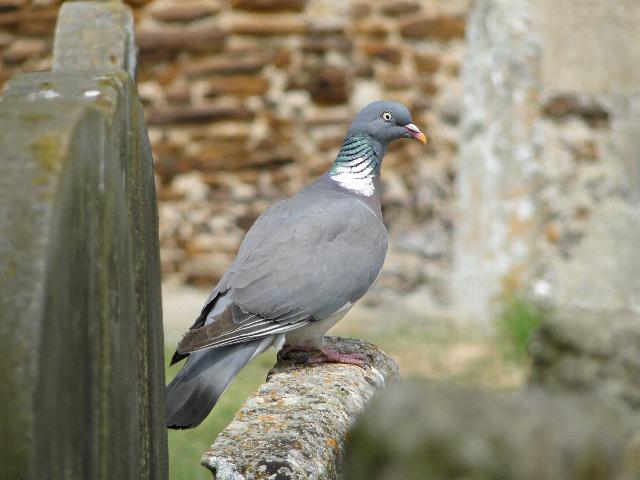
Woodpigeon
Large, plump pigeons with a white patch on their neck and a gentle cooing call.
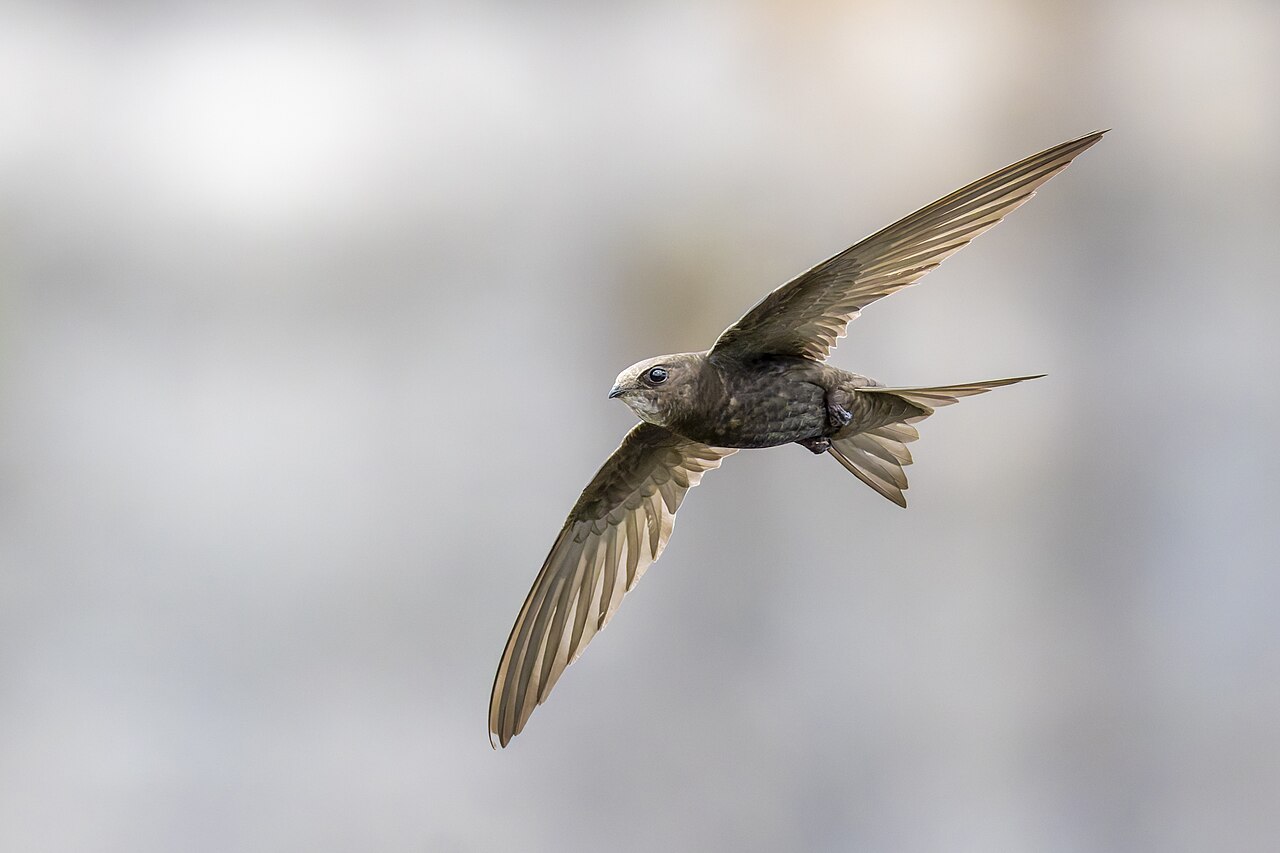
Swift
Incredible flyers that spend almost their whole lives in the air, swooping to catch insects.
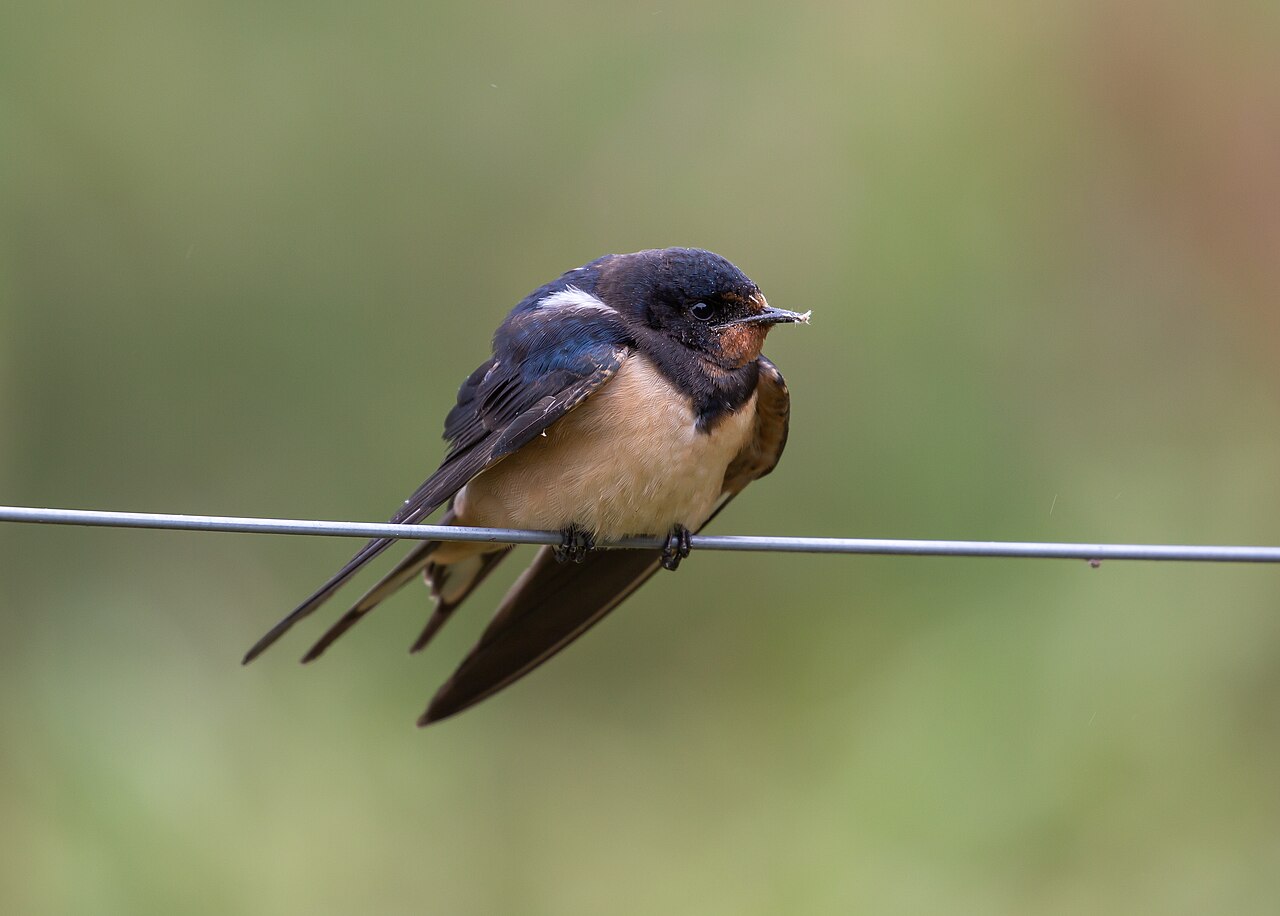
Swallow
Summer visitors with long forked tails, often seen nesting in barns or under eaves.
Garden Minibeasts
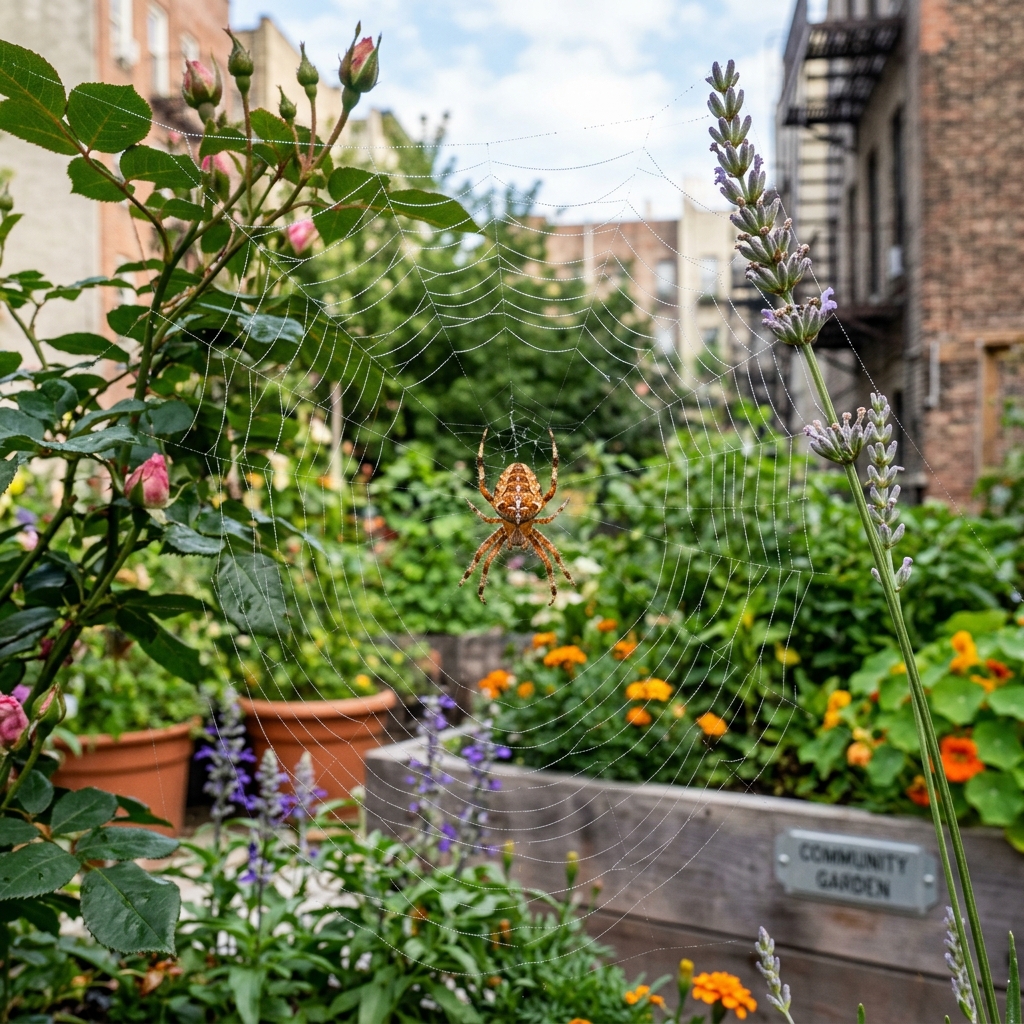
Garden Spider
Master web-weavers found in almost every garden.
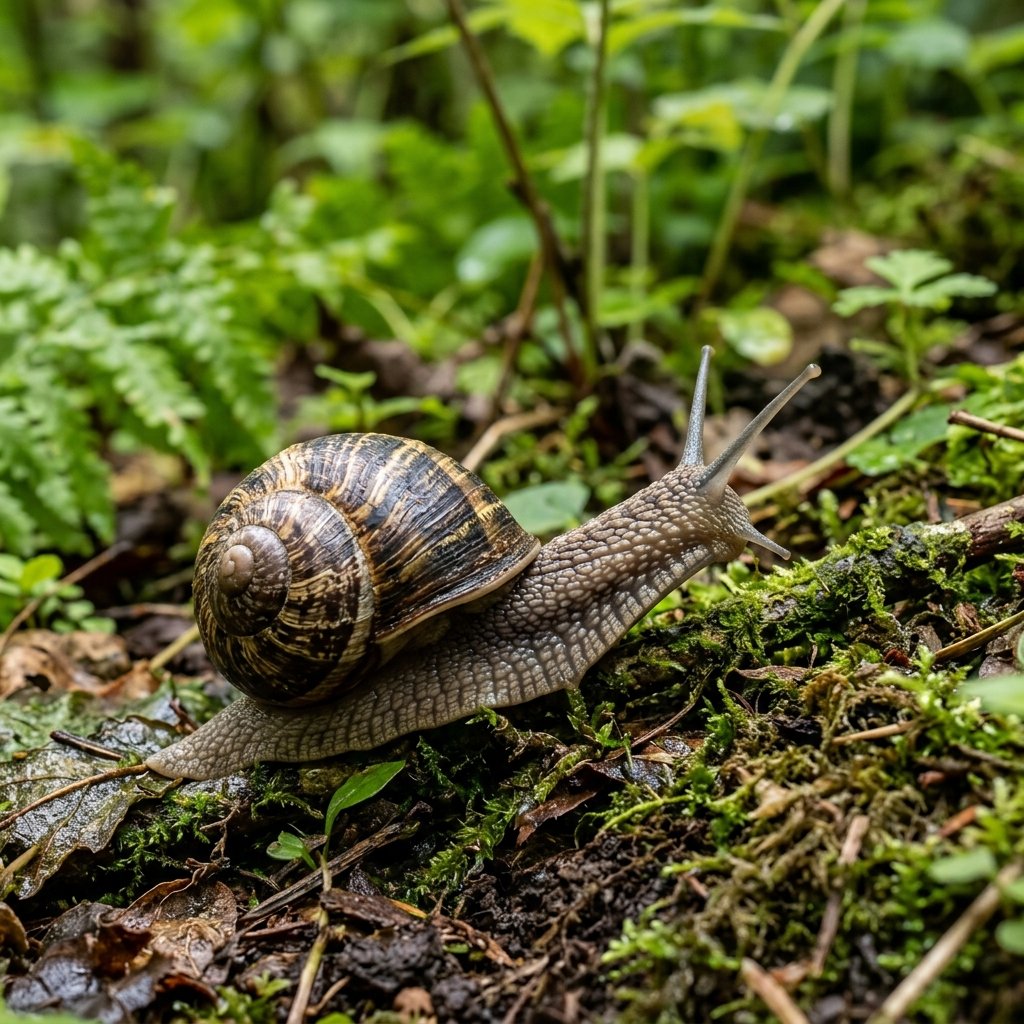
Garden Snail
Slow-moving molluscs carrying a spiral shell, most active after rain.
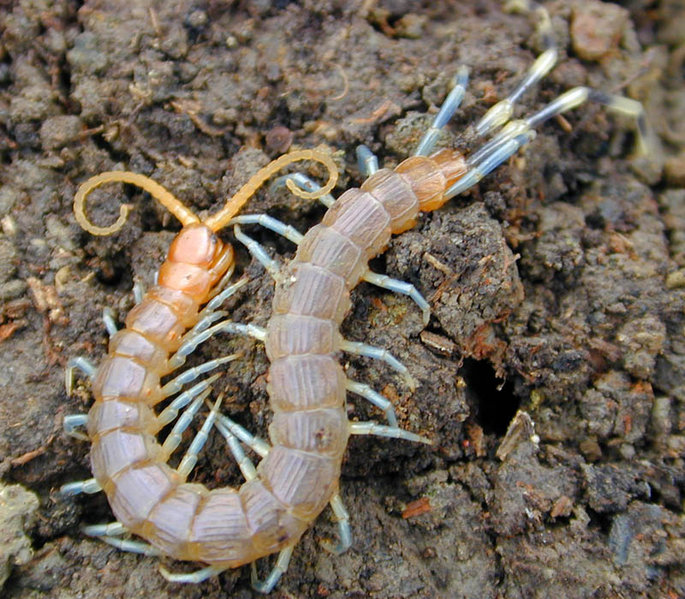
Centipede
Fast-moving predators with many legs, found hunting under stones and logs.
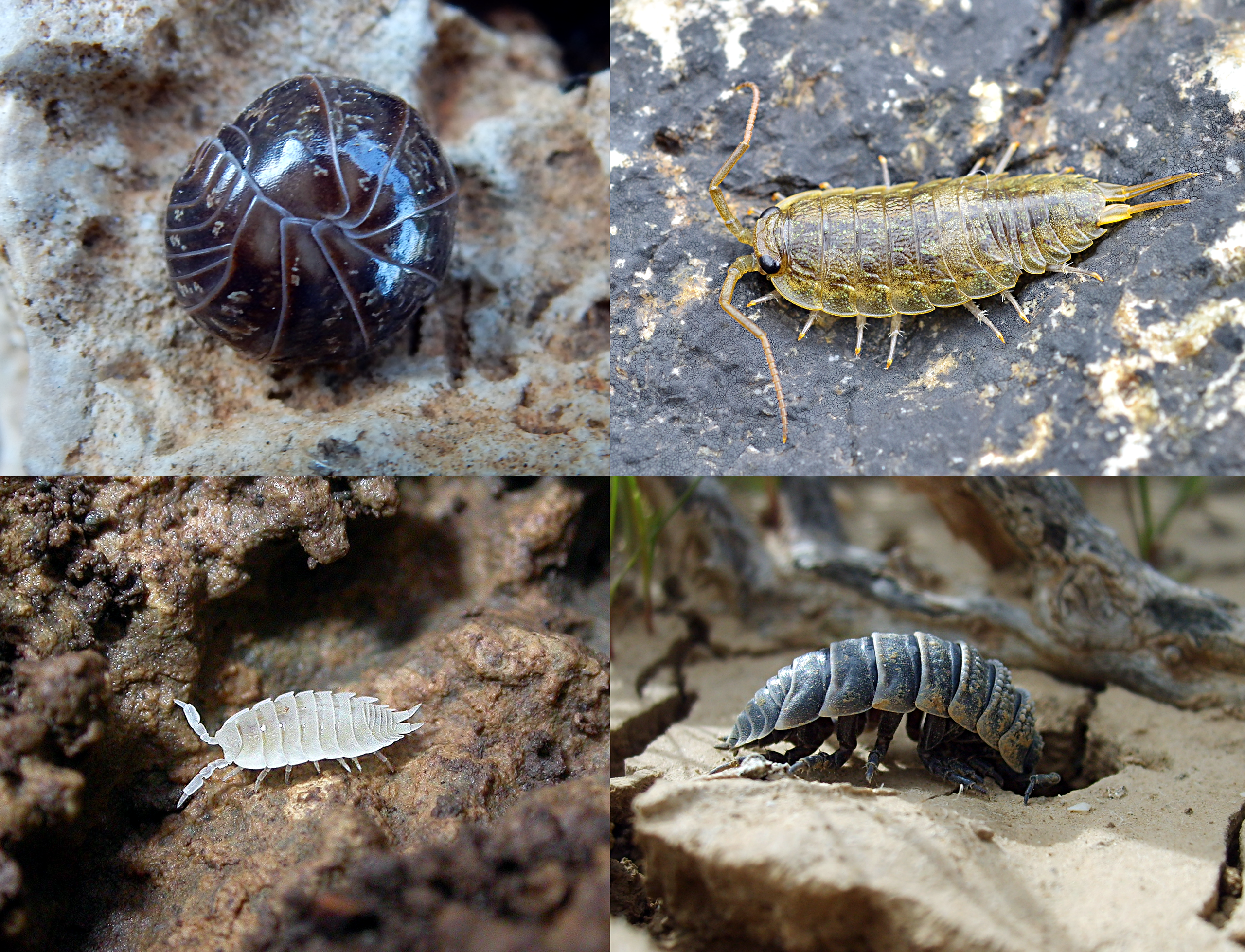
Woodlouse
Tiny crustacean relatives of crabs that recycle dead plant matter in damp corners.
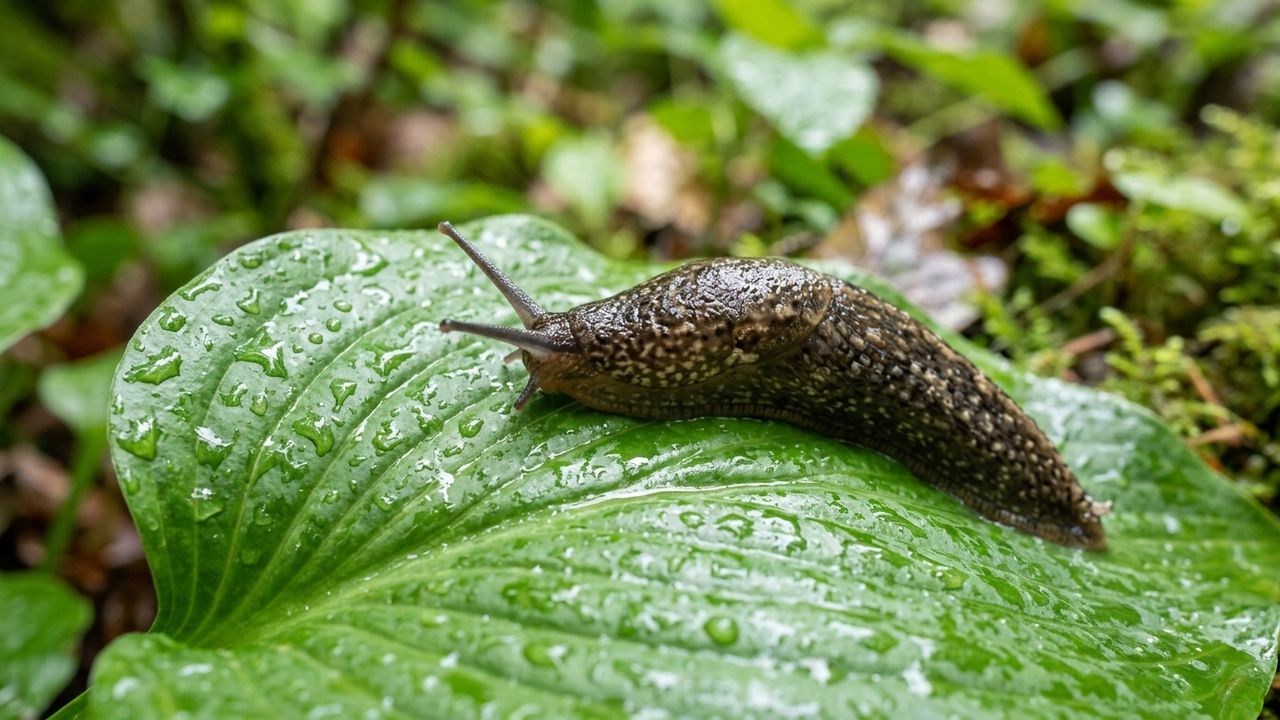
Slug
Soft-bodied creatures without shells that can be a gardener's biggest annoyance.
Mammals & Naturalised Species
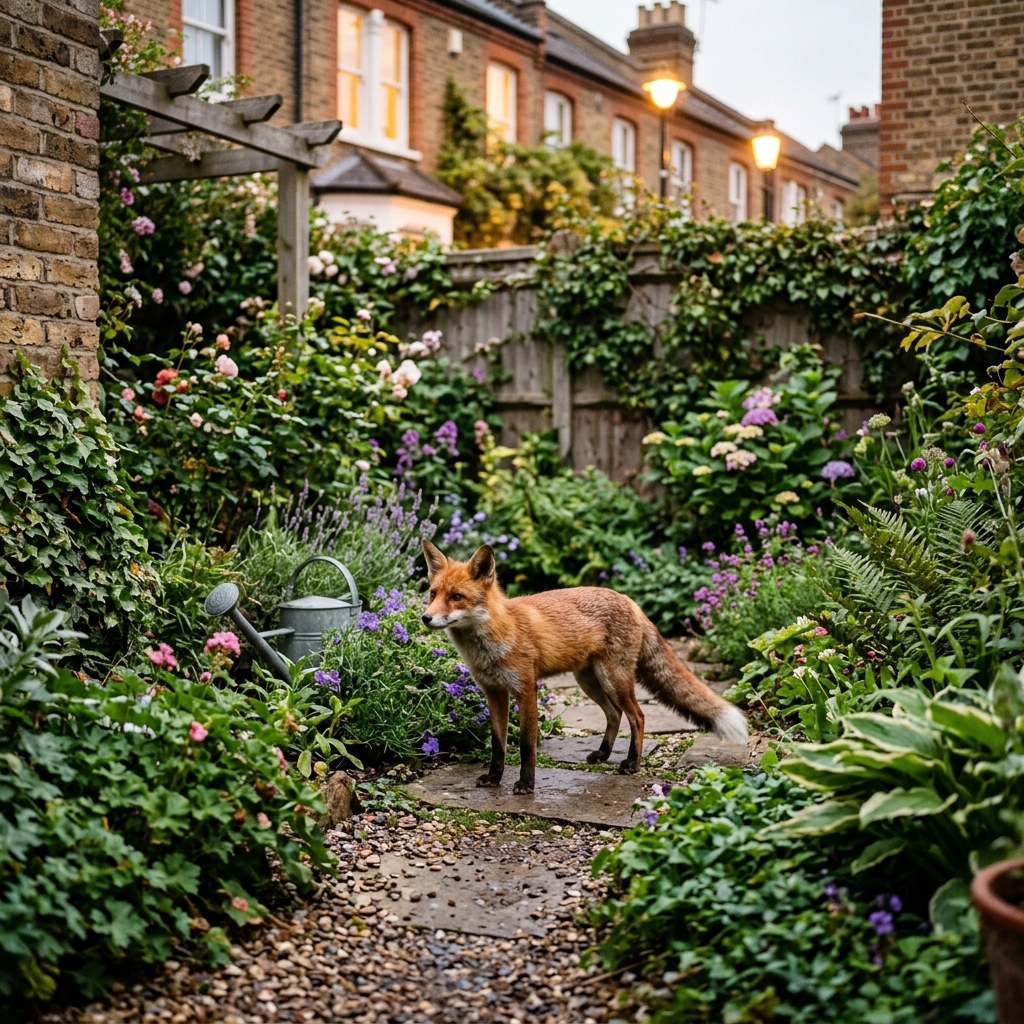
Urban Fox
Highly adaptable scavengers that thrive in cities.
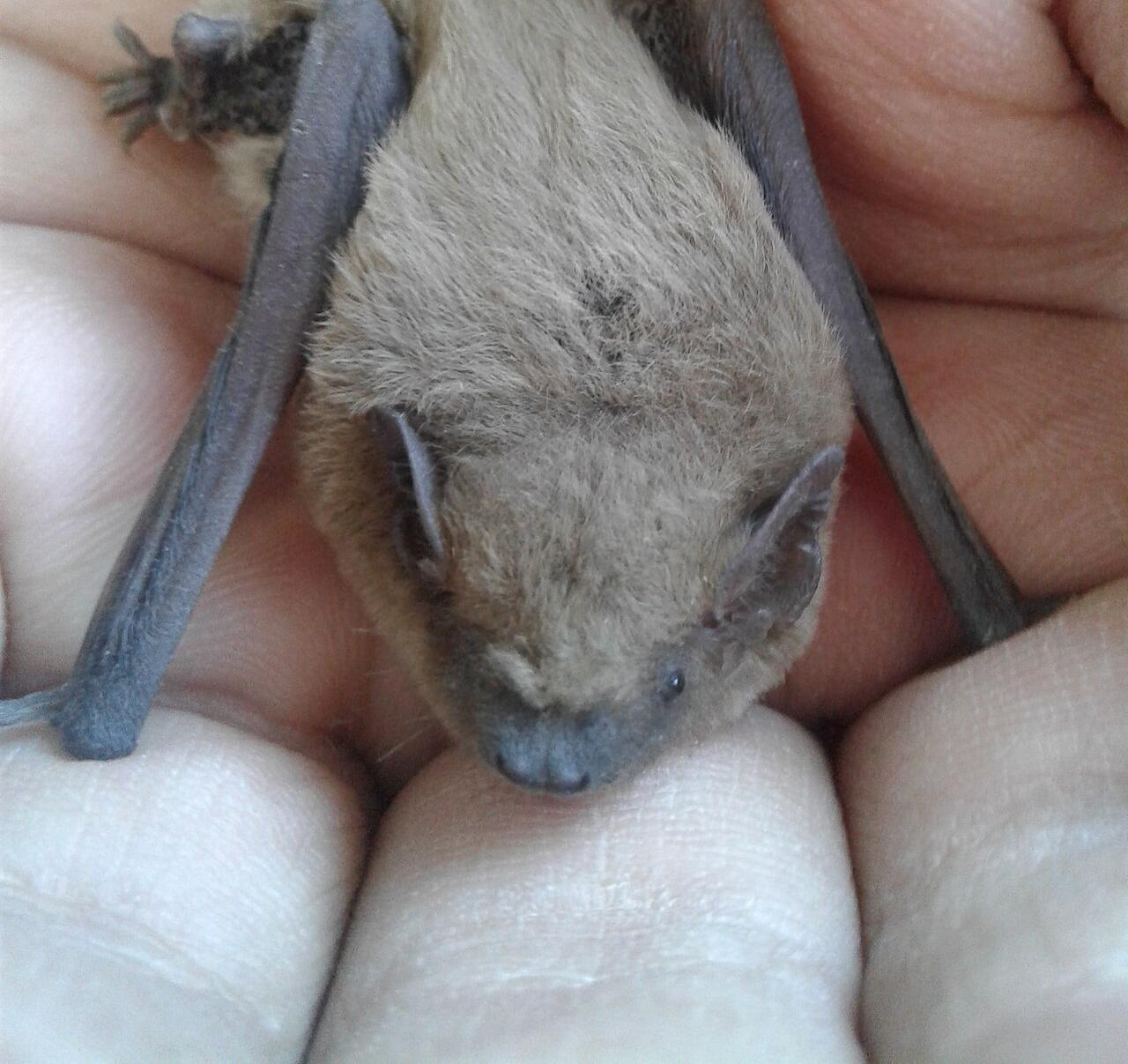
Common Pipistrelle
Pipistrellus pipistrellus
Tiny flying mammals that flutter through the evening sky catching midges.
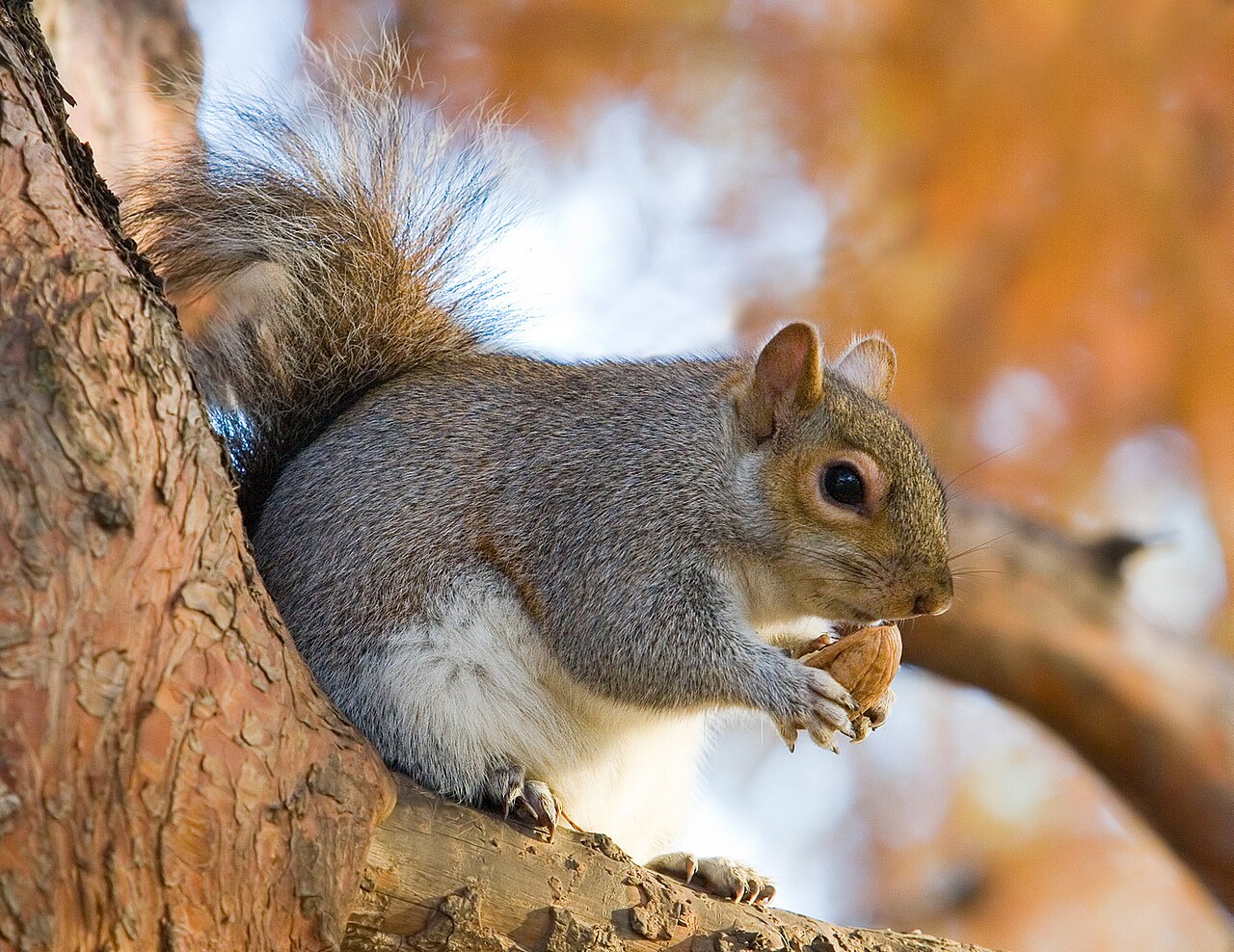
Grey Squirrel
Nimble acrobats originating from North America, now common in UK parks.
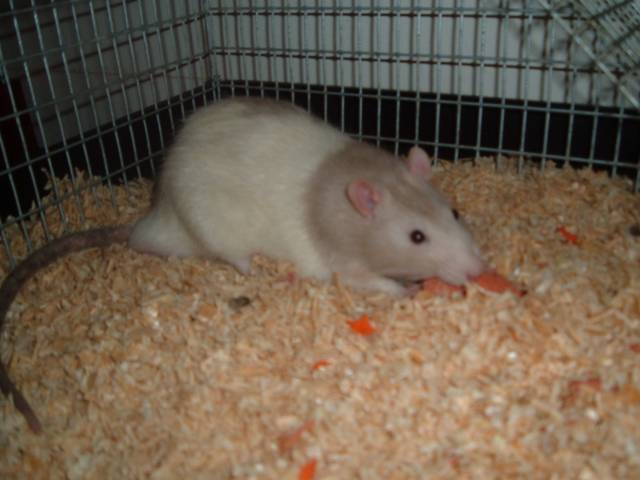
Rat
Highly intelligent and adaptable rodents that live close to human settlements.
Domesticated Companions
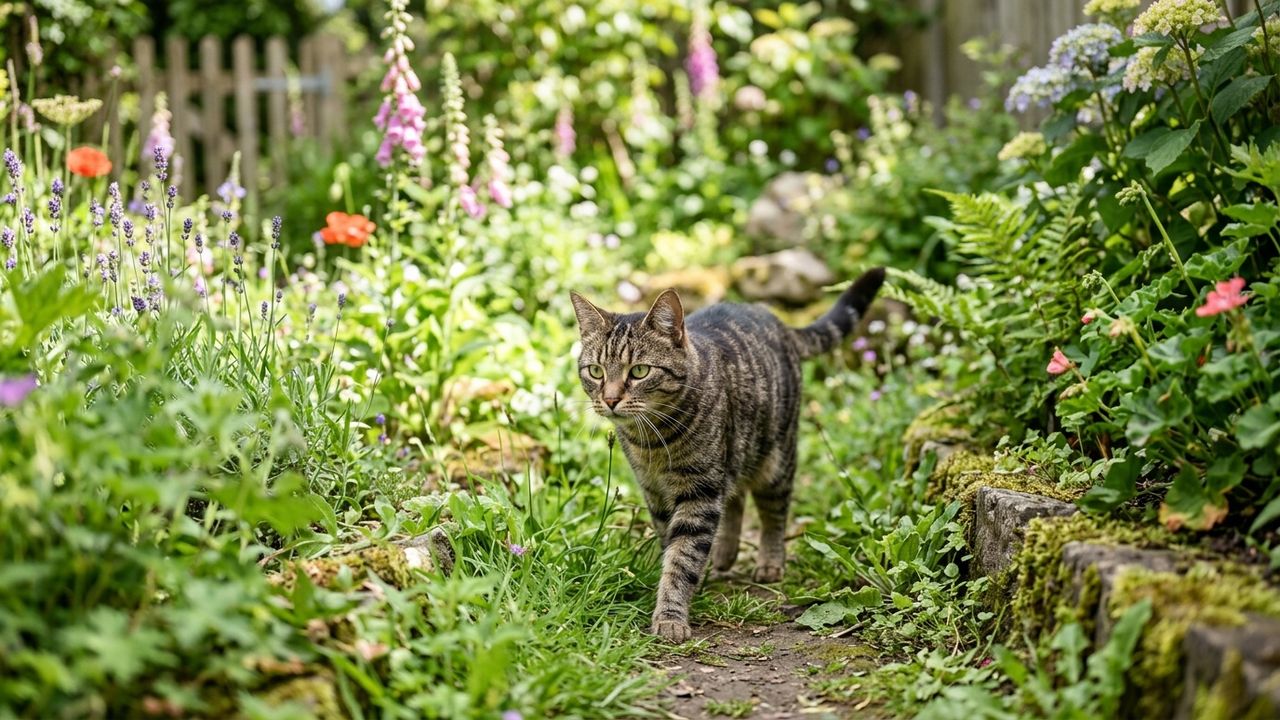
Cat
Independent pets with excellent night vision and hunting instincts.

Dog
Loyal companions found in millions of urban homes, descended from wolves.
Identification Activity
Spot the Urban Wildlife
Can you find three different types of plants or animals the next time you visit a Urban habitat? Record them in your Field Journal!
Outdoor Observation
10-Minute Urban Survey
Sit quietly in this habitat for 10 minutes. Write down everything you hear, see, and smell. What is the most abundant species?
Explore our specific Urban habitat profiles in the Habitats Directory.