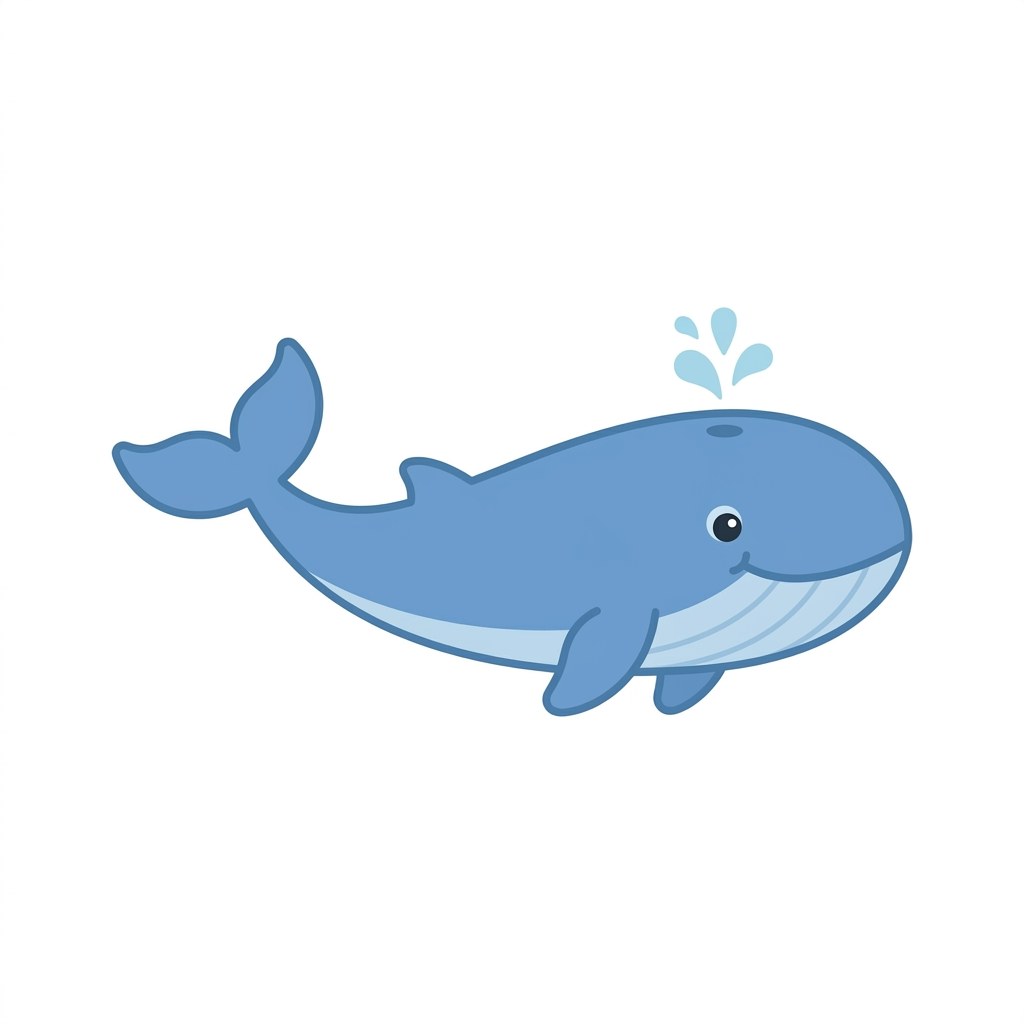
Blue Whale
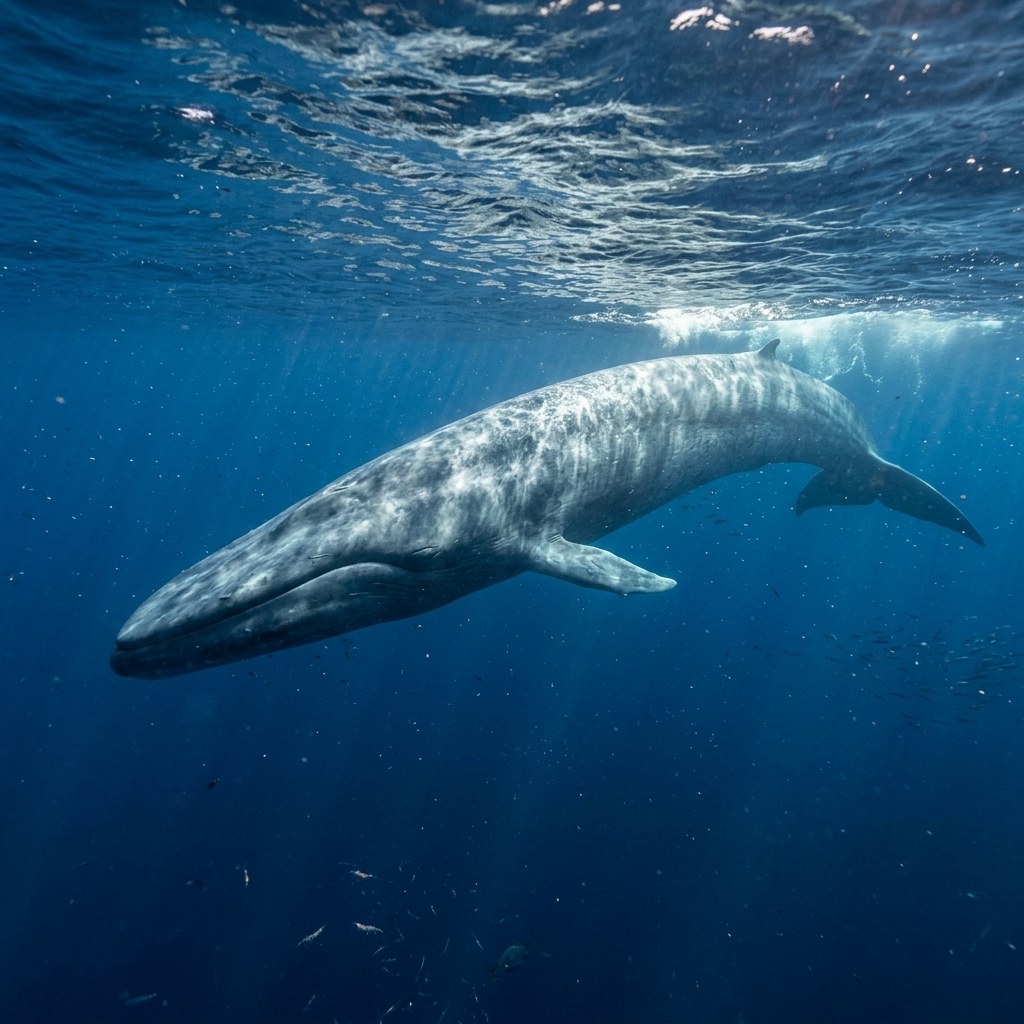
The blue whale is the largest animal that has ever lived — bigger even than the mightiest dinosaurs — gliding through the open ocean and feeding on tiny shrimp-like krill.
💡 Fun Facts
- The largest animal to have ever lived, weighing up to 190,000 kg!
- A blue whale's tongue weighs as much as an elephant.
- They can consume up to 4 tons of krill a day.
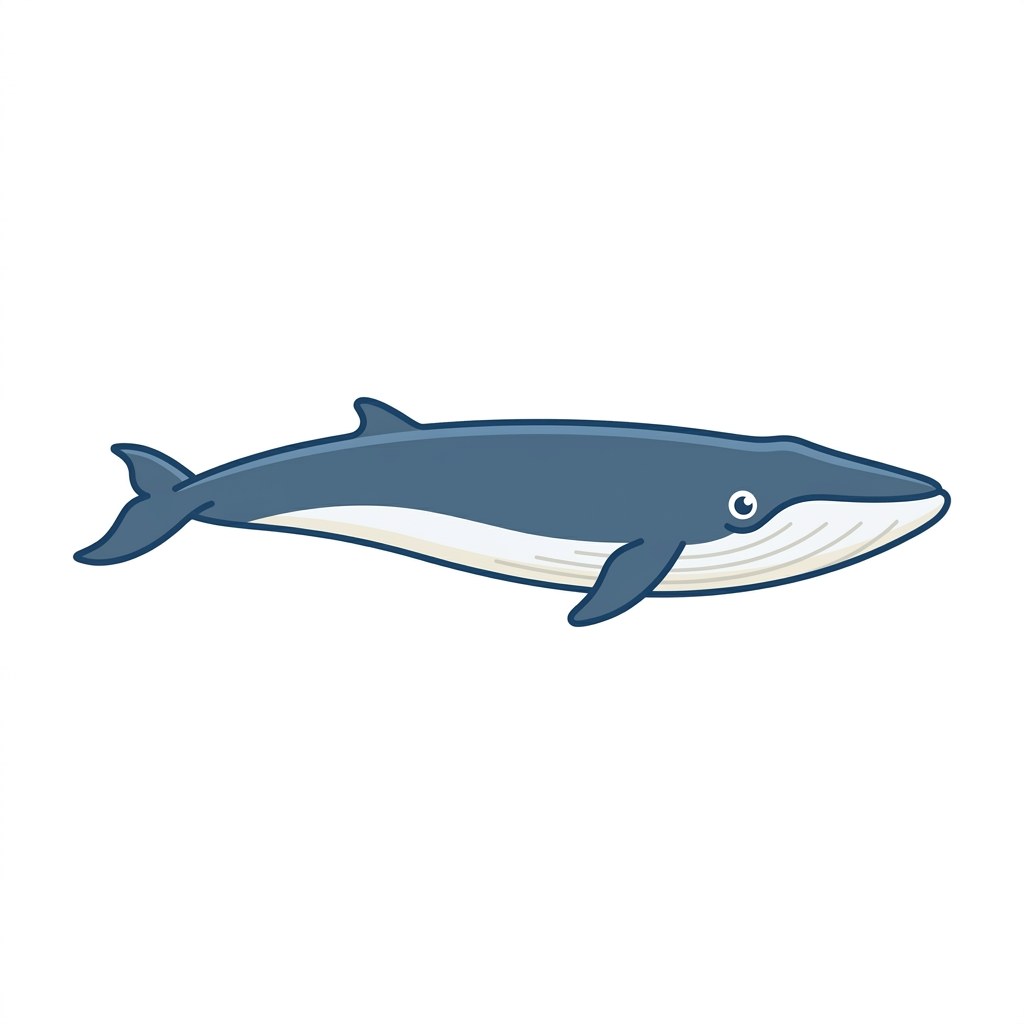
Fin Whale
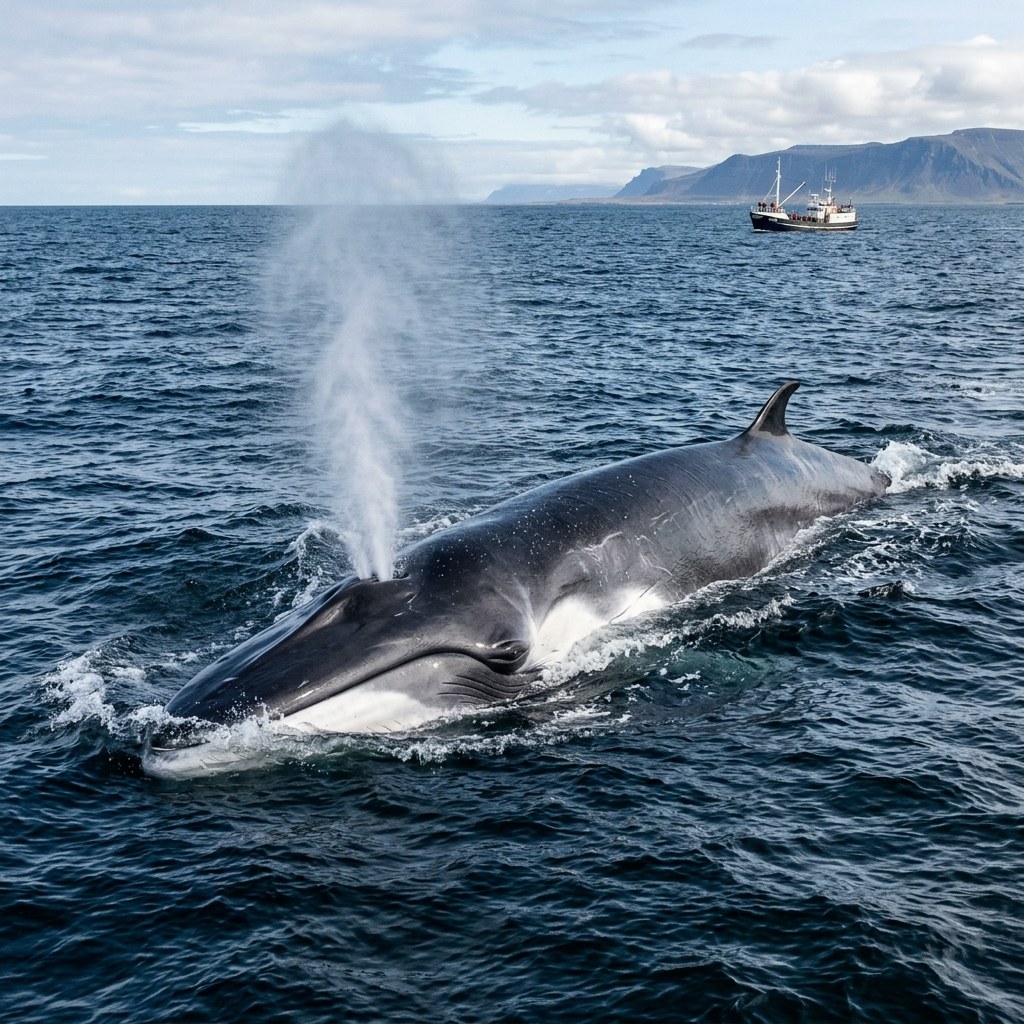
Nicknamed the 'greyhound of the sea', the fin whale is the second-largest animal on Earth and one of the fastest of all the great whales.
💡 Fun Facts
- The second largest animal on Earth after the Blue Whale.
- Known as the 'greyhound of the sea' due to their sleek bodies and speed.
- They use baleen plates to filter food.
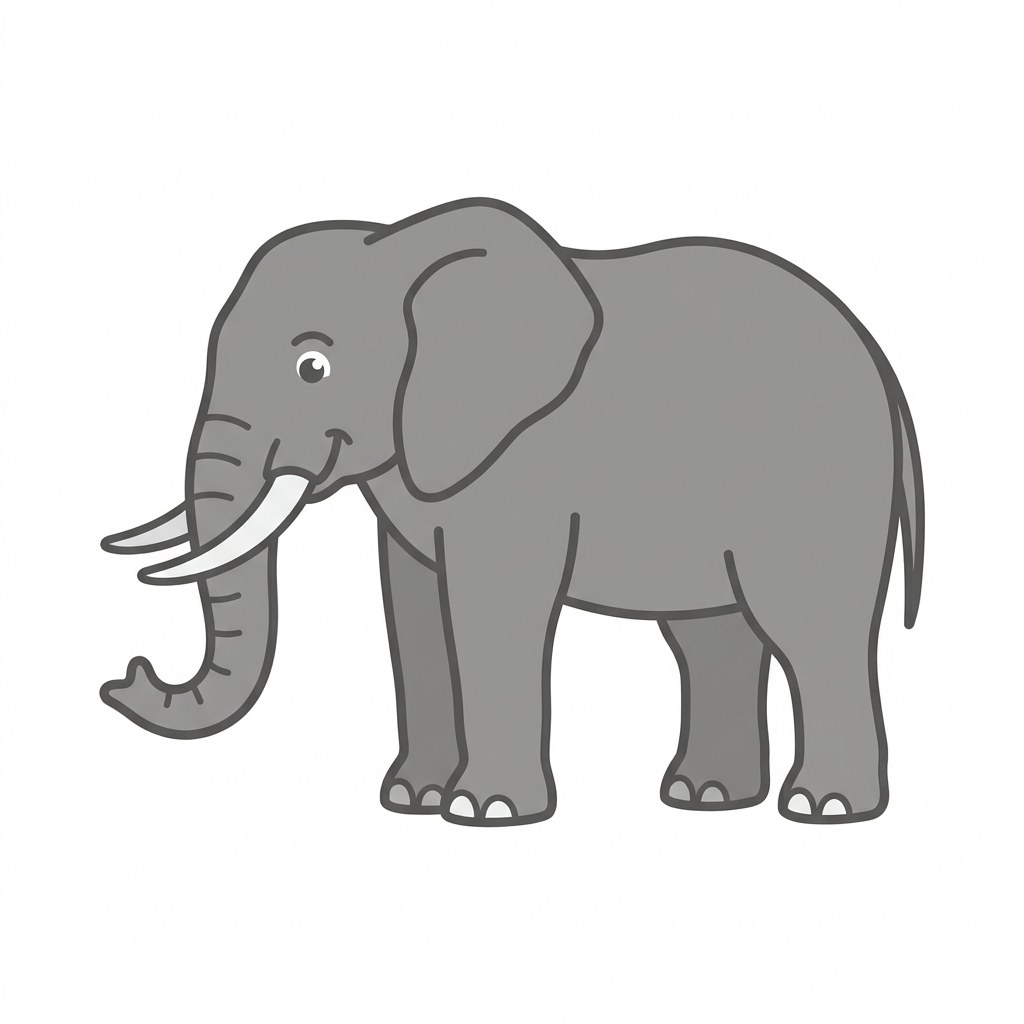
African Bush Elephant
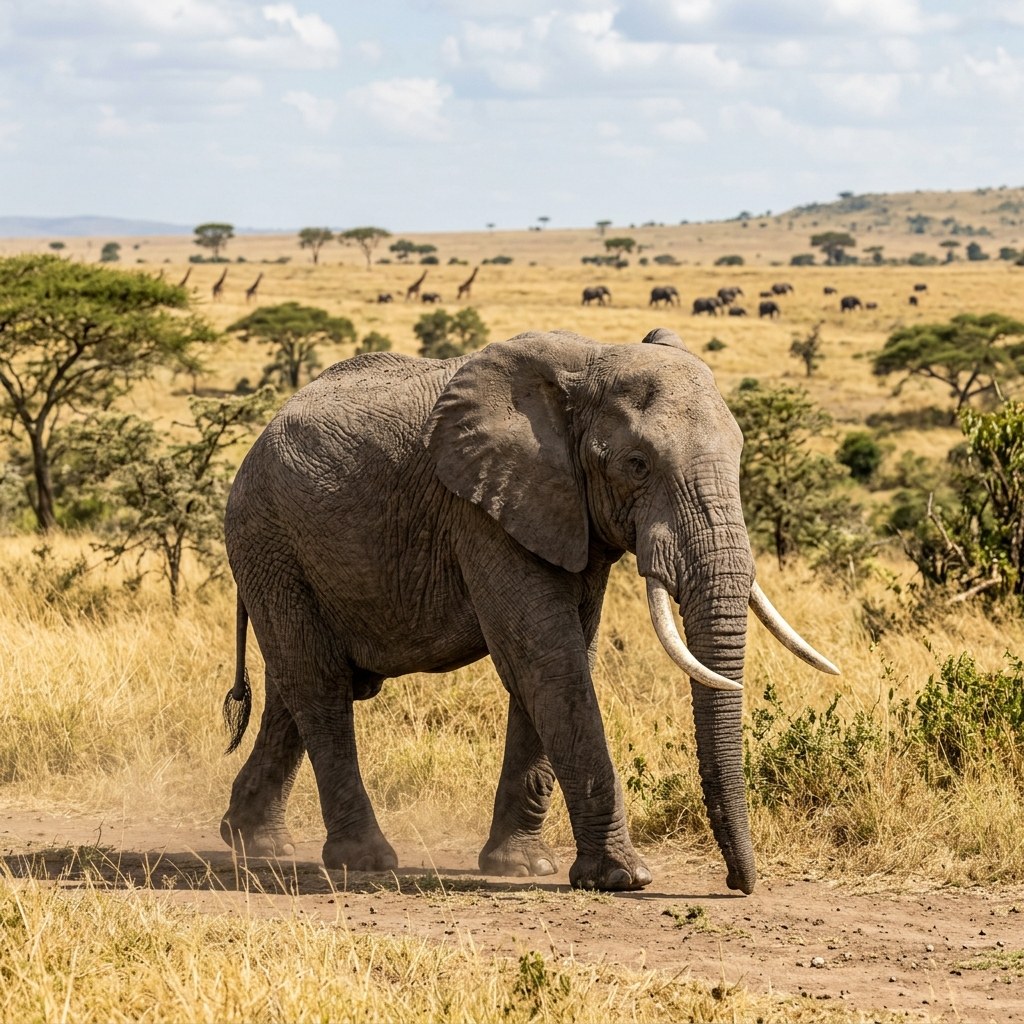
The African bush elephant is the largest land animal alive today, using its remarkable trunk — with its 40,000 muscles — to greet friends, gather food, and drink.
💡 Fun Facts
- The heaviest and largest land animal currently alive.
- They have incredibly complex social structures and memory.
- Their trunk has over 40,000 muscles.
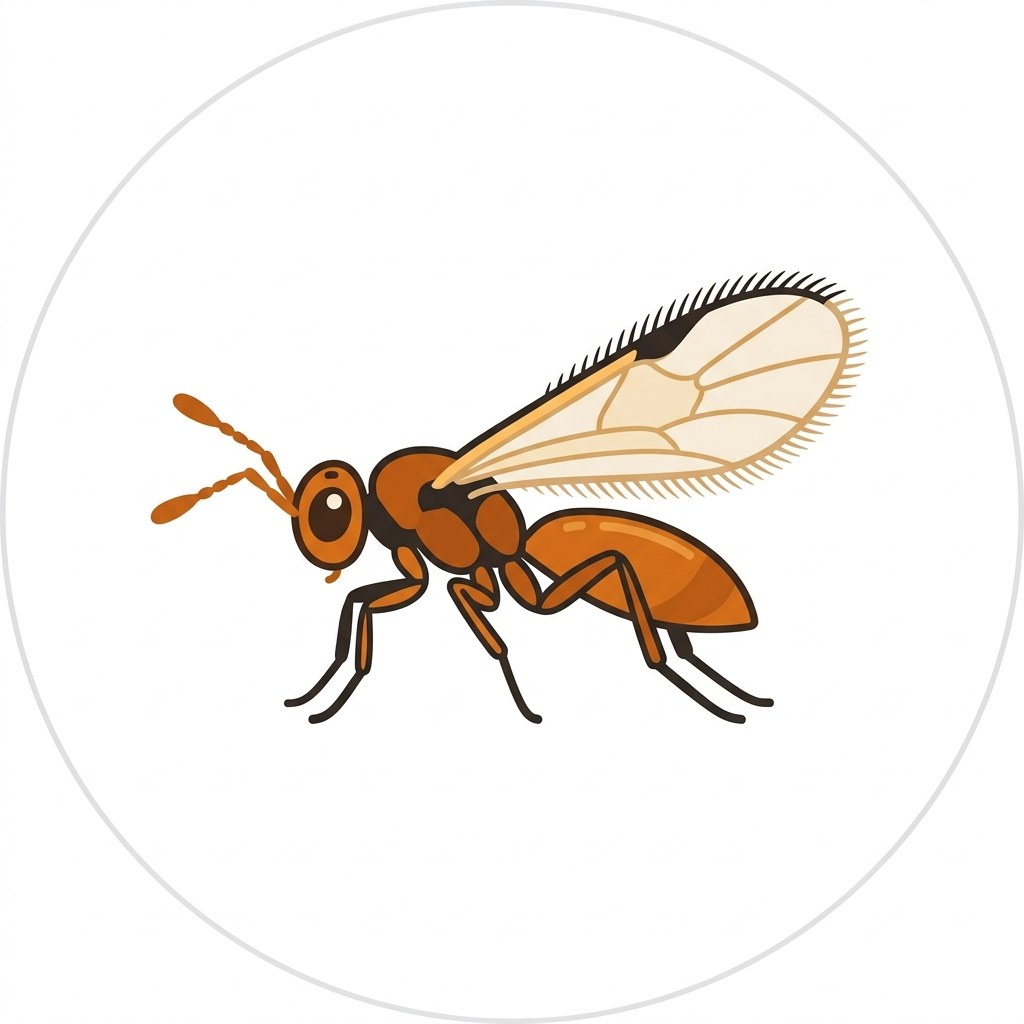
Fairyfly
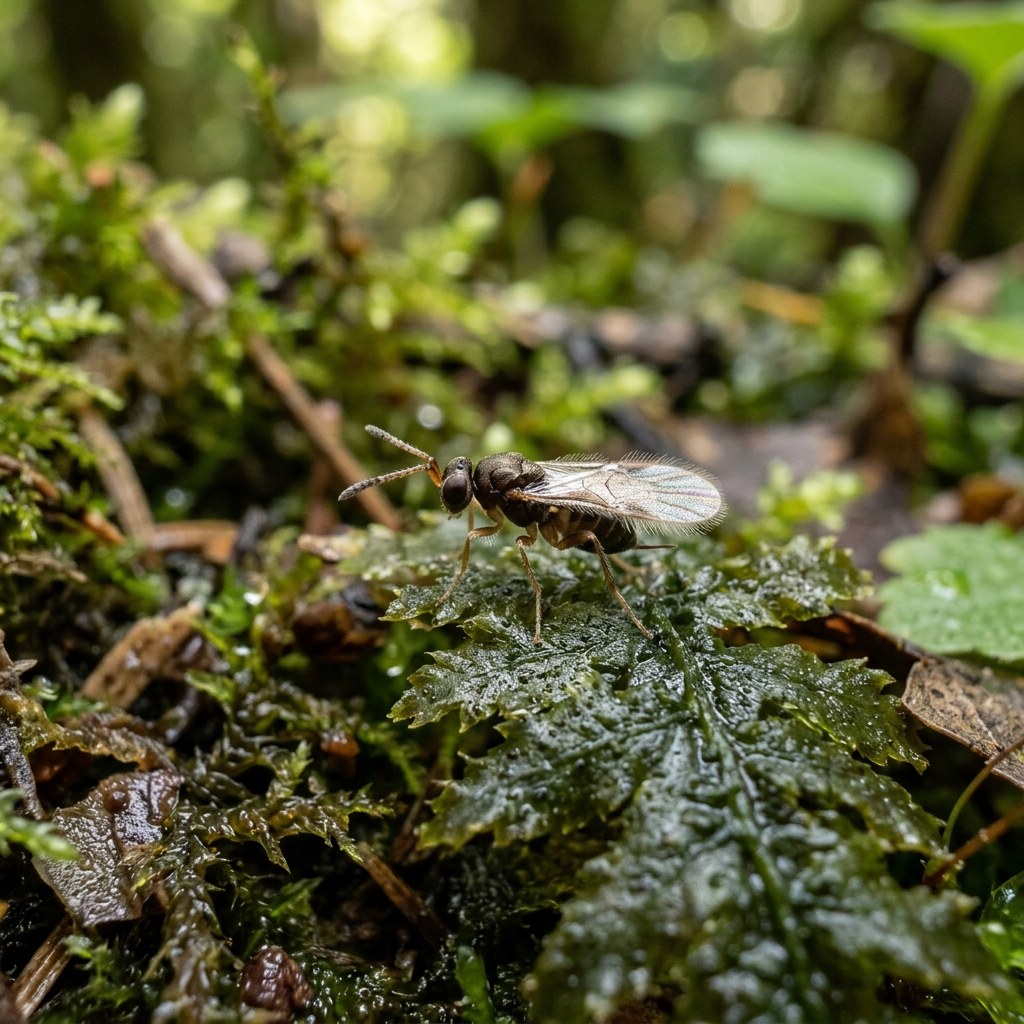
The fairyfly is the smallest insect in the world: a tiny wasp so minute it could flutter through the eye of a needle.
💡 Fun Facts
- The smallest known insect in the world.
- They are actually microscopic wasps.
- Some are so small they could easily fly through the eye of a needle.
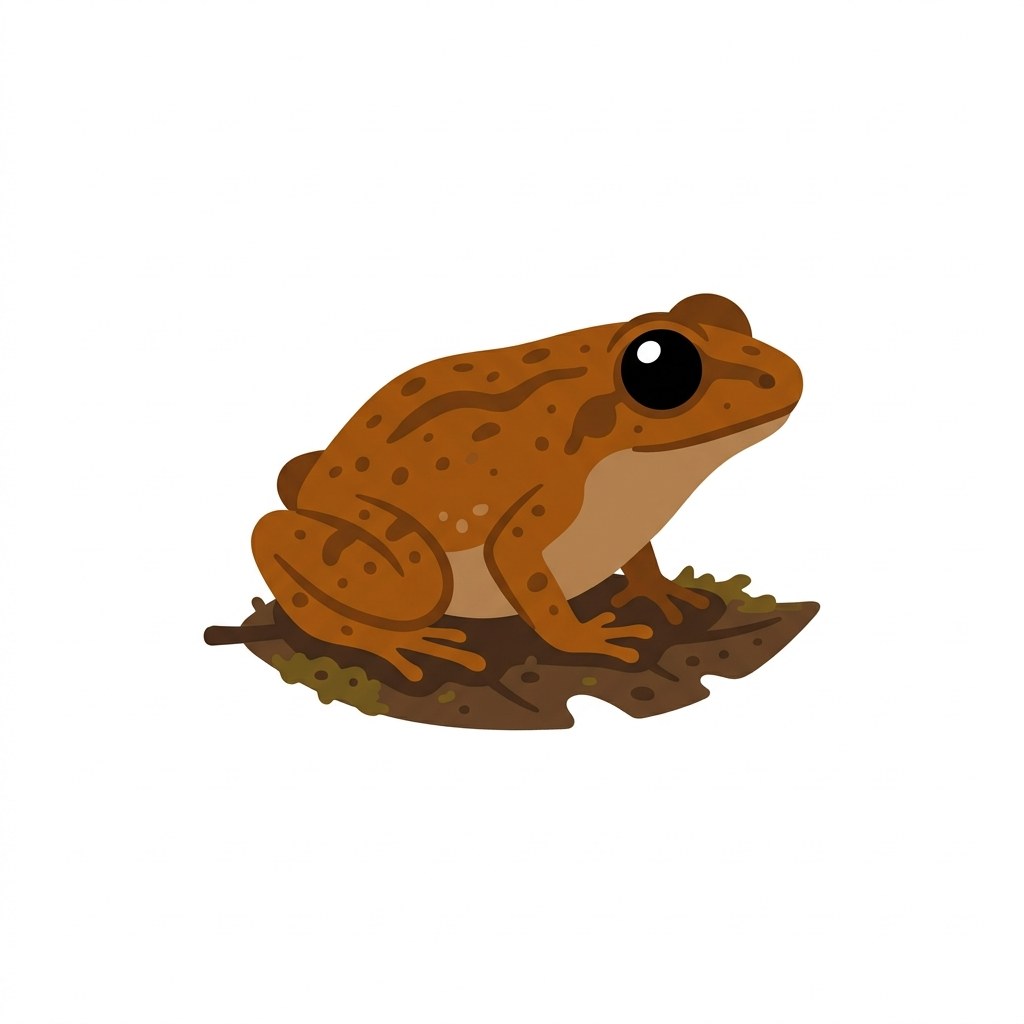
Amau Frog
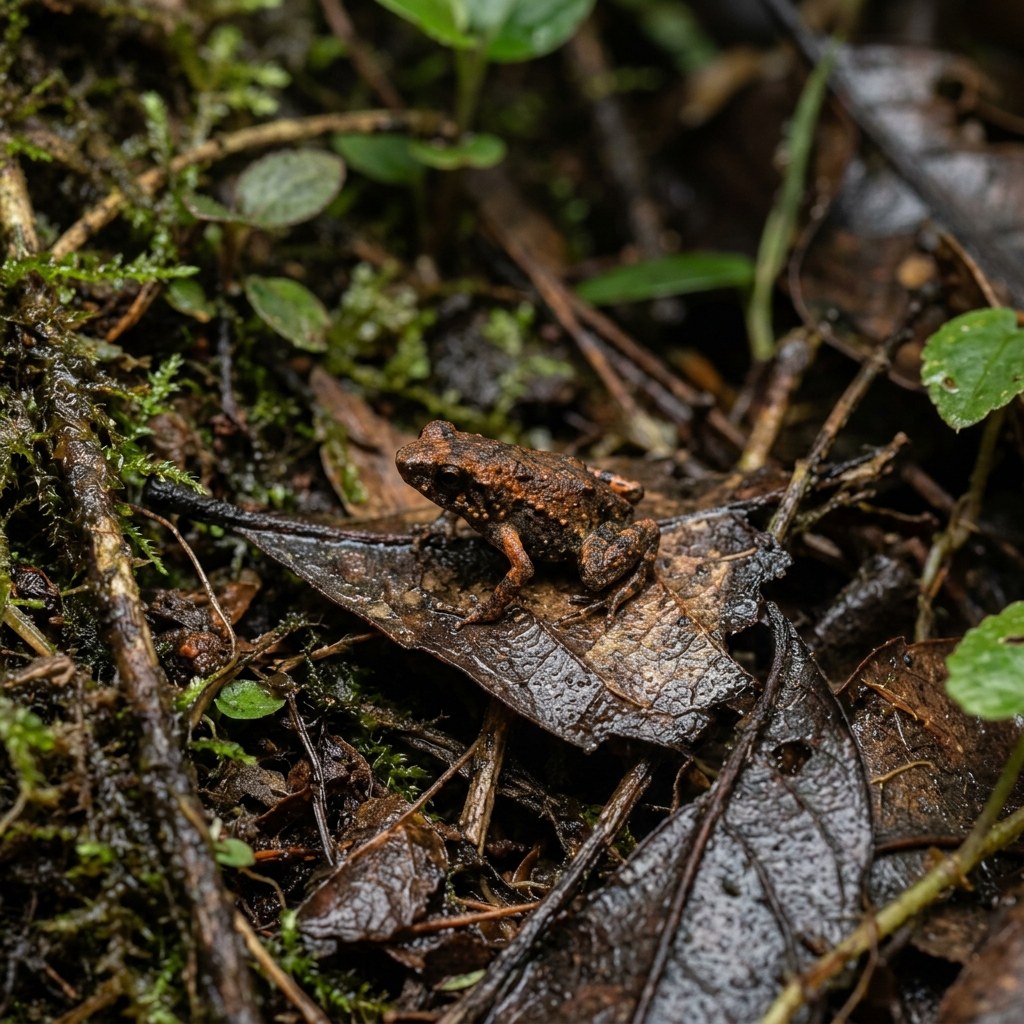
The Amau frog is the smallest known animal with a backbone, tiny enough to perch comfortably on a human fingernail.
💡 Fun Facts
- The world's smallest known vertebrate (animal with a backbone).
- Discovered in Papua New Guinea in 2009.
- They are so small they live entirely in wet leaf litter.
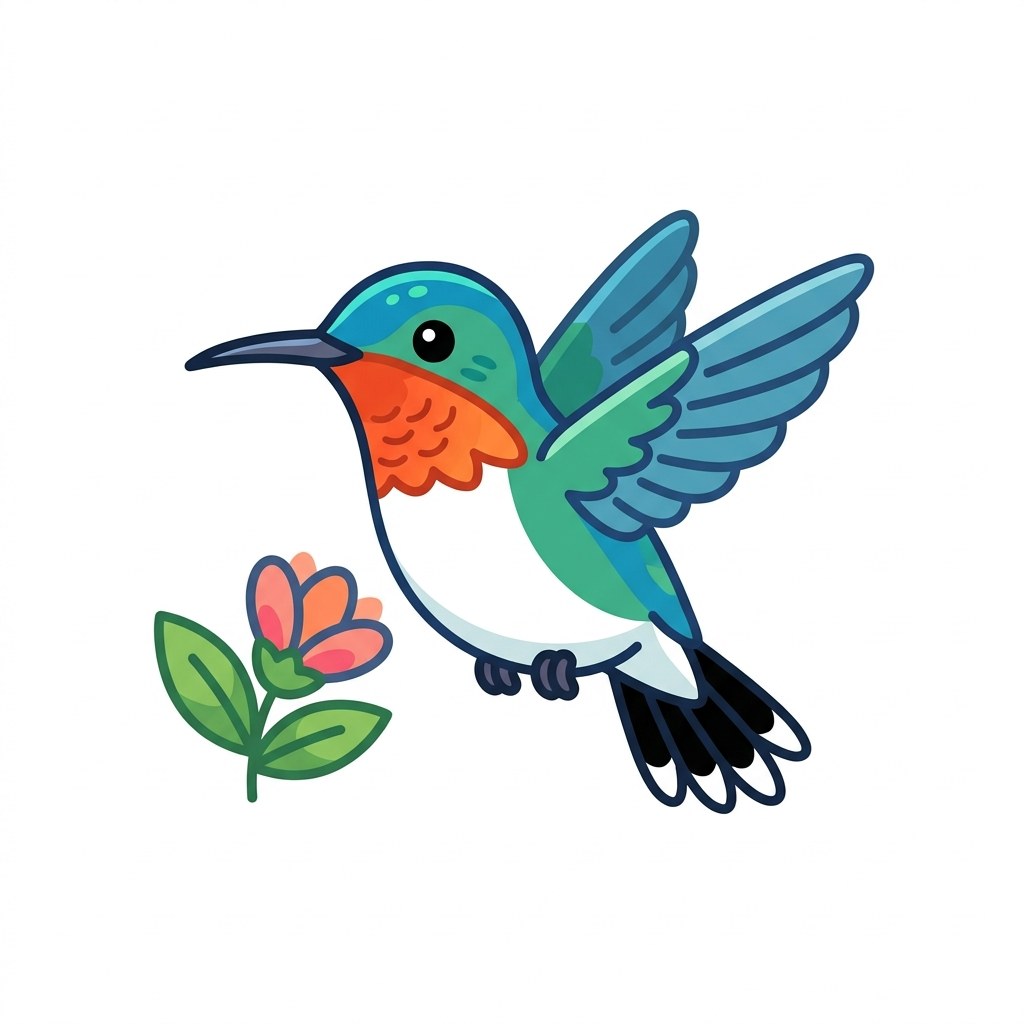
Bee Hummingbird
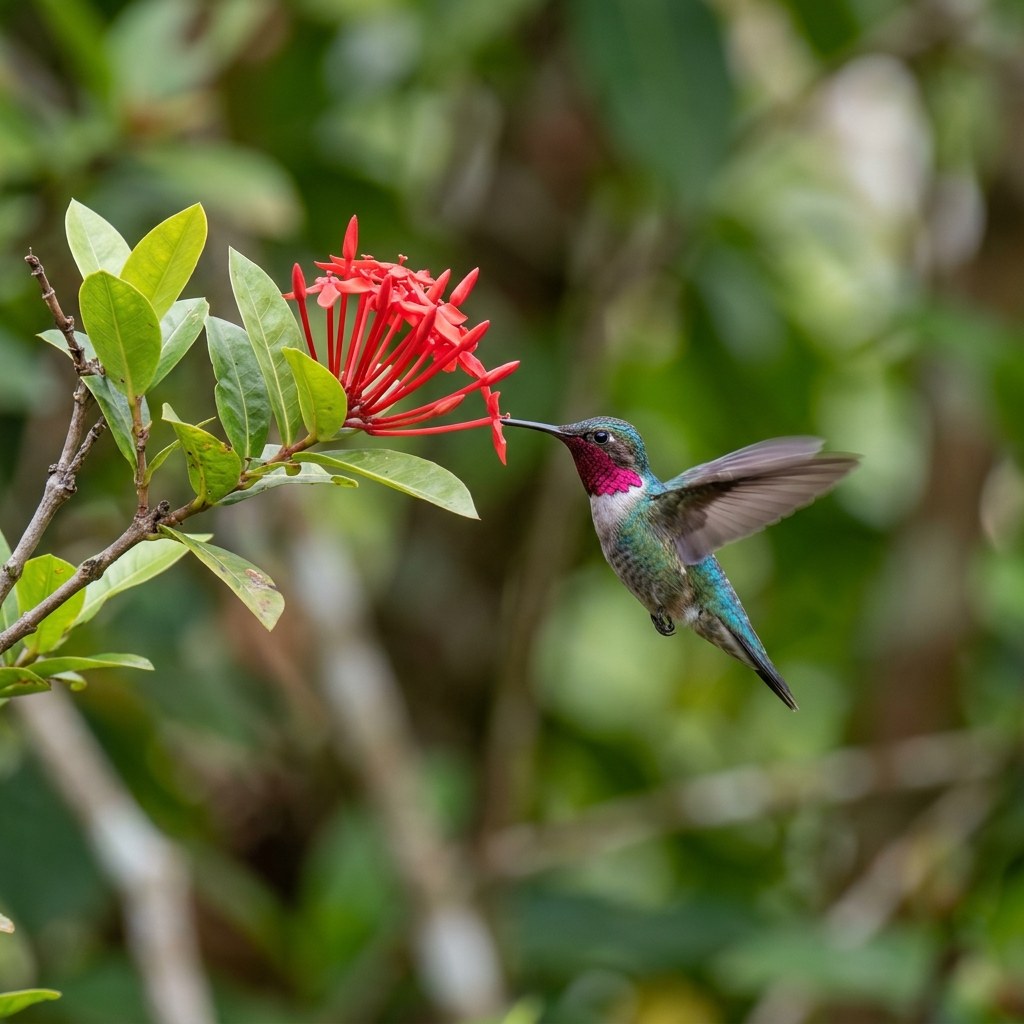
The bee hummingbird is the smallest bird on Earth, weighing less than a penny and beating its wings so fast that it can hover in mid-air.
💡 Fun Facts
- The smallest and lightest bird in the world.
- They weigh less than a penny.
- They lay eggs that are smaller than coffee beans.
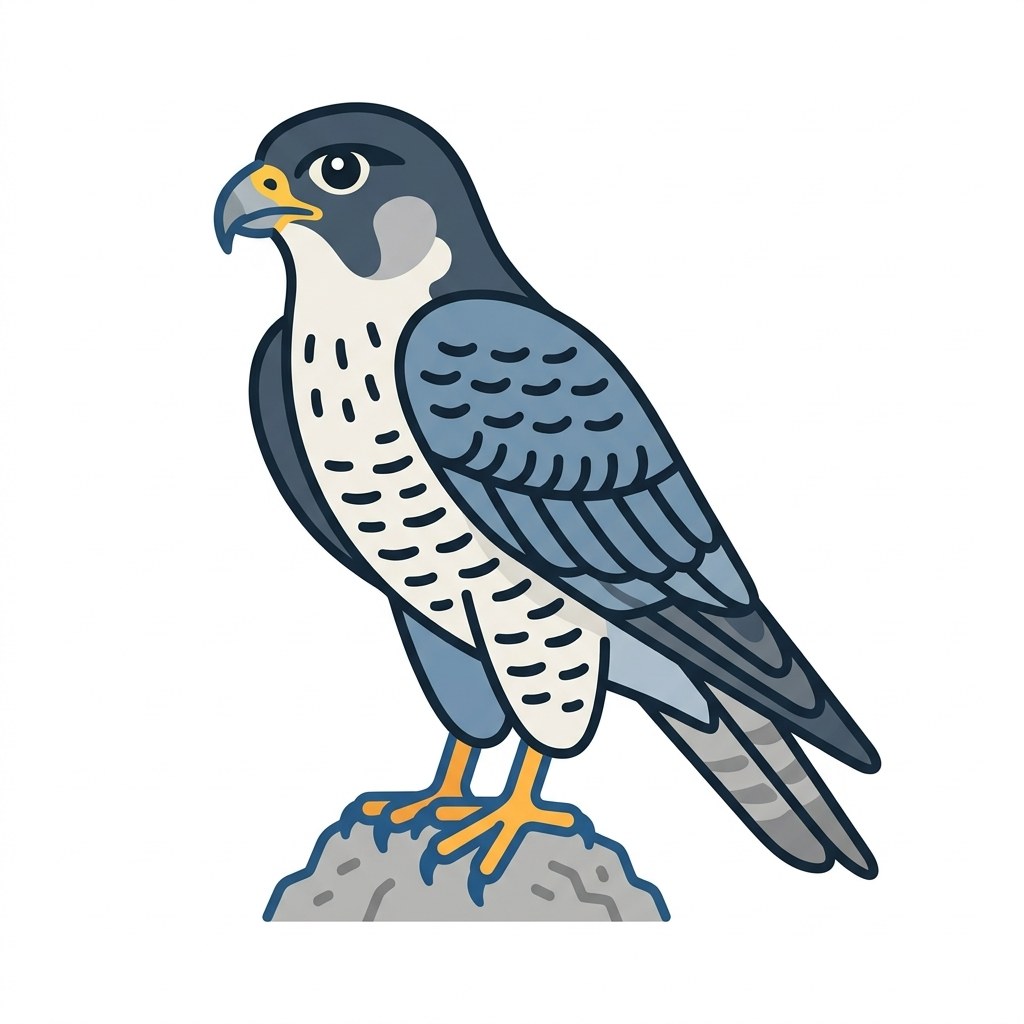
Peregrine Falcon
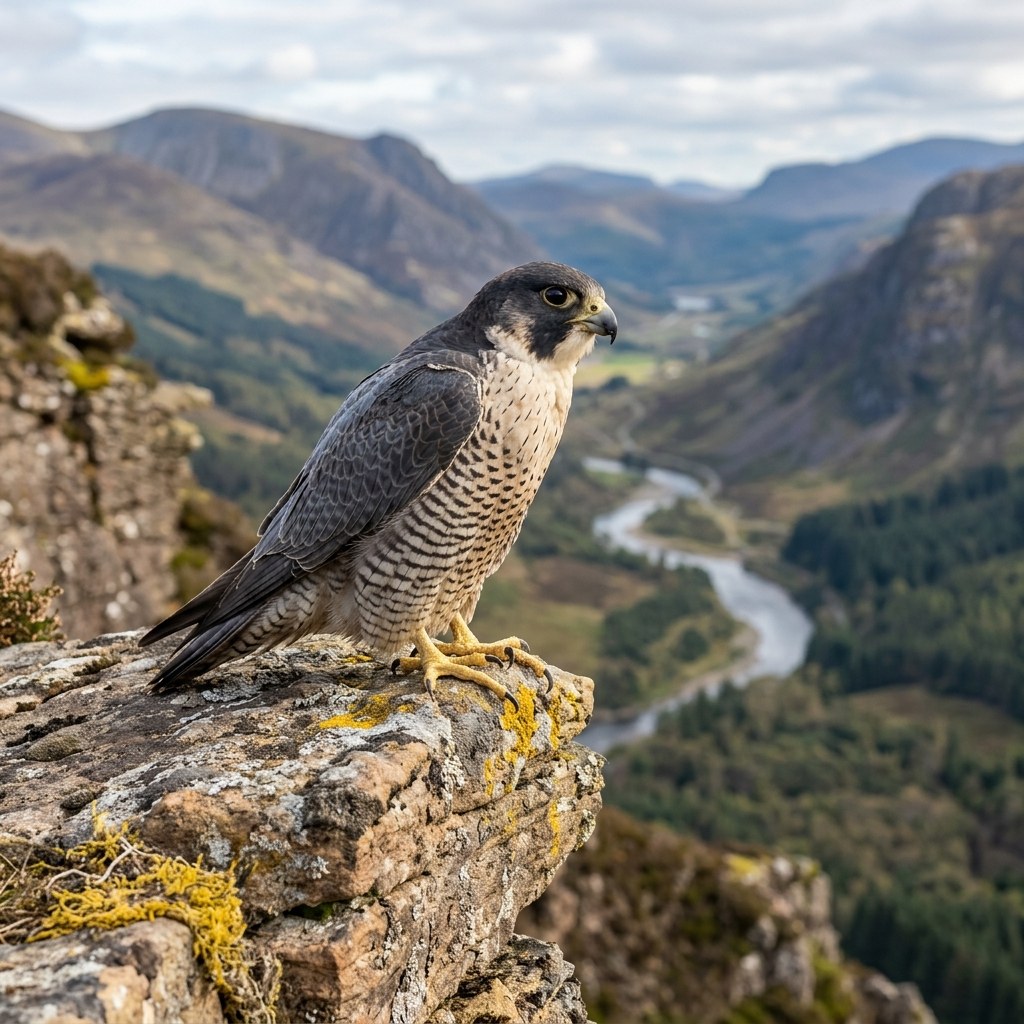
The peregrine falcon is the fastest animal on the planet, diving at speeds approaching 400 km/h to catch other birds in mid-flight.
💡 Fun Facts
- The fastest animal on Earth.
- It reaches speeds of nearly 400 km/h when diving to catch prey.
- They have special nose bones to help them breathe at extreme speeds.
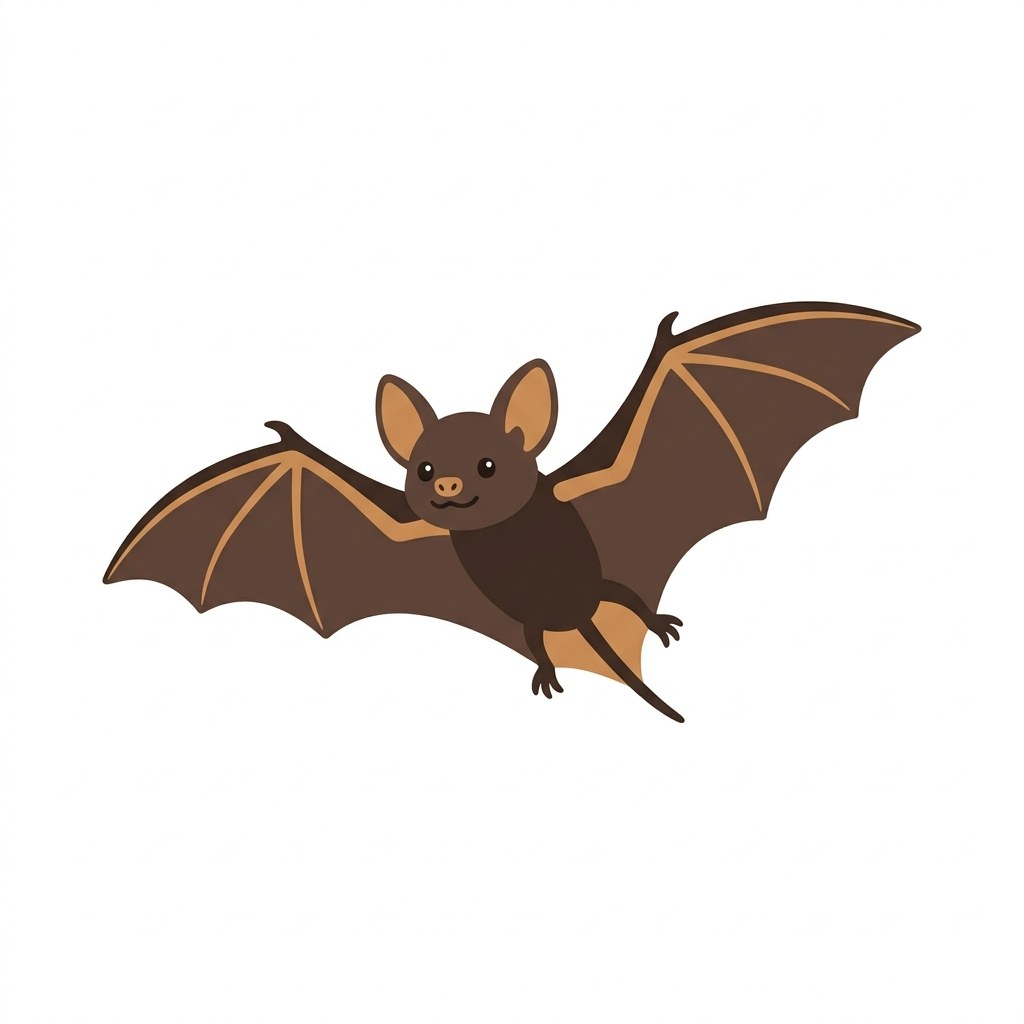
Brazilian Free-tailed Bat
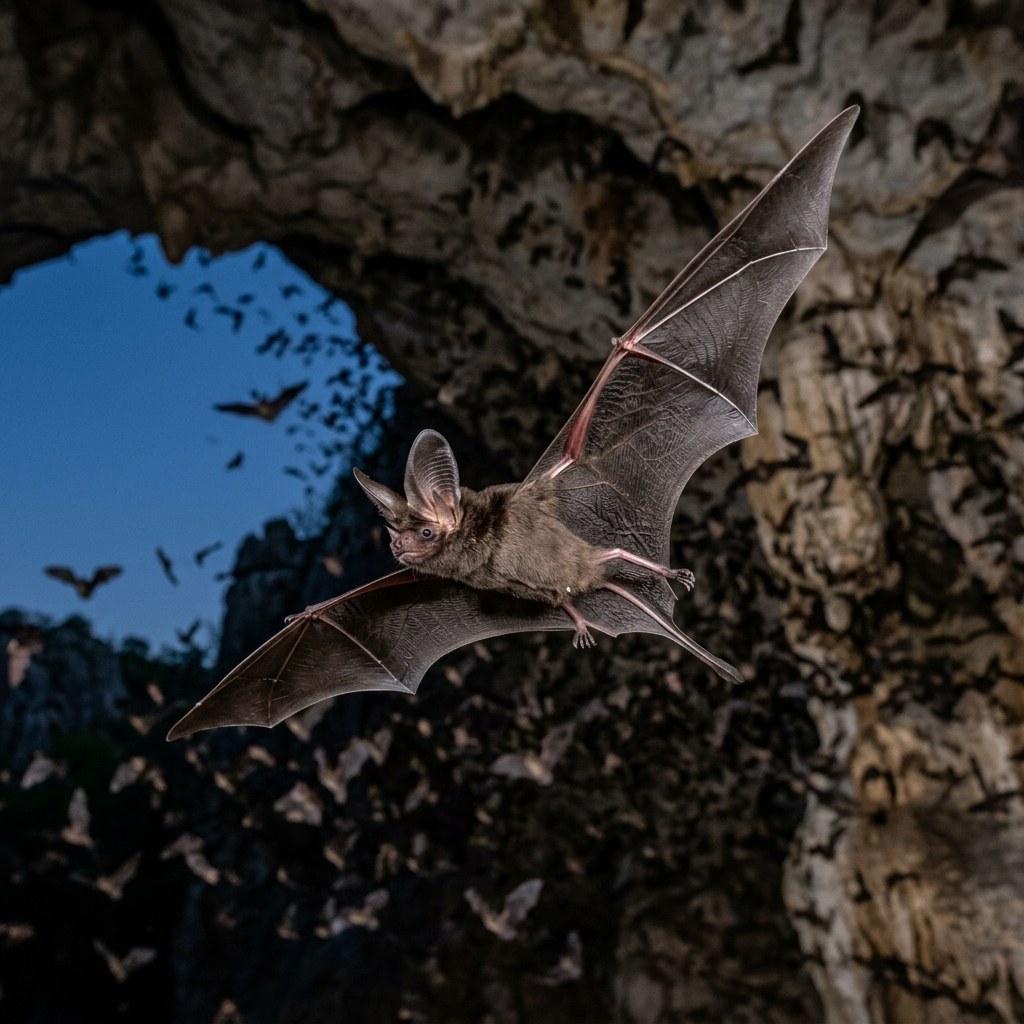
The Brazilian free-tailed bat holds the record for the fastest level flight of any animal, pouring out of caves at dusk in clouds of millions to hunt insects.
💡 Fun Facts
- The Brazilian free-tailed bat is the fastest animal in level, flat-out flight ever recorded — one was tracked zooming along at around 160 km/h (100 mph), with no wind to help it.
- It gathers in the biggest warm-blooded crowds on Earth: a single cave in Texas holds an estimated 15 to 20 million bats, which pour out at dusk in a living cloud so huge it shows up on weather radar.
- It hunts astonishingly high — up to about 3,000 m — snapping up clouds of migrating moths, which makes it a natural pest-controller worth a fortune to farmers.
- It can even jam the echolocation of rival bats with a special buzzing call, spoiling their aim so it can grab the insect first.
🔍 How to spot it
- Size
- Small — wingspan about 30 cm, about the weight of a £1 coin, but with unusually long, narrow wings.
- Markings
- Dark grey-brown to reddish fur, with broad, wrinkled lips and large rounded ears that nearly meet.
- Features
- Its tail sticks out well beyond the edge of its tail membrane — the 'free tail' that gives the family its name — and long, narrow, pointed wings built for speed.
- Behaviour
- Pours out of its roost at dusk in columns of millions, then flies fast, high and straight, climbing thousands of metres to feed.
- Where & when
- The warm Americas, from the southern USA to South America — not a UK bat; famous for its huge colonies in caves and under bridges in Texas.
- Easily confused with
- This is an American bat, so you won't meet it in Britain; among its American cousins, its size and wrinkly-lipped face set it apart.
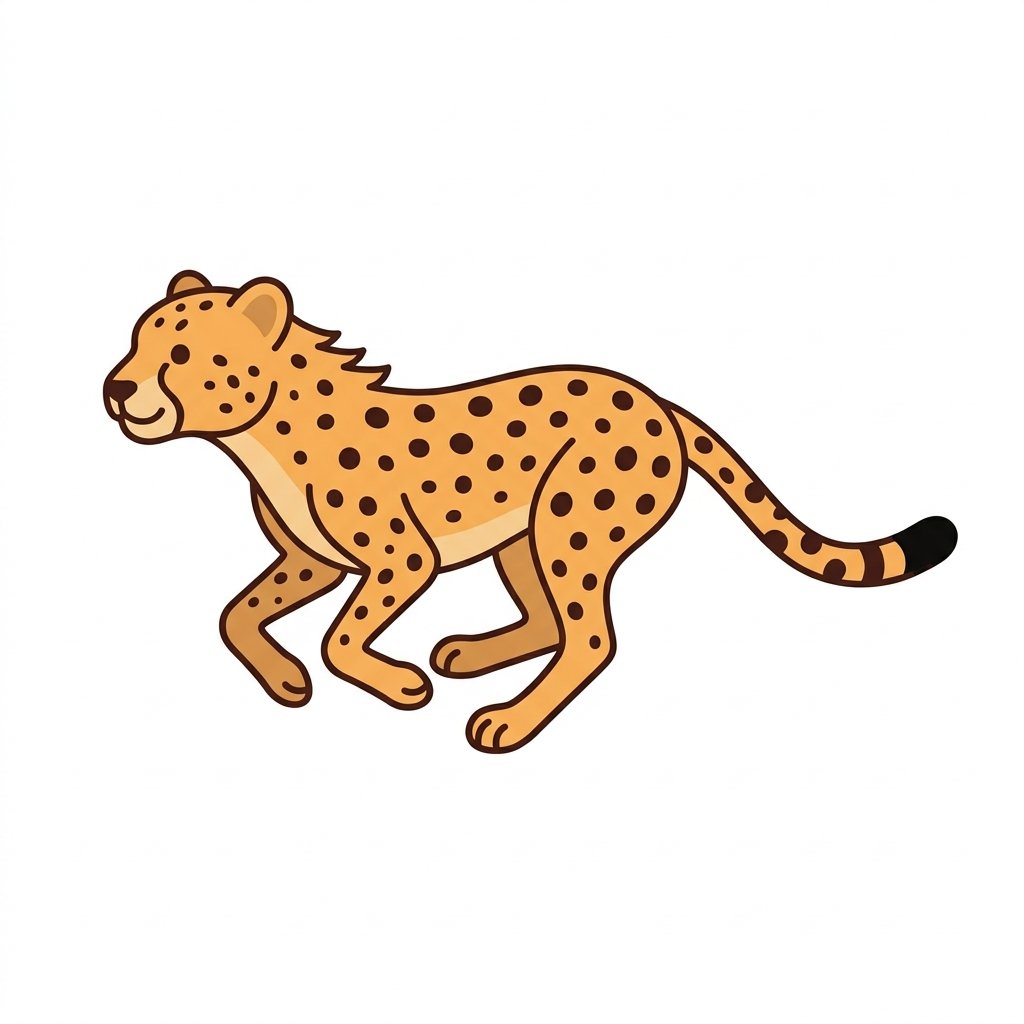
Cheetah
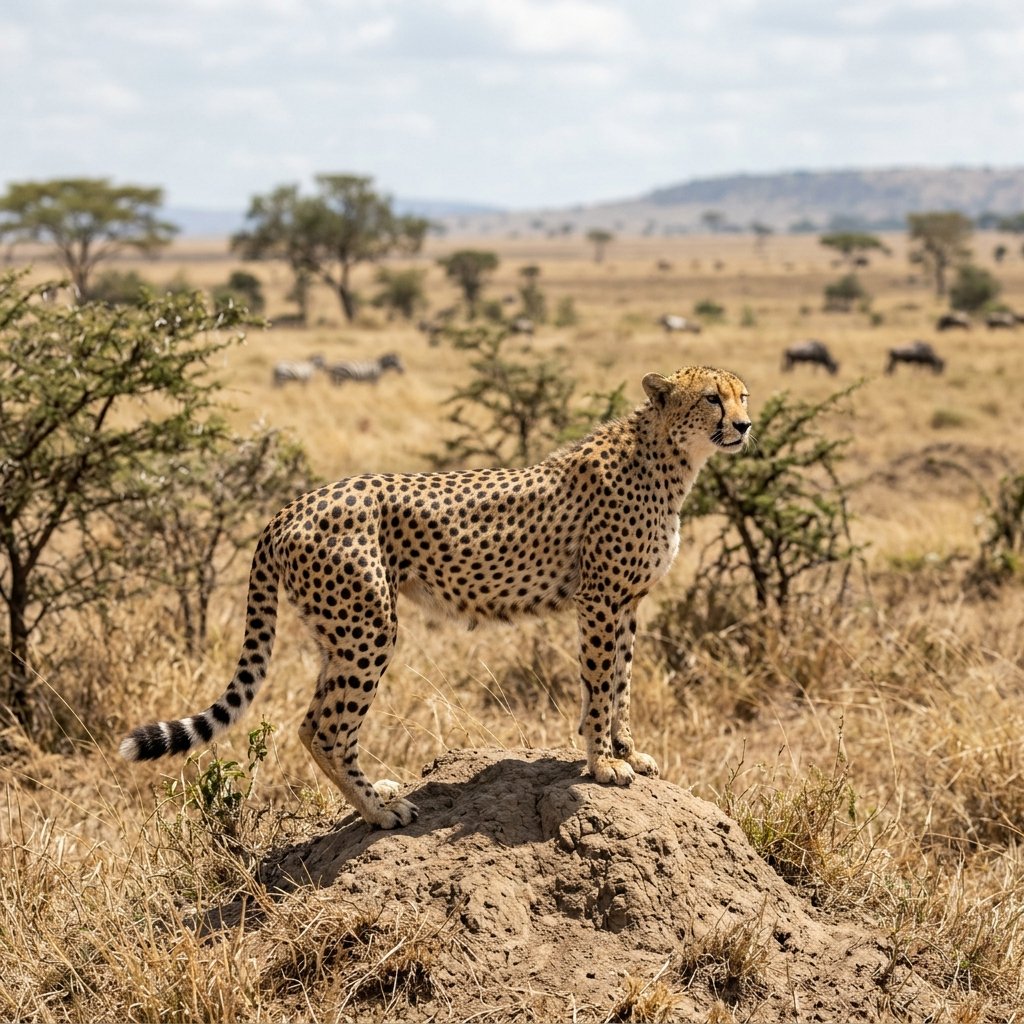
The cheetah is the fastest runner on land, sprinting from a standstill to 100 km/h in just a few seconds on specially gripping claws.
💡 Fun Facts
- The fastest land animal on Earth.
- Can accelerate from 0 to 100 km/h in just 3 seconds.
- Their claws do not retract completely, giving them extra grip like running spikes.

Sea Anemone
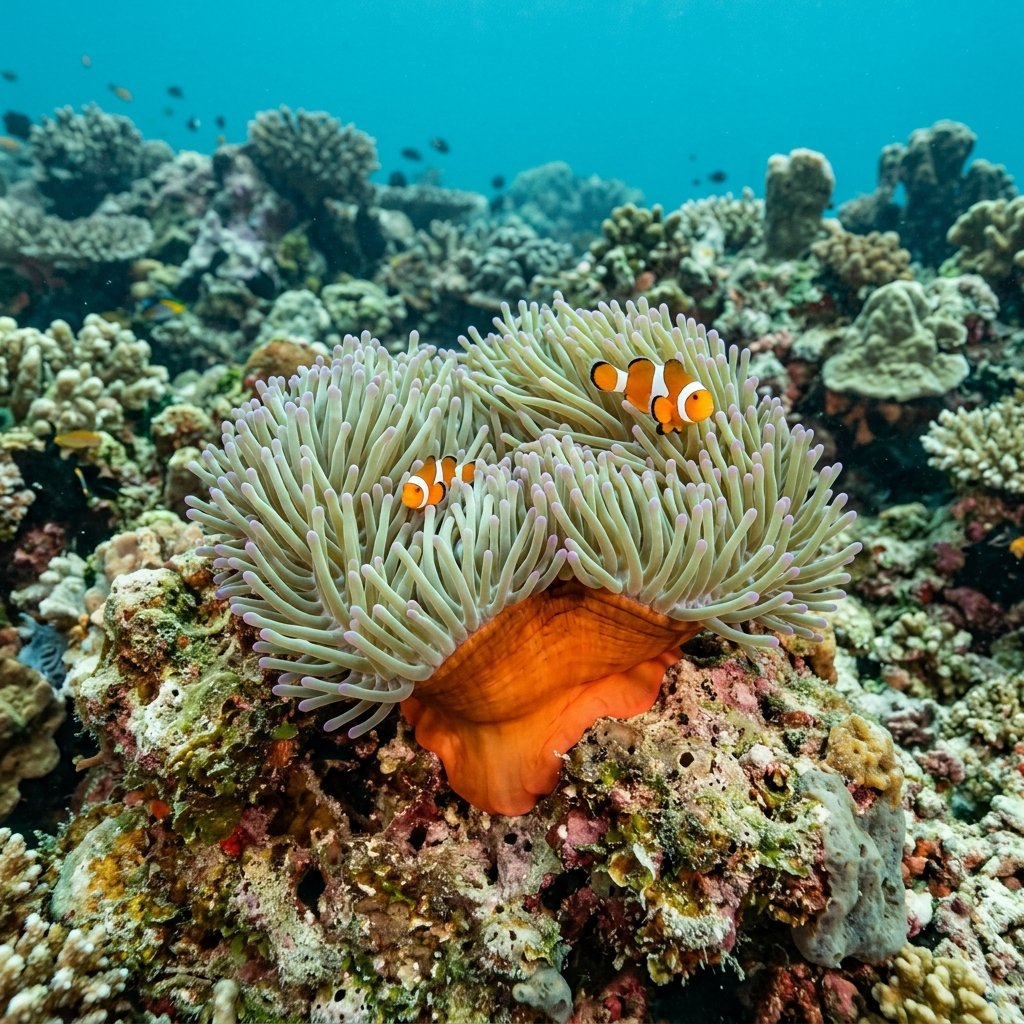
Though it looks like a flower, the sea anemone is really a slow-moving predator that catches its prey with rings of stinging tentacles.
💡 Fun Facts
- Look like plants but are actually predatory animals.
- Some species move at an incredibly slow 1 centimetre per hour.
- They use venomous tentacles to paralyze prey.
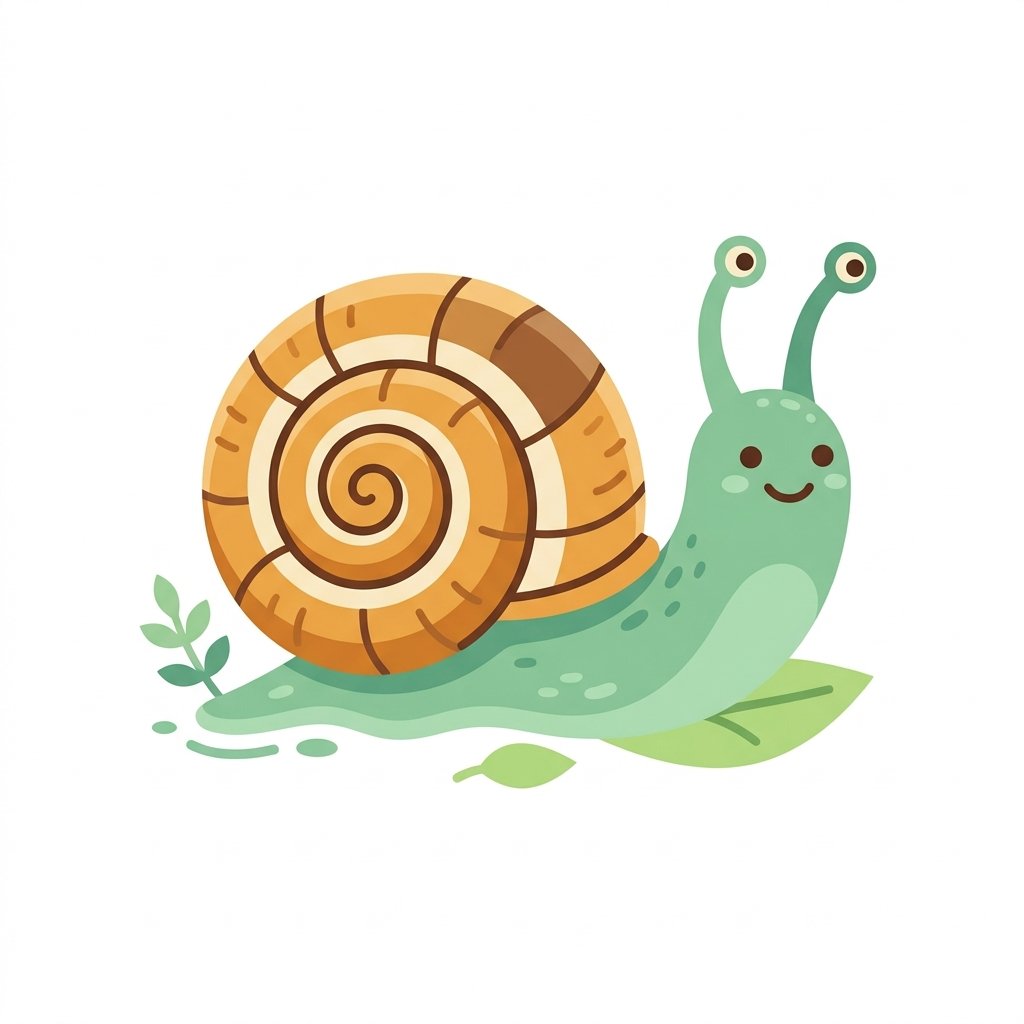
Garden Snail
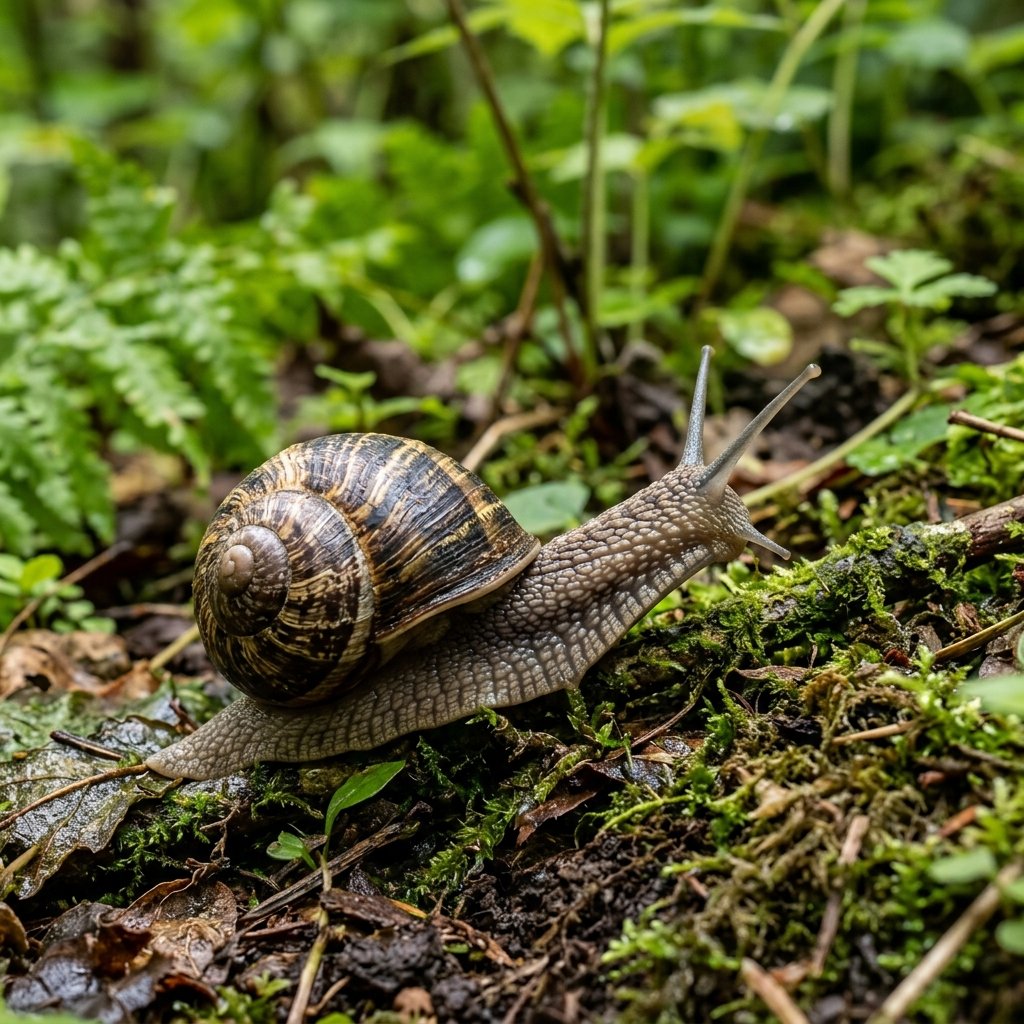
The garden snail glides along on a single muscular foot, carrying its spiral home on its back and rasping at leaves with thousands of microscopic teeth.
💡 Fun Facts
- Famously slow, travelling by gliding on a muscular foot over a trail of slime.
- They have thousands of microscopic teeth on a ribbon-like tongue.
- Can retreat into their shells to survive dry weather.

Three-toed Sloth
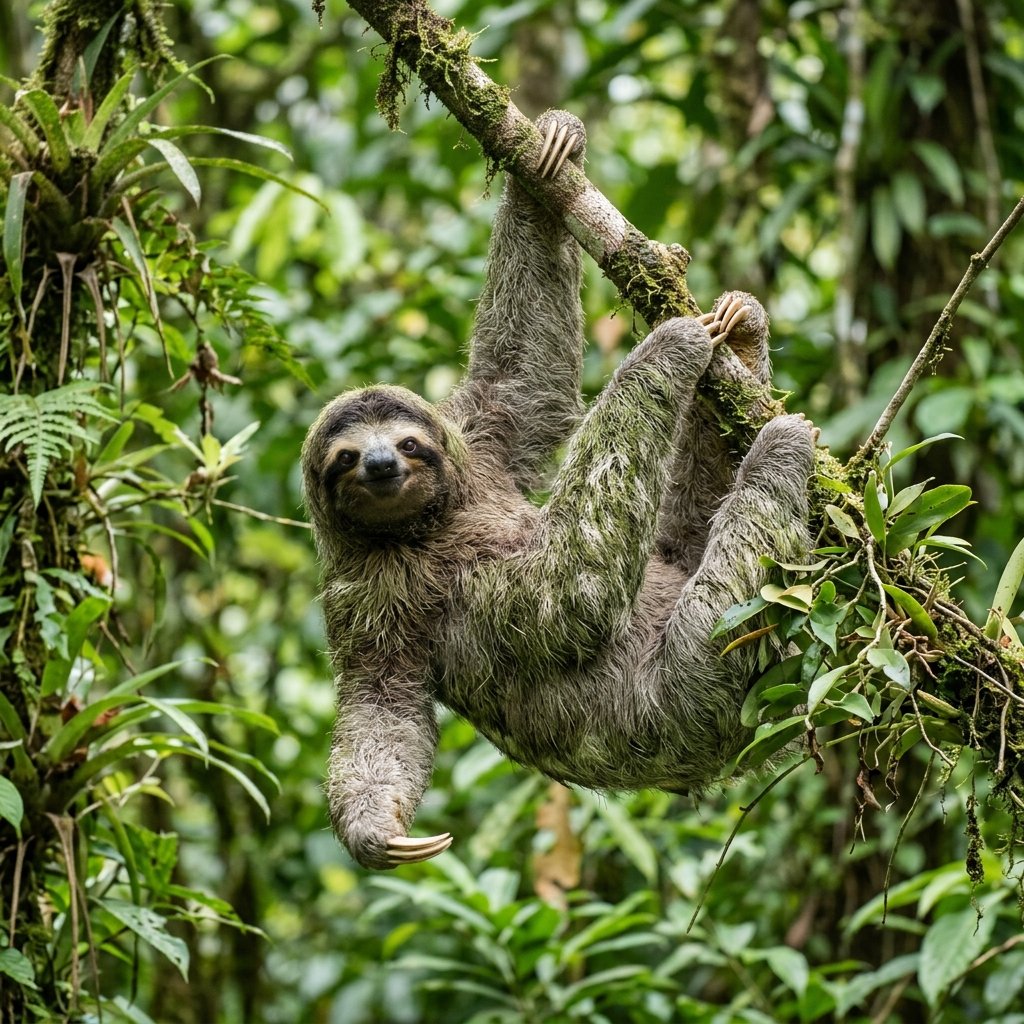
The three-toed sloth is the slowest mammal in the world, moving so gently through the treetops that green algae grows in its fur as camouflage.
💡 Fun Facts
- The slowest mammal in the world.
- Moves so slowly that green algae grows in its fur, which provides camouflage.
- It only comes down from the trees once a week.
Immortal Jellyfish
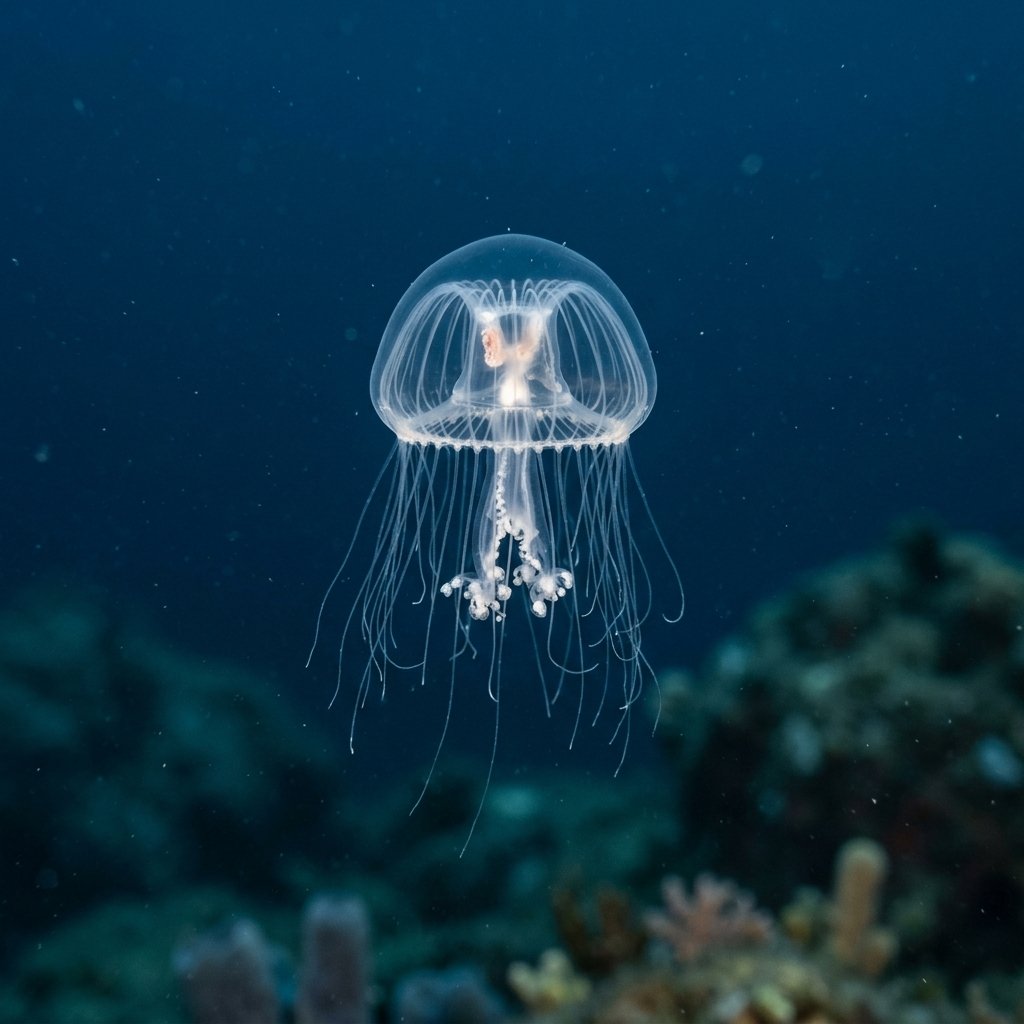
No bigger than a fingernail, the immortal jellyfish can turn its body back into a baby and begin life all over again — the only animal known to do so.
💡 Fun Facts
- The only known biologically immortal animal.
- When sick or old, it can transform its cells back into a baby polyp and start its life over.
- They are smaller than your pinky nail.
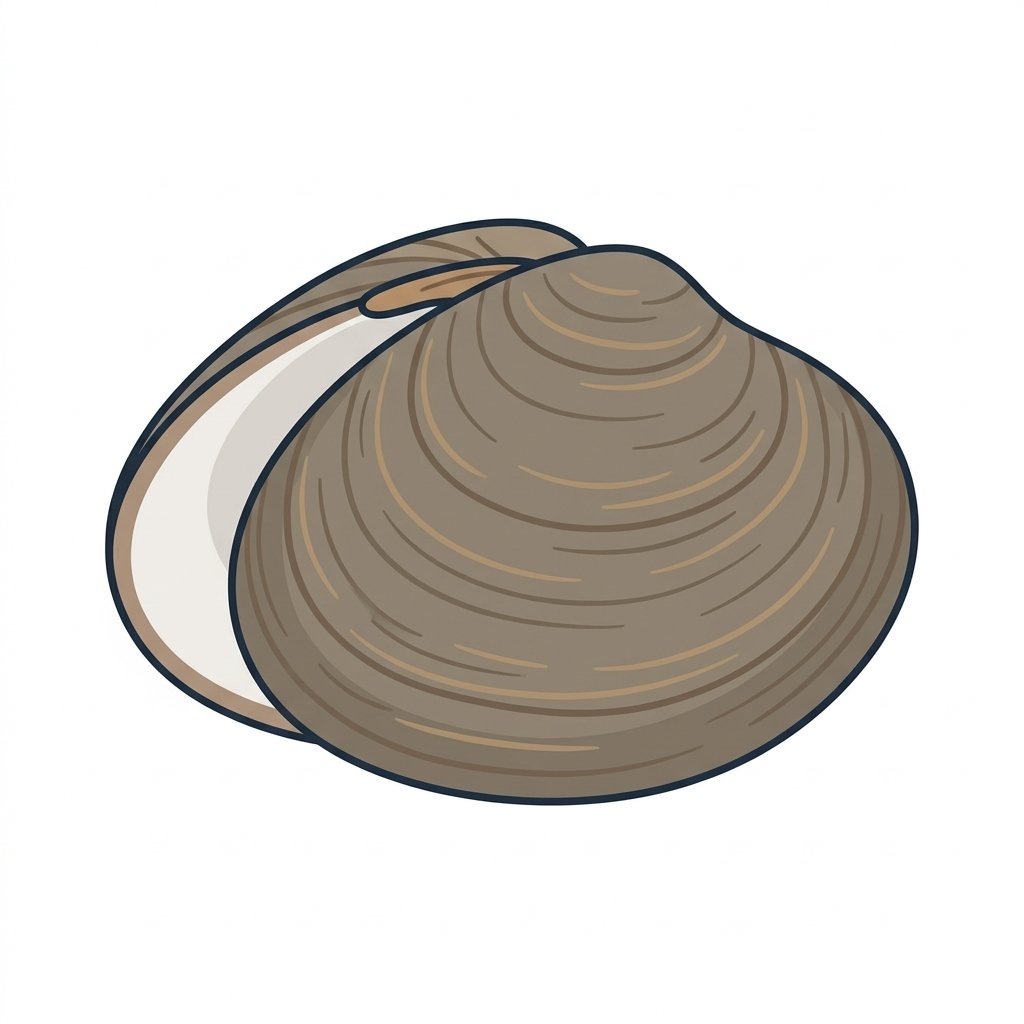
Ocean Quahog
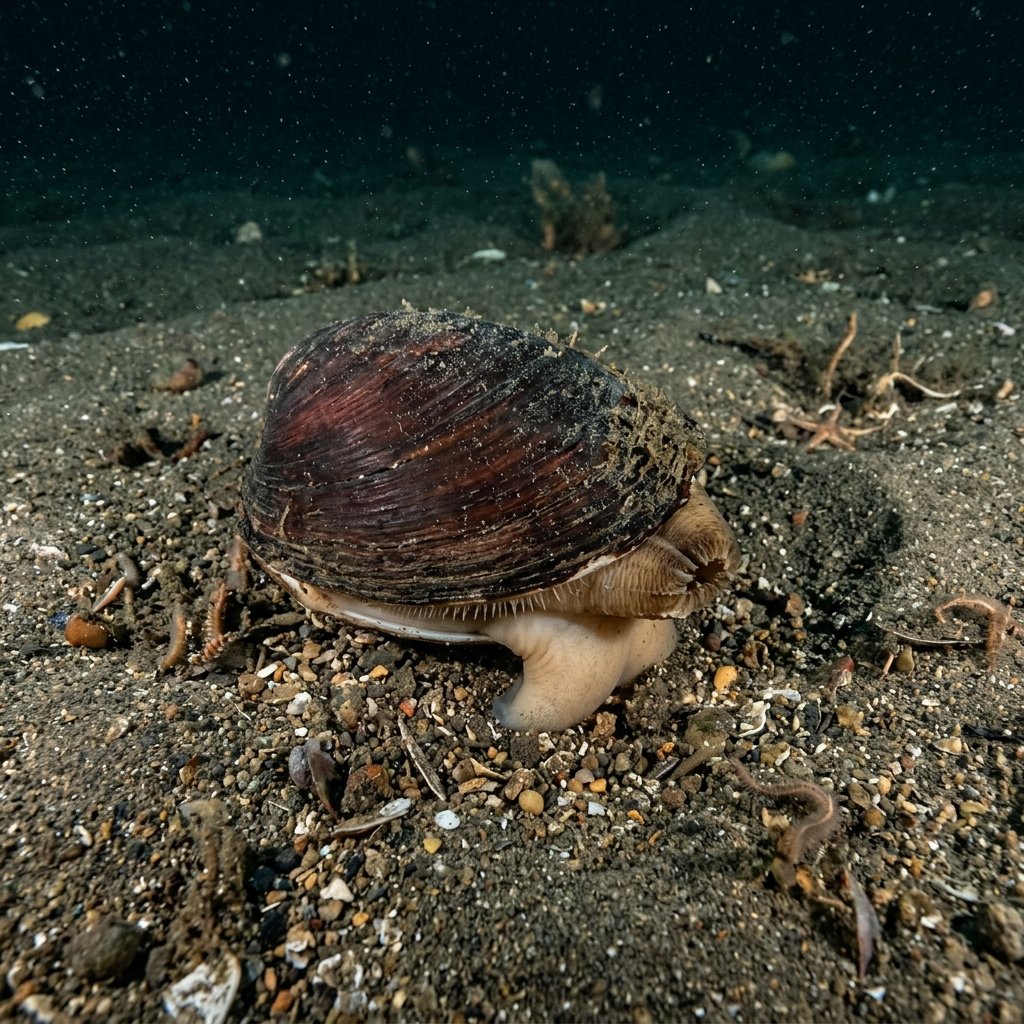
The ocean quahog is a deep-sea clam that can live for more than 500 years, carrying its great age in the rings of its shell.
💡 Fun Facts
- A species of edible clam that lives incredibly long.
- One individual, named 'Ming', was verified to be 507 years old.
- You can tell their age by counting the rings on their shell.
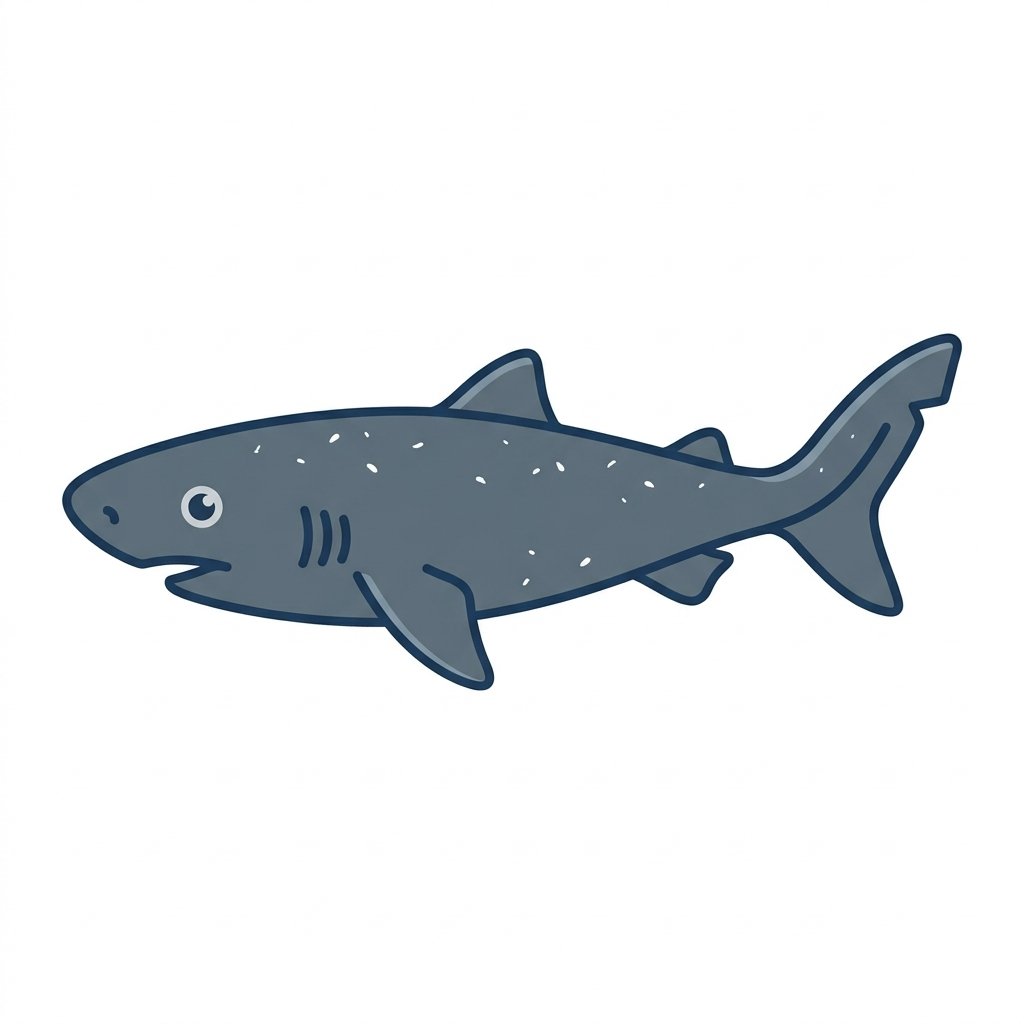
Greenland Shark
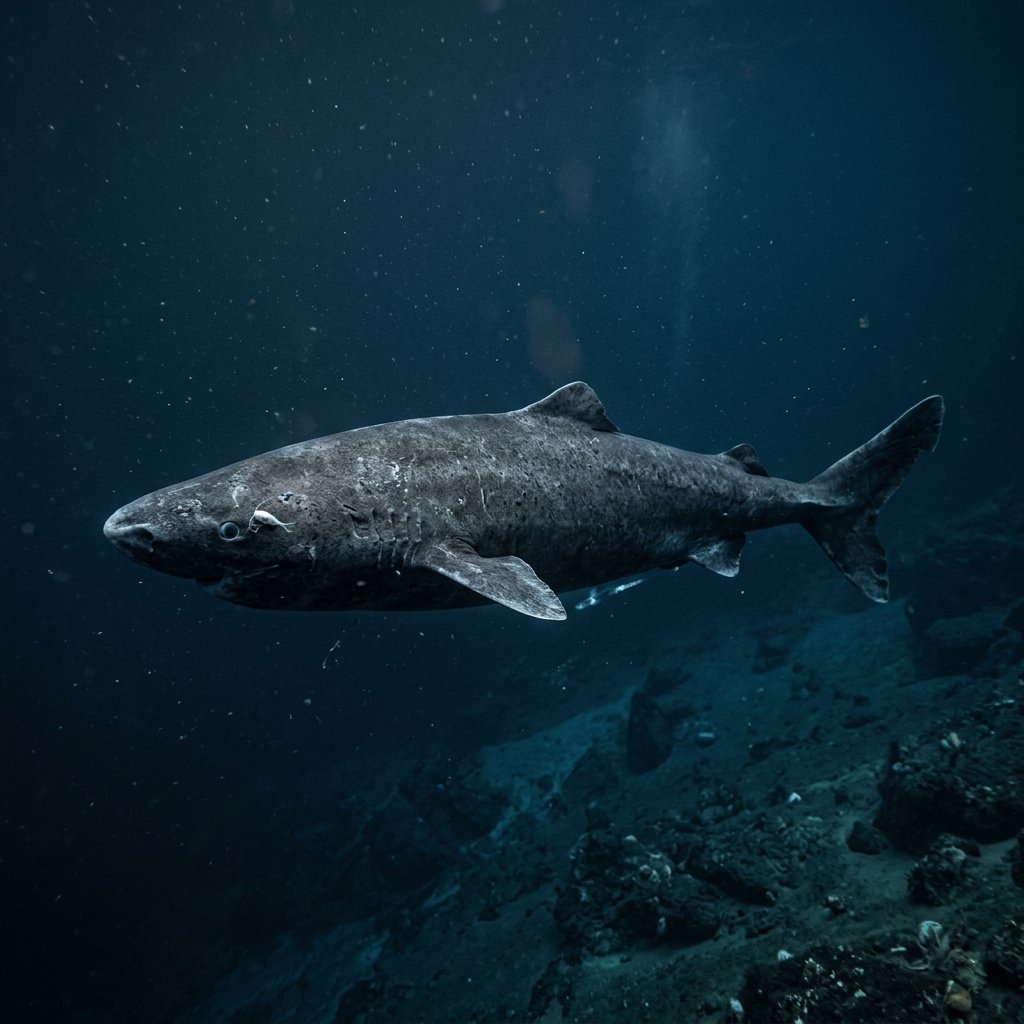
The Greenland shark is the longest-living animal with a backbone, drifting slowly through icy Arctic waters for up to 500 years.
💡 Fun Facts
- The longest-lived vertebrate on Earth, living up to 500 years.
- They swim very slowly in freezing Arctic waters.
- They don't reach adulthood until they are 150 years old.
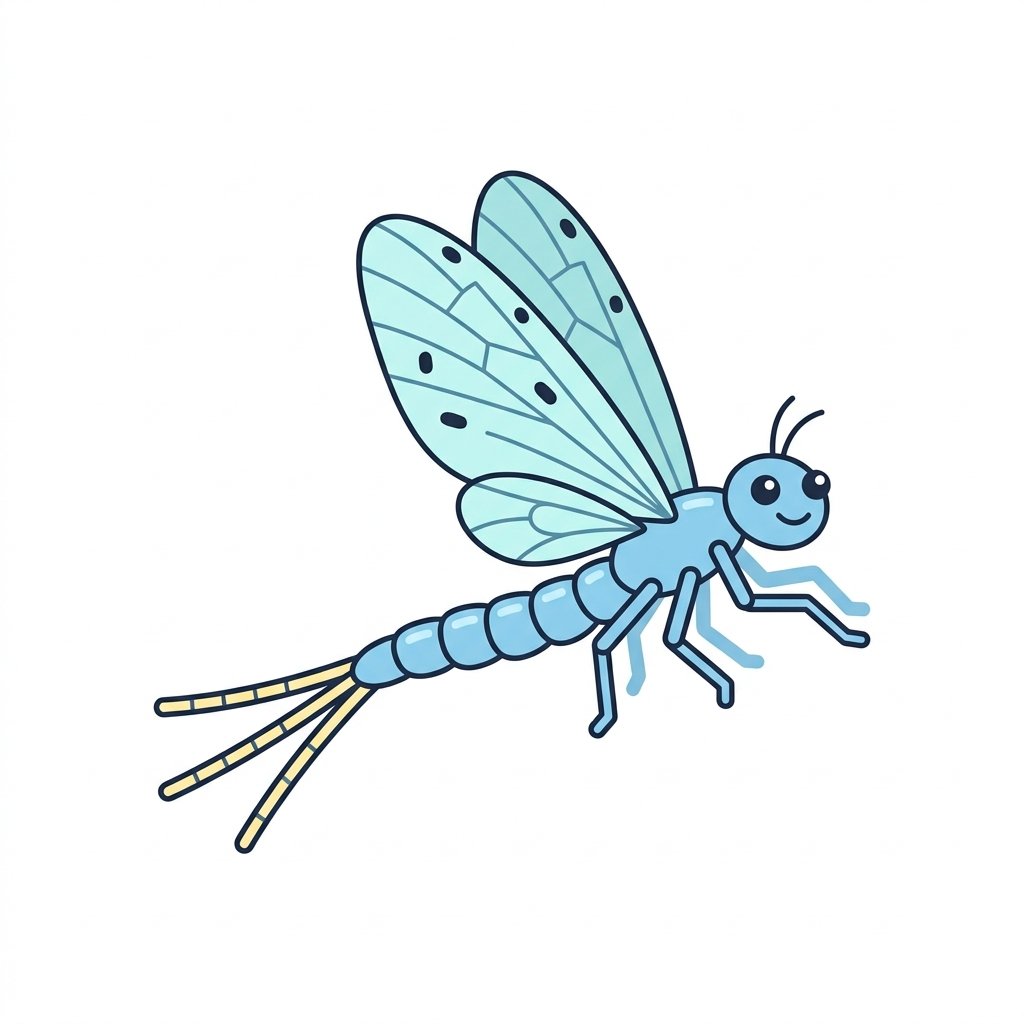
Mayfly
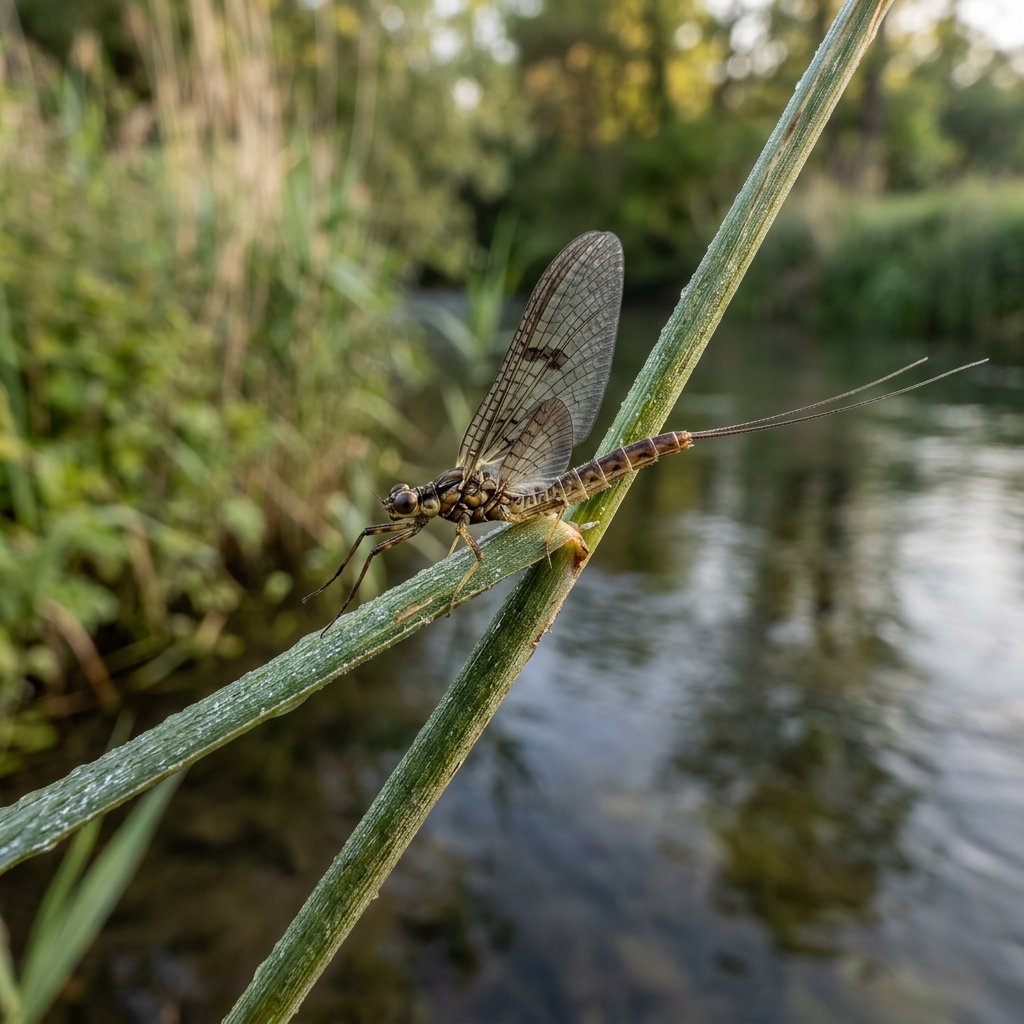
The adult mayfly lives for just a single day — so briefly that it never even feeds — rising in great clouds over rivers to mate before nightfall.
💡 Fun Facts
- The adult mayfly has the shortest lifespan in the animal kingdom, living for just 24 hours.
- They don't even have mouths because they don't live long enough to eat!
- Their only goal is to mate and lay eggs.
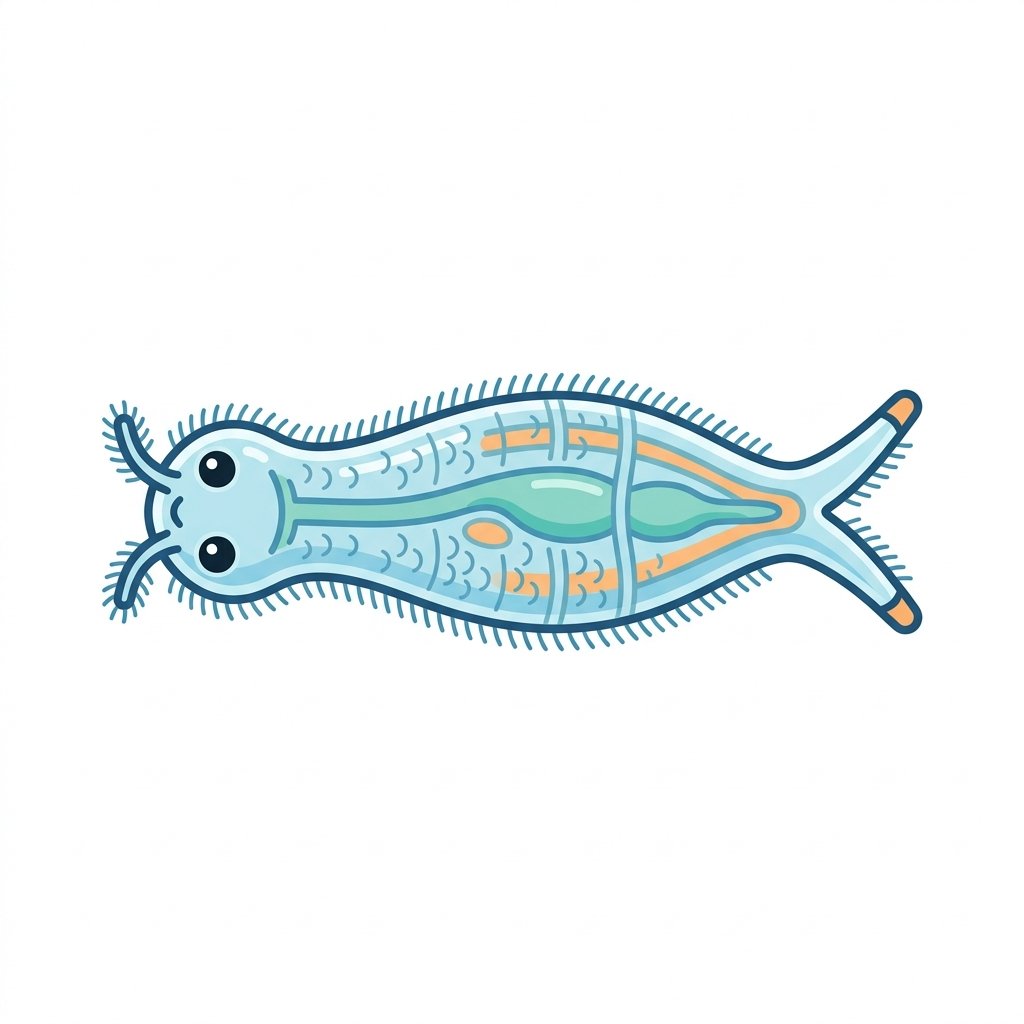
Gastrotrich
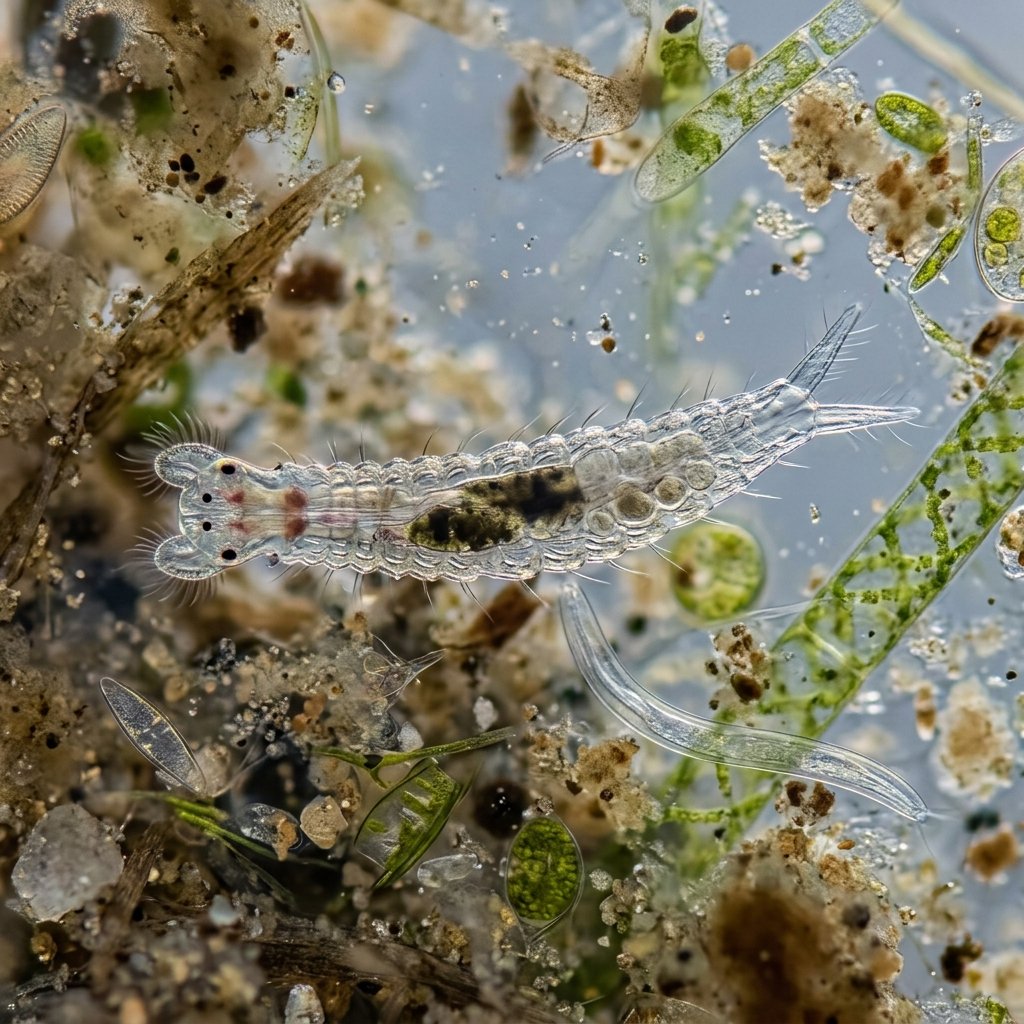
The gastrotrich is a microscopic water creature that lives its whole life in only about three days, swimming among grains of sand on tiny beating hairs.
💡 Fun Facts
- A microscopic aquatic worm that lives a very fast life.
- They go from birth to natural death in just three days.
- Covered in tiny hairs that help them swim.
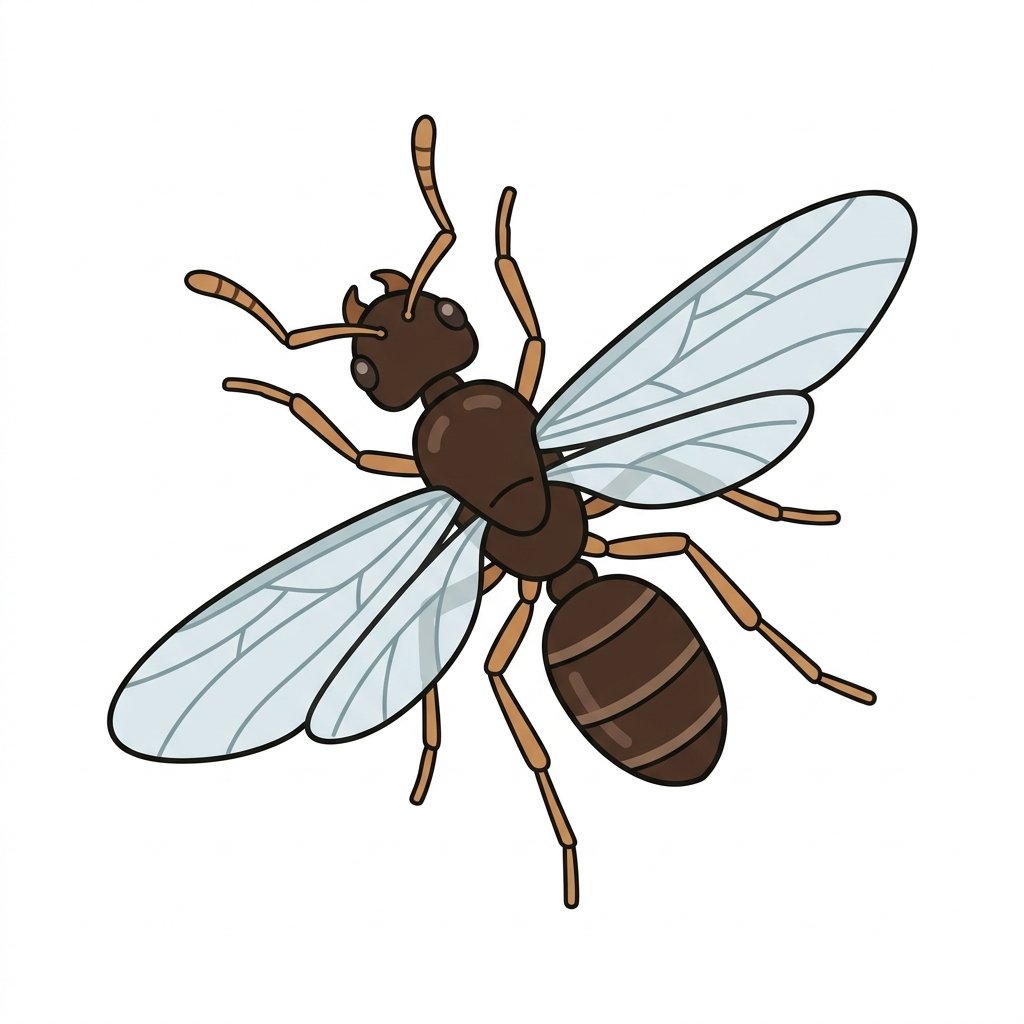
Drone Ant
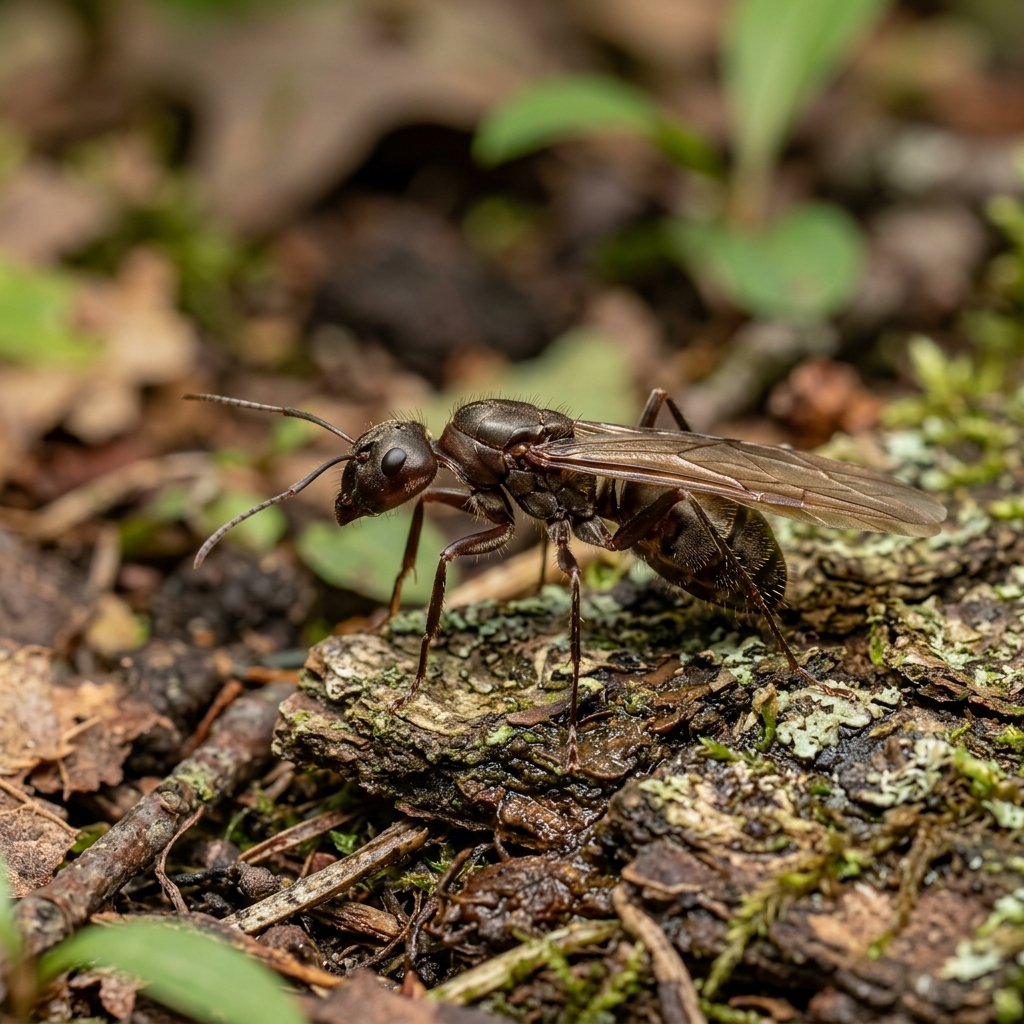
The drone is a winged male ant whose short life has a single purpose: to leave the nest and mate with a new queen.
💡 Fun Facts
- Male ants (drones) have wings and a very short life.
- Their only purpose is to mate with a new queen.
- They live for about 3 weeks and cannot feed themselves; worker ants feed them.
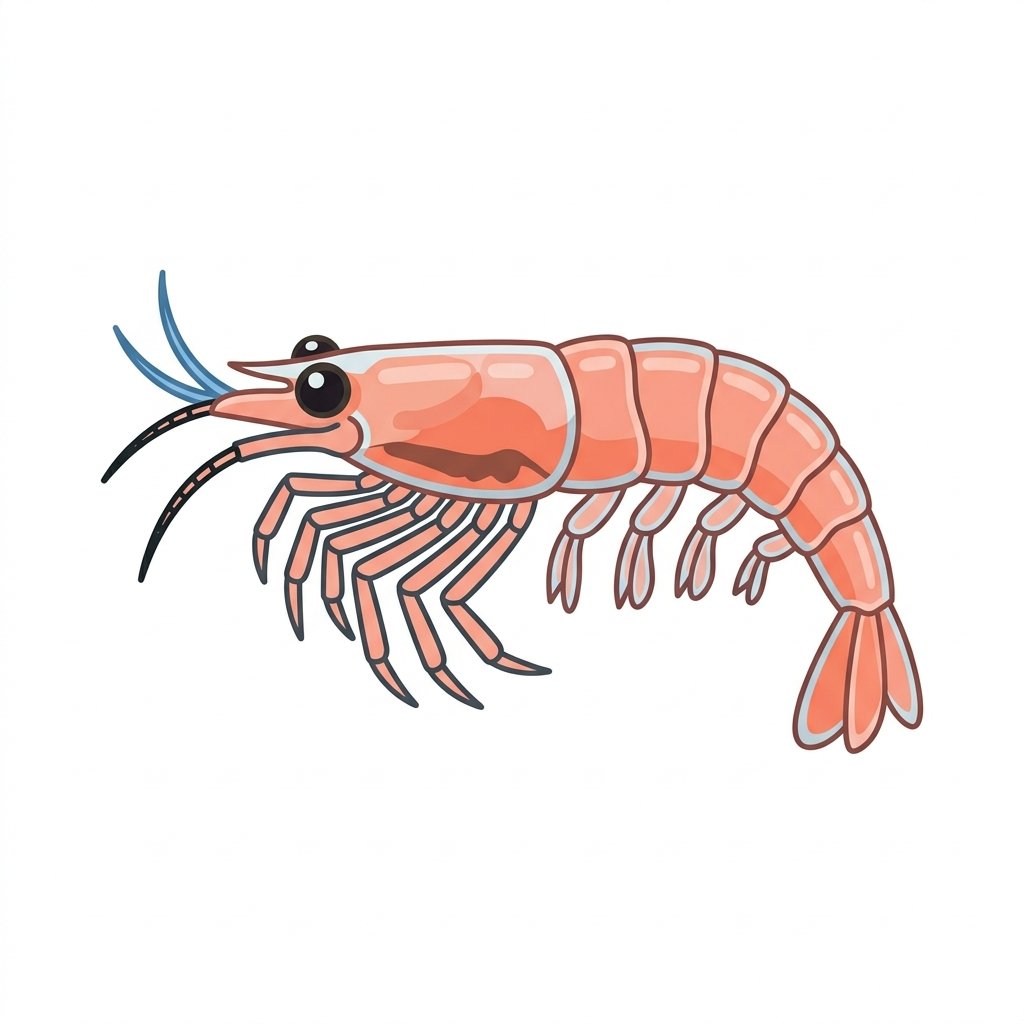
Antarctic Krill
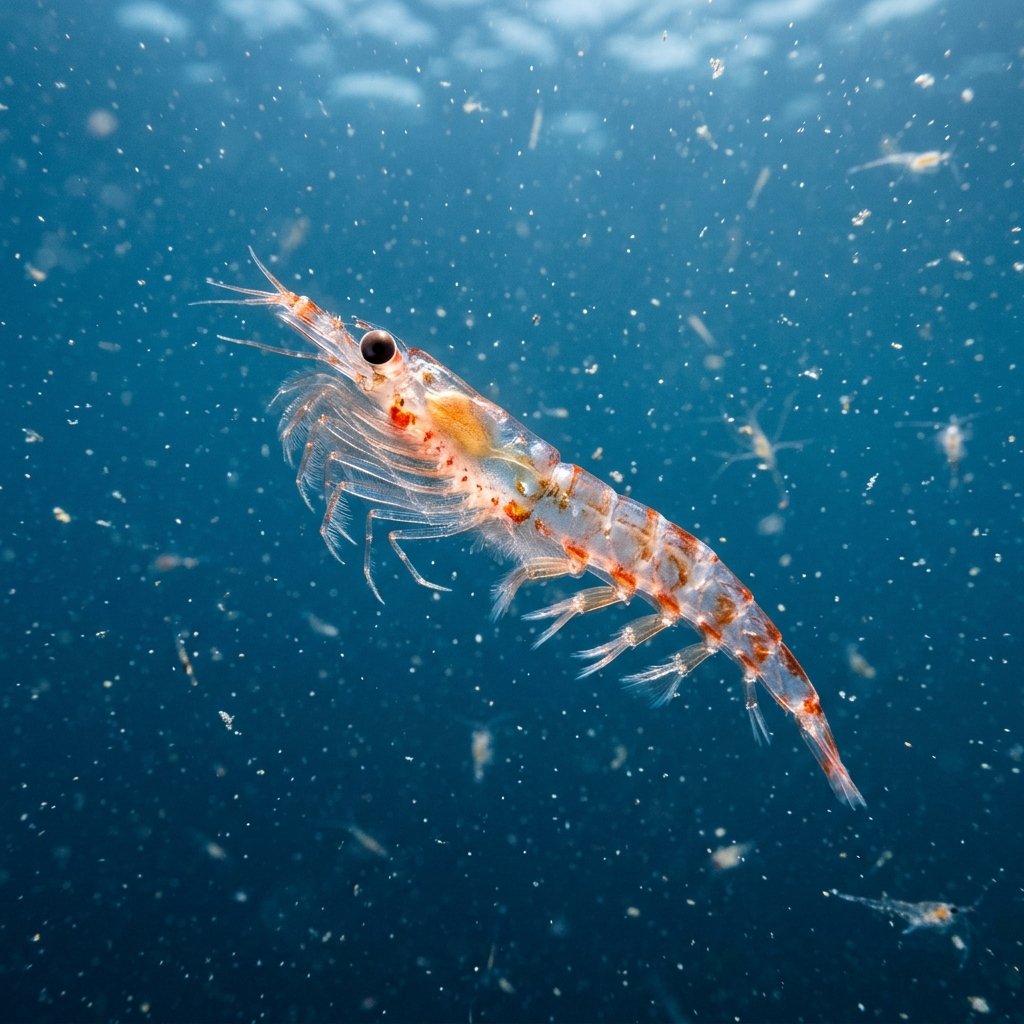
Antarctic krill are small, shrimp-like creatures that gather in swarms so vast they can be seen from space, feeding the whales, seals, and penguins of the Southern Ocean.
💡 Fun Facts
- Tiny crustacean that is the foundation of the Antarctic food web.
- They swarm in groups so large they can be seen from space.
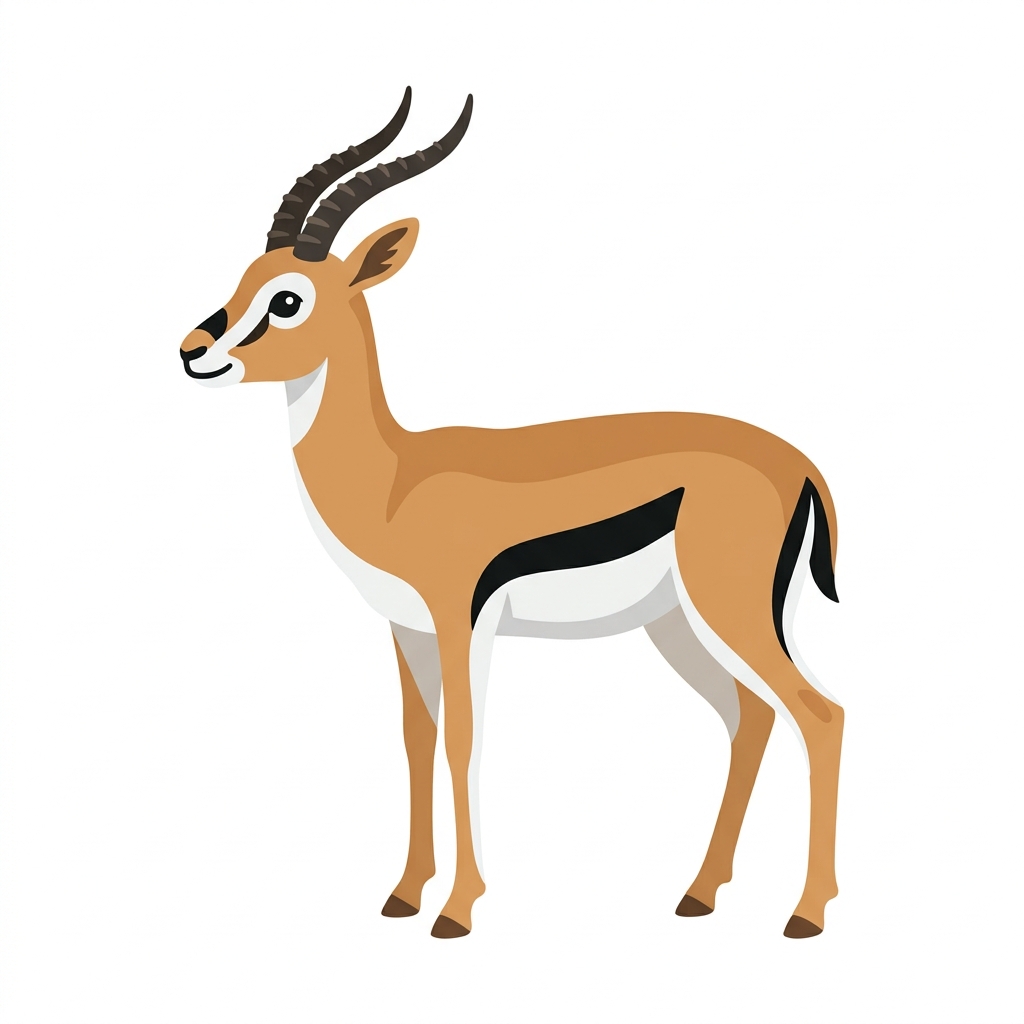
Thomson's Gazelle
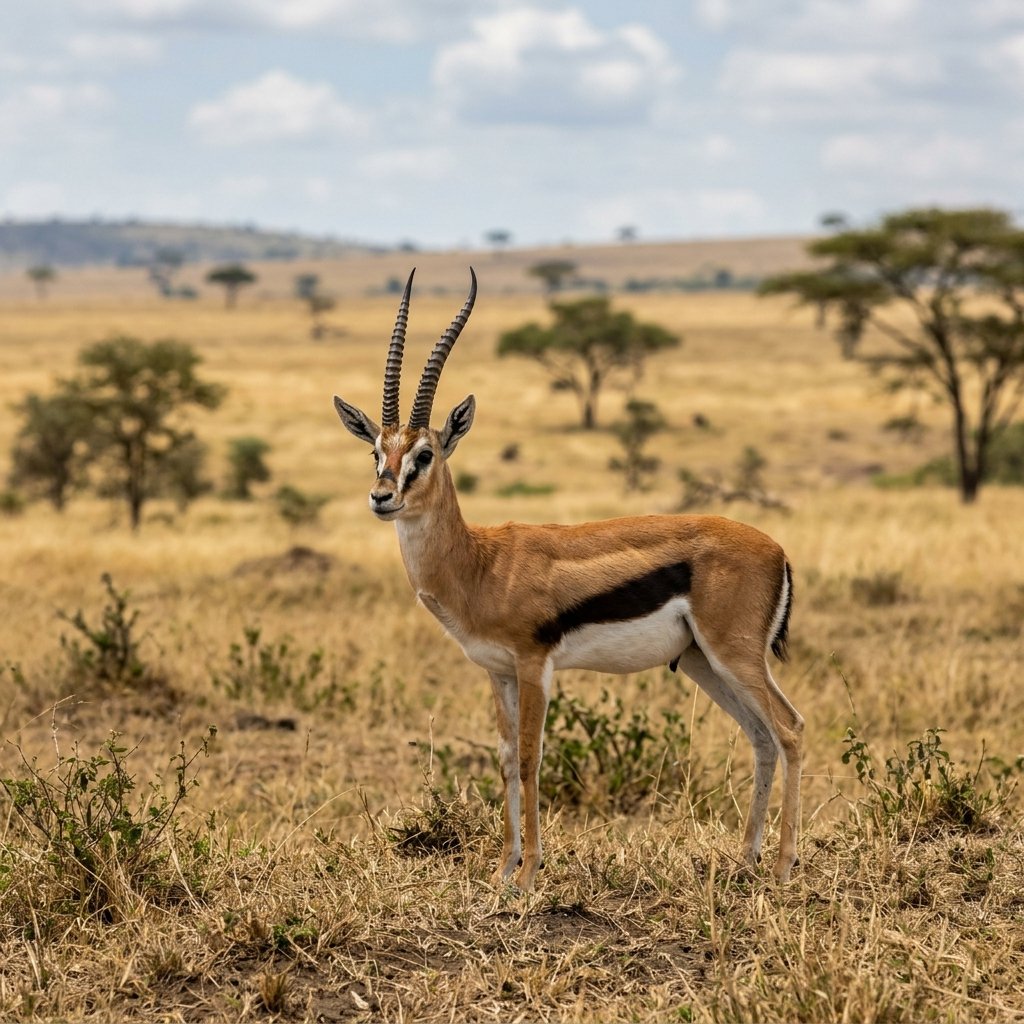
Thomson's gazelle is a swift, graceful antelope of the African savanna, famous for 'pronking' — bouncing high on stiff legs to show predators it is too fit to catch.
💡 Fun Facts
- Fast, agile antelope found on the African savanna.
- Uses a bouncing jump called 'pronking' to show predators how fit they are.
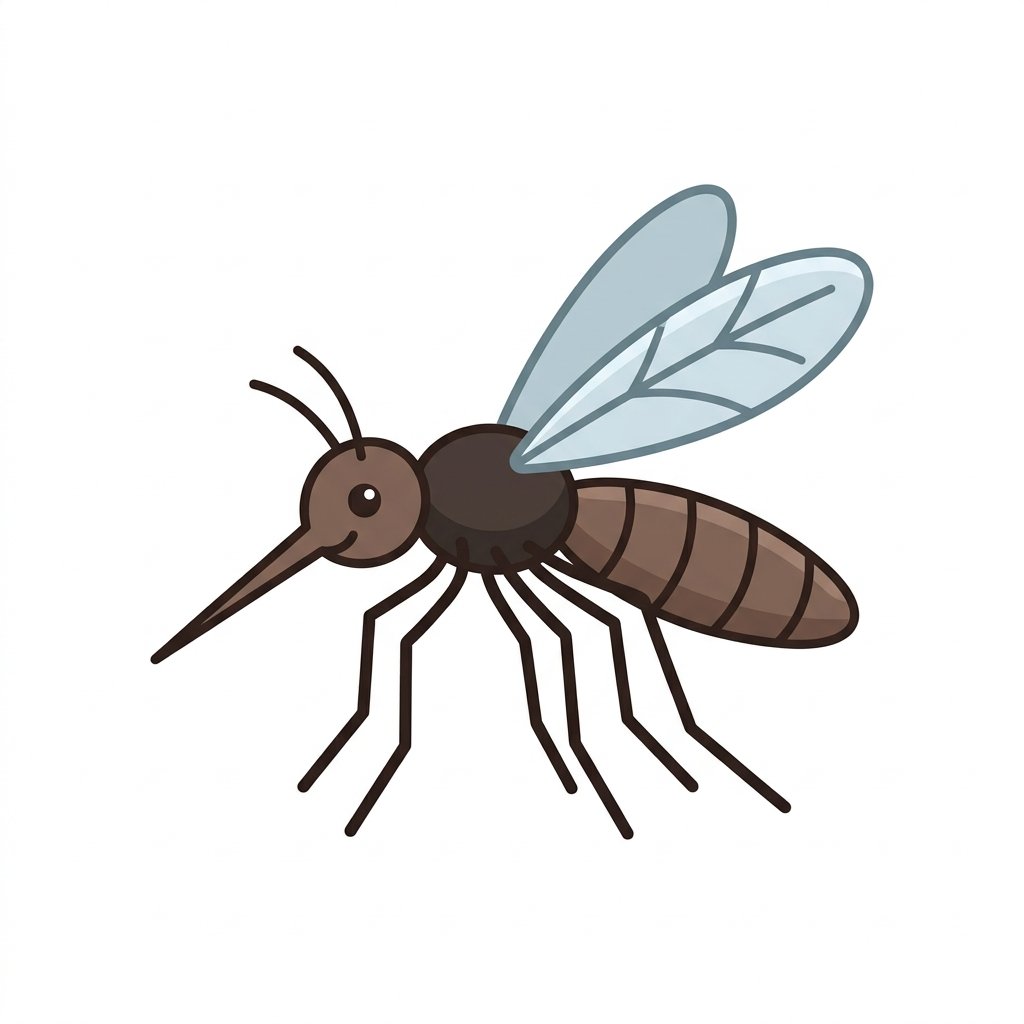
Mosquito
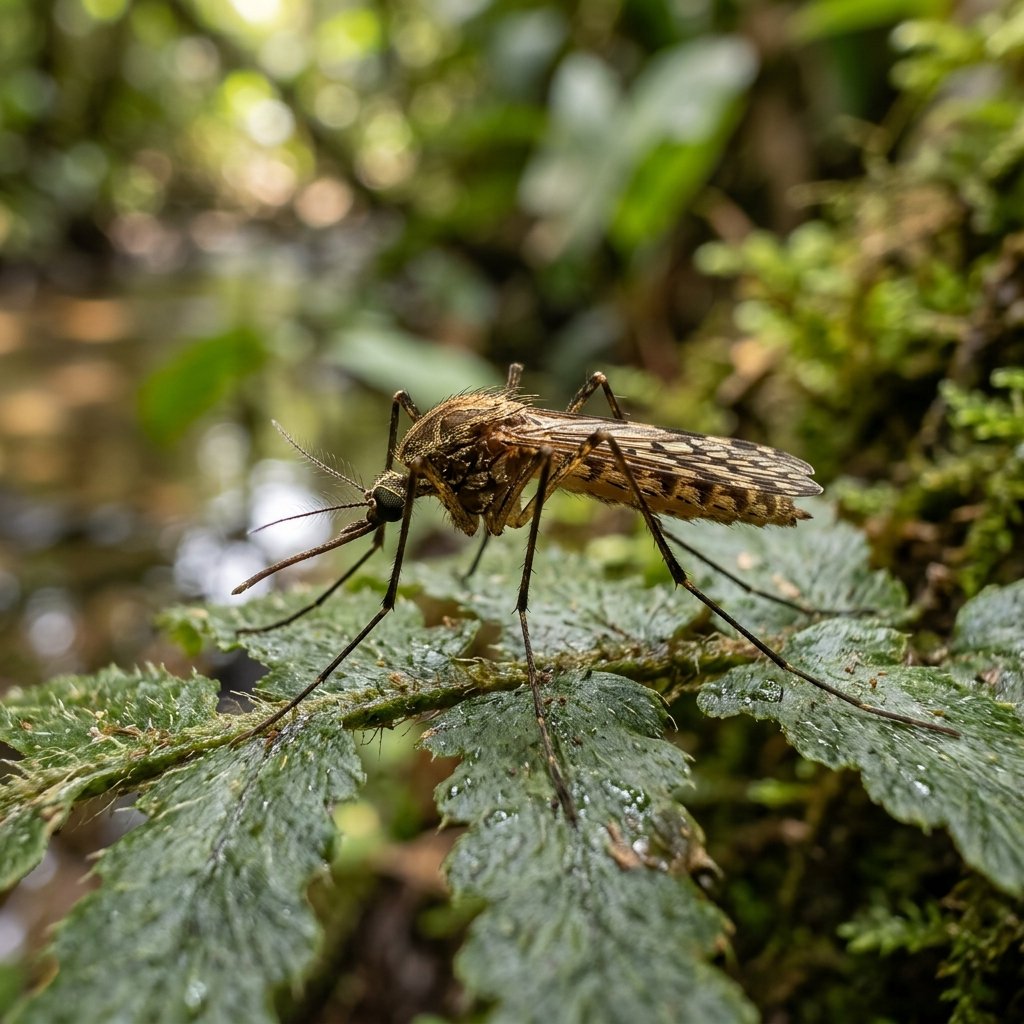
The mosquito is a small but mighty insect: the females seek out blood to feed their eggs, while the males sip only flower nectar.
💡 Fun Facts
- A flying insect where the females drink blood to develop their eggs.
- The males only drink flower nectar.
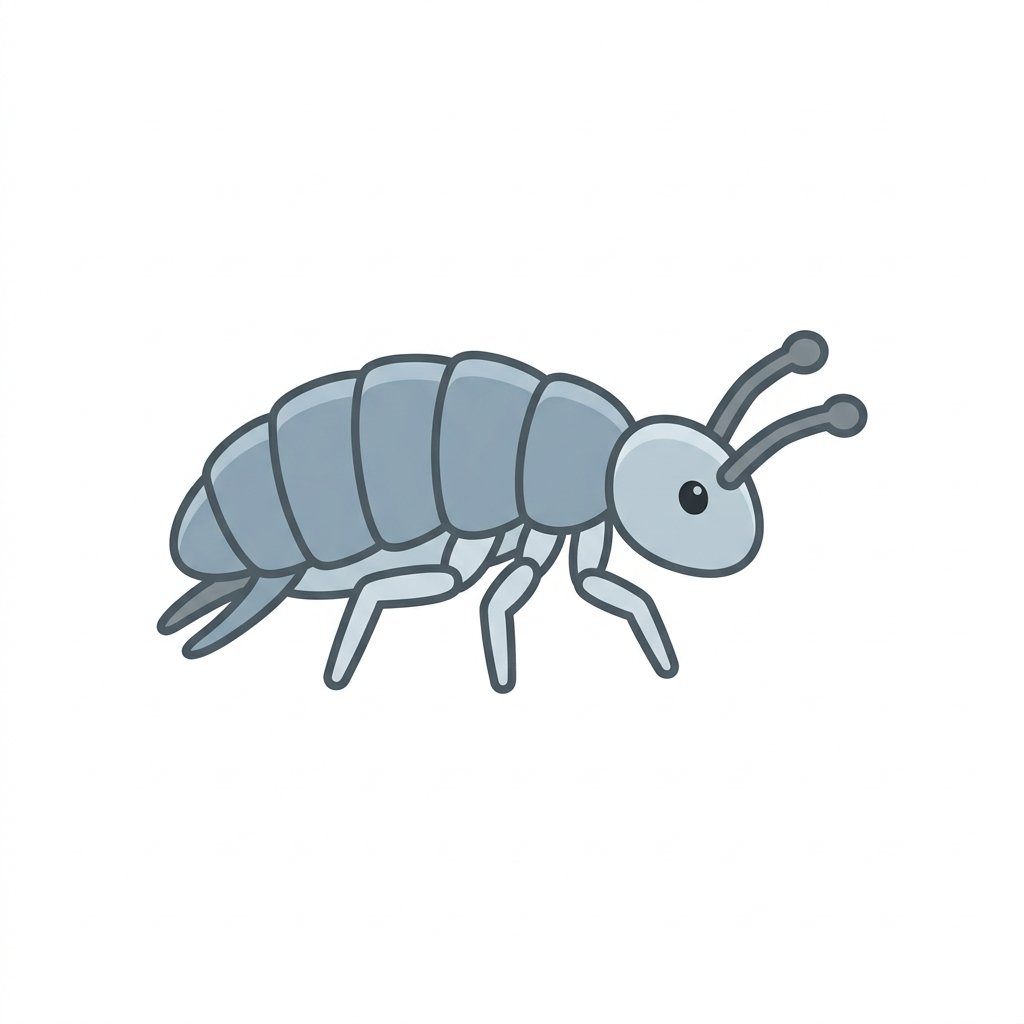
Springtail
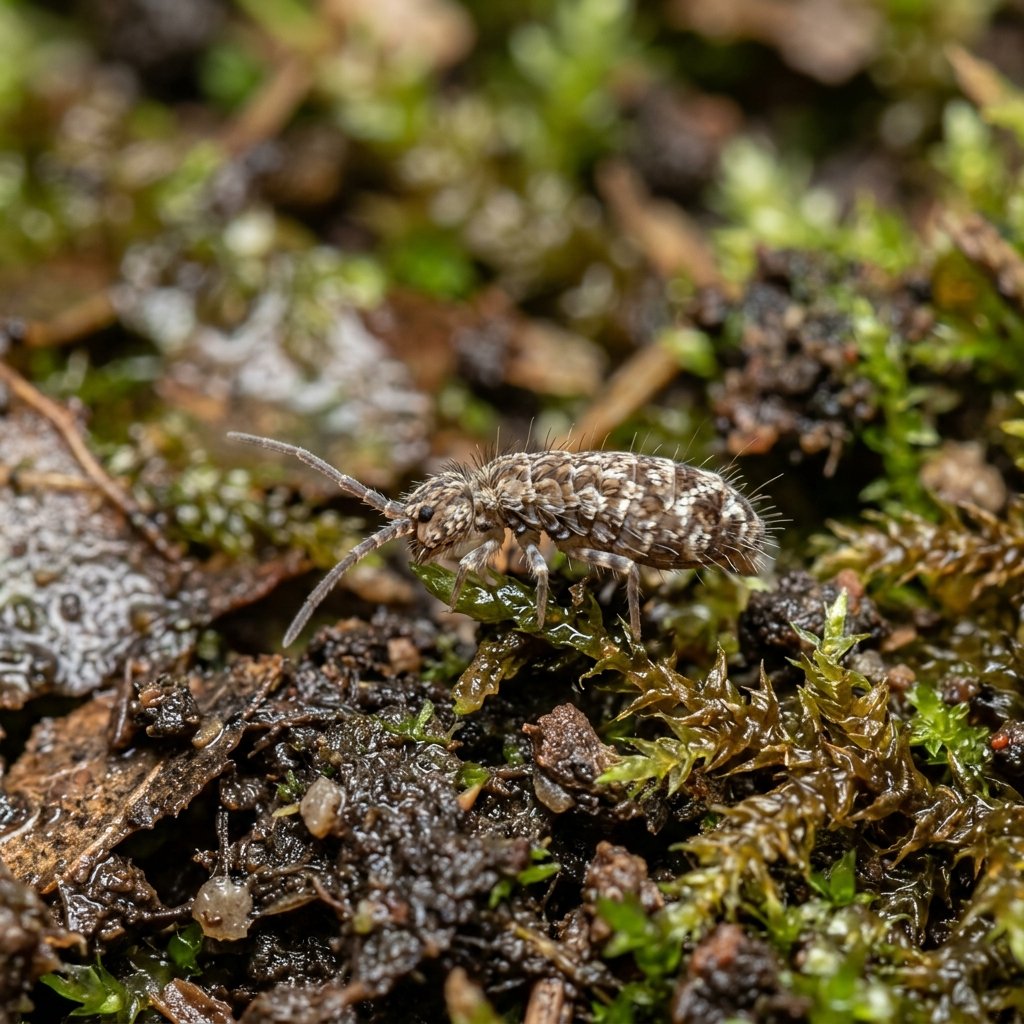
The springtail is a tiny soil creature with a built-in catapult — a spring-loaded tail that flings it to safety the instant danger appears.
💡 Fun Facts
- A microscopic bug found in soil and leaf litter.
- They have a special tail-like appendage that flings them into the air to escape danger.
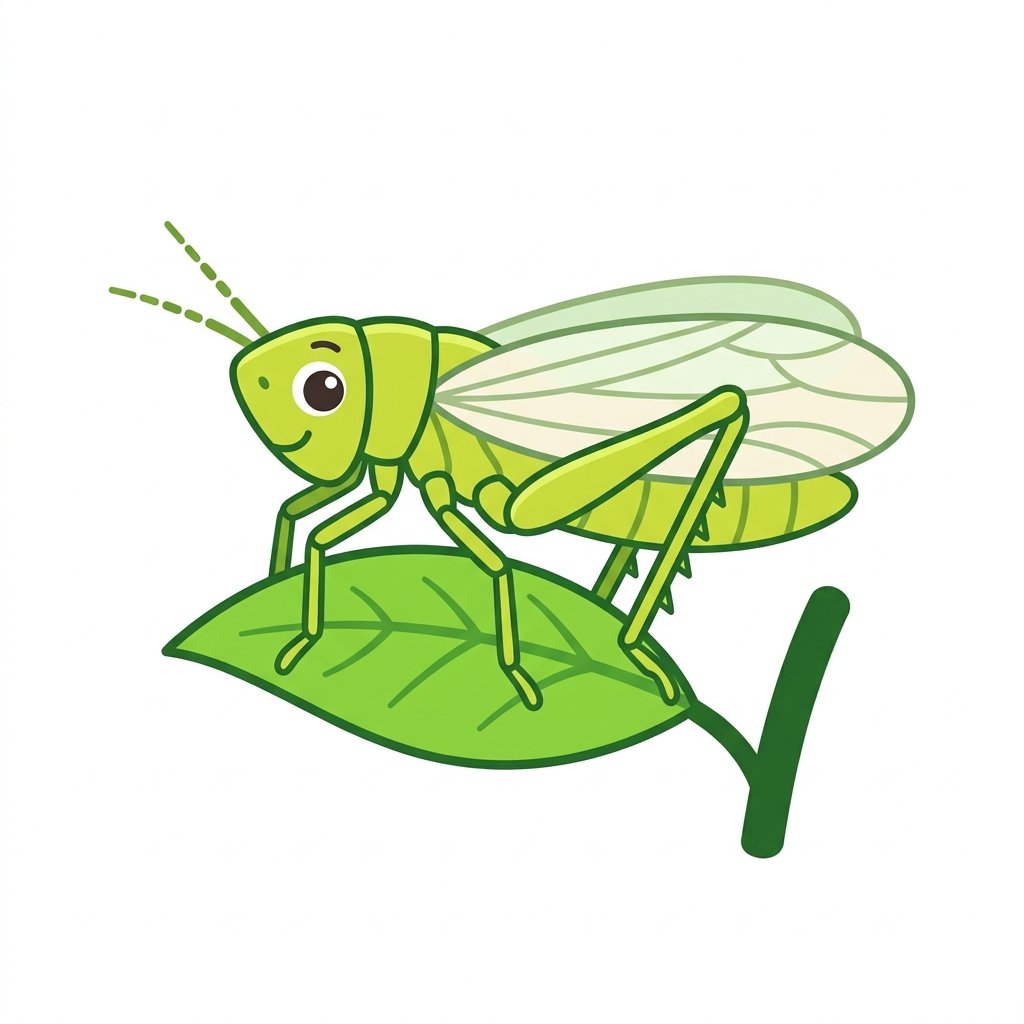
Leafhopper
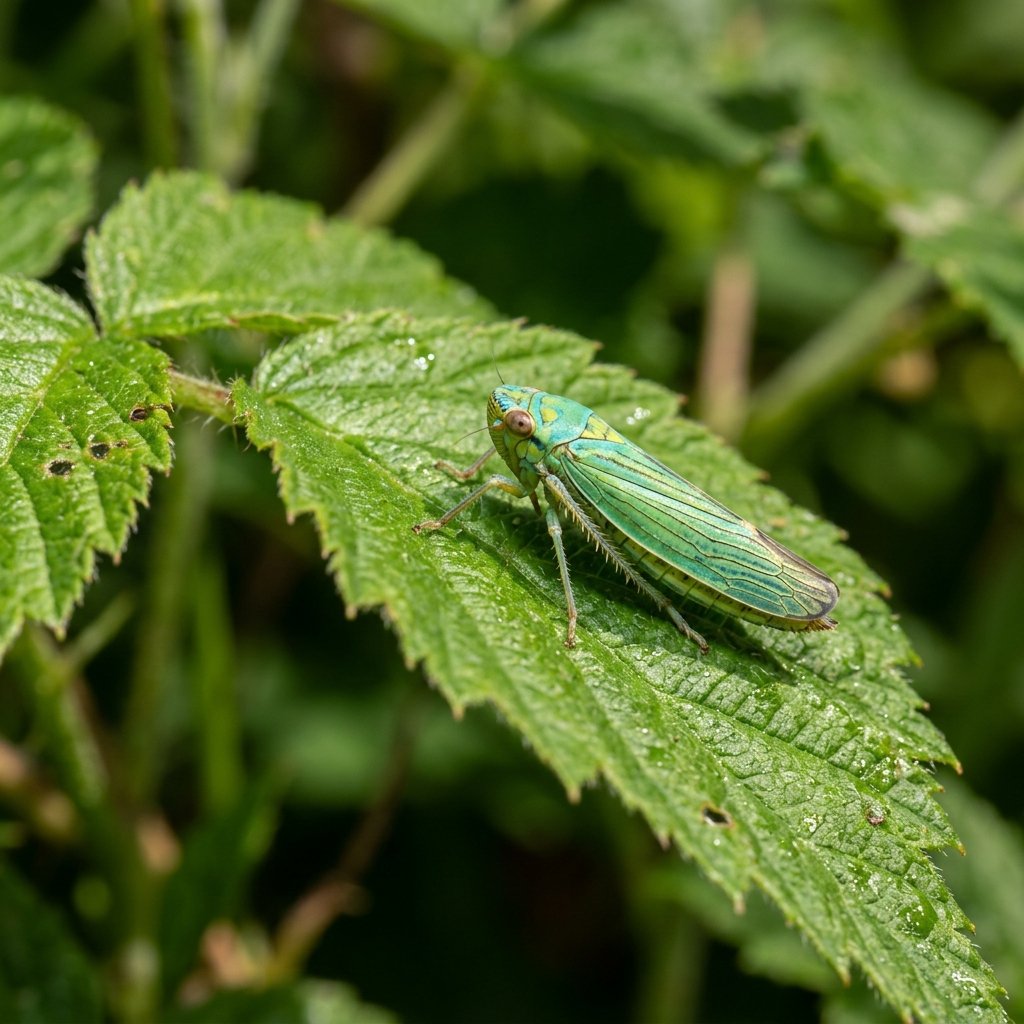
The leafhopper is a tiny sap-sipping bug that springs away in an instant when disturbed, leaving behind sweet 'honeydew' that ants love.
💡 Fun Facts
- A tiny sap-sucking bug that jumps away quickly when disturbed.
- Their tiny eggs are the perfect target for microscopic parasitic wasps.
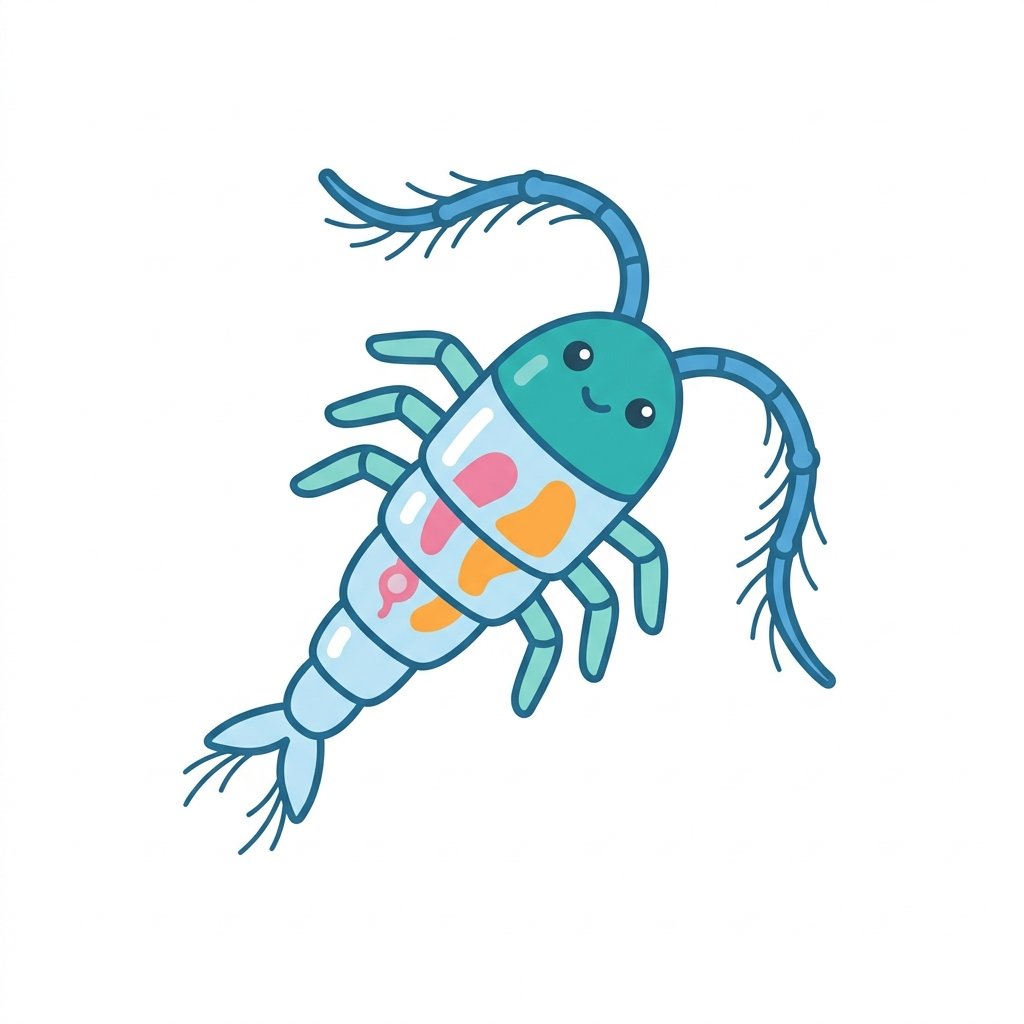
Zooplankton
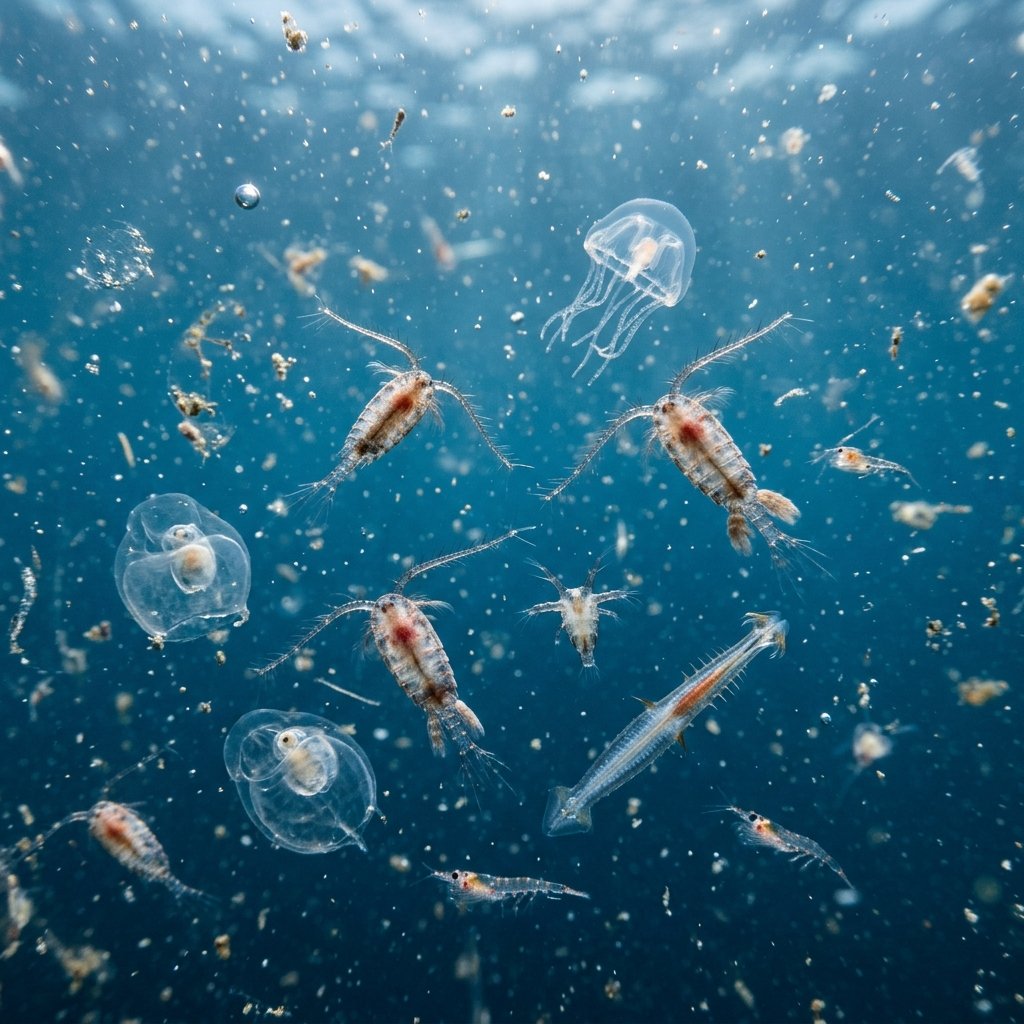
Zooplankton are the ocean's tiny drifting animals, forming a vital link in the food chain between microscopic algae and larger sea creatures.
💡 Fun Facts
- Microscopic animal drifters in the ocean.
- Crucial link between tiny algae and larger marine life.

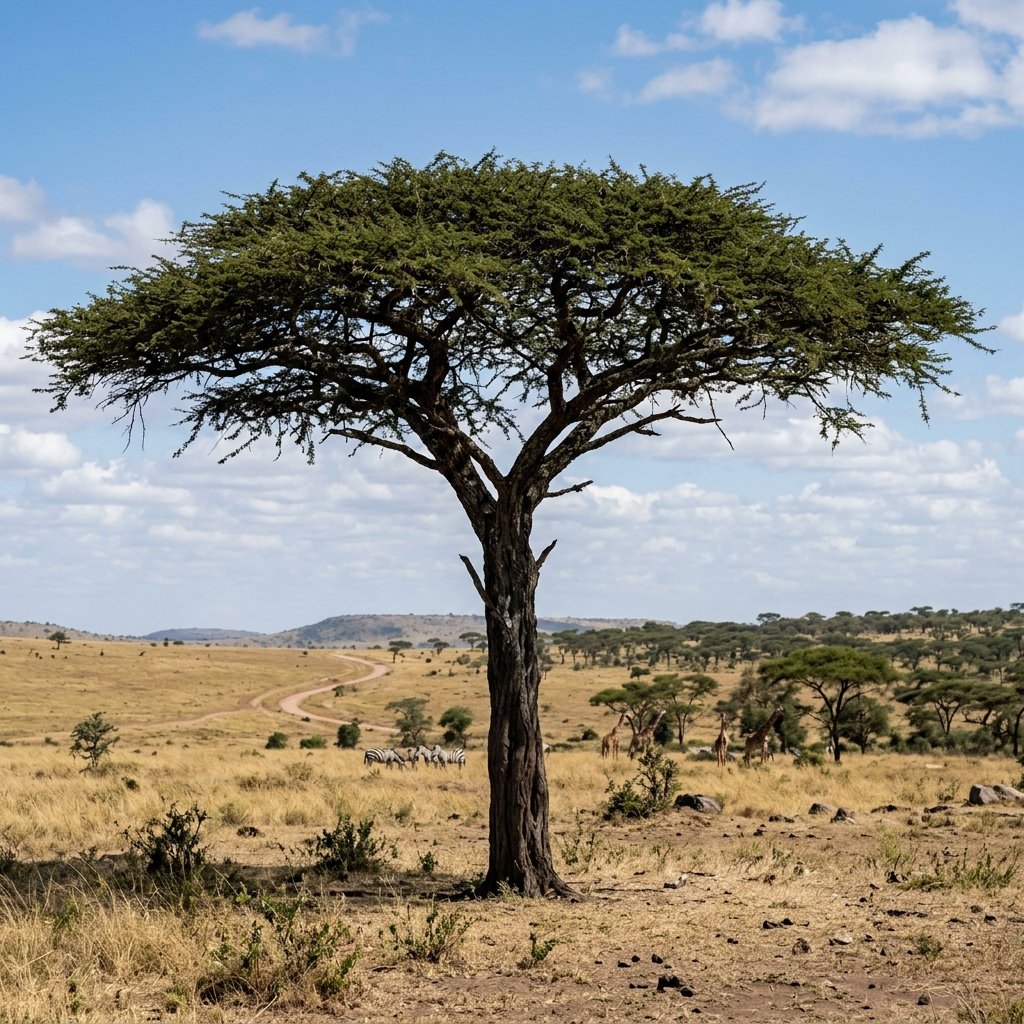
Acacia Tree
A thorny tree iconic to the African savanna. It survives long dry seasons and has deep roots.

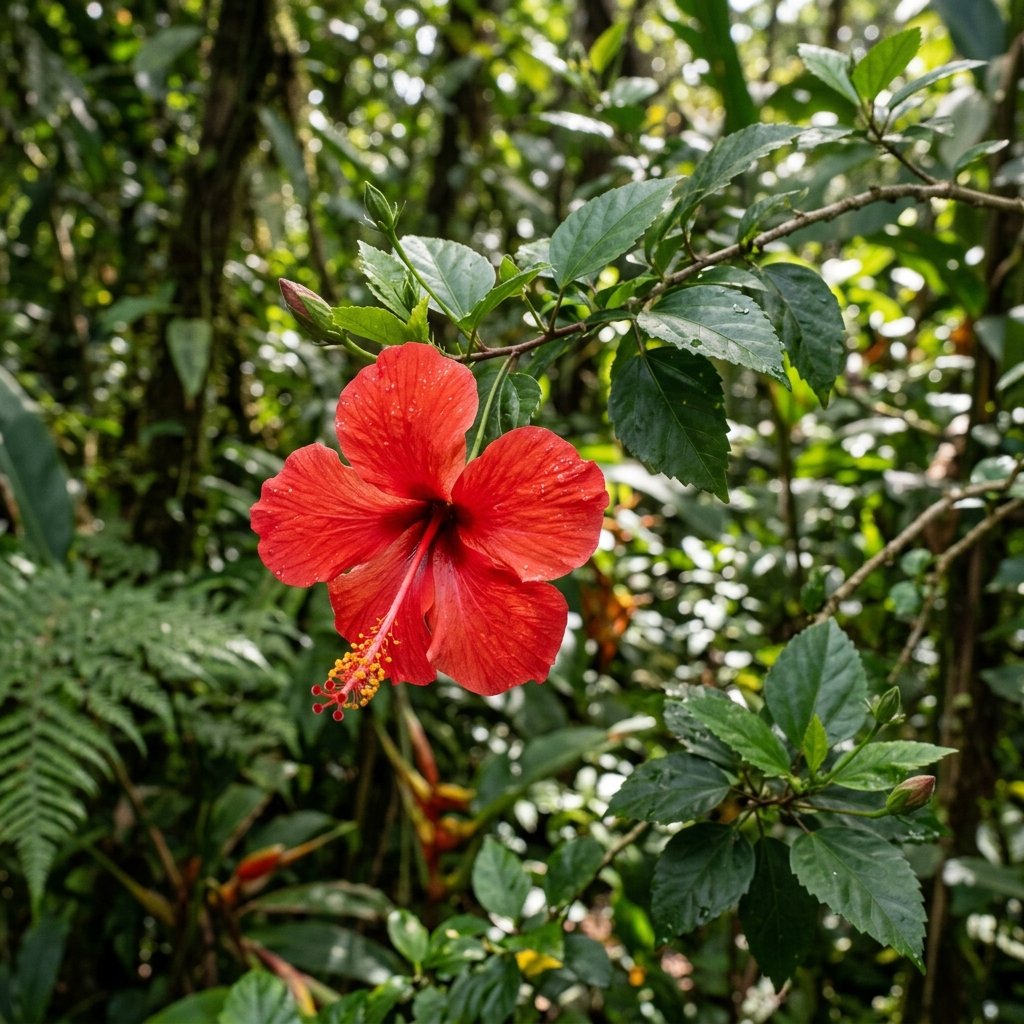
Tropical Hibiscus
A large, brightly coloured flower found in warm climates, producing sweet nectar that attracts tiny birds.
📅 Through the Year
- Flowering:June to September
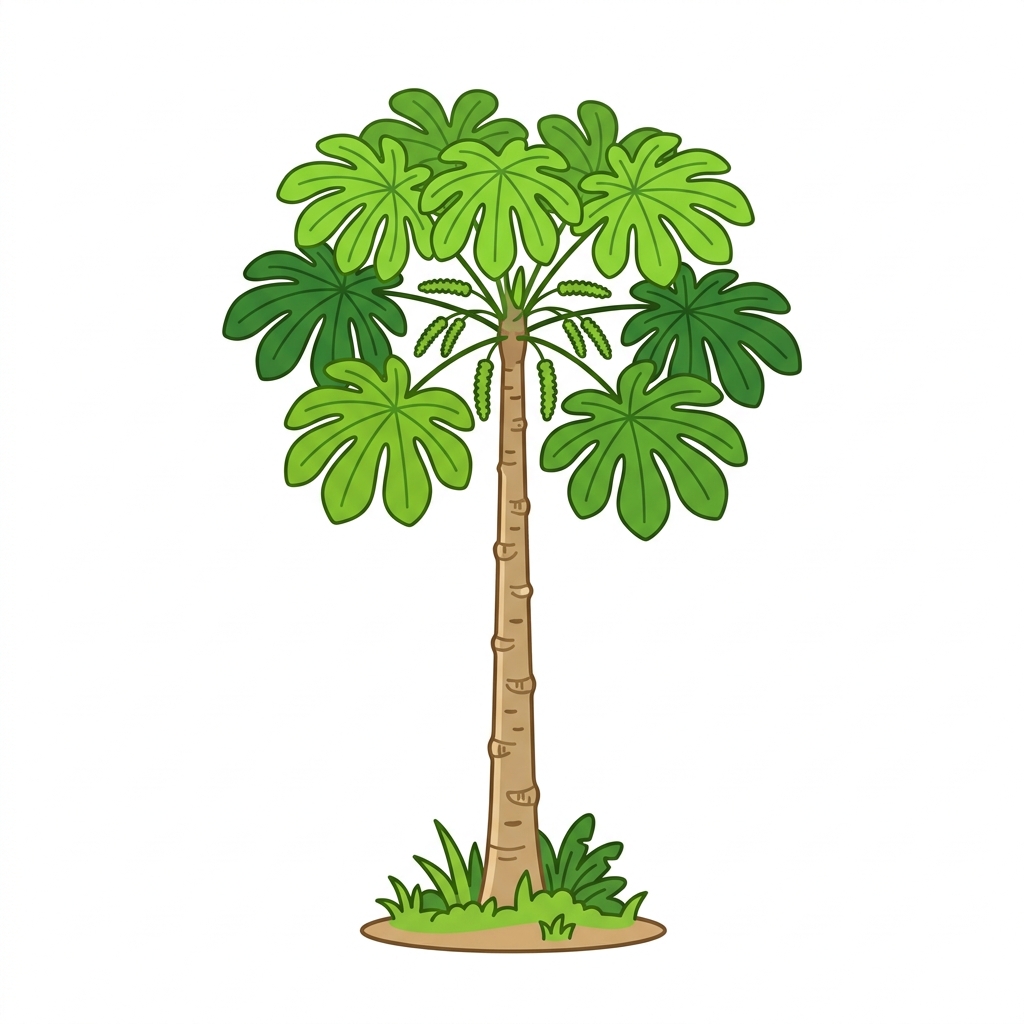
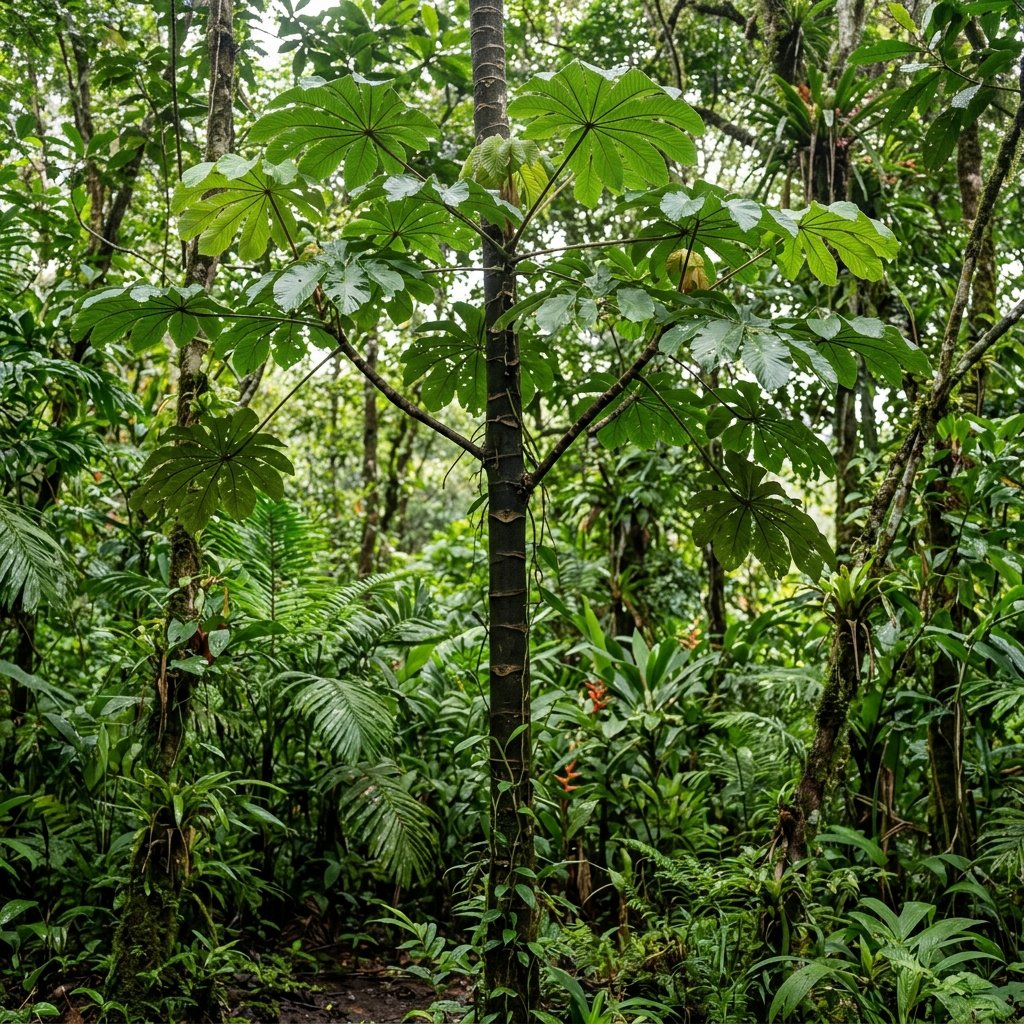
Cecropia Tree
A fast-growing pioneer tree in the tropical rainforest, known for large, deeply lobed leaves favoured by sloths.
Diatoms
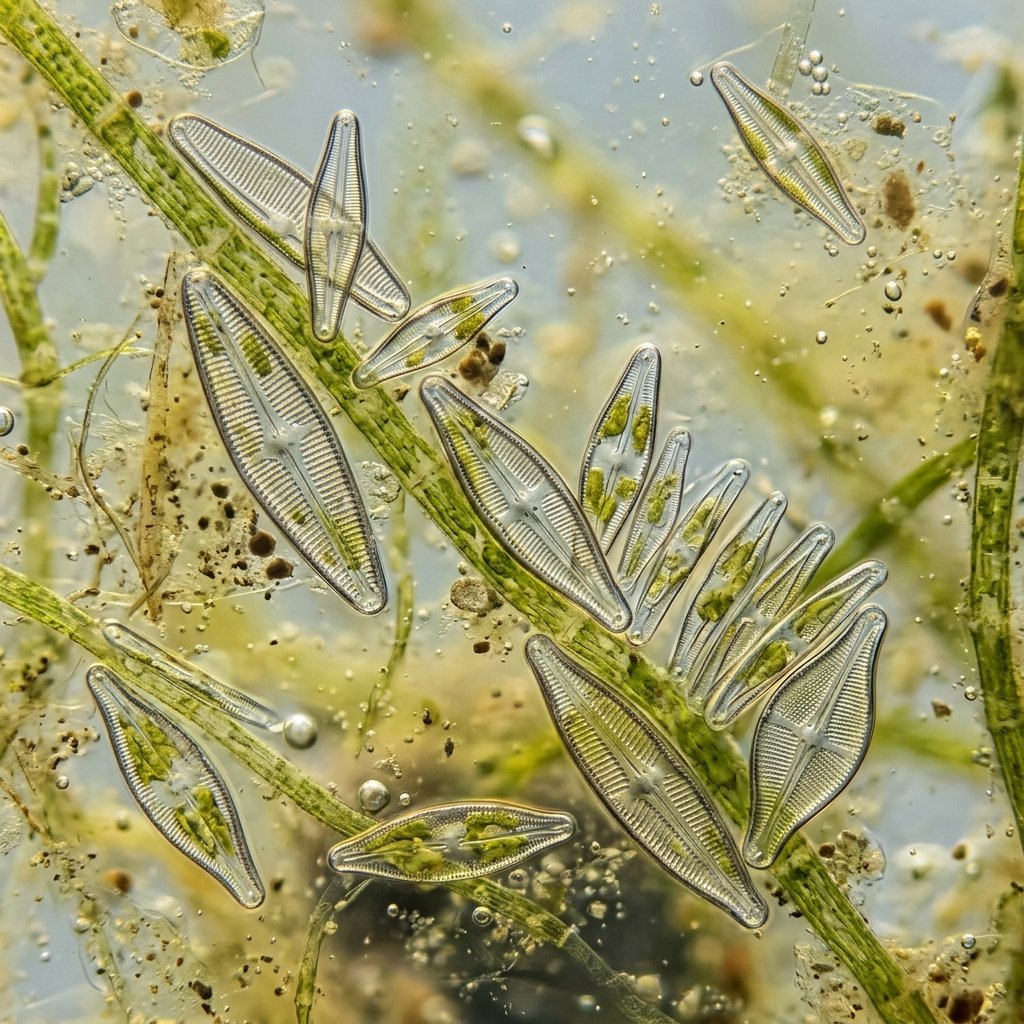
Microscopic algae that have beautiful, glass-like shells. They produce a huge portion of the oxygen we breathe.