Plant
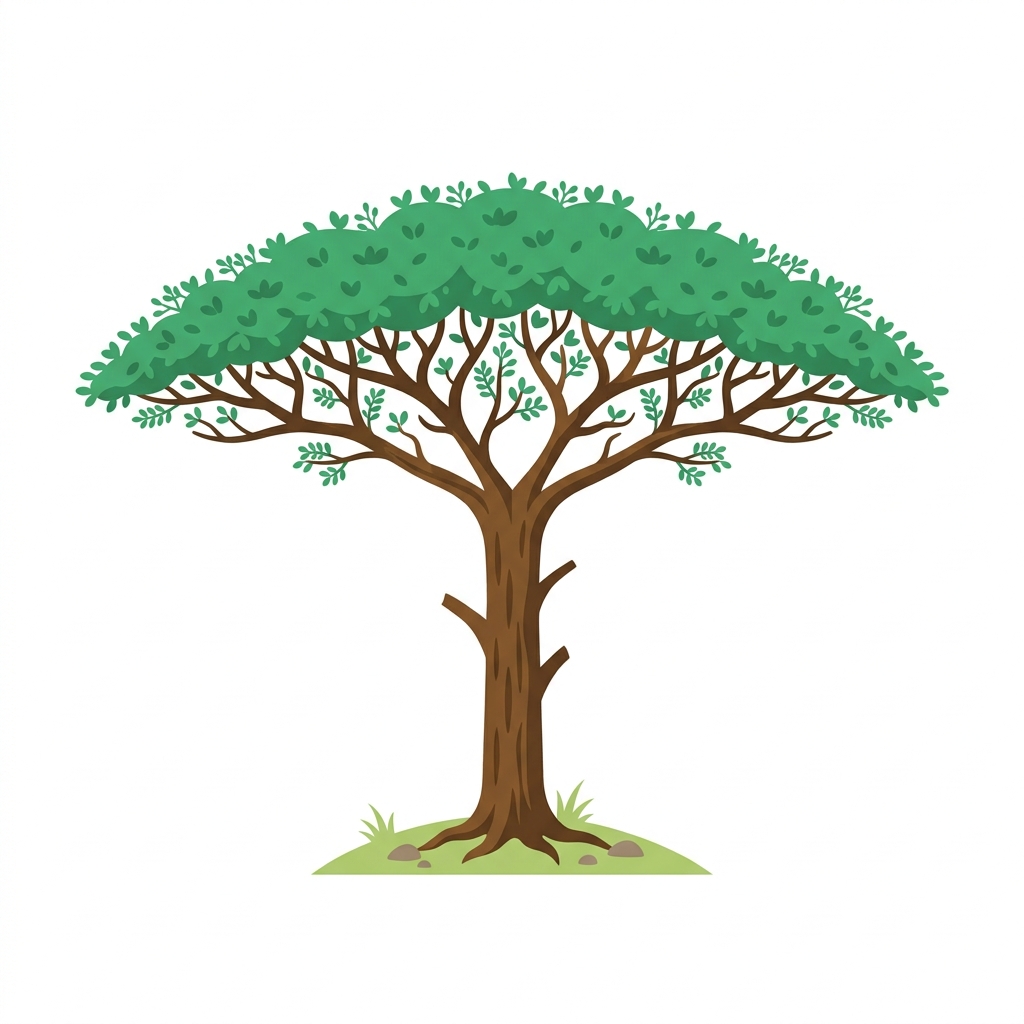
Acacia Tree
Tree
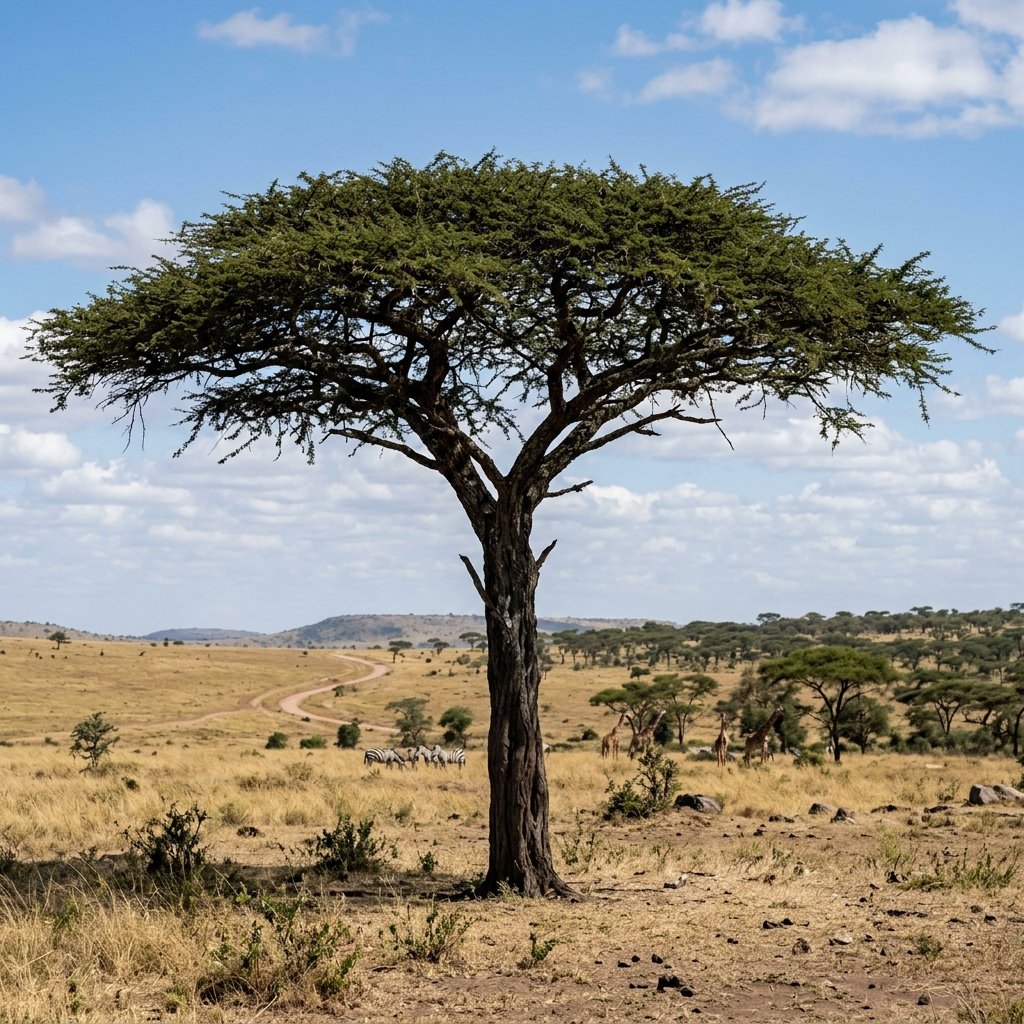
A thorny tree iconic to the African savanna. It survives long dry seasons and has deep roots.
🕸️ Food Web
ProducerClick to explore how the Acacia Tree fits into the ecosystem!
🎴 Field Research Data Cards
Picture
Units
Acacia Tree
P
Max Height21 m
Spread / Width20 m
Growth Rate~40 cm/yr
Lifespan150 years
Toughness
85
Resilience
90
Printable Data Cards: Acacia Tree
Acacia Tree
P
Max Height21 m
Spread / Width20 m
Growth Rate~40 cm/yr
Lifespan150 years
Toughness
85
Resilience
90
Acacia Tree
S
PollinationInsect-pollinated — fragrant cream pompom flowers draw bees and other insects
Seed DispersalLarge herbivores eat the curled pods; gut passage scarifies and spreads the seeds
DefencesPaired long straight and short hooked thorns; tannins raised in browsed foliage
Special AbilityA flat umbrella crown gathers light while shading its own roots, fed by a taproot reaching groundwater
Flowering SeasonMainly after the rains (no UK equivalent season)
Seeds / YearThousands of seeds in its coiled pods
Human UsesFodder pods, firewood and charcoal, gum, shade and soil stabilisation
Record TraitAmong the deepest-rooted trees known, reaching groundwater tens of metres down
Acacia Tree
C
StatusLeast Concern (IUCN)
Native StatusNon-native to the UK — native to African and Middle-Eastern savanna and Sahel; not winter-hardy here
Primary HabitatAfrican savanna, Sahel and arid bushland
Ecosystem RoleKeystone savanna tree — browse for giraffe, elephant and antelope; a nitrogen-fixing legume enriching the soil
Human ImpactPressure from firewood cutting and browsing; a vital pastoral resource
Adaptability
80