Plant
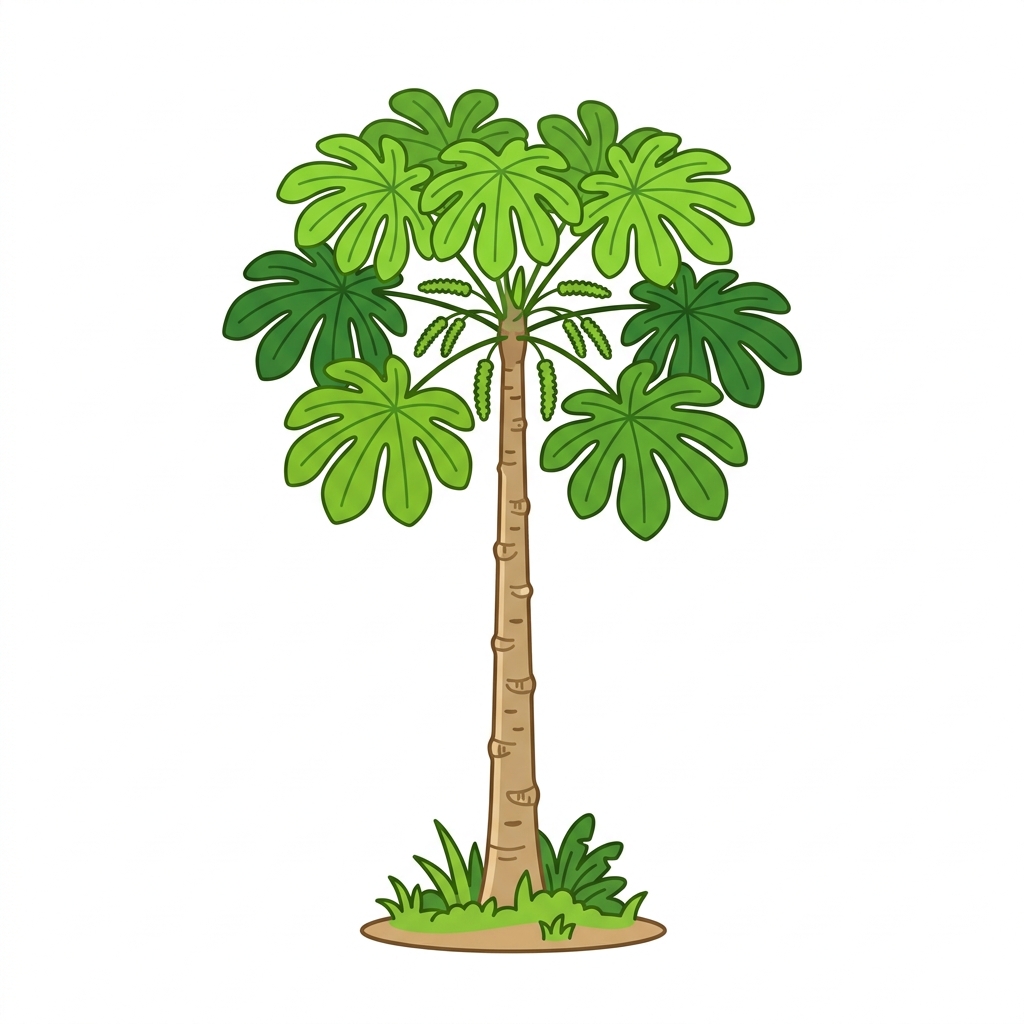
Cecropia Tree
Tree
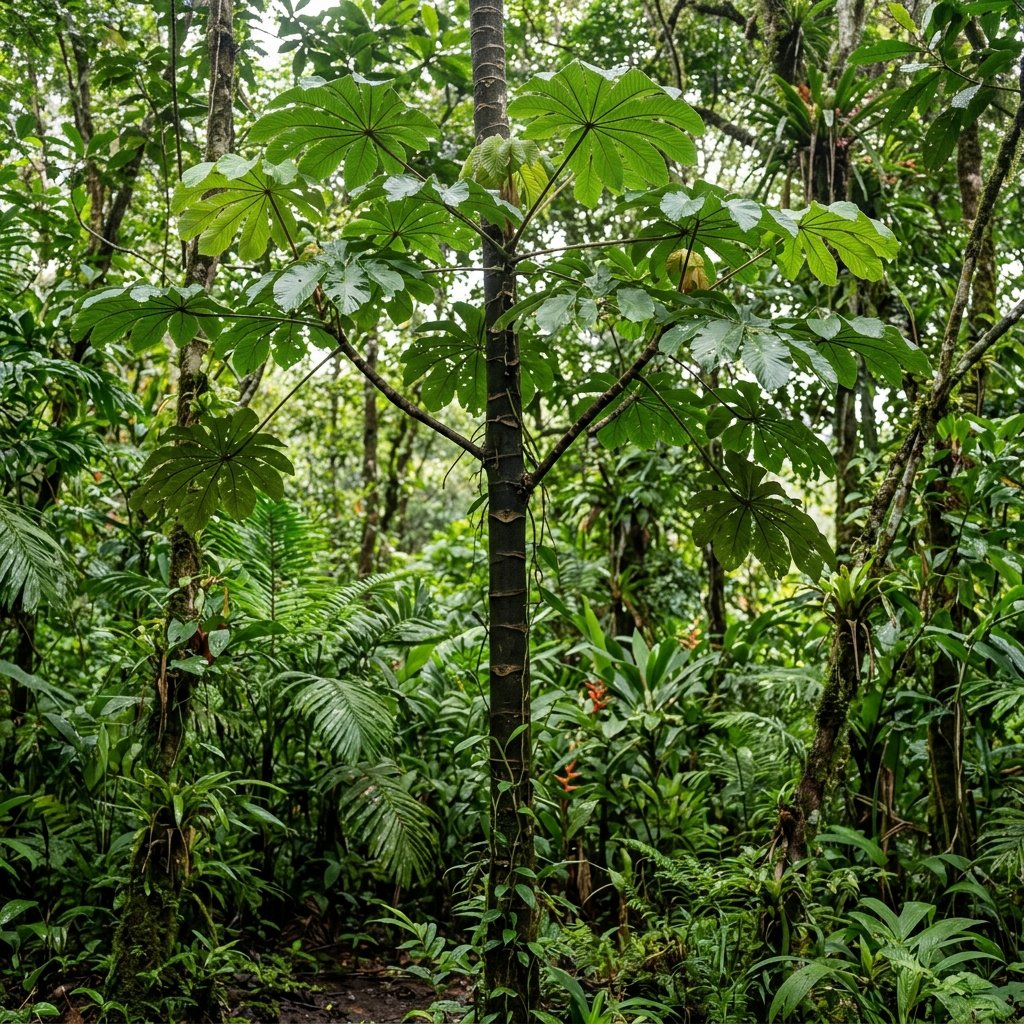
A fast-growing pioneer tree in the tropical rainforest, known for large, deeply lobed leaves favoured by sloths.
🕸️ Food Web
ProducerClick to explore how the Cecropia Tree fits into the ecosystem!
🎴 Field Research Data Cards
Picture
Units
Cecropia Tree
P
Max Height15 m
Spread / Width6 m
Growth Rate~150 cm/yr
Lifespan25 years
Toughness
35
Resilience
55
Printable Data Cards: Cecropia Tree
Cecropia Tree
P
Max Height15 m
Spread / Width6 m
Growth Rate~150 cm/yr
Lifespan25 years
Toughness
35
Resilience
55
Cecropia Tree
S
PollinationWind-pollinated (dioecious — male and female on separate trees)
Seed DispersalBirds, bats and monkeys eat the fruiting spikes and spread the tiny seeds
DefencesMutualist Azteca ants live in the hollow stem and attack herbivores and climbing vines
Special AbilityHouses defensive ants in its hollow stem, feeding them on fatty 'food bodies', while growing explosively fast
Flowering SeasonVariable — often flowering more than once a year in the tropics
Seeds / YearMany thousands of tiny seeds that build a long-lived soil seed bank
Human UsesLight balsa-like wood and fibre, plus leaves used in traditional heart and blood-pressure remedies
Record TraitOne of the fastest-growing tropical trees — seedlings can add over 2 m of height in a single year
Cecropia Tree
C
StatusLeast Concern (a common pioneer); listed among the world's worst invasive species where introduced
Native StatusNon-native to the UK — native to the Neotropics (Central and South America and the Caribbean); not frost-hardy
Primary HabitatTropical forest gaps, clearings, riverbanks and disturbed secondary forest
Ecosystem RoleKeystone pioneer — rapidly recolonises gaps and is a staple food of sloths, monkeys, birds and bats
Human ImpactQuickly colonises cleared land; invasive outside its native range; used medicinally
Adaptability
75