High Alpine Peaks 🏔️
The rugged, rocky, and steep slopes of mountains above the 'tree line', where the air is thin and the weather is unpredictable.
📄 Educational Handout Available
Download the printable infographic for this habitat.
Climate & Environment
Very cold and windy with thin air (less oxygen). It gets much colder the higher up the mountain you climb.
Key Plants
Alpine cushion plants, mosses, and tough grasses that grow low to the ground to avoid the fierce winds. No trees can survive up here.
💡 Fun Facts
- The paws of a snow leopard are extremely wide and act like natural snowshoes, stopping them from sinking into deep drifts.
- Unlike most big cats, snow leopards cannot roar. Instead, they make a non-aggressive puffing sound called a 'chuff'.
Key Creatures
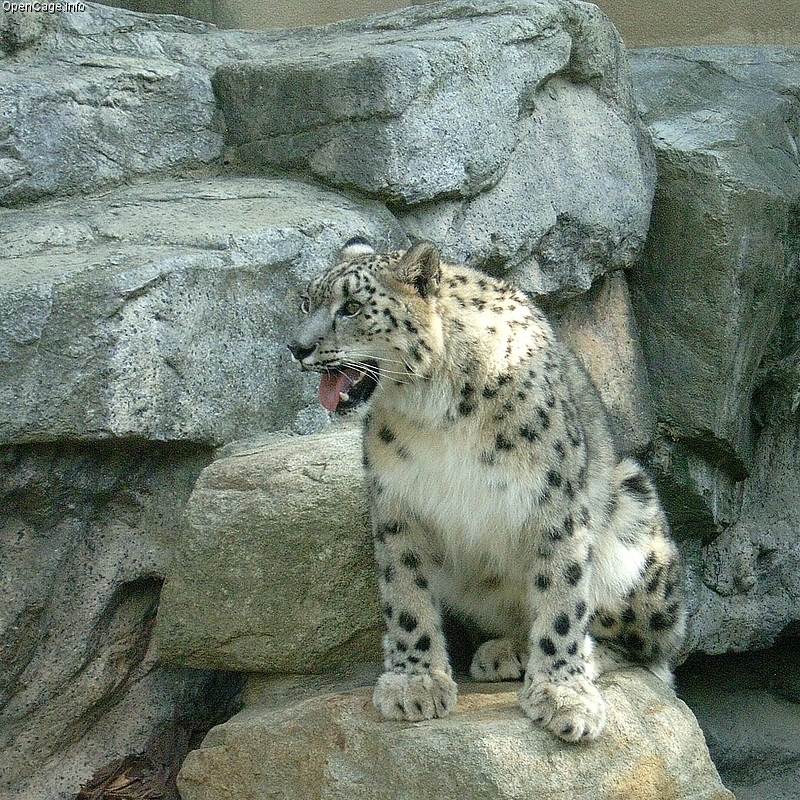
Snow Leopard
Panthera uncia
How it survives here:
Has a giant, thick tail nearly a metre long, which it wraps around its face like a scarf to stay warm while sleeping on freezing rocky ledges.
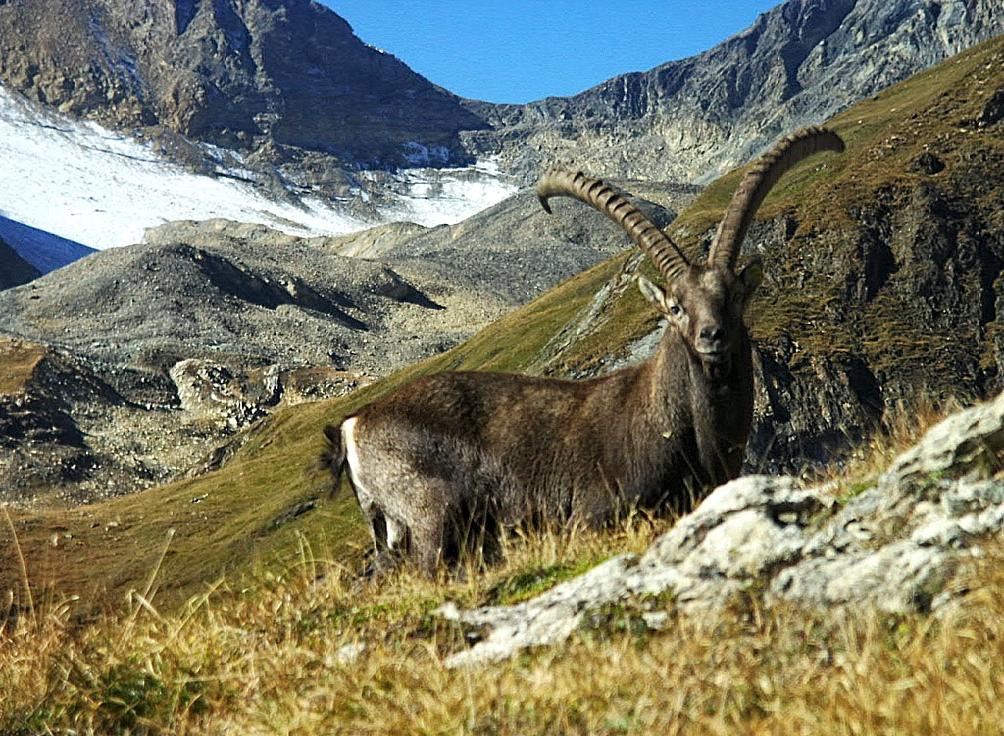
Alpine ibex
How it survives here:
Has specialized cloven hooves with soft, rubbery pads that grip sheer, nearly vertical rock faces.
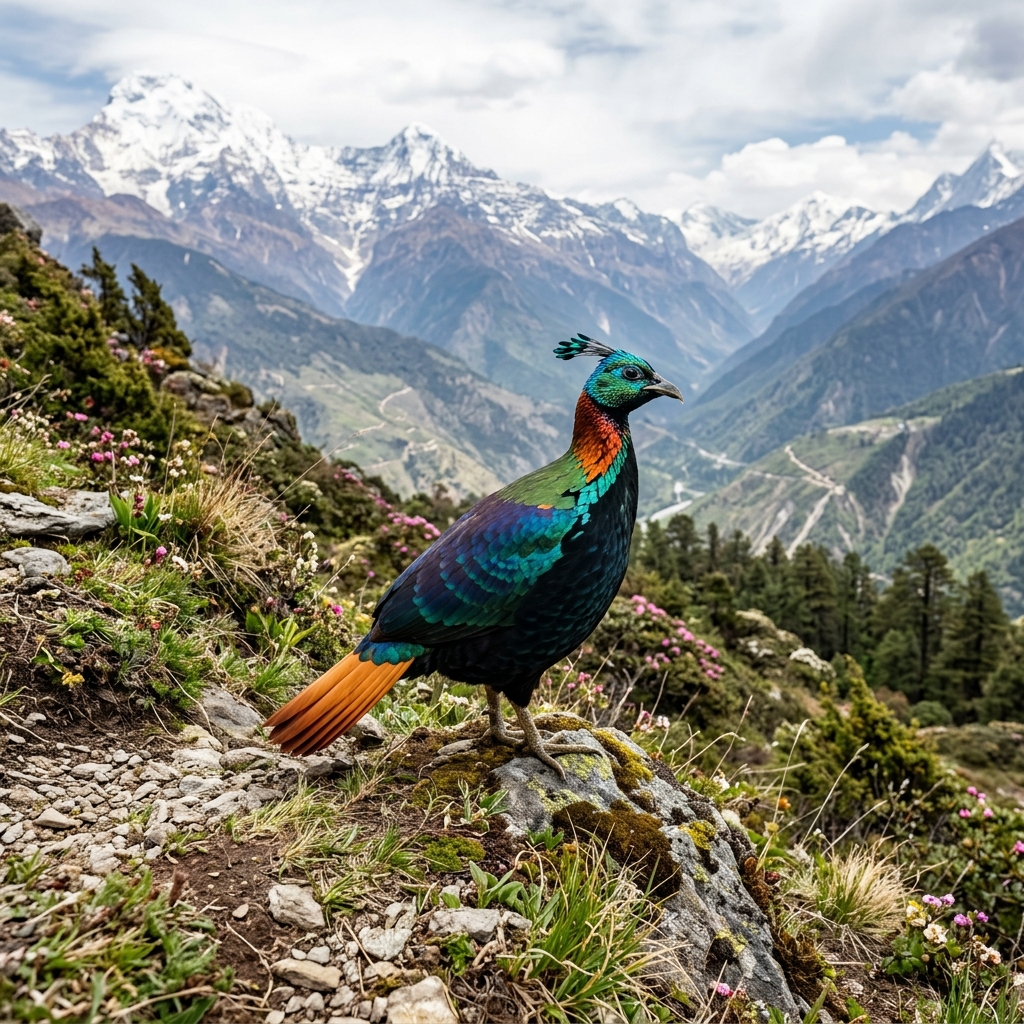
Himalayan monal
How it survives here:
A hardy bird that uses its strong curved beak to dig through mountain snow to find buried roots and seeds.
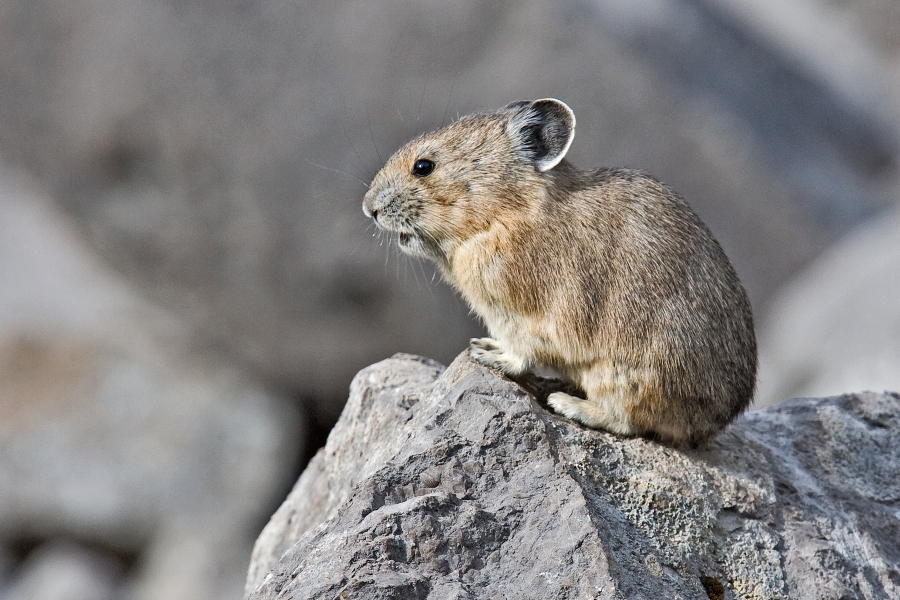
Pika
How it survives here:
Gathers and dries huge piles of wildflowers in summer to eat during the freezing winter.
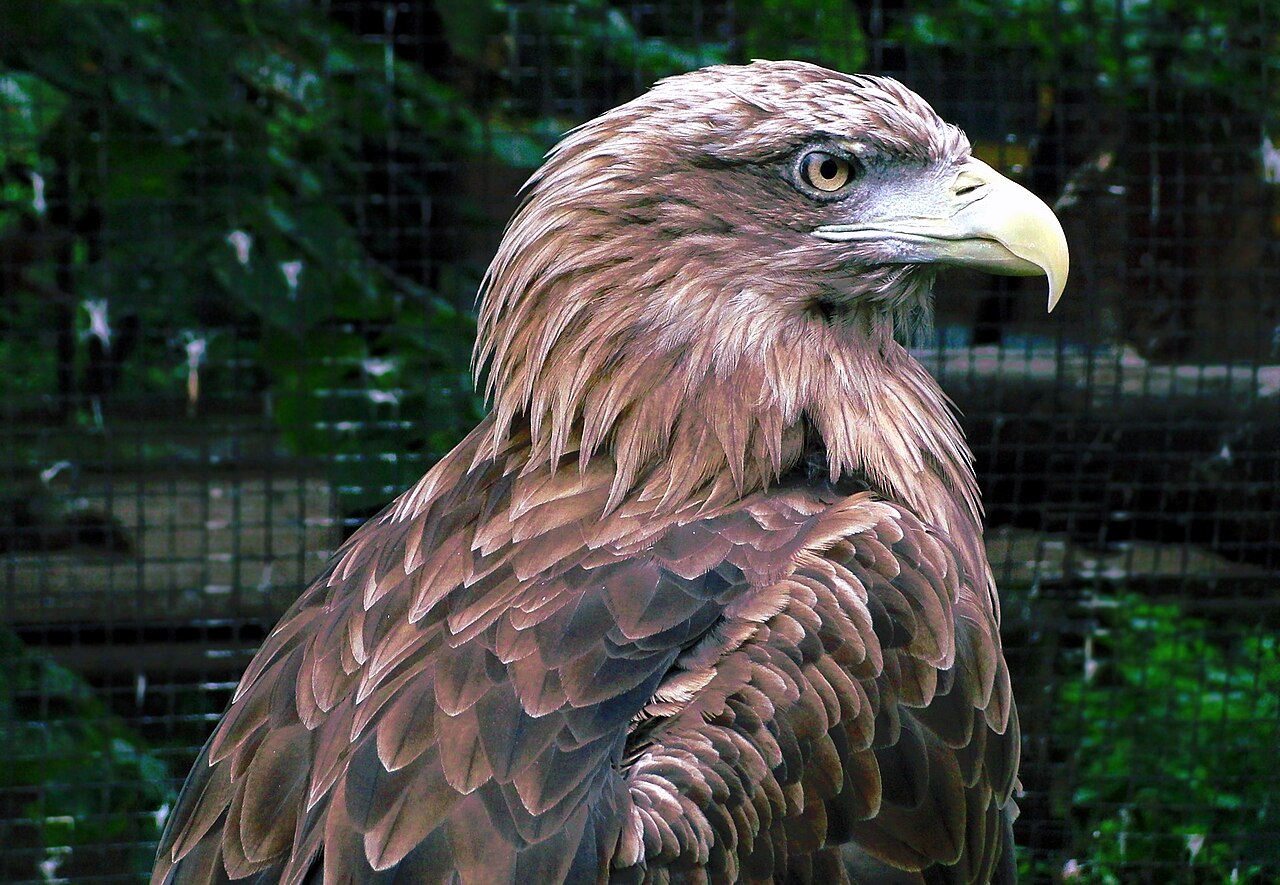
Golden Eagle
How it survives here:
Uses massive wings to ride thermal updrafts high above the mountains while searching for prey.