Desert Habitat
Hot Desert Sands 🐍
Loose sand that gets dangerously hot during the daytime.
📄 Educational Handout Available
Download the printable infographic for this habitat.
Climate & Environment
Hot desert climate with loose, wind-blown sand that makes movement difficult.
Key Plants
Creosote bush and brittlebush scattered sparsely.
💡 Fun Facts
- The unique 'sidewinding' motion of some desert snakes keeps only two points of their body touching the hot sand at any time, preventing burns.
- Sidewinders can bury themselves in the sand with just their eyes poking out, perfectly camouflaged to ambush lizards.
Key Creatures
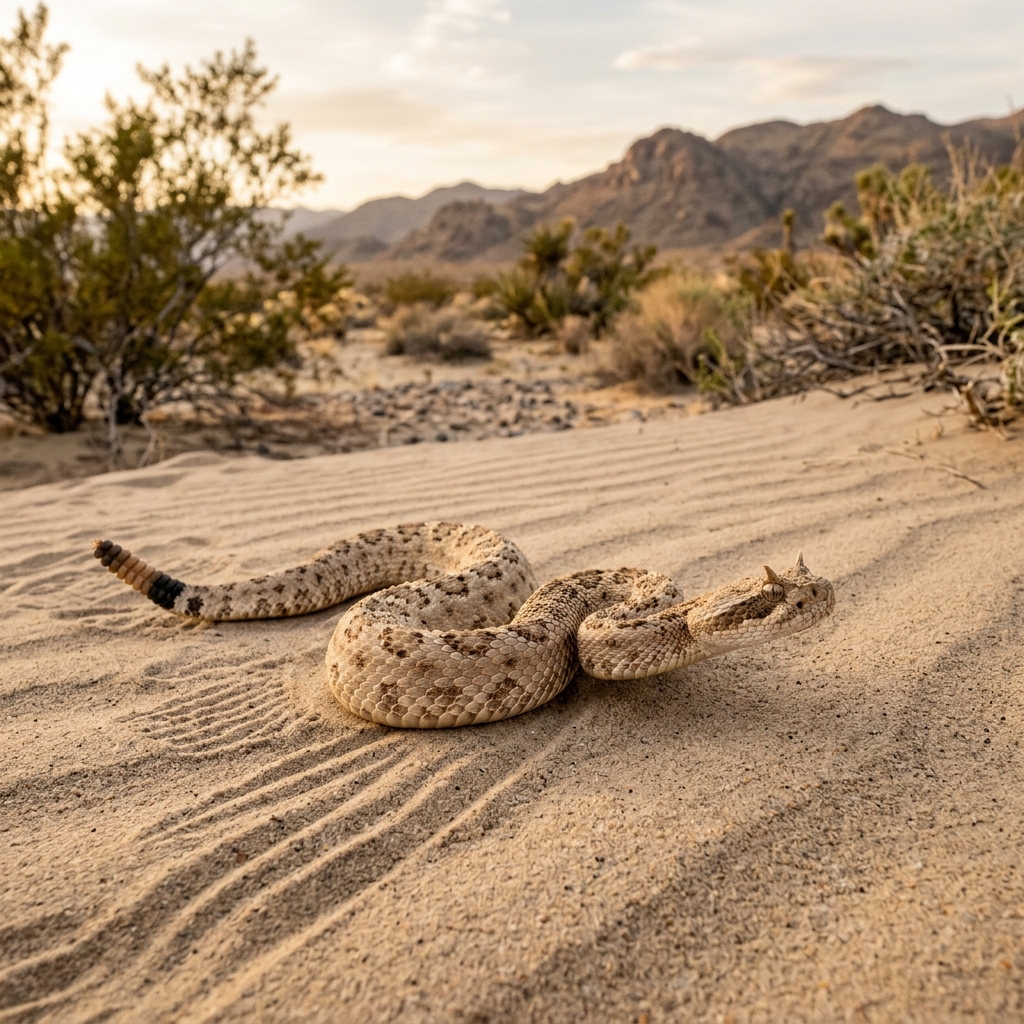
Sidewinder Rattlesnake
Crotalus cerastes
How it survives here:
Moves in a unique sideways motion (J-shape) so only two small points of its body touch the burning sand at any one time.
View Creature Detail
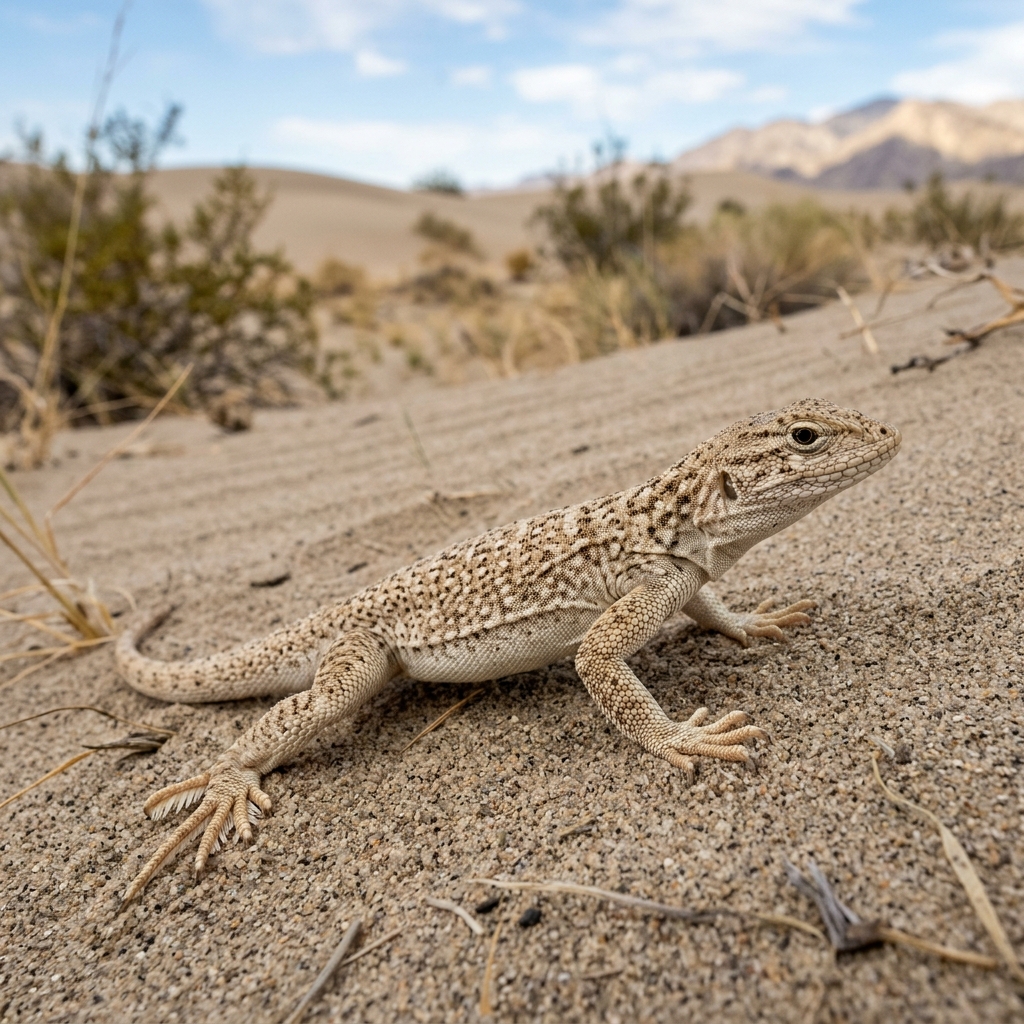
Fringe-toed lizard
How it survives here:
Has scale 'fringes' on its toes that let it run quickly across loose, scorching sand without sinking in.
View Creature Detail
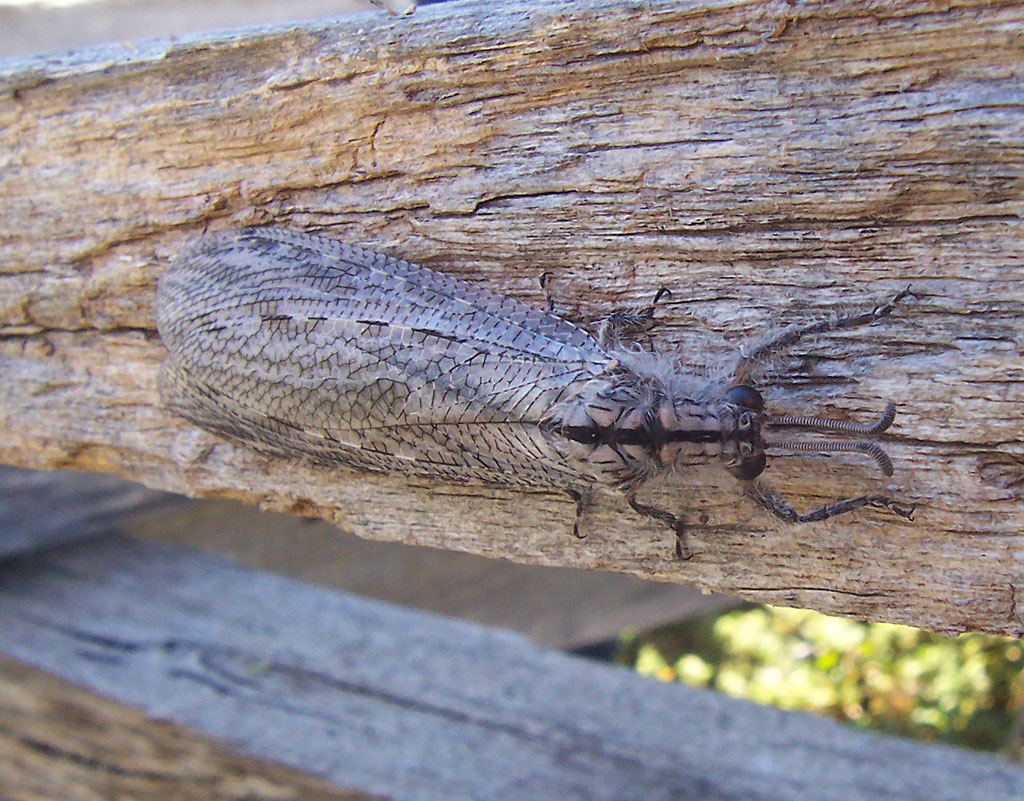
Antlion
How it survives here:
Digs clever pitfall traps in the loose sand to catch unwary insects that slip down the sides.
View Creature Detail
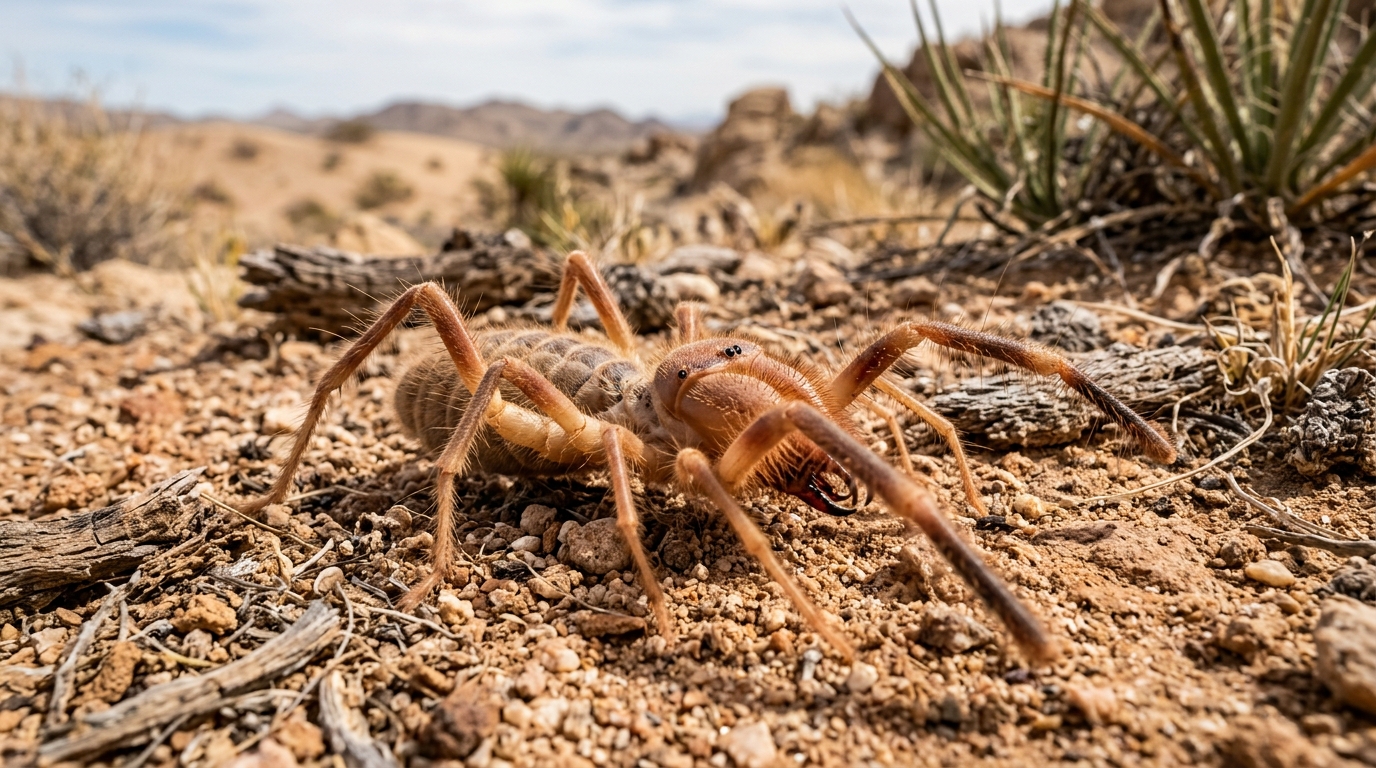
Camel Spider
How it survives here:
A fast-running arachnid that stays in the shade during the day to avoid the scorching sun.
View Creature Detail
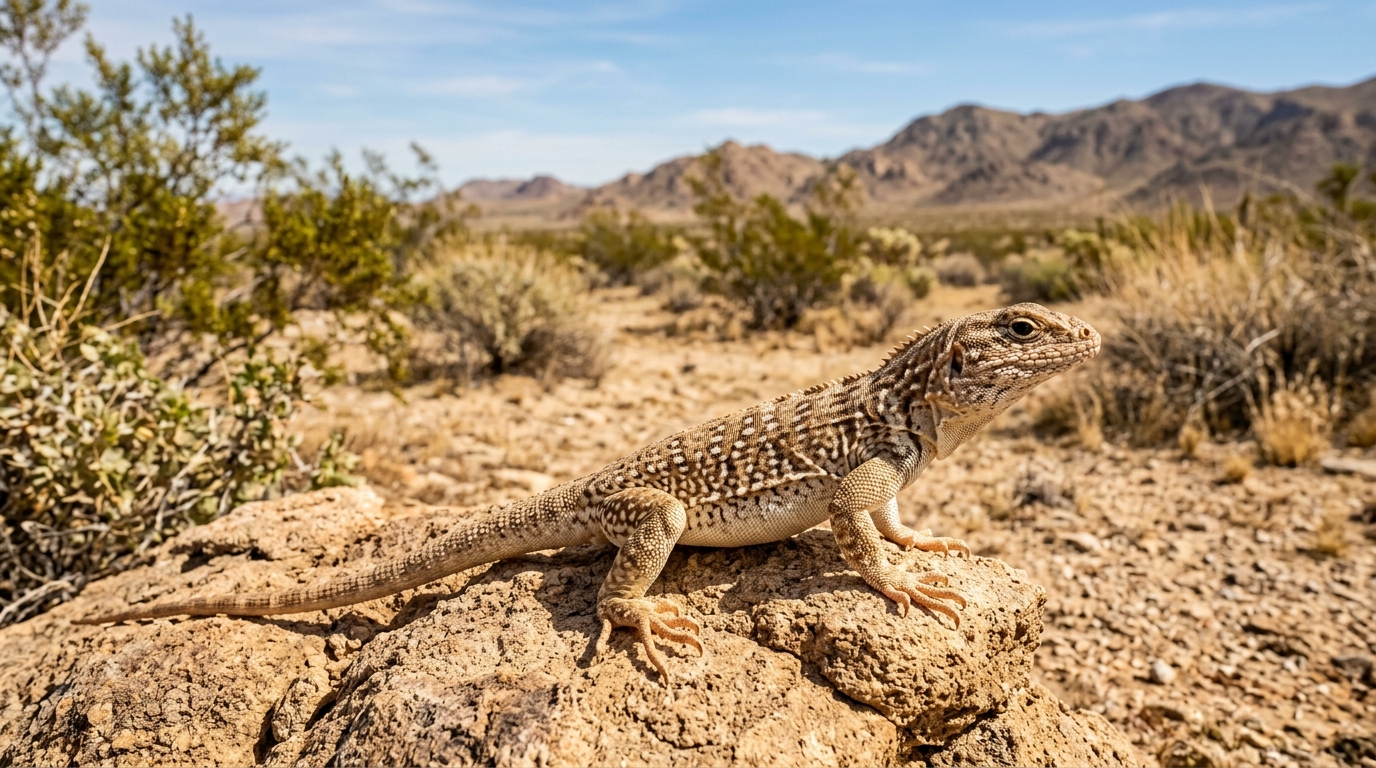
Desert Iguana
How it survives here:
Burrows into the loose sand to escape the extreme midday heat.
View Creature Detail