Adaptation to suit environment
Curriculum Requirement
Identify how animals and plants are adapted to suit their environment in different ways and that adaptation may lead to evolution.
Nature Examples
The blobfish perfectly illustrates extreme adaptation: living at depths up to 1,200 meters where water pressure is up to 120 times higher than at the surface. To survive without expending energy, it has evolved gelatinous, low-density flesh and completely lacks a gas-filled swim bladder (which would instantly burst under such pressure).
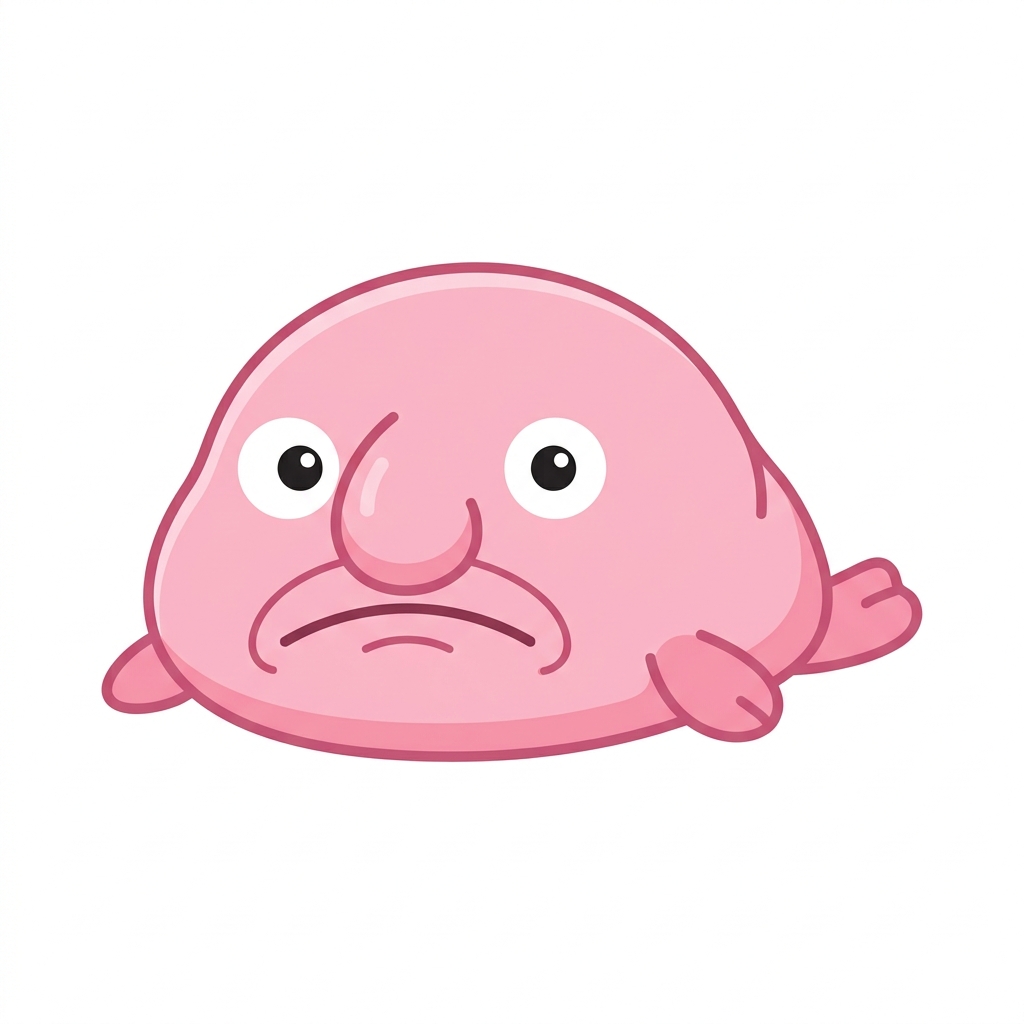
Blobfish
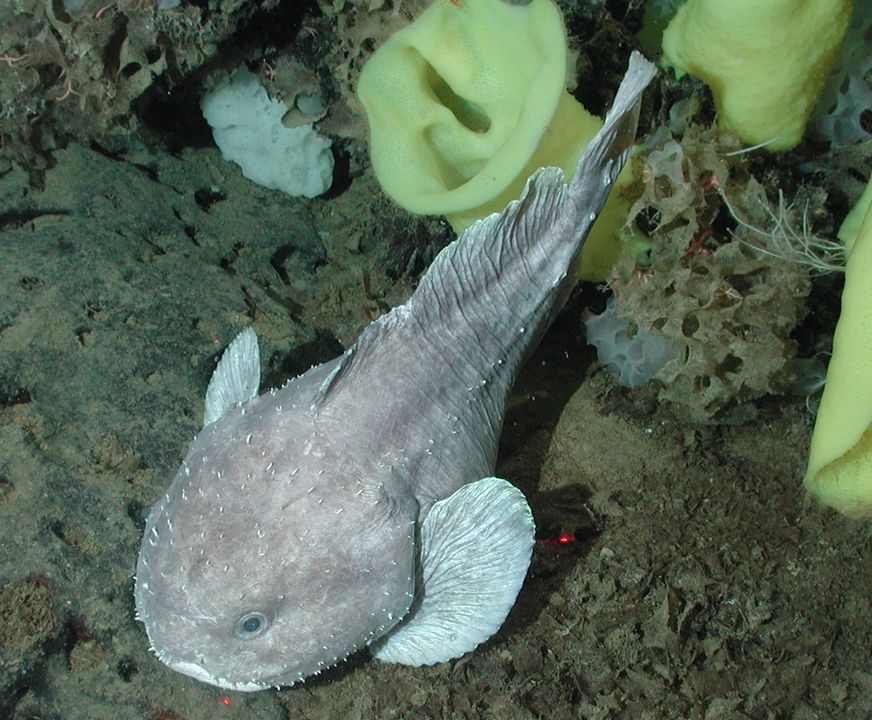
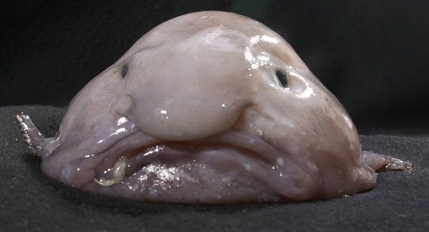
Deep down on the pitch-black ocean floor lives the blobfish, one of nature's squishiest marvels. In the crushing pressure of the deep sea, it looks just like a normal swimming fish. But if it is brought up to the surface where there is no water pressure, its jelly-like body relaxes into its famous gooey blob shape!
💡 Fun Facts
- Under pressure: The blobfish only looks like a pink, gooey puddle on dry land! Down in the deep ocean, the immense weight of the water presses against its body, keeping it sleek and firmly in shape.
- Jelly-powered floating: Deep-sea pressure would crush a regular fish's air bladder, so the blobfish has soft bones and jelly-like flesh that is lighter than water, letting it bob effortlessly above the seabed without tiring itself out.
- Patience is on the menu: Instead of wasting energy chasing food, this relaxed creature hovers quietly above the seafloor with its mouth open, waiting for tasty snacks like tiny crabs and sea snails to drift straight inside!
The axolotl perfectly demonstrates a rare evolutionary trait called neoteny. Instead of spending energy transforming into a land-dwelling adult salamander, it adapted to stay in its aquatic 'baby' form forever! This meant it didn't need to compete for food on land, but it left the axolotl completely reliant on its specific lakes staying clean and full of water.
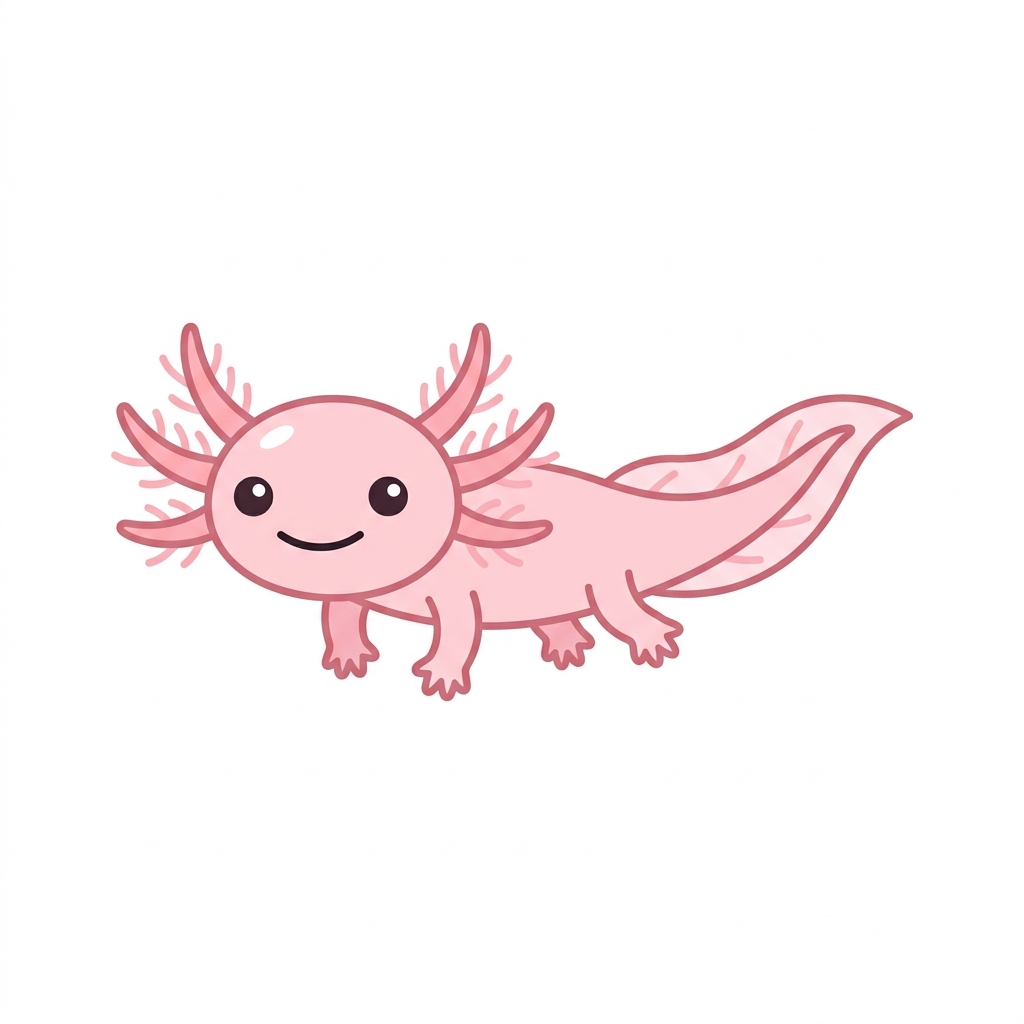
Axolotl
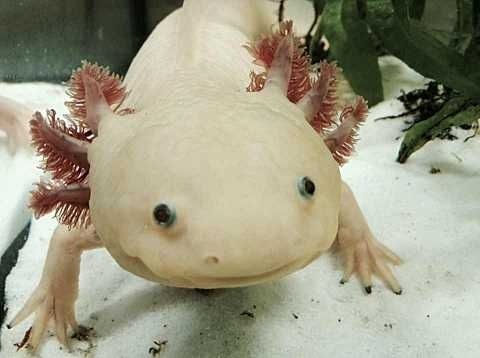
Meet the axolotl, a smiling underwater salamander that looks like a friendly little water dragon! With their feathery pink gill frills and sweet faces, these cheerful amphibians spend their whole lives paddling happily through calm freshwater lakes.
💡 Fun Facts
- They stay 'forever young' their entire lives, keeping their tadpole tails and feathery gills instead of moving onto land like other salamanders!
- They have a real-life superhero superpower: if they lose a leg, toe, or tail, they can completely regrow a brand-new, perfect one without any scars!
- Those pink, frilly crowns around their heads are actually gills that gently flutter in the water to help them breathe.

Arctic Fox
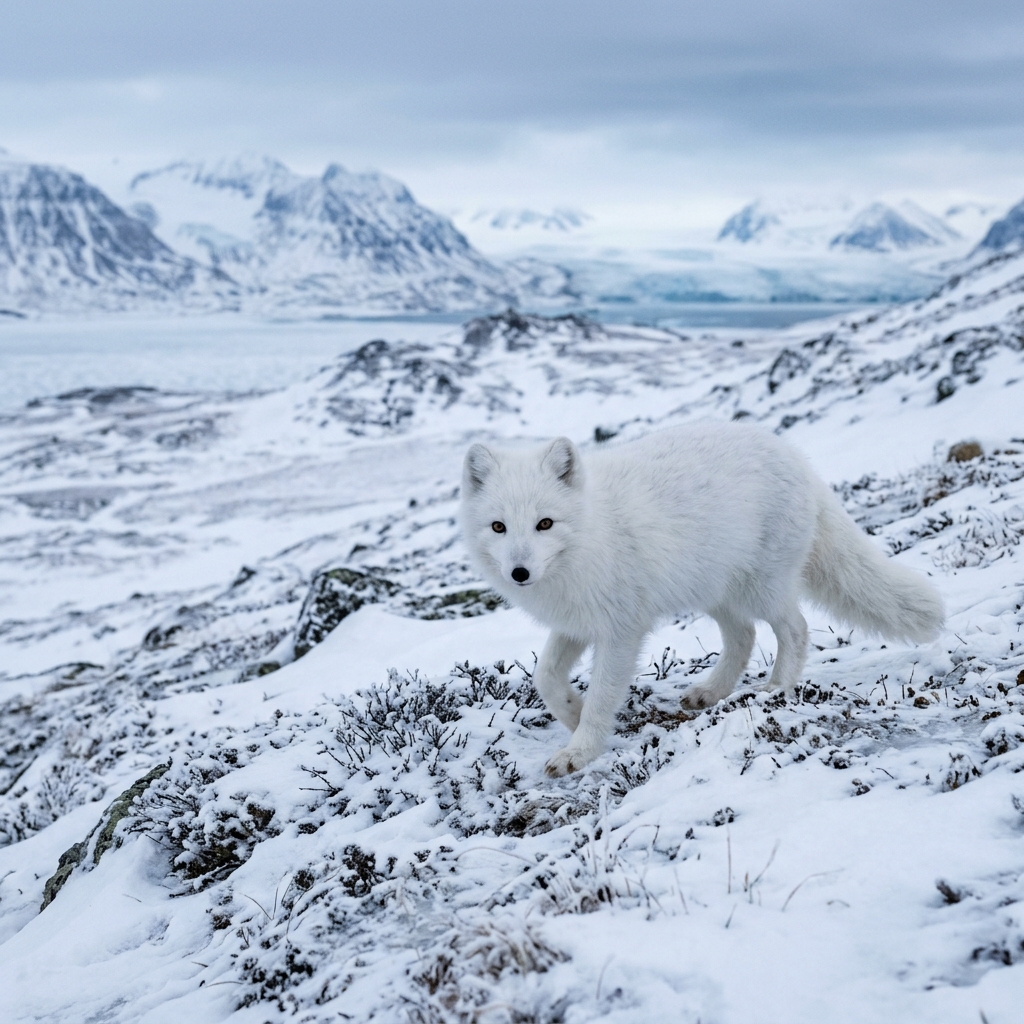
A small fox with a thick coat that changes color with the seasons.
💡 Fun Facts
- Their fur turns from brown in summer to white in winter for camouflage.
- They wrap their bushy tails around themselves like a blanket to stay warm.
- They have fur on the soles of their feet to prevent slipping on ice.
Cactus
A succulent plant that thrives in dry, desert climates.
Adaptations: A desert plant with a thick, waxy stem to store water and sharp spines instead of leaves for protection.
💡 Fun Facts
- Stem: The thick, waxy skin on a cactus stem acts like a waterproof layer to stop the water inside from evaporating. The stem's pleated shape allows it to expand like an accordion to hold more water when it rains.
- Spines: Cactus spines are actually highly modified leaves. They defend the plant from thirsty animals and also provide a bit of shade.
- Roots: The roots of a cactus are very shallow but spread out over a large area, allowing the plant to quickly soak up any rainwater before it dries up.
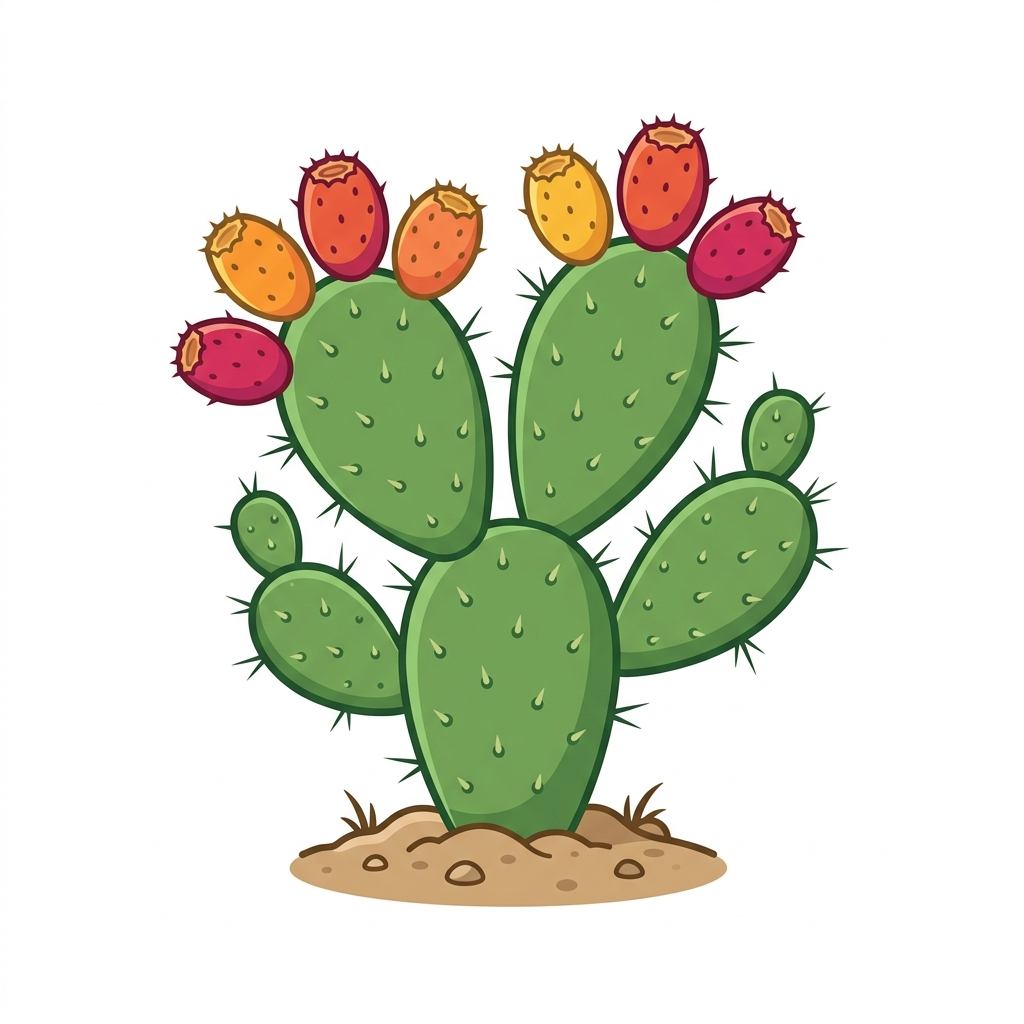
Prickly Pear
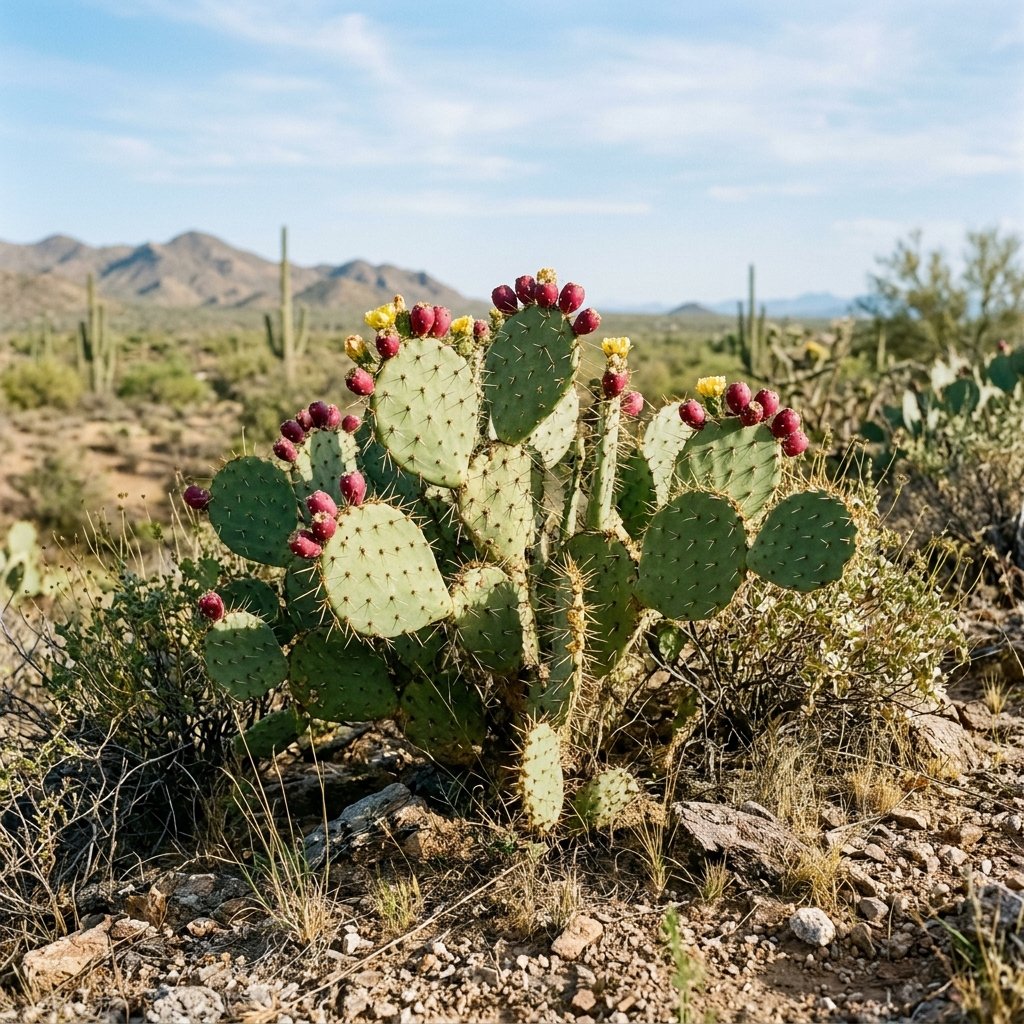
A drought-loving cactus with flat, spiny pads and sweet fruit, native to Mexico and now growing wild around the Mediterranean.
💡 Fun Facts
- Its flat, fleshy "pads" are actually its stems — and the spines are really its leaves!
- It saves water with a clever trick called CAM photosynthesis, opening its pores only at night.
- The sweet fruit (called a "tuna") and the young pads ("nopales") are both eaten all over the world.
📅 Through the Year
- Flowering:May to July
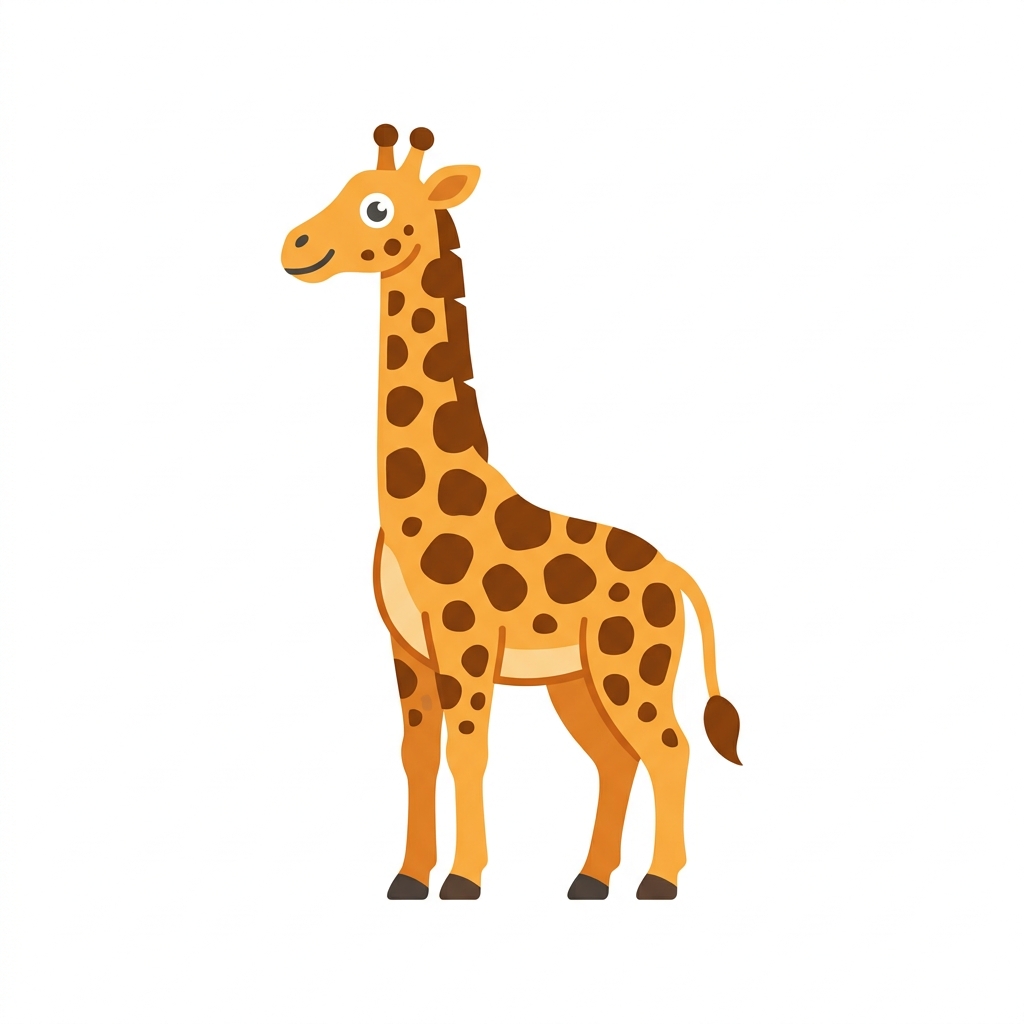
Giraffe
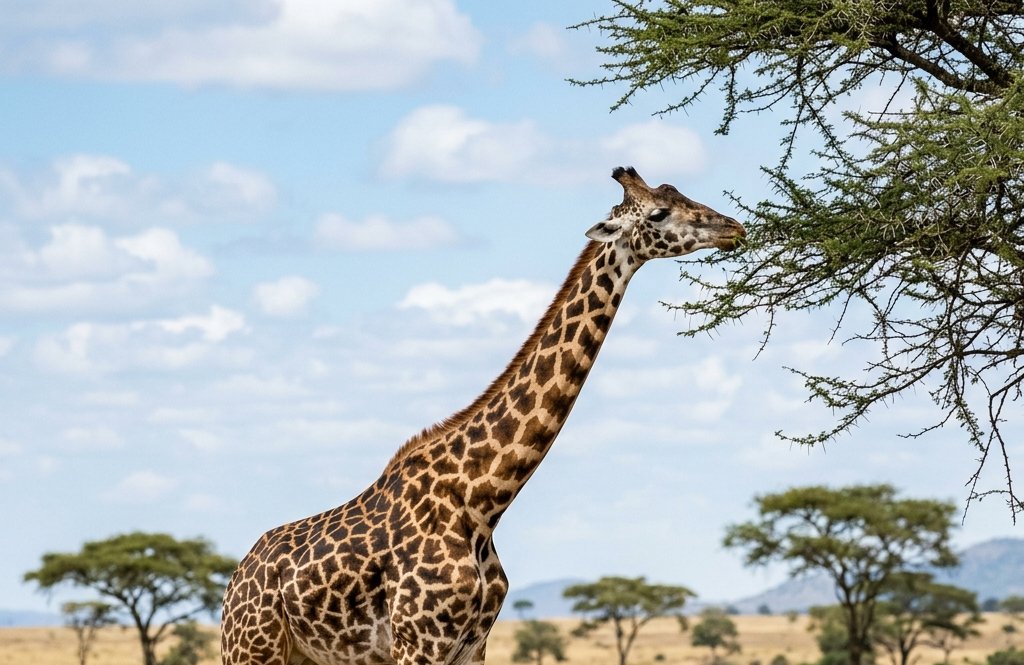
The tallest living land animal, known for its incredibly long neck.
💡 Fun Facts
- A giraffe's neck is too short to reach the ground, so it has to splay its legs to drink.
- They only need to drink once every few days because they get most of their water from leaves.
- Each giraffe's spot pattern is completely unique, like a human fingerprint.
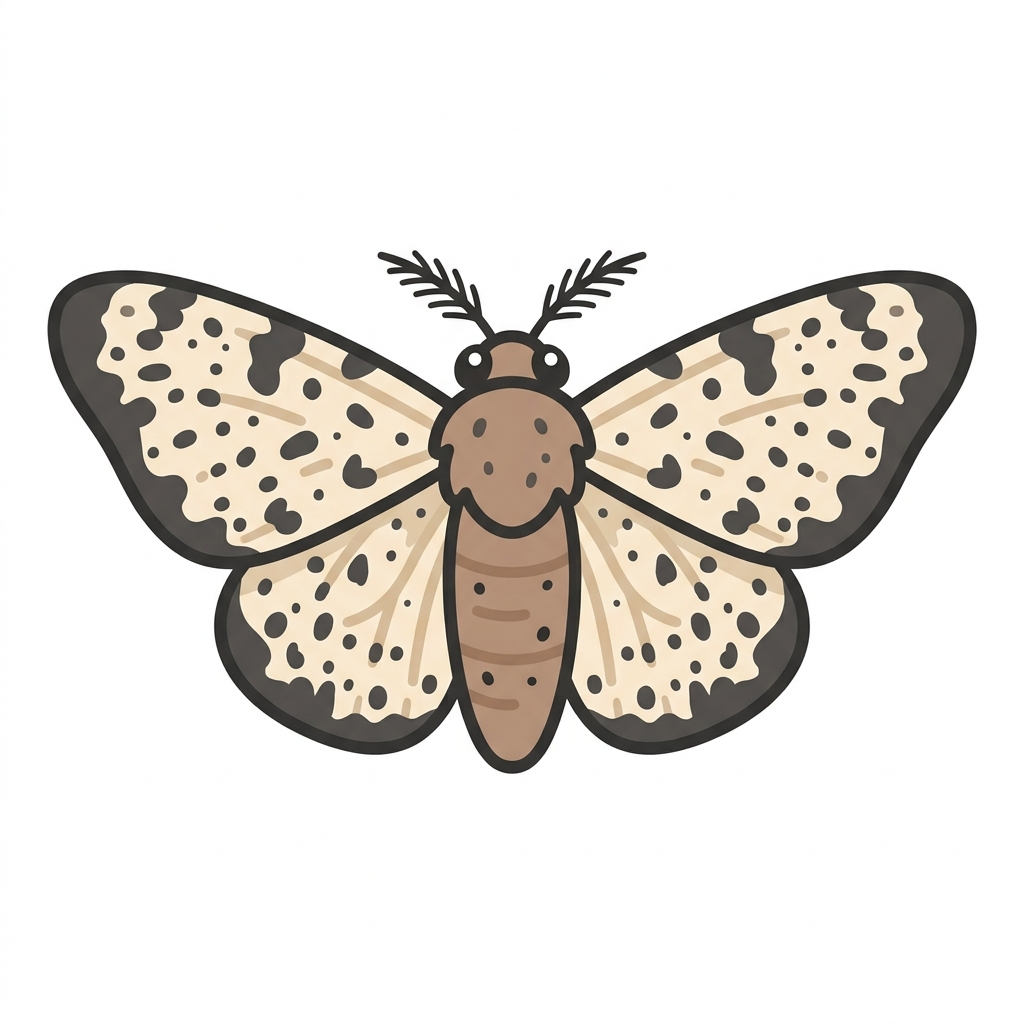
Peppered Moth
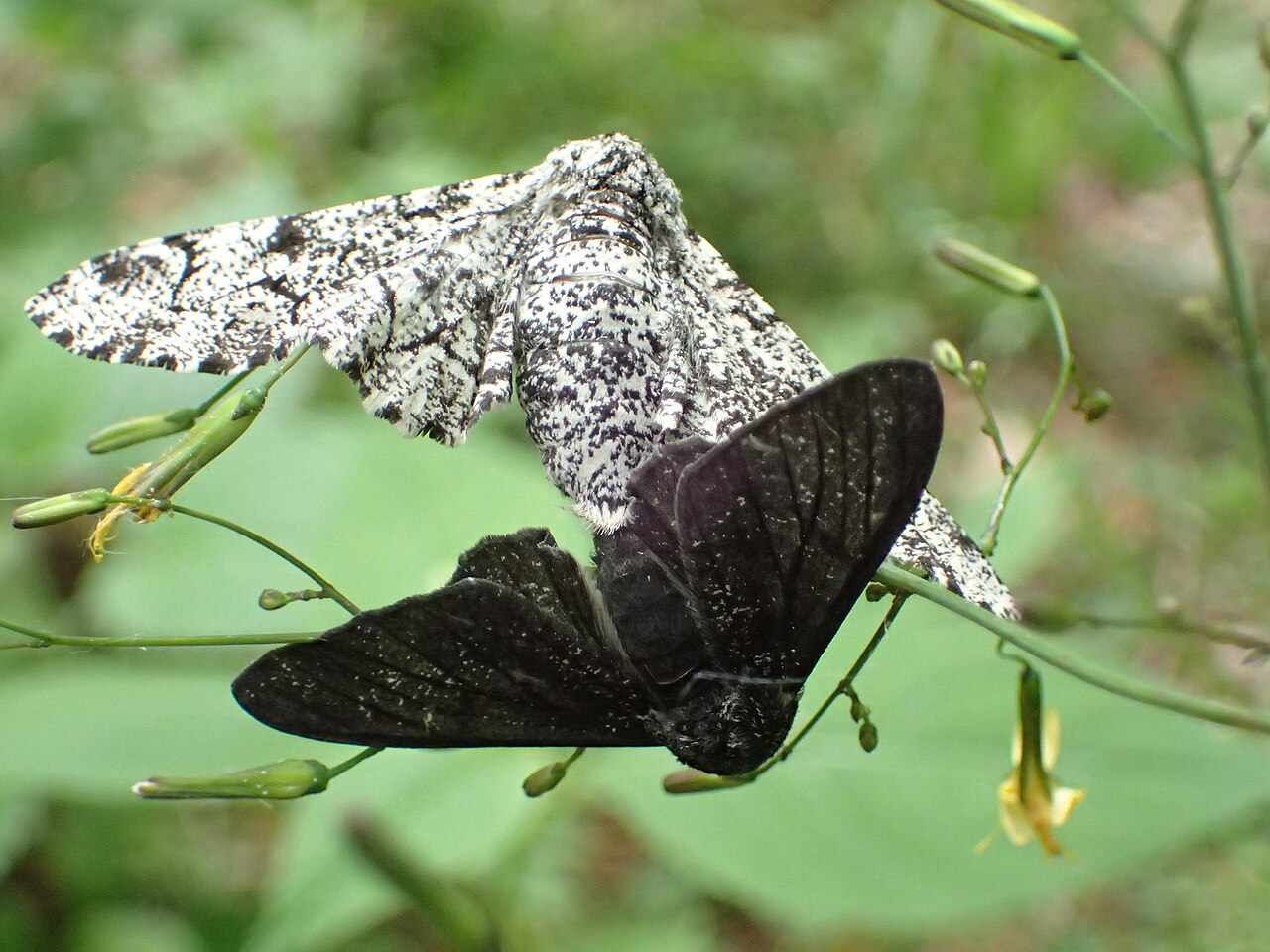
A common moth from Britain, famous for changing its colour to stay hidden as its surroundings changed.
Adaptations: A famous example of natural selection, where the darker form of the moth became more common on soot-covered trees during the Industrial Revolution because it was better camouflaged.
💡 Fun Facts
- Camouflage: Before pollution, the light, speckled form of the peppered moth was most common because it blended in perfectly with lichen on tree bark. The rare dark form was easily spotted and eaten by birds.
- Industrial Melanism: During the Industrial Revolution, soot from factories killed the lichen and blackened the tree trunks. Suddenly, the dark moths were camouflaged, and the light ones were easily spotted.
- Evolution in Action: As air quality has improved in recent decades, the lichens have returned and tree trunks are cleaner. The light-coloured peppered moth has now become the more common form again, providing a perfect example of evolution that scientists have observed.
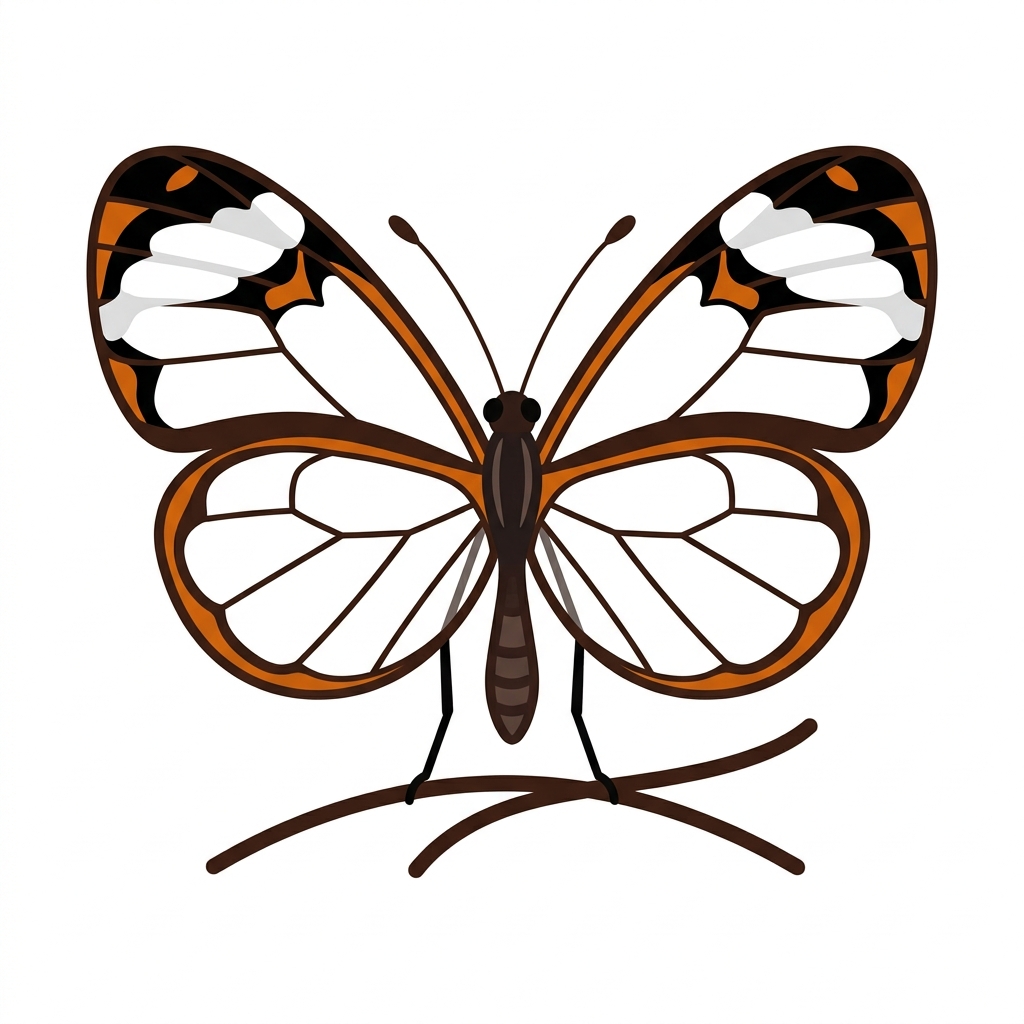
Glasswing Butterfly
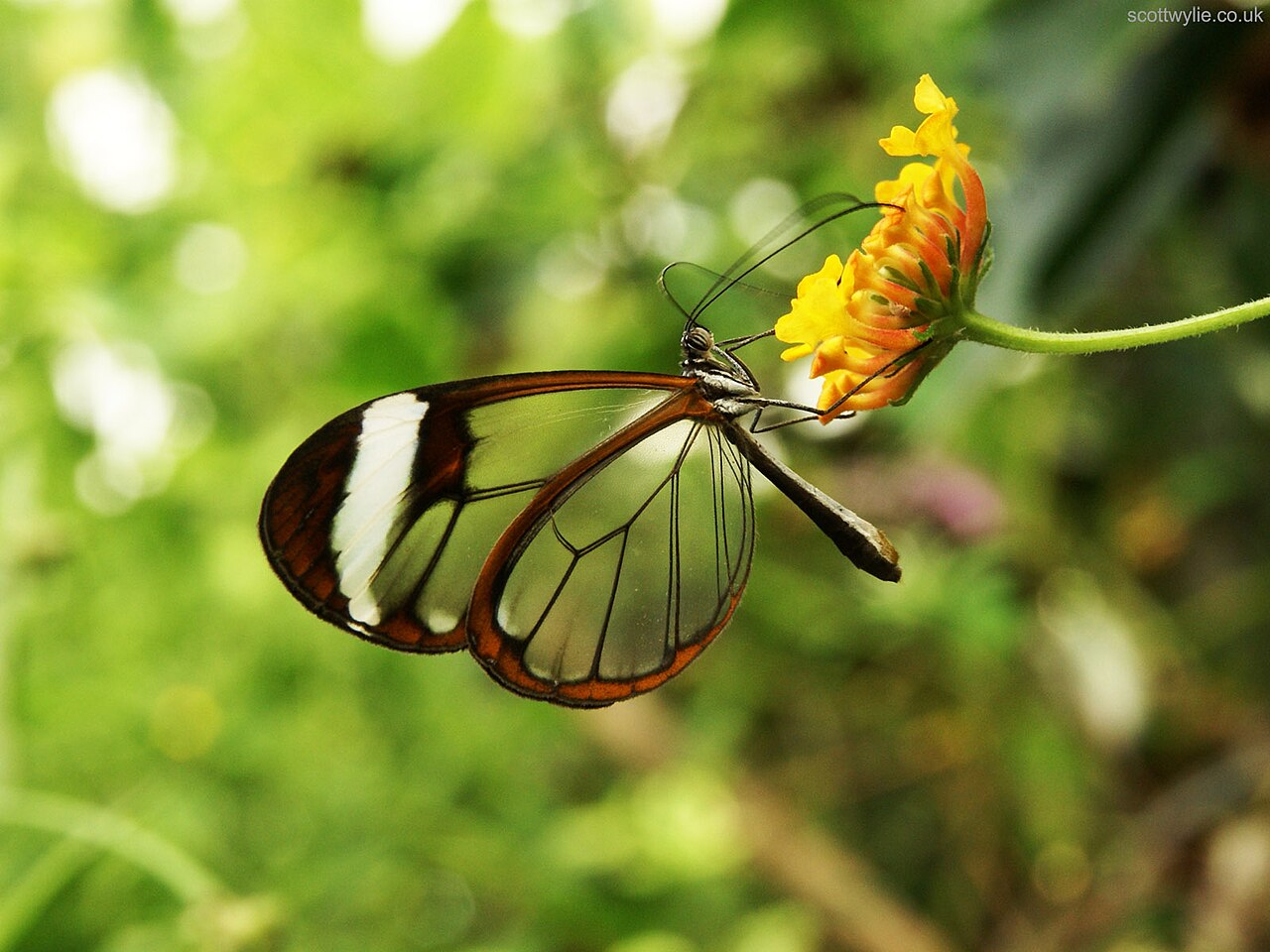
A beautiful butterfly found in Central and South America with wings that look like clear glass.
Transparent Camouflage: Its transparent wings are the opposite of opaque. Because they let light pass straight through without blocking it to make a shadow, the wings act as perfect camouflage, letting the butterfly adapt and blend into whatever is behind it so predators can't see it.
💡 Fun Facts
- Diet: Adult Glasswing butterflies love to drink the nectar of toxic flowers. This makes their own bodies taste bad to predators!
- Spanish Name: In the countries where they live, they are called "mariposas espejitos," which beautifully translates to "little mirror butterflies."
- Strength: Despite their delicate, glassy wings, they are incredibly strong and can carry nearly 40 times their own body weight.
Activities
Design a Creature
Give children a challenging environment (e.g., a dark cave, a windy mountain top, a deep-sea volcanic vent). They must design an animal or plant that is perfectly adapted to survive there, drawing and labelling its unique features.
Bird Beak Buffet
Set up a tray with different 'foods' (e.g., rice grains in sand, gummy worms in 'soil', sunflower seeds). Provide different 'beaks' (e.g., tweezers, pegs, spoons, chopsticks). Children test which beak is best for gathering each type of food, demonstrating how bird beaks are adapted for their specific diets.
Fossil Detectives
Provide pictures of fossils (or real ones if available). Discuss how fossils show that life in the past was different from today, providing evidence for evolution. Research the work of Mary Anning, the famous and pioneering fossil hunter from Lyme Regis, who made some of the most important geological discoveries of all time.
Reflections
Use these prompts to help pupils connect the specific examples of adaptation to the bigger concept of evolution.
Self-Reflection (Two Stars and a Wish)
Write down: ⭐ Two adaptations from today's lesson they found clever or surprising. 🌠 One question they still have about how animals or plants survive in their environment.
Paired Reflection (Think-Pair-Share)
Discuss with a partner: What is the most important difference between the adaptations of an Arctic fox and a giraffe? How does it relate to where they live?
Group Reflection
After the 'Design a Creature' activity, have groups pair up and present their creatures to each other. They must explain the most important adaptation their creature has and why it is so vital for survival in its challenging environment.
Whole Class Share-Out
Question for the whole class to prompt thinking about evolution: The peppered moth adapted to its environment when the trees changed colour. What do you think might happen to an animal like a polar bear, which is adapted for snow, if its environment warms up and the snow melts?
Back to: Science