Subnivian Snow Caves 🏔️
Small, hidden caves carved out within deep snow drifts resting on top of the sea ice.
📄 Educational Handout Available
Download the printable infographic for this habitat.
Climate & Environment
Insulated microclimate (a small, unique climate zone). While the air outside may be -40°C, inside the snow cave it stays close to 0°C.
Key Plants
None inside the cave, but the surrounding ecosystem relies on phytoplankton (tiny aquatic plants) beneath the ice.
💡 Fun Facts
- Ringed seals carve out these caves using the sharp claws on their front flippers, keeping their pups hidden from polar bears.
- Snow is actually an excellent blanket. Because it traps lots of air, it stops the freezing winter wind from reaching the animals huddled inside.
Key Creatures
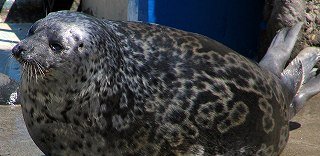
Ringed Seal
Pusa hispida
How it survives here:
Uses strong claws on its front flippers to hollow out a den (lair) inside the snowdrift to safely hide its pup from polar bears.
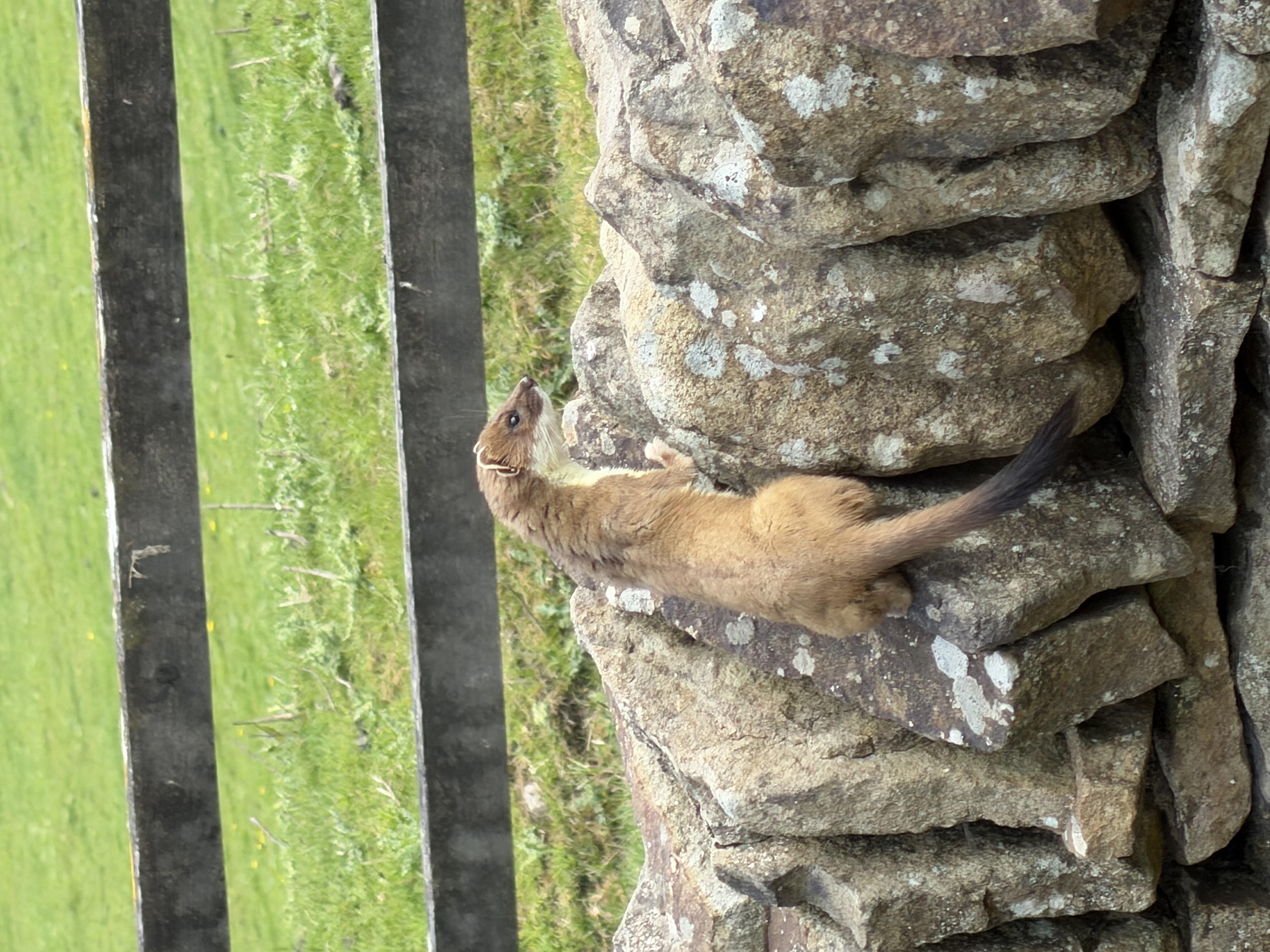
Stoat
Ermine
How it survives here:
Changes its brown summer coat to pure white in winter for camouflage while hunting in the snow.
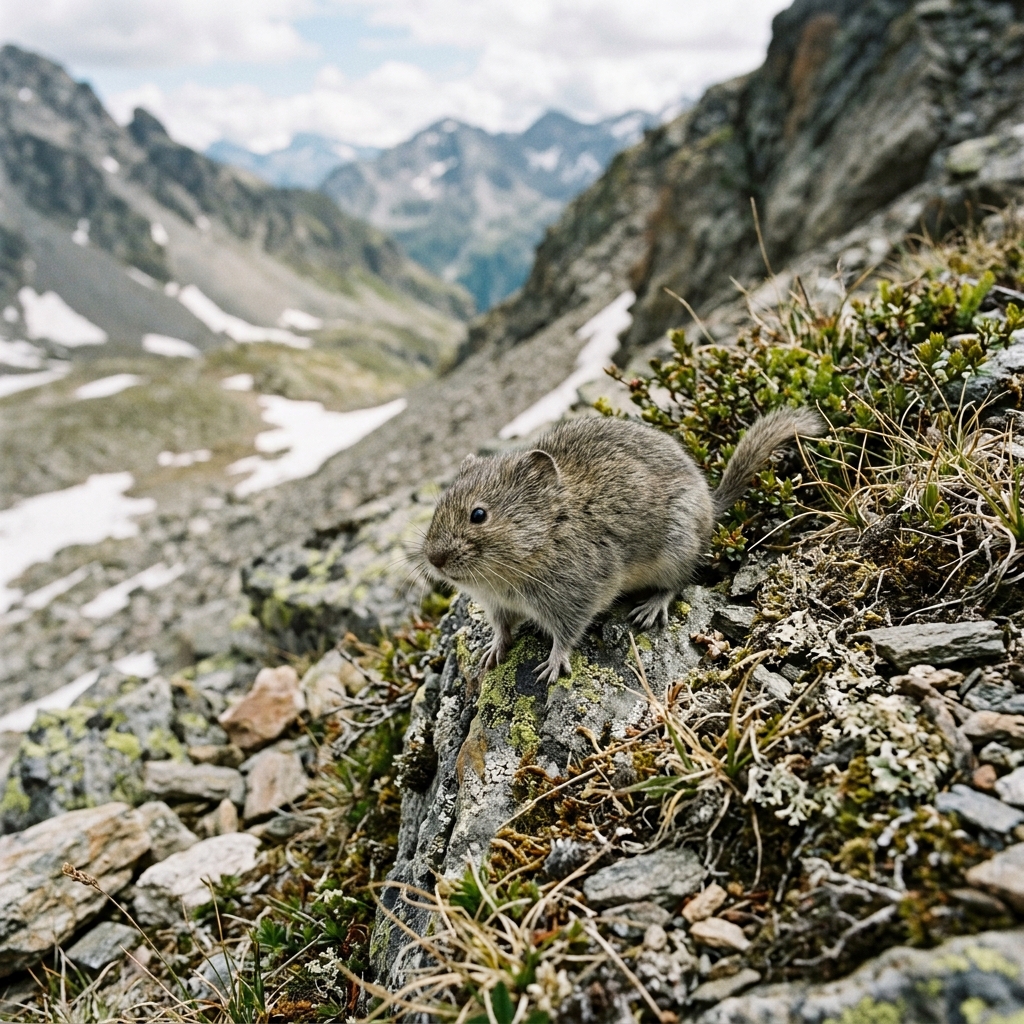
Snow vole
How it survives here:
Builds extensive tunnel networks under the snowpack to find roots and stay hidden from owls.
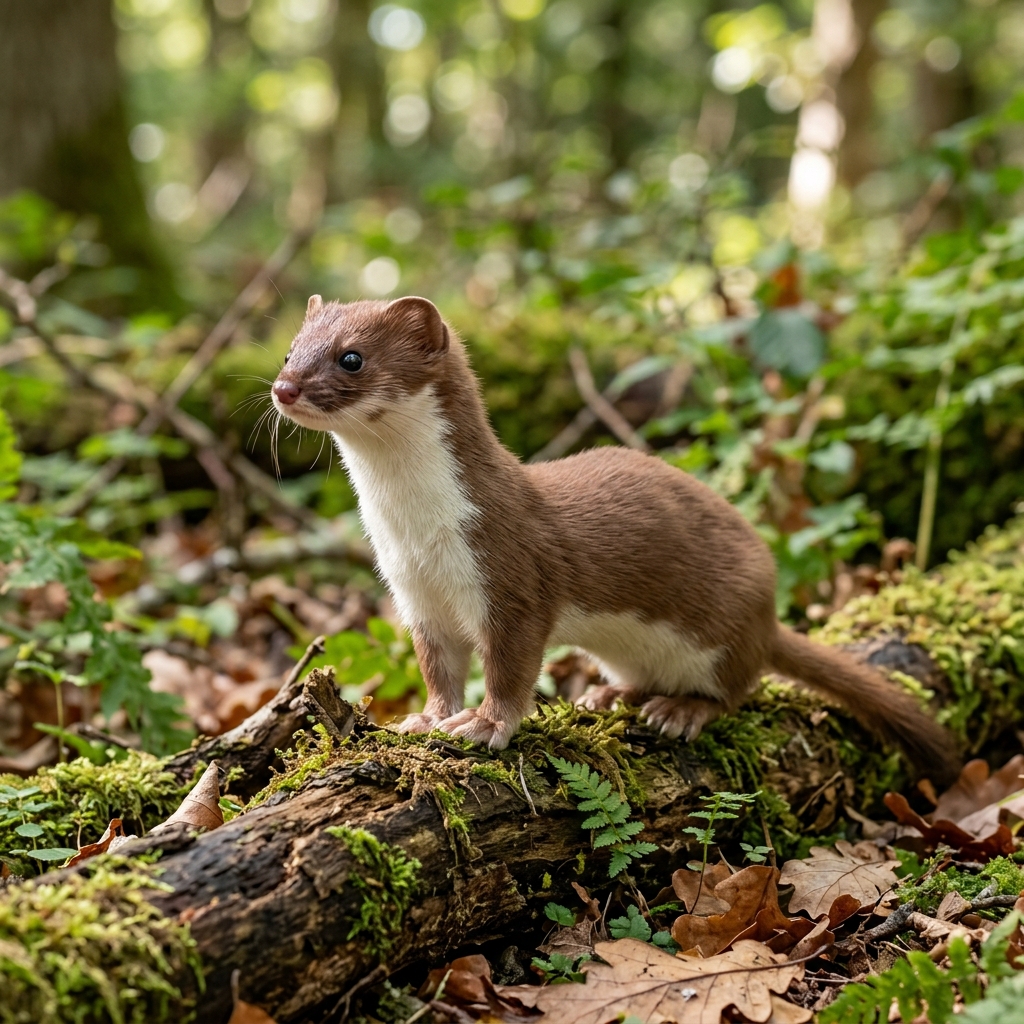
Weasel
How it survives here:
Its long, slender body is perfectly shaped for hunting down narrow snow tunnels.
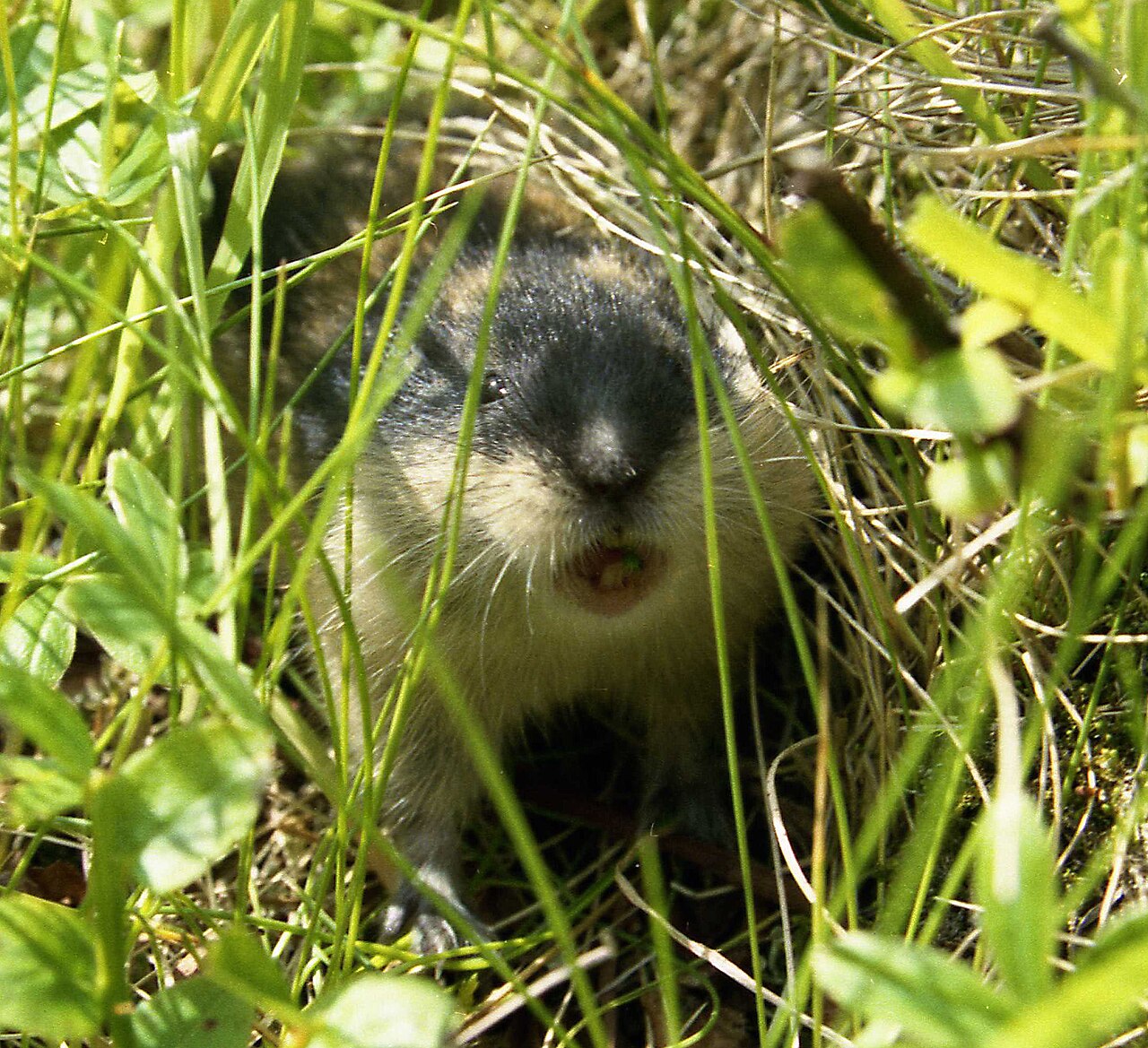
Lemming
How it survives here:
Builds grassy nests in the subnivian space to stay warm through the winter.