Sandy Desert 🏜️
A hot, dry environment covered in shifting sand dunes with very little water.
📄 Educational Handout Available
Download the printable infographic for this habitat.
Climate & Environment
Hyper-arid (extremely dry) with extreme temperature fluctuations. Scorching hot during the day and freezing cold at night.
Key Plants
Sparse, drought-resistant shrubs and grasses with deep taproots.
💡 Fun Facts
- The sand in these deserts can heat up to over 70°C (158°F) during the day, forcing animals to adapt unique ways to avoid burning their feet.
- The Fennec Fox uses its giant ears not just for hearing insects underground, but like giant radiators to release body heat into the air.
Key Creatures
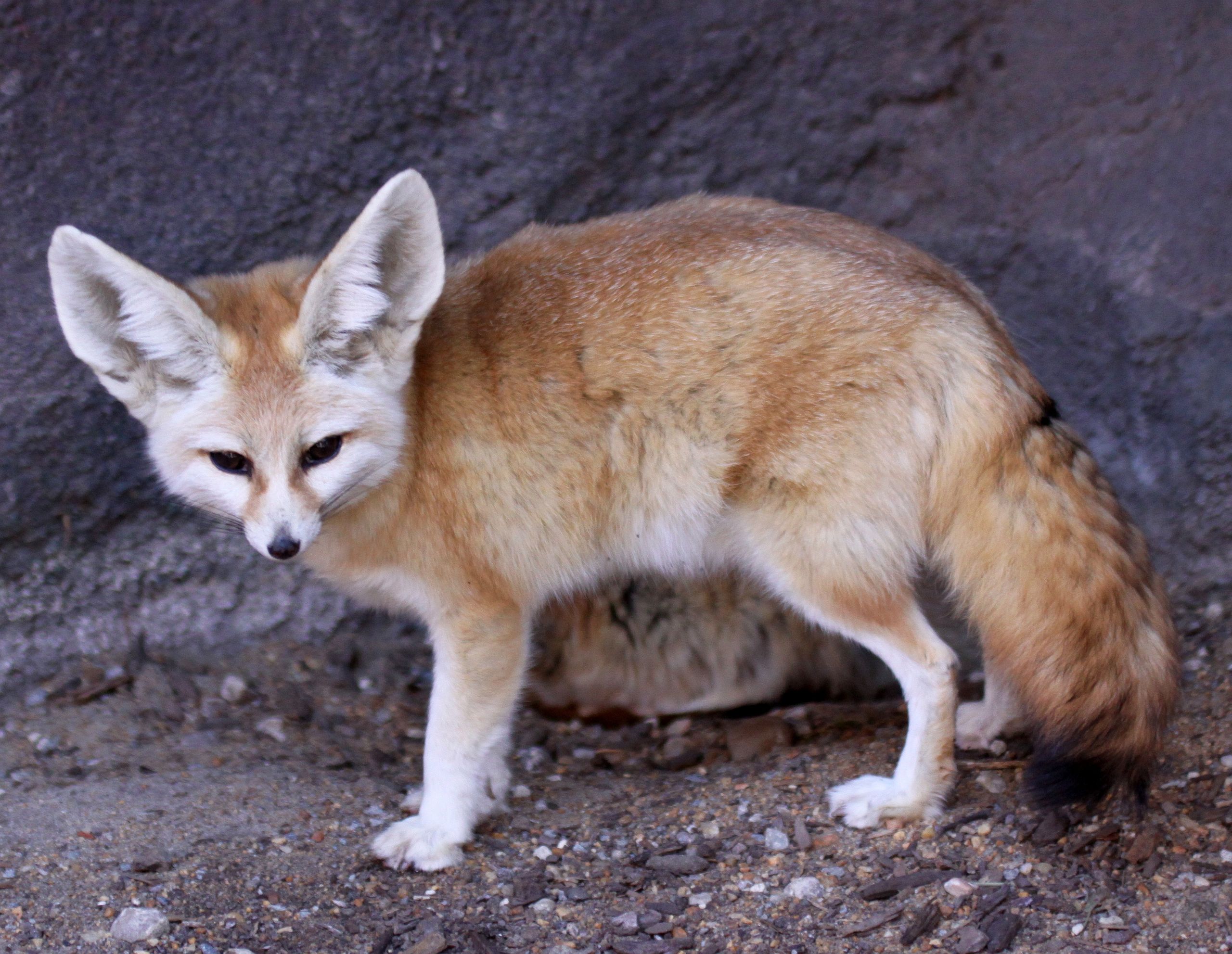
Fennec Fox
Vulpes zerda
How it survives here:
Has enormous ears that act like radiators to let body heat escape, and fur on the bottom of its paws to protect them from scorching sand.
Fennec fox
How it survives here:
Has huge ears that act like radiators to release body heat, and help it listen for prey moving underground.
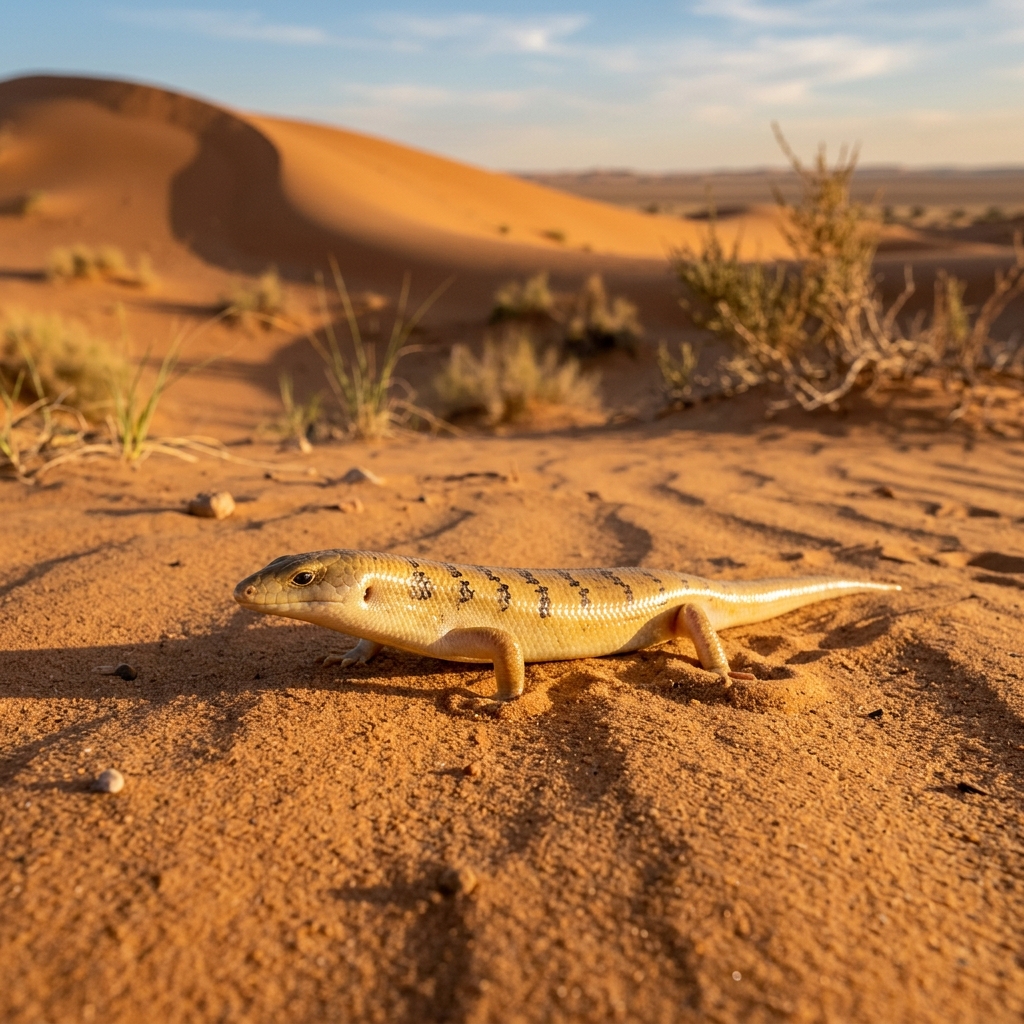
Sandfish skink
How it survives here:
A smooth lizard that can literally 'swim' through loose sand to escape the hot sun and hide.
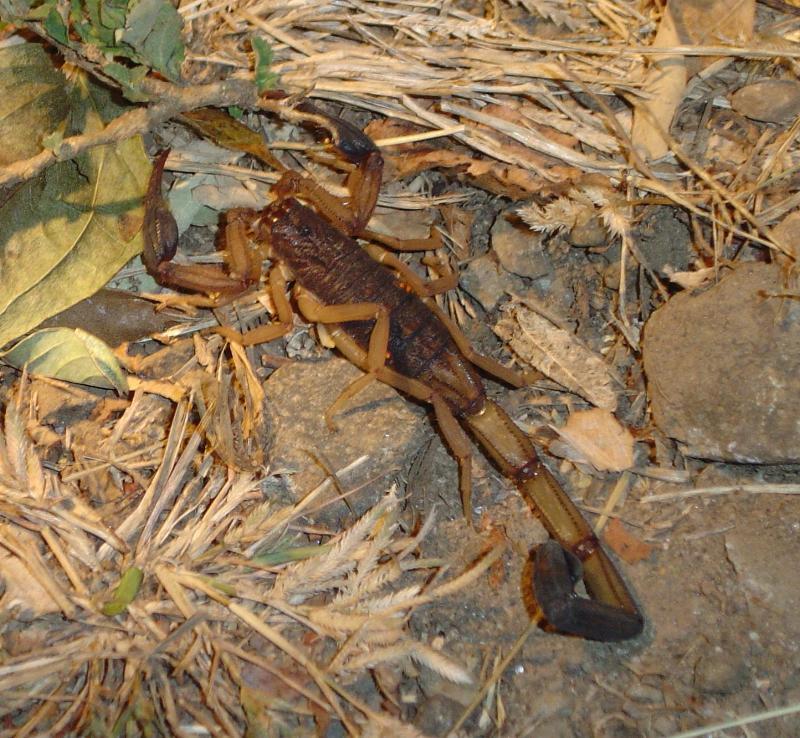
Scorpion
How it survives here:
Hides under rocks during the day and uses its venomous stinger to catch prey at night.
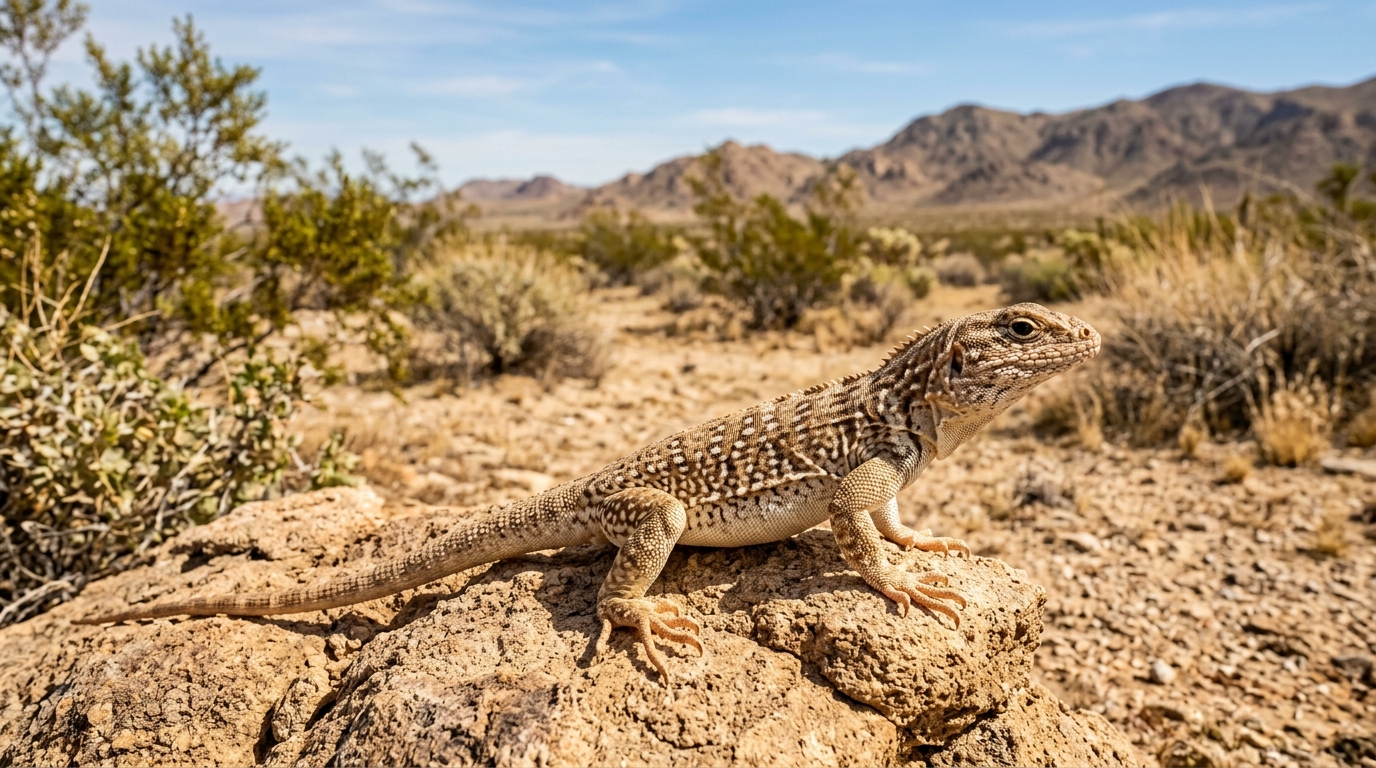
Desert Iguana
How it survives here:
Can tolerate incredibly high body temperatures, staying active when other animals must hide.