UK Local Habitat
Sandy Beach 🏖️
A dynamic environment of loose sand shaped by tides and wind, where life must survive constant movement and salt.
📄 Educational Handout Available
Download the printable infographic for this habitat.
Climate & Environment
Exposed to harsh winds, baking sun at low tide, and freezing waves in winter.
Key Plants
Marram grass anchors the dunes, while seaweeds wash ashore.
💡 Fun Facts
- The sand is constantly moving, meaning animals have to be expert diggers to stay put.
- Beaches are huge natural water filters for the ocean.
Key Creatures
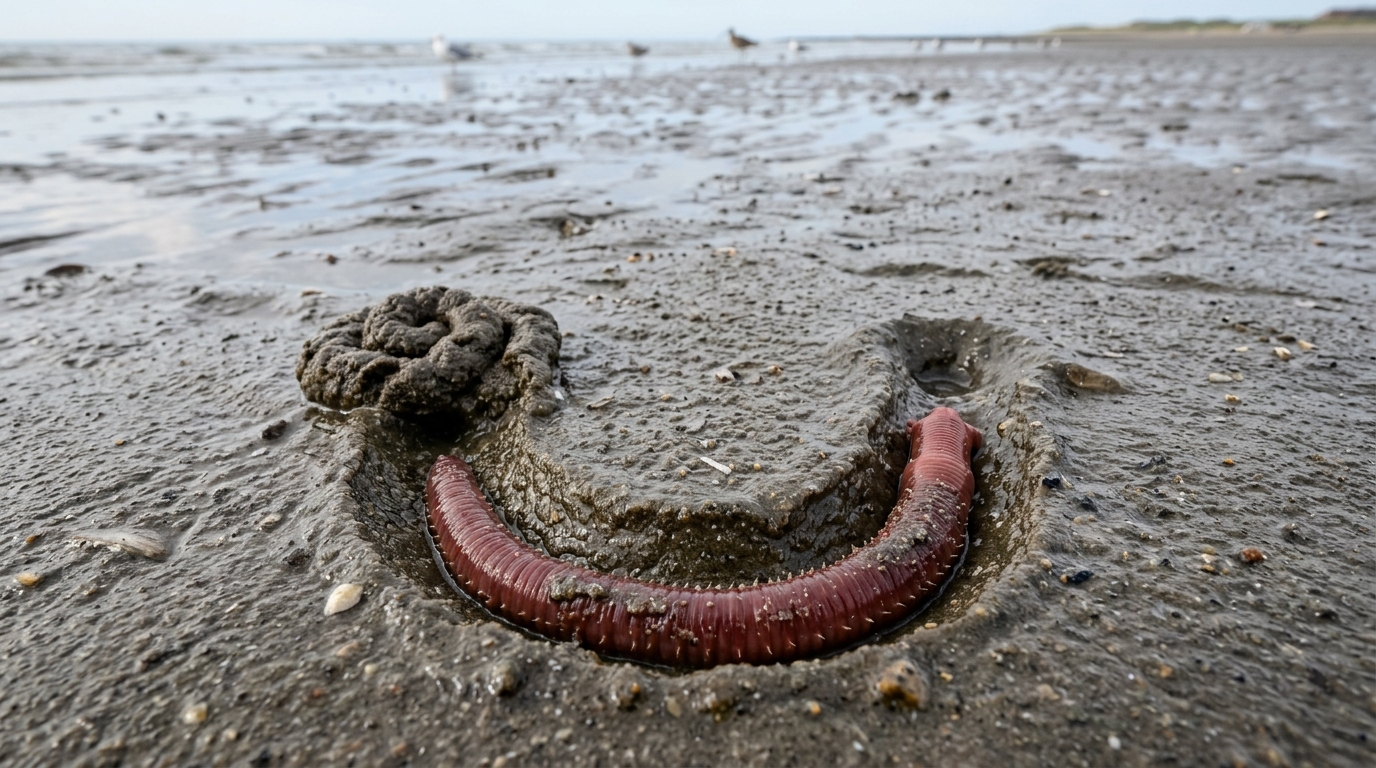
Lugworm
How it survives here:
Digs deep U-shaped burrows to avoid the crashing waves and hungry birds.
View Creature Detail
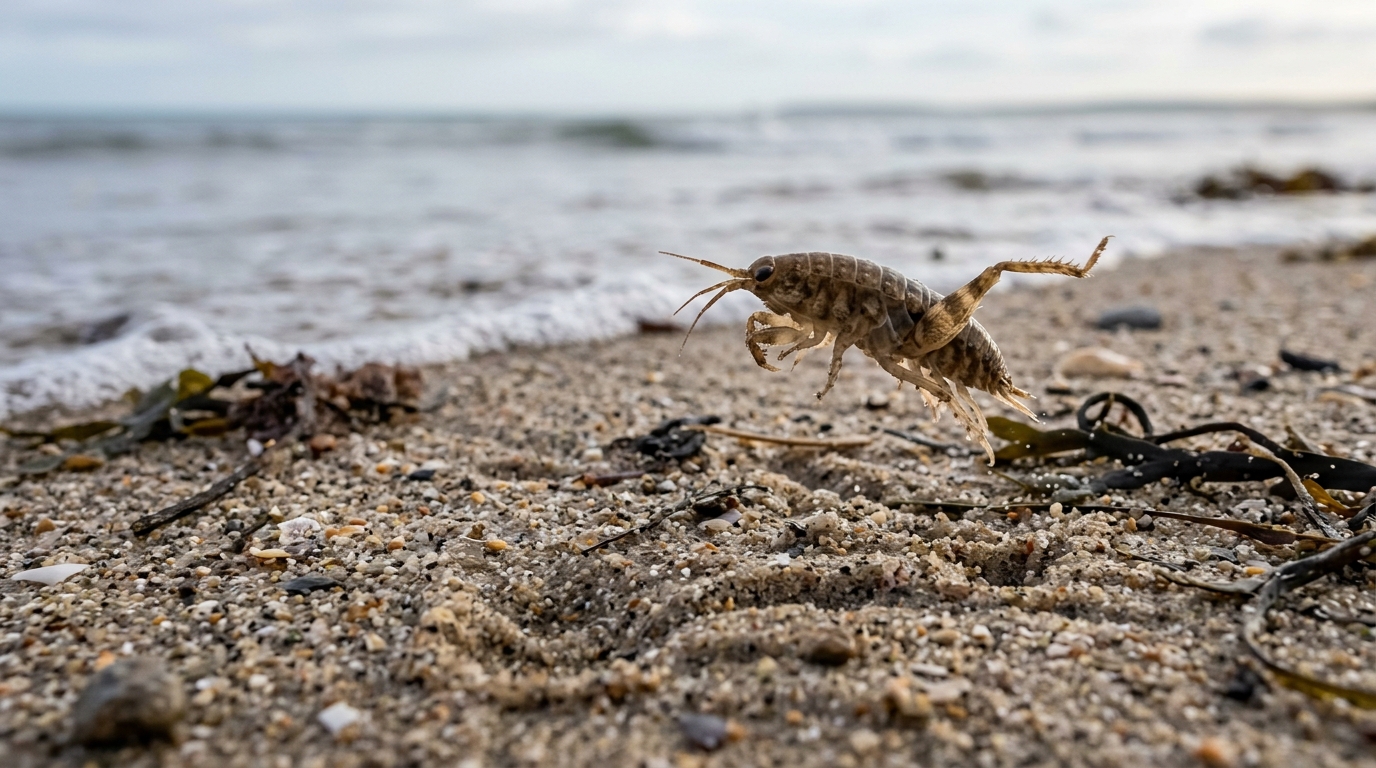
Sandhopper
How it survives here:
Hides under rotting seaweed during the day to stay damp, coming out at night to feed.
View Creature Detail
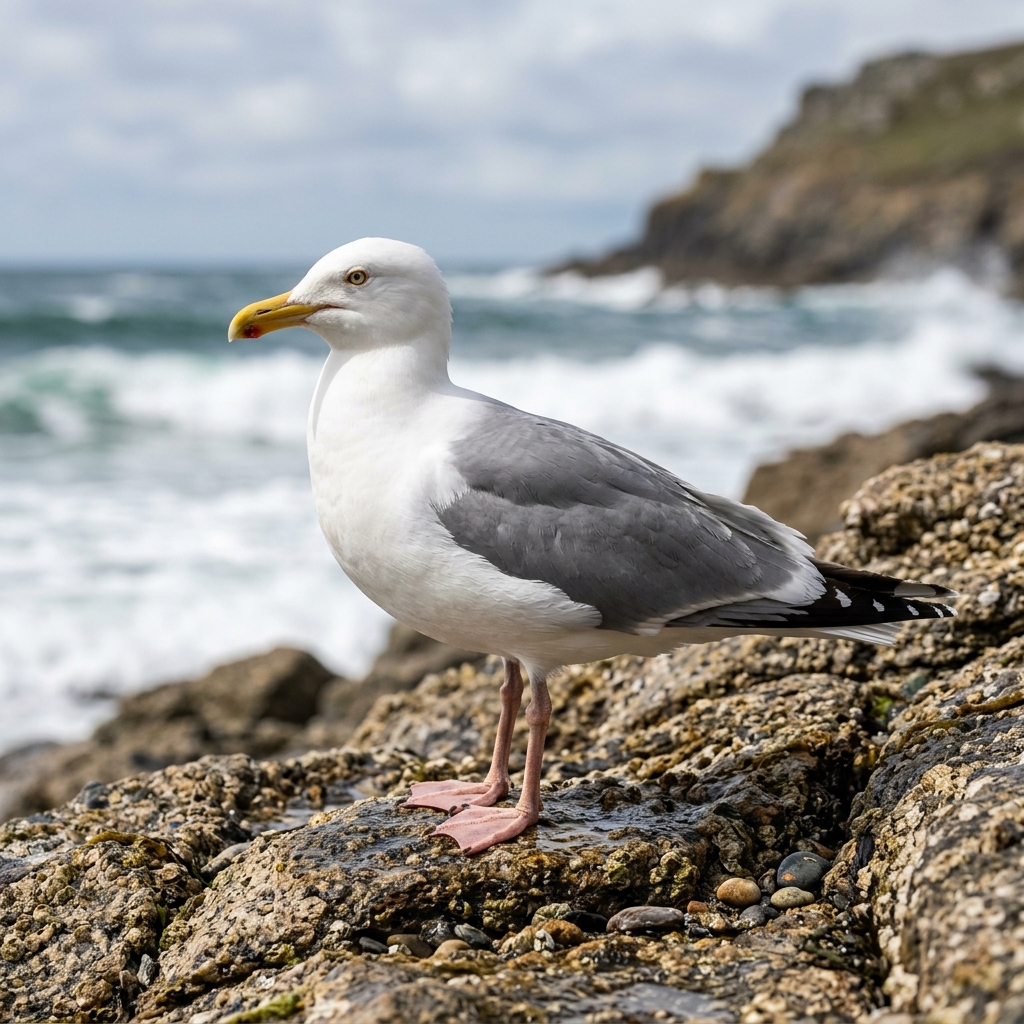
Seagull
Herring Gull
How it survives here:
A clever scavenger that will eat almost anything, from crabs to dropped chips.
View Creature Detail
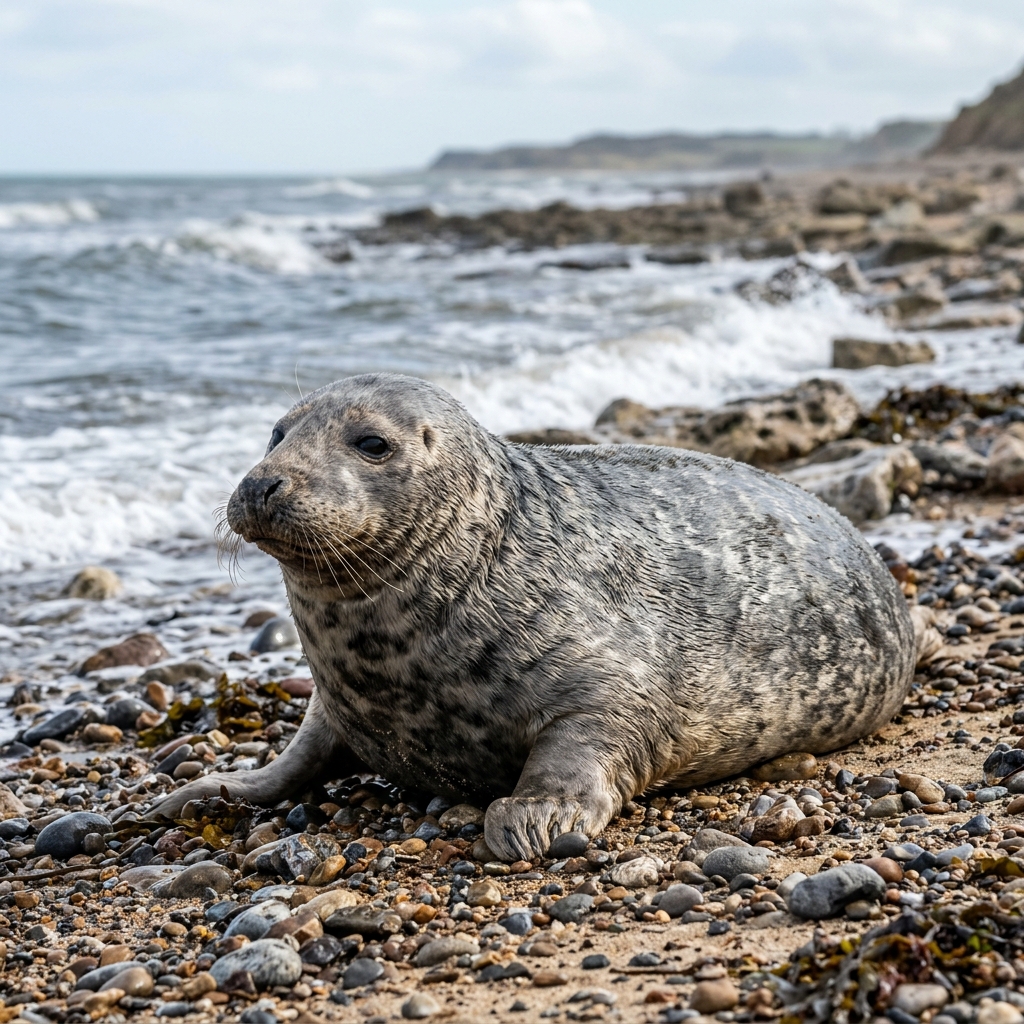
Grey Seal
How it survives here:
Has a thick layer of blubber to stay warm in the sea, and comes ashore onto quiet beaches to rest.
View Creature Detail
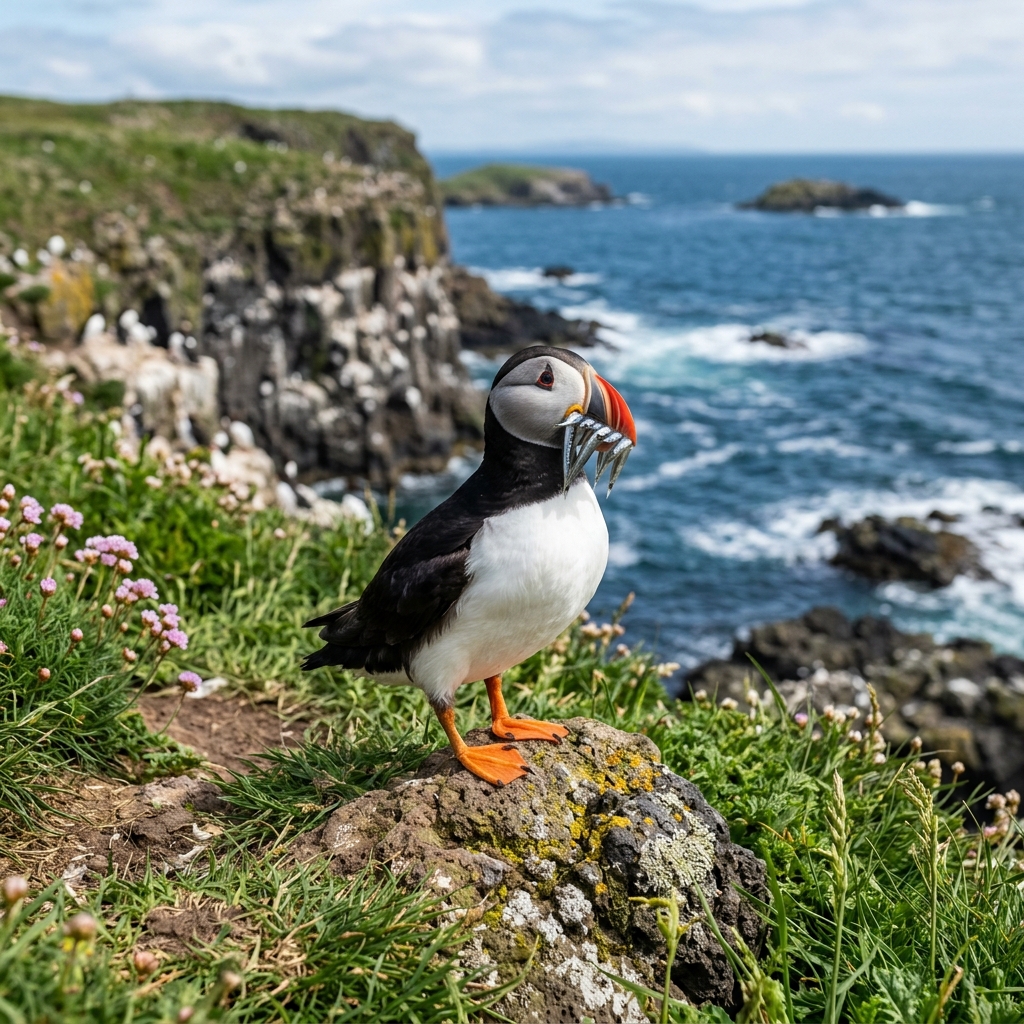
Puffin
How it survives here:
Nests in burrows on grassy cliffs above the beach and can dive deep to catch beakfuls of sandeels.
View Creature Detail
Curriculum Links
KS2 / ScienceY4
Living things and their habitats
Explore this on the site:Year 4: Living things and their habitats