Classification Keys
Curriculum Requirement
Explore and use classification keys to help group, identify and name a variety of living things in their local and wider environment.
How to Use a Classification Key
A classification key is a tool that helps to identify living things by asking a series of simple questions.
How it works: Each question has a 'yes' or 'no' answer, and each answer leads you to another question until the object is identified.
- Keys work by splitting a large group of things into smaller and smaller groups.
- The questions are based on simple, observable features, like "Does it have legs?" or "Does it have a shell?".
- Creating your own key is a great way to practise careful observation.
- Question 1: Does it have legs?
- Yes: Go to Question 2.
- Question 2: Does it have 6 legs?
- Yes: Beetle 🐞
- No: Spider 🕷️
- Question 2: Does it have 6 legs?
- No: Go to Question 3.
- Question 3: Does it have a shell?
- Yes: Snail 🐌
- No: Slug
- Question 3: Does it have a shell?
Examples of Invertebrates
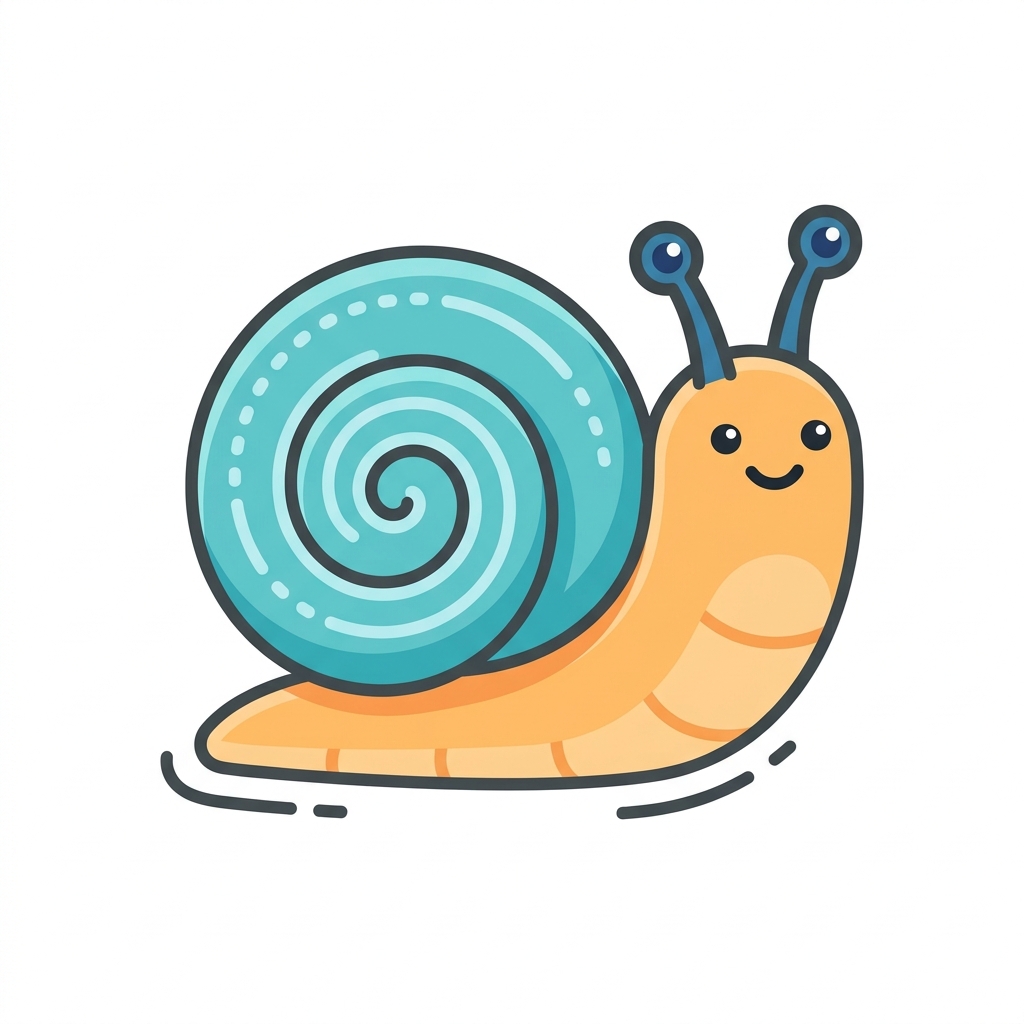
Snail
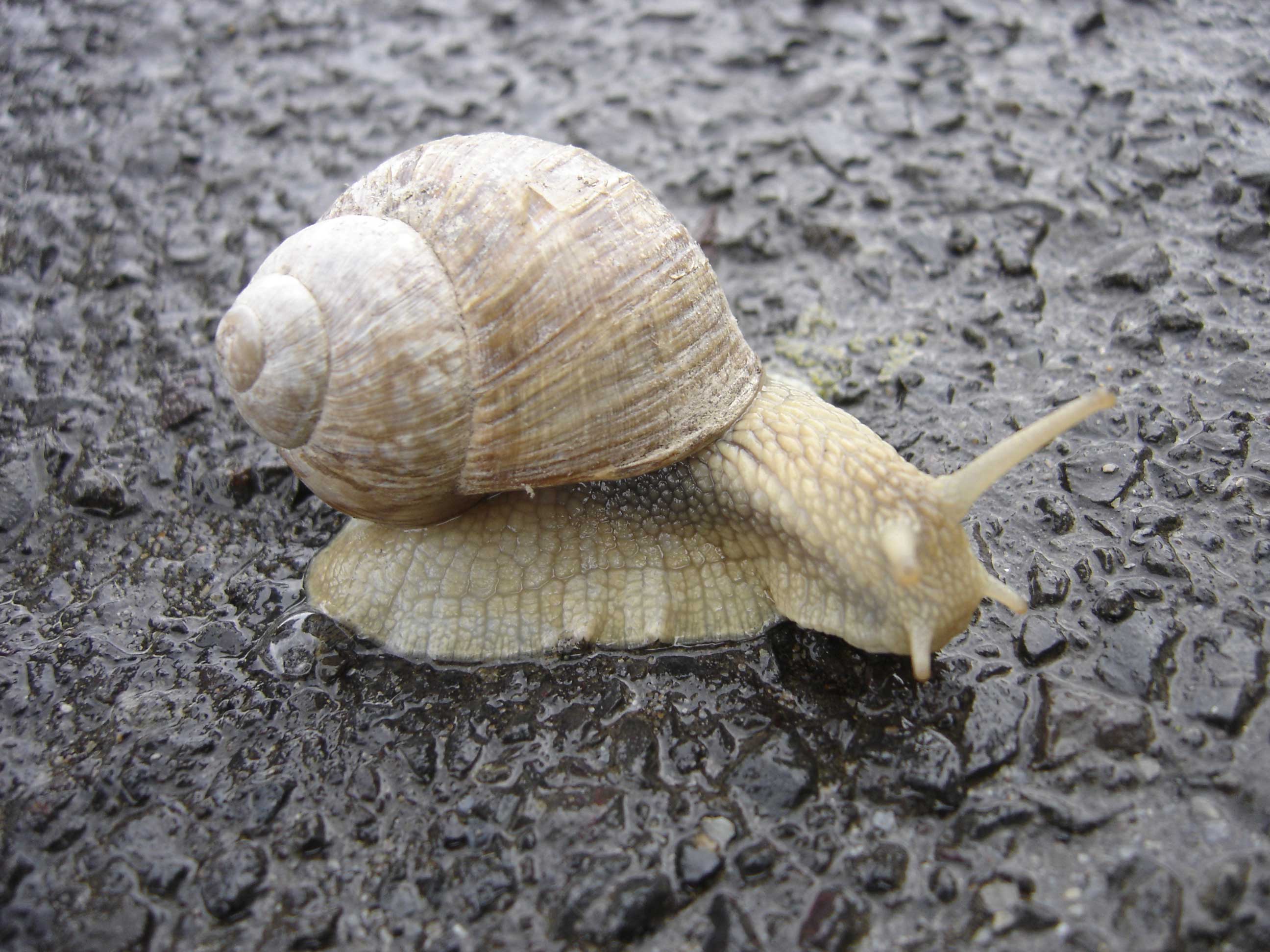
A mollusk with a coiled shell.
A slow-moving mollusc that carries its spiral shell on its back.
Key Question: Does it have a shell? Yes.
💡 Fun Facts
- A snail can sleep for up to three years if the conditions are not right for it.
- It moves on a single, muscular 'foot' that is lubricated by a trail of slime.
- Its blood is blue, not red.
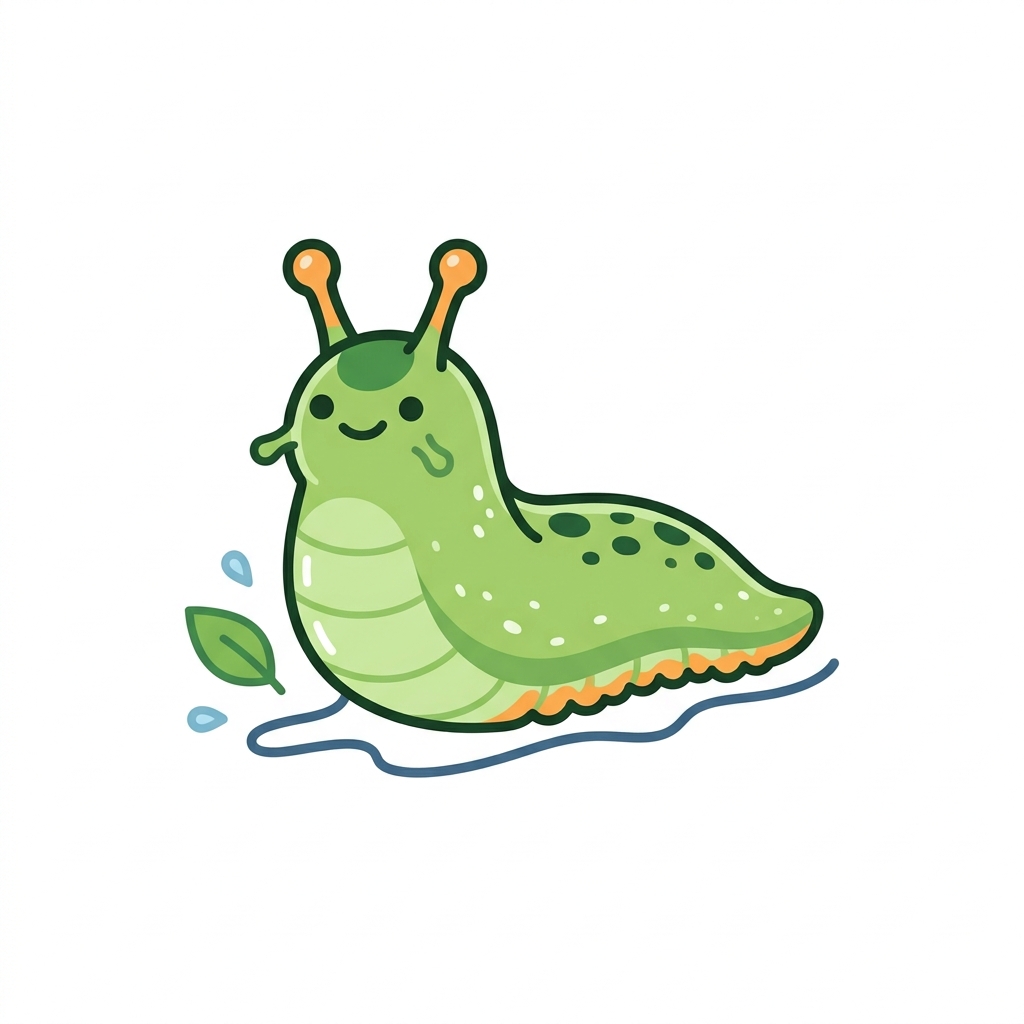
Slug
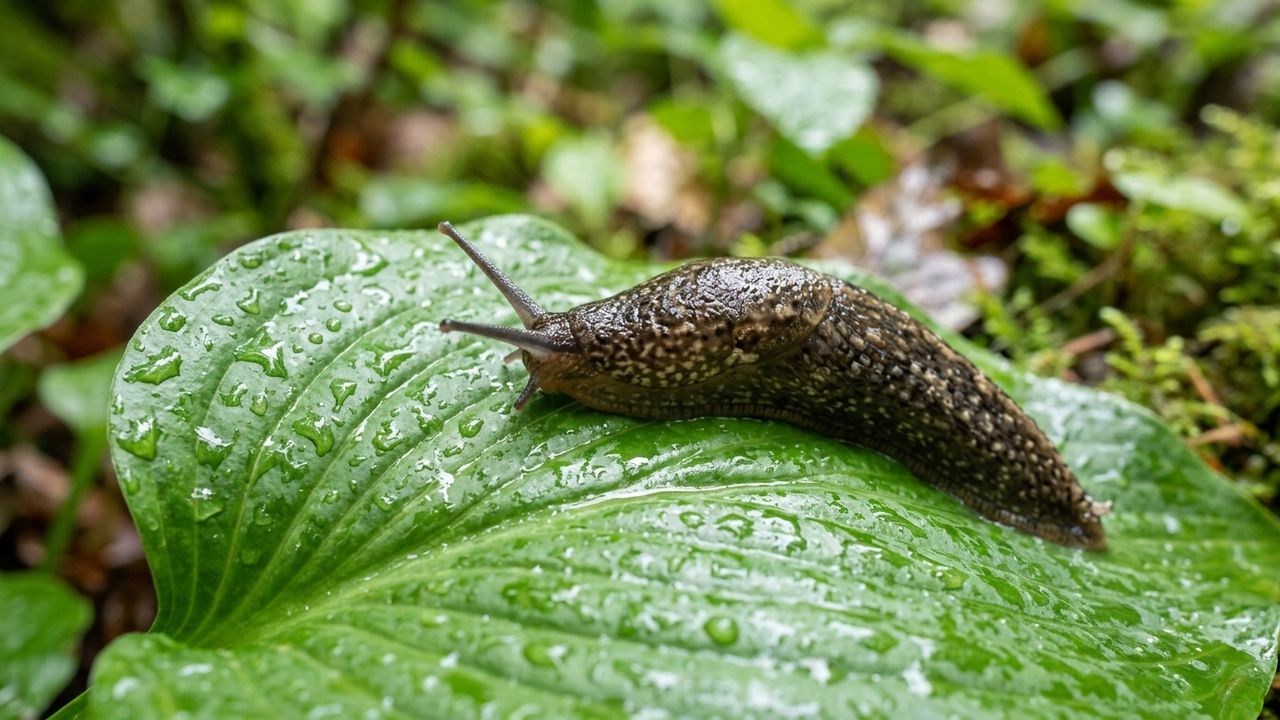
A mollusk closely related to snails, but without a visible shell.
A mollusc similar to a snail but without a visible shell.
Key Question: Does it have a shell? No.
💡 Fun Facts
- A slug's body is mostly water, which is why they must stay in damp places to avoid drying out.
- They have four tentacles on their head; the top two have eyes, and the bottom two are for smelling and feeling.
- Some slugs can stretch to 20 times their resting length to squeeze through tiny gaps.
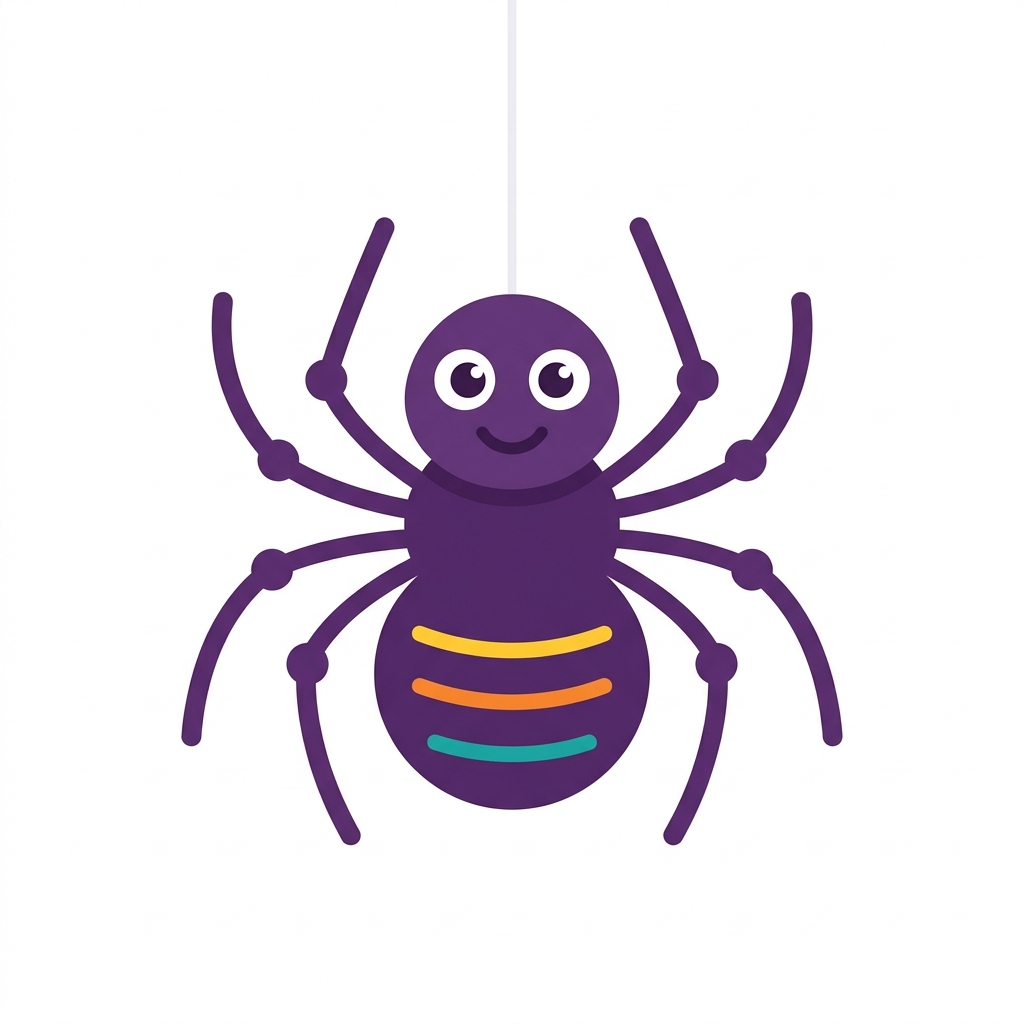
Spider
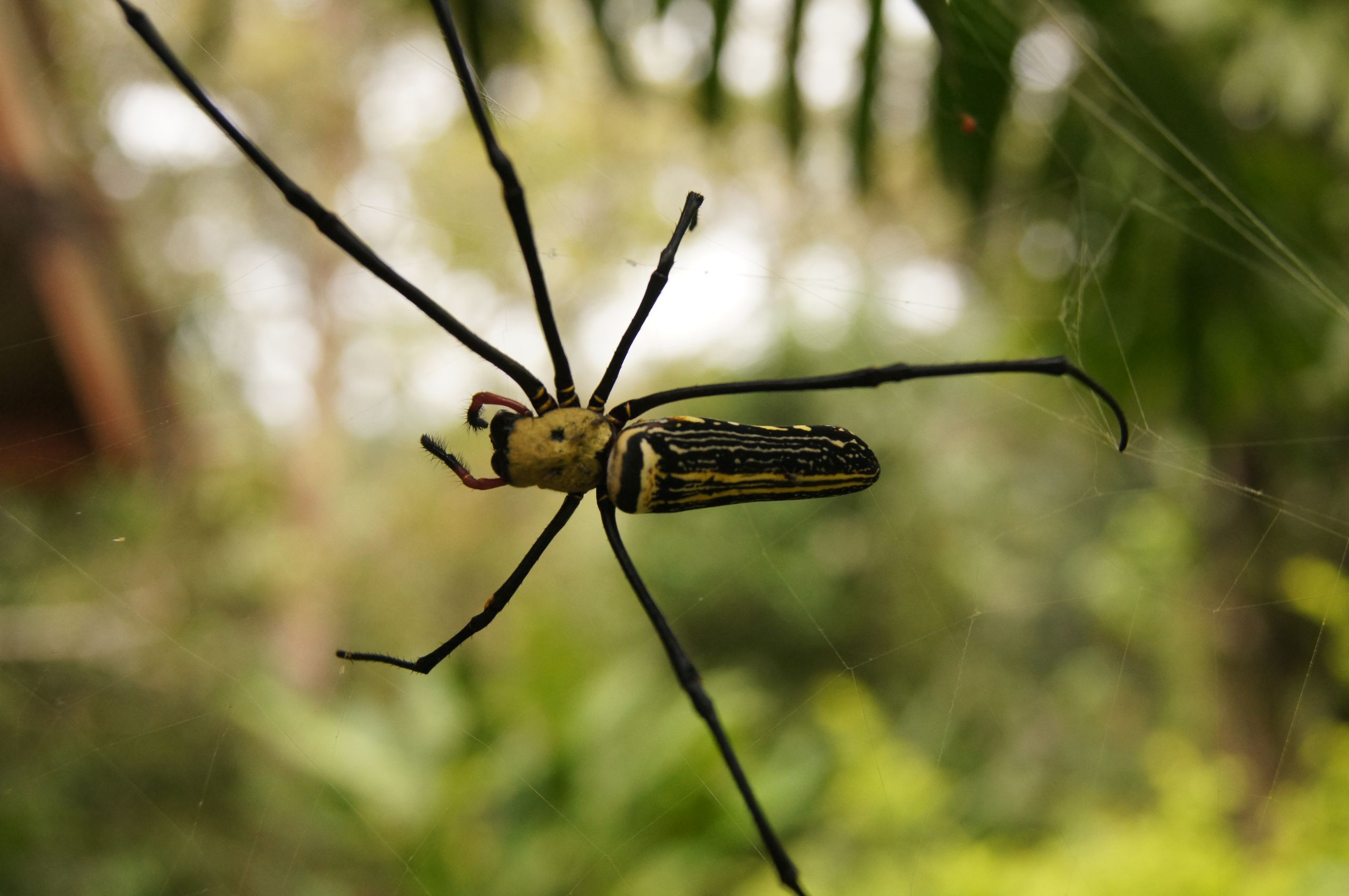
An arachnid with eight legs that often spins webs.
An eight-legged arachnid that produces silk.
Key Question: Does it have eight legs? Yes.
💡 Fun Facts
- Most spiders have eight eyes, but many have poor vision and use vibrations in their web to "see" what they've caught.
- Unlike insects, spiders have two main body parts instead of three.
- Spider silk is, weight for weight, stronger than steel.
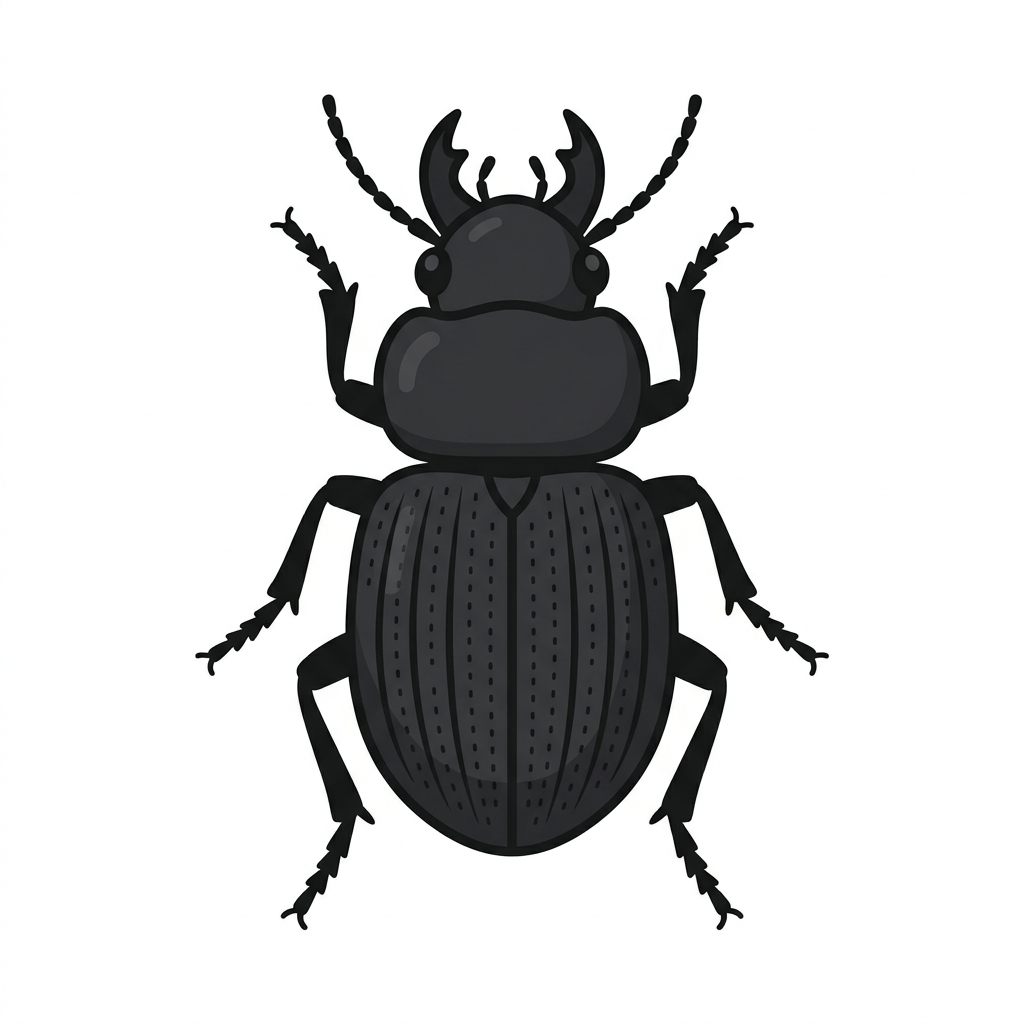
Beetle
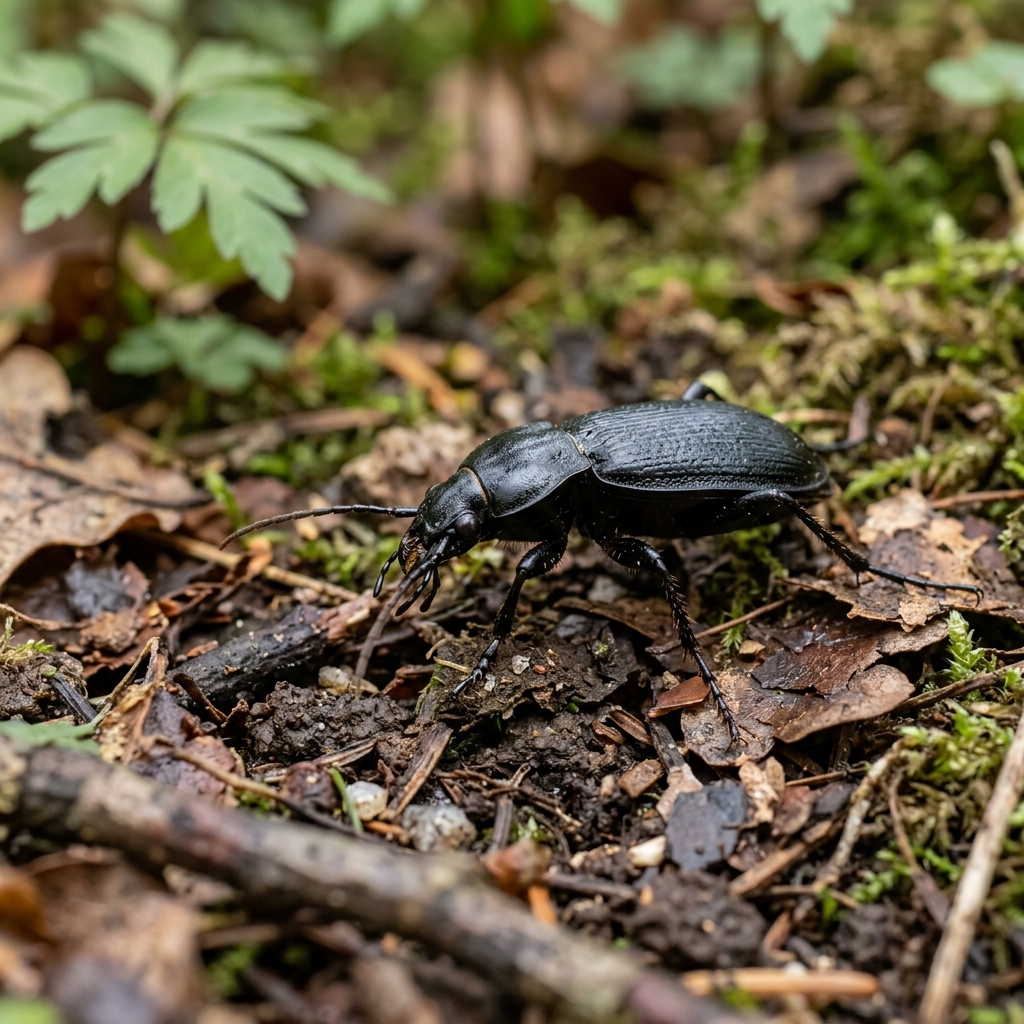
An insect with hard front wings that form a protective case.
An insect with a hard, protective wing case.
Key Question: Does it have six legs and a hard wing case? Yes.
💡 Fun Facts
- Beetles make up almost a quarter of all known animal species on Earth, with over 400,000 different types.
- The hard front wings, called elytra, protect the delicate flight wings underneath.
- Glow-worms, often seen in the British countryside, are actually a type of beetle.
More UK minibeasts to sort and name — each one an important meal for bats, birds and fish:
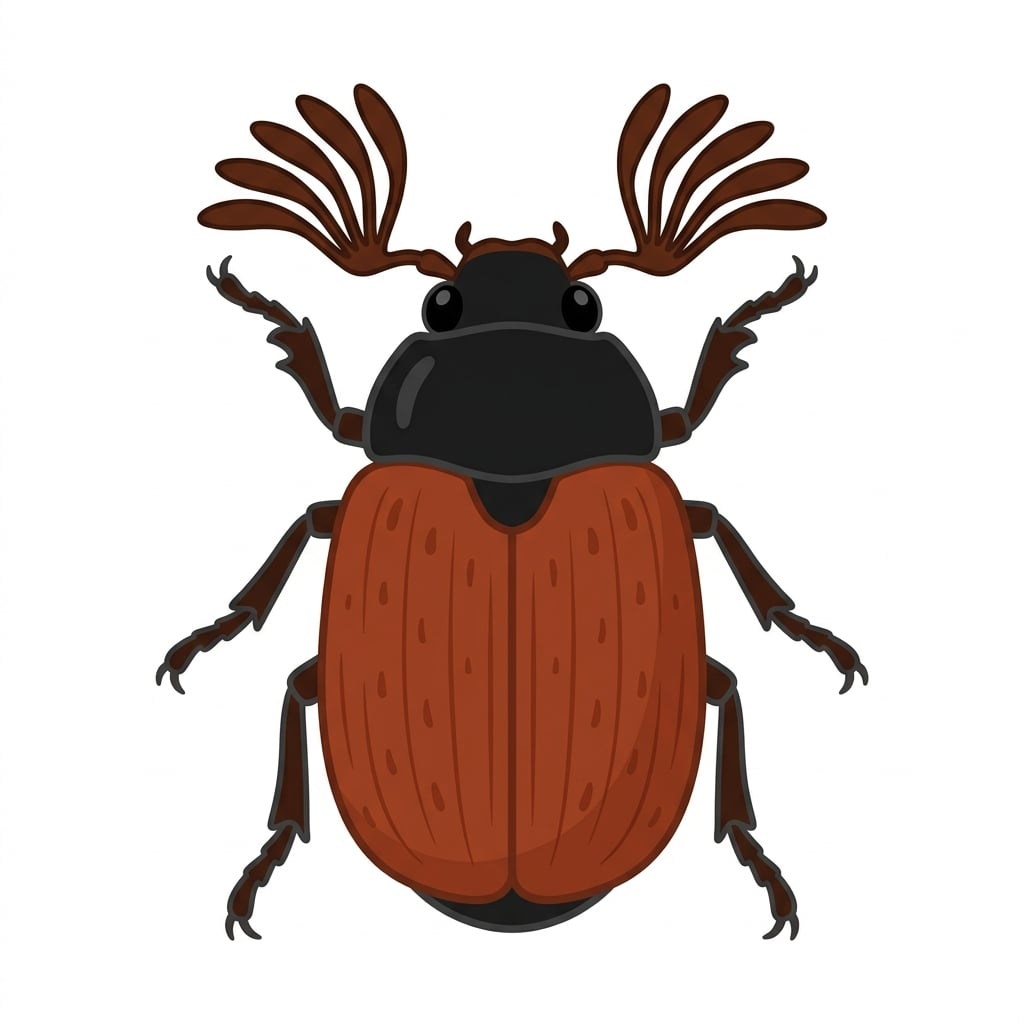
Cockchafer
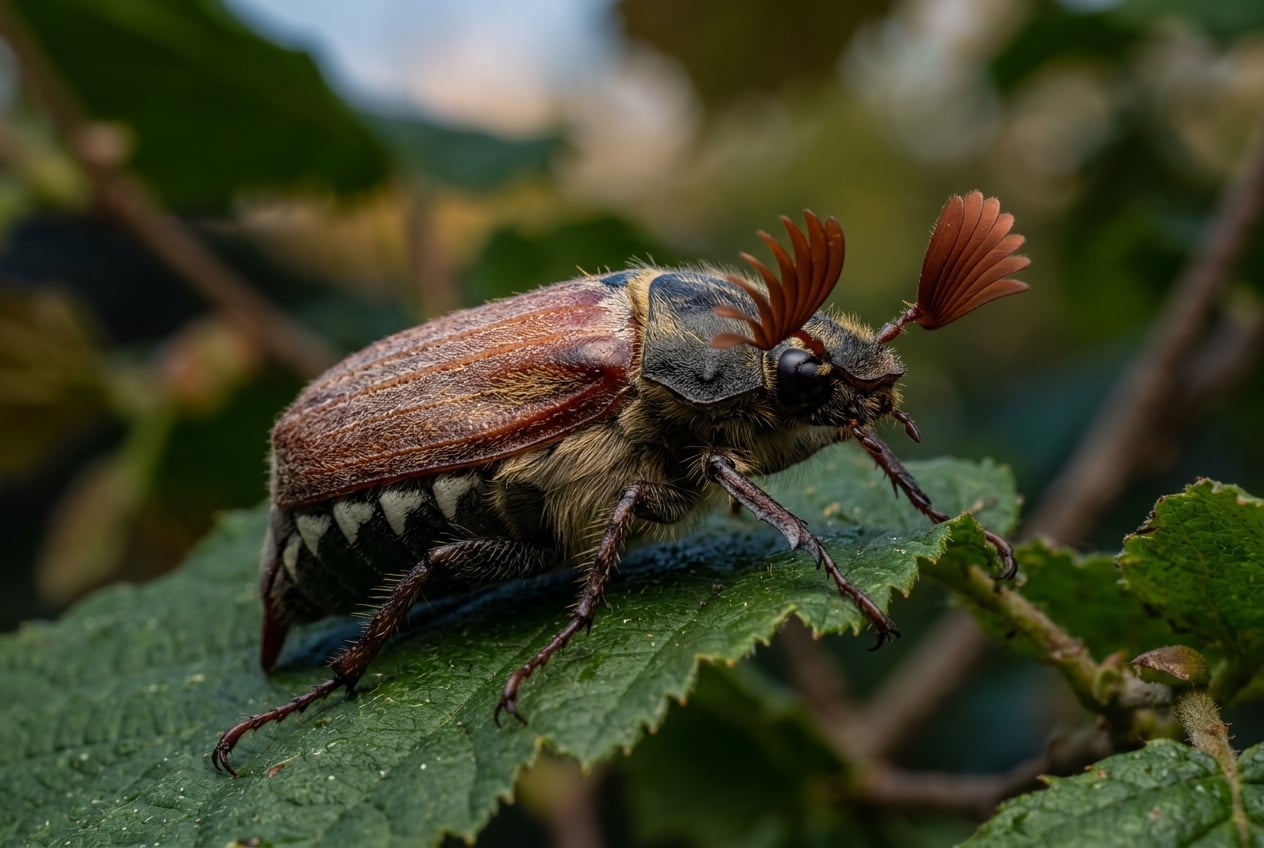
The cockchafer, or May bug, is a big, chunky, reddish-brown beetle that whirrs loudly around gardens on warm May evenings. It spends almost its whole life as a fat white grub underground, chewing roots for three or four years before finally taking to the air.
💡 Fun Facts
- The chubby white grub lives underground for three or four years, munching on roots in the dark — but the whirring beetle we see flying at dusk lives for only about five or six weeks.
- Its antennae open like tiny fans: a male spreads seven little leaf-shaped flaps to "smell" the evening air for a mate, and the more leaves it has, the better its sense of smell.
- Long ago there were so many cockchafers that people gathered them by the cartload — in France, whole tonnes were once collected in a single day!
🔍 How to spot it
- Size
- A big, chunky beetle about 2.5–3 cm long — one of the largest beetles you'll see flying in a British garden.
- Markings
- Reddish-brown wing-cases, a black head and thorax, and a distinctive pointed tail-tip (the 'pygidium'); black-and-white zig-zag triangles run along the sides of its body.
- Features
- Fan-shaped antennae that open into leaf-like plates, and strong, clinging legs.
- Behaviour
- Flies only at dusk on warm May evenings, with a loud whirring buzz, often clattering into lit windows.
- Where & when
- Near broadleaved trees over grassland — farmland, parks, gardens and woodland edges — across England and Wales, in May and June.
- Easily confused with
- The smaller summer chafer (Amphimallon solstitiale), which flies in June and July and has no long pointed tail-tip; and the metallic-green rose chafer, which flies by day.
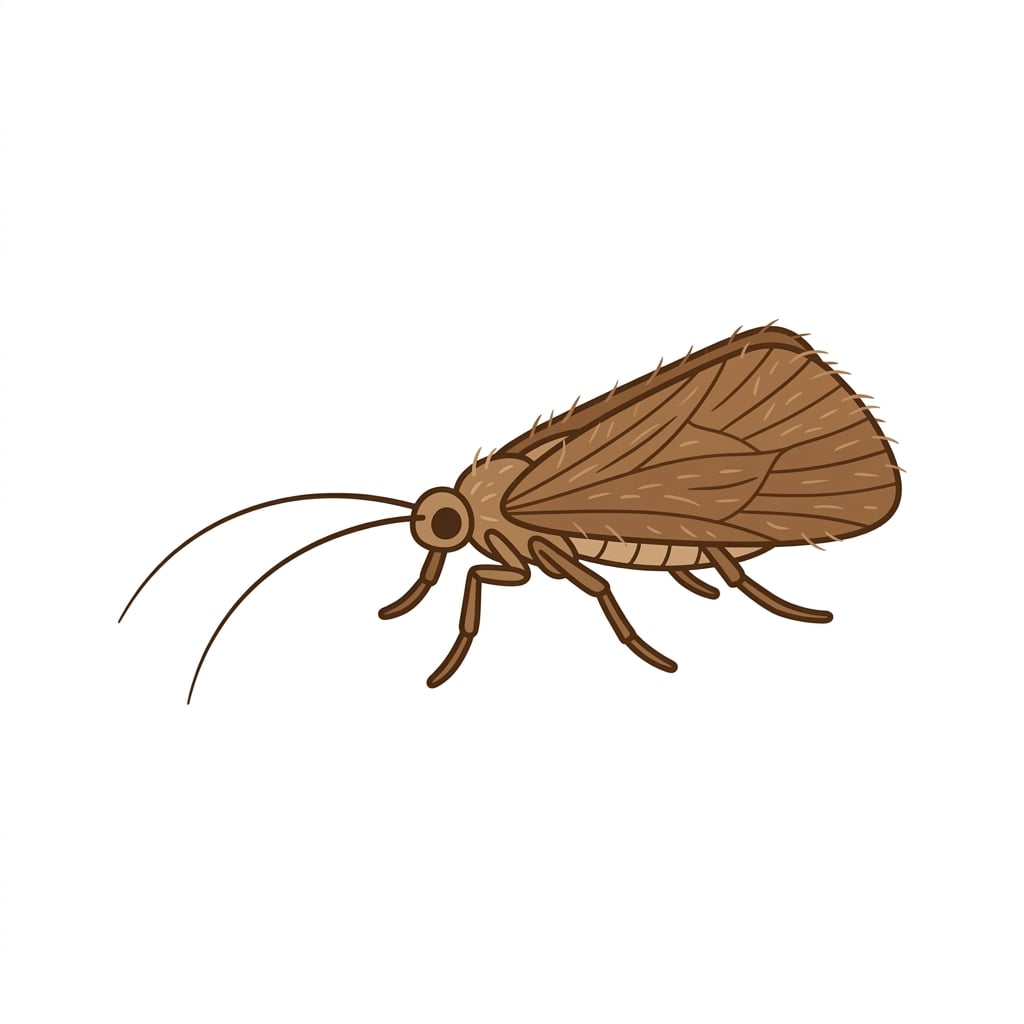
Caddisfly
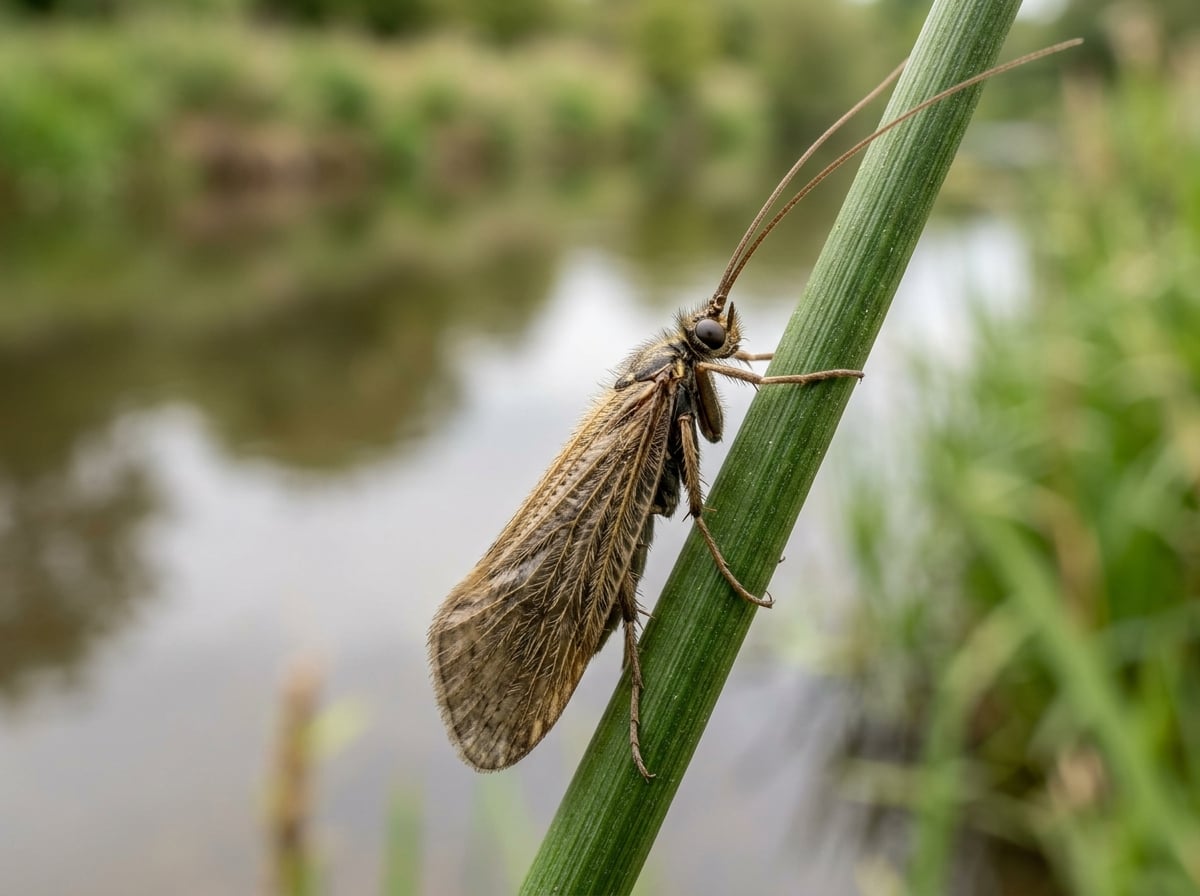
The caddisfly is a small, soft, moth-like insect that flutters near water at night. Its remarkable underwater baby builds a protective case of sand, stones and twigs bound with silk, and because the larvae only survive in clean water, finding them is a sign of a healthy river.
💡 Fun Facts
- The underwater baby builds its own suit of armour: it spins silk and glues on sand grains, tiny stones, twigs and leaf bits to make a little case it carries about like a snail's shell — and different kinds use different materials, so you can sometimes tell them apart by their "houses".
- Because the larvae can only live in clean water, finding them tells scientists that a river is healthy and happy.
- The adult hardly eats at all: it spends months as a hungry underwater larva, then lives just a couple of weeks as a soft, moth-like flier — mostly to find a mate.
🔍 How to spot it
- Size
- A small, moth-like insect about 1.5 cm long, with wings held in a tent-shape over its back.
- Markings
- Dull brown or straw-coloured hairy wings (its scientific name, Trichoptera, means 'hair-wing') — not the powdery scales of a moth.
- Features
- Very long thread-like antennae held out in front; the larva lives inside a little tube-shaped case of sand or plant bits.
- Behaviour
- Flutters weakly near water at night and comes to lit windows; the larvae crawl along the bottom of ponds and streams, case and all.
- Where & when
- Beside any clean pond, lake, stream or river, right across the UK.
- Easily confused with
- Small moths — but caddisflies have hairy (not scaly) wings, longer antennae and no coiled tongue; and mayflies, which hold their wings upright and have long tail filaments.
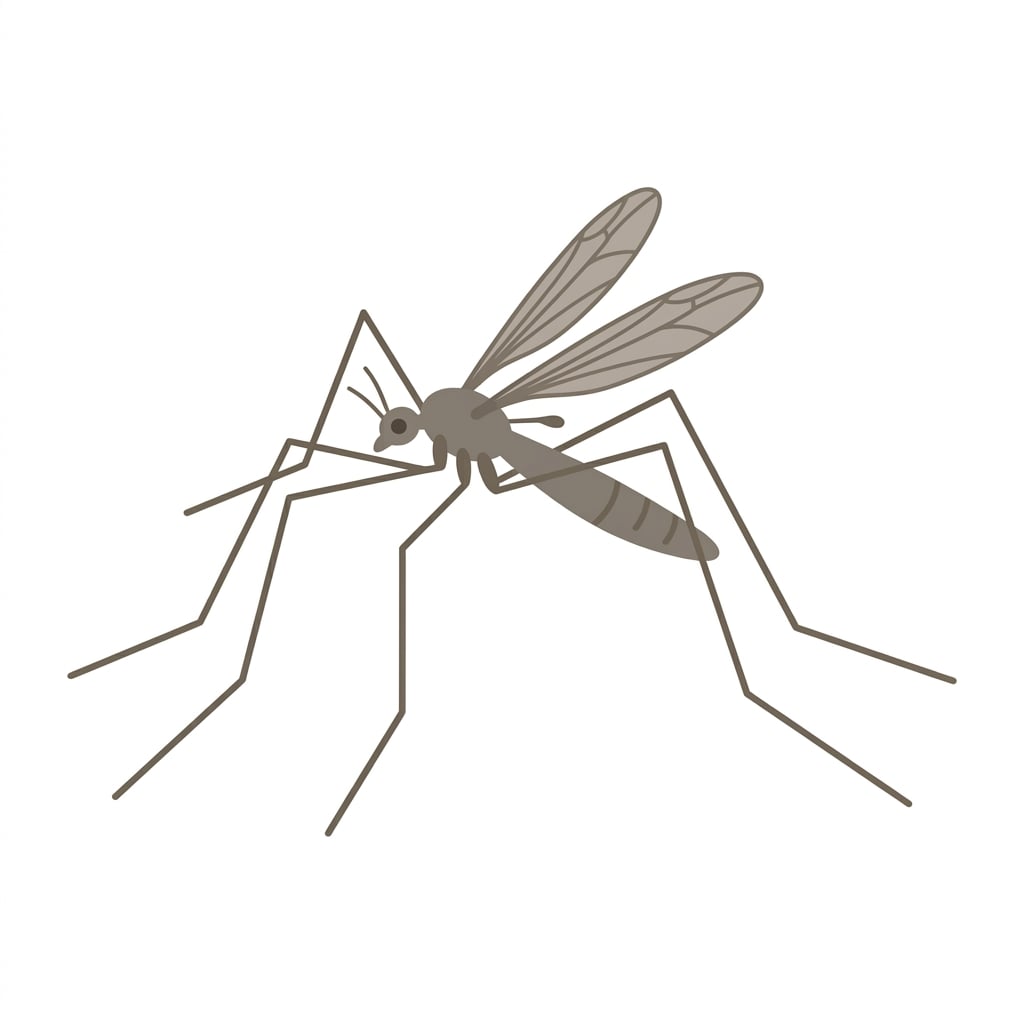
Cranefly
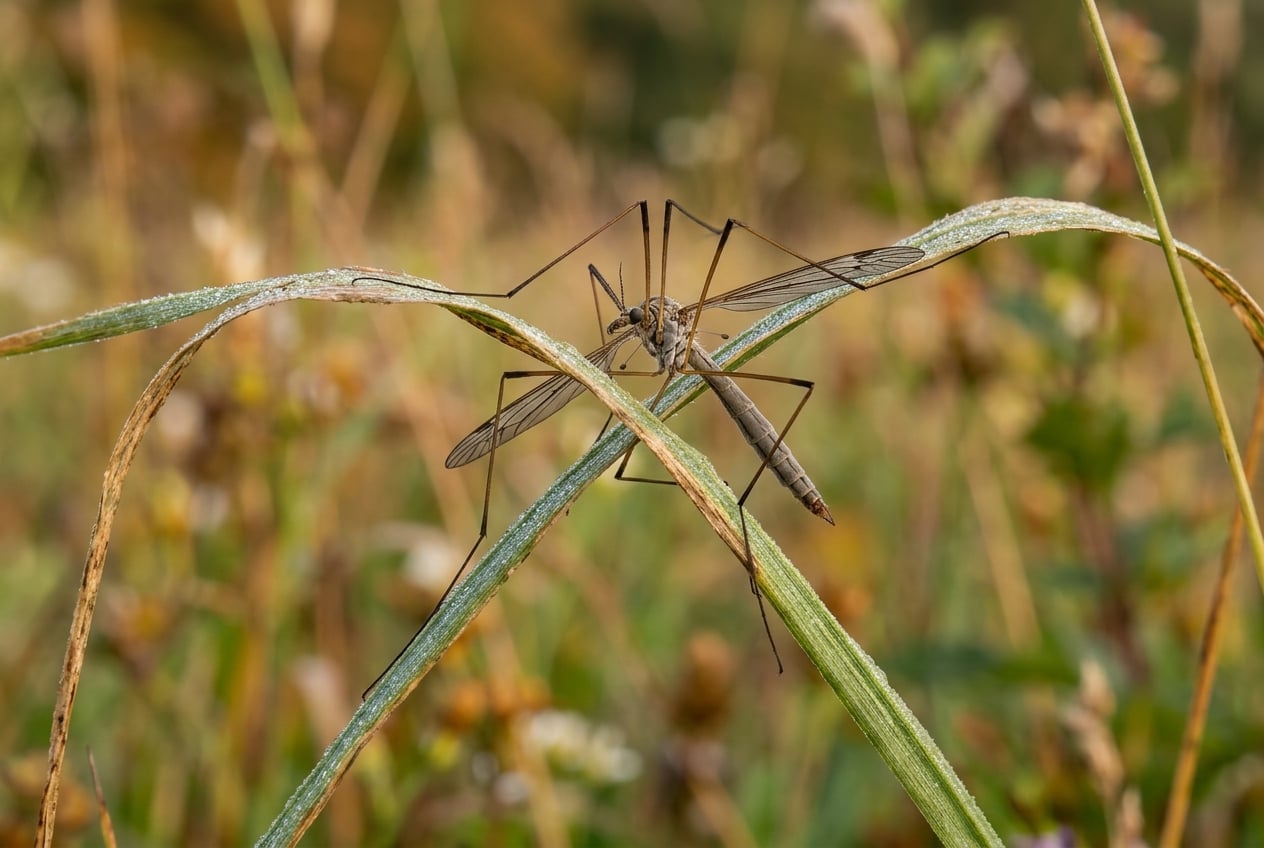
The cranefly, or daddy-long-legs, is a large, delicate fly with enormously long, easily-broken legs that dances around autumn lights. Its grub, the leatherjacket, lives in the soil eating grass roots, and its sheer numbers make it one of the most important insect meals in Britain.
💡 Fun Facts
- Its grub is the "leatherjacket" every gardener knows: the tough, brown-skinned grub that eats grass roots and makes bare patches on lawns grows up into the daddy-long-legs that dances around the lights in autumn.
- It is one of the most important insect meals in Britain. There are so many that whole flocks of starlings, rooks and plovers probe the grass for the grubs. Meanwhile, bats feast on the flying adults. A single field can feed an astonishing number of animals.
- It can drop a leg to escape: if something grabs a leg, the cranefly simply lets it fall off and flies away, which is why you so often see one with a leg or two missing.
🔍 How to spot it
- Size
- A large, delicate fly about 2–2.5 cm long — but with enormously long, spindly legs spanning 5–6 cm.
- Markings
- Slender grey-brown body, two narrow wings held out or swept back, and six extremely long, easily-broken legs.
- Features
- Long thin body and legs; females have a pointed tip at the tail-end for laying eggs in the soil — it is not a sting.
- Behaviour
- Flies weakly and clumsily around grassland and lit windows on autumn evenings, and often loses legs when handled.
- Where & when
- Over damp grassland, lawns and meadows everywhere in the UK, mostly from August to October.
- Easily confused with
- Harvestmen (which have a single round body, not a long one, and no wings) and large mosquitoes — but craneflies are far bigger, do not bite, and have no biting mouthparts.
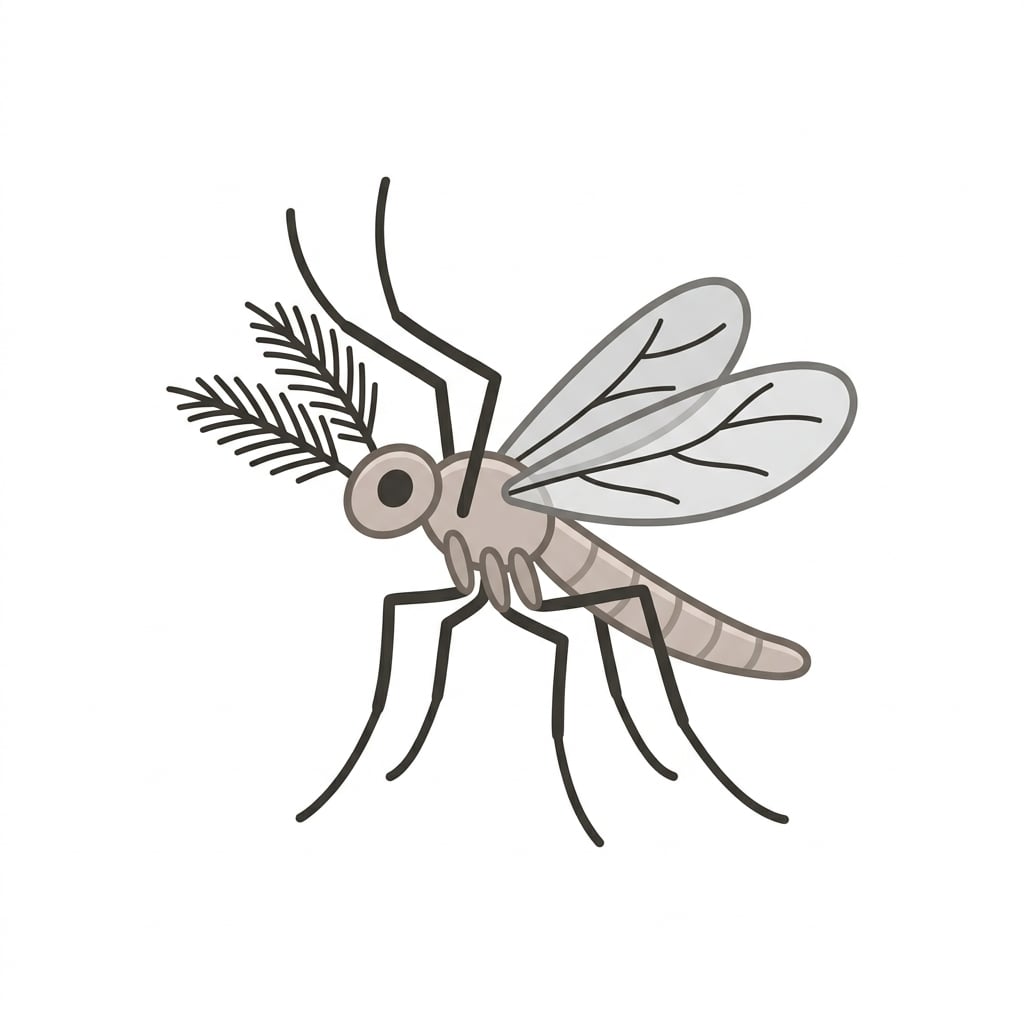
Midge
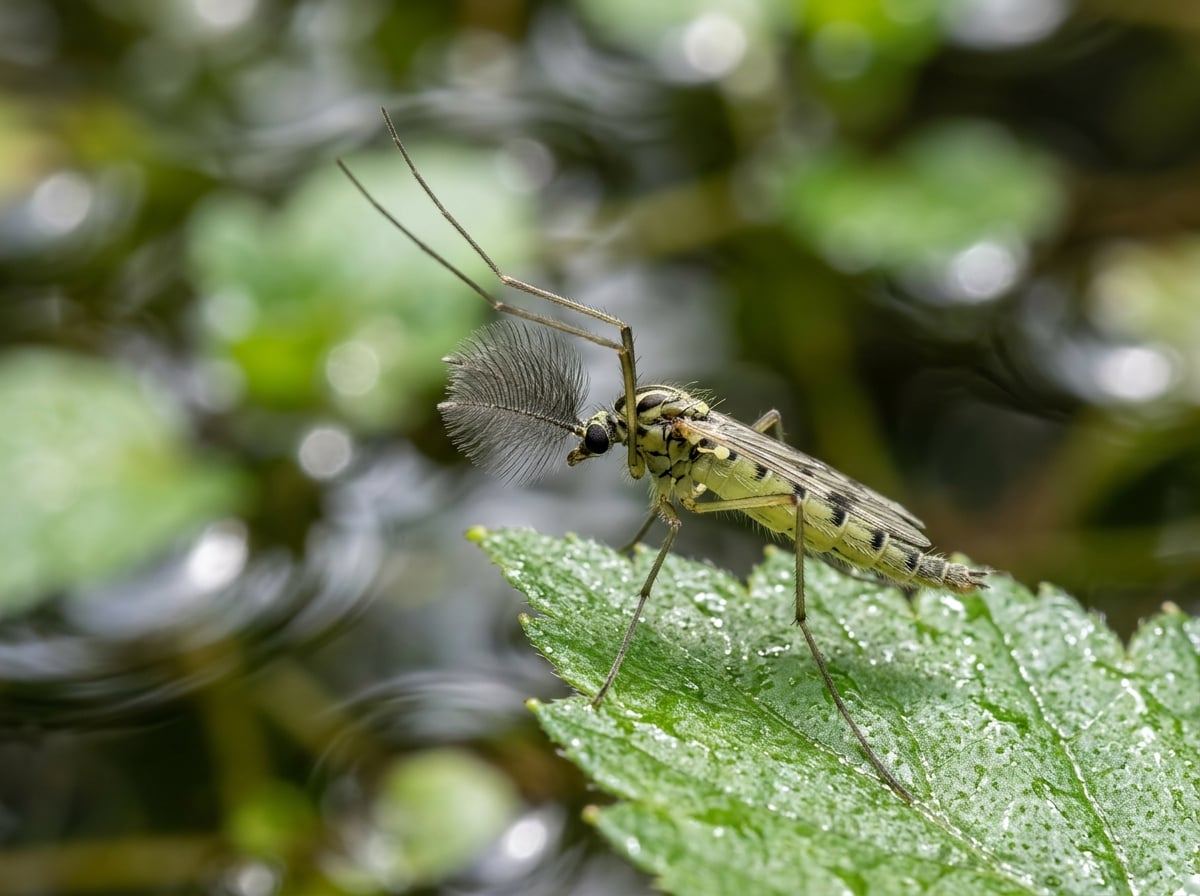
The non-biting midge is a tiny, harmless fly whose males gather in dancing swarms over water at dusk. Its bright-red larva, the bloodworm, carries the same blood pigment we do so it can breathe in muddy pond beds, and the swarming adults are a vital food for bats and fish.
💡 Fun Facts
- The dancing columns at dusk are a bat's dinner bell: on still evenings, thousands of male midges hover in tall, swirling towers over water or a hedge — and that is exactly where pipistrelle and Daubenton's bats come to feast.
- Its baby has red blood like ours. The larva is called a "bloodworm" because it is bright red: it carries haemoglobin, the same oxygen-grabbing substance in our own blood, which lets it breathe in stagnant, muddy water where almost nothing else can live.
- The adult never eats at all. It has no working mouth — it lives only a few days, just long enough to find a mate, which is why midges appear in such enormous, sudden clouds.
🔍 How to spot it
- Size
- A tiny, delicate fly, usually only a few millimetres long (the biggest about 1 cm).
- Markings
- Slender pale-green, brown or greyish body; the male has a very bushy, feathery pair of antennae.
- Features
- At rest it often holds its front legs up in the air; the larva is a thin, bright-red 'bloodworm' in pond mud.
- Behaviour
- Does not bite; males gather in dancing swarms at dusk, often over water or above a bush or a person's head.
- Where & when
- Near any fresh water — ponds, lakes, rivers and ditches — everywhere in the UK, in vast numbers from spring to autumn.
- Easily confused with
- Mosquitoes and biting midges — but non-biting midges have no biting mouthparts, hold their front legs raised at rest, and the male's feathery antennae are much bushier; they are completely harmless.
Activities & Reflections
Activities
Create a Key
Start with a collection of leaves or invertebrate toys. Ask the pupils questions to sort them, for example, "Does it have a smooth edge?" (Yes/No). This creates a branching key.
Habitat Hunt
Use a simple, pre-prepared key to identify common minibeasts found under logs or in leaf litter in the school grounds.
Alien Invasion
Give the pupils pictures of weird 'alien' creatures you have drawn. In groups, they must devise a classification key so that another group could use it to identify each alien.
Reflections
Self-Reflection (Exit Ticket)
On a sticky note, ask pupils to write down two questions you could ask to sort all the pupils in the class into smaller groups (e.g., "Do you have brown hair?").
Paired Reflection (Think-Pair-Share)
Ask pupils to discuss with a partner: Why do you think scientists find it useful to put living things into groups?
Group Reflection
In small groups, give pupils a collection of five different leaves. Their challenge is to create a simple branching key that someone else could use to identify each leaf.
Whole Class Share-Out
As a class, discuss: Was it easy to create a key for your 'alien' creatures? What makes a good question for a classification key?
Environmental Dangers
Curriculum Requirement
Recognise that environments can change and that this can sometimes pose dangers to living things.
Examples of Environmental Change
Litter
Rubbish that has been left in the wrong place instead of being put in a bin.
Example of Danger: A discarded plastic bag can trap a small animal like a hedgehog.
💡 Fun Facts
- A plastic bag can take up to 1,000 years to break down, and even then, it just becomes tiny toxic pieces called microplastics.
- A hedgehog has between 5,000 and 7,000 spines, which are actually hollow hairs made stiff with keratin.
- Even small pieces of litter, like bottle caps, can be eaten by animals, causing them serious harm.
Habitat Loss
When a natural environment is destroyed and can no longer support the wildlife that lives there.
Example of Danger: A hedgerow being removed means dormice lose a safe 'corridor' to travel along.
💡 Fun Facts
- A single healthy hedgerow can be home to over 600 plant species, 1,500 insect species, and 65 types of birds and mammals.
- Dormice are famous for being sleepy! They can hibernate for six months or more, often spending three-quarters of their life asleep.
- The UK has lost more than half of its hedgerows since the Second World War.
Water Pollution
When harmful substances contaminate rivers, lakes, and oceans.
Example of Danger: Chemicals washed into a pond can harm the gills of fish and frogs.
💡 Fun Facts
- Fish have a special sense called a 'lateral line' running down their sides, which lets them feel movement and vibrations in the water.
- Frogs don't need to drink water—they absorb it directly through a special patch of skin on their belly, which makes them very vulnerable to pollution.
- Some tiny creatures, like the freshwater shrimp, are very sensitive to pollution. Scientists can tell how clean a river is just by checking if these creatures are living there.
Positive Change
Humans can also make positive changes to help wildlife and improve habitats.
Example of Positive Change: Planting a wildflower meadow provides new habitats for bees and butterflies.
💡 Fun Facts
- To make one pound of honey, a colony of bees must visit about two million flowers. 🐝
- Butterflies taste with their feet! They have taste sensors that help them find the right plant to lay their eggs on. 🦋
- Just leaving a patch of your school field or lawn to grow long can create a mini-meadow that helps wildlife.
Activities & Reflections
Activities
Litter Pick Survey
Organise a supervised litter pick in the school grounds. Tally the different types of rubbish found and discuss the potential harm to animals.
Debate
"Should we build new houses on the field next to the school?" Split the class into two groups to argue for the needs of people (houses) and the needs of wildlife (habitat).
Design a Nature Reserve
Challenge the pupils to design a plan for a local area that is good for both people and wildlife, including features like ponds, log piles, and wildflower areas.
Reflections
Self-Reflection (Two Stars and a Wish)
Ask pupils to write down: ⭐ Two reasons why protecting habitats is important. 🌠 One thing they wish they could do to help wildlife in their local area.
Paired Reflection (Think-Pair-Share)
Ask pupils to discuss with a partner: What is one small, positive change we could make in our school grounds that would help insects like bees and butterflies?
Group Reflection
In small groups, pupils can discuss the 'Debate' activity. They must try to find one solution that would be good for both people needing houses and the wildlife that needs a habitat.
Whole Class Share-Out
As a class, discuss: We have learnt about some dangers to wildlife. What is the most hopeful or positive story we have heard today about people helping the environment?
Back to: Science