Arctic Tundra ❄️
A vast, flat, treeless region where the subsoil is permanently frozen (permafrost).
📄 Educational Handout Available
Download the printable infographic for this habitat.
Climate & Environment
Extremely cold, dry, and windy. It features a layer of permanently frozen soil called permafrost (ground that never thaws).
Key Plants
Dwarf shrubs, sedges, grasses, mosses, and lichens. Trees cannot grow here because the permafrost prevents deep roots.
💡 Fun Facts
- During the short Arctic summer, the tundra bursts into life with millions of migratory birds and blooming wildflowers.
- Compared to an urban red fox in England, the Arctic Fox has much shorter ears and a rounder body to prevent heat from escaping into the freezing air.
Key Creatures
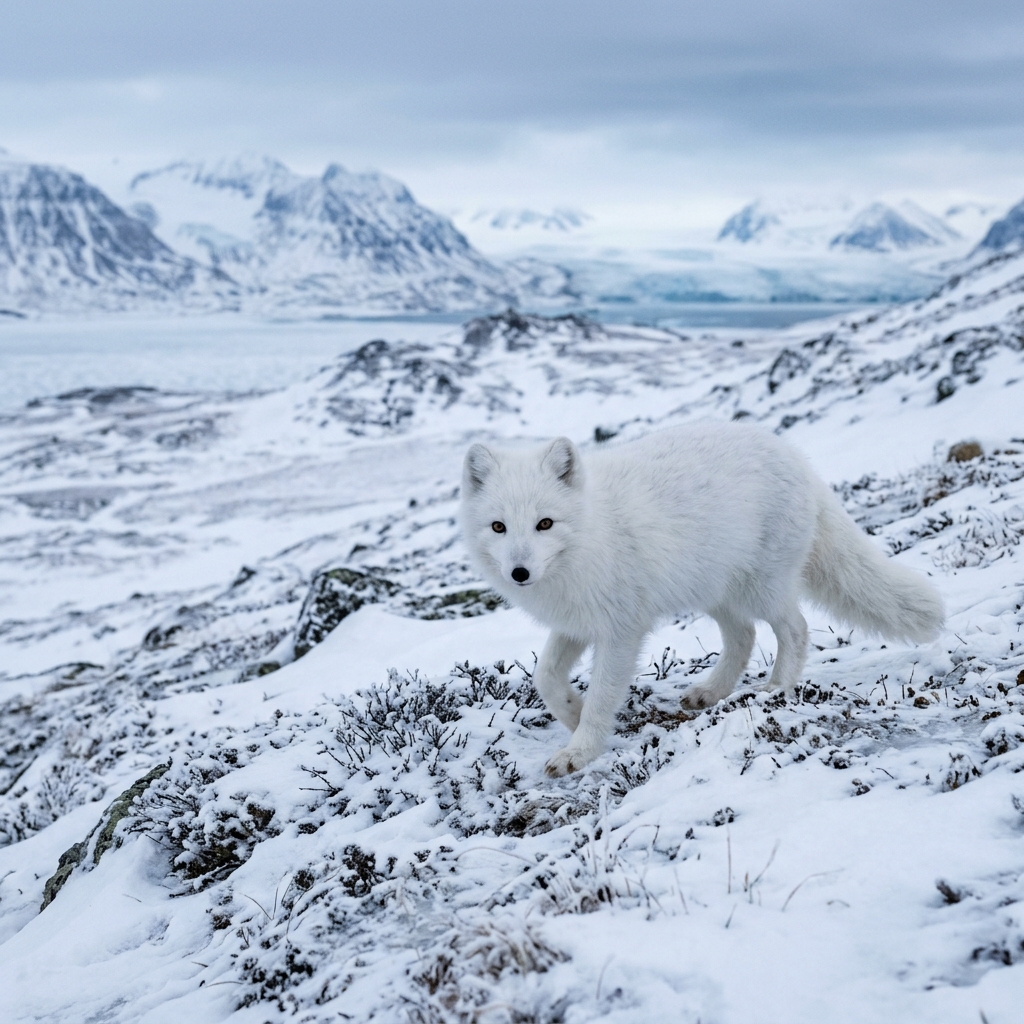
Arctic Fox
Vulpes lagopus
How it survives here:
Changes its coat colour from brown in summer to thick white in winter for camouflage. Has a compact body to retain heat.
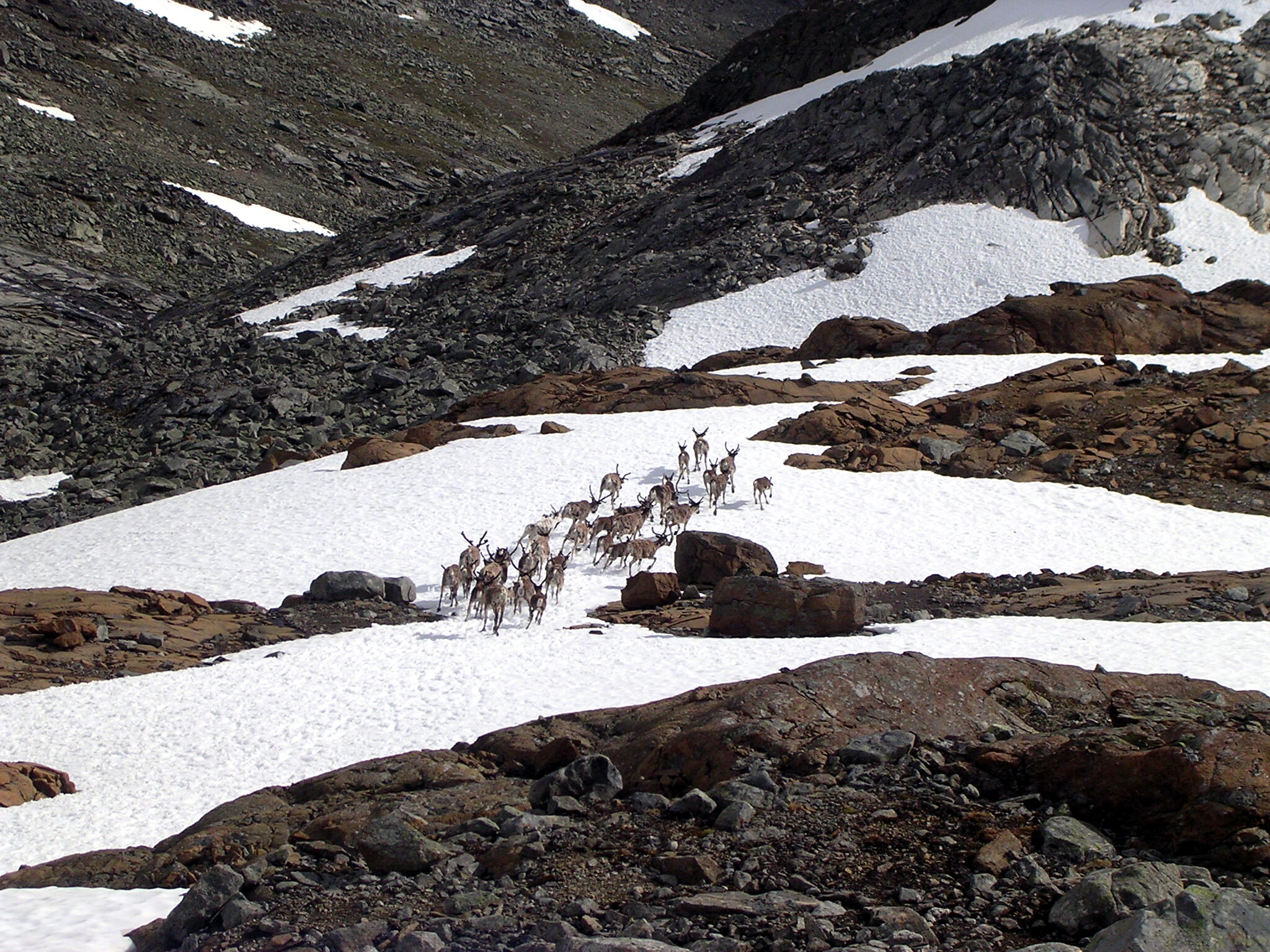
Reindeer
Caribou
How it survives here:
Has wide, scoop-like hooves to walk easily on snow and dig down to eat buried lichen.
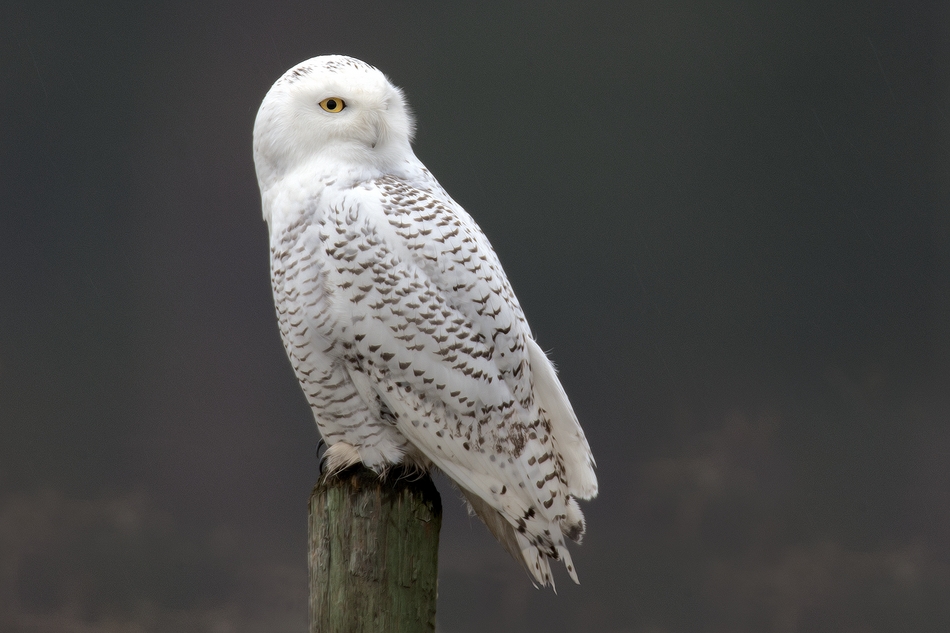
Snowy owl
How it survives here:
Its thick white feathers provide perfect camouflage against the snow and keep it warm in freezing winds.
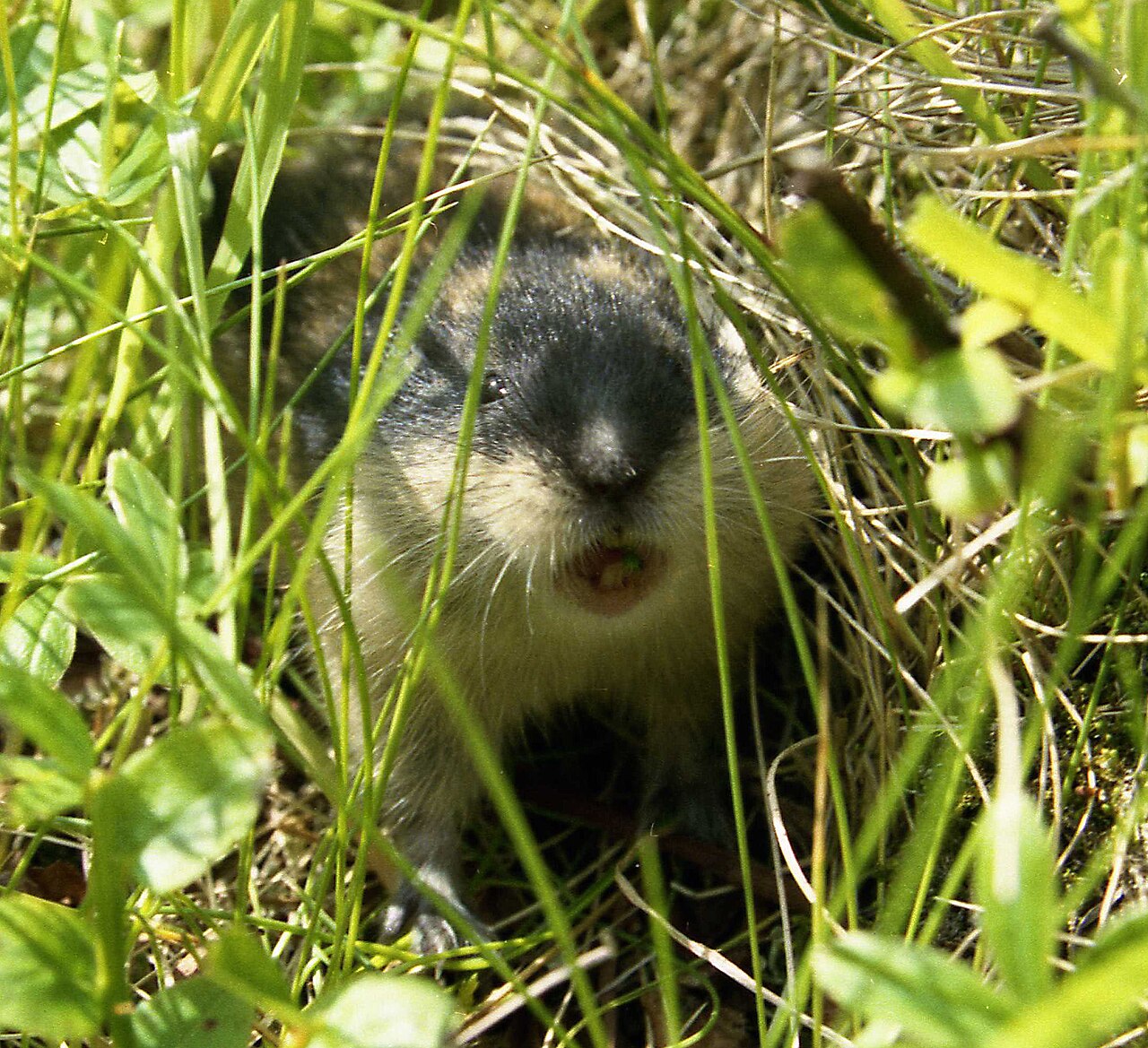
Lemming
How it survives here:
Burrows under the snow in winter to stay warm and eat roots safely.
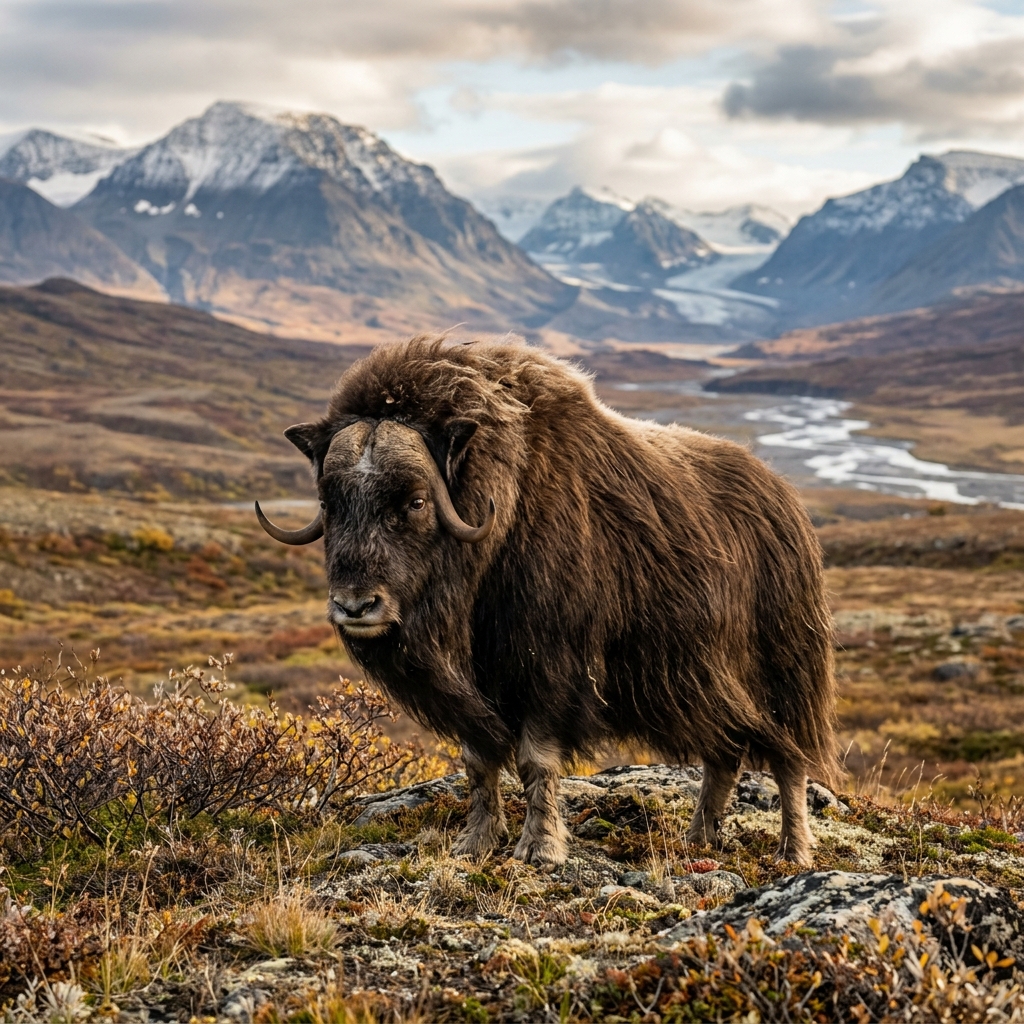
Musk Ox
How it survives here:
Has an incredibly thick, shaggy coat that reaches the ground to block freezing winds.