Australian Desert Scrub 🦎
Dry, hot outback terrain with sparse, tough vegetation and red sandy soil.
📄 Educational Handout Available
Download the printable infographic for this habitat.
Climate & Environment
Arid and hot, but with slightly more moisture than deep sand deserts, allowing for some vegetation.
Key Plants
Spinifex grass, mulga trees, and saltbush.
💡 Fun Facts
- Many plants in the desert scrub have silvery or pale leaves to reflect the intense sunlight and reduce water loss.
- The Thorny Devil looks terrifying, but those spikes are actually used to channel tiny drops of morning dew straight into its mouth!
Key Creatures
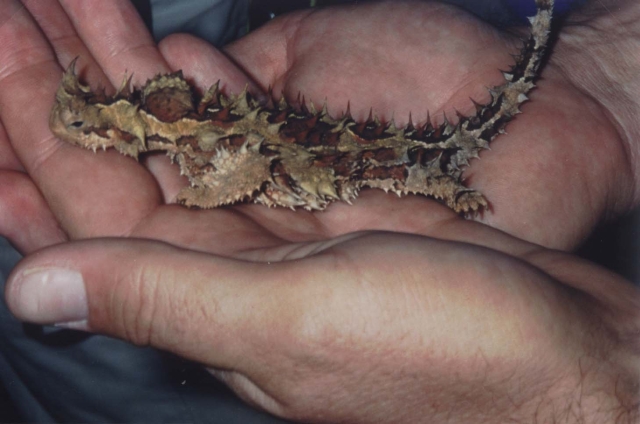
Thorny Devil
Moloch horridus
How it survives here:
Covered in spikes that collect tiny drops of morning dew. The water then travels through microscopic grooves straight to its mouth.
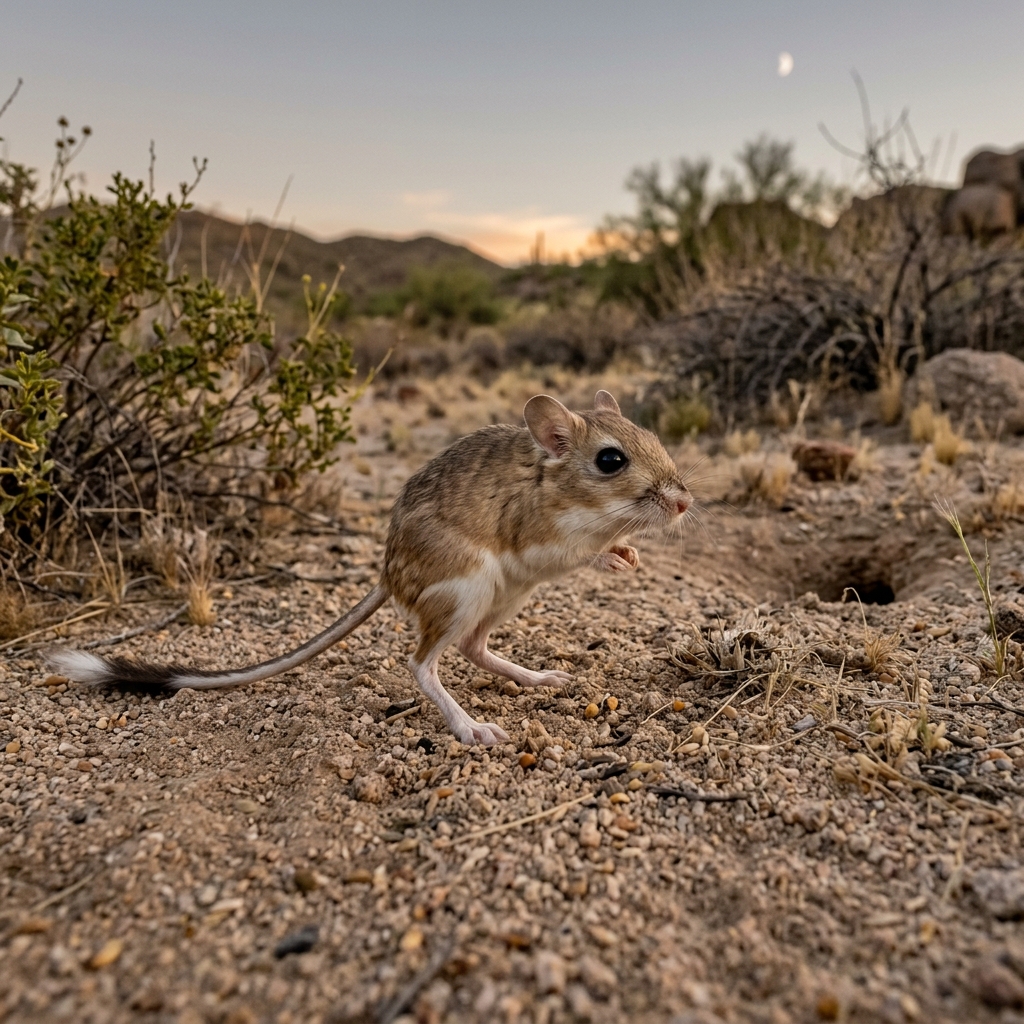
Kangaroo rat
How it survives here:
Never needs to drink liquid water; it gets all the moisture it needs to survive from dry seeds.
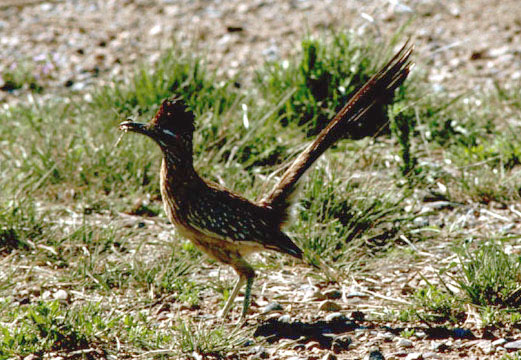
Roadrunner
How it survives here:
A fast-running bird that is quick enough to hunt and eat venomous snakes and scorpions in the scrubland.
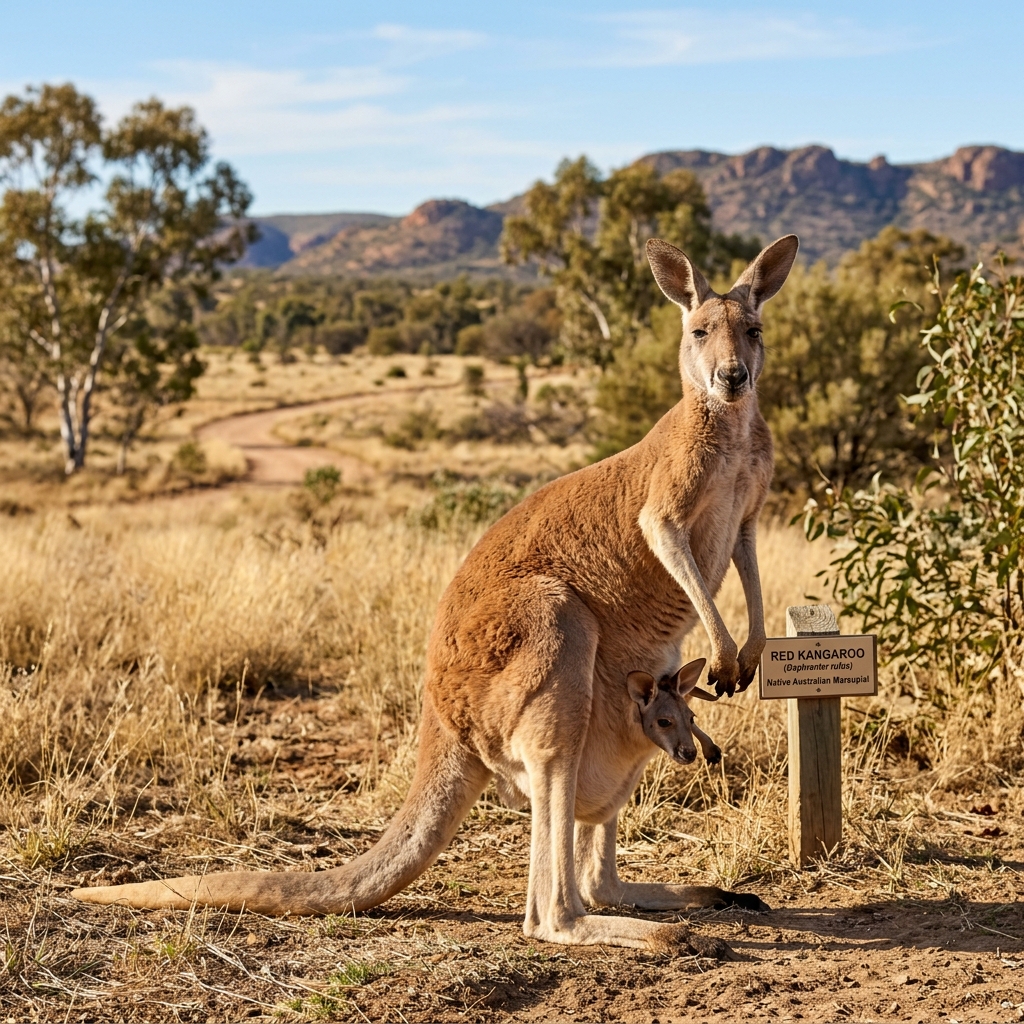
Kangaroo
How it survives here:
Hops efficiently to cover huge distances looking for sparse food and water.
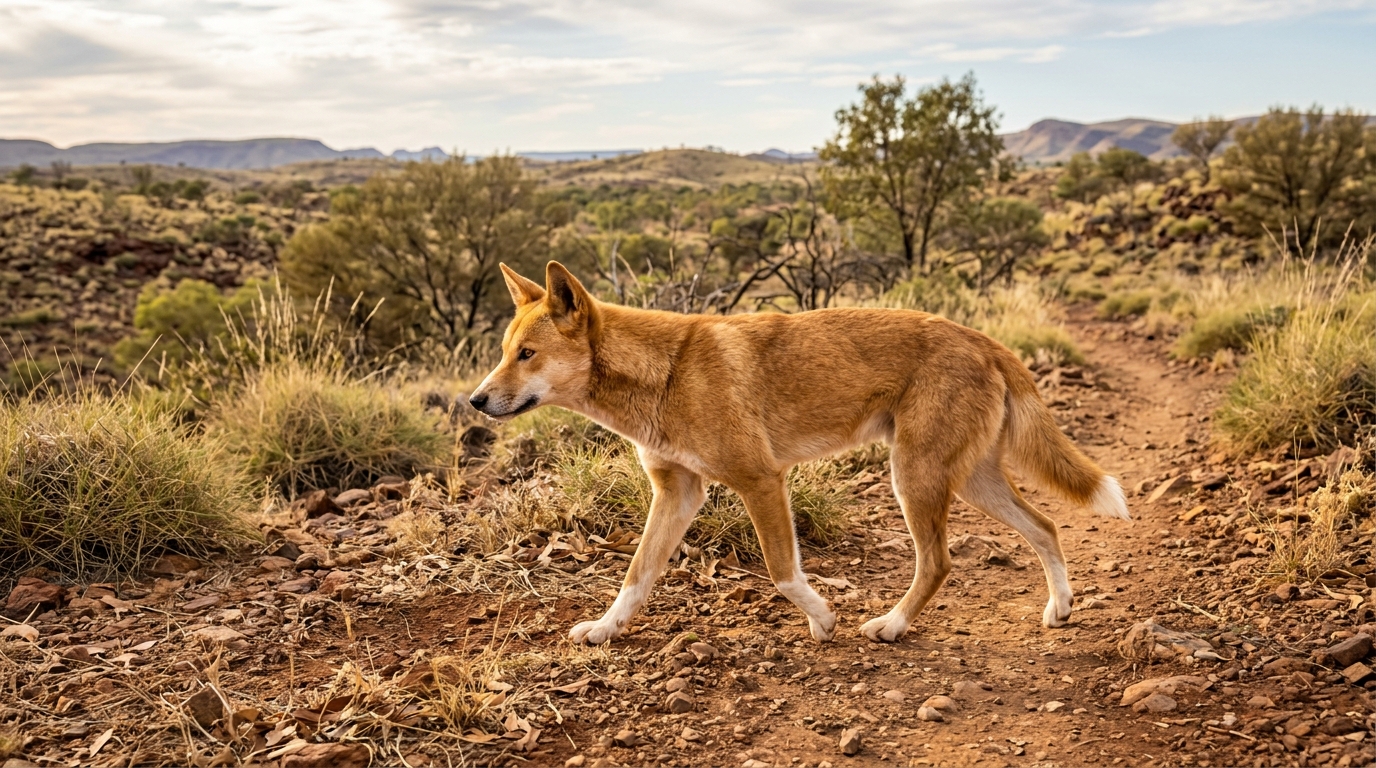
Dingo
How it survives here:
A highly adaptable wild dog that hunts in packs in the harsh outback.