Arctic Habitat
Open Tundra Mounds 🦉
Slightly raised bumps on the flat tundra that get blown clear of snow by the harsh winds.
📄 Educational Handout Available
Download the printable infographic for this habitat.
Climate & Environment
Harsh, windswept, and exposed to extreme cold.
Key Plants
Hardy lichens, mosses, and low-lying arctic willow.
💡 Fun Facts
- These raised mounds offer a strategic vantage point for predators like the snowy owl to spot prey miles away across the flat tundra.
- Because there are no tall trees in the Arctic, a mound just a few feet high is the equivalent of a skyscraper for an owl looking for its dinner.
Key Creatures
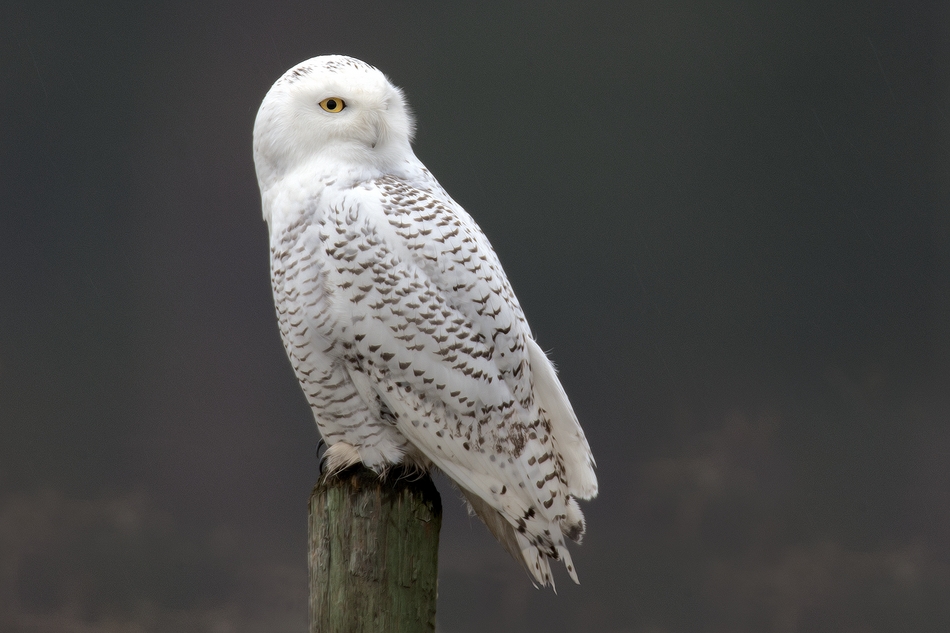
Snowy Owl
Bubo scandiacus
How it survives here:
Nests on the bare ground of these raised mounds, giving it a clear 360-degree view to spot predators and hunt lemmings.
View Creature Detail
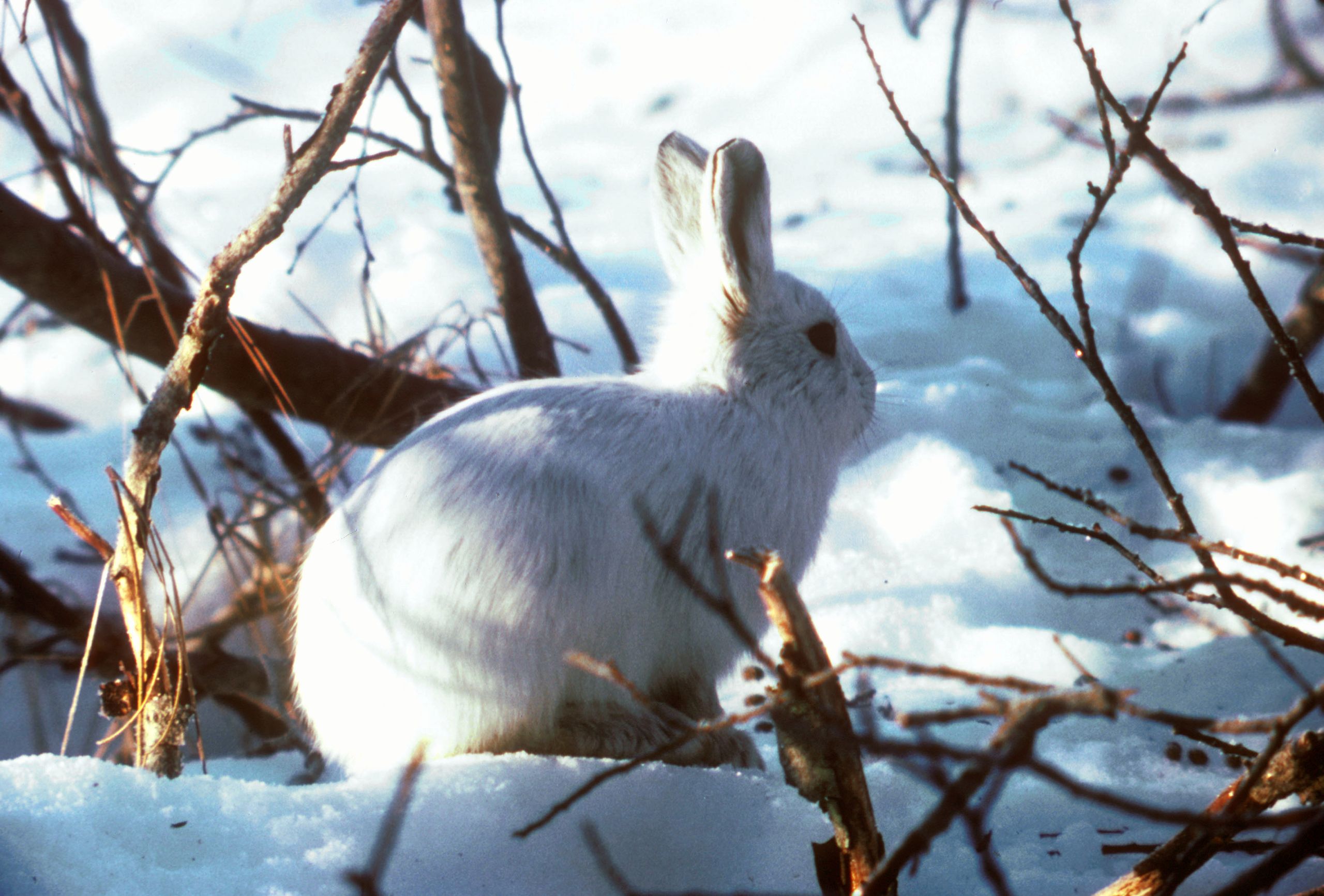
Arctic hare
How it survives here:
Has heavily padded, large hind legs for running fast over snow to escape predators without sinking.
View Creature Detail
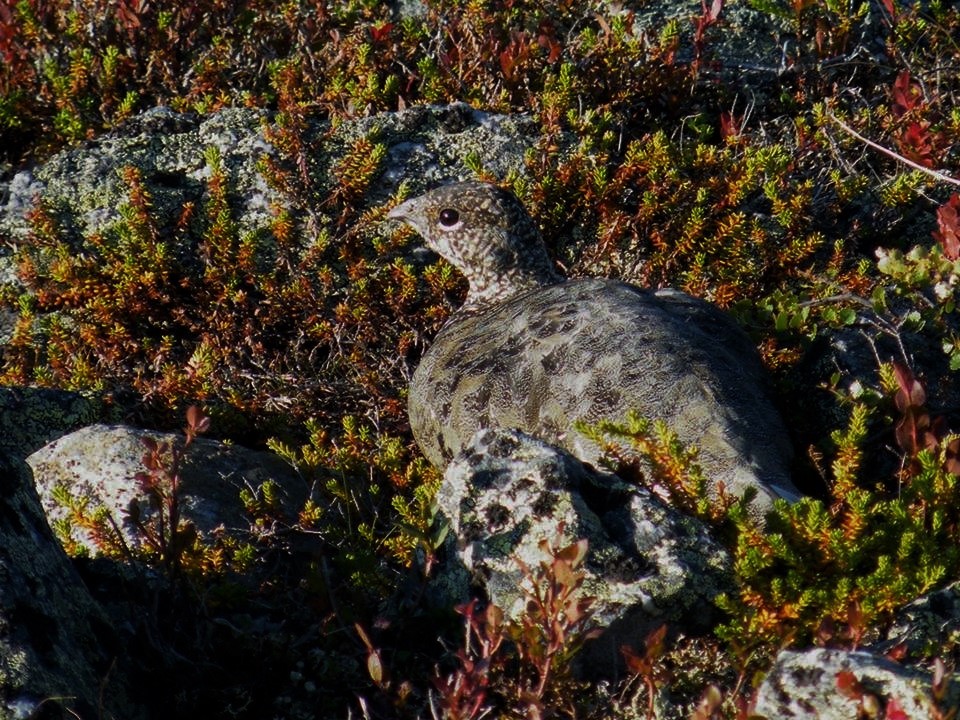
Ptarmigan
How it survives here:
A hardy bird with heavily feathered feet that act exactly like snowshoes in deep winter snow.
View Creature Detail
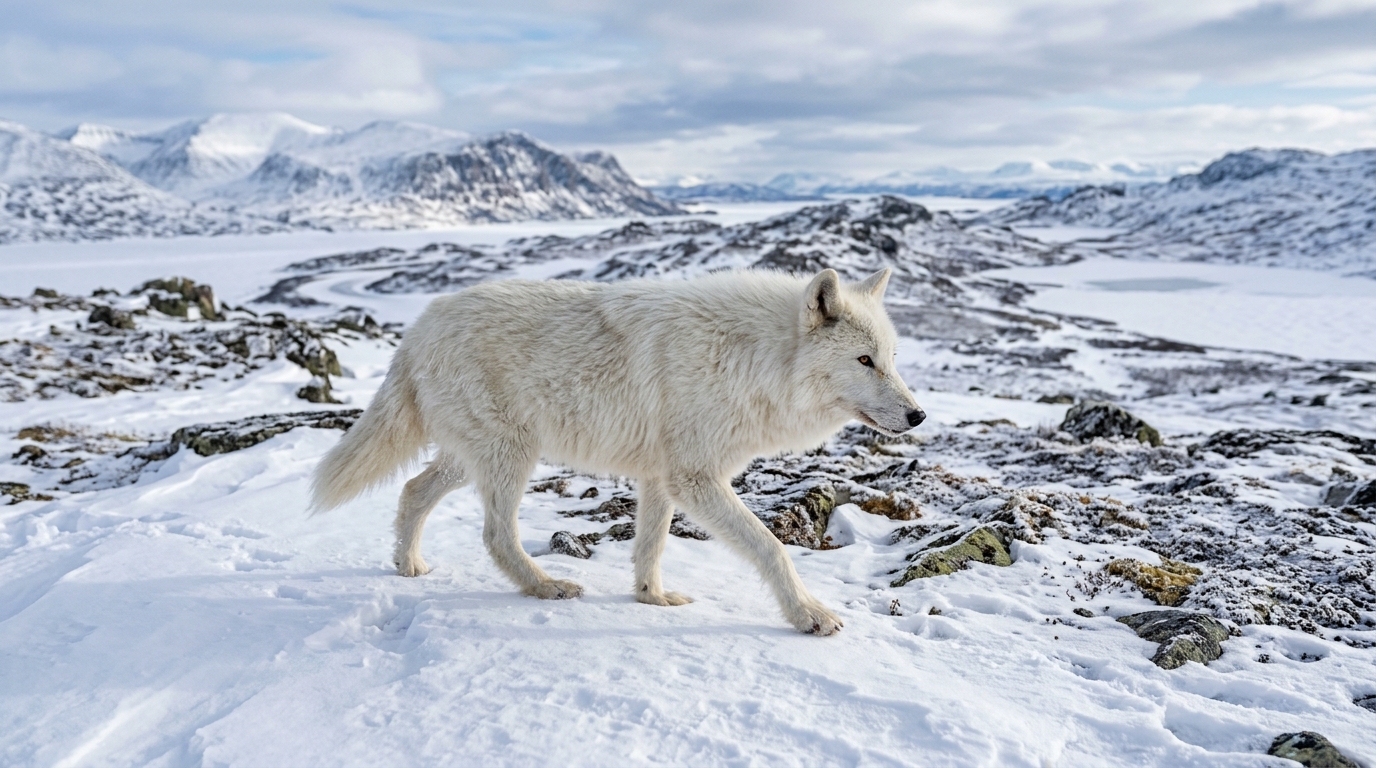
Arctic Wolf
How it survives here:
Has smaller ears and a shorter muzzle than other wolves to prevent heat loss in the extreme cold.
View Creature Detail
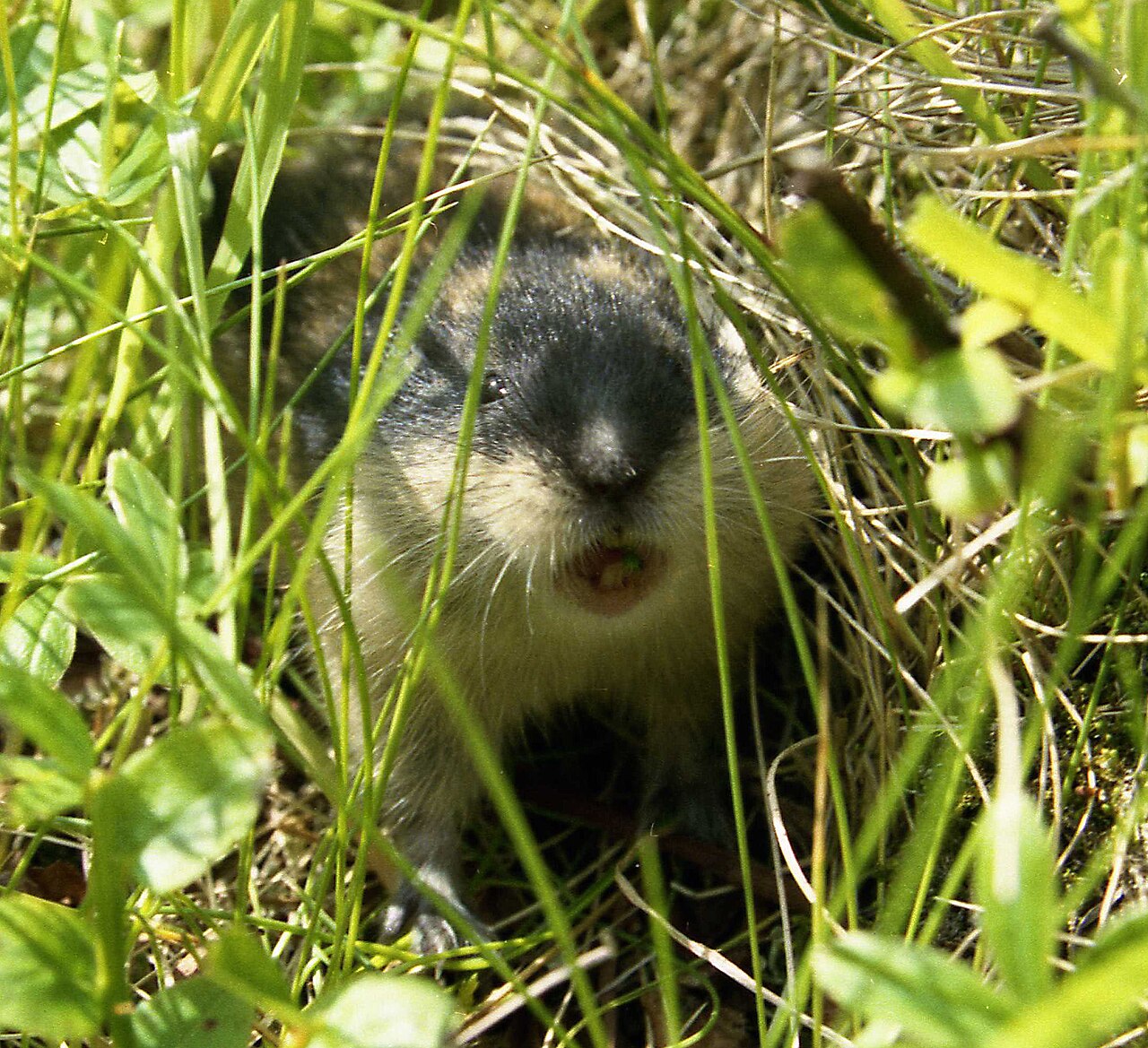
Lemming
How it survives here:
Uses the mounds to look for predators before scurrying across the tundra.
View Creature Detail