Deep Desert Dunes 🐪
Vast oceans of sand where food and water might be days of travel apart.
📄 Educational Handout Available
Download the printable infographic for this habitat.
Climate & Environment
Extremely hot and dry, characterized by shifting sands driven by powerful winds.
Key Plants
Almost non-existent on the dunes themselves due to the constantly shifting sand.
💡 Fun Facts
- Some massive sand dunes can 'sing' or 'boom' as sand avalanches down their steep faces, creating a low, rumbling sound.
- A camel can drink up to 40 gallons of water in one go, and its hump is full of fat, giving it energy for weeks when there is no food.
Key Creatures
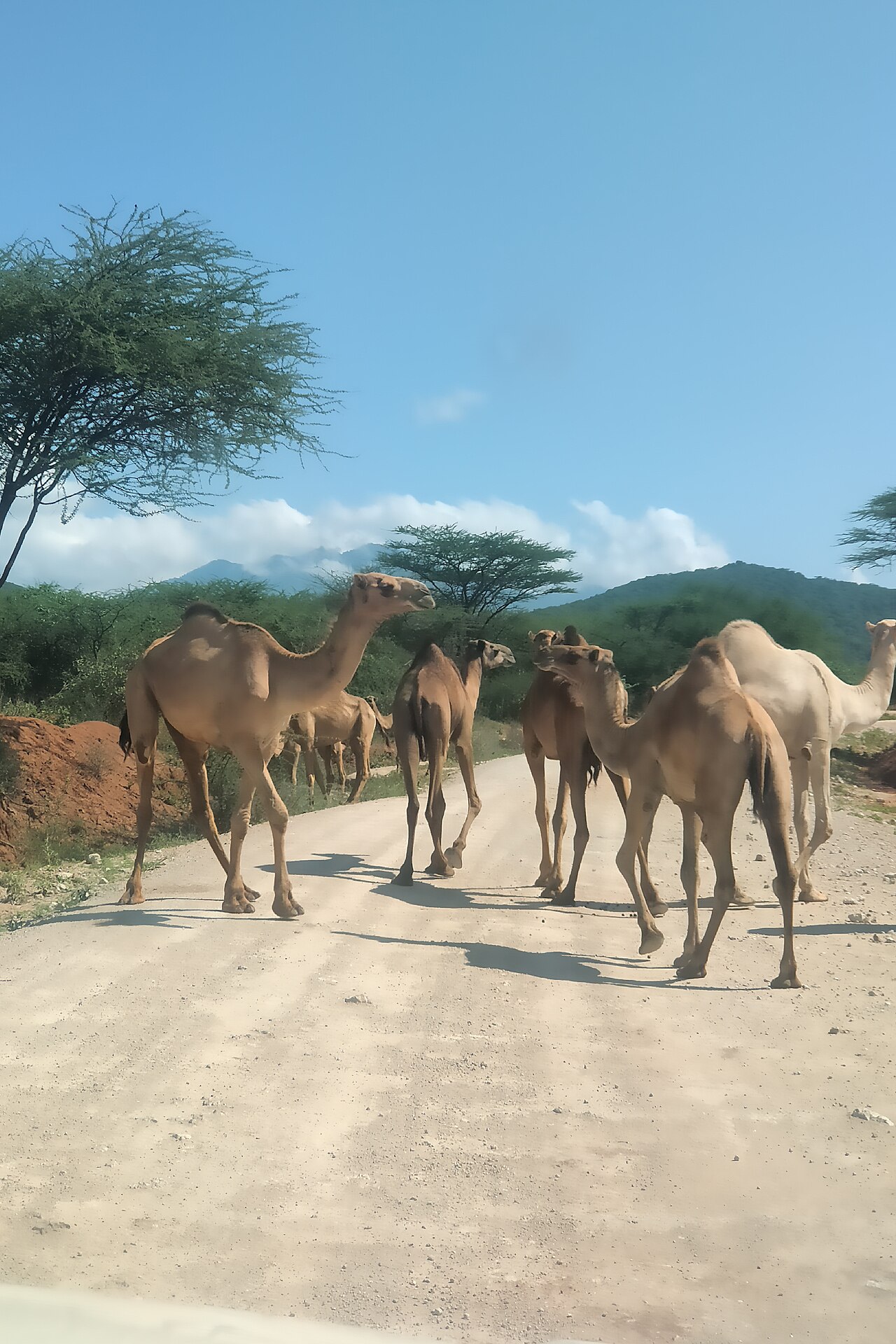
Dromedary Camel
Camelus dromedarius
How it survives here:
Stores fat (not water) in its hump to survive long journeys. Has long eyelashes and closing nostrils to keep out blowing sand.
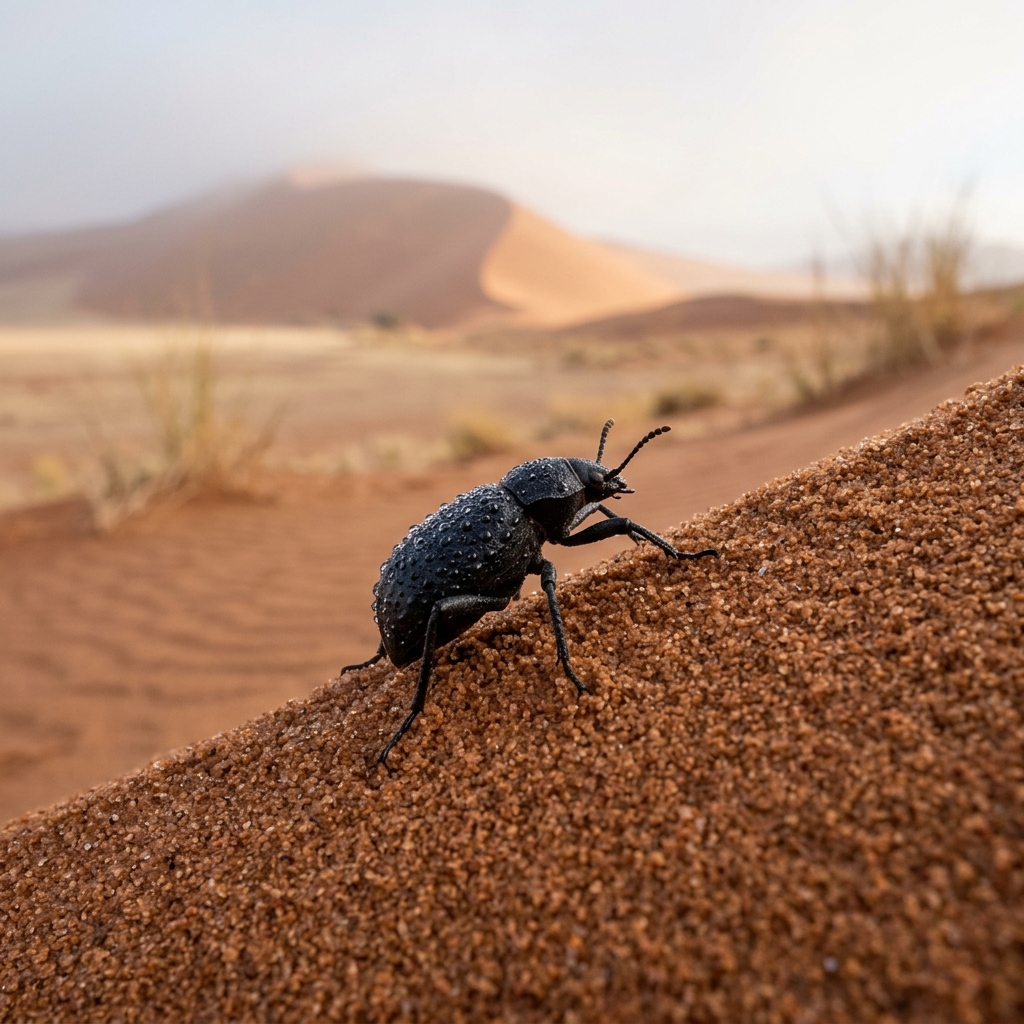
Namib Desert beetle
How it survives here:
Stands on its head to collect morning fog on its bumpy back, which drips down to its mouth as drinking water.
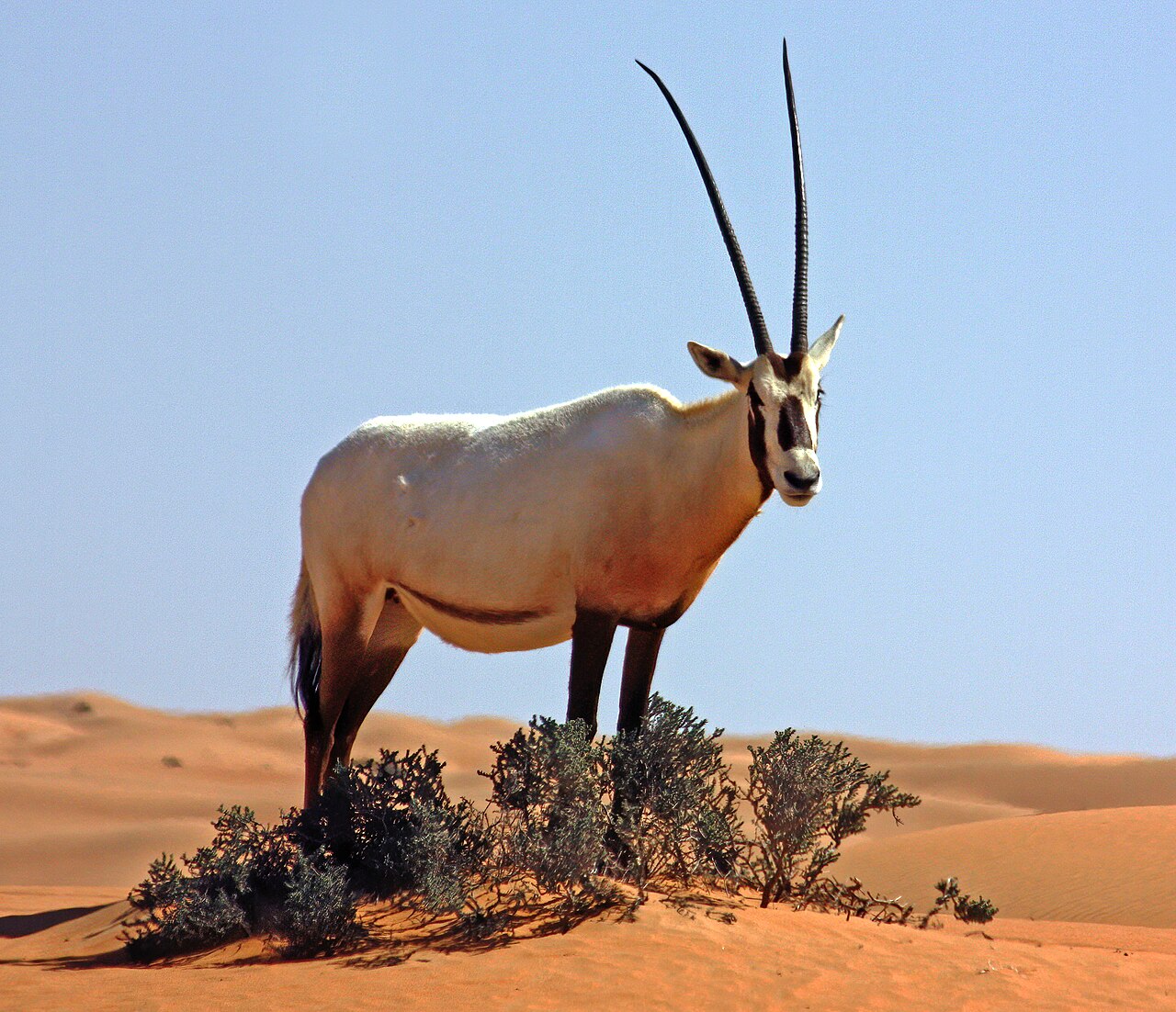
Arabian oryx
How it survives here:
Has a bright white coat to reflect the intense sun and wide hooves for walking on soft sand dunes.
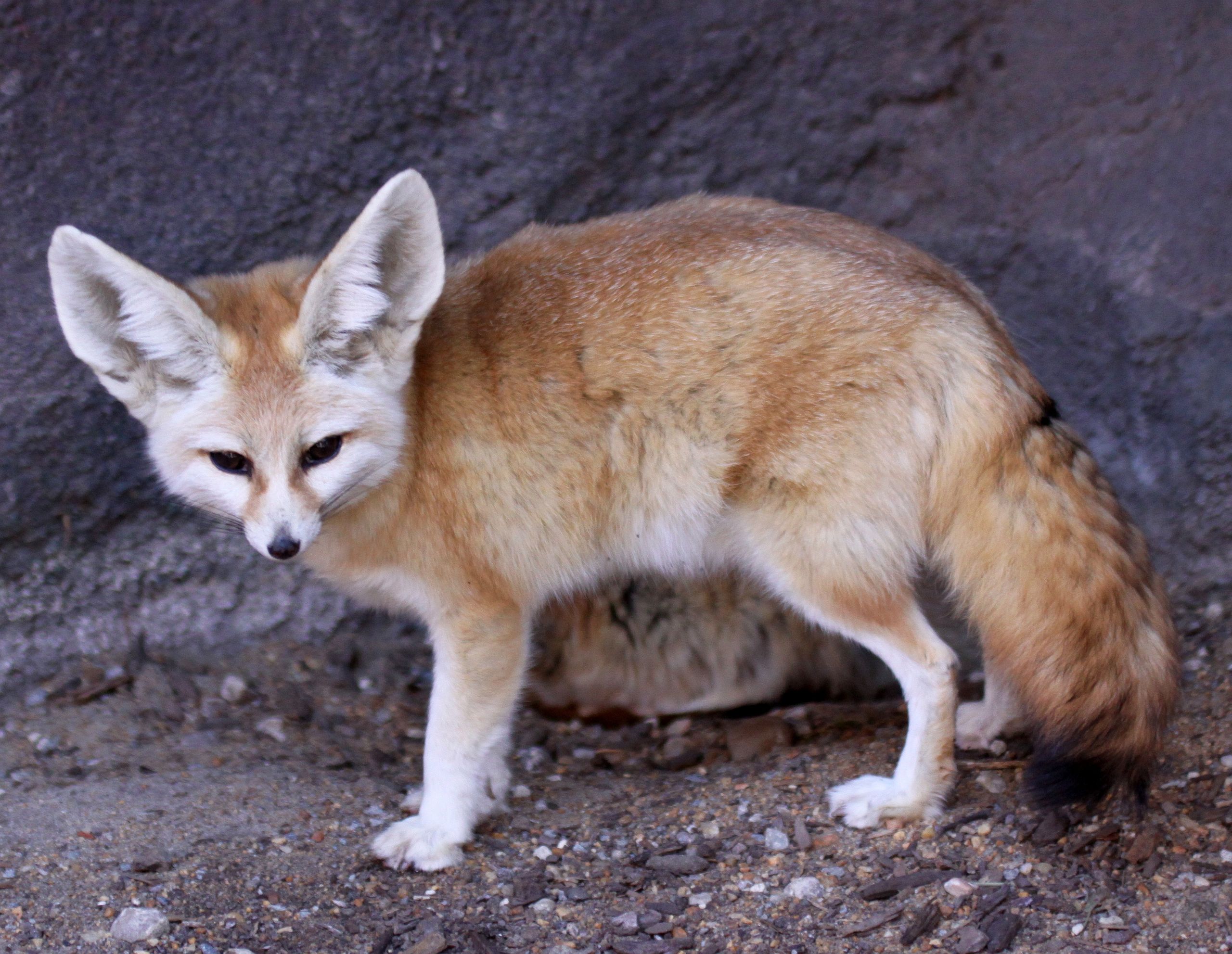
Fennec Fox
How it survives here:
Uses its large ears to dissipate heat and listen for prey moving in the sand.
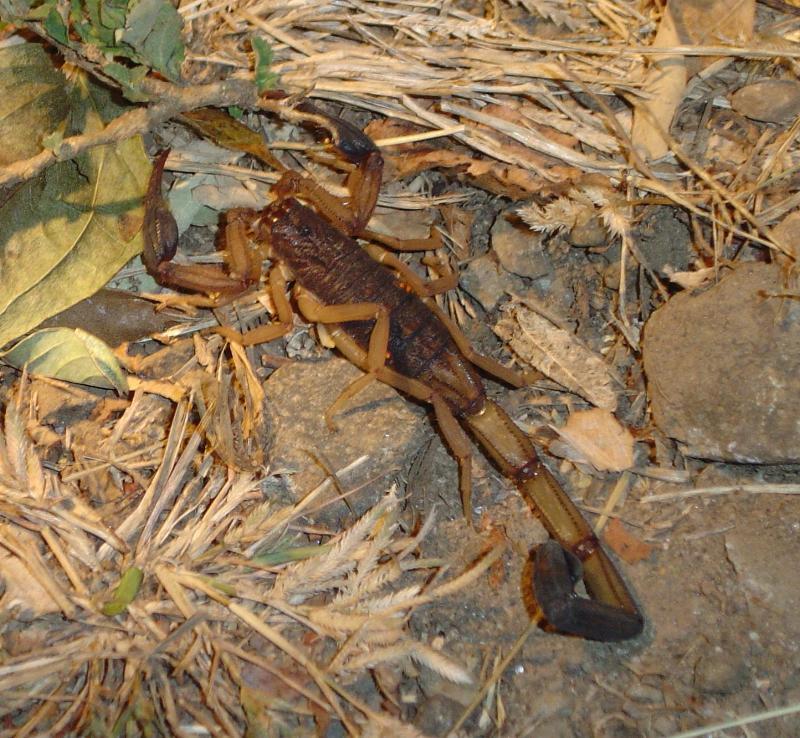
Scorpion
How it survives here:
A master of surviving with almost no water, hunting insects at night.