Woodland 🌳
An area of land covered with trees, providing a rich and varied environment for wildlife with multiple layers (canopy to floor).
📄 Educational Handout Available
Download the printable infographic for this habitat.
Climate & Environment
Temperate with moderate rainfall. The tree canopy provides shade, keeping the forest floor cool, damp, and protected from harsh sun.
Key Plants
Oak, ash, and beech trees, alongside bluebells, ferns, and mosses.
💡 Fun Facts
- Trees in a woodland communicate and share nutrients through a vast underground fungal network known as the 'Wood Wide Web'.
- Woodlands change completely depending on the season: in spring they are bursting with wildflowers, but in winter they look entirely asleep as deciduous trees drop their leaves.
Key Creatures
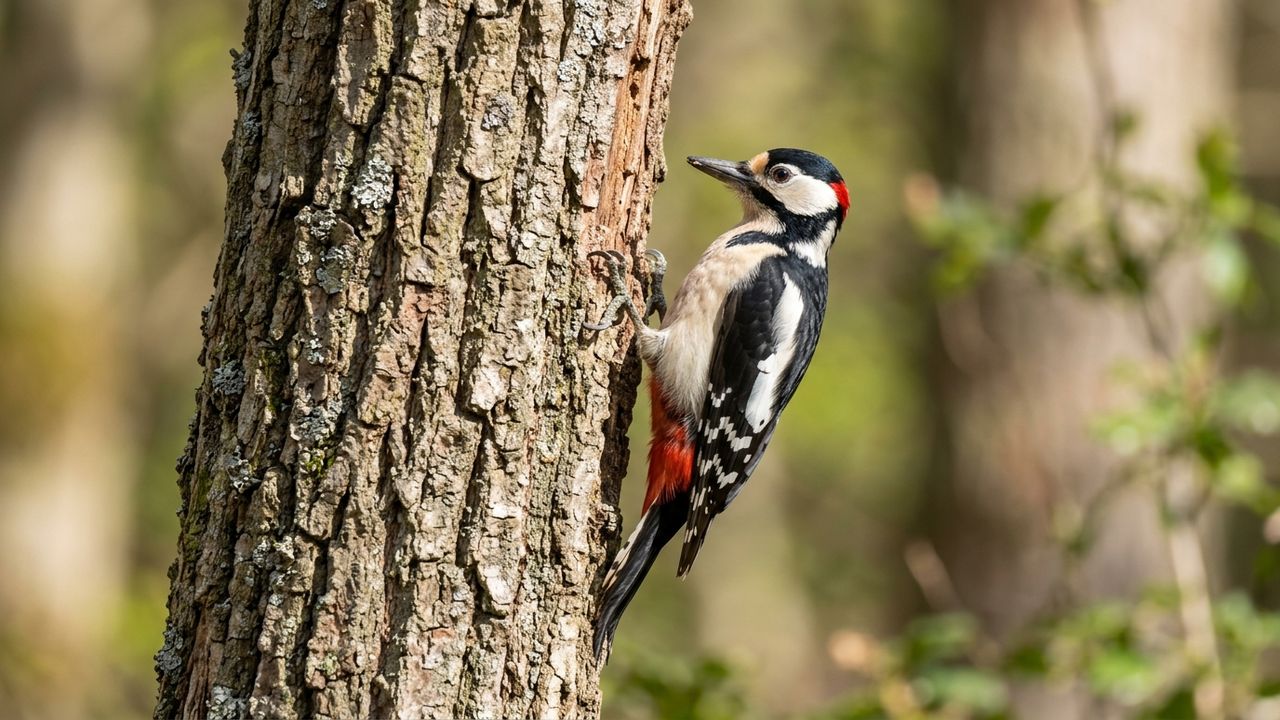
Woodpecker
How it survives here:
Uses its long, sticky tongue to pull insects out of holes it drills in tree bark. Nests safely high up in tree trunks.
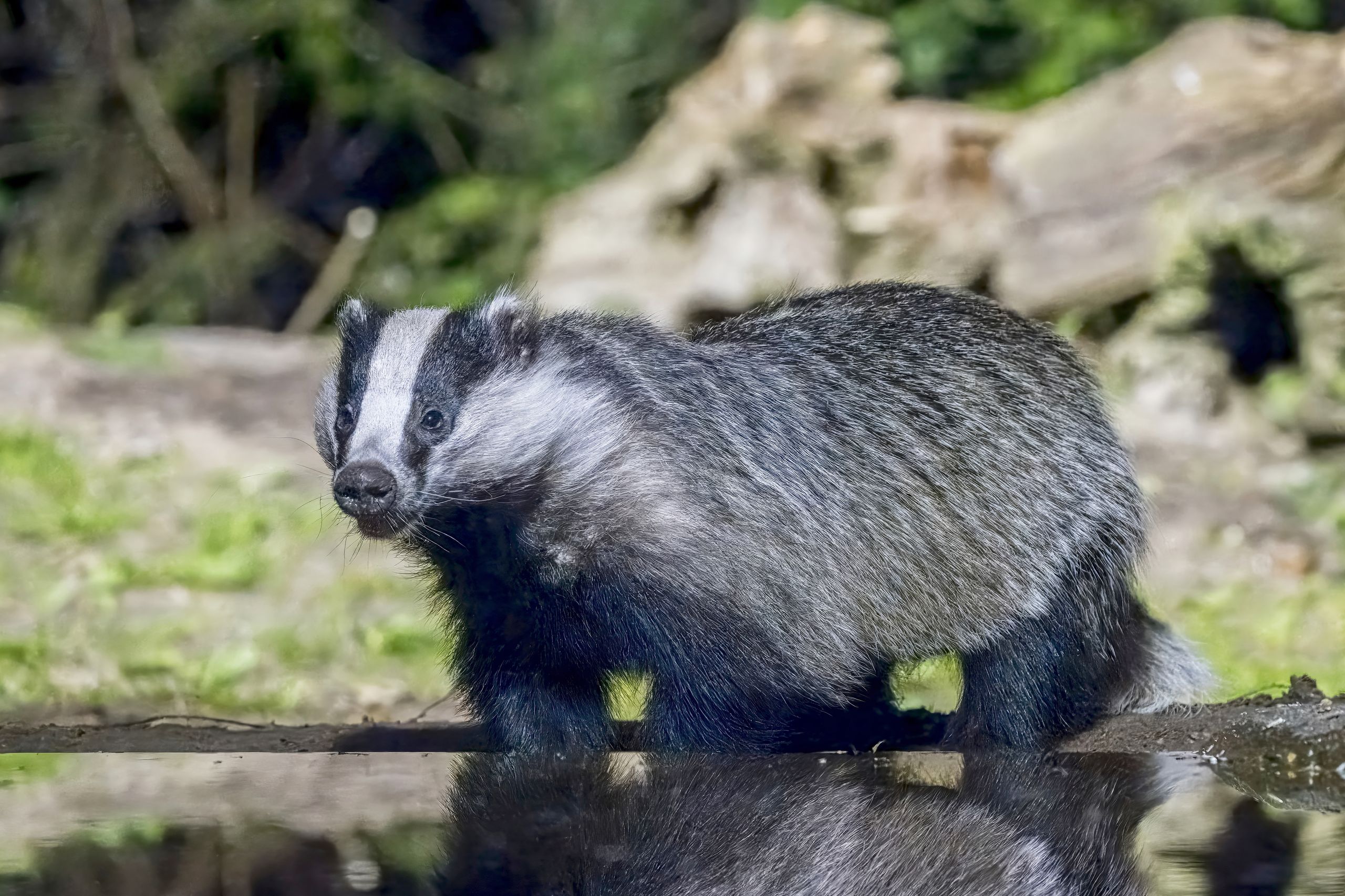
Eurasian badger
How it survives here:
Digs complex underground tunnel systems called setts to stay safe and warm.
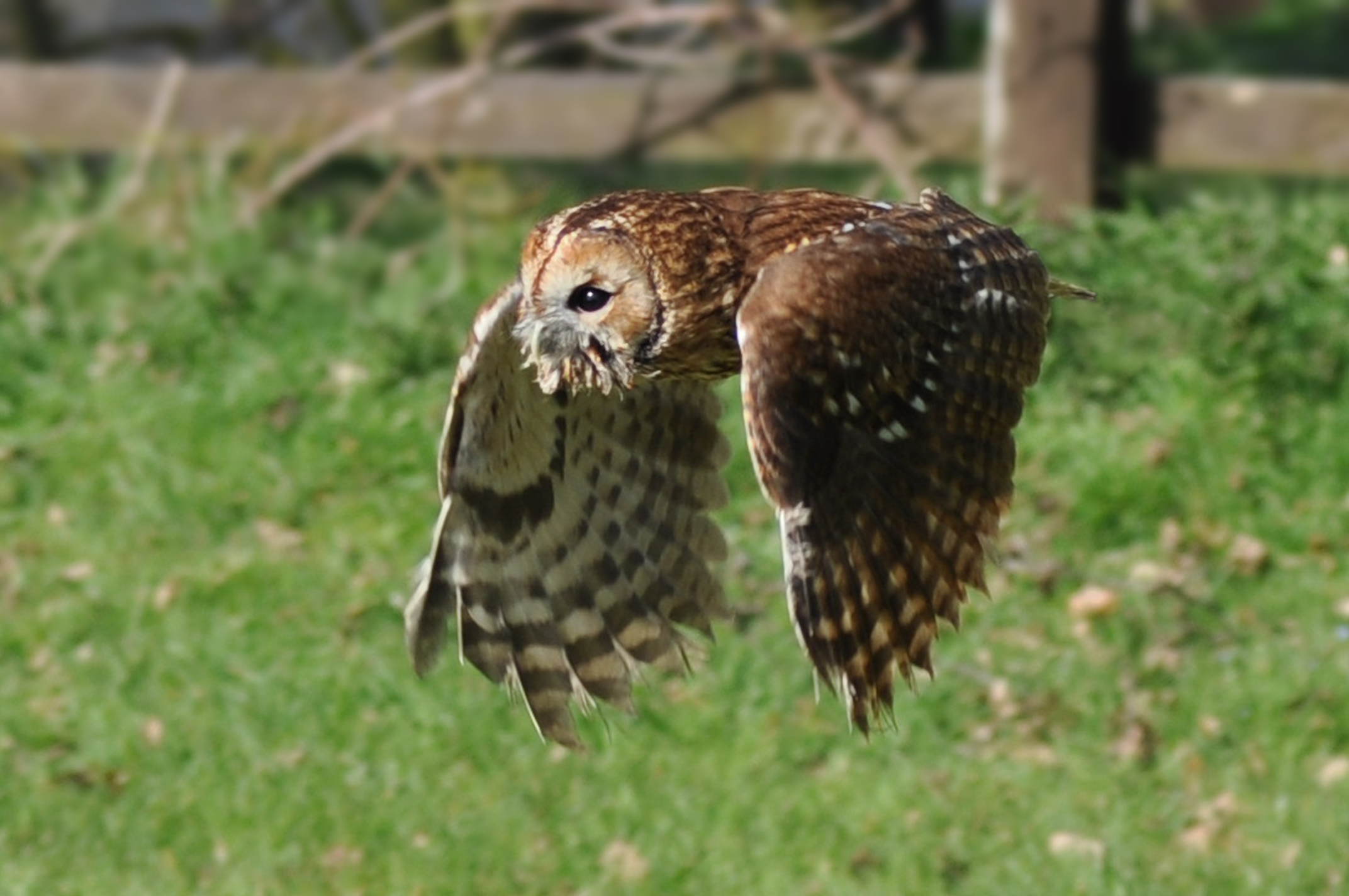
Tawny owl
How it survives here:
Has specialized feathers with soft edges for completely silent flight to catch prey in the dark.
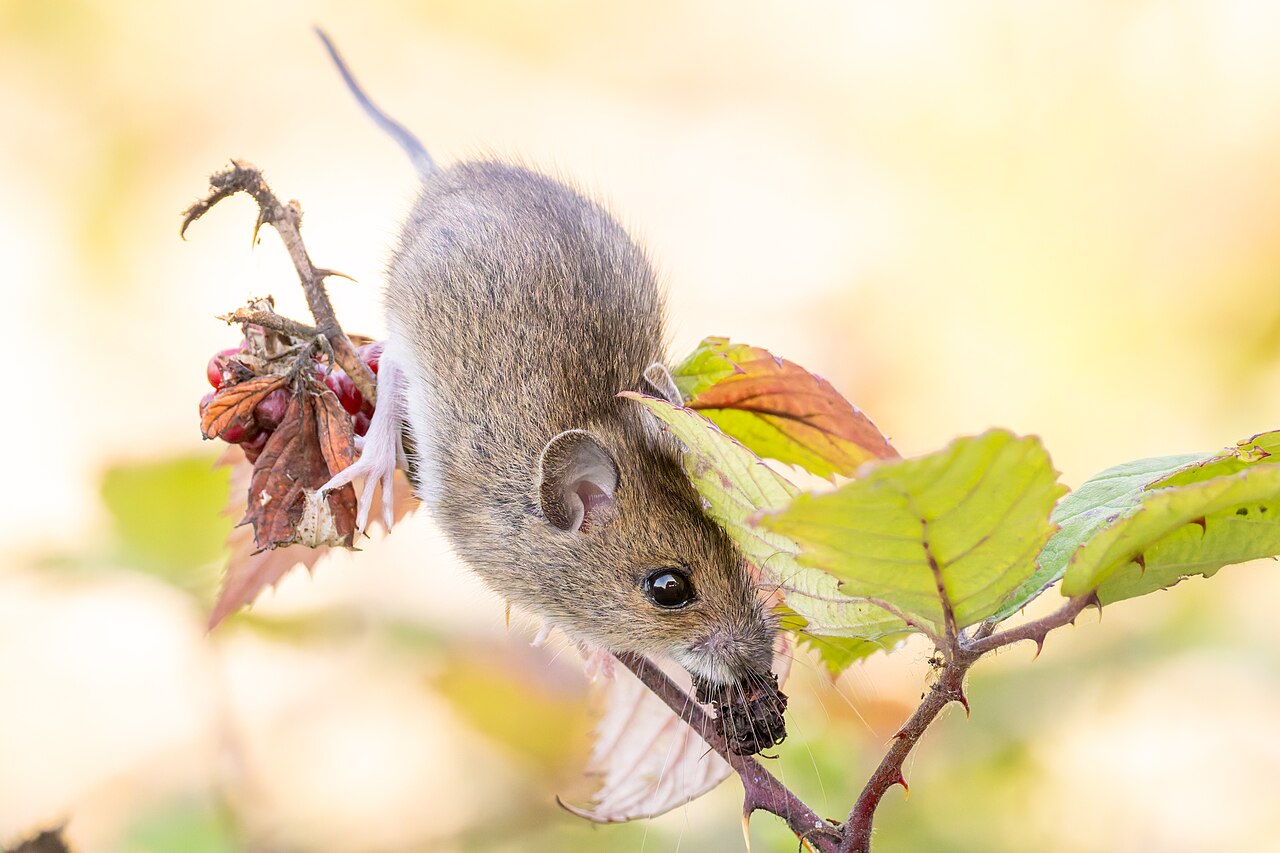
Wood Mouse
How it survives here:
Has huge eyes and ears to spot predators while foraging for seeds at night.
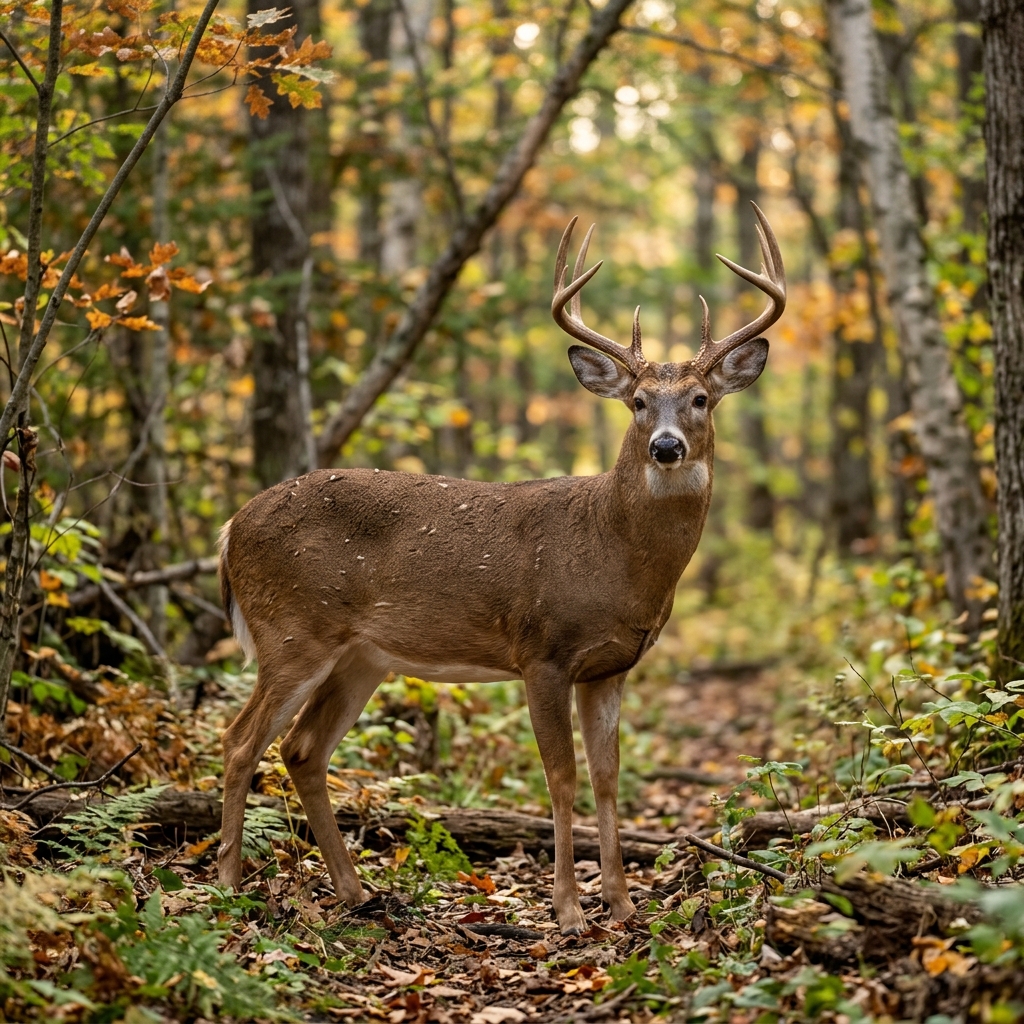
Deer
How it survives here:
Uses its keen sense of smell and hearing to detect danger in the dense forest.