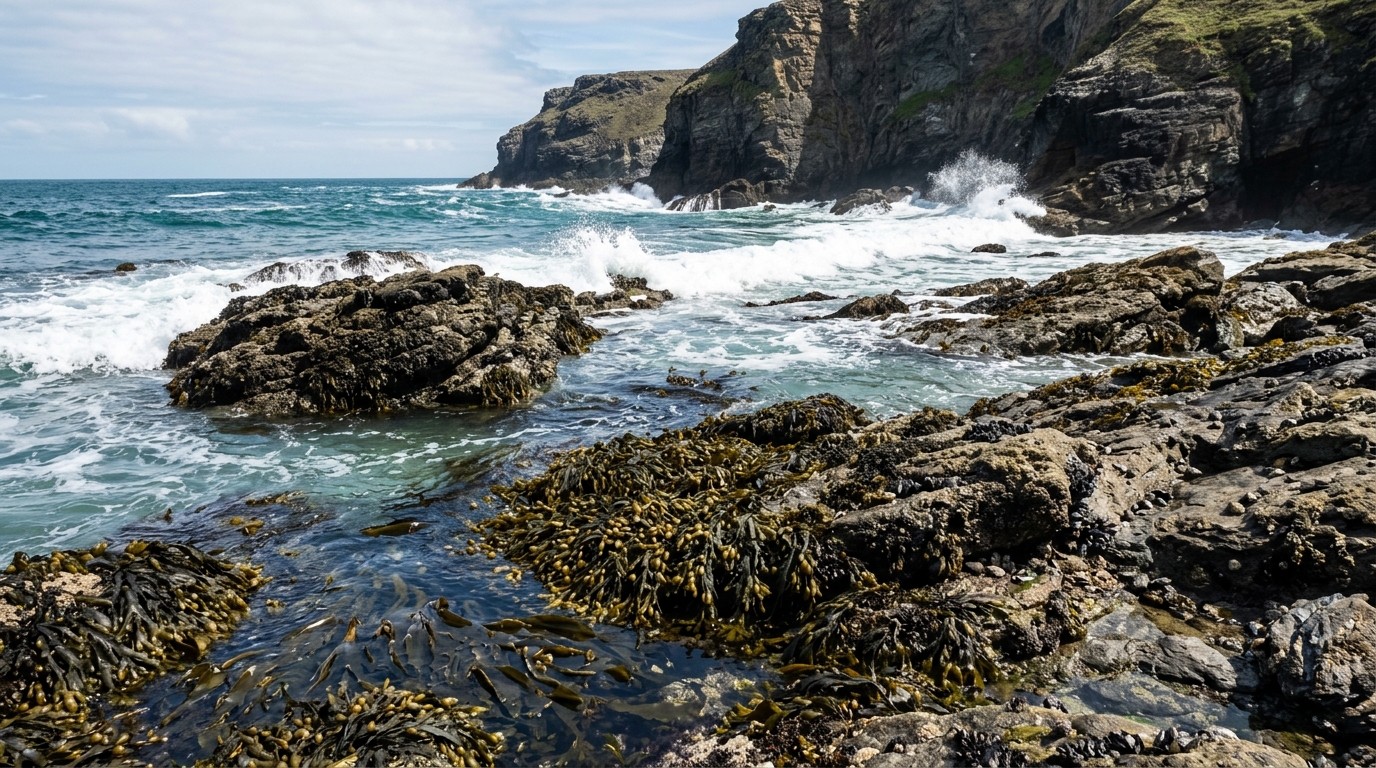
Rock pools, coastlines, and the shallow seas surrounding the UK. This page is part of our GCSE Natural History preparation, focusing specifically on UK native species and environments.
Wildlife in this Habitat
The marine world covers over 70% of the Earth, spanning from rocky UK shorelines to the darkest ocean depths.
UK Coastal Birds & Mammals
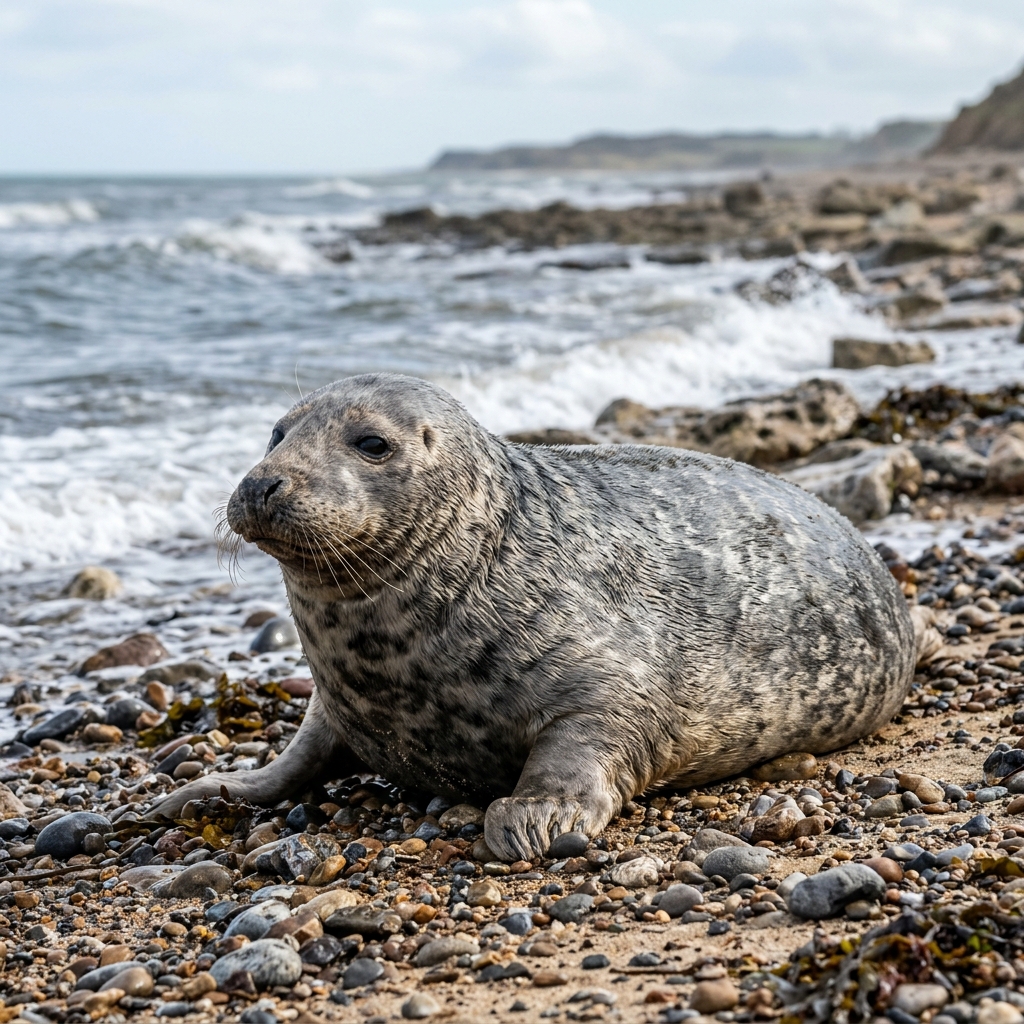
Grey Seal
Heavy, blubbery mammals that haul out on UK beaches to rest and pup.
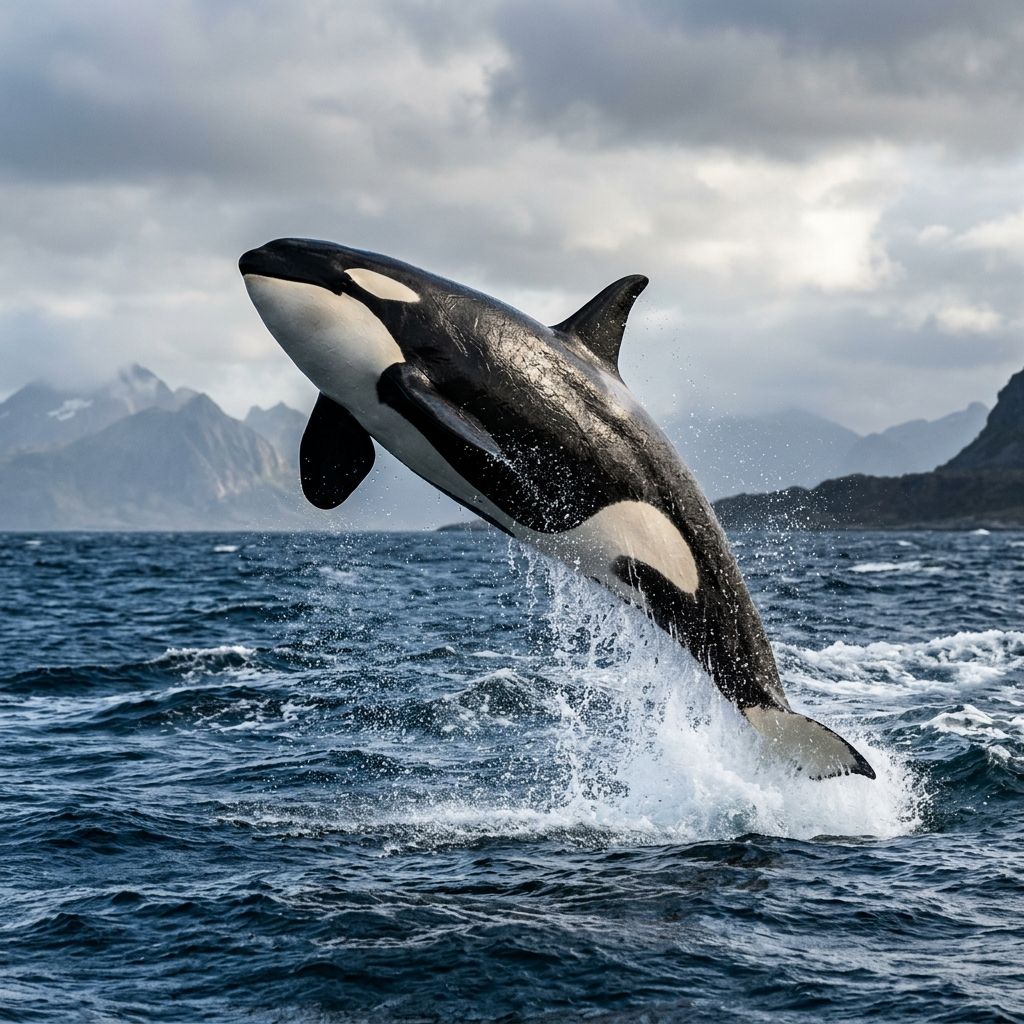
Orca
Highly intelligent apex predators, with a small pod living off the Scottish coast.
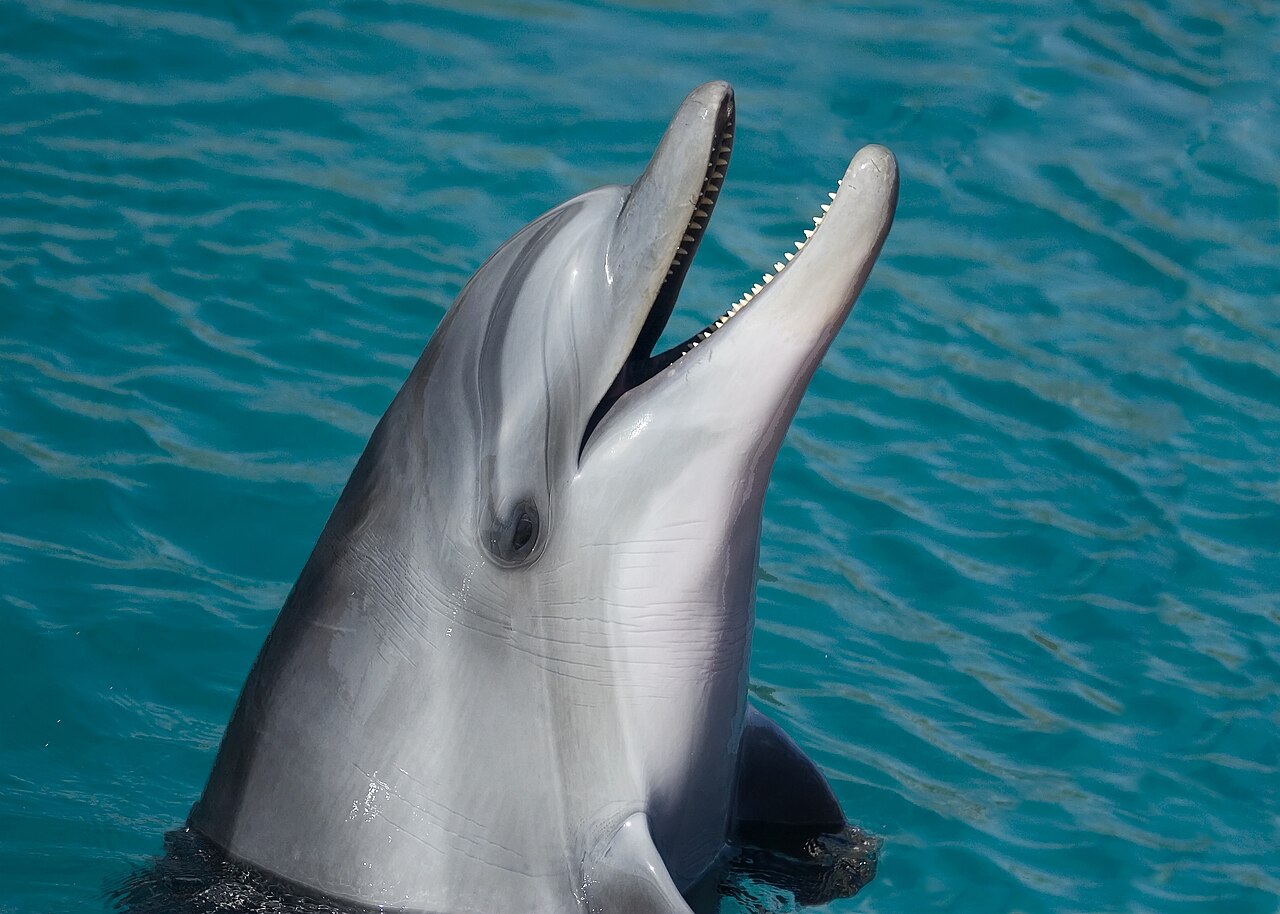
Dolphins in UK Waters
Acrobatic marine mammals often seen riding the bow waves of boats.
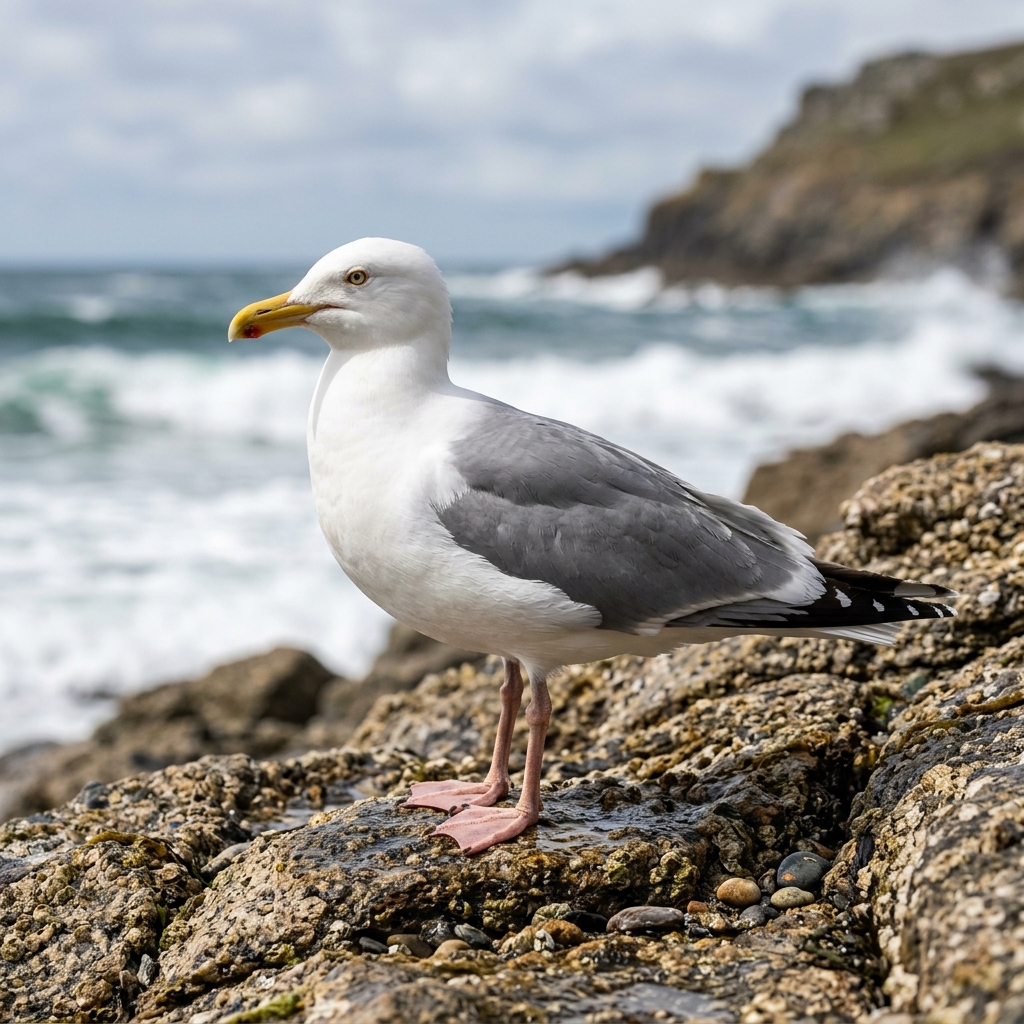
Seagull
Herring Gull
Opportunistic scavengers highly adapted to coastal (and urban) life.
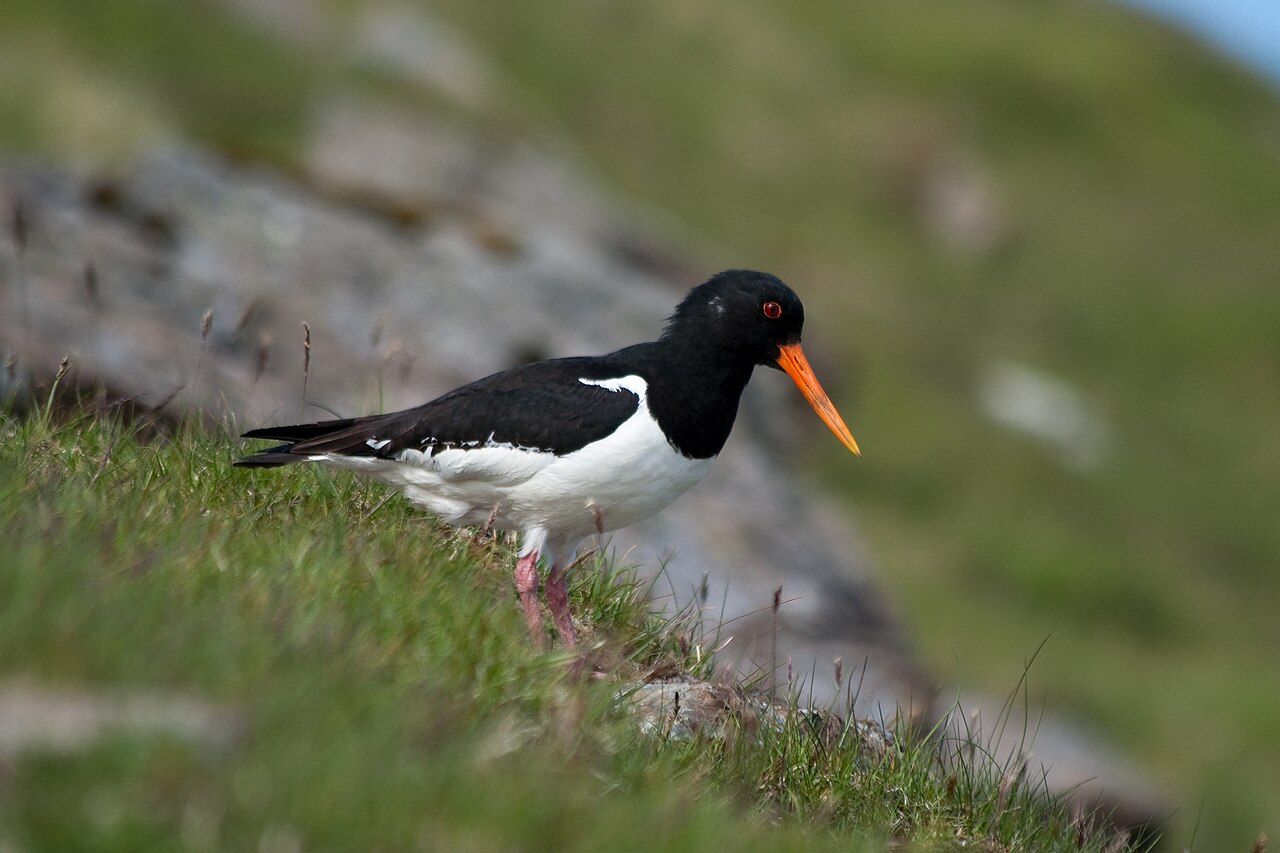
Oystercatcher
Distinctive black-and-white wading birds with bright orange beaks.
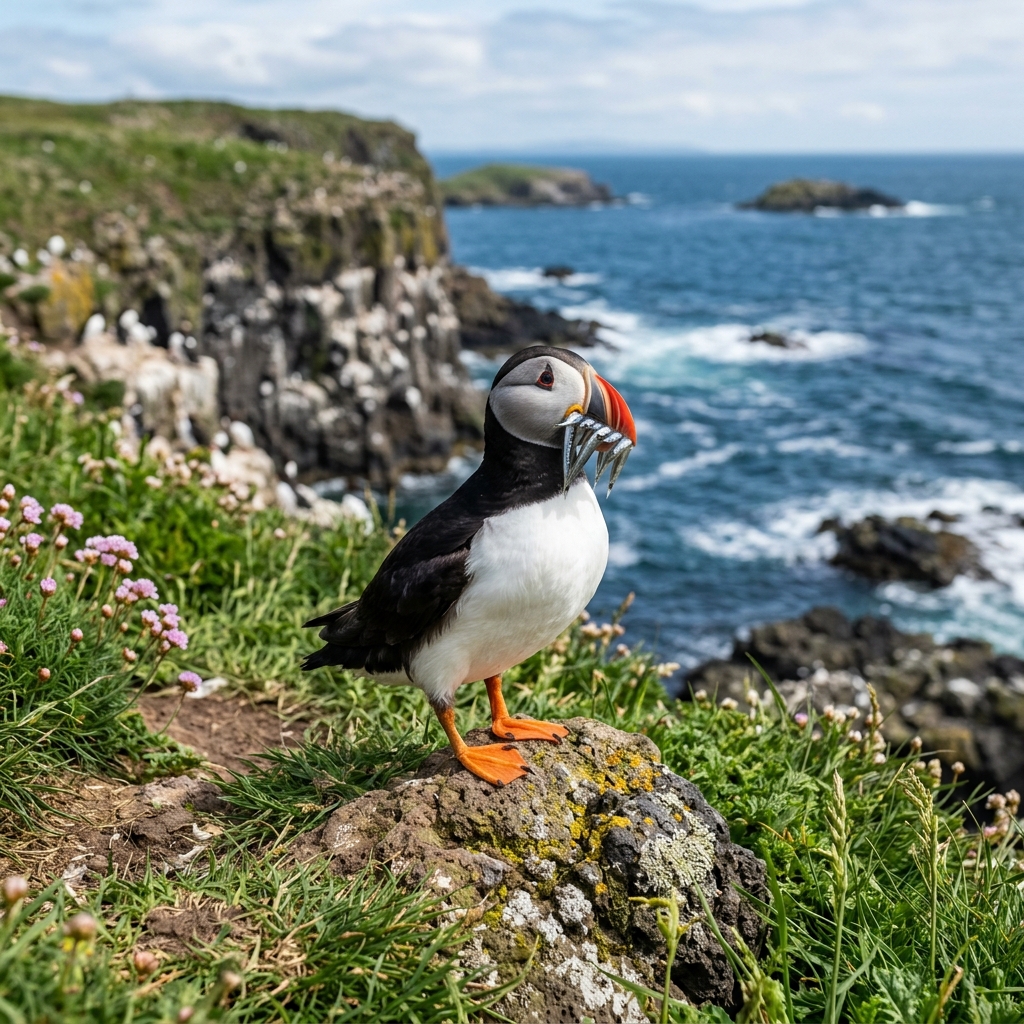
Puffin
Charismatic seabirds with colorful striped bills that dive for sandeels.
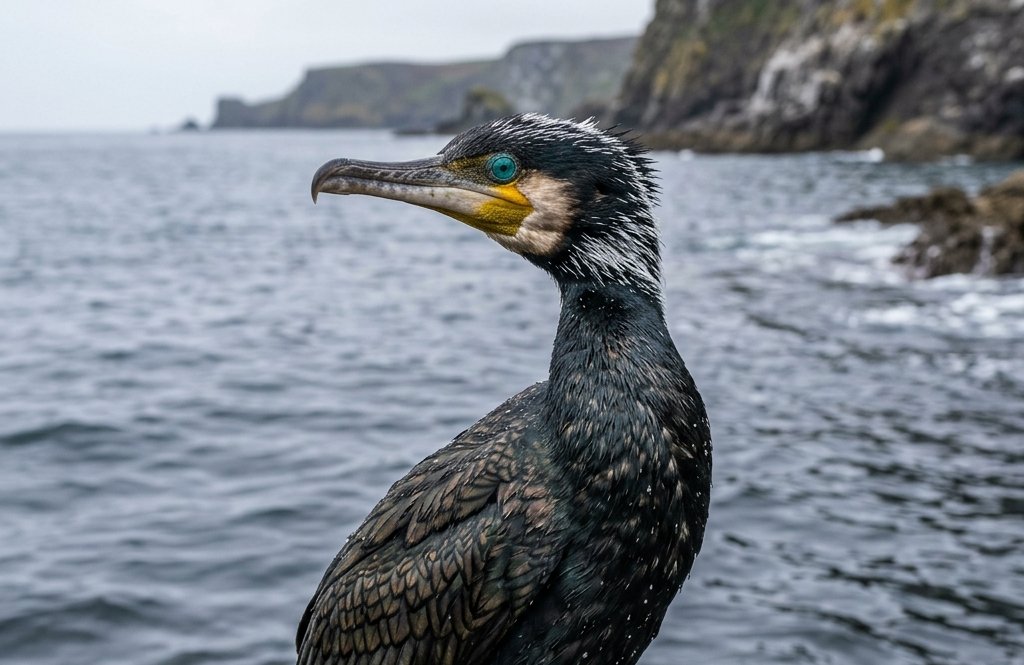
Cormorant
Dark diving birds often seen holding their wings out to dry.
UK Rock Pool & Shoreline Species
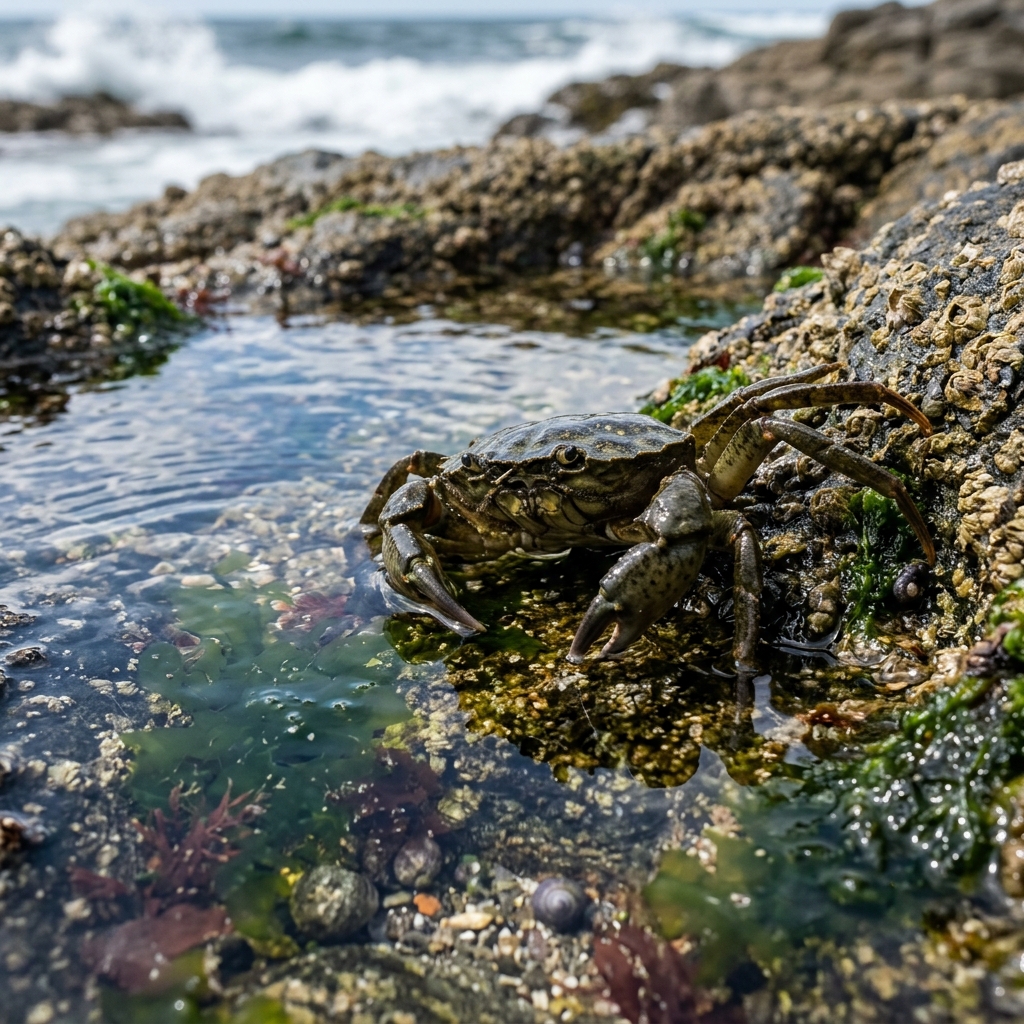
Shore Crab
Tough-shelled crustaceans hiding in rocky crevices.
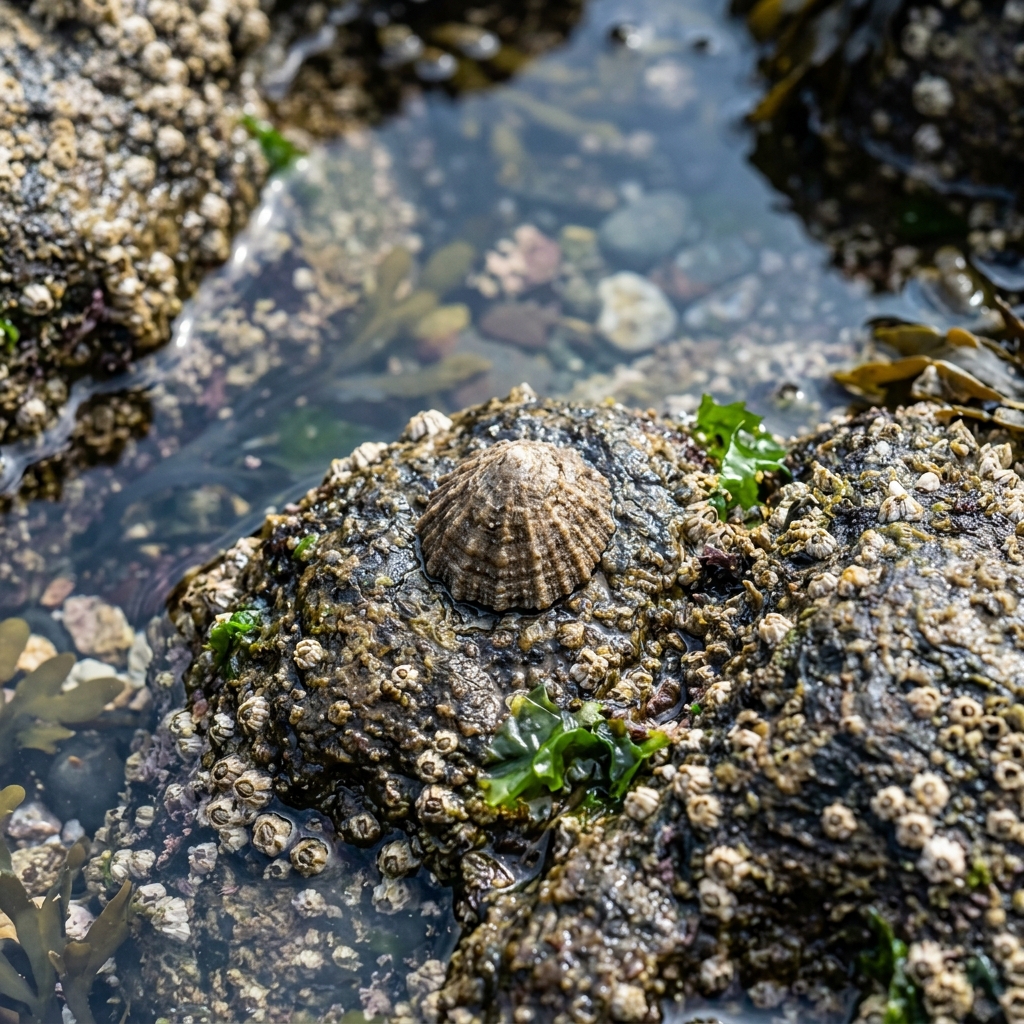
Common Limpet
Sea snails that clamp onto rocks with incredible force.
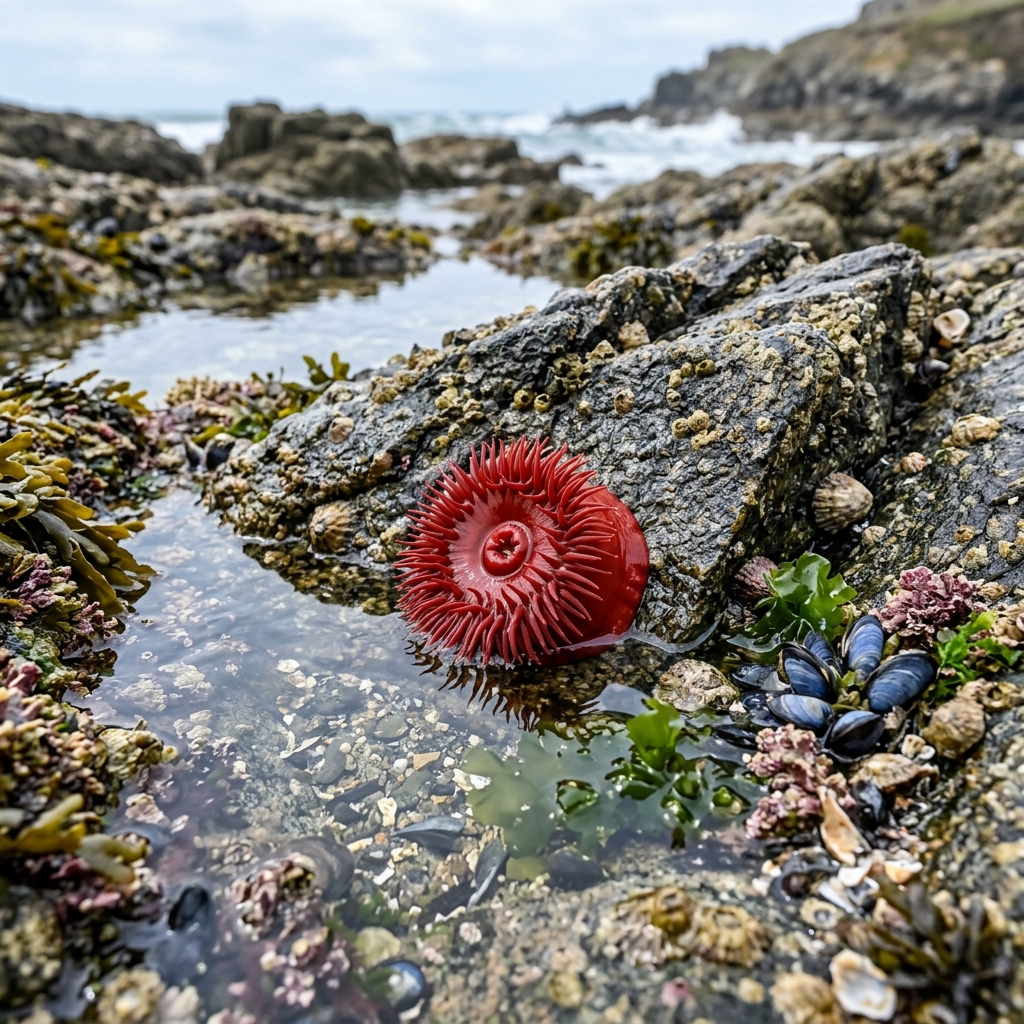
Beadlet Anemone
Jelly-like predators that survive the low tide by pulling their tentacles inside.
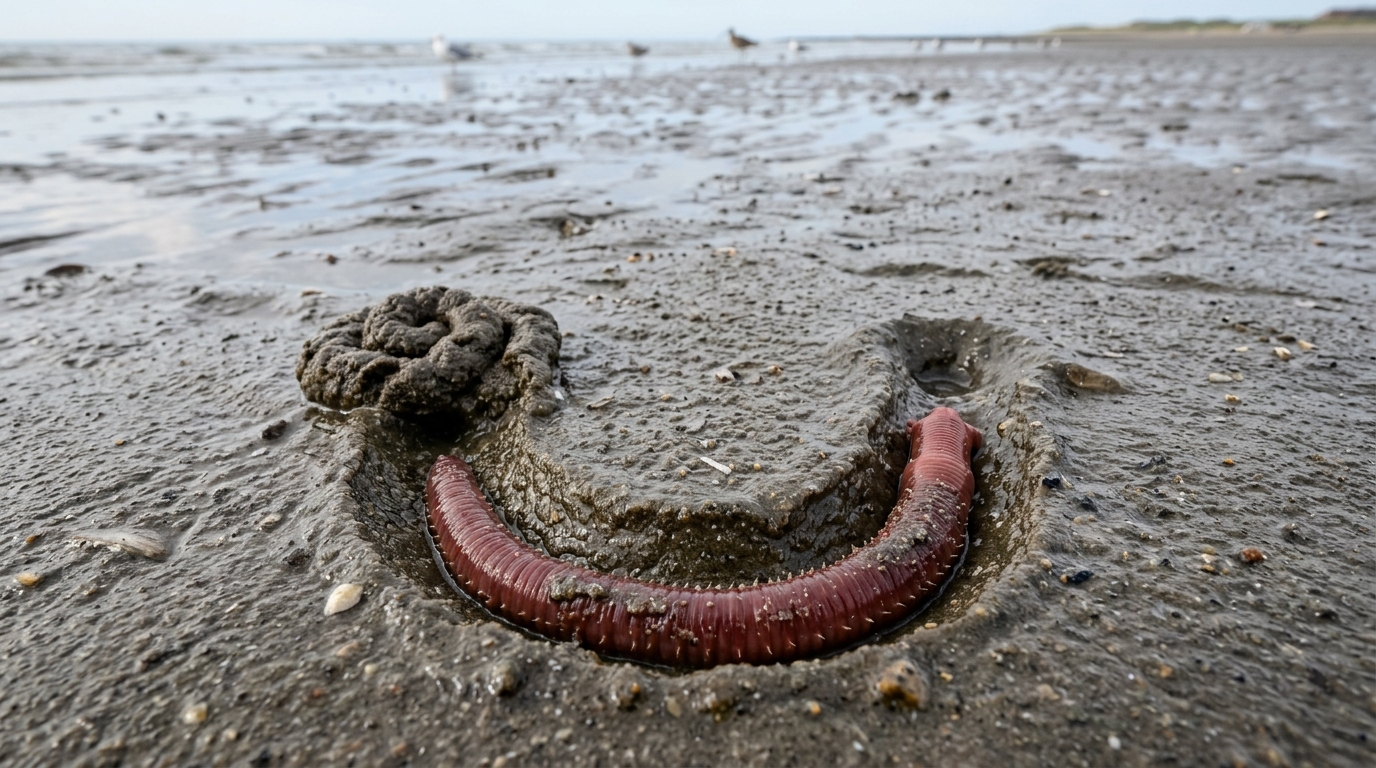
Lugworm
Burrowing worms that leave distinctive coiled sand-casts on the beach.
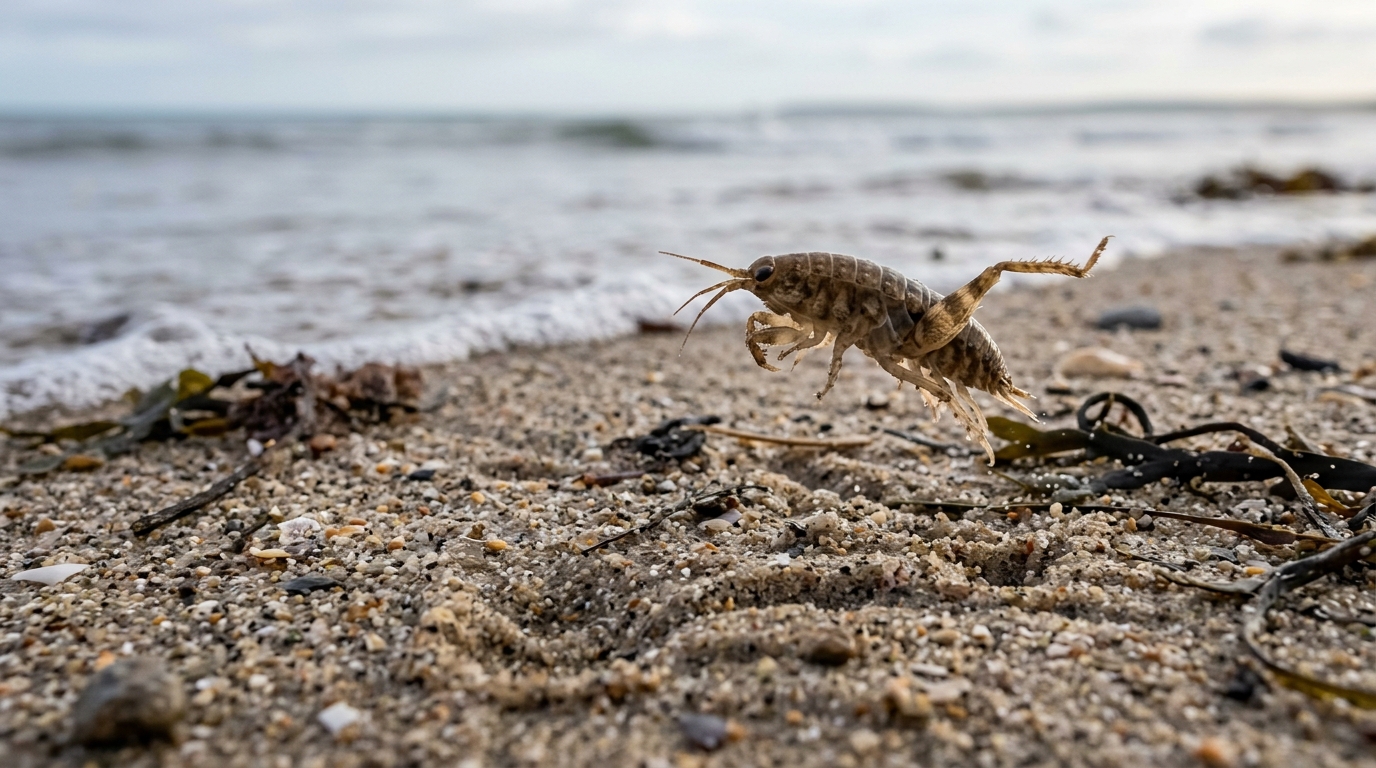
Sandhopper
Tiny crustaceans that leap into the air when seaweed is disturbed.
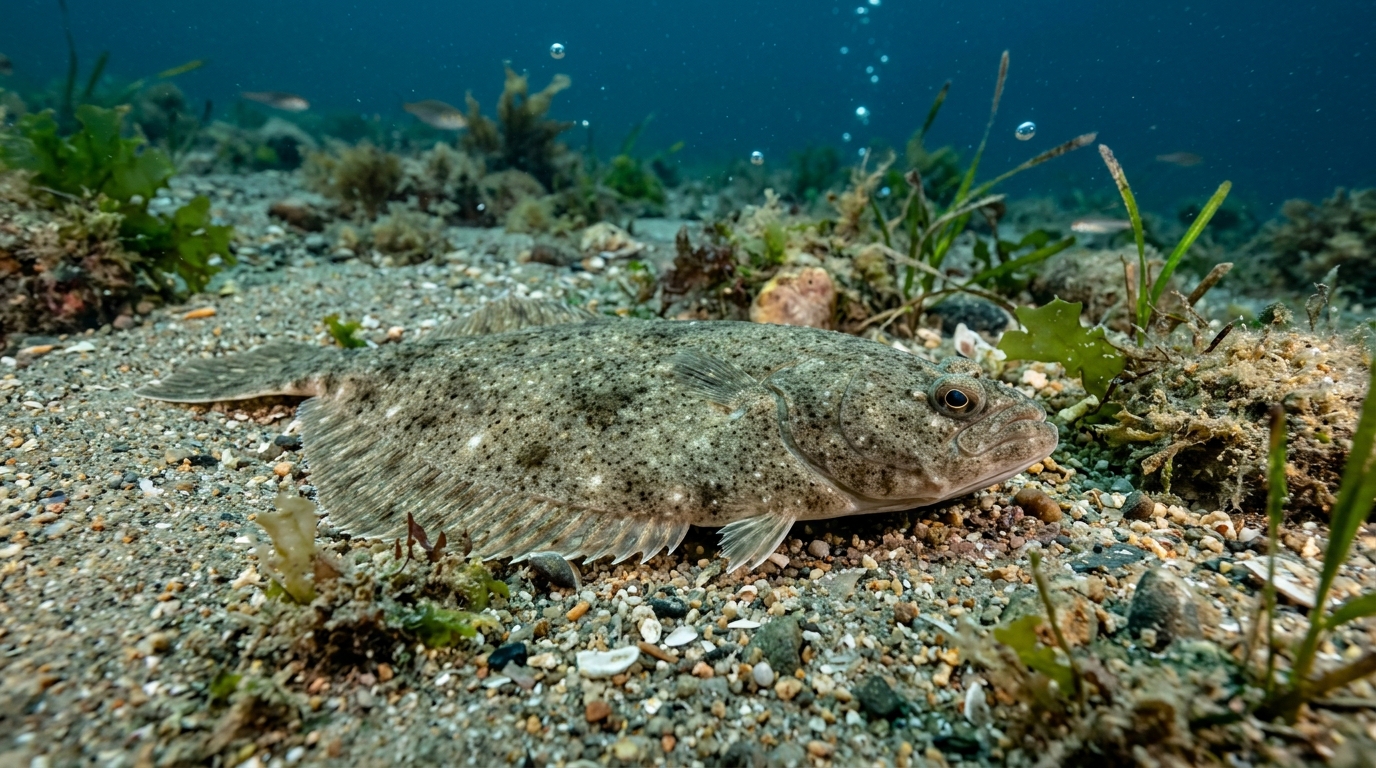
Flounder
Flatfish that perfectly camouflage themselves against the sandy seabed.
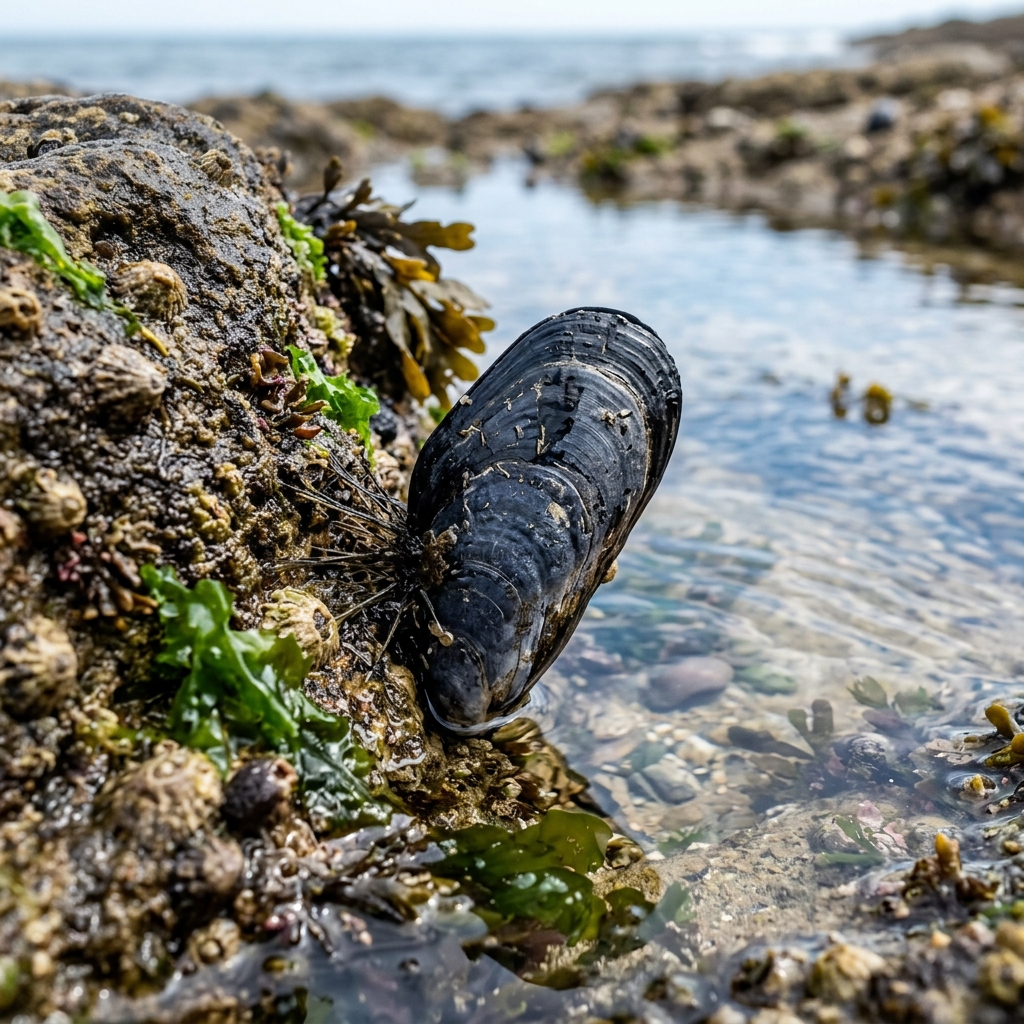
Mussel
Bivalves that anchor themselves to rocks with strong, silky threads.
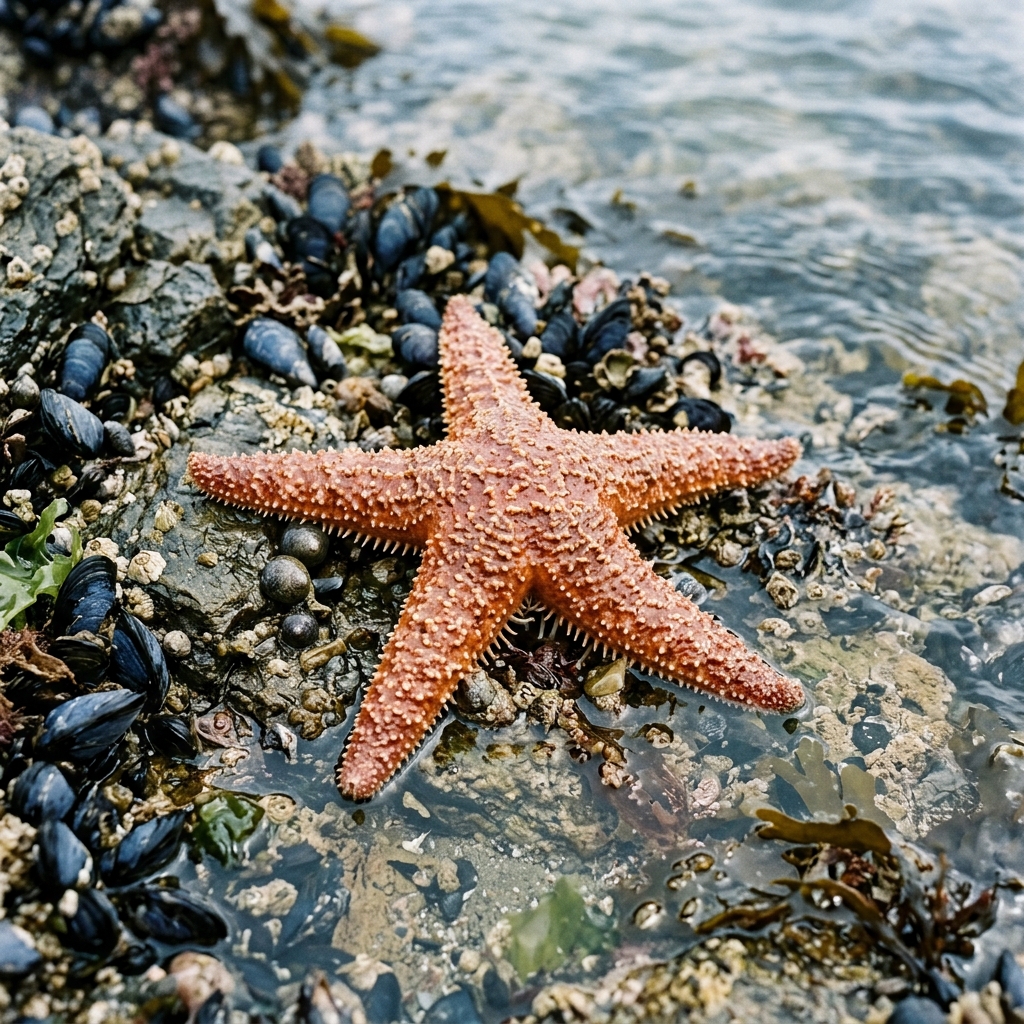
Starfish
Five-armed predators that can pry open clam shells.
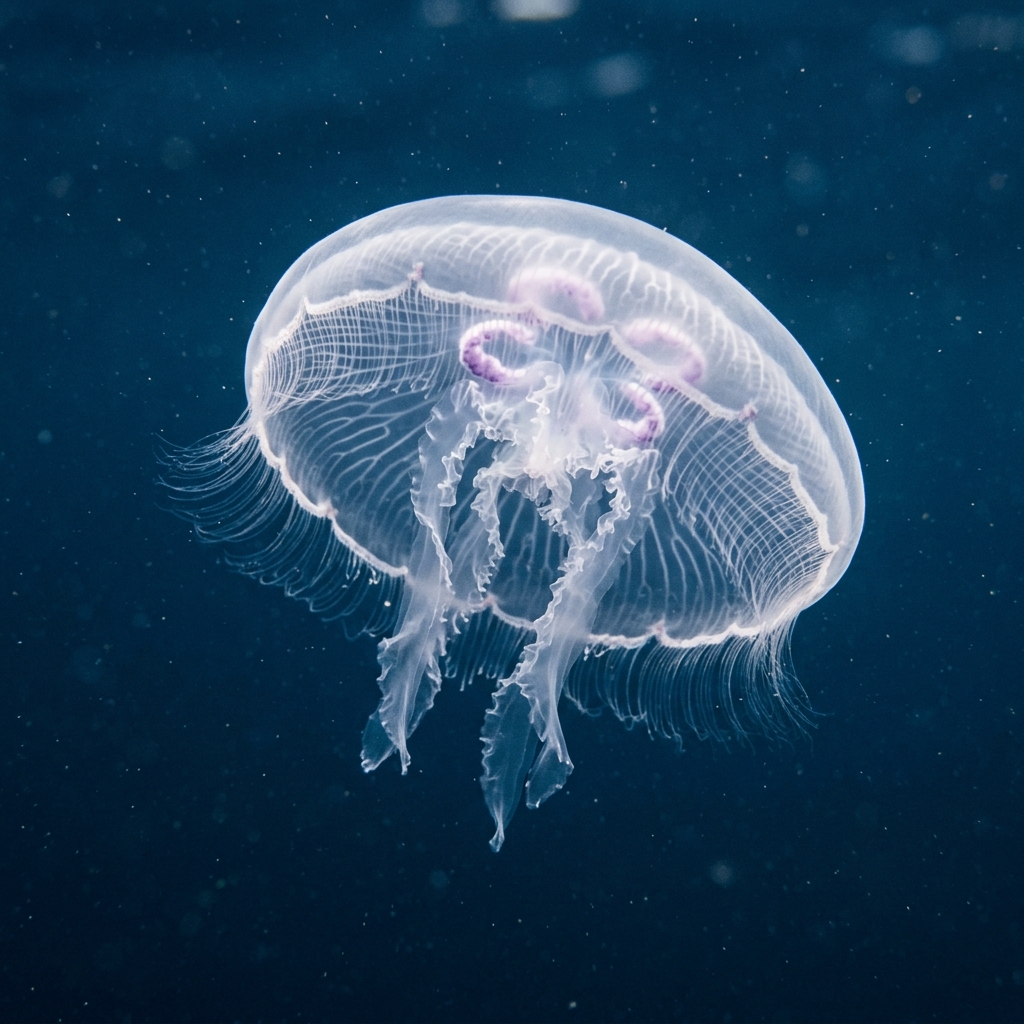
Jellyfish
Drifting predators with trailing, stinging tentacles.
Global Tropical & Coral Reefs
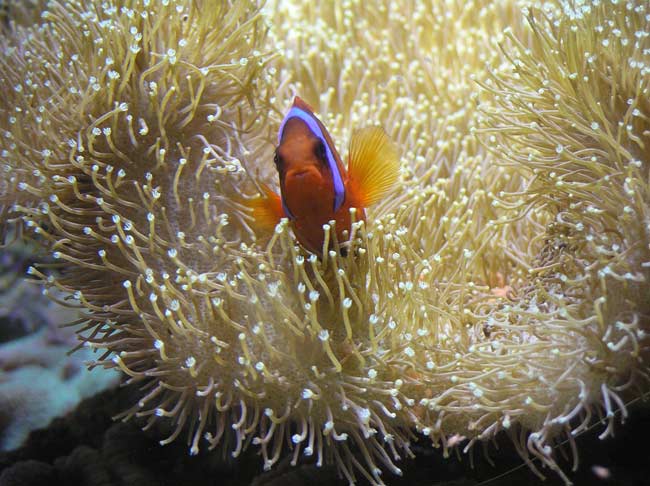
Clownfish
Small, bright orange fish that live safely among stinging anemones.
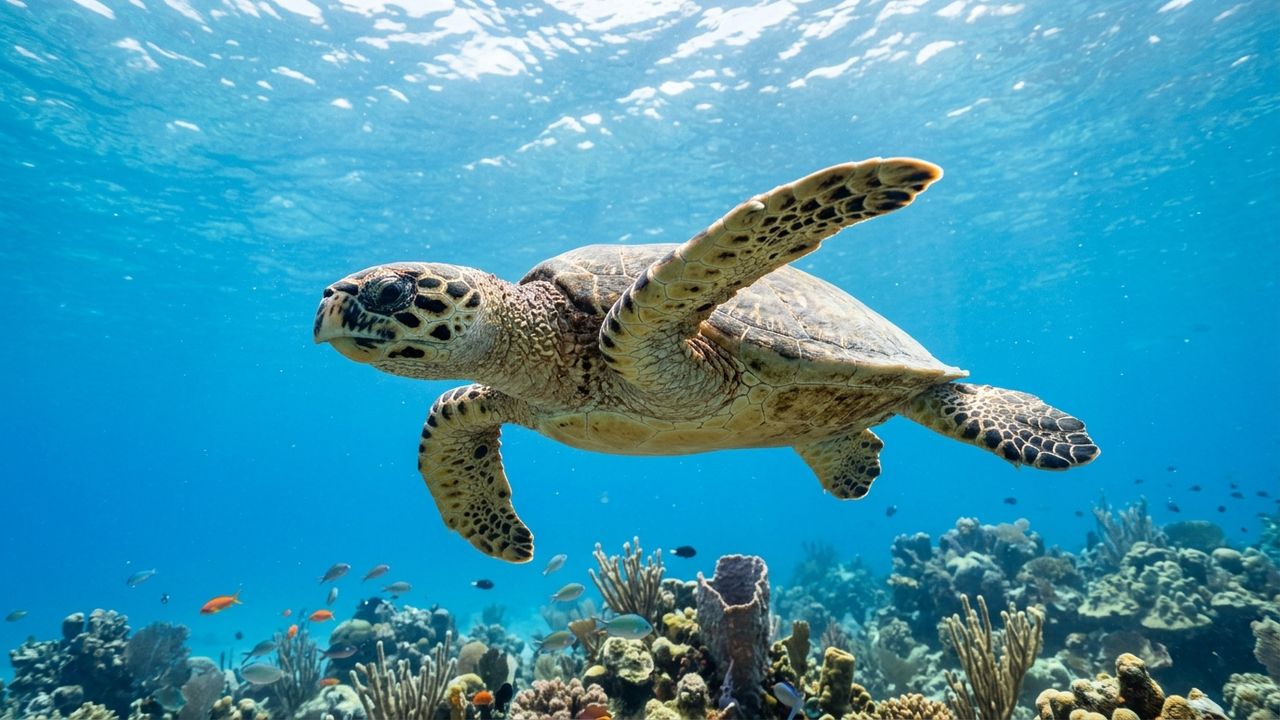
Sea Turtle
Ancient marine reptiles that travel thousands of miles across oceans.
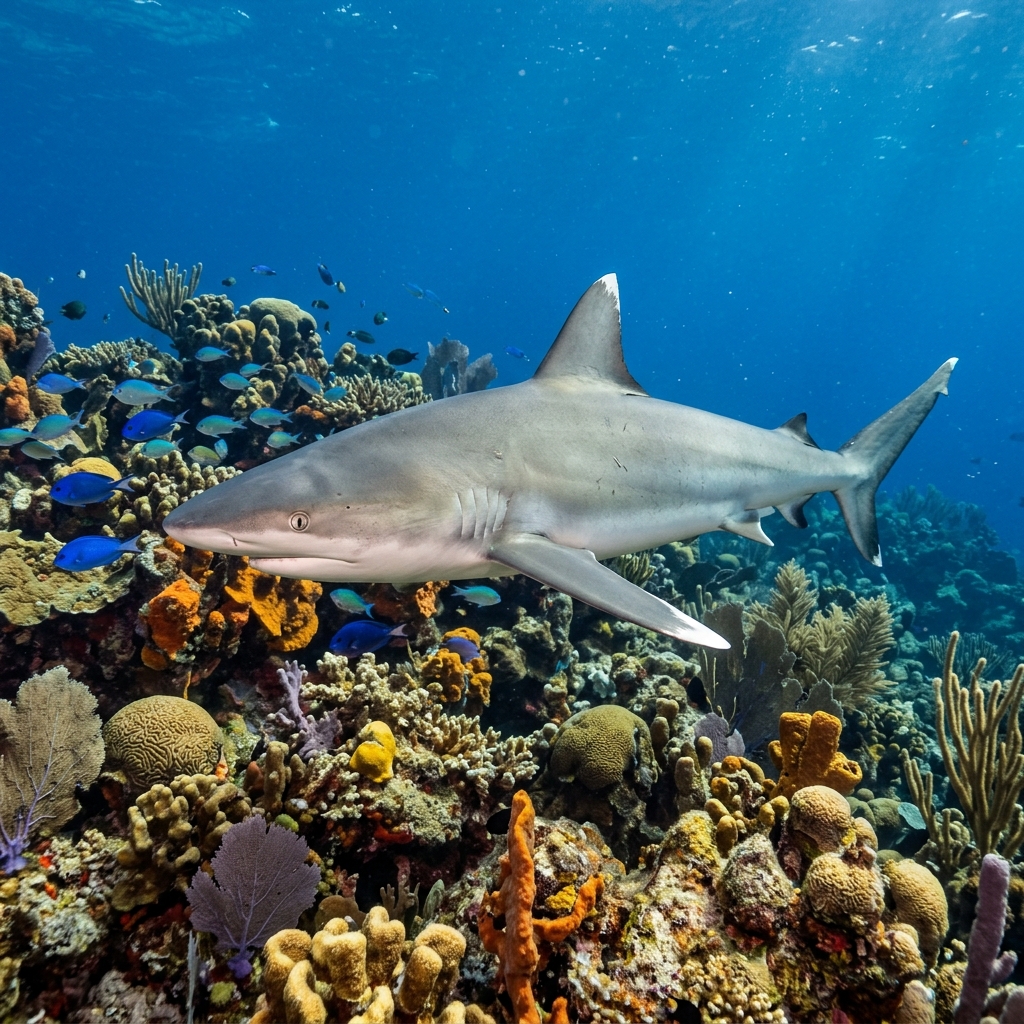
Reef Shark
Sleek, fast-swimming predators that patrol the edges of coral reefs.
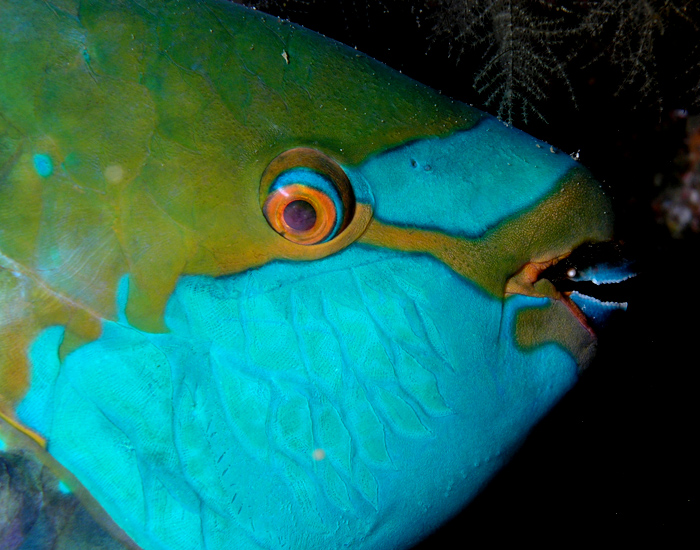
Parrotfish
Colorful fish that scrape algae off coral with their beak-like teeth.
Global Deep Sea Wonders
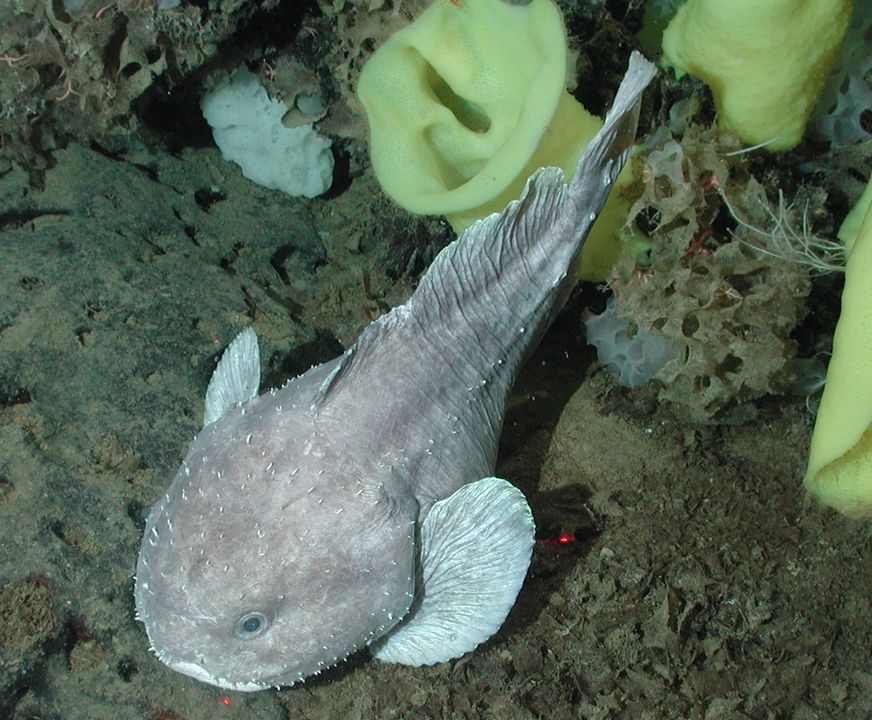
Blobfish
A deep-sea fish that relies on its gelatinous body to float without a swim bladder bursting.
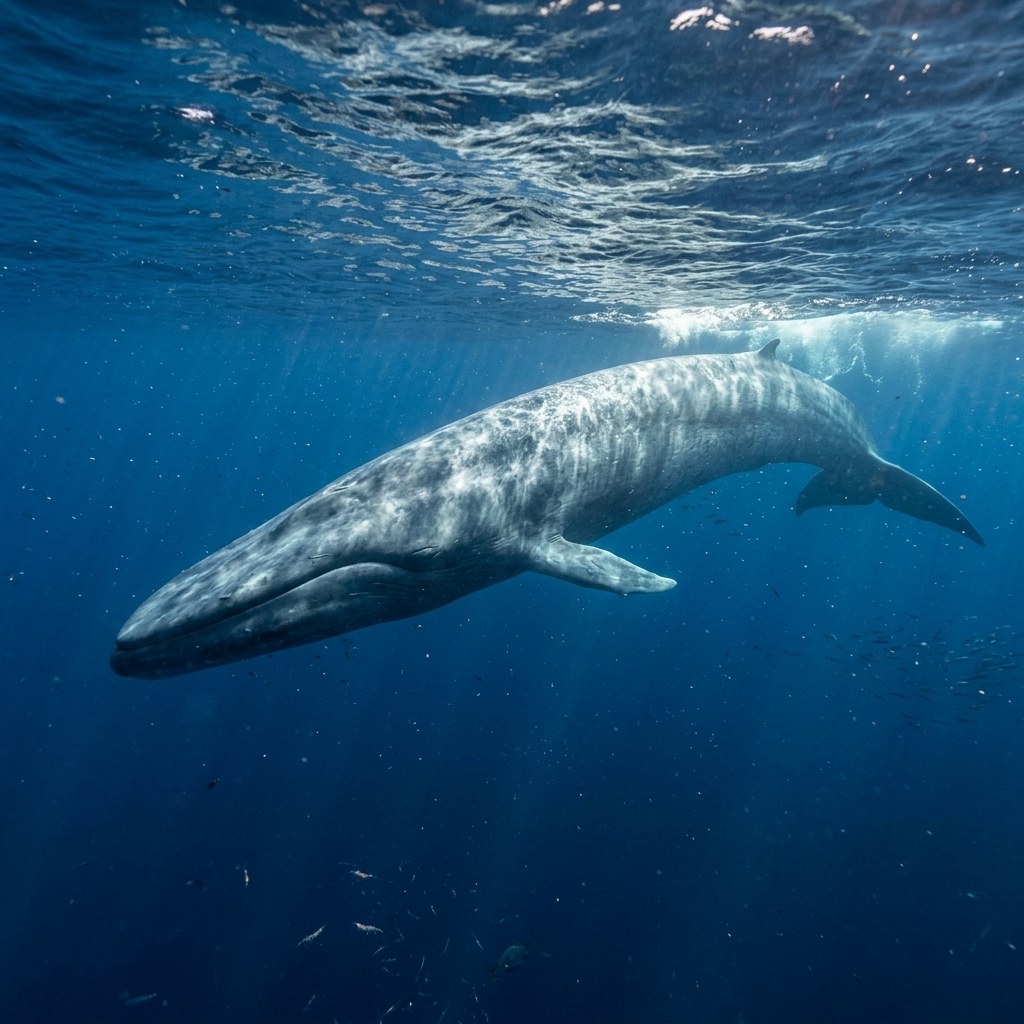
Blue Whale
The largest animal to have ever lived on Earth, feeding on tiny krill.
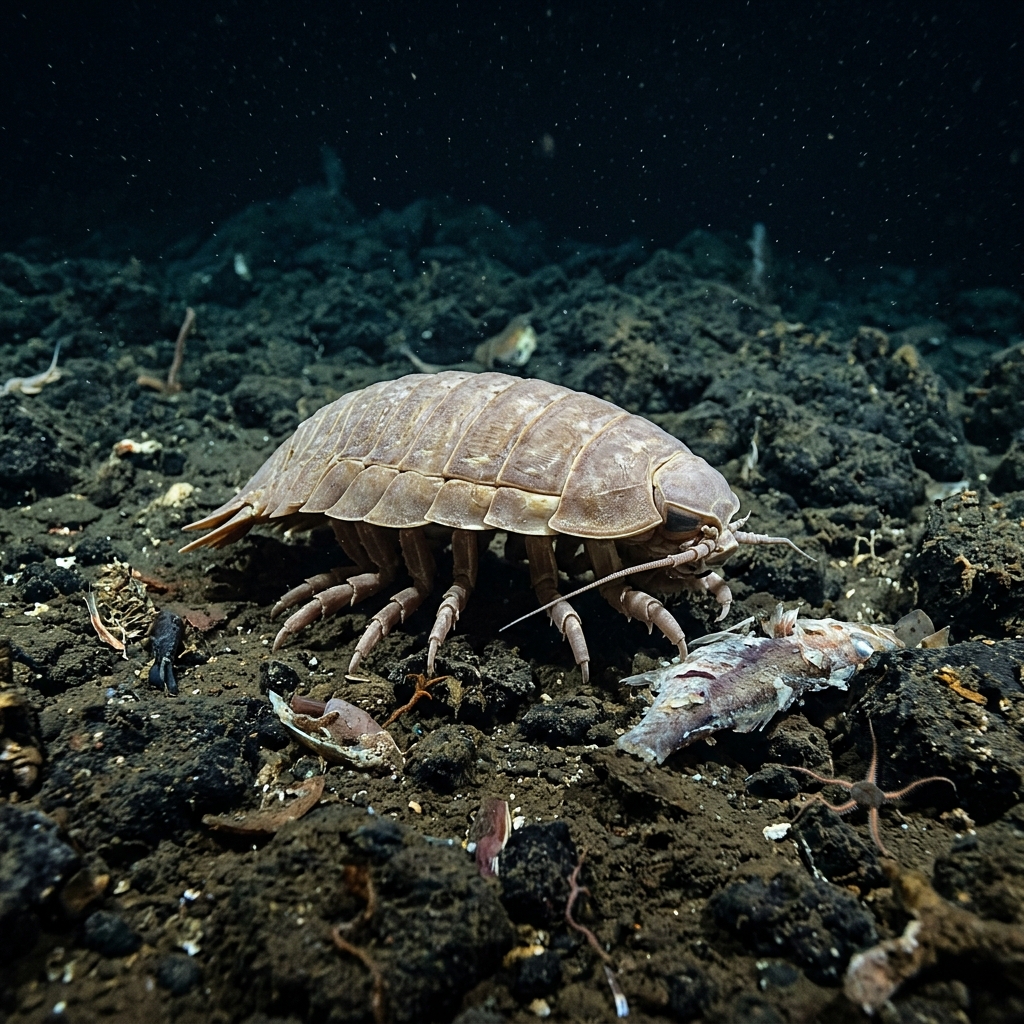
Giant isopod
Enormous, prehistoric-looking scavengers of the ocean floor.
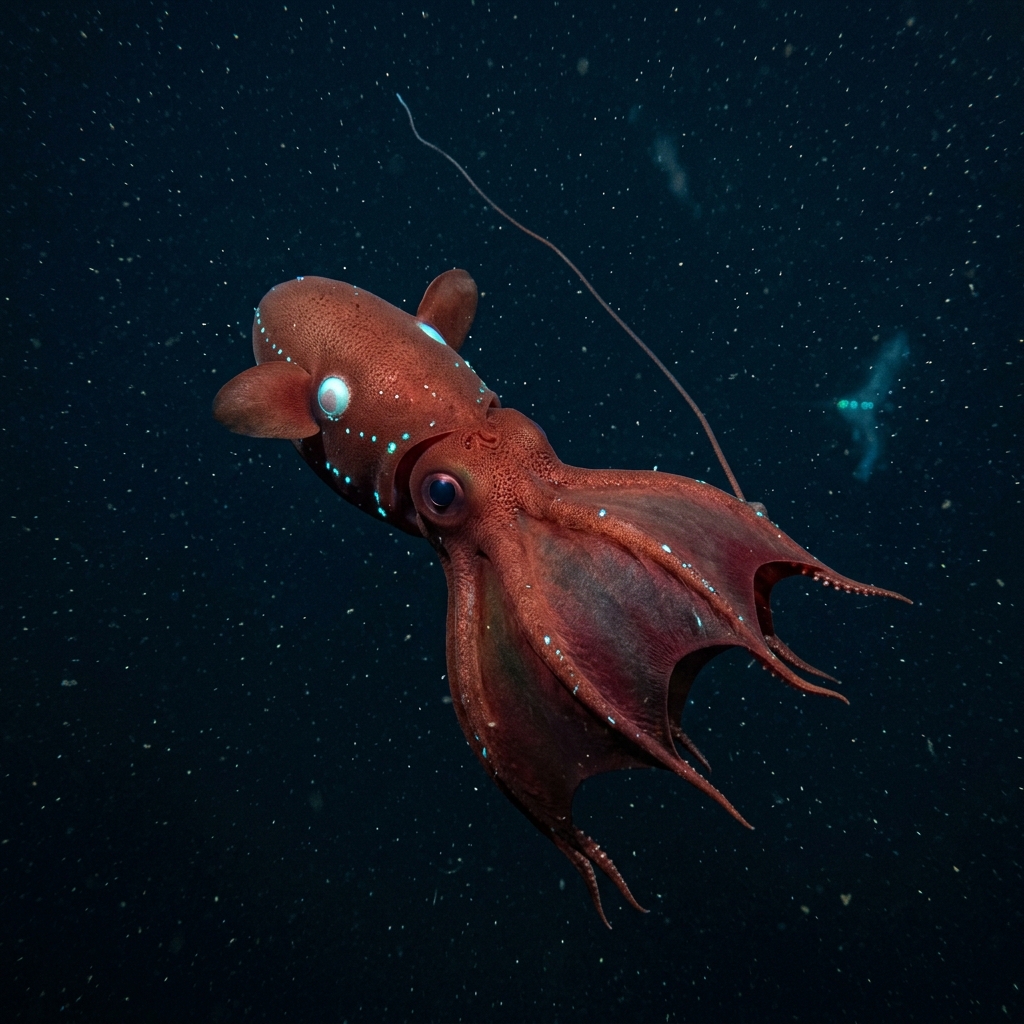
Vampire squid
Mysterious deep-sea cephalopods that turn inside out to defend themselves.
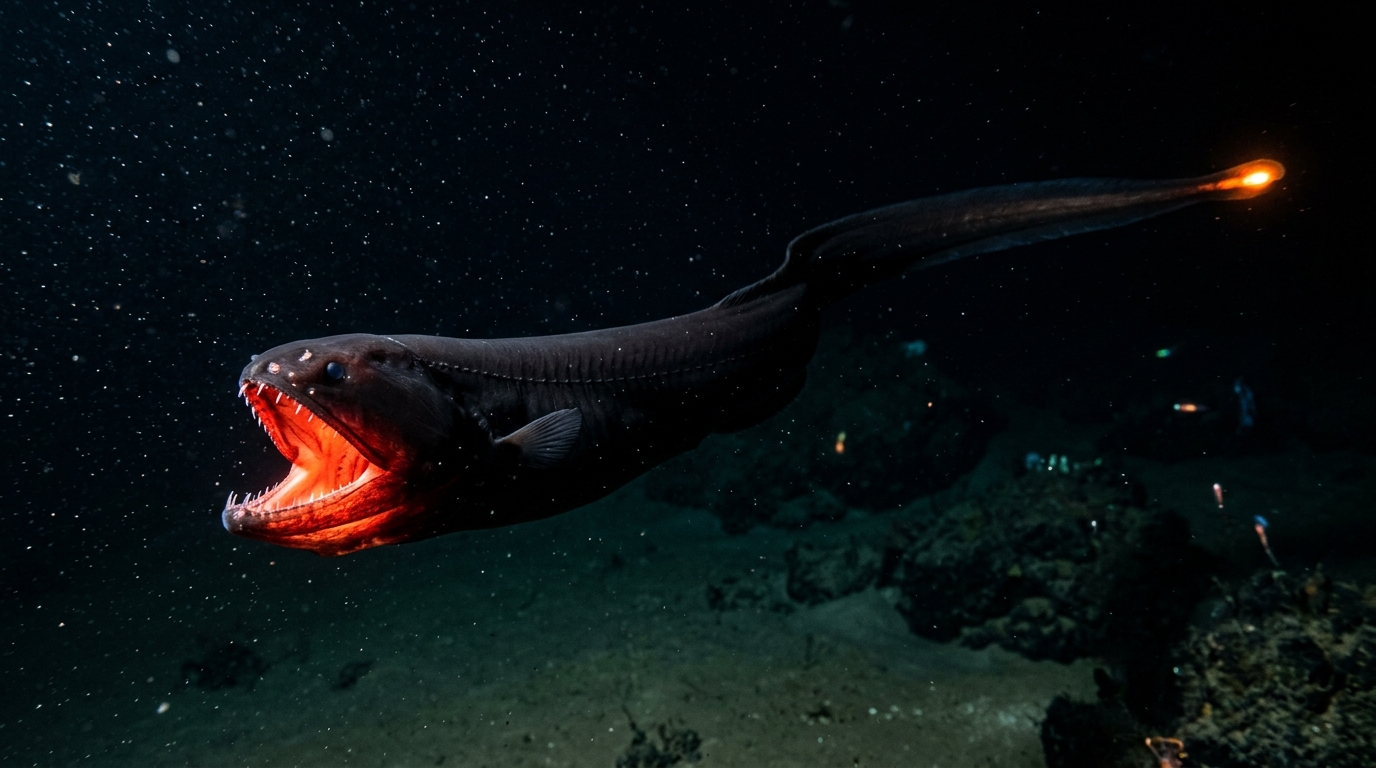
Gulper Eel
Bizarre fish with massive, pelican-like mouths to swallow large prey.
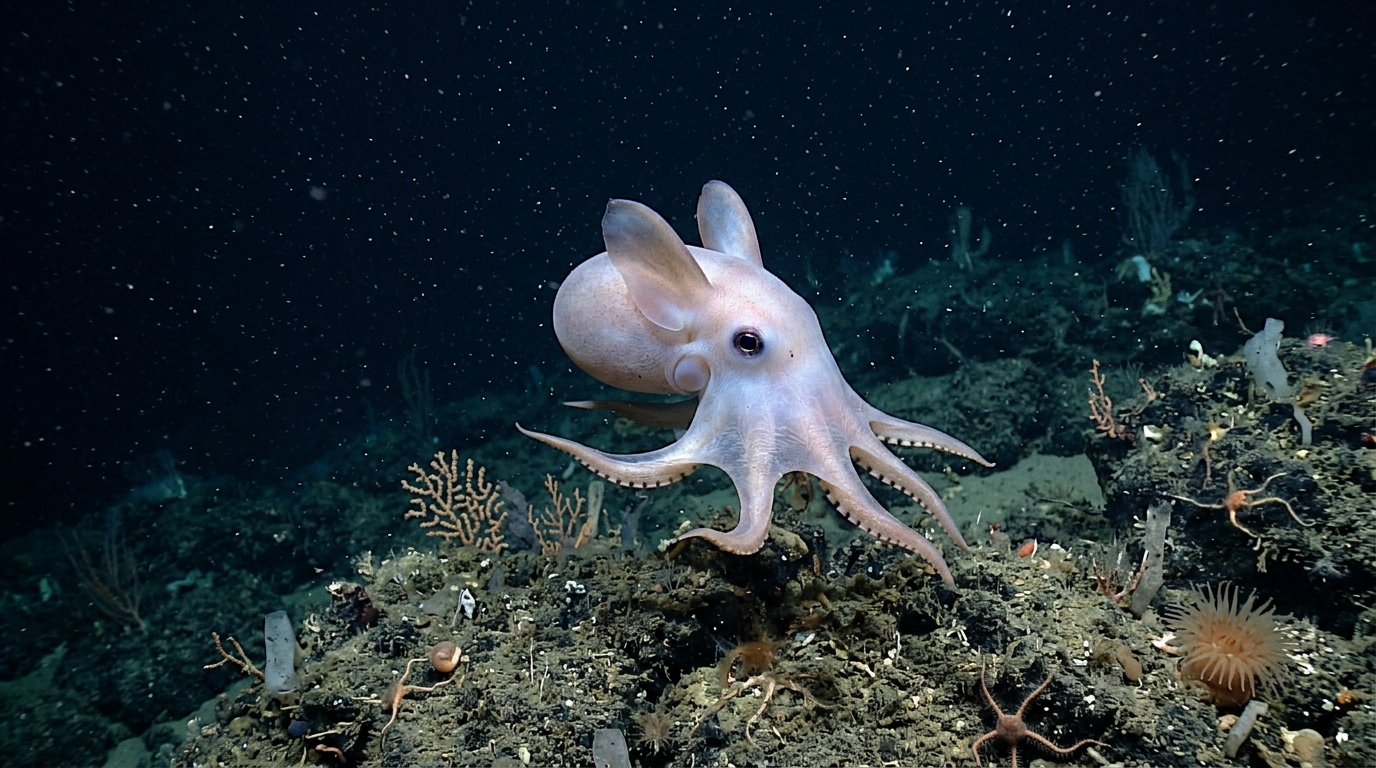
Dumbo Octopus
Deep-water octopuses that swim using ear-like fins.
Global Arctic Marine Life
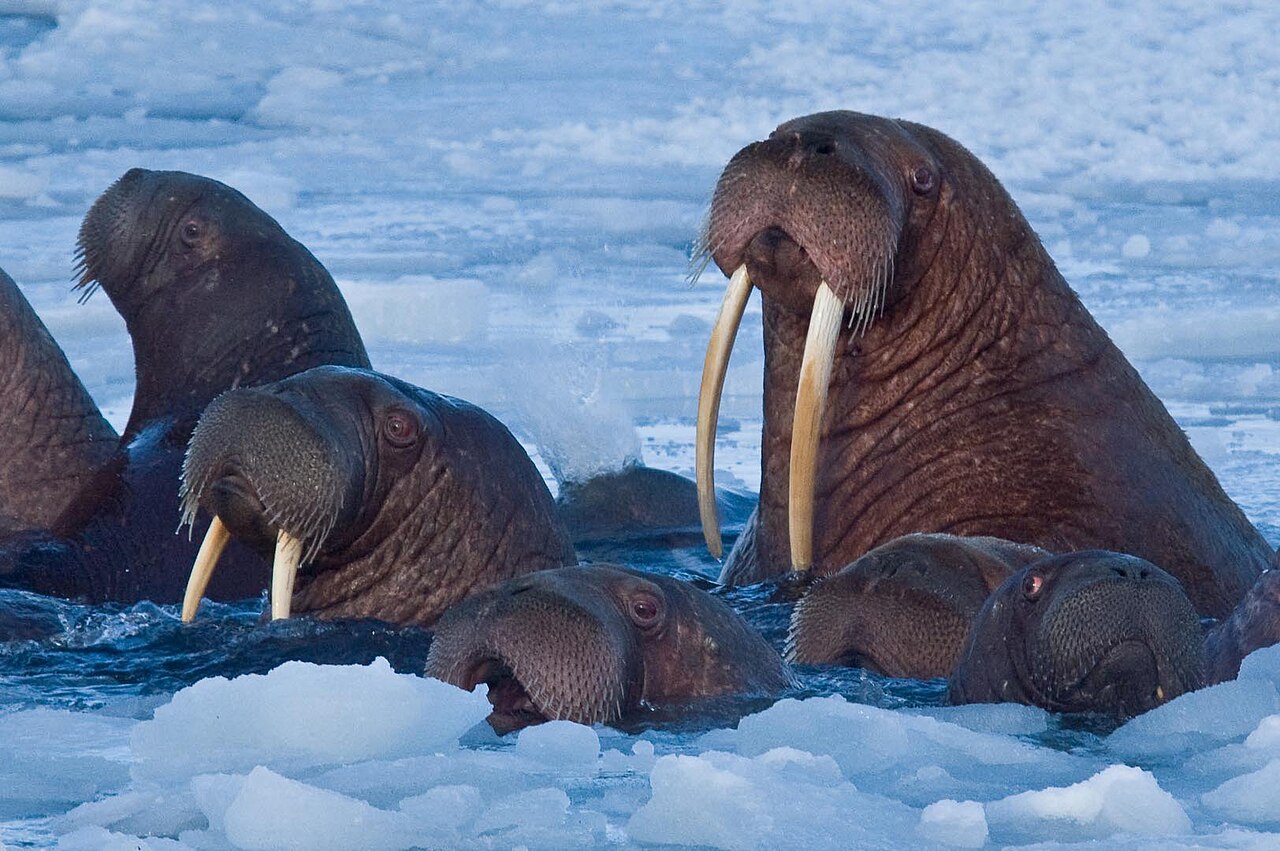
Walrus
Huge marine mammals with long tusks used for pulling themselves onto the ice.
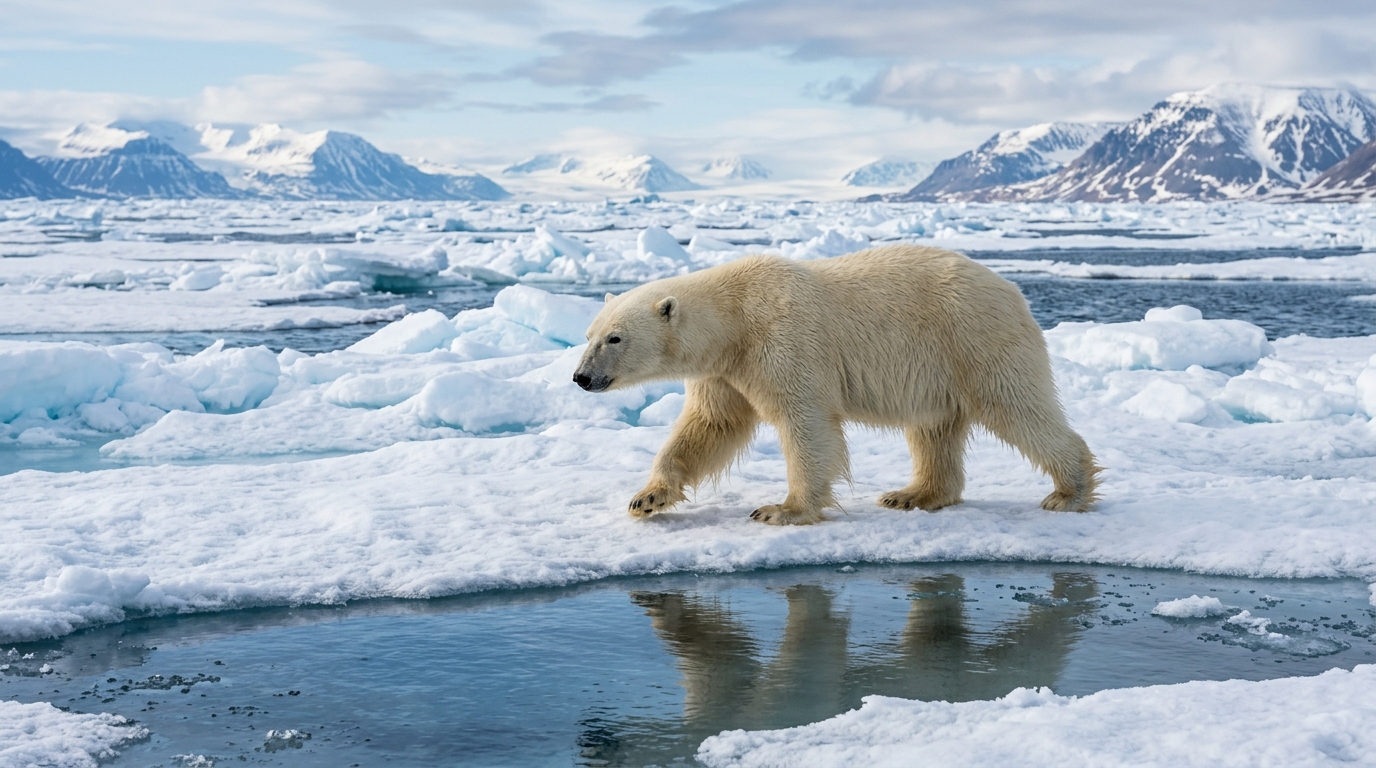
Polar bear
Massive white bears that rely on sea ice to hunt seals.
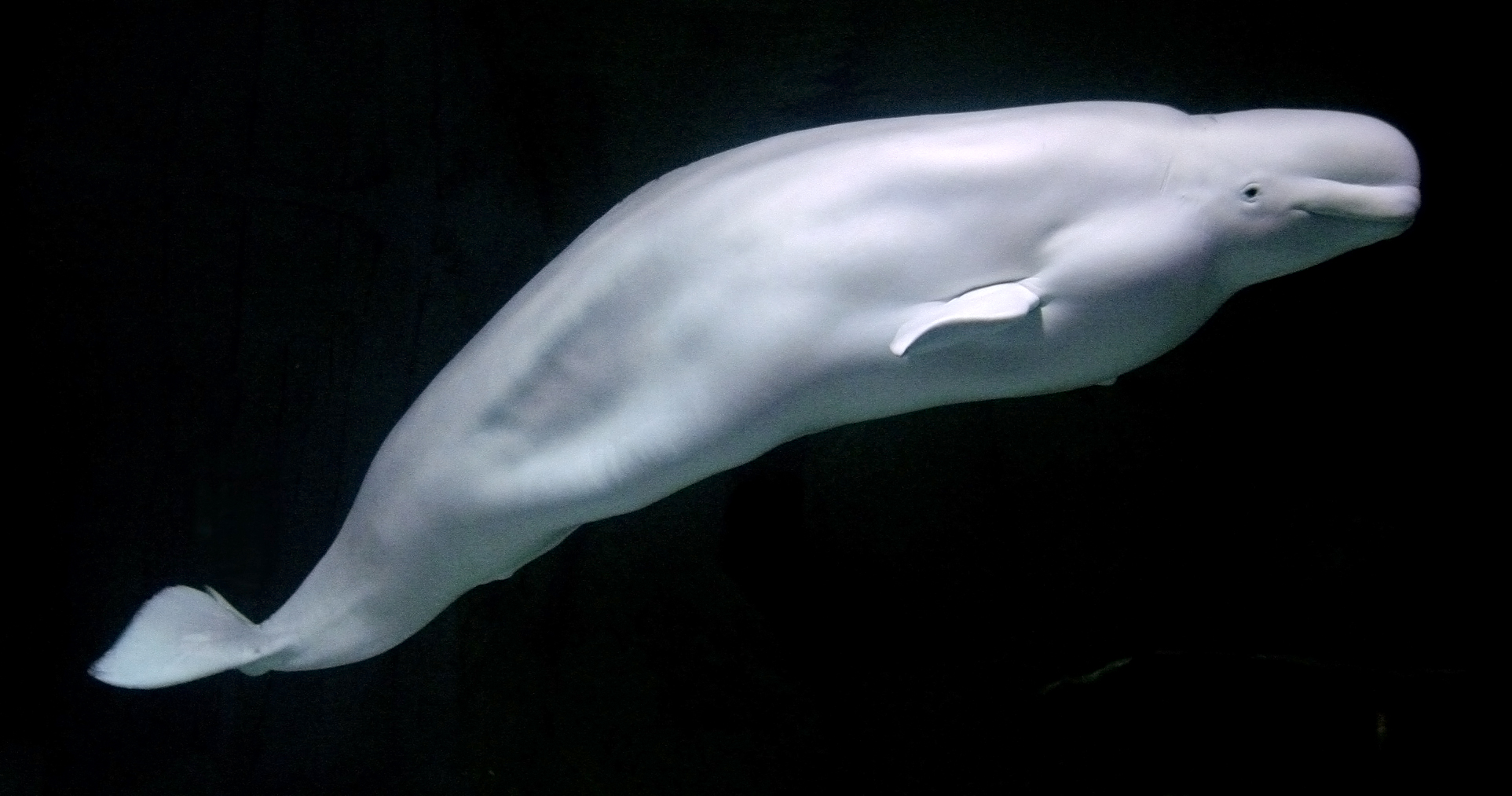
Beluga whale
Vocal, white whales known as the 'canaries of the sea'.
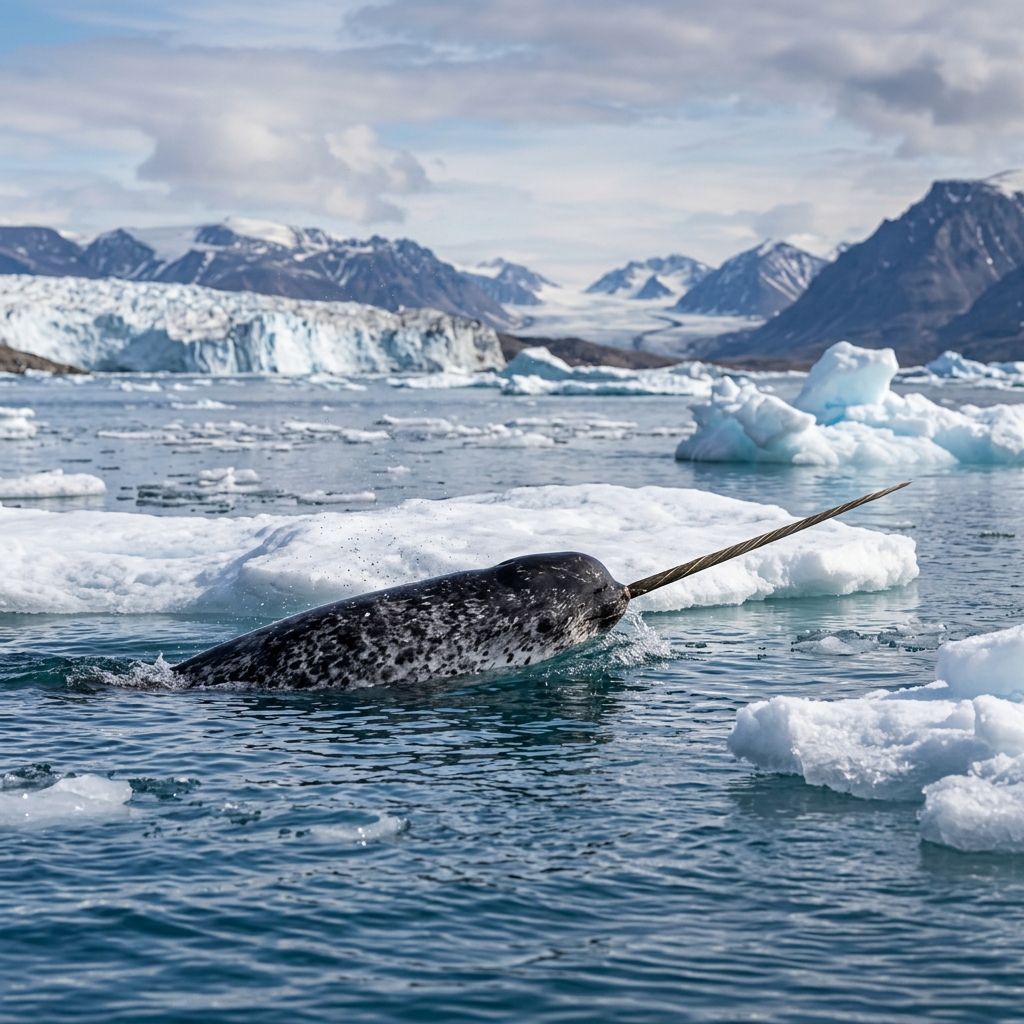
Narwhal
The 'unicorns of the sea', featuring a long, spiral tusk.
The Abyssal Zone
Far out from the shore, the marine habitat plunges into the pitch-black deep sea. At these depths, the water pressure is immense. Creatures here have bizarre, specialised adaptations to survive:
Identification Activity
Spot the Marine Wildlife
Can you find three different types of plants or animals the next time you visit a Marine habitat? Record them in your Field Journal!
Outdoor Observation
10-Minute Marine Survey
Sit quietly in this habitat for 10 minutes. Write down everything you hear, see, and smell. What is the most abundant species?
Explore our specific Marine habitat profiles in the Habitats Directory.