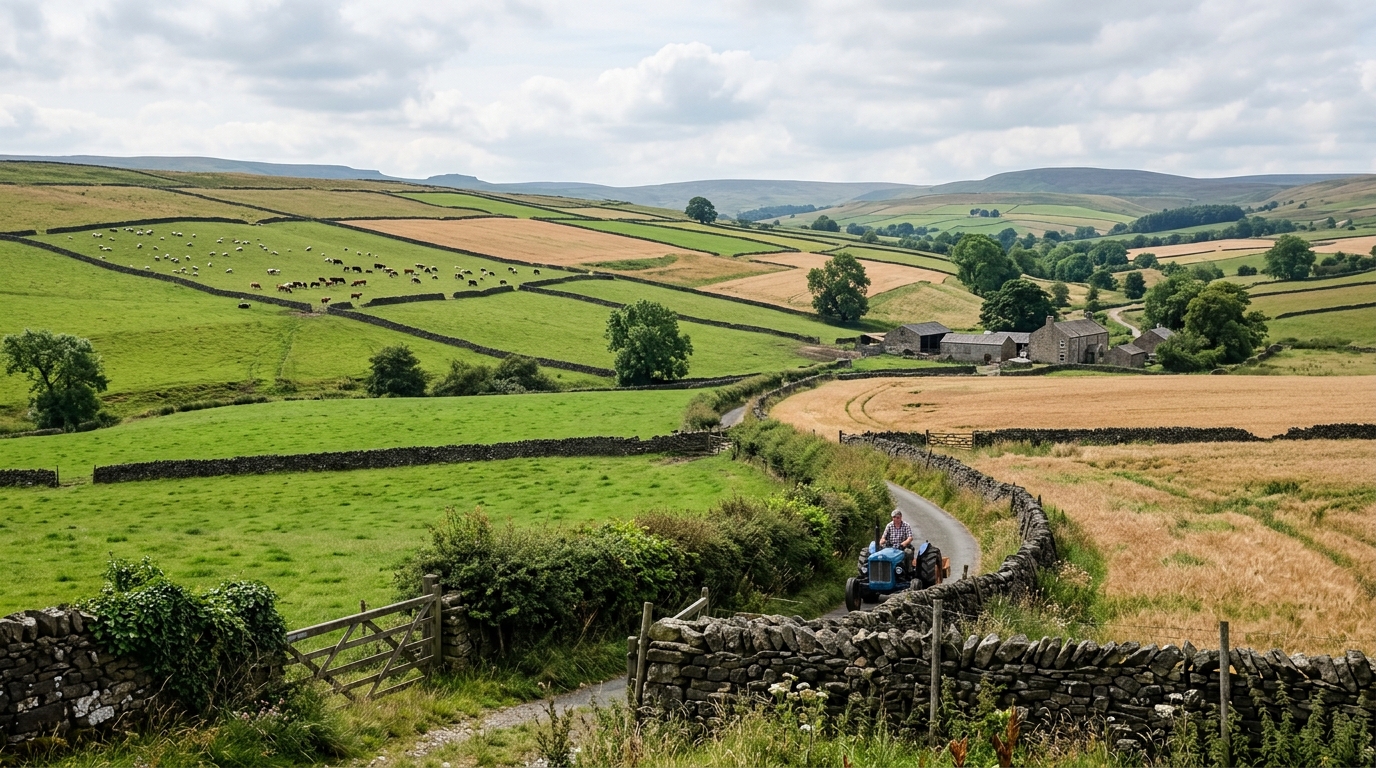
Hedgerows and field margins are essential corridors for countryside wildlife. This page is part of our GCSE Natural History preparation, focusing specifically on UK native species and environments.
Wildlife in this Habitat
Farmland relies on the delicate balance between managed agriculture, livestock, and native wildlife surviving in the margins.
UK Hedgerow Wildlife
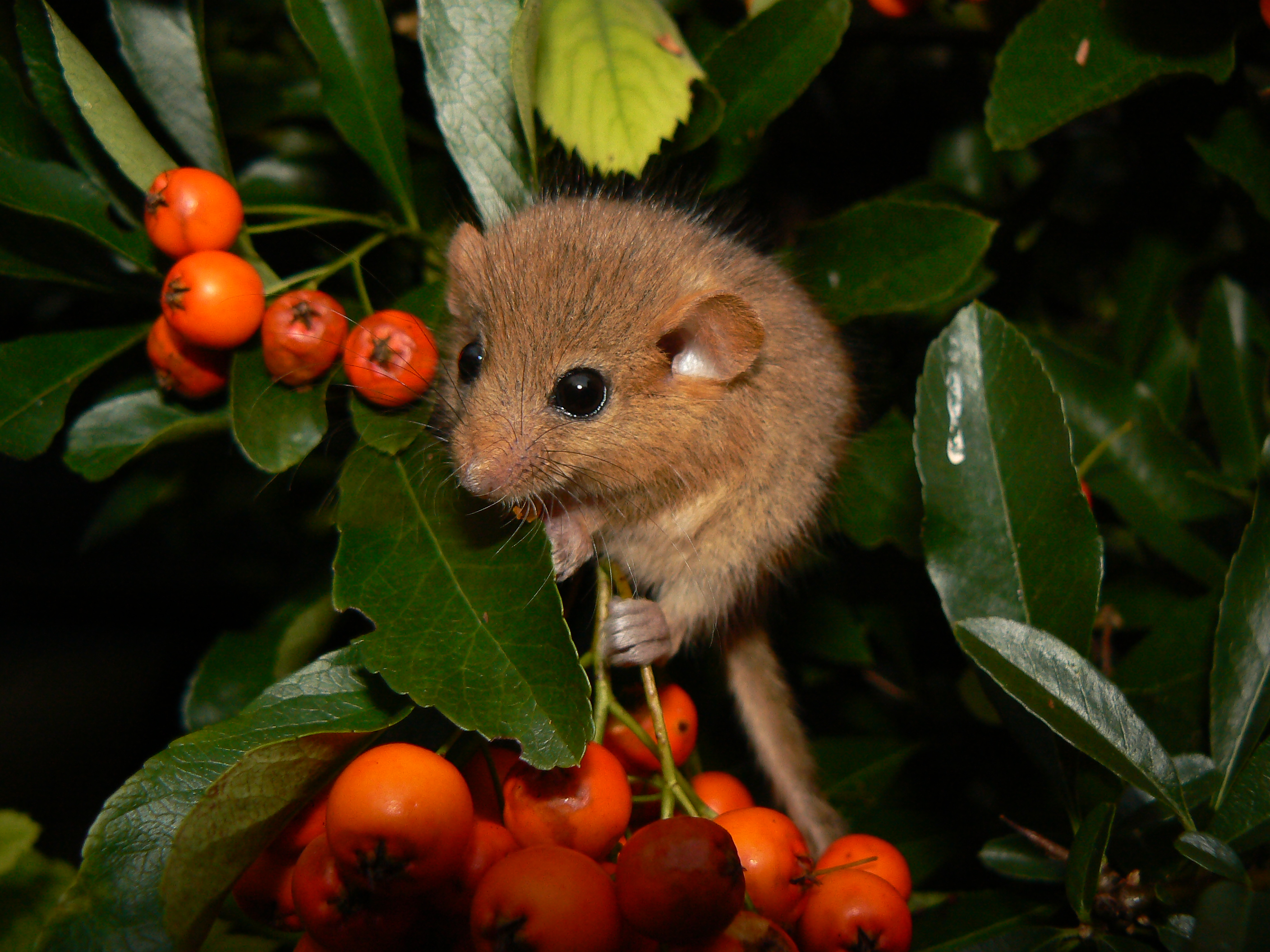
Hazel dormouse
Rare, nocturnal climbers that rely on connected hedgerows.
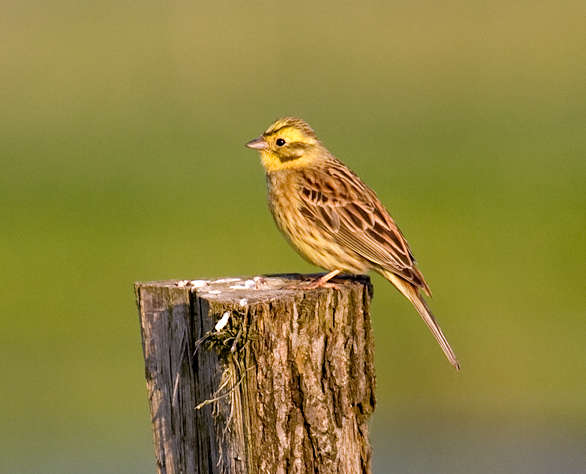
Yellowhammer
Farmland birds famous for their 'little bit of bread and no cheese' song.
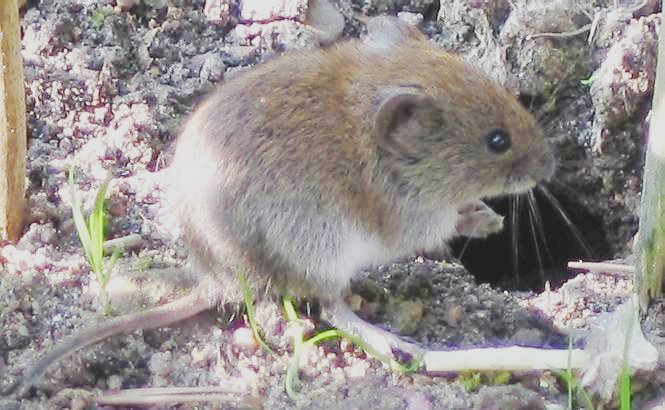
Vole
Agile climbers and runners that forage along the bushy edges of fields.
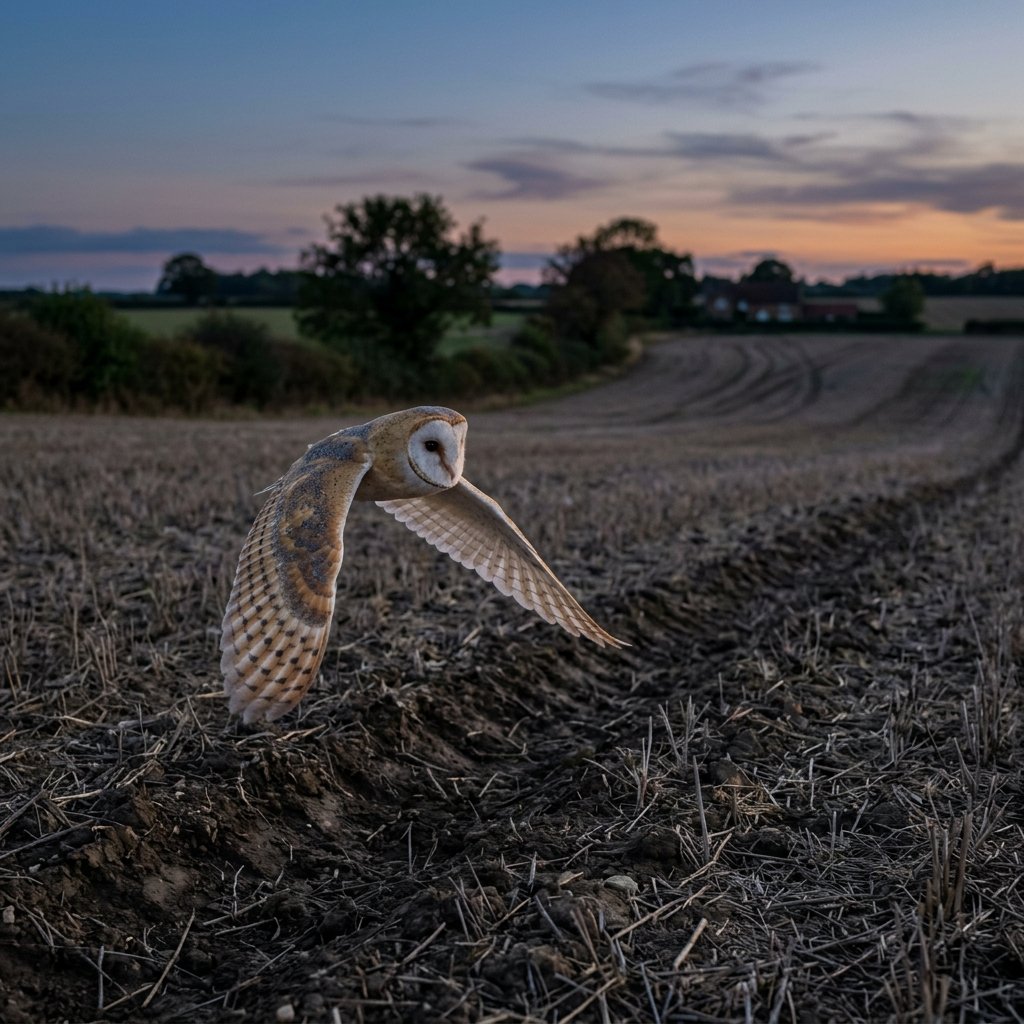
Barn Owl
Silent, ghostly white hunters that patrol field margins at dusk.
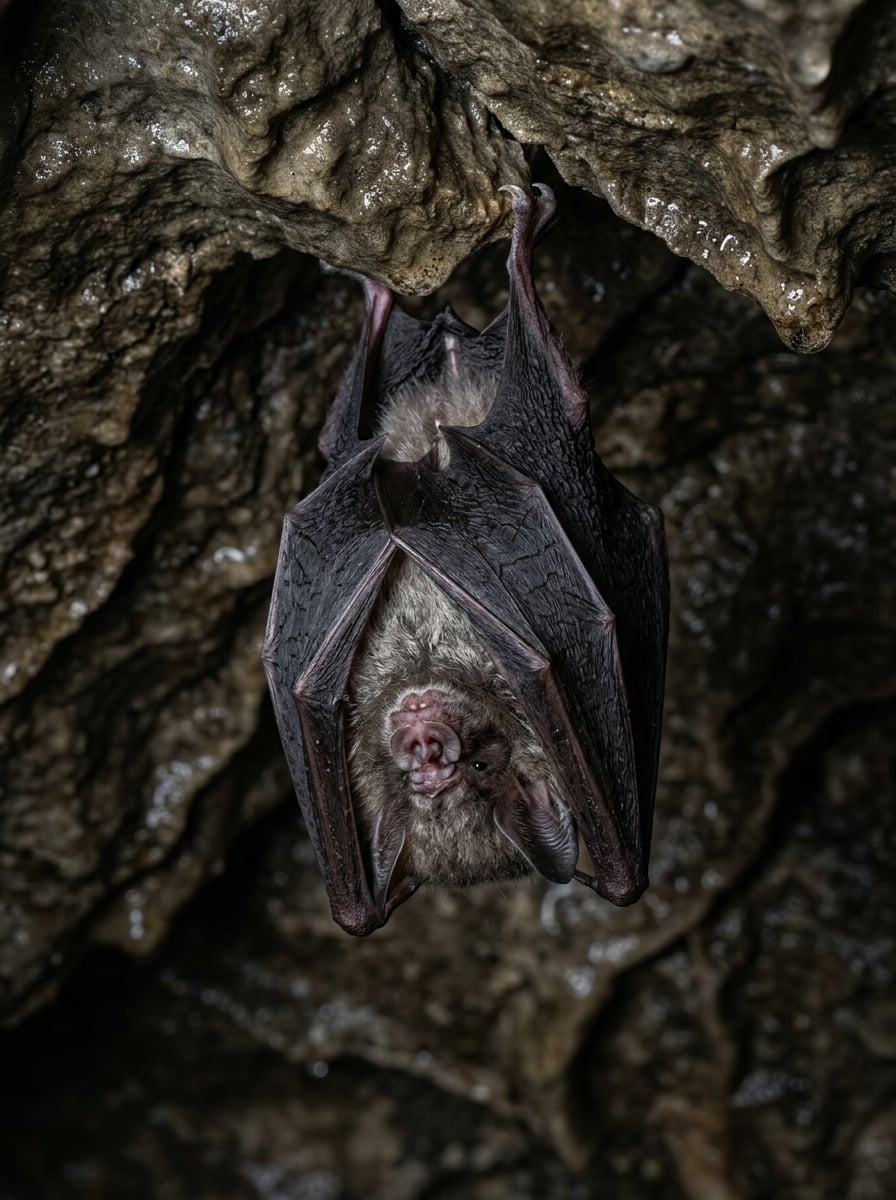
Greater Horseshoe Bat
Rhinolophus ferrumequinum
A rare, cloaked bat that hunts beetles and moths low over cattle-grazed pasture in the south-west.
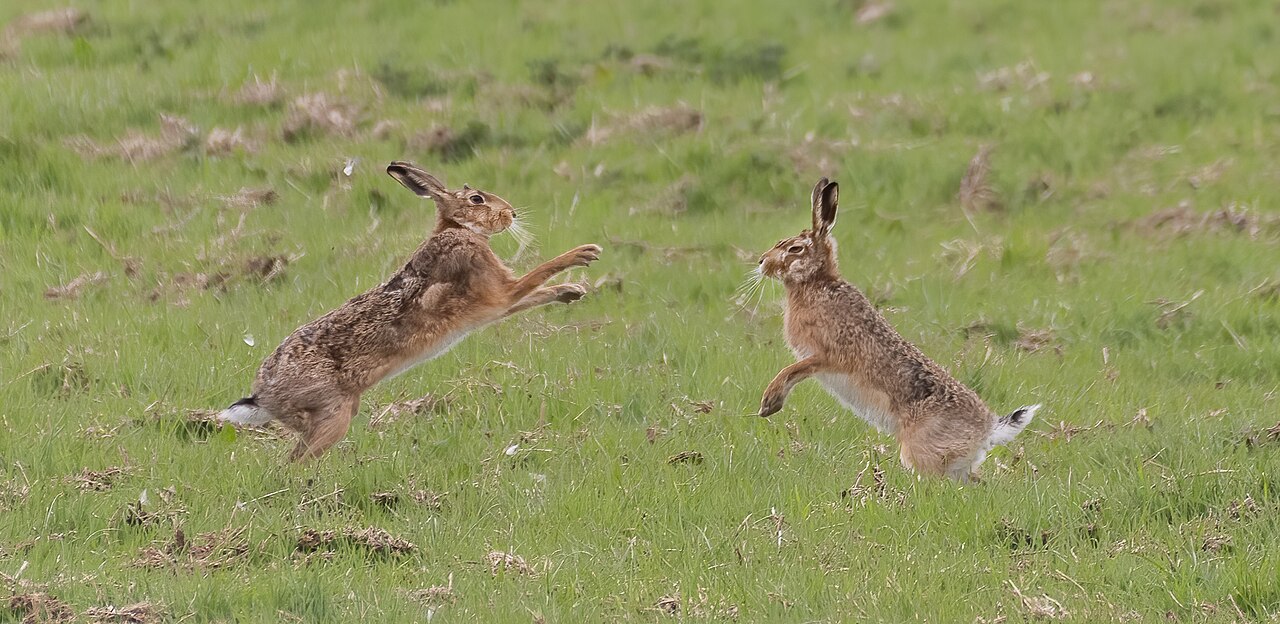
Brown Hare
Fast-running mammals that rely on speed rather than burrows to escape danger.
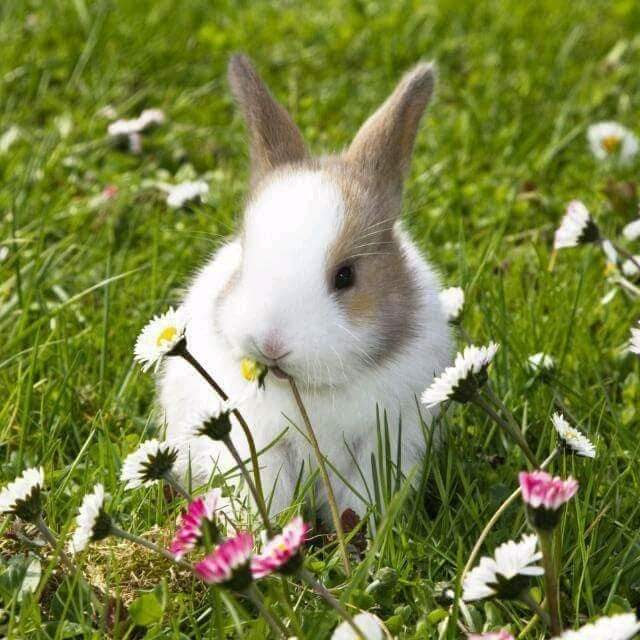
Rabbit
Grazing mammals that often live in the bushy edges of farmland.
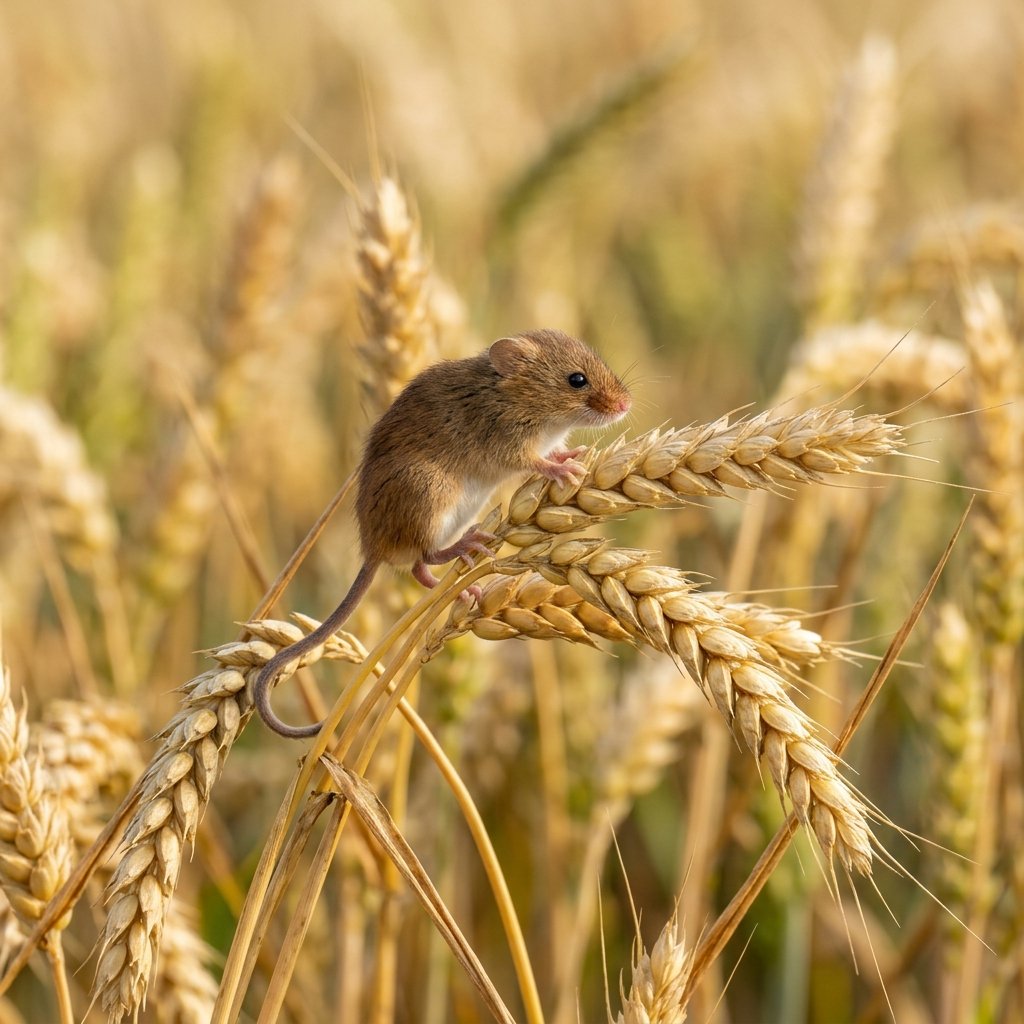
Harvest Mouse
Tiny mice that use prehensile tails to grip stalks of wheat and barley.
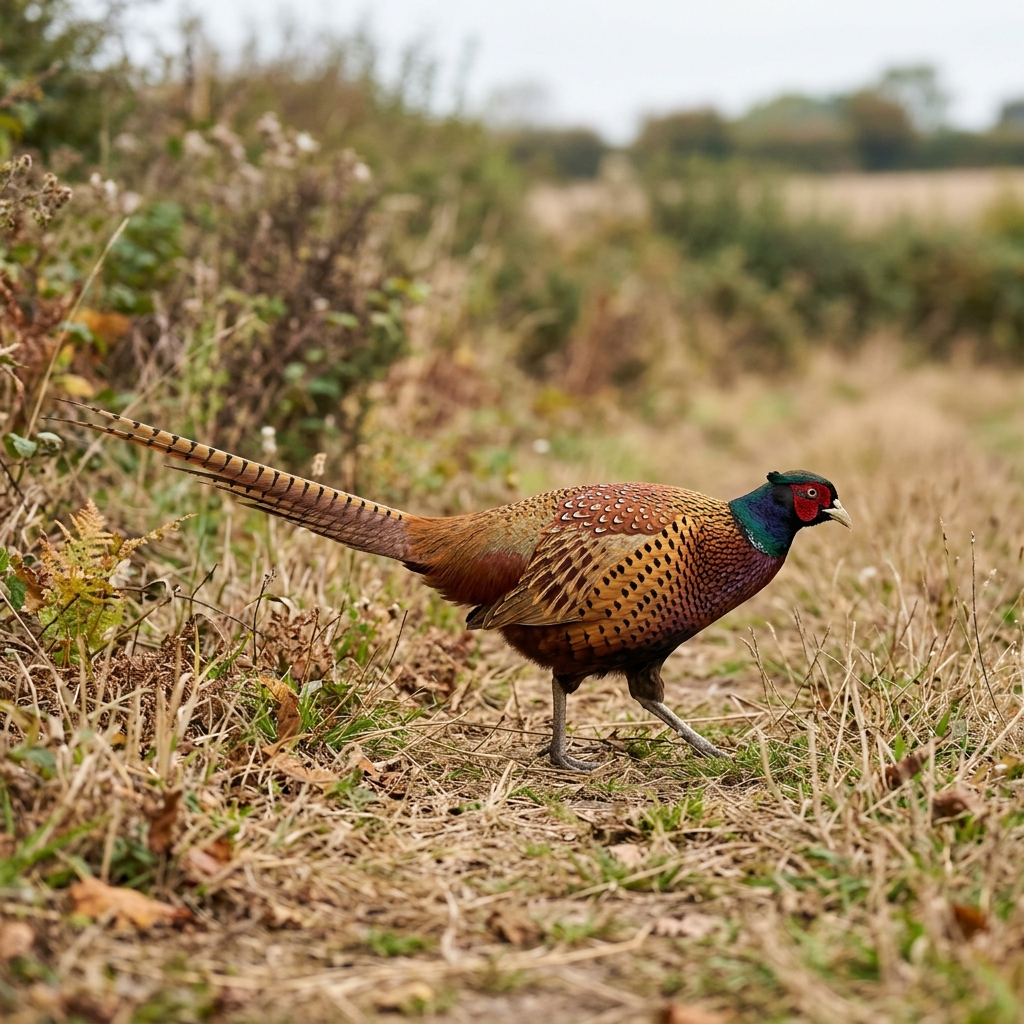
Pheasant
Large, colorful game birds often seen pecking in arable fields.
Pasture Invertebrates
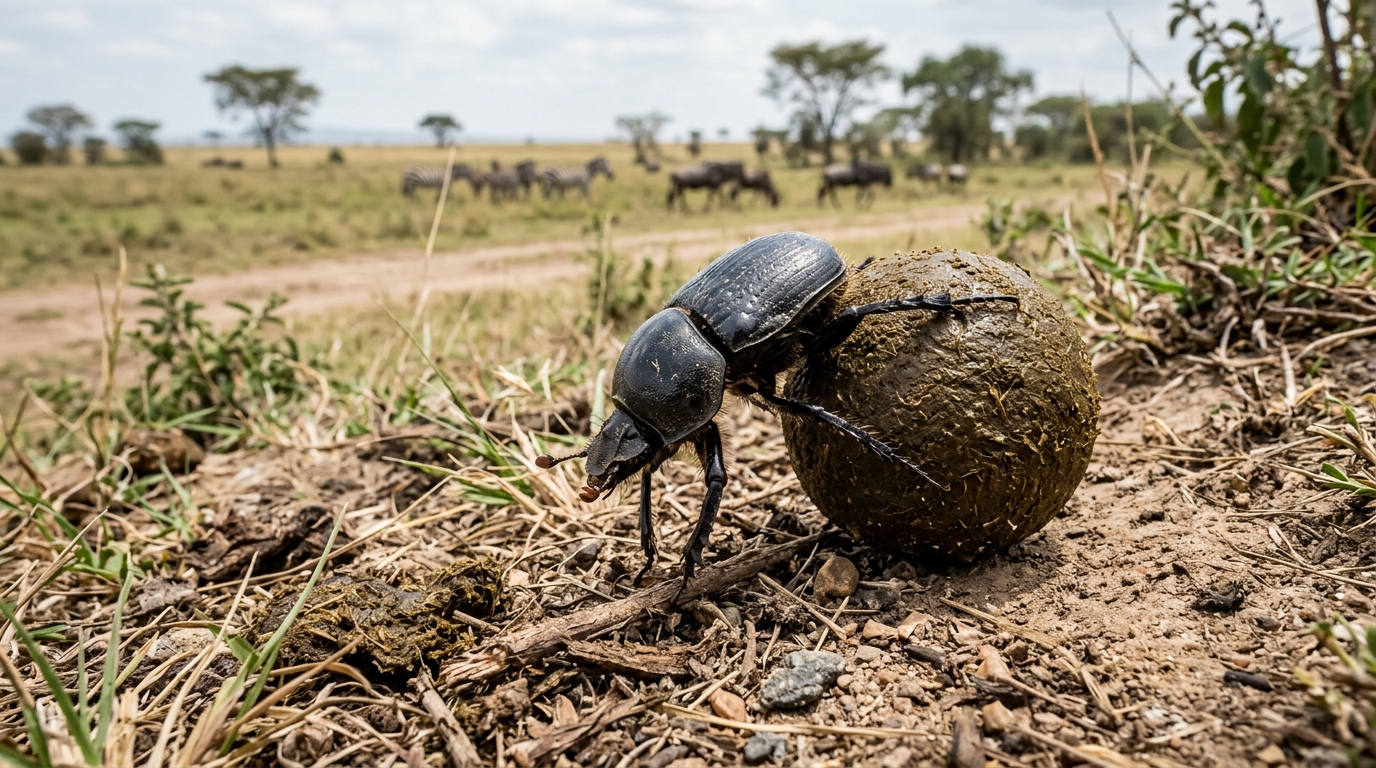
Dung beetle
Incredible recyclers that bury animal waste, enriching the soil.
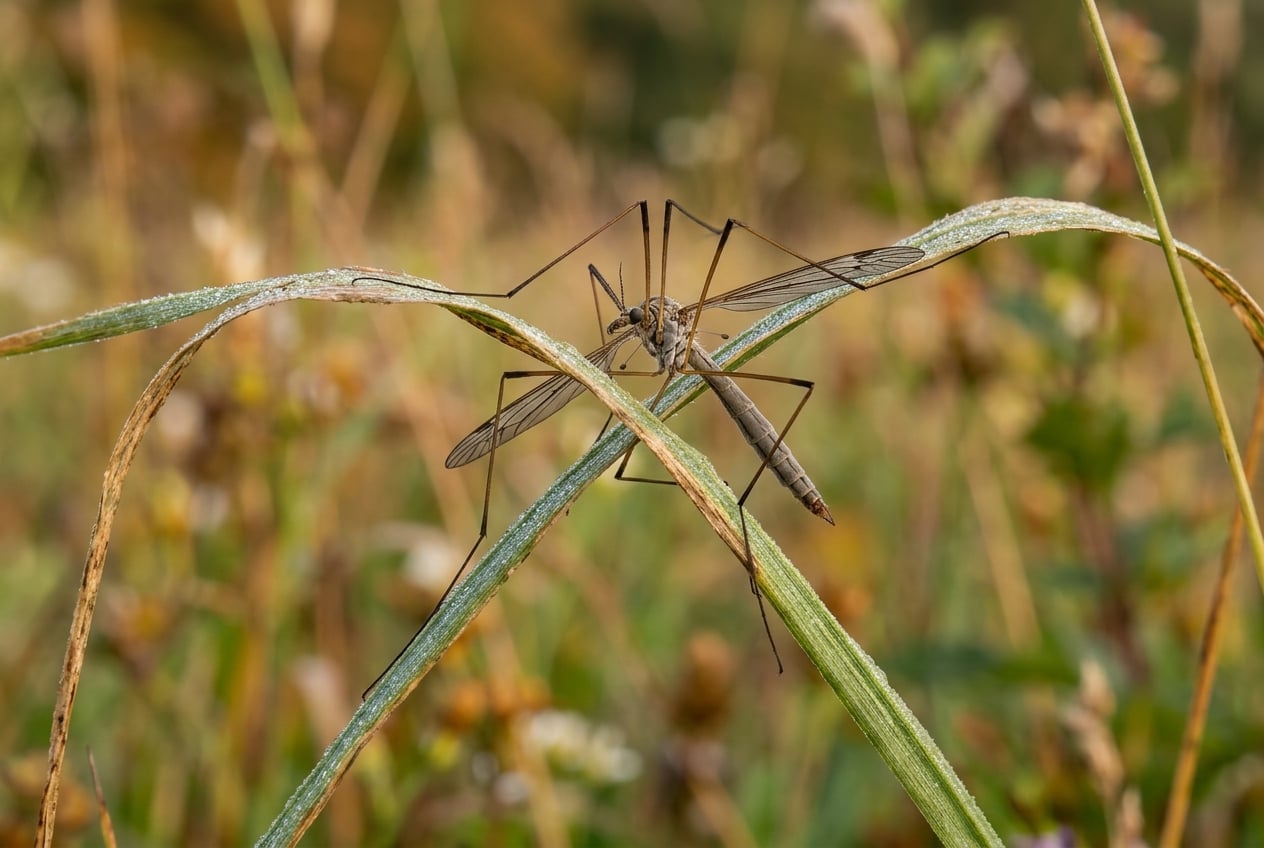
Cranefly
Tipula paludosa
Long-legged 'daddy-long-legs' whose soil-living grubs are called leatherjackets.
UK Livestock & Farmed Animals
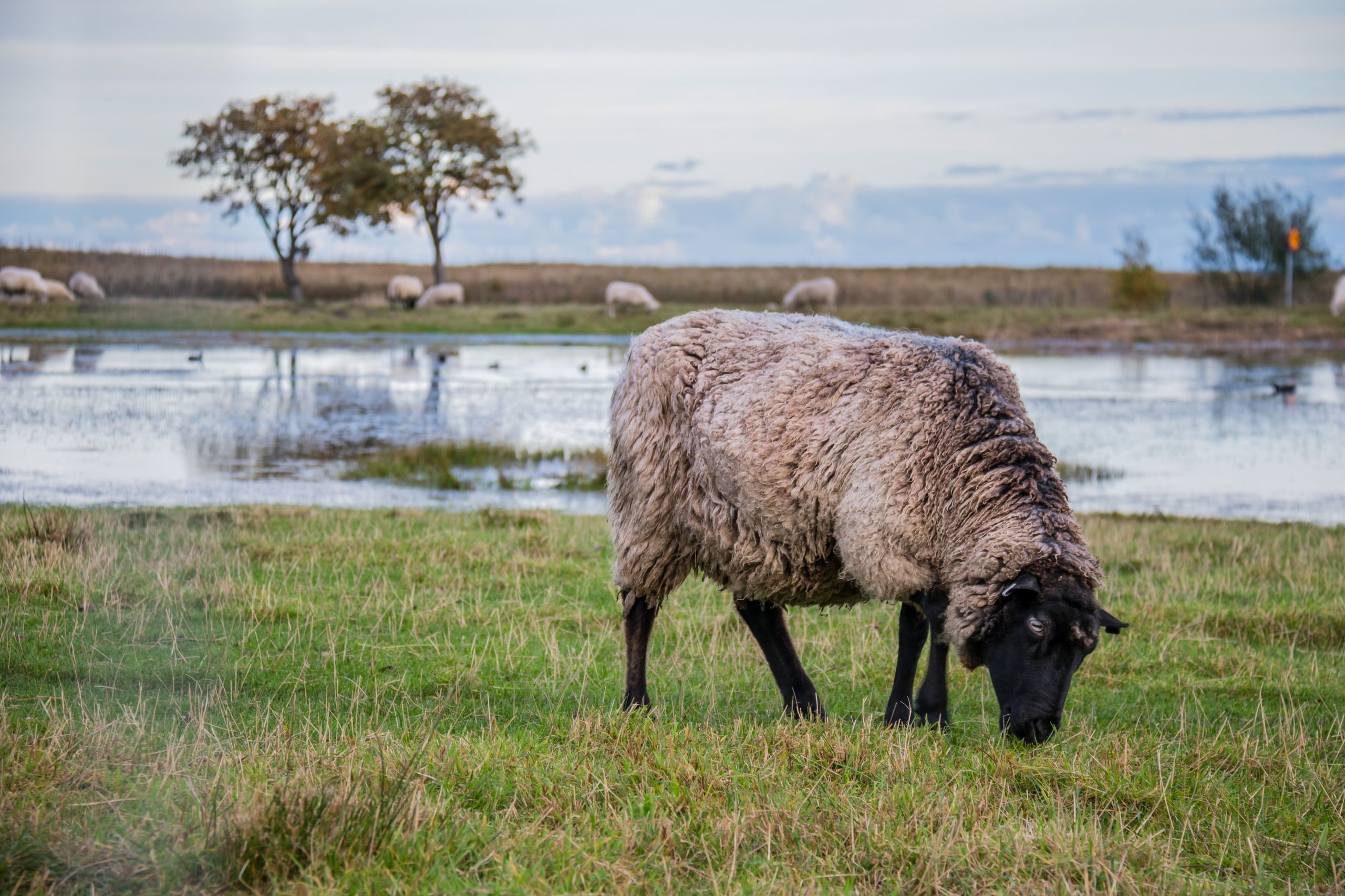
Sheep
Woolly grazers that maintain the UK's grassy pasturelands.
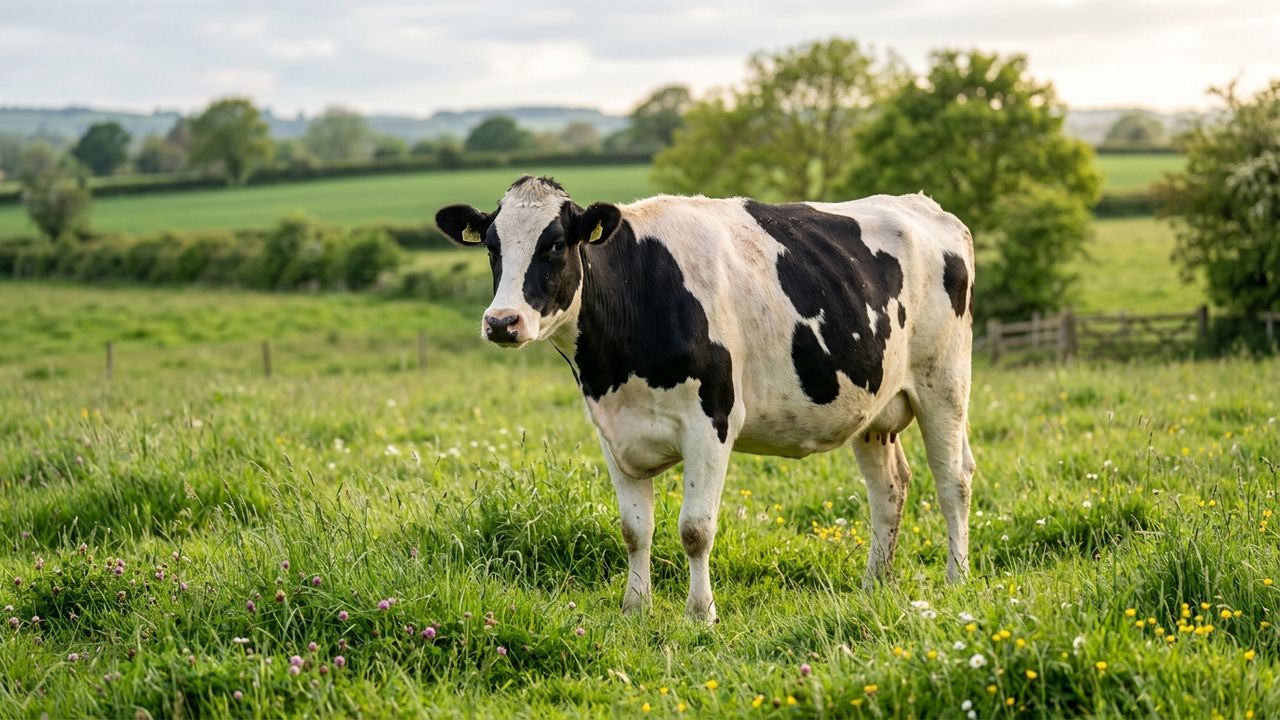
Cow
Large herbivores farmed for dairy or beef, eating massive amounts of grass.
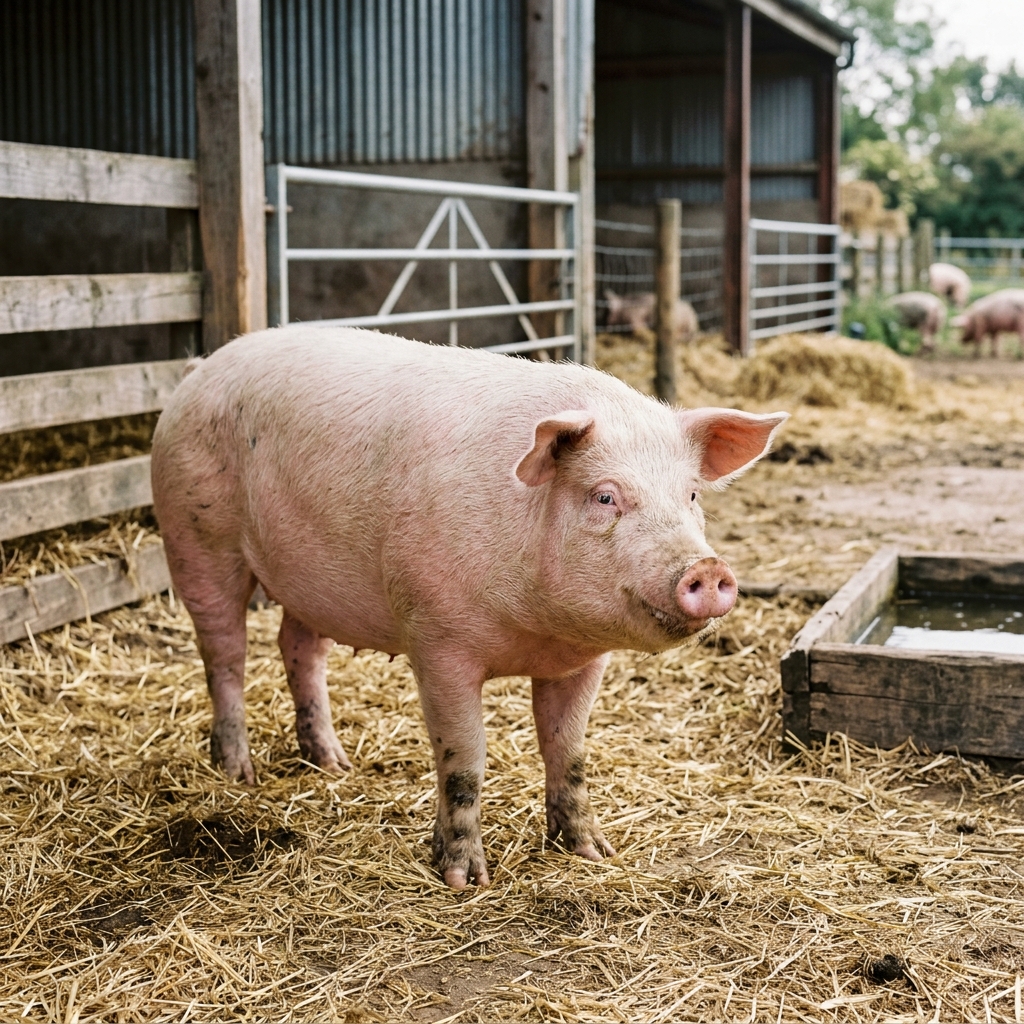
Pig
Highly intelligent omnivores farmed globally.
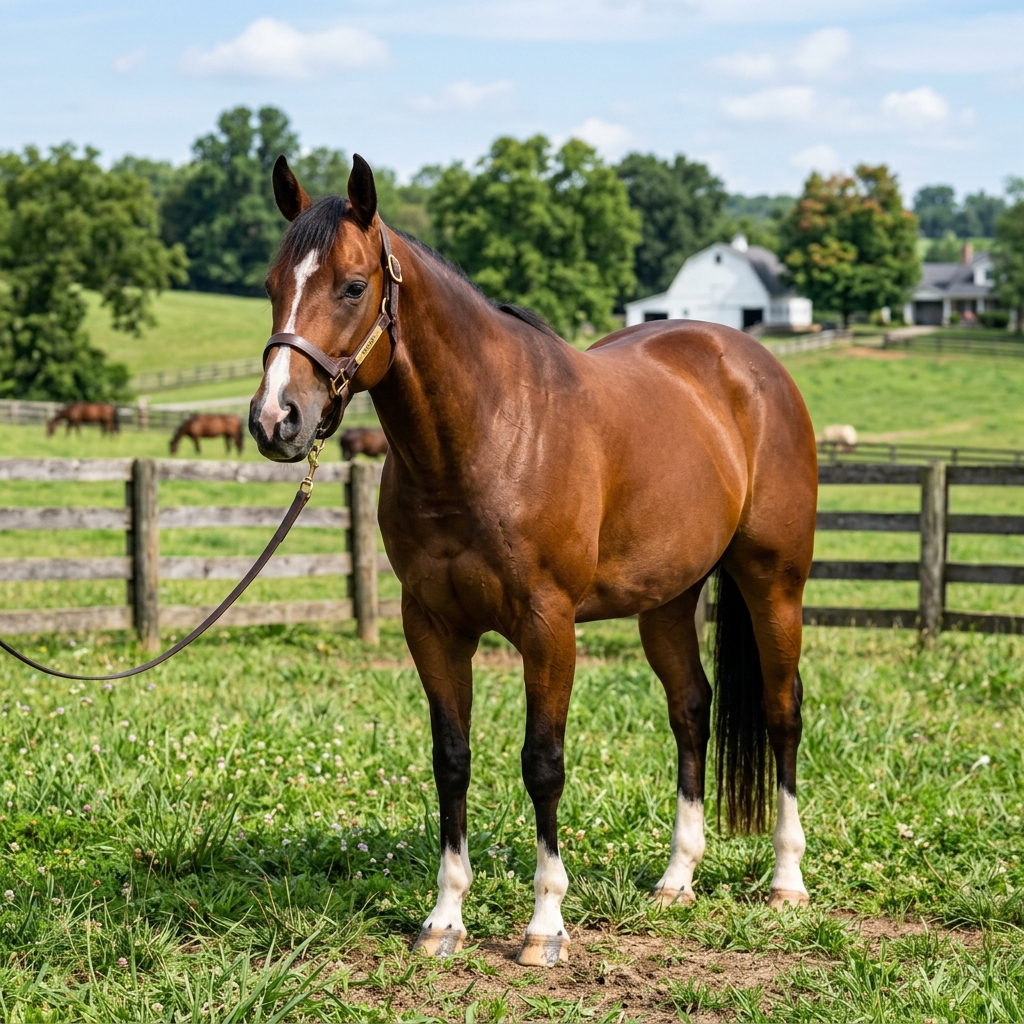
Horse
Powerful working and riding animals often kept in farm paddocks.
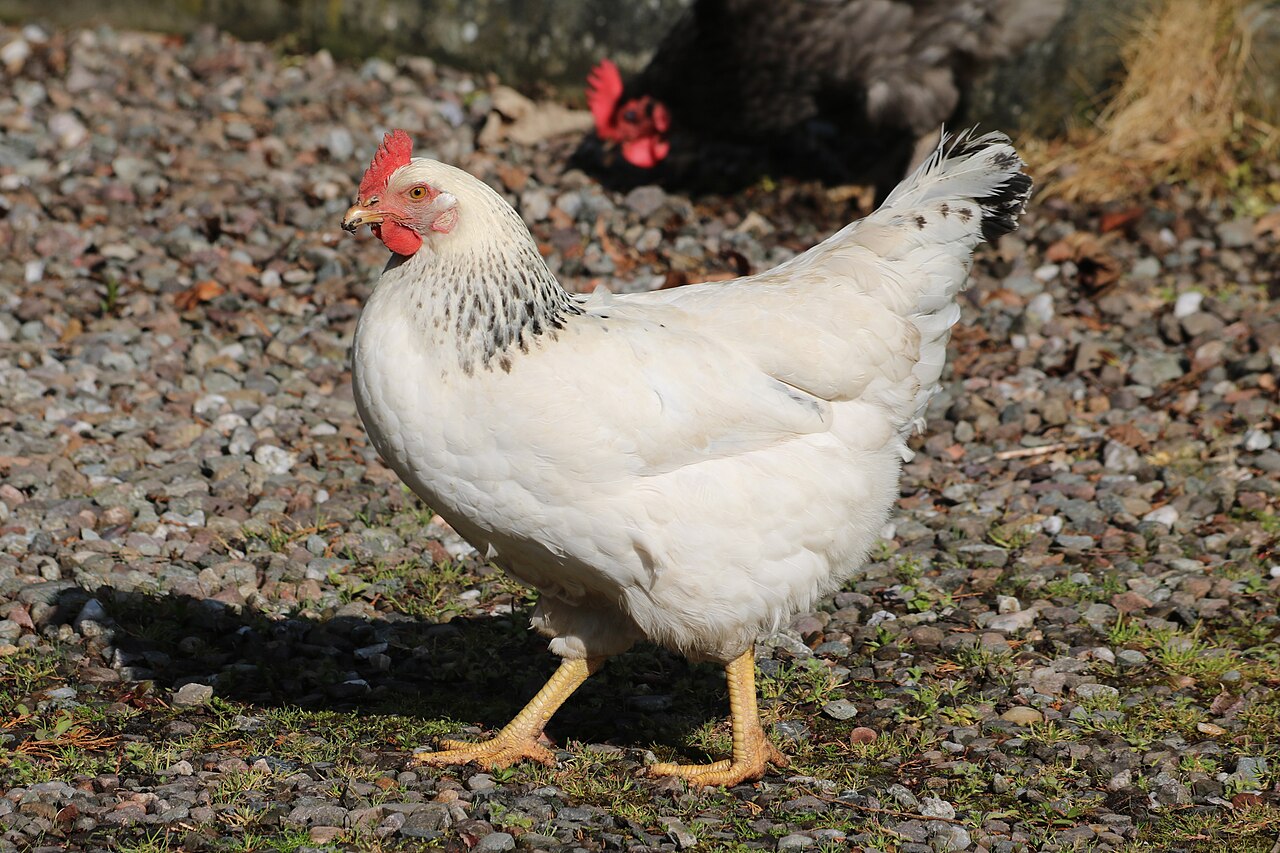
Chicken
Descendants of jungle fowl, these are the most numerous birds on Earth.
Global Farmed Species
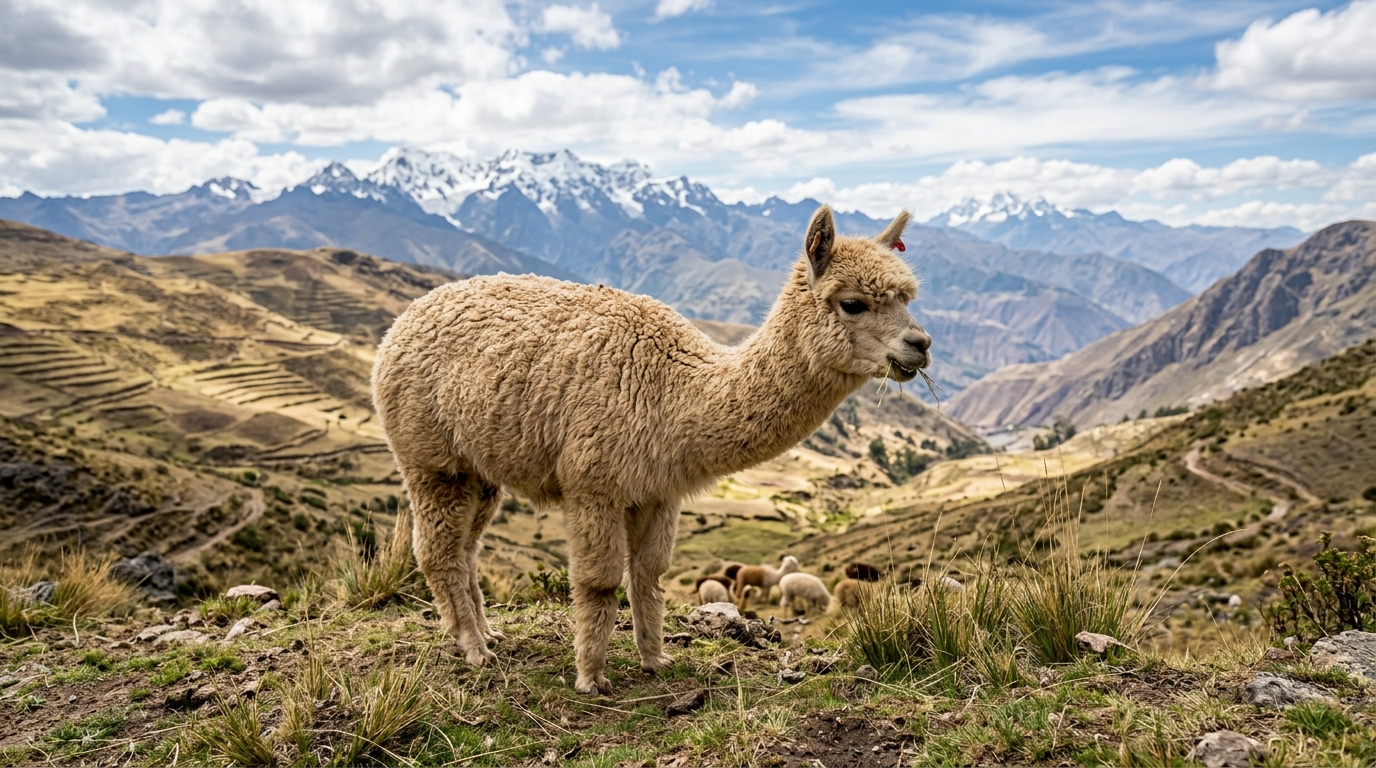
Alpaca
South American camelids bred for their soft, warm fleece.
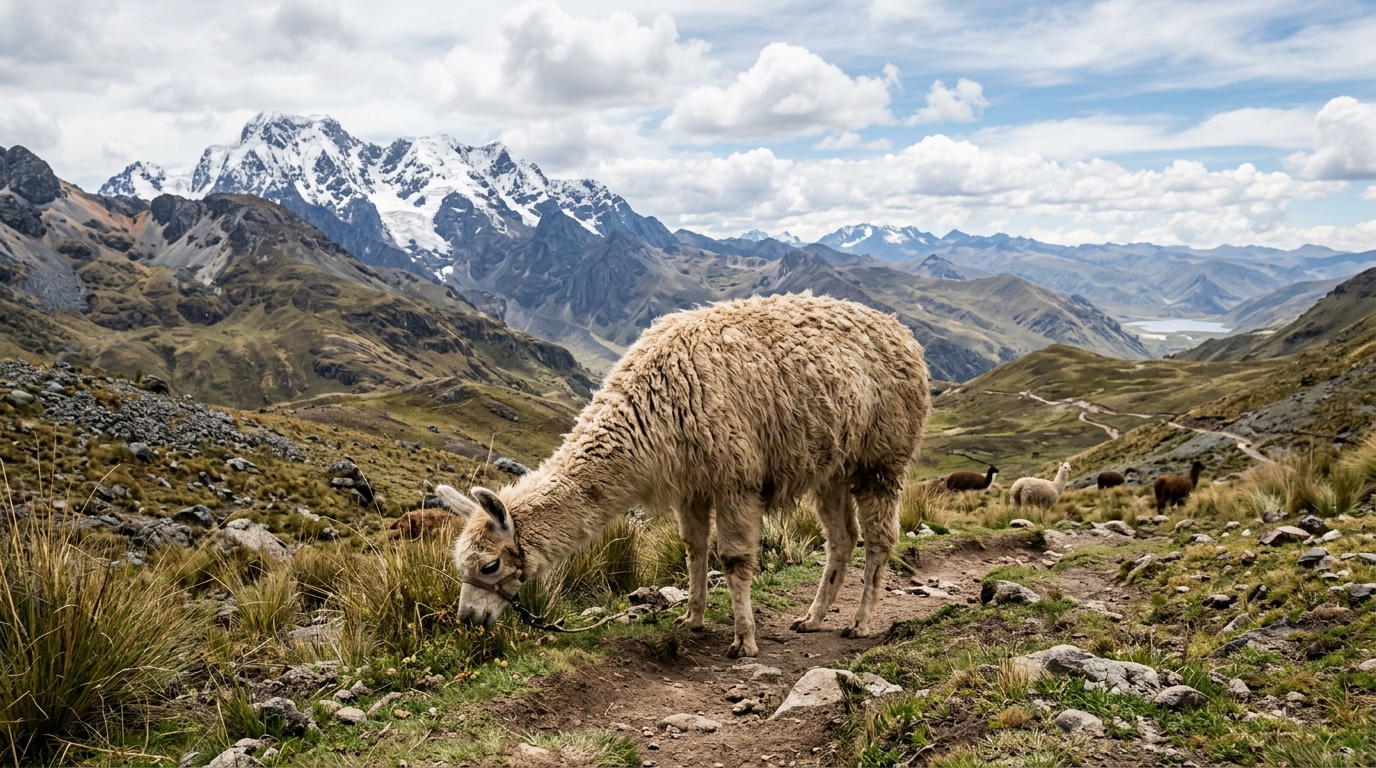
Llama
Strong pack animals historically used in the Andes mountains.
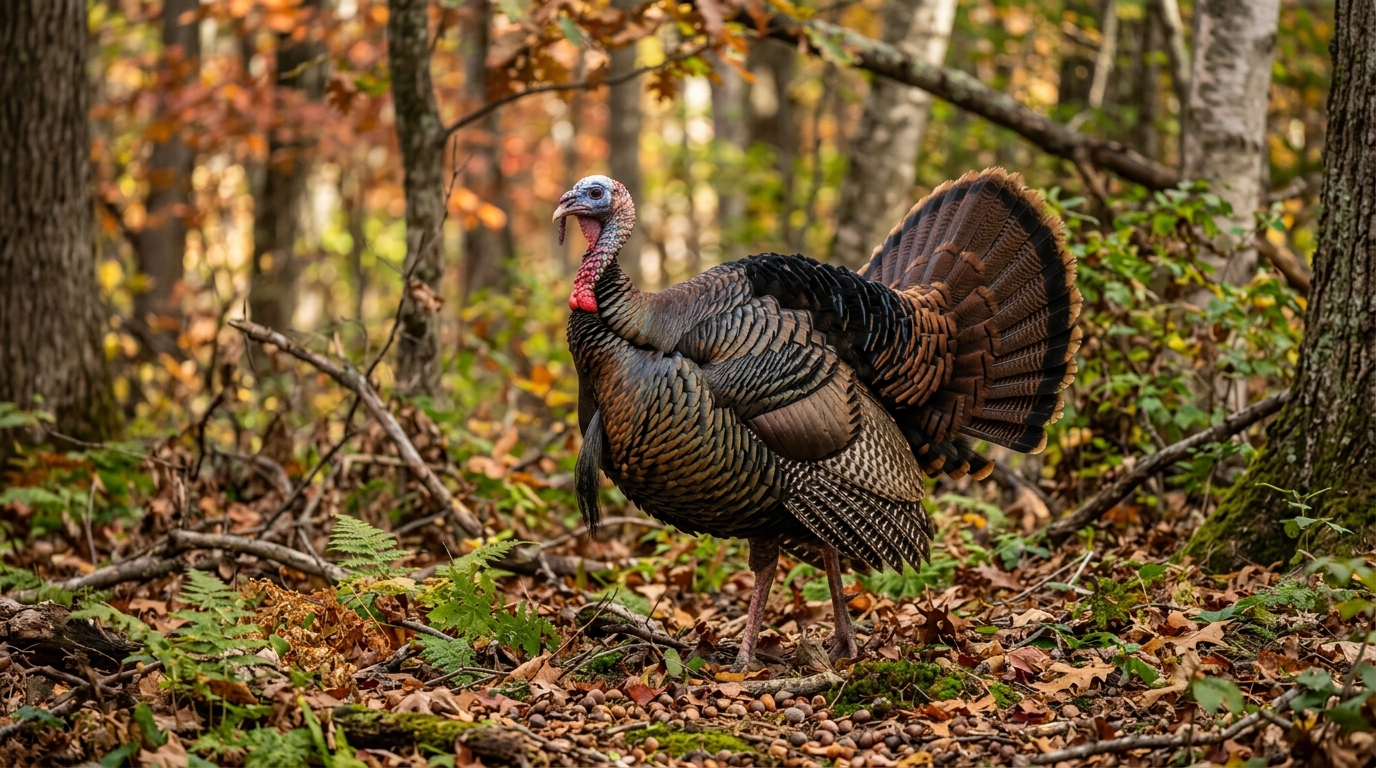
Turkey
Large poultry birds originating from North American woodlands.
Plants of the farmland
Farmland is a patchwork of hedgerows, crop fields, and field margins — each with its own plants. Here are some to discover.
Hedgerow shrubs
The woody plants that form the hedges between fields, offering food and shelter.
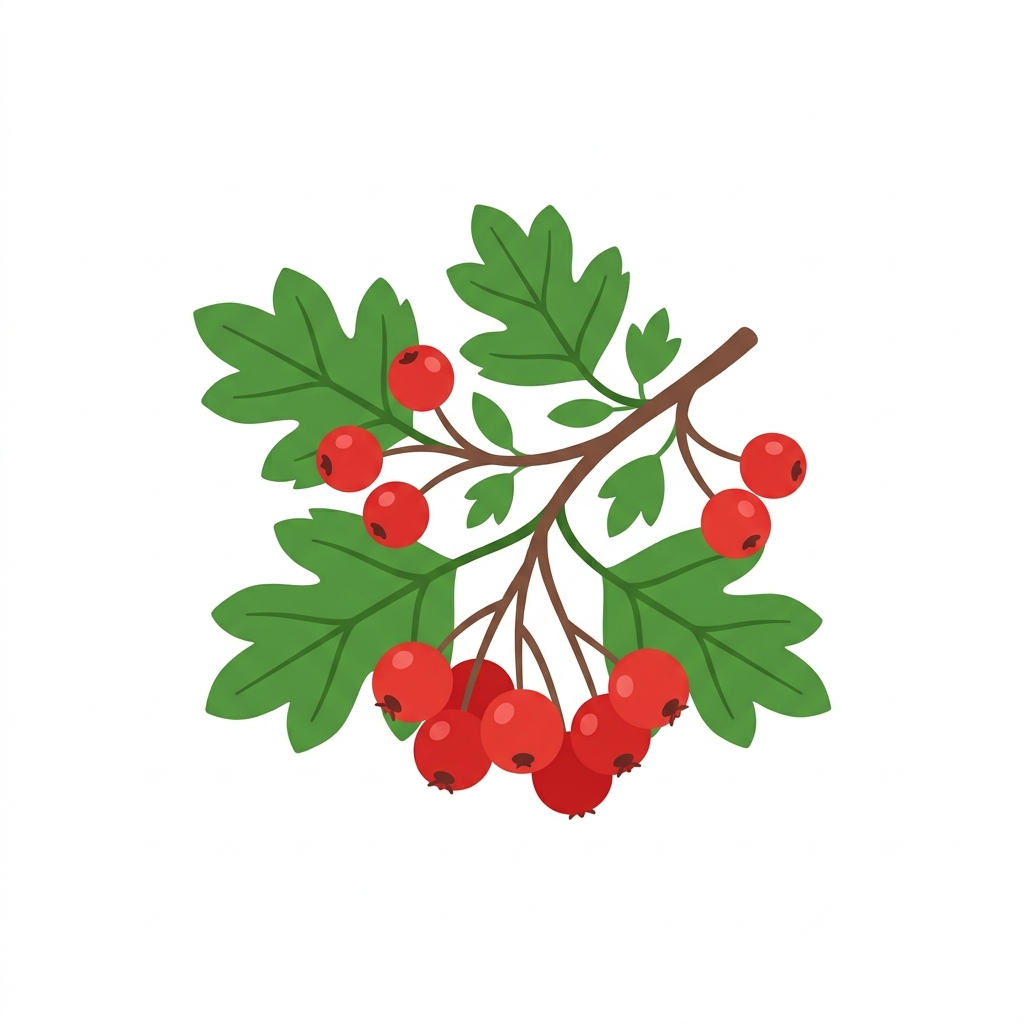
Hawthorn
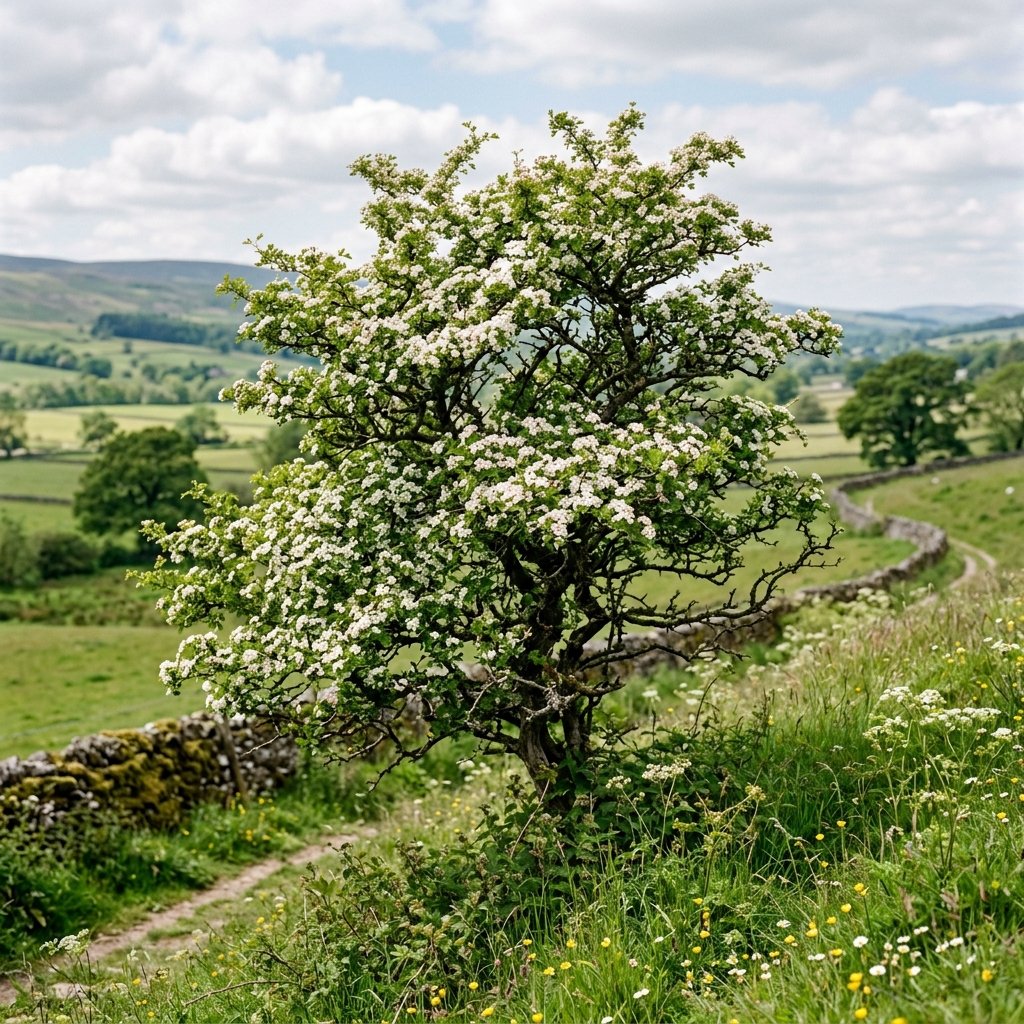
Britain's classic hedgerow shrub — a froth of white May blossom in spring, sharp protective thorns, and branches loaded with red 'haws' for the birds in autumn.
💡 Fun Facts
- Its froth of white May blossom is so famous it gave the tree its other name — the 'May tree'.
- In autumn it is loaded with little red berries called haws, a feast for blackbirds and winter thrushes.
- Its branches bristle with sharp thorns, which is why farmers have used it for living hedges for hundreds of years.
📅 Through the Year
- Flowering:May to June
- Fruiting:September to November
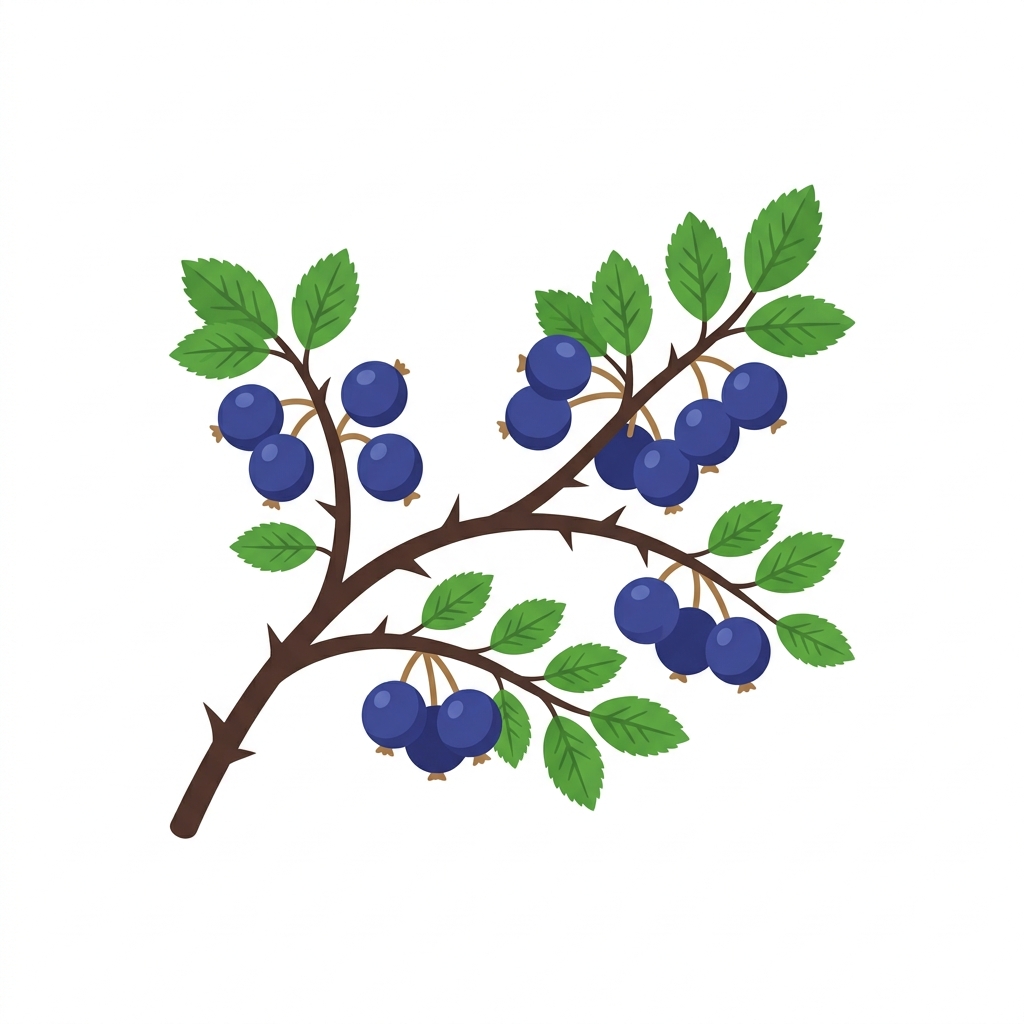
Blackthorn
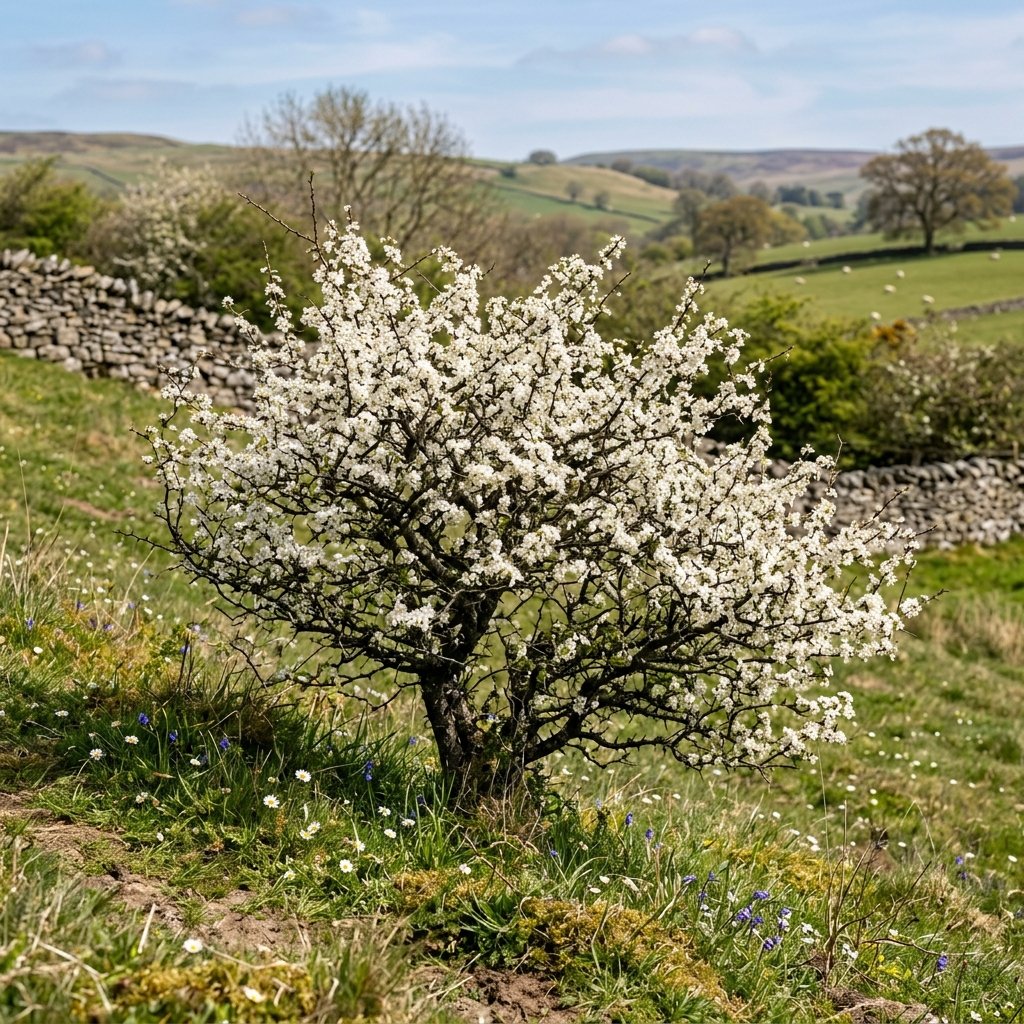
The shrub that fills bare black twigs with a snowstorm of white flowers in early spring, long before its leaves — and grows the blue-black 'sloes' used to make sloe gin.
💡 Fun Facts
- In early spring its bare, black twigs burst into a snowstorm of tiny white flowers before a single leaf appears.
- In autumn it grows small blue-black berries called sloes, which are used to make sloe gin.
- Its long, vicious spines help it grow into thickets so dense that almost nothing can push through.
📅 Through the Year
- Flowering:March to April
- Fruiting:October to November
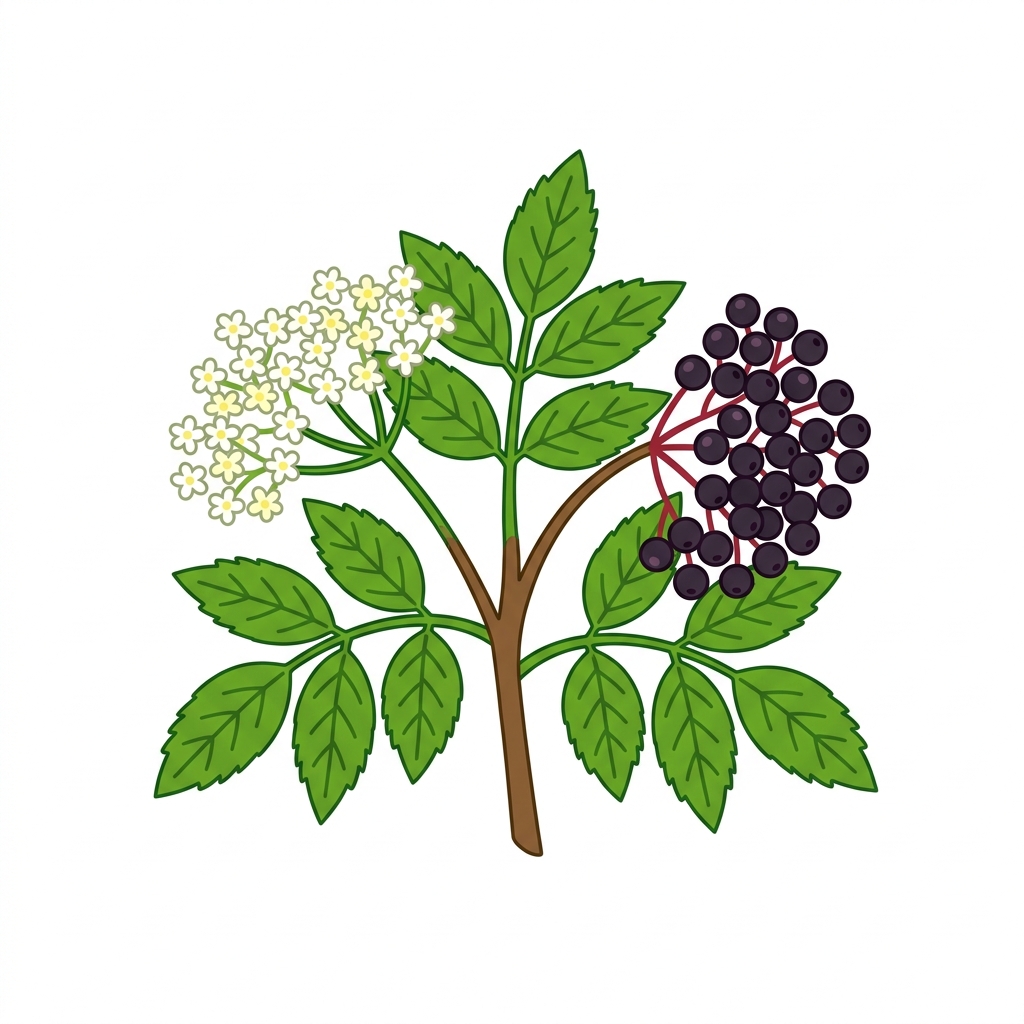
Elder
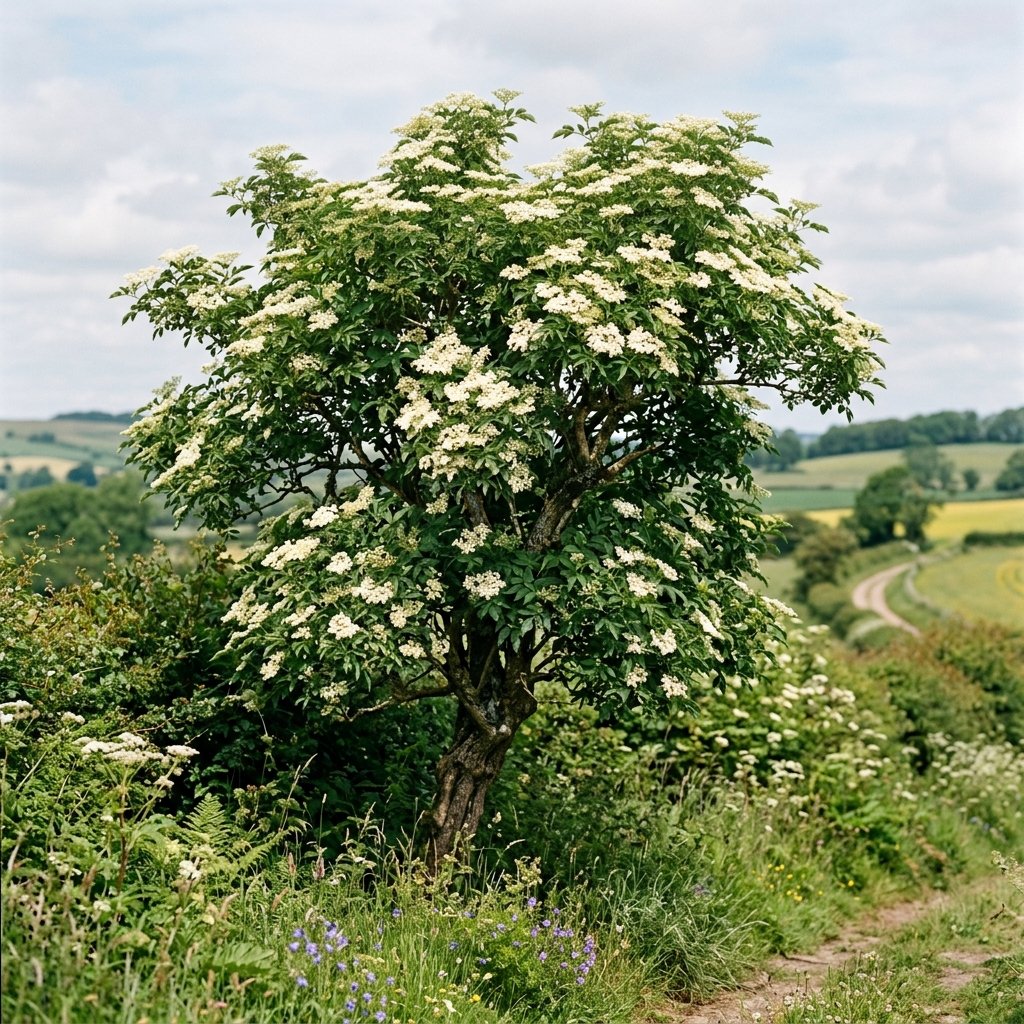
A fast-growing hedgerow shrub with flat creamy flower heads for elderflower cordial in June, drooping bunches of purple-black berries by autumn, and hollow, pithy stems.
💡 Fun Facts
- In early summer it is covered in flat, creamy-white flower heads that smell sweet and are used to make elderflower cordial.
- By late summer those flowers turn into drooping bunches of tiny purple-black elderberries.
- Its young stems are hollow, filled with soft pith, and have long been used to make whistles and pop-guns.
📅 Through the Year
- Flowering:June to July
- Fruiting:August to September
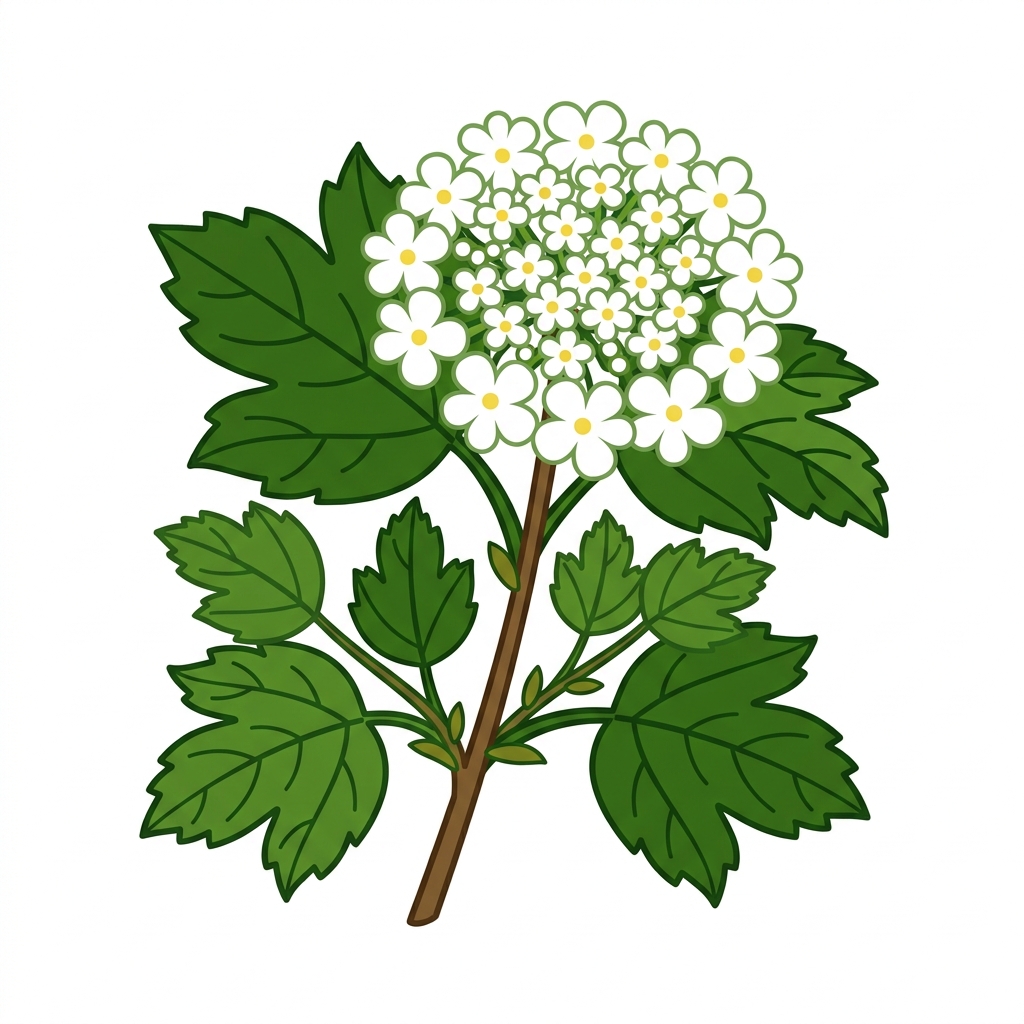
Guelder-rose
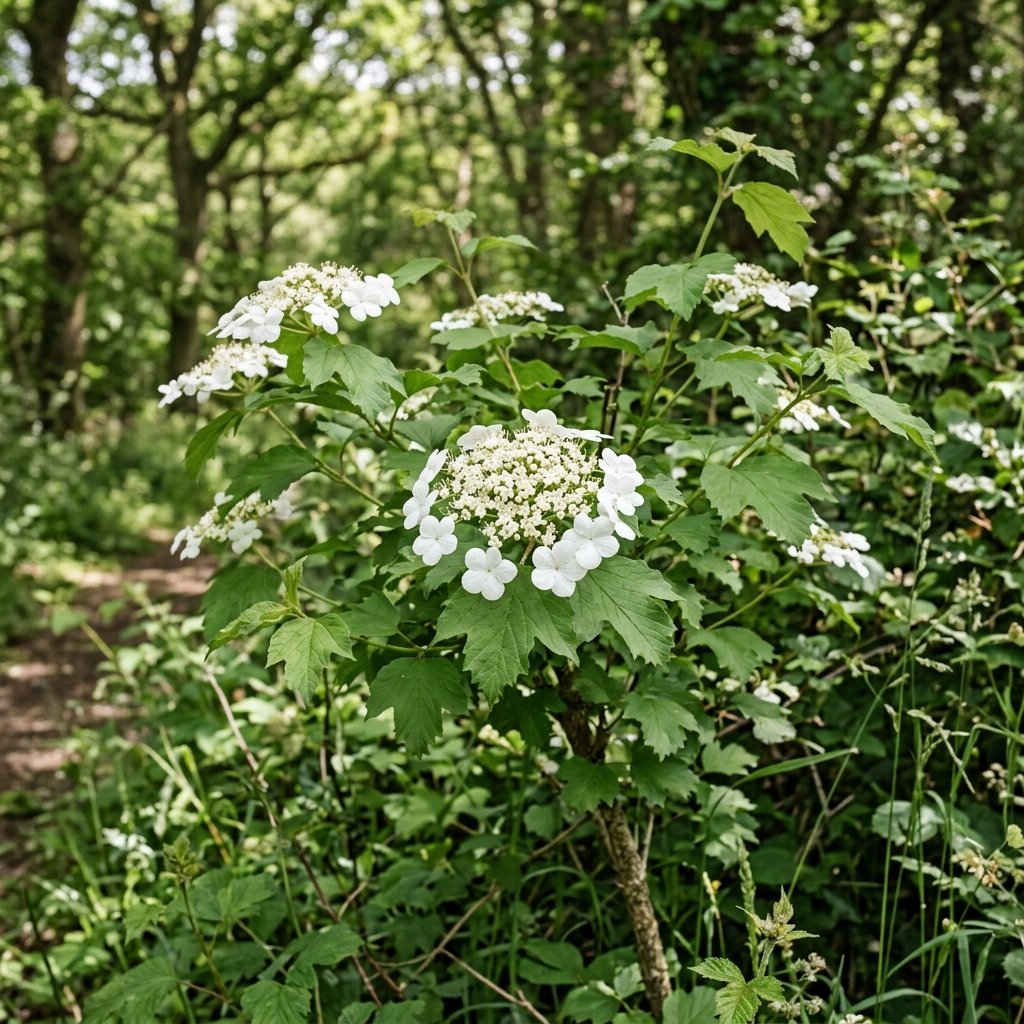
A native shrub of damp hedgerows whose 'lacecap' flower heads ring showy white blooms around tiny real ones — followed by glossy, translucent red berries and fiery autumn leaves.
💡 Fun Facts
- Its flower heads are clever: a ring of big showy white flowers on the outside acts like a sign, guiding insects to the tiny real flowers in the middle.
- In autumn it is hung with bunches of glossy, see-through red berries that shine like beads.
- Its leaves turn fiery red and purple in autumn, so the whole shrub seems to glow.
📅 Through the Year
- Flowering:May to July
- Fruiting:September to November
Crops and food plants
The plants grown in fields and gardens for us to eat.
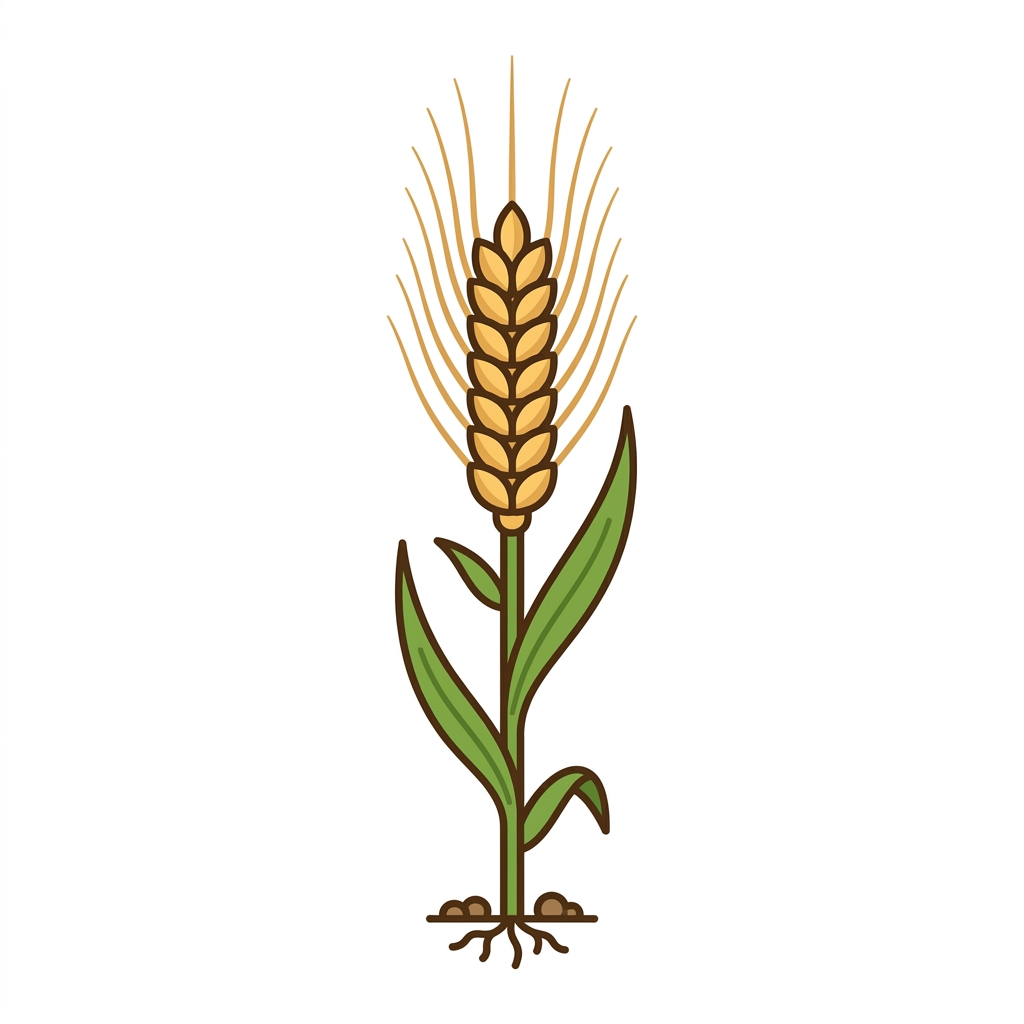
Barley
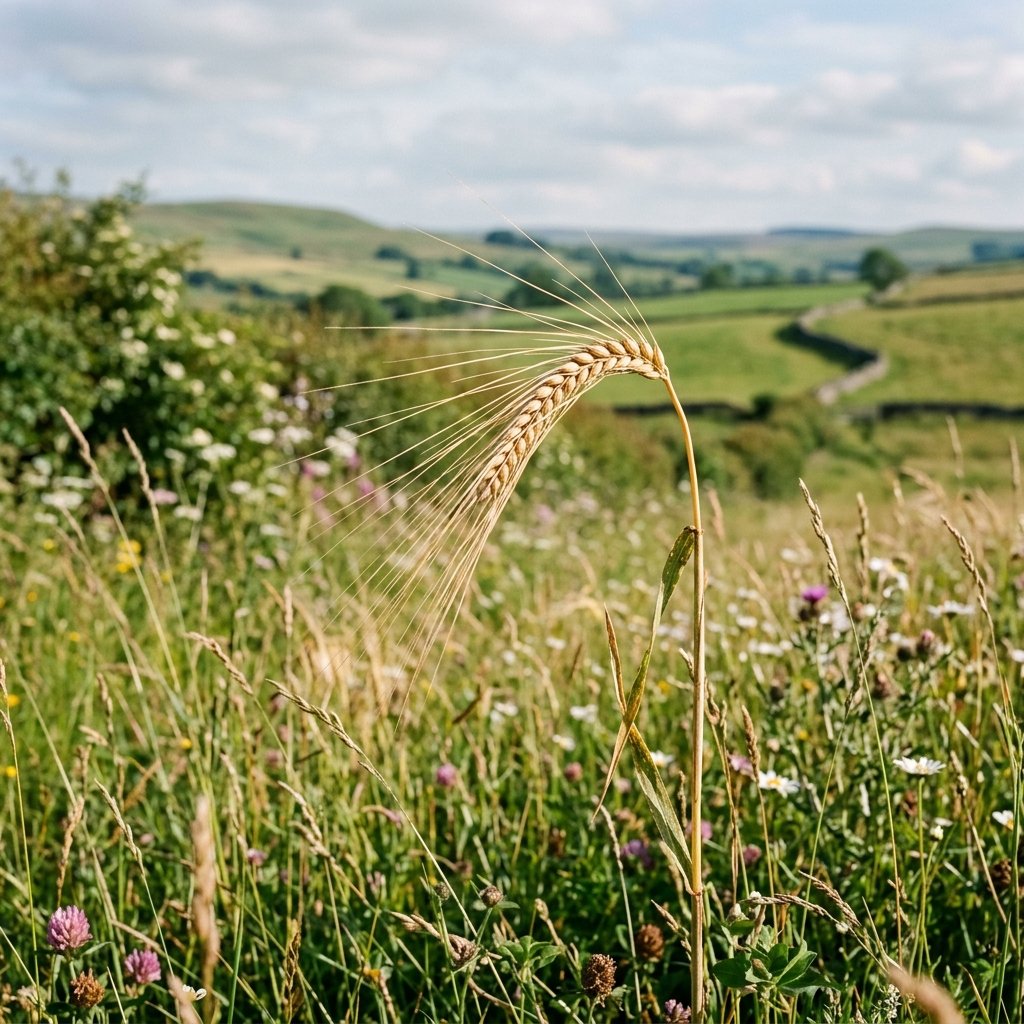
A whiskery cereal grass grown across UK farms for feed, malting and brewing — and one of the first plants people ever farmed, some 10,000 years ago.
💡 Fun Facts
- Barley is a cereal grass grown on farms for animal feed and for making beer and whisky.
- Each ear has long, whiskery bristles called awns that stick out like a spiky beard.
- It was one of the very first plants people ever farmed, around 10,000 years ago.
📅 Through the Year
- Flowering:June
- Fruiting:July to August
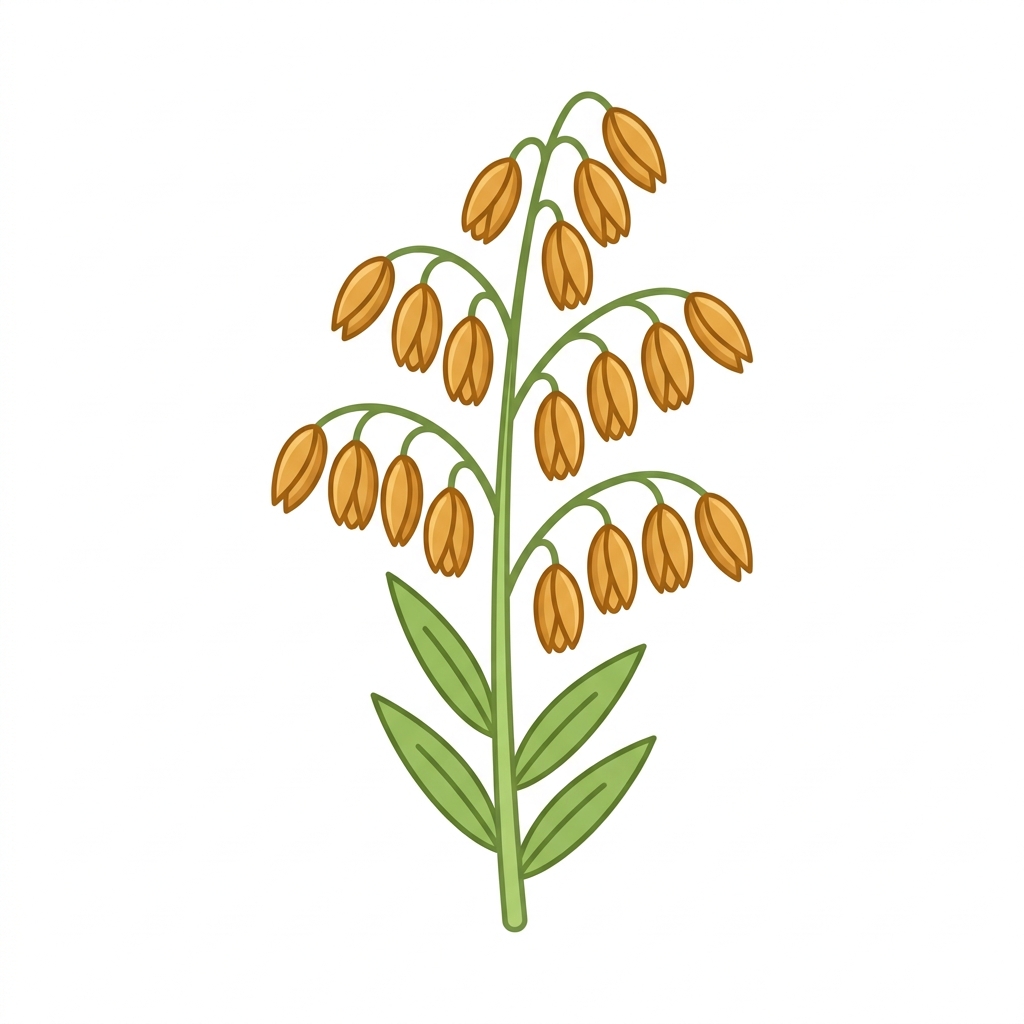
Oat
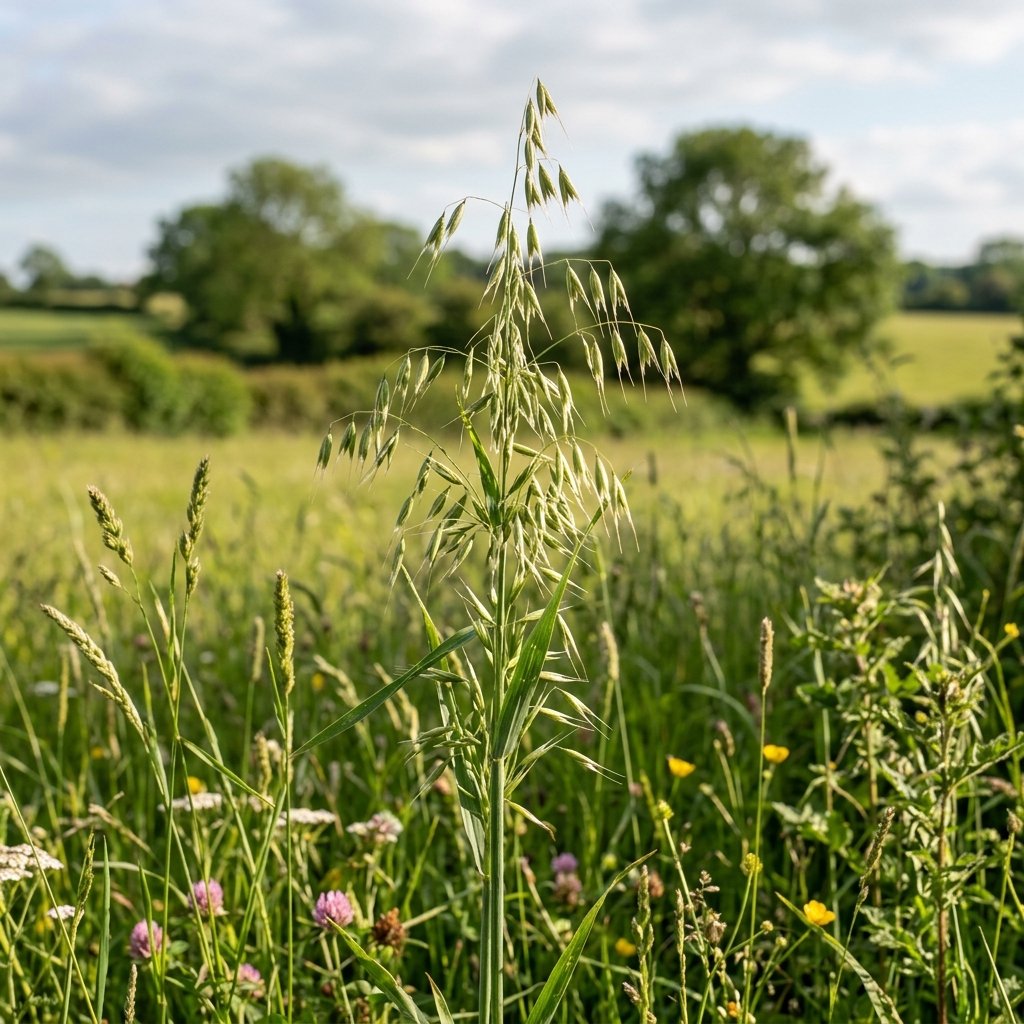
The cereal grass behind porridge and oat milk — it loves Britain's cool, wet weather, and its special fibre, beta-glucan, helps lower cholesterol.
💡 Fun Facts
- Oats are the cereal grass that gives us porridge, oatcakes and oat milk.
- Unlike barley, its grain hangs from an open, branching head that trembles in the wind.
- Oats like the cool, wet weather of Britain, growing well where other cereals struggle.
📅 Through the Year
- Flowering:June to July
- Fruiting:August to September
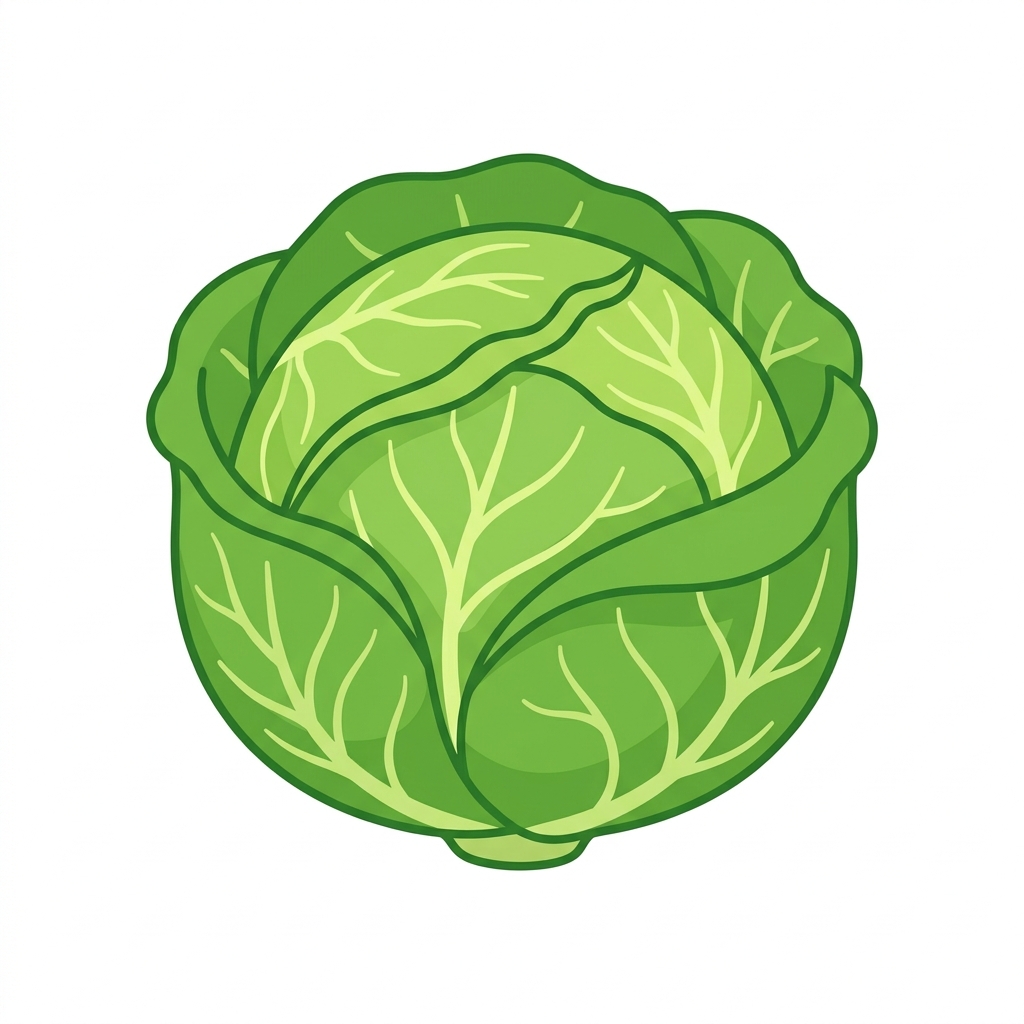
Cabbage
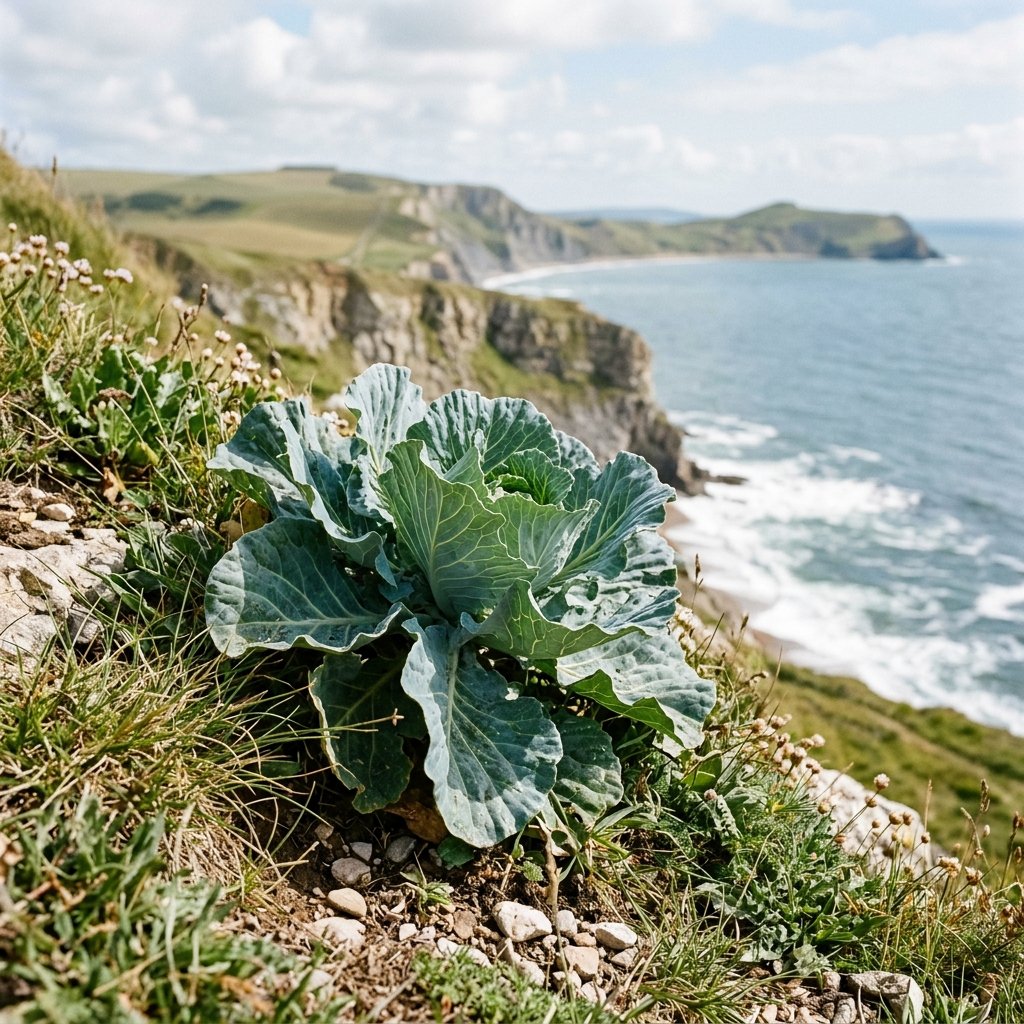
A leafy vegetable that packs its leaves into a tight head — and the ancestor, with its many bred forms, of kale, broccoli, cauliflower and Brussels sprouts.
💡 Fun Facts
- We grow cabbage for its tight ball of leaves, which we eat raw, boiled, or turned into sauerkraut.
- If it is left in the ground into a second year, it shoots up a tall stalk of yellow flowers.
- Kale, broccoli, cauliflower and Brussels sprouts were all bred from this one wild plant.
📅 Through the Year
- Flowering:April to June
- Fruiting:June to July
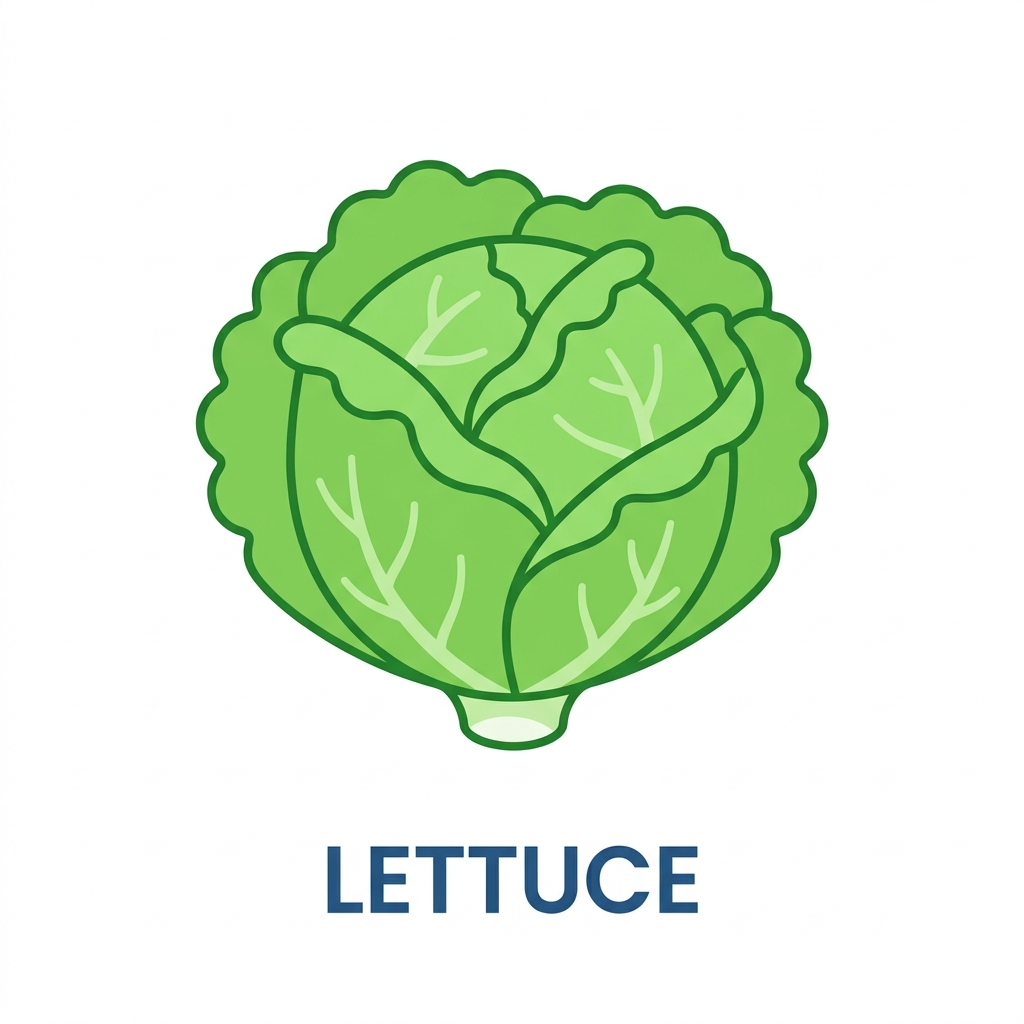
Lettuce
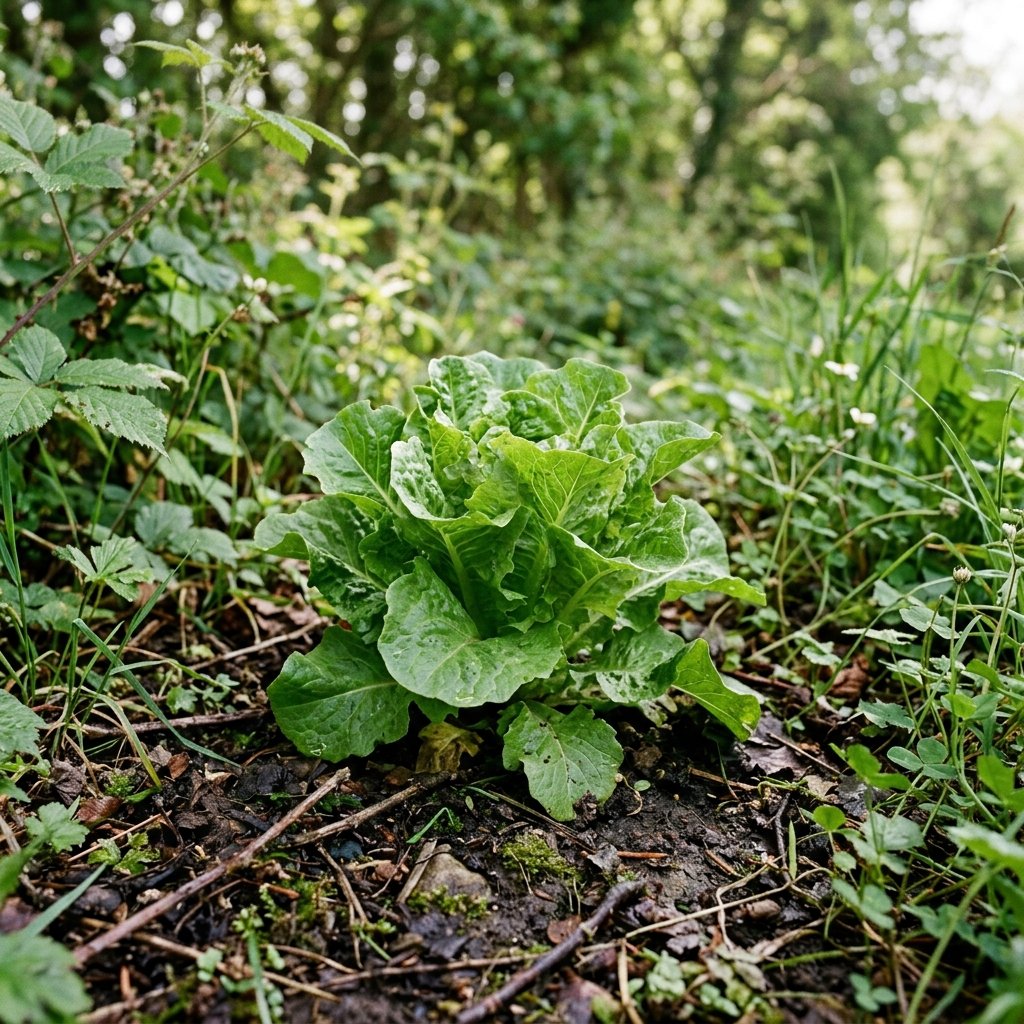
A fast-growing salad plant grown for its crisp leaves — a cousin of the dandelion whose parachute seeds drift away on the wind.
💡 Fun Facts
- We grow lettuce for its soft, crisp leaves, which we eat raw in salads.
- In hot weather it 'bolts' — it shoots up a tall stalk and turns bitter.
- It belongs to the daisy family, and its seeds float away on tiny parachutes just like a dandelion's.
📅 Through the Year
- Flowering:July to September
- Fruiting:August to September
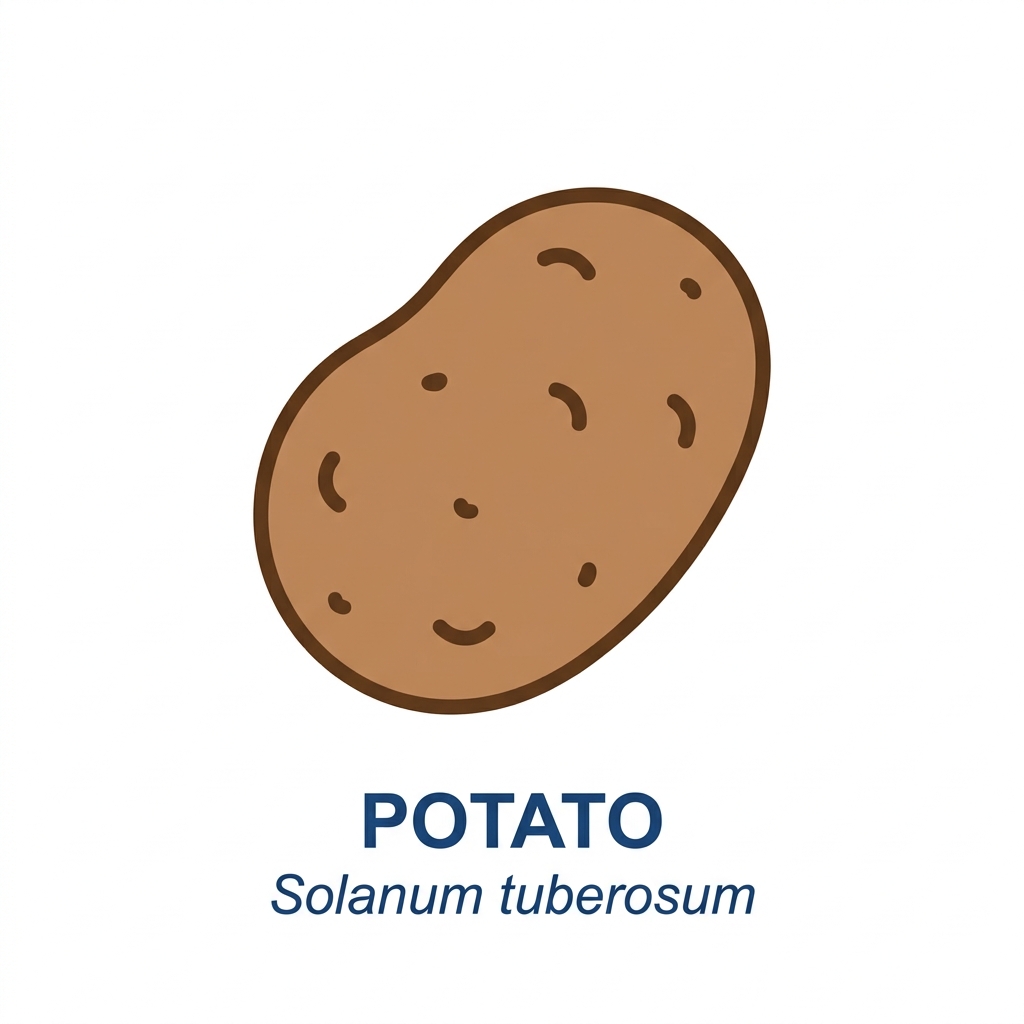
Potato
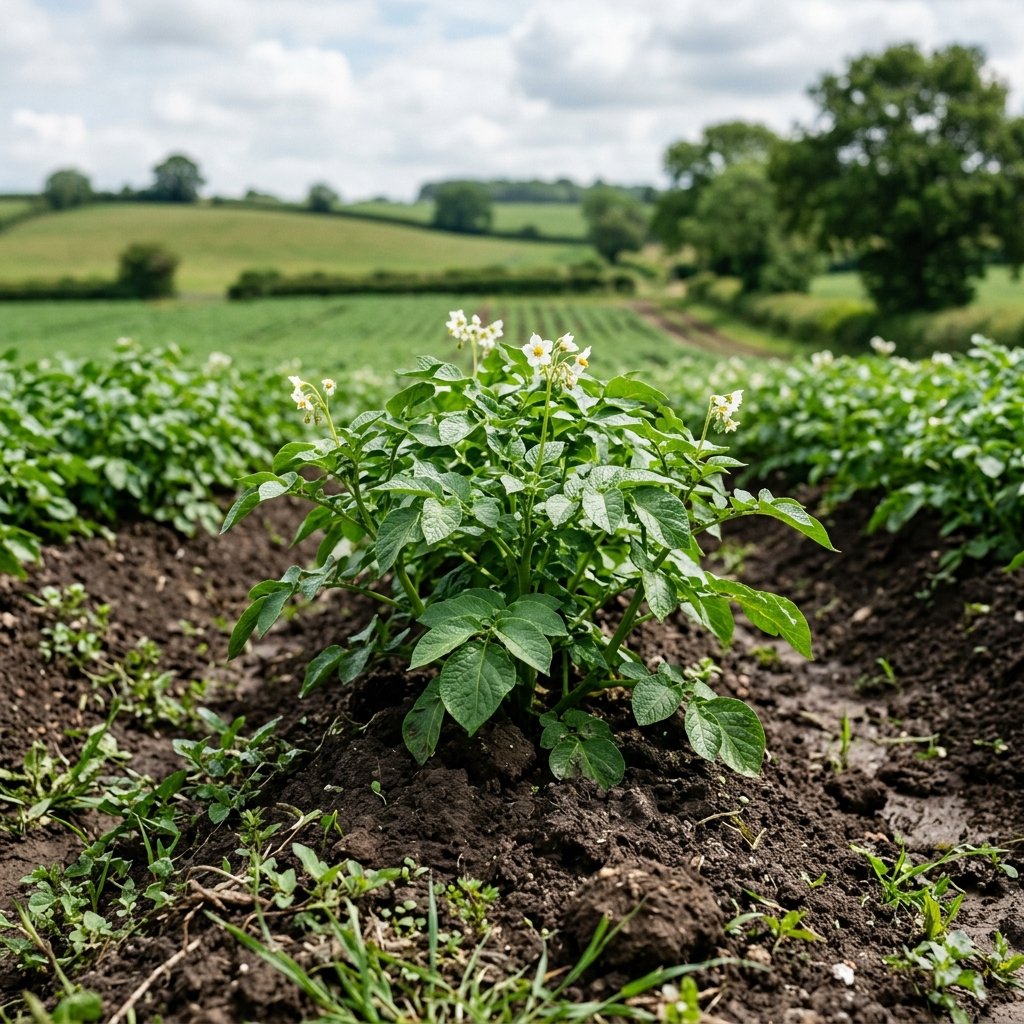
A staple food crop grown for its energy-rich underground tubers — swollen stems that store starch and can grow into whole new plants.
💡 Fun Facts
- The part we eat is the tuber — a swollen underground stem, not a root — packed with energy as starch.
- After its flowers, it can make small green berries like tiny tomatoes, but these are poisonous.
- Only the tuber is safe to eat: the leaves, stems and any green potatoes contain a natural poison.
📅 Through the Year
- Flowering:June to August
- Fruiting:August to October
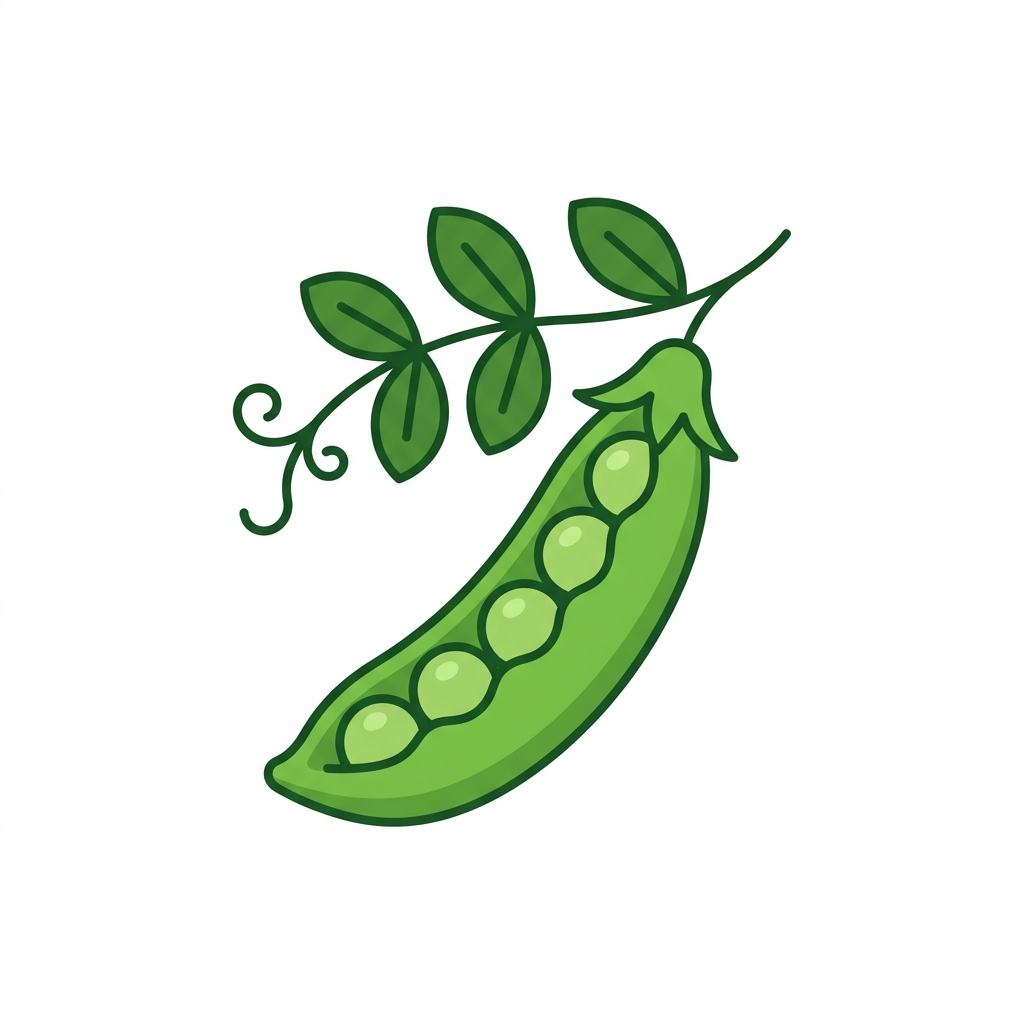
Pea
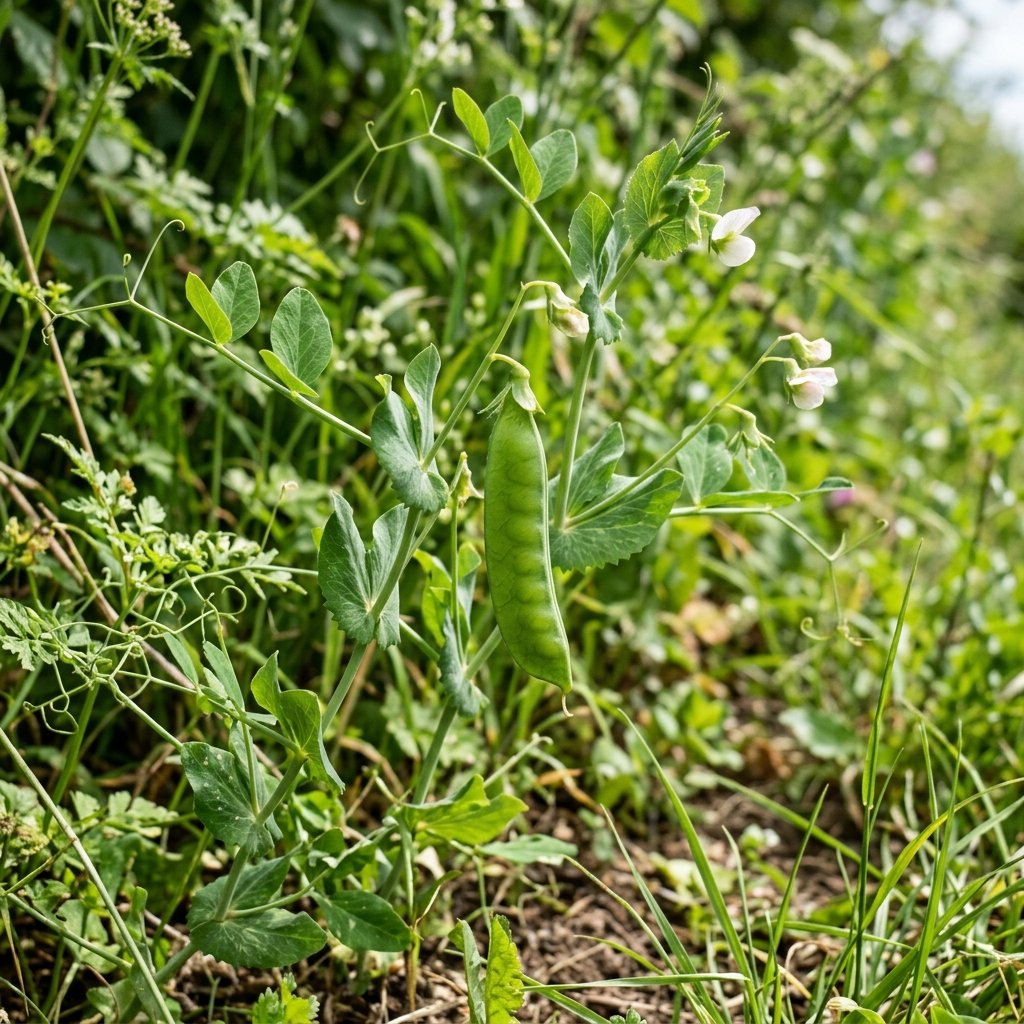
A climbing bean-family plant grown for its sweet seeds — famous as the plant Gregor Mendel used to discover the rules of inheritance.
💡 Fun Facts
- We grow peas for the sweet round seeds inside their pods, eaten fresh, frozen or dried.
- The plant climbs by sending out curly, coiling threads called tendrils that grip onto supports.
- A monk named Gregor Mendel grew thousands of pea plants and used them to discover the rules of inheritance — the start of genetics.
📅 Through the Year
- Flowering:May to July
- Fruiting:June to August
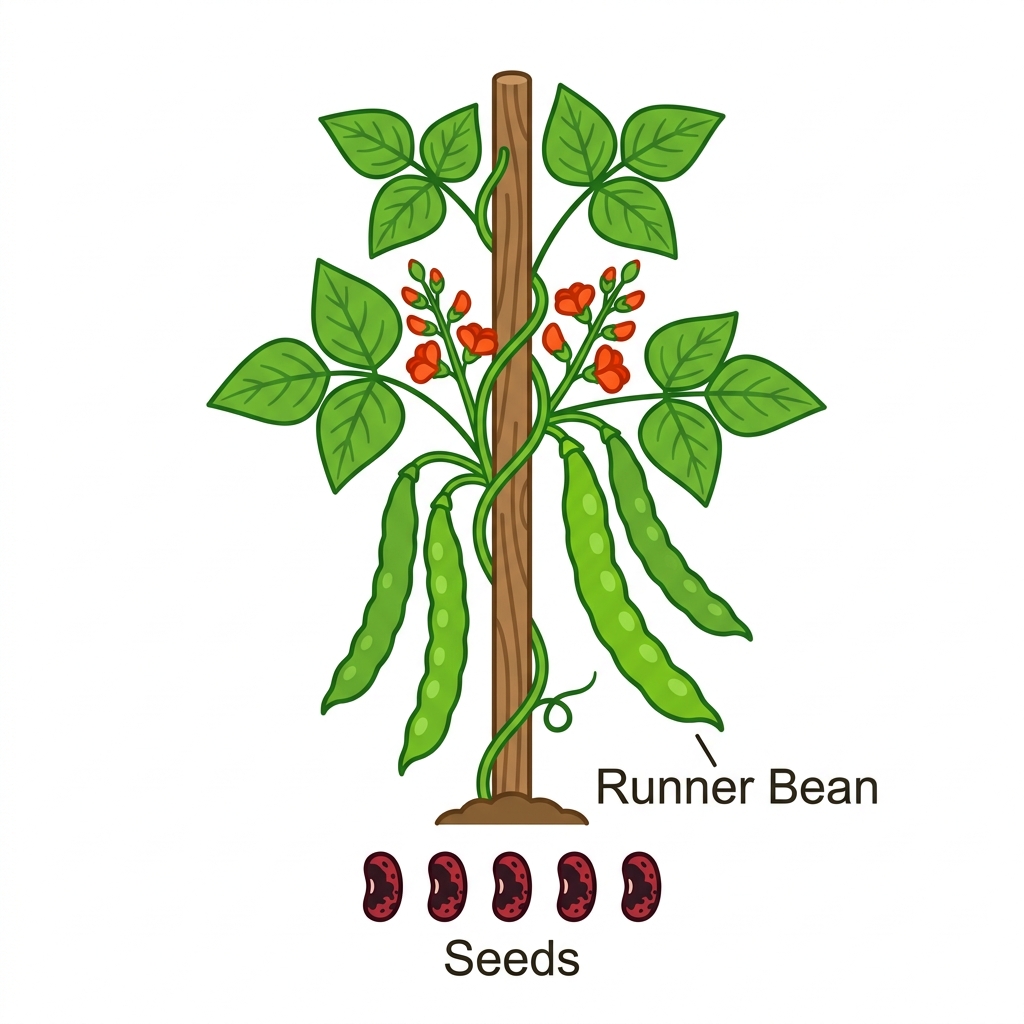
Runner Bean
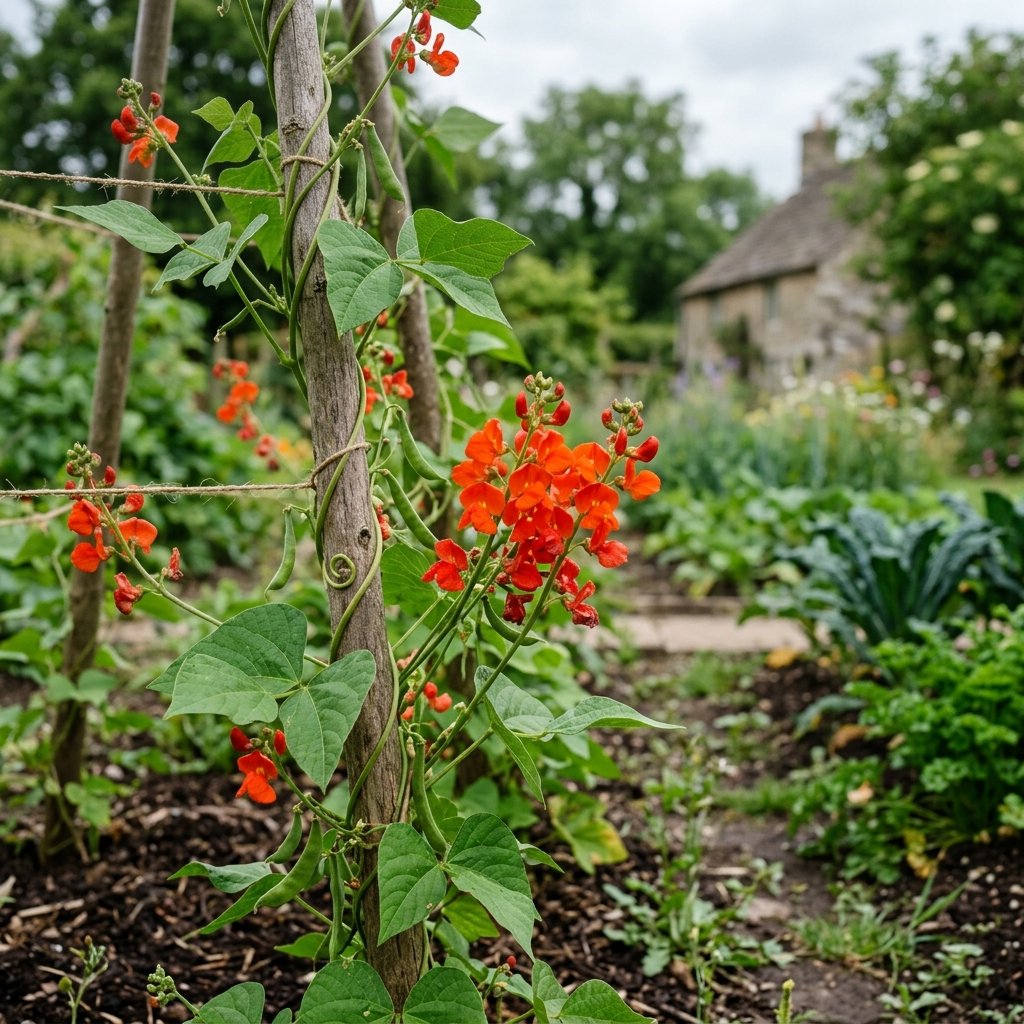
A tall climbing bean grown for its long green pods and bright scarlet, bee-friendly flowers — its stems always twining in one fixed direction.
💡 Fun Facts
- We grow runner beans up tall canes for their long green pods, which we eat cooked.
- Its bright scarlet flowers are grown for their beauty too, and bumblebees love them.
- The stems always twine round their support in the same direction — spiralling anticlockwise as they climb.
📅 Through the Year
- Flowering:July to September
- Fruiting:August to October
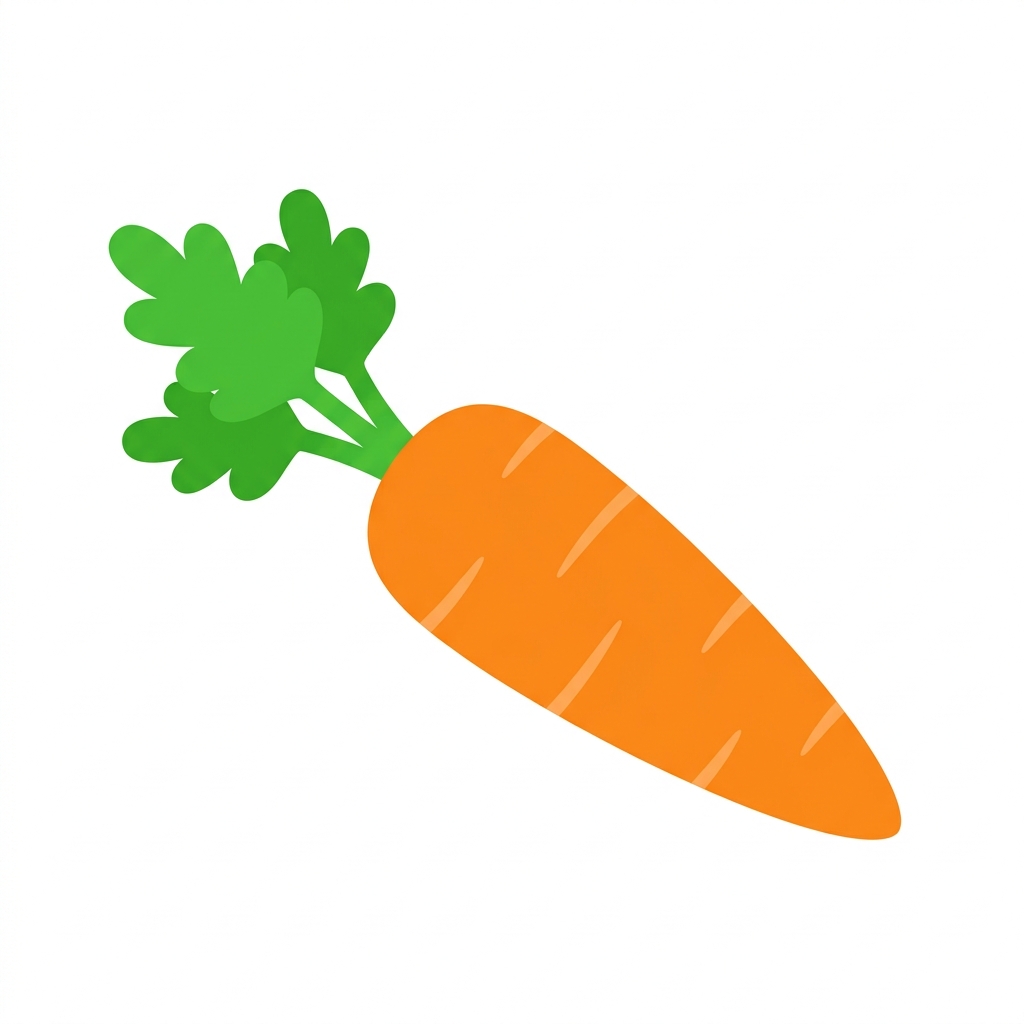
Carrot
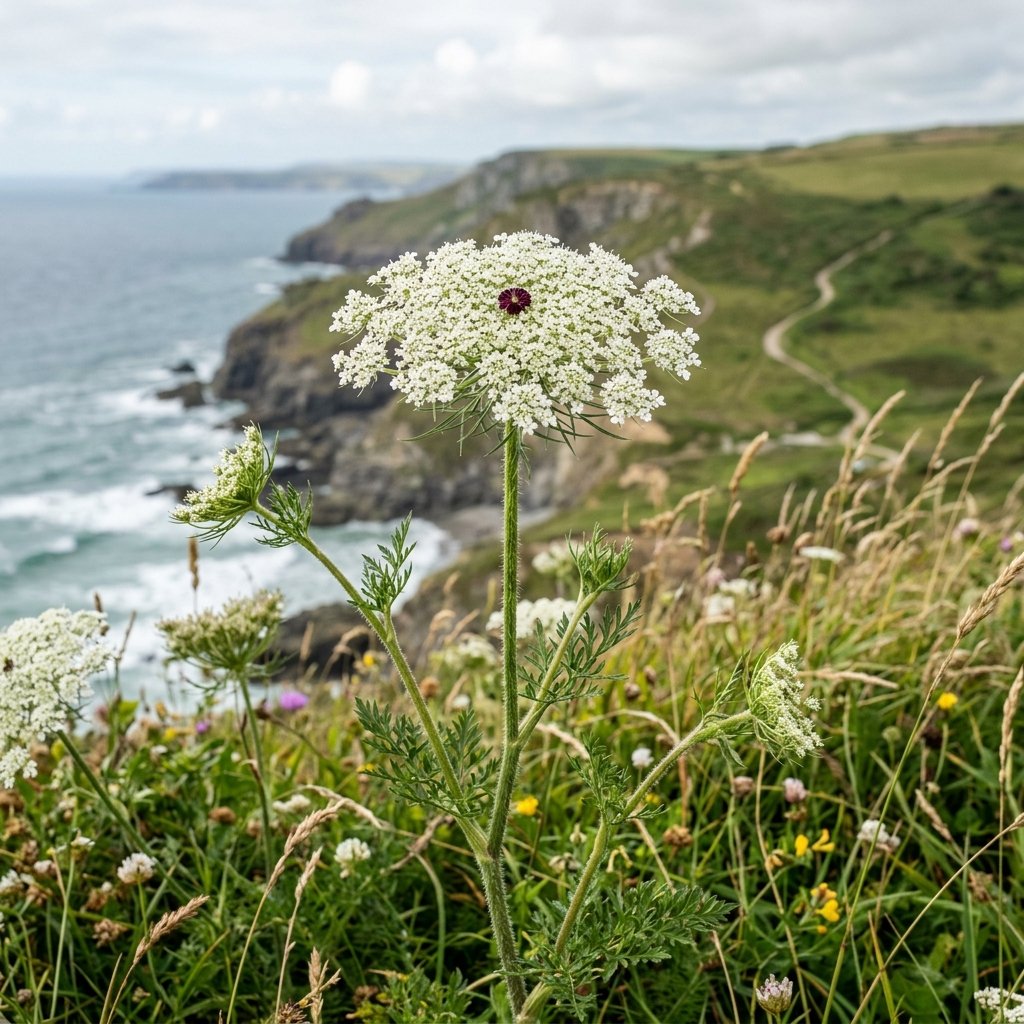
A plant grown for its sweet orange taproot — a store of food for winter — whose wild form is a common native British wildflower.
💡 Fun Facts
- We eat the carrot's swollen orange taproot, where the plant stores sugar for the winter.
- In its second year it sends up a tall, flat-topped cluster of tiny white flowers.
- Wild carrot grows all over Britain; the orange one we eat was bred later — the first carrots were purple, white and yellow.
📅 Through the Year
- Flowering:June to August
- Fruiting:August to September
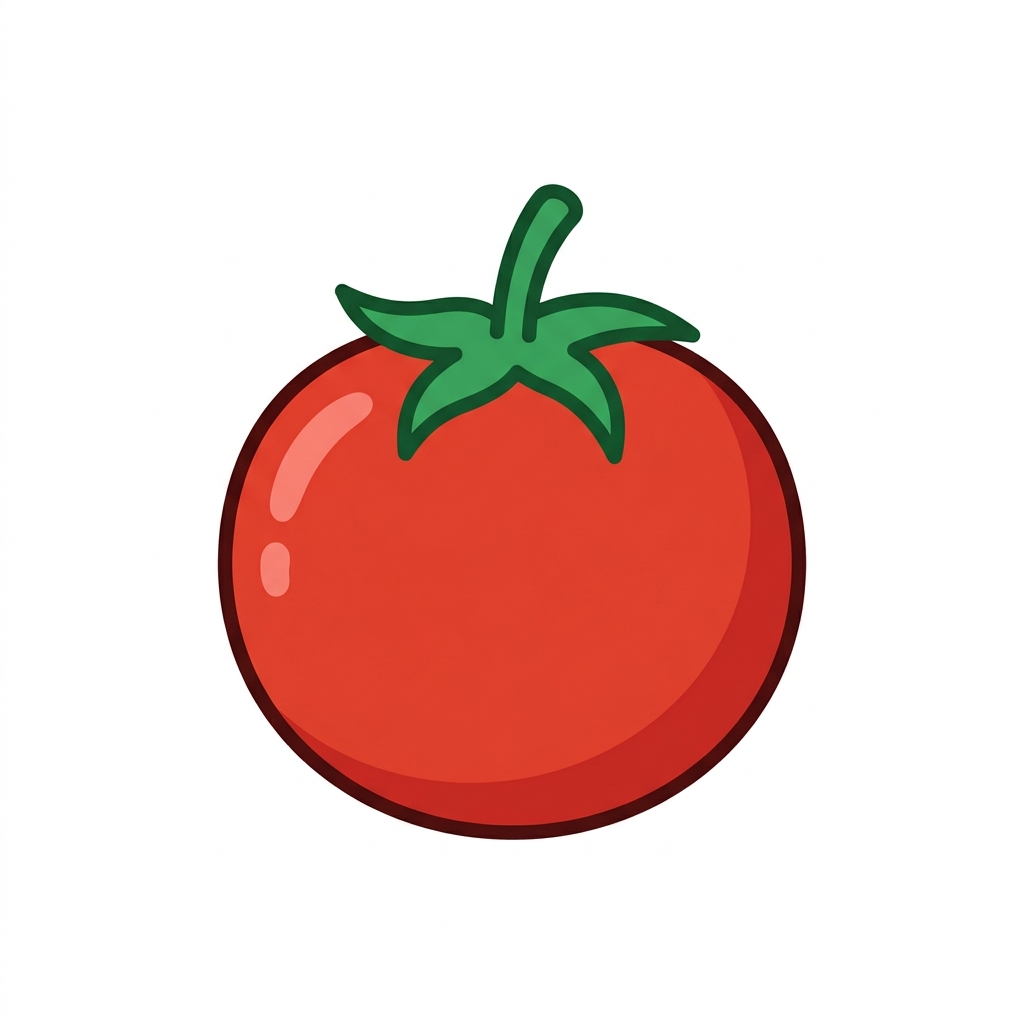
Tomato
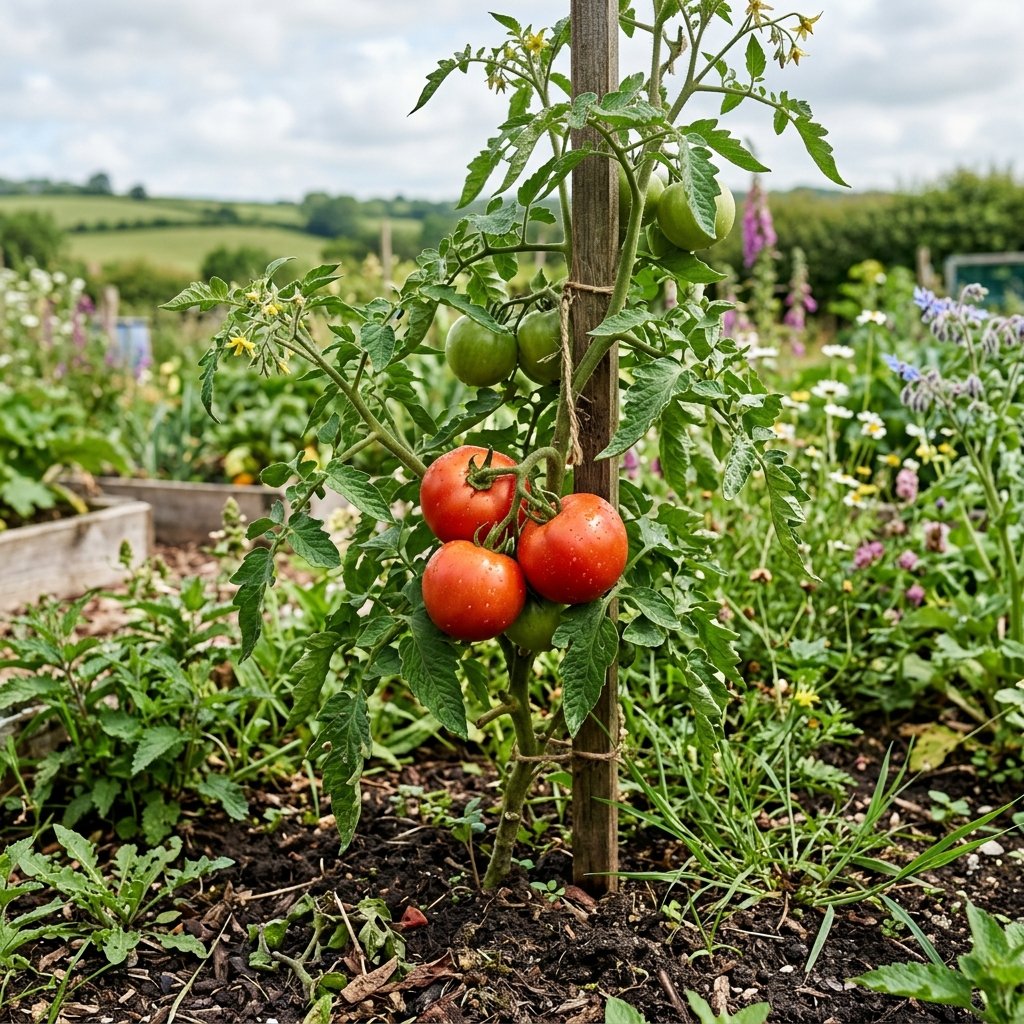
A warmth-loving fruit crop — botanically a berry — whose flowers need a bumblebee's buzz to shake their pollen free.
💡 Fun Facts
- A tomato is really a fruit — a berry — even though we treat it as a vegetable.
- Its flowers need a special trick called buzz-pollination: a bumblebee grips the flower and vibrates to shake the pollen loose.
- Only the ripe fruit is safe to eat; the leaves and stems smell strong and are mildly poisonous.
📅 Through the Year
- Flowering:June to August
- Fruiting:July to October
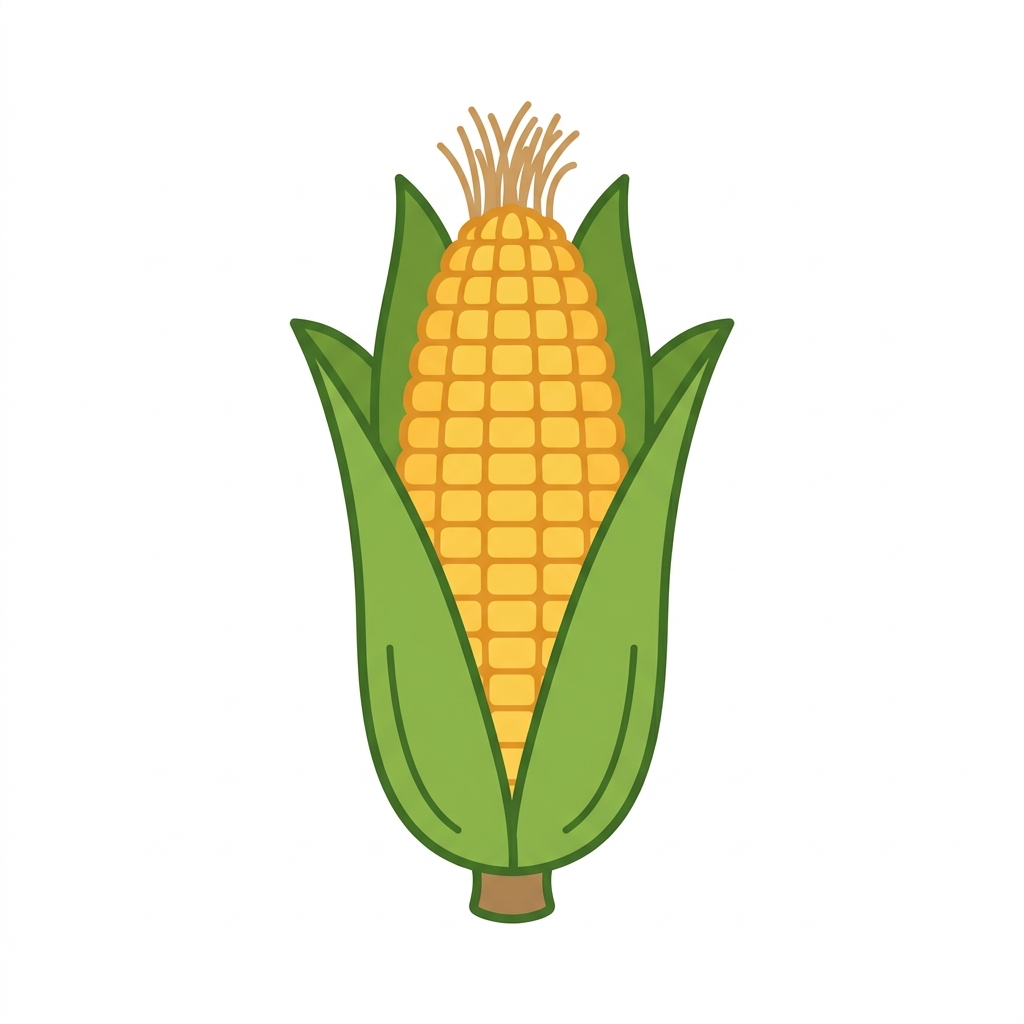
Sweetcorn
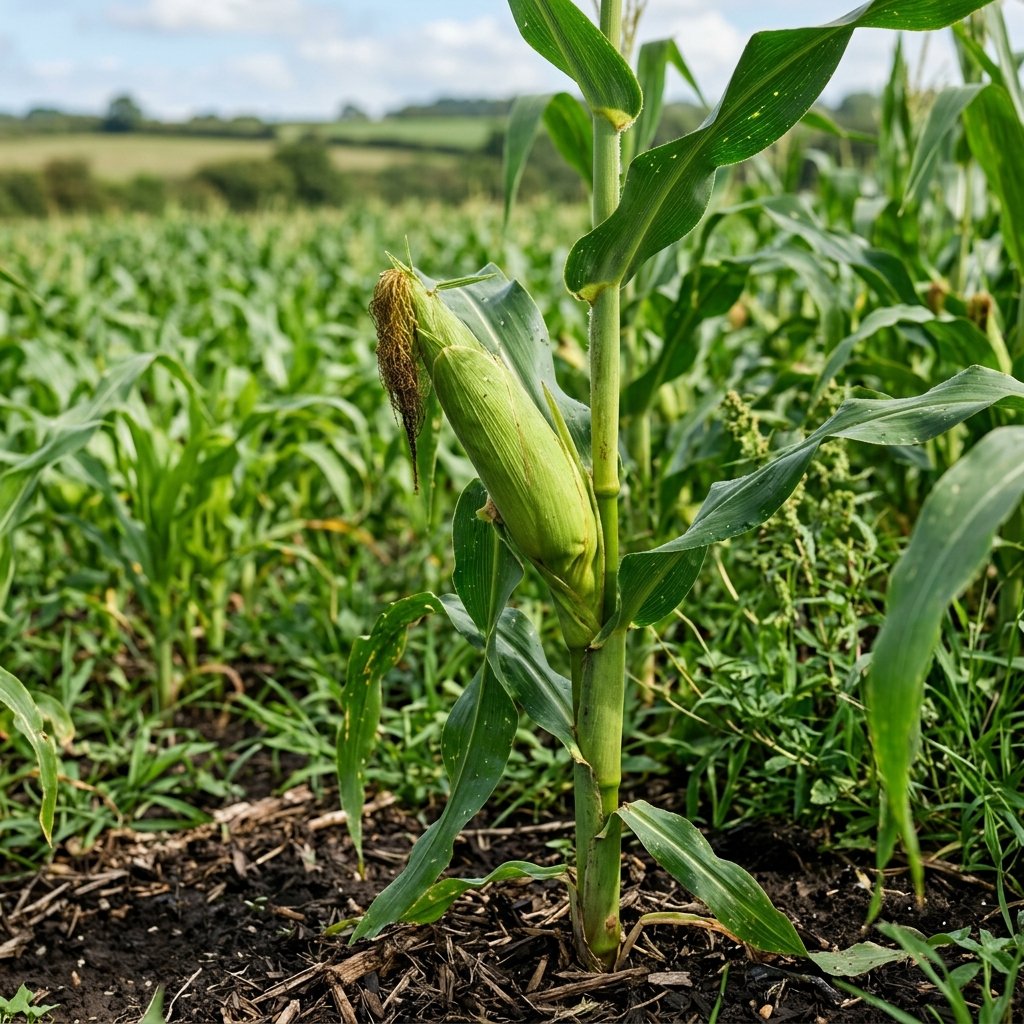
A giant grass grown for its sweet kernels — where each silky thread on a cob must catch wind-blown pollen to make a single grain.
💡 Fun Facts
- Sweetcorn is really a giant grass — a cousin of the lawn and of wheat.
- Each silky thread hanging from a cob leads to a single kernel, which only forms if that thread catches pollen.
- The pollen falls from feathery tassels at the very top of the plant and drifts down on the wind.
📅 Through the Year
- Flowering:July to August
- Fruiting:August to October
Field-margin wildflowers
Wild plants that flourish along the edges of fields.
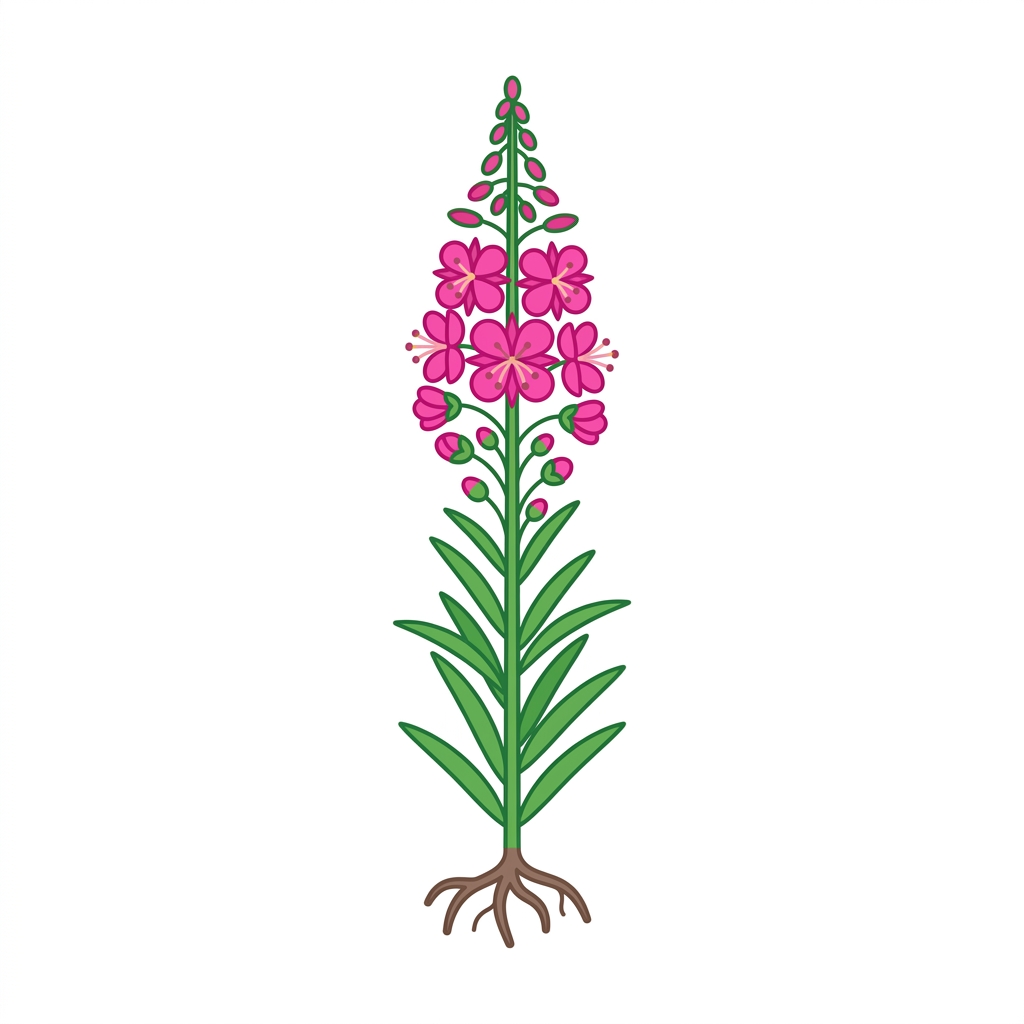
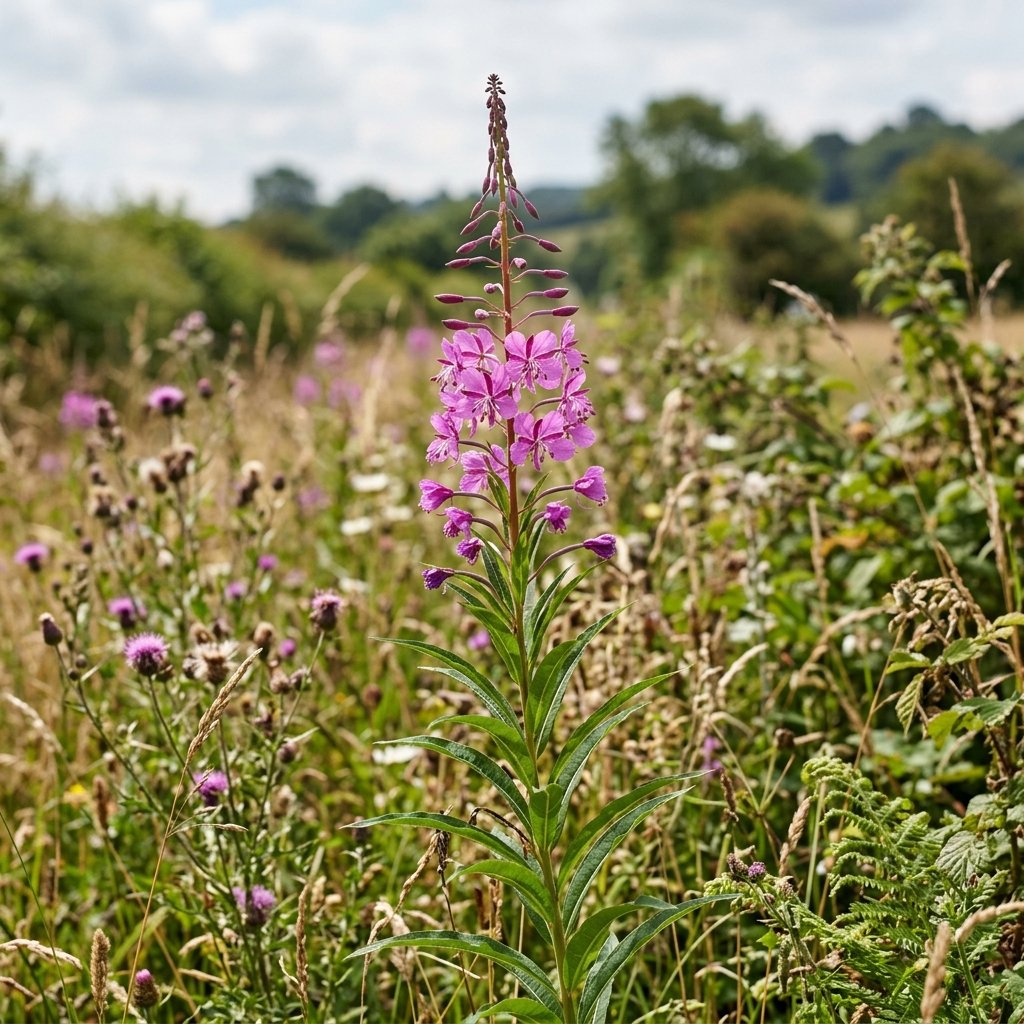
Rosebay Willowherb
A tall spire of pink flowers and a fire-following pioneer — it famously carpeted WWII bombsites and drifts on tens of thousands of parachute seeds.
💡 Fun Facts
- Its tall spikes of pink flowers are one of the first plants to spring up on burnt or bare ground.
- It covered the rubble of bombed cities after the Second World War, earning the name 'bombweed'.
- Each plant can release tens of thousands of fluffy parachute seeds that float away on the wind.
📅 Through the Year
- Flowering:June to September
- Fruiting:August to October
Animals you might meet
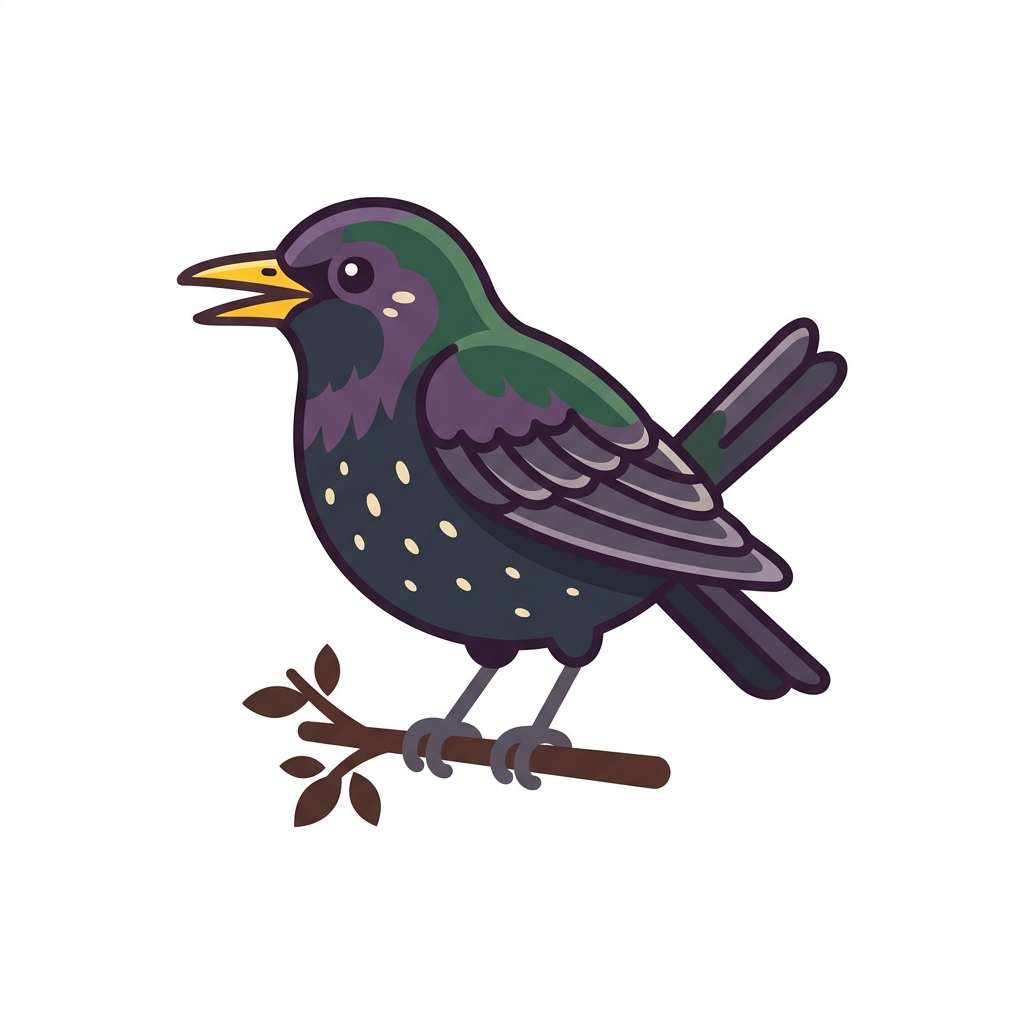
Starling
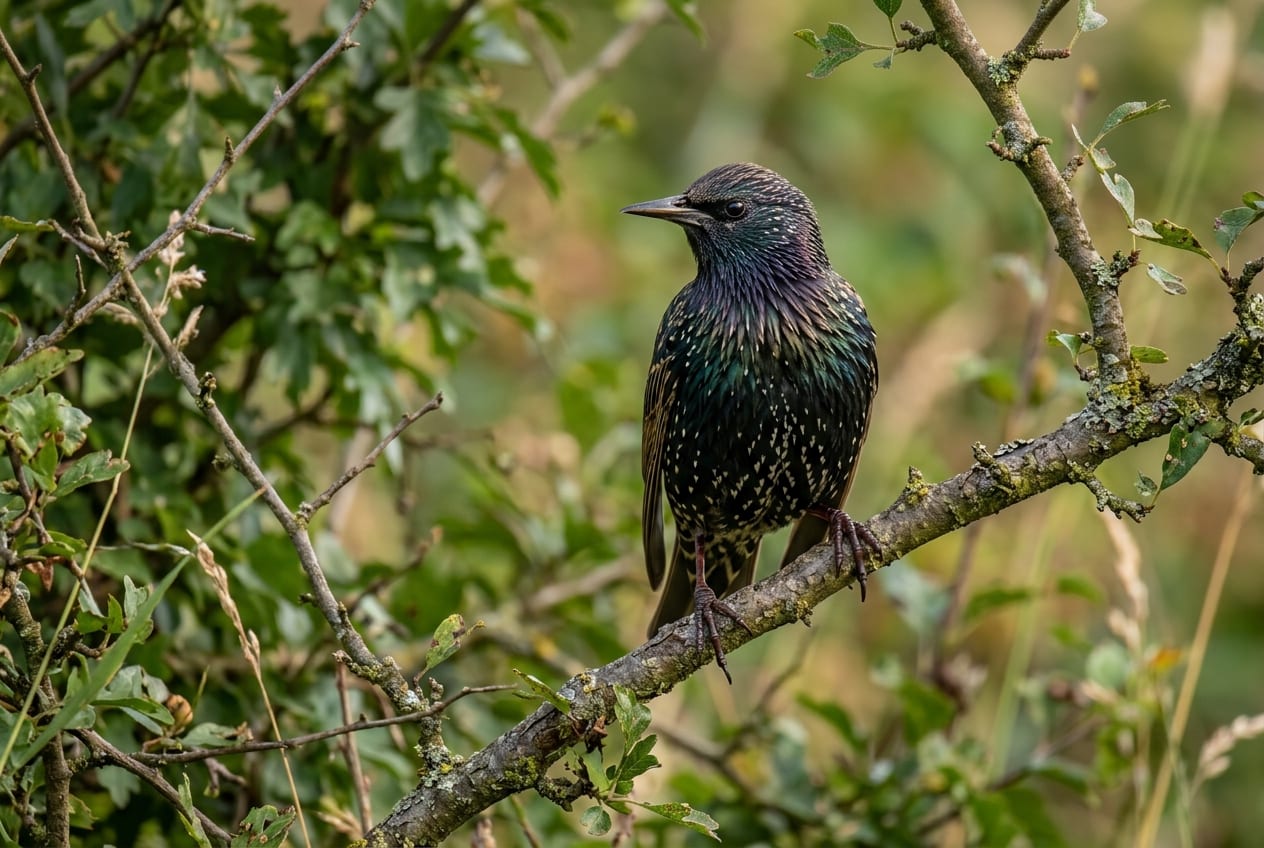
The starling is a glossy, chattering bird that gathers in enormous winter flocks called murmurations, swirling across the evening sky before roosting together. Speckled and shimmering up close, it is also a superb mimic that can copy everything from other birds to ringing phones.
💡 Fun Facts
- On winter evenings, thousands — sometimes hundreds of thousands — of starlings gather into a swirling, shape-shifting cloud called a murmuration, twisting and swooping as one before dropping down to roost together.
- Up close a starling isn't simply black: its feathers shimmer with purple, green and bronze, and in winter they are dusted with tiny pale spots, like a bird wearing a sky full of stars.
- Starlings are brilliant mimics and can copy the songs of other birds, and even sounds like car alarms and ringing telephones.
📅 Through the Year
- Breeding:April to June
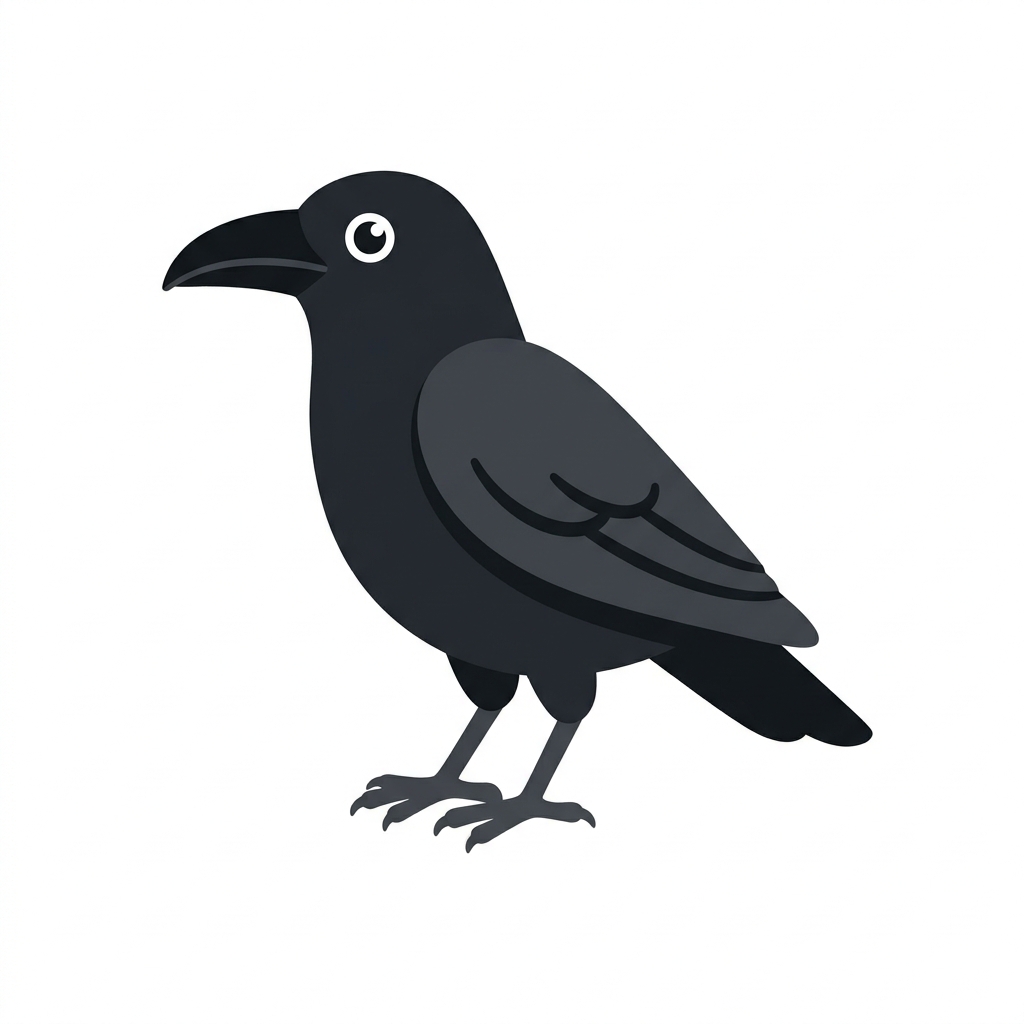
Carrion Crow
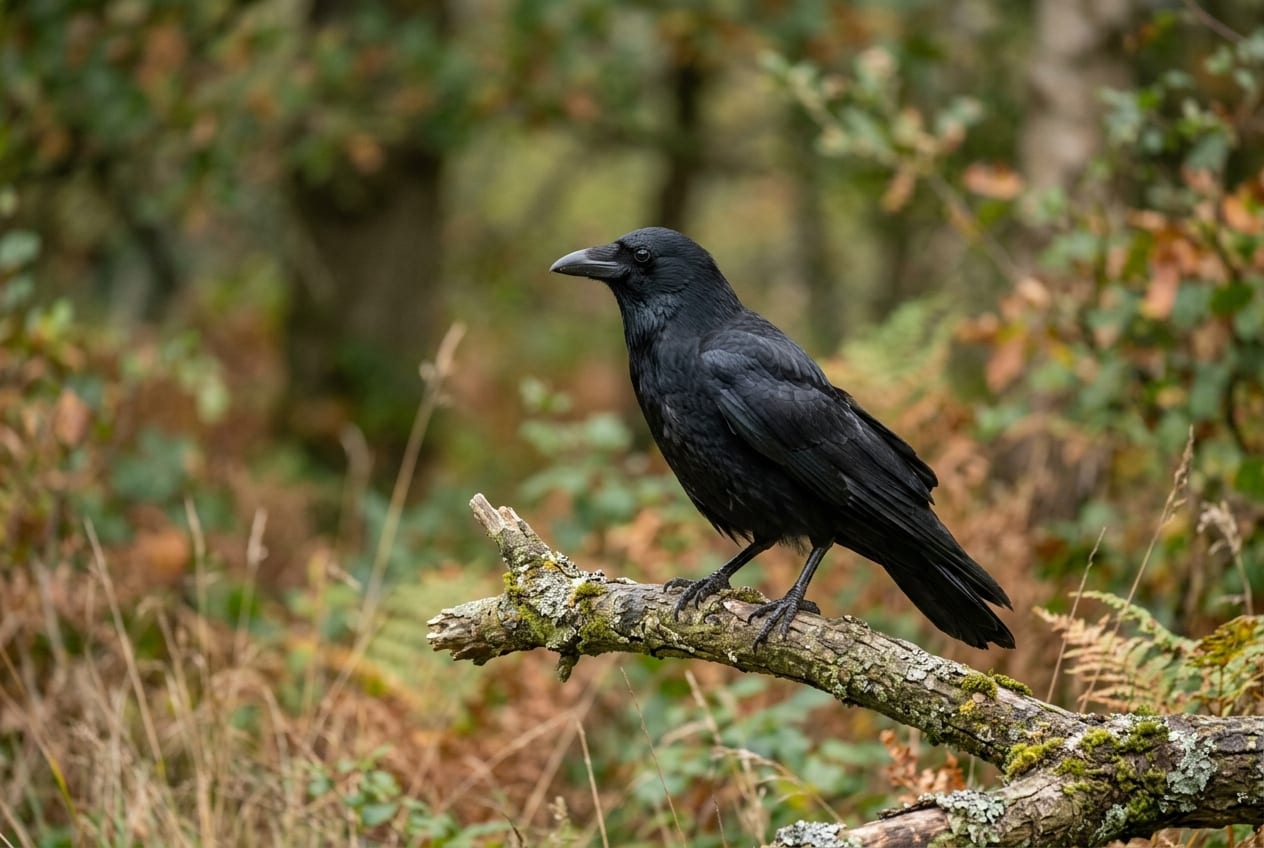
The carrion crow is an all-black, highly intelligent bird usually seen alone or in pairs. One of the cleverest creatures in the animal kingdom, it uses tools, solves puzzles and eats almost anything, making it at home everywhere from open moorland to busy towns.
💡 Fun Facts
- Carrion crows are among the cleverest birds in the world — they can solve puzzles, bend sticks or use stones as tools, and even remember a person's face for years.
- A carrion crow is black all over, from its heavy beak to its feet, and is usually seen on its own or in a pair — unlike its cousin the rook, which lives in big, busy colonies.
- They will eat almost anything, from worms and grain to fruit and leftovers, which is why they do well everywhere from wild moors to city streets.
📅 Through the Year
- Breeding:March to June

Rook
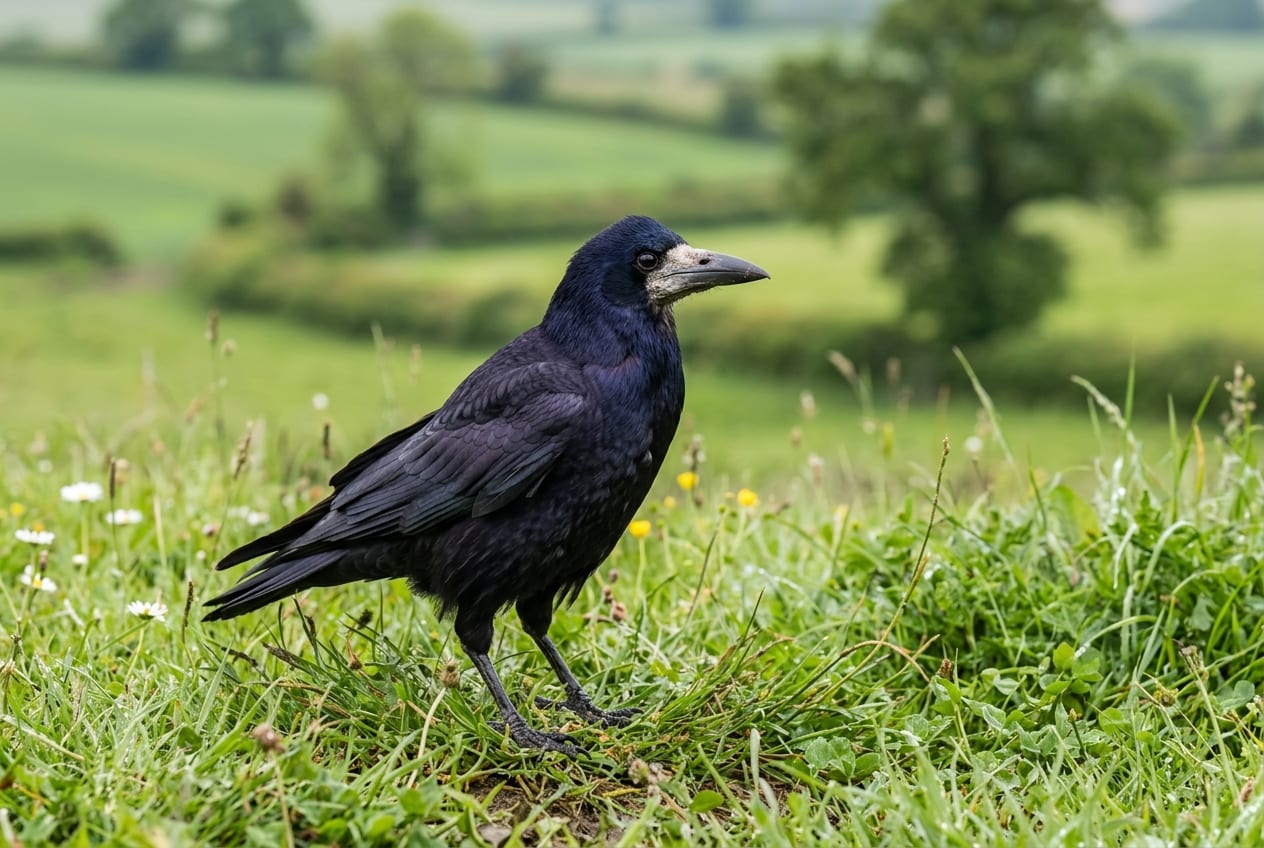
The rook is a sociable, glossy-black member of the crow family, known for the bare greyish skin around its beak and its shaggy leg feathers. Rooks live together in noisy treetop colonies called rookeries and feed mostly in fields, probing the soil for worms and grubs.
💡 Fun Facts
- Rooks are very sociable and nest together in noisy treetop colonies called rookeries, where dozens of twiggy nests crowd the bare branches — a gathering so lively that one name for a group of rooks is a parliament.
- You can tell a rook from a carrion crow by its face: a rook has a bare patch of pale, greyish skin around the base of its beak, and shaggy 'trouser' feathers down its legs.
- There's an old country saying to help spot them: a crow on its own is usually a crow, but a crowd of crows is usually rooks — because rooks are the sociable ones that stick together in flocks.
📅 Through the Year
- Breeding:March to May
Butterflies and winter-visiting birds of the fields and hedgerows.
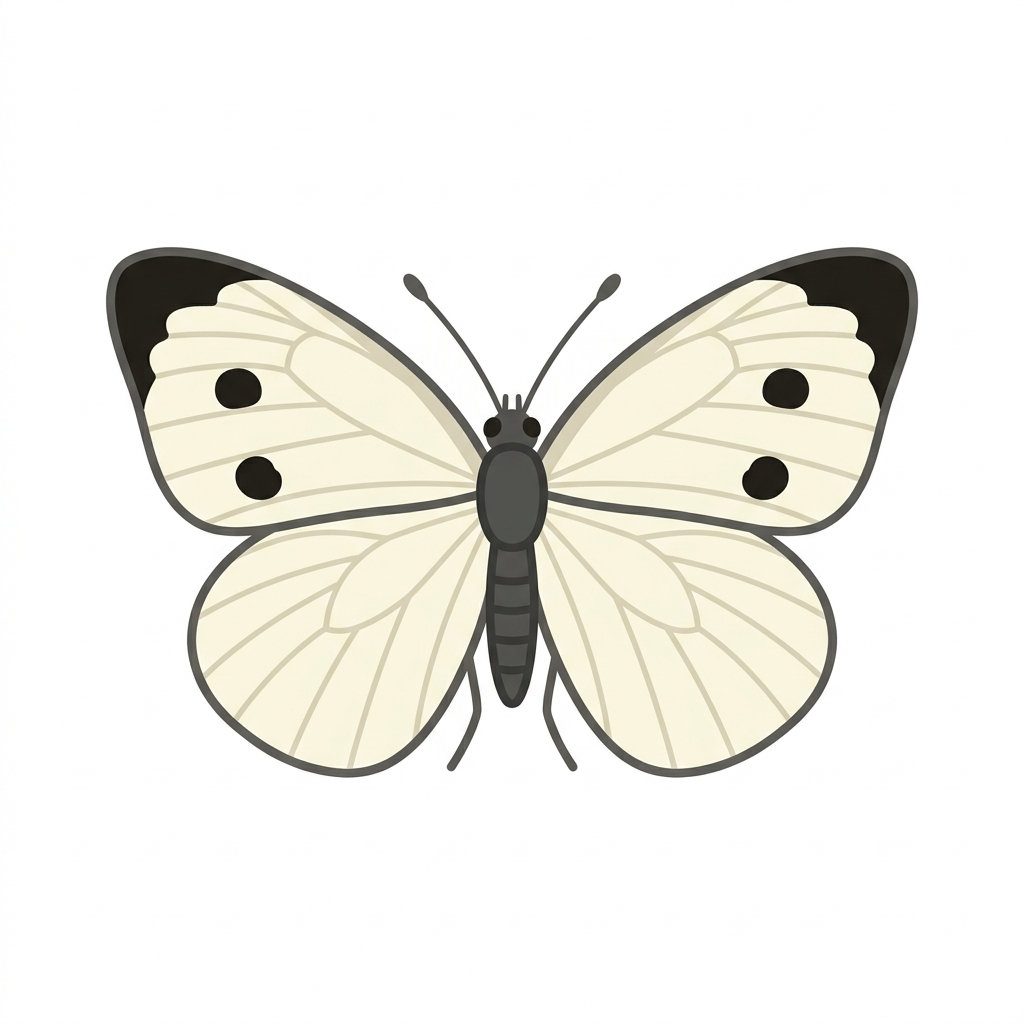
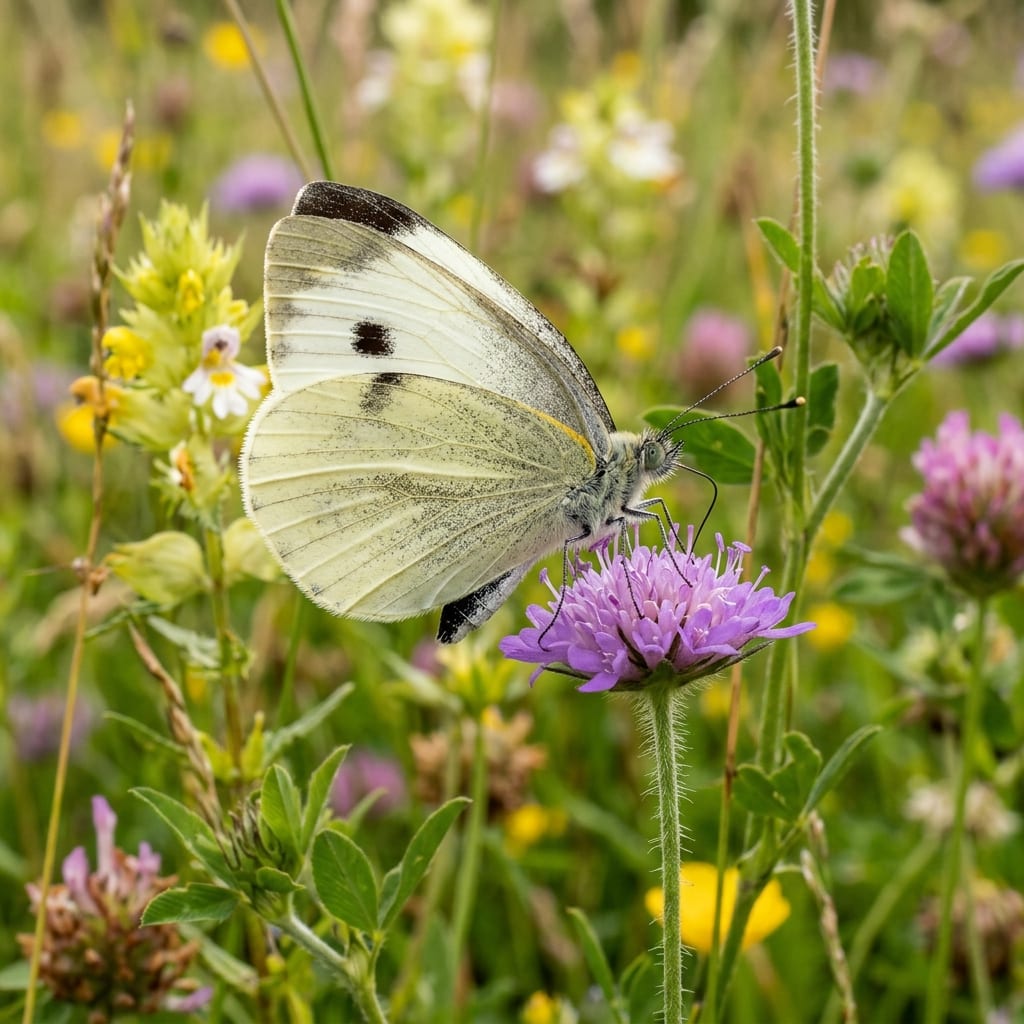
Large White
A big, brilliant-white butterfly with black wingtips, often seen fluttering over gardens and allotments. Its caterpillars are the famous 'cabbage whites' that nibble vegetable leaves.
💡 Fun Facts
- The Large White is often called the 'cabbage white' because its caterpillars munch through cabbage leaves in gardens and allotments.
- Its bold yellow-and-black caterpillars taste horrible to birds, thanks to the mustard oils they soak up from their food plants.
- Large Whites are strong fliers, and extra butterflies sometimes arrive in summer after crossing the sea from mainland Europe.
📅 Through the Year
- Active:April to October
Small White
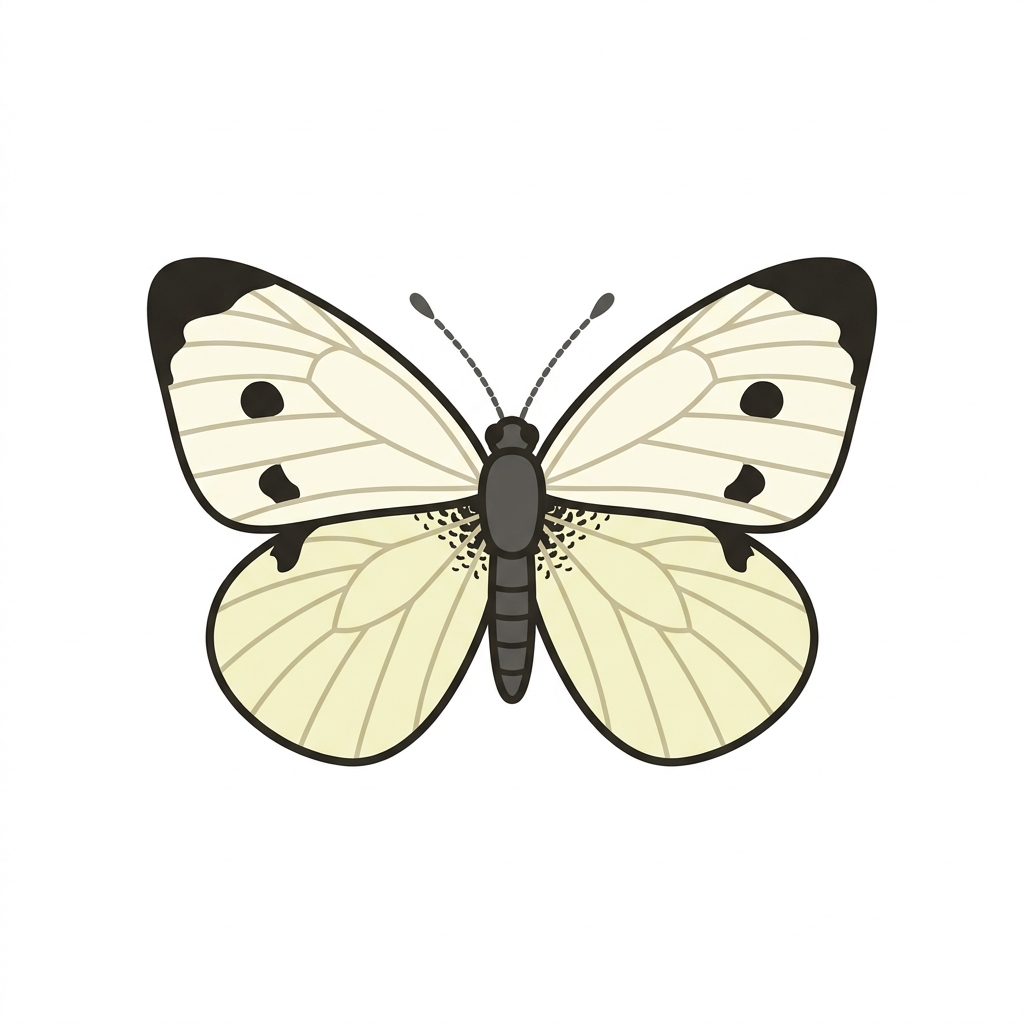
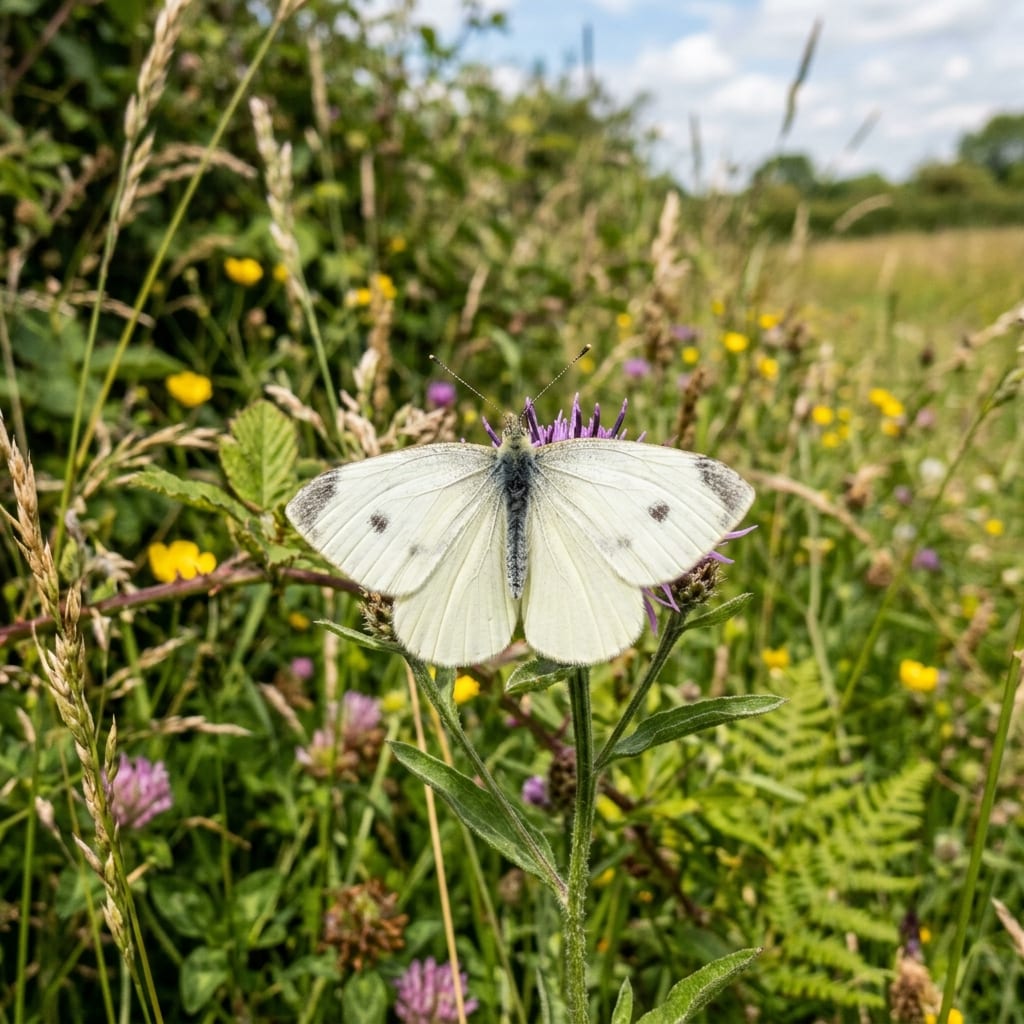
A dainty white butterfly with small dark wingtips, fluttering through gardens all summer. Its well-camouflaged green caterpillars feed quietly on cabbages and other brassicas.
💡 Fun Facts
- The Small White is the other 'cabbage white', a little smaller than its big cousin the Large White.
- Its green caterpillars are brilliantly camouflaged against cabbage leaves, so they are tricky for hungry birds to spot.
- It is one of the most widespread butterflies in the world, found across Europe, Asia, North Africa and beyond.
📅 Through the Year
- Active:April to October
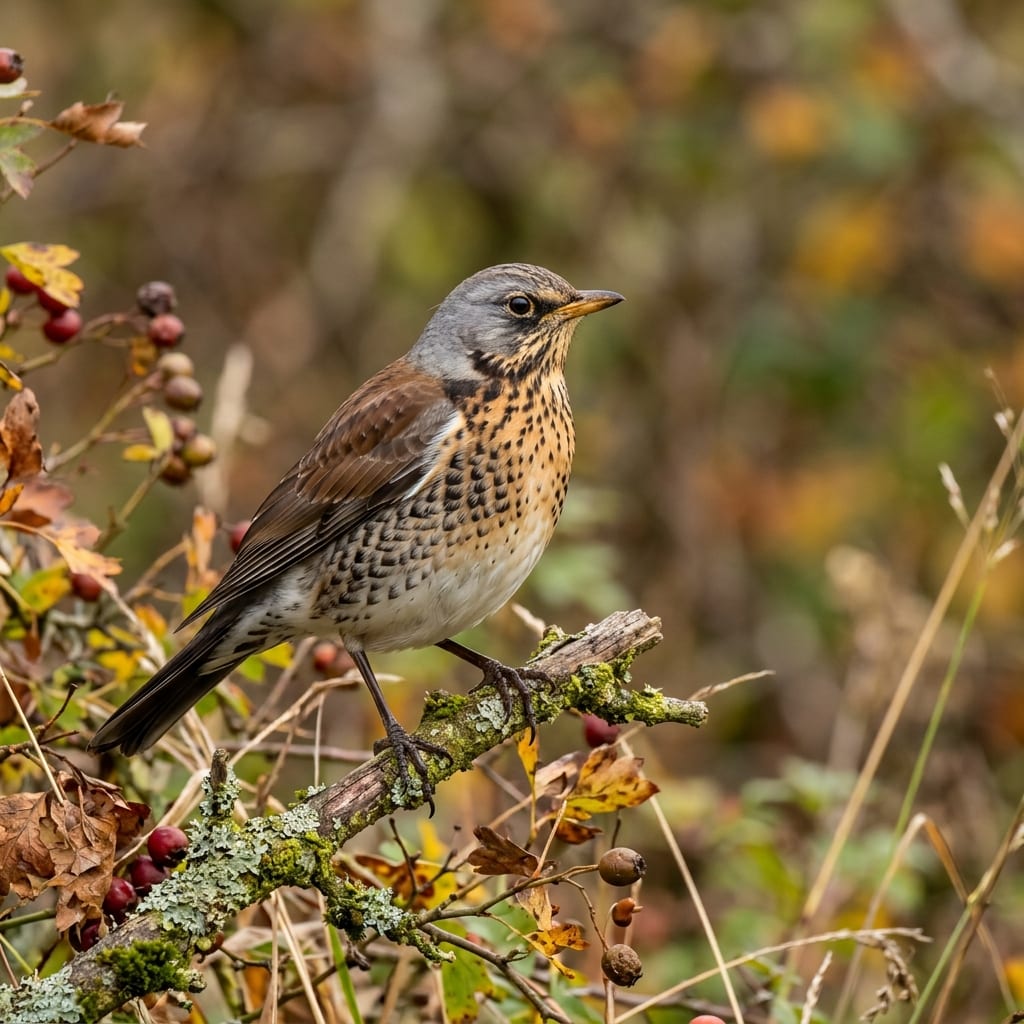
Fieldfare
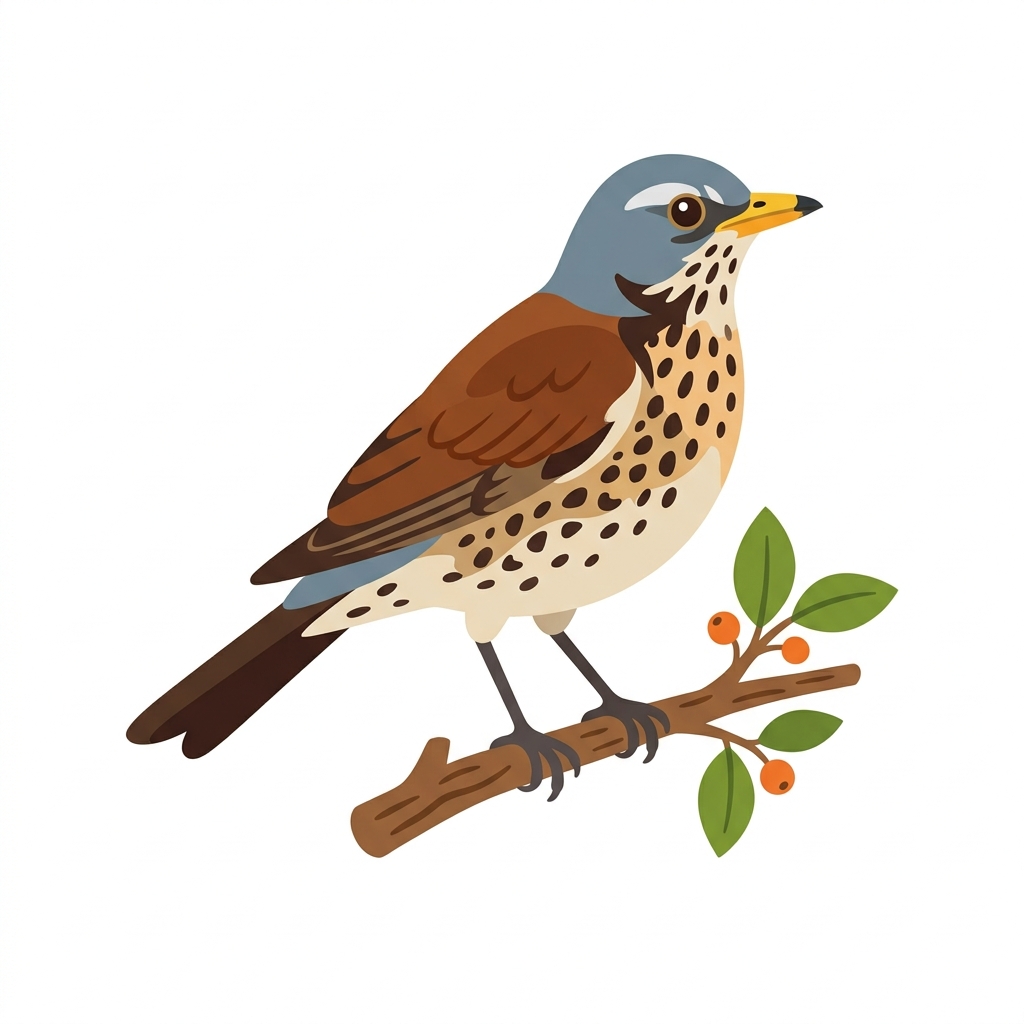
The fieldfare is a large, colourful winter thrush that arrives in Britain in huge flocks each autumn. It roams fields and hedgerows feasting on berries and windfall apples before heading north again in spring.
💡 Fun Facts
- The fieldfare is a big, handsome thrush that flies to Britain each autumn from Scandinavia and Russia to escape the freezing northern winter.
- They travel in noisy, chuckling flocks and love to strip hedgerows of berries, especially hawthorn and rowan.
- In a cold snap a fieldfare will even guard a berry-laden bush, chasing other birds away to keep the feast for itself!
📅 Through the Year
- In the UK:October to March
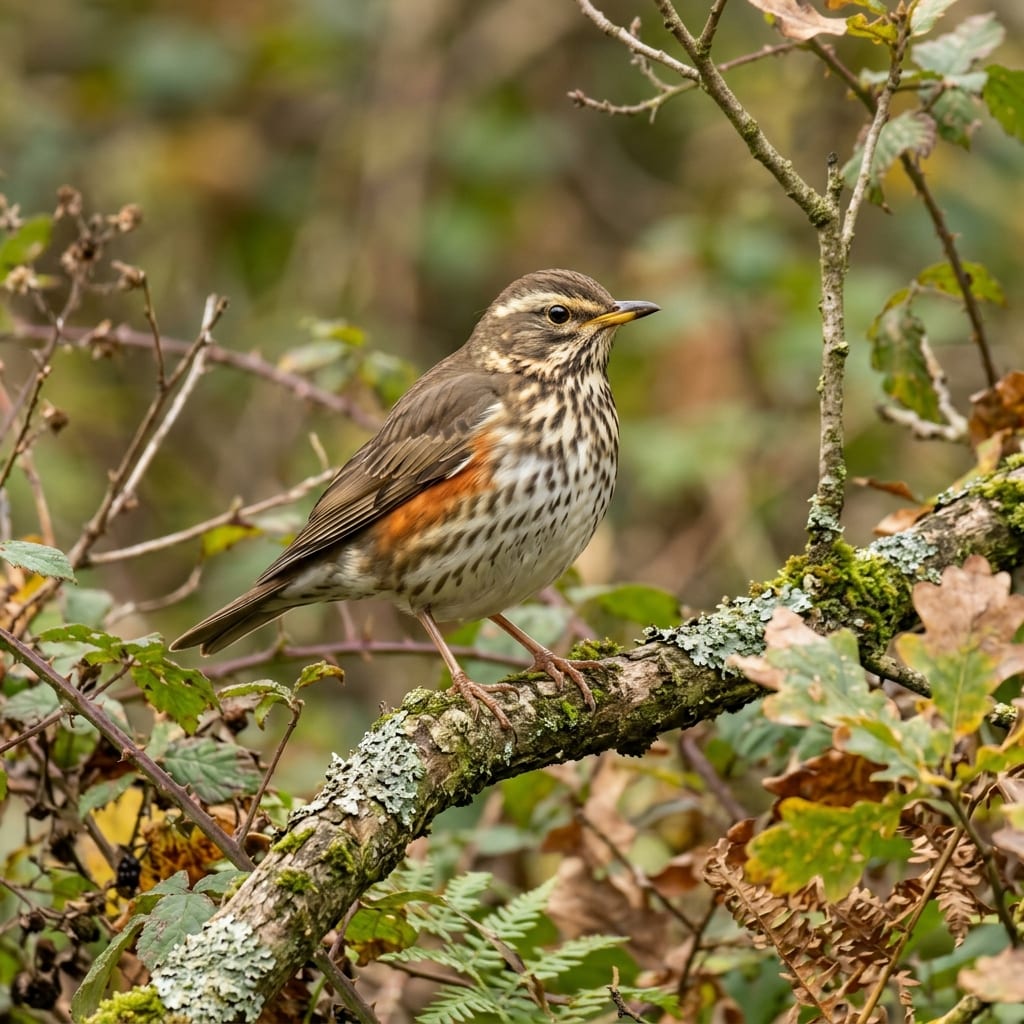
Redwing
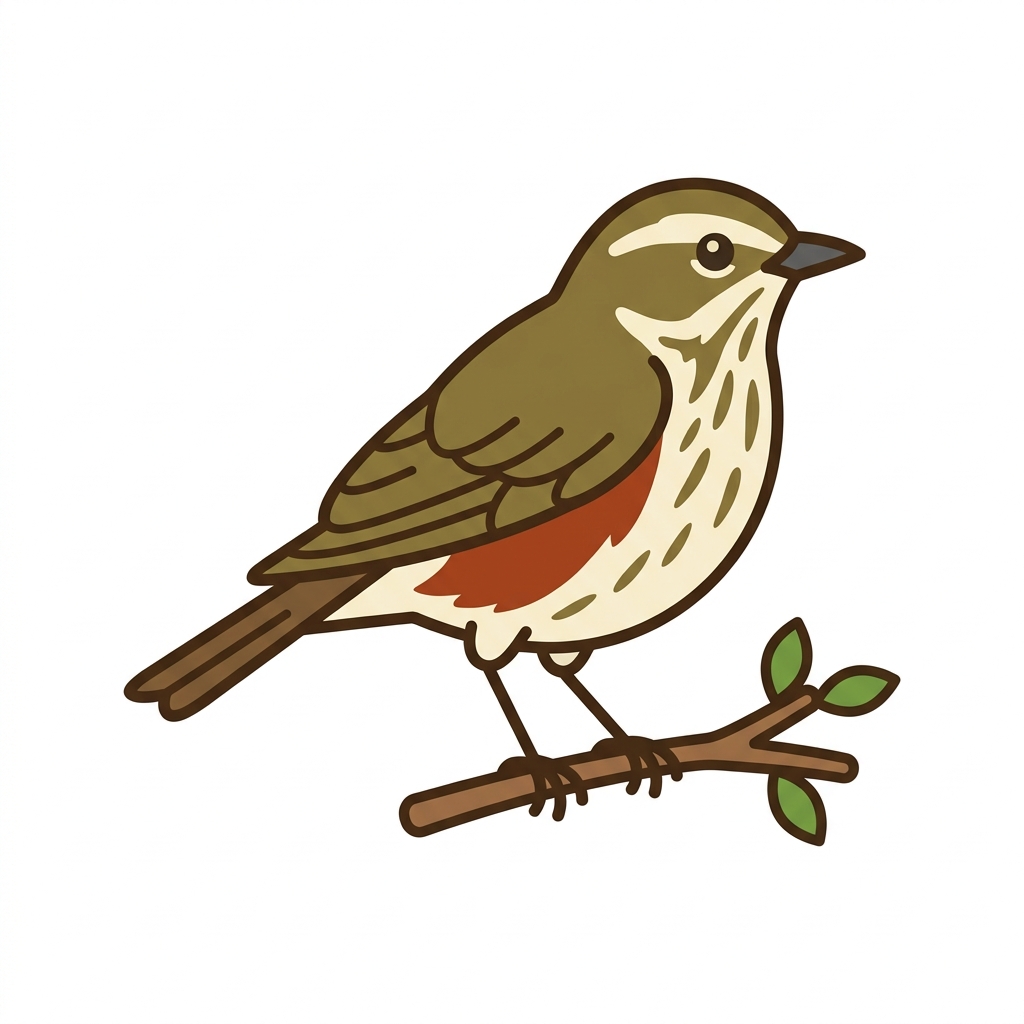
The redwing is a dainty winter thrush that visits Britain from the far north each autumn. Named for the rusty-red patch beneath its wings, it roams fields and hedges searching for berries and worms.
💡 Fun Facts
- The redwing is Britain's smallest thrush, with a creamy stripe above its eye and a splash of rusty-red under each wing.
- Like the fieldfare, it is a winter visitor, flying in from Iceland and Scandinavia — often migrating at night.
- On clear autumn nights you can sometimes hear their thin "tseep" calls high overhead as whole flocks pass unseen in the dark.
📅 Through the Year
- In the UK:October to March
Identification Activity
Spot the Farmland Wildlife
Can you find three different types of plants or animals the next time you visit a Farmland habitat? Record them in your Field Journal!
Outdoor Observation
10-Minute Farmland Survey
Sit quietly in this habitat for 10 minutes. Write down everything you hear, see, and smell. What is the most abundant species?
Explore our specific Farmland habitat profiles in the Habitats Directory.