Seasonal Changes
Curriculum Requirement
- observe changes across the four seasons
- observe and describe weather associated with the seasons and how day length varies.
Pupils should observe and talk about changes in the weather and the seasons.
Note: Pupils should be warned that it is not safe to look directly at the Sun, even when wearing dark glasses.
Pupils might work scientifically by: making tables and charts about the weather; and making displays of what happens in the world around them, including day length, as the seasons change.
National Curriculum in England: primary curriculum, Section: "Seasonal changes", p. 150.
The Four Seasons
The year is split into four seasons — spring, summer, autumn, and winter. Each one brings changes in the weather, how long the days are, and what plants and animals do. It's like the Earth has four different outfits it wears each year!
Spring
Spring
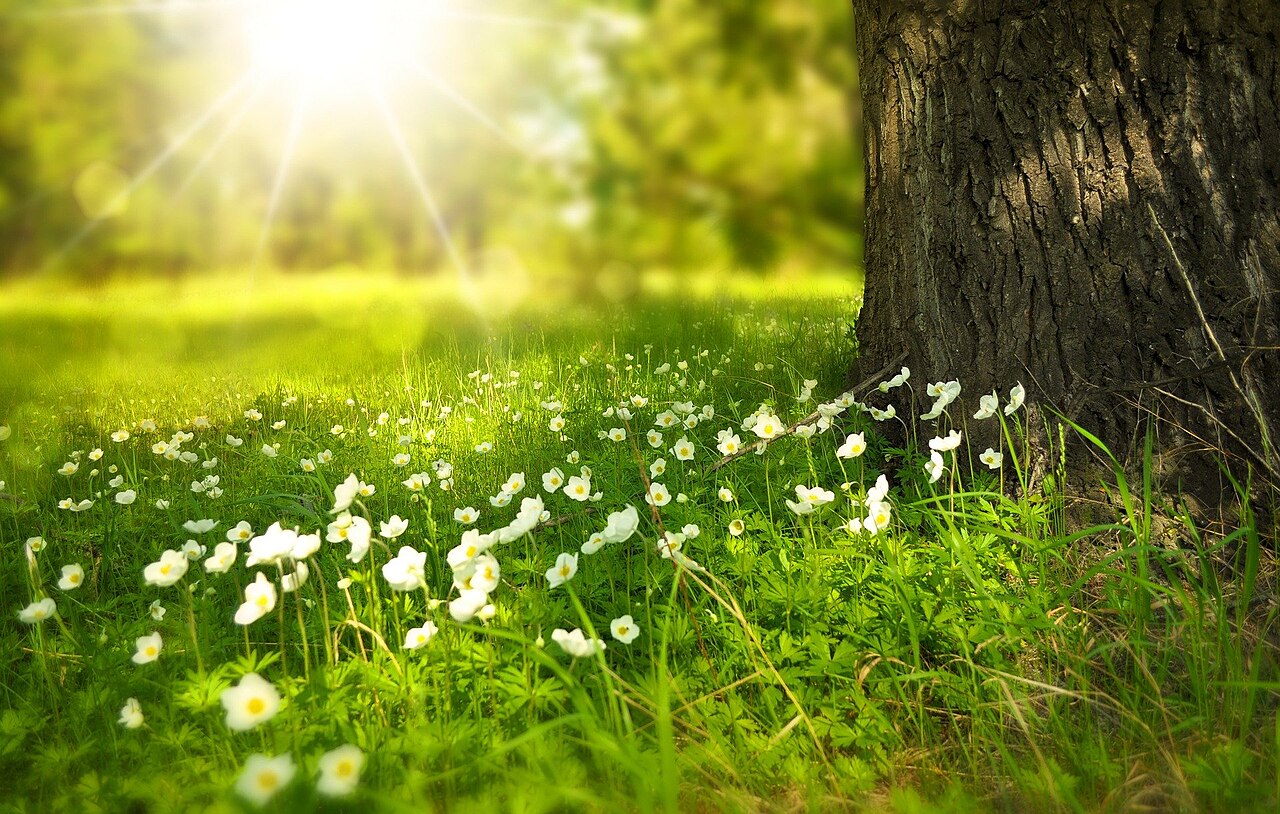
Spring is the season of new beginnings. It comes after winter and before summer.
What to look for:
- Weather: Gets warmer with sunny spells and some rainy days (April showers!).
- Plants: New green leaves and buds appear on trees. Flowers like daffodils and bluebells bloom.
- Animals: You might see baby animals like lambs and chicks. Birds are busy building nests.
- Daylight: The days start to get longer and the evenings get lighter.
💡 Fun Facts
- Many farm animals, like sheep and cows, give birth to their babies in the spring.
- The first day of spring is called the Spring Equinox, when the day and night are almost the same length.
- In spring, you might hear a lot more birds singing. This is because they are trying to attract a mate and mark out their territory.
Spring Behaviours
Spring is when the weather gets warmer, the days get longer, and the world turns green again. For animals, it's time to wake up, find a partner, and have babies.
Frogspawn
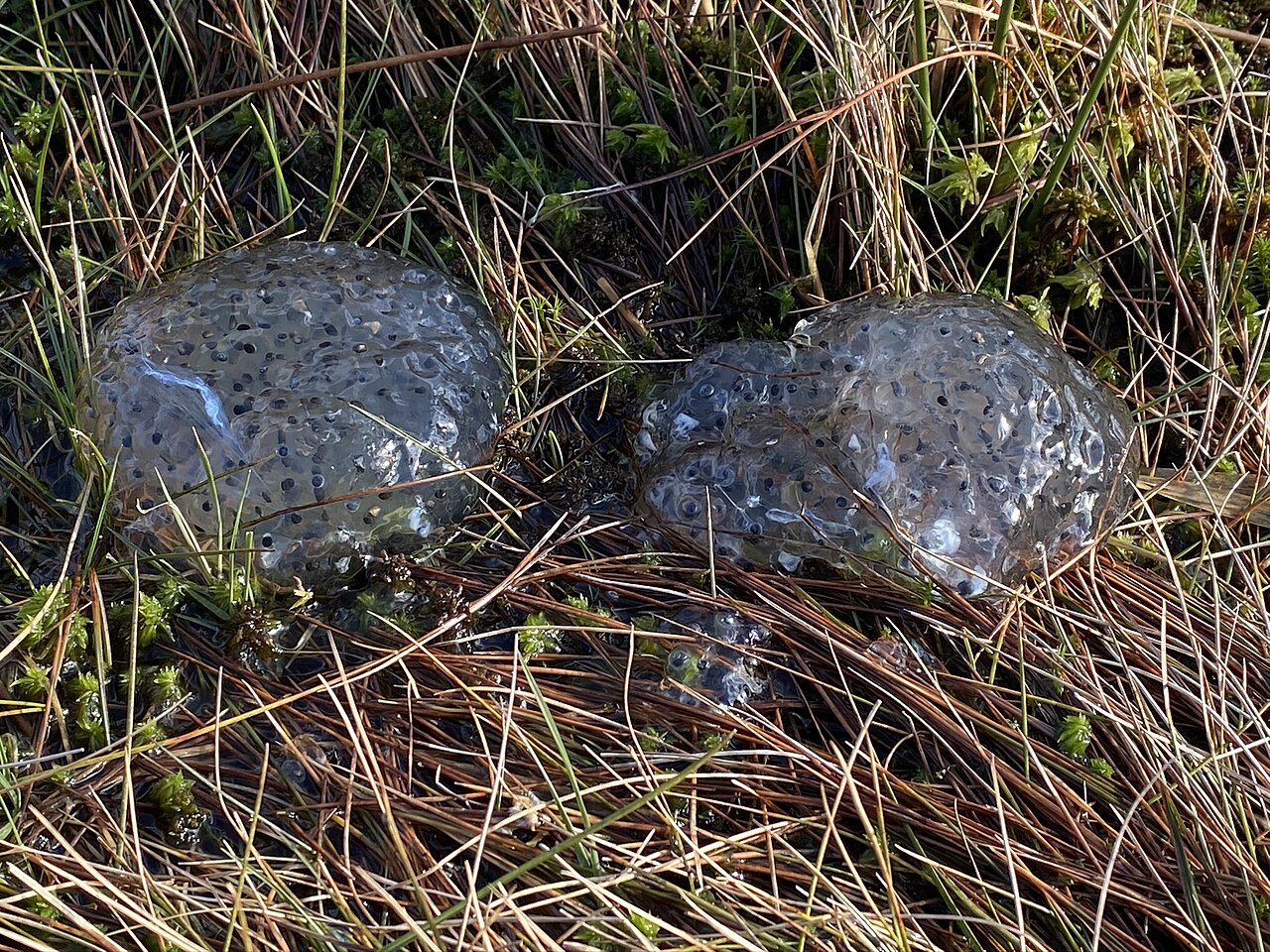
This is the name for the eggs laid by frogs.
💡 Fun Facts
- One big clump of spawn comes from one female frog and can have thousands of eggs in it.
- The jelly protects the eggs and also warms them up by trapping the spring sunshine.
- Frogs will often return to the very same pond they were born in to lay their own eggs.
Blue Tit
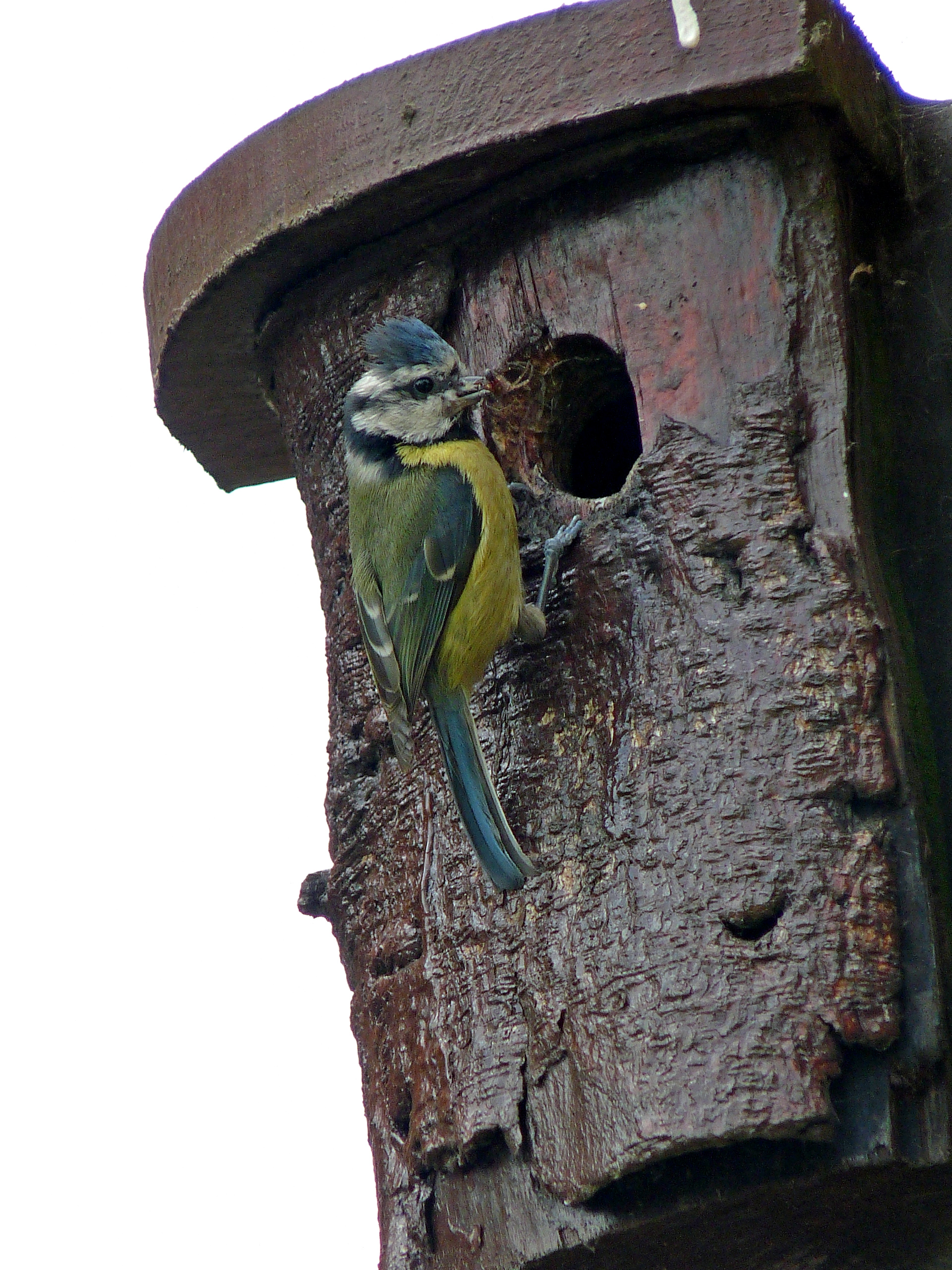
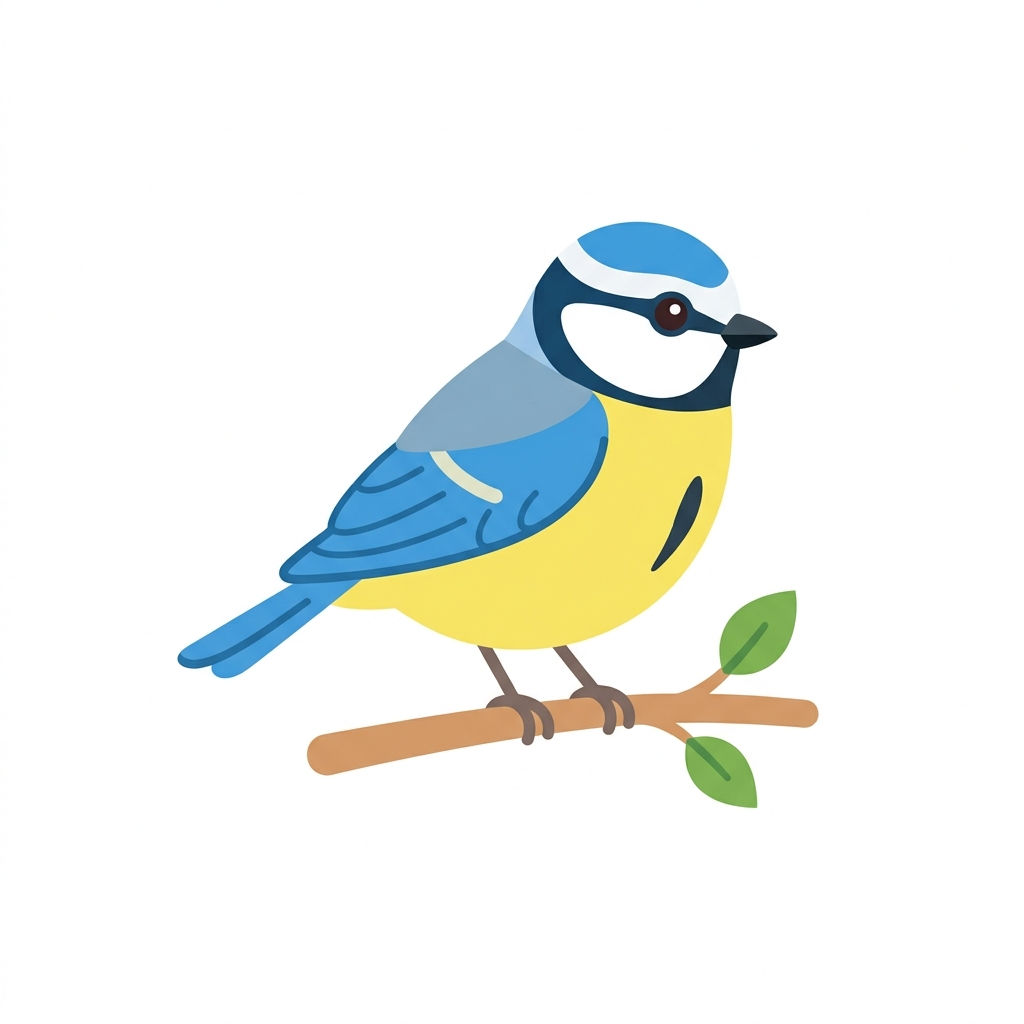
A small, colourful bird with blue, yellow, and green feathers.
Seasonal Behaviour:
Spring is nest-building time! Blue tits look for a small hole, like a bird box or a crack in a tree, and fill it with soft materials like moss, wool, and feathers. They get it ready for the female to lay her eggs and raise her chicks.
💡 Fun Facts
- Blue tits can lay up to 12 eggs at once, which is a lot for such a tiny bird!
- They are very acrobatic and love to hang upside down on bird feeders.
- Their bright feathers can even see colours that humans can't (called ultraviolet light), which helps them find a partner.
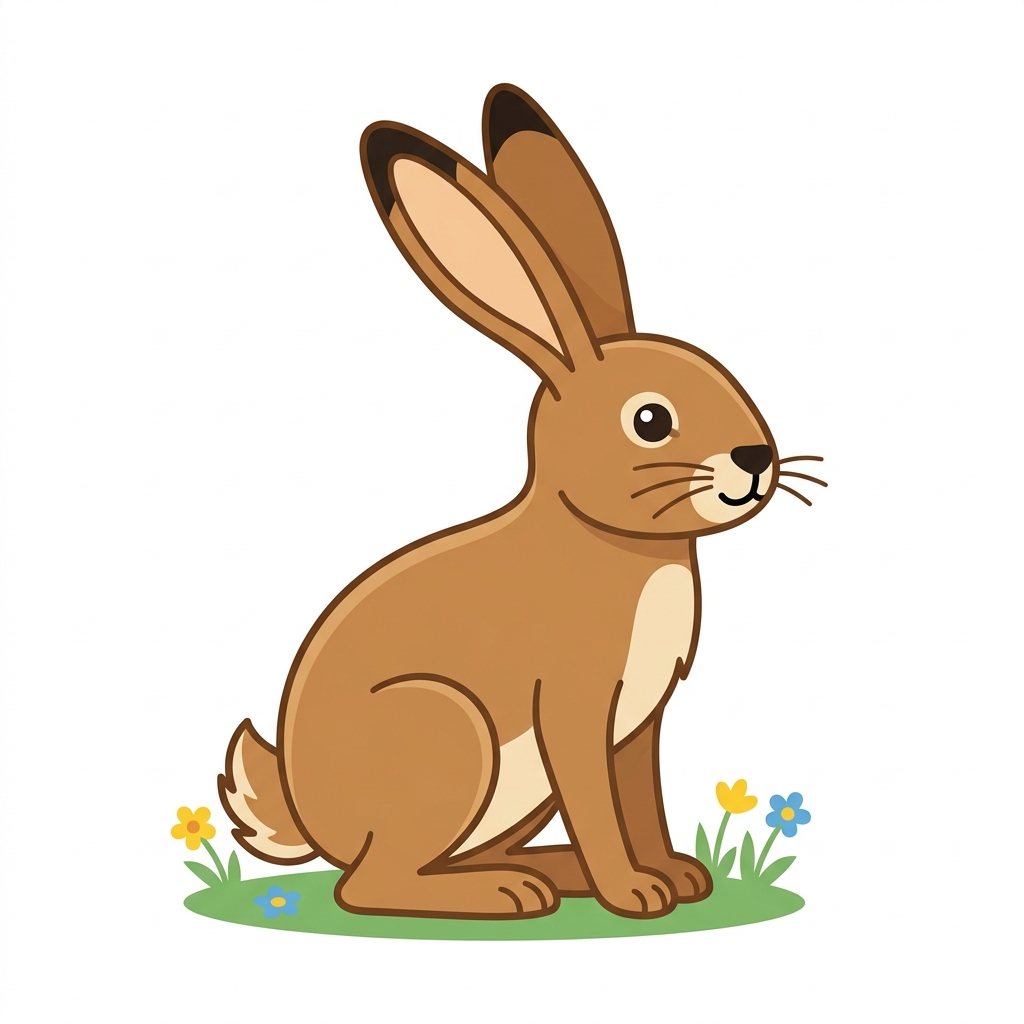
Brown Hare
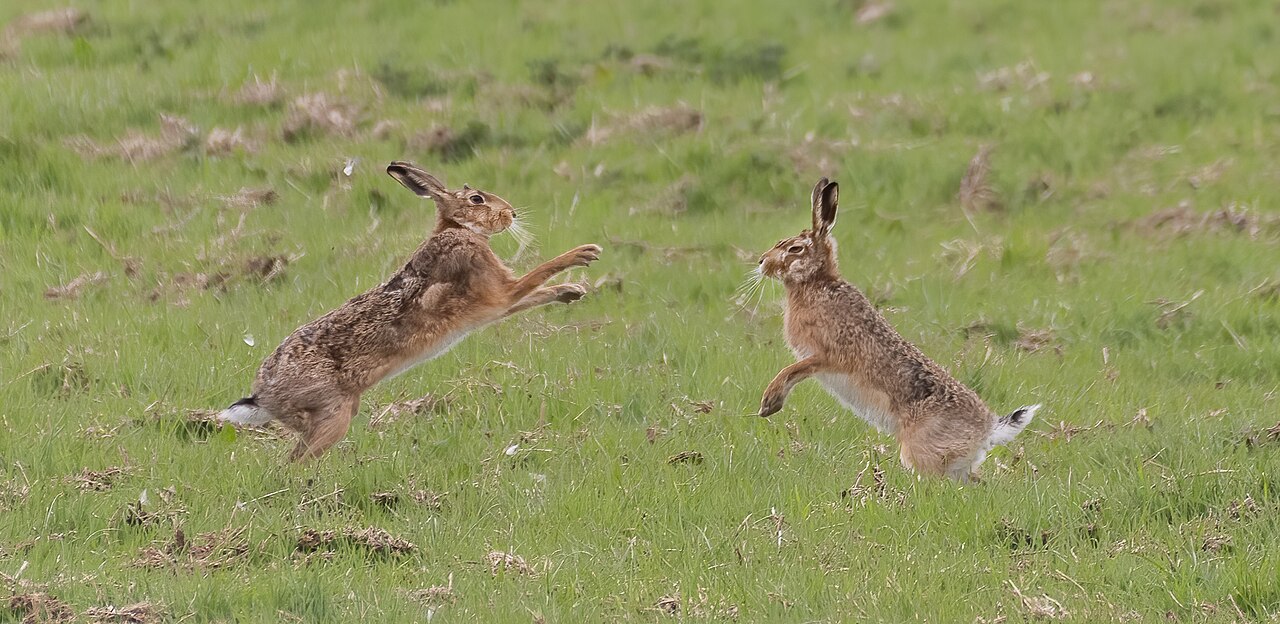
A fast-running mammal, much bigger than a rabbit, with long, black-tipped ears.
Seasonal Behaviour:
If you are very lucky in spring, you might see hares 'boxing' in a field. They stand up on their back legs and hit each other with their front paws. It looks like they are having a fight, but it is usually a female hare telling a male hare to leave her alone!
💡 Fun Facts
- Hares are one of the fastest animals in the UK and can run at speeds of up to 45 miles per hour.
- A baby hare is called a 'leveret', and unlike a baby rabbit, it is born with all its fur and its eyes wide open.
- Hares don't live in burrows underground; they make a small nest in the long grass called a 'form'.
📅 Through the Year
- Breeding:February to September
Summer
Summer
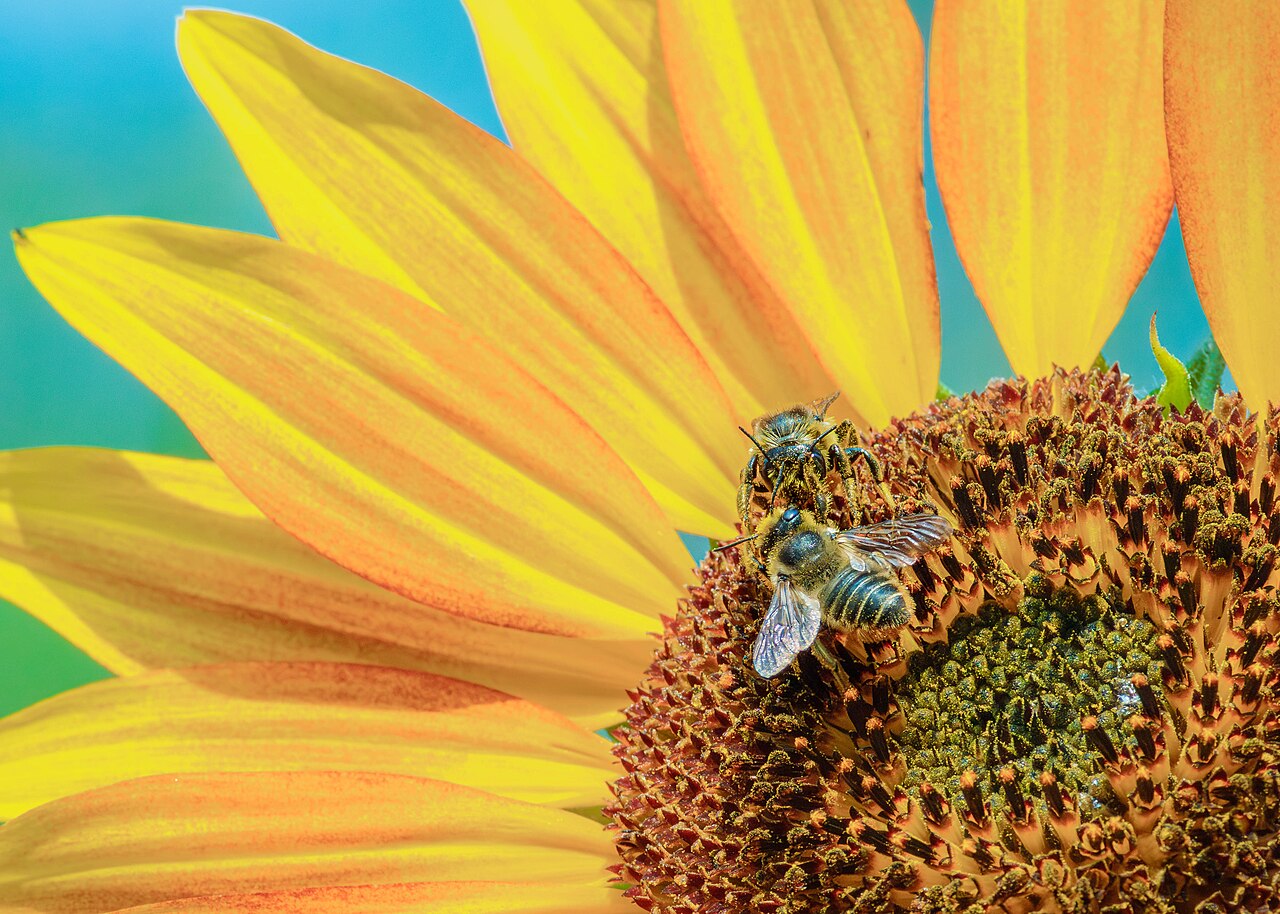
Summer is the warmest season of the year. It comes after spring and before autumn.
What to look for:
- Weather: Usually the sunniest and hottest time of year. Sometimes we have thunderstorms.
- Plants: Trees are full of green leaves. Many fruits like strawberries and raspberries are ready to eat.
- Animals: Insects like bees, butterflies, and ladybirds are everywhere. Young animals are growing bigger.
- Daylight: The days are very long and the nights are very short.
💡 Fun Facts
- The longest day of the year happens in summer and is called the Summer Solstice.
- Many flowers bloom in summer, which is why bees are so busy collecting nectar to make honey.
- On very hot days, the air can feel sticky. This is because there is a lot of water vapour in the air, which is called humidity.
Summer Behaviours
Summer is the warmest time of year with the longest days. There is plenty of food, making it the perfect time for animals to raise their babies.
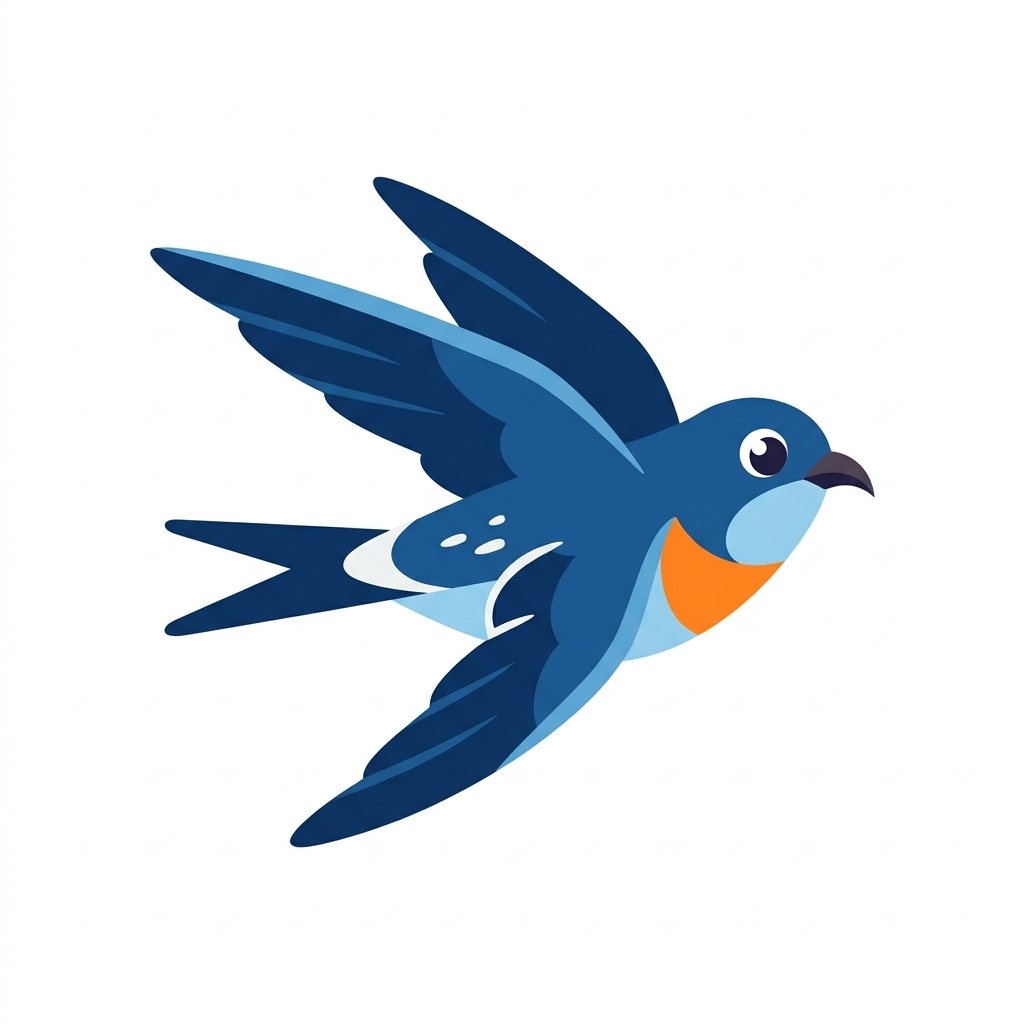
Swift
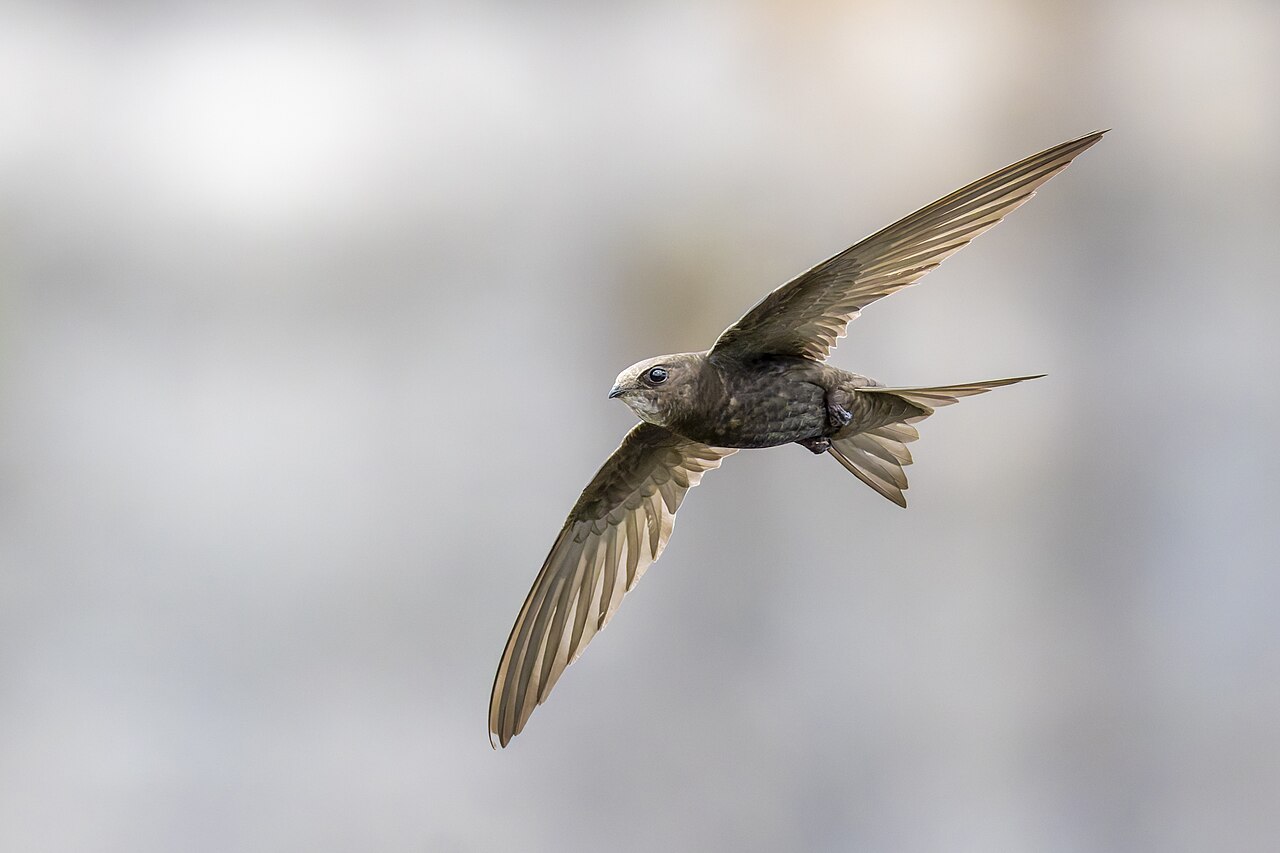
A dark, 'boomerang'-shaped bird that arrives in the UK in late spring and leaves at the end of summer.
Seasonal Behaviour:
On warm summer evenings, you might hear loud 'screaming' sounds from high in the sky. This is a group of swifts chasing each other very fast, known as a 'screaming party'. They are very fast, noisy flyers.
💡 Fun Facts
- Swifts spend almost their whole lives in the air. They eat, drink, and even sleep while flying!
- The only time a swift ever lands is to build a small nest (under roof tiles or in cliffs) and lay its eggs.
- They eat flying insects, catching them in their wide mouths like a net.
📅 Through the Year
- In the UK:May to August
- Breeding:May to July
Grasshopper
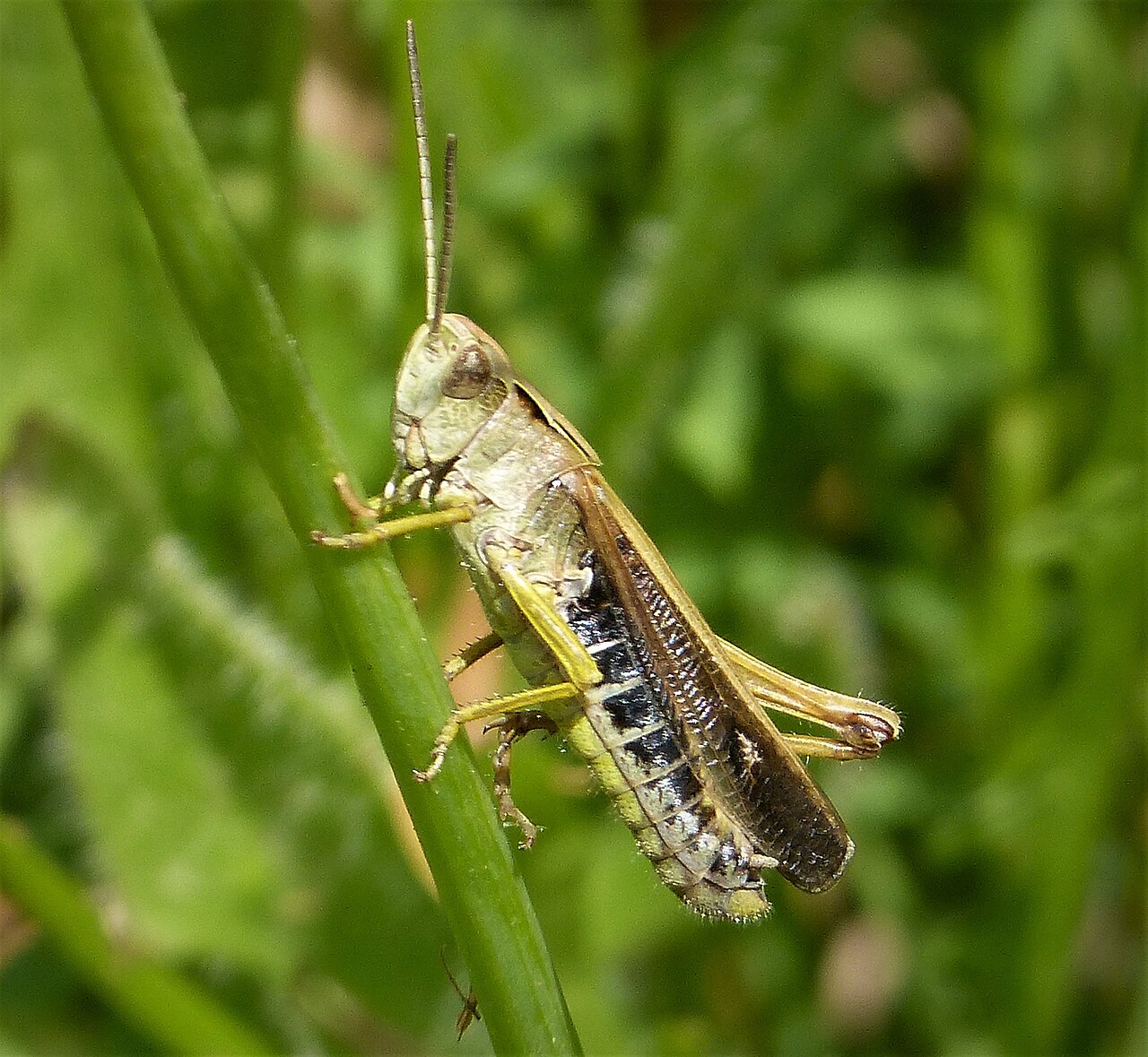
A brown or green insect that lives in long grass and is known for its amazing jumping.
Seasonal Behaviour:
On a warm, sunny summer's day, you can often hear a 'chirping' sound coming from the grass. This is the sound of male grasshoppers 'singing' to attract a female. They don't use their mouths to sing; they rub their long back legs against their wings, like playing a violin!
💡 Fun Facts
- This special way of making sound is called 'stridulating'.
- Grasshoppers have their 'ears' on their tummies!
- A grasshopper can jump 20 times its own body length. That's like you jumping the length of a bus!
📅 Through the Year
- Active:June to October
Common Pipistrelle
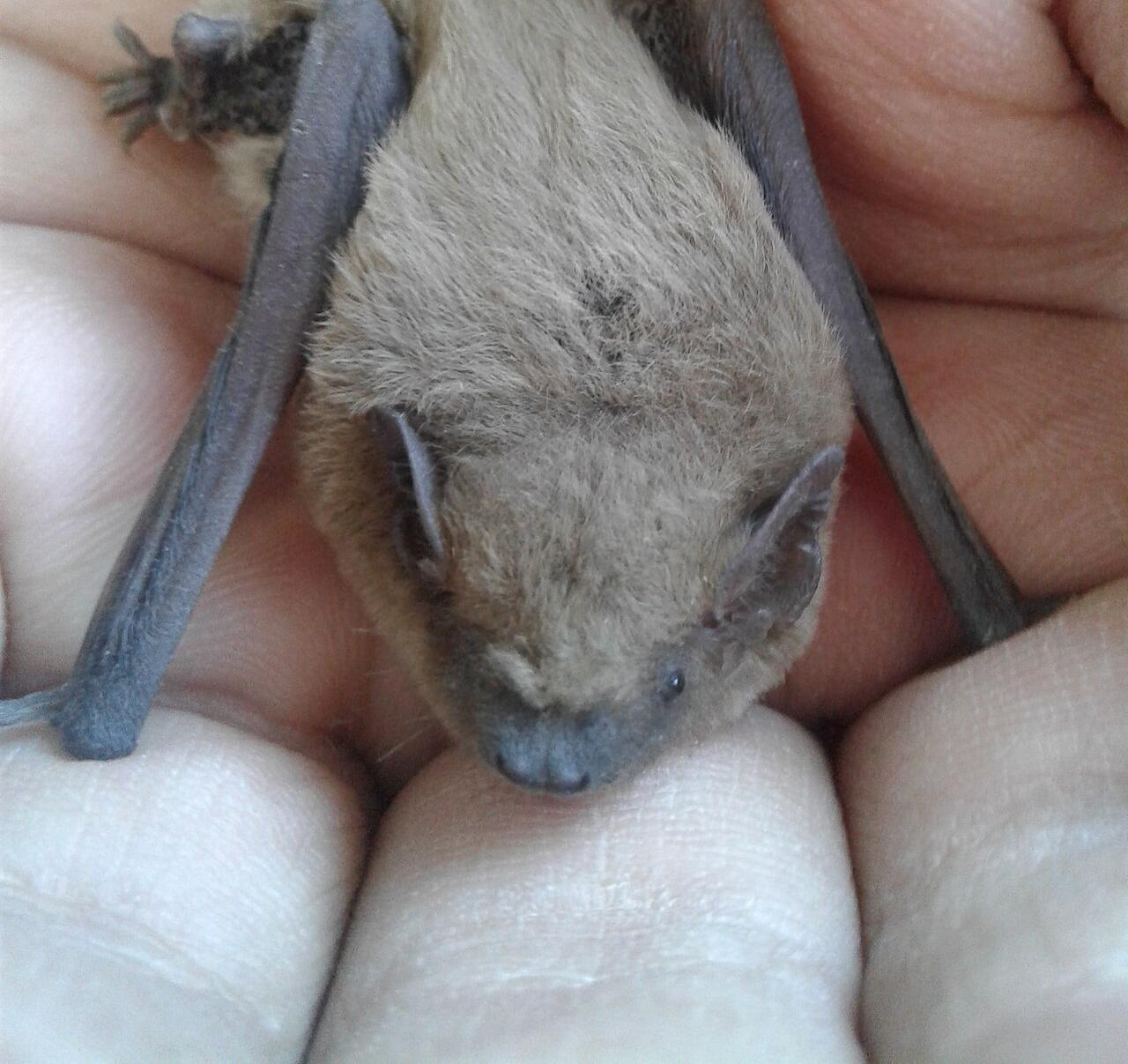
The Common Pipistrelle is the UK's commonest and one of its smallest bats — tiny enough to fit in a matchbox. It is the bat most people see flickering over a garden at dusk, hunting thousands of midges a night.
Seasonal Behaviour:
In summer, mother bats all join together in one place (like a warm attic or an old tree) to have their babies. This is called a 'maternity roost'. They keep their babies (called 'pups') warm and fly out at dusk to hunt for insects.
💡 Fun Facts
- A single, tiny Common Pipistrelle can eat up to 3,000 small insects — mostly midges and gnats — in one night.
- It is the UK's commonest and most widespread bat, and also one of the smallest: its body is shorter than your thumb and it weighs about the same as a 20p coin.
- It was only discovered to be a separate species in the 1990s, when bat detectors revealed that two kinds of 'pipistrelle' were squeaking at different pitches — and never breeding with each other.
🔍 How to spot it
- Size
- Tiny — body smaller than your thumb and about the weight of a 20p coin; one of the UK's smallest bats.
- Markings
- Golden-brown fur, a little paler below, with a dark face, ears and wings — like a little dark 'bandit mask'.
- Features
- Short, triangular ears and a short, blunt flap inside the ear; no strange flap on its nose (some bats, like the horseshoe bats, have one).
- Behaviour
- Fast, jerky, twisting flight about 2 to 10 m up, turning again and again to snatch insects; appears about 20 minutes after sunset, often round street lights and gardens.
- Where & when
- Everywhere — gardens, parks, farmland and towns right across the UK; the bat most people see flickering over a garden at dusk. Roosts in buildings.
- Easily confused with
- The almost-identical soprano pipistrelle looks the same to our eyes; experts tell the two apart by the pitch of their calls on a special detector (the soprano calls a little higher).
📅 Through the Year
- Hibernation:November to March
- Active:April to October
Autumn
Autumn
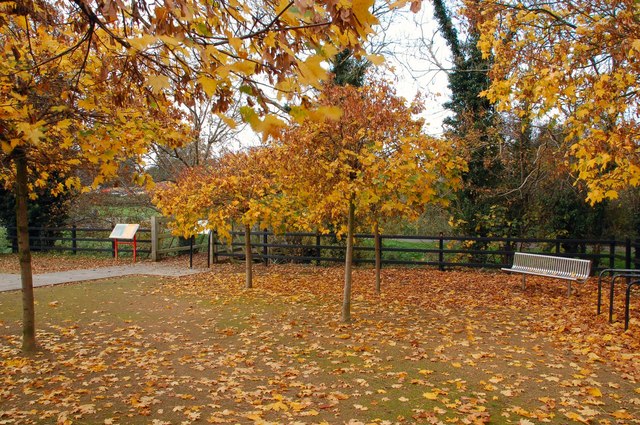
Autumn is the season when things start to cool down. It comes after summer and before winter.
What to look for:
- Weather: The air feels cooler and it can be windy and rainy.
- Plants: The leaves on deciduous trees change from green to beautiful shades of red, yellow, orange, and brown before falling off.
- Animals: Squirrels are busy collecting nuts to store for the winter. Some birds fly away to warmer countries.
- Daylight: The days get shorter and it gets dark earlier in the evening.
💡 Fun Facts
- The changing colours of the leaves are caused by the trees stopping making chlorophyll (the stuff that makes them green).
- Animals like hedgehogs and dormice eat a lot of food in autumn to fatten up for their long sleep (hibernation) in winter.
- Farmers are very busy in autumn, as this is the time to harvest crops like wheat, potatoes, and apples.
Autumn Behaviours
In autumn, the days get shorter and the weather gets cooler. For animals, this is a very busy time. They need to get ready for the cold winter when there won't be much food.
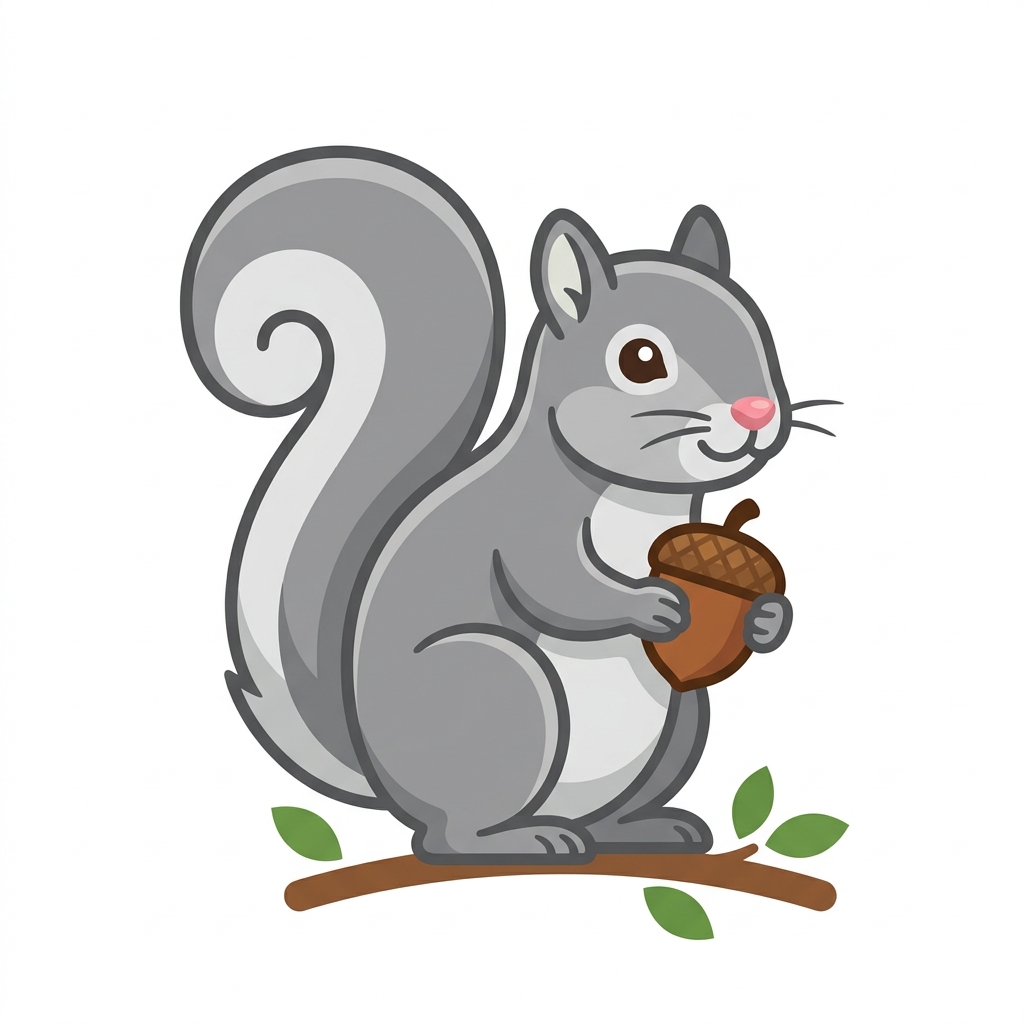
Grey Squirrel
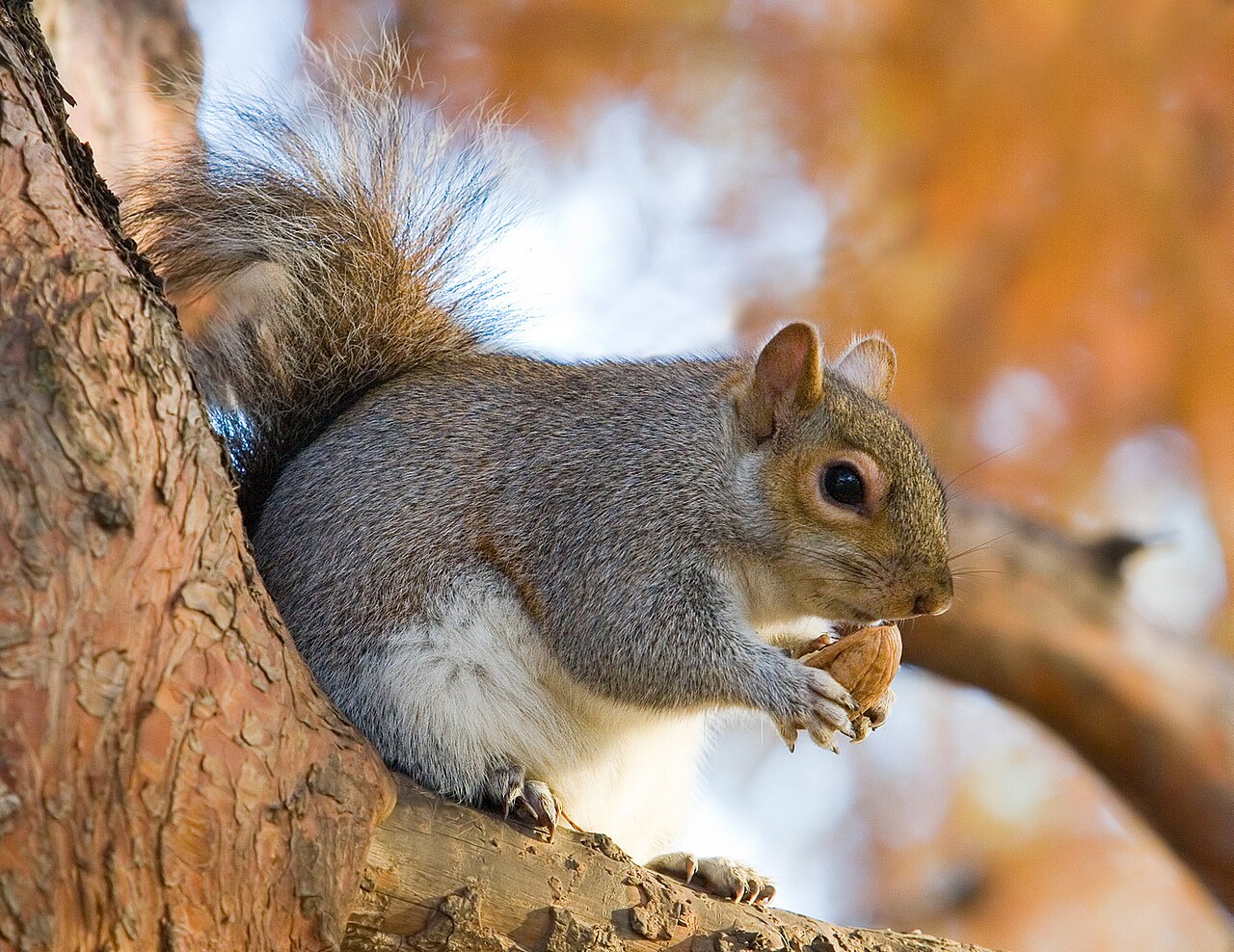
You often see these furry-tailed animals in parks and woods, especially in autumn.
Seasonal Behaviour:
In autumn, squirrels are busy 'caching'. This means they bury hundreds of nuts and acorns all over the place. They do this to save food for the winter when the trees are bare.
💡 Fun Facts
- Grey squirrels have a great memory, but they don't remember where they buried every single nut. The nuts they forget often grow into new oak trees!
- A squirrel's twitchy tail isn't just for show; it helps them to balance when they leap between trees.
- Their front teeth never stop growing, which is useful because they spend so much time chewing on hard nuts.
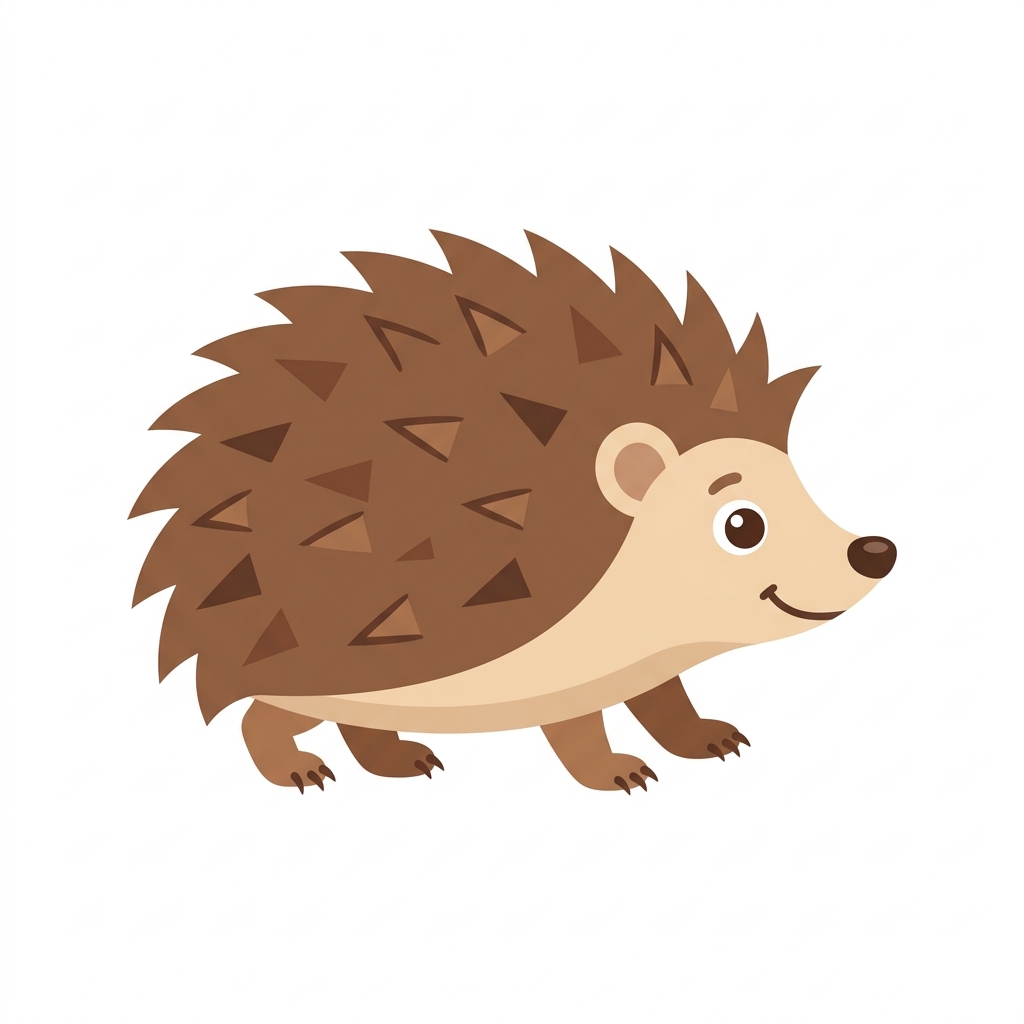
Hedgehog
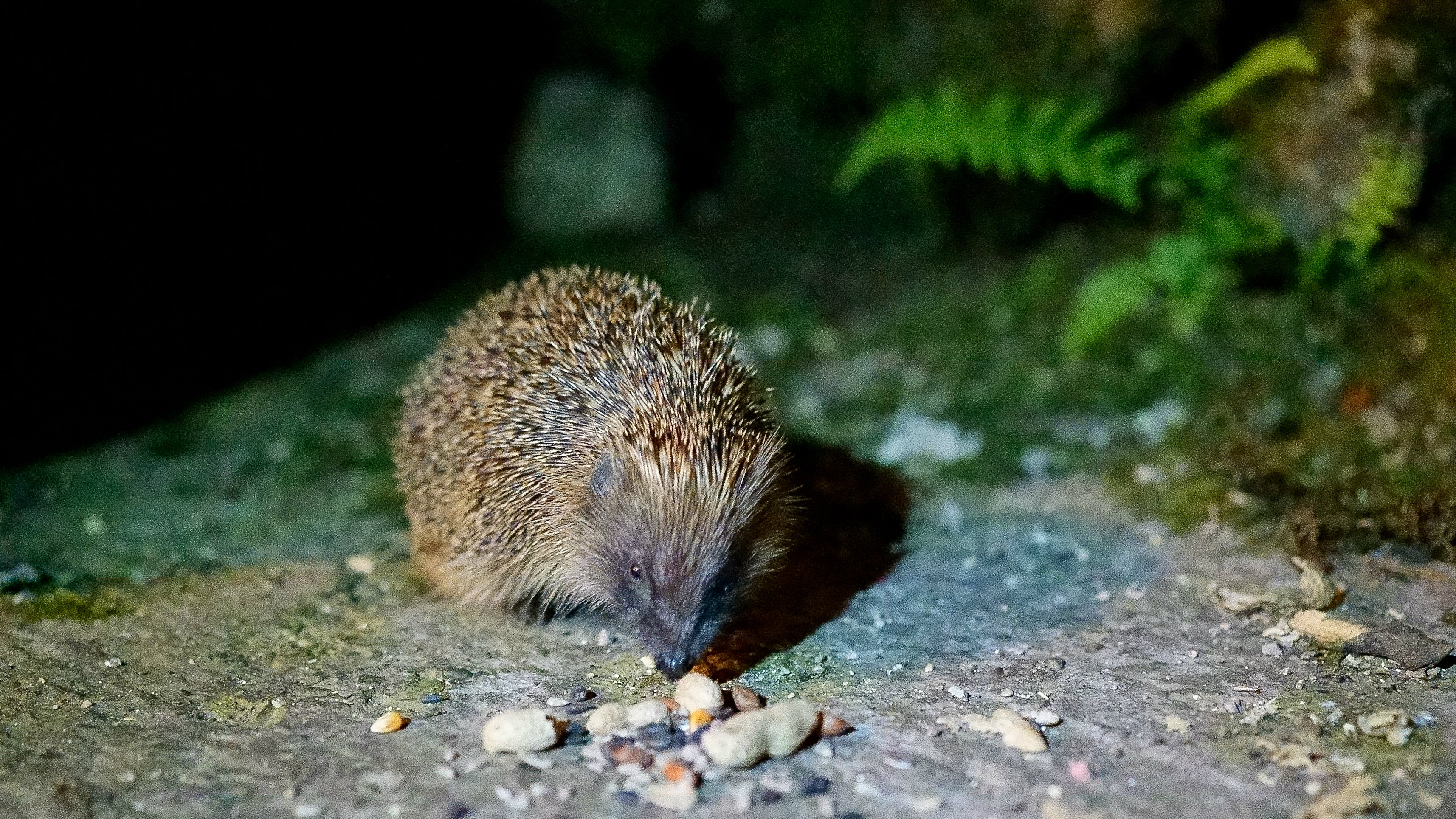
These small, spiky mammals are often found in gardens.
Seasonal Behaviour:
Autumn is all about eating! Hedgehogs must eat as many slugs, beetles, and worms as they can to get nice and fat. When they are fat enough, they build a cosy nest of leaves (called a 'hibernaculum') and go into a deep sleep, called hibernation, to save energy all winter.
💡 Fun Facts
- A baby hedgehog is called a 'hoglet'.
- When scared, a hedgehog can roll into a tight, spiky ball.
- A grown-up hedgehog can have over 5,000 spikes (or spines) on its back.
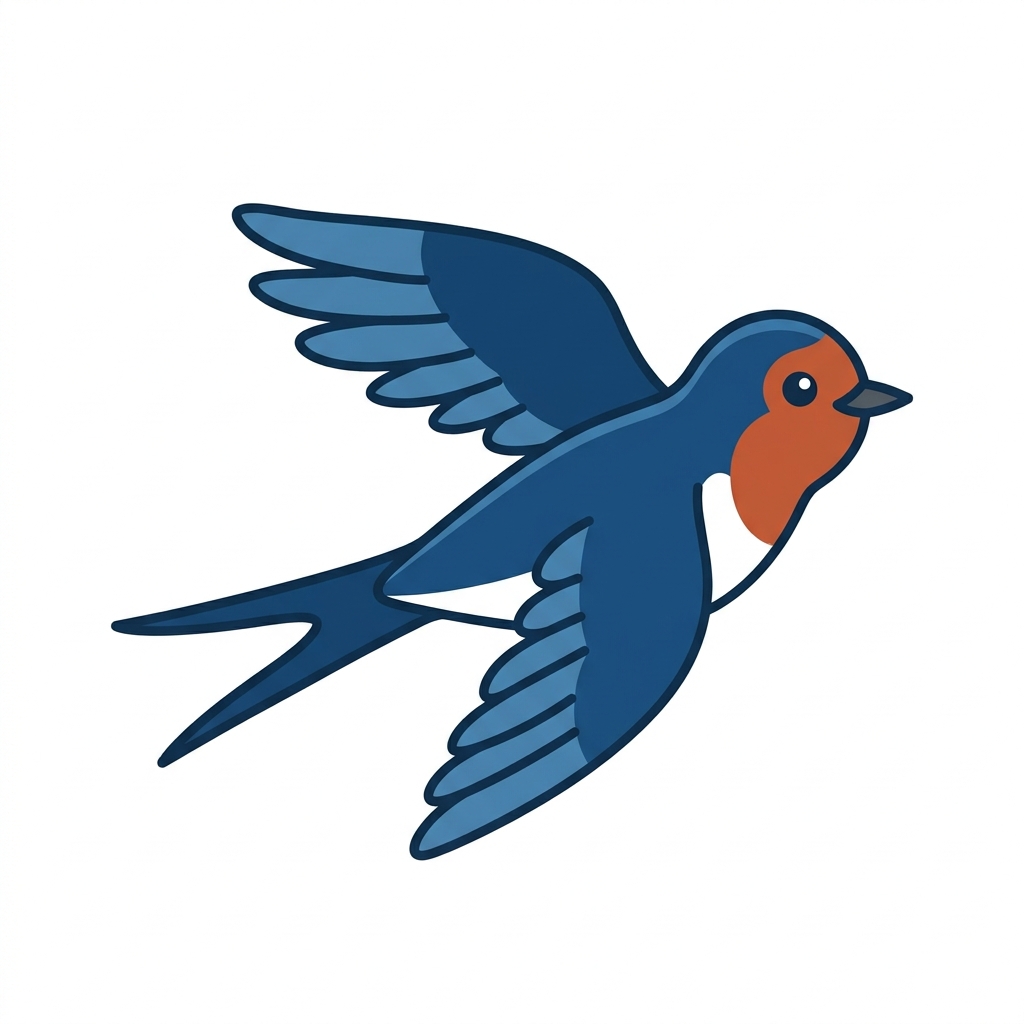
Swallow
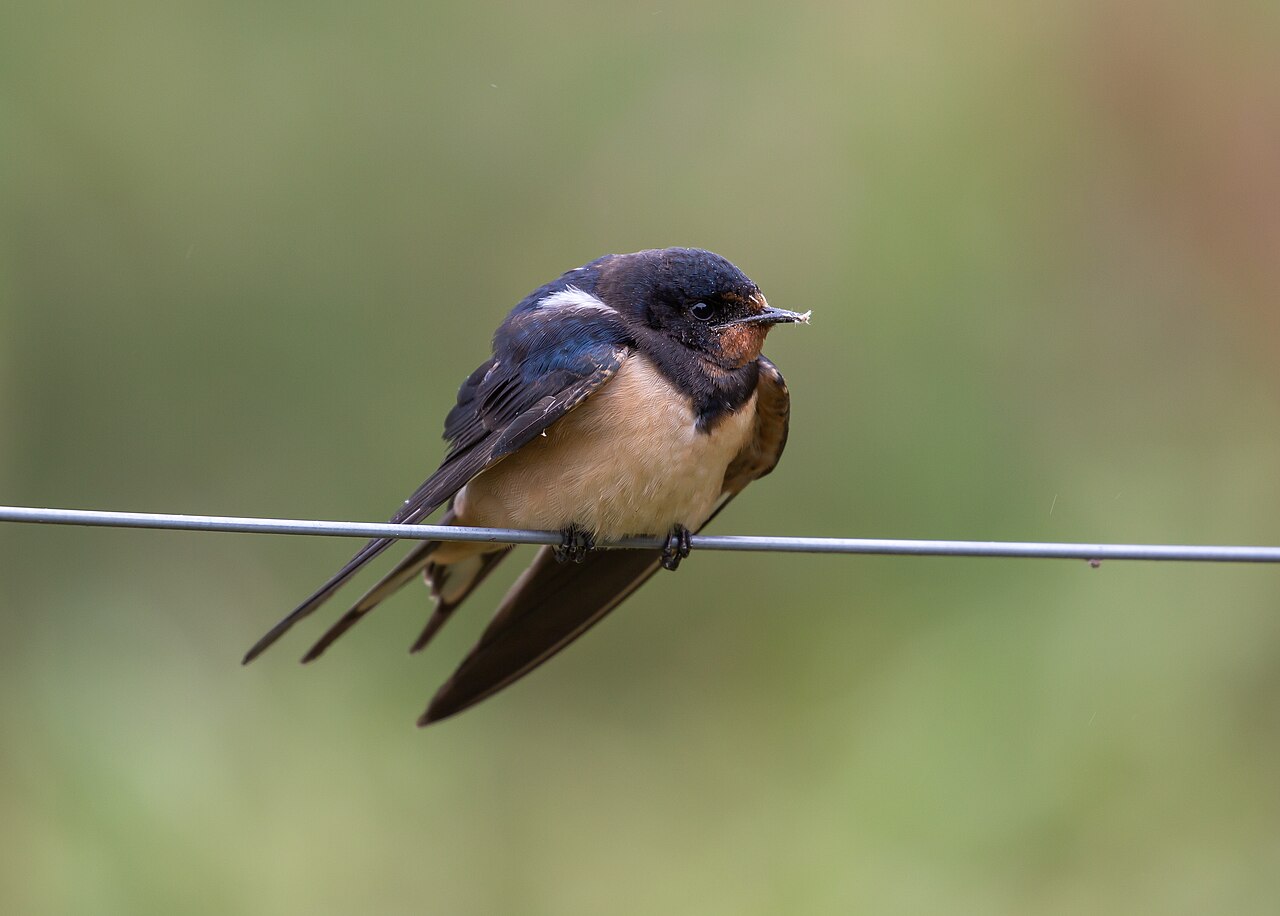
A small, fast bird with a long, forked tail. You see them sitting on telephone wires in summer.
Seasonal Behaviour:
In autumn, you won't see any swallows. They have all left the UK to fly thousands of miles to Africa! This journey is called migration. They leave because it gets too cold in the UK and all the flying insects they eat disappear.
💡 Fun Facts
- Swallows fly all the way to South Africa, which can be 6,000 miles away.
- They are so good at flying that they can eat, drink, and even have a nap while on the move.
- They often return to the very same nest they used the year before.
📅 Through the Year
- In the UK:April to September
- Breeding:May to July
Winter
Winter
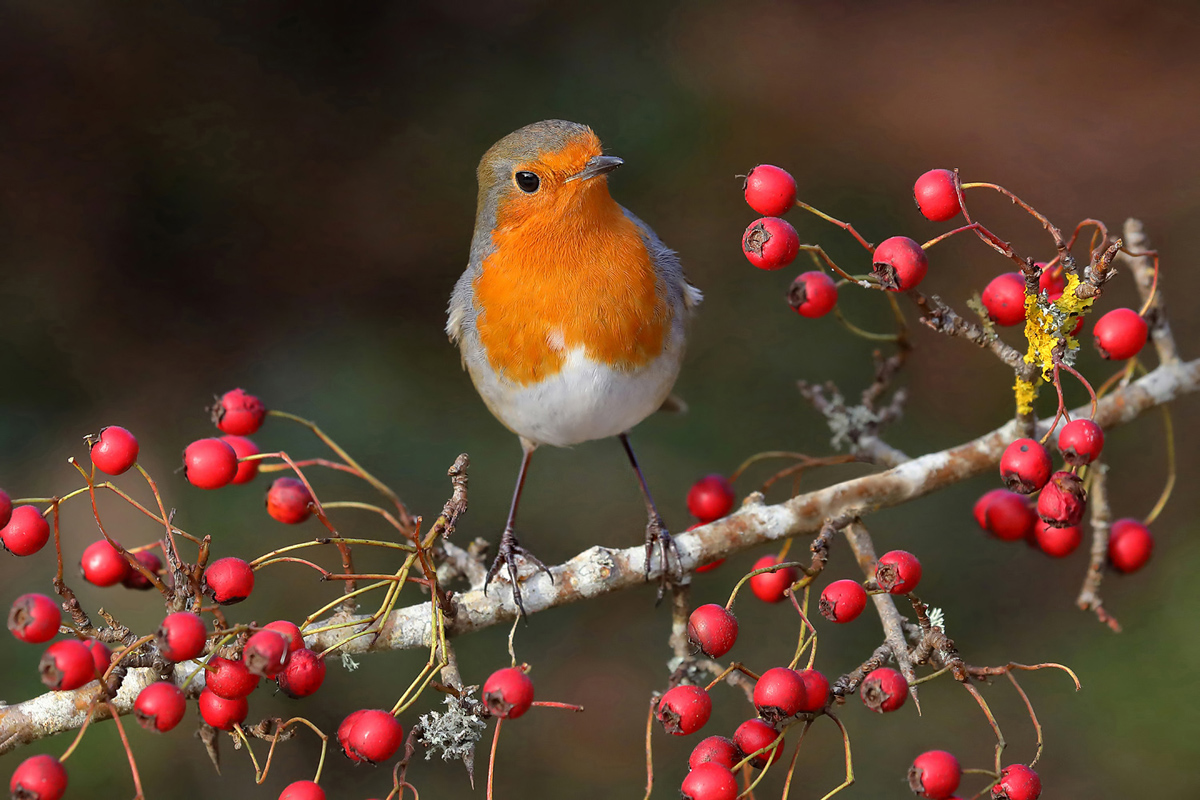
Winter is the coldest season of the year. It comes after autumn and before spring.
What to look for:
- Weather: Often cold, frosty, and sometimes snowy or icy.
- Plants: Deciduous trees are bare with no leaves, some berries may remain. Some evergreen trees, like pine and holly, stay green.
- Animals: Many animals are hibernating. You might see winter birds like robins and you can leave out food to help them.
- Daylight: The days are the shortest and the nights are the longest.
💡 Fun Facts
- The shortest day of the year is in winter and is called the Winter Solstice.
- Every snowflake has six sides and is completely unique. No two are ever exactly the same!
- Some animals, like the mountain hare and the stoat, grow a white coat in winter to camouflage themselves in the snow.
Winter Behaviours
Winter is the hardest time for animals. It is cold and dark, and food is very hard to find. Animals have clever ways to survive.
Why Do Birds Sing?
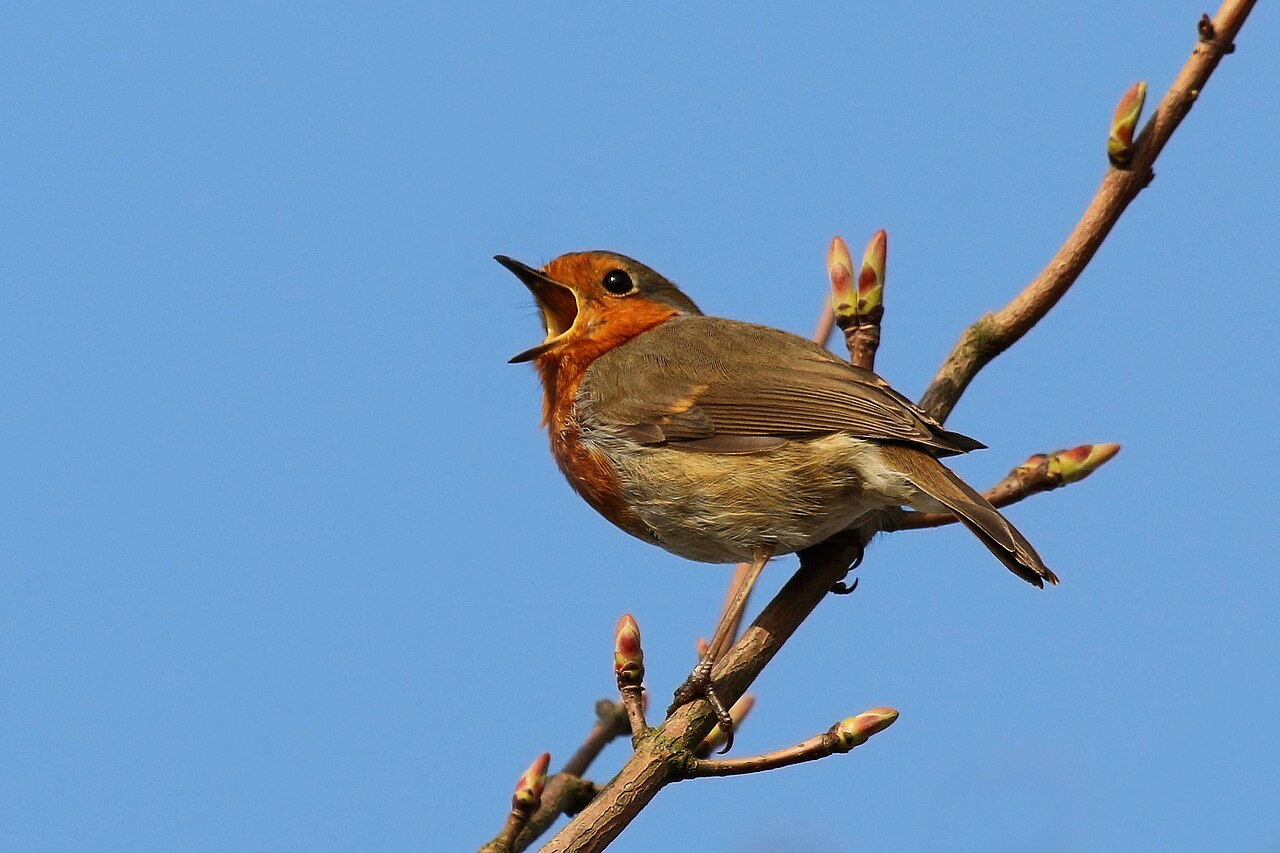
We love to hear birds singing, but they aren't just making music for fun! Birds use their songs as a way of talking to each other.
A bird's song is mostly used to say two things: "This is my territory, stay away!" to other birds of the same kind, or "Look at me, I'm a strong, healthy bird!" to attract a mate.
The Robin is famous for being one of the few birds in the UK that sings all year round—even in the freezing winter! They sing loudly to defend their garden territories, making sure other robins know exactly who is in charge.
Common Frog
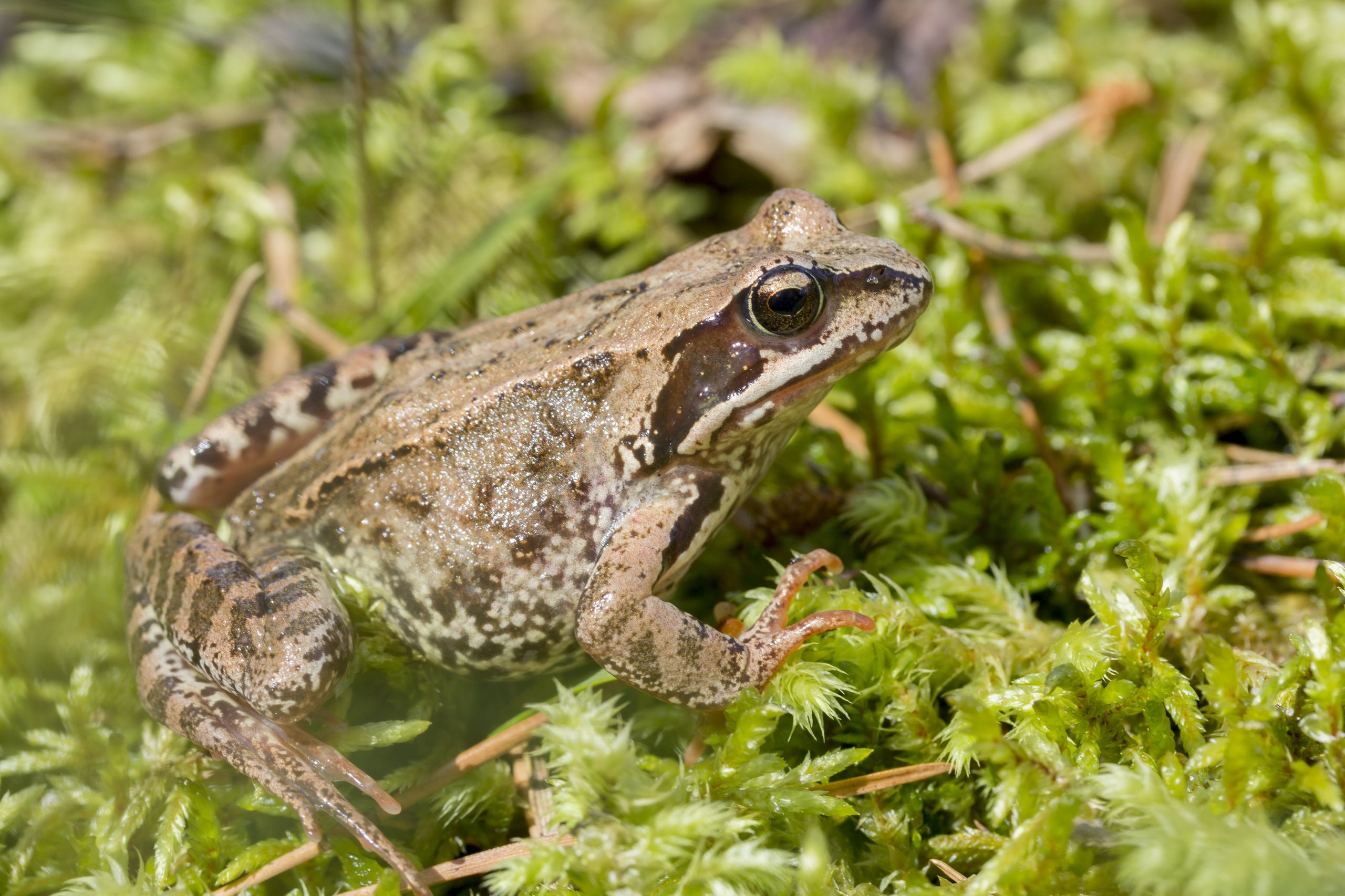
These amphibians live in ponds and damp, grassy places.
Seasonal Behaviour:
Frogs get very, very sleepy in winter. They hibernate (go into a deep sleep) to save energy. Most frogs will hide in a log pile or a compost heap, but some will even sleep at the very bottom of a pond, hiding in the mud!
💡 Fun Facts
- When a frog hibernates at the bottom of a pond, it doesn't need to come up for air. It breathes through its skin instead!
- A frog's heart can slow down so much during hibernation that it only beats a few times every minute.
- Some frogs can even survive being frozen solid in ice and will wake up when the ice thaws in spring.
Ladybird
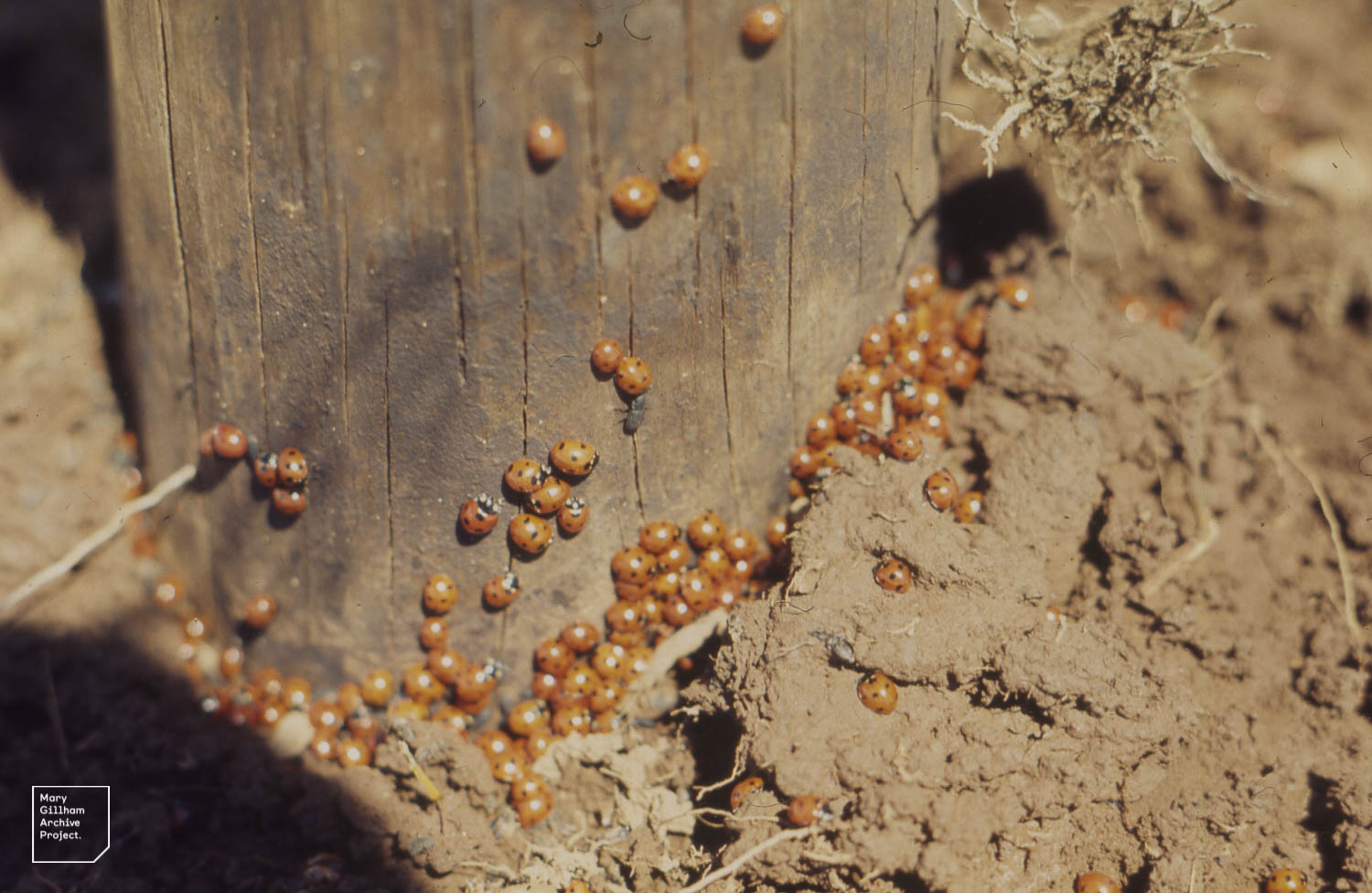
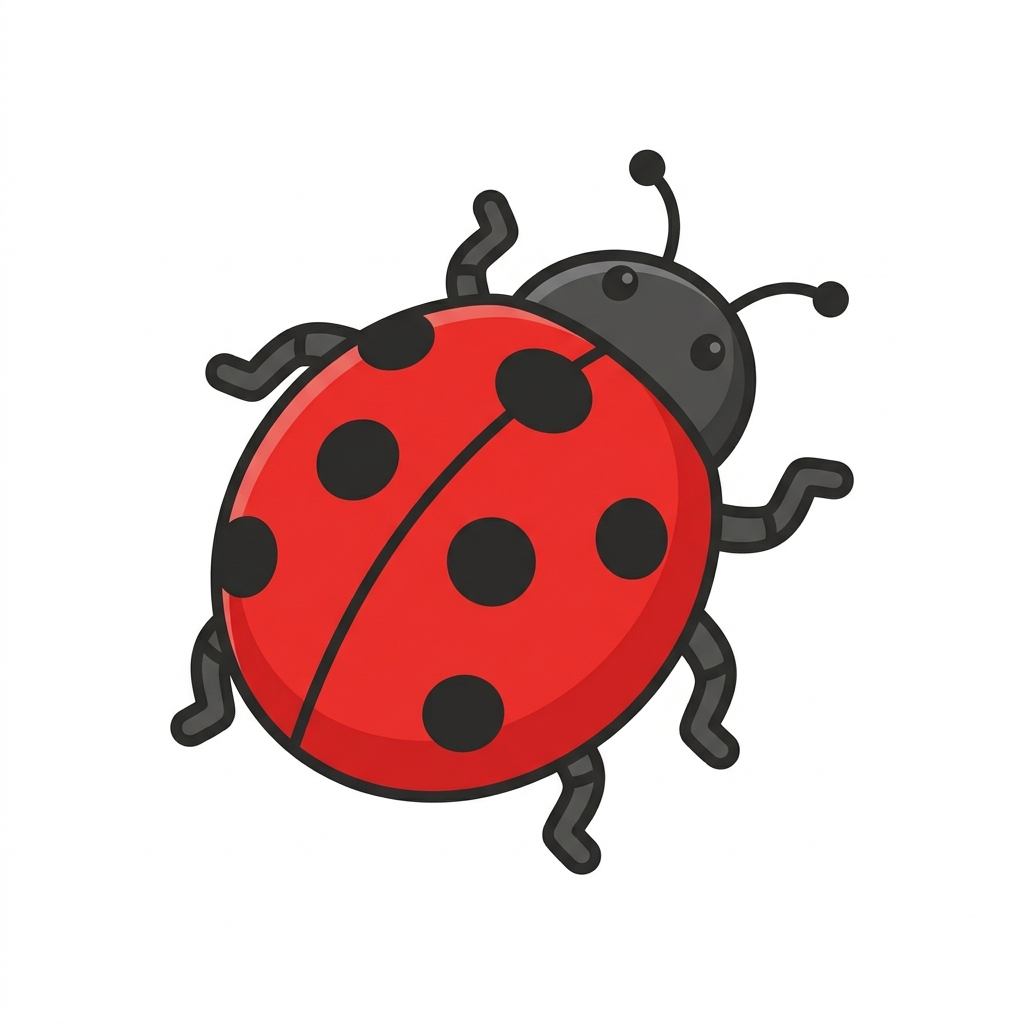
A small, spotty beetle that is very helpful in the garden because it eats aphids (greenfly).
Seasonal Behaviour:
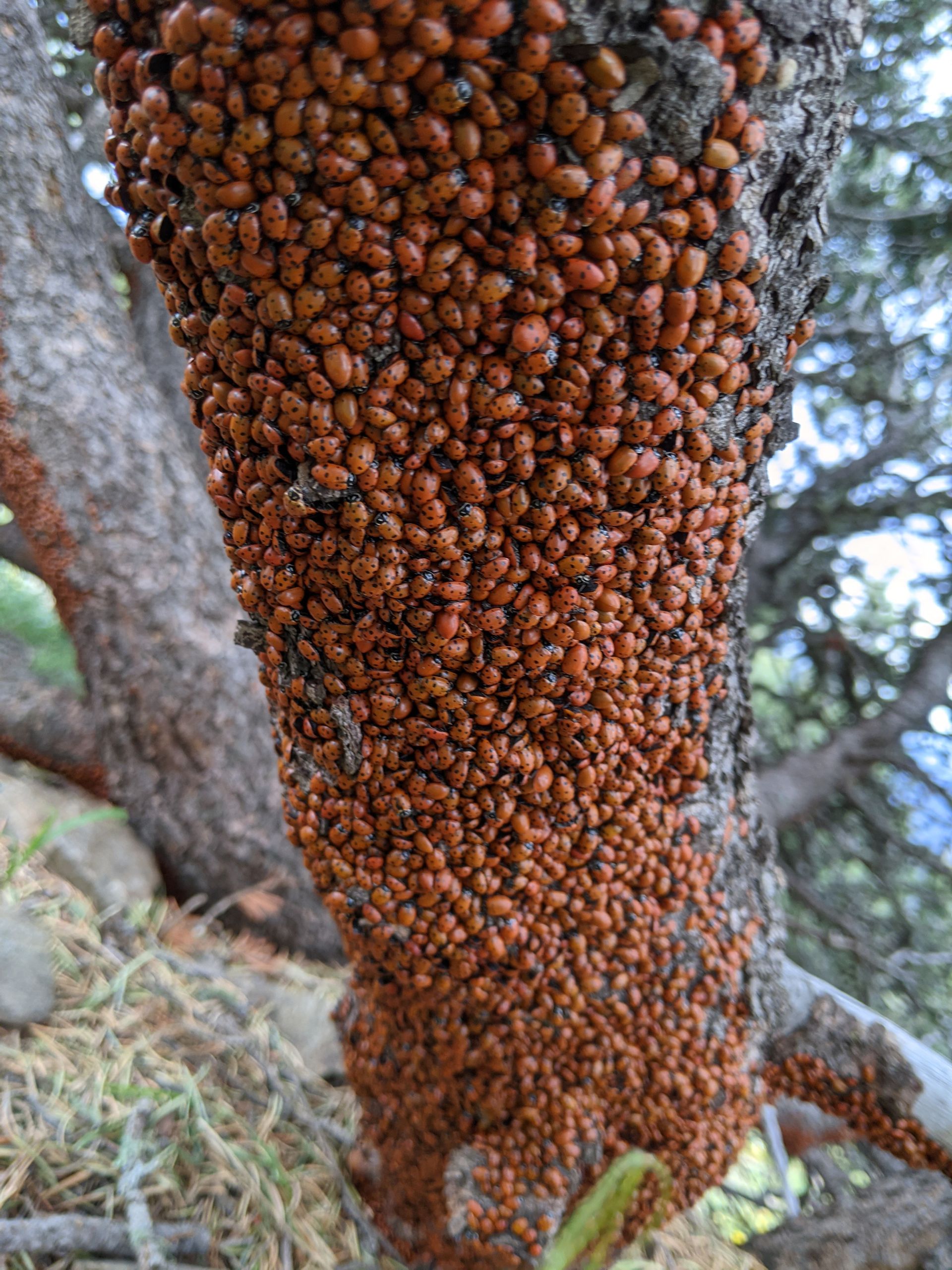
In winter, you won't find many ladybirds crawling on plants. They are all hibernating! They often huddle together in a big group, called a 'cluster', to keep warm. They will hide in sheds, under tree bark, or in tiny gaps in your window frames.
💡 Fun Facts
- A group of ladybirds is sometimes called a 'loveliness'.
- Their bright colours are a warning to birds, saying "Don't eat me, I taste horrible!"
- The number of spots on a ladybird does not tell you its age, but it can help you tell what type of ladybird it is.
- Ladybirds will often start to hibernate towards the end of summer even before it starts to get cold. They do this because there are no more greenfly around - because there is not enough food, so they go to sleep until there is food again!
- The large cluster of red and black creates a stronger visual warning to birds that this will not taste nice!
Activities & Reflections
Activities
Seasonal Wheel
Give each pupil a paper plate and help them divide it into four sections. They can then draw or stick pictures in each section to show the four different seasons.
A Weekly Weather Diary
Create a simple chart for the classroom wall with the days of the week. Each day, choose a pupil to be the 'weather watcher' who draws a picture of the weather (e.g., a sun, a cloud, raindrops) and sticks it on the chart.
Four Seasons Tree
Give pupils a template of a bare tree. They can decorate the tree to show what it would look like in each of the four seasons. For example, pink tissue paper for spring blossom, green leaves for summer, orange and red leaves for autumn, and cotton wool for winter snow.
Reflections
Self-Reflection (Exit Ticket)
Ask pupils to draw a picture of their favourite season and one thing they like to do in it.
Paired Reflection (Think-Pair-Share)
In pairs, ask pupils to talk about what clothes they would wear on a hot summer day and what clothes they would wear on a cold winter day. Why are they different?
Group Reflection
In small groups, pupils can discuss: What do you think a squirrel does with all the nuts it collects in autumn? Why does it need them?
Whole Class Share-Out
As a class, look out of the window or think about what it was like on the way to school. Ask: What season are we in now? What clues can you see, hear, or feel that tell you this?
Back to: Science