Identification and naming fish, amphibians, reptiles, birds and mammals
Pupils should use the local environment throughout the year to explore and answer questions about animals in their habitat. They should understand how to take care of animals taken from their local environment and the need to return them safely after study. Pupils should become familiar with the common names of some fish, amphibians, reptiles, birds and mammals, including those that are kept as pets. Pupils should have plenty of opportunities to learn the names of the main body parts (including head, neck, arms, elbows, legs, knees, face, ears, eyes, hair, mouth, teeth) through games, actions, songs and rhymes. Pupils might work scientifically by: using their observations to compare and contrast animals at first hand or through videos and photographs, describing how they identify and group them; grouping animals according to what they eat; and using their senses to compare different textures, sounds and smells.
National Curriculum in England: primary curriculum, Section: "Animals, including humans", p. 149.
Curriculum Requirement
Identify and name a variety of common animals including fish, amphibians, reptiles, birds and mammals
Fish
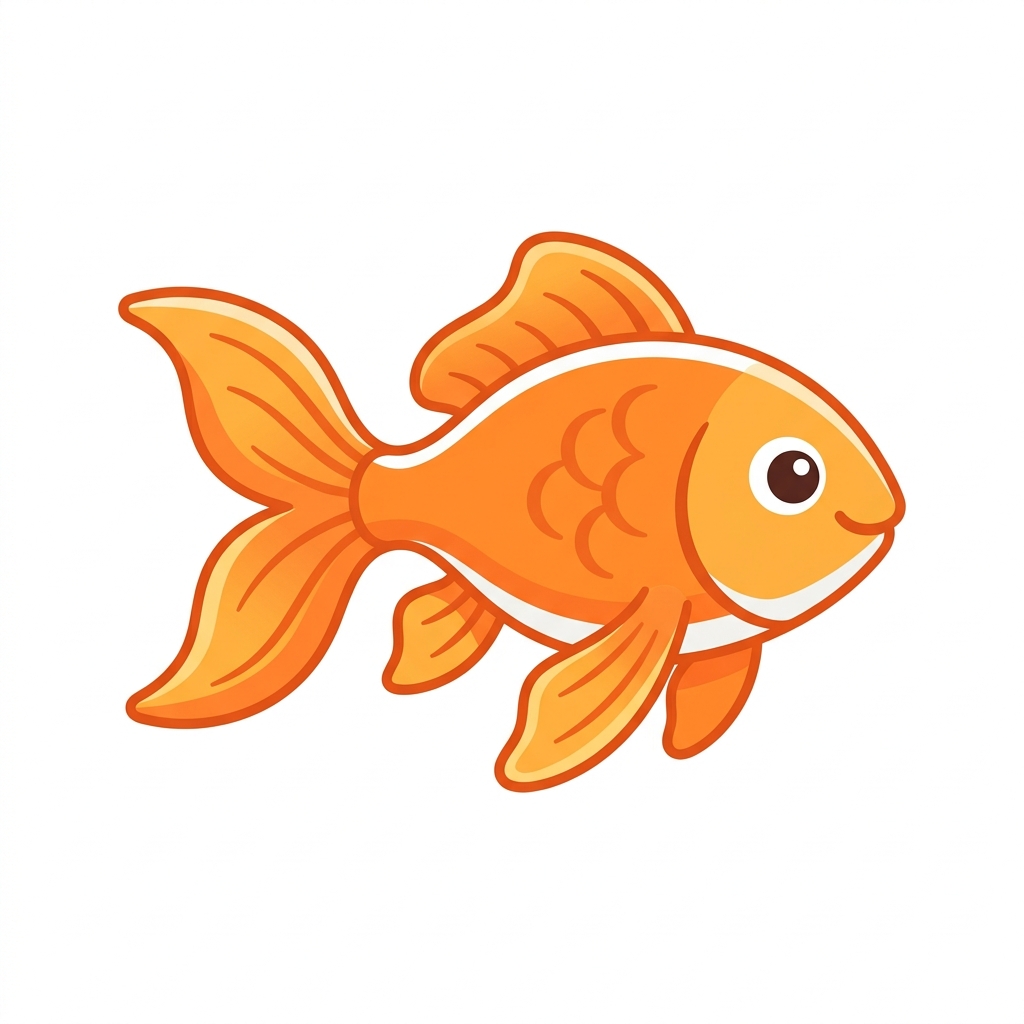
Goldfish
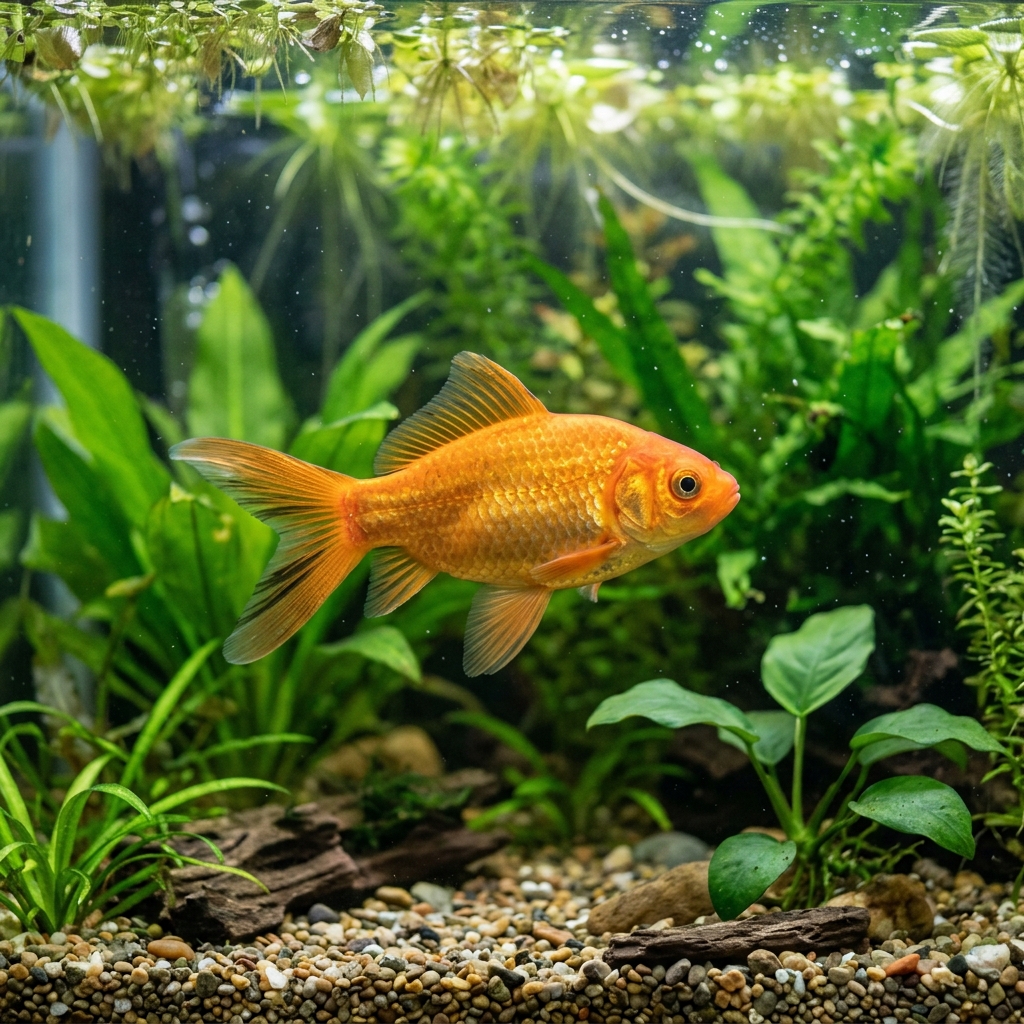
A small, brightly coloured pet fish commonly kept in aquariums or garden ponds.
💡 Fun Facts
- Goldfish can actually see more colours than humans, including ultraviolet and infrared light.
- They don't have stomachs! They digest food entirely in their intestines.
- Despite the myth, goldfish actually have a memory span of at least three months.
Note: Fish are very common in UK ponds, rivers, and lakes, but are not often seen in school grounds unless there is a pond.
Nature Examples
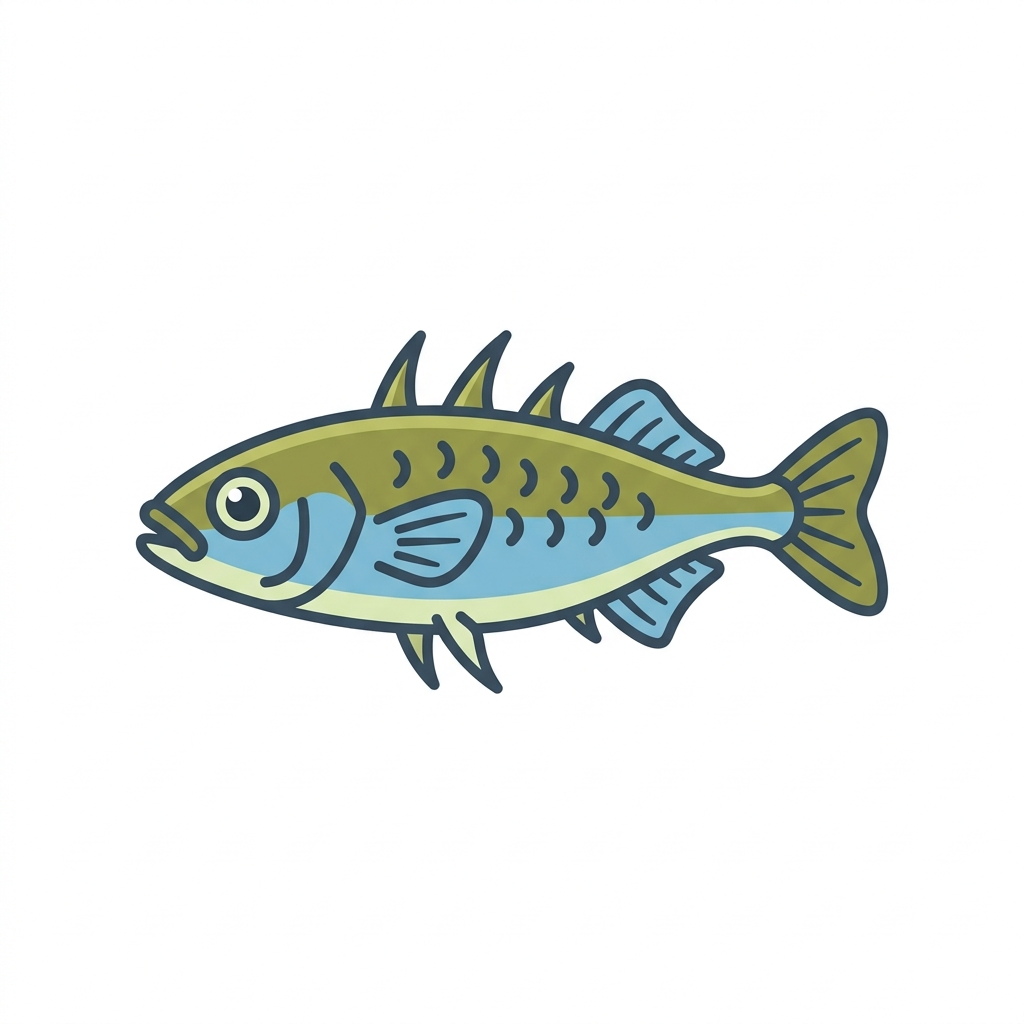
Stickleback
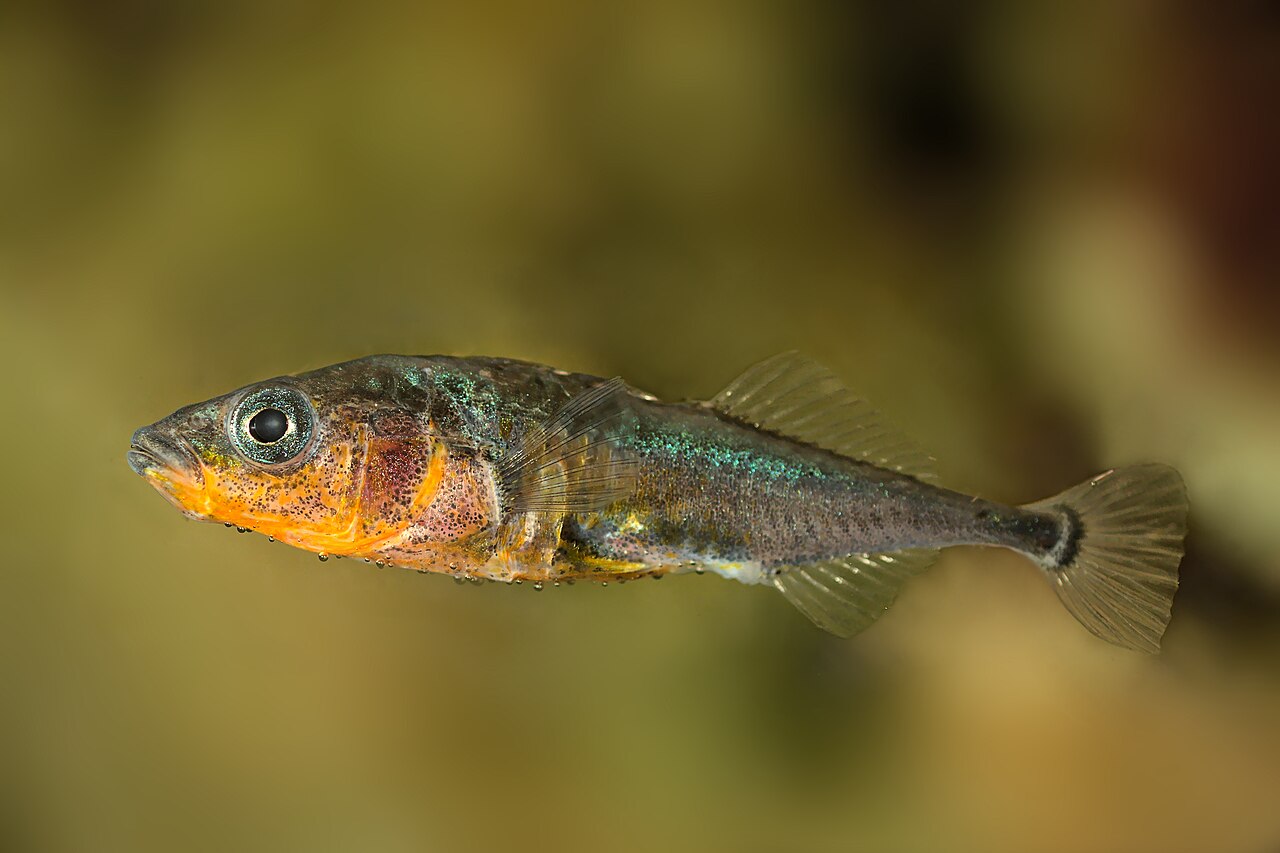
A small, hardy fish found in ponds, lakes, and slow-moving rivers across the UK.
How to identify:
Look for a small, slender, greyish-green fish with two to four sharp spines visible on its back.
💡 Fun Facts
- The male stickleback builds a nest out of weeds which he glues together with a special substance from his kidneys.
- It gets its name from the sharp spines along its back which it can raise to protect itself from predators.
- The number of spines can vary; most sticklebacks in the UK have three.
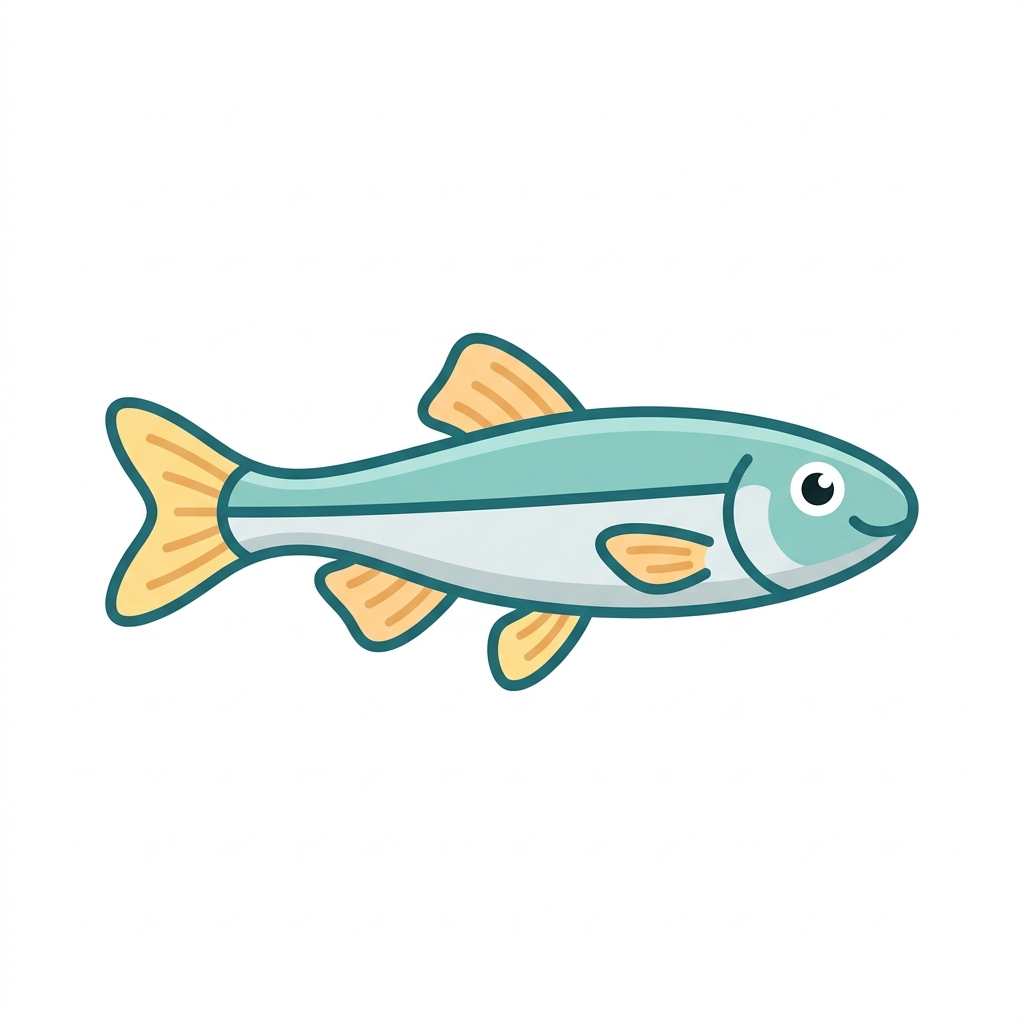
Minnow
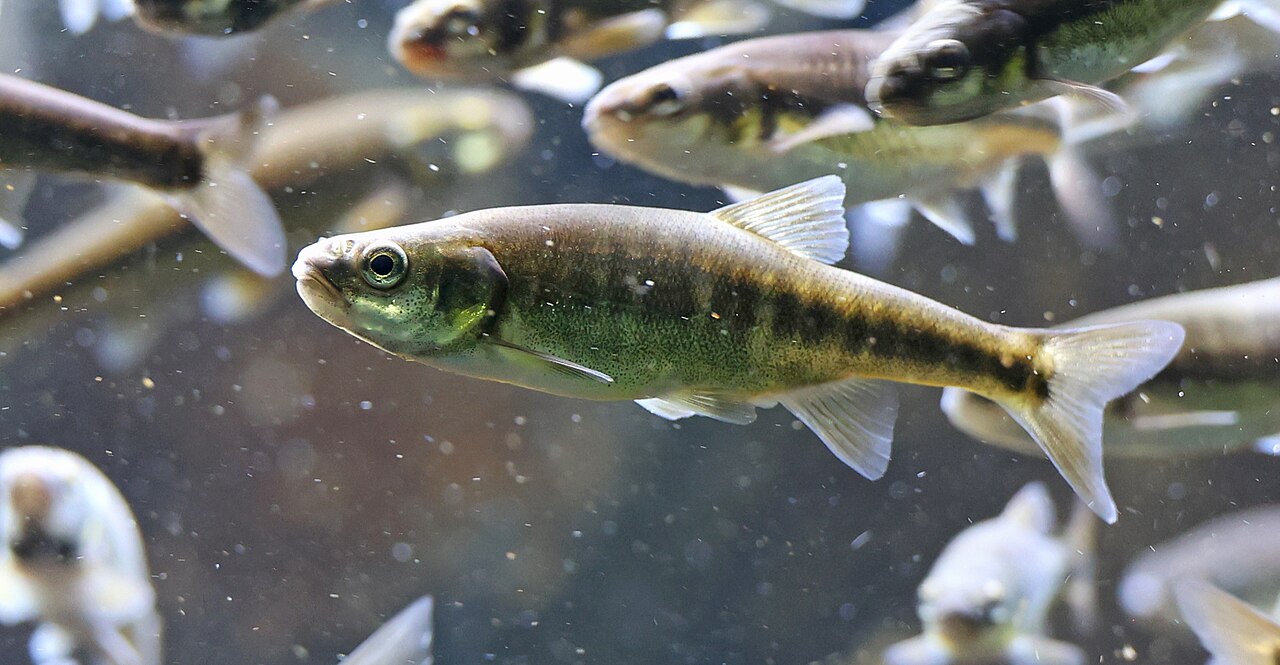
A tiny, sociable fish that often swims in large groups called shoals in streams and rivers.
How to identify:
Look for a very small, silvery fish with a dark stripe along its side, usually seen swimming in a large group.
💡 Fun Facts
- Minnows have an excellent sense of smell and can detect chemical alarm signals released from the skin of another minnow that has been attacked.
- They are often a sign of a healthy river, as they are sensitive to pollution.
- They are very small, usually growing no longer than 10 cm.
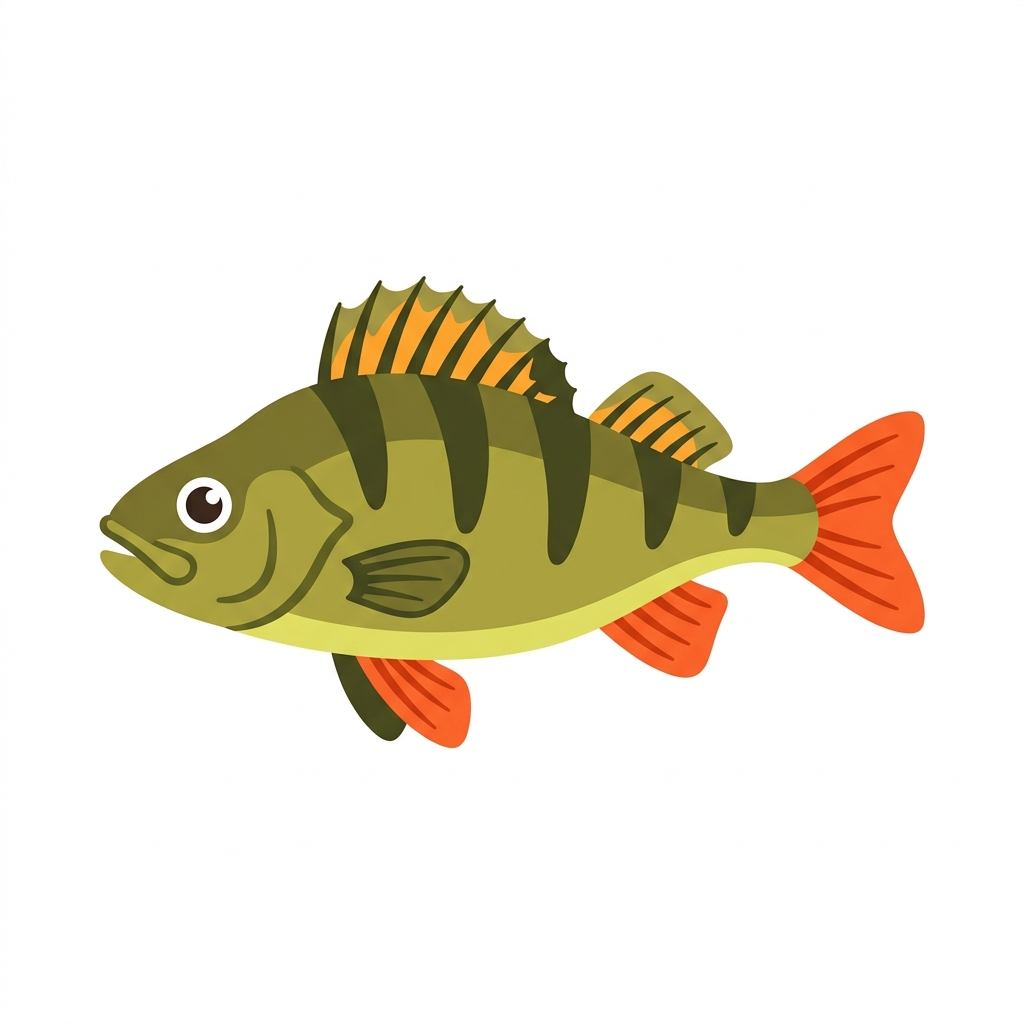
Perch
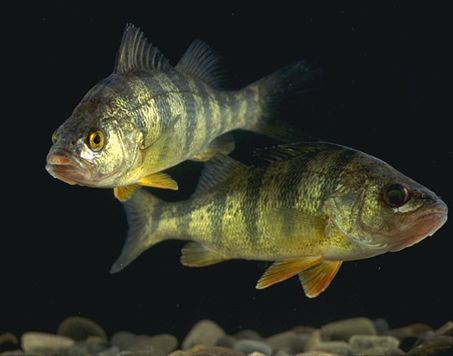
A common predatory fish with a humped back, spiny dorsal fin, and distinctive vertical stripes.
How to identify:
Look for a greenish, deep-bodied fish with bold, dark vertical stripes, a spiky fin on its back, and reddish-orange pelvic and tail fins.
💡 Fun Facts
- The perch's spiny front dorsal fin is a very effective defence, making it difficult for predators like pike or herons to swallow it.
- They lay their eggs in long, white, ribbon-like strands, which they drape over underwater plants.
- Young perch hunt in shoals, but as they get older and larger, they tend to hunt alone.
Amphibians
Nature Examples
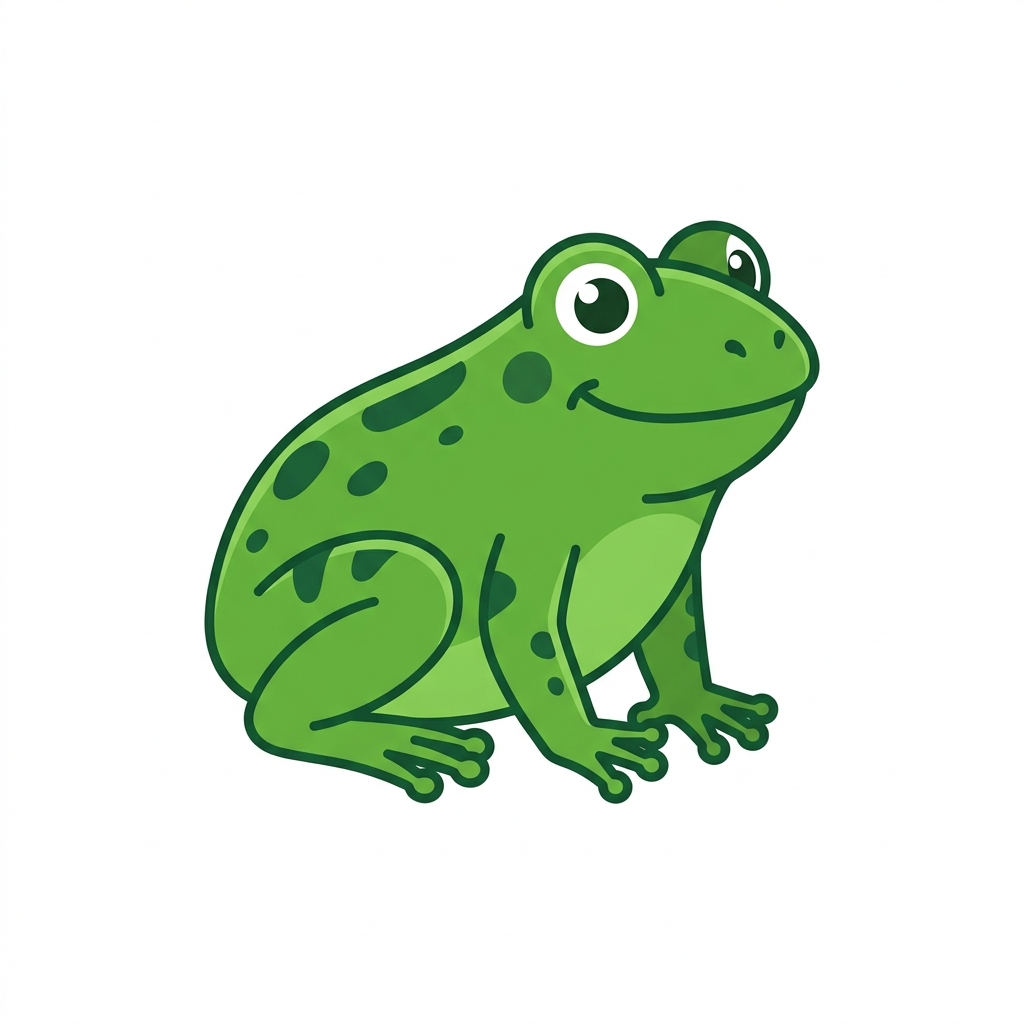
Common Frog
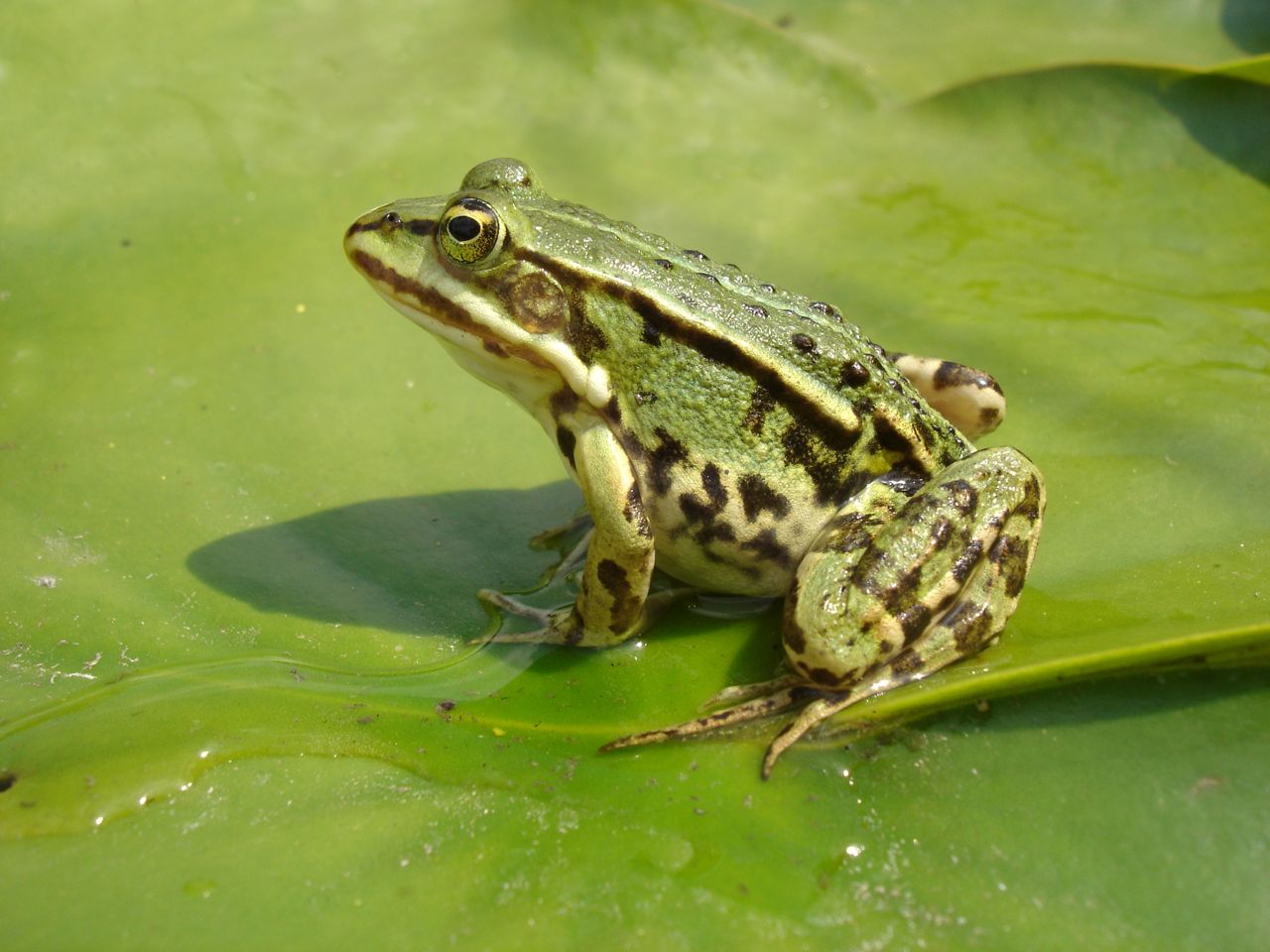
A familiar amphibian with smooth skin and long hind legs for jumping.
💡 Fun Facts
- Doesn't drink with its mouth but soaks up all the water it needs through its skin.
- Has eyes on top of its head so it can see all around whilst mostly hidden in the water.
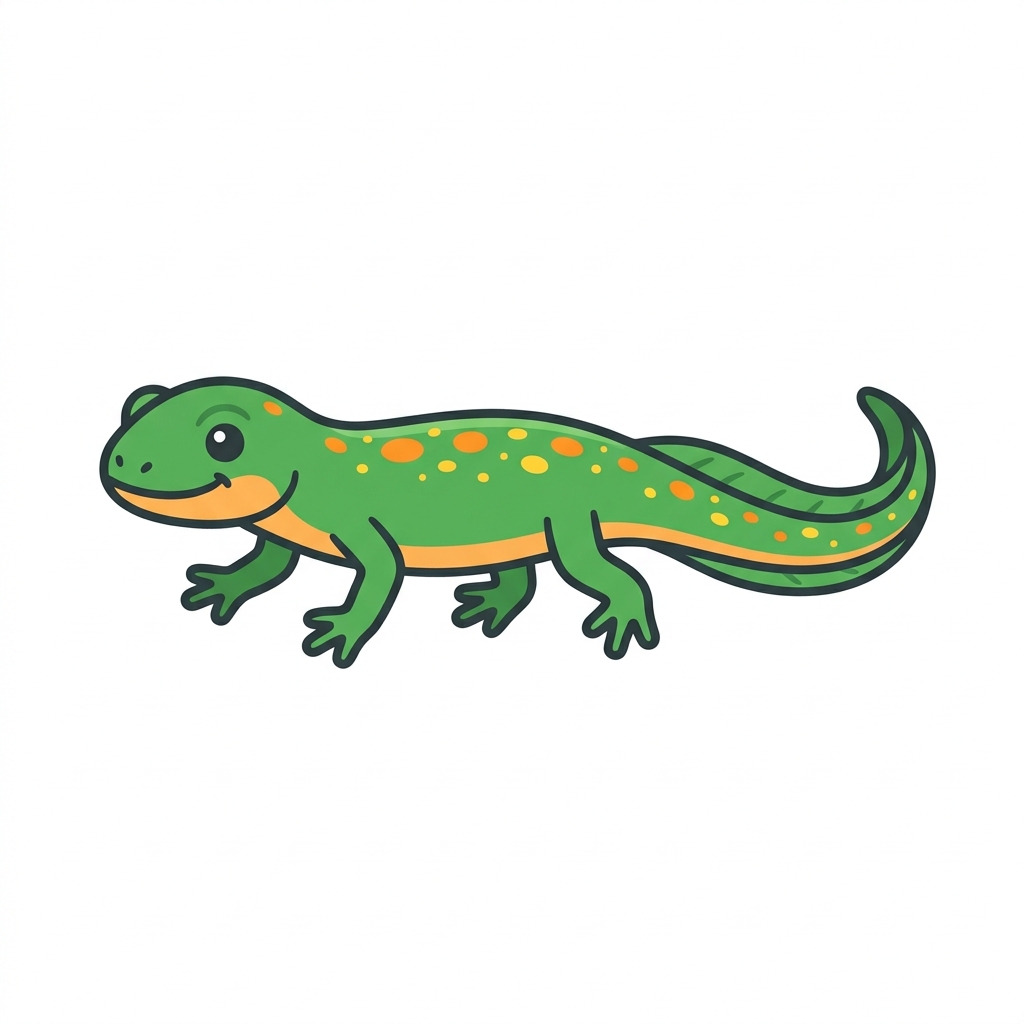
Newt
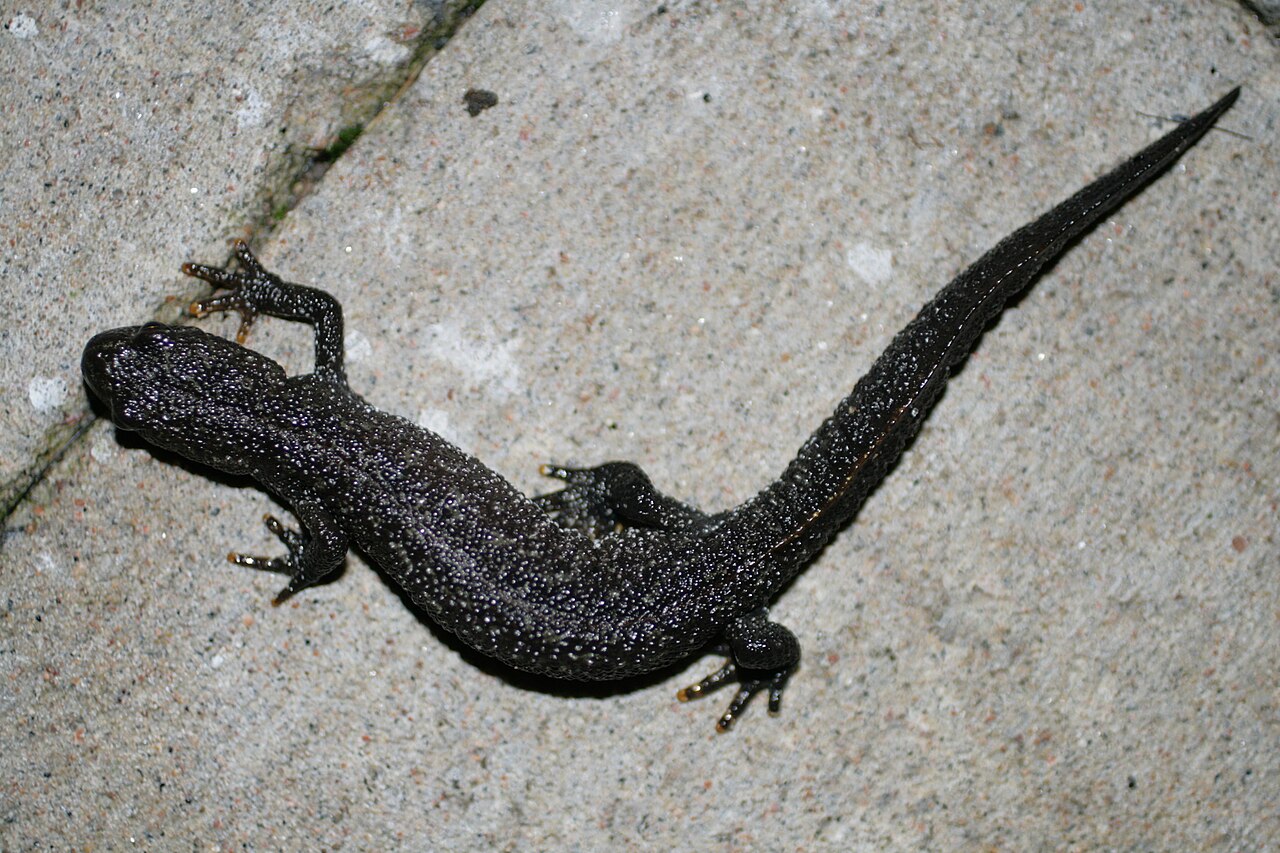
A lizard-like amphibian that divides its time between water and land.
💡 Fun Facts
- Can regrow lost limbs, such as its tail or even a leg.
- The male smooth newt develops a wavy crest along its back during the breeding season to attract a mate.
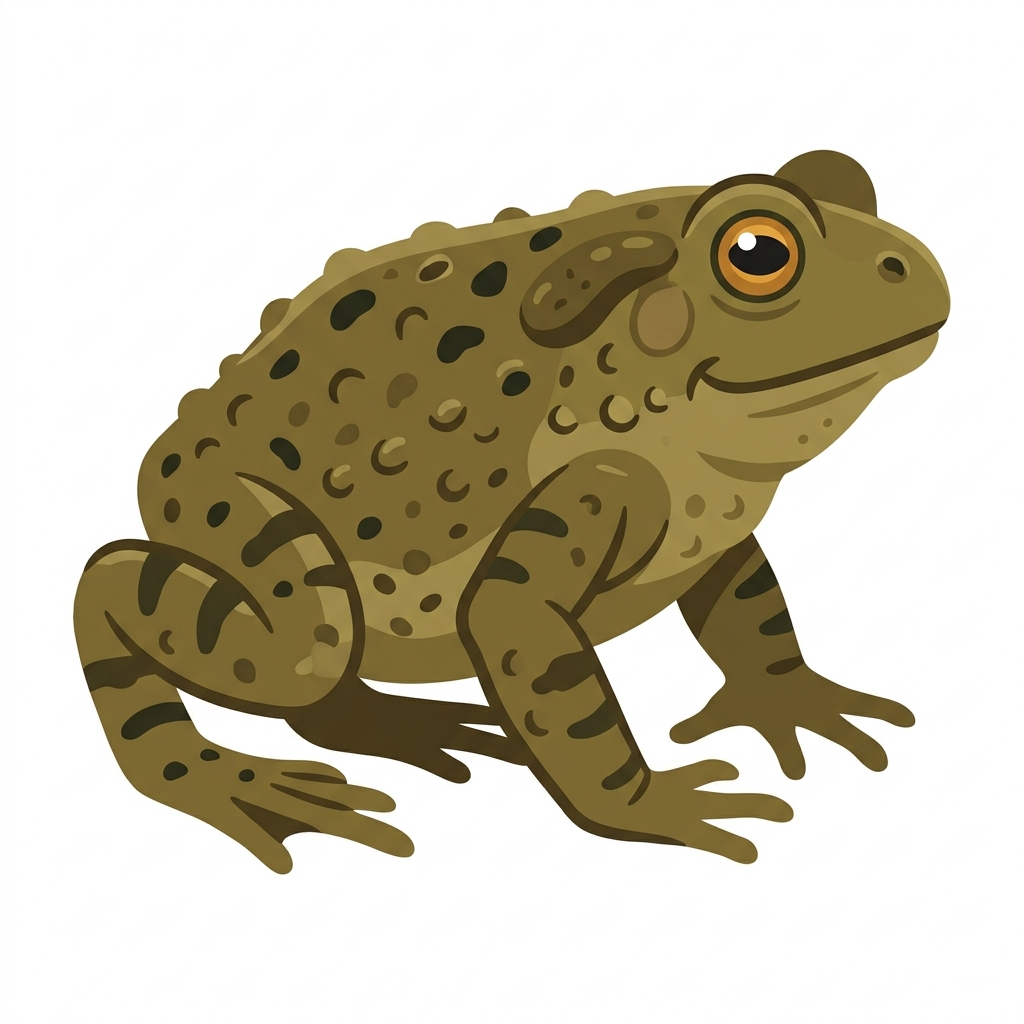
Common Toad
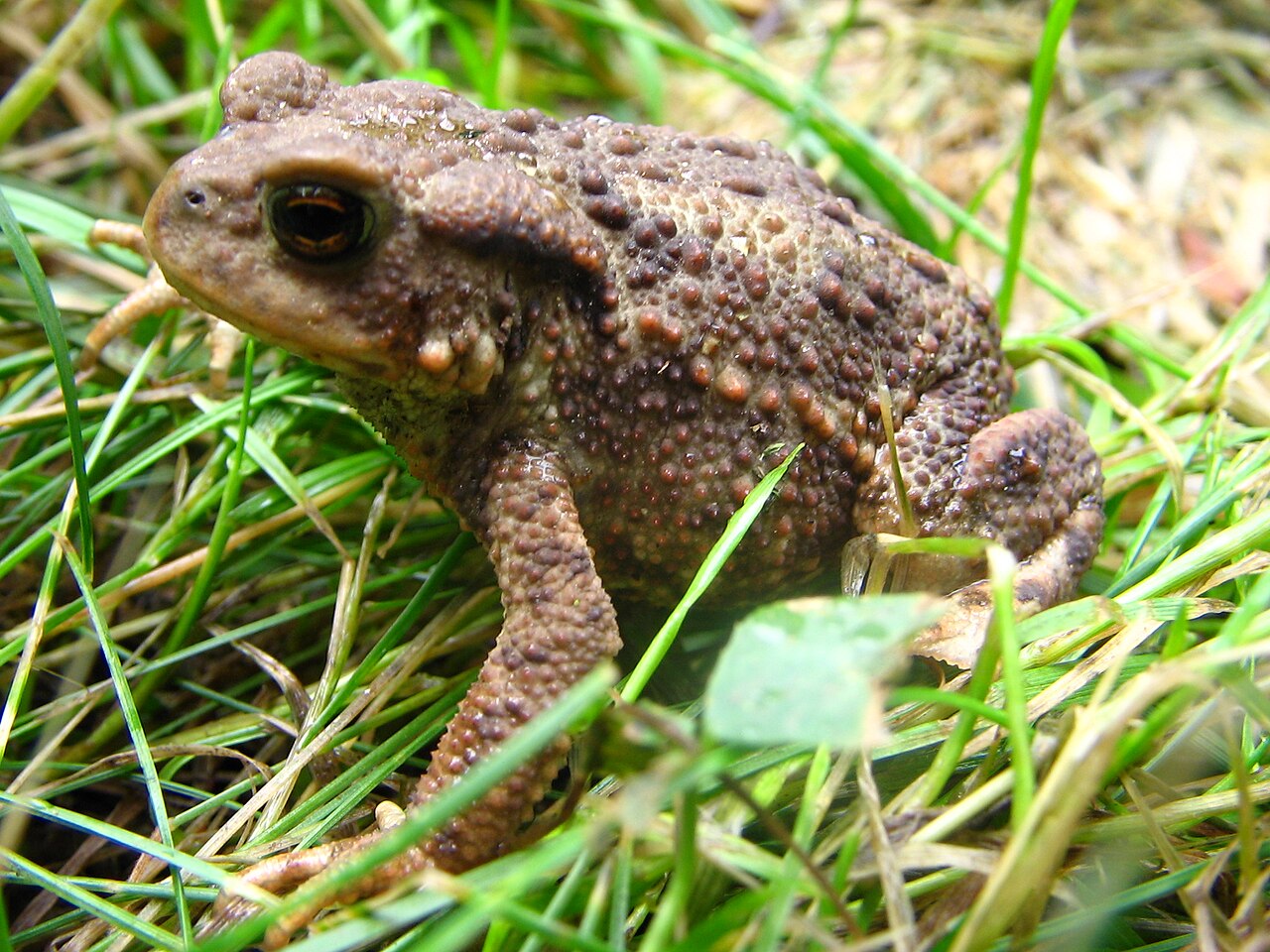
An amphibian with warty skin that prefers to crawl rather than hop.
💡 Fun Facts
- Has glands behind its eyes that produce a mild poison to put off predators.
- Has a sticky, flick-out tongue that it uses to catch insects and slugs with lightning speed.
📅 Through the Year
- Breeding:March to April
- Hibernation:November to February
Reptiles
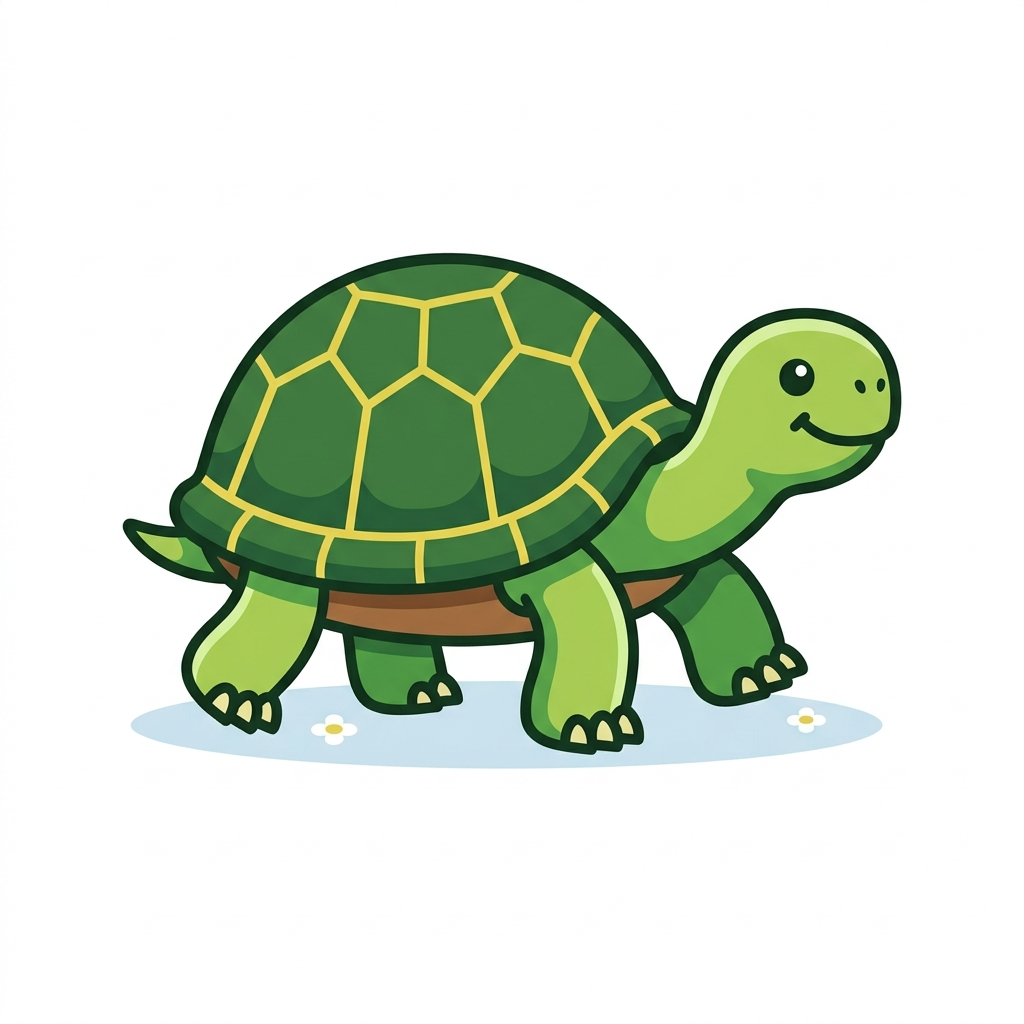
Tortoise
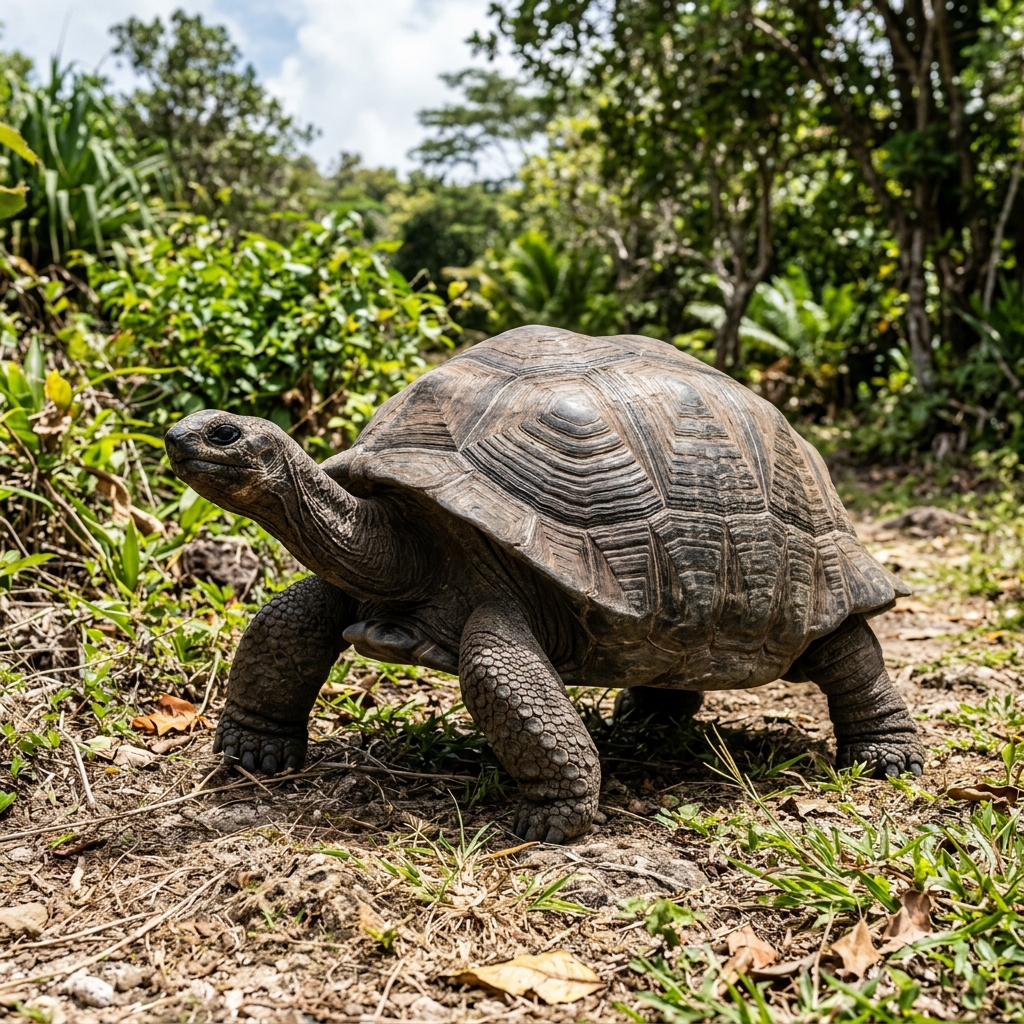
A slow-moving land reptile with a hard protective shell, sometimes kept as a pet.
💡 Fun Facts
- A tortoise's shell is actually part of its skeleton, made up of 50 different bones.
- They can live for a very long time, some well over 100 years!
- They have no teeth; instead, they have a sharp beak.
Note: Reptiles are shy and not commonly seen. They rely on the sun for warmth, so are most likely to be spotted on sunny days.
Nature Examples
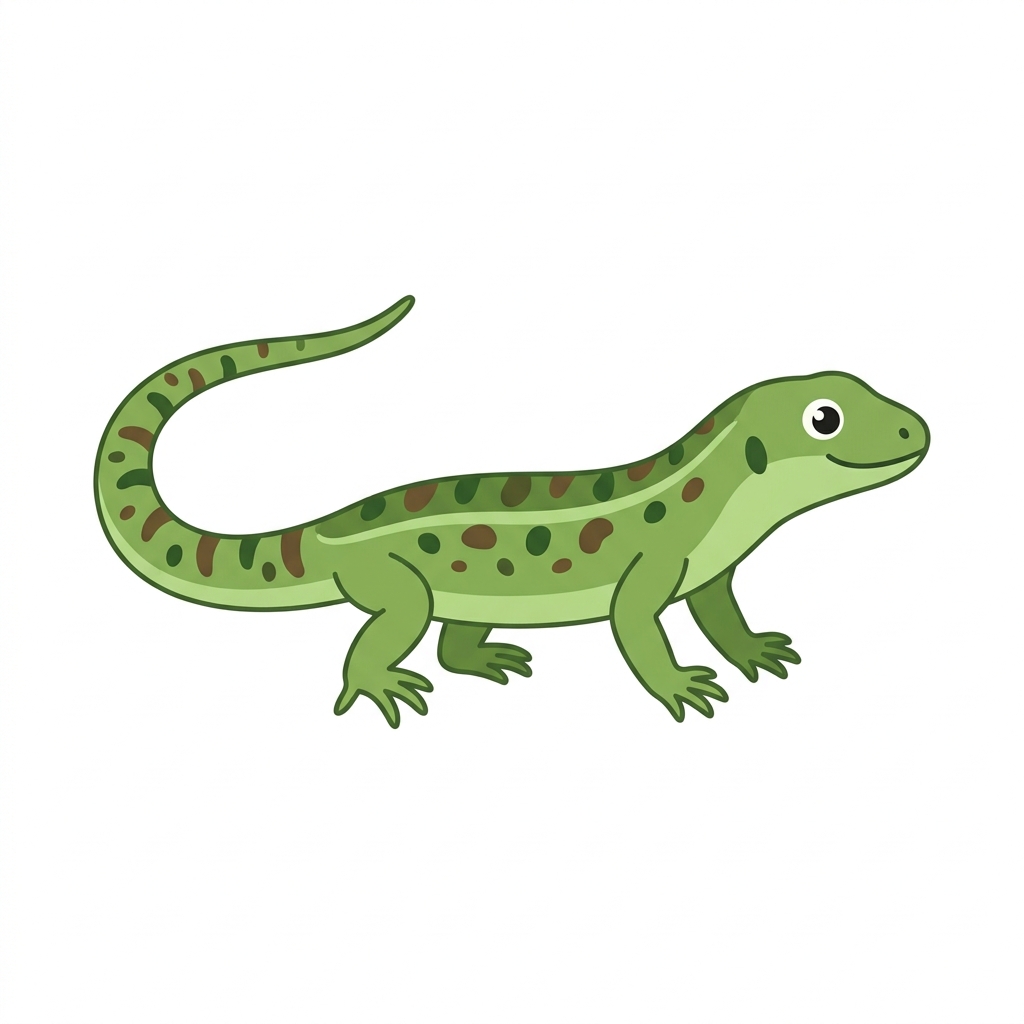
Common Lizard
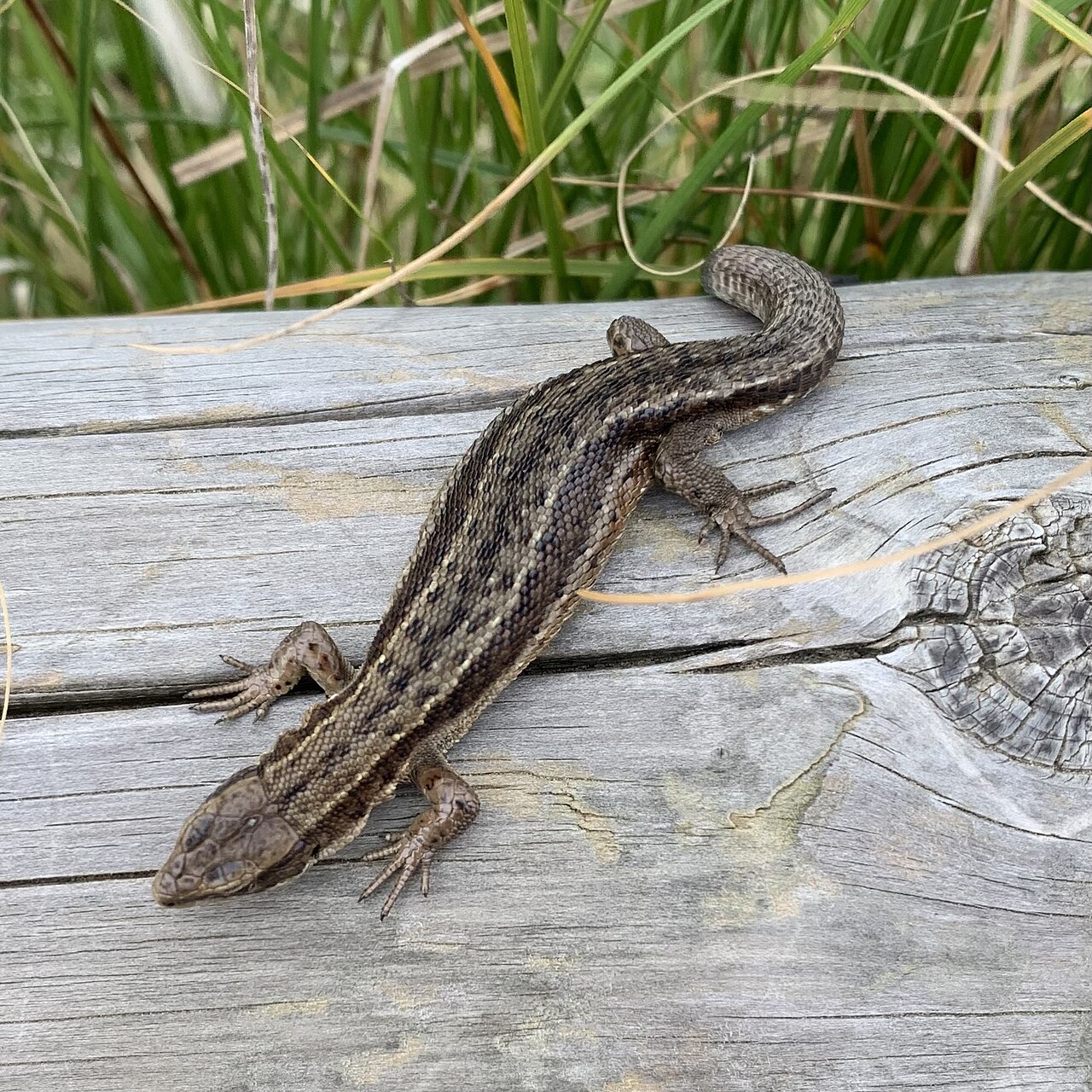
The UK's most common and widespread reptile, often seen basking in sunny spots on logs or rocks.
💡 Fun Facts
Can shed its tail if caught by a predator. The tail continues to wriggle, distracting the attacker while the lizard escapes.
Gives birth to live young, which is unusual for a reptile, rather than laying eggs.
They hibernate through the winter, often in groups inside log piles or under rocks.
📅 Through the Year
- Hibernation:November to February
- Active:March to October
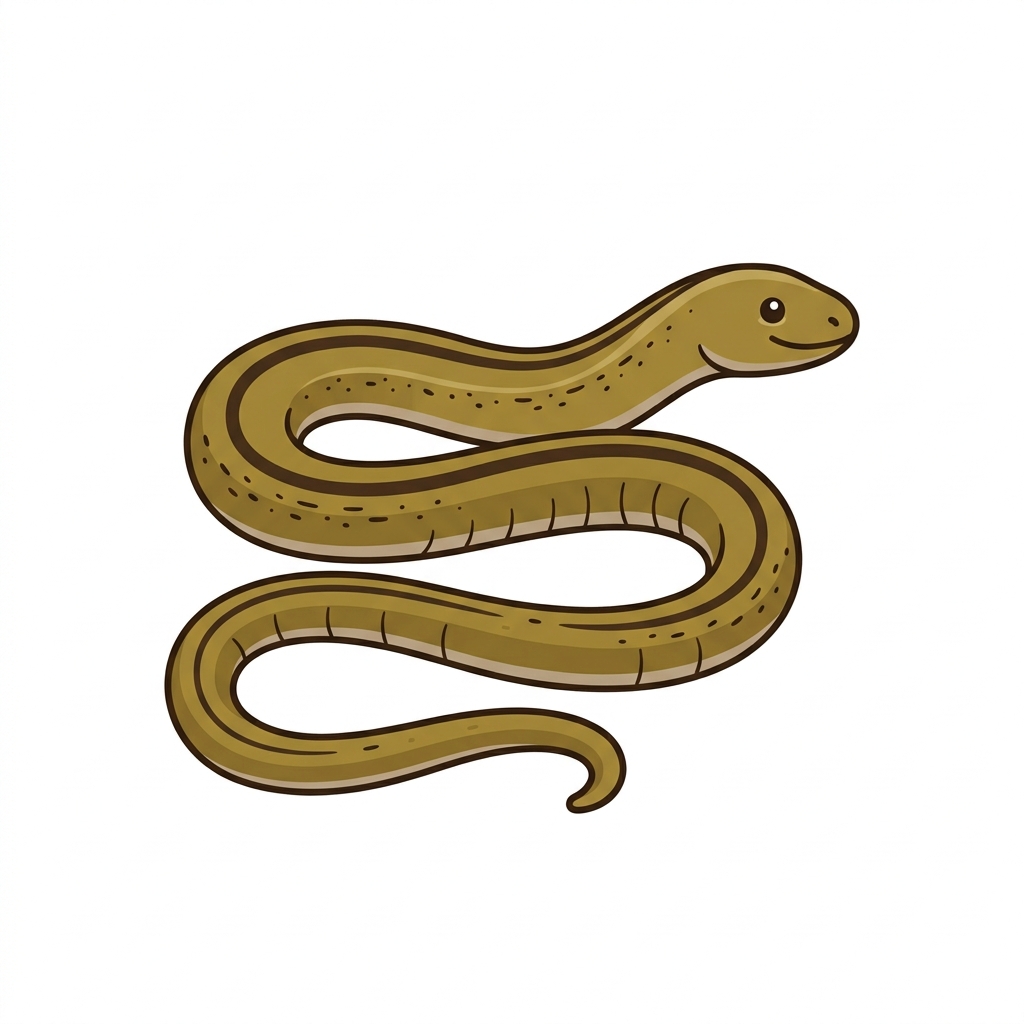
Slow Worm
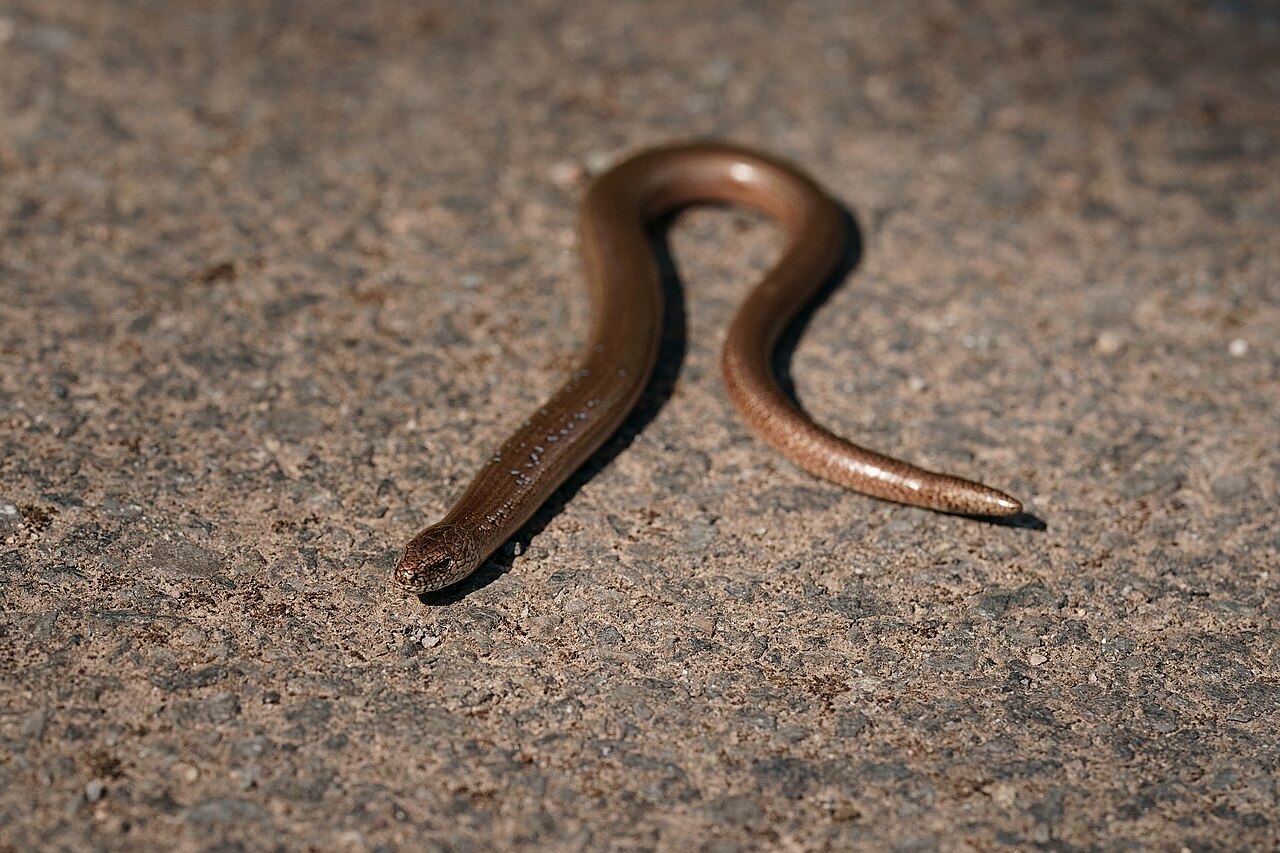
A smooth, shiny, legless lizard that looks like a small snake and is often found in gardens.
💡 Fun Facts
Despite its appearance, the slow worm is a lizard, not a worm or a snake. You can tell because it has eyelids and can blink, which snakes cannot do.
Like the common lizard, it can shed its tail to escape from a predator, such as a cat or a bird.
They love to eat slugs, making them a very welcome visitor in a garden.
📅 Through the Year
- Hibernation:November to February
- Active:March to October
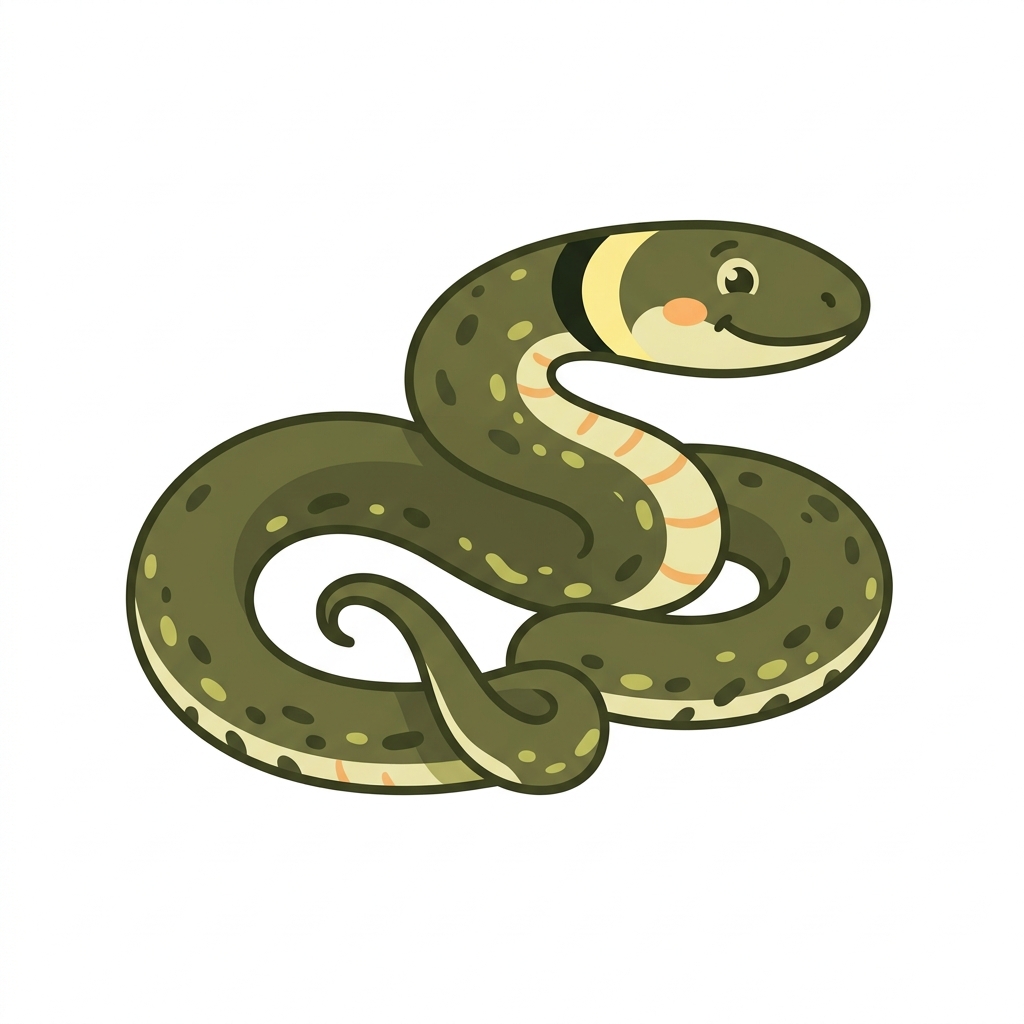
Grass Snake
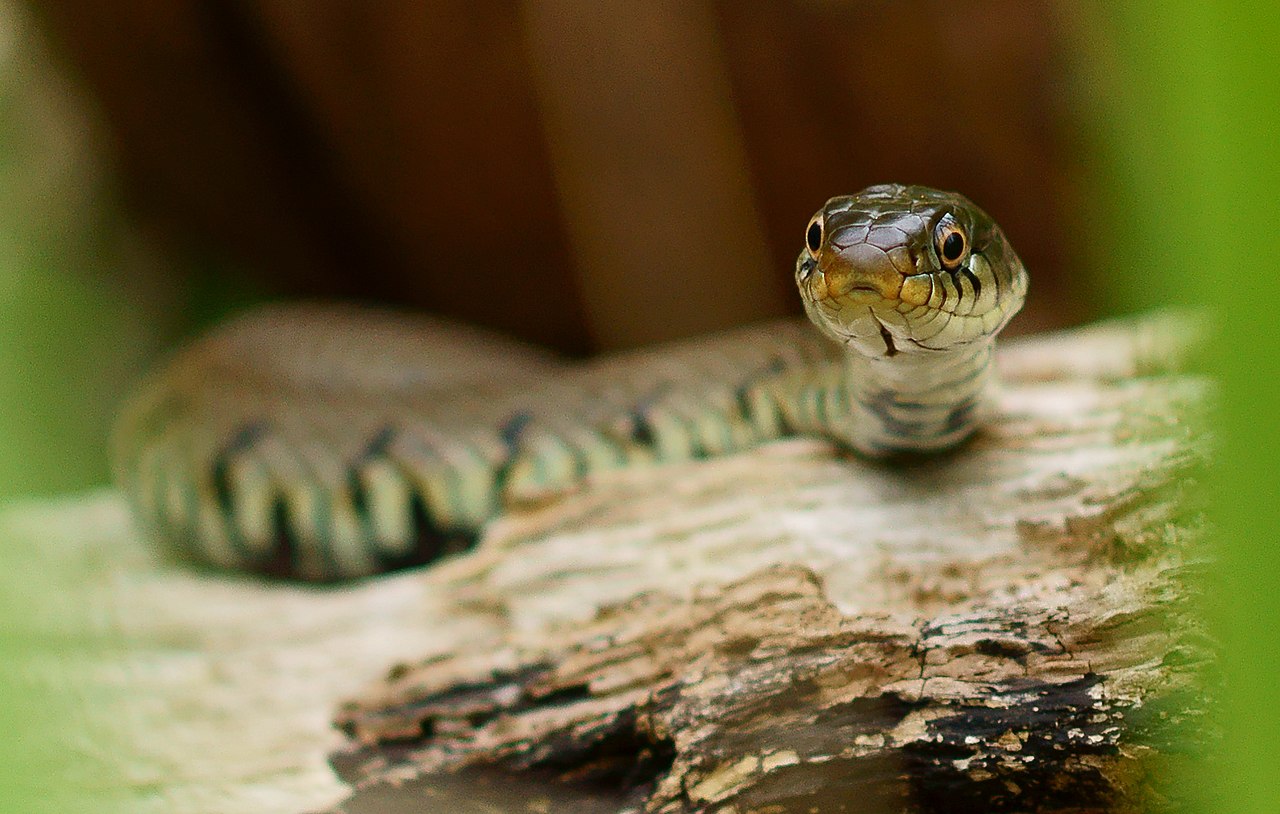
The UK's largest native snake, found in lowland areas, particularly near water where it hunts for amphibians.
💡 Fun Facts
The grass snake is an excellent swimmer and often hunts for frogs and newts in the water.
If threatened, it can play dead, sometimes rolling onto its back with its tongue hanging out.
It is not venomous and has a distinctive yellow and black collar behind its head.
📅 Through the Year
- Hibernation:November to March
- Active:April to October
Birds
Nature Examples
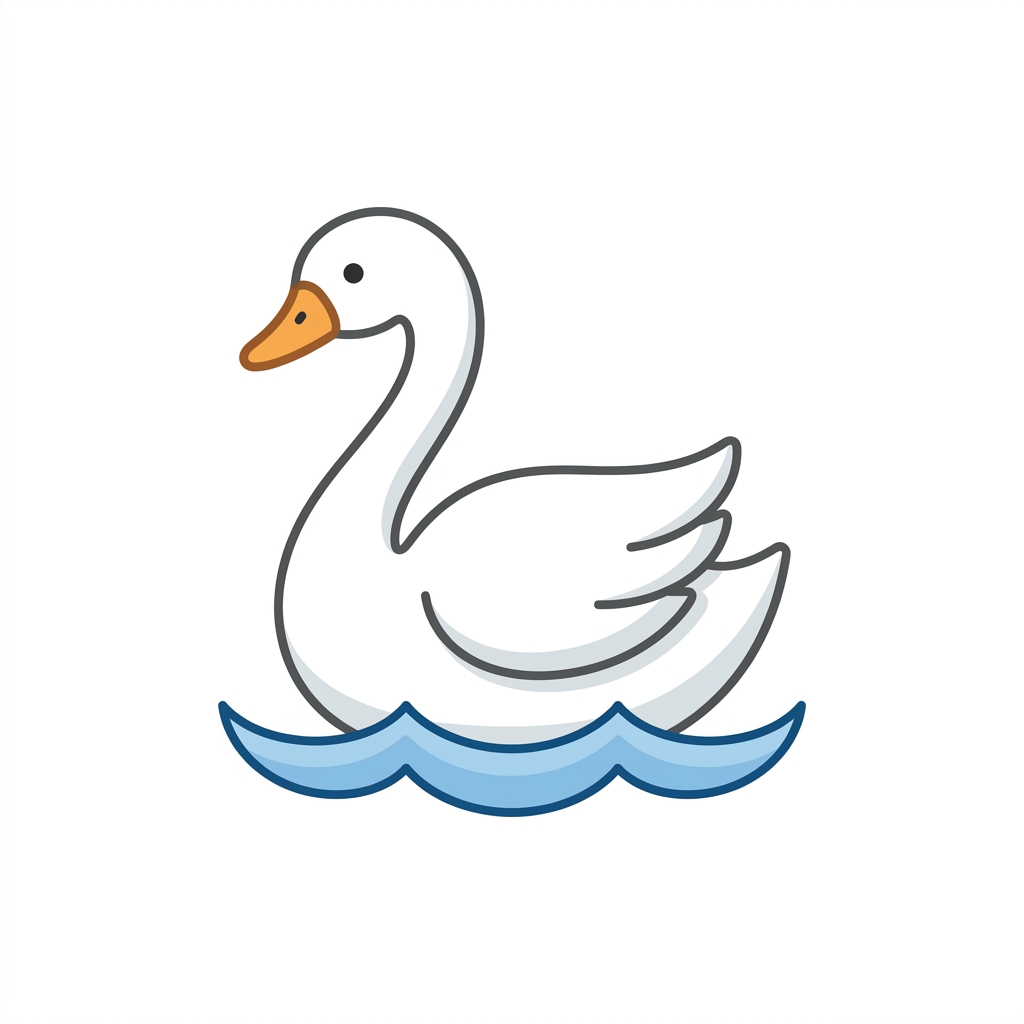
Swan
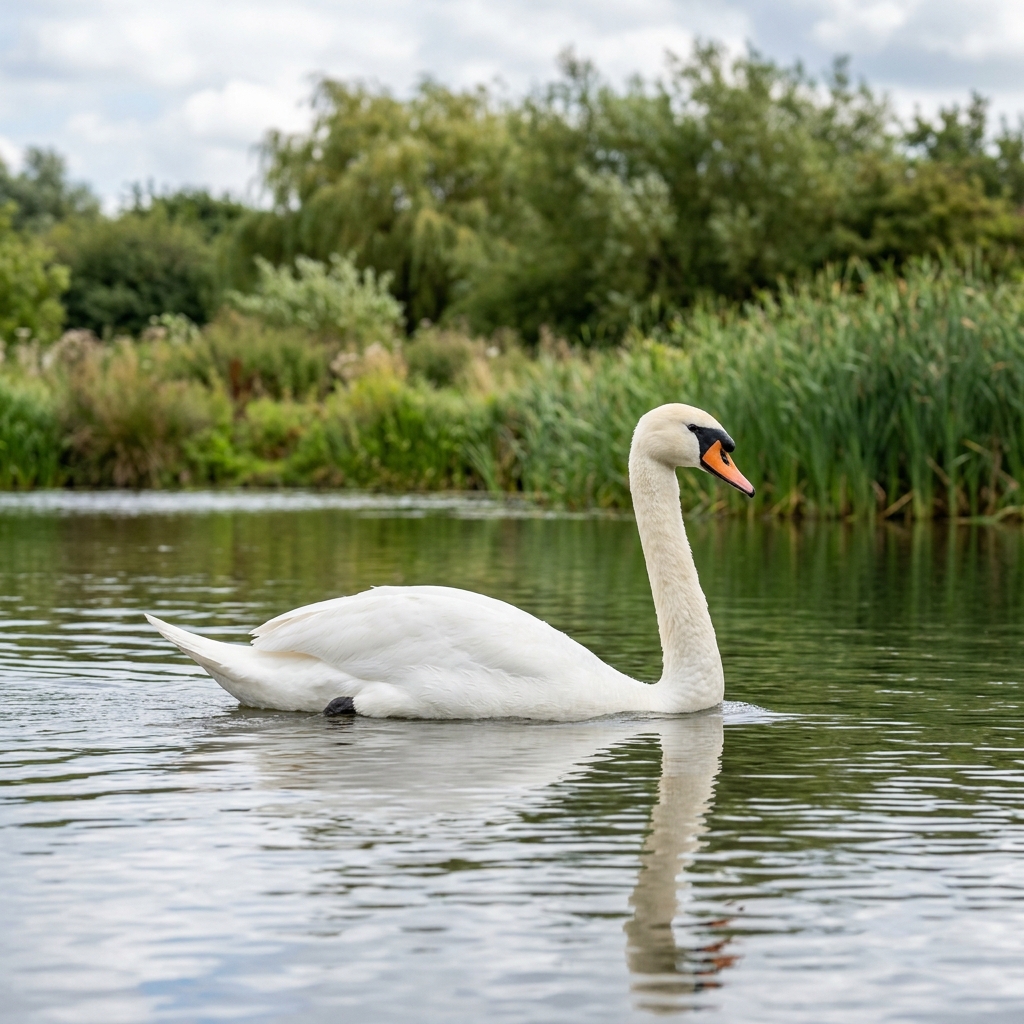
A huge, elegant white waterbird with a long neck, found on lakes and rivers.
💡 Fun Facts
- Mute swans are one of the heaviest flying birds in the world.
- They have over 25,000 feathers on their body.
- In the UK, the King legally owns all unmarked mute swans on open water.
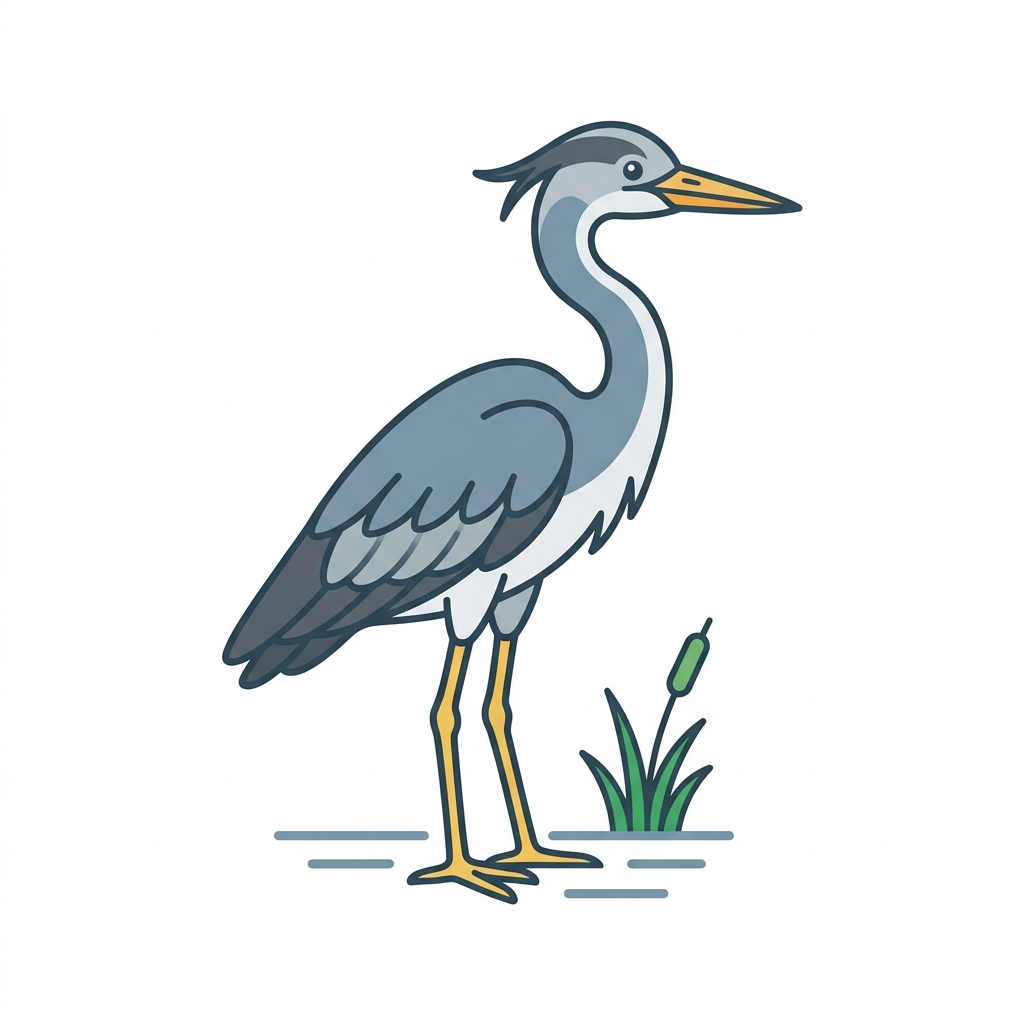
Grey Heron
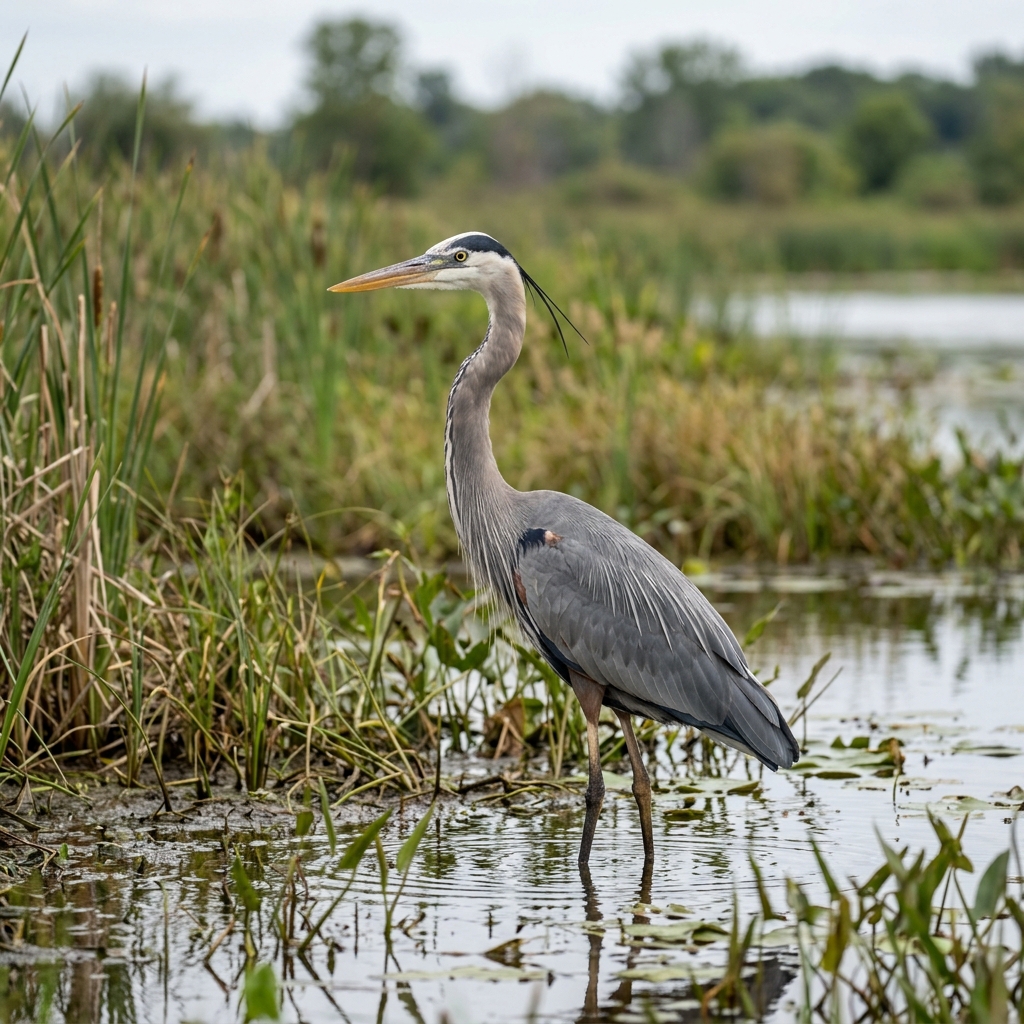
A tall, long-legged wading bird with a long beak, often seen hunting at the edge of ponds.
💡 Fun Facts
- Herons stand completely still for long periods, waiting for a fish to swim past before striking like lightning.
- They nest in large groups high up in tall trees; this is called a heronry.
- Despite their large size, they are incredibly light, weighing only about 1.5 kg.
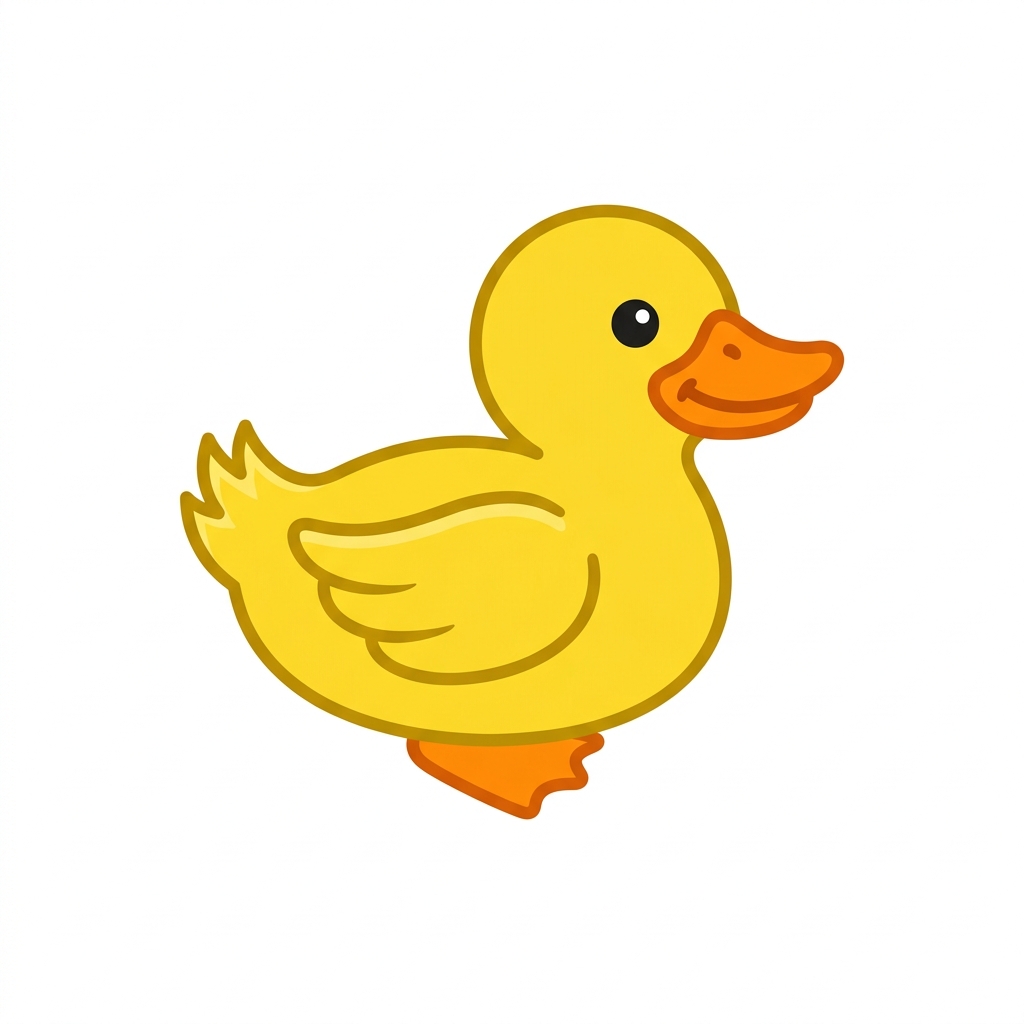
Duck
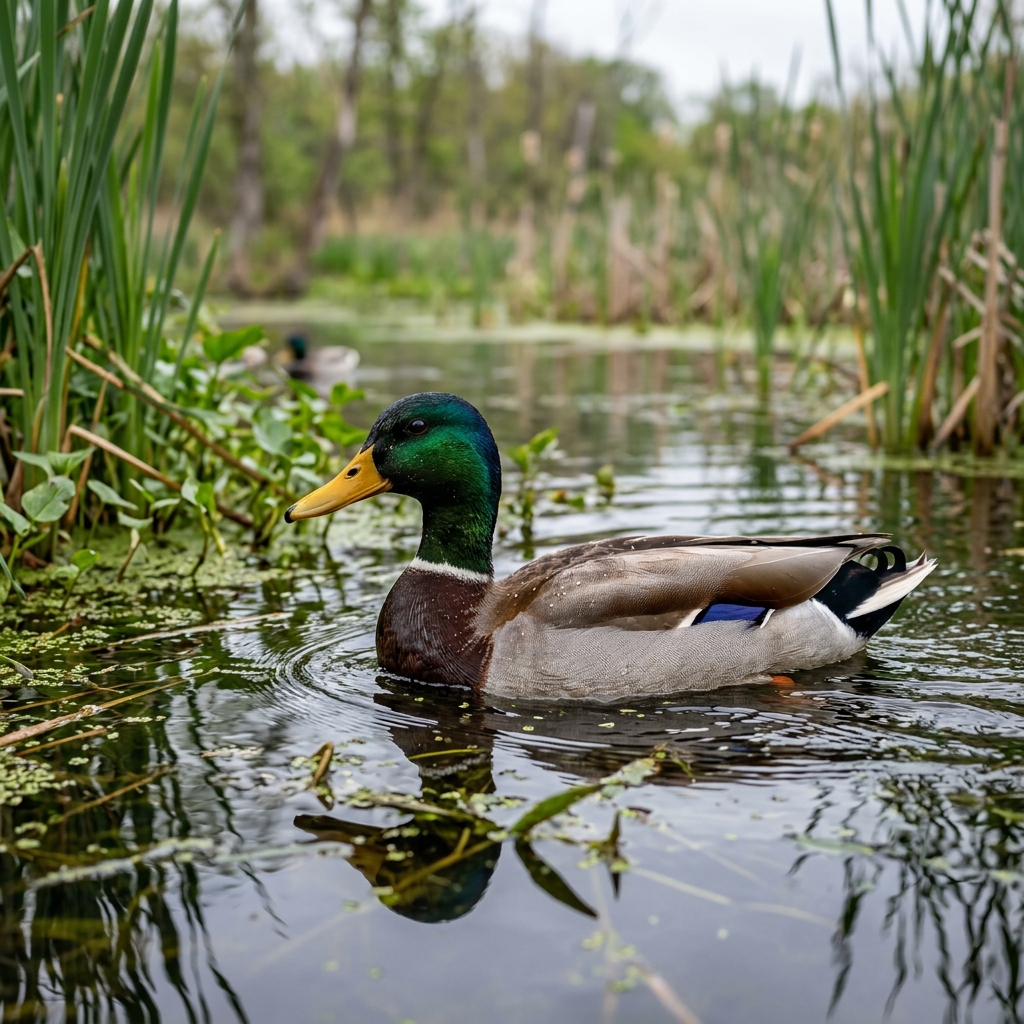
A common water bird found on farm ponds, rivers, and parks.
💡 Fun Facts
- Ducks have waterproof feathers because they produce oil from a gland near their tail.
- A duck's quack doesn't echo!
- They can sleep with one eye open to watch for predators.
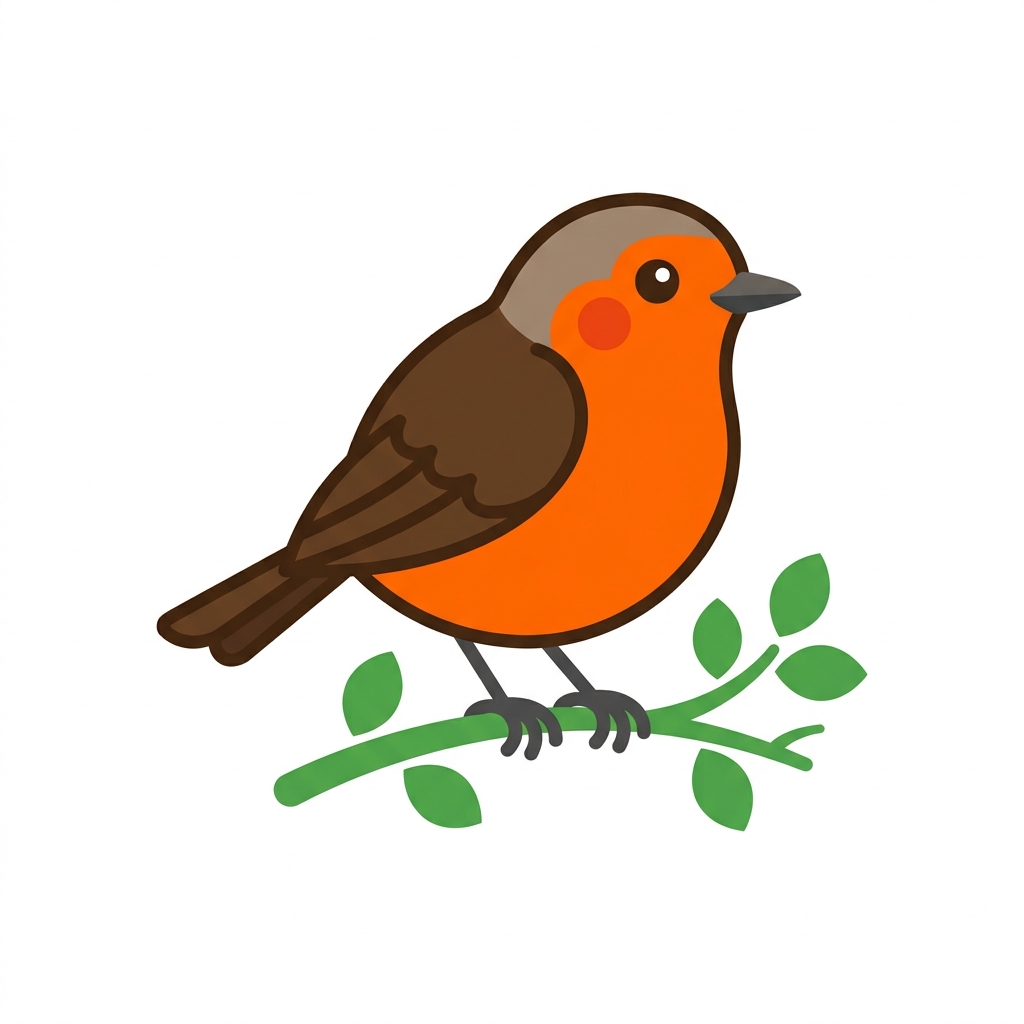
Robin
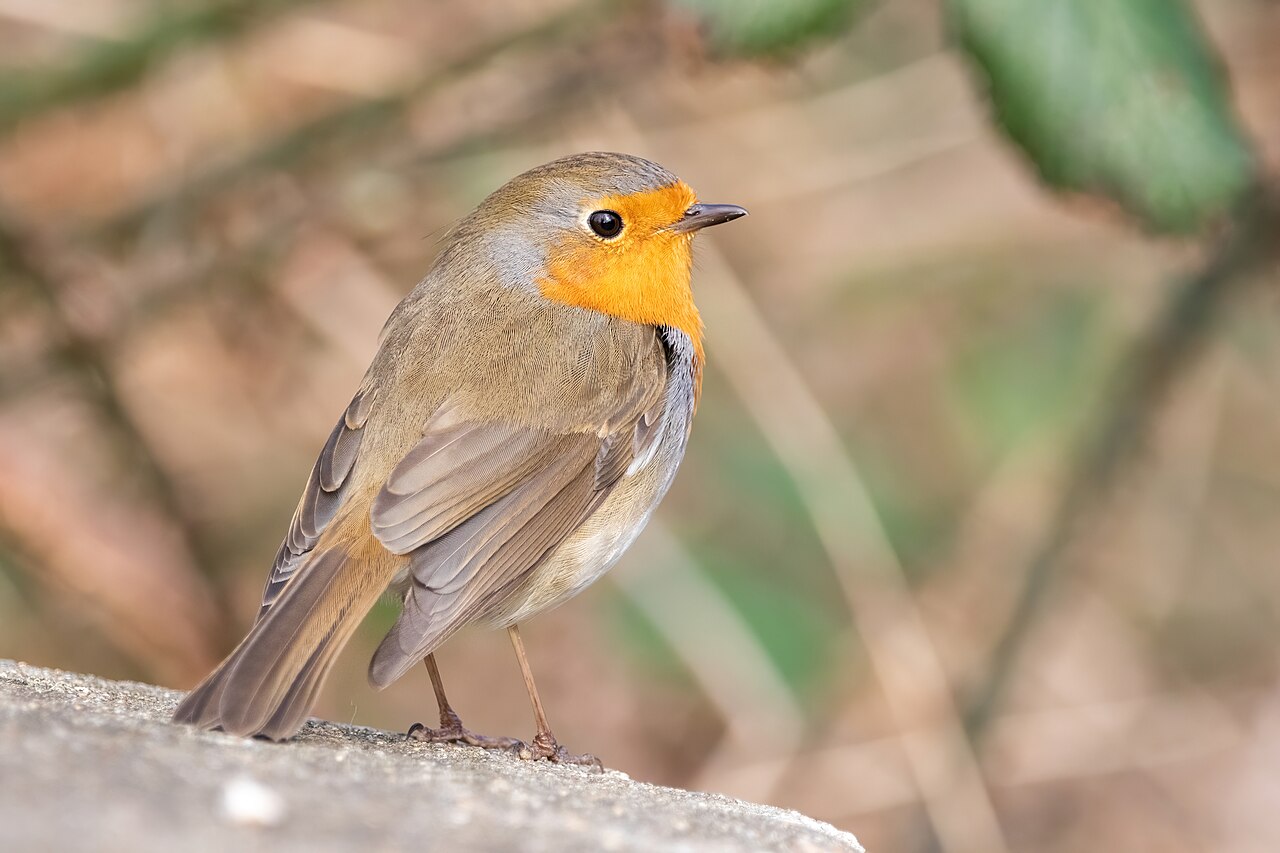
A familiar garden bird with a bright red breast, known for its territorial nature.
💡 Fun Facts
- Is famous for singing all year round, often under streetlights at night.
- Both male and female robins have a red breast and look identical.
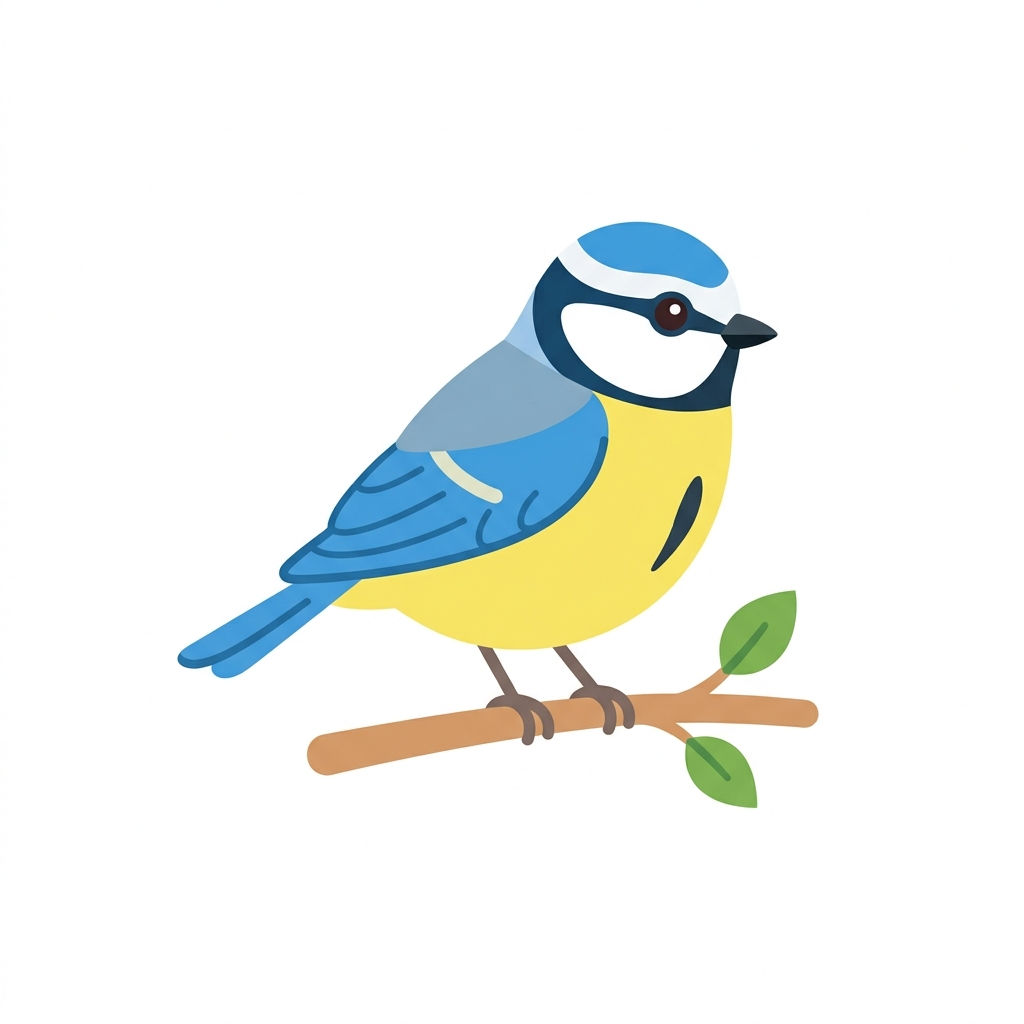
Blue Tit
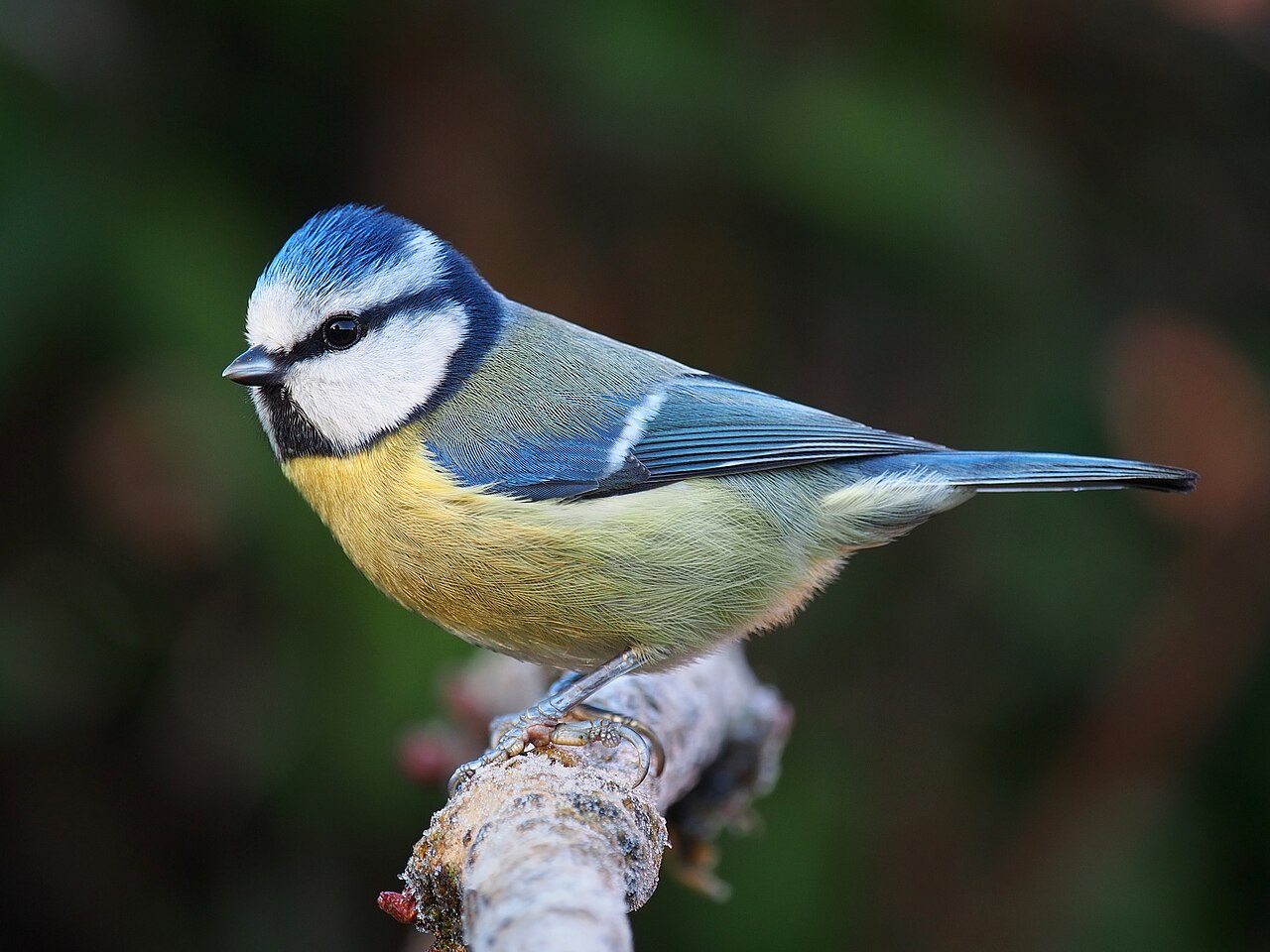
A small, colourful bird often seen on garden bird feeders.
💡 Fun Facts
- Parents may have to find up to 1,000 caterpillars a day to feed their hungry chicks.
- Is very acrobatic and can be seen hanging upside down to get food.
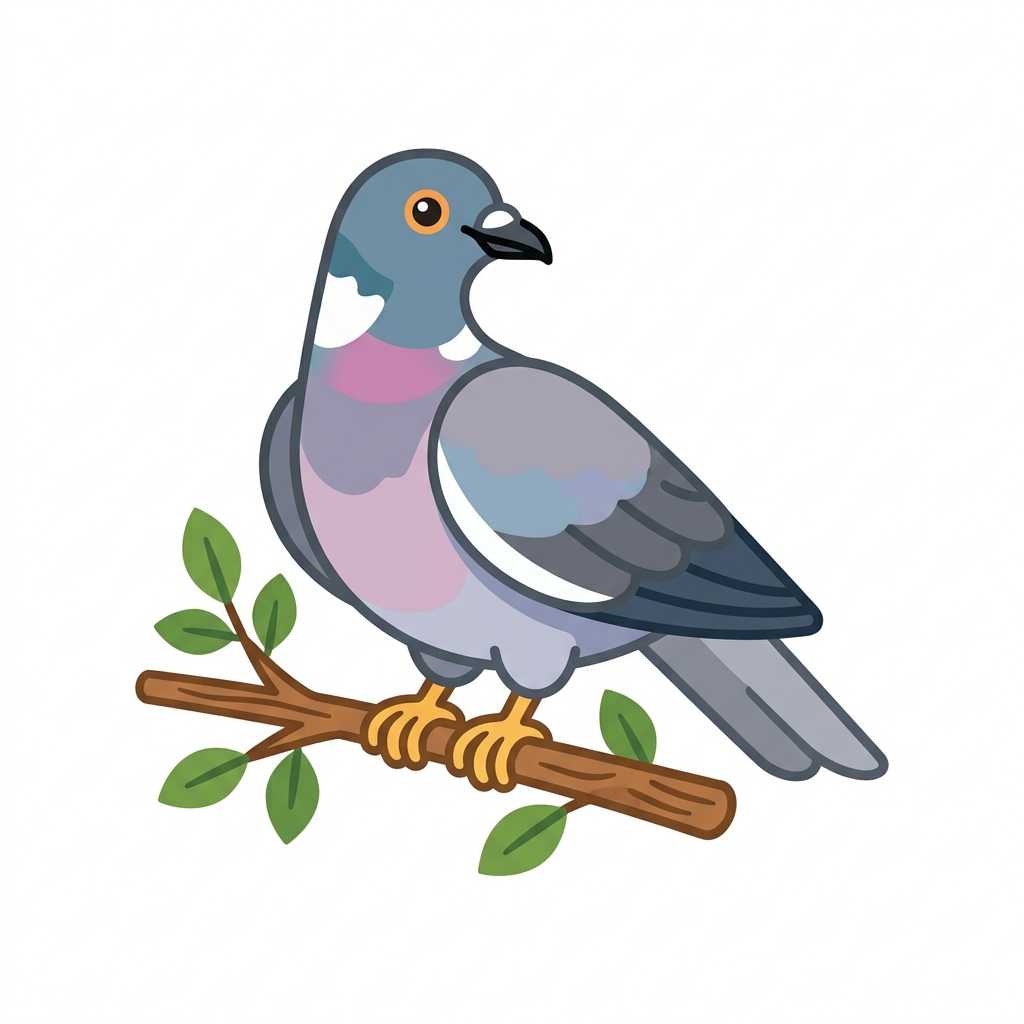
Woodpigeon
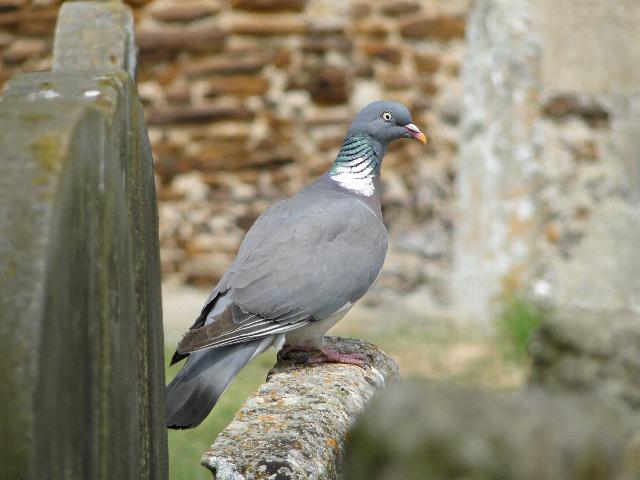
The UK's largest and most common pigeon, often found in woods, parks, and gardens.
💡 Fun Facts
- Feeds its young (squabs) a special "milk" made in a pouch in its throat.
- The clattering sound often heard as they fly away is the bird deliberately clapping its wings together to warn others of danger.
Mammals
Nature Examples
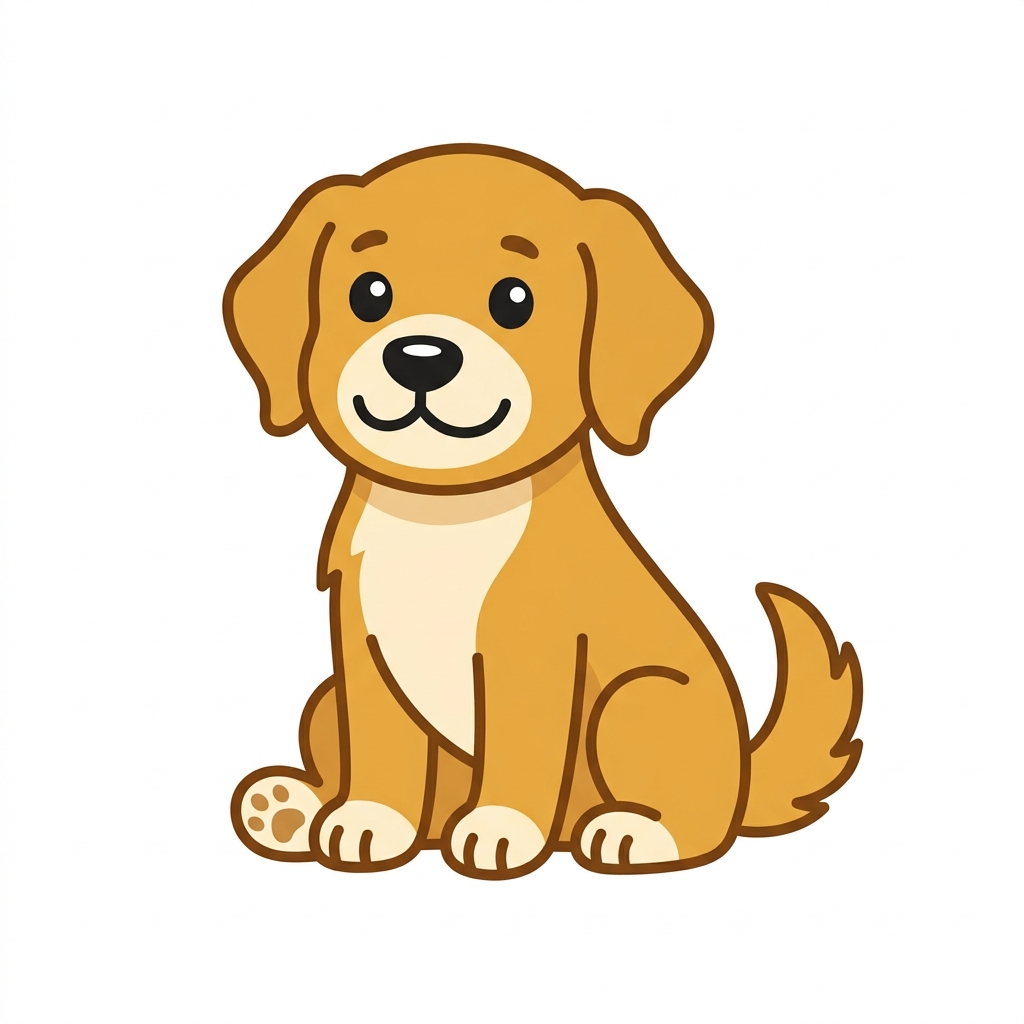
Dog

A very common pet known as 'man's best friend', coming in many different shapes and sizes.
💡 Fun Facts
- Dogs have an incredible sense of smell, up to 100,000 times better than humans!
- They can learn hundreds of words and commands.
- They are descendants of wolves.
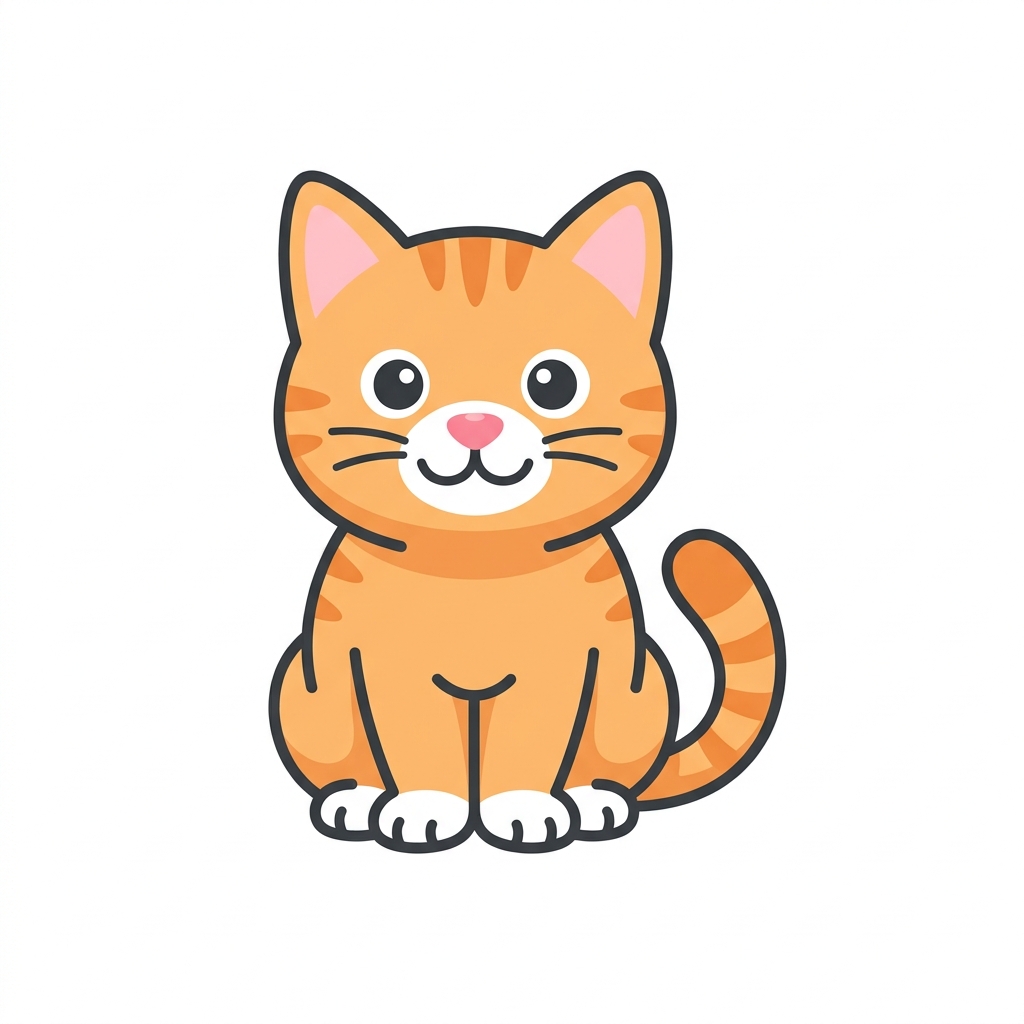
Cat
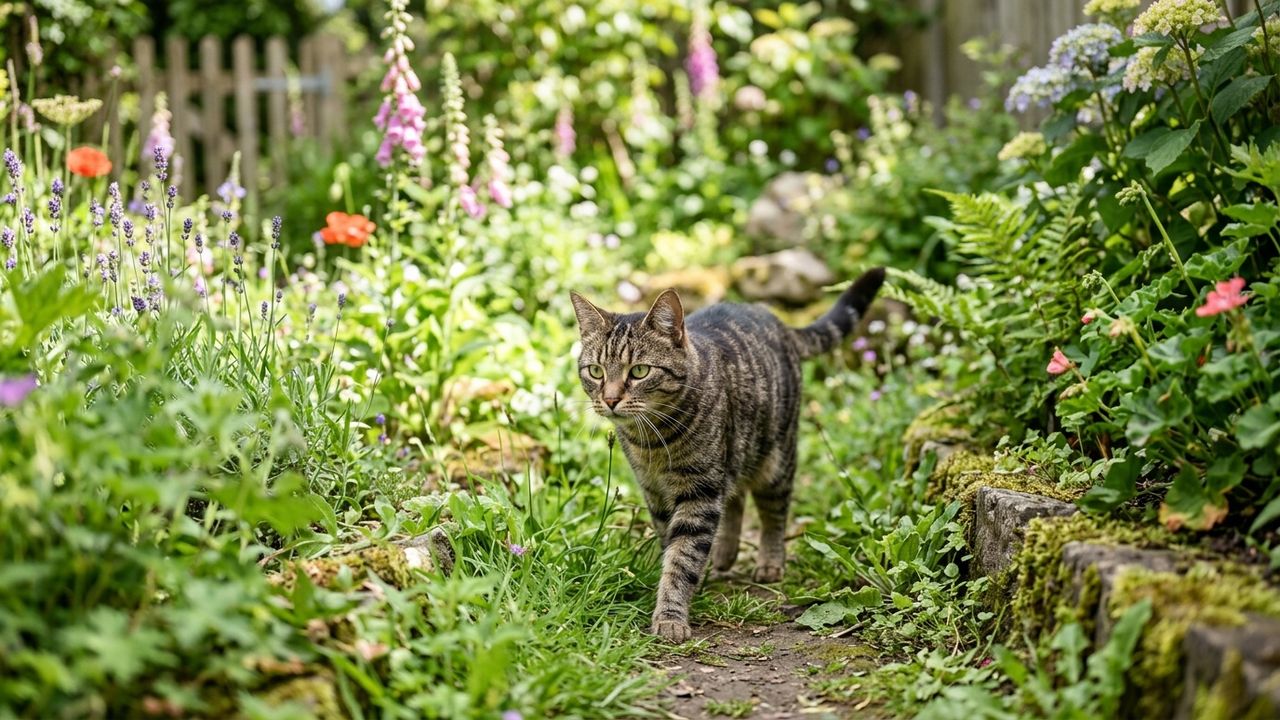
A popular small pet with soft fur, sharp retractable claws, and a purring sound when happy.
💡 Fun Facts
- Cats have excellent night vision and can see at one-sixth the light level required for human vision.
- They use their whiskers to feel the world around them.
- A group of cats is called a clowder.
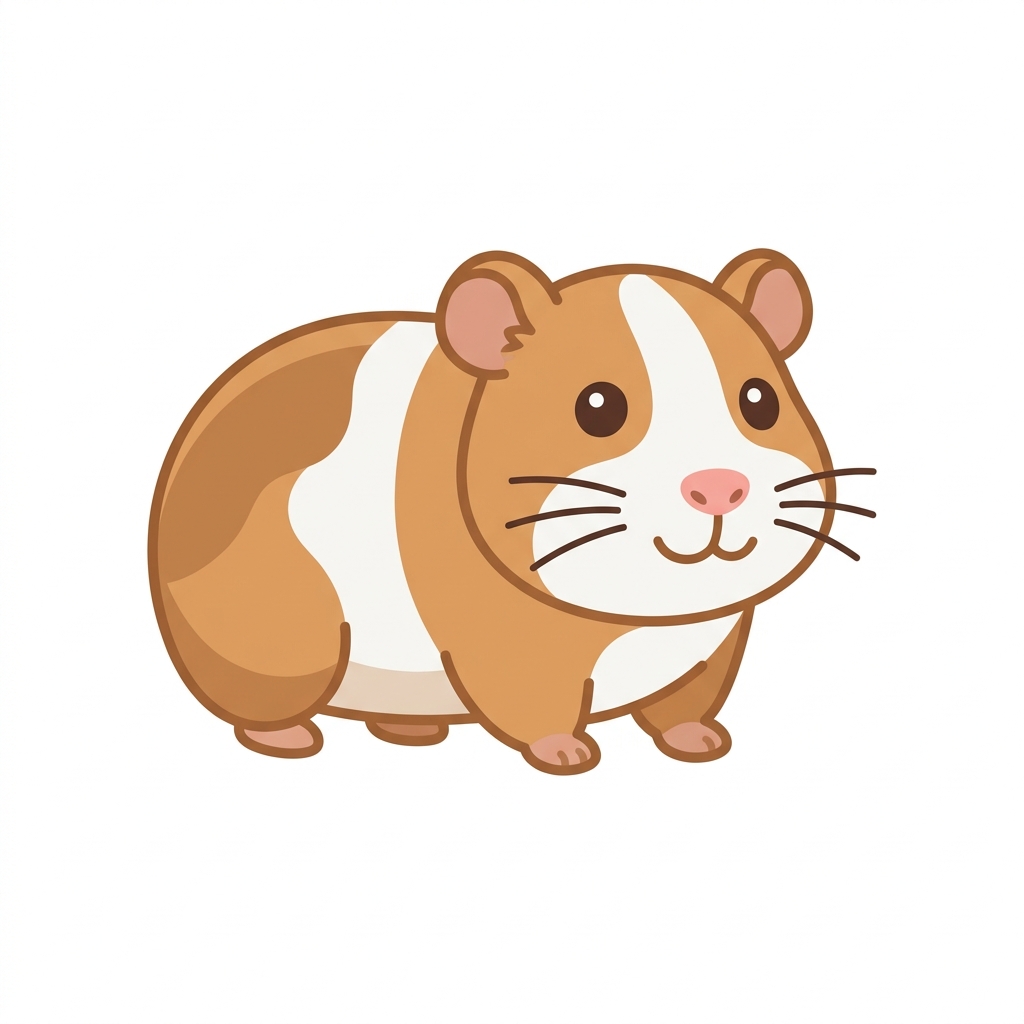
Guinea Pig
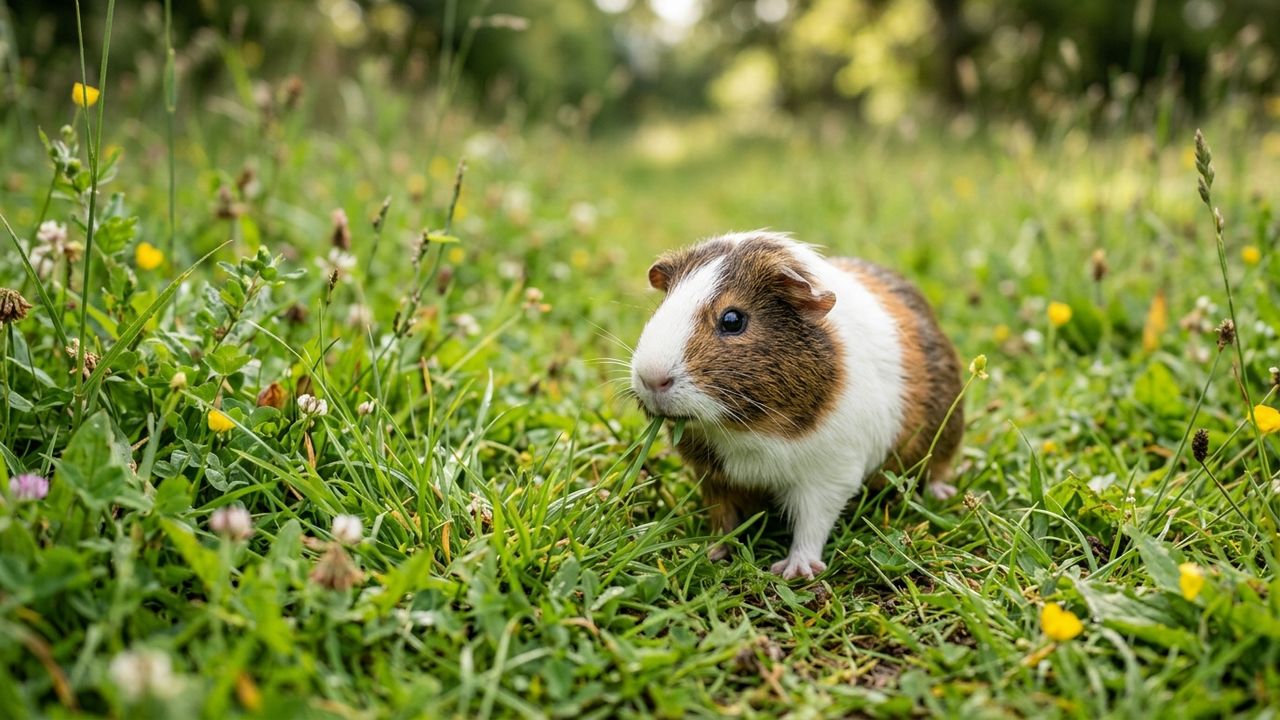
A small, vocal pet that loves eating vegetables and hay.
💡 Fun Facts
- They are not from Guinea, and they are not pigs! They are rodents from the Andes in South America.
- They 'popcorn' (jump straight up in the air) when they are happy.
- They need vitamin C in their diet, just like humans.
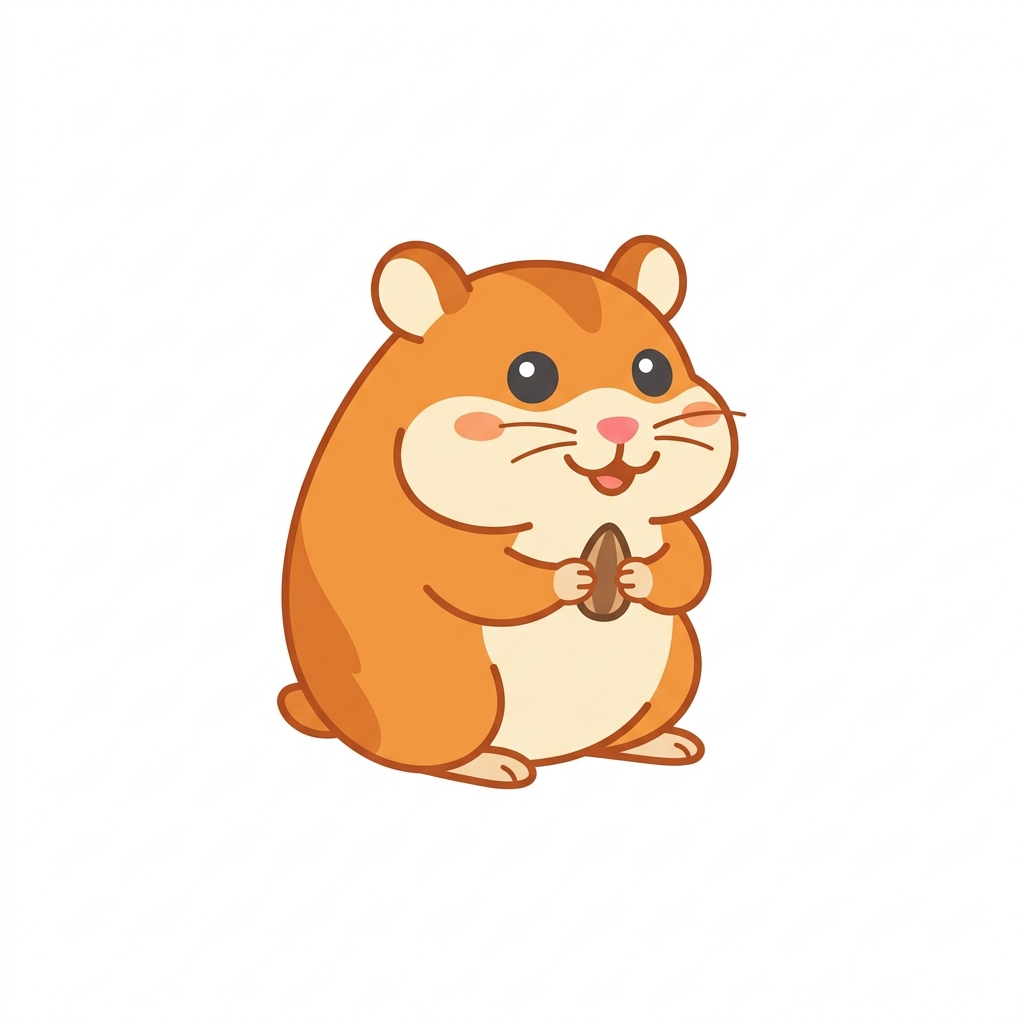
Hamster
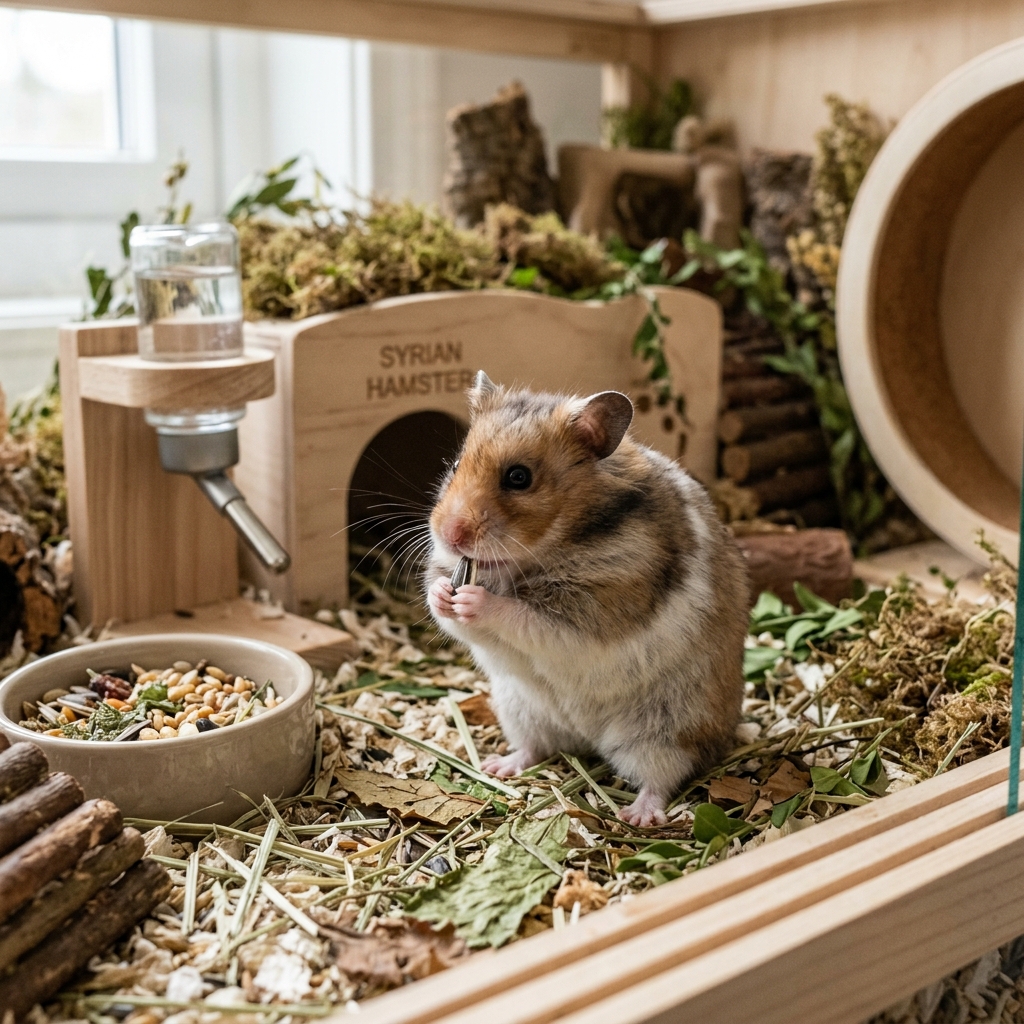
A small, furry pet known for running on wheels at night.
💡 Fun Facts
- Hamsters are nocturnal, meaning they sleep during the day and are active at night.
- They have large cheek pouches that stretch to their shoulders to carry food.
- Their teeth never stop growing!
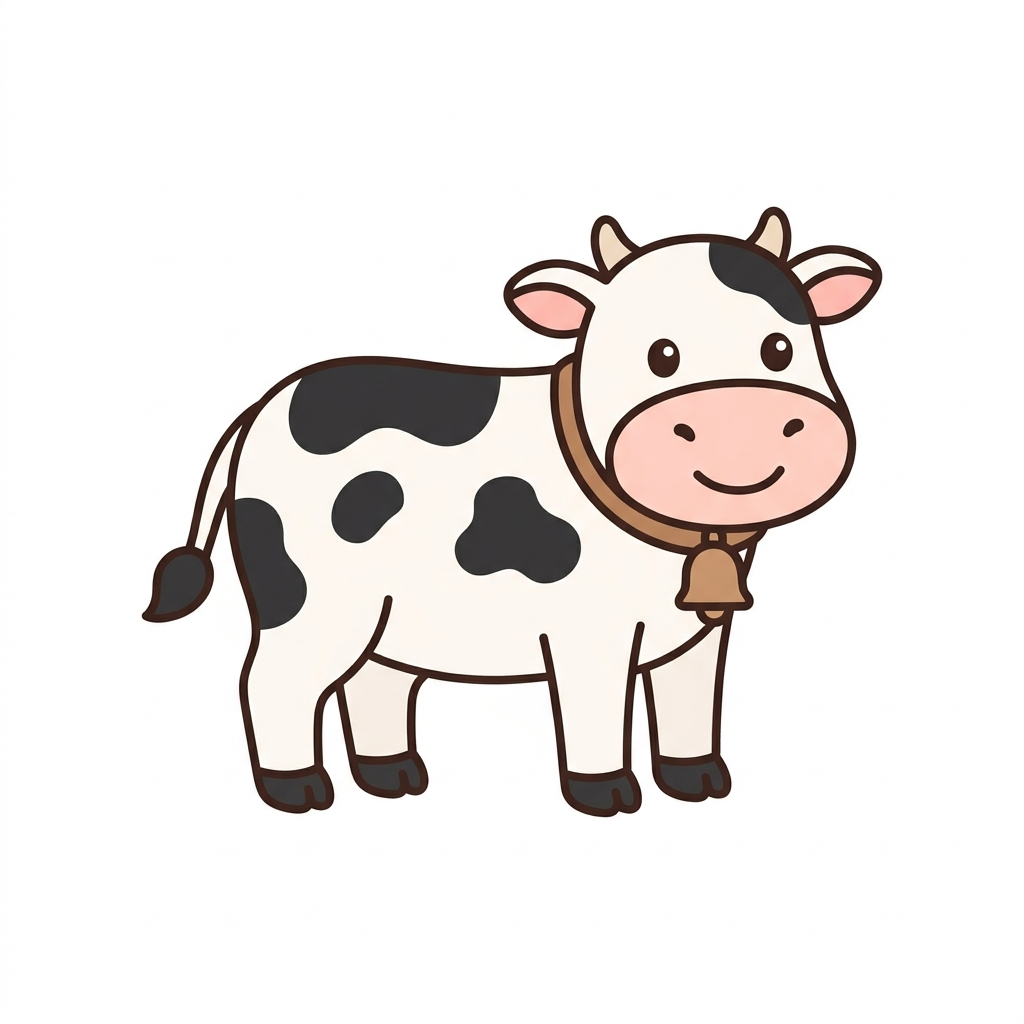
Cow
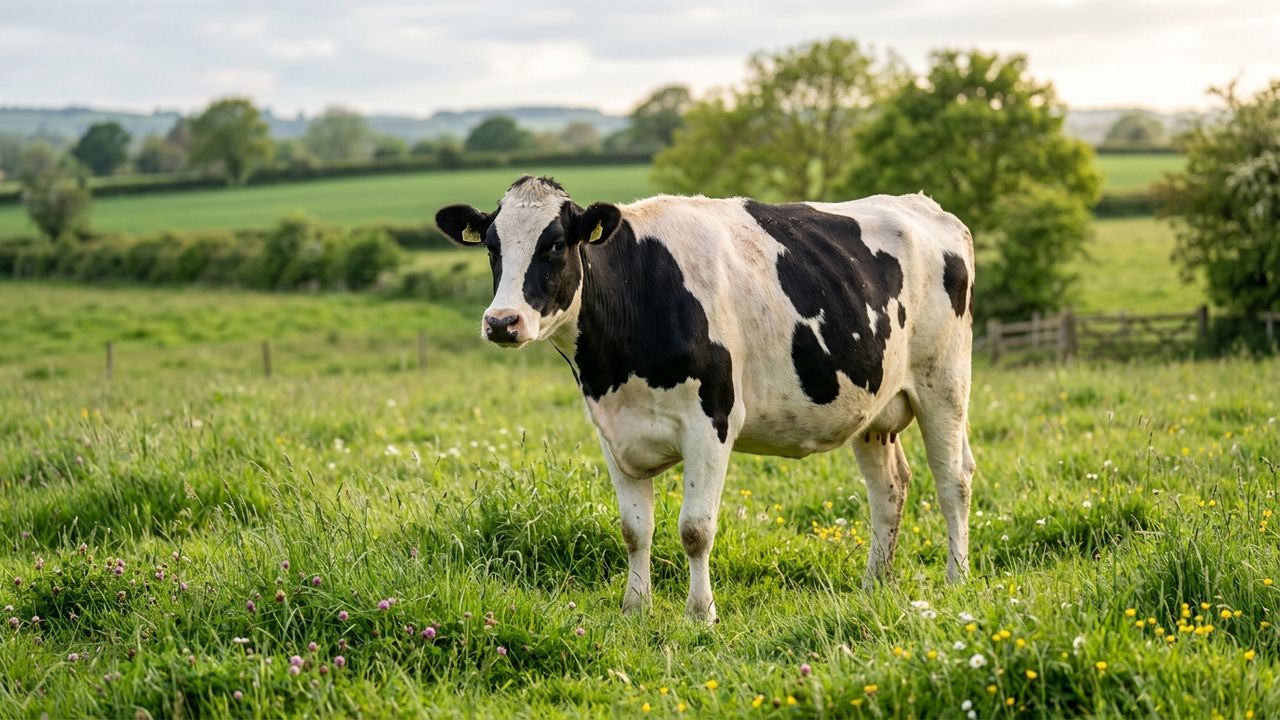
A large farm animal kept for its milk and meat.
💡 Fun Facts
- Cows have a highly specialized stomach with four compartments to help digest tough grass.
- They have a nearly 360-degree panoramic vision.
- A cow can produce up to 200,000 glasses of milk in a lifetime.
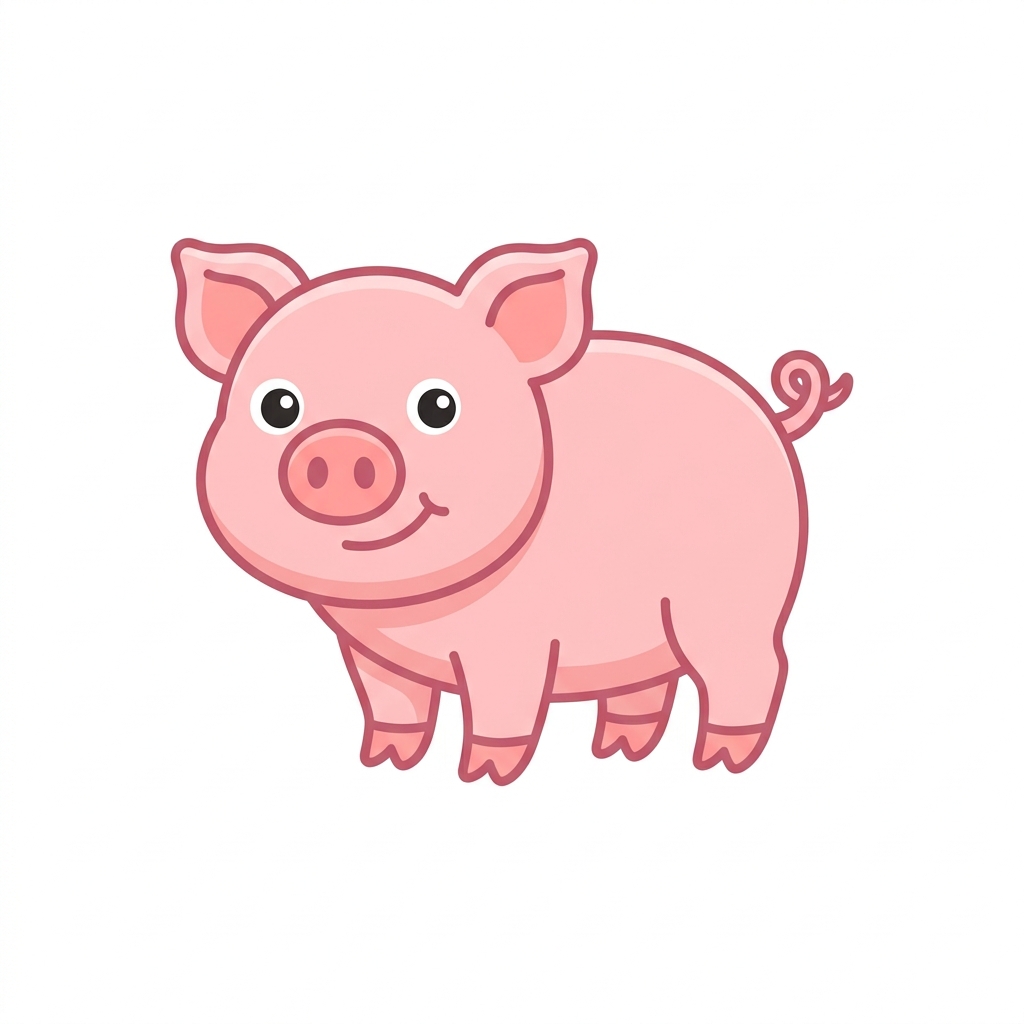
Pig
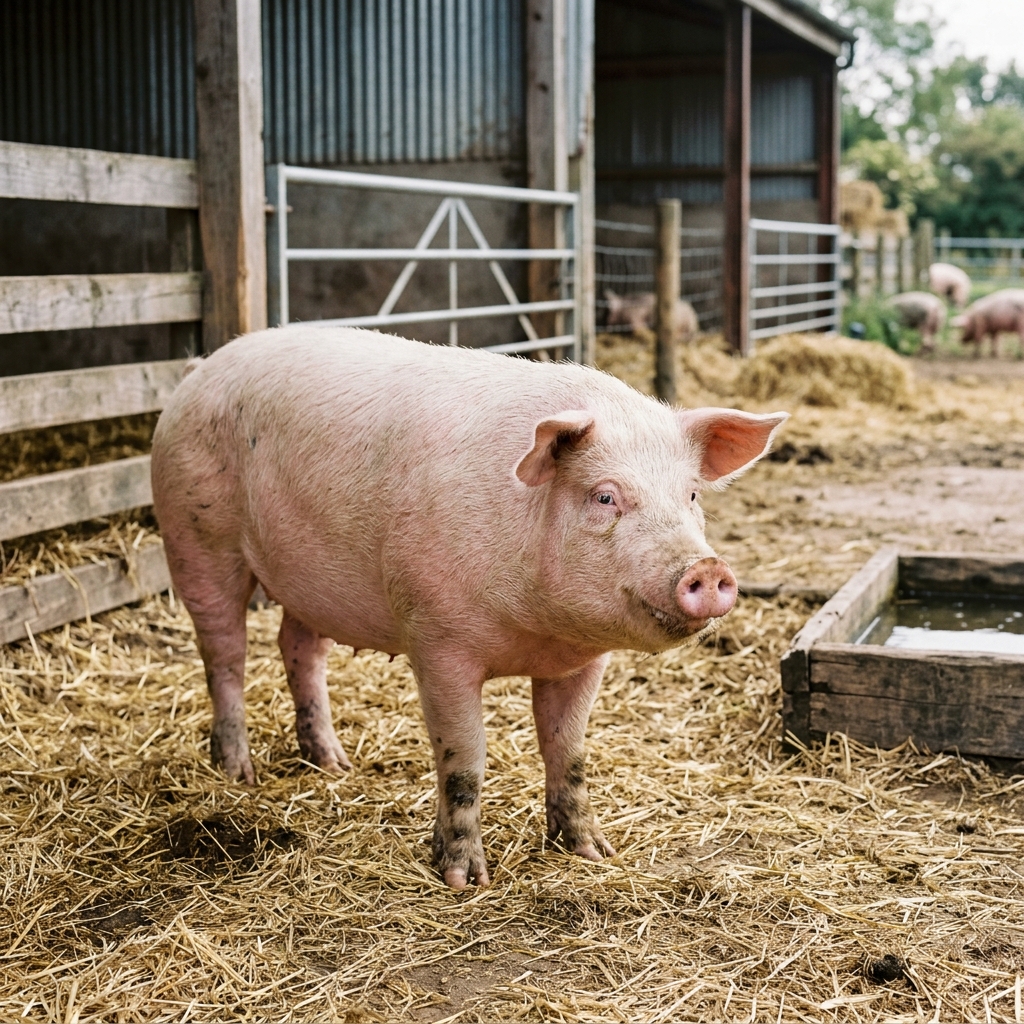
A farm animal with a stout body, short legs, and a distinctive snout.
💡 Fun Facts
- Pigs are highly intelligent animals, often considered smarter than dogs.
- They don't have sweat glands, which is why they roll in mud to cool down.
- They have an excellent sense of smell.
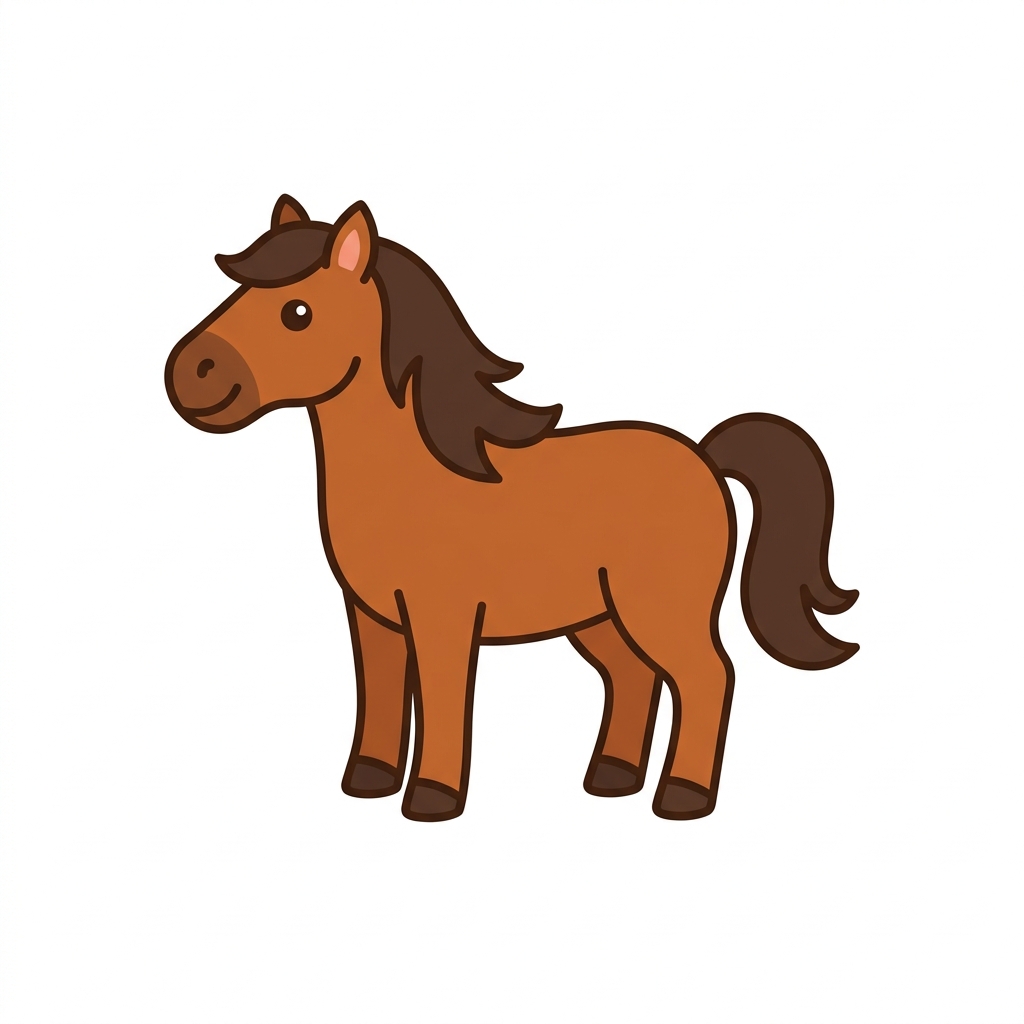
Horse
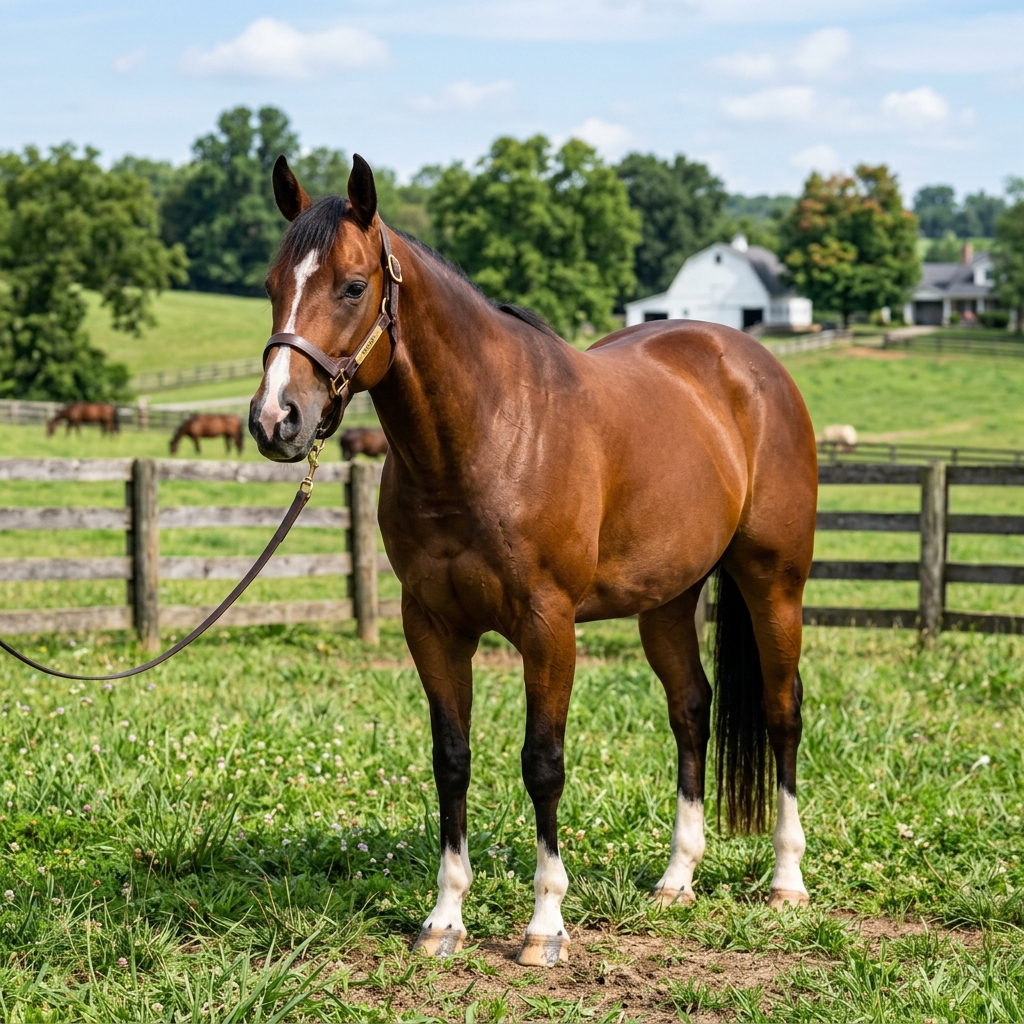
A large, strong animal often used for riding and working on farms.
💡 Fun Facts
- Horses can sleep both lying down and standing up.
- They have the largest eyes of any land mammal.
- A baby horse is called a foal.
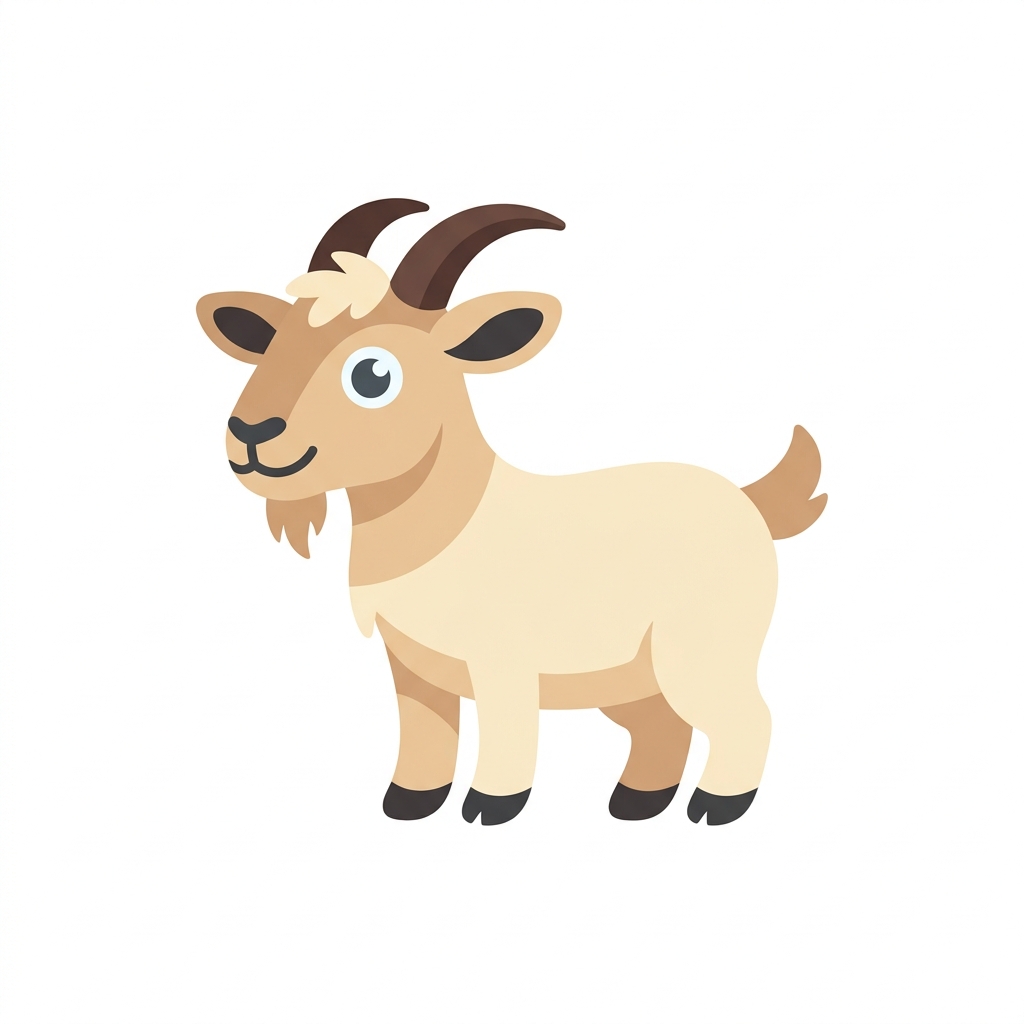
Goat
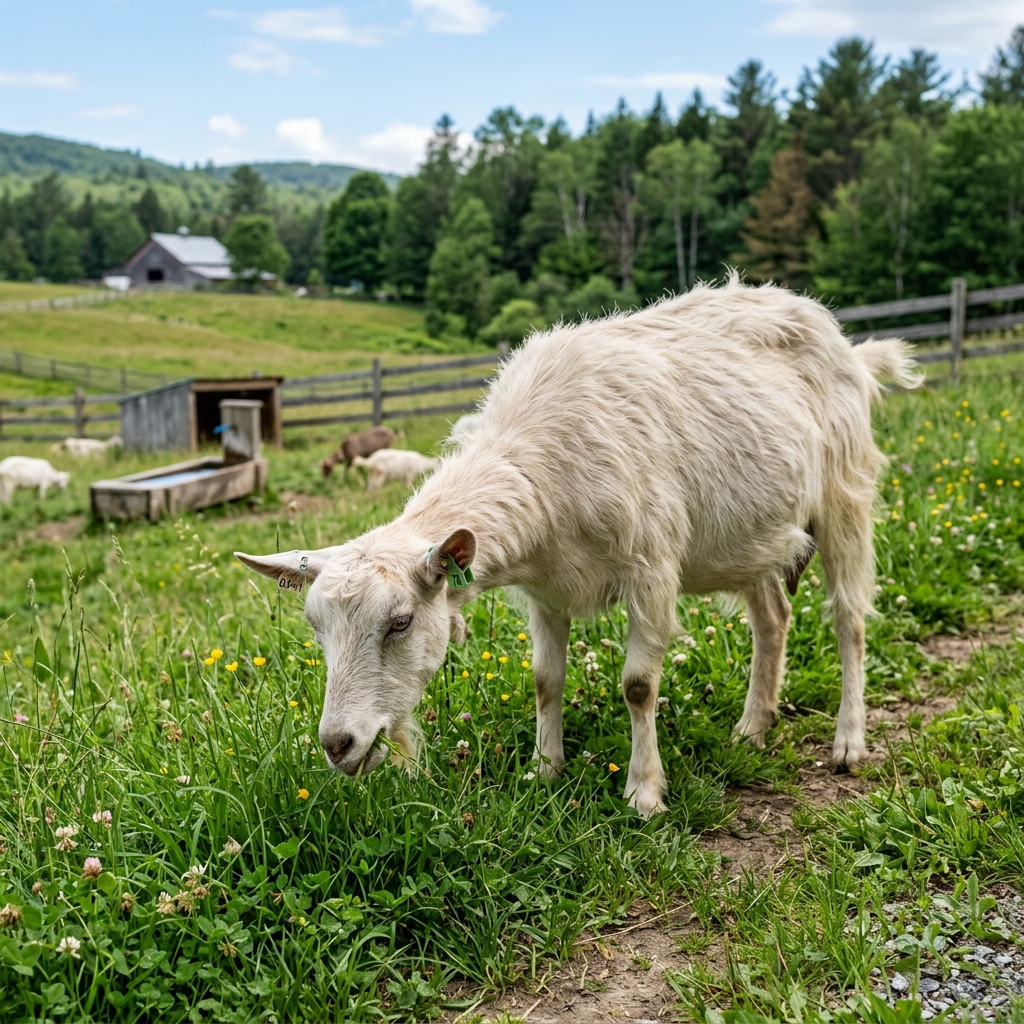
A hardy farm animal with horns and a beard, known for eating almost anything.
💡 Fun Facts
- Goats were one of the first animals to be tamed by humans.
- They have rectangular pupils, which gives them excellent peripheral vision.
- They are great climbers and can even climb trees!
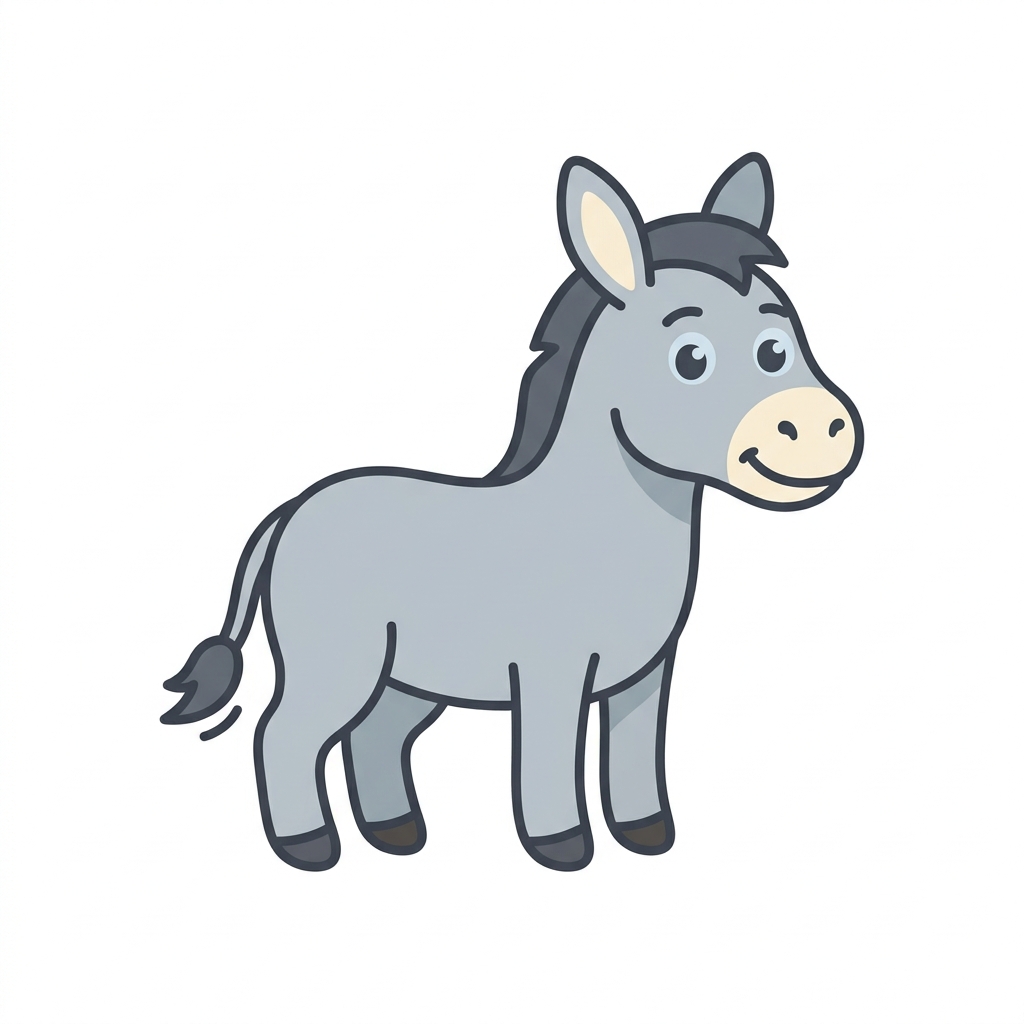
Donkey
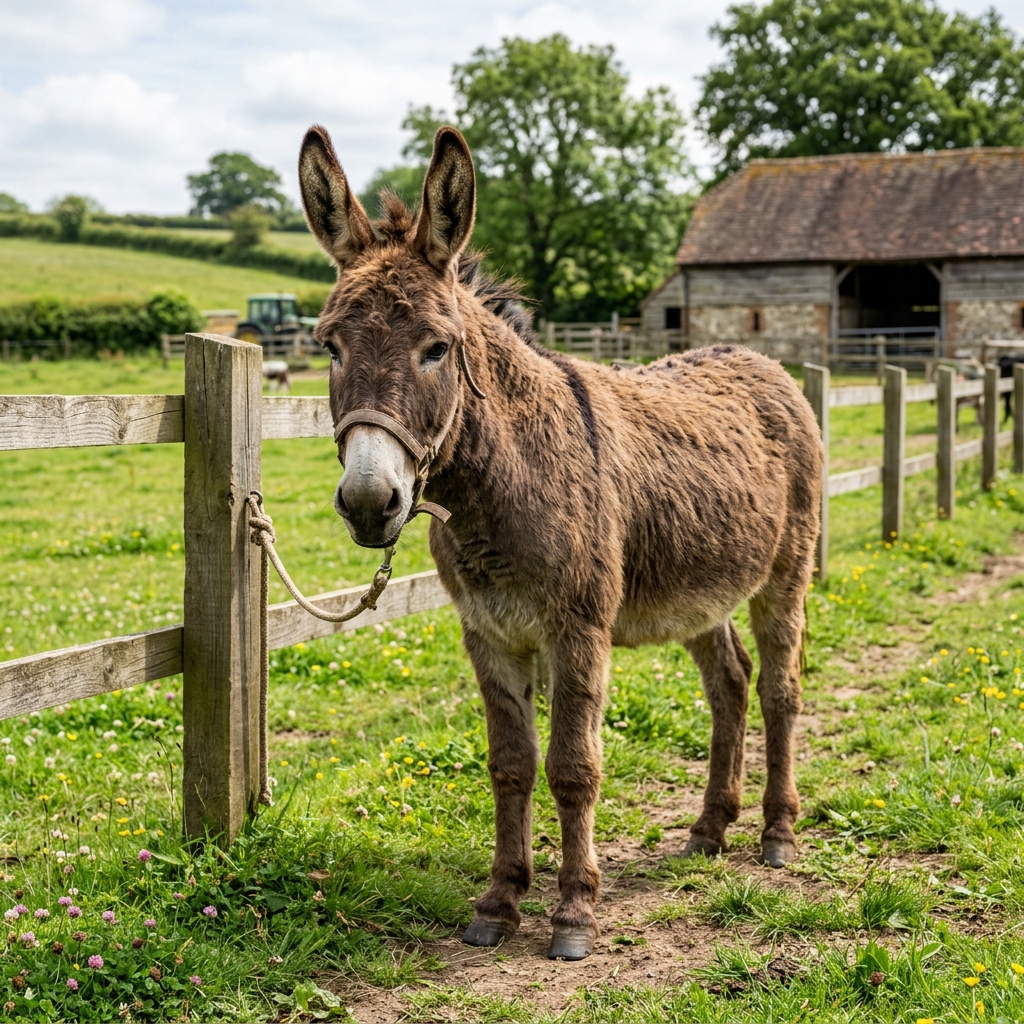
A strong, sure-footed working animal closely related to the horse.
💡 Fun Facts
- Donkeys have incredible memories and can recognize areas and other donkeys they were with up to 25 years ago.
- Their large ears help them hear other donkeys miles away and keep them cool in the desert.
- A donkey's bray can be heard up to 3 kilometres away.
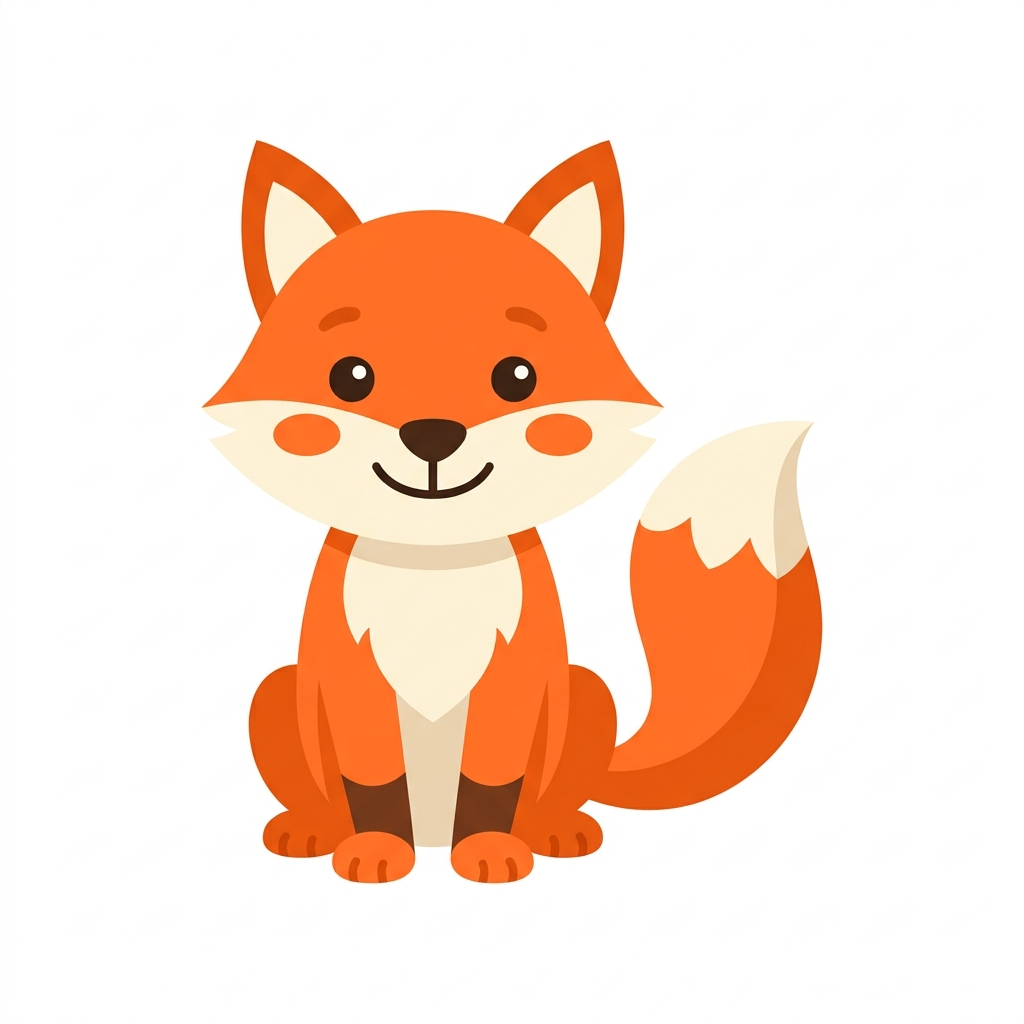
Fox
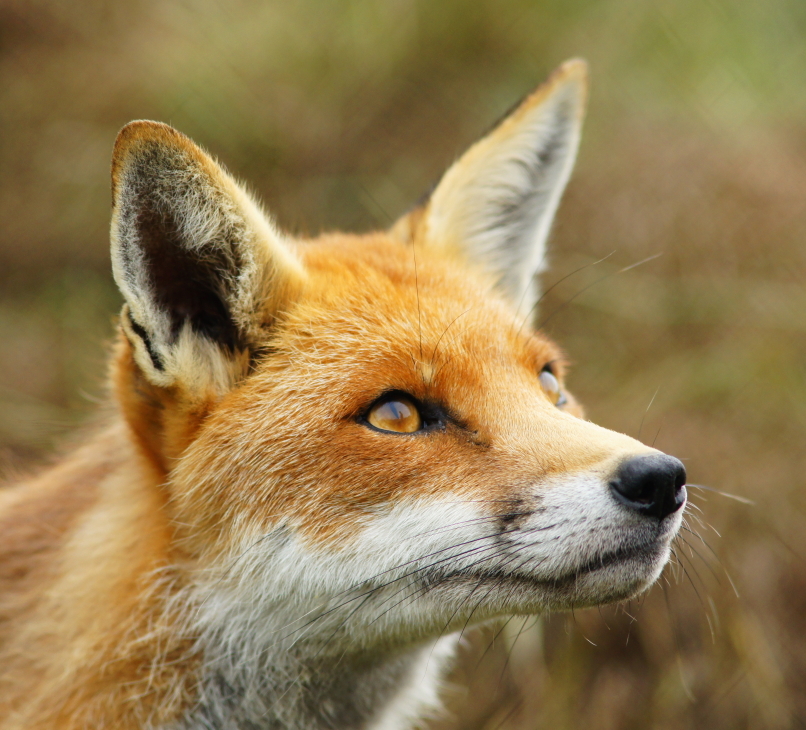
A cunning omnivore, often found in both countryside and urban areas.
💡 Fun Facts
- Has whiskers on its legs as well as its face to help it feel its way around in the dark.
- Can make around 20 different sounds, including a scream-like bark that is often heard at night.
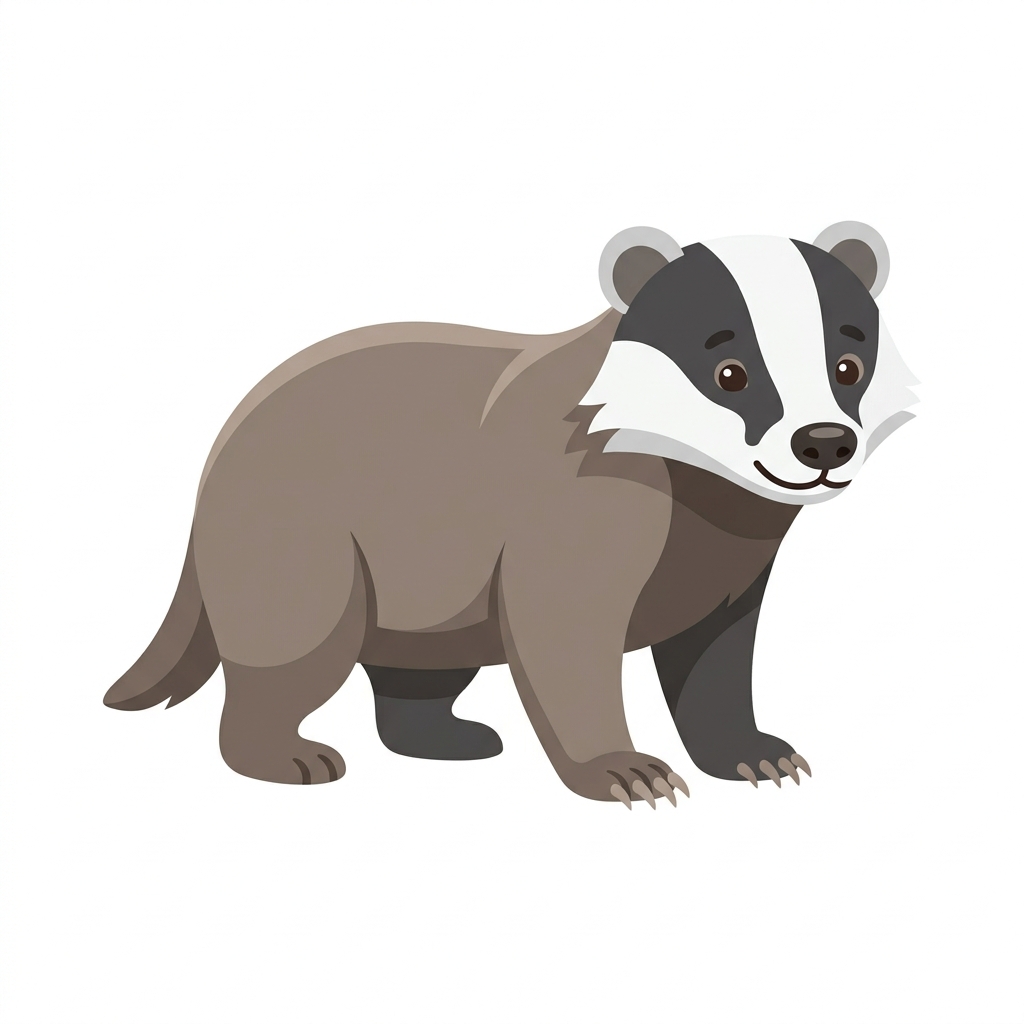
Badger
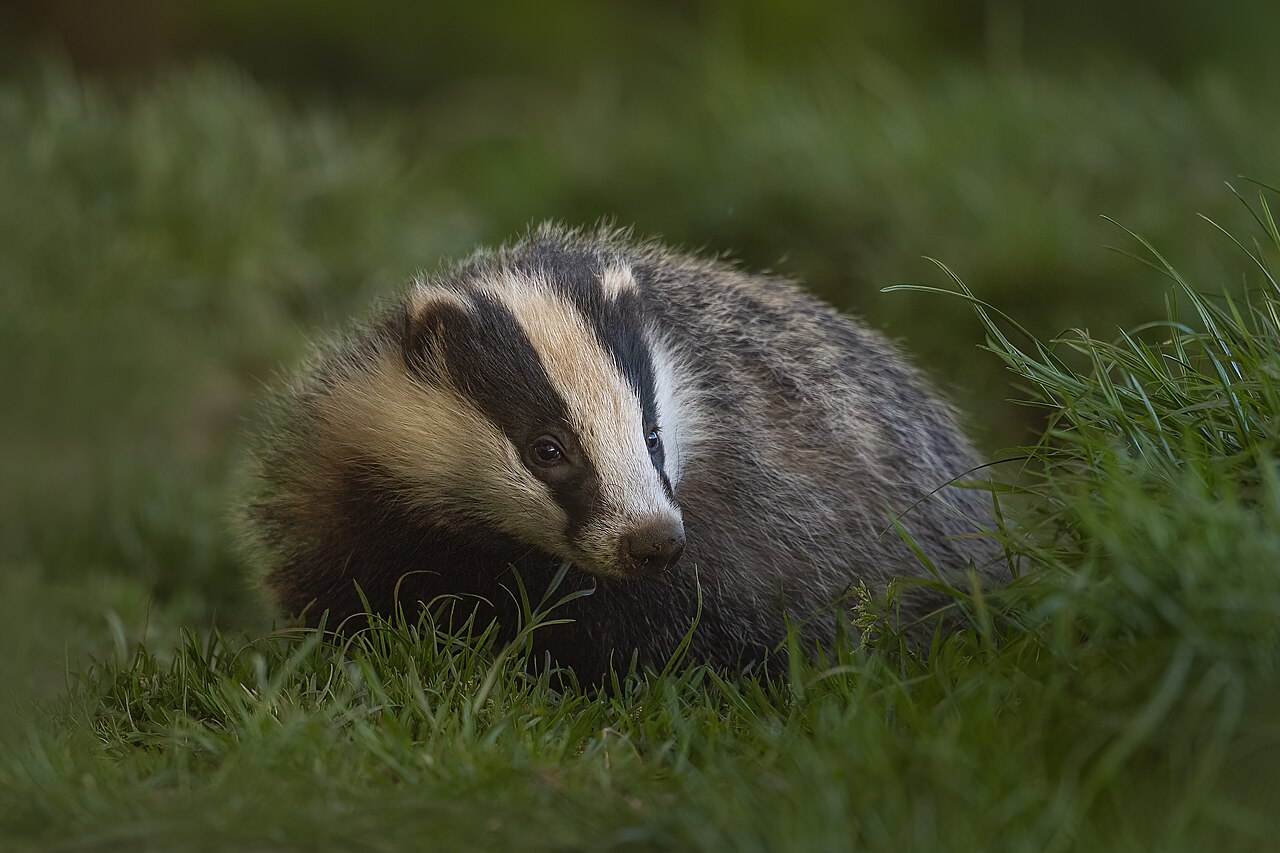
A powerful, social mammal that lives in large underground burrows.
💡 Fun Facts
- Lives in a large underground home called a sett, which can have many rooms and be hundreds of years old.
- Is very tidy and will not bring food into or go to the toilet in its sett.
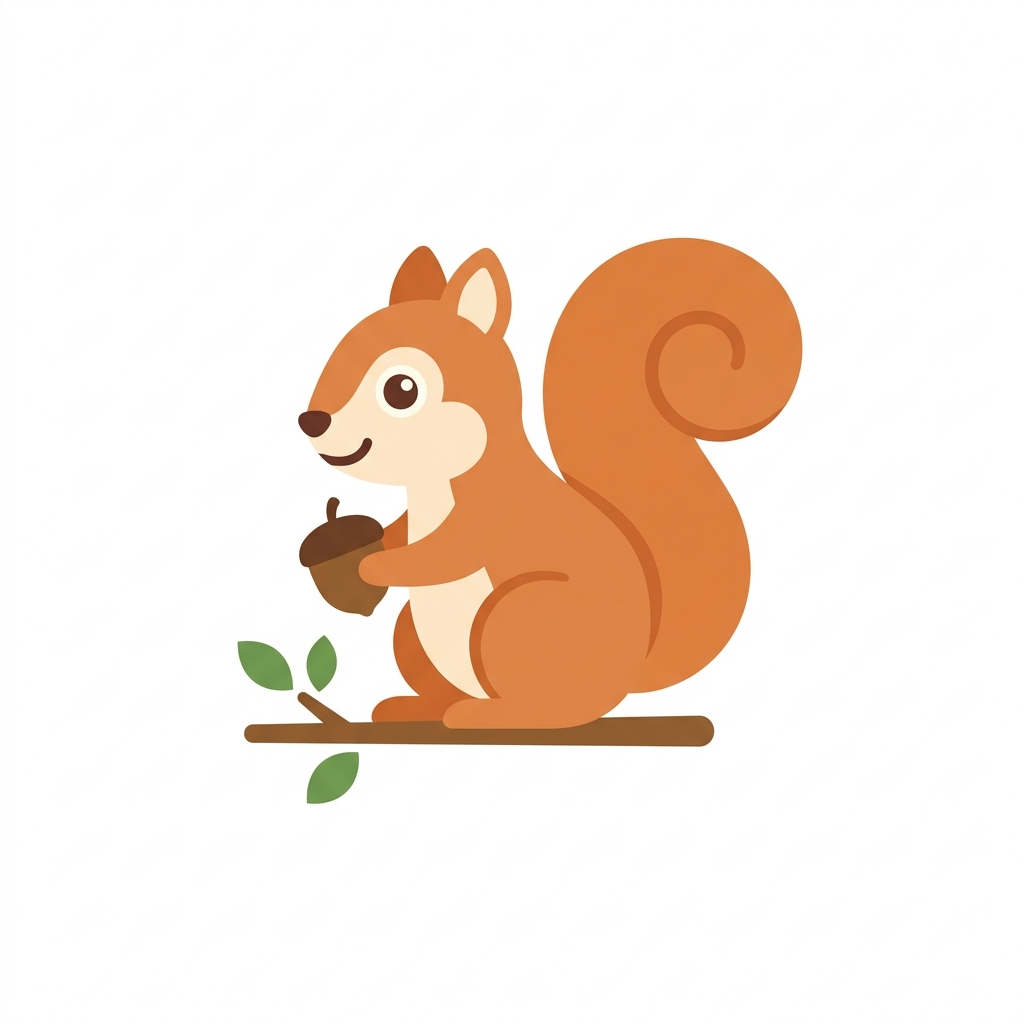
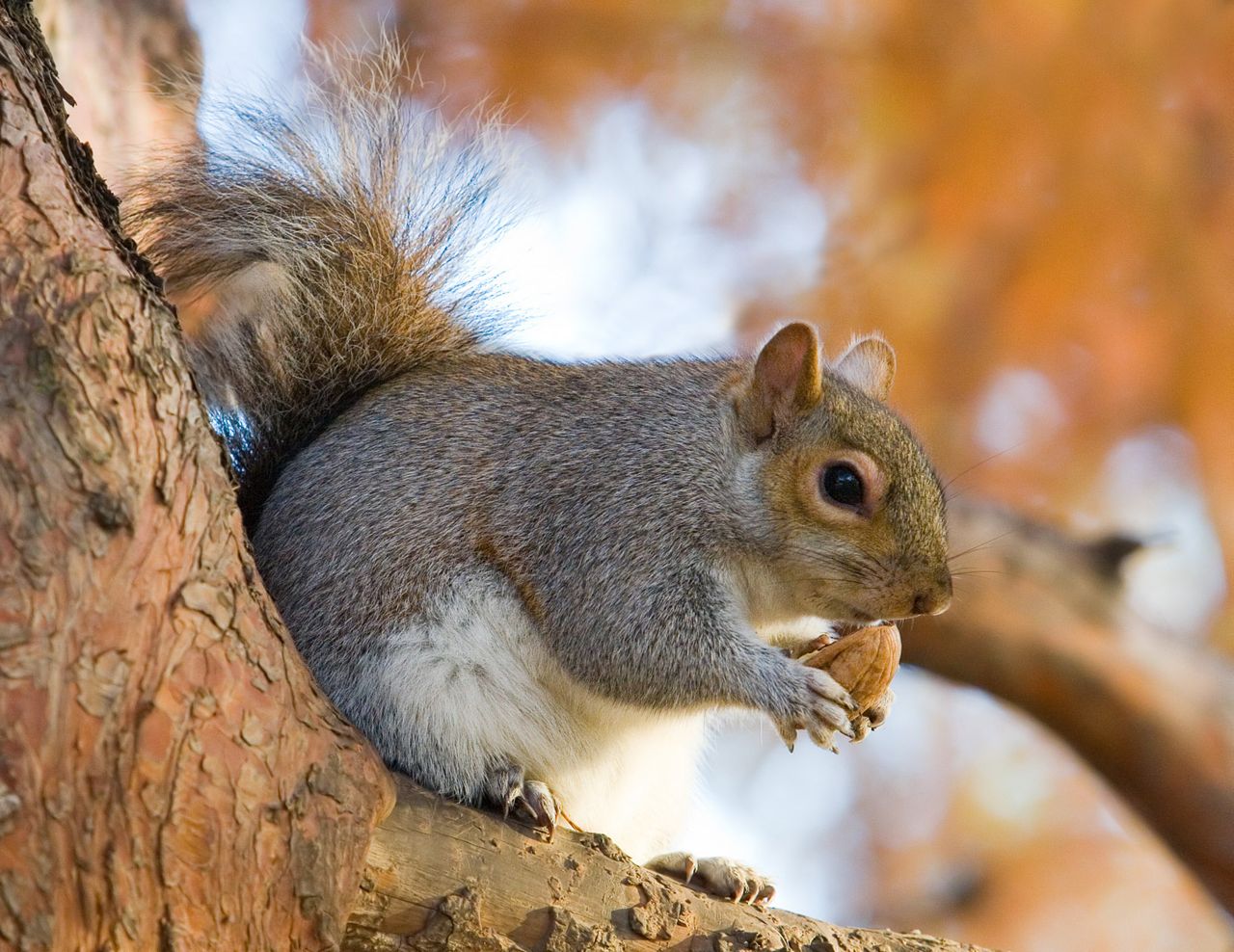
Squirrel
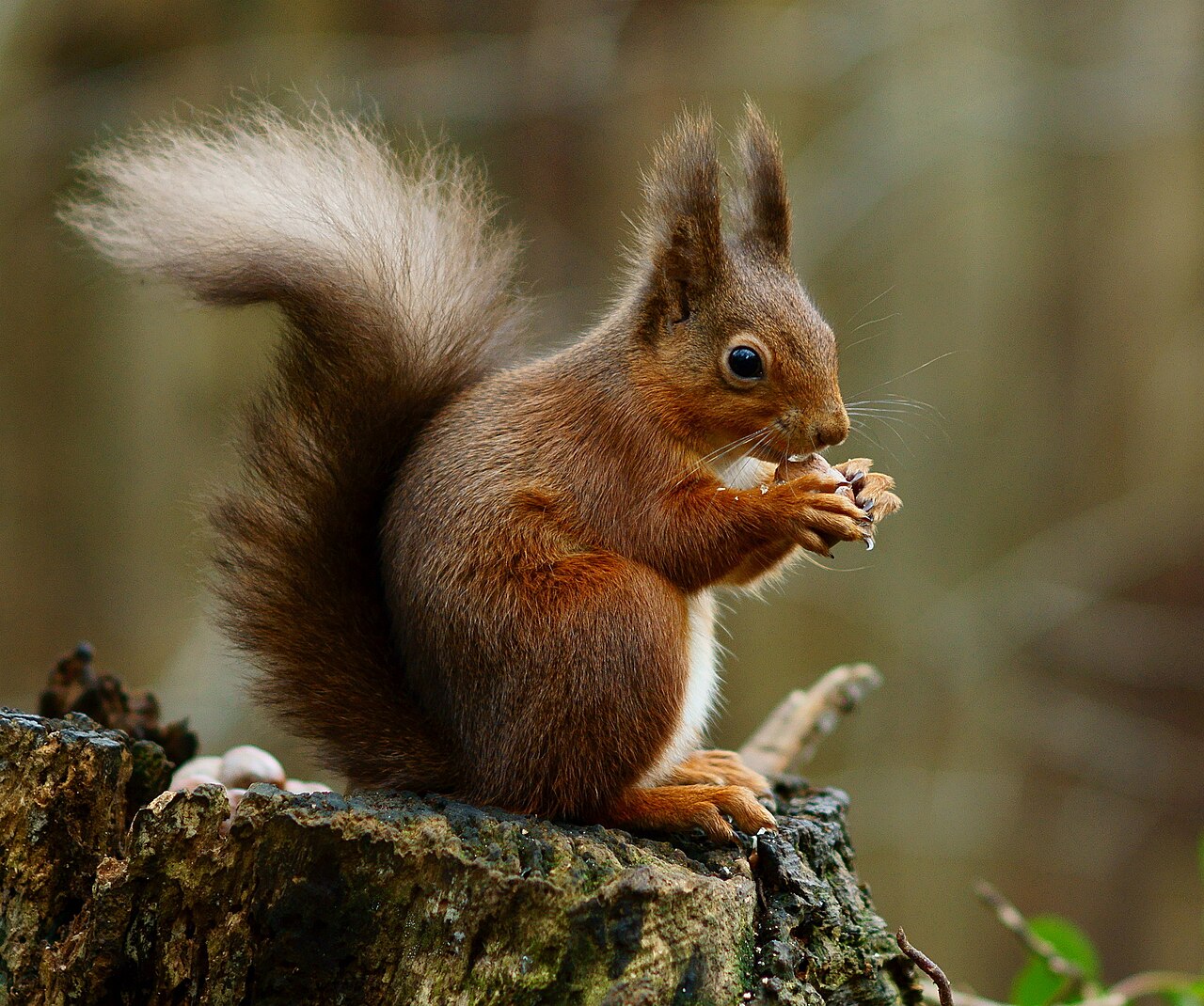
An agile rodent, commonly seen in parks and woodlands.
 |
💡 Fun Facts
- Can forget where it buried hundreds of nuts, meaning it accidentally plants lots of new trees!
- Has ankles that can rotate 180 degrees, allowing it to climb down trees head-first.
Activities
Use these activities to create memorable learning experiences.
Animal Sorting
Create large hoops or areas in the classroom labelled 'Mammal', 'Bird', 'Amphibian', etc. Give pupils pictures of different animals to sort into the correct group.
Habitat Match
Provide pictures of the animals discussed (e.g., fox, frog, stickleback). Ask pupils to draw the ideal habitat for each one, thinking about what makes it suitable for that animal group.
Feature Focus
Ask pupils to draw their favourite animal from the lesson and label the key features that identify it as a mammal, bird, amphibian, reptile, or fish (e.g., for a bird: feathers, beak, wings).
Reflections
Use these prompts to help pupils consolidate their learning about the different animal groups.
Self-Reflection (Exit Ticket)
On a sticky note, ask pupils to write down the name of one animal from each group they learnt about today (one mammal, one bird, one amphibian, etc.).
Paired Reflection (Think-Pair-Share)
Ask pupils to discuss with a partner: What is the biggest difference between an amphibian like a frog and a reptile like a lizard?
Group Reflection
In small groups, ask pupils to think of another common British animal for each category (e.g., another mammal, another bird).
Whole Class Share-Out
As a class, discuss: Which group of animals do you think is the easiest to identify, and why? Which is the most difficult?
Naming carnivores, herbivores, and omnivores
Curriculum Requirement
Identify and name a variety of common animals that are carnivores, herbivores and omnivores
Herbivores (Plant-eaters)
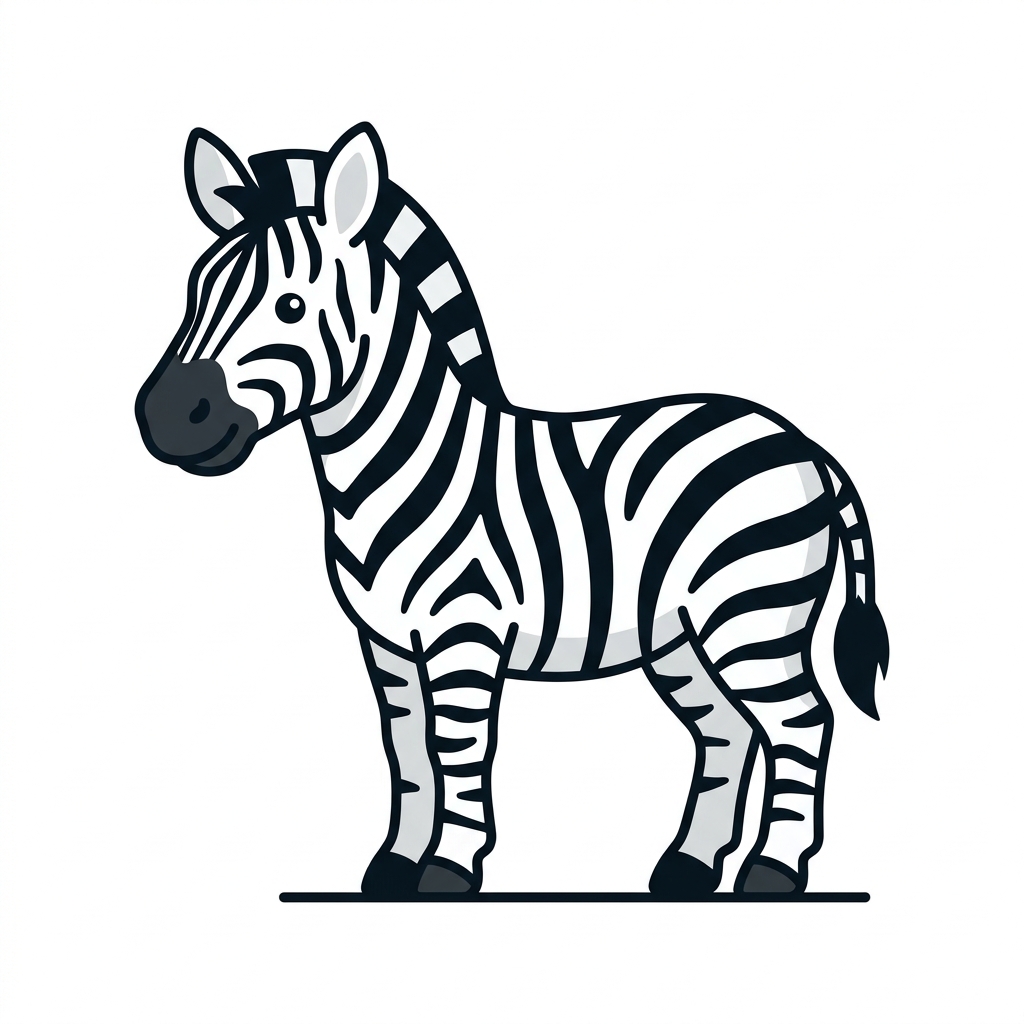
Zebra
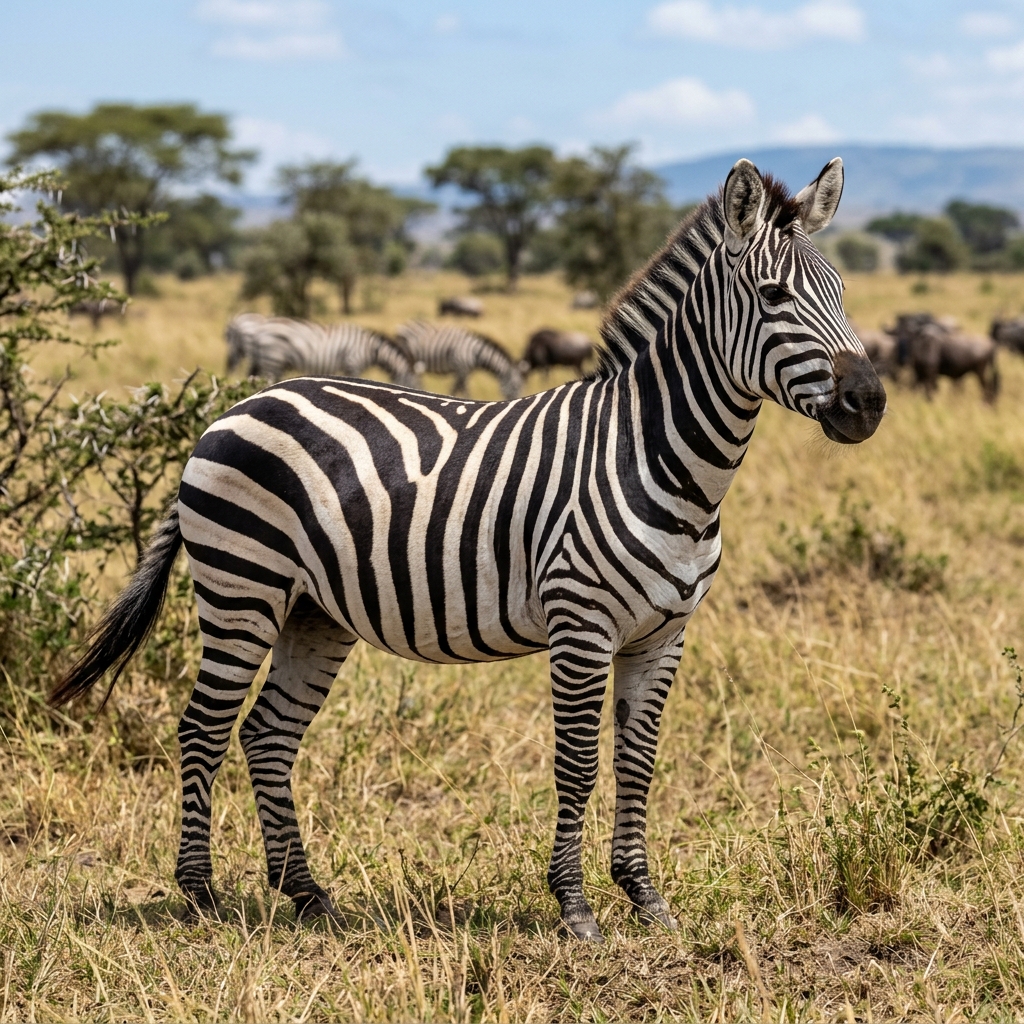
A horse-like animal with black and white stripes that eats grass in Africa.
💡 Fun Facts
- A zebra's stripes help confuse predators and keep biting flies away.
- When chased, zebras run in a zigzag pattern to escape predators.
- They sleep standing up.
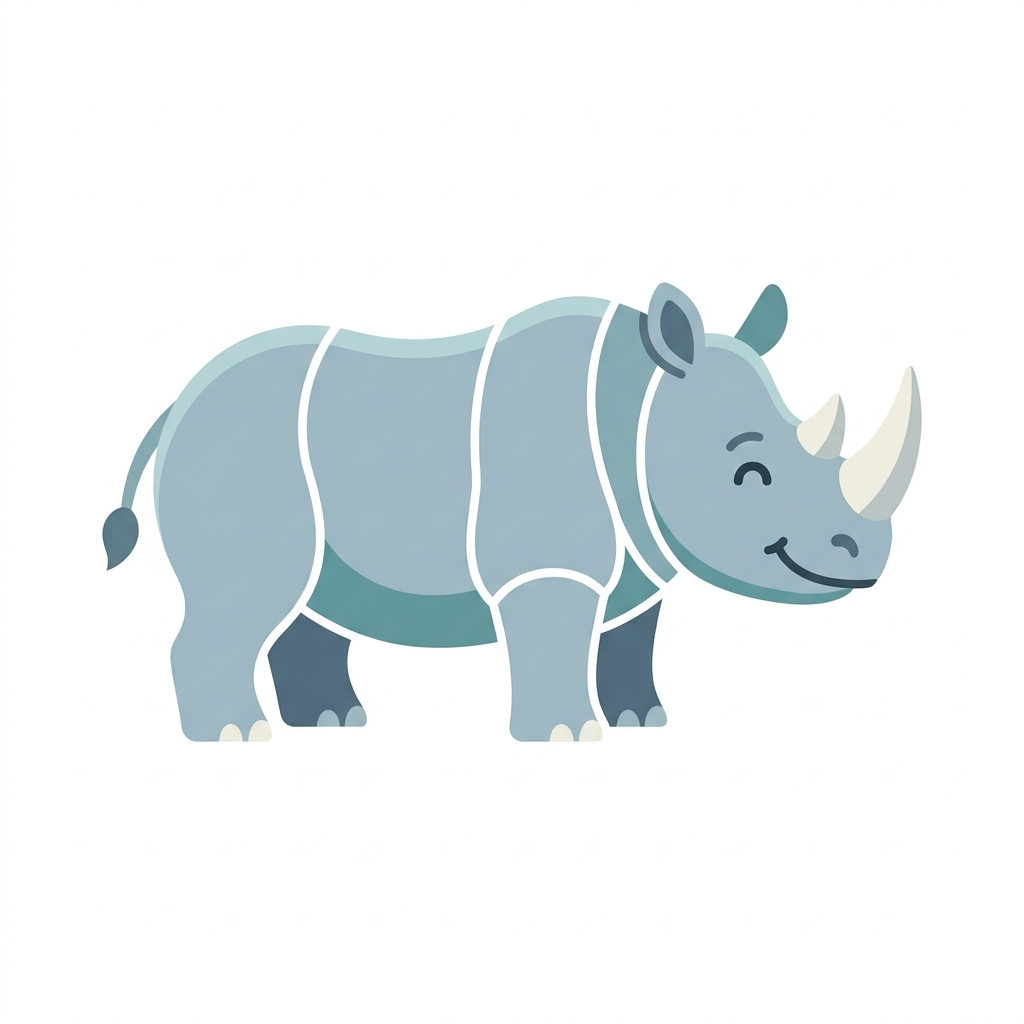
Rhinoceros
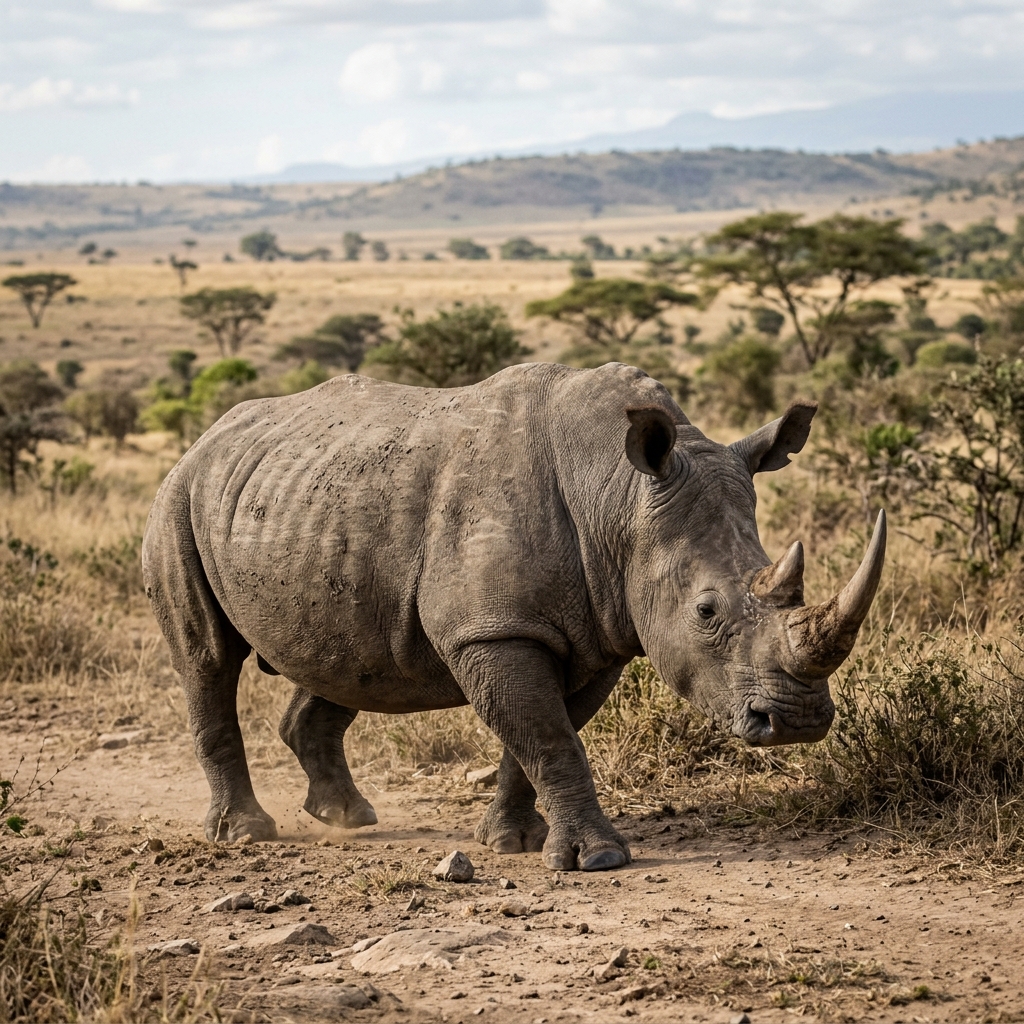
A massive, thick-skinned herbivore with one or two horns on its snout.
💡 Fun Facts
- Their horns are made of keratin, the exact same protein that makes up human hair and fingernails.
- Despite their huge size, rhinos can run very fast (up to 30 miles per hour).
- They have terrible eyesight but fantastic hearing and smell.
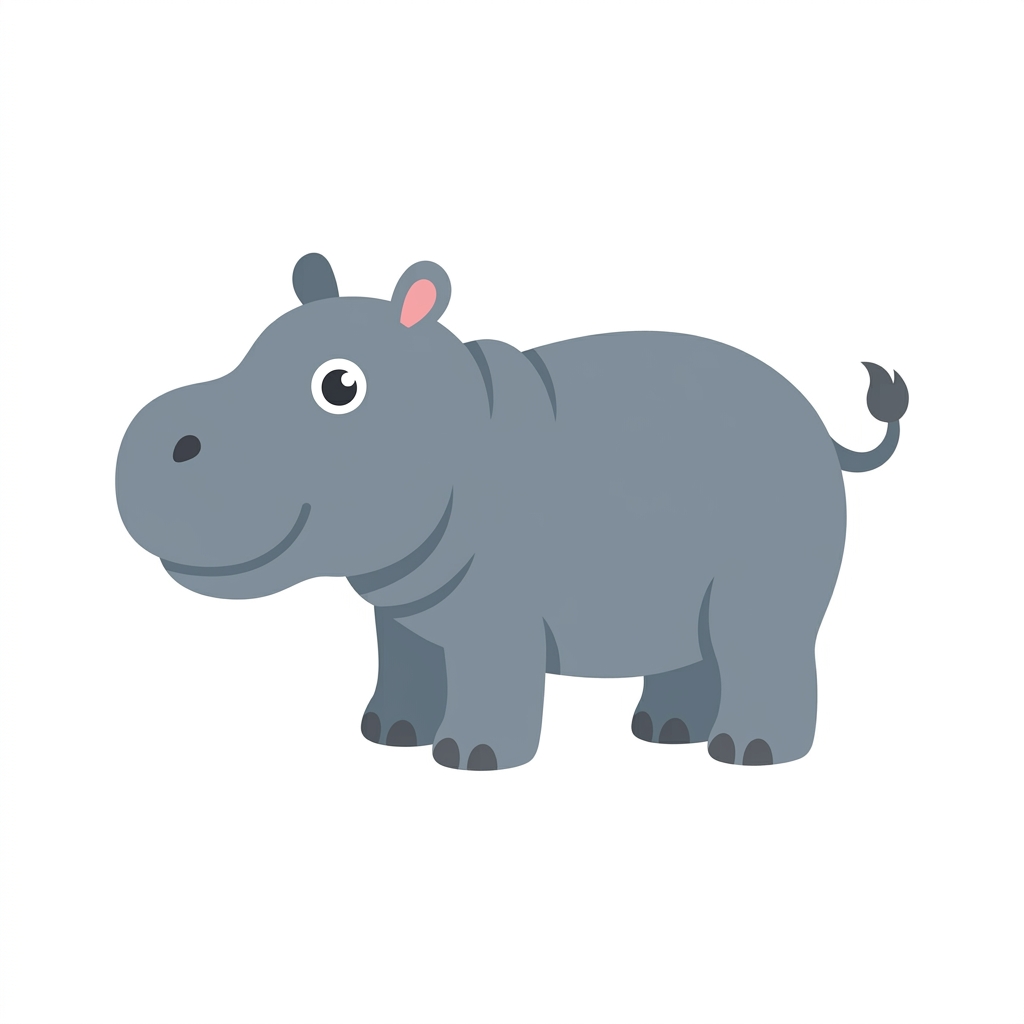
Hippopotamus
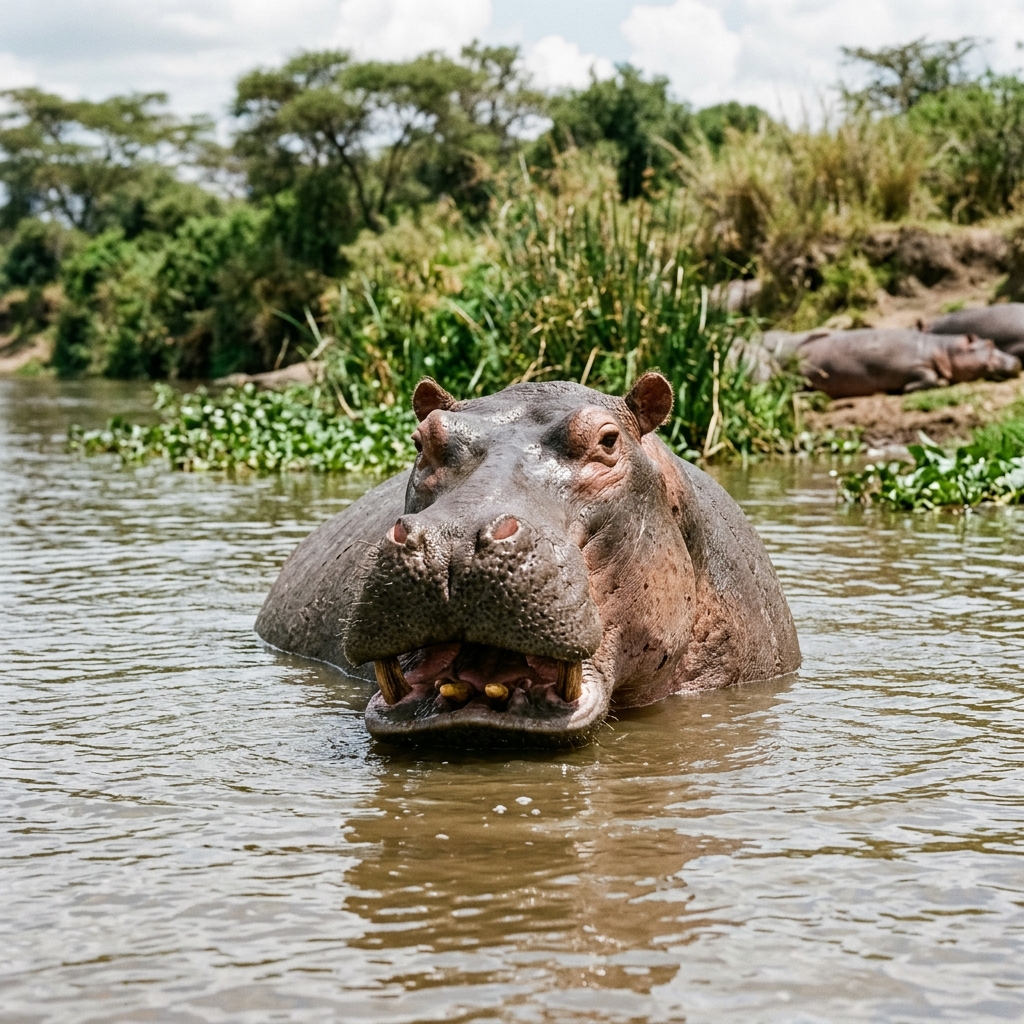
A huge, semi-aquatic mammal that eats plants and spends its days in rivers.
💡 Fun Facts
- Hippos spend most of their day in the water to stay cool, but they can't actually swim or float! They walk along the bottom.
- They secrete a red, oily substance that acts as natural sunscreen and moisturizer.
- They leave the water at dusk to graze on land.
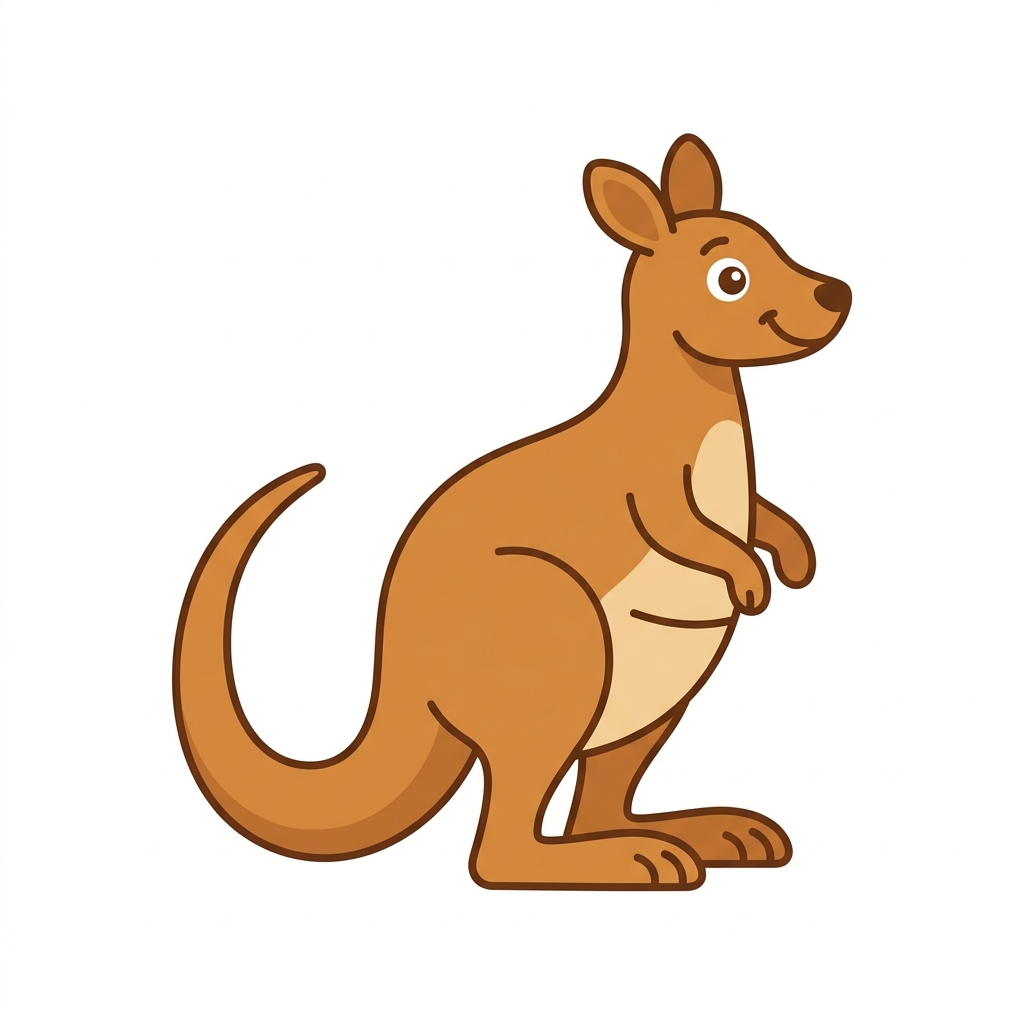
Kangaroo
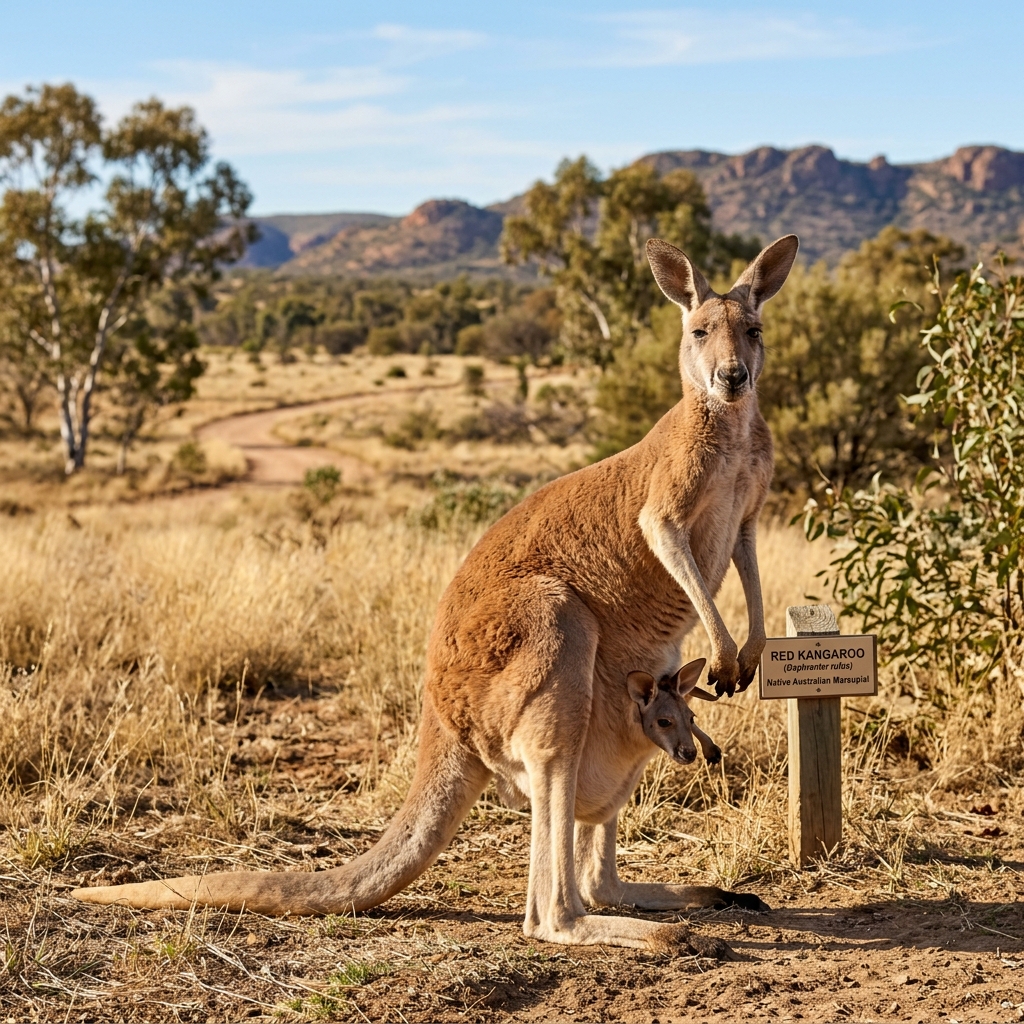
A large jumping herbivore from Australia that carries its babies in a pouch.
💡 Fun Facts
- Kangaroos use their strong tails for balance while jumping, and as a fifth leg when walking slowly.
- They cannot walk backwards.
- A baby kangaroo is called a joey and is the size of a jellybean when born.
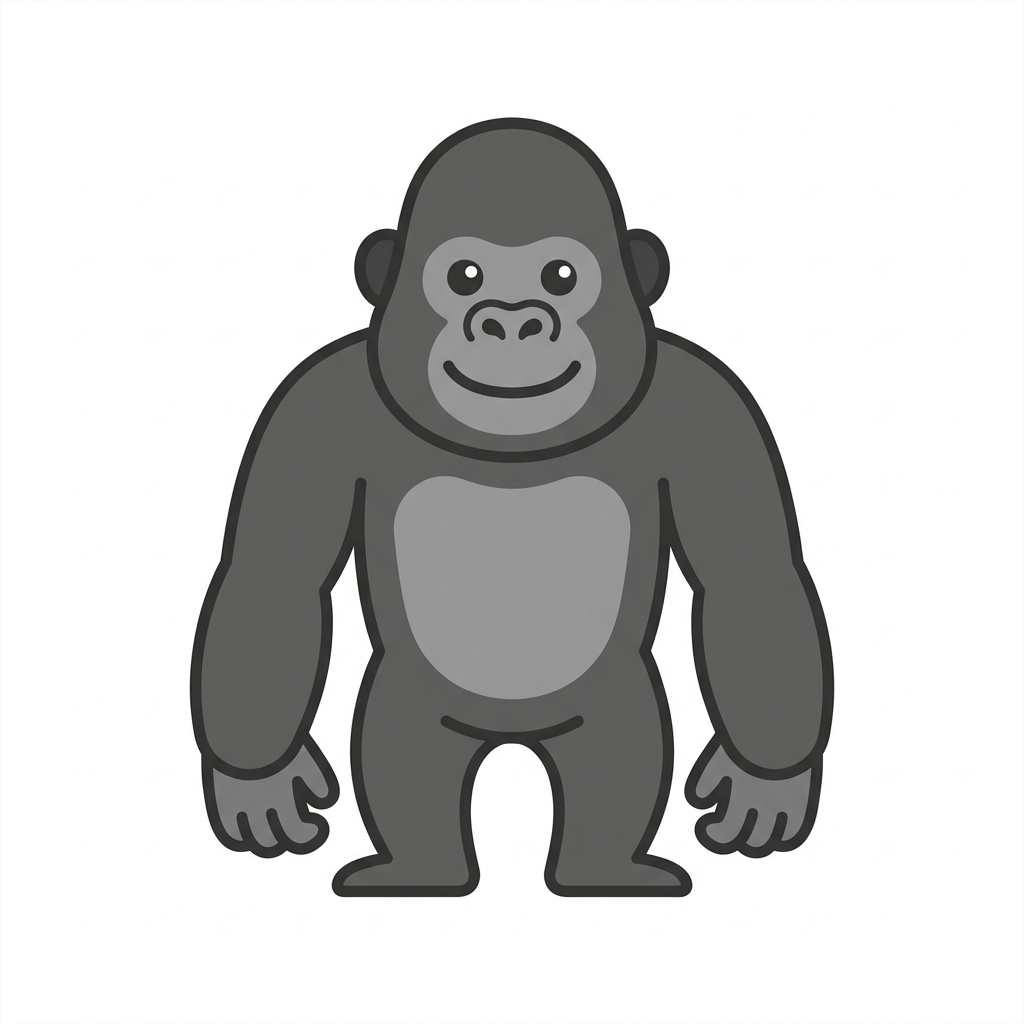
Gorilla
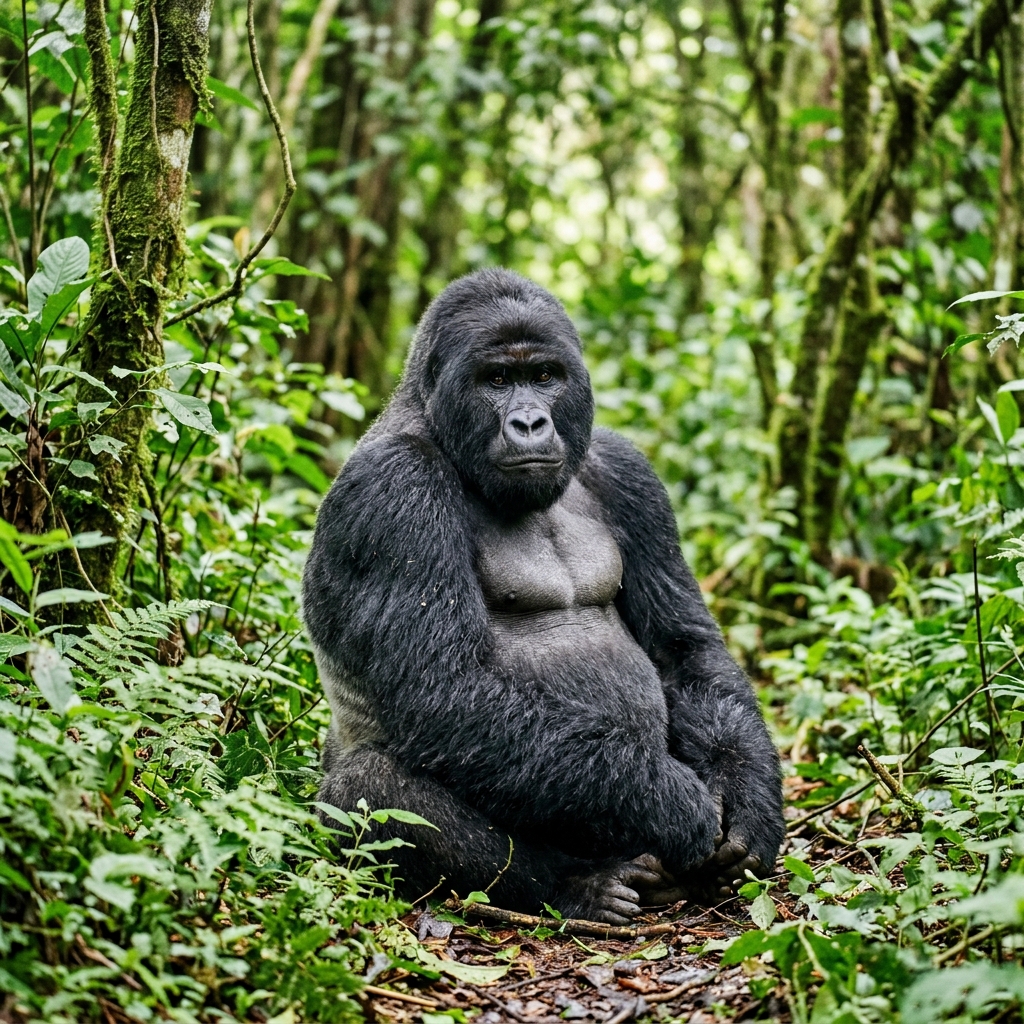
The largest living primate, which mainly eats leaves, shoots, and fruit.
💡 Fun Facts
- Gorillas share about 98% of their DNA with humans.
- They build a new 'nest' out of leaves and branches every single night to sleep in.
- Adult male gorillas are called 'silverbacks' because of the silver hair on their backs.
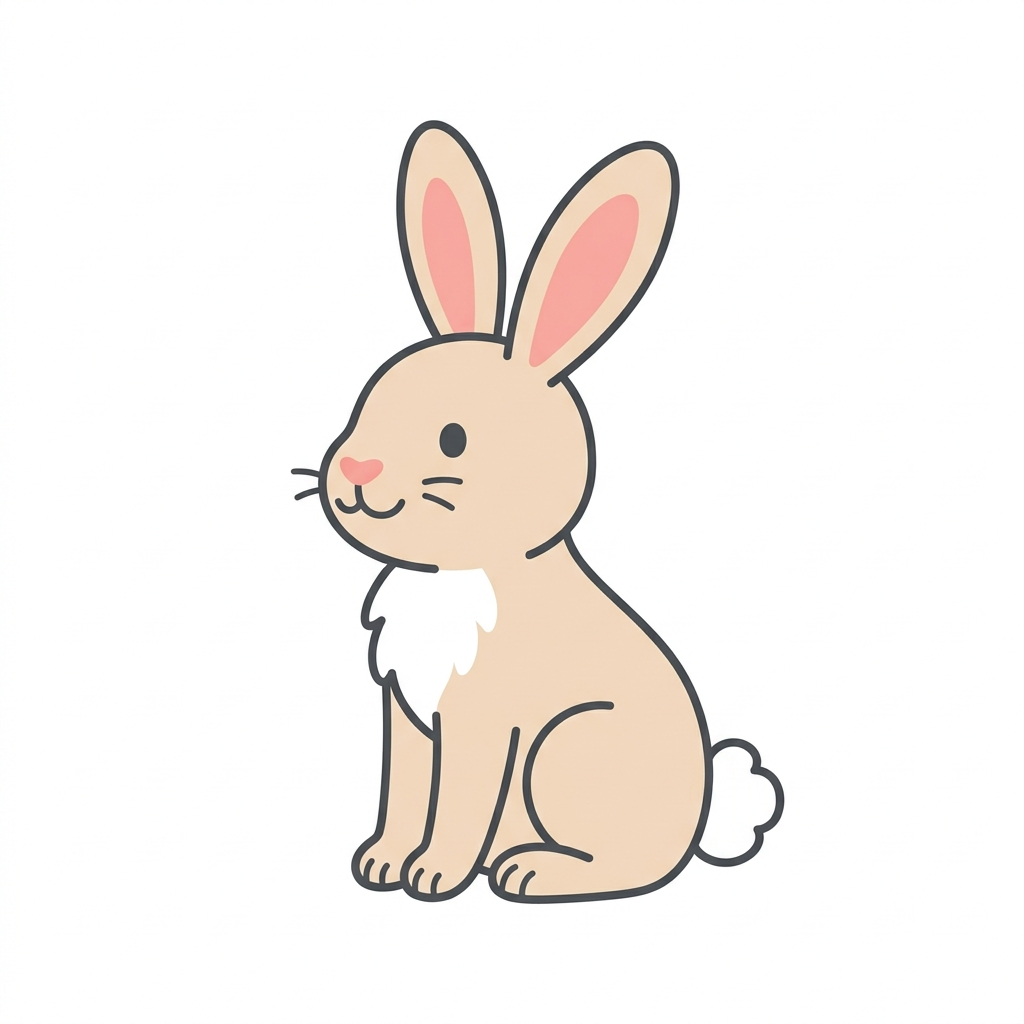
Rabbit

A common mammal with long ears, powerful hind legs, and teeth that never stop growing.
How to identify:
Look for long ears, a twitching nose, a fluffy white tail (scut), and its hopping movement.
💡 Fun Facts
- A rabbit's teeth grow continuously throughout its life, so it must chew on grass and tough plants to wear them down.
- They eat their own droppings to digest their food a second time and get all the nutrients out.
- Their long ears can turn 180 degrees, helping them to pinpoint the source of a sound.
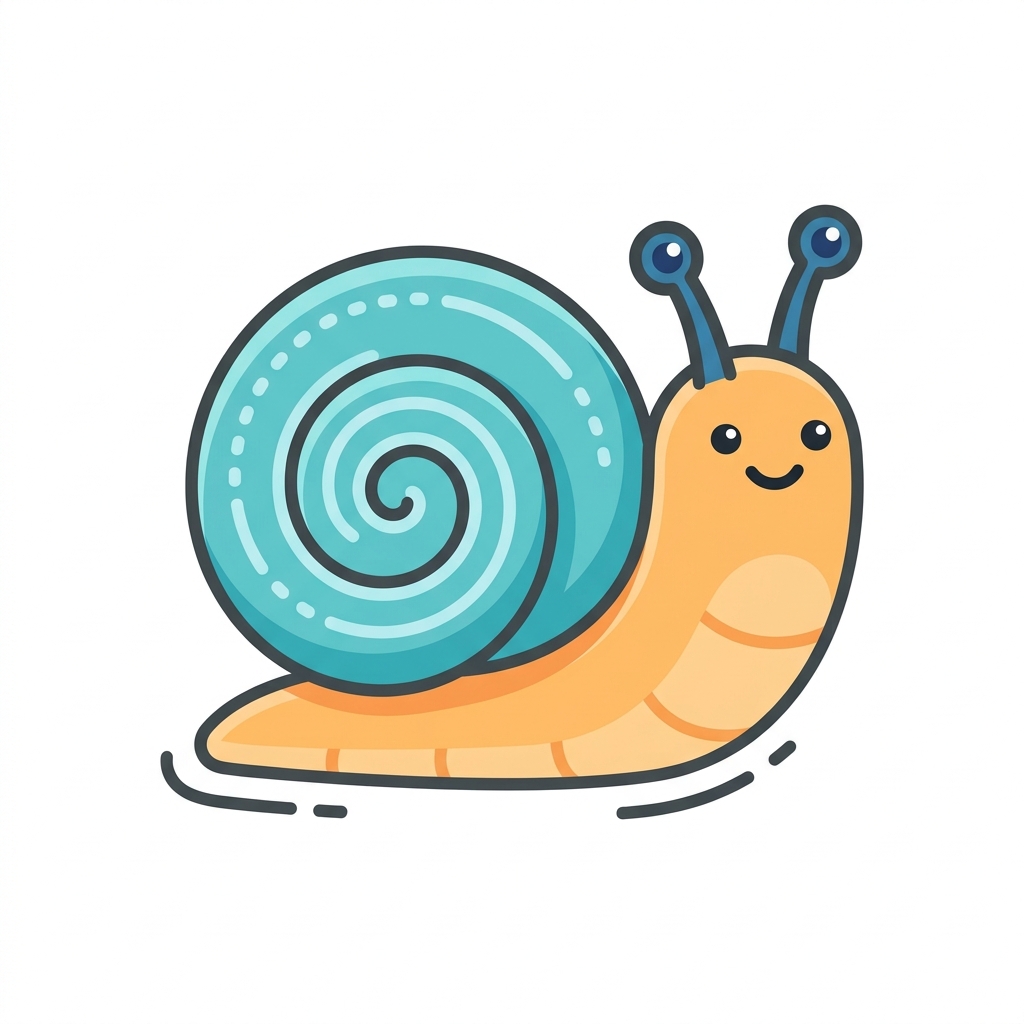
Snail
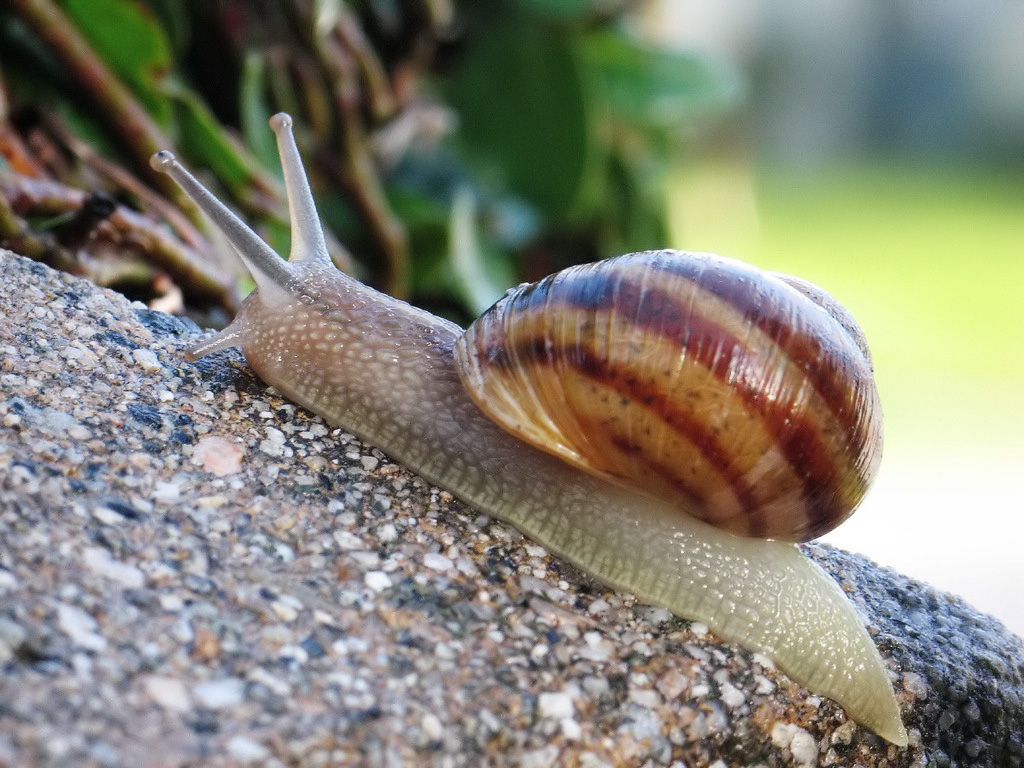
A slow-moving mollusc that carries its spiral shell on its back.
How to identify:
Look for its coiled, hard shell and the silvery slime trail it leaves behind as it moves.
💡 Fun Facts
- A snail's tongue (radula) is like a ribbon covered in thousands of tiny teeth, perfect for scraping up leaves.
- They are nocturnal, meaning they are most active at night when it is cooler and damper.
- A snail can retreat into its shell and seal the entrance to protect itself from predators or dry weather.
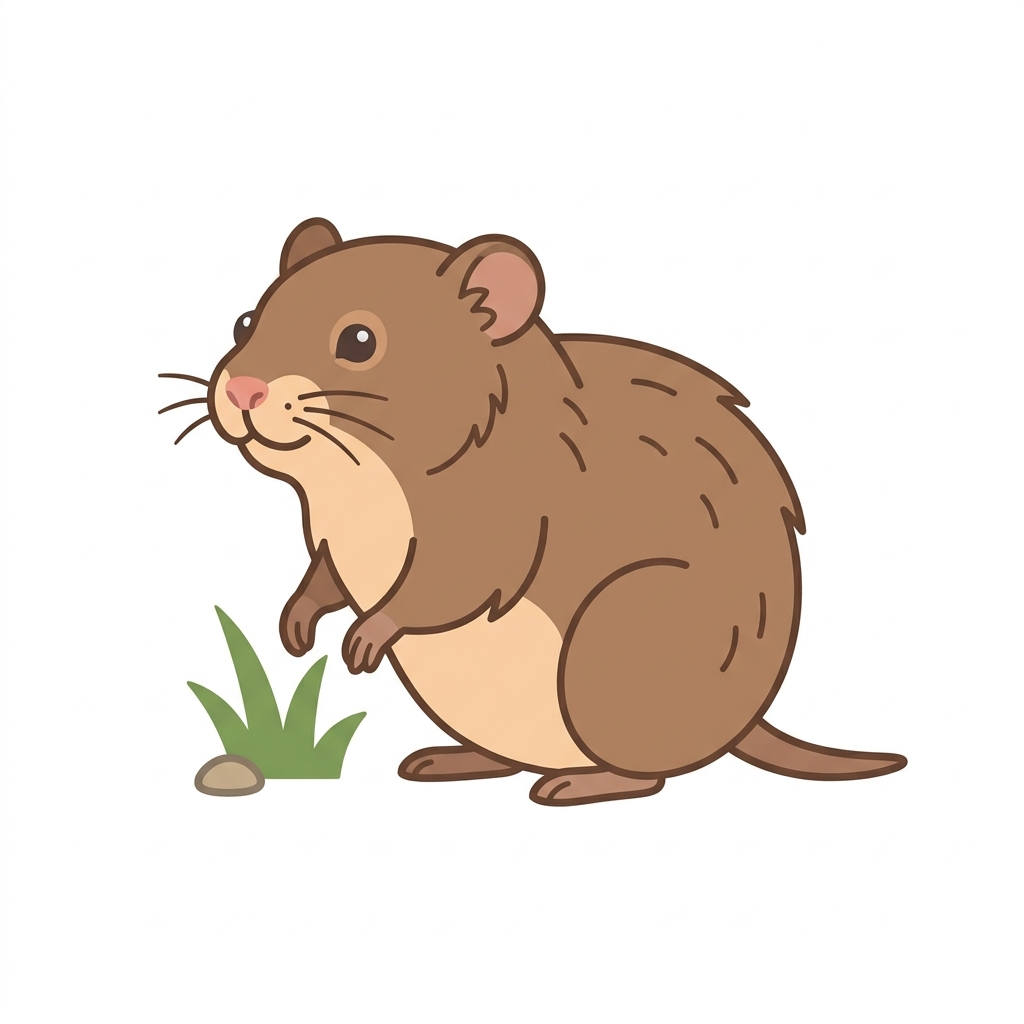
Vole
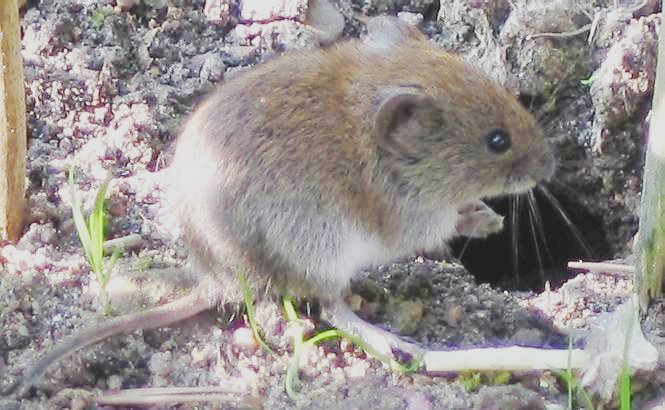
A small rodent with a stout body, short tail, and small ears, often mistaken for a mouse.
How to identify:
Look for a mouse-like creature, but with a rounder face, less prominent ears, and a much shorter tail.
💡 Fun Facts
- Voles create a network of tiny tunnels and runways through long grass to hide from predators like kestrels and owls.
- Unlike mice, they are active during both the day and night.
- A field vole's coat is an excellent camouflage, blending in perfectly with dry grass.
Carnivores (Meat-eaters)
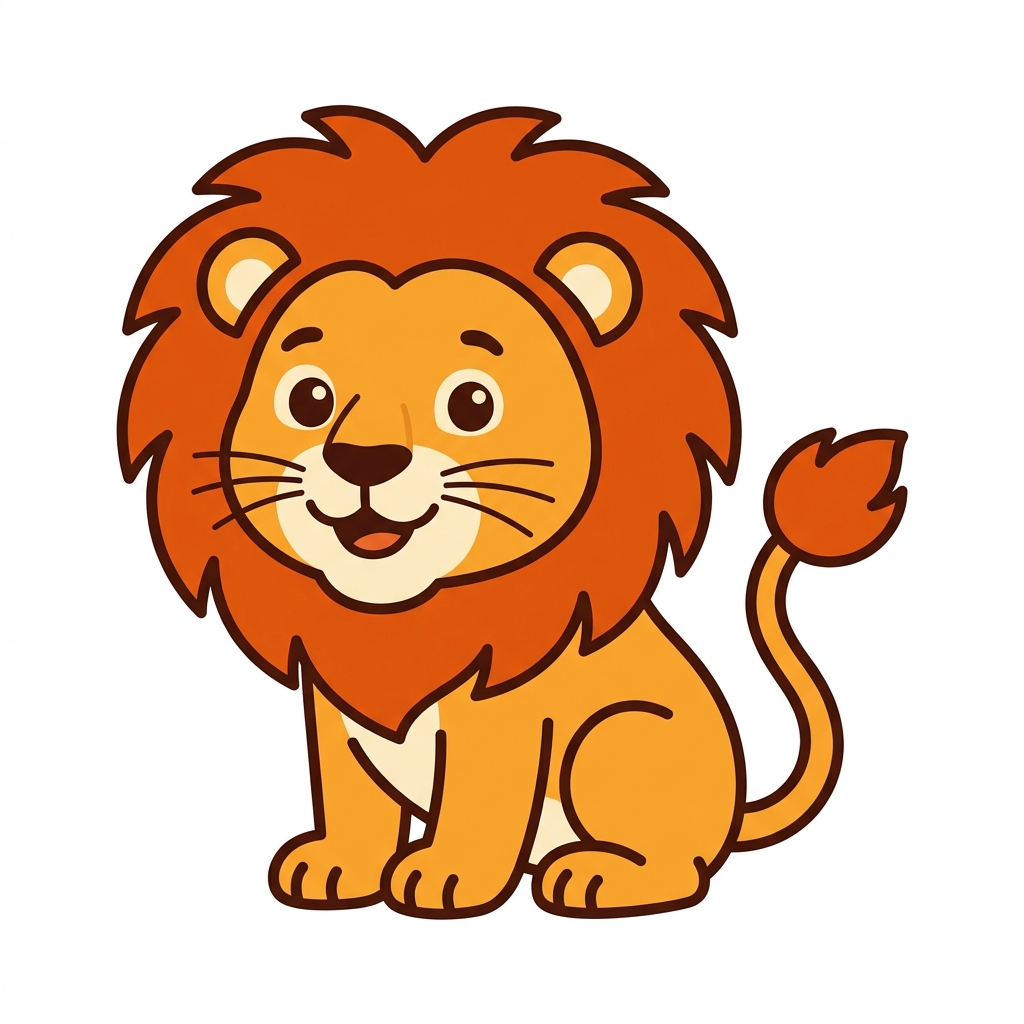
Lion
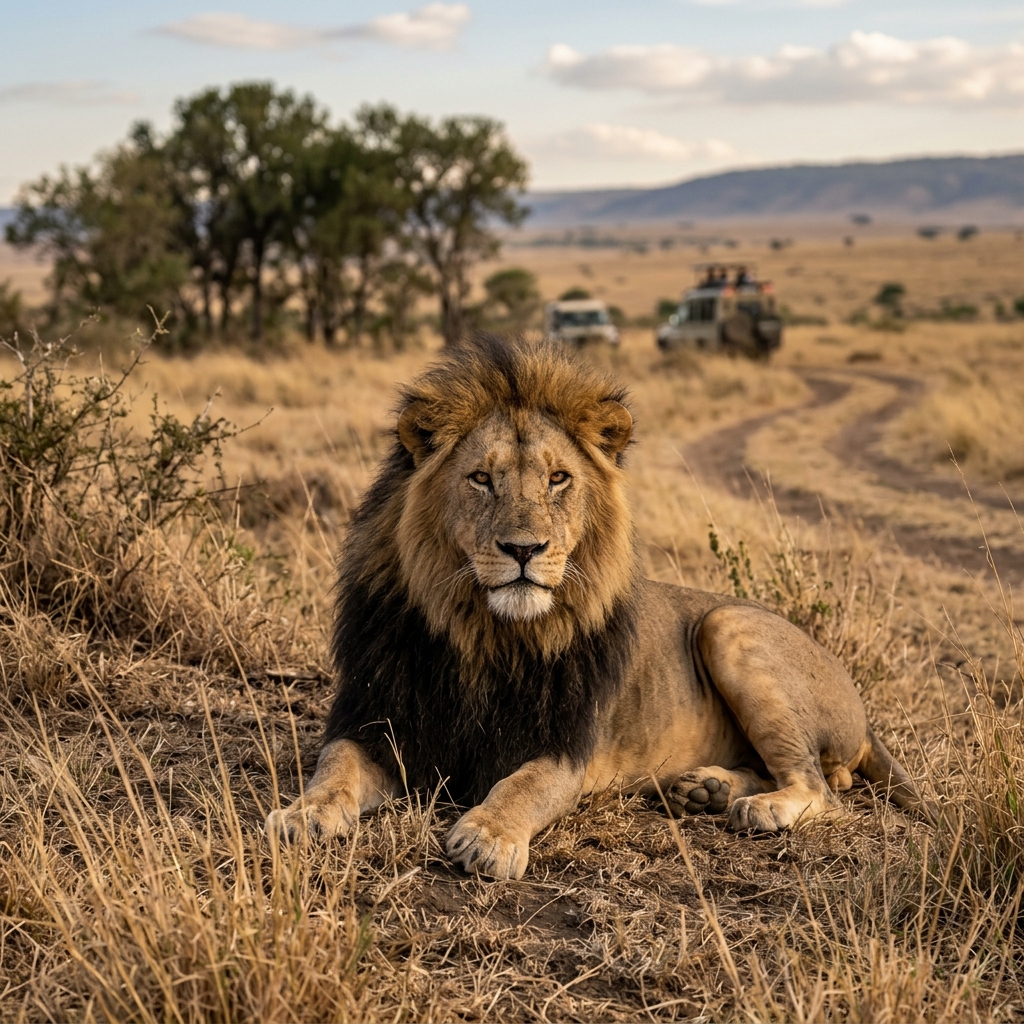
A large, powerful carnivore known as the 'king of the jungle', though they mostly live in the savannah.
💡 Fun Facts
- Lions are the only cats that live in large groups, called prides.
- A lion's roar can be heard up to 8 kilometres (5 miles) away.
- Female lions do about 90% of the hunting.
Tiger
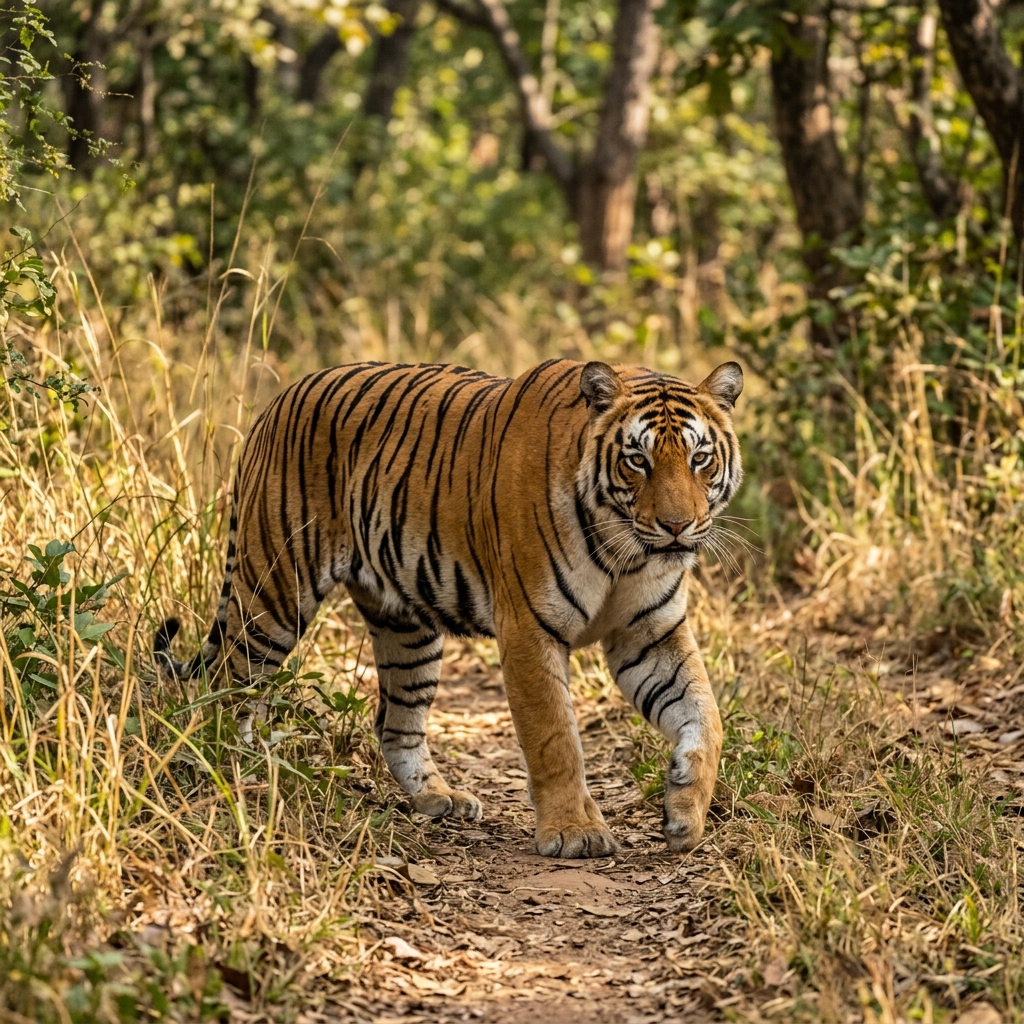
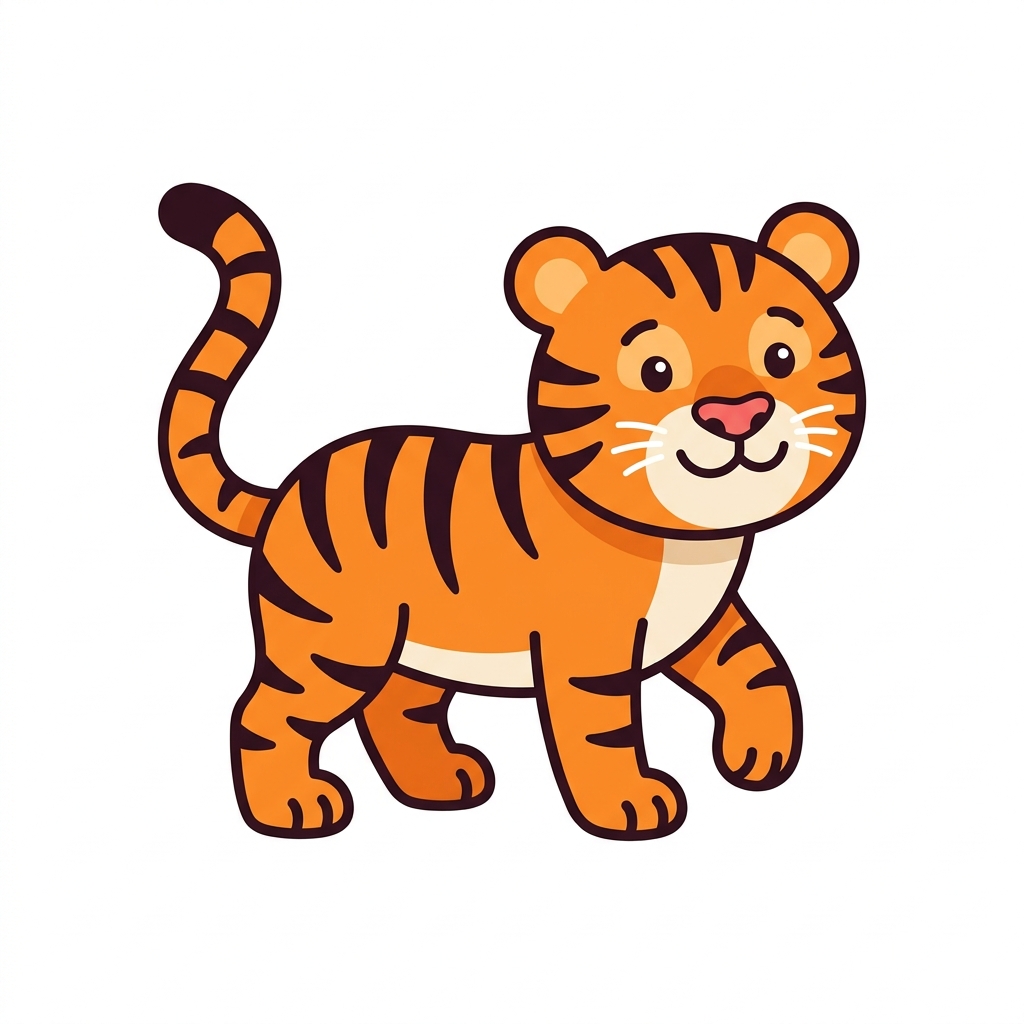
A massive, striped carnivore that is an apex predator in the wild.
💡 Fun Facts
- Every tiger has a unique pattern of stripes, just like human fingerprints.
- Unlike most cats, tigers love water and are excellent swimmers.
- They are the largest of all wild cats.
Penguin
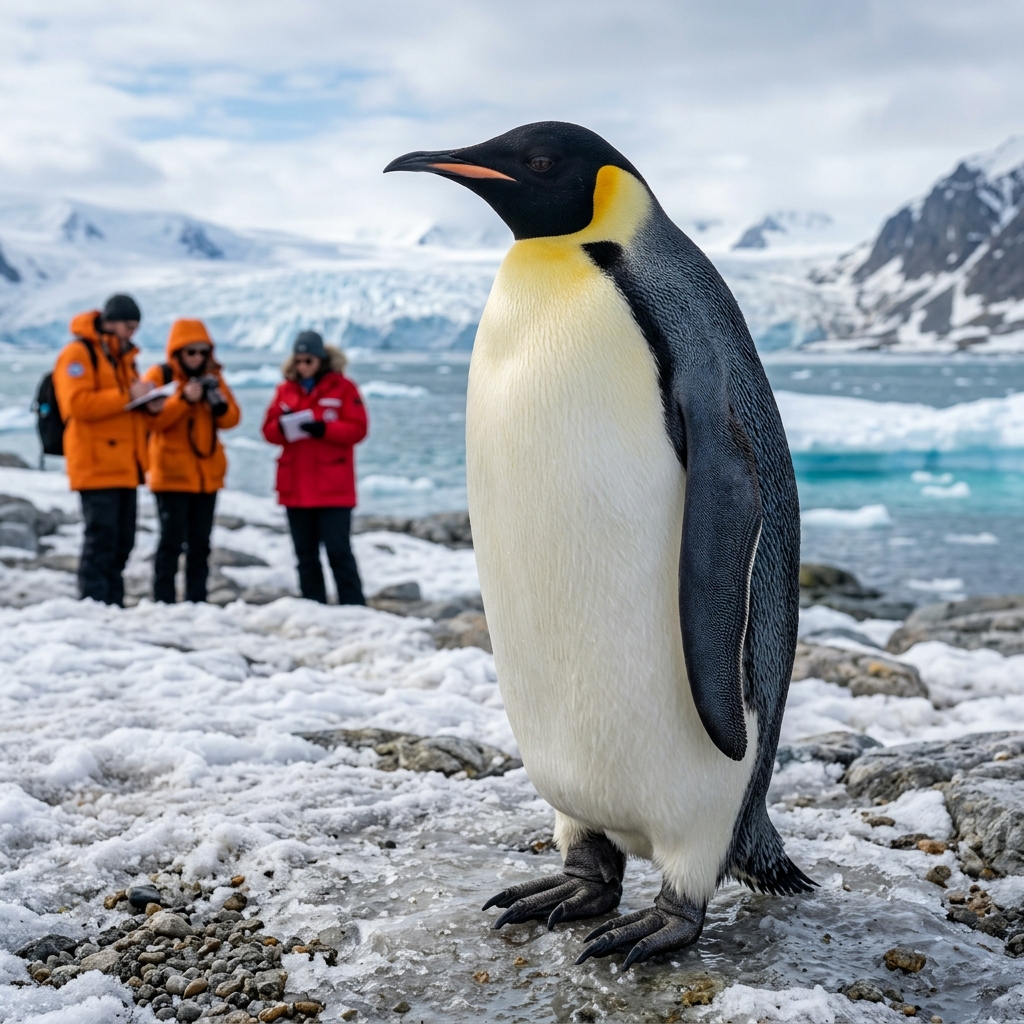
A flightless bird that mostly lives in the Southern Hemisphere, hunting fish in the ocean.
💡 Fun Facts
- Penguins can't fly in the air, but their flippers make them incredible swimmers.
- The Emperor Penguin can dive up to 500 metres deep and hold its breath for 20 minutes.
- They have a special gland that filters salt out of their bloodstream.
Crocodile
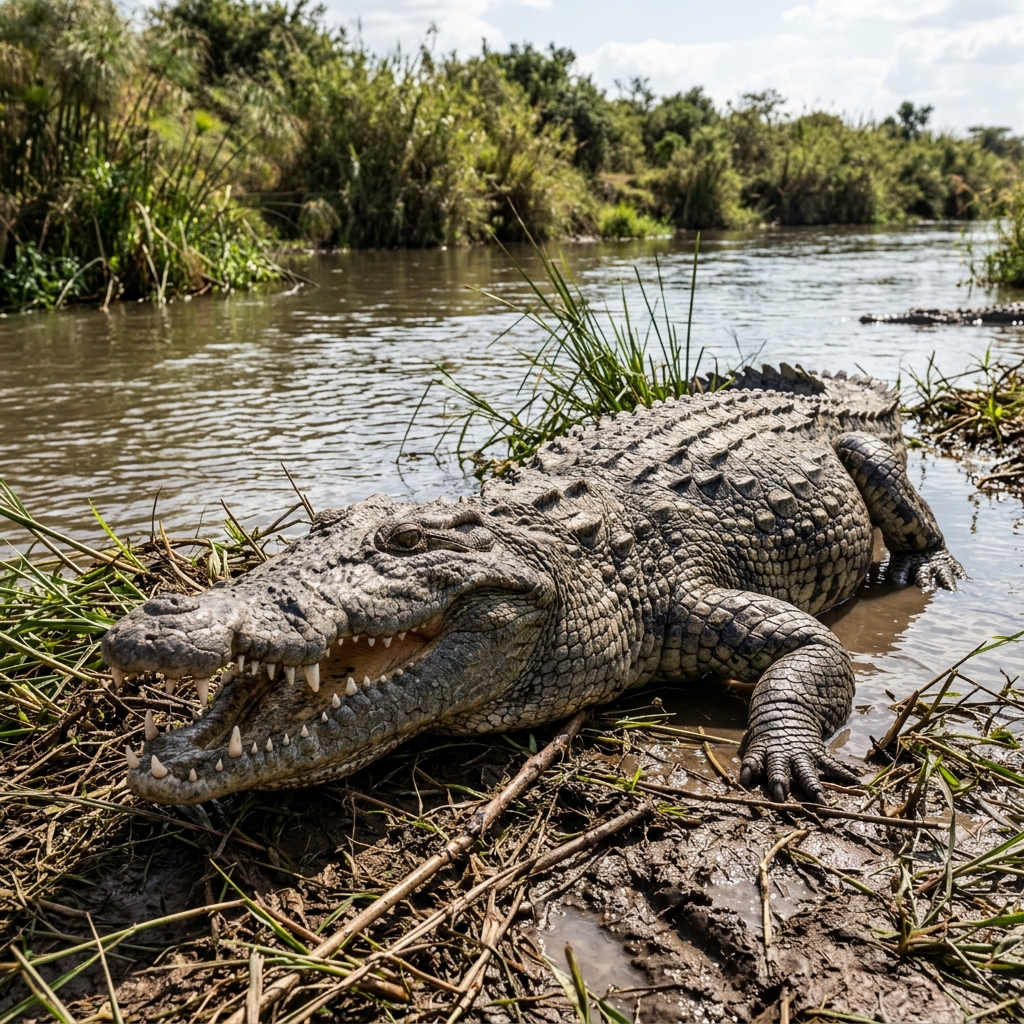
A huge, aquatic reptile that is a fierce meat-eater.
💡 Fun Facts
- Crocodiles have the strongest bite of any animal in the world.
- They swallow stones to help grind up food in their stomachs and to act as ballast.
- They have been around since the time of the dinosaurs.
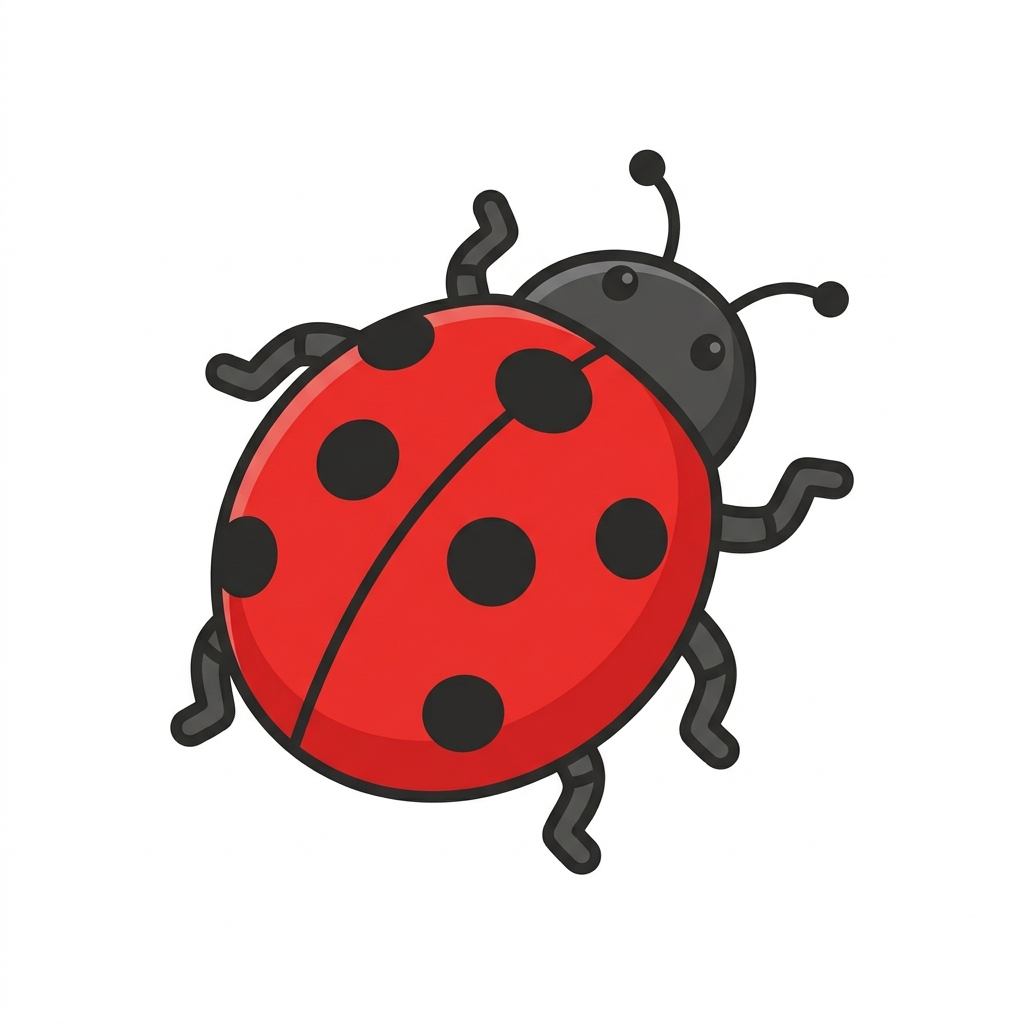
Ladybird
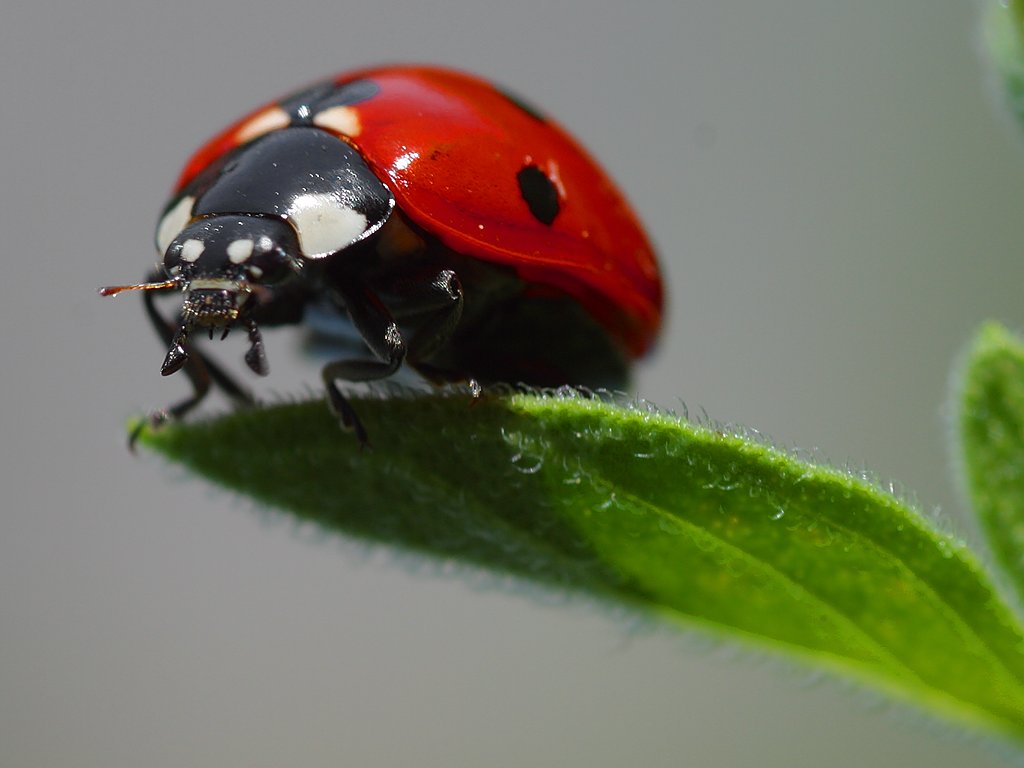
A small, brightly coloured beetle famous for its spots.
How to identify:
Usually identified by its small, dome-shaped body, which is often red or yellow with black spots.
💡 Fun Facts
- A single ladybird can eat over 5,000 aphids (greenfly) in its lifetime, making it a gardener's best friend.
- Their bright colours are a warning to predators that they taste unpleasant.
- When threatened, a ladybird can secrete a yellow, foul-smelling liquid from its leg joints.
Fox
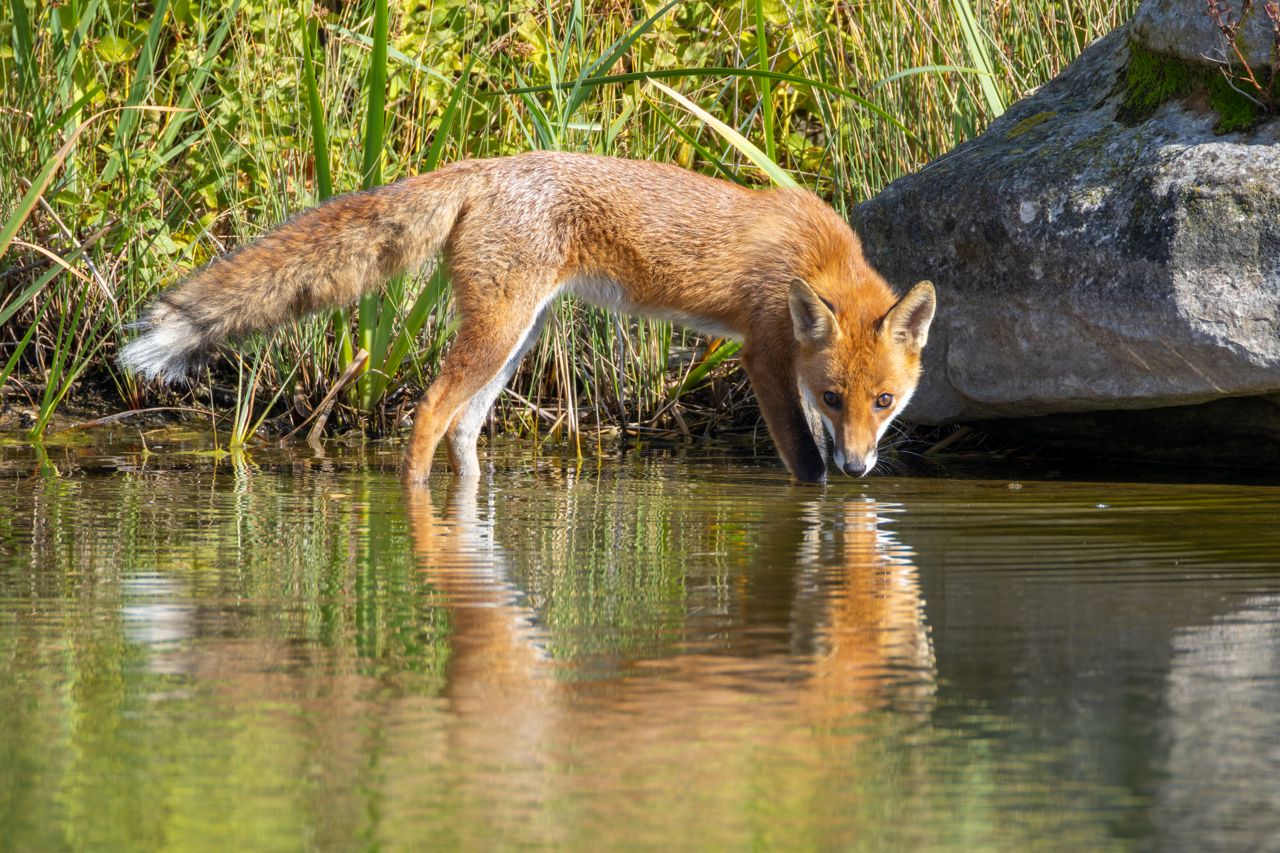
A cunning, dog-like mammal with a bushy tail, common in both rural and urban areas.
How to identify:
Look for its reddish-brown fur, long bushy tail (brush) with a white tip, and pointed muzzle.
💡 Fun Facts
- Foxes have amazing hearing and can hear a mouse squeak from 100 metres away.
- They use their bushy tail as a warm cover in cold weather and as a signal to communicate with other foxes.
- They are skilled hunters with a varied diet, eating everything from rabbits and rodents to fruit and discarded takeaways.
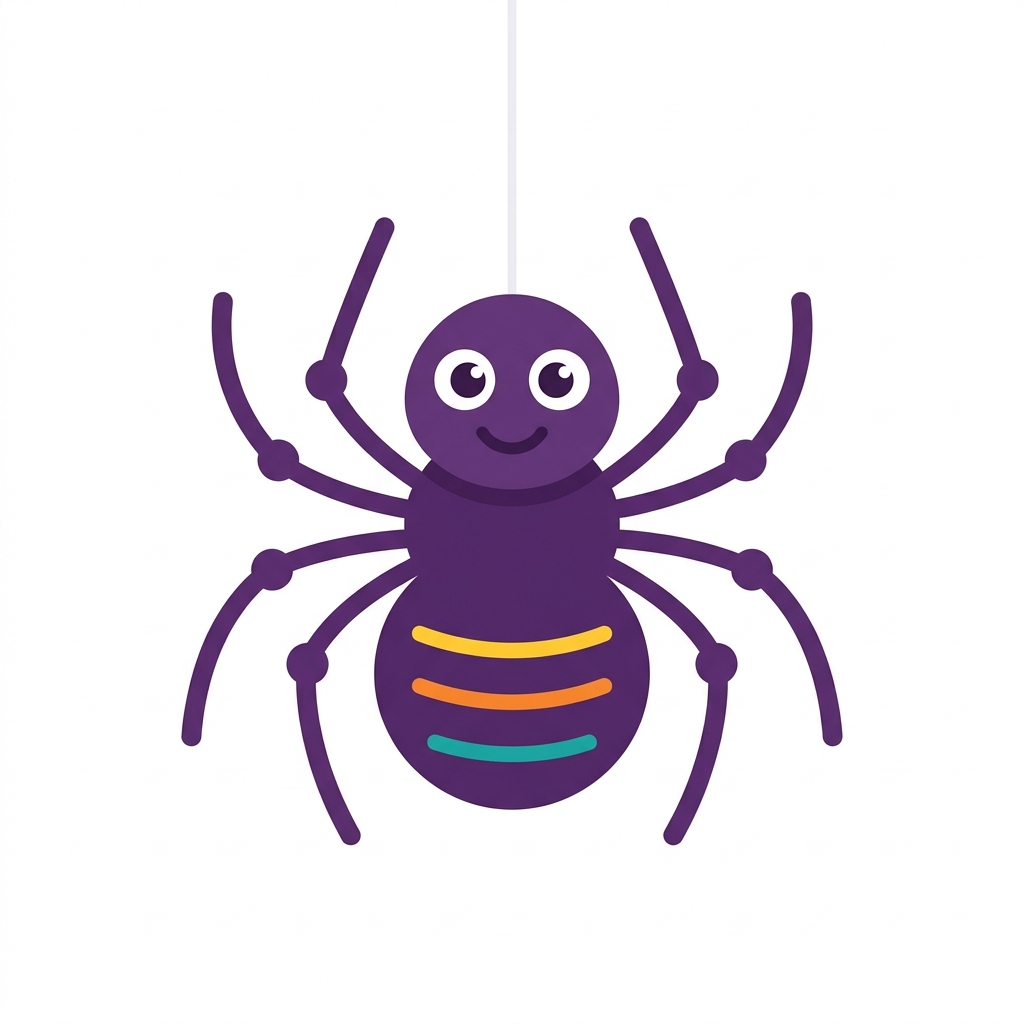
Spider
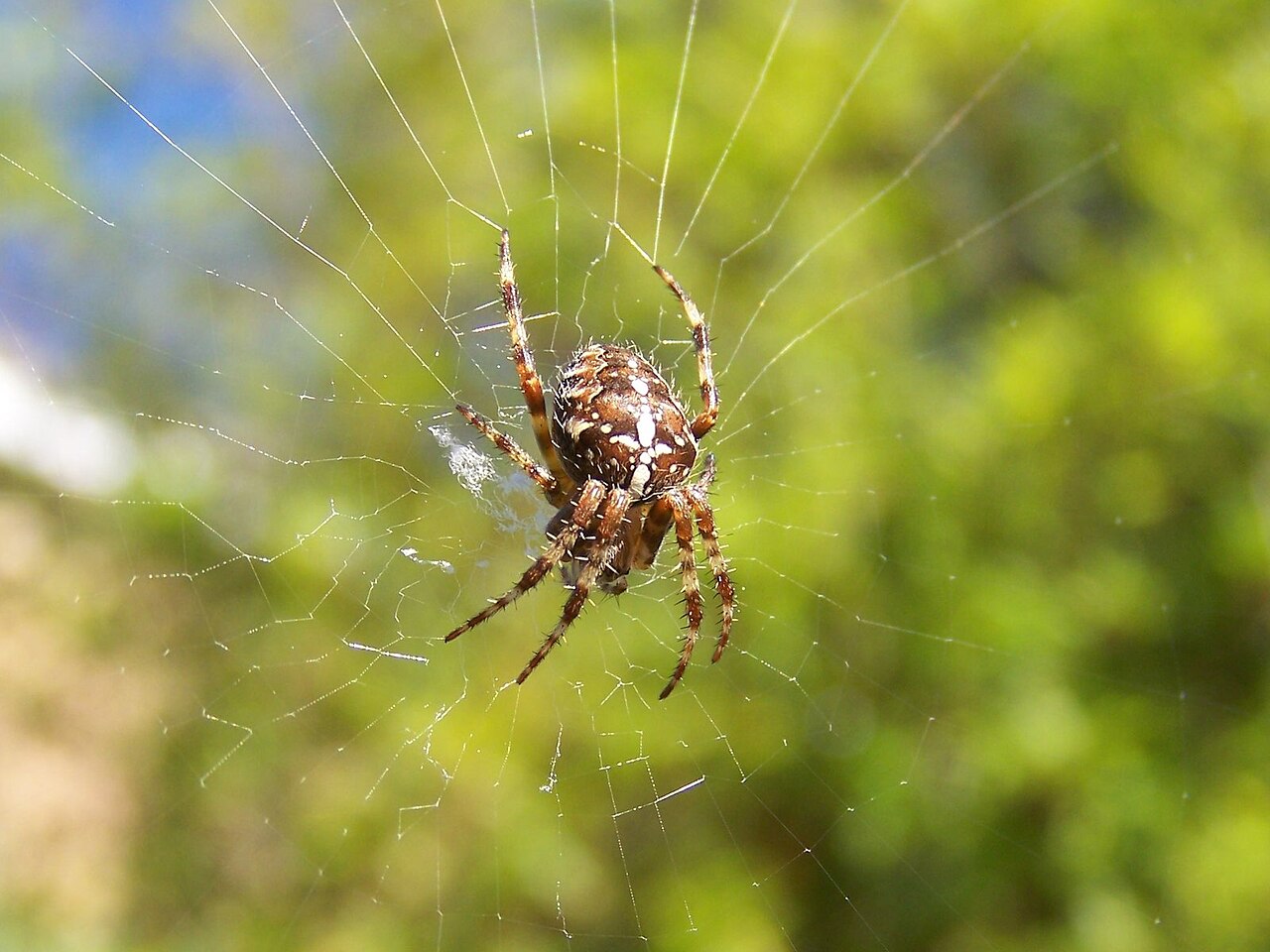
An eight-legged arachnid that produces silk.
How to identify:
Look for an animal with two main body parts and eight legs (insects have three body parts and six legs).
💡 Fun Facts
- Not all spiders build webs to catch food; some, like the wolf spider, are speedy hunters that chase down their prey.
- Spiders are found on every continent in the world except for Antarctica.
- They play a vital role in controlling insect populations.
Omnivores (Eat plants and meat)
Badger
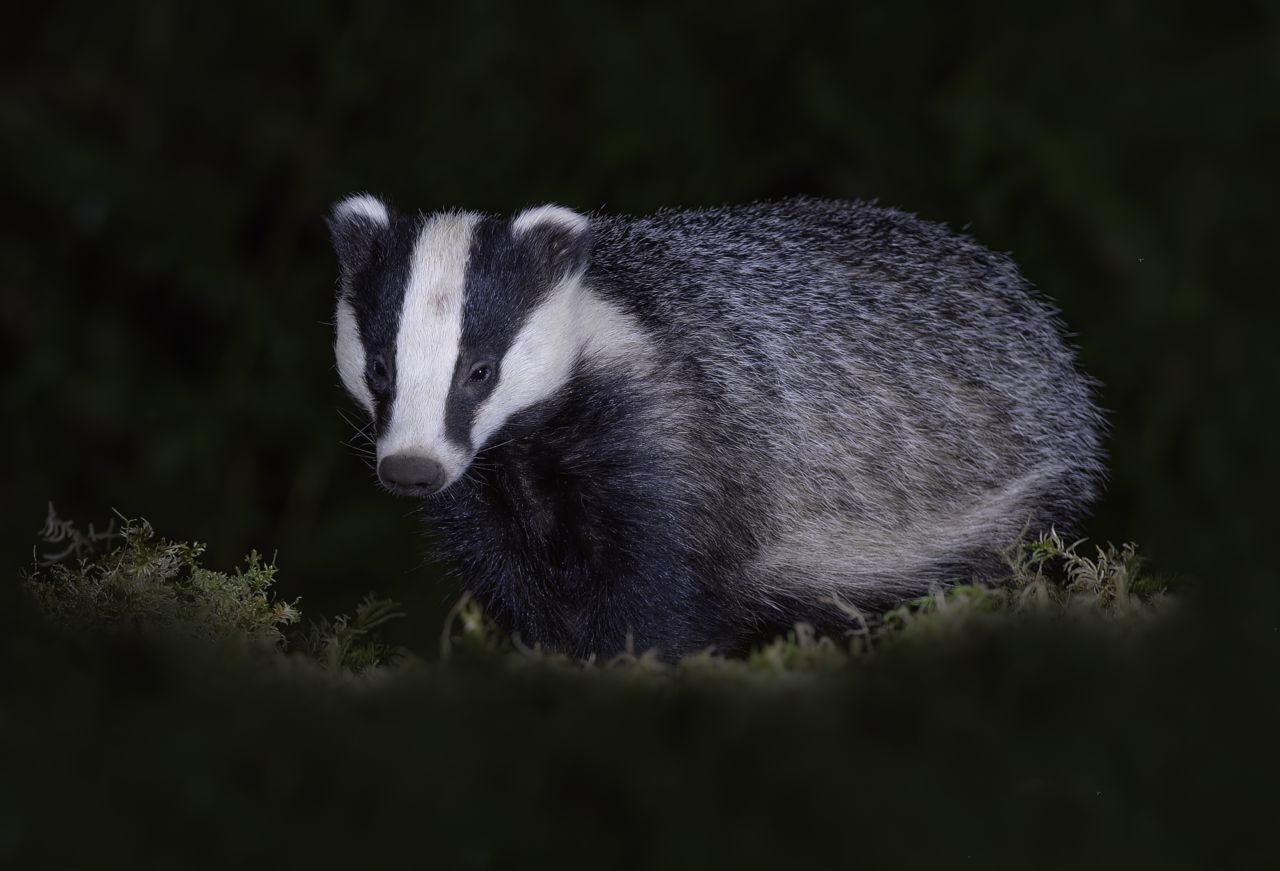
A powerful, nocturnal mammal with a distinctive black and white striped face.
How to identify:
Unmistakeable due to its stocky, grey body and the bold black and white stripes on its head.
💡 Fun Facts
- Earthworms are a badger's favourite food, and they can eat hundreds in a single night!
- They have long, powerful claws for digging their extensive underground homes, called setts.
- Although they eat mainly worms and insects, they will also eat fruit, seeds, and small mammals.
Blue Tit
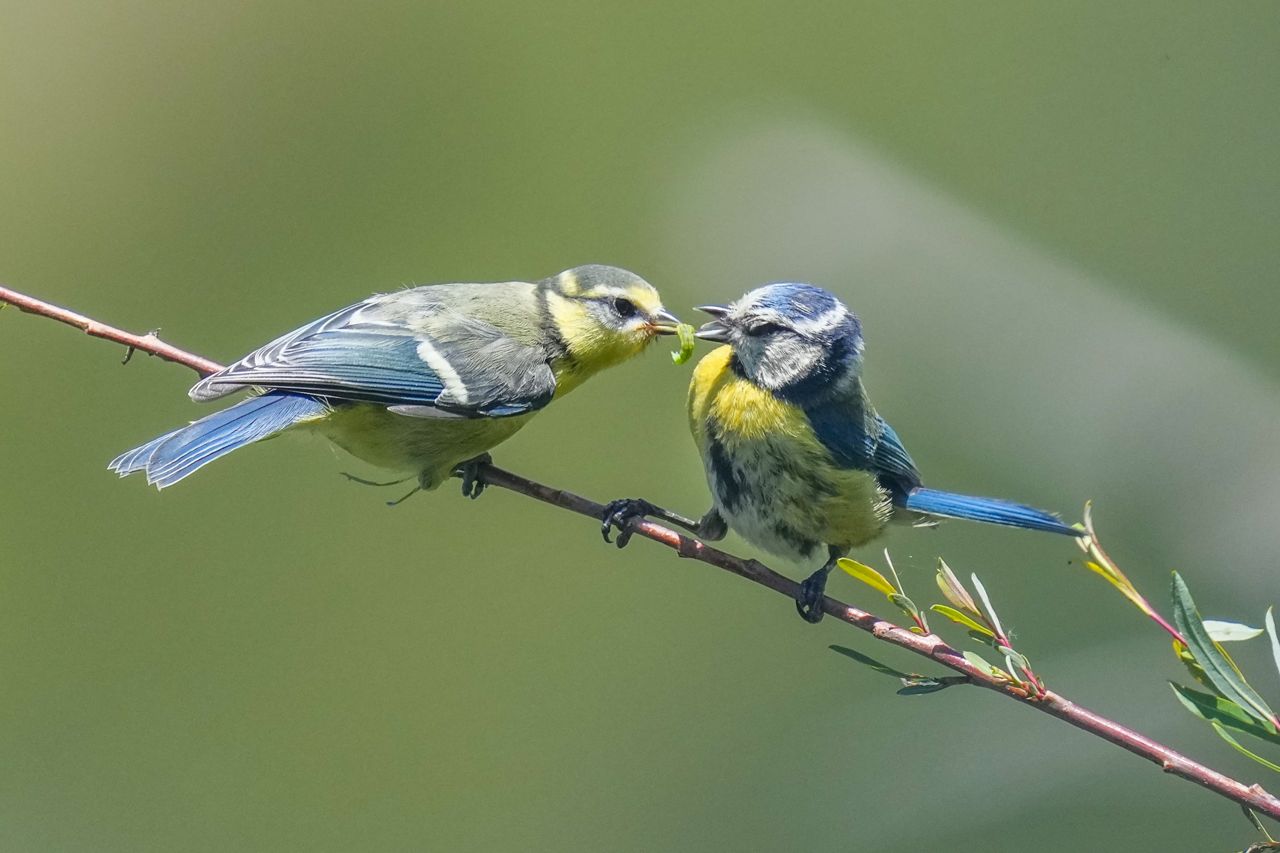
A small, colourful garden bird with a blue cap.
How to identify:
Look for its bright blue, yellow, and white feathers, small size, and acrobatic behaviour on bird feeders.
💡 Fun Facts
- In winter, blue tits team up with other tit species to form big flocks, making it easier to find food and spot danger.
- They are very clever and are famous for learning how to peck through the foil tops of milk bottles to drink the cream.
- Their diet changes with the seasons; they eat caterpillars and insects in the spring and switch to seeds and nuts in the winter.
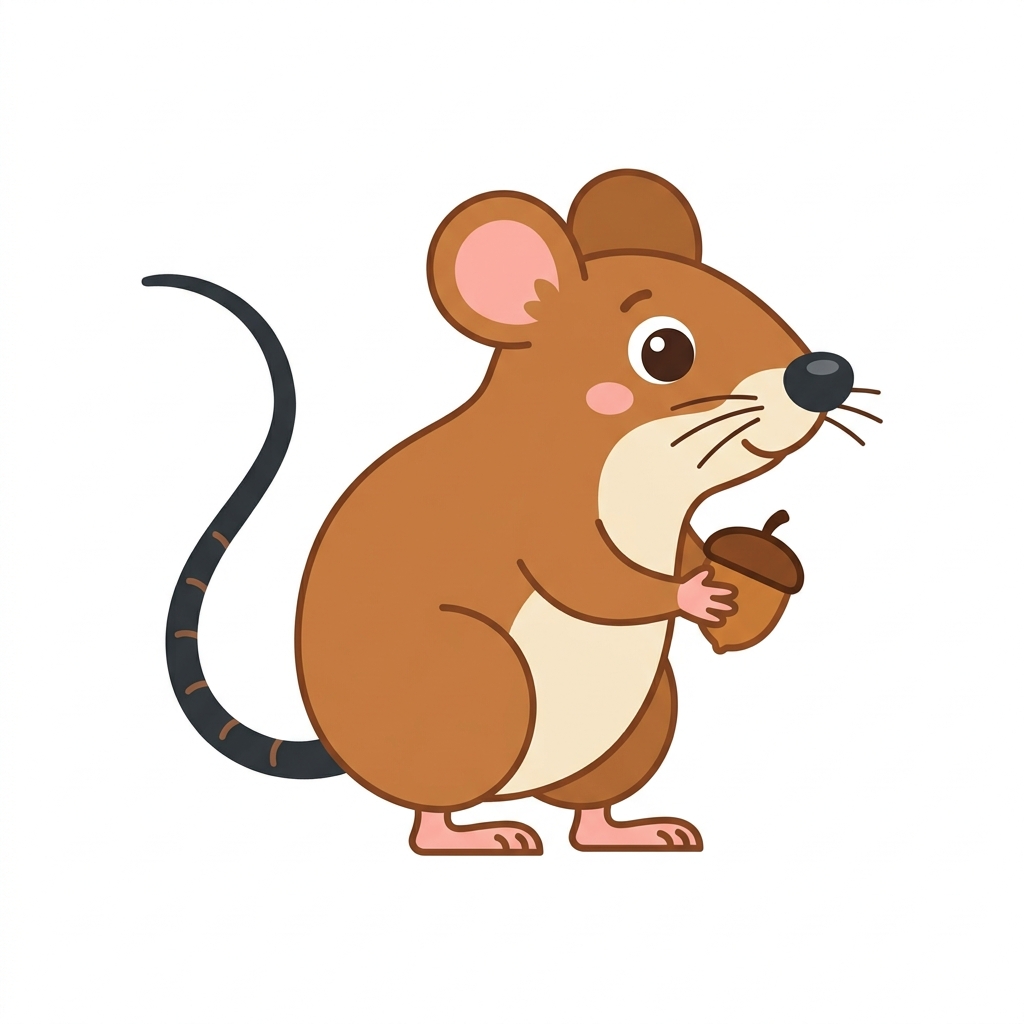
Wood Mouse
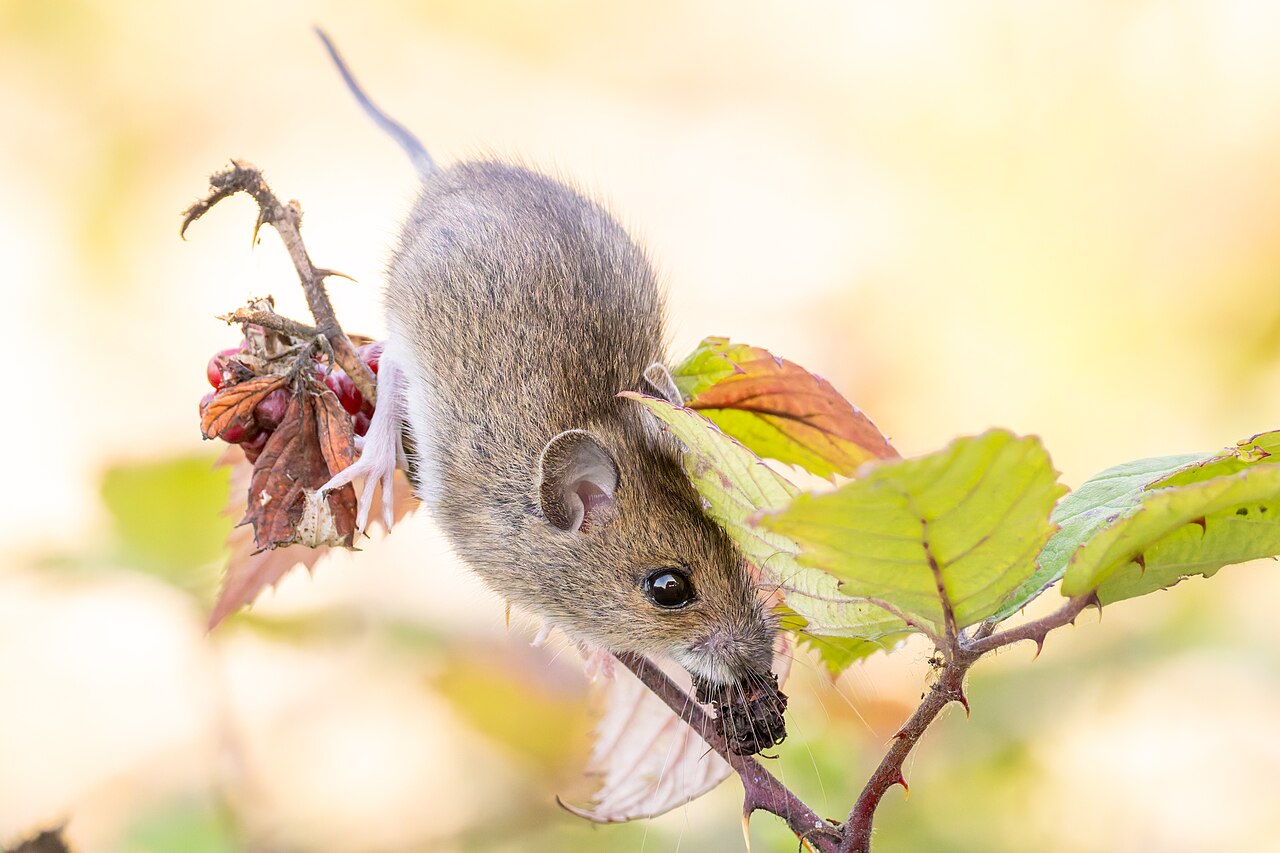
A small, nocturnal rodent with large eyes and ears, common in woods and gardens.
How to identify:
Look for its sandy-brown fur, large black eyes, prominent ears, and a long tail that is usually the same length as its body.
💡 Fun Facts
- A wood mouse can jump almost a metre in the air to escape from danger.
- They are excellent climbers and will scale plants to find seeds and berries.
- They often store food, such as seeds and nuts, in underground burrows for the winter.
Activities
Who Eats What?
Create a matching game with pictures of animals and pictures of their food.
Food Chain Fun
Make simple paper food chains. For example, a strip for grass, a strip for a rabbit, and a strip for a fox. Link them together to show the flow of energy.
Examine the Evidence
Look at pictures of animal skulls (or models). Talk about the different types of teeth—sharp pointy ones for carnivores and flat grinding ones for herbivores.
Reflections
Use these prompts to help children consolidate their understanding of feeding types.
Self-Reflection (Exit Ticket)
Ask children to write down what they had for lunch. Were they being a herbivore, a carnivore, or an omnivore?
Paired Reflection (Think-Pair-Share)
Ask children to discuss with a partner: Think of a herbivore that wasn't on our list. What does it eat and what might try to eat it?
Group Reflection
In small groups, children can discuss why having sharp teeth is useful for a carnivore and why flat teeth are useful for a herbivore.
Whole Class Share-Out
Ask the class: Why do you think there are no large carnivores living wild near our school, but lots of small ones like spiders and ladybirds?
Animal Structure and Classification
Curriculum Requirement
Describe and compare the structure of a variety of common animals (fish, amphibians, reptiles, birds and mammals, including pets).
Nature Examples
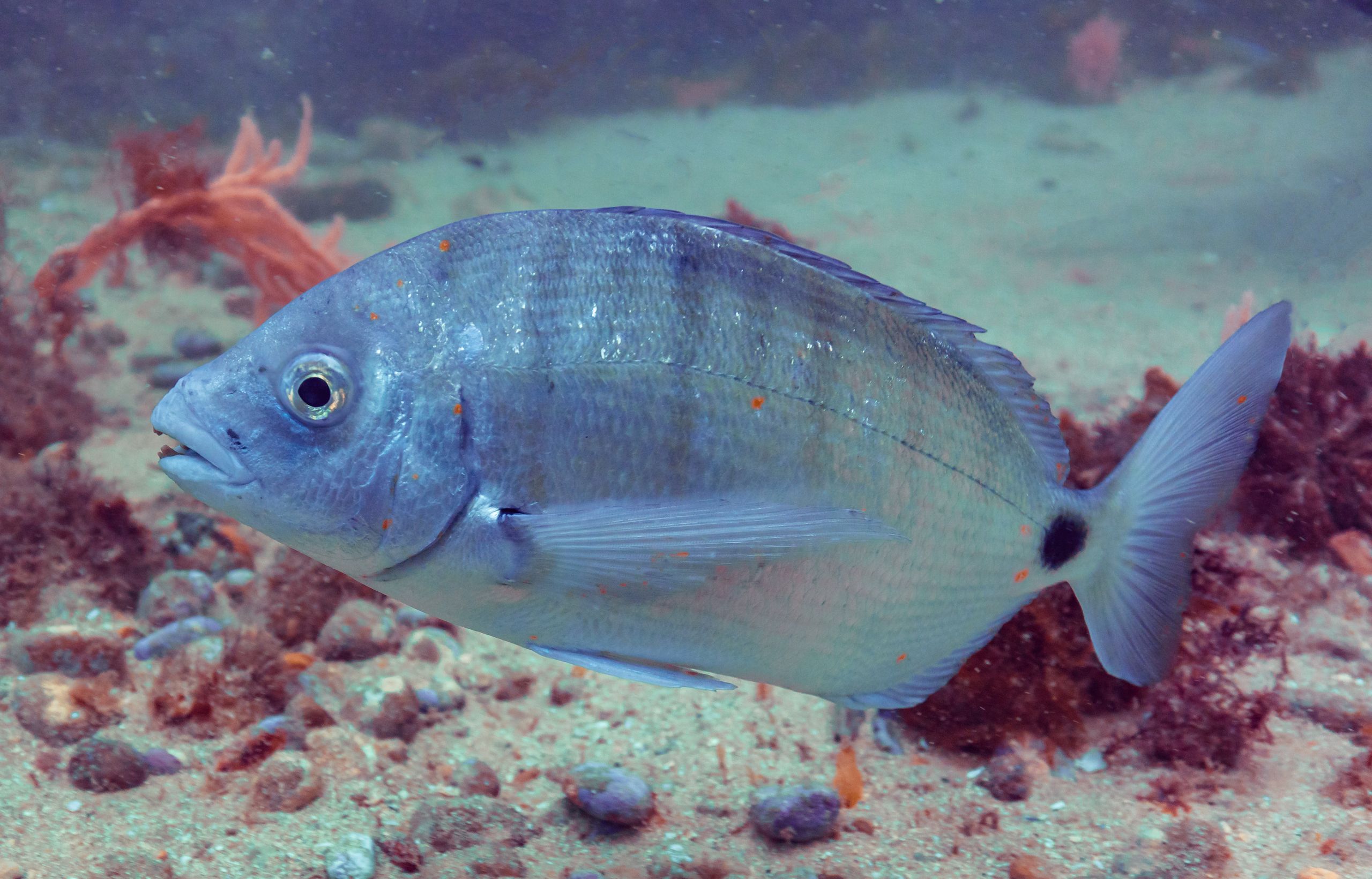
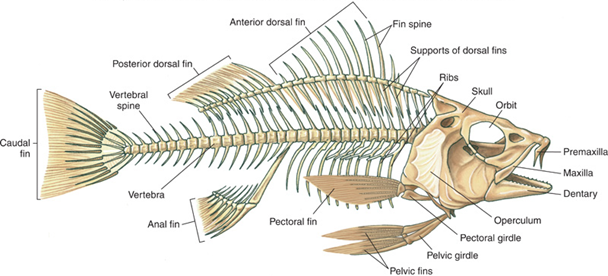
Fish Class
-
Gills: Gills are made of feathery filaments full of blood vessels. As water flows over them, they pull oxygen out, a bit like lungs in reverse.
-
Scales: Fish scales overlap like tiles on a roof, creating a flexible suit of armor. They are covered in a layer of slime that helps the fish glide through the water and protects it from germs.
-
Fins: A fish's tail fin (caudal fin) provides the main power for swimming, while other fins are used for steering, stopping, and hovering.
-
Structure: A streamlined body covered in scales for protection, fins for steering and movement, and gills for breathing oxygen directly from the water.
Amphibians Class
-
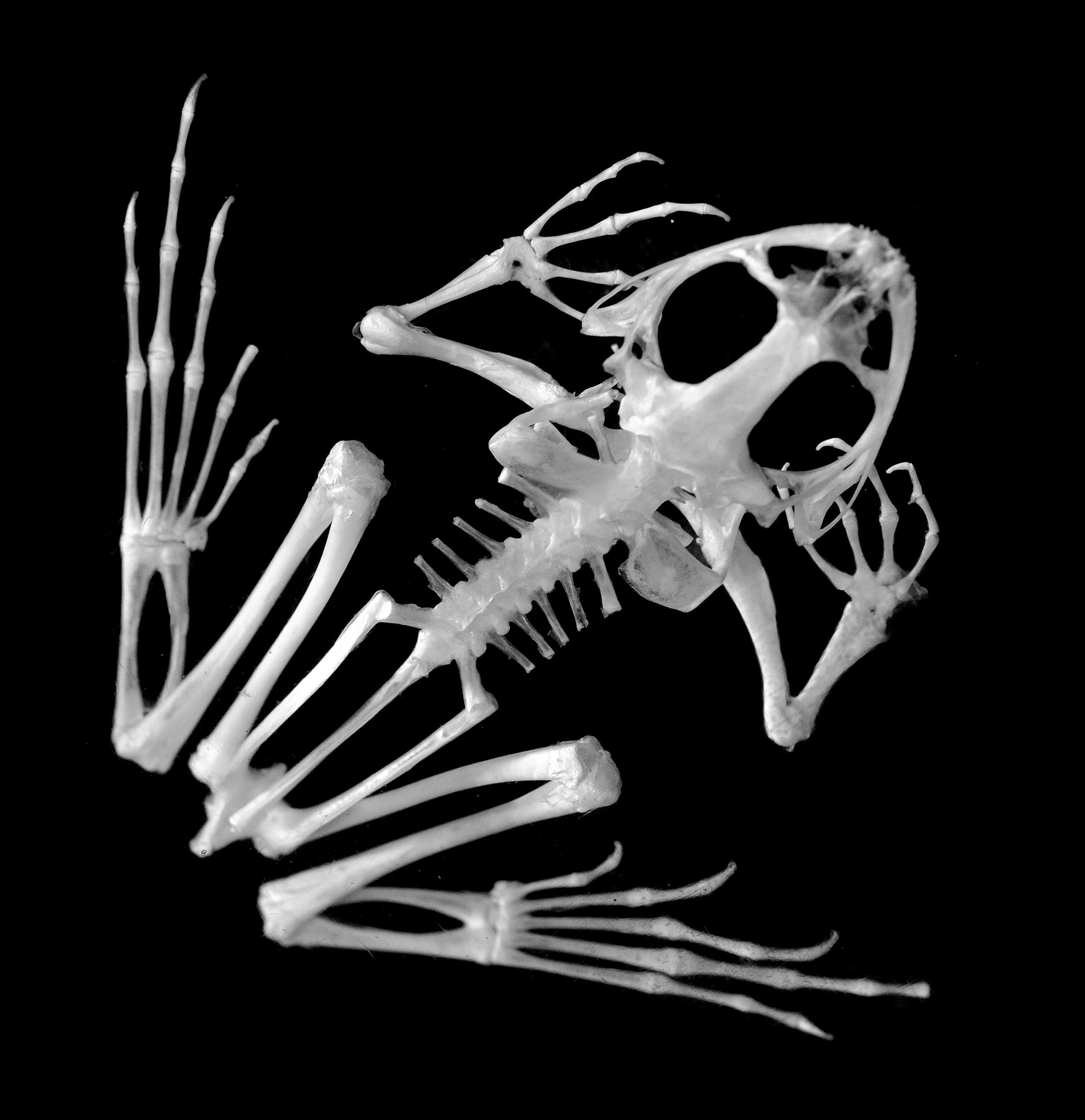
Skin: An amphibian's skin is permeable, meaning it can absorb water and oxygen directly through it. This is why they must live in damp environments to avoid drying out.
-
Lungs: Even after developing lungs, many amphibians continue to get a significant amount of their oxygen through their skin.
-
Life Cycle: The change from a gilled, water-dwelling tadpole to a lung-breathing, land-dwelling frog is a complete rebuilding of the body called metamorphosis.
-
Structure: They have smooth, moist skin with no scales, fur, or feathers. They typically start life with gills and later develop lungs. Many, like frogs, have powerful hind legs for jumping.
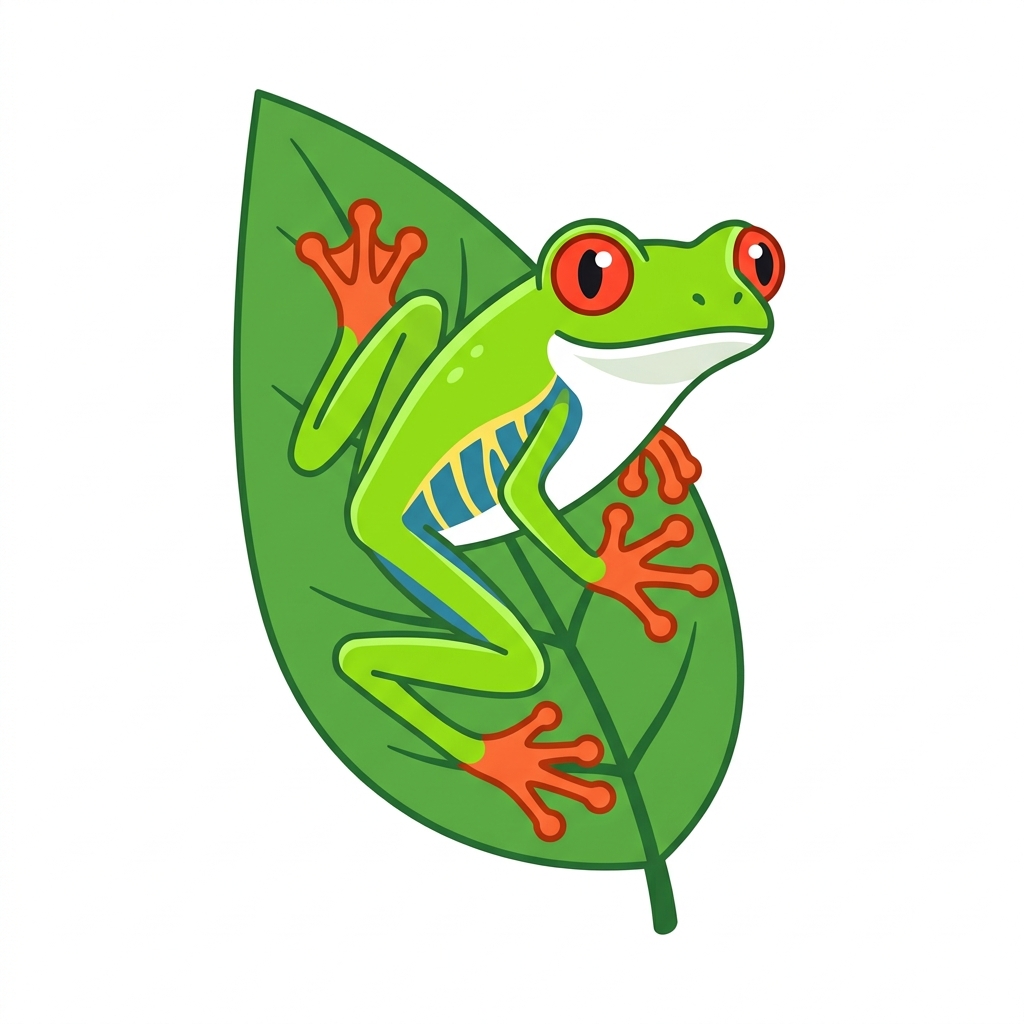
Red-eyed tree frog
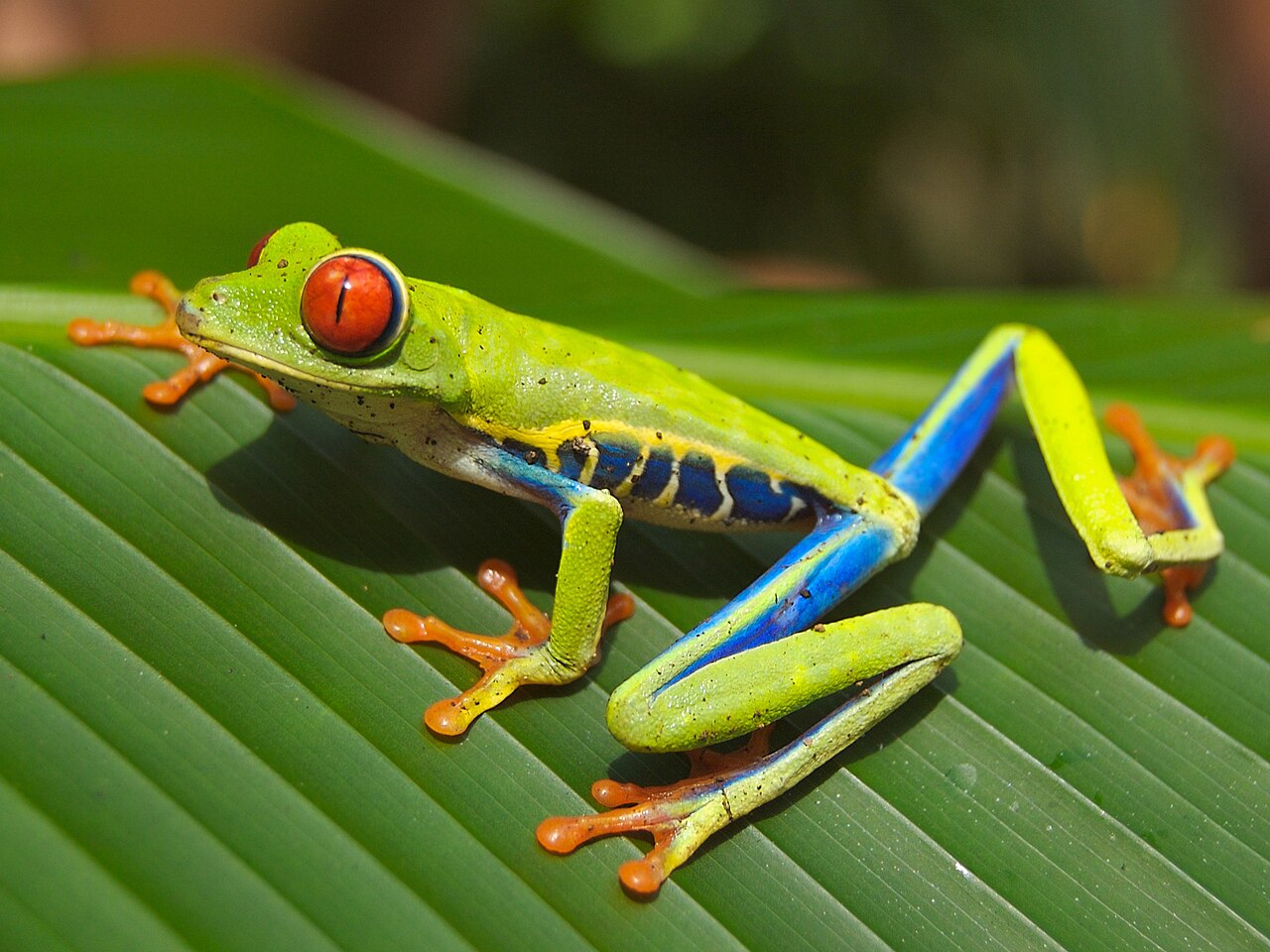
These frogs are known for their huge red eyes, bright green bodies, and blue-and-yellow striped sides. They are excellent climbers, thanks to sticky pads on their toes.
💡 Fun Facts
The red-eyed tree frog is an iconic amphibian that lives in the tropical rainforest.
Reptiles Class
-
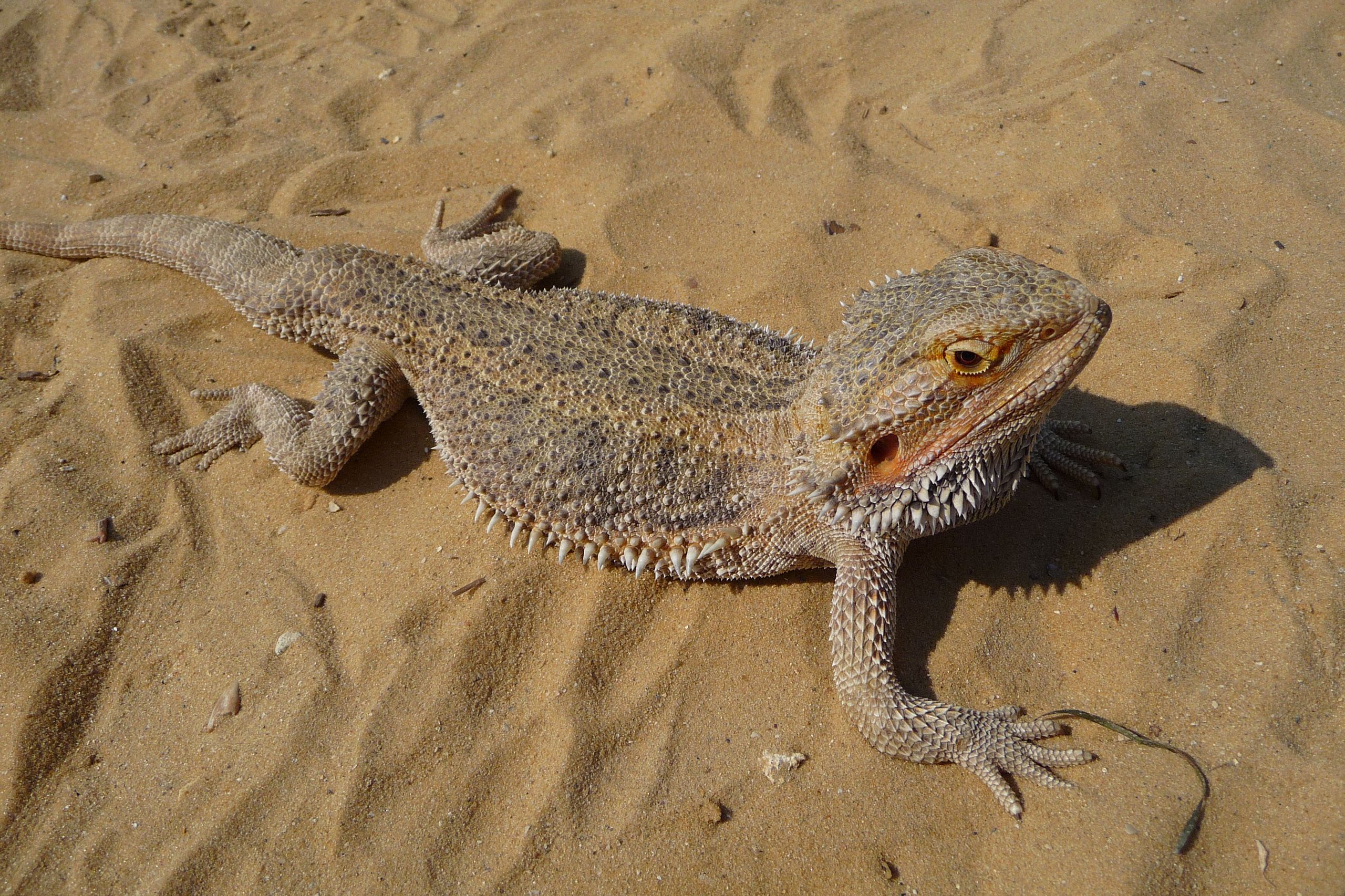
Scaly Skin: Unlike an amphibian's moist skin, a reptile's scaly skin is waterproof. This key adaptation allows reptiles to live in very dry environments, like deserts, without losing water.
-
Senses: Many snakes and lizards "smell" by flicking their tongue out to collect scent particles, then touching the tongue to a special organ in the roof of their mouth.
-
Cold-Blooded: Being "cold-blooded" means their body temperature matches their surroundings. You'll often see reptiles basking on a sunny rock to warm up and gain energy.
-
Bearded dragons have a secret 'third eye' on the very top of their heads! It's a little dot that helps them see shadows, so they know when a big bird is flying over and it's time to hide!
-
Structure: Their bodies are covered in dry, waterproof scales. They breathe air with lungs from birth and are cold-blooded (ectothermic).
Birds Class
-
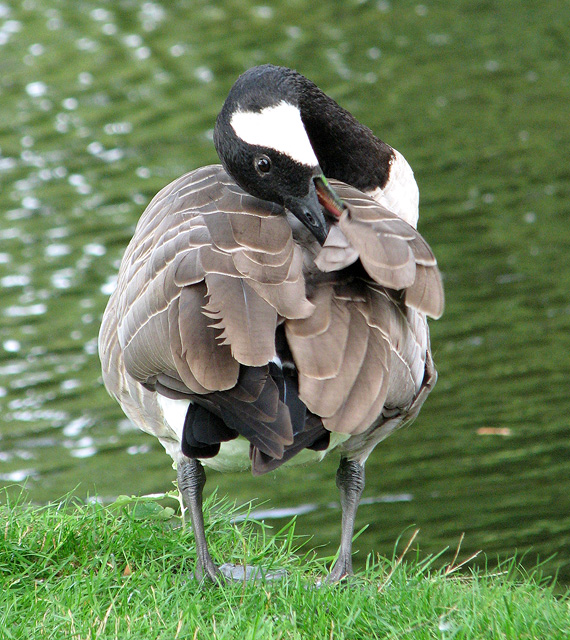
Feathers: Feathers are an amazing structure unique to birds. They provide lift for flight, insulation to keep the bird warm, and are used for display to attract mates.
-
Hollow Bones: A bird's skeleton is incredibly light but strong. The skeleton of a frigatebird, which has a 2-meter wingspan, weighs only about 115 grams—less than its feathers!
-
Beak: A bird's beak is a specialized tool shaped for its diet. A finch has a short, strong beak for cracking seeds, while a hawk has a sharp, hooked beak for tearing meat.
-
Structure: Their bodies are covered in feathers, they have wings for flight (in most species), lightweight and hollow bones, and a beak instead of teeth.
Mammals Class
-
Hair/Fur: All mammals have hair at some point in their life. For whales and dolphins, it's just a few whiskers when they are born. Hair provides insulation, camouflage, and can be used for sensing (like a cat's whiskers).
-
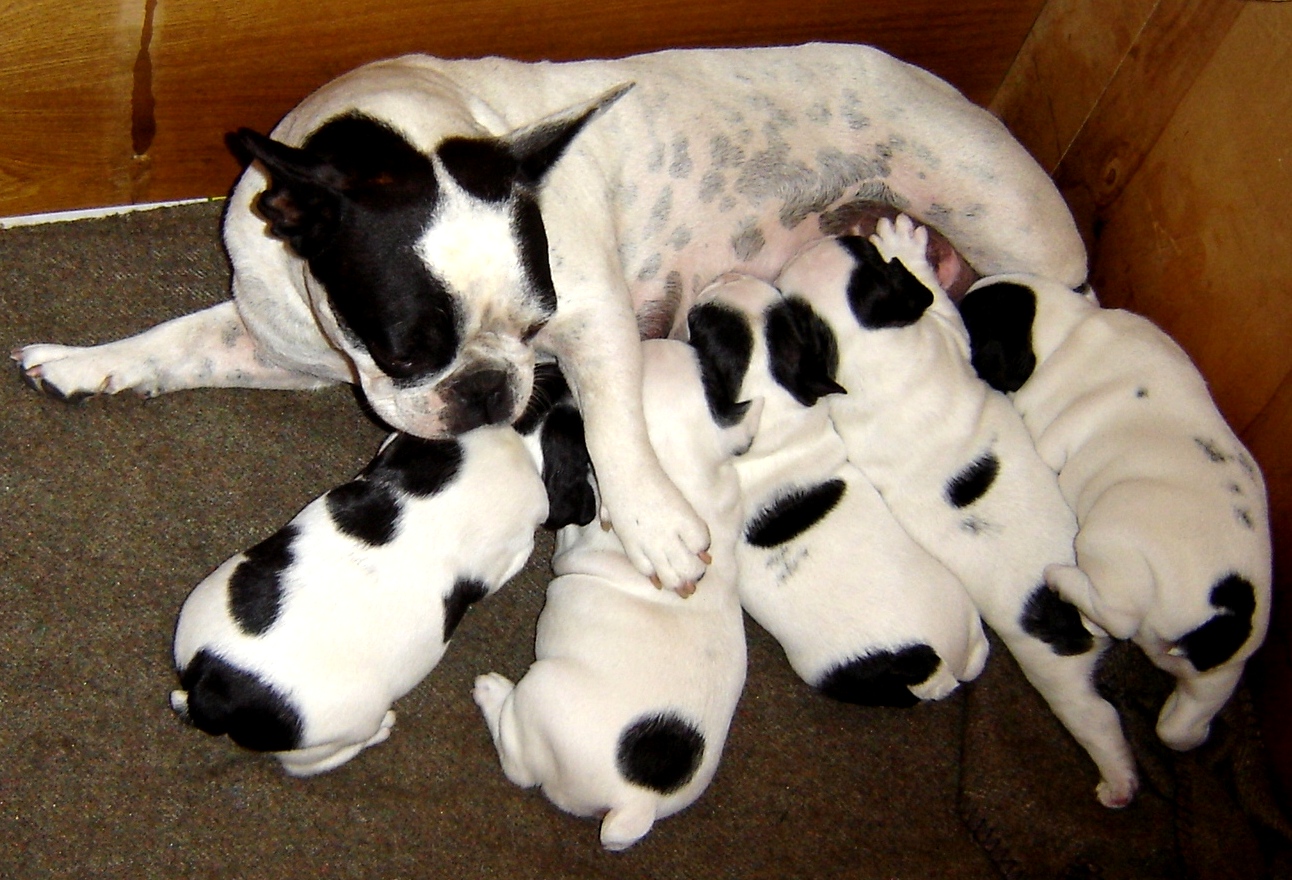
Milk: Mammals are named for their mammary glands, which produce nutritious milk to feed their babies. This gives the young a strong start in life.
-
Warm-Blooded: Being "warm-blooded" means mammals can create their own body heat. This allows them to stay active in cold weather and live in almost every climate on Earth.
-
Structure: They have hair or fur on their bodies, breathe with lungs, and are warm-blooded (endothermic). Mothers produce milk for their young.
Activities
Animal Coverings Sort
Provide pictures or samples of different animal coverings (fur, feathers, scales, smooth amphibian skin). Have children sort them into groups and identify which animal class they belong to and why the covering is useful.
Skeleton Match-Up
Show children simplified diagrams of skeletons from each of the five vertebrate groups. Discuss the key differences (e.g., bird's hollow bones and keel, snake's long flexible spine, fish's simple ribcage) and have them match the skeleton to the correct animal.
Build a Creature
Ask children to design a new animal for a specific environment (e.g., a cold mountain or a deep sea trench). They must choose a class (mammal, reptile, etc.) and then draw and label the structural features it would need to survive there, explaining their choices.
Reflections
Use these prompts to help children compare the different animal structures.
Self-Reflection (Two Stars and a Wish)
Ask children to write down: ⭐ Two features from different animal groups they found fascinating. 🌠 One question they still have about why animals have different body parts.
Paired Reflection (Think-Pair-Share)
Ask children to discuss with a partner: What is the most important difference between a reptile's skin and an amphibian's skin? Why does it matter?
Group Reflection
In small groups, ask children to imagine a new animal that can fly but isn't a bird. What would its body structure be like? (e.g., Does it have feathers? Are its bones hollow?)
Whole Class Share-Out
Take a class vote: Which animal structure do we think is the most clever or surprising adaptation?
The Human Body and Senses
Curriculum Requirement
Identify, name, draw and label the basic parts of the human body and say which part of the body is associated with each sense.
Basic Body Parts
The human body can be broadly divided into the head, torso, arms, and legs. Each of these main parts contains more specific components.
- Head: Contains the brain, eyes, ears, nose, and mouth. It's protected by the skull.
- Torso: Includes the chest and abdomen. It houses vital organs like the heart, lungs, stomach, and intestines, all protected by the rib cage and supported by the spine.
- Arms: Each arm consists of an upper arm, forearm, wrist, and hand, which includes fingers and a thumb.
- Legs: Each leg is made up of a thigh, lower leg, ankle, and foot, which includes the toes.
The Five Senses
Our five senses are our connection to the world, and each is associated with a specific part of the body. Many animals have adapted their senses to help them survive.
Sight (Eyes)
The eyes are the organs of vision, allowing us to perceive the world through light.
Each eye contains a retina, lens, and pupil.
💡 Fun Facts
- Your eyes can distinguish about 10 million different colours, and they remain the same size from birth to death.
- The human eye can see a candle flame from up to 1.7 miles away on a clear, dark night.
- You blink on average about 15-20 times per minute, which is over 10,000 times a day!
Hearing (Ears)
The ears are the organs that detect sound and also help us to maintain our balance.
The ears are made up of the outer, middle, and inner ear.
💡 Fun Facts
- The three smallest bones in your entire body are located in your ear: the malleus, incus, and stapes (hammer, anvil, and stirrup). Together, they are smaller than a pea.
- Your ears never stop working, even when you are asleep; your brain just learns to ignore the sounds.
- Earwax is not just dirt; it's a useful substance that cleans, protects, and lubricates the ear canal, trapping dust and germs.
Smell (Nose)
The nose is the organ responsible for our sense of smell (olfaction).
The nose contains millions of scent receptors in the nasal cavity.
💡 Fun Facts
- Your sense of smell is more closely linked to memory than any of your other senses.
- Humans can identify at least one trillion different smells.
- Smells can strongly affect our mood; for example, the scent of lavender is often found to be calming.
Taste (Tongue)
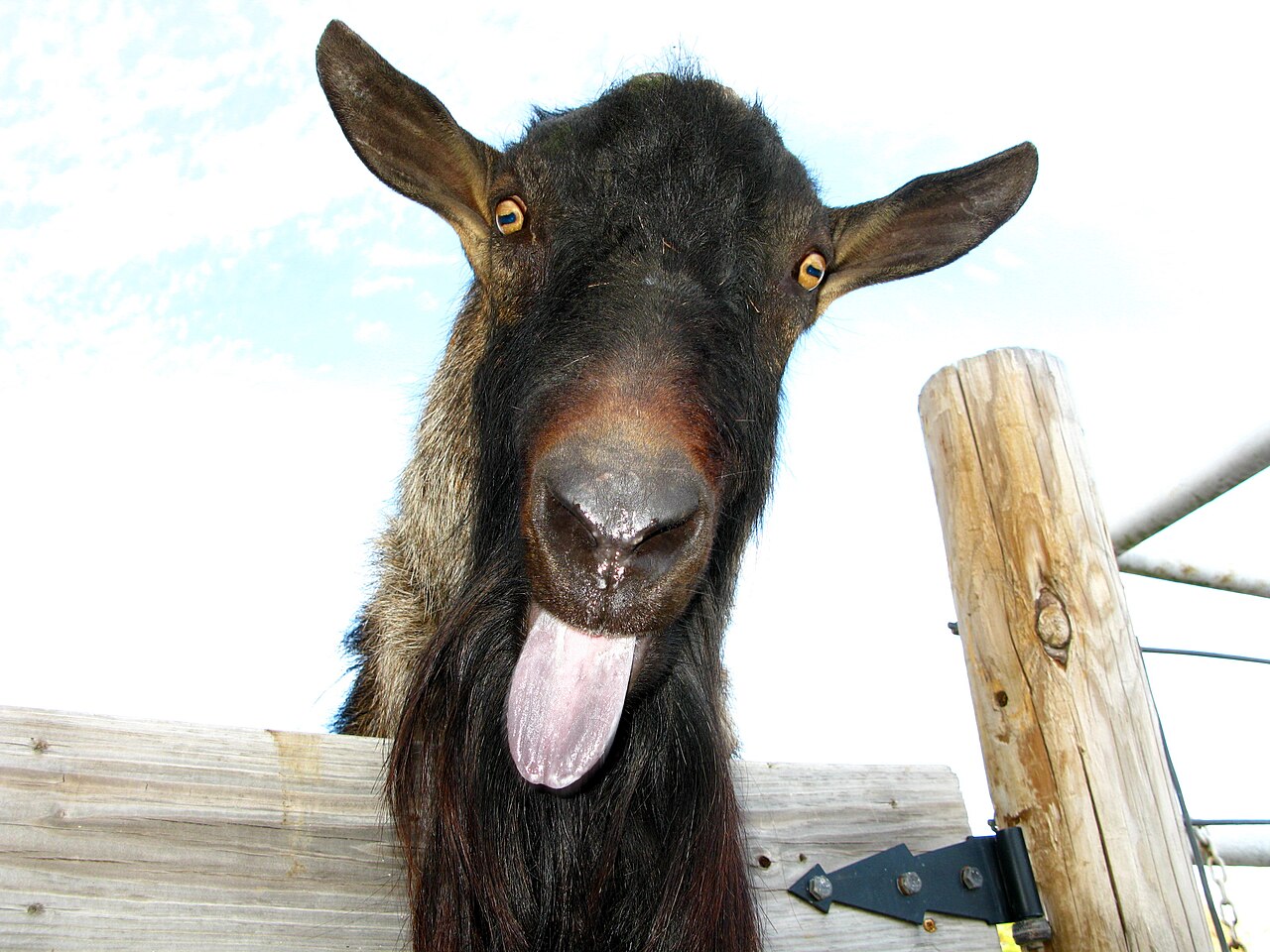
The sense of taste (gustation) allows us to detect different flavours in food.
The tongue is covered in thousands of tiny taste buds.
💡 Fun Facts
- Whilst we often think taste is all about the tongue, about 80% of what we perceive as 'flavour' actually comes from our sense of smell.
- The five basic tastes are sweet, sour, salty, bitter, and umami (a savoury taste).
- Your taste buds have a short lifespan, replacing themselves roughly every 10 to 14 days.
Touch (Skin)
The sense of touch is located all over our skin, the body's largest organ.
The skin contains millions of nerve endings to provide the sense of touch.
💡 Fun Facts
- Your fingertips and lips are two of the most sensitive parts of your body because they have the highest concentration of touch receptors.
- The skin is the body's largest organ, and it is constantly renewing itself by shedding old cells.
- There are different types of nerve endings in the skin to detect different sensations, like pressure, texture, temperature, and pain.
Activities
"Simon Says" Body Parts
Play a game of "Simon Says" using commands that help children identify and locate different parts of their bodies quickly (e.g., "Simon says touch your elbows," "Simon says wiggle your toes").
Five Senses Mystery Boxes
Prepare several boxes, each appealing to a different sense. For example, a box with a textured object (touch), a box with a scented cotton ball (smell), or a box with a small bell (hearing). Children use one sense at a time to guess the contents.
Body Tracing and Labelling
Have children lie on a large sheet of paper whilst a partner traces their body outline. They can then draw and label the basic parts of the body and indicate where each of the five senses is located.
Reflections
Use these prompts to help children connect their learning about senses to their own experiences.
Self-Reflection (Exit Ticket)
Ask children to write down on a sticky note: Which of your five senses do you think is the most important for you, and why?
Paired Reflection (Think-Pair-Share)
Ask children to discuss with a partner: Name one thing you do every day that uses at least three senses all at once.
Group Reflection
In small groups, children can discuss what it might be like to not have a sense of smell. How would it change their day-to-day life?
Whole Class Share-Out
Go around the class and have each child share one way their body (and its senses) has helped them learn something new today.
Back to: Science