Year 1: Plants
Identifying Common Plants and Trees
Curriculum Requirement
- Identify and name a variety of common wild and garden plants, including deciduous and evergreen trees
- Identify and describe the basic structure of a variety of common flowering plants, including trees
Pupils should use the local environment throughout the year to explore and answer questions about plants growing in their habitat. Where possible, they should observe the growth of flowers and vegetables that they have planted.
They should become familiar with common names of flowers, examples of deciduous and evergreen trees, and plant structures (including leaves, flowers (blossom), petals, fruit, roots, bulb, seed, trunk, branches, stem).
Pupils might work scientifically by: observing closely, perhaps using magnifying glasses, and comparing and contrasting familiar plants; describing how they were able to identify and group them, and drawing diagrams showing the parts of different plants including trees.
Pupils might keep records of how plants have changed over time, for example the leaves falling off trees and buds opening; and compare and contrast what they have found out about different plants.
National Curriculum in England: primary curriculum, Section: "Plants", p. 148.
The Parts of a Plant
Most of the plants and trees you see have four main parts — the roots, the stem, the leaves, and the flower. Each part has a very important job to do.
The Four Main Parts

The Flower
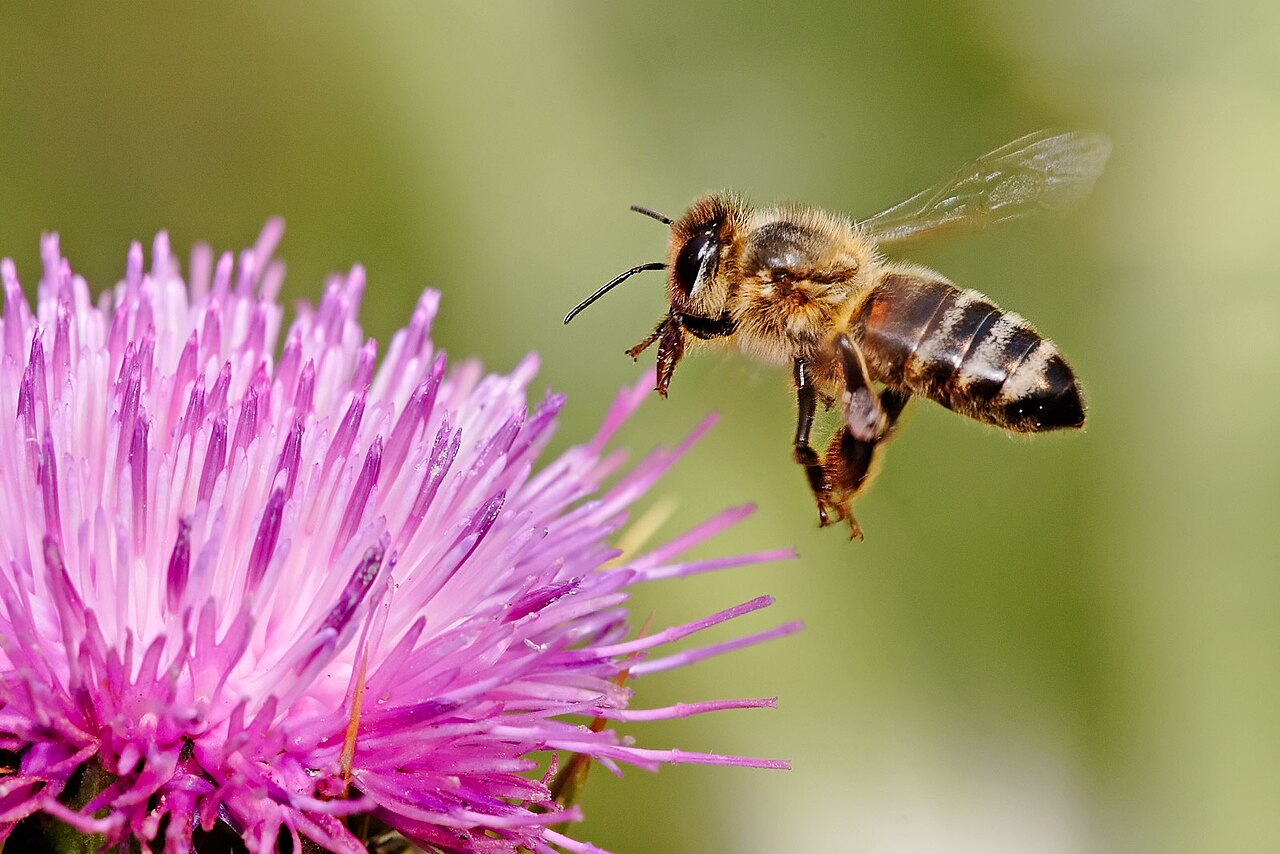
This is often the most colourful part of a plant.
Its job is to:
Make seeds so the plant can grow new plants.
💡 Fun Facts
- Flowers use bright colours and nice smells to attract bees and other insects to help with pollination.
- Some flowers, like dandelions, turn into a fluffy seed head after they have been pollinated.
- Not all flowers are big and bright; the flowers on a grass plant are very small and often green.

The Leaves
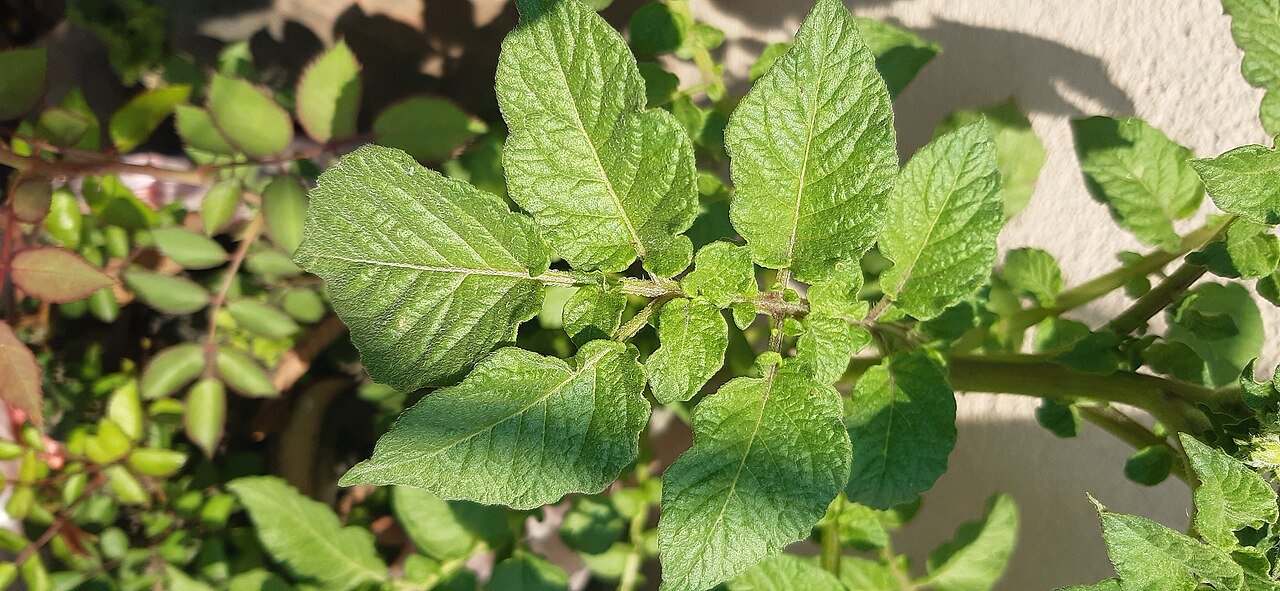
These are usually green and grow on the stem.
Their job is to:
Soak up all the sunlight to make food for the plant.
💡 Fun Facts
- The leaves are like a plant's kitchen, as this is where it makes its food.
- The green colour comes from a substance called chlorophyll, which helps the plant absorb sunlight.
- In autumn, the leaves of deciduous trees stop making food and change from green to beautiful reds, yellows, and browns.
The Stem
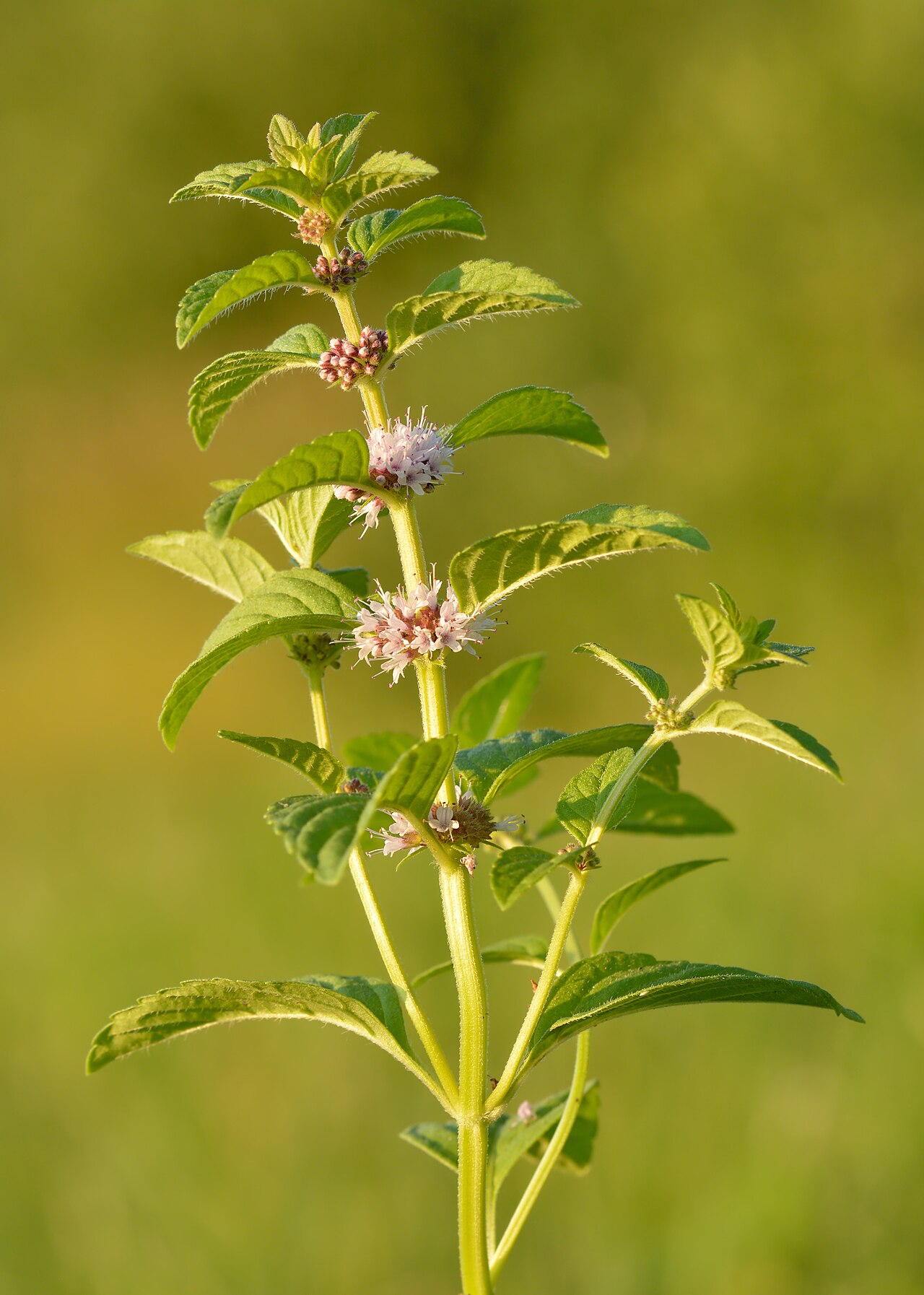
This is the stalk that holds the plant up.
Its job is to:
Carry water from the roots up to the leaves and flower.
💡 Fun Facts
- The stem is like a drinking straw and a backbone for the plant all in one.
- The strong, woody stem of a tree is called a trunk.
- Some plants, like stinging nettles, have tiny hairs on their stems to protect them from being eaten.
The Roots
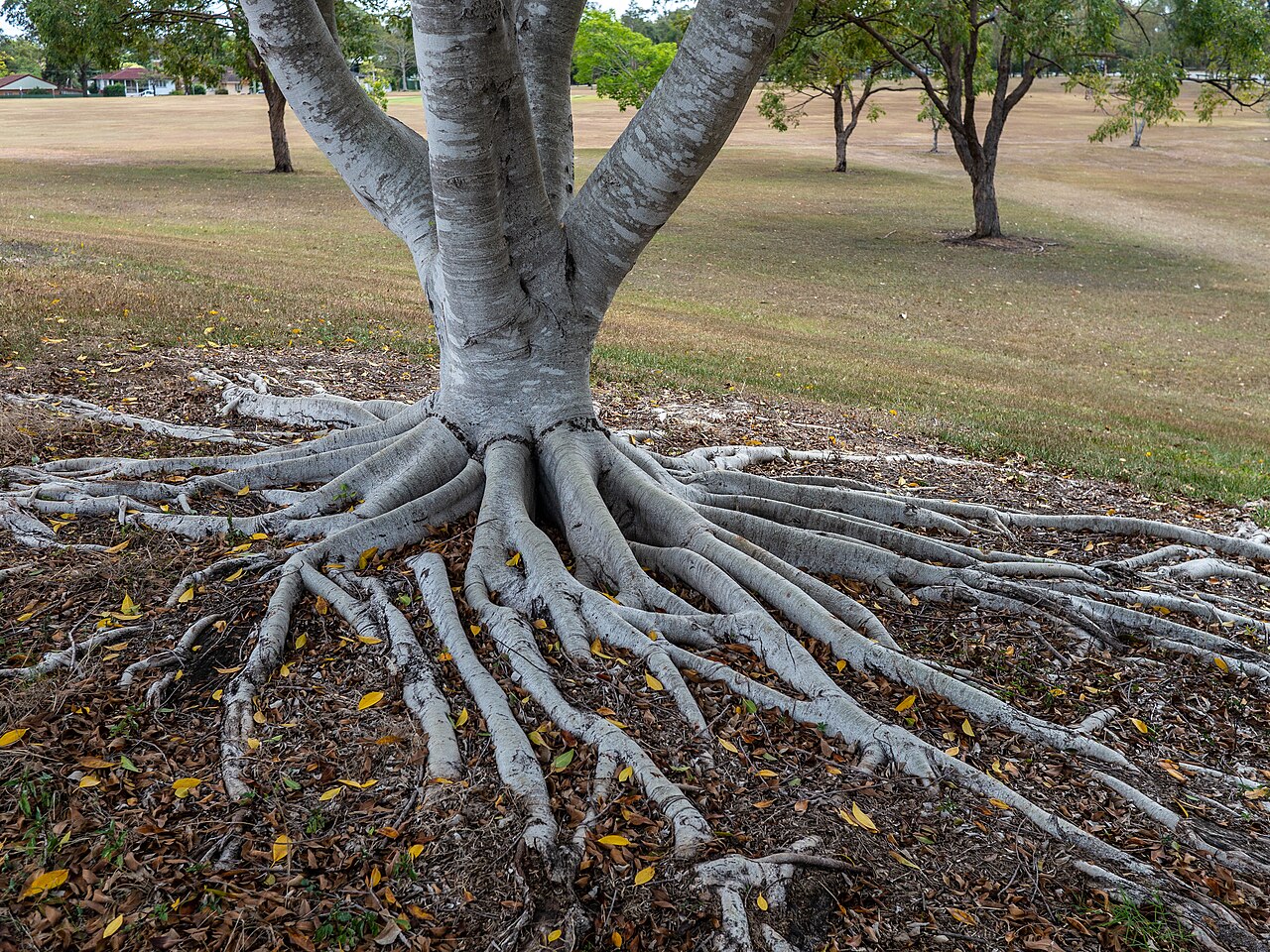
These are the parts that grow down into the soil.
Their job is to:
Suck up water from the soil and hold the plant steady so it doesn't fall over.
💡 Fun Facts
- Roots act like an anchor to hold the plant firmly in the ground.
- Some roots, like carrots and parsnips, are vegetables that we can eat.
- The roots of a big tree can spread out under the ground much wider than the branches you can see above it.
Identifying Common Plants
These are smaller plants, often with colourful flowers, that you can find growing in gardens, parks, and school grounds.
Common Flowers
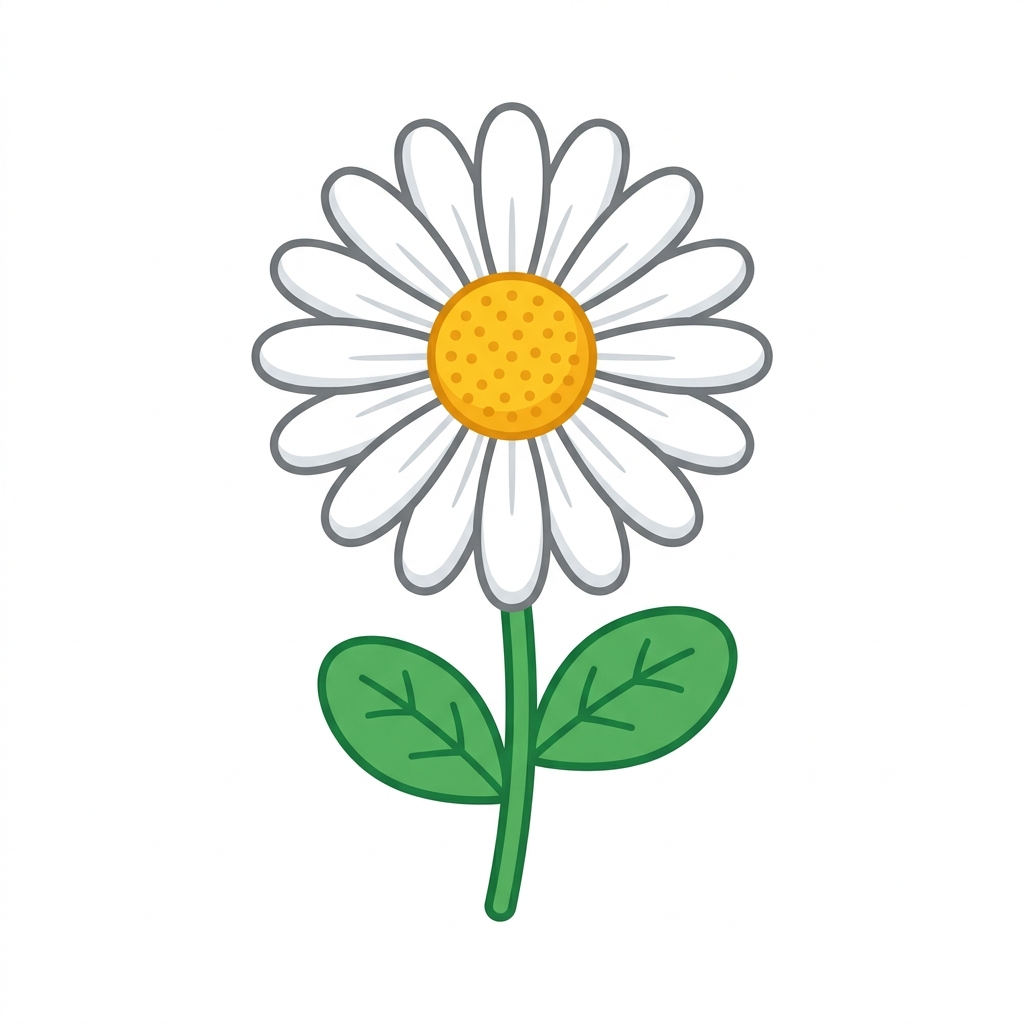
Daisy
A small, common flower often found growing in lawns.
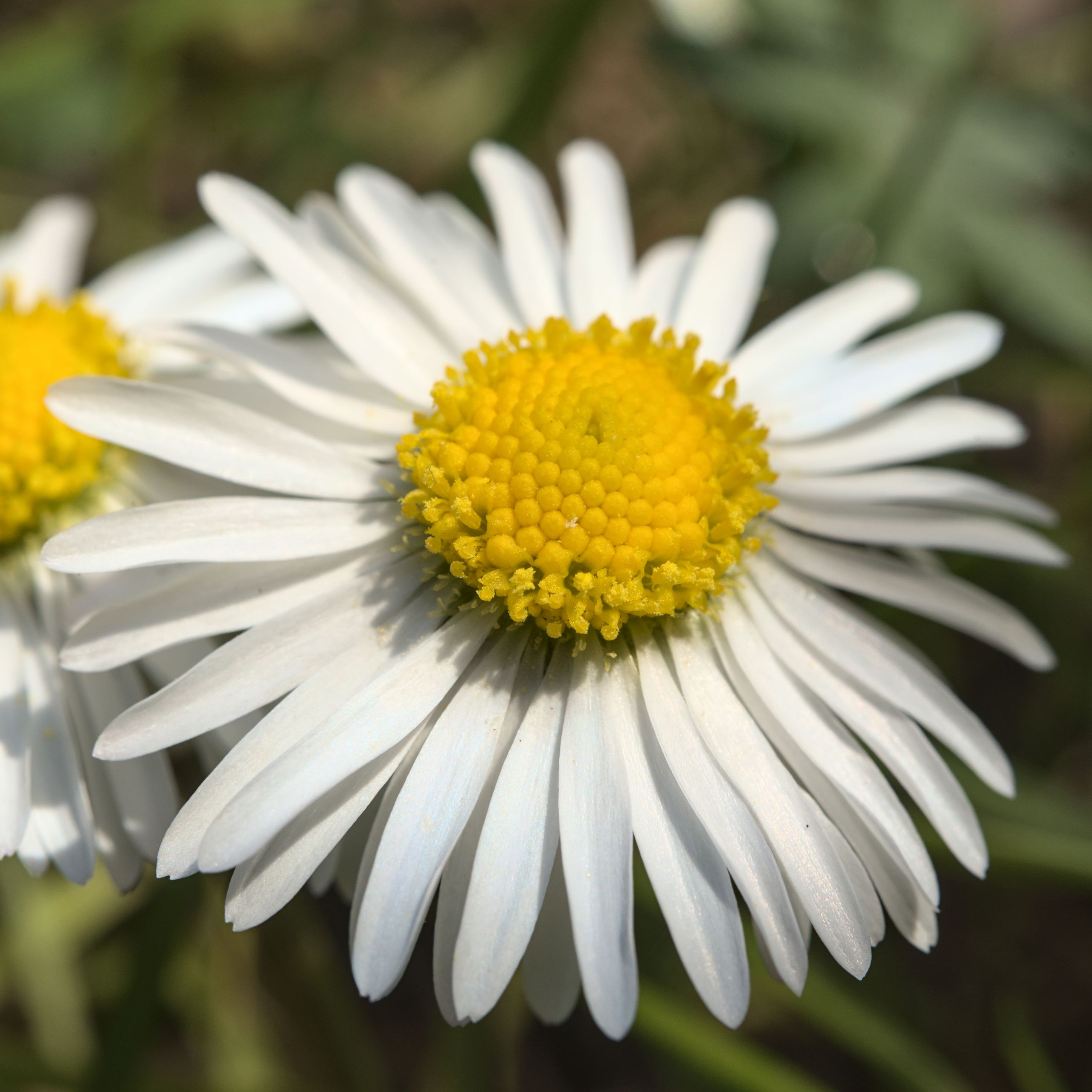
How to identify:
Look for a yellow centre surrounded by many thin, white petals. The flower grows on a single, leafless stalk.
💡 Fun Facts
- Daisies get their name from "day's eye" because their petals close up at night and open again in the morning, just like an eye.
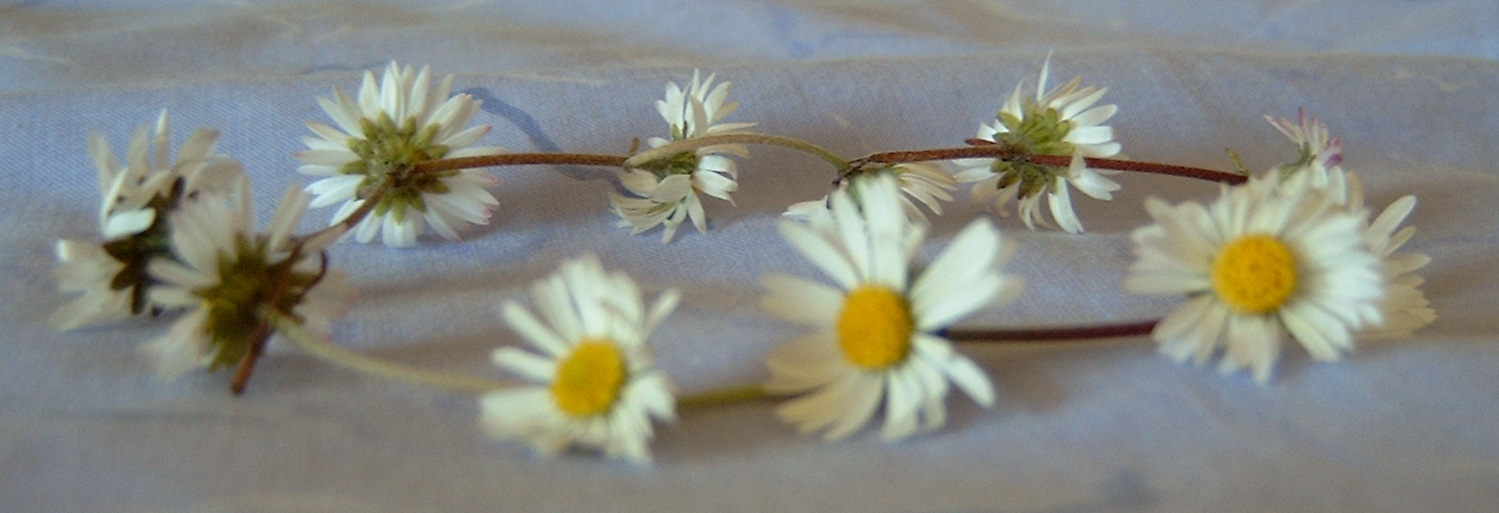
- You can make a daisy chain by carefully making a small slit in the stalk of one daisy with your nail and threading another through it.
- They are very tough plants and can survive being trodden on or mown.
📅 Through the Year
- Flowering:March to October
Bellis perennis
means “The flower that lasts all year round”
What does its name mean?
- Bellis — an old name — perhaps 'pretty', perhaps an old wound-herb wordLatin
- perennis — lasting all year, perennialLatinDecode this word →
On a British lawn you can spot a daisy in flower in almost every month of the year — truly an all-year-round plant. Its English name is lovely too: 'daisy' comes from 'day's eye', because it shuts at dusk and opens again at dawn.
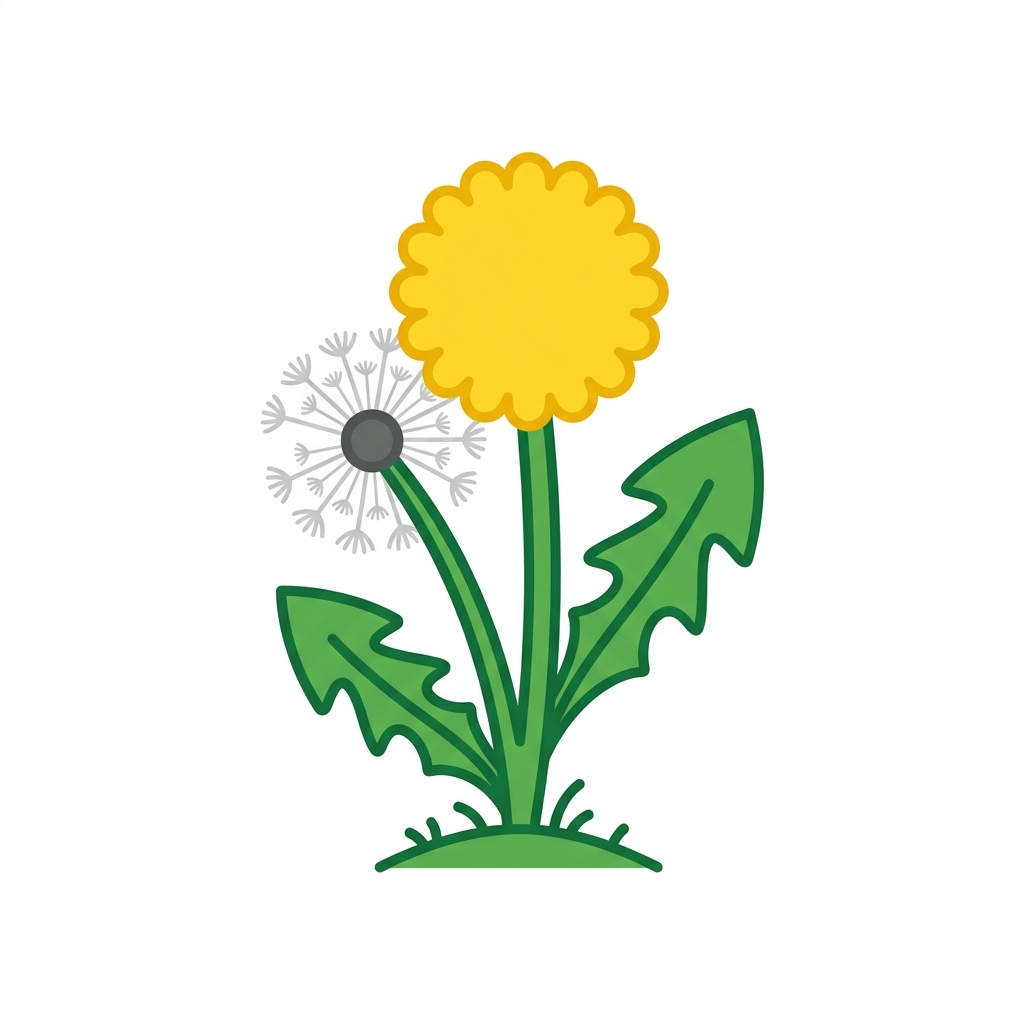
Dandelion
A bright yellow flower with jagged leaves, which later turns into a round, white seed head.
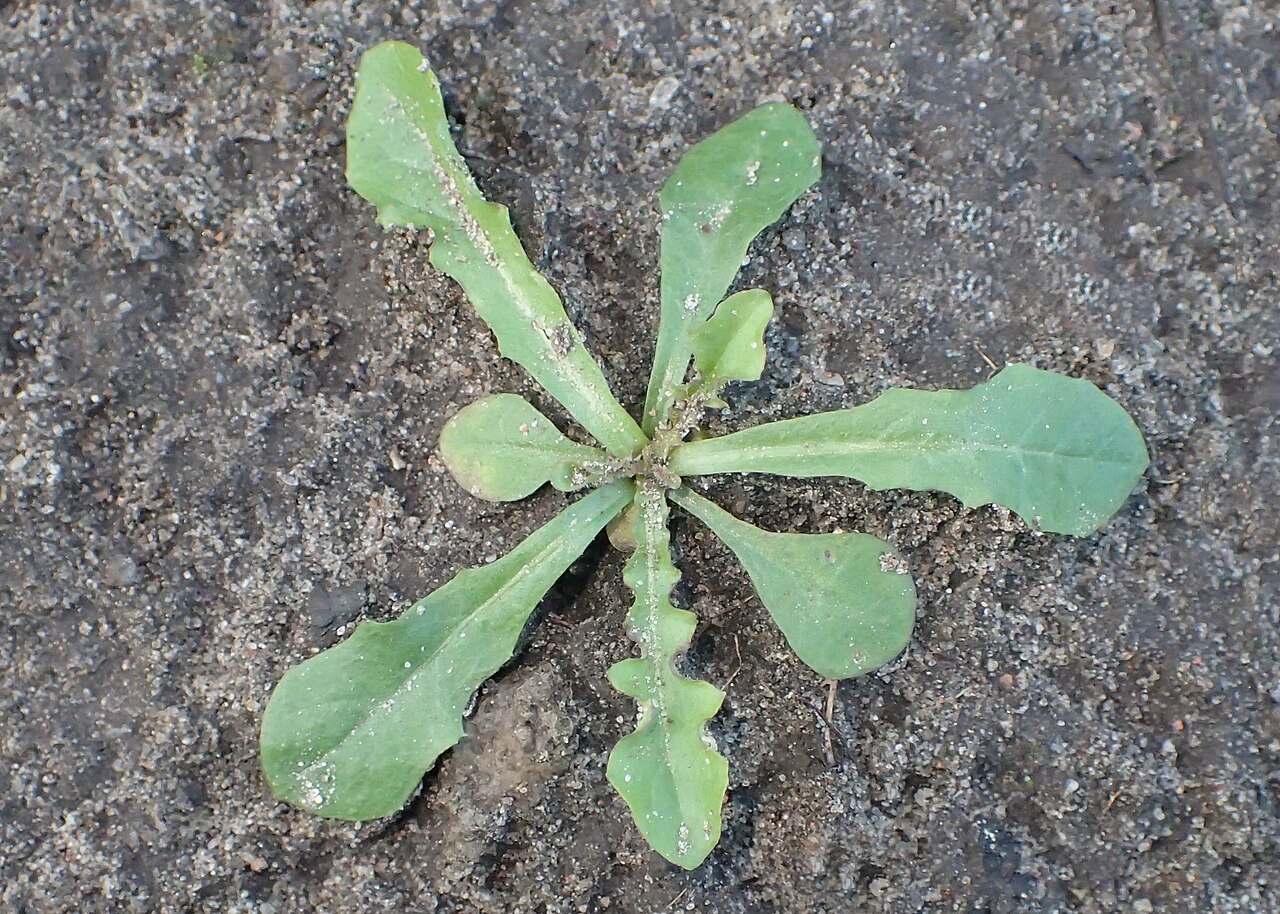
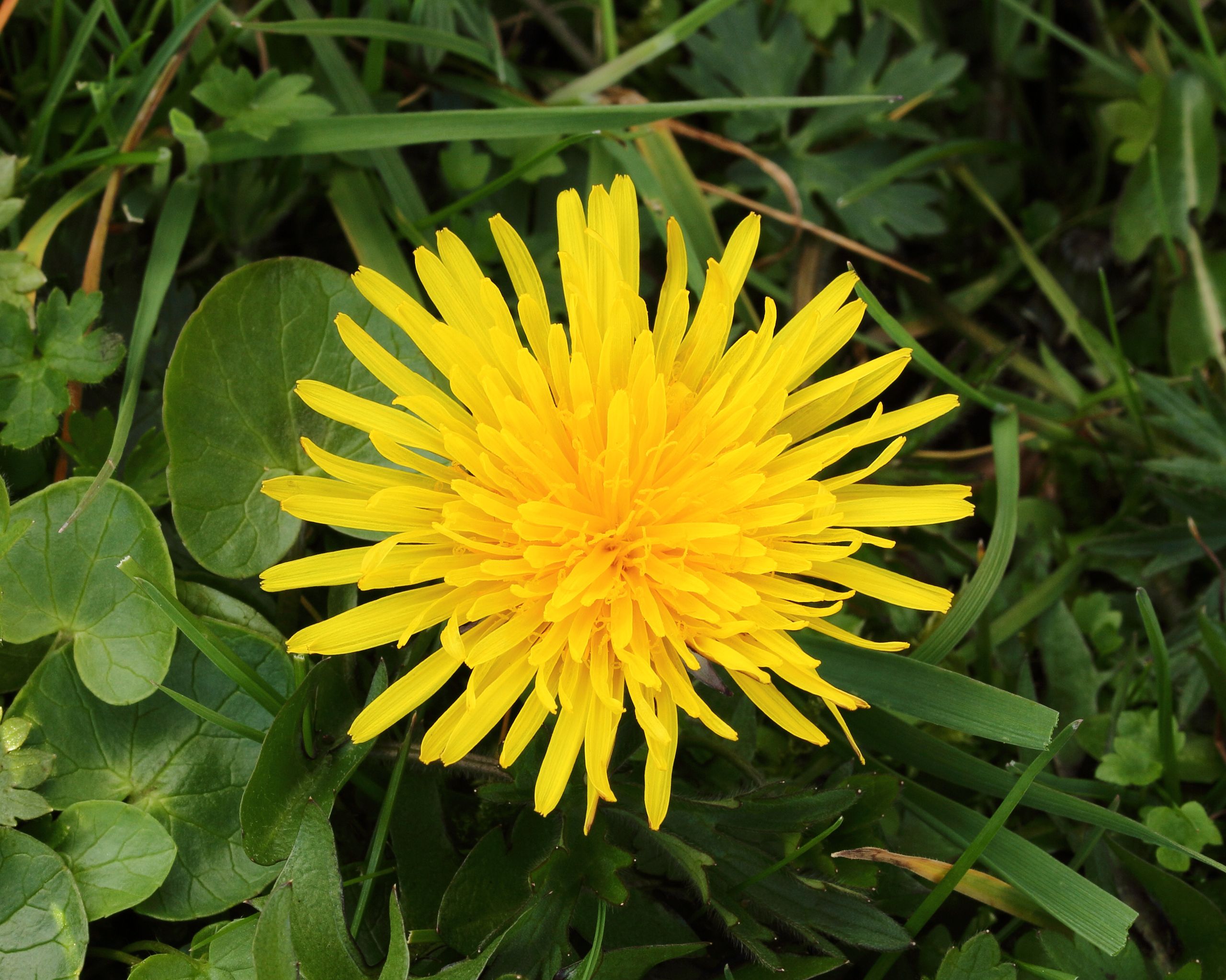
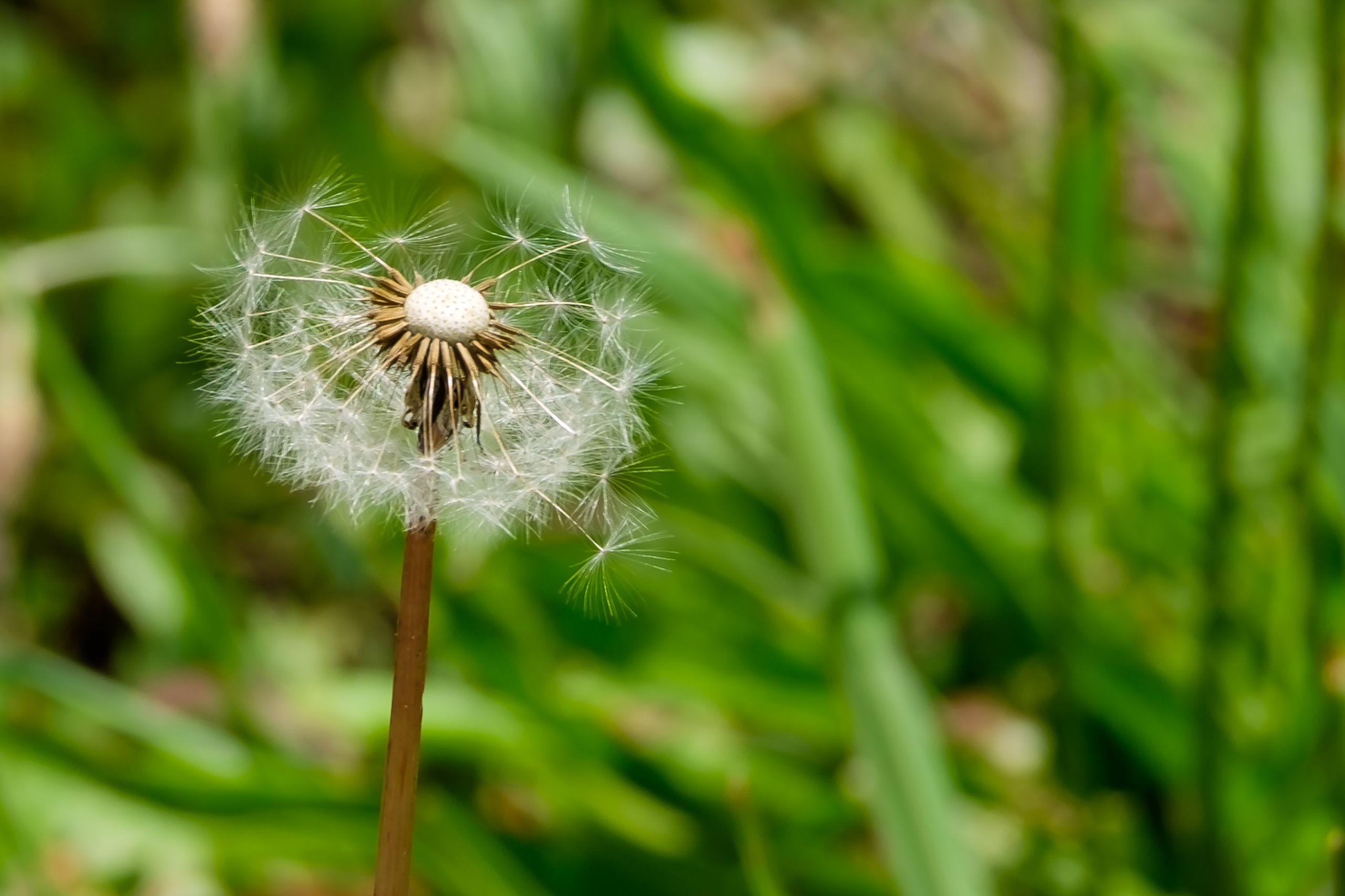
How to identify:
Look for its bright yellow, fluffy-looking flower and its long, green leaves with edges that look like a lion's teeth.
💡 Fun Facts
- Its name comes from the French ‘dent-de-lion’, which means ‘lion’s tooth’, because of the shape of its leaves.
- After flowering, it turns into a white, fluffy 'clock' of seeds, which are then spread by the wind.
- Every part of the dandelion is edible; the leaves can be eaten in salads and the flowers can be used to make wine.
📅 Through the Year
- Flowering:March to October
Taraxacum officinale
means “The apothecary's herb — a plant once kept for medicine”
What does its name mean?
- Taraxacum — an old name, probably 'bitter herb'Arabic (via medieval Latin)
- officinale — from the officina — the apothecary's storeroomLatinDecode this word →
For hundreds of years the dandelion earned a place on the apothecary's shelf, kept and used as a medicine — which is exactly what its second name tells us.
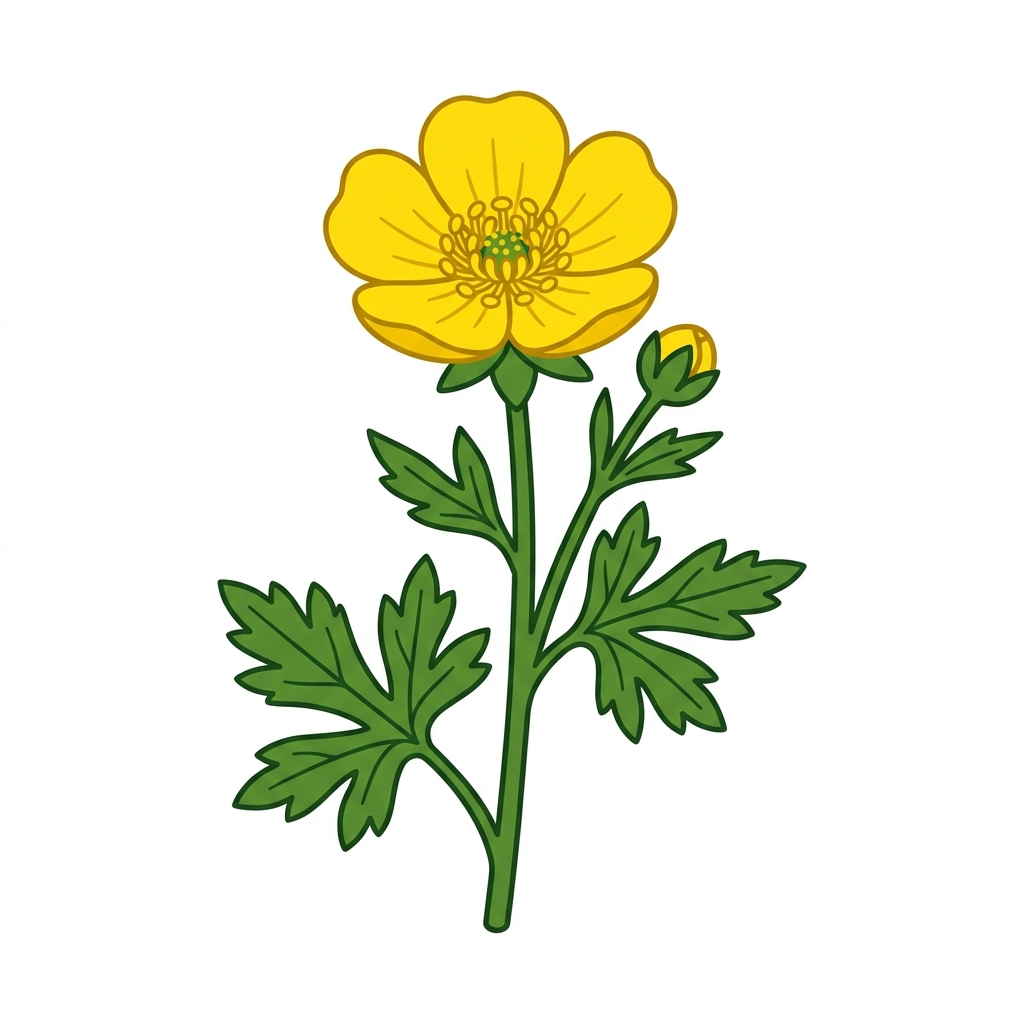
Buttercup
A shiny, yellow flower commonly found in meadows and grassy areas.
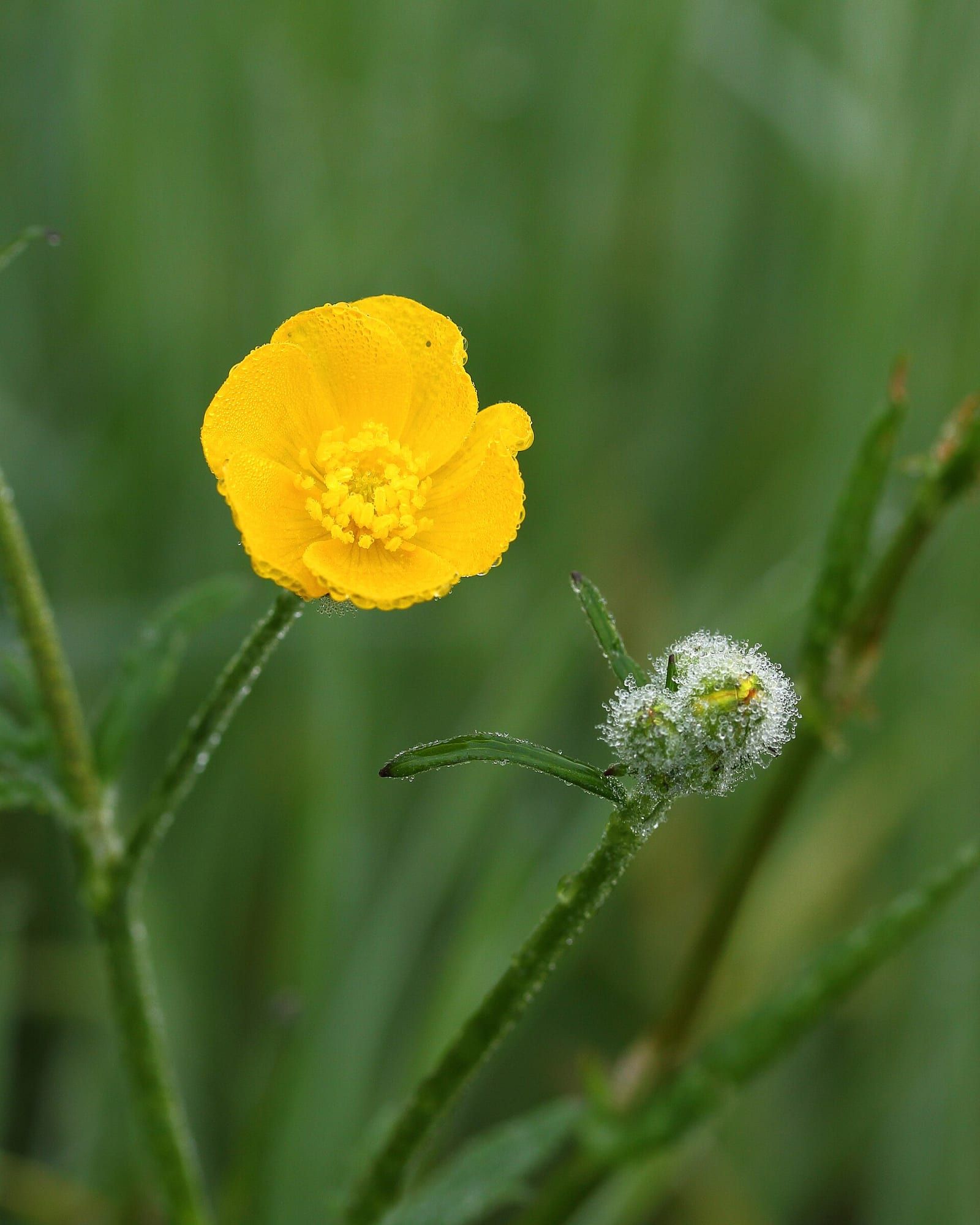
How to identify:
Look for a small flower with five glossy, bright yellow petals that look like they have been polished.
💡 Fun Facts
- It was once believed that the yellow colour of butter came from cows eating buttercups.
- The shiny surface of the petals is due to a special layer of cells that reflects light.
- If you hold a buttercup under your chin, the yellow reflection is supposed to show whether you like butter!
📅 Through the Year
- Flowering:May to August
Ranunculus acris
means “the sharp-tasting little frog”
What does its name mean?
- Ranunculus — little frogLatin rana ‘frog’ + -unculus ‘little’
- acris — sharp, bitingLatin acris ‘sharp, acrid’
‘Little frog’ — because people long ago noticed these flowers liked the same damp spots as frogs. The ‘sharp’ part is very real, though: the sap is bitter and stings, so grazing animals leave it well alone.
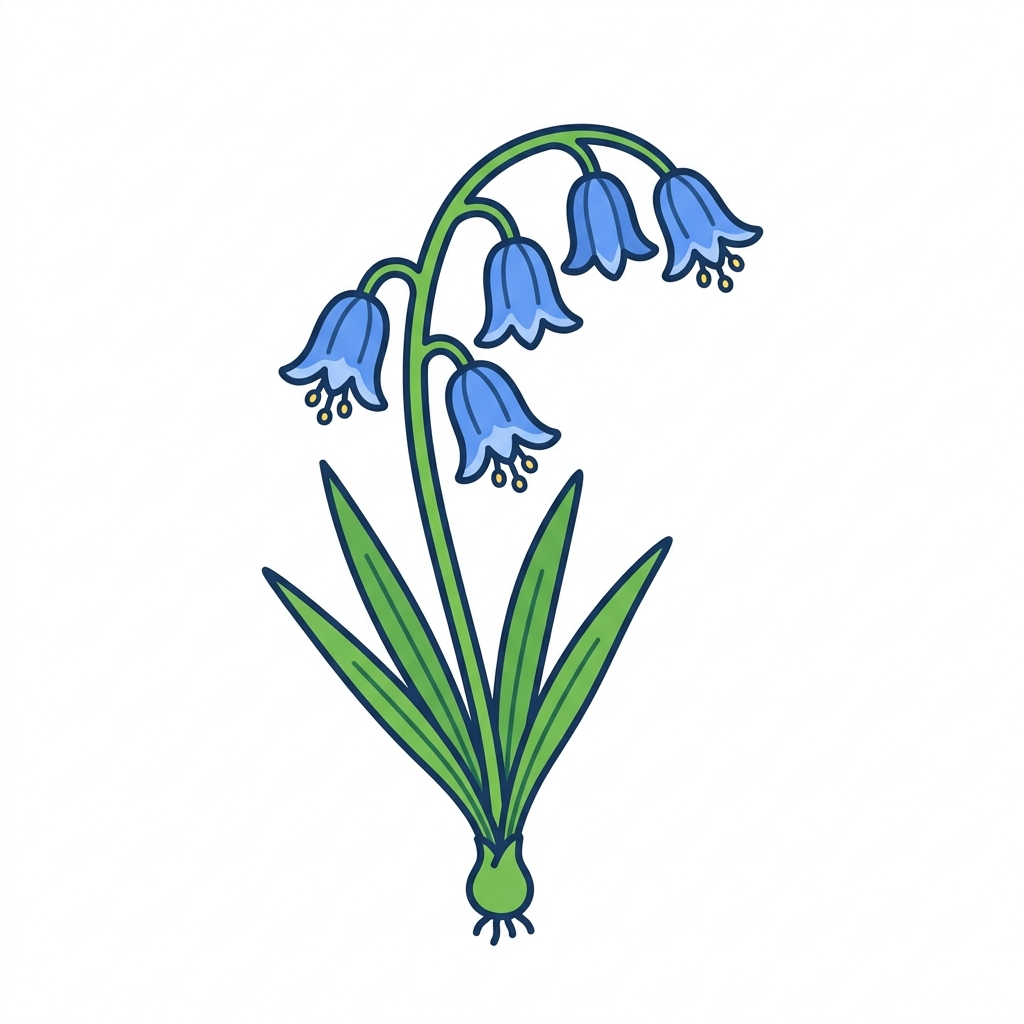
Bluebell
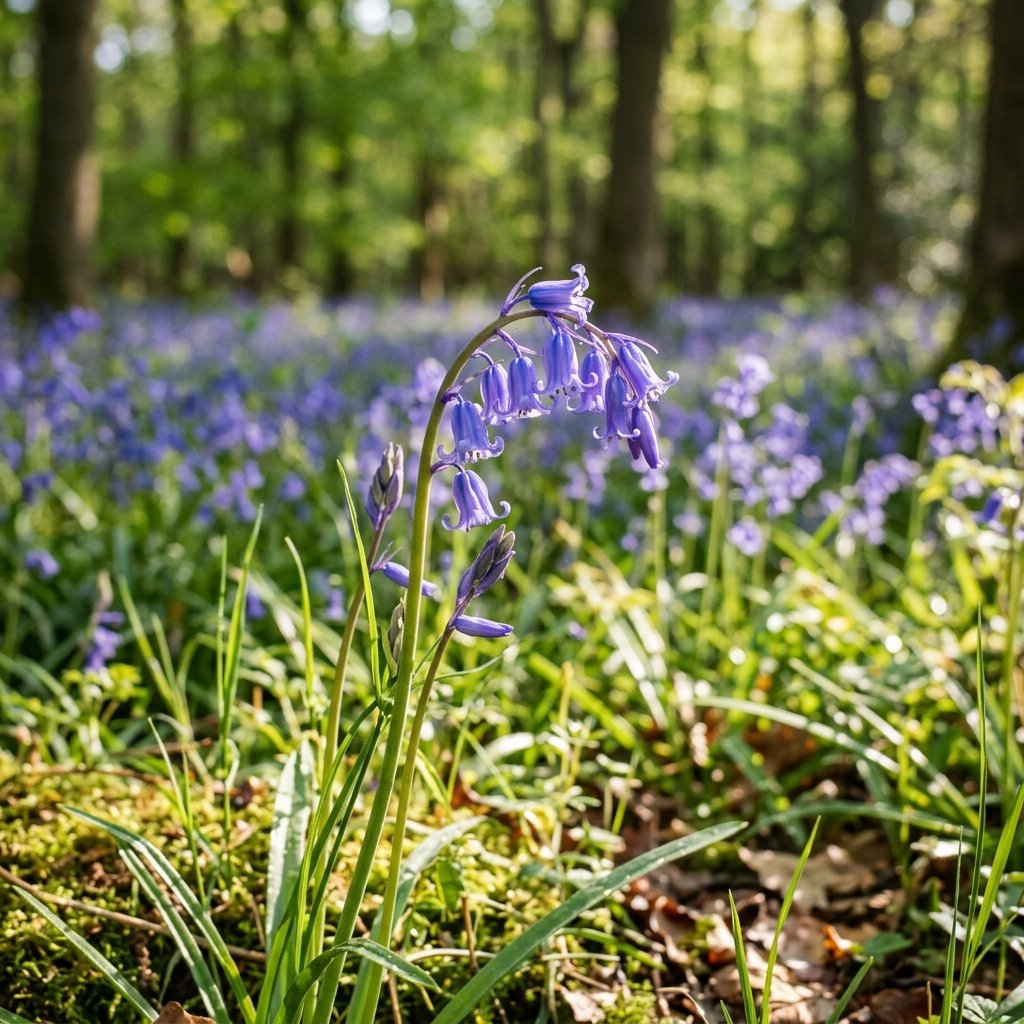
The flower that carpets British woods in a sea of blue each spring — and a specially protected wild plant.
💡 Fun Facts
- In spring, bluebells carpet British woods in a shimmering sea of blue.
- They are so special that UK law makes it illegal to dig up wild bluebell bulbs.
- They flower early, before the trees grow their leaves and block out the light.
📅 Through the Year
- Flowering:April to May
Hyacinthoides non-scripta
means “the hyacinth-like one with no writing”
What does its name mean?
- Hyacinthoides — hyacinth-likeGreek, from Hyacinthus + -oides ‘like, resembling’
- non-scripta — un-lettered, not written onLatin non ‘not’ + scripta ‘written, lettered’
In an old Greek tale the first hyacinth sprang up marked with letters of grief. Our bluebell is ‘the one without writing’ — its petals carry no such marks, just a clean, nodding blue.
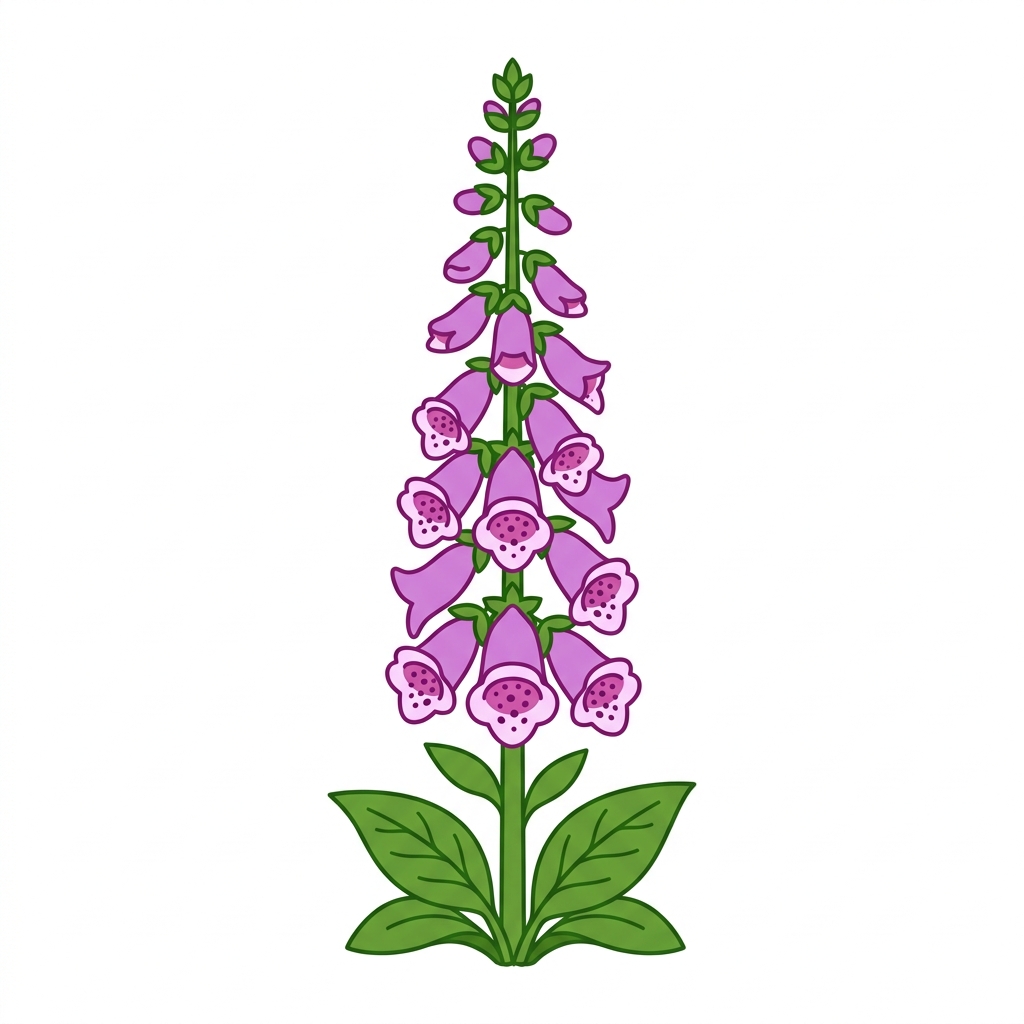
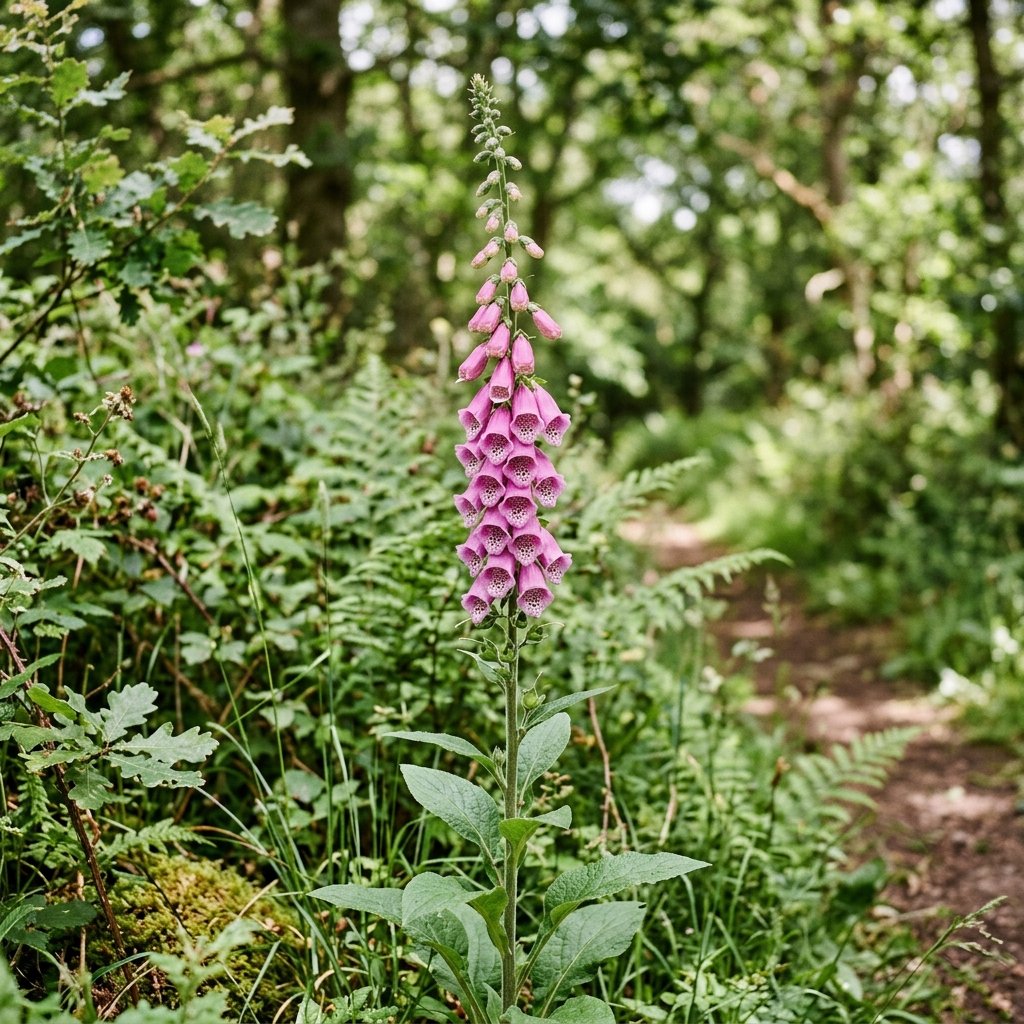
Foxglove
A tall spire of thimble-shaped flowers that is both deadly poisonous and the source of a life-saving heart medicine.
💡 Fun Facts
- Its tall spire is covered in thimble-shaped flowers that bees climb right inside.
- It is poisonous — but the very same chemical became a life-saving medicine for the heart.
- It takes two years to flower: a flat rosette of leaves in year one, then the tall spike in year two.
📅 Through the Year
- Flowering:June to July
Digitalis purpurea
means “the purple thimble”
What does its name mean?
- Digitalis — thimble (finger)Latin digitus ‘finger’, giving ‘thimble’
- purpurea — purpleLatin purpureus ‘purple’Decode this word →
Each flower is a perfect purple thimble you could almost slip onto a fingertip — which is exactly the picture the name paints.
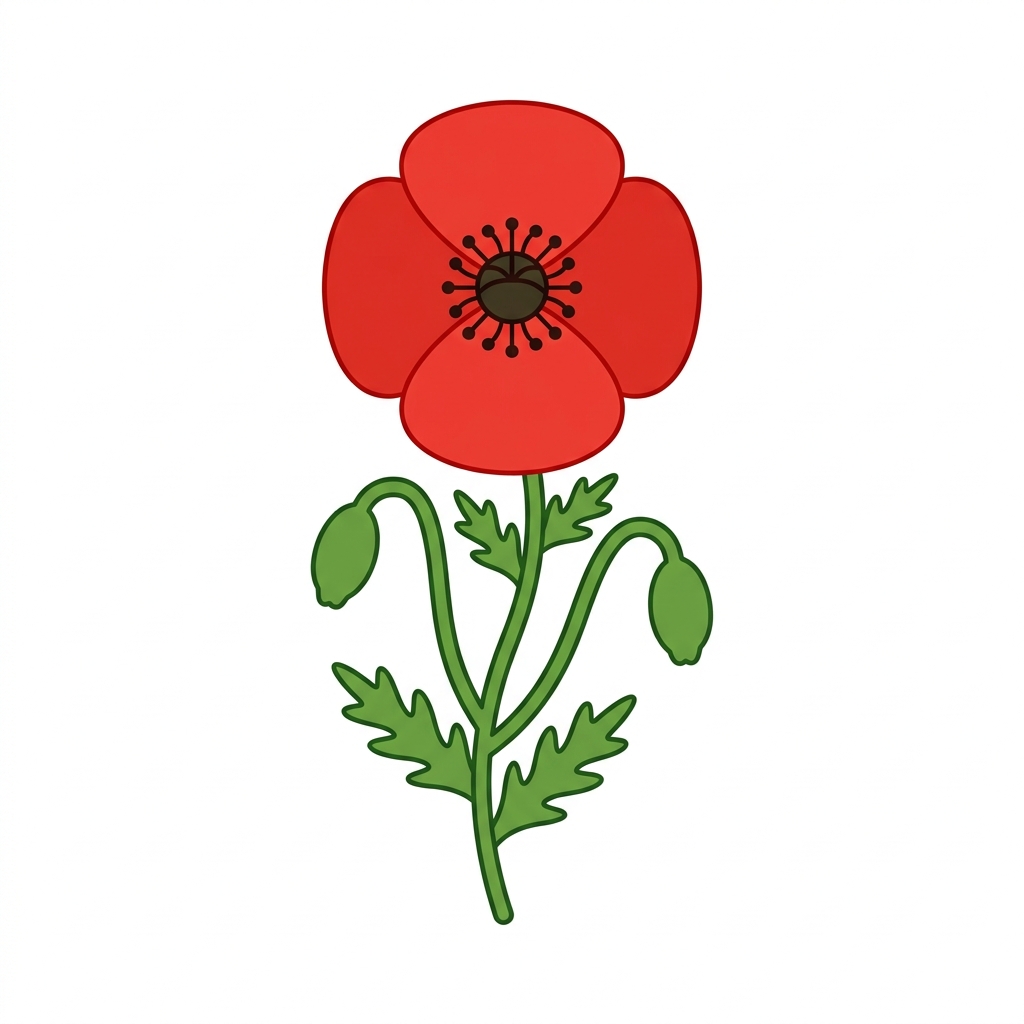
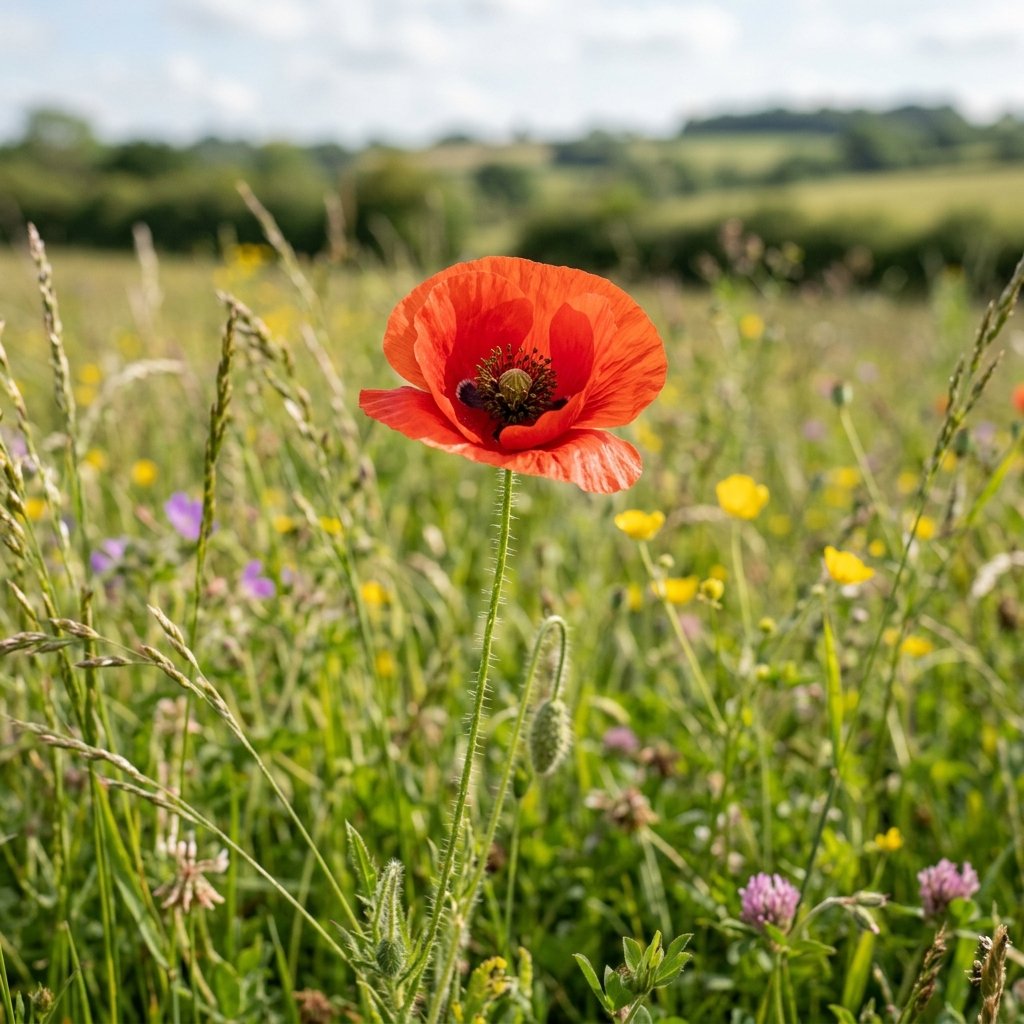
Common Poppy
The scarlet field poppy whose seeds can sleep in the soil for decades — the flower of Remembrance.
💡 Fun Facts
- Its seeds can sleep in the soil for decades, then burst into flower when the ground is dug up.
- That is why poppies covered the churned-up battlefields of World War One — and became the flower of Remembrance.
- A single poppy can make tens of thousands of tiny seeds.
📅 Through the Year
- Flowering:June to August
- Fruiting:August to September
Papaver rhoeas
means “Poppy — probably 'the one whose petals quickly fall'”
What does its name mean?
- Papaver — poppy (an old name of uncertain origin)Latin
- rhoeas — perhaps 'falling/flowing', perhaps 'pomegranate-red'Greek
A field poppy opens for just a day, then its crumpled scarlet petals drop and blow away — which may be why its old Greek name hints at 'falling'. Others hear 'pomegranate-red' in it instead.
Dog Rose
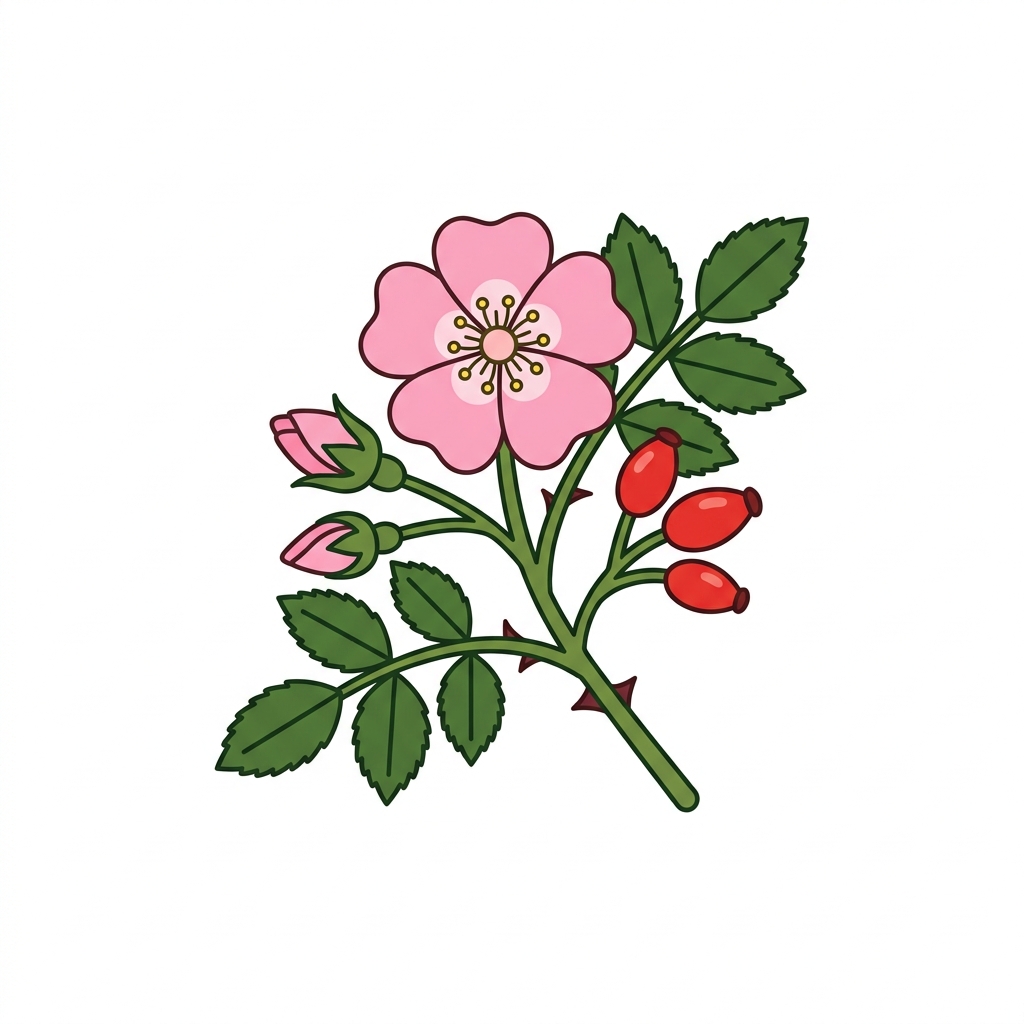
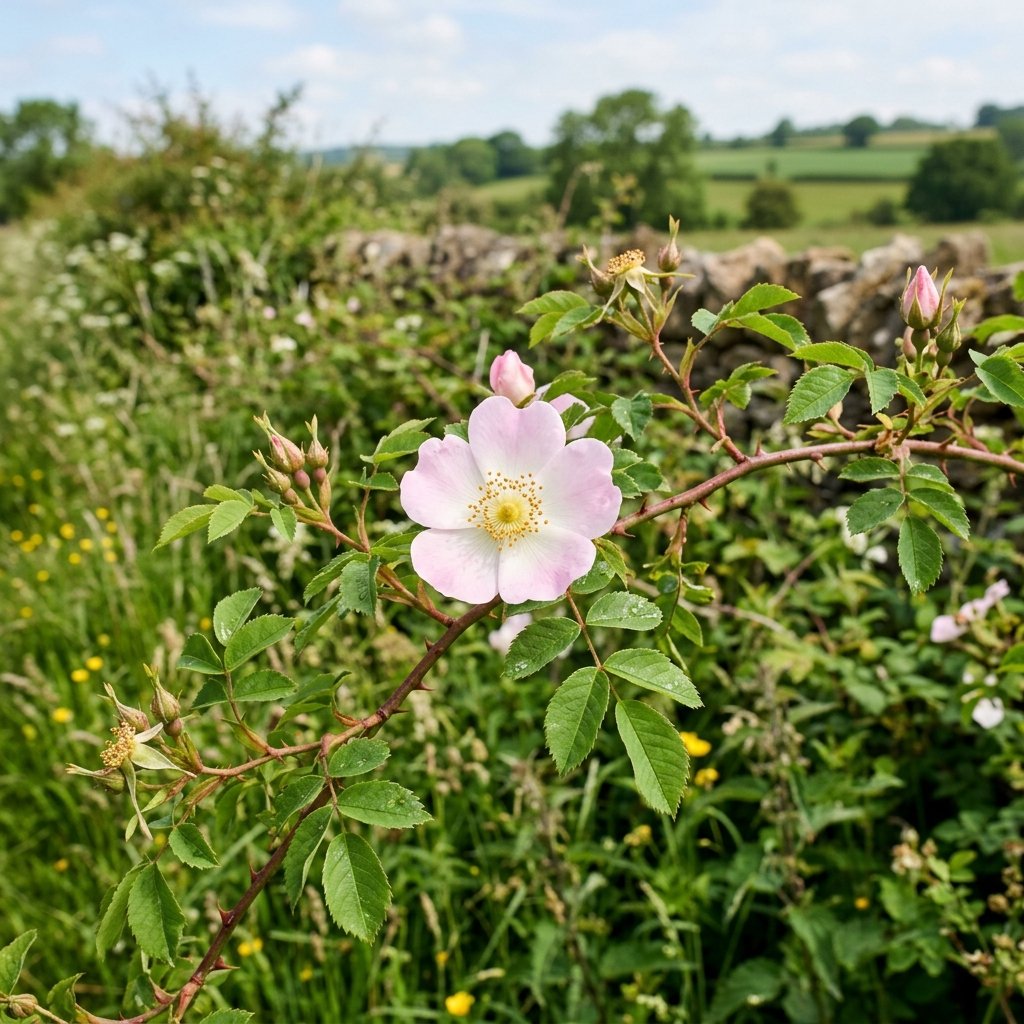
The wild climbing rose of British hedgerows — armed with curved thorns and famous for its vitamin-C-rich red hips.
💡 Fun Facts
- This wild climbing rose scrambles up through hedges using curved thorns like grappling hooks.
- Its red autumn fruits, called hips, are packed with vitamin C.
- In World War Two, children collected rosehips to make a vitamin-rich syrup.
📅 Through the Year
- Flowering:June to July
- Fruiting:September to November
Rosa canina
means “the dog rose”
What does its name mean?
- Rosa — roseLatin
- canina — of a dog, dog-likeLatin canis, 'dog'
Rosa canina means 'the dog rose'. One old story says its root was once believed to cure the bite of a mad dog; another says 'dog' was simply an old way of saying 'common' or 'ordinary'. Either way, it is a lovely scrambling wild rose of the hedgerows, with pink-white flowers and bright red hips.
Deciduous Trees
A deciduous tree is one that loses its leaves every autumn and grows new ones in the spring.
Nature Examples
Oak
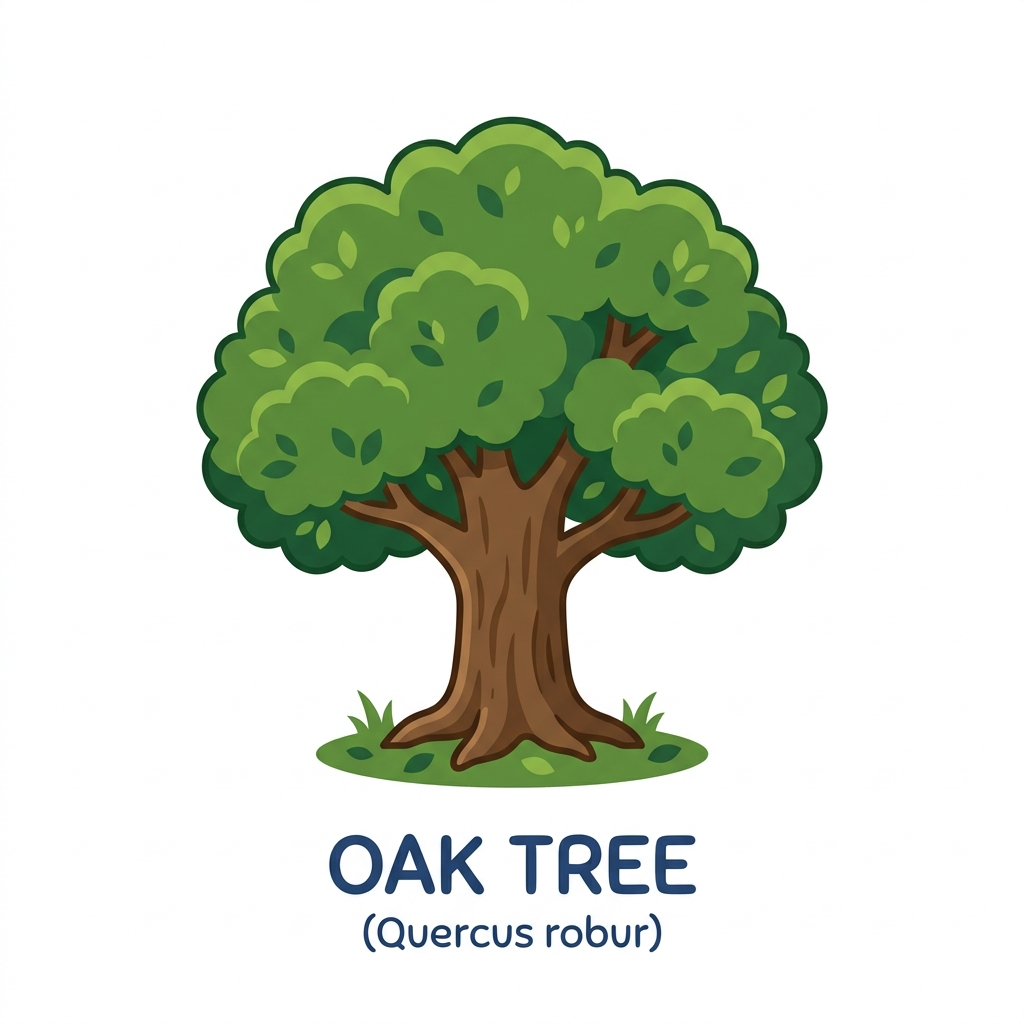
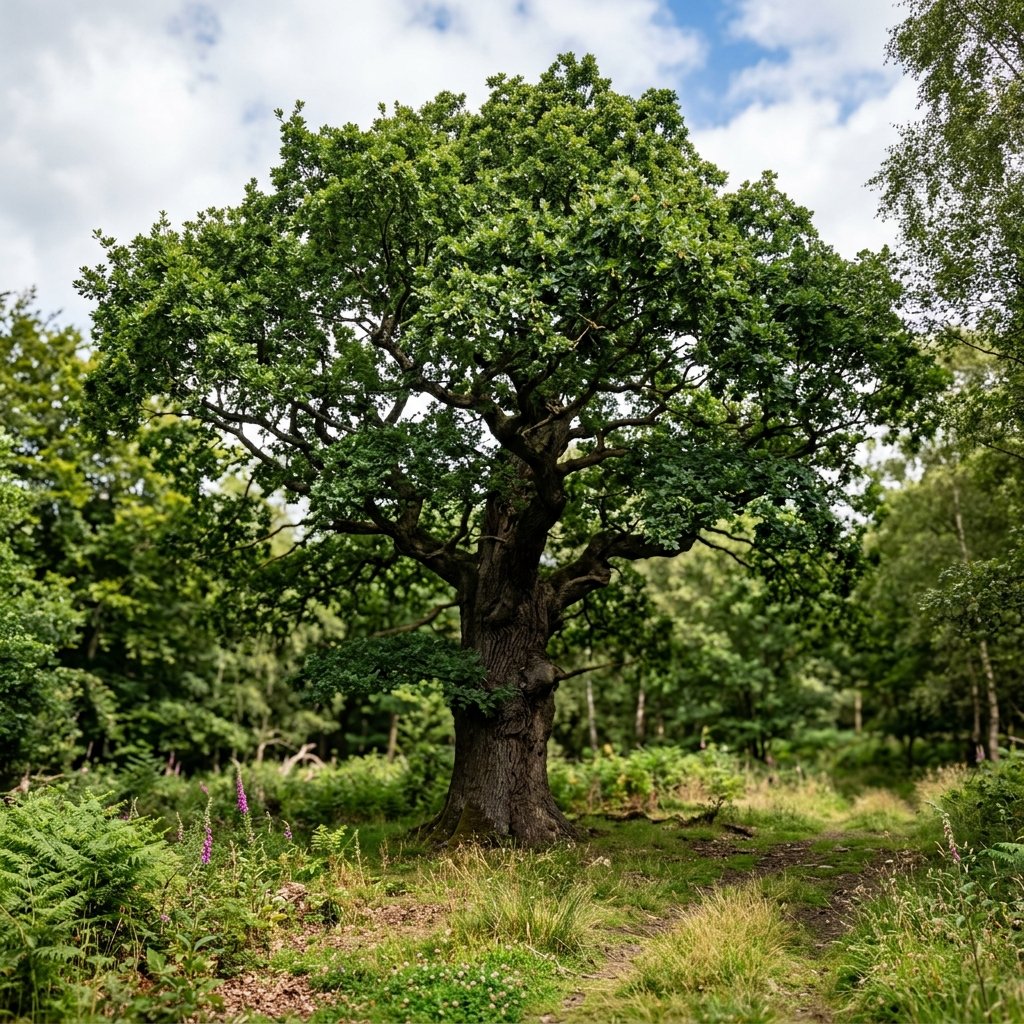
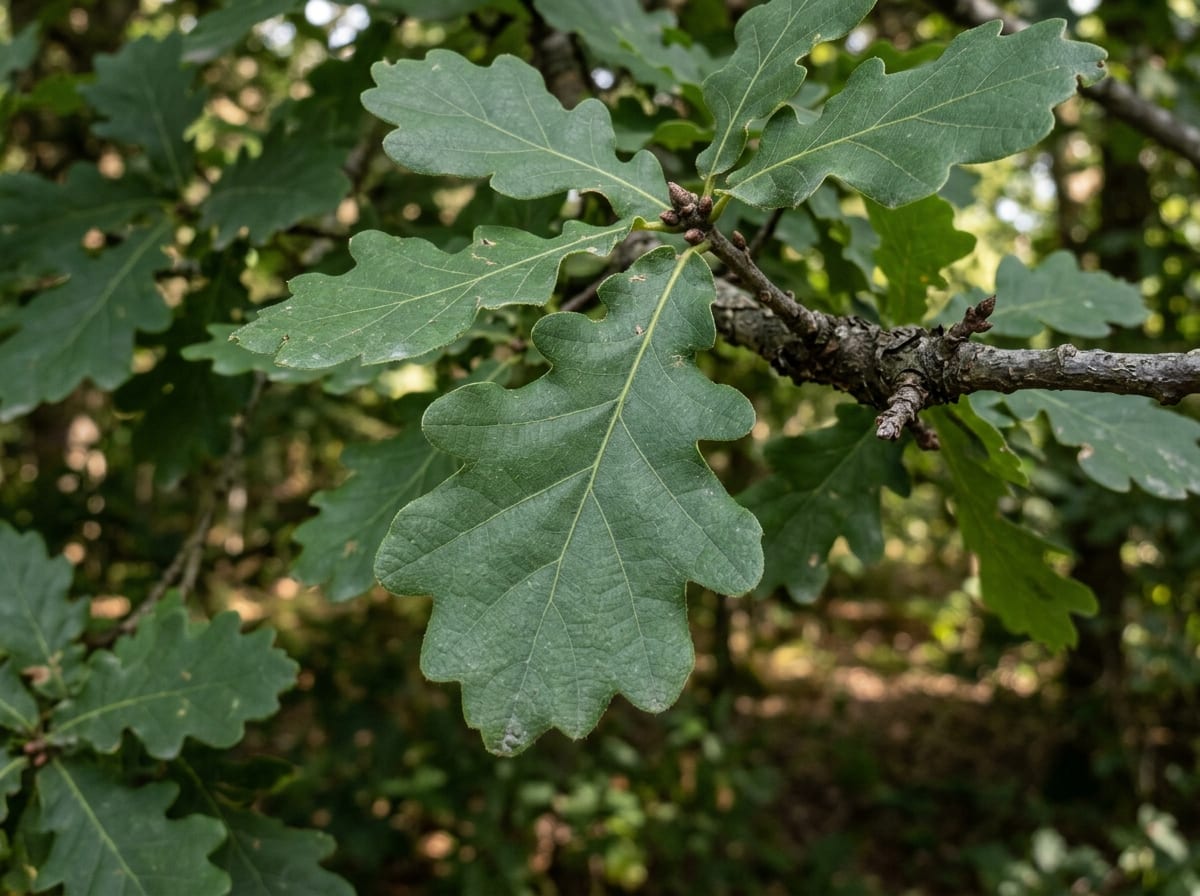
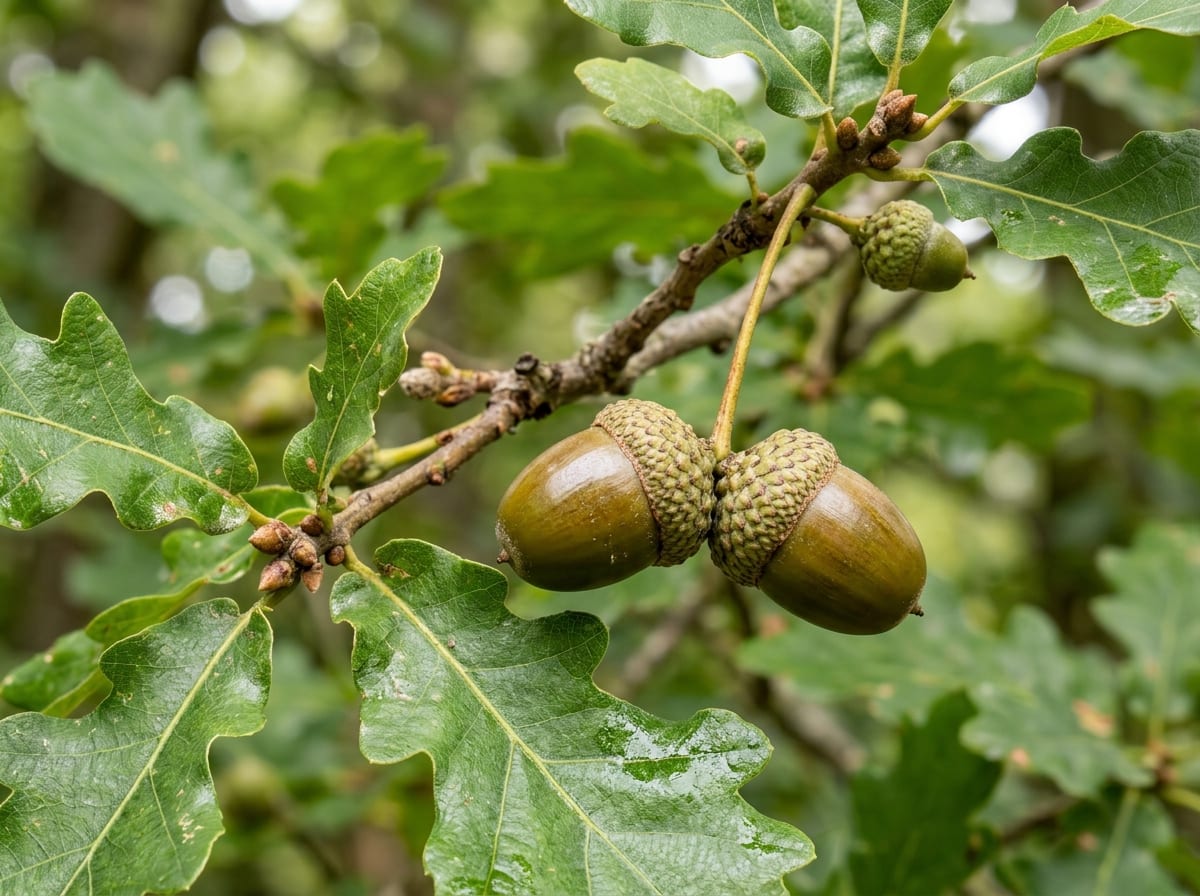
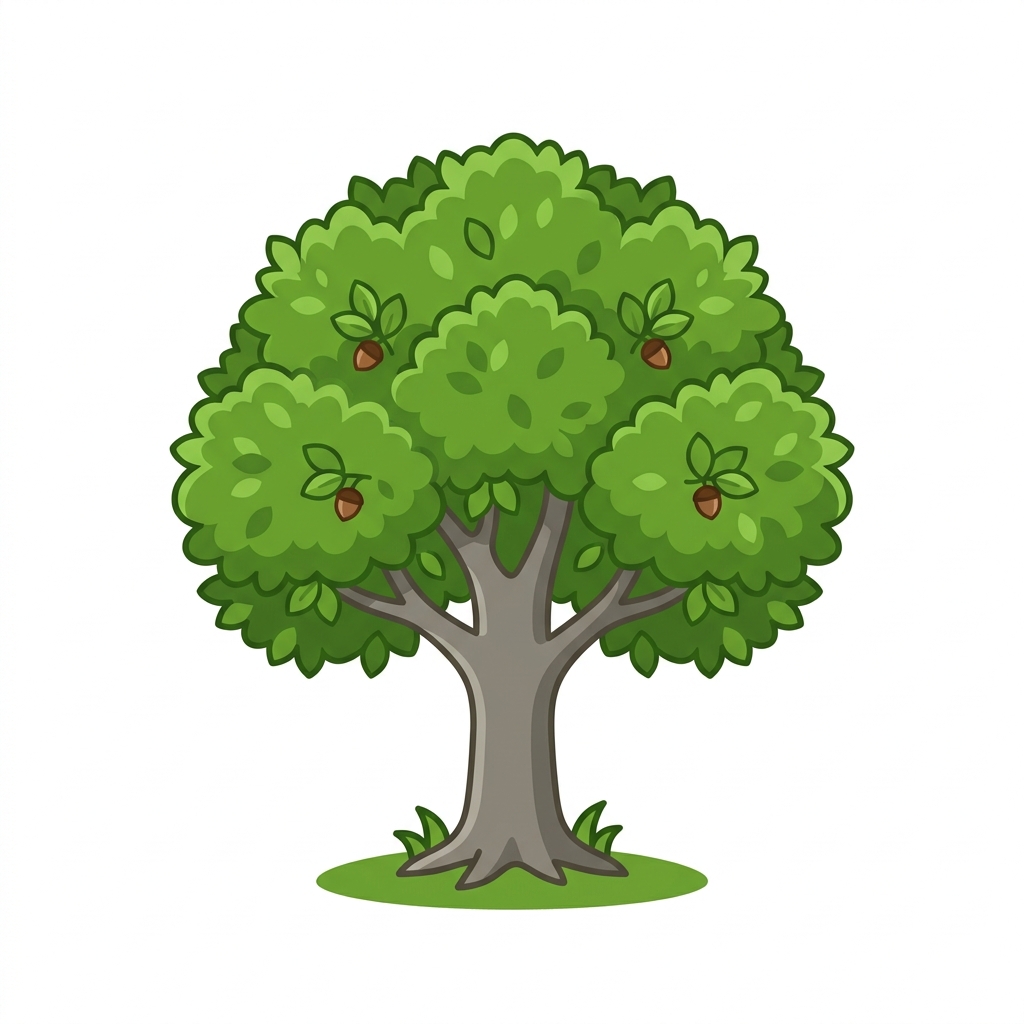
A long-lived British tree that bears no acorns until around 40 years old, can host hundreds of species and turns golden-brown in autumn.
A large, strong tree known for its distinctive leaves and acorns.
How to identify:
Look for its wavy-edged (lobed) leaves, its rough, cracked bark, and its small, hard fruit called acorns.
💡 Fun Facts
- An oak tree doesn't start producing its first acorns until it is about 40 years old.
- A single oak tree can be a habitat for over 500 different species of insect, bird, and mammal.
- In autumn, its leaves turn a golden-brown before falling to the ground.
📅 Through the Year
- Leaf-out:April
- Flowering:April to May
- Fruiting:September to October
- Leaf fall:October to November
Quercus robur
means “the strong oak”
What does its name mean?
- Quercus — oakLatin quercus ‘oak’
- robur — strength — and hard oak-woodLatin robur, meaning both ‘strength’ and ‘oak timber’
The word robur means ‘strength’ and ‘oak-wood’ at the very same time — as if the Romans couldn’t picture strength without picturing an oak. Its timber is famously tough and long-lasting.
Beech
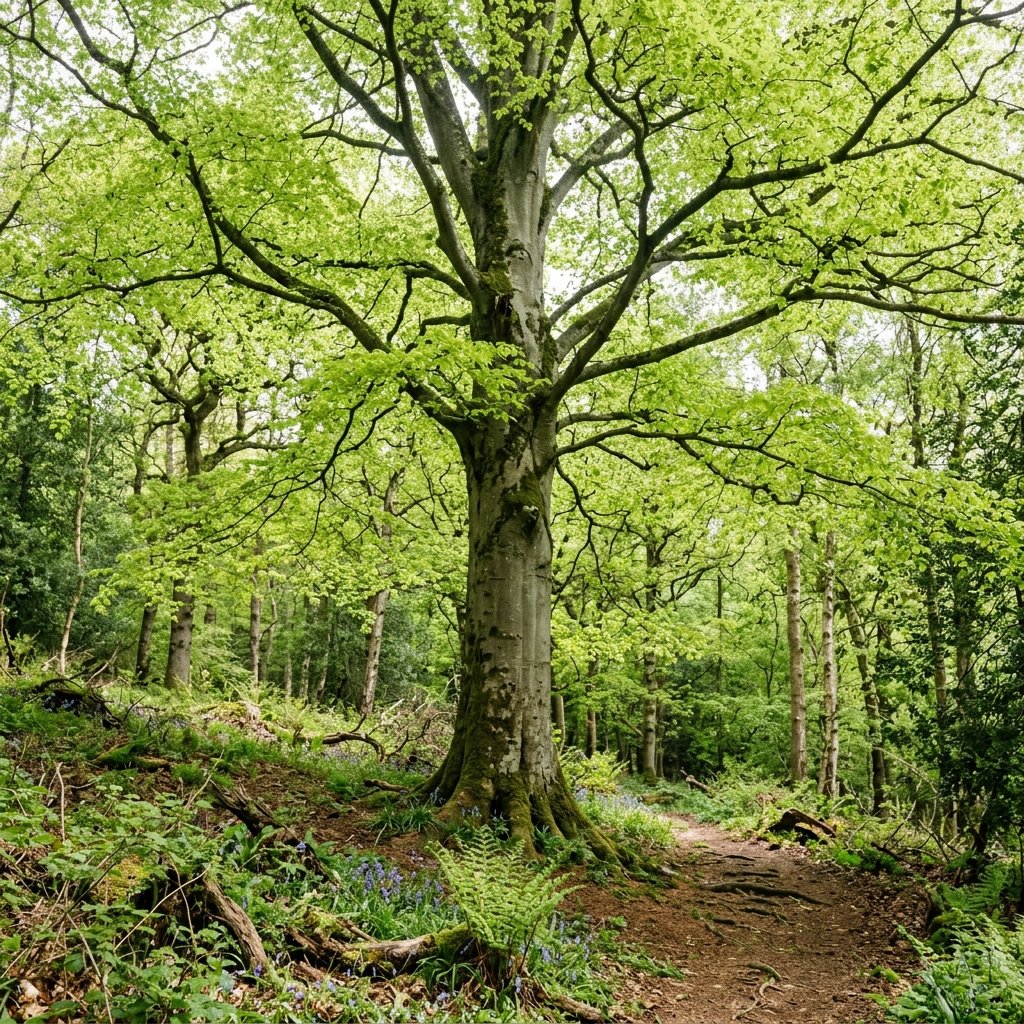
A tall, graceful tree with smooth, grey bark.
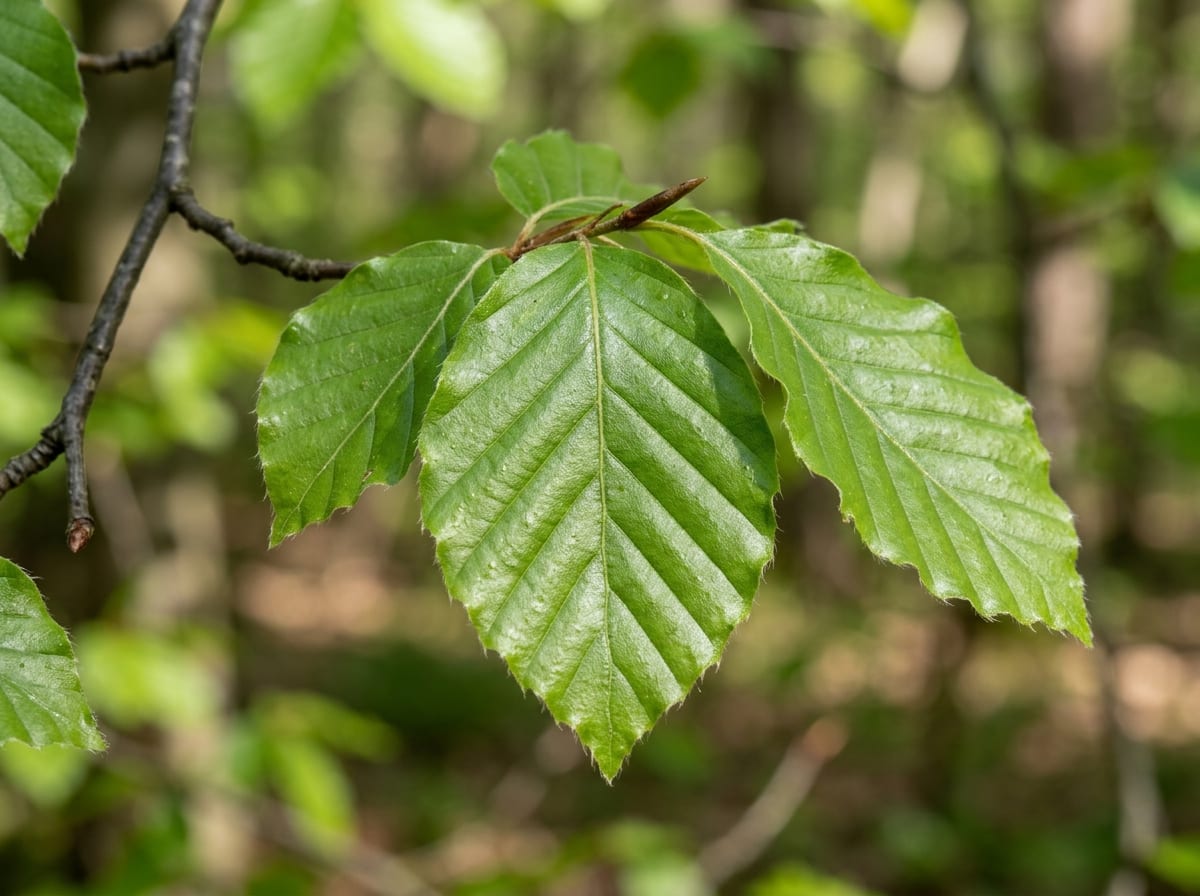
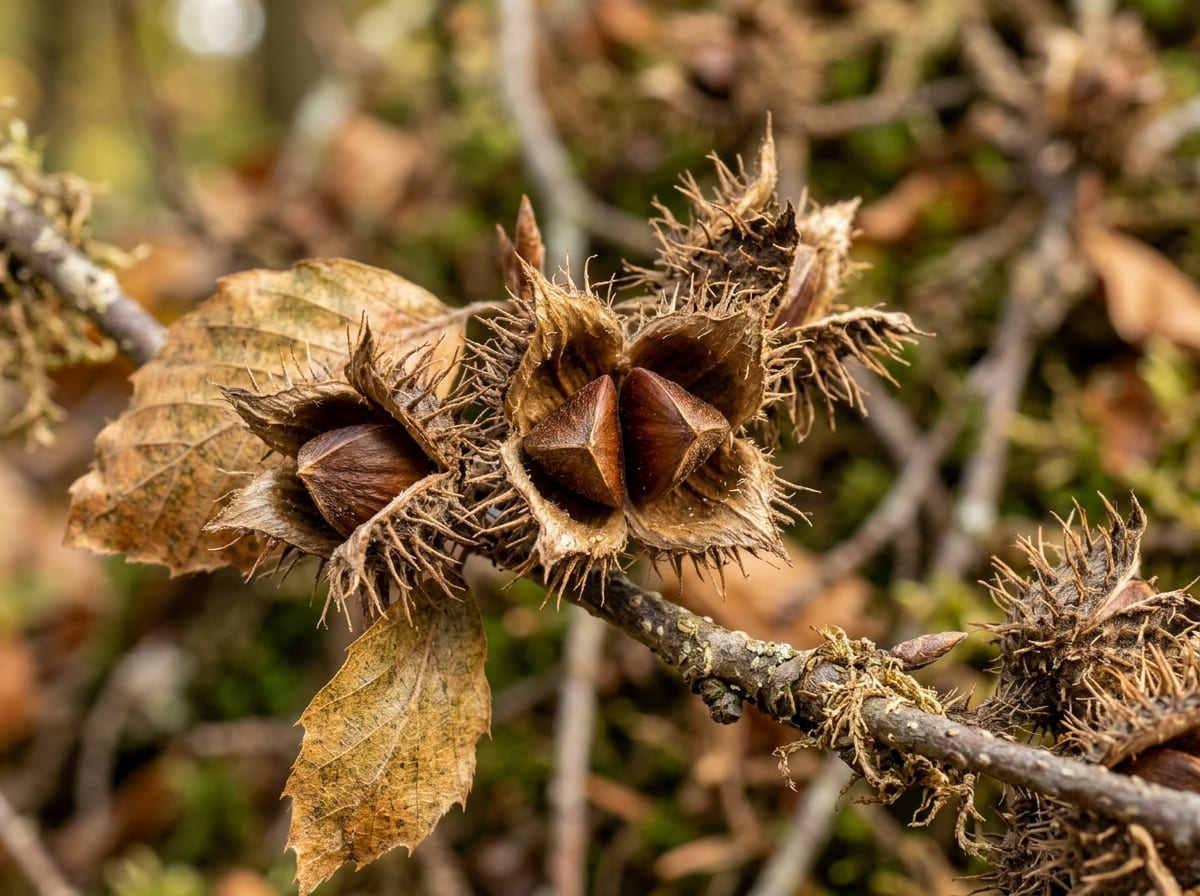
How to identify:
Look for its smooth, grey bark (which looks a bit like an elephant's leg), its oval leaves with wavy edges, and its prickly, four-lobed seed cases.
💡 Fun Facts
- Beech woodland has a very dense canopy of leaves in summer, which means the woodland floor is often very dark.
- The nuts inside the seed cases are edible and are sometimes called 'beechmast'.
- Beech trees keep their dead, copper-coloured leaves on their branches all through the winter, only losing them when the new leaves grow.
📅 Through the Year
- Leaf-out:April to May
- Flowering:April to May
- Fruiting:September to October
- Leaf fall:October to November
Fagus sylvatica
means “the beech of the woods”
What does its name mean?
- Fagus — beech treeLatin, from Greek phēgos — an old name tied to trees that drop edible nuts
- sylvatica — of the woods, growing wild in woodlandLatin silva, 'wood, forest'Decode this word →
Beech means simply 'the beech of the woods' — and that is exactly where it grows, often forming cool, shady woods on chalky hills.
Horse Chestnut
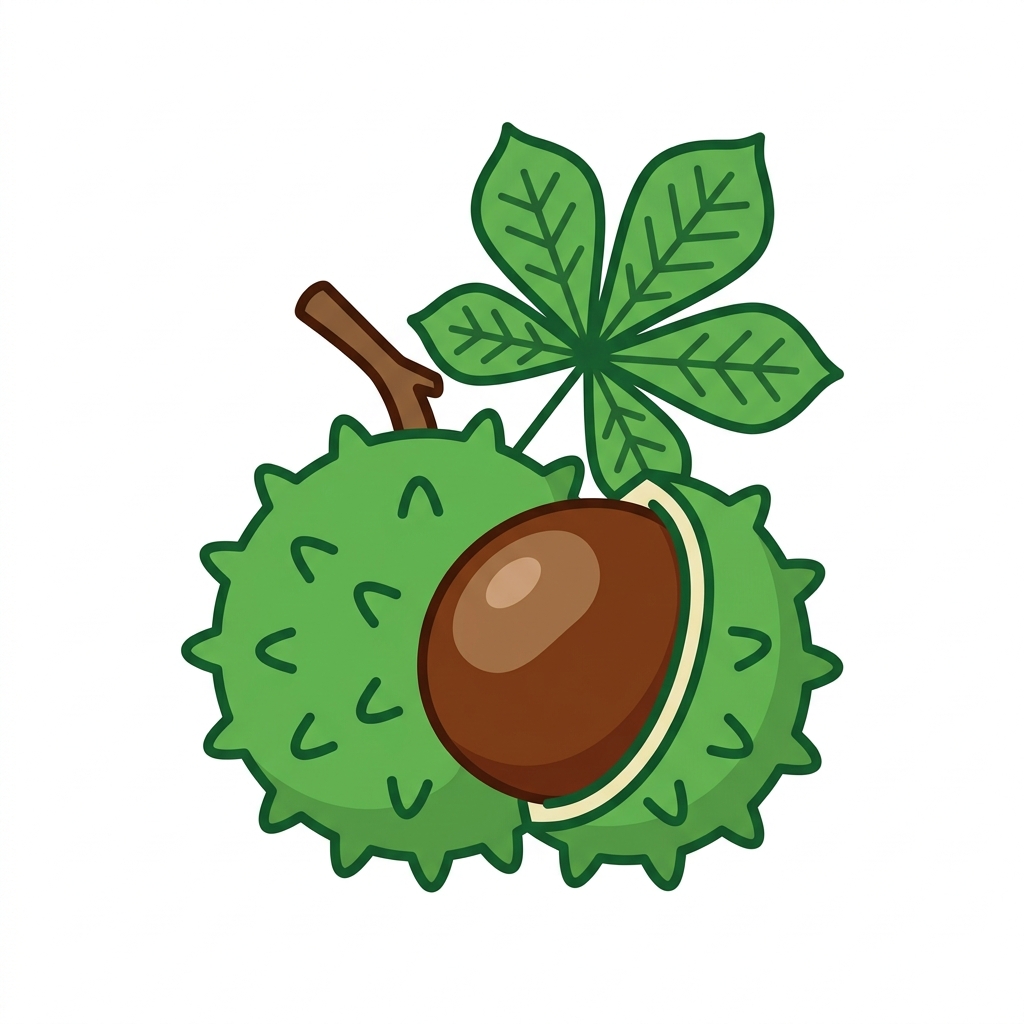
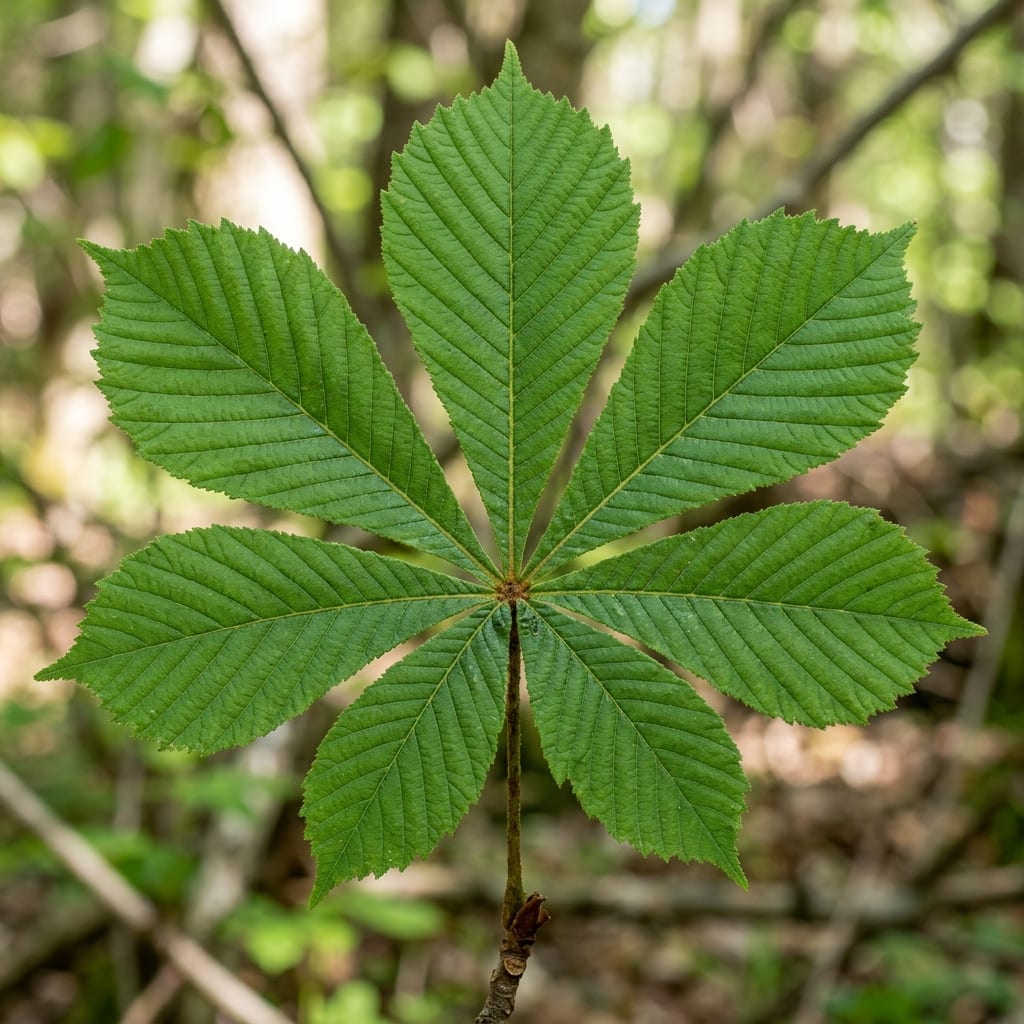
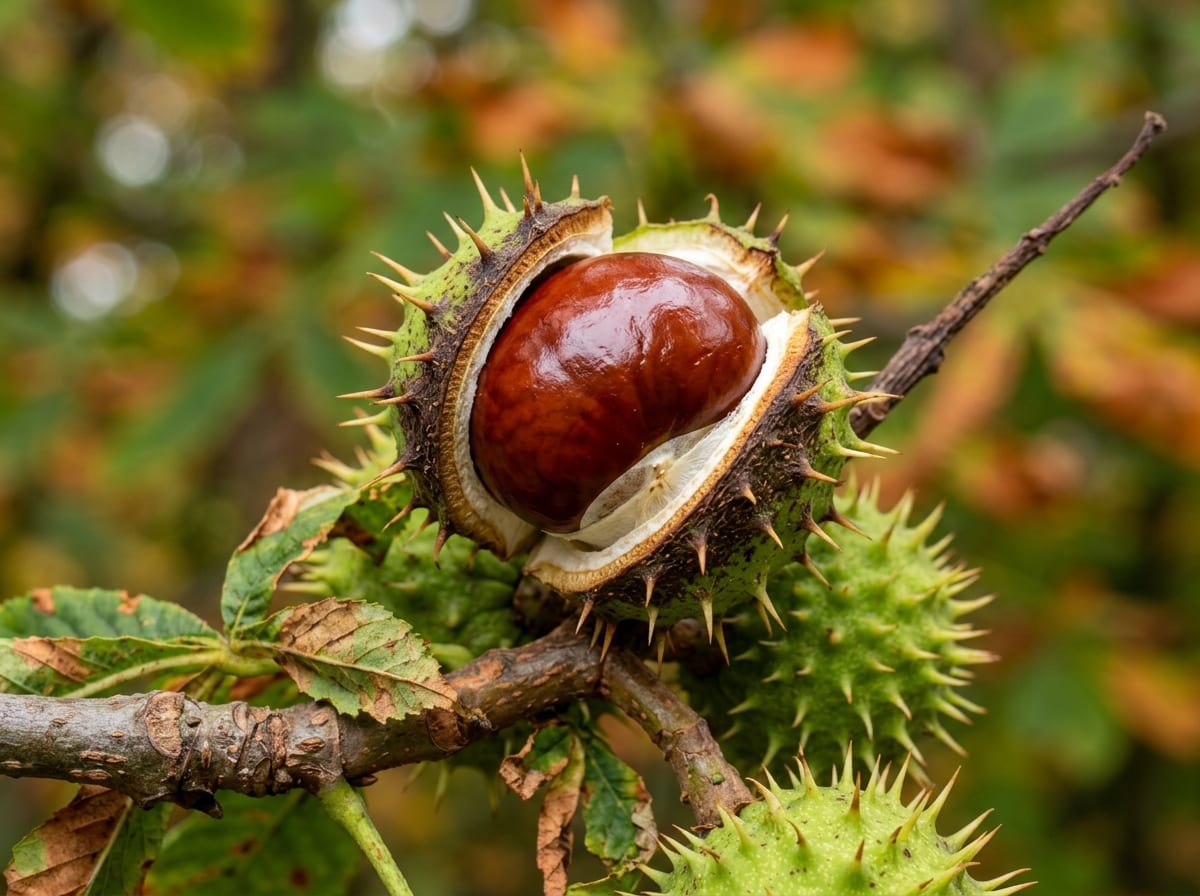
A large tree famous for its 'conkers' and large, hand-shaped leaves.
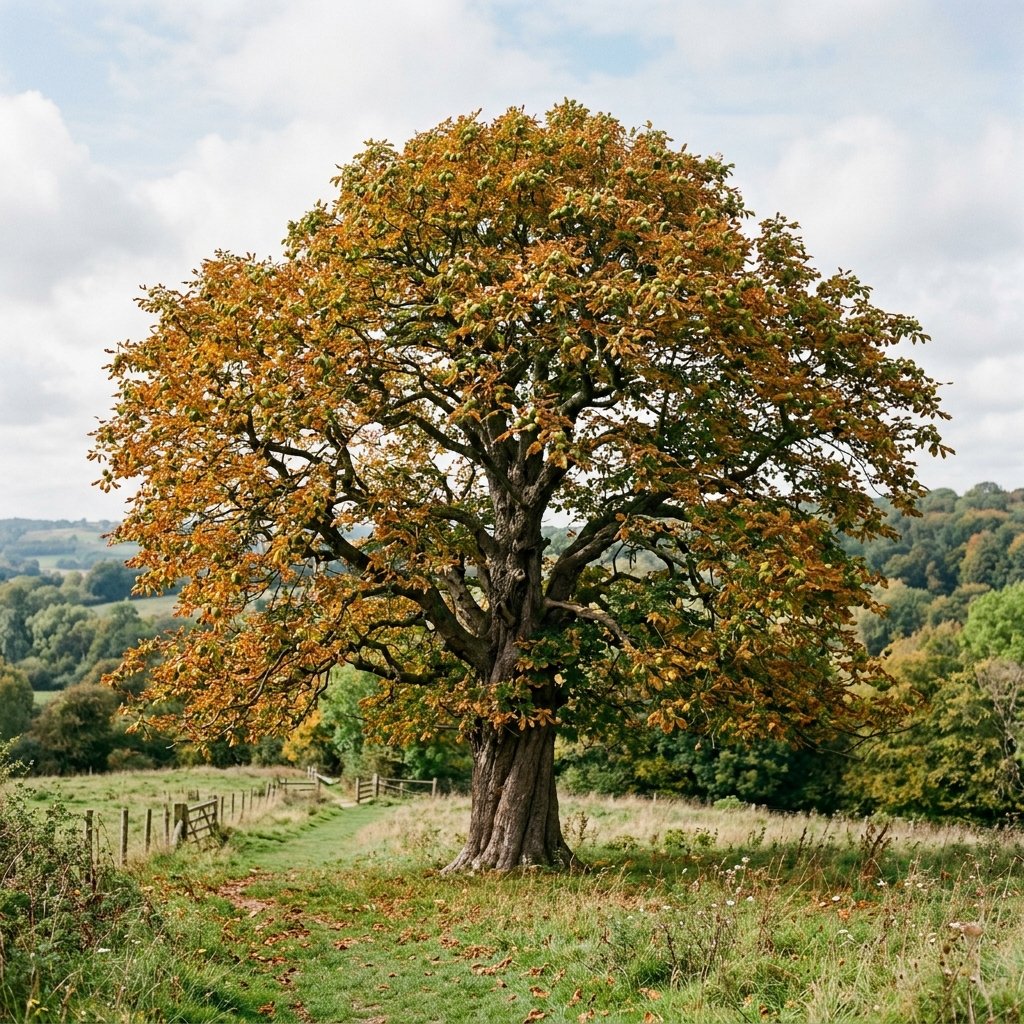
How to identify:
Look for its large leaves which are made up of 5-7 smaller leaflets arranged like fingers on a hand. In autumn, look for the spiky green cases containing shiny brown conkers.
💡 Fun Facts
- The 'conker' is the seed of the horse chestnut tree.
- In spring, the tree has large, sticky buds that open up to reveal the new leaves and flowers.
- It gets its name from the horseshoe-shaped mark (complete with 'nail' holes) that is left on the twig when a leaf falls off.
📅 Through the Year
- Leaf-out:March to April
- Flowering:May
- Fruiting:September to October
- Leaf fall:October to November
Aesculus hippocastanum
means “the horse-chestnut”
What does its name mean?
- Aesculus — an old Latin name for an oak sacred to JupiterLatin — borrowed for this tree
- hippo- — horseGreek hippos
- -castanum — chestnutGreek kastanon
Hippocastanum means 'horse-chestnut'. One old tradition says its conkers and bark were once given to horses to ease their coughs, which may be where 'horse' comes from. But this is not a true chestnut, and conkers are not for eating — they are mildly poisonous to people and horses alike.
Evergreen Trees
An evergreen tree is one that keeps its leaves all year round, even in winter.
Nature Examples
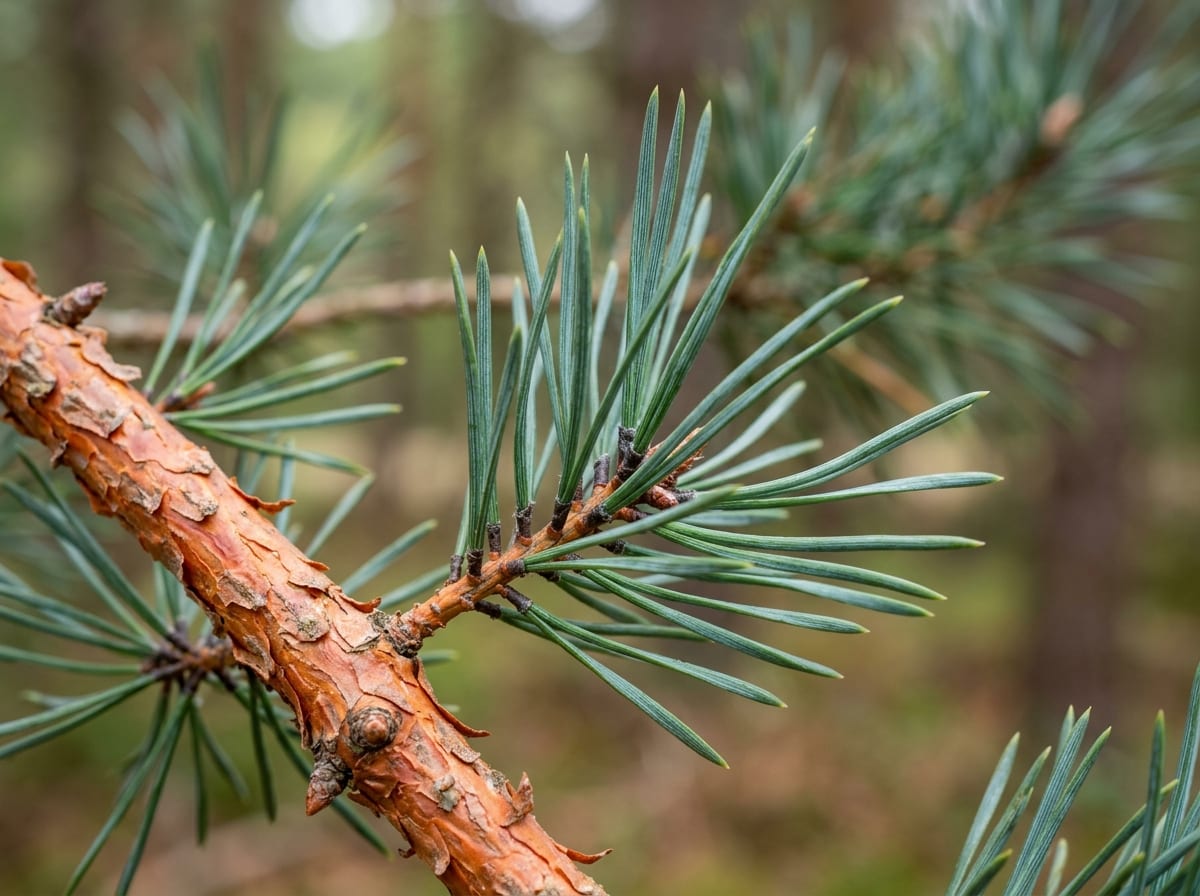
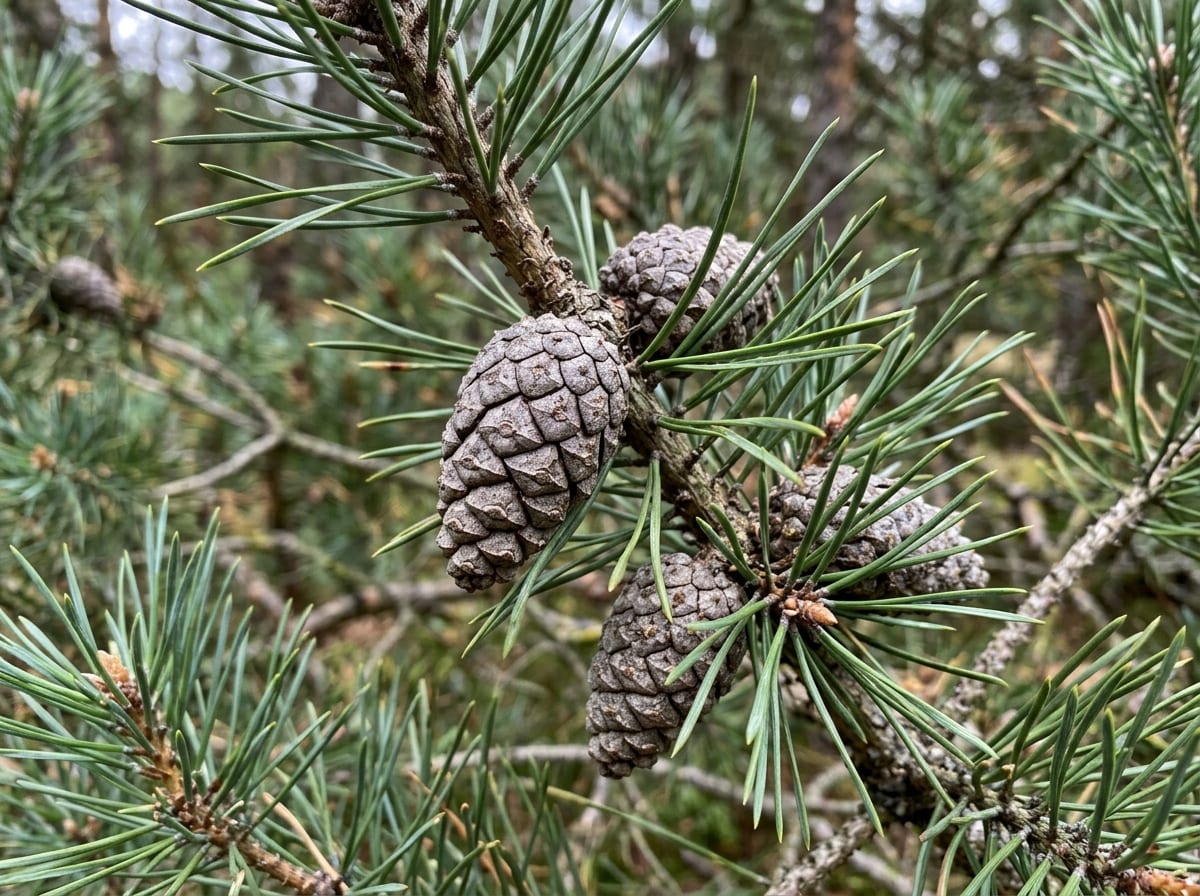
Scots Pine
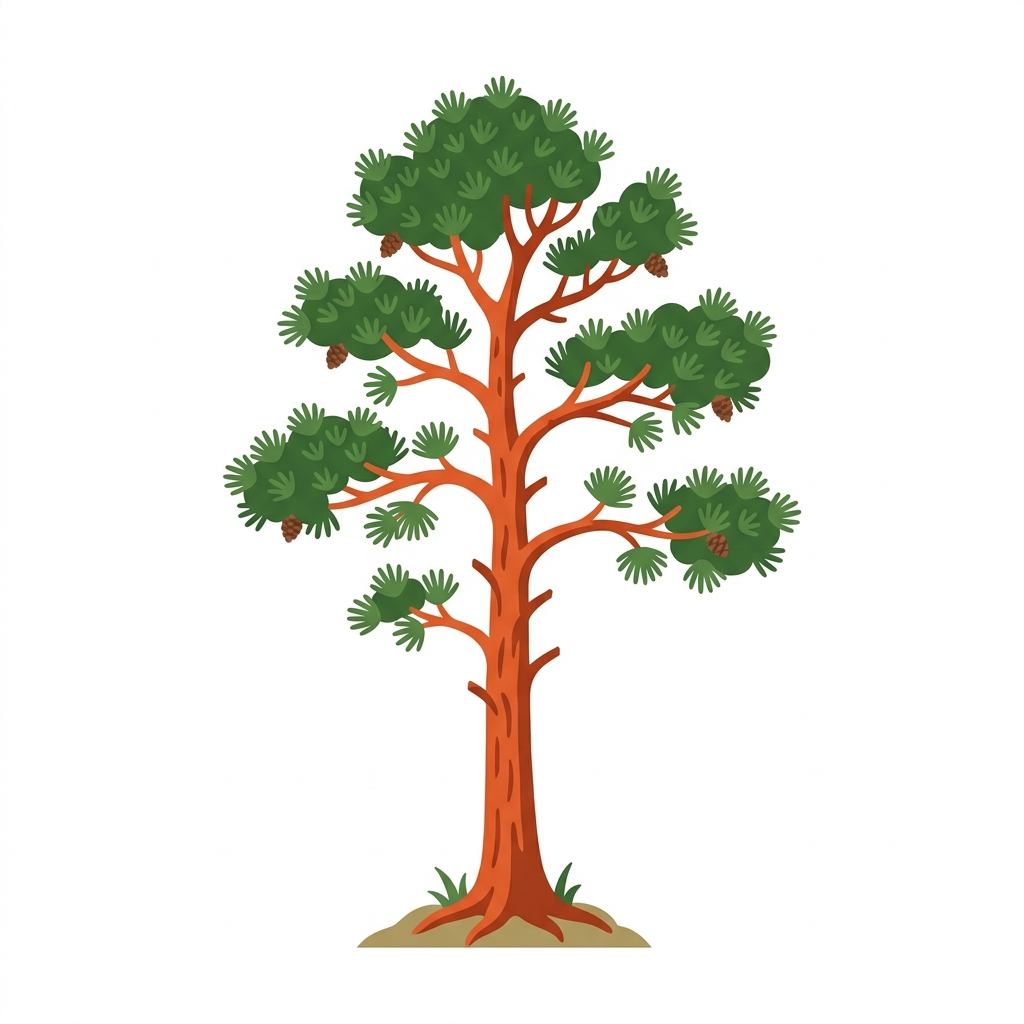
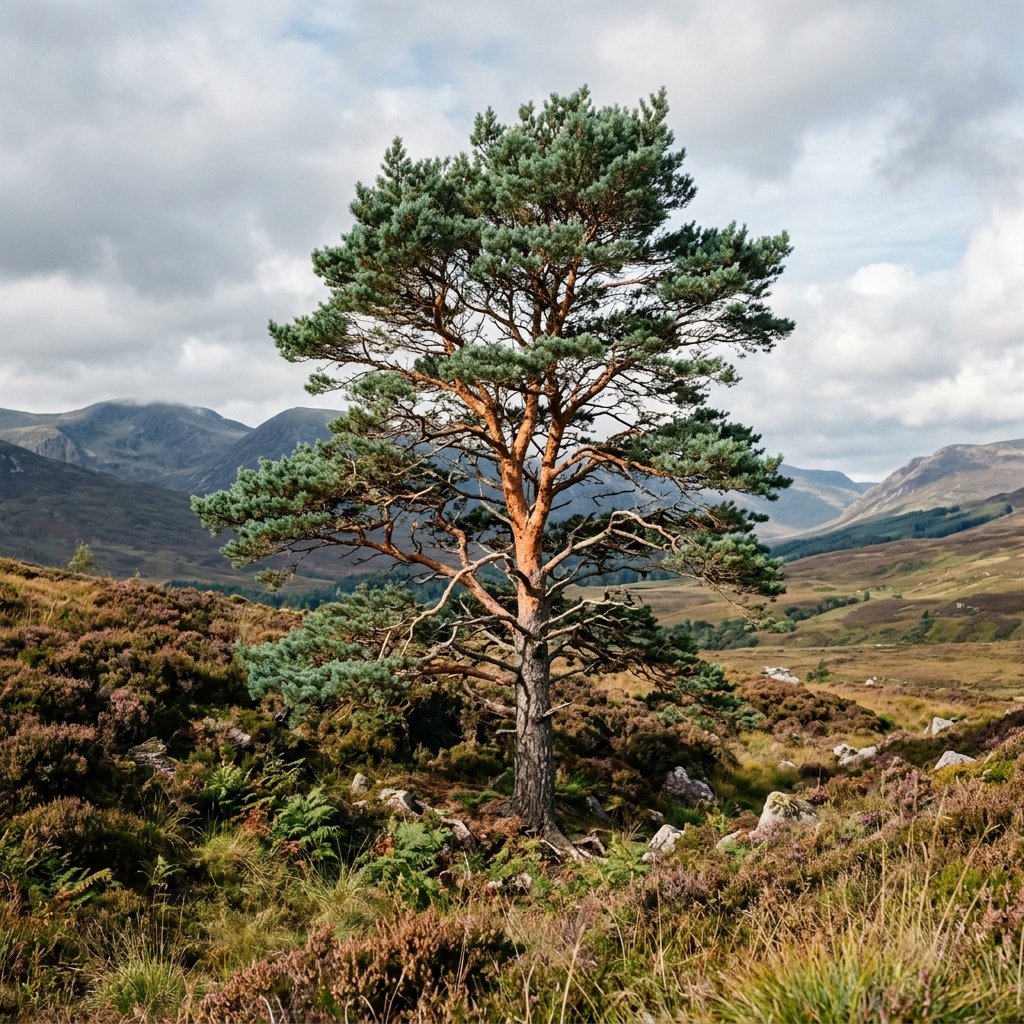
A tall, rugged conifer and the only pine tree native to the UK.
How to identify:
Look for its long, blue-green needles which grow in pairs, its woody cones, and its flaky, orange-brown bark on the upper part of the trunk.
💡 Fun Facts
- Instead of broad leaves, a pine tree has tough, waxy needles which it keeps all year. This helps it to save water.
- It reproduces using woody cones, which open up in dry weather to release their seeds.
- Red squirrels love to eat the seeds from pine cones.
📅 Through the Year
- Fruiting:September to November
Pinus sylvestris
means “the pine of the woods”
What does its name mean?
- Pinus — pine treeLatin — the old Roman name for the pine
- sylvestris — of the woods, wild, uncultivatedLatin silva, 'wood, forest'Decode this word →
Pinus sylvestris means 'the wild pine of the woods' — and it is Britain's only native pine, the great tree of the ancient Caledonian forests of the Scottish Highlands.
Holly
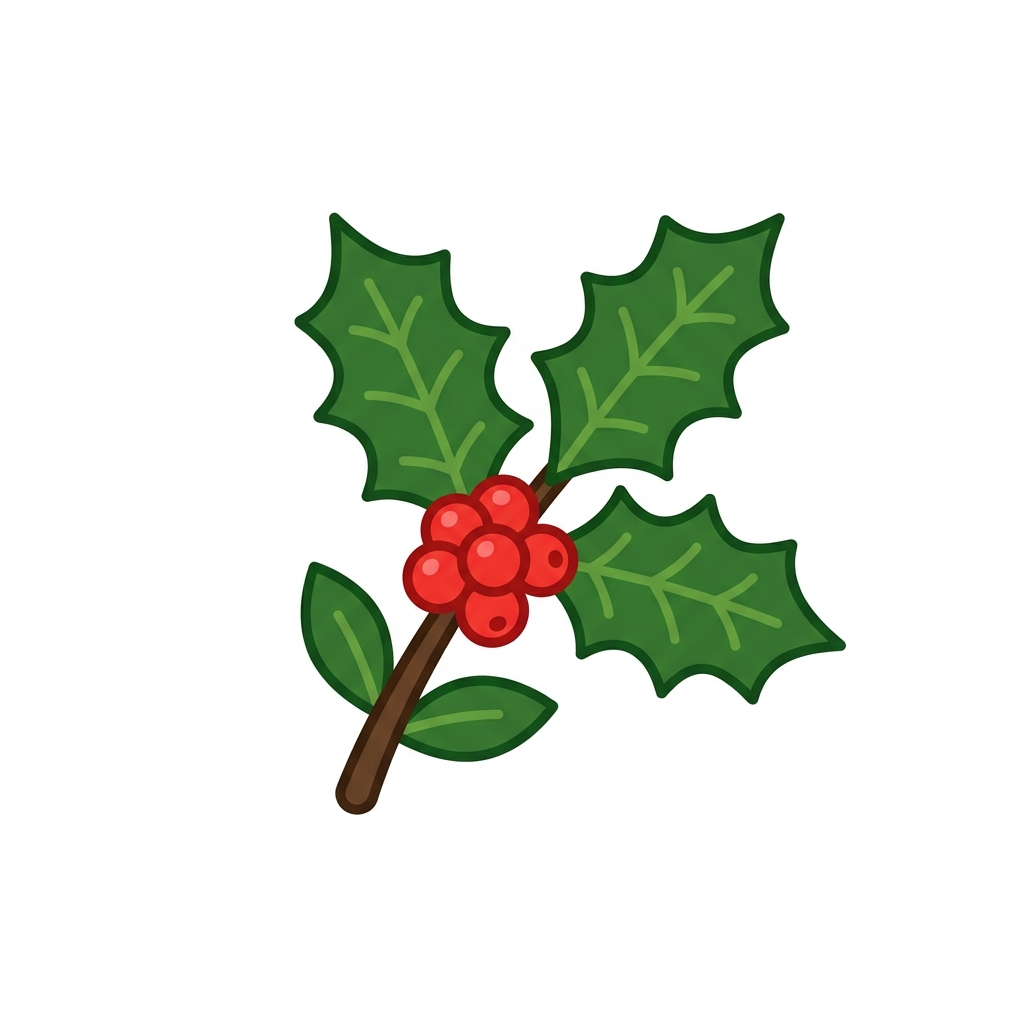
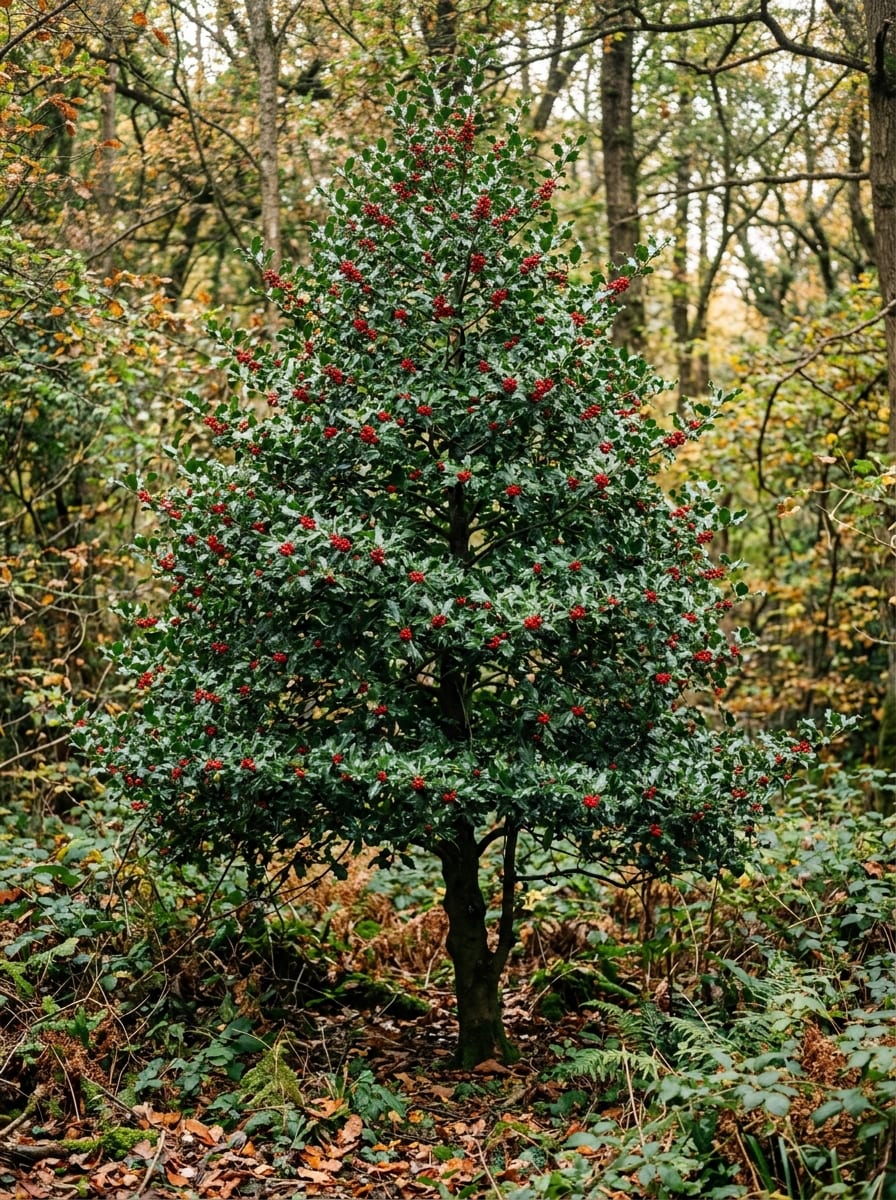
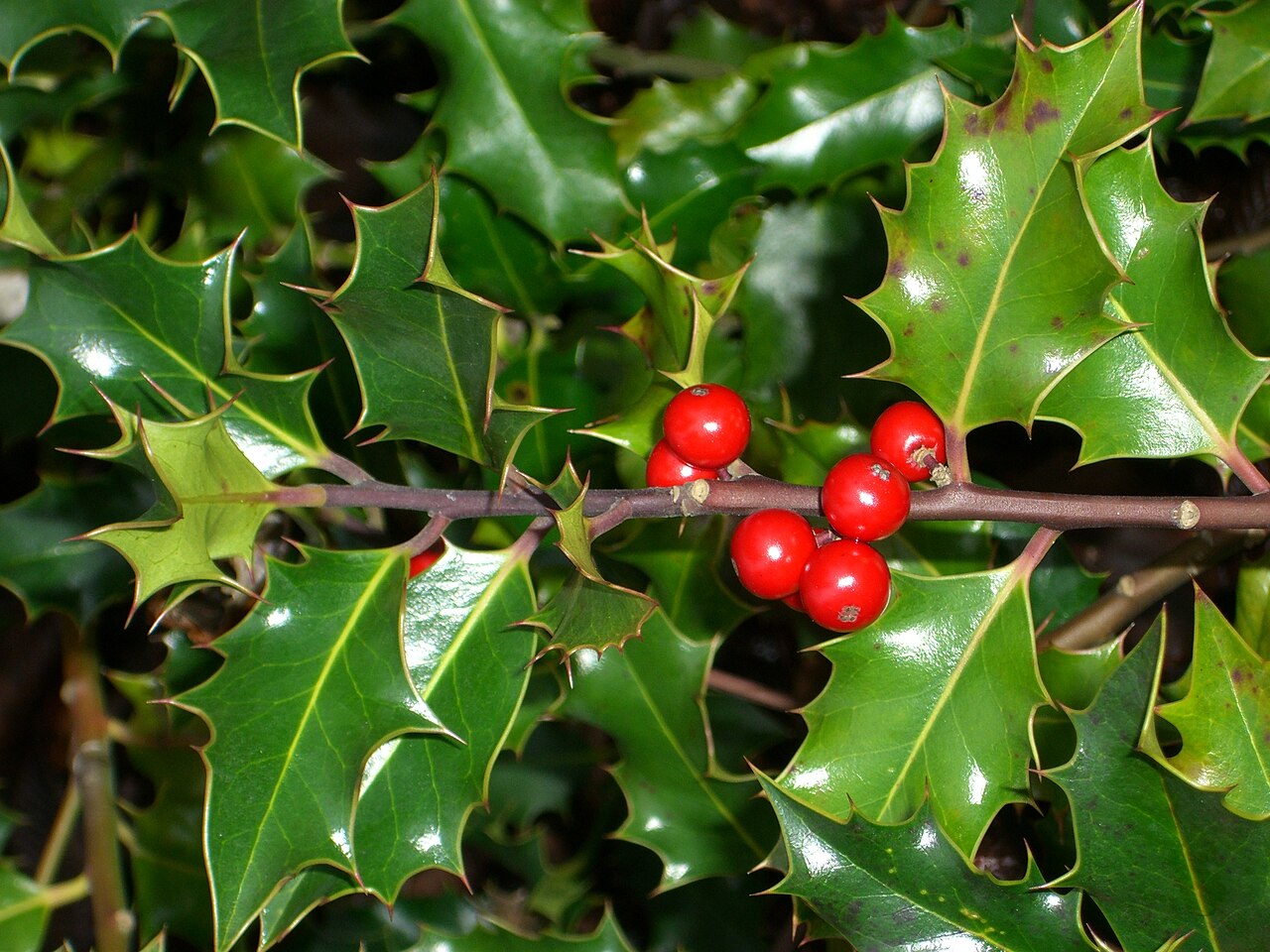
A small evergreen tree with shiny, spiky leaves and bright red berries in winter.
How to identify:
Look for its distinctive dark green, glossy leaves with sharp spines, and (on female trees) its bright red berries.
💡 Fun Facts
- Holly is a popular Christmas decoration because its green leaves and red berries provide colour in the middle of winter.
- Only female holly trees produce berries, but they need a male tree growing nearby to be pollinated.
- The leaves on the lower part of the tree are very spiky to stop animals like deer from eating them, while the leaves at the top of the tree are often smooth.
📅 Through the Year
- Flowering:May to June
- Fruiting:November to February
Ilex aquifolium
means “the sharp-leaved holly”
What does its name mean?
- Ilex — originally the holm-oak, an evergreen oakLatin — borrowed for holly because the leaves look alike
- aquifolium — sharp-leavedLatin acu-, 'sharp, needle' + folium, 'leaf'
Holly's name aquifolium means 'sharp-leaved' — perfect for its stiff, glossy, prickly leaves. There's a trap to spot: although the word looks like the Latin for 'water', it has nothing to do with water at all. It comes from an old word meaning 'sharp' or 'needle'.
Yew
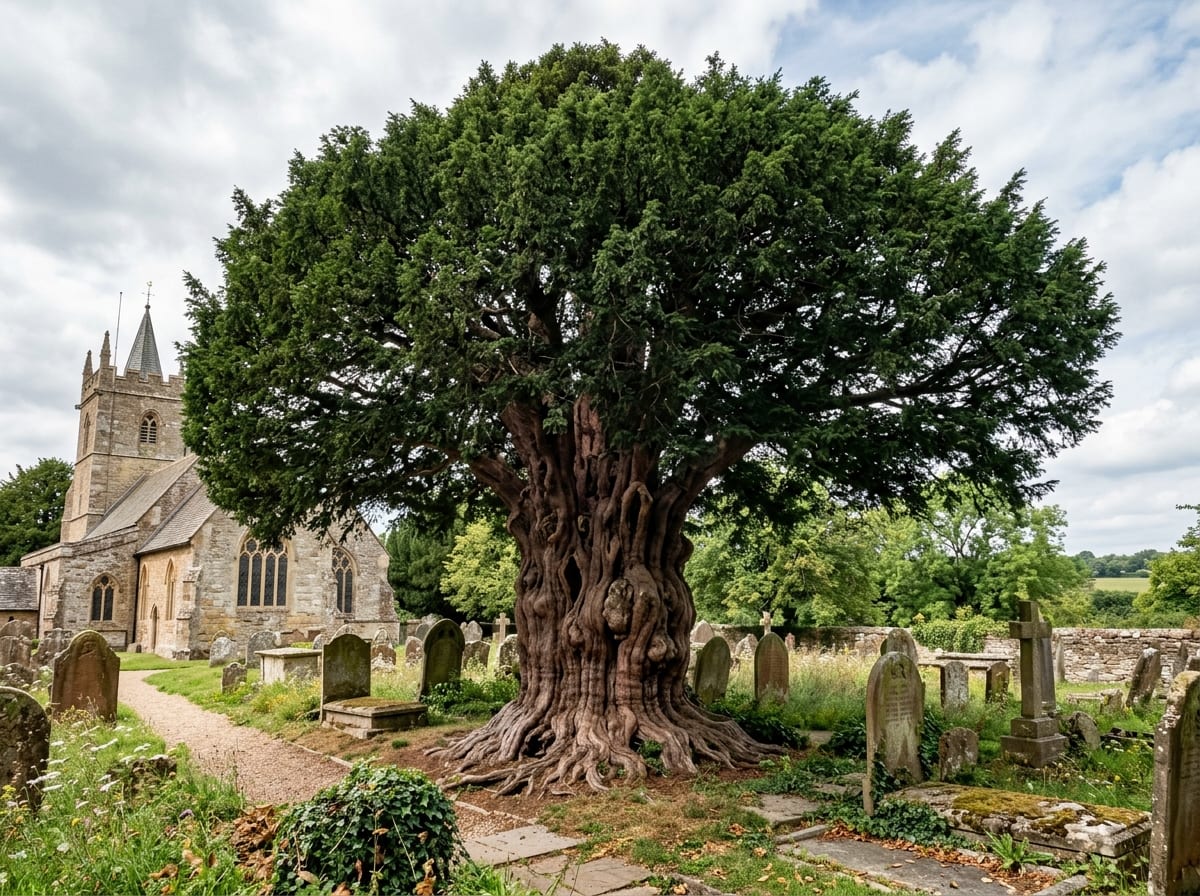
A dense, dark evergreen tree often found in churchyards, with soft needles and red, fleshy berries.
How to identify:
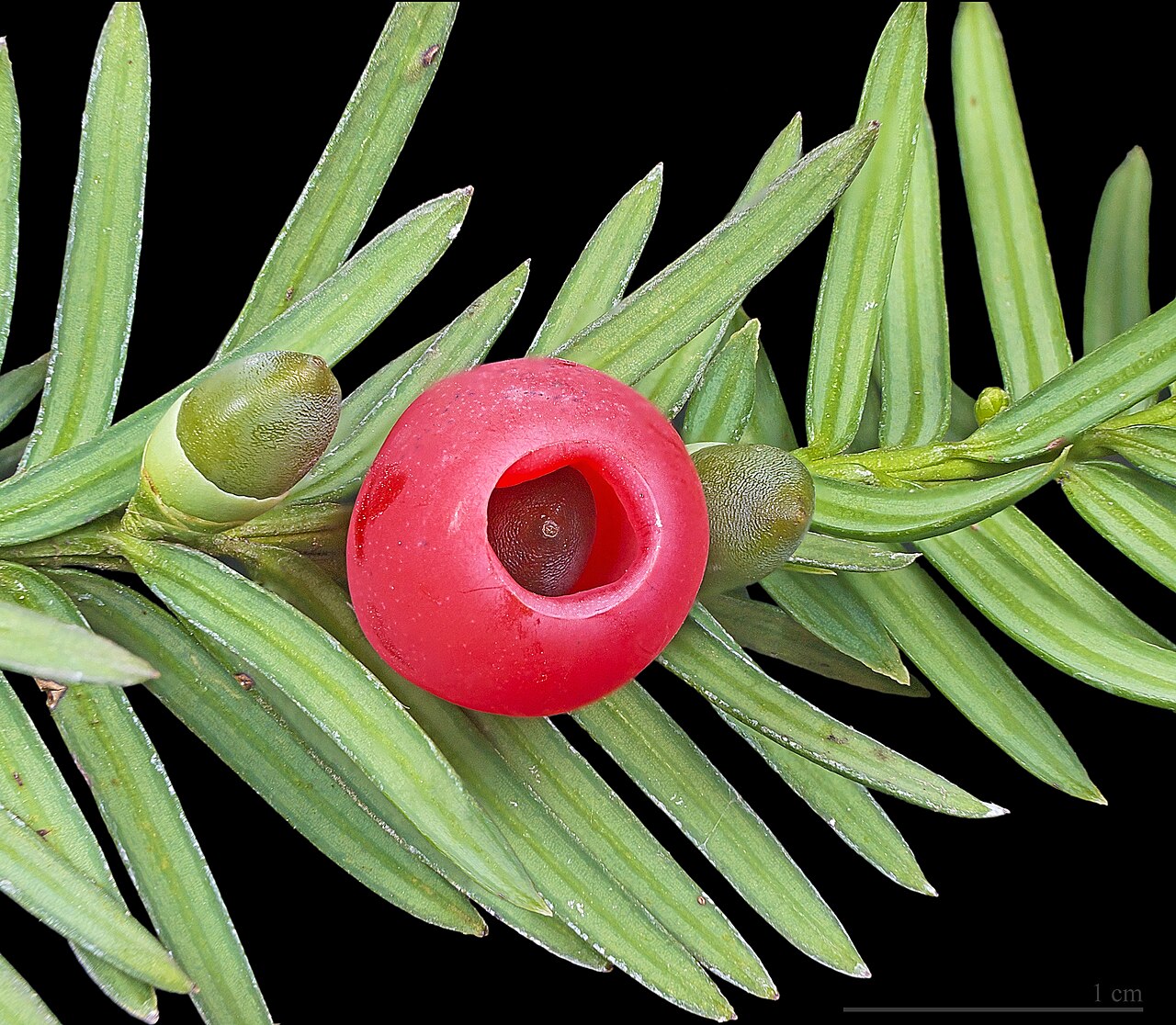
Look for its short, flat, dark green needles and its small, bright red berries that have a hole in the end.
💡 Fun Facts
- Yew trees can live for a very long time; some in the UK are thought to be over 2,000 years old.
- Almost every part of the yew tree—its needles and seeds—is poisonous to humans and most animals.
- Birds, however, can eat the fleshy red part of the berry (called an aril) and will fly off and poop out the poisonous seed somewhere else, helping the yew to spread.
📅 Through the Year
- Fruiting:September to November
Taxus baccata
means “the berried yew”
What does its name mean?
- Taxus — yew (often linked to words for 'bow' and 'poison')Latin — traditionally tied to Greek toxon, 'bow', and toxikon, 'poison'
- baccata — berried, bearing berriesLatin bacca, 'berry'
Baccata means 'berried', for the soft red fruits dotted along its branches — though, because the yew is really a conifer, these aren't true berries but fleshy little cups called arils. The name Taxus is often linked to old Greek words for 'bow' and 'poison': yew wood really did make the finest longbows, and nearly all of the tree really is highly poisonous.
Activities & Reflections
Activities
Leaf Rubbing Collection
Give pupils paper and wax crayons. Take them outside to find different types of leaves (both on trees and on the ground). Place the paper over a leaf and rub the side of the crayon over it to reveal the leaf's shape and veins.
Tree Sorting Game
Create two large hoops or signs labelled 'Deciduous' and 'Evergreen'. Give pupils pictures or real leaves from different trees and ask them to sort them into the correct group.
Plant Part Hunt
Ask pupils to find an example of a flower, a stem, a leaf, and (if possible) some roots in the school grounds or a park. They can draw what they find and label it.
Reflections
Self-Reflection (Exit Ticket)
On a sticky note, ask pupils to draw their favourite plant or tree from the lesson and write down one thing that makes it easy to identify.
Paired Reflection (Think-Pair-Share)
Ask pupils to discuss with a partner: What is the main difference between a deciduous tree and an evergreen tree?
Group Reflection
In small groups, pupils can discuss: Why do you think it is useful for a holly tree to have spiky leaves at the bottom and smooth leaves at the top?
Whole Class Share-Out
As a class, discuss: In autumn, lots of deciduous trees lose their leaves. What happens to all those leaves on the ground? Where do they go?
Back to: Science