
Dandelion
Featured in: Year 1: Plants
Reading level:

Dandelion
Wildflower
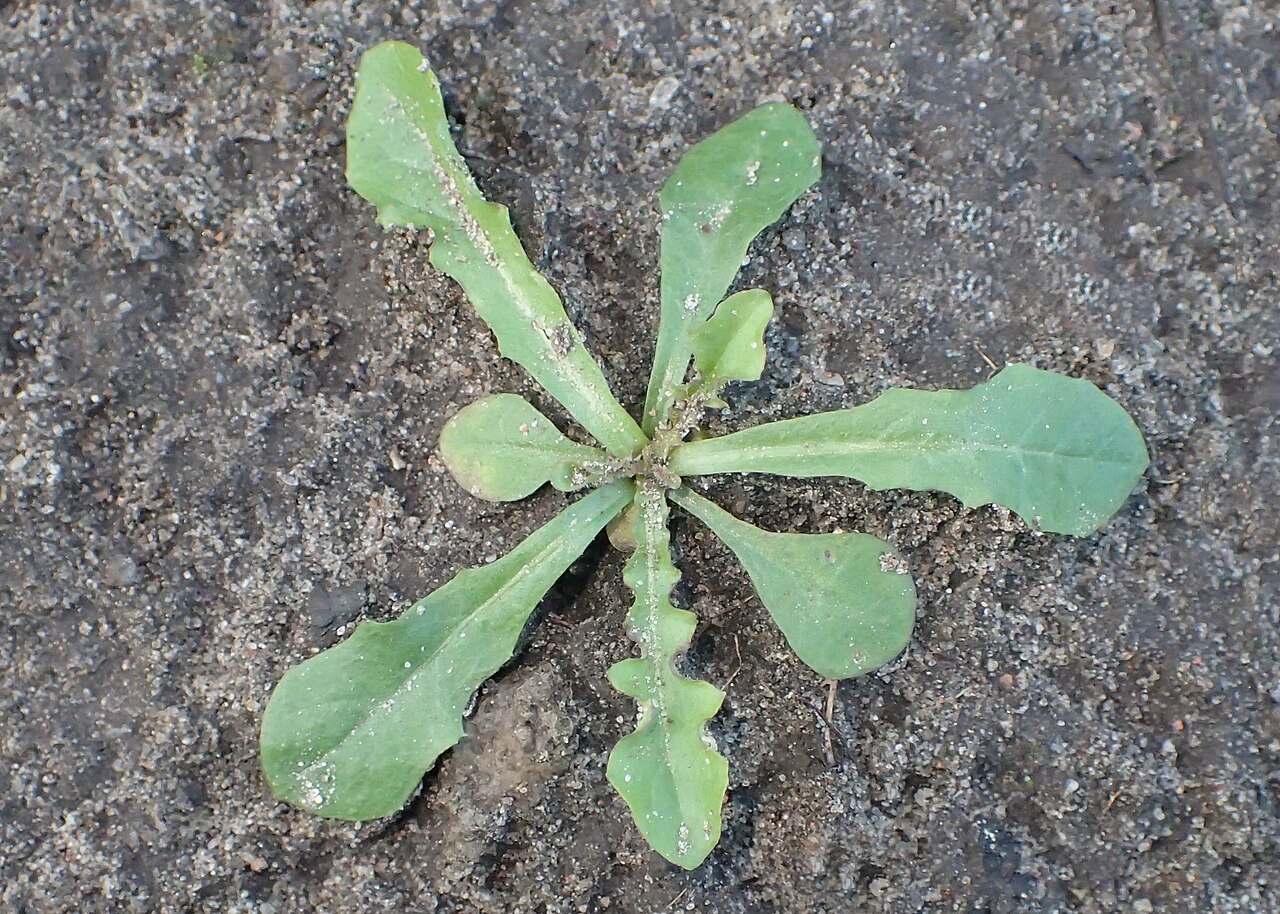
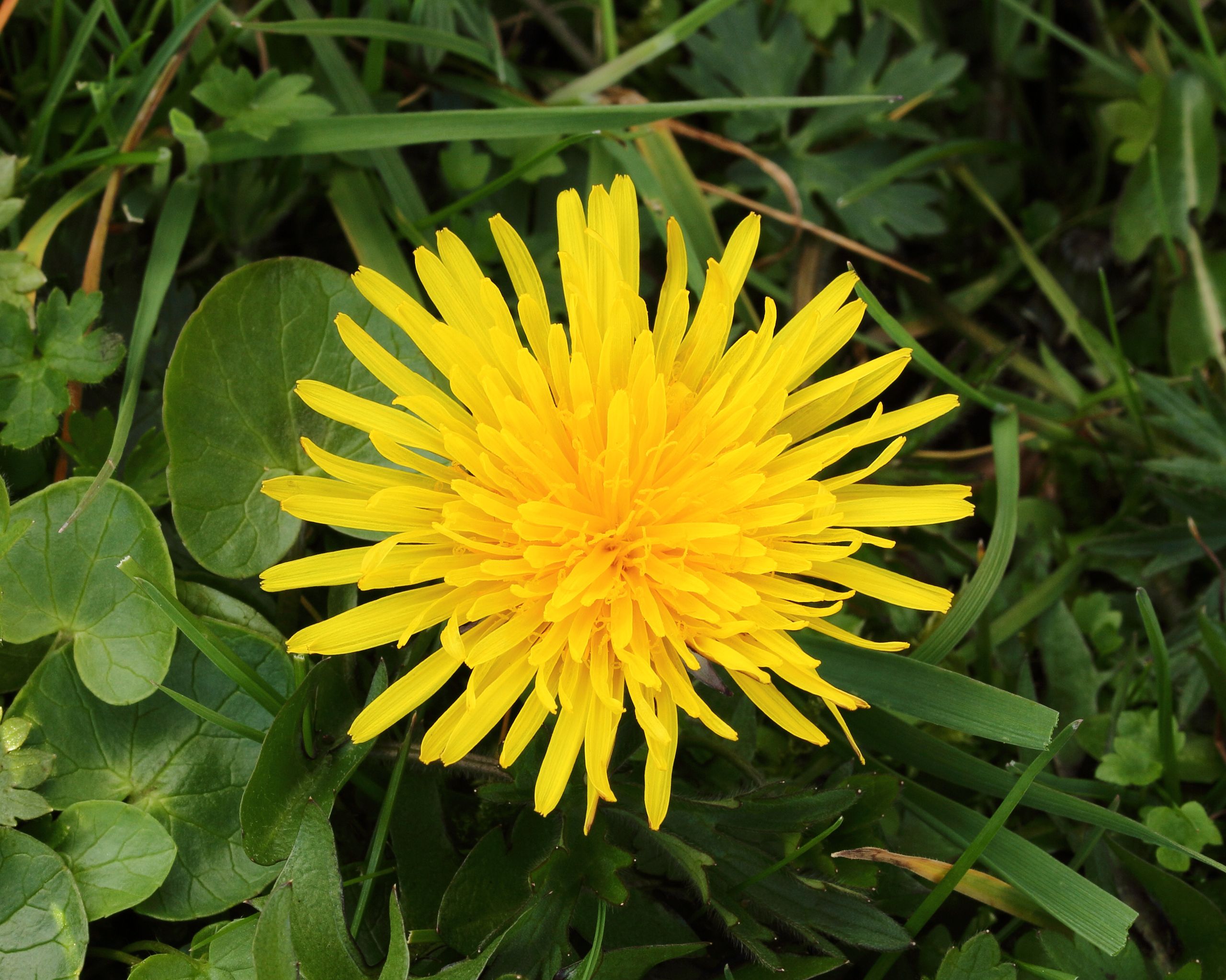
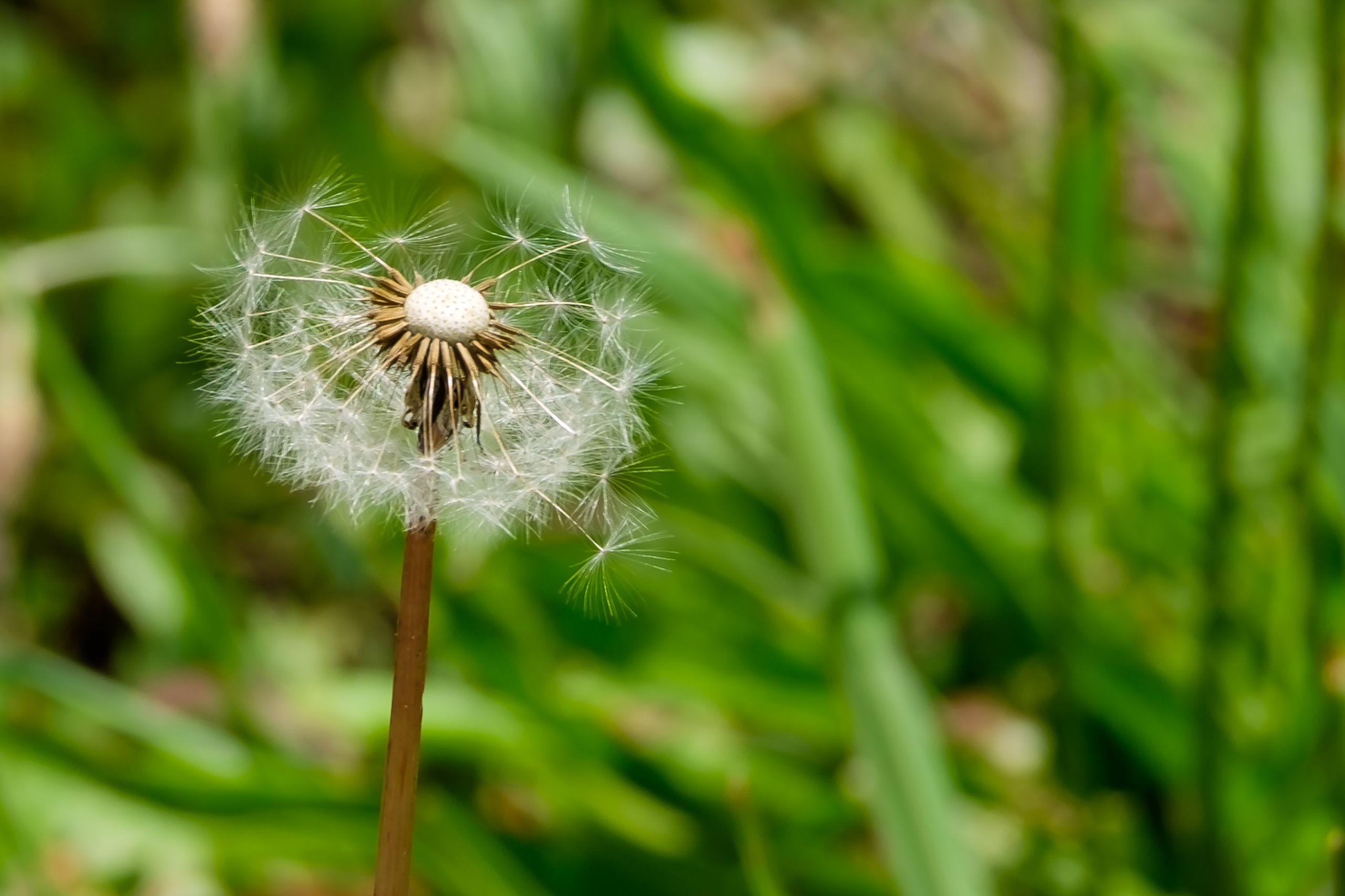
A bright yellow flower with jagged leaves, which later turns into a round, white seed head.
How to identify:
Look for its bright yellow, fluffy-looking flower and its long, green leaves with edges that look like a lion's teeth.
💡 Fun Facts
- Its name comes from the French ‘dent-de-lion’, which means ‘lion’s tooth’, because of the shape of its leaves.
- After flowering, it turns into a white, fluffy 'clock' of seeds, which are then spread by the wind.
- Every part of the dandelion is edible; the leaves can be eaten in salads and the flowers can be used to make wine.
📅 Through the Year
- Flowering:March to October
Name Story
Taraxacum officinale
means “The apothecary's herb — a plant once kept for medicine”
likely meaningScholars aren't sure where Taraxacum comes from — most likely Arabic for 'bitter herb'. A popular alternative reads it as Greek for 'remedy for disorder', but that one is disputed. The certain part is officinale, 'of the apothecary'.
What does its name mean?
- Taraxacum — an old name, probably 'bitter herb'Arabic (via medieval Latin)
- officinale — from the officina — the apothecary's storeroomLatinDecode this word →
For hundreds of years the dandelion earned a place on the apothecary's shelf, kept and used as a medicine — which is exactly what its second name tells us.