
Beaver
Featured in: Year 3: Light
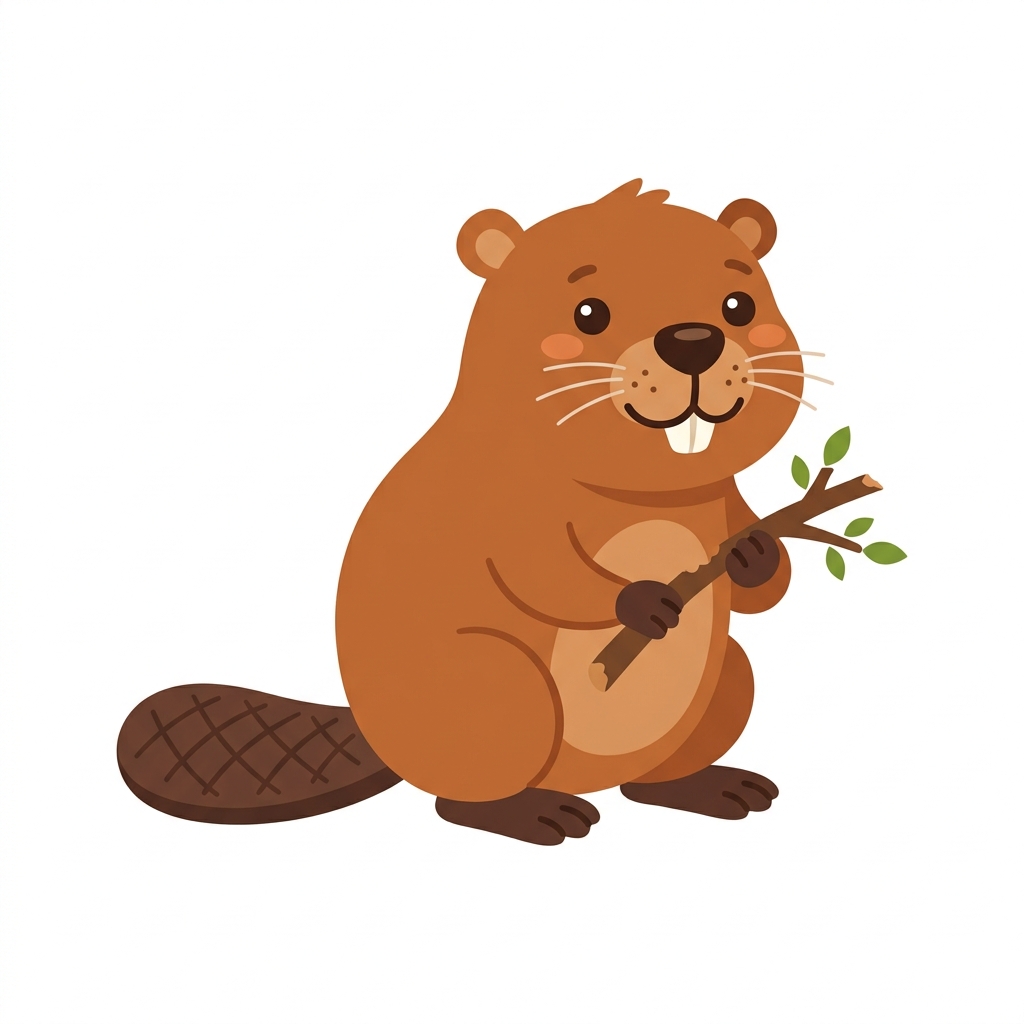
Beaver
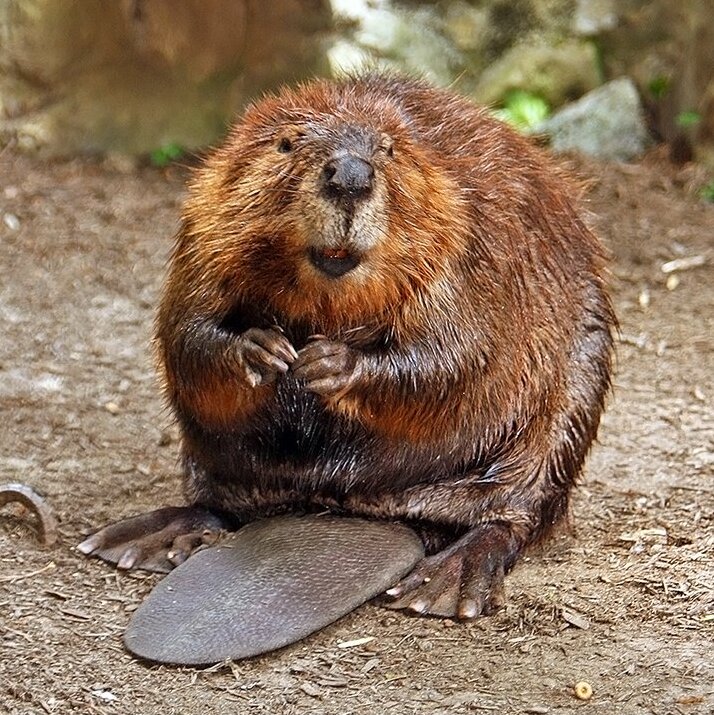
A large river rodent once hunted to extinction in Britain and now returning, with iron-rich orange teeth and a flat tail it slaps to warn of danger.
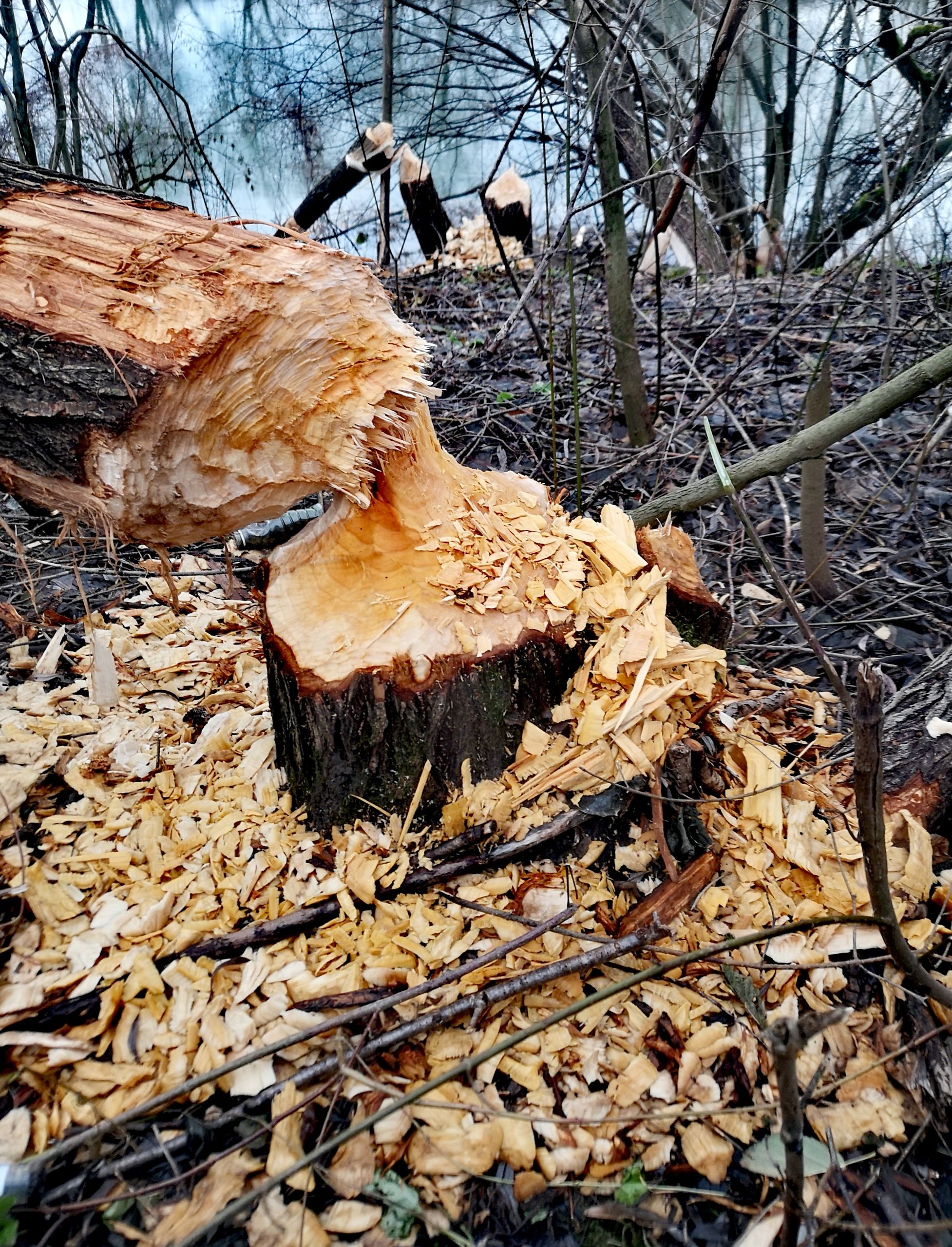
Beavers are mostly nocturnal and are famous 'eco-engineers'. They spend their nights felling trees with their powerful teeth to build dams across rivers.
Why they are important:
Their dams create new ponds and wetlands, which become amazing habitats for other wildlife like frogs, dragonflies, and water birds.
💡 Fun Facts
- Beavers were hunted to extinction in the UK over 400 years ago, but are now being carefully reintroduced to some rivers.
- Their front teeth are orange because they contain iron, which makes them extra strong for chewing through wood.
- A beaver's tail is flat and scaly and can be slapped on the water's surface as a loud warning signal to other beavers.
Castor fiber
means “Beaver — in two languages, with a brown twist”
What does its name mean?
- Castor — beaverLatin, from Greek kastor
- fiber — beaveran older native word, from a root meaning 'the brown one' — cousin to 'brown' and 'bear'
Both halves of this name just mean 'beaver' — but 'fiber' grows from an ancient word for 'the brown one', kin to our words brown and bear. The beaver's musky scent, 'castoreum', is even named after Castor.