Plant

Tropical Hibiscus
Shrub
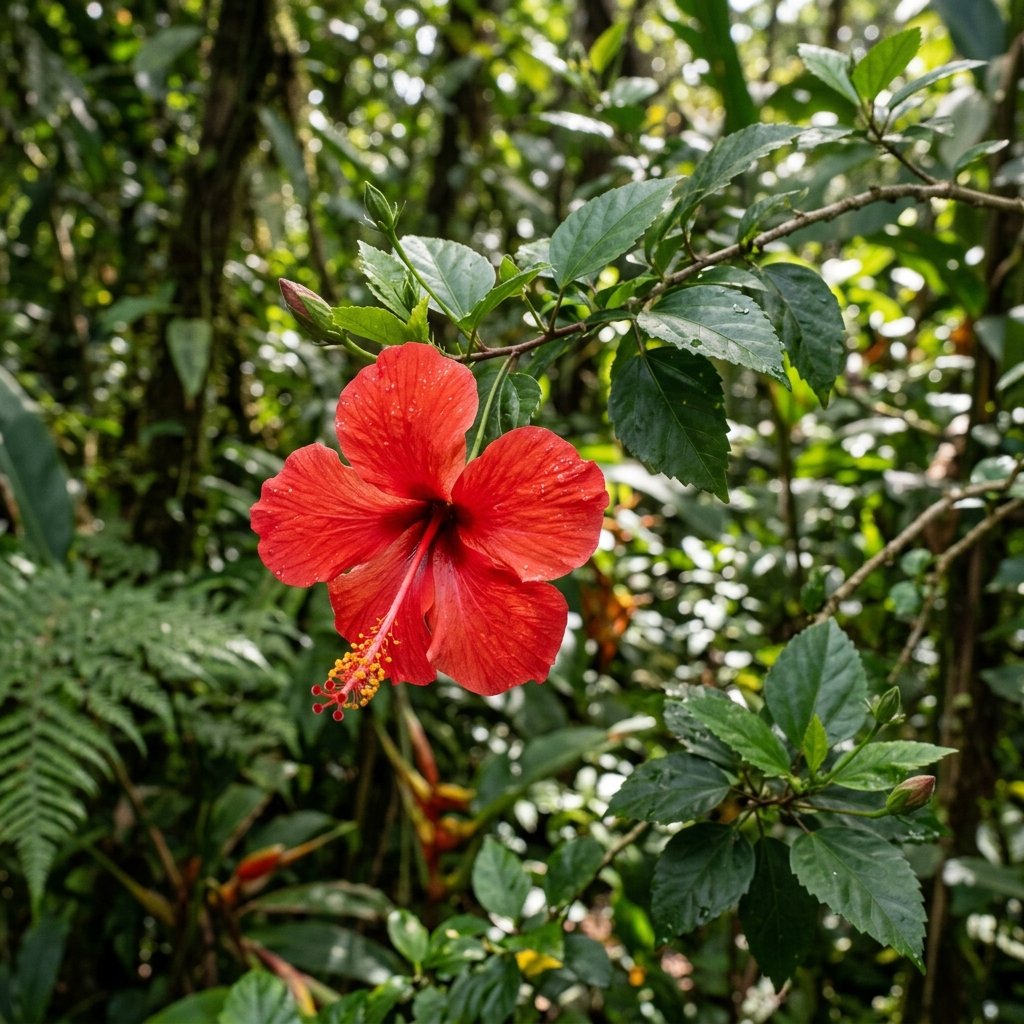
A large, brightly coloured flower found in warm climates, producing sweet nectar that attracts tiny birds.
📅 Through the Year
- 🌸Flowering:June to September
🕸️ Food Web
ProducerClick to explore how the Tropical Hibiscus fits into the ecosystem!
🎴 Field Research Data Cards
Picture
Units
Tropical Hibiscus
P
Max Height3 m
Spread / Width2 m
Growth Rate~40 cm/yr
Lifespan25 years
Toughness
40
Resilience
45
Printable Data Cards: Tropical Hibiscus
Tropical Hibiscus
P
Max Height3 m
Spread / Width2 m
Growth Rate~40 cm/yr
Lifespan25 years
Toughness
40
Resilience
45
Tropical Hibiscus
S
PollinationInsect- and bird-pollinated in the tropics (sunbirds, butterflies)
Seed DispersalLimited — many cultivated forms are sterile and set no seed
DefencesFew physical defences; soft-wooded
Special AbilityHuge trumpet flowers, often lasting just a single day, with a long fused column of stamens
Flowering SeasonYear-round in the tropics; summer under glass in the UK
Seeds / YearOften none — many cultivars are sterile; wild forms make capsules of several seeds
Human UsesOrnamental shrub, Malaysia's national flower, hair and skin cosmetics, natural dye
Record TraitThe classic 'shoe flower' — a single huge bloom typically lasts only one day
Tropical Hibiscus
C
StatusNot formally assessed as a wild species (a long-cultivated cultigen of uncertain wild origin)
Native StatusNon-native — of tropical Asian origin; grown as a houseplant or under glass in the UK and not frost-hardy
Primary HabitatTropical gardens and cultivation (no wild UK habitat)
Ecosystem RoleOrnamental nectar source for birds and insects in the tropics; negligible outdoors in the UK
Human ImpactOne of the most widely grown ornamental shrubs of the tropics and subtropics
Adaptability
50