fish - Conservation Pack
Print this page on A4 paper. Make sure "Background graphics" is enabled in your print dialog.
Flounder
C
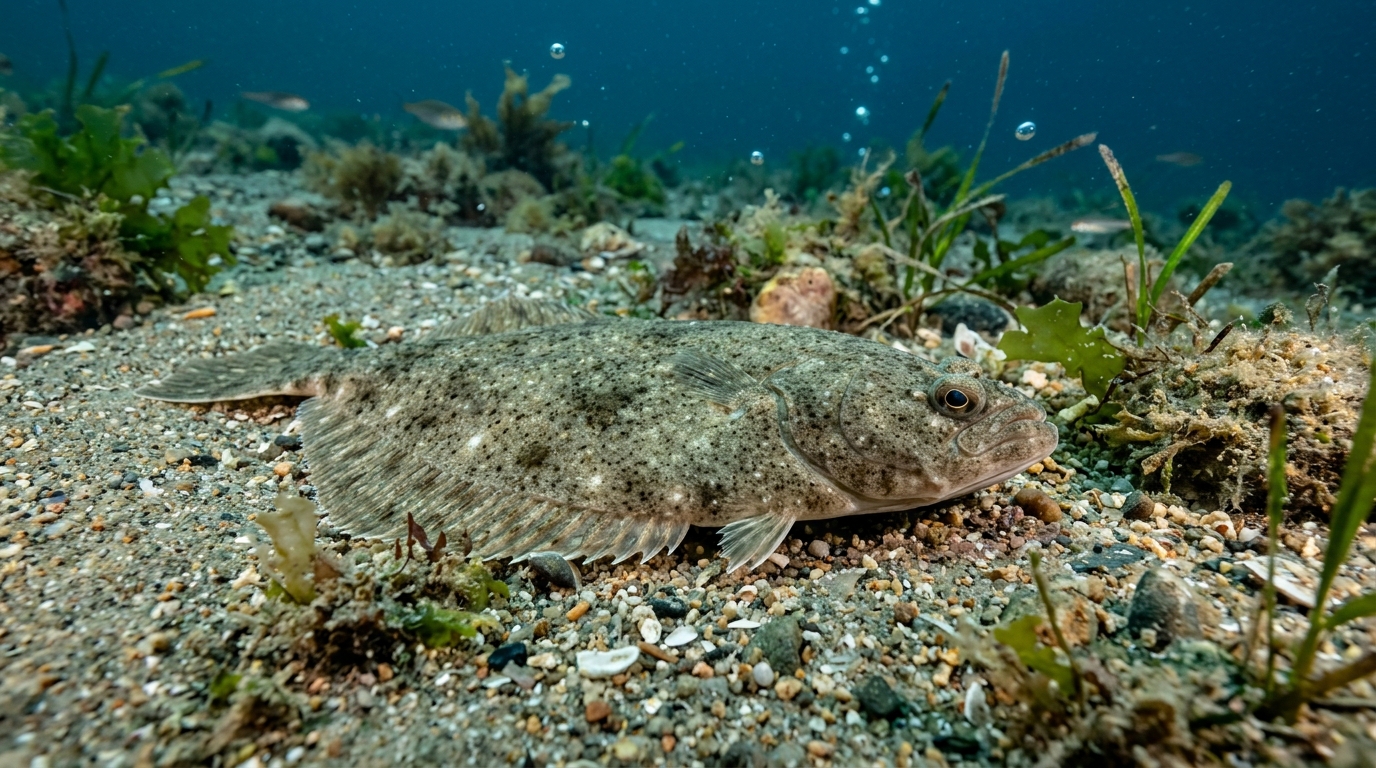
StatusLeast Concern
Primary HabitatEstuaries, coastal seabeds
Ecosystem RoleBenthic predator
Human ImpactOverfishing, bottom trawling
Adaptability
60
Electric Eel
C
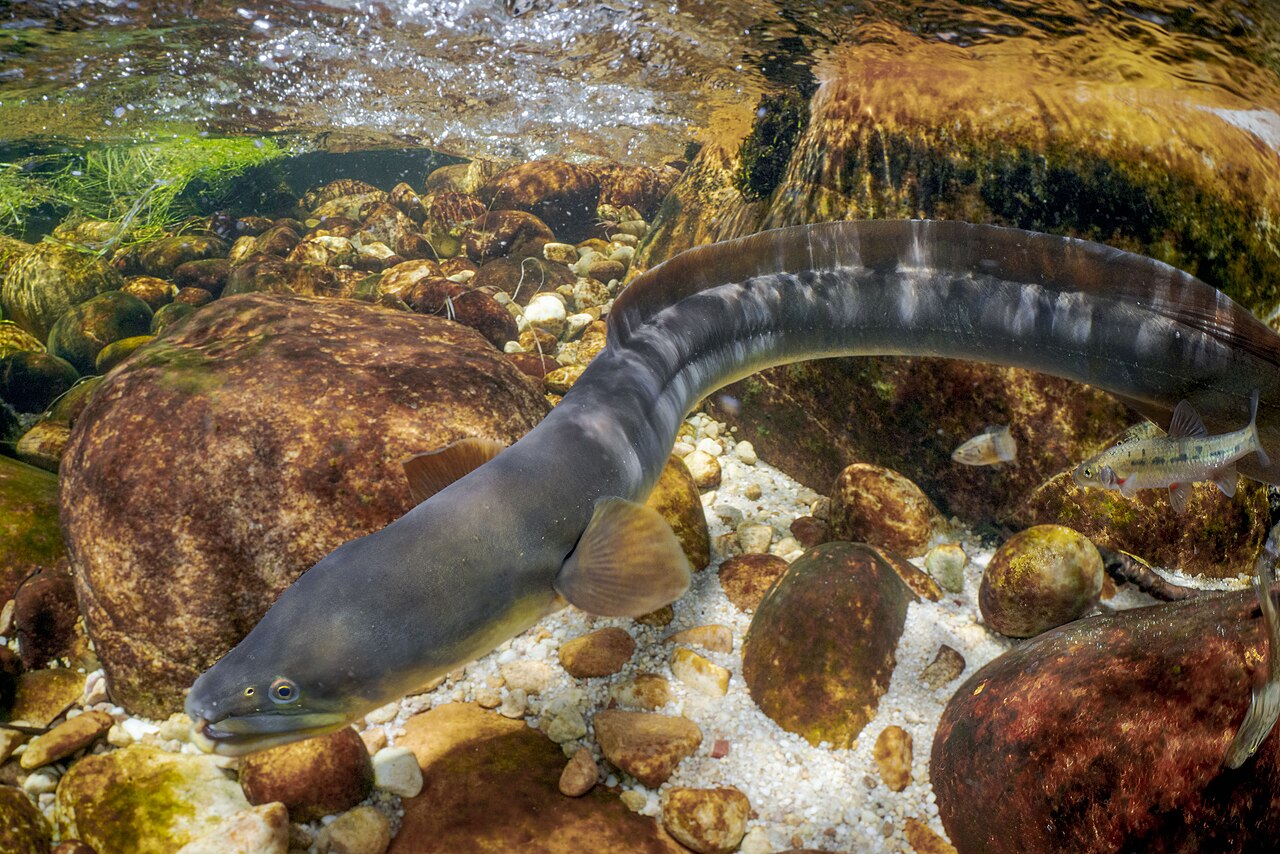
StatusLeast Concern
Primary HabitatAmazon and Orinoco river basins, murky pools
Ecosystem RoleApex Predator (in its specific niche)
Human ImpactHabitat degradation, occasionally caught by fishers
Adaptability
65
Clownfish
C
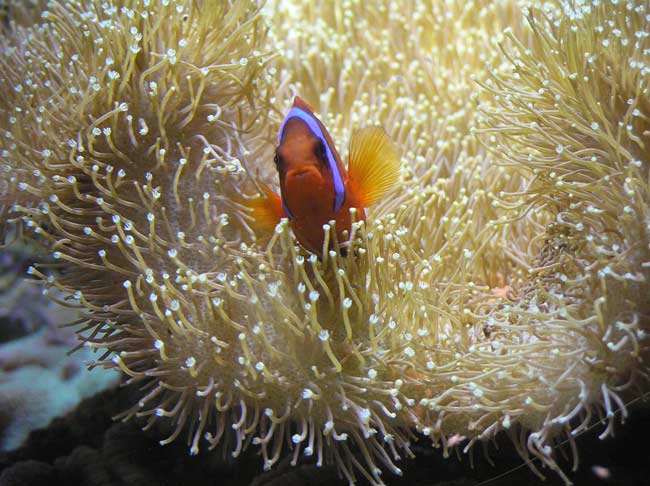
StatusLeast Concern
Primary HabitatCoral reefs
Ecosystem RoleSymbiont
Human ImpactAquarium trade, coral bleaching
Adaptability
30
Parrotfish
C
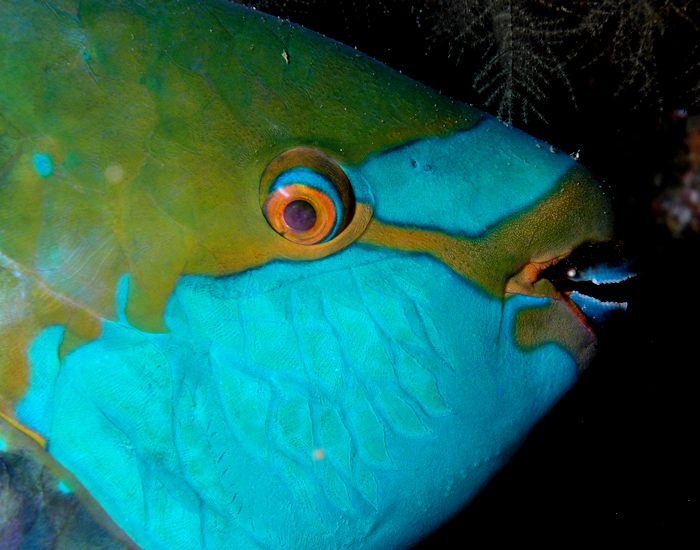
StatusLeast Concern
Primary HabitatCoral reefs
Ecosystem RoleBioerosion (produces sand)
Human ImpactOverfishing
Adaptability
50
Moray eel
C
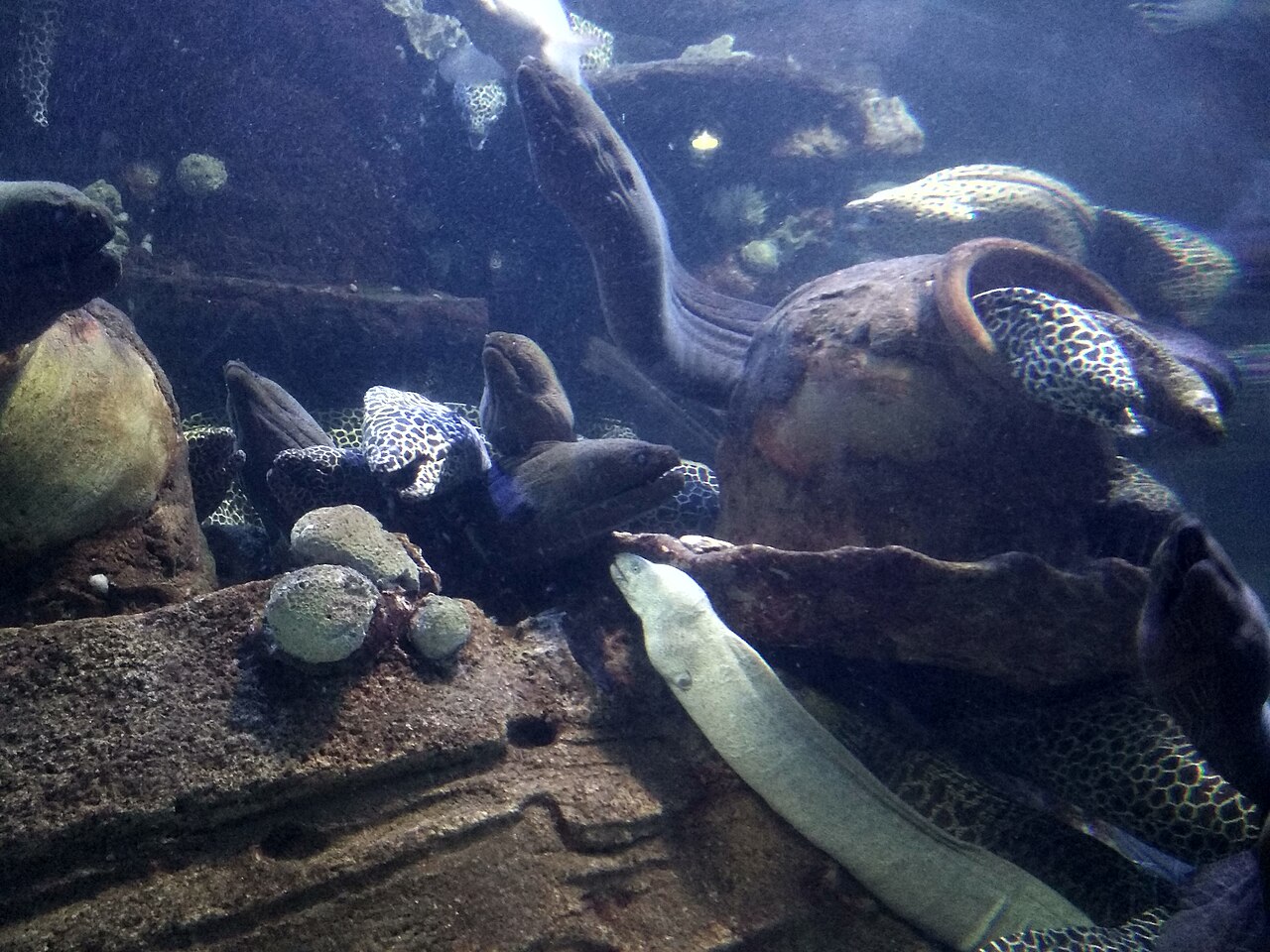
StatusLeast Concern
Primary HabitatCoral reefs and rocky crevices
Ecosystem RoleApex/mesopredator
Human ImpactHabitat destruction
Adaptability
60
Anglerfish
C
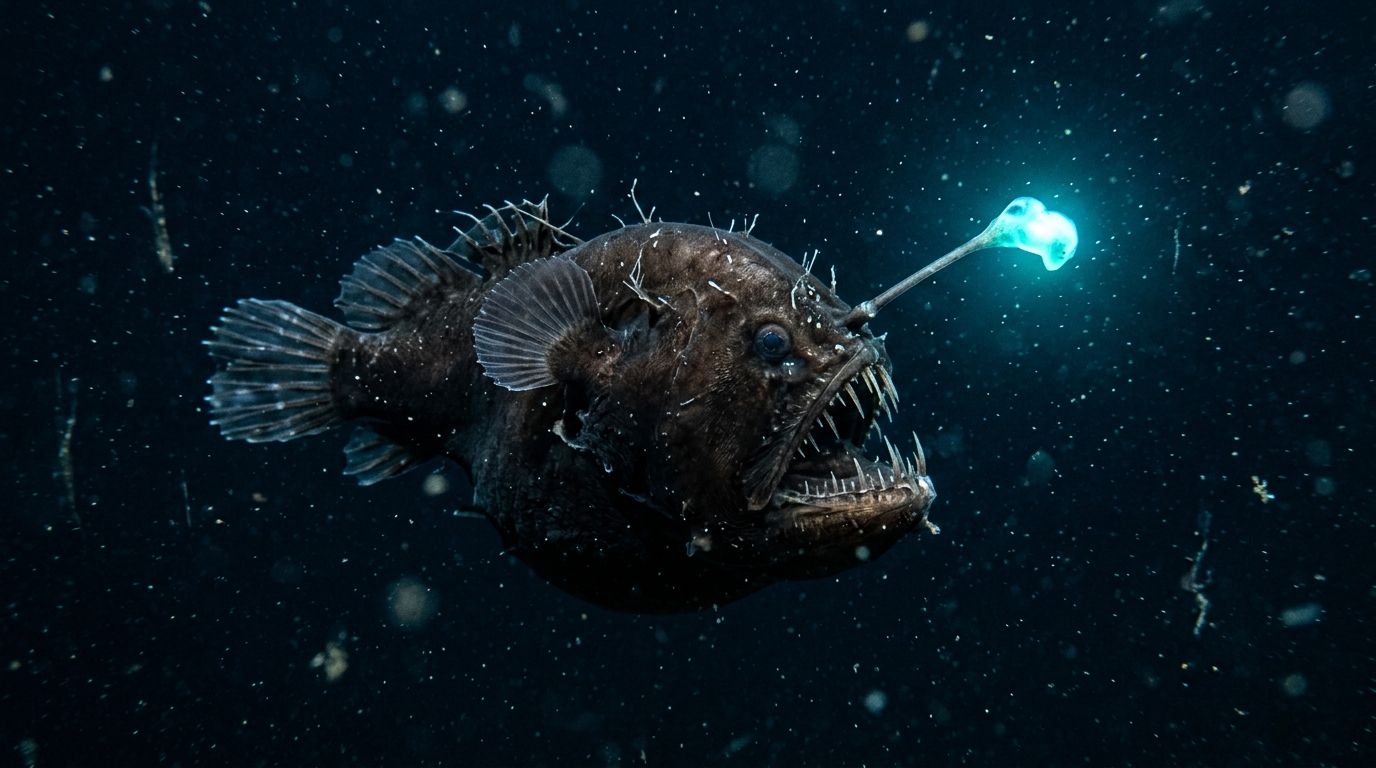
StatusLeast Concern
Primary HabitatDeep ocean (Bathypelagic zone)
Ecosystem RoleAmbush predator
Human ImpactDeep sea trawling
Adaptability
30
Atlantic Salmon
C
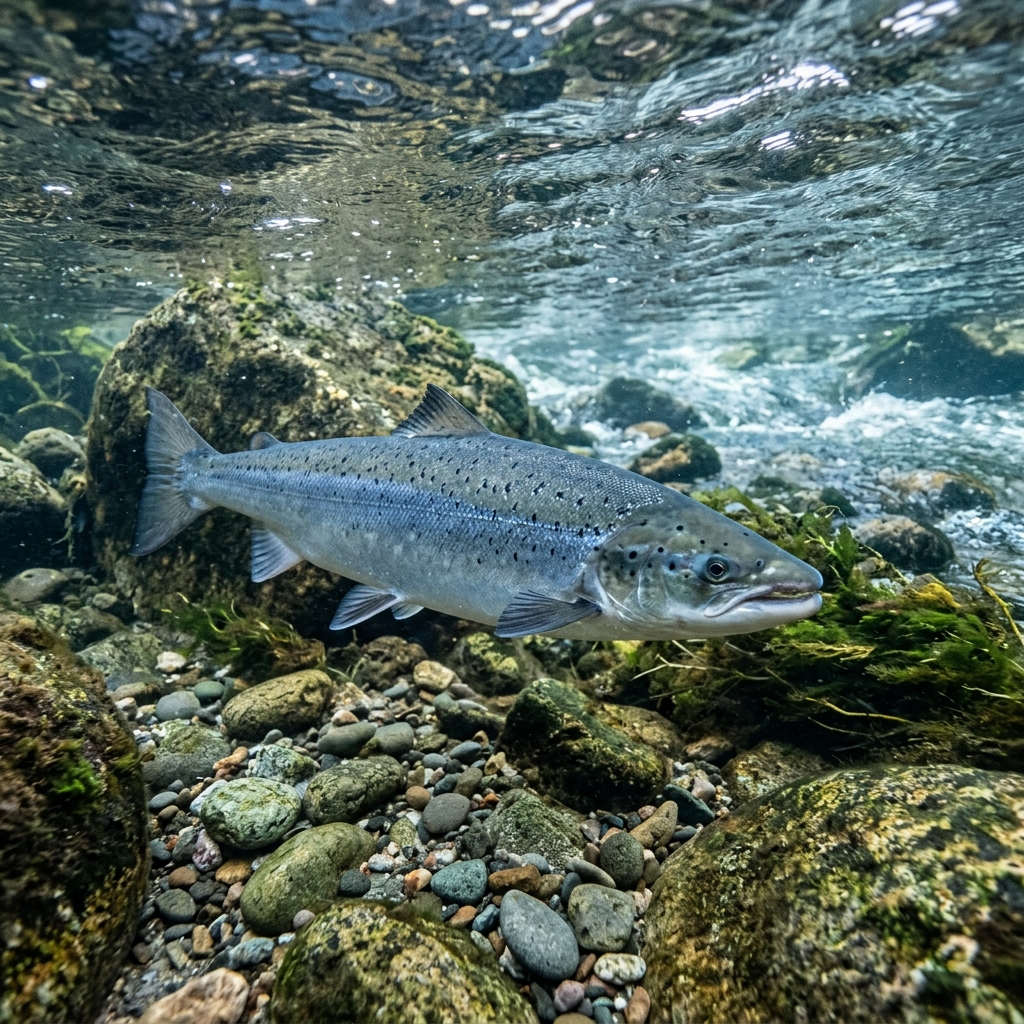
StatusNear Threatened
Primary HabitatOceans and freshwater rivers
Ecosystem RoleNutrient transporter
Human ImpactDams block migration routes
Adaptability
55
Reef Shark
C
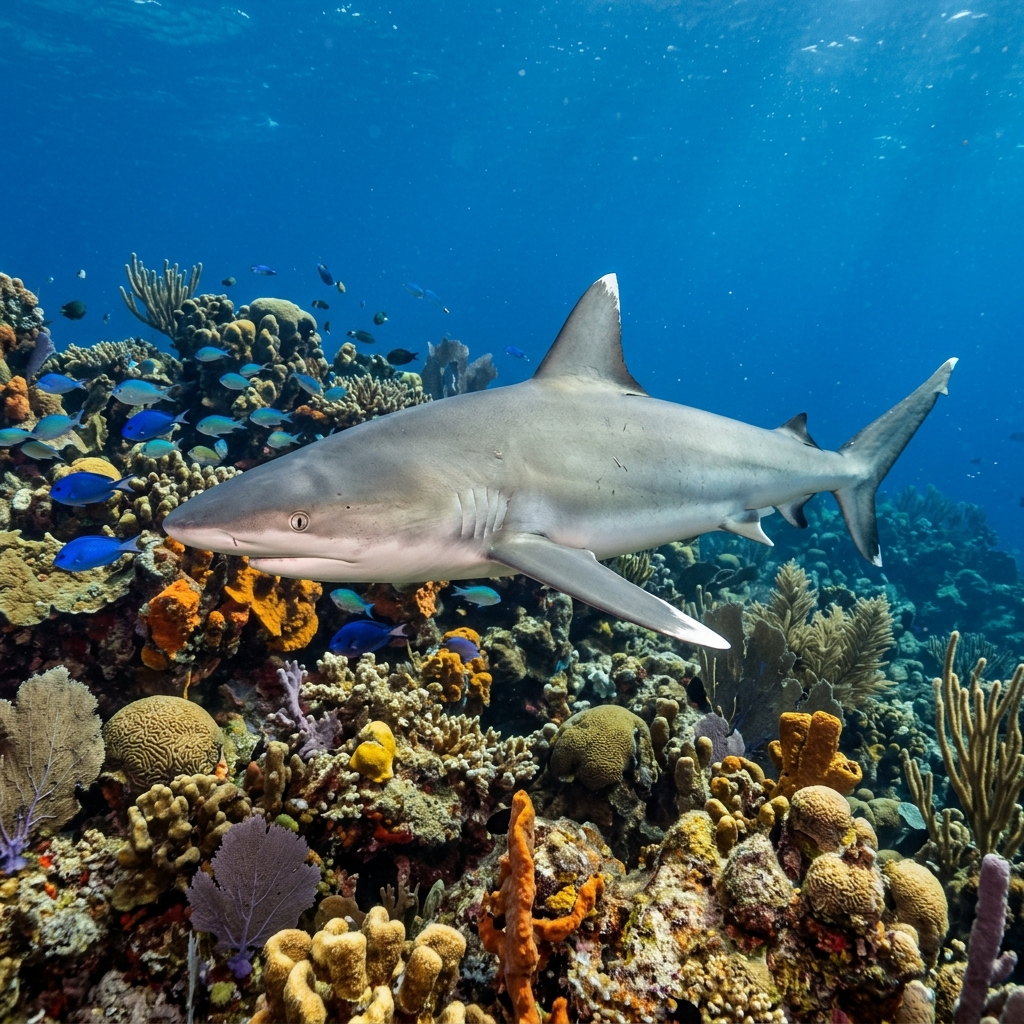
StatusNear Threatened
Primary HabitatCoral Reefs
Ecosystem RoleApex Predator
Human ImpactOverfishing and reef degradation
Adaptability
40
Gulper Eel
C
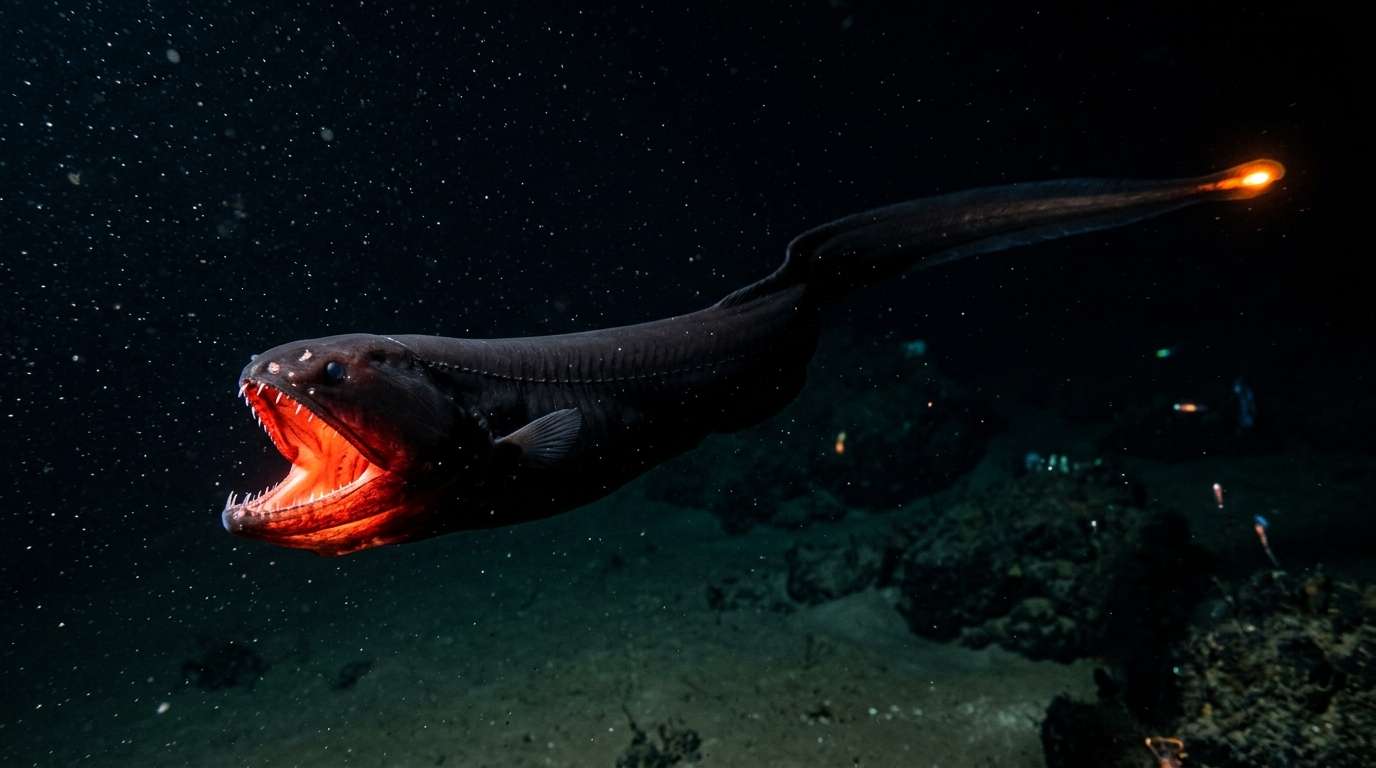
StatusLeast Concern
Primary HabitatDeep Ocean
Ecosystem RolePelagic Predator
Human ImpactMinimal due to extreme depth
Adaptability
40
Greenland Shark
C
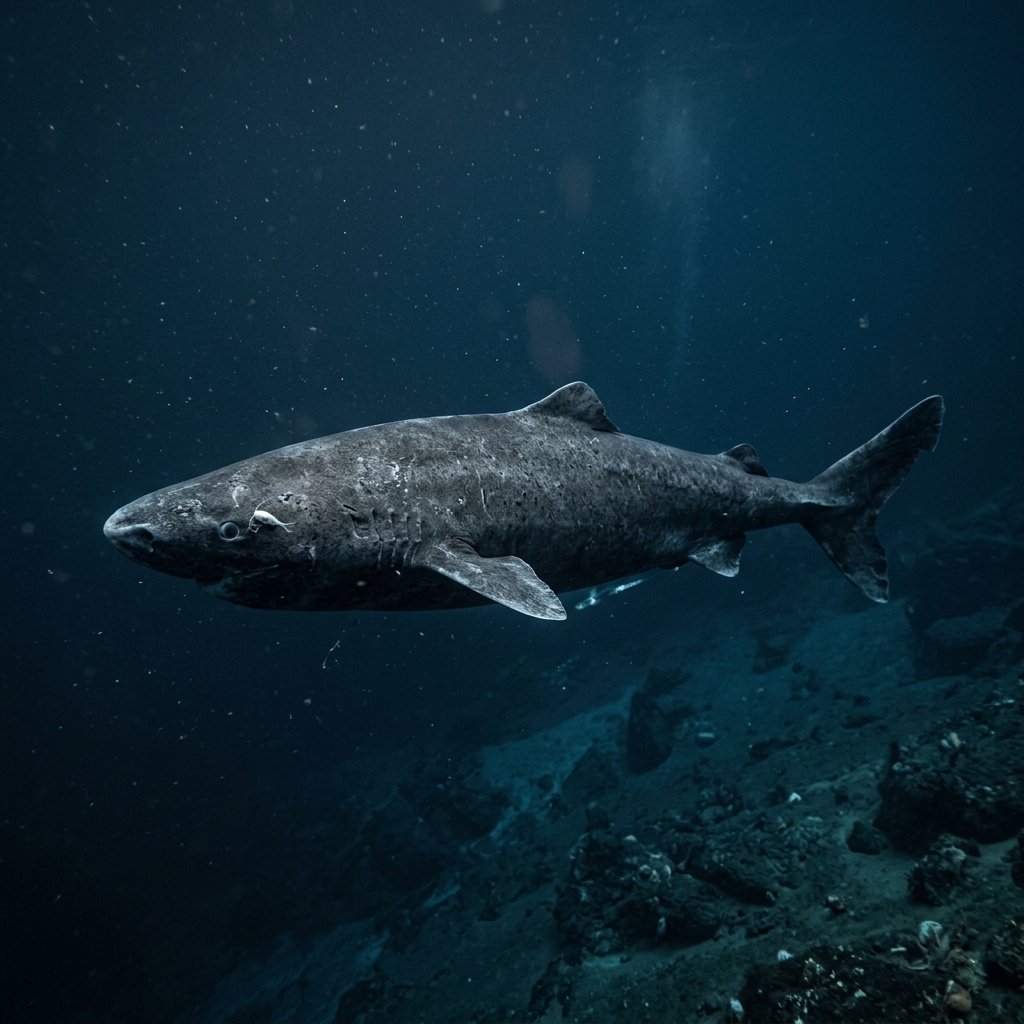
StatusVulnerable
Primary HabitatArctic waters
Ecosystem RoleApex scavenger / predator
Human ImpactBycatch
Adaptability
30
Electric Catfish
C
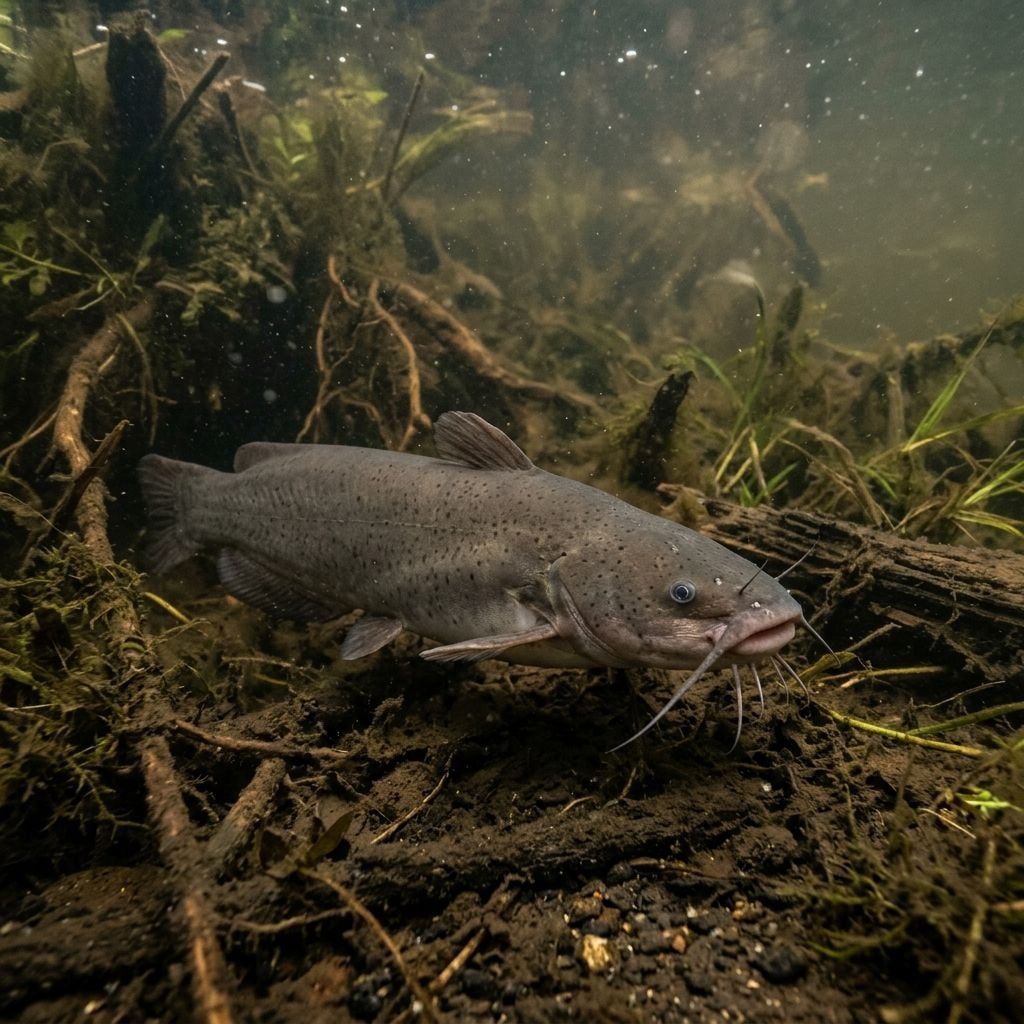
StatusLeast Concern
Primary HabitatWarm freshwater rivers and lakes of tropical and subtropical Africa, including the Nile (not a UK species)
Ecosystem RoleNocturnal predator of fish and invertebrates
Human ImpactCaught for food and kept by aquarists
Adaptability
65
Atlantic Torpedo Ray
C
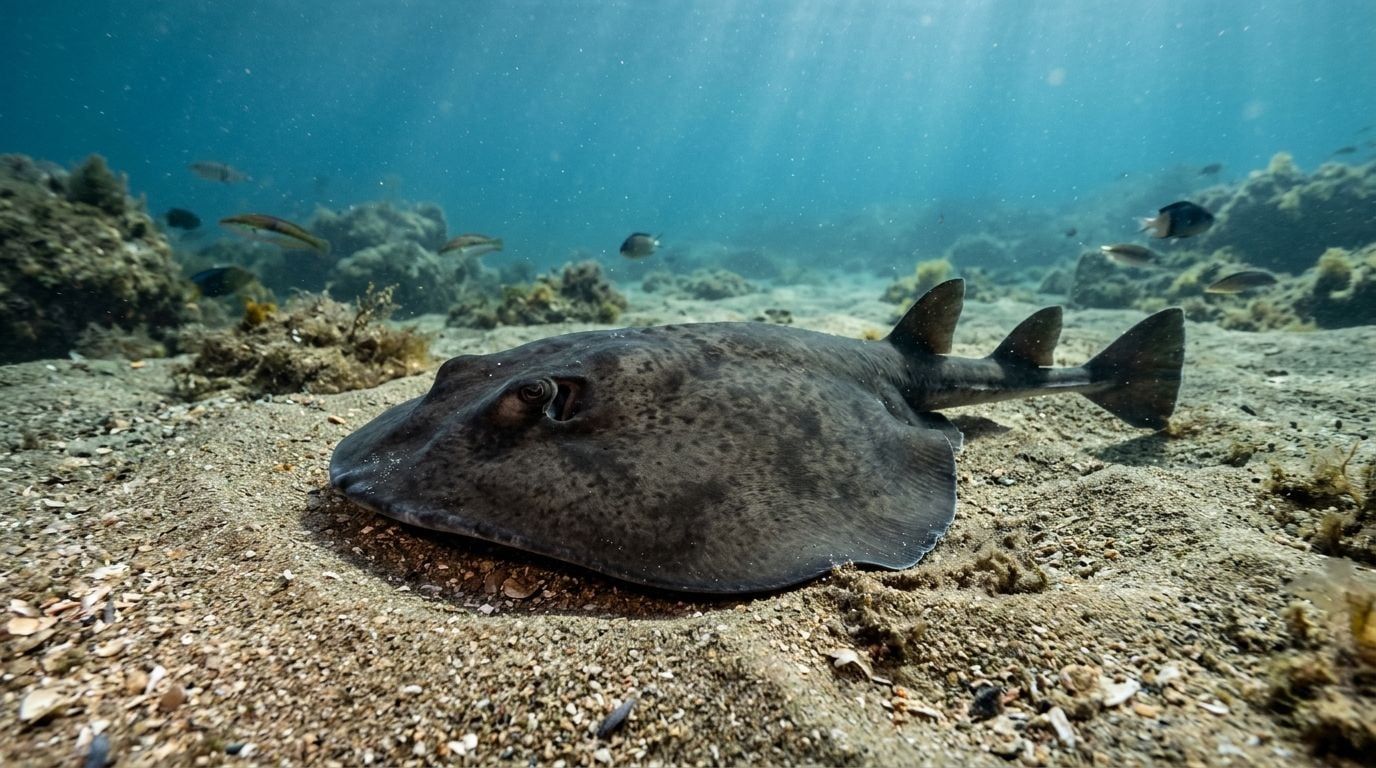
StatusLeast Concern
Primary HabitatSandy and muddy seabeds of the Atlantic, including the north-east Atlantic and waters around Britain and Ireland
Ecosystem RoleAmbush predator of fish on and near the seabed
Human ImpactOccasional fisheries bycatch
Adaptability
55
Northern Stargazer
C
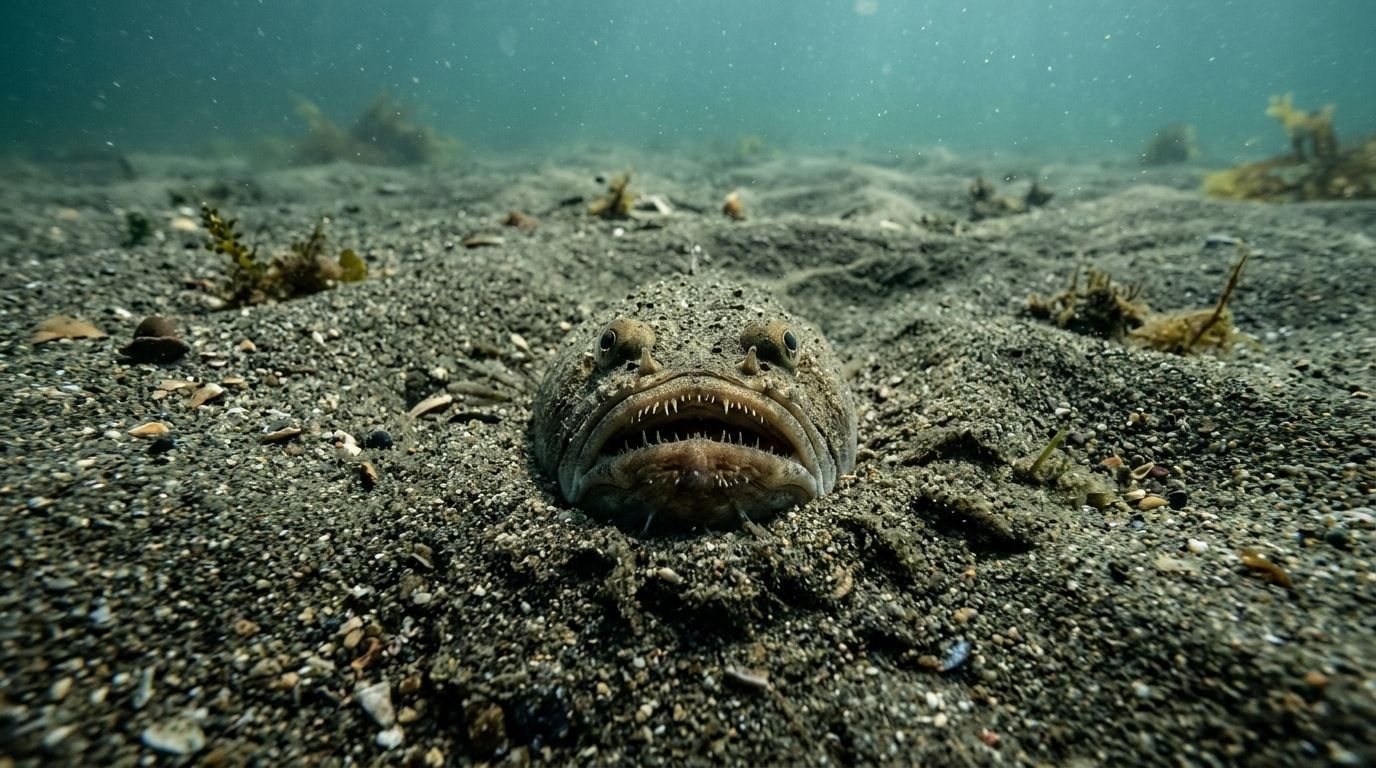
StatusNot Evaluated
Primary HabitatSandy seabeds of the western Atlantic coast of North America (New York to North Carolina); not a UK species
Ecosystem RoleBuried ambush predator of small fish and invertebrates
Human ImpactMinimal; occasionally caught by anglers
Adaptability
55
Swordfish
C
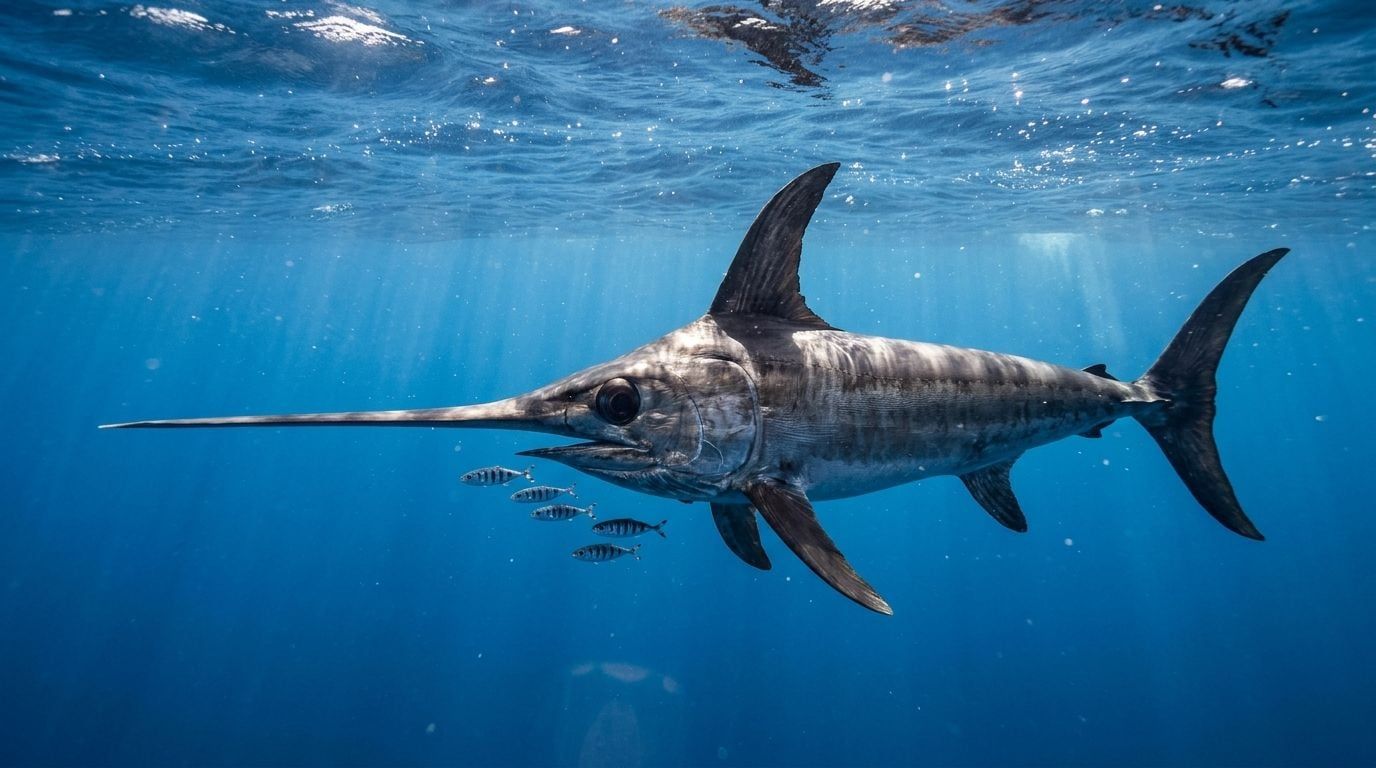
StatusLeast Concern
Primary HabitatTemperate and tropical oceans worldwide, including the north-east Atlantic; occasionally reaches UK waters as seas warm
Ecosystem RoleFast apex predator of fish and squid in the open ocean
Human ImpactA major commercial fishery; also taken as bycatch
Adaptability
60
Black Ghost Knifefish
C
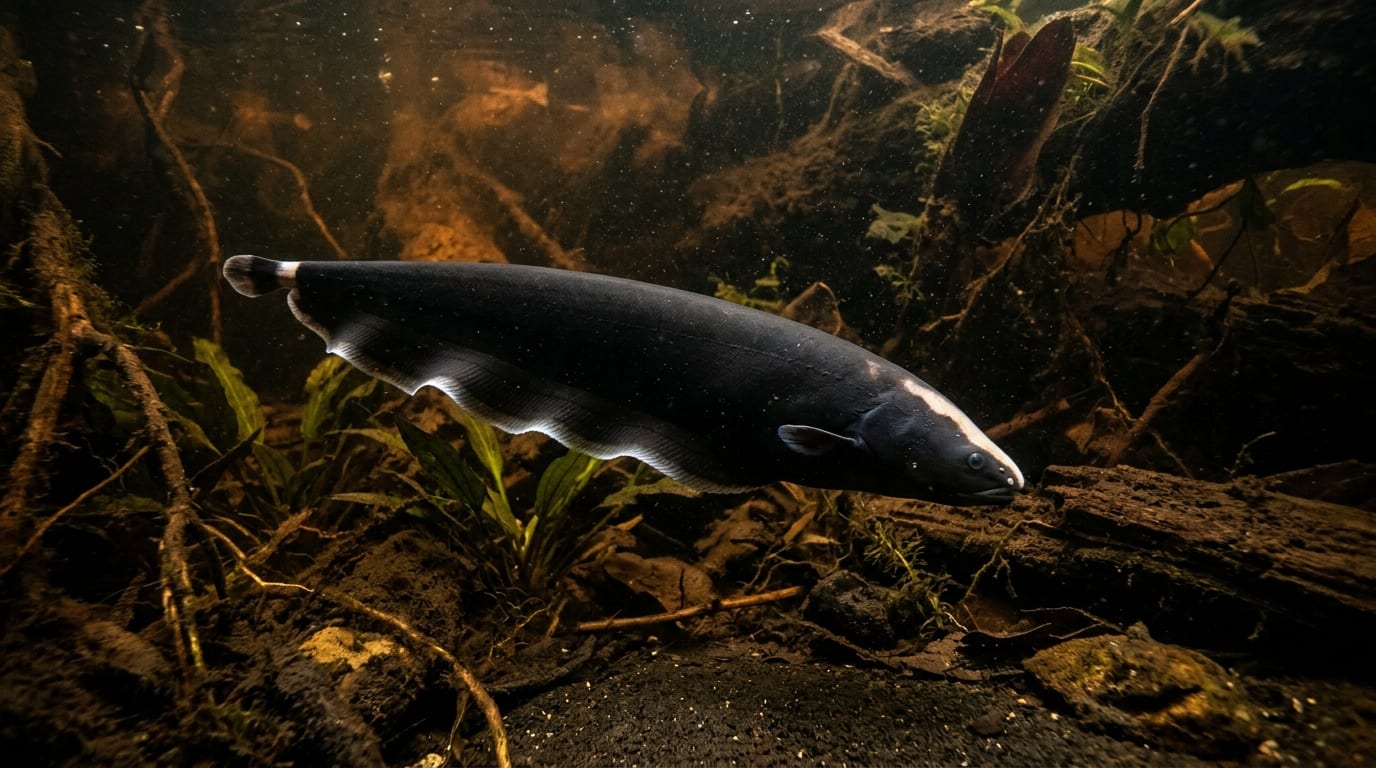
StatusLeast Concern
Primary HabitatSouth American freshwater fish of fast, sandy-bottomed creeks and rivers (Venezuela through the Amazon to the Paraguay–Paraná); not a UK species, and a popular aquarium fish
Ecosystem RoleNocturnal predator of aquatic insect larvae, small invertebrates and small fish
Human ImpactWidely collected and bred for the aquarium trade; no major threats to the wild population
Adaptability
60
Mariana Snailfish
C
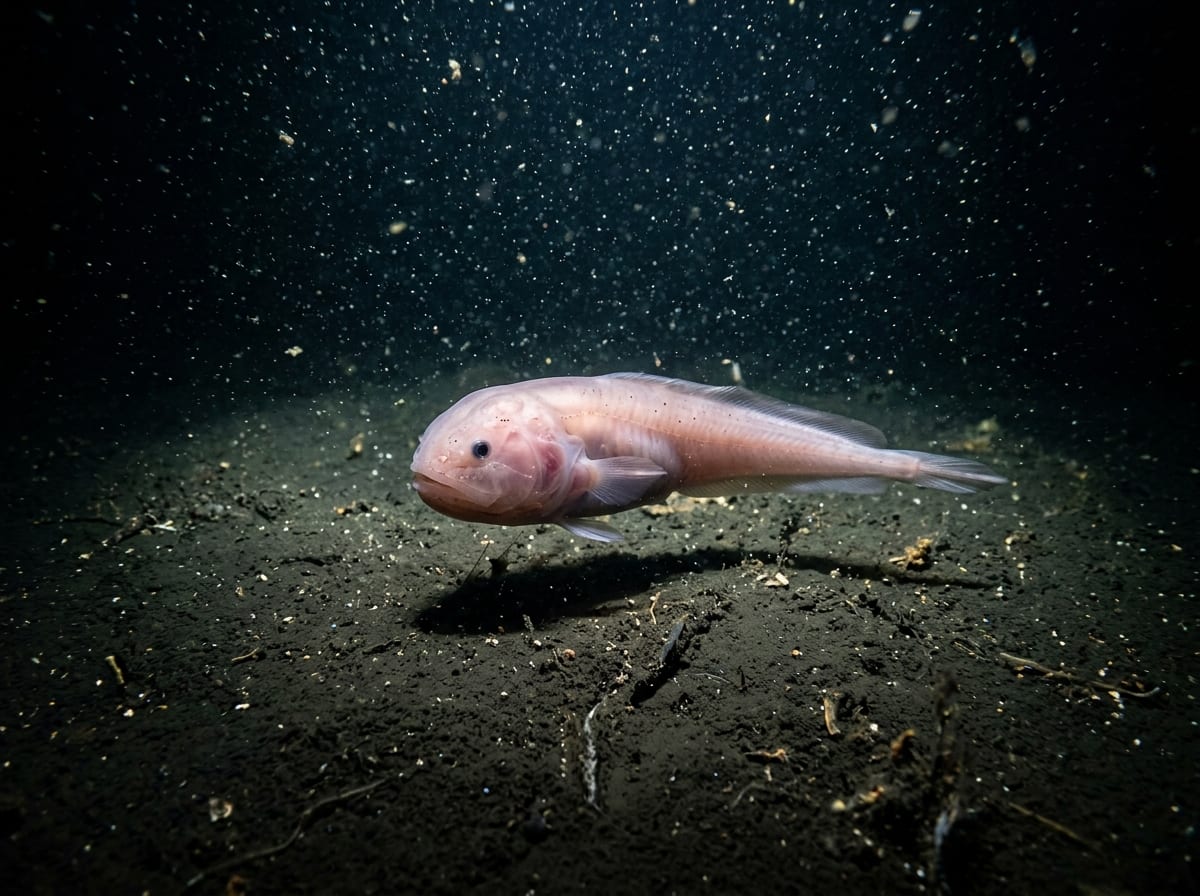
StatusNot Evaluated (IUCN)
Primary HabitatHadal zone of the Mariana Trench, western Pacific (~6,900–8,200 m). Not a UK species.
Ecosystem RoleTop predator of the hadal community, feeding on the amphipods that swarm the trench floor.
Human ImpactBeyond direct human reach, but pollutants and microplastics accumulate even in the deepest trenches.
Adaptability
15
African Lungfish
C
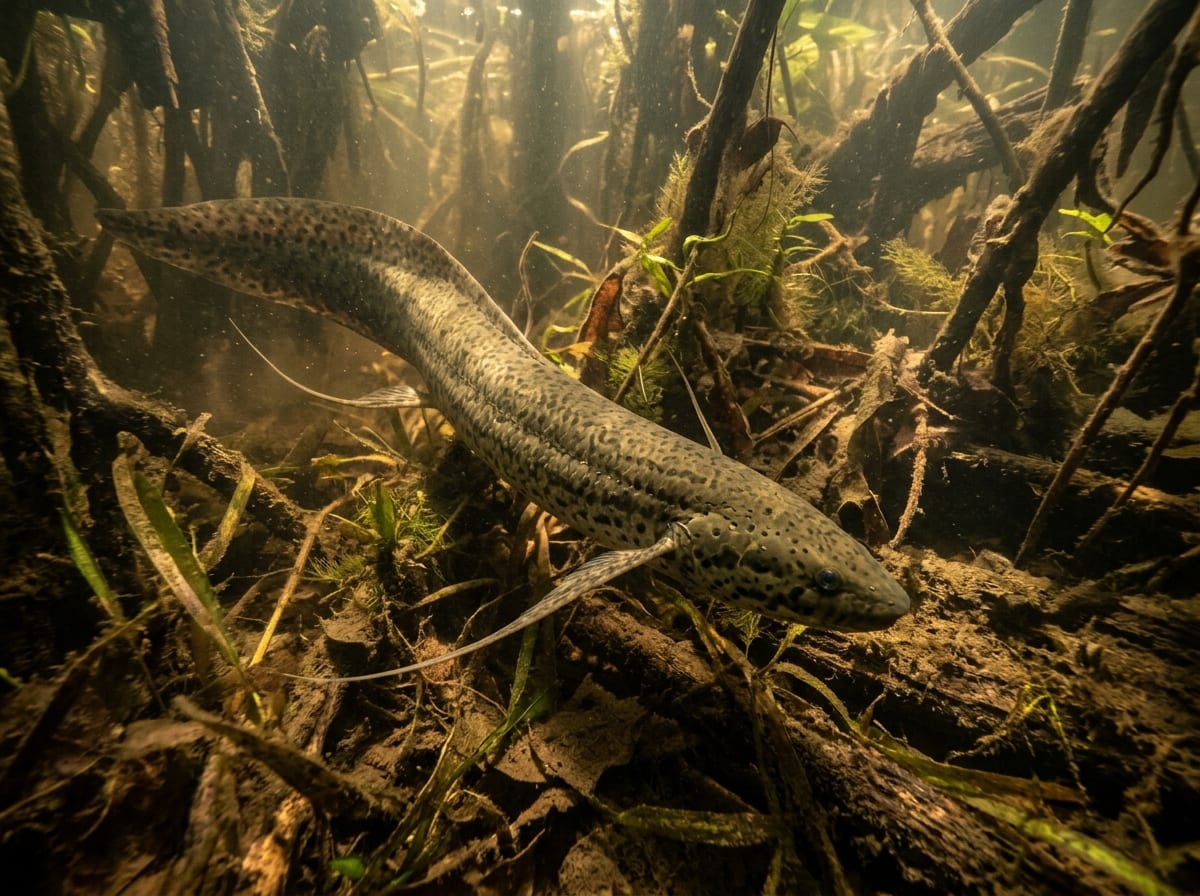
StatusLeast Concern (IUCN)
Primary HabitatFreshwater floodplains, swamps and seasonal pools of West and Central Africa. Not a UK species.
Ecosystem RoleMid-level predator that persists through the dry season when most fish die off.
Human ImpactCaught and eaten by people; sometimes kept in aquaria.
Adaptability
80
Crucian Carp
C
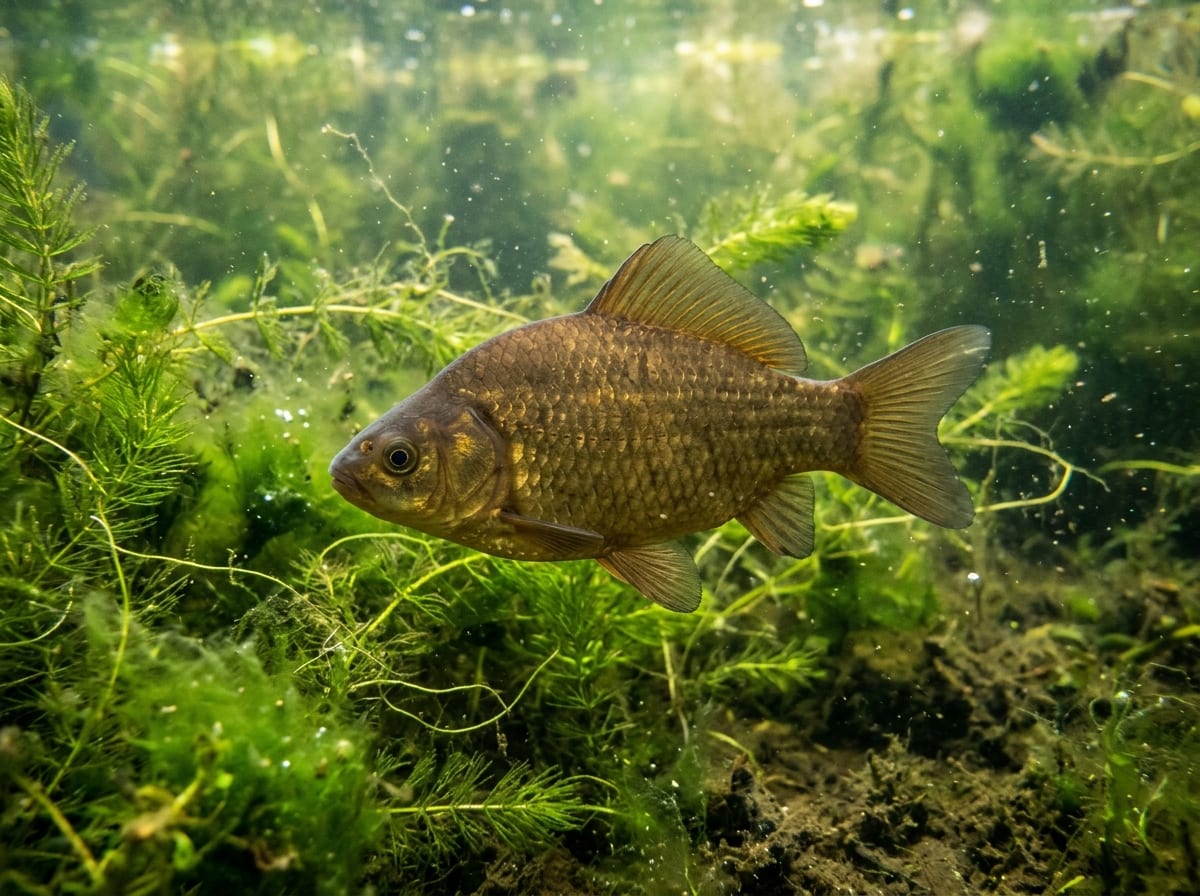
StatusLeast Concern (IUCN)
Primary HabitatStill and slow fresh waters — ponds, lakes, ditches and floodplains across Europe; long regarded as native in England (a medieval introduction is genetically debated).
Ecosystem RoleHardy pond fish that persists where other fish die out; prey for predatory fish and birds.
Human ImpactDeclining in Britain through pond loss and hybridisation with goldfish and other carp; a focus of UK pond-conservation work.
Adaptability
90
Goldfish
C
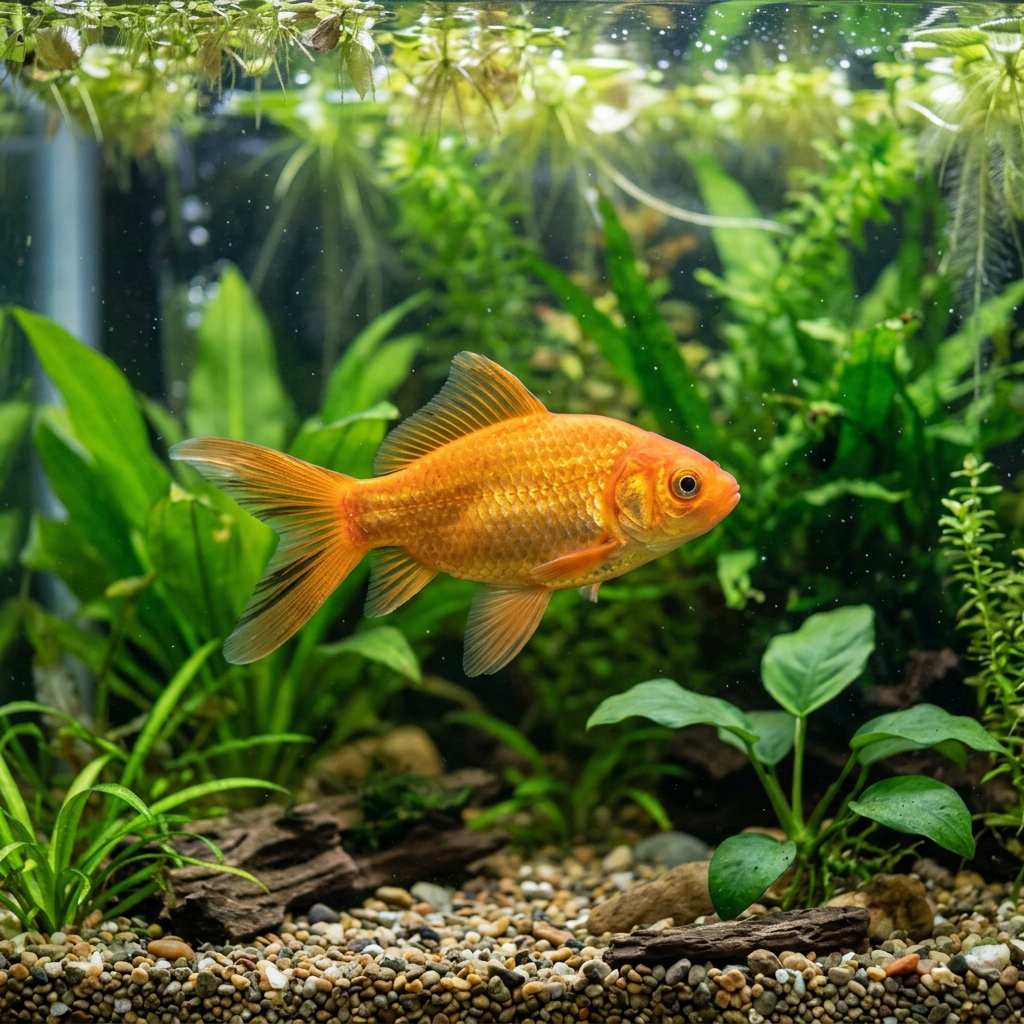
StatusDomesticated
Primary HabitatPonds and aquariums
Ecosystem RoleOmnivore
Human ImpactArtificially bred
Adaptability
90
Stickleback
C
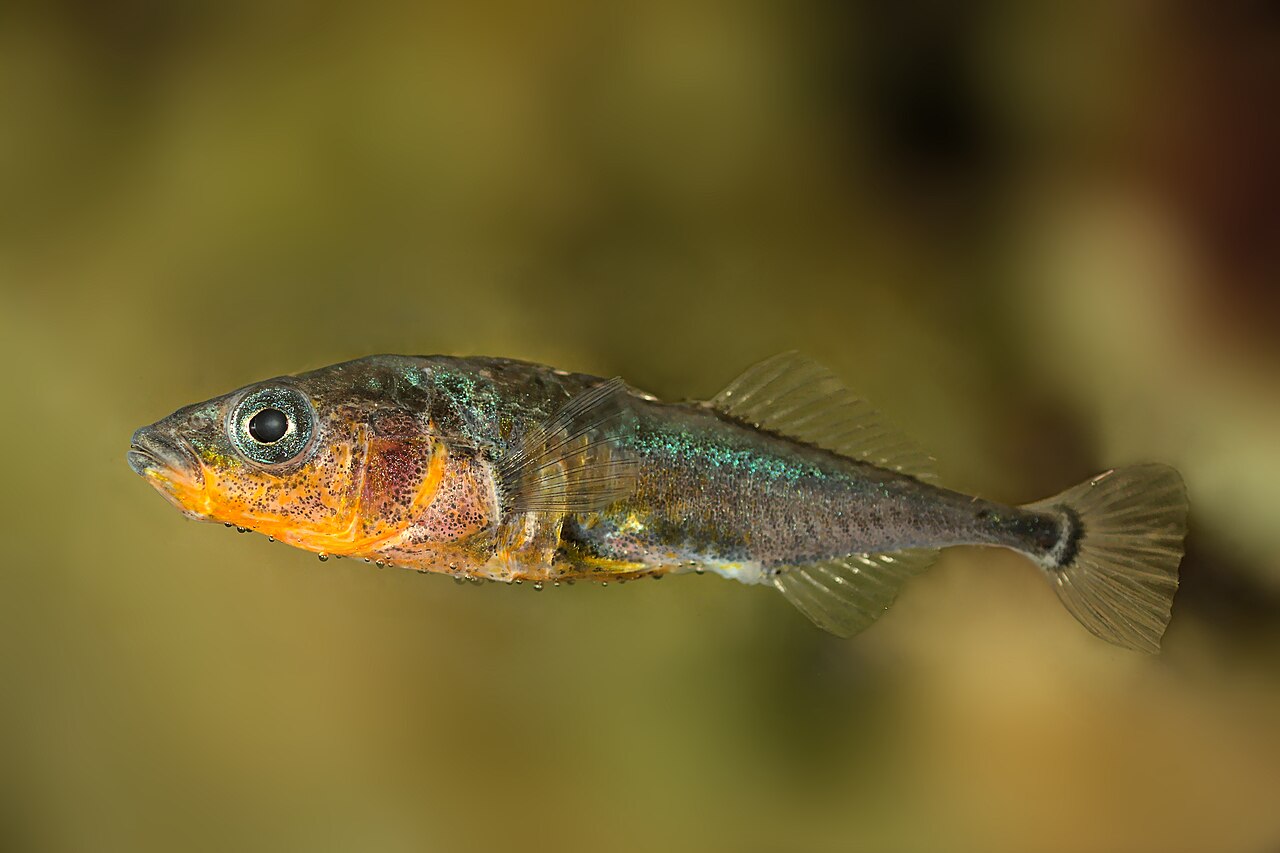
StatusLeast Concern
Primary HabitatSlow rivers and ponds
Ecosystem RolePrey for larger fish and birds
Human ImpactTolerant of pollution
Adaptability
85
Minnow
C
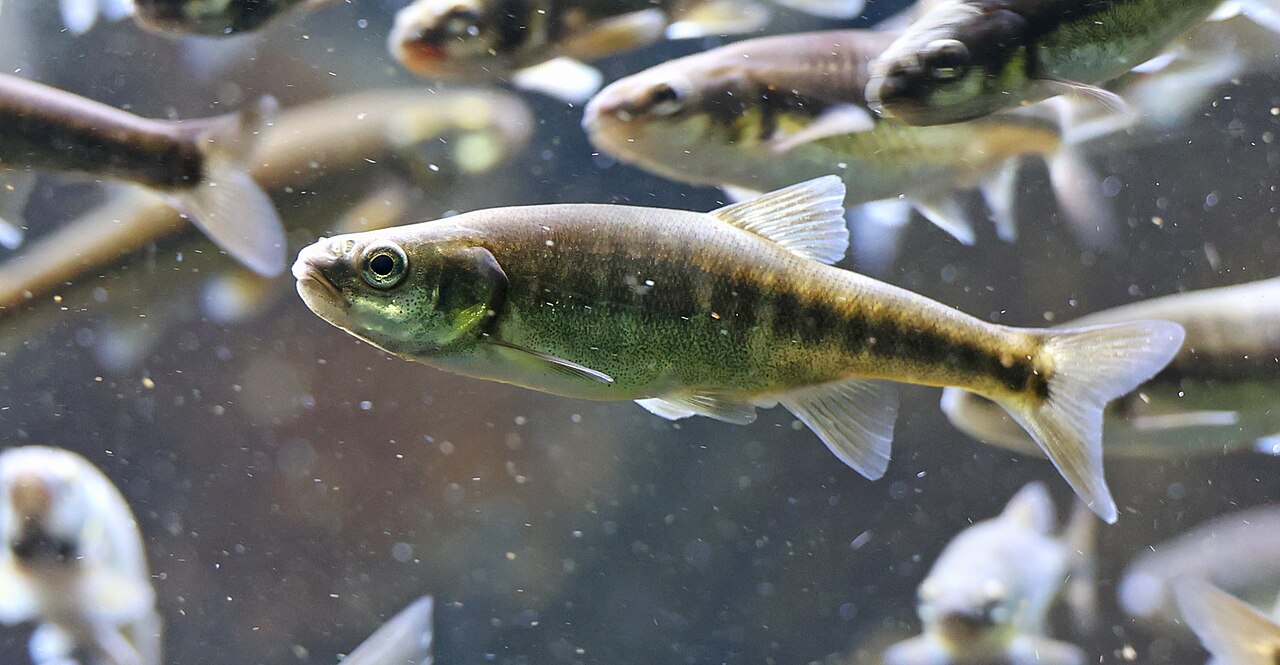
StatusLeast Concern
Primary HabitatClean streams and rivers
Ecosystem RoleKeystone prey species
Human ImpactSensitive to water pollution
Adaptability
60
Perch
C
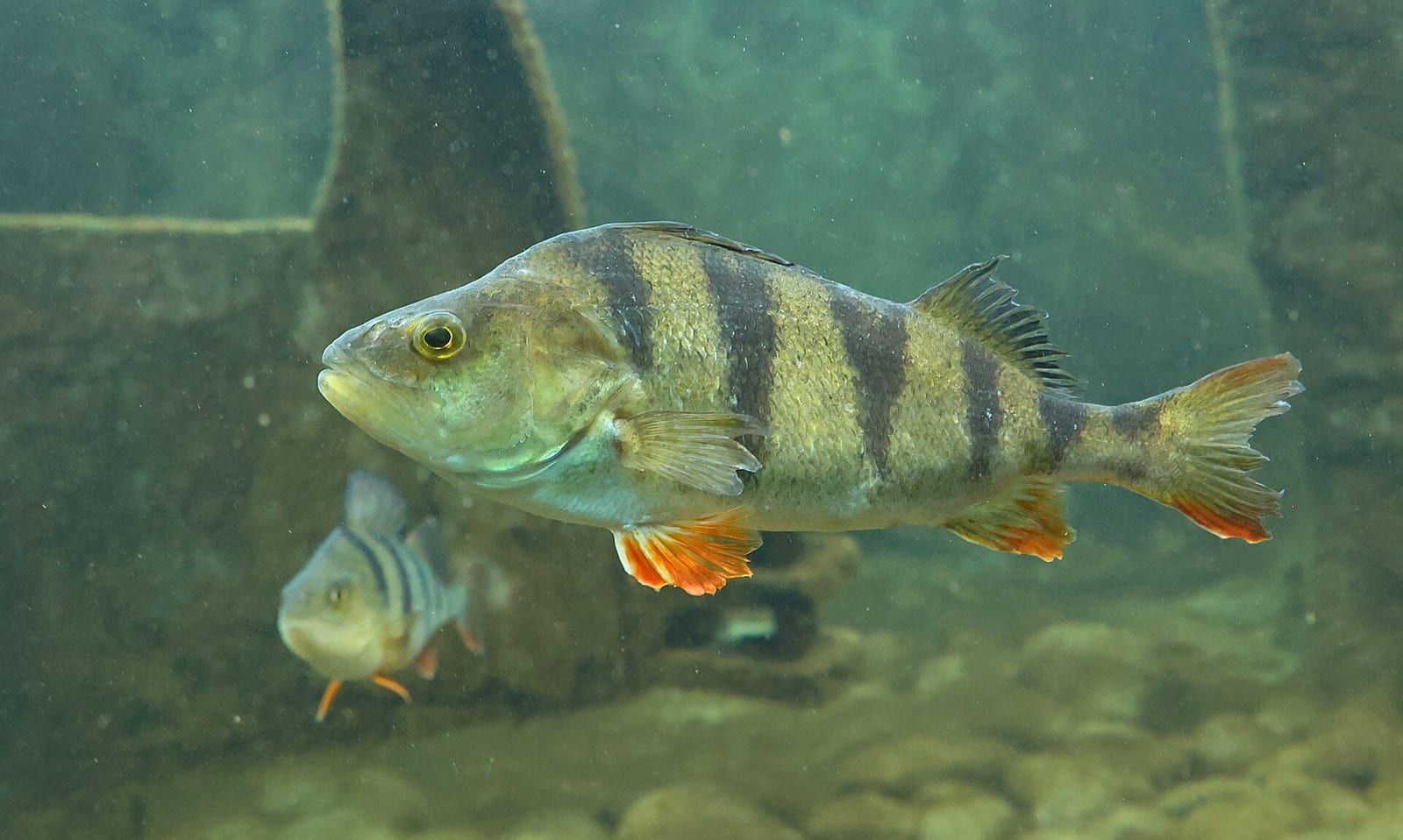
StatusLeast Concern
Primary HabitatLakes and slow rivers
Ecosystem RoleMid-level predator
Human ImpactPopular angling fish
Adaptability
75
Blobfish
C
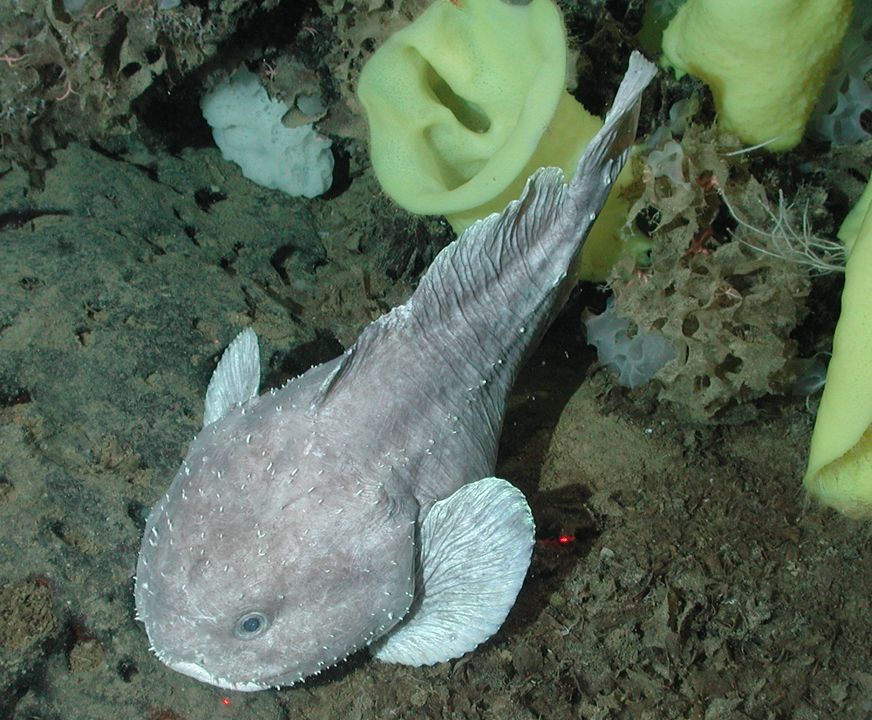
StatusNot Evaluated
Primary HabitatDeep ocean floor (600–1200m)
Ecosystem RoleDeep-sea scavenger
Human ImpactAccidental bycatch in deep-sea trawling nets
Adaptability
15
Cod
C
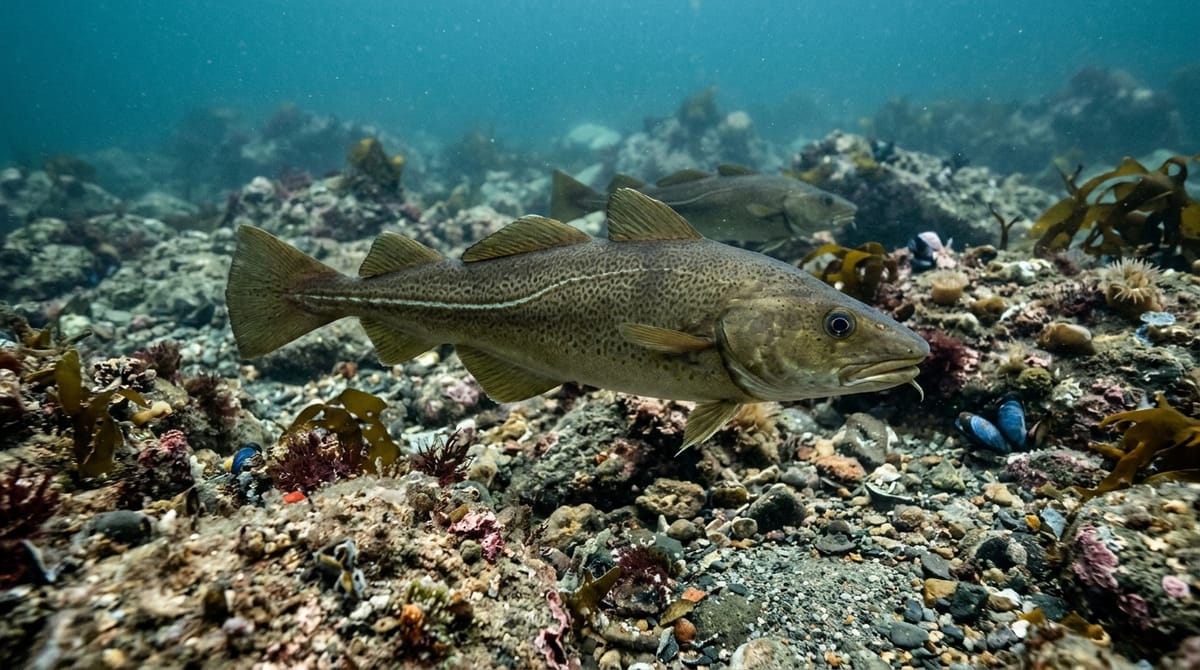
StatusVulnerable (varies a lot by stock)
Primary HabitatThe cold seabed of the North Atlantic
Ecosystem RoleA top predator of the shelf seas
Human ImpactOne of history's most important food fish; overfishing caused famous collapses (such as Newfoundland in 1992), so look for MSC-certified cod. Some stocks, like the Barents Sea, are now healthy again
Adaptability
55
Haddock
C
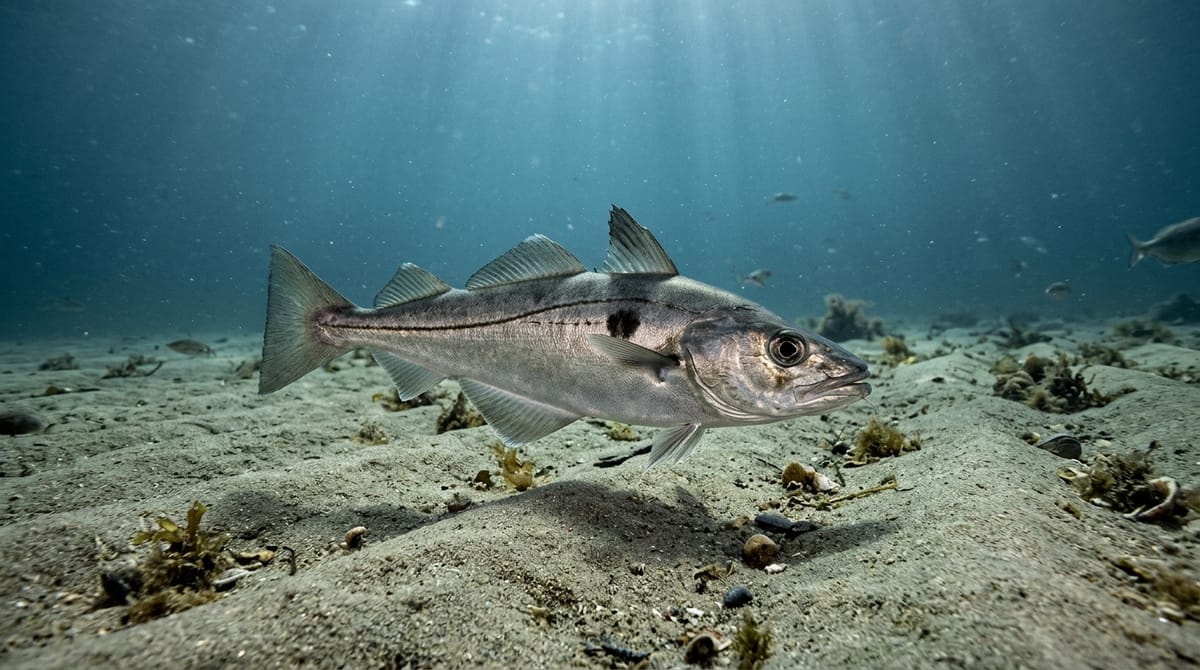
StatusVulnerable (but many stocks are now well managed)
Primary HabitatThe sandy and gravelly seabed of the North Atlantic
Ecosystem RoleA mid-level seabed predator — food for cod and seals
Human ImpactA favourite British food fish, the classic choice in a Scottish fish supper and in smoked haddock; a sustainable choice when it carries the MSC label
Adaptability
55