
invertebrates - Conservation Pack
Print this page on A4 paper. Make sure "Background graphics" is enabled in your print dialog.
Lugworm
C
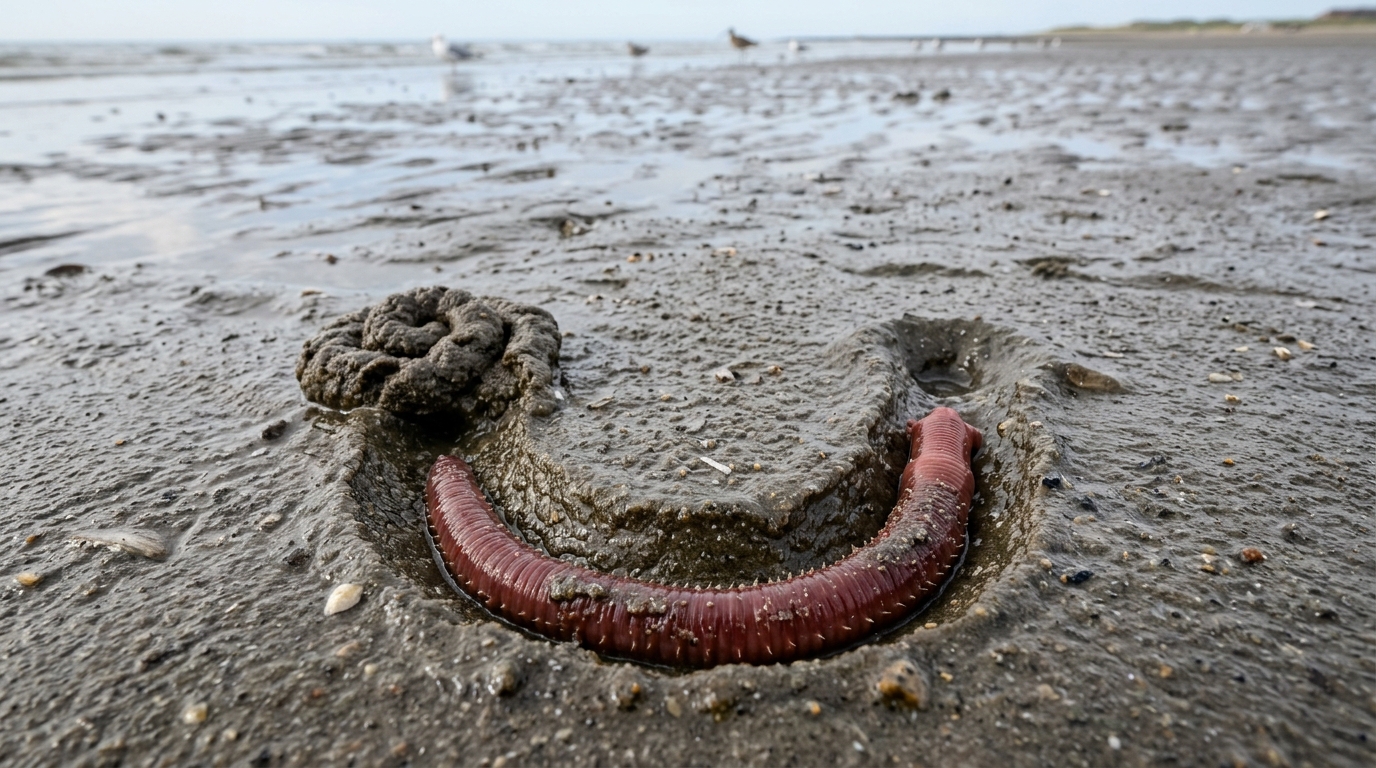
StatusLeast Concern
Primary HabitatIntertidal zones, sandy shores
Ecosystem RoleBioturbator, prey for wading birds
Human ImpactHarvested for fishing bait
Adaptability
80
Sandhopper
C
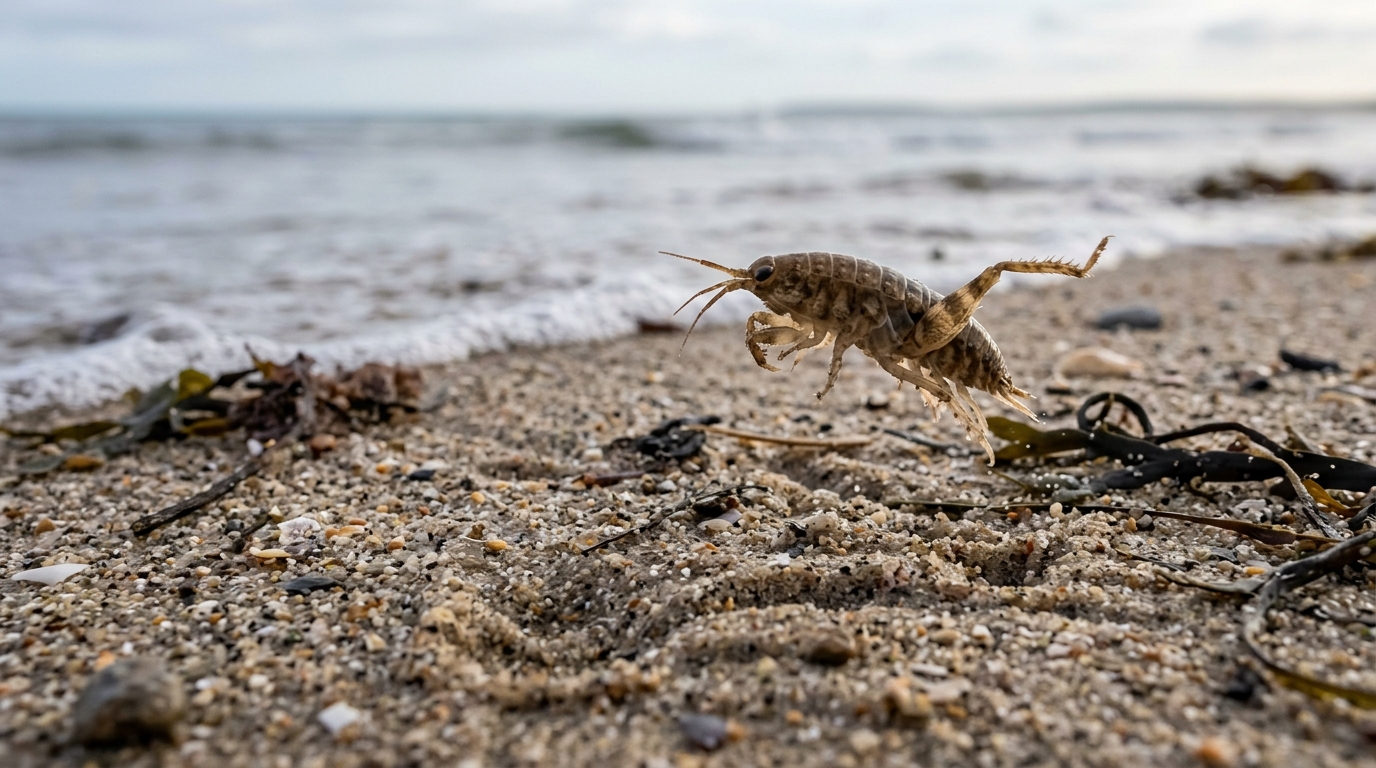
StatusNot Evaluated
Primary HabitatSandy beaches, strandlines
Ecosystem RoleDecomposer, prey
Human ImpactAffected by beach cleaning and pollution
Adaptability
85
Dung beetle
C
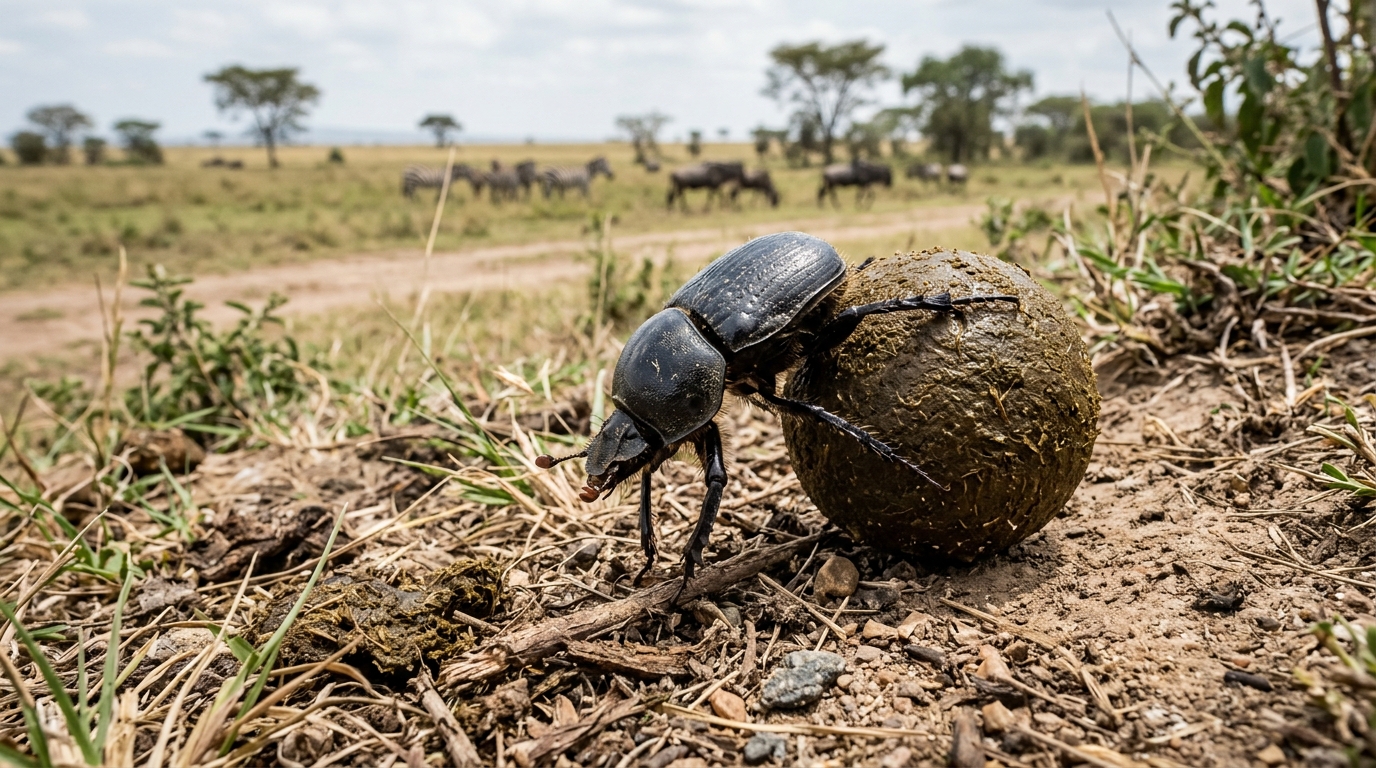
StatusLeast Concern
Primary HabitatGrasslands, forests, farmlands
Ecosystem RoleDecomposer, nutrient cycler
Human ImpactAffected by livestock medications and pesticides
Adaptability
75
Cinnabar moth
C
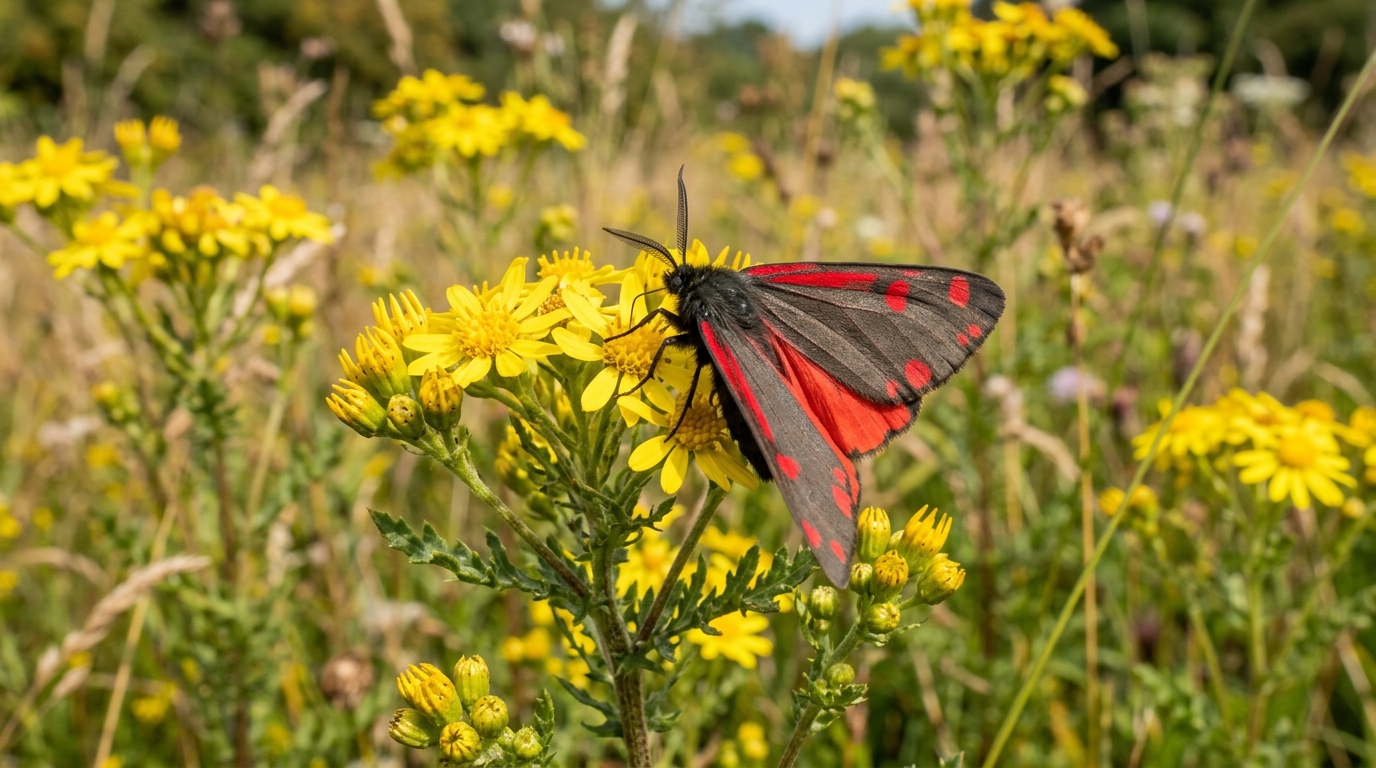
StatusLeast Concern
Primary HabitatMeadows, wastelands, grasslands
Ecosystem RolePollinator, herbivore
Human ImpactAffected by eradication of ragwort (host plant)
Adaptability
60
Adonis blue butterfly
C
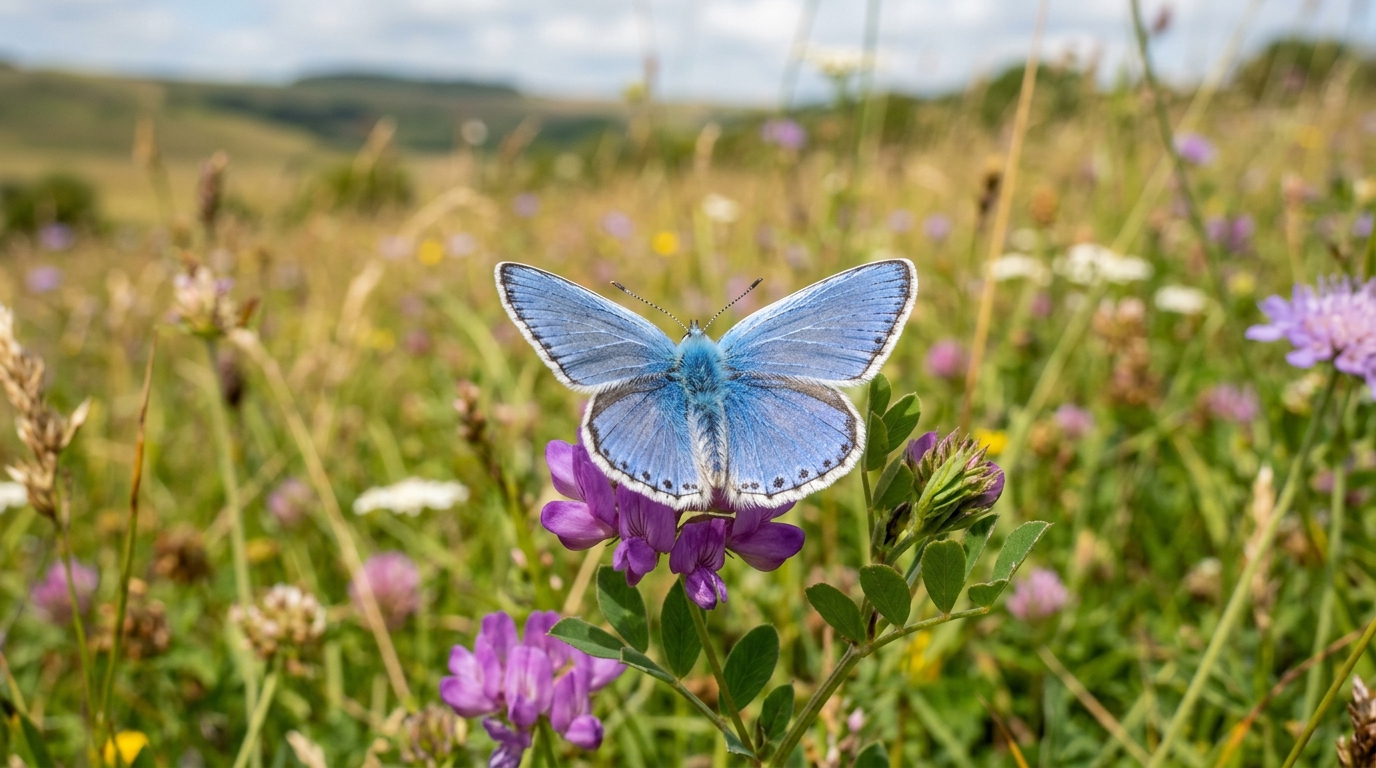
StatusLeast Concern
Primary HabitatChalk downland
Ecosystem RolePollinator
Human ImpactHighly sensitive to habitat management and climate
Adaptability
30
Bombardier Beetle
C
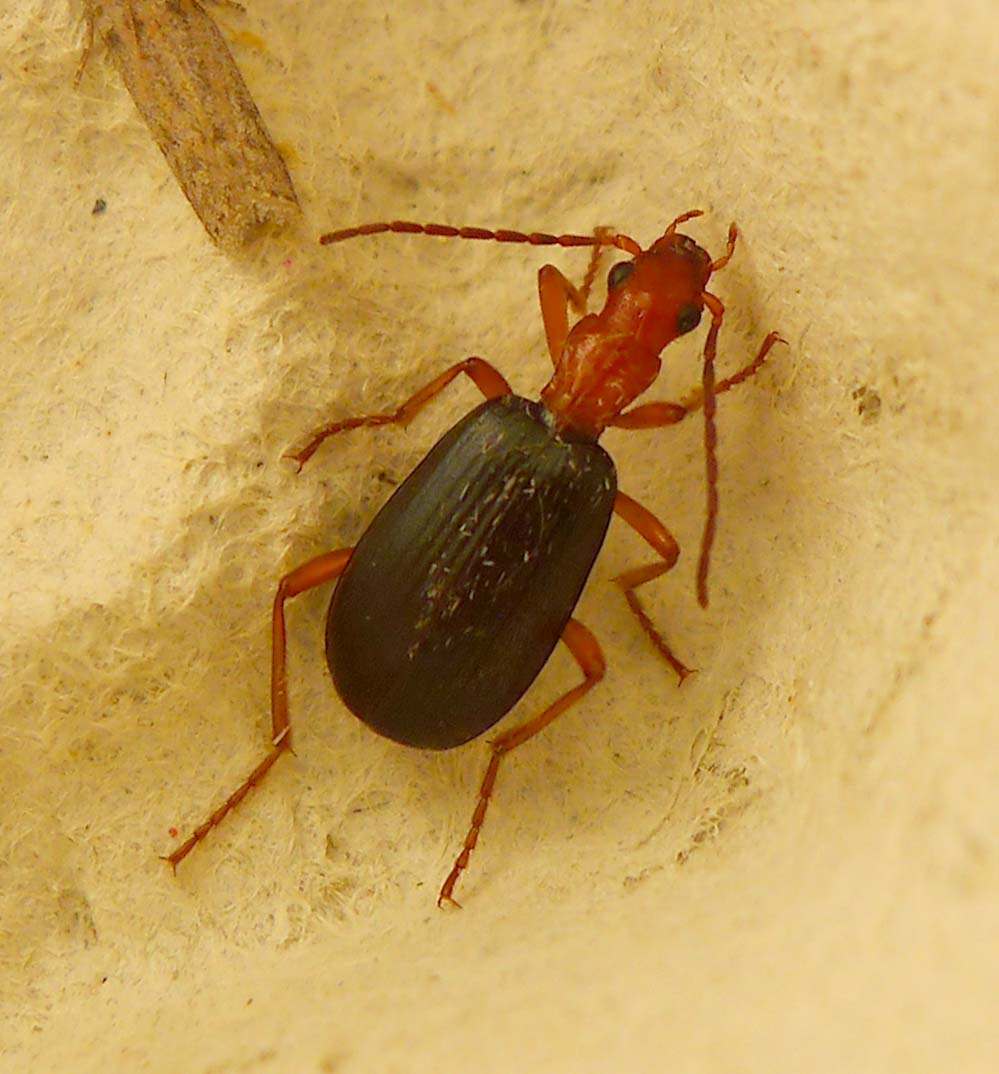
StatusCommon
Primary HabitatWoodlands and Grasslands
Ecosystem RolePredator and Scavenger
Human ImpactHabitat loss from farming
Adaptability
60
Namib Desert beetle
C
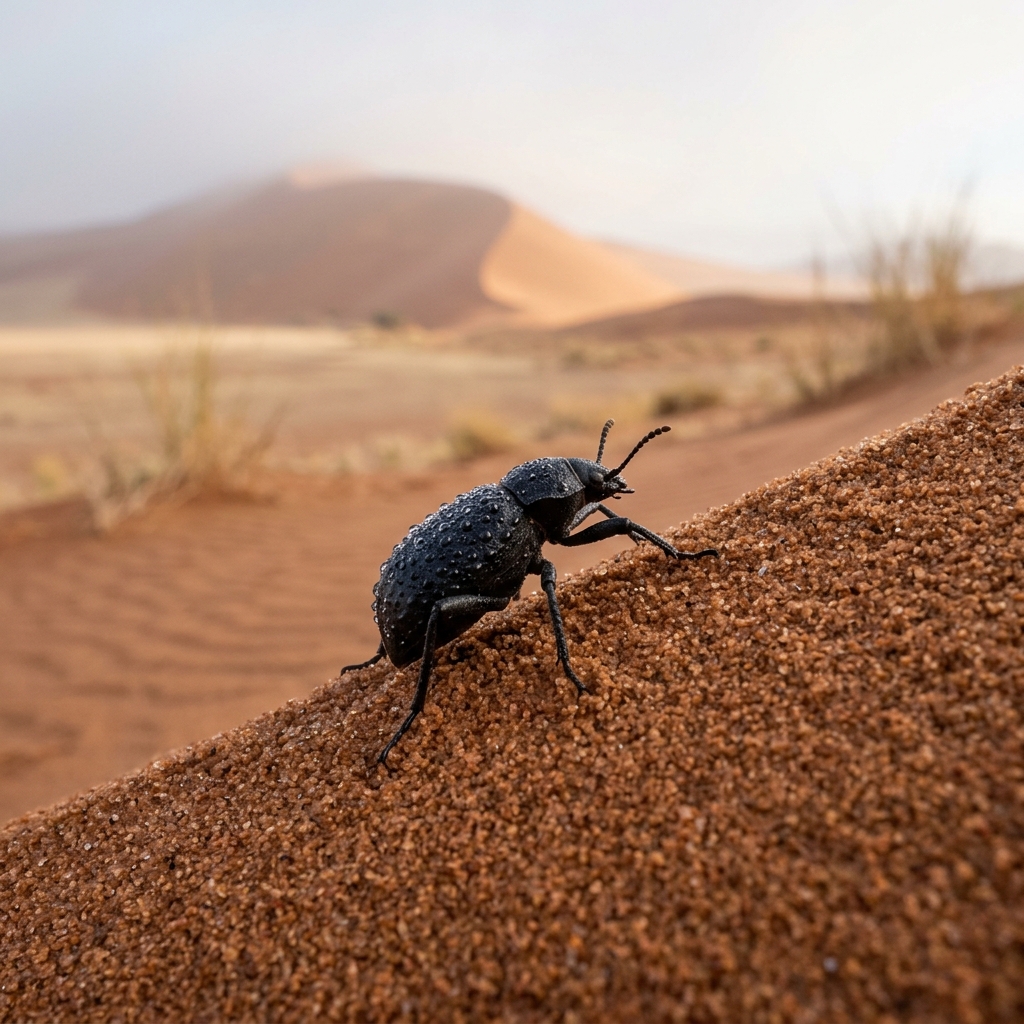
StatusNot Evaluated
Primary HabitatNamib desert dunes
Ecosystem RoleDetritivore
Human ImpactOff-road vehicles
Adaptability
40
Great diving beetle
C
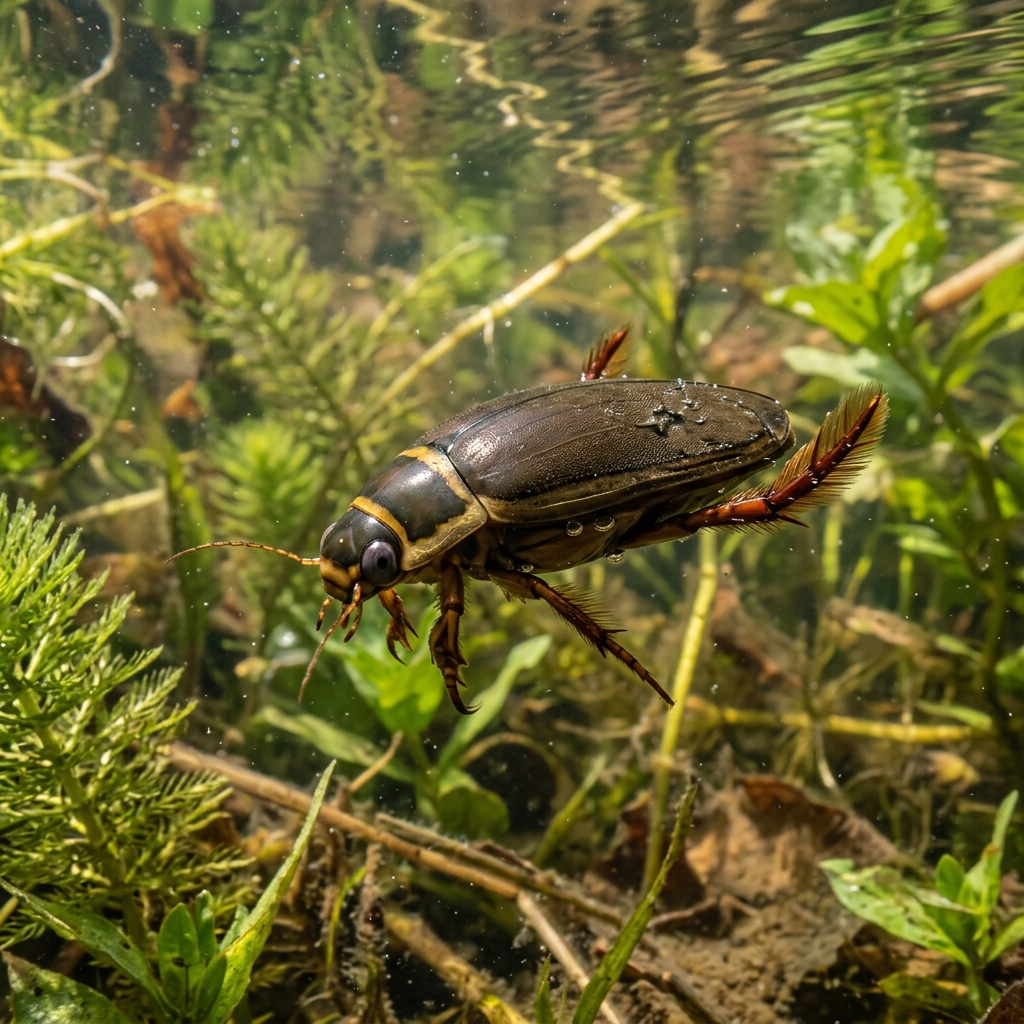
StatusLeast Concern
Primary HabitatPonds and still water bodies
Ecosystem RoleAquatic predator
Human ImpactAffected by pond pollution
Adaptability
60
Stag beetle
C
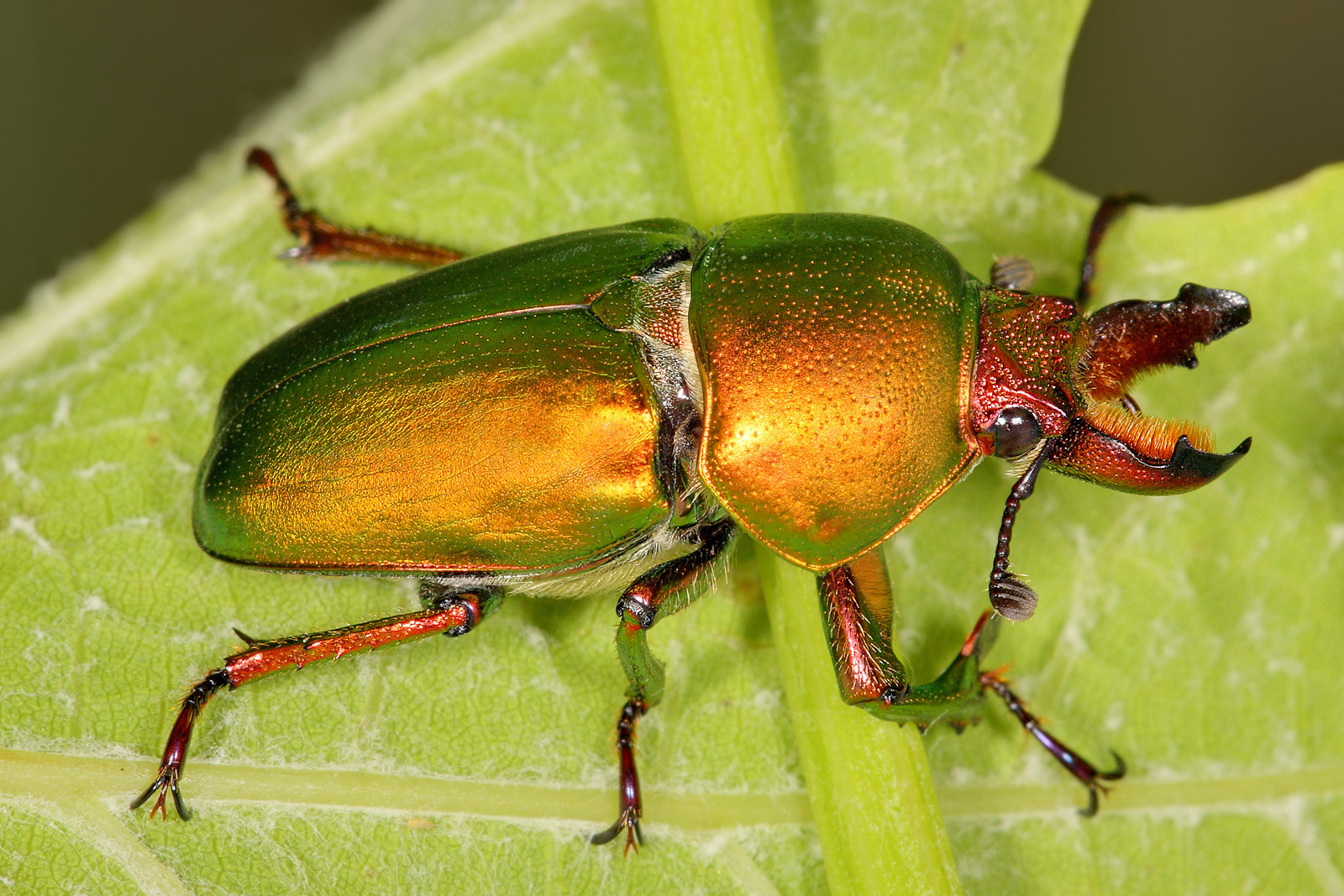
StatusNear Threatened
Primary HabitatBroadleaf woodland, parks, and gardens
Ecosystem RoleDead wood recycler (as larvae)
Human ImpactLoss of dead wood habitat
Adaptability
40
Woodlouse
C
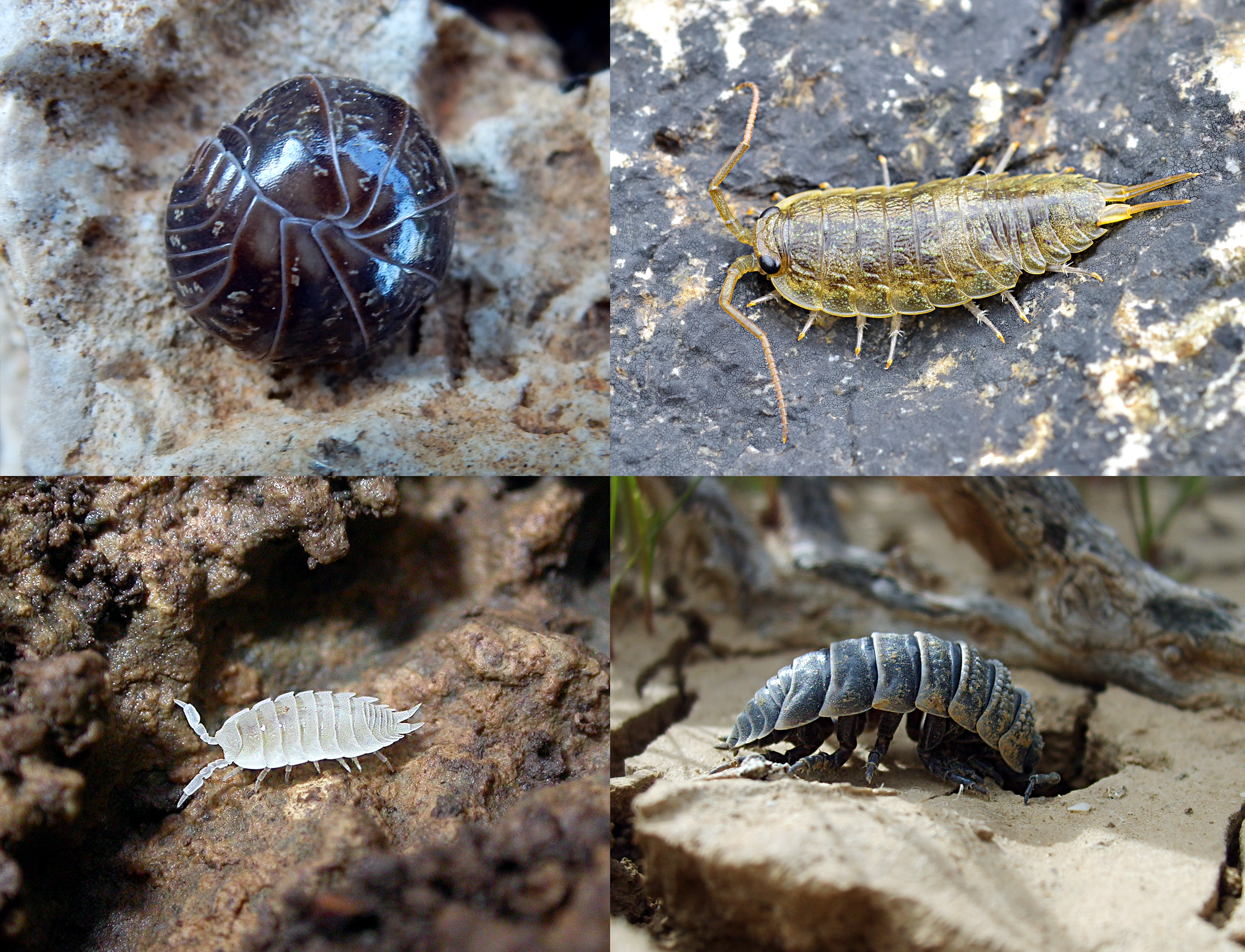
StatusLeast Concern
Primary HabitatDamp environments, under stones and logs
Ecosystem RoleDetritivore, vital for soil health
Human ImpactMinimal impact
Adaptability
90
Centipede
C
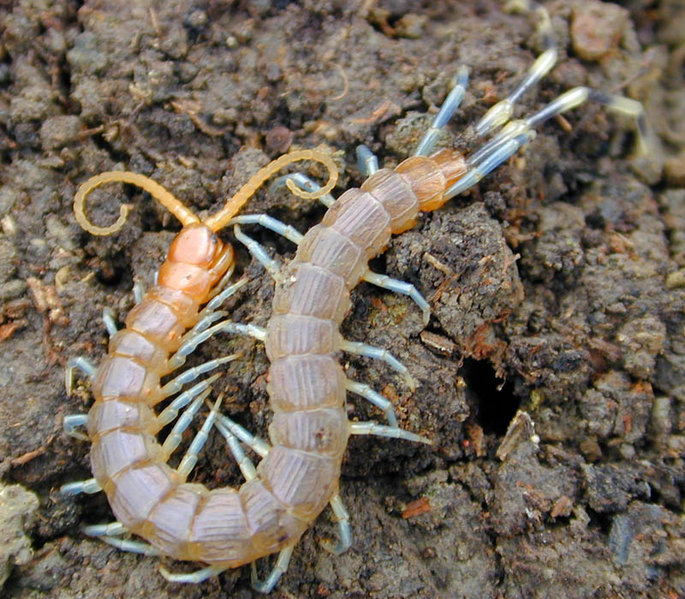
StatusLeast Concern
Primary HabitatSoil, leaf litter, under bark
Ecosystem RoleInvertebrate predator
Human ImpactMinimal impact
Adaptability
85
Purple hairstreak butterfly
C
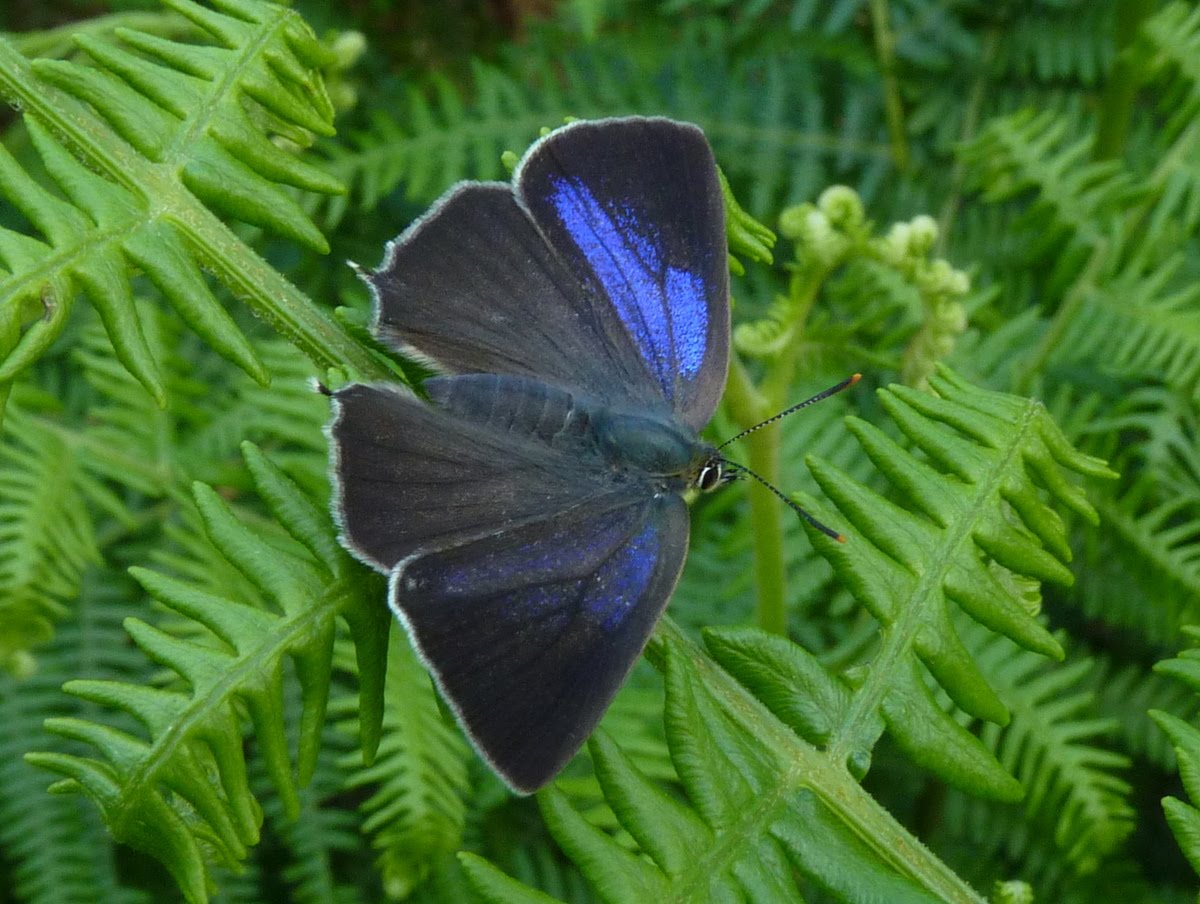
StatusLeast Concern
Primary HabitatOak woodlands
Ecosystem RolePollinator, prey for birds
Human ImpactVulnerable to oak tree loss
Adaptability
55
Gall wasp
C
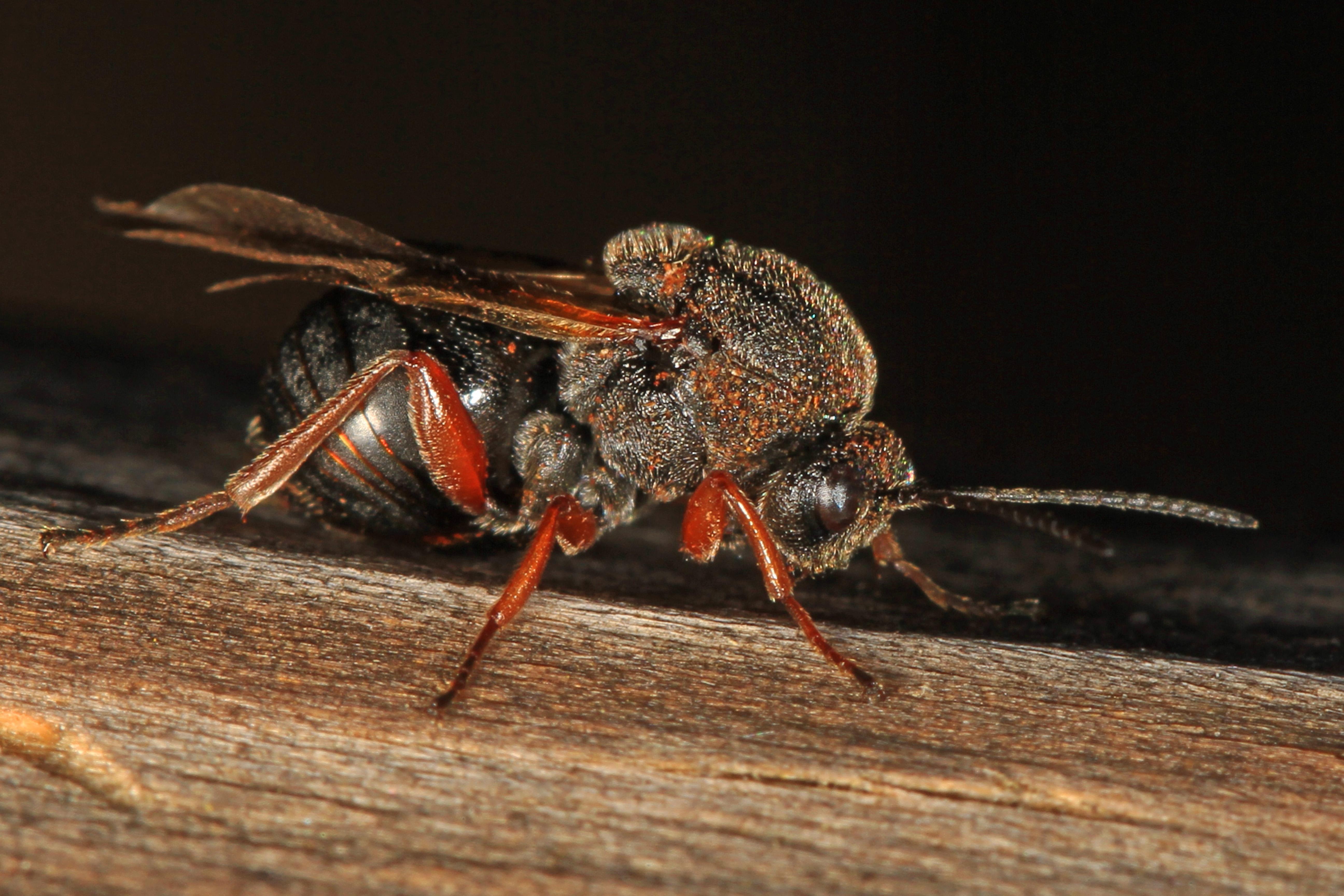
StatusLeast Concern
Primary HabitatOak trees and forests
Ecosystem RoleParasitoid/Herbivore
Human ImpactPesticide use
Adaptability
60
Antlion
C
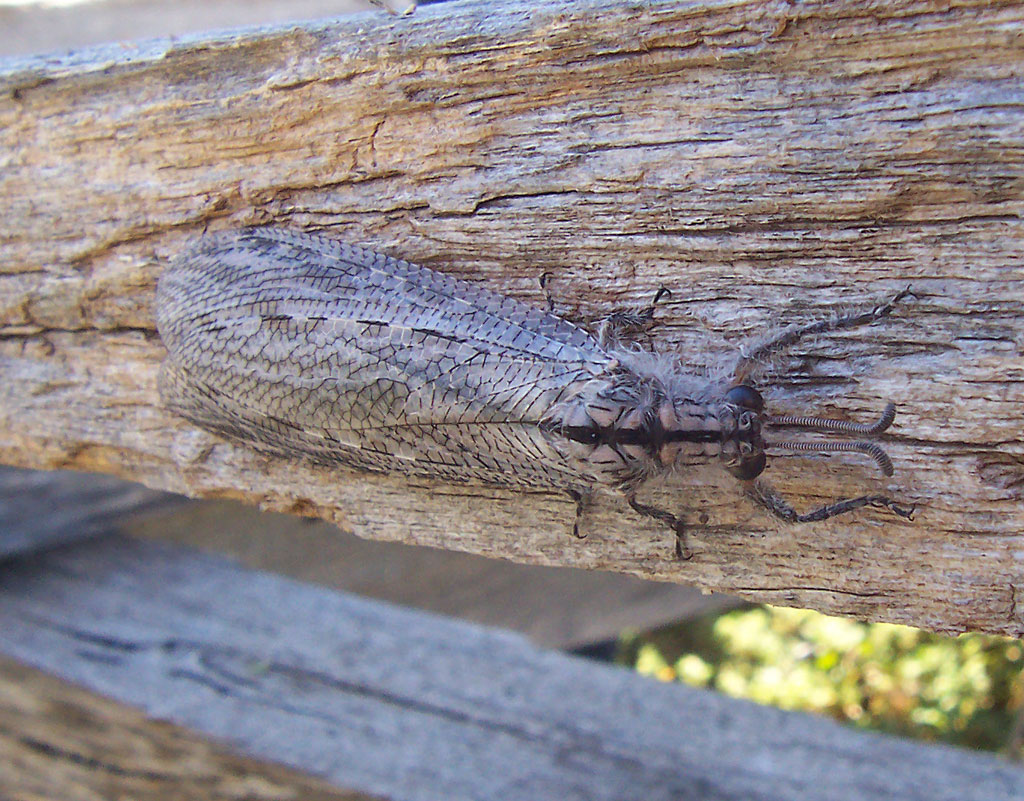
StatusNot Evaluated
Primary HabitatSandy areas
Ecosystem RoleMicro-predator
Human ImpactLow
Adaptability
80
Desert tarantula
C
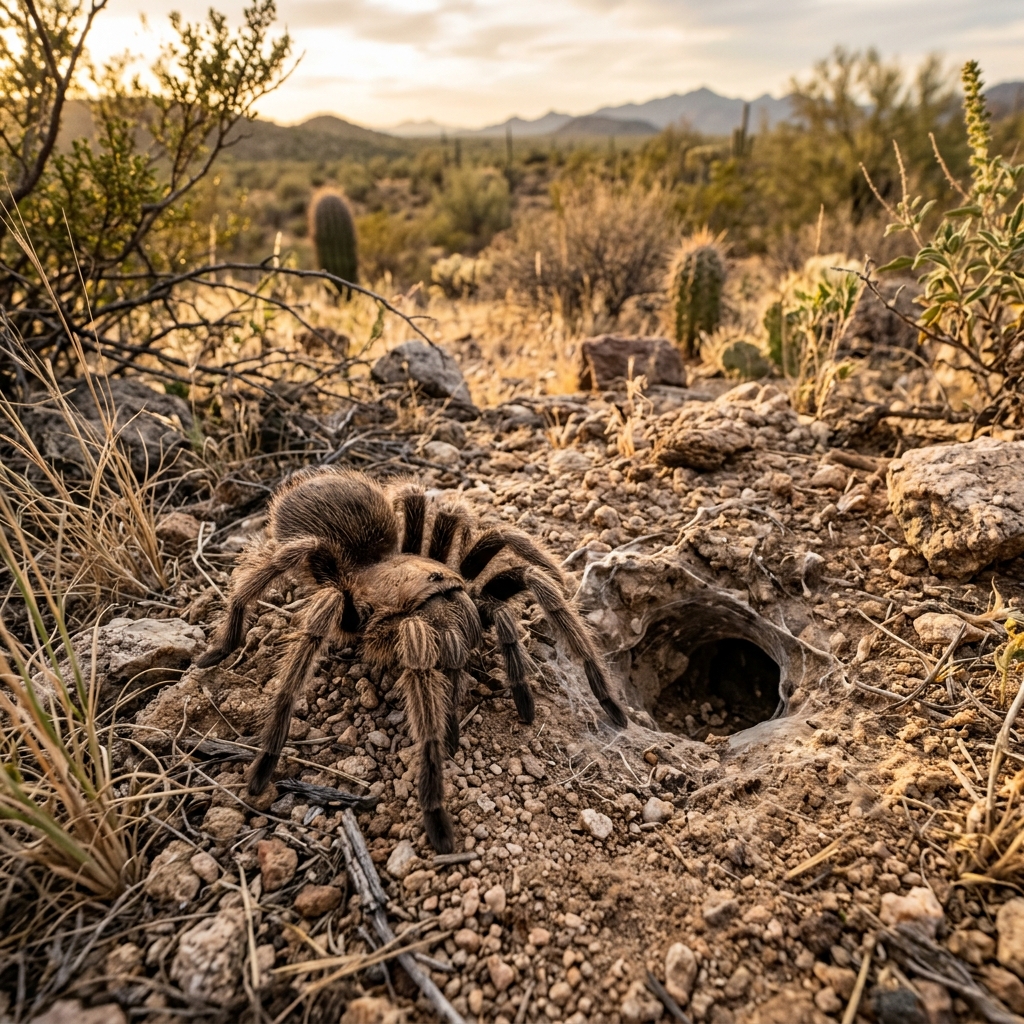
StatusLeast Concern
Primary HabitatDesert
Ecosystem RolePredator
Human ImpactPet trade
Adaptability
60
Giant isopod
C
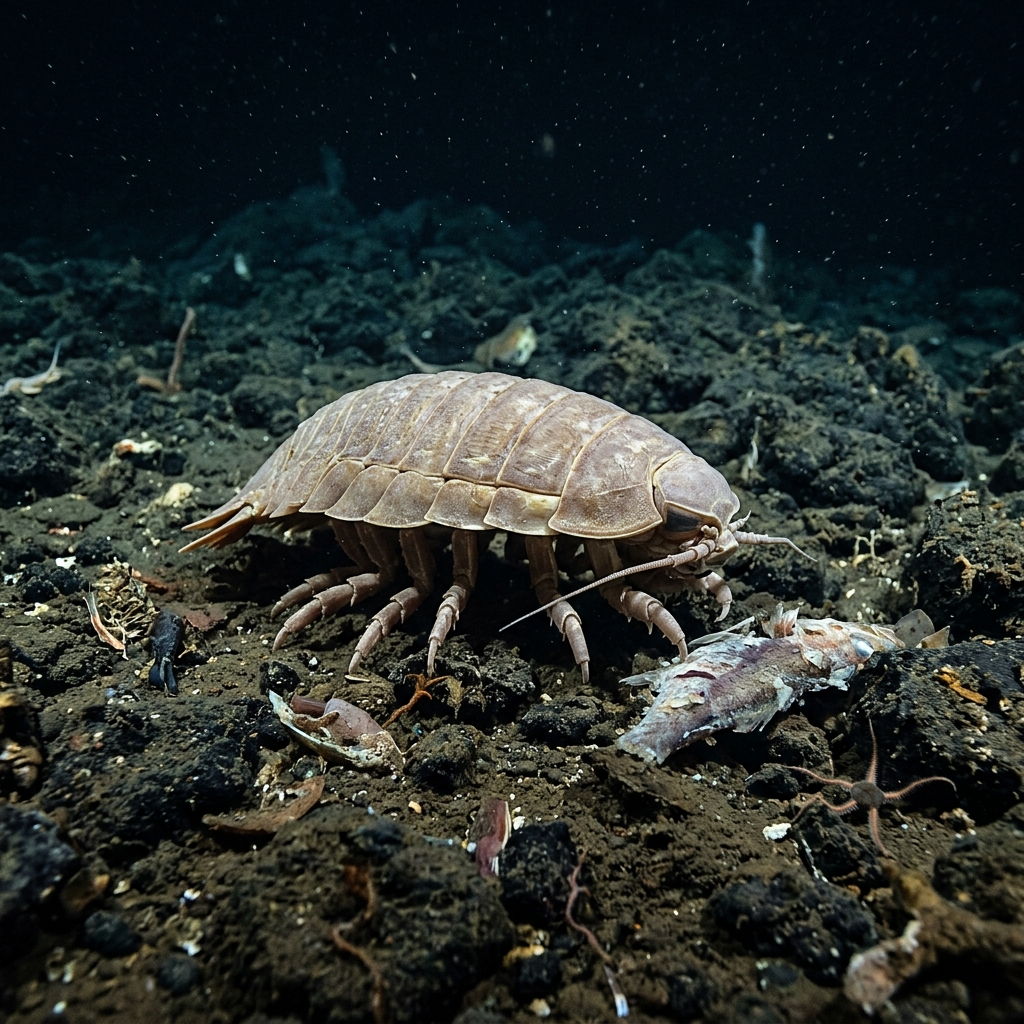
StatusNot Evaluated
Primary HabitatDeep ocean floor
Ecosystem RoleScavenger
Human ImpactBycatch
Adaptability
70
Vampire squid
C
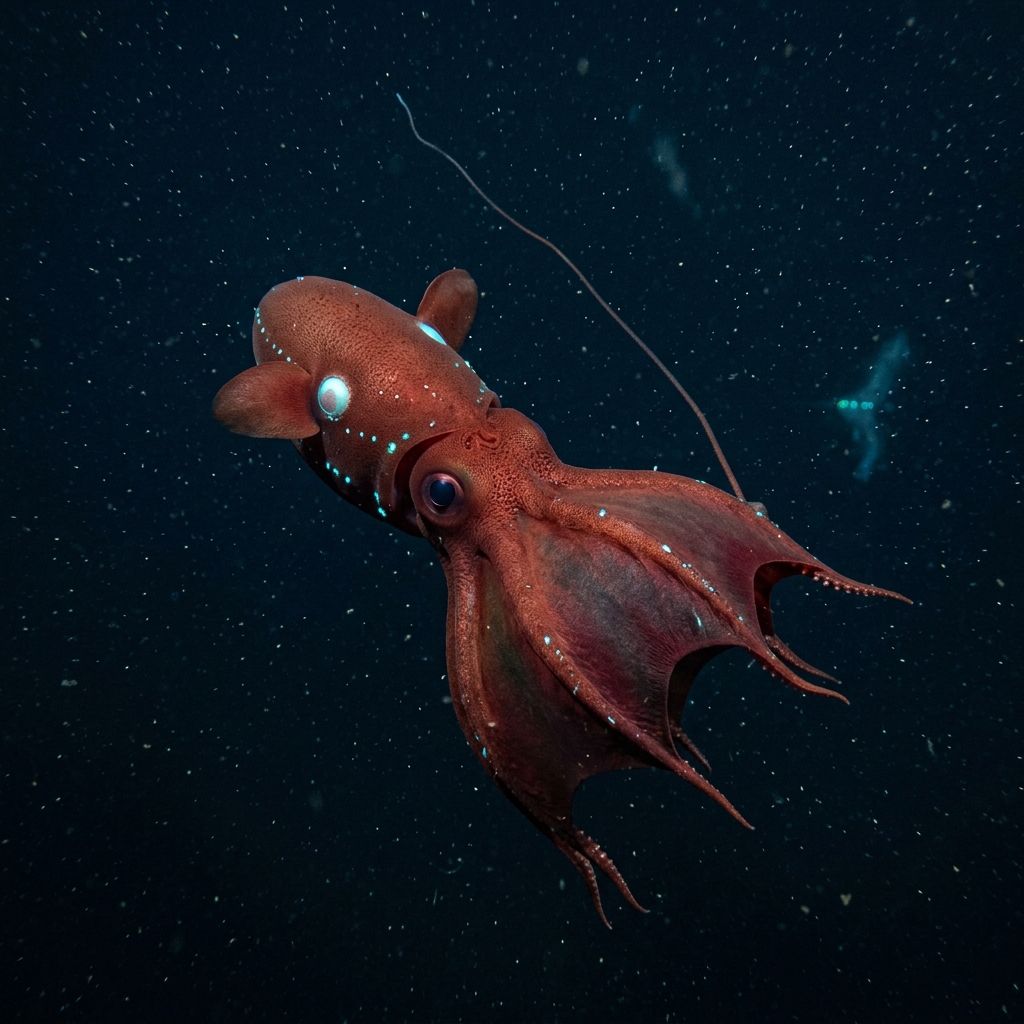
StatusNot Evaluated
Primary HabitatDeep ocean (Oxygen Minimum Zone)
Ecosystem RoleDetritivore
Human ImpactOcean warming
Adaptability
50
Shore Crab
C
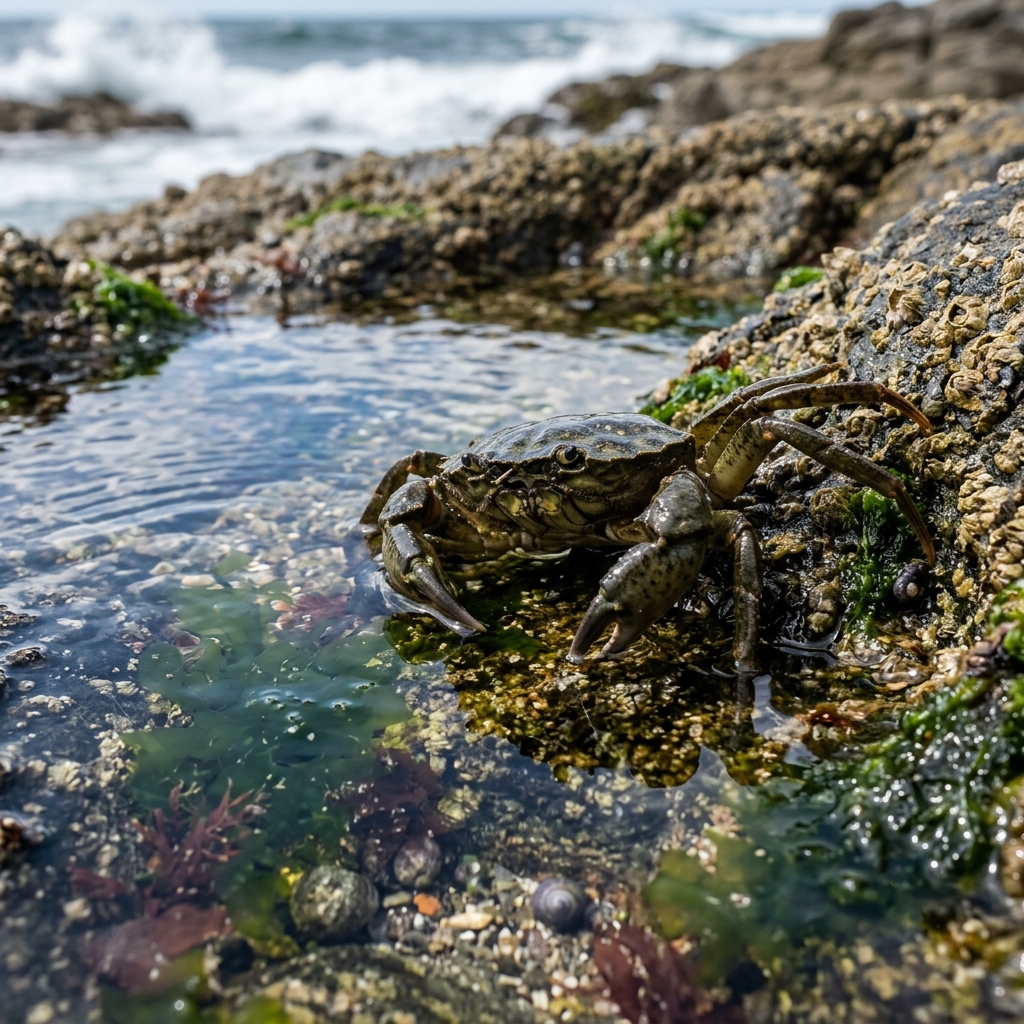
StatusNot Evaluated
Primary HabitatRocky shores
Ecosystem RoleScavenger/Predator
Human ImpactAffected by coastal pollution
Adaptability
85
Common Limpet
C
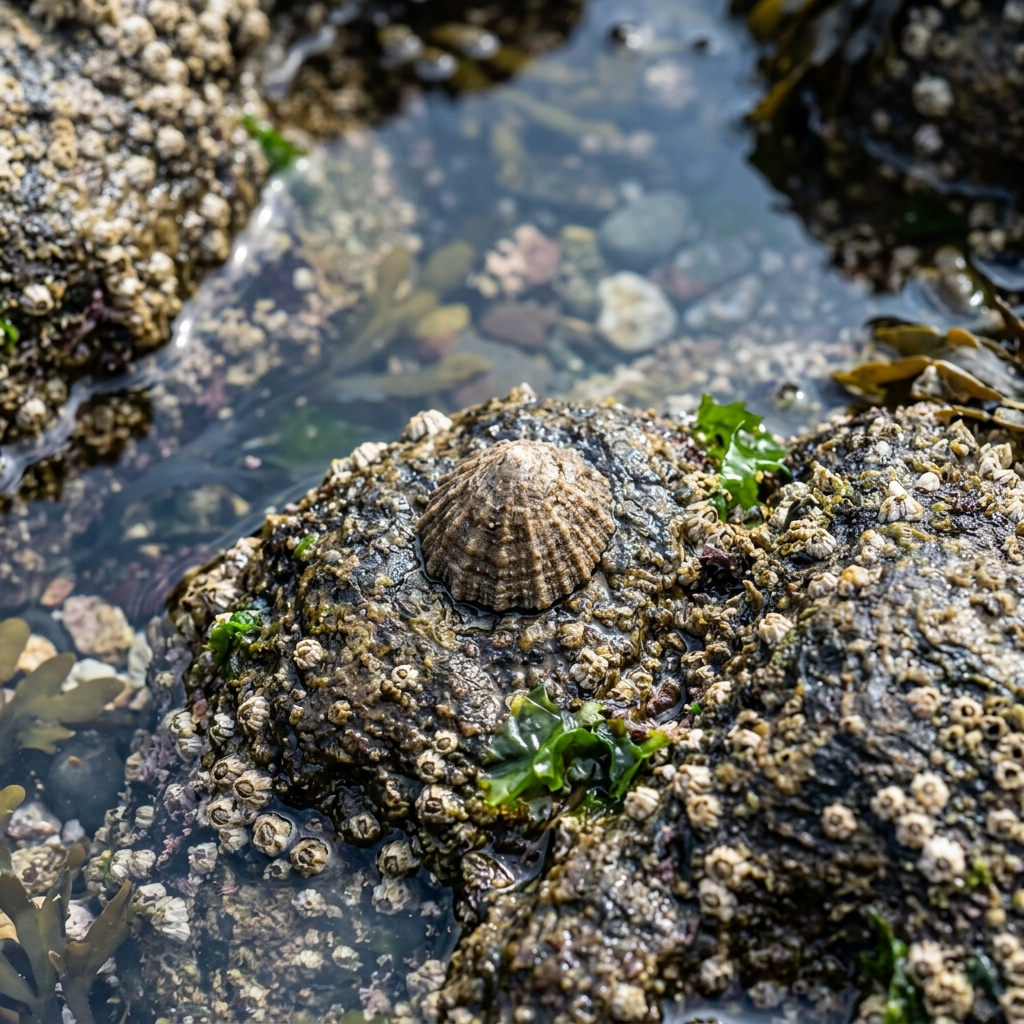
StatusLeast Concern
Primary HabitatIntertidal rocky shores
Ecosystem RoleGrazer
Human ImpactCan be affected by oil spills
Adaptability
75
Beadlet Anemone
C
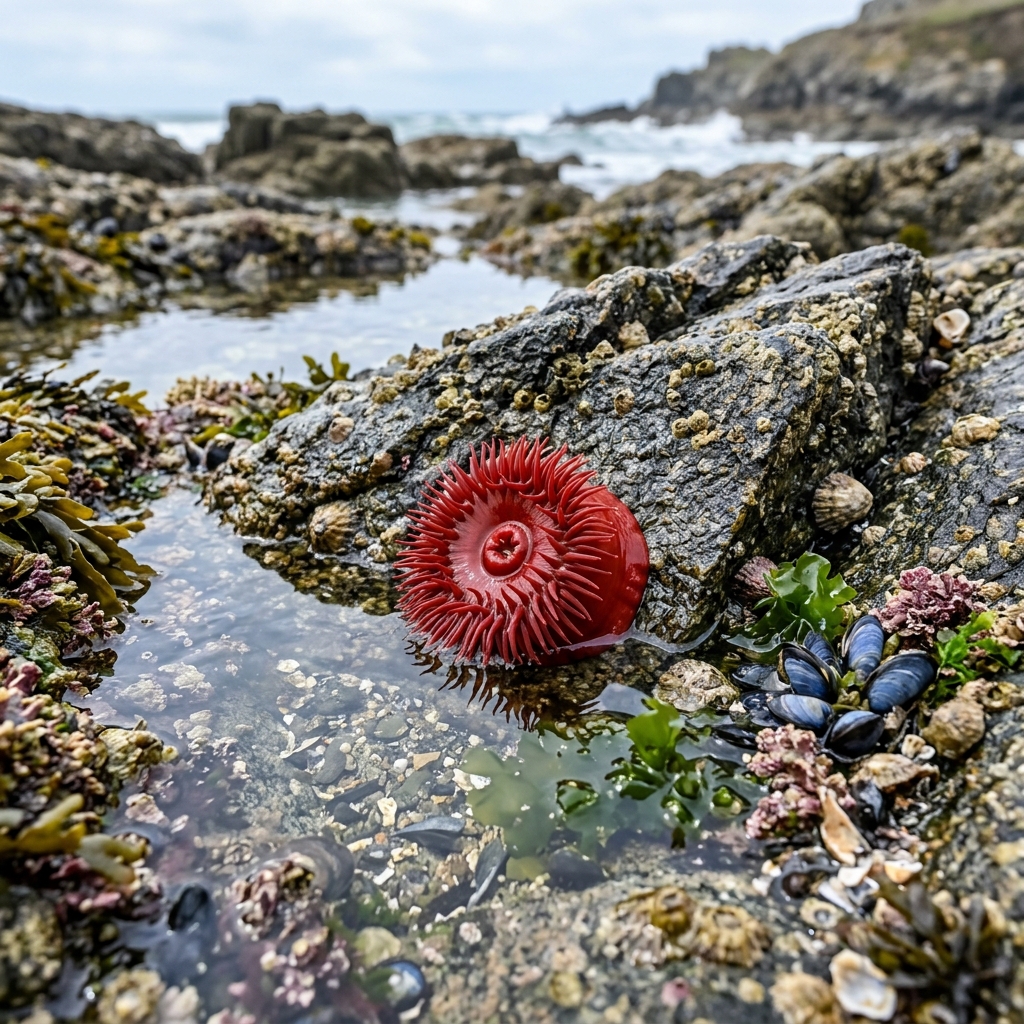
StatusNot Evaluated
Primary HabitatRock pools
Ecosystem RolePredator
Human ImpactResilient to moderate pollution
Adaptability
80
Garden Spider
C
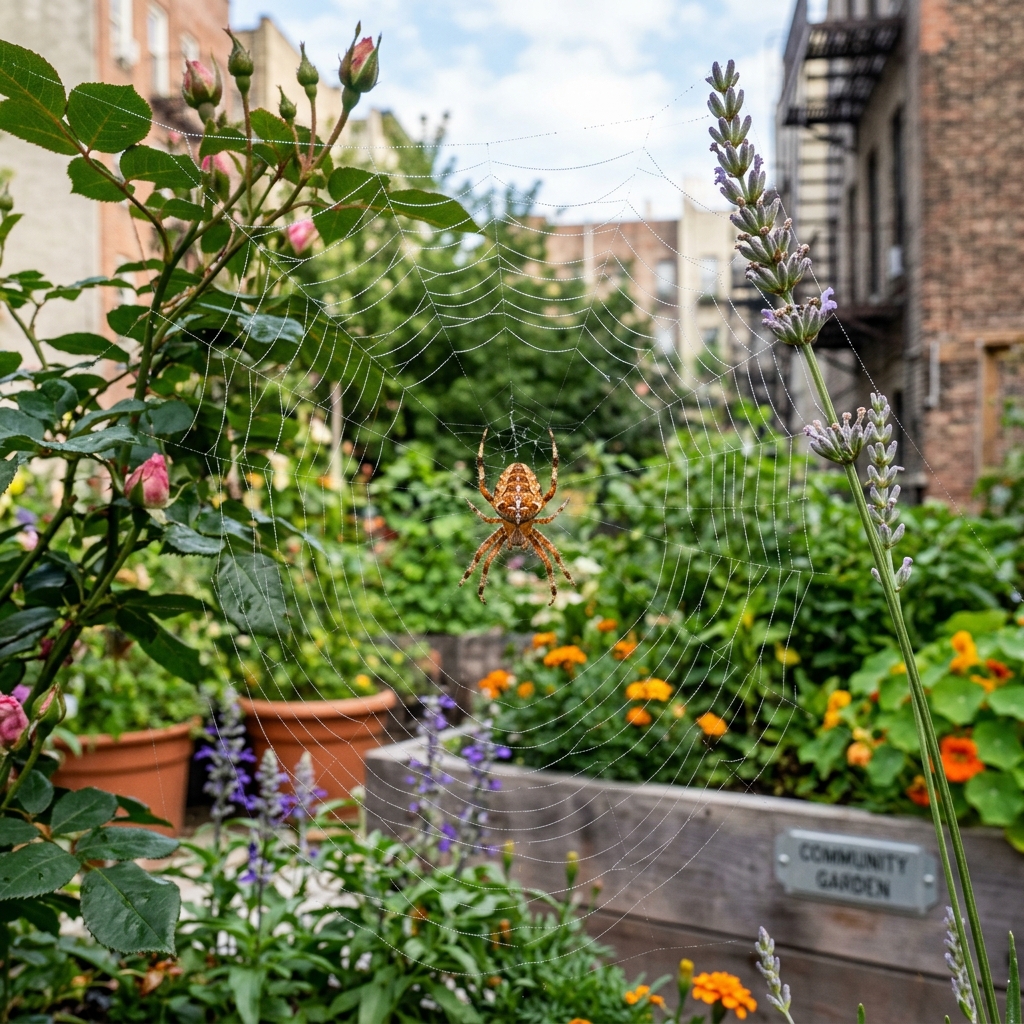
StatusNot Evaluated
Primary HabitatGardens, meadows, and woodlands
Ecosystem RolePest controller
Human ImpactResilient
Adaptability
90
Buff-tailed Bumblebee
C
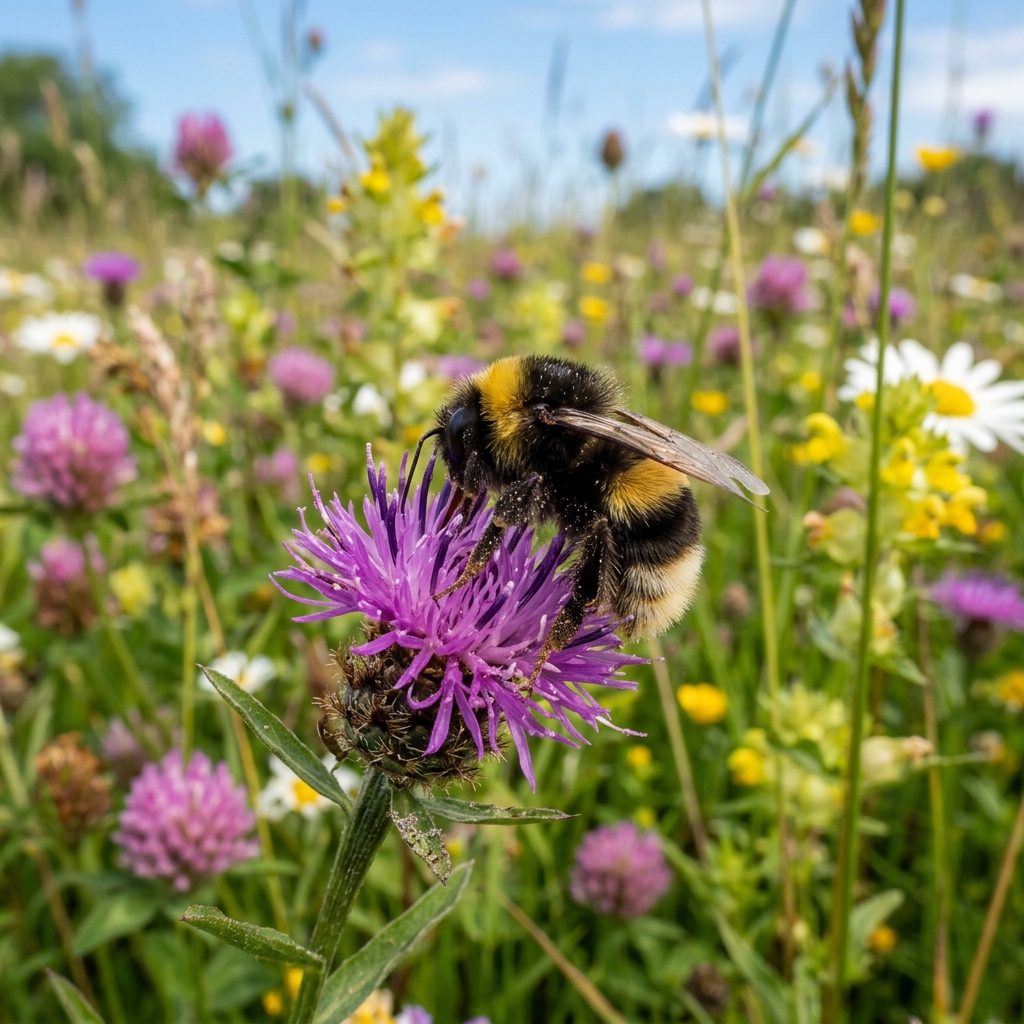
StatusLeast Concern
Primary HabitatGardens, meadows, agricultural land
Ecosystem RoleCrucial pollinator
Human ImpactVulnerable to pesticides and habitat loss
Adaptability
80
Meadow Brown Butterfly
C
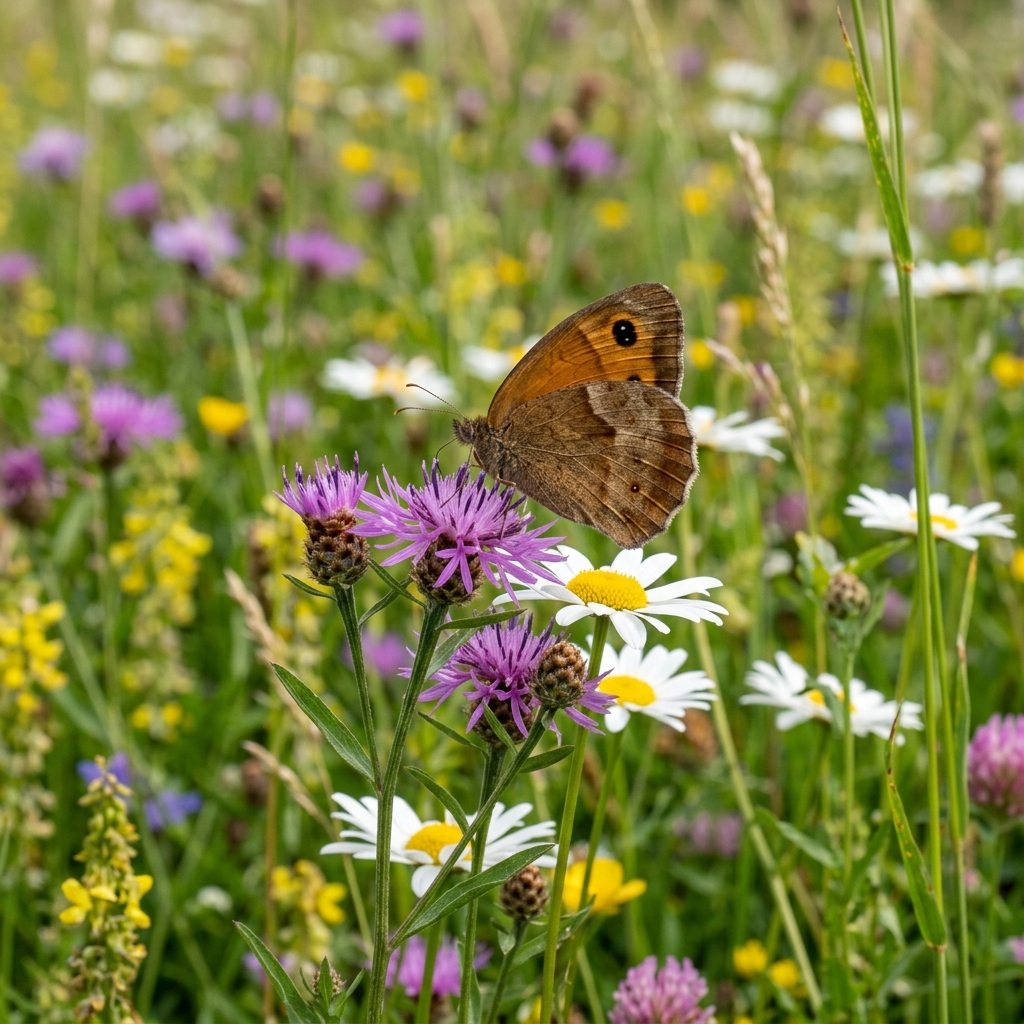
StatusLeast Concern
Primary HabitatGrasslands and meadows
Ecosystem RolePollinator and prey source
Human ImpactAffected by loss of wild grassland
Adaptability
75
Leaf-cutter Ant
C
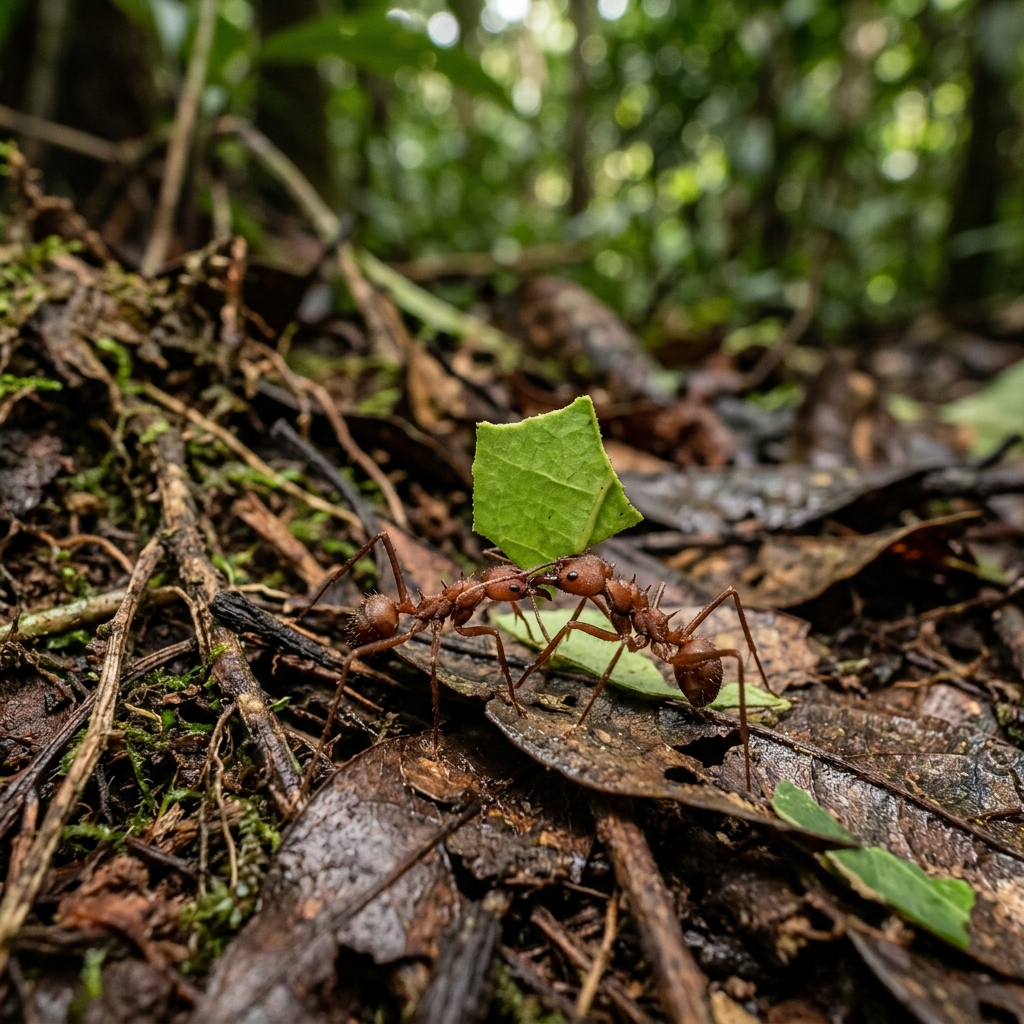
StatusNot Evaluated
Primary HabitatTropical rainforests
Ecosystem RoleHerbivore and soil aerator
Human ImpactOften considered an agricultural pest
Adaptability
75
Caterpillar
C
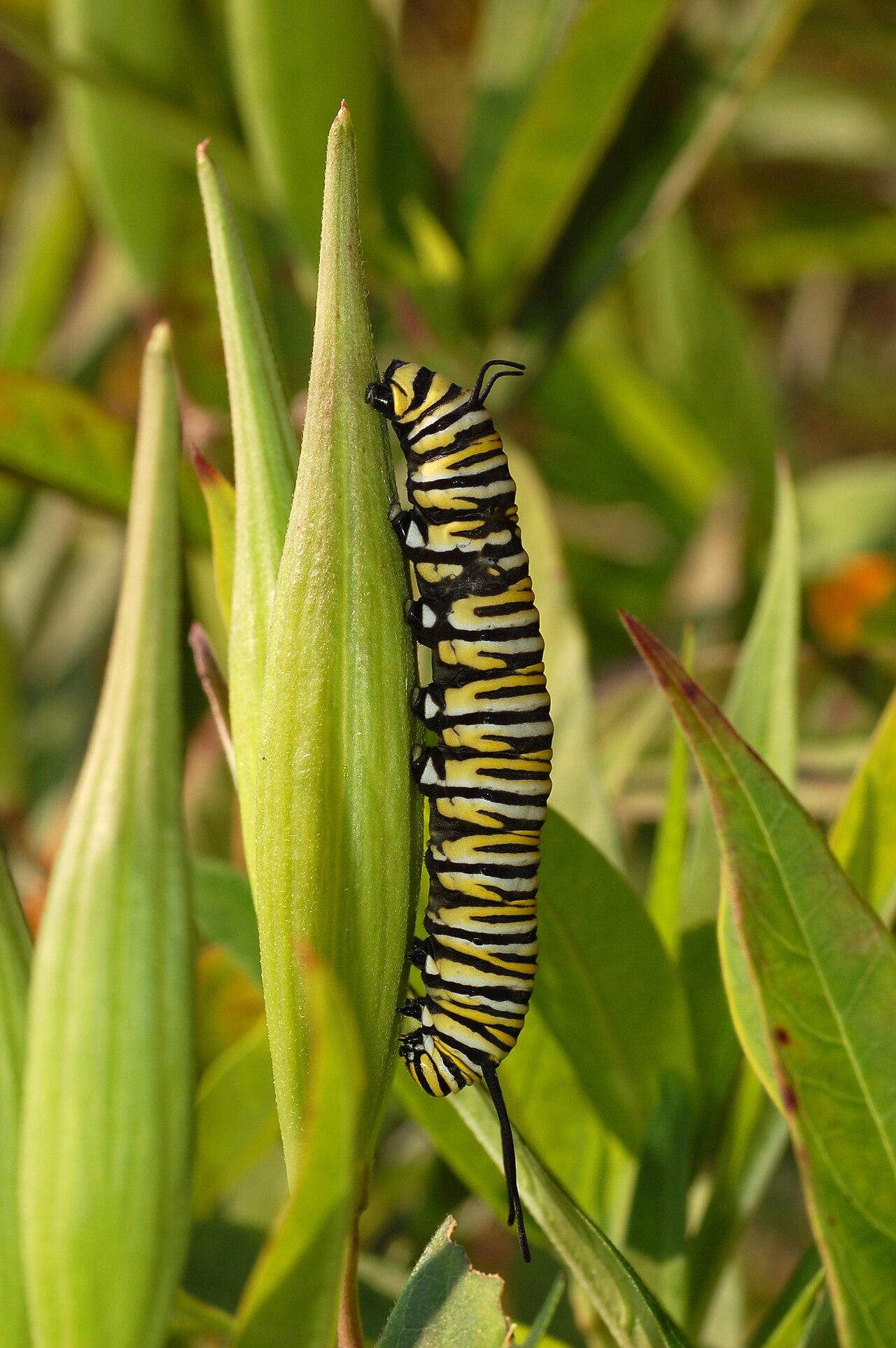
StatusNot Evaluated
Primary HabitatVegetation
Ecosystem RoleHerbivore, prey
Human ImpactAffected by pesticides
Adaptability
80
Fly
C
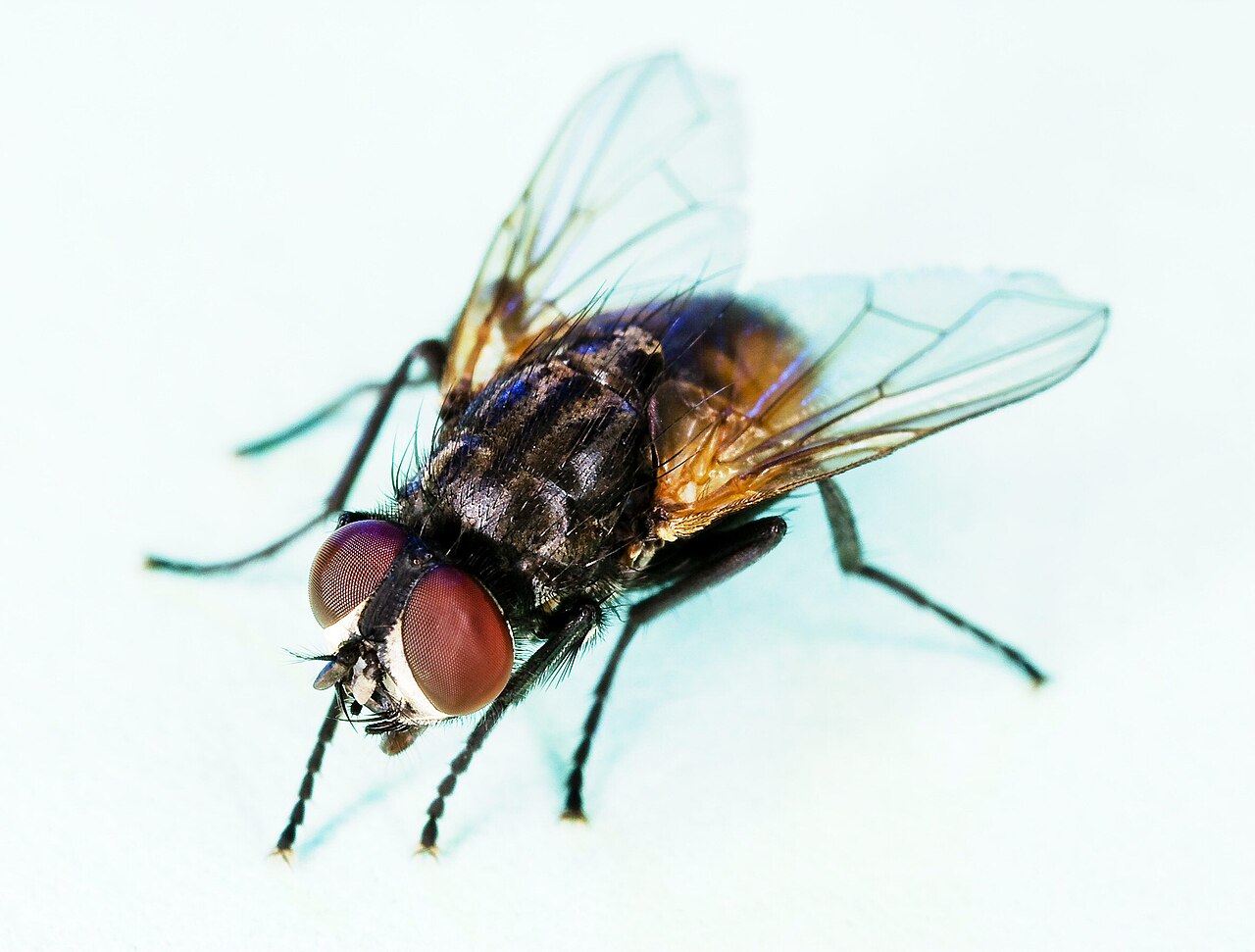
StatusLeast Concern
Primary HabitatWorldwide, human habitats
Ecosystem RoleDecomposer, prey
Human ImpactPest control targets
Adaptability
95
Emperor Scorpion
C
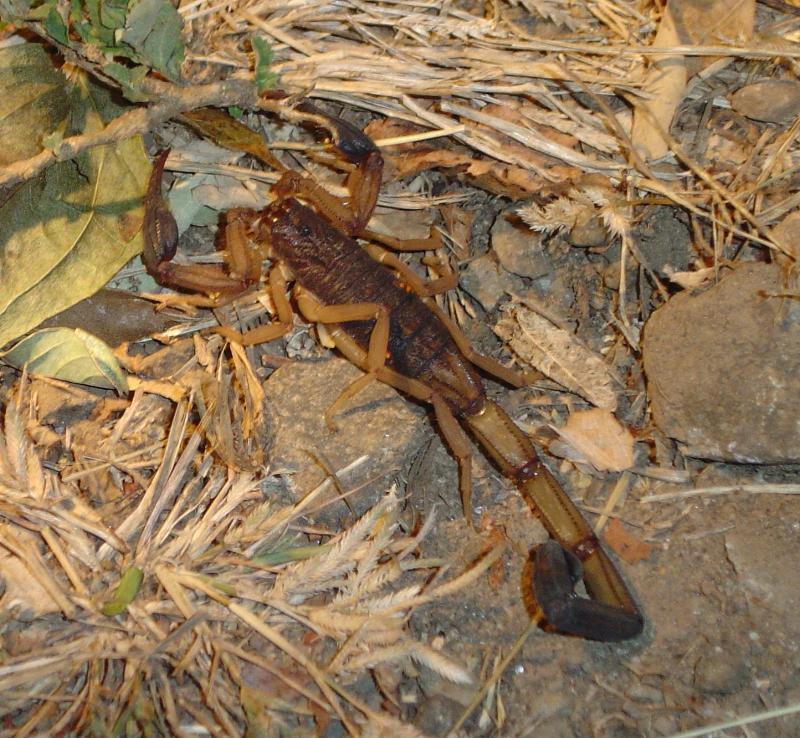
StatusNot Evaluated
Primary HabitatHumid West African rainforest and savanna
Ecosystem RoleInvertebrate Predator
Human ImpactOften killed out of fear, captured for pet trade
Adaptability
90
Camel Spider
C
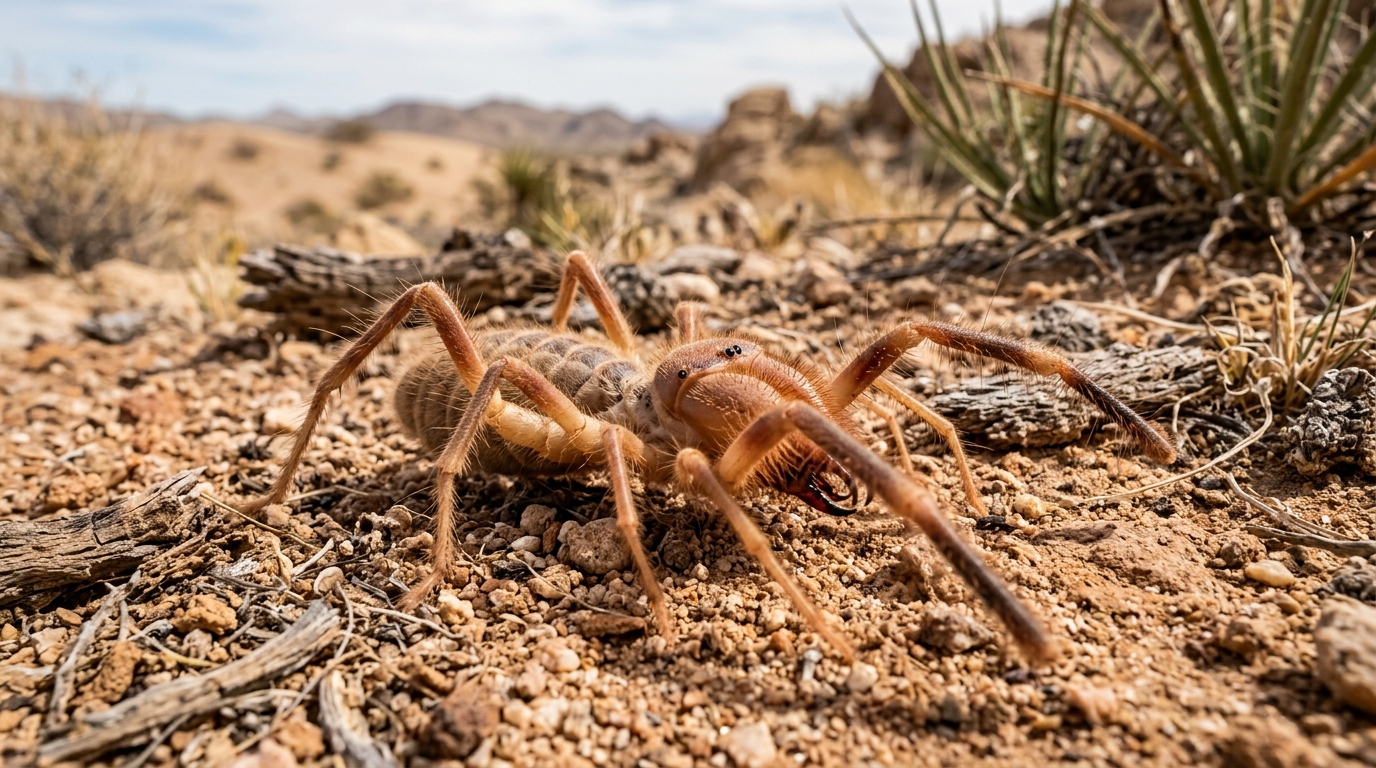
StatusNot Evaluated
Primary HabitatDeserts
Ecosystem RolePredator
Human ImpactSubject of urban legends but rarely impacted by humans directly
Adaptability
75
Dumbo Octopus
C
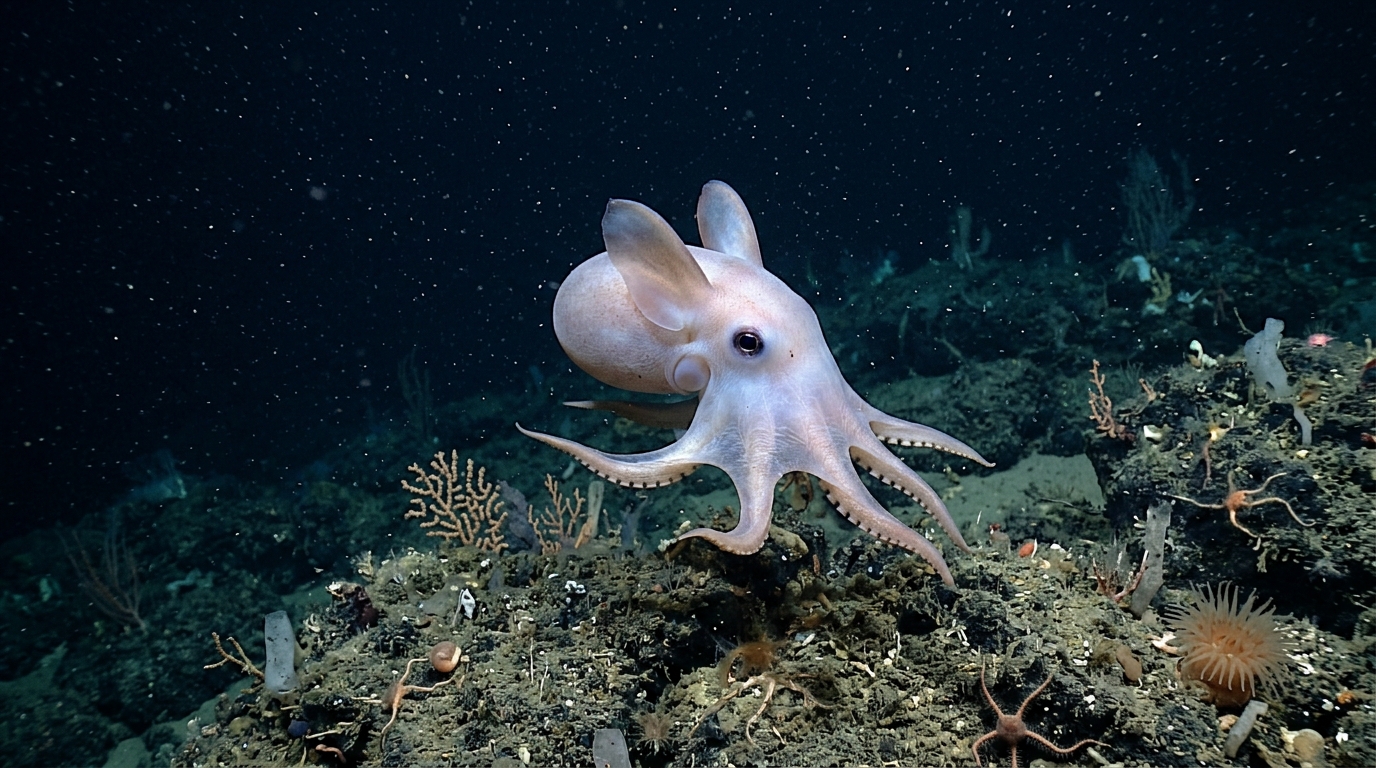
StatusNot Evaluated
Primary HabitatDeep Ocean
Ecosystem RoleBenthic Forager
Human ImpactDeep-sea mining and trawling
Adaptability
30
Yellow Dung Fly
C
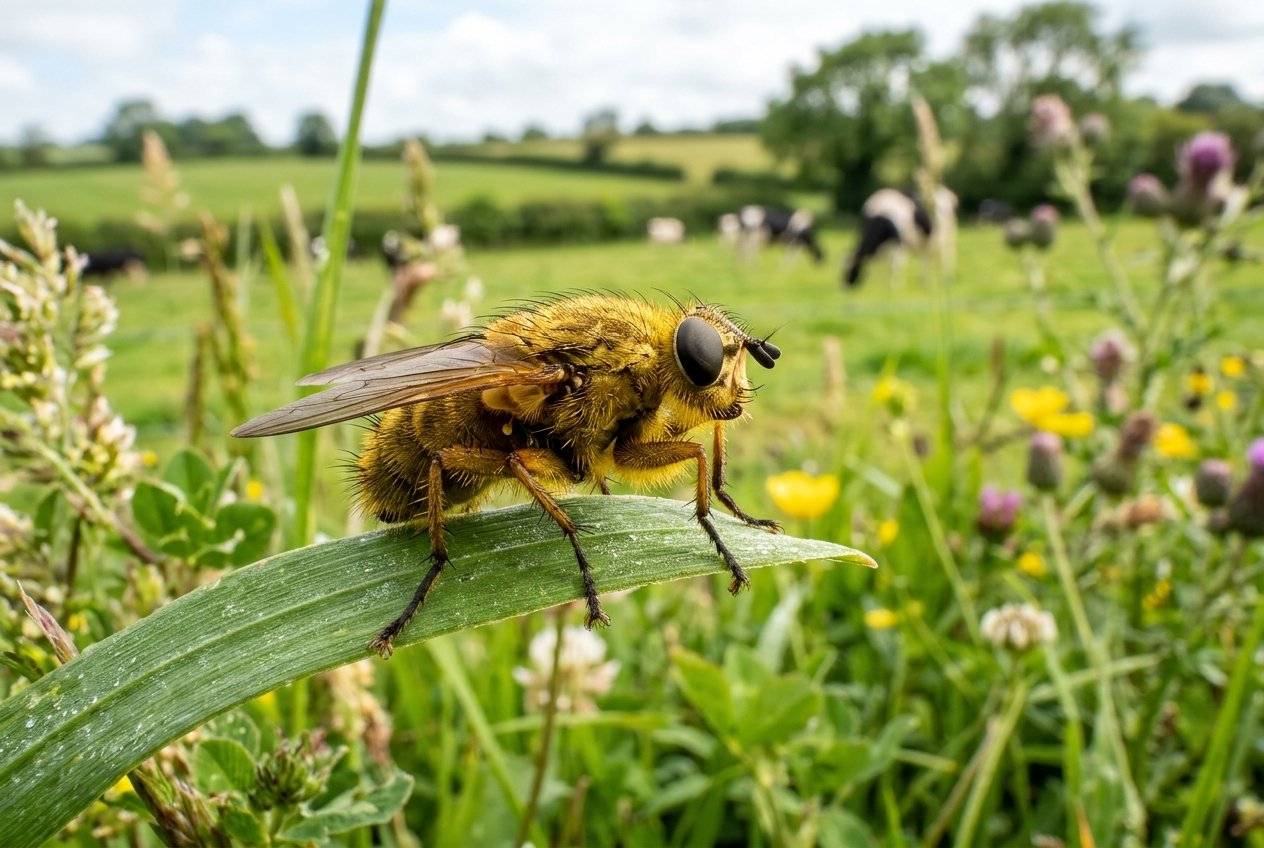
StatusLeast Concern
Primary HabitatFarmland and pastures
Ecosystem RolePredator of pest flies and decomposer (larvae)
Human ImpactAffected by anti-parasite treatments in cattle
Adaptability
85
Fairyfly
C
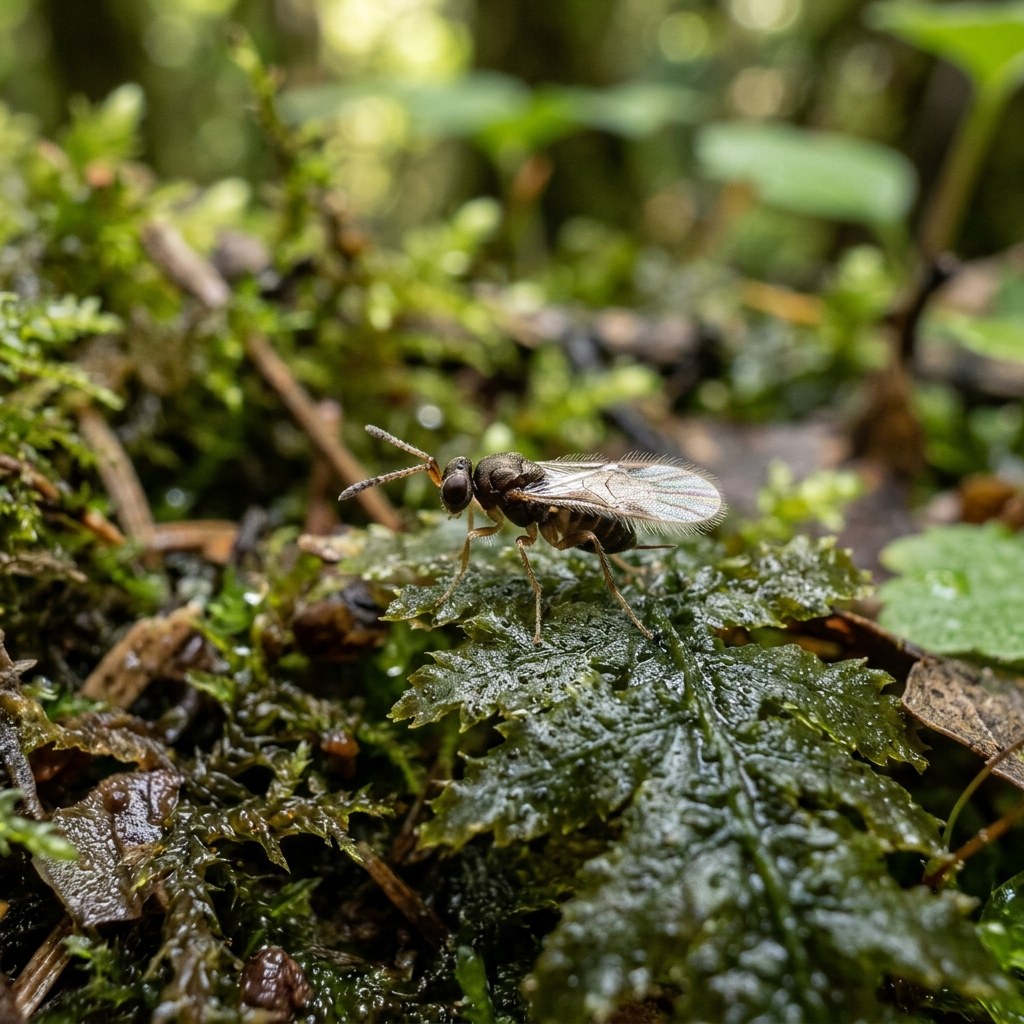
StatusNot Evaluated
Primary HabitatWoodlands, fields
Ecosystem RoleParasitoid
Human ImpactPesticides
Adaptability
70
Sea Anemone
C
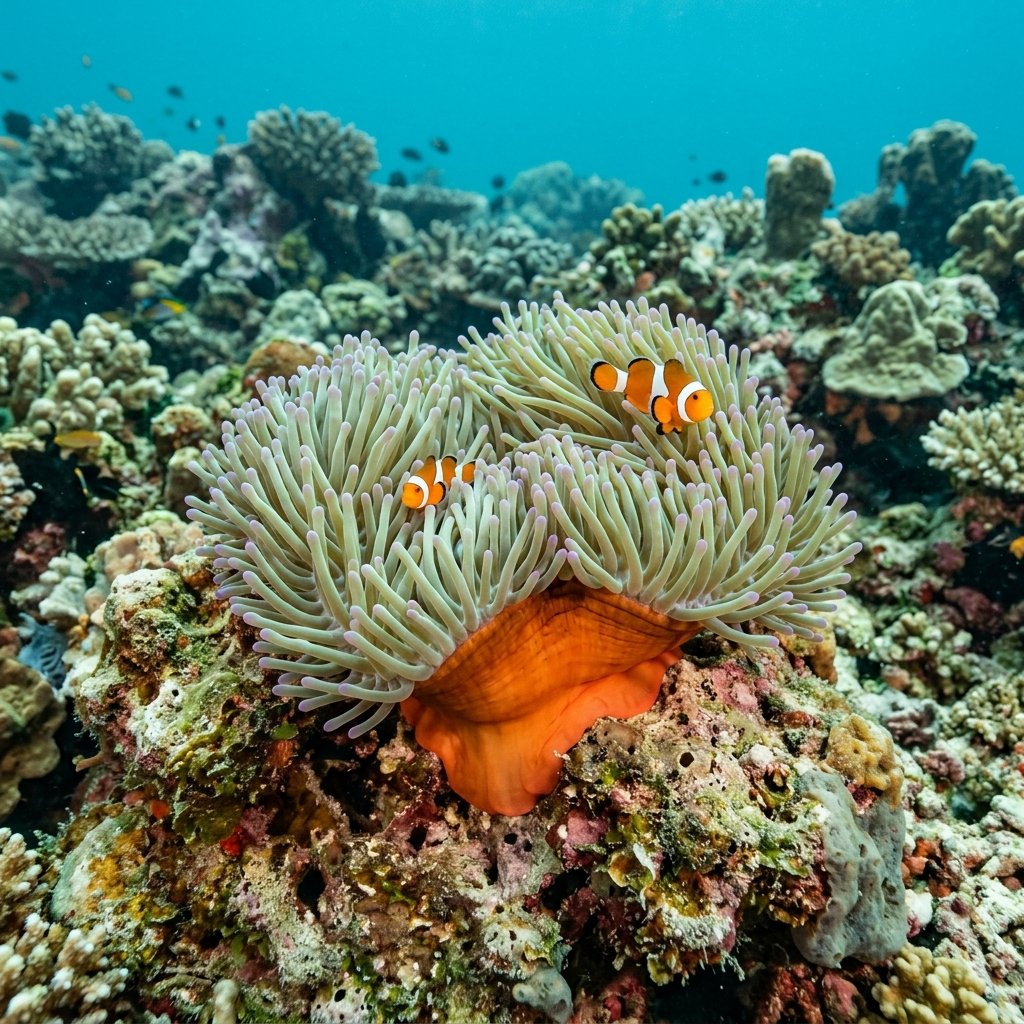
StatusNot Evaluated
Primary HabitatCoral reefs, tide pools
Ecosystem RoleBenthic predator / shelter
Human ImpactOcean acidification
Adaptability
50
Garden Snail
C
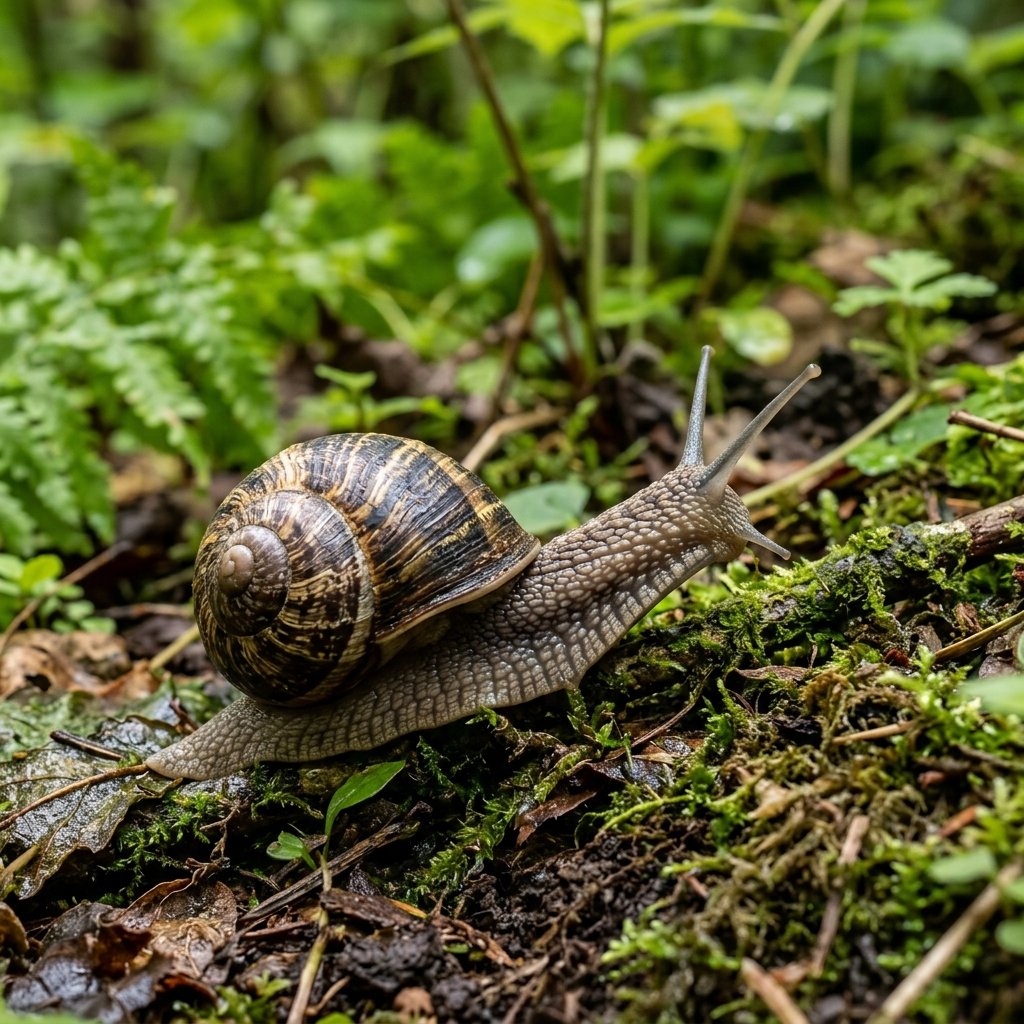
StatusLeast Concern
Primary HabitatGardens, woodlands
Ecosystem RoleDecomposer / Herbivore
Human ImpactPesticides
Adaptability
90
Immortal Jellyfish
C
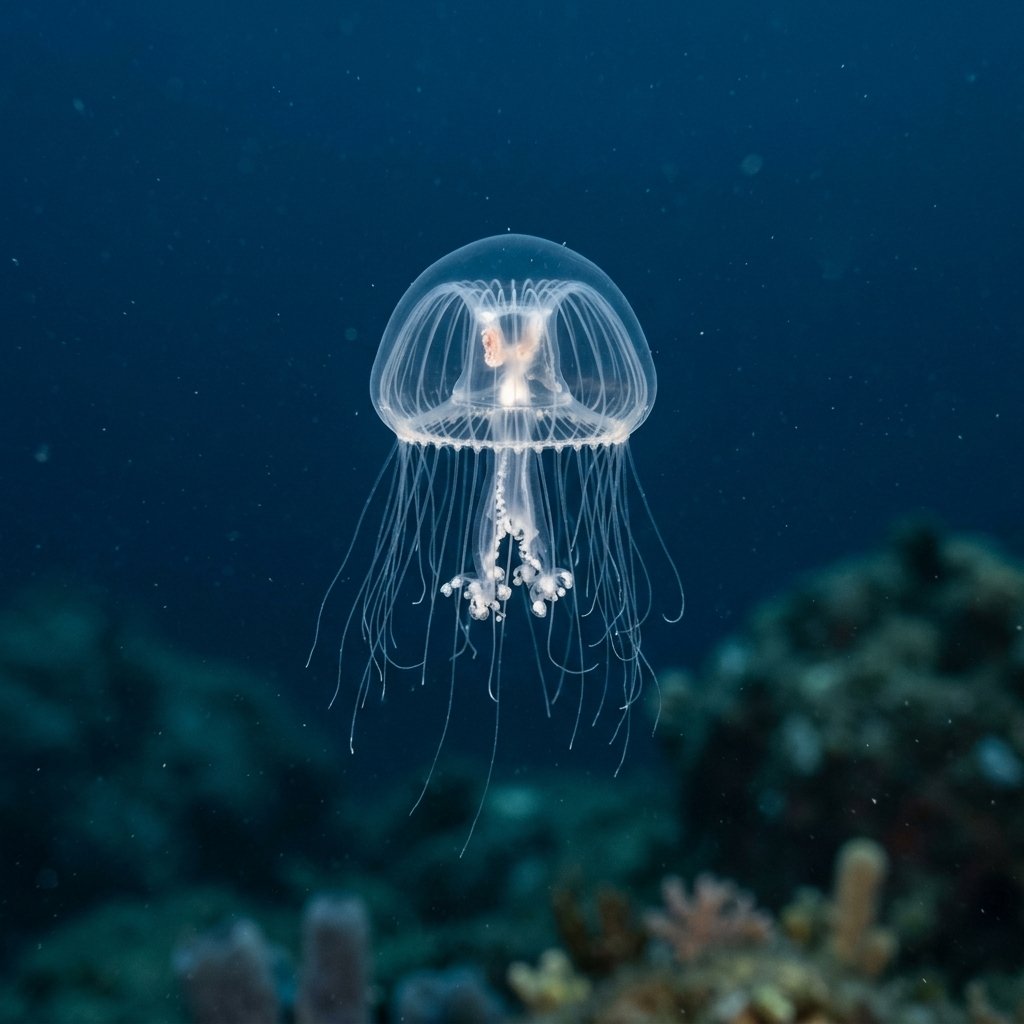
StatusNot Evaluated
Primary HabitatOceans worldwide
Ecosystem RolePelagic predator
Human ImpactShip ballast water spread
Adaptability
95
Ocean Quahog
C
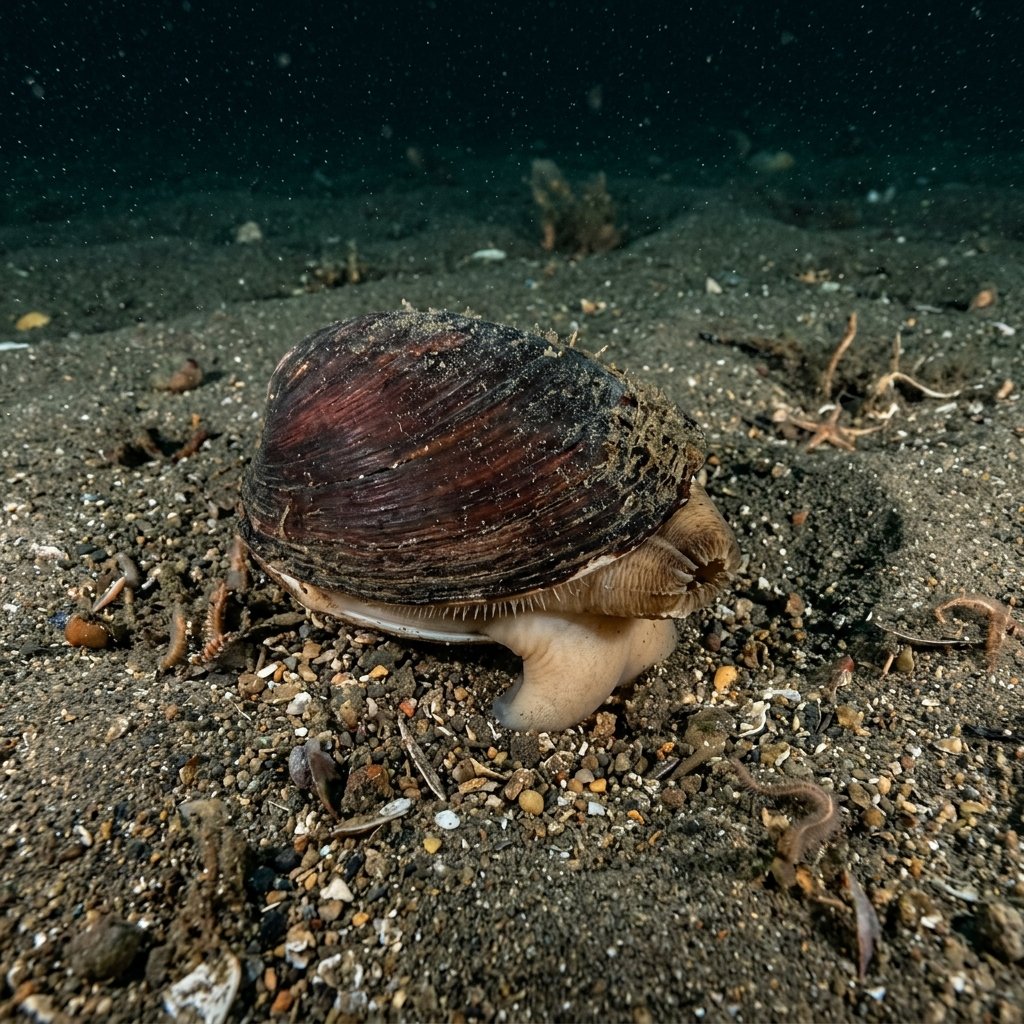
StatusNot Evaluated
Primary HabitatNorth Atlantic continental shelf
Ecosystem RoleBenthic filter feeder
Human ImpactCommercial dredging
Adaptability
60
Mayfly
C
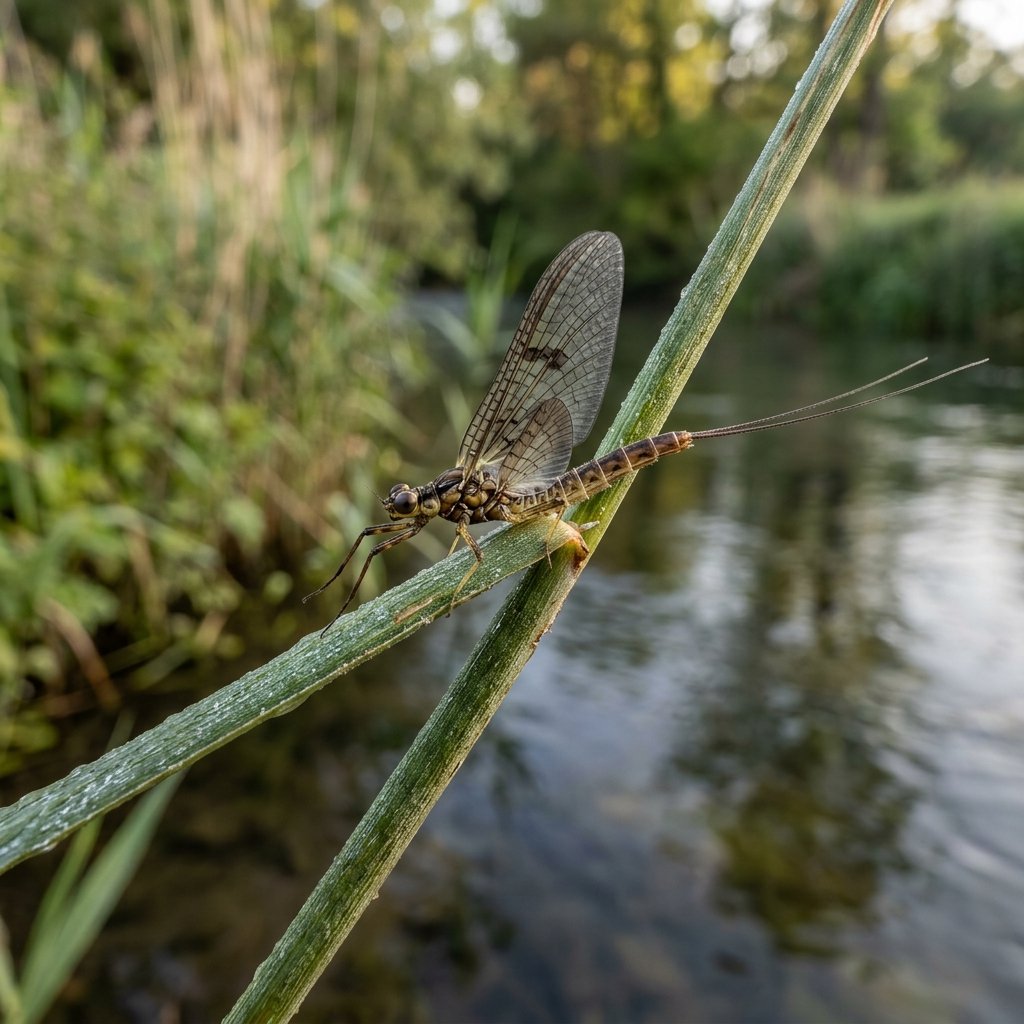
StatusLeast Concern
Primary HabitatFreshwater streams
Ecosystem RoleVital aquatic food source
Human ImpactWater pollution
Adaptability
75
Gastrotrich
C
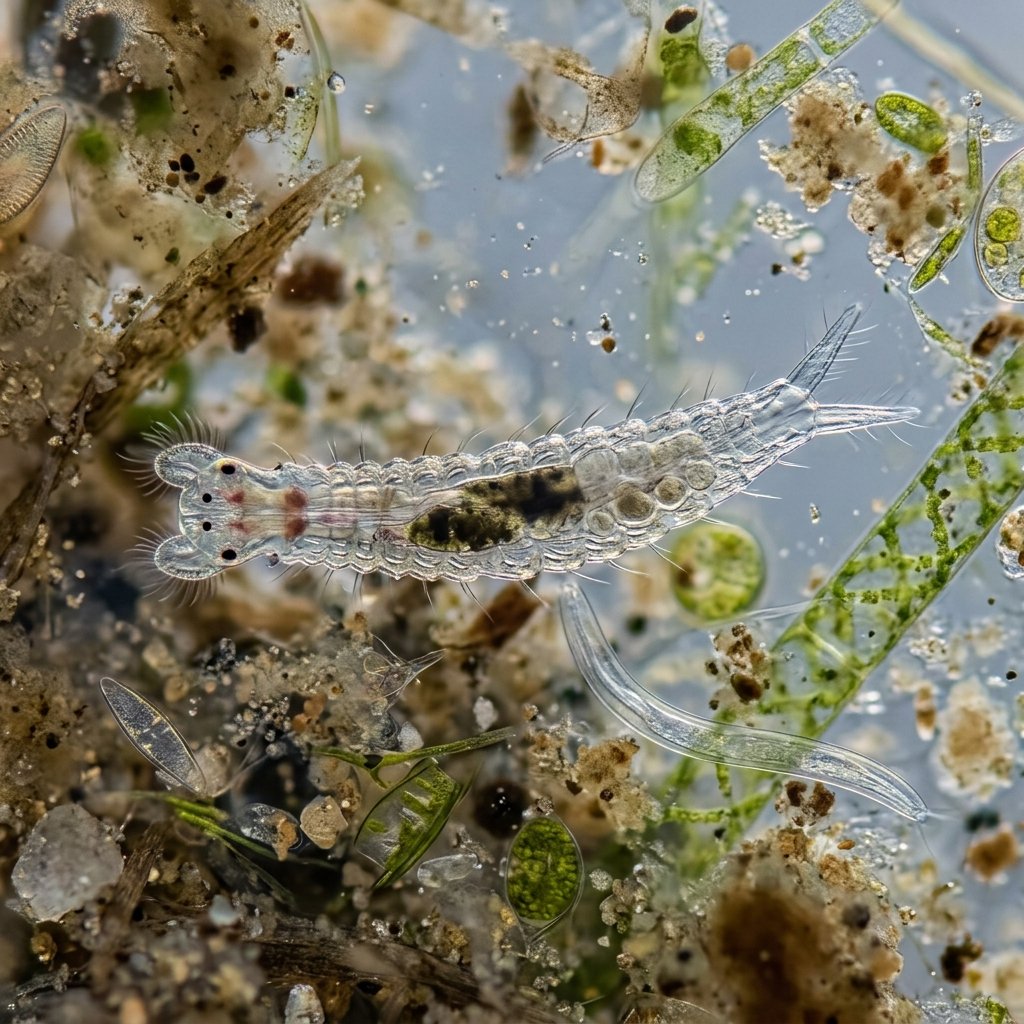
StatusNot Evaluated
Primary HabitatMarine and freshwater interstitial spaces
Ecosystem RoleMicrobivore
Human ImpactPollution
Adaptability
80
Flying Ant
C
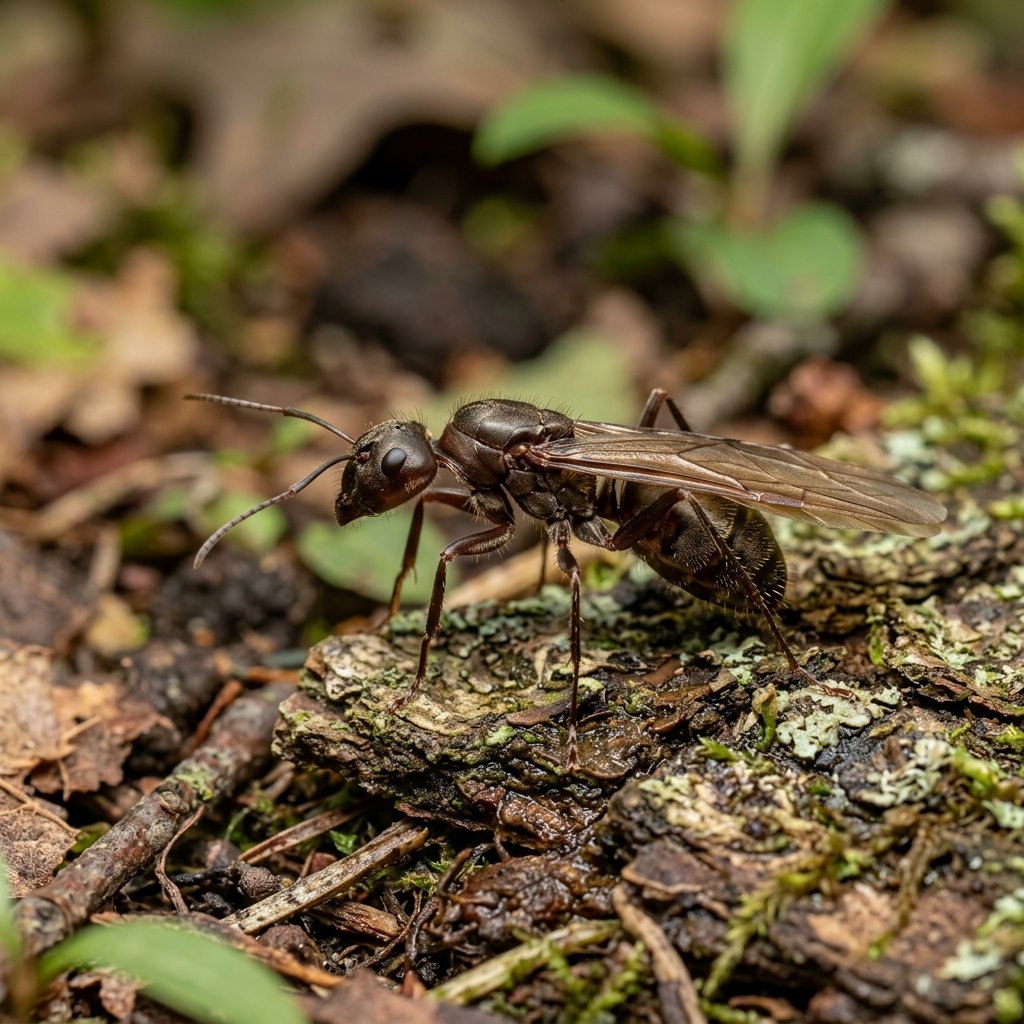
StatusLeast Concern
Primary HabitatGlobal
Ecosystem RoleReproductive caste
Human ImpactPesticides
Adaptability
90
Antarctic Krill
C
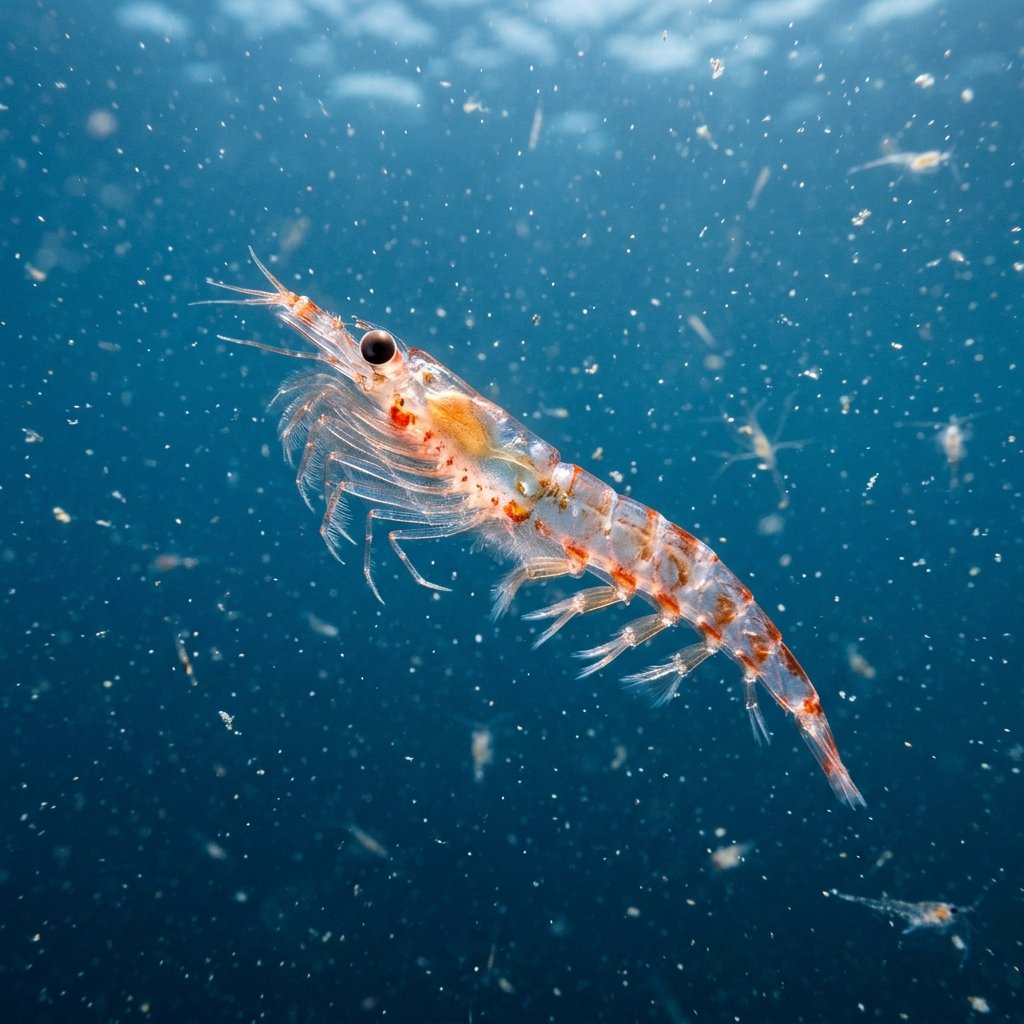
StatusLeast Concern
Primary HabitatSouthern Ocean
Ecosystem RoleKeystone species
Human ImpactClimate change, commercial fishing
Adaptability
60
Mosquito
C
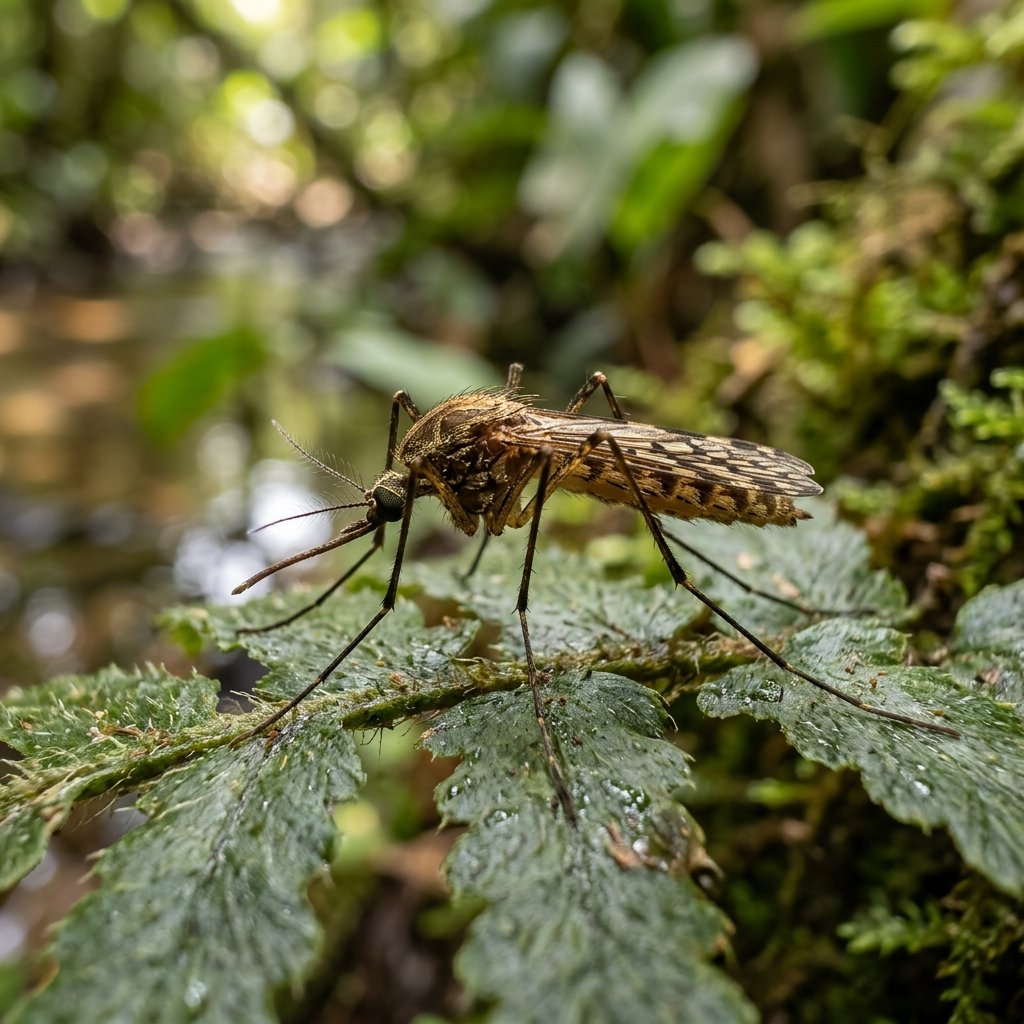
StatusLeast Concern
Primary HabitatStagnant water, global
Ecosystem RoleVector / Food source
Human ImpactEradication efforts
Adaptability
95
Springtail
C
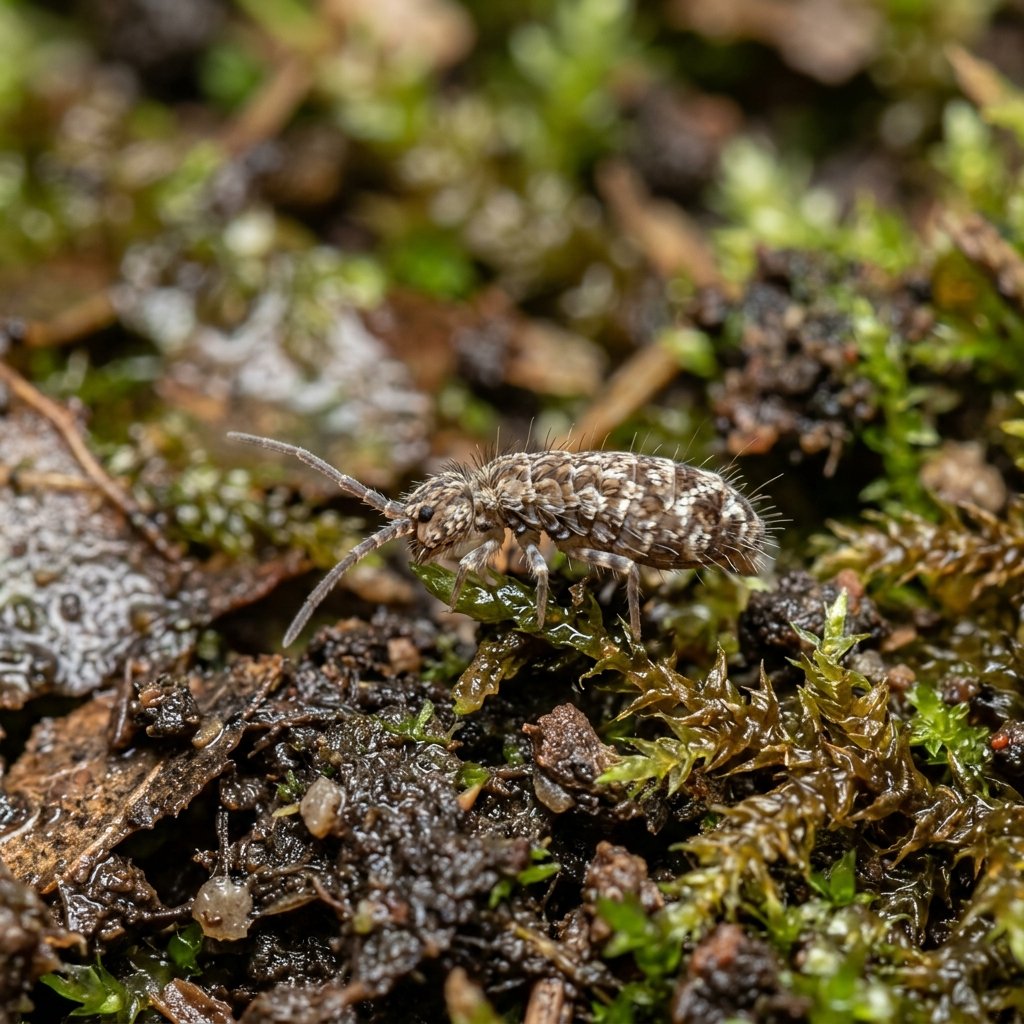
StatusLeast Concern
Primary HabitatSoil, leaf litter
Ecosystem RoleDecomposer
Human ImpactPesticides
Adaptability
99
Leafhopper
C
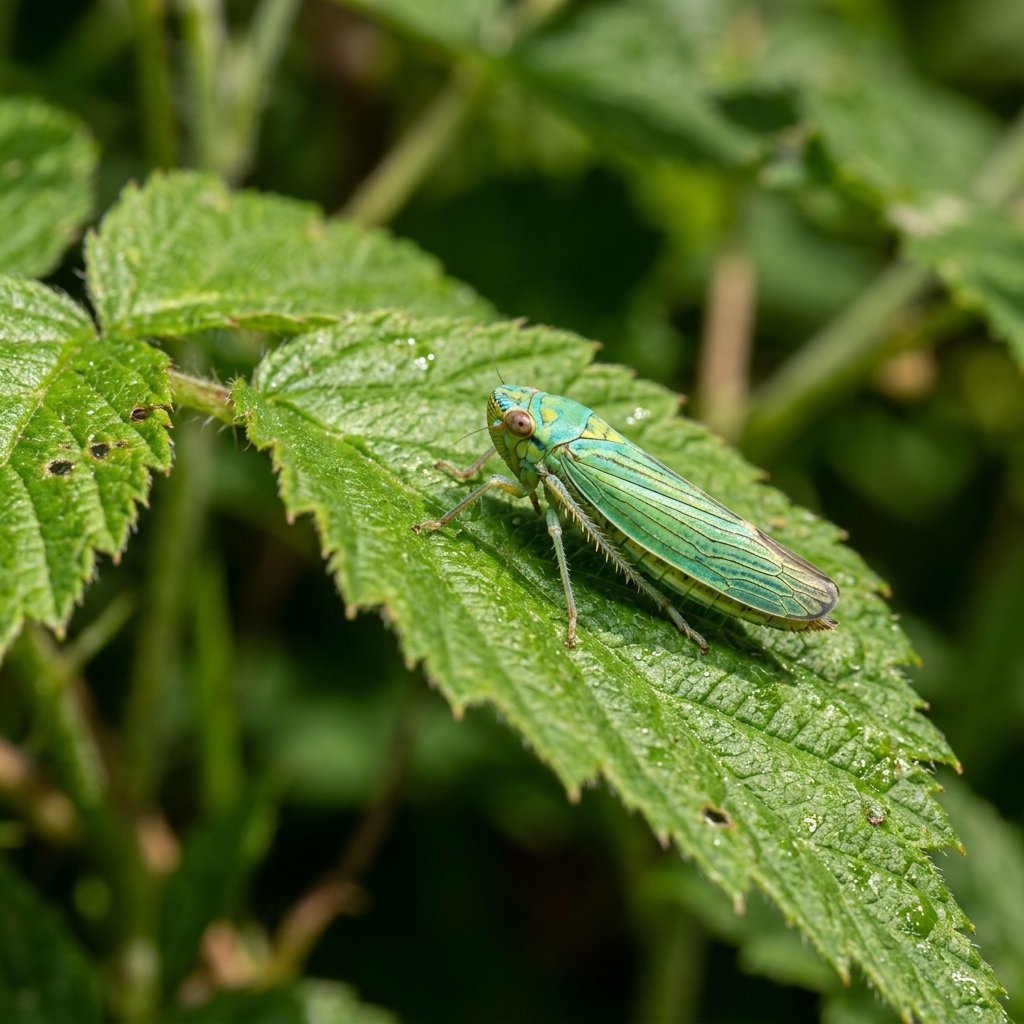
StatusLeast Concern
Primary HabitatGrasses, crops
Ecosystem RolePrimary Consumer
Human ImpactPesticides
Adaptability
85
Zooplankton
C
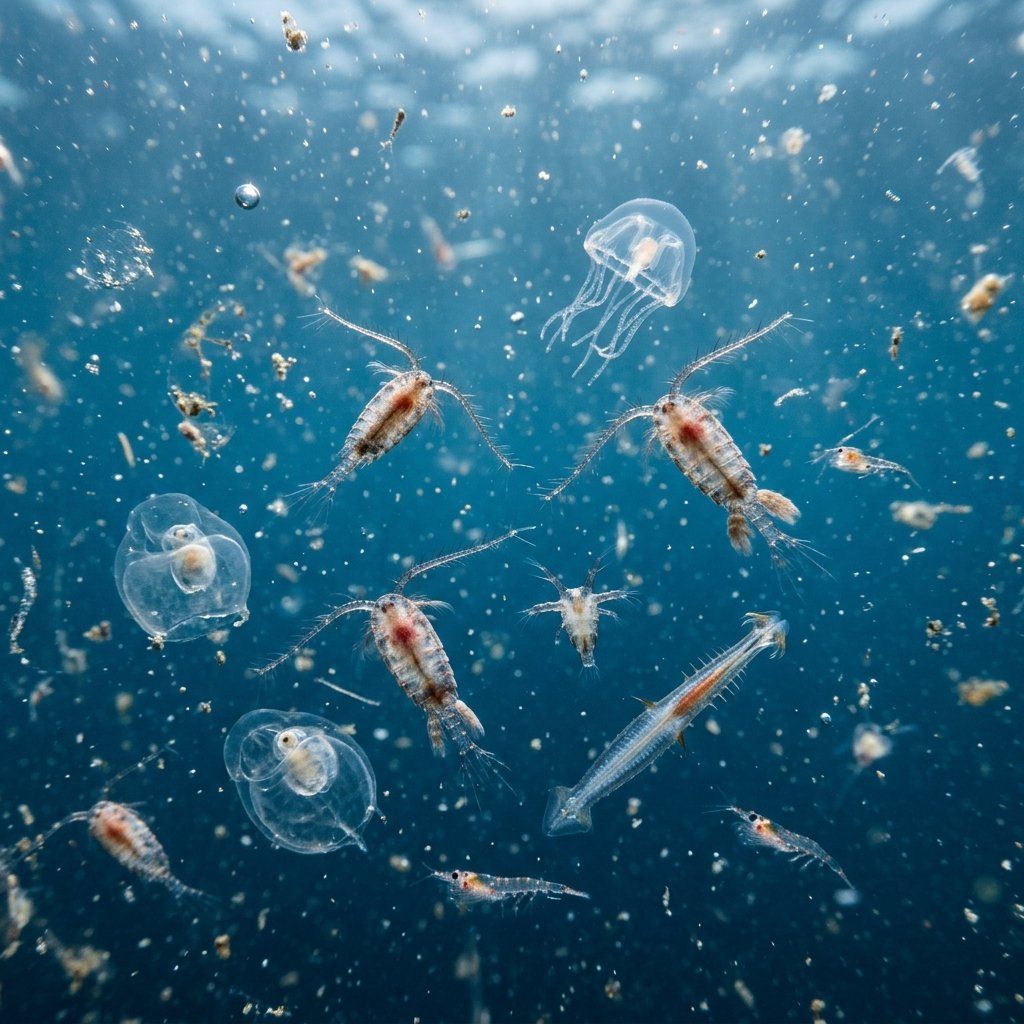
StatusLeast Concern
Primary HabitatOceans and lakes
Ecosystem RolePrimary consumer of phytoplankton
Human ImpactOcean warming, microplastics
Adaptability
70
Horned Dung Beetle
C
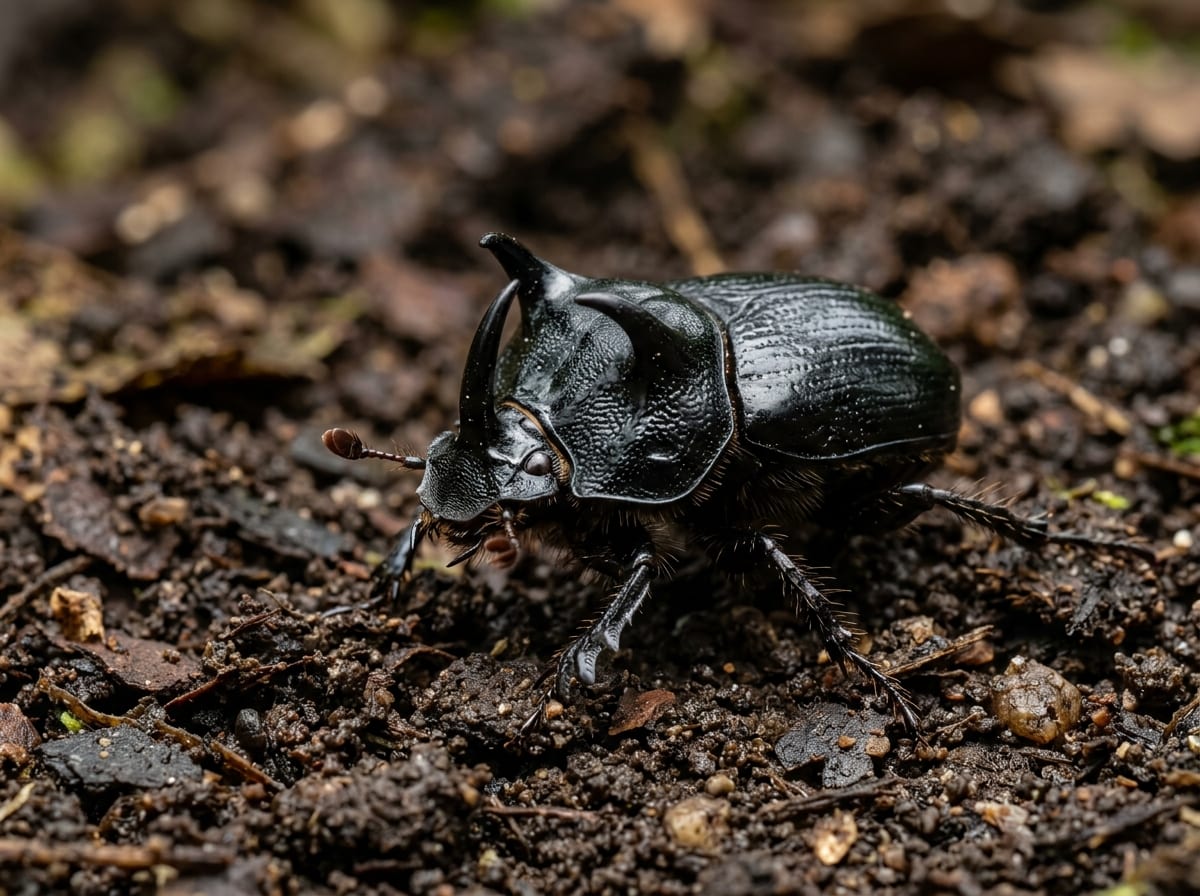
StatusNot Evaluated
Primary HabitatPastures and grassland, including coastal southern England
Ecosystem RoleDecomposer — buries and recycles animal dung
Human ImpactHelped by grazing livestock; harmed by some livestock wormers
Adaptability
70
Tardigrade
C
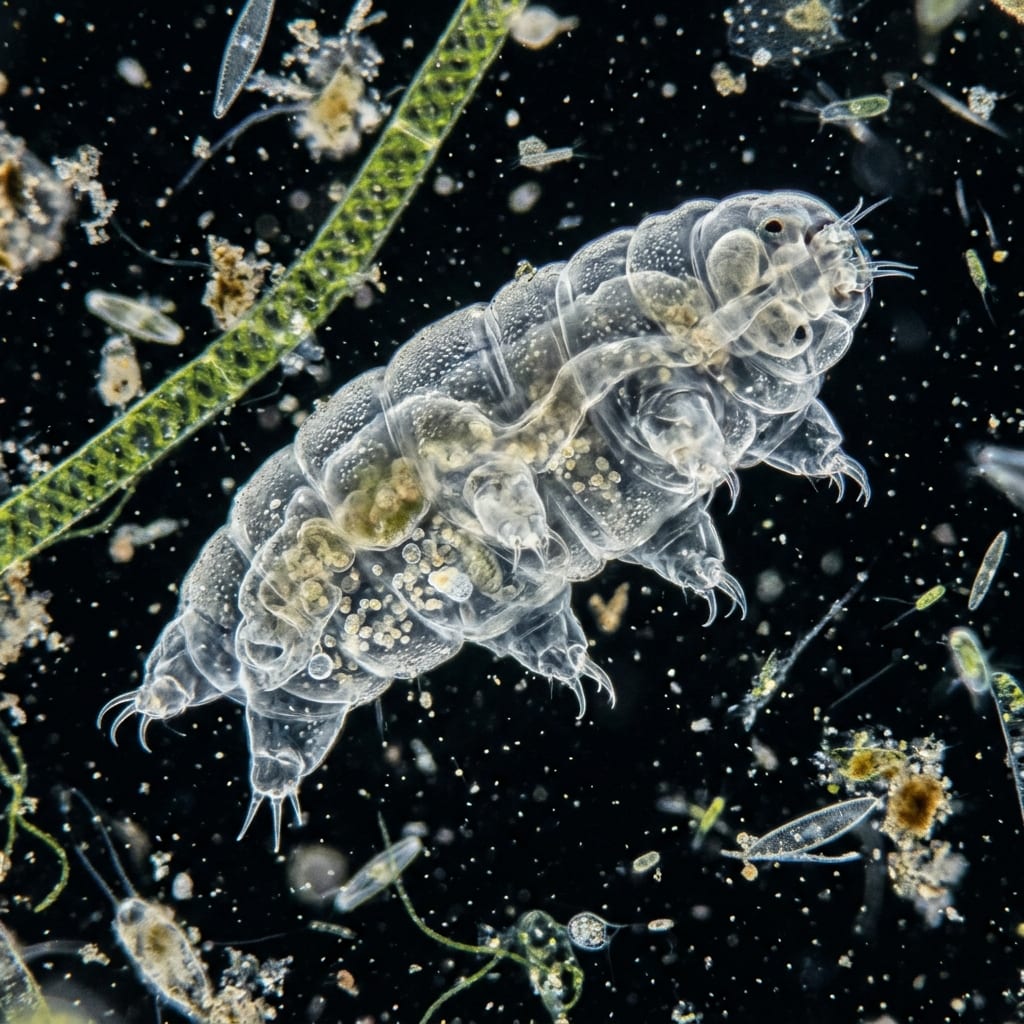
StatusNot Evaluated
Primary HabitatDamp moss, soil and leaf litter — and almost everywhere on Earth
Ecosystem RoleMicroscopic grazer and tiny predator
Human ImpactVery little — one of the most resilient animals known
Adaptability
99
Pistol Shrimp
C
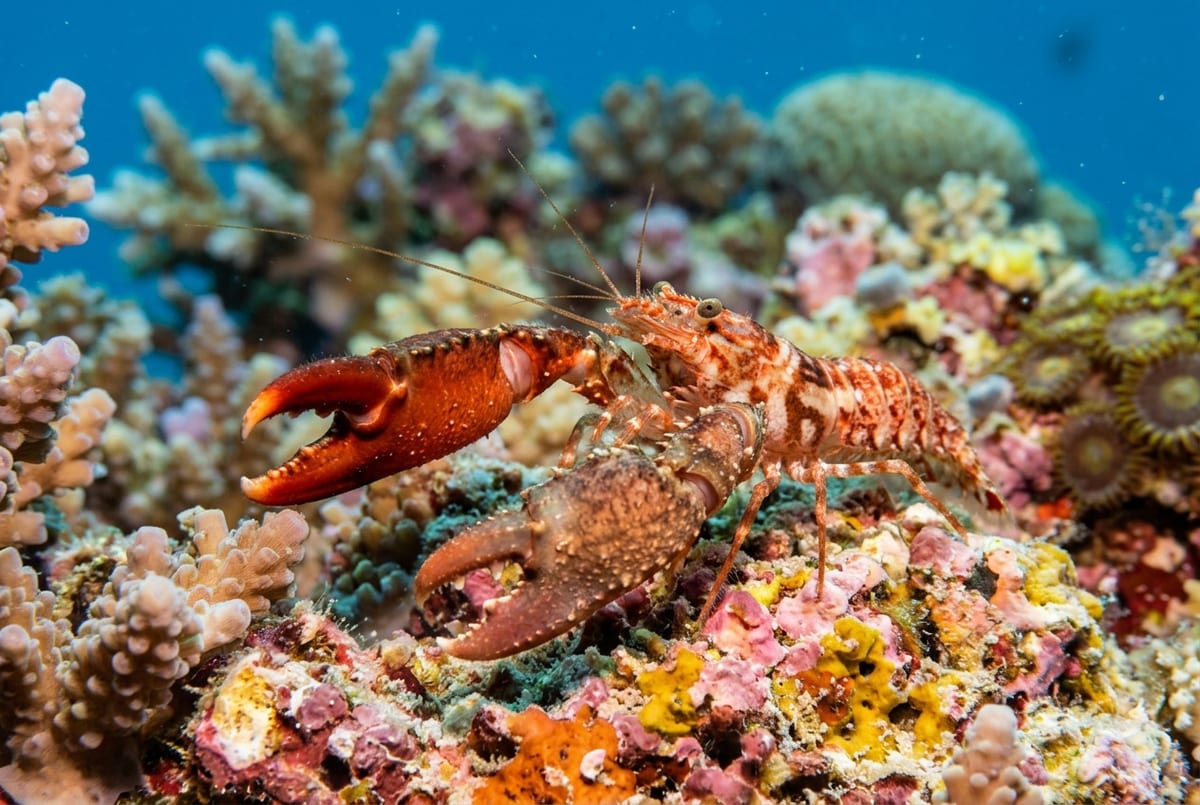
StatusNot Evaluated
Primary HabitatWarm shallow seas, coral reefs and seagrass
Ecosystem RoleSmall predator; many share a burrow with a goby fish
Human ImpactLittle direct impact
Adaptability
70
Common Froghopper
C
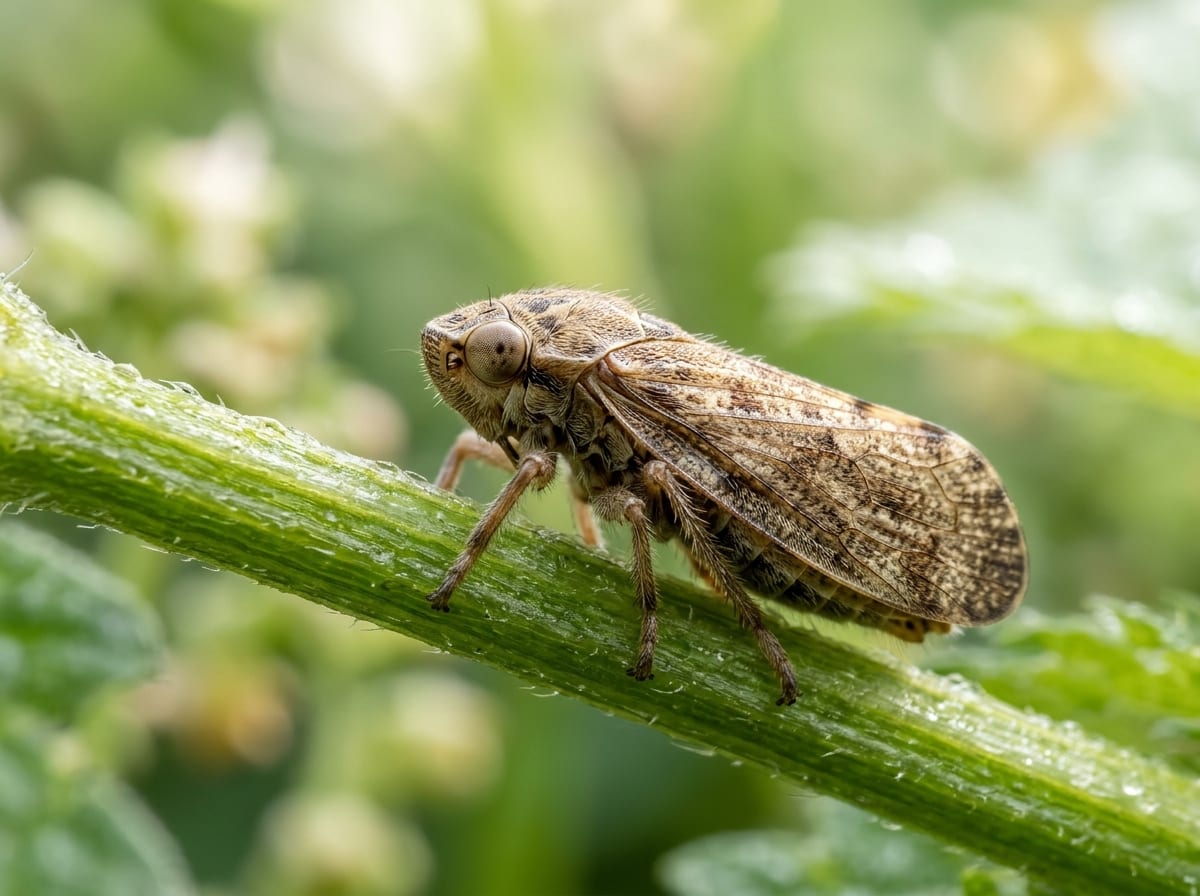
StatusLeast Concern
Primary HabitatGardens, meadows and hedgerows across the UK
Ecosystem RolePlant-sap feeder and food for birds and spiders
Human ImpactVery common; only a minor garden insect
Adaptability
85
Bootlace Worm
C
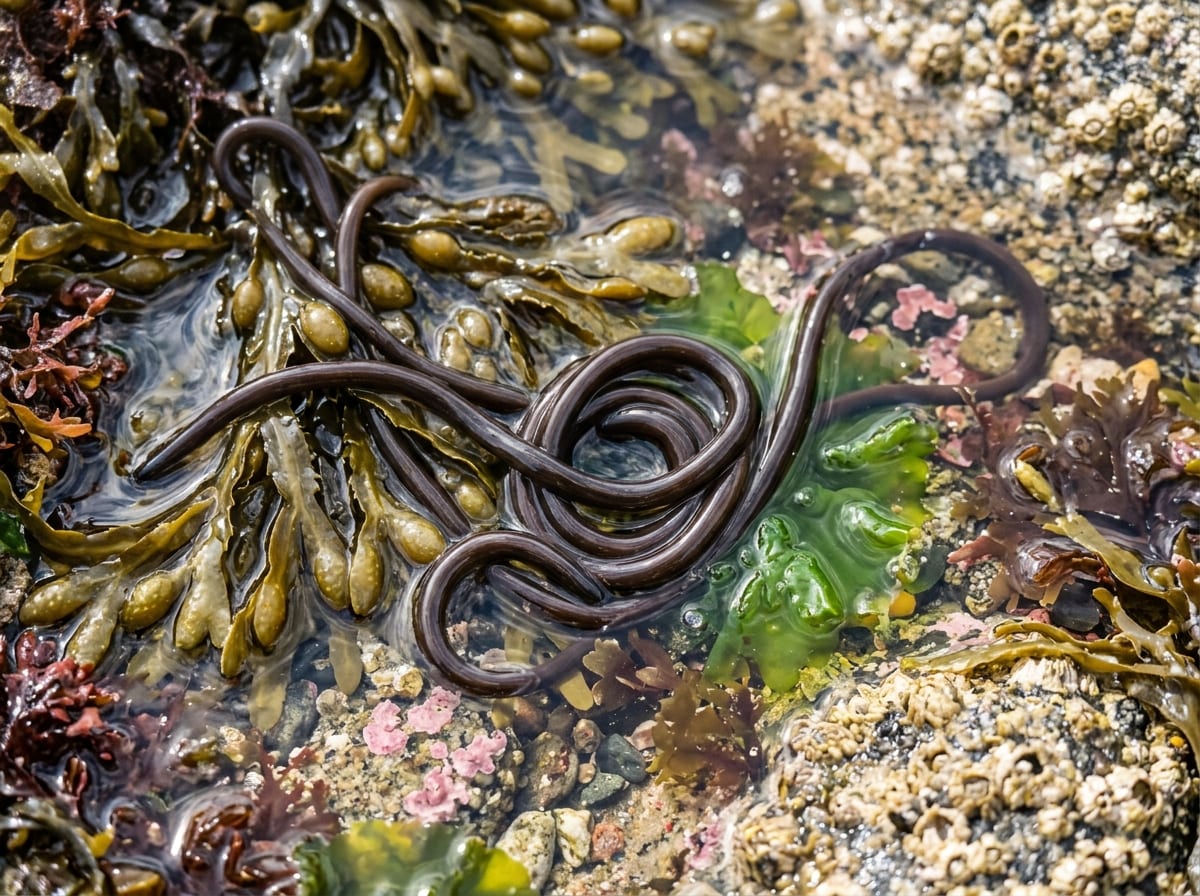
StatusNot Evaluated
Primary HabitatUnder rocks and seaweed on British and North Sea shores
Ecosystem RoleShoreline predator of small invertebrates
Human ImpactLittle direct impact
Adaptability
55
Colossal Squid
C
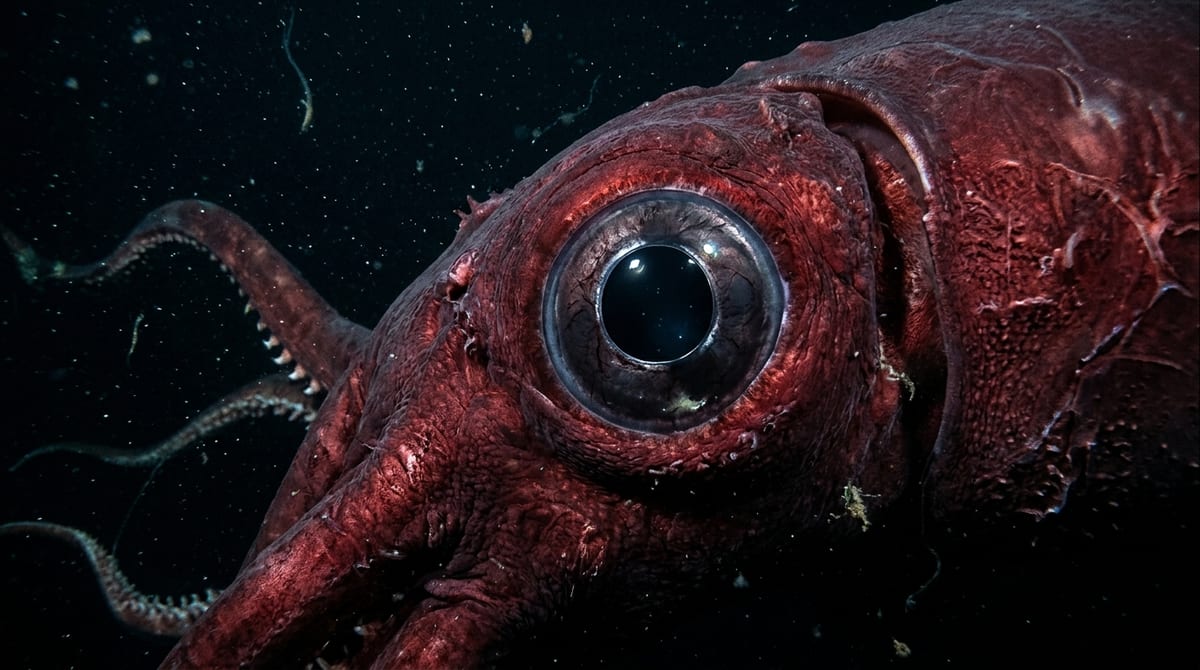
StatusLeast Concern
Primary HabitatDeep Southern Ocean around Antarctica
Ecosystem RoleDeep-sea predator and prey of the sperm whale
Human ImpactRarely met; occasionally caught by deep-sea fishing boats
Adaptability
50
Flea
C
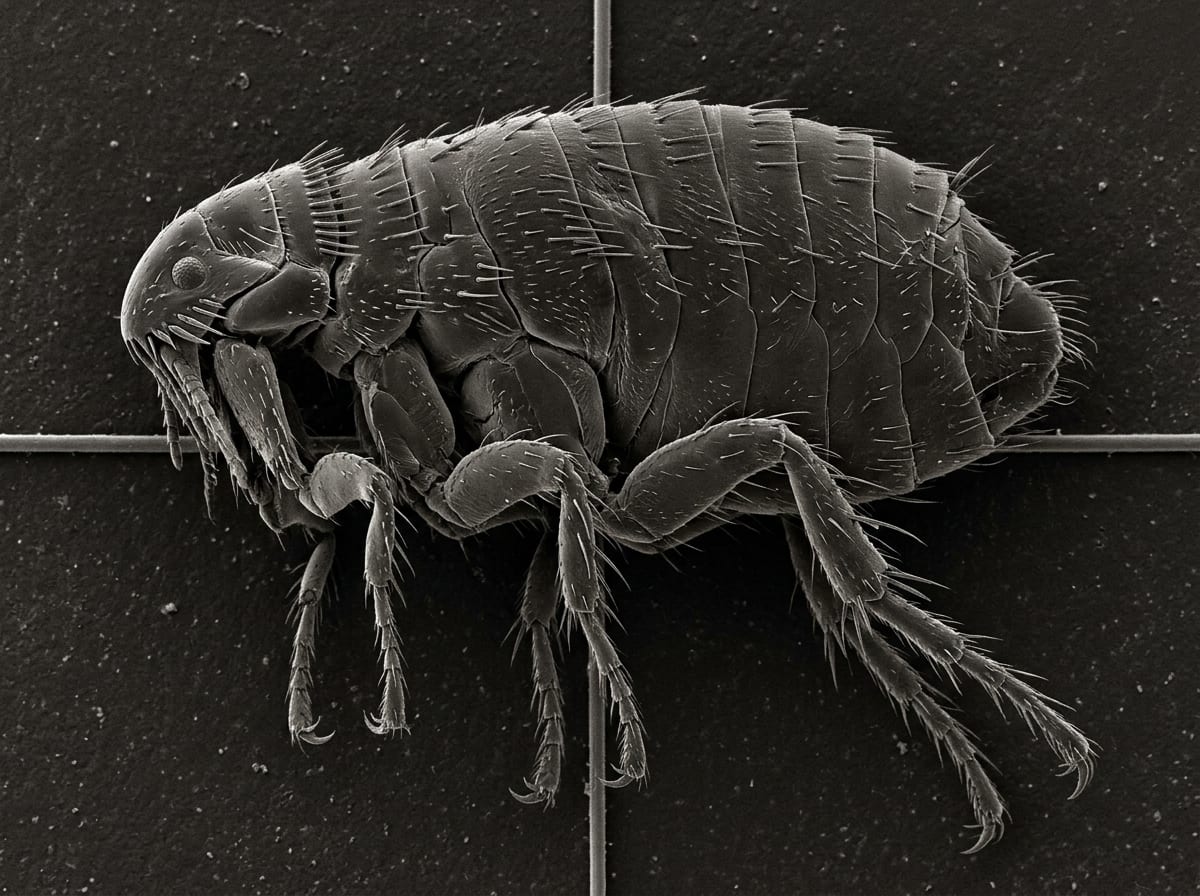
StatusLeast Concern
Primary HabitatOn the bodies of mammals and birds, and in their bedding
Ecosystem RoleBlood-feeding parasite
Human ImpactA common pest of pet cats and dogs
Adaptability
90
Oribatid Mite
C
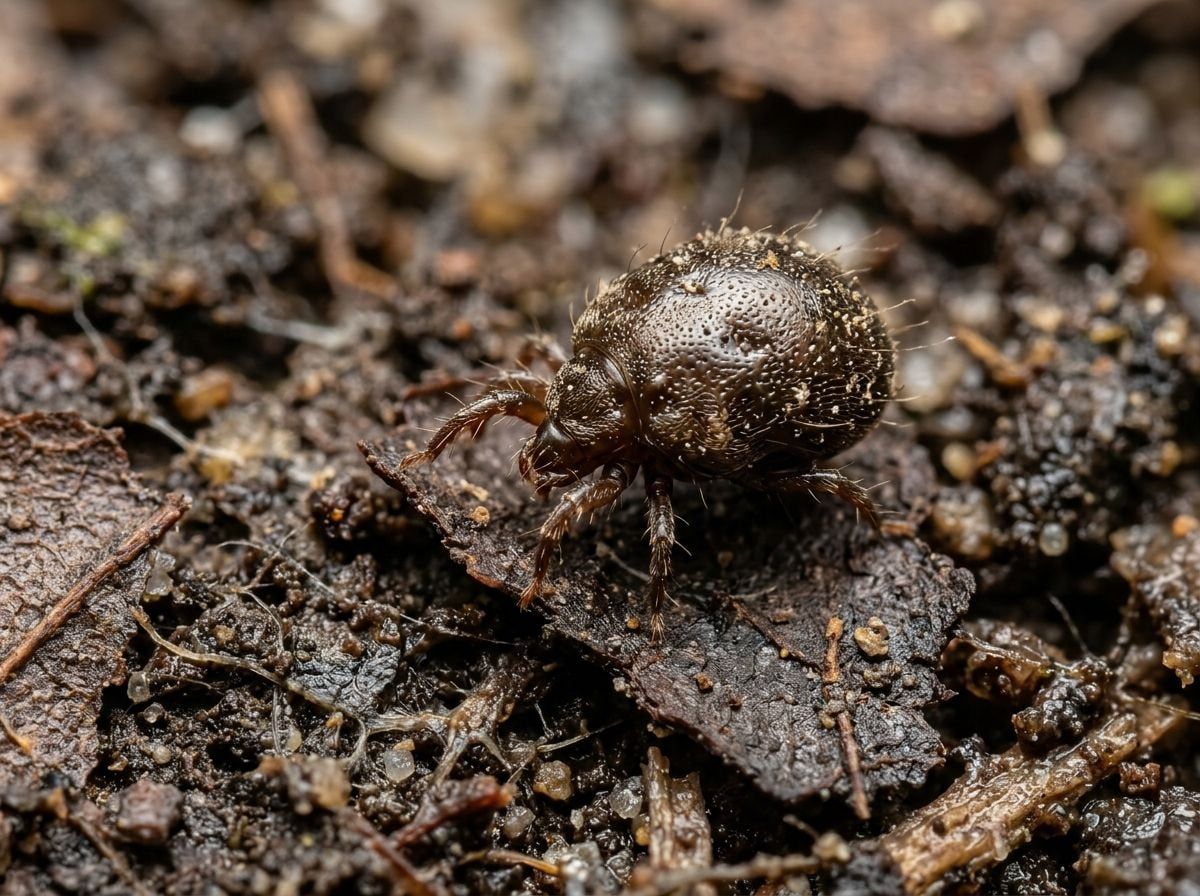
StatusNot Evaluated
Primary HabitatSoil and leaf litter of tropical and temperate regions; oribatid mites (this order) are abundant in UK woodland and garden soils
Ecosystem RoleDecomposer — breaks down dead plant matter and fungi, building healthy soil
Human ImpactBenign; widely used as a laboratory model organism
Adaptability
90
Hercules Beetle
C
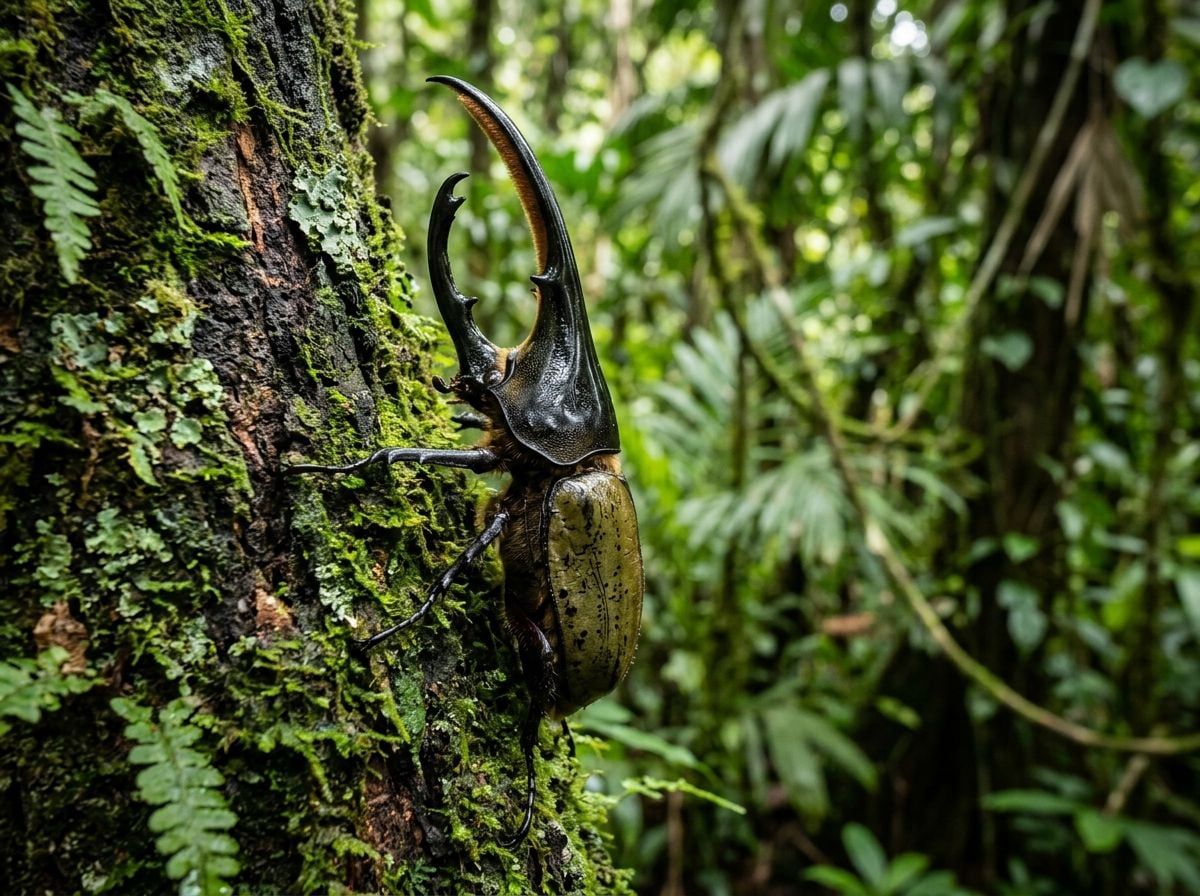
StatusNot Evaluated
Primary HabitatLowland and montane rainforests of Central and South America (not a UK species)
Ecosystem RoleLarvae are major recyclers of rotting wood; adults feed on fallen fruit and sap
Human ImpactPopular in the pet/breeding trade; locally affected by deforestation
Adaptability
55
Click Beetle
C
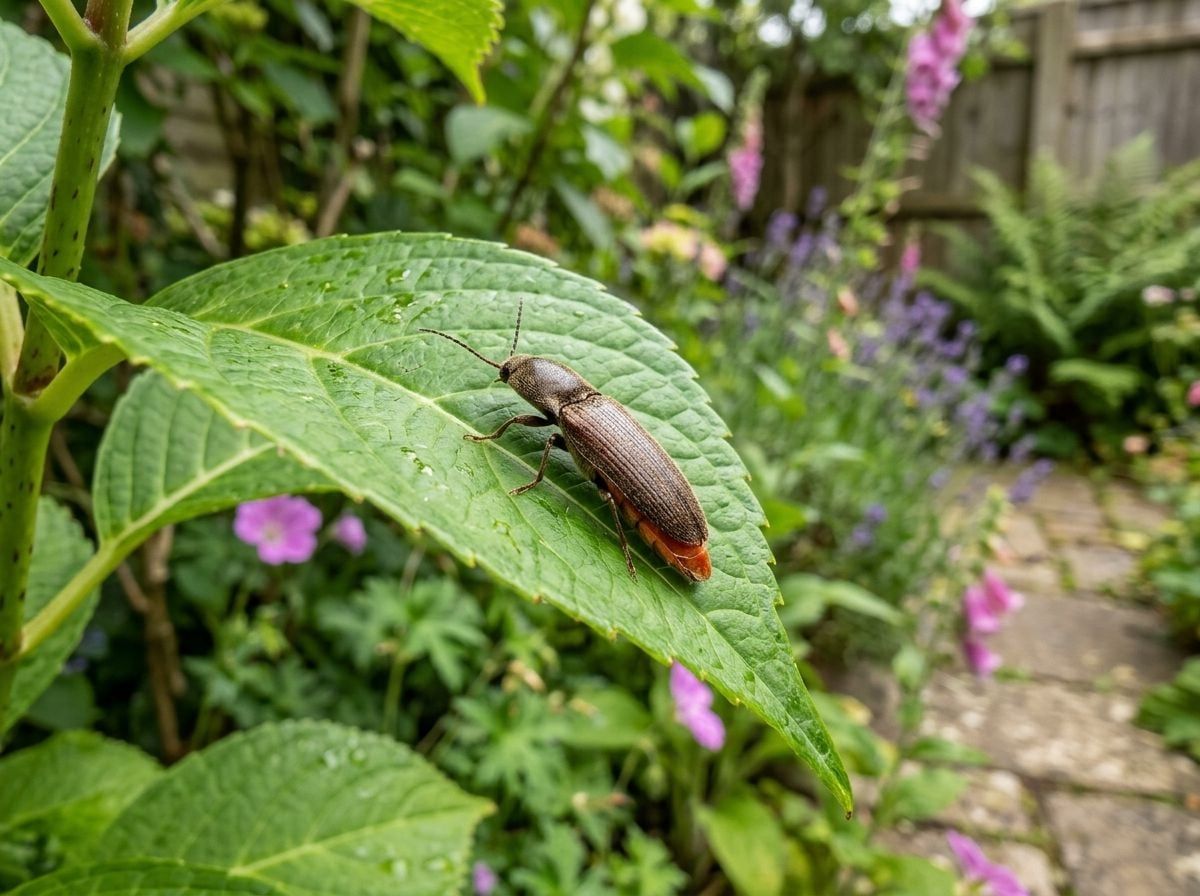
StatusNot Evaluated
Primary HabitatGrasslands, hedgerows, gardens and woodland edges; common and widespread across Britain
Ecosystem RoleAdults feed on pollen, nectar and foliage; larvae ('wireworms') live in soil feeding on roots and small soil organisms, and are themselves prey
Human ImpactWireworm larvae can be a pest of root crops and cereals
Adaptability
70
Lion's Mane Jellyfish
C
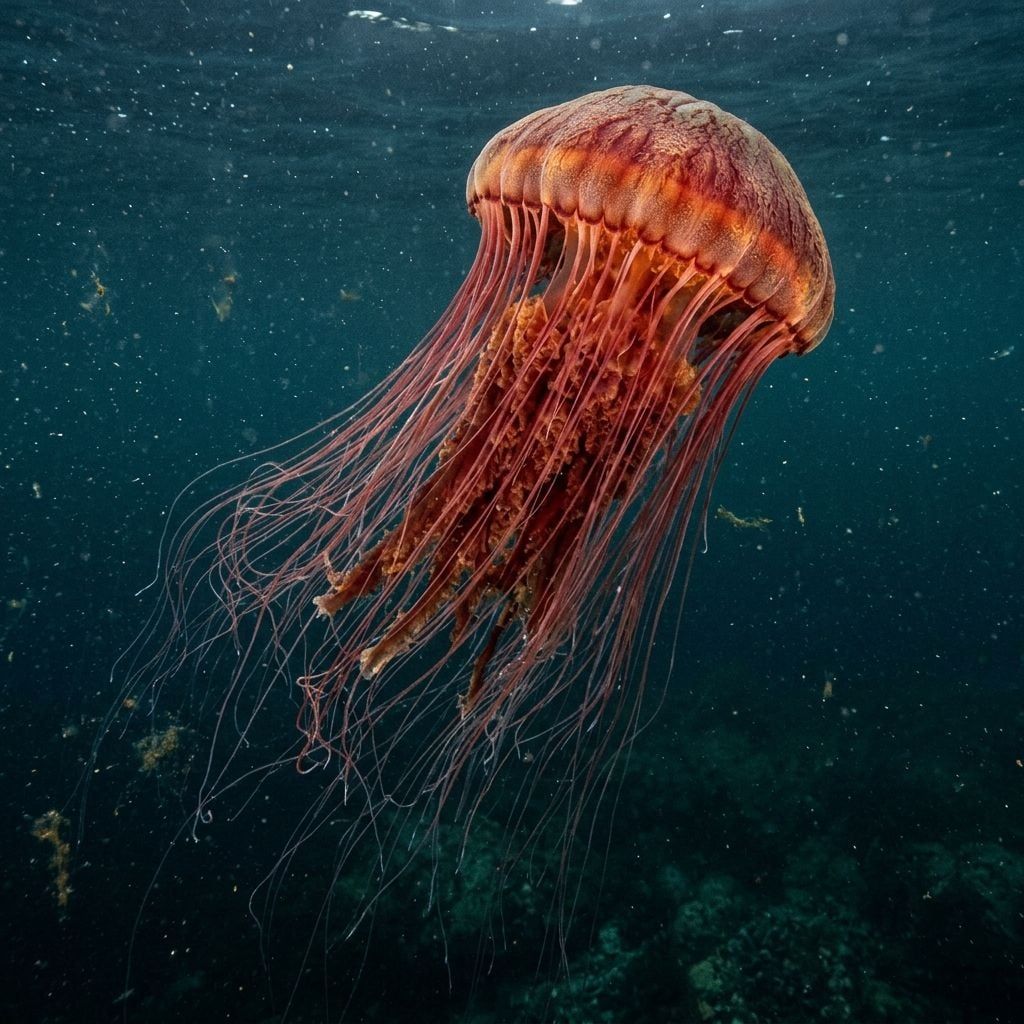
StatusNot Evaluated
Primary HabitatCold boreal and Arctic waters of the North Atlantic, North Pacific and Arctic; common around northern British coasts
Ecosystem RoleDrifting predator of plankton and small fish; its tentacle curtain also shelters juvenile fish
Human ImpactPainful stings to swimmers; large seasonal blooms
Adaptability
70
Giant Squid
C
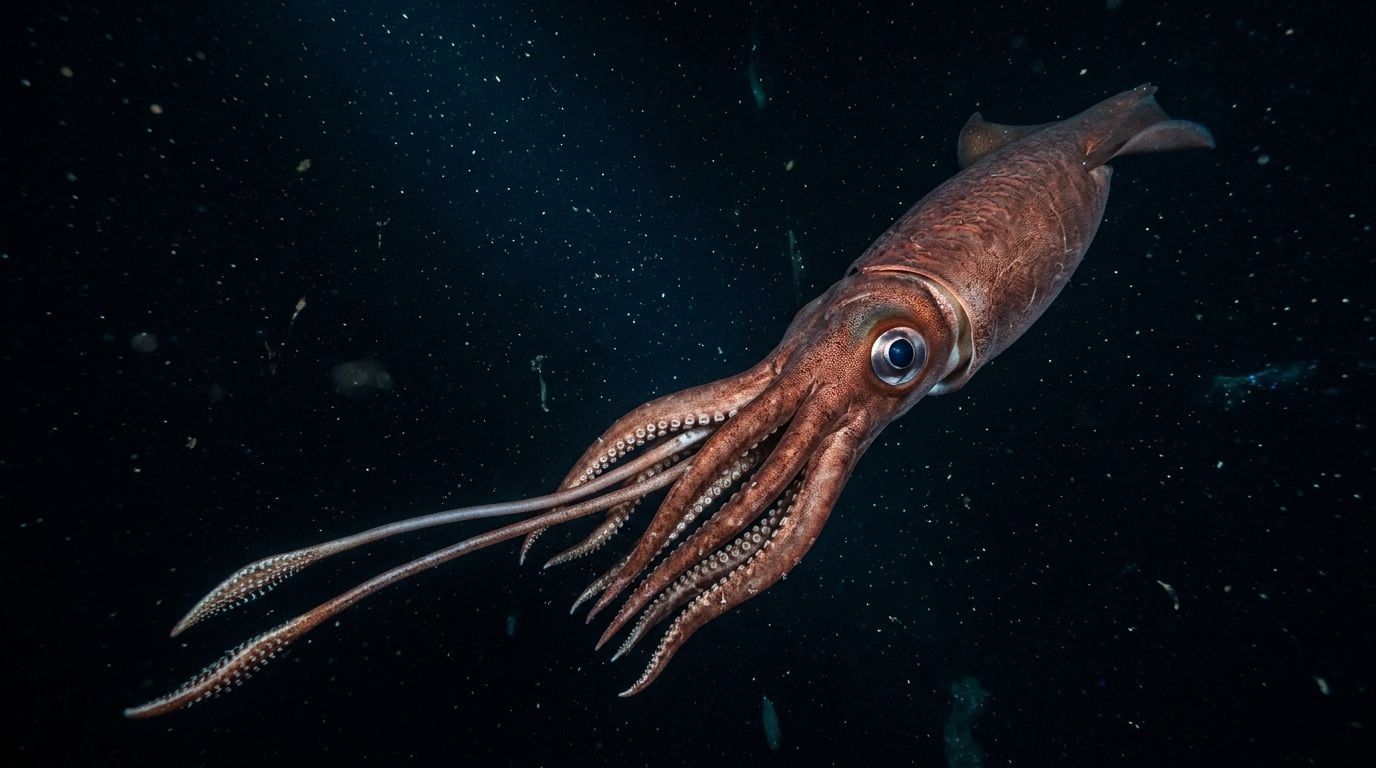
StatusLeast Concern (data on the species are very limited)
Primary HabitatDeep ocean (mesopelagic/bathypelagic) worldwide; occasionally recorded in the North Atlantic off the UK
Ecosystem RoleDeep-sea predator of fish and other squid, and a major prey item of sperm whales
Human ImpactRarely encountered alive; occasional bycatch and strandings
Adaptability
40
Sahara Silver Ant
C
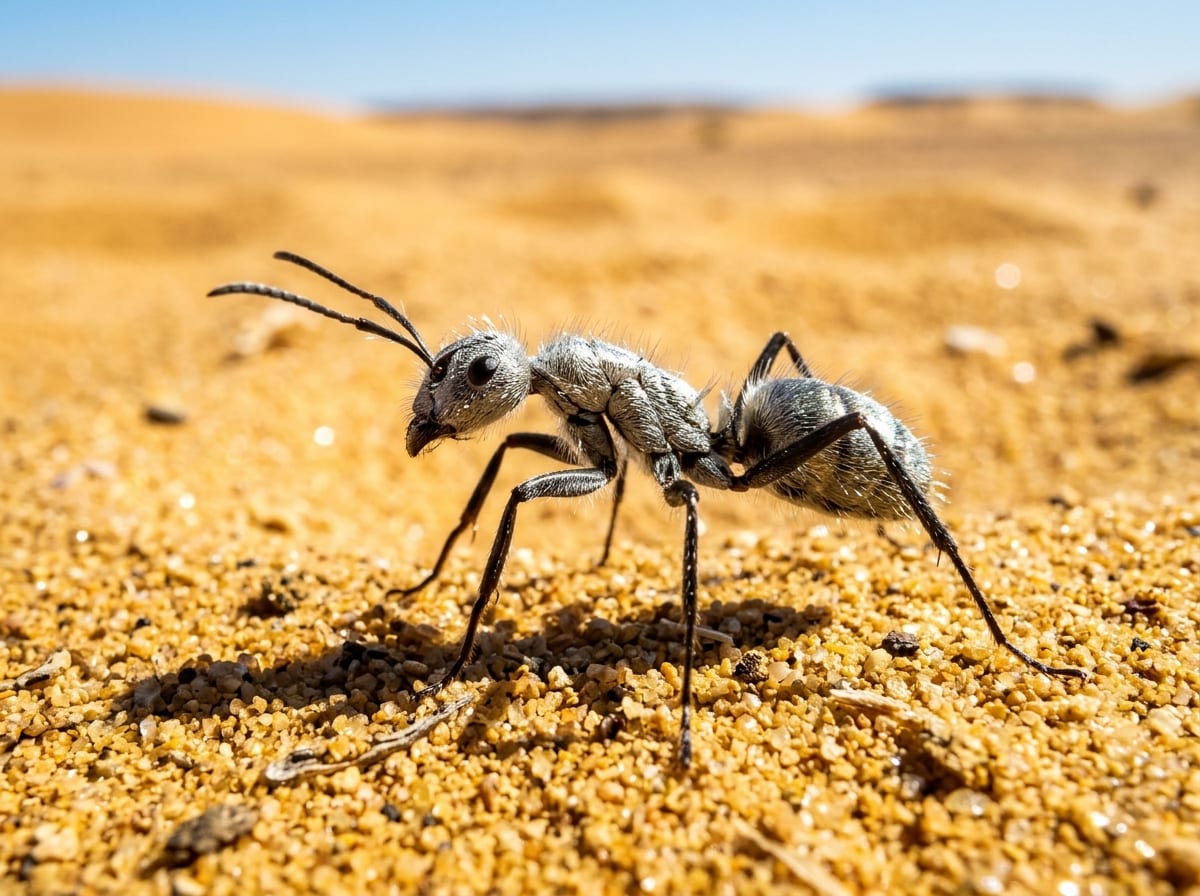
StatusNot Evaluated (IUCN)
Primary HabitatSand dunes and gravel plains of the Sahara Desert, North Africa. Not a UK species.
Ecosystem RoleDesert scavenger that clears away heat-killed insects; itself prey for desert lizards and spiders.
Human ImpactMinimal direct impact; studied for its heat-reflecting silver hairs (biomimicry interest).
Adaptability
50
Common Cockroach
C
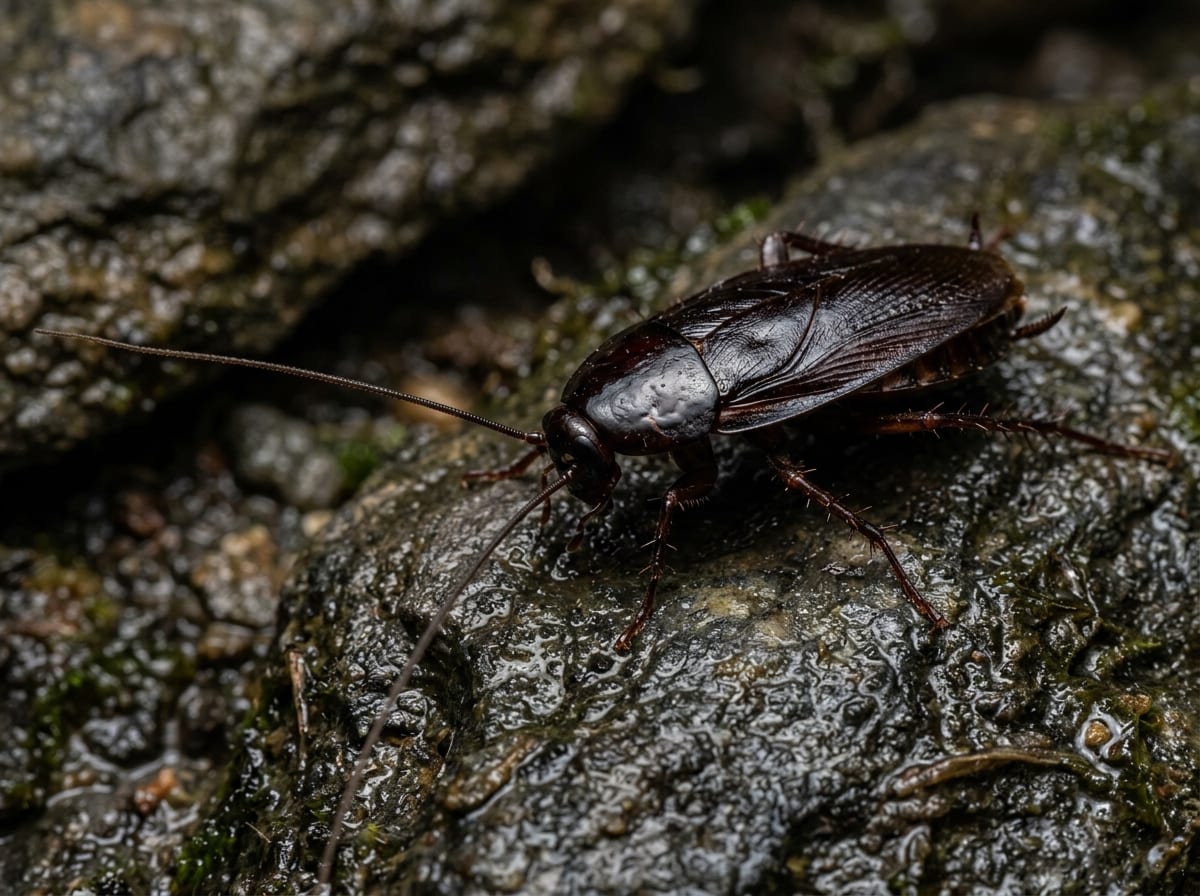
StatusNot Evaluated (IUCN)
Primary HabitatDamp, cool places around human buildings — drains, basements, rubbish — worldwide, and the most common cockroach in England.
Ecosystem RoleScavenger and decomposer of organic waste.
Human ImpactA household and public-health pest (can carry bacteria); widely controlled.
Adaptability
95
Snail
C
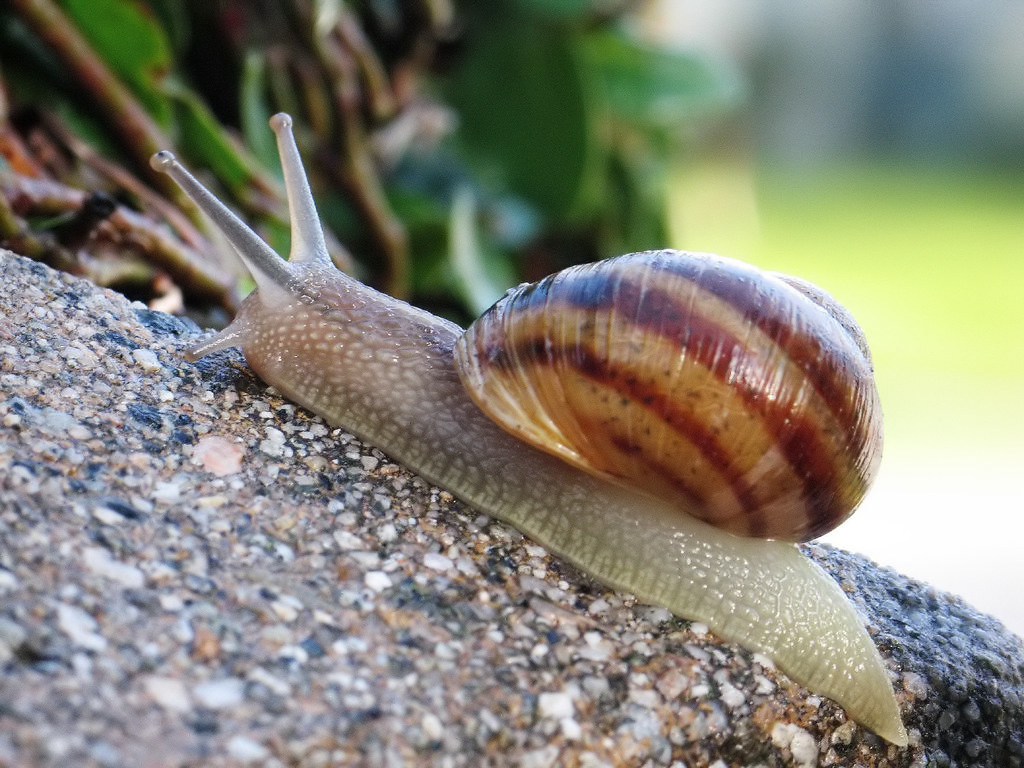
StatusLeast Concern
Primary HabitatGardens and woodland
Ecosystem RoleDecomposer
Human ImpactKilled by garden pesticides
Adaptability
80
Spider
C
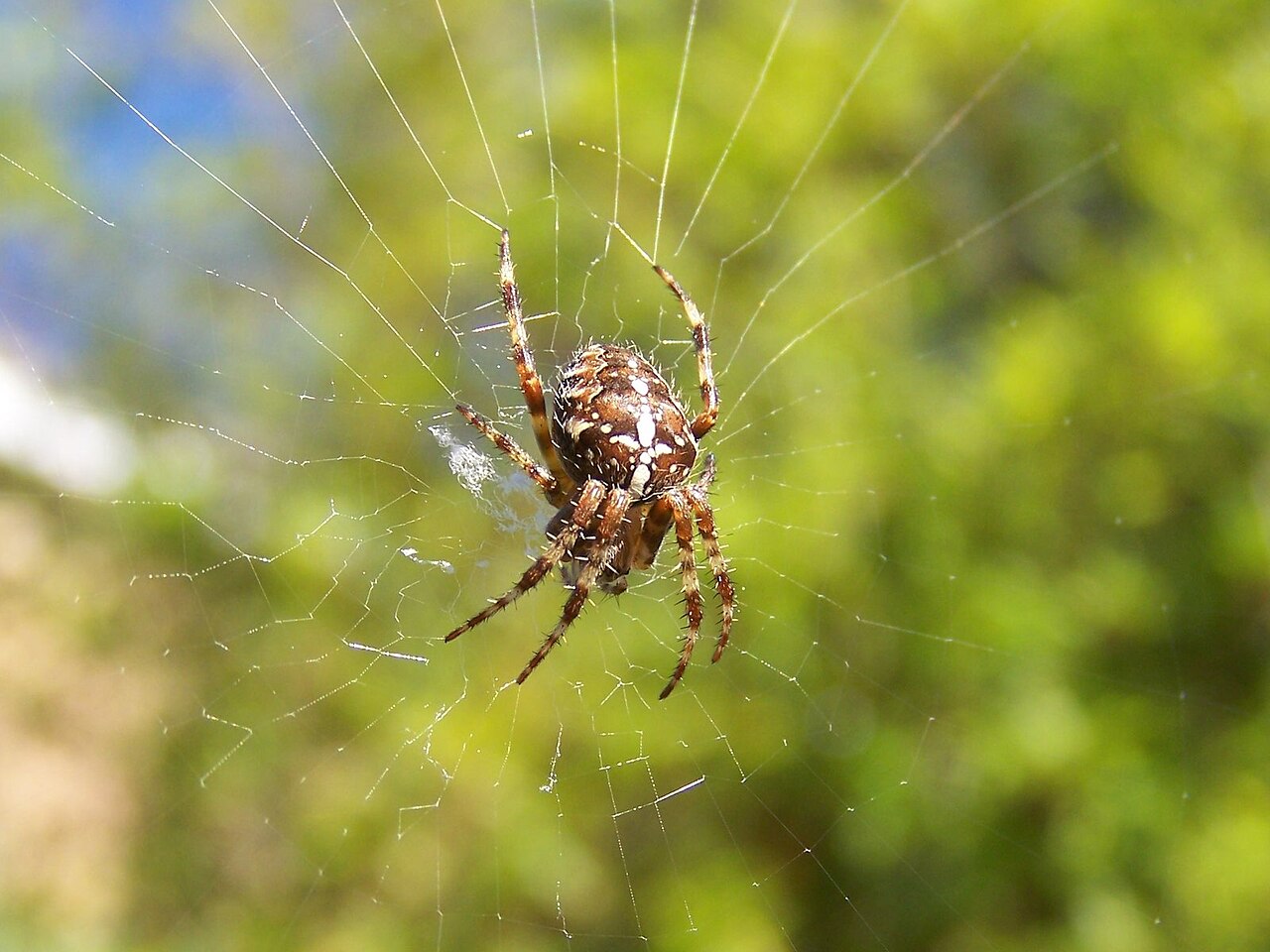
StatusLeast Concern
Primary HabitatEverywhere
Ecosystem RoleInsect population control
Human ImpactBeneficial to humans
Adaptability
95
Grasshopper
C
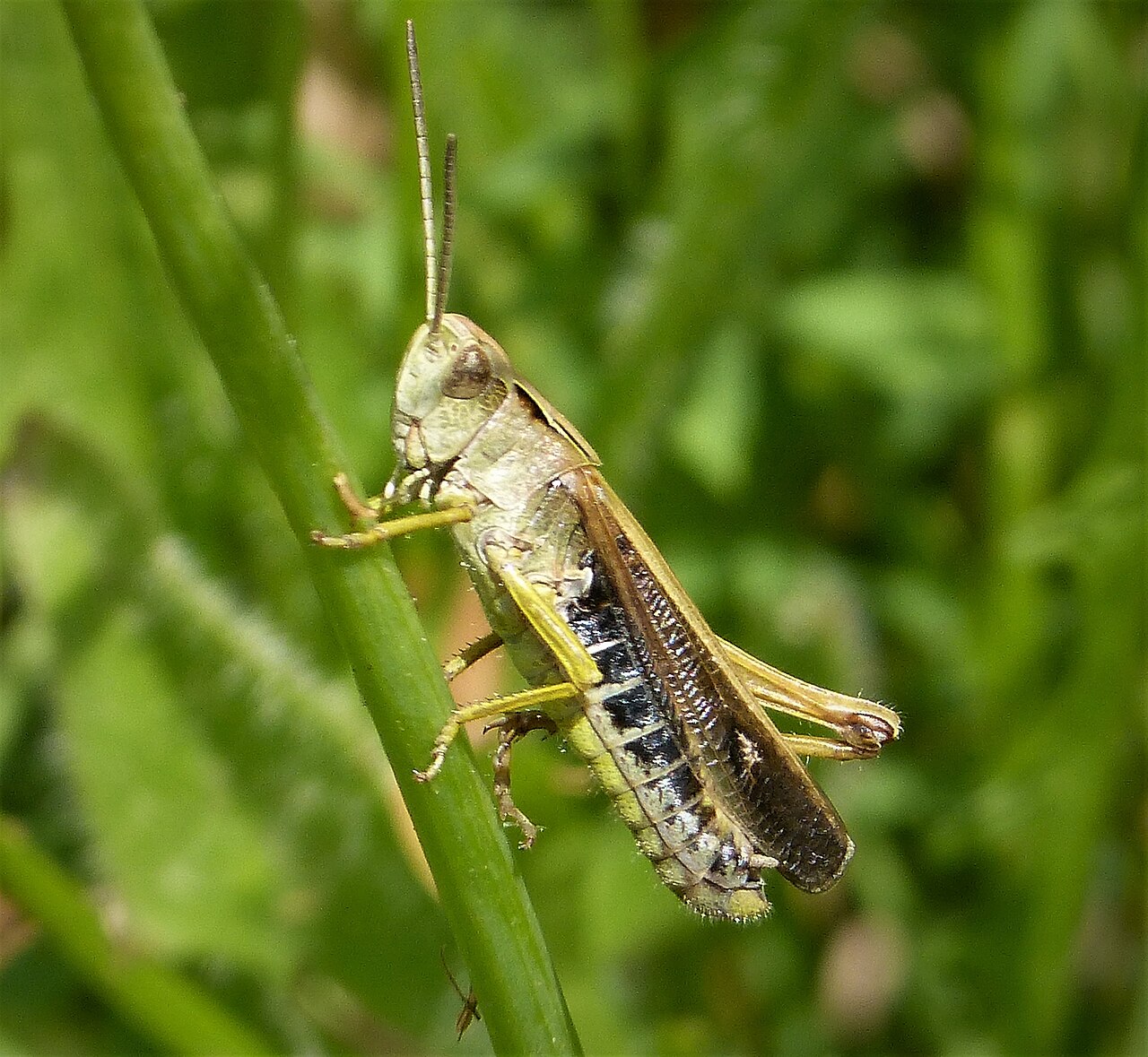
StatusLeast Concern
Primary HabitatMeadows
Ecosystem RoleFood source for birds
Human ImpactAffected by pesticides
Adaptability
70
Ladybird
C
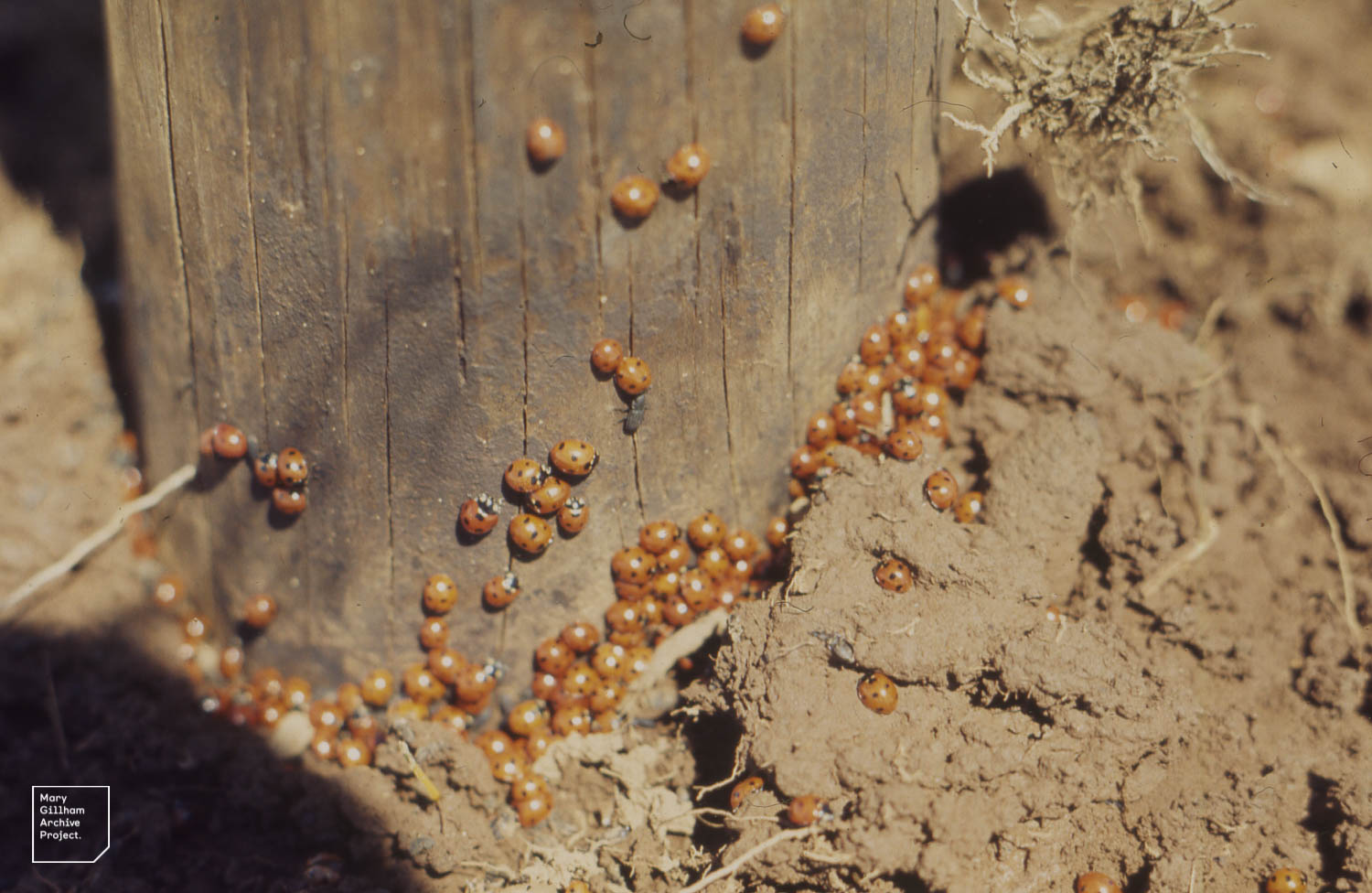
StatusLeast Concern
Primary HabitatGardens and meadows
Ecosystem RoleAphid predator
Human ImpactHelps gardeners control pests
Adaptability
80
Bee
C
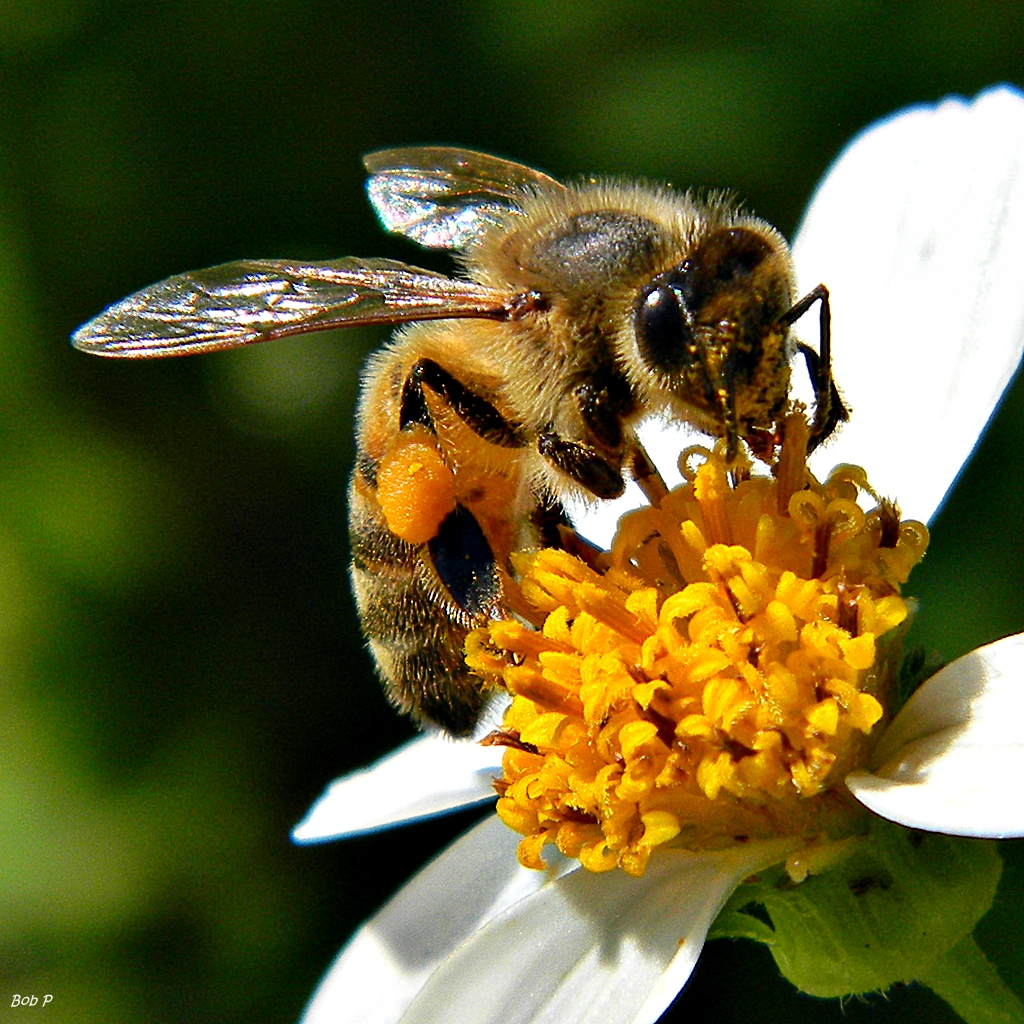
StatusVulnerable
Primary HabitatMeadows and gardens
Ecosystem RoleVital pollinator
Human ImpactPesticides and habitat loss
Adaptability
60
Earthworm
C
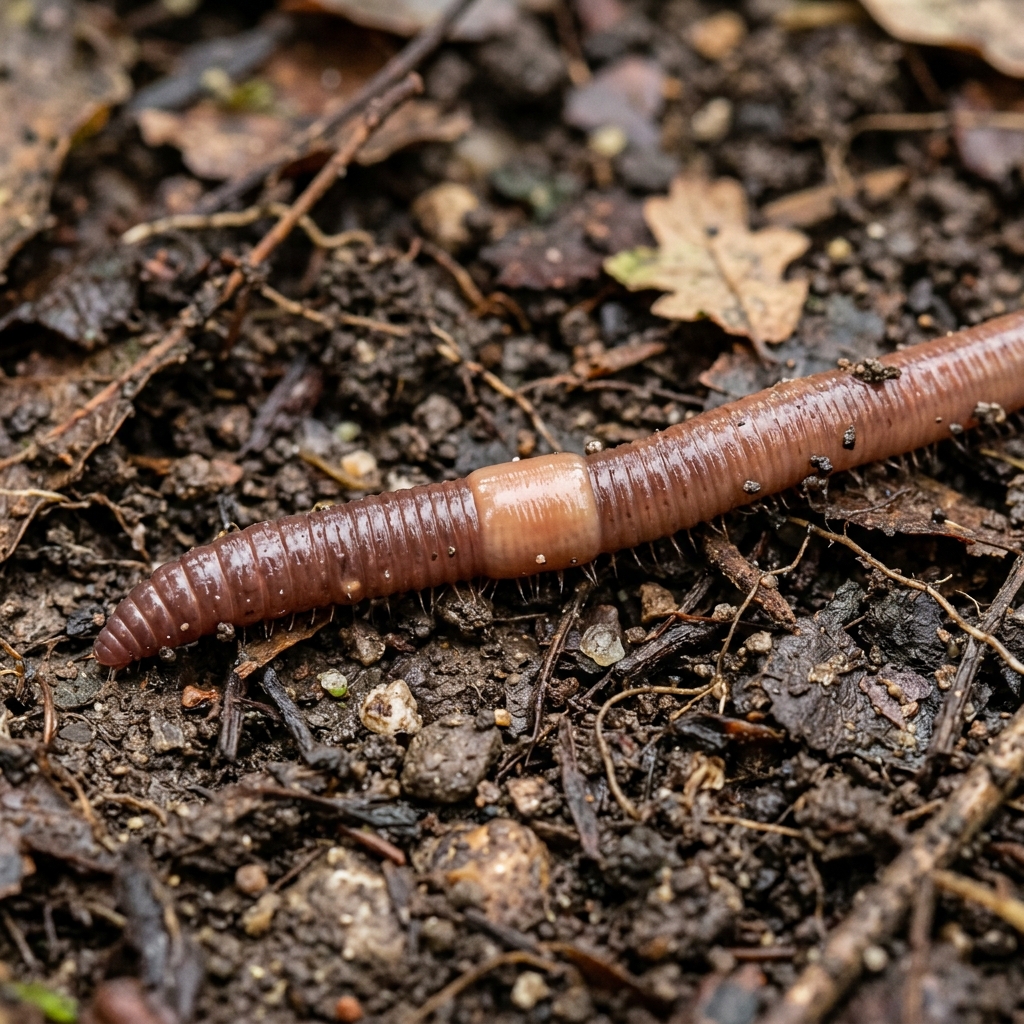
StatusLeast Concern
Primary HabitatSoil
Ecosystem RoleVital decomposer and soil creator
Human ImpactKilled by intensive farming
Adaptability
90
Starfish
C
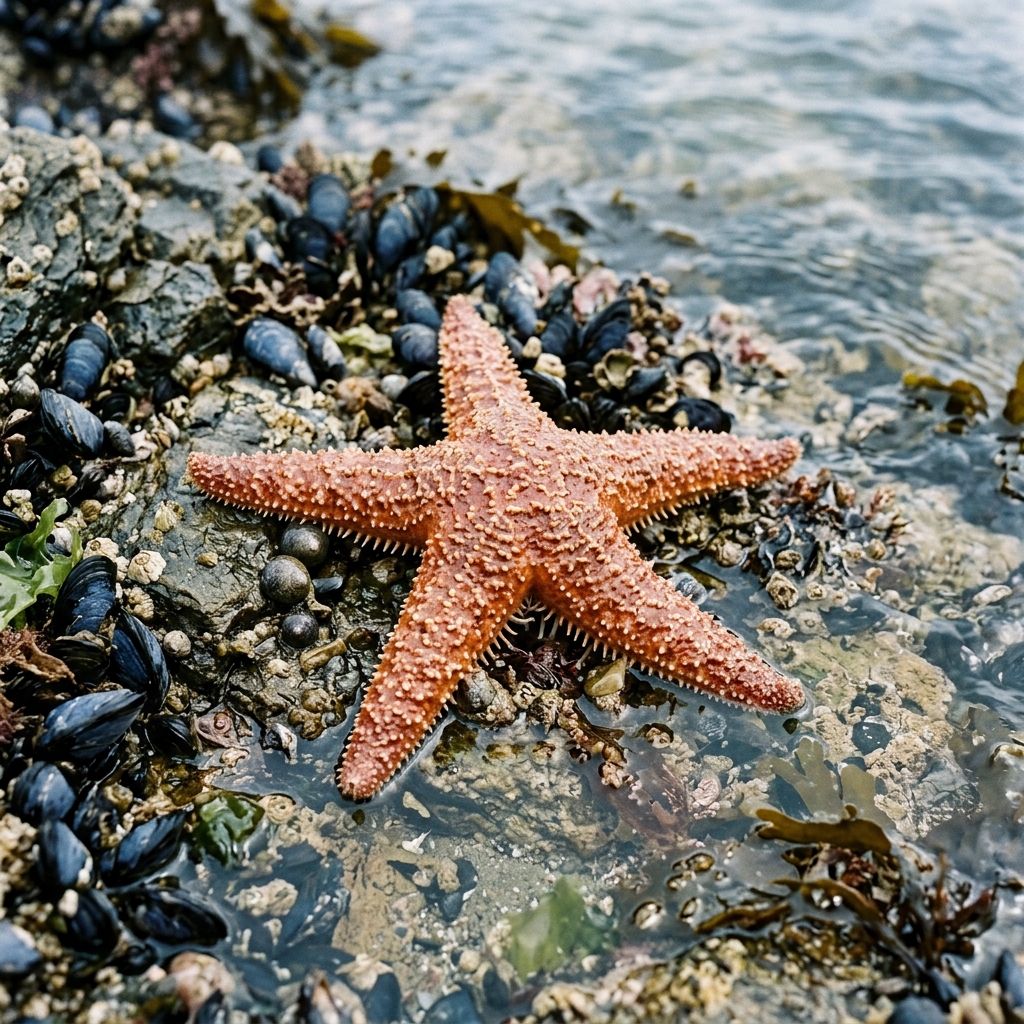
StatusLeast Concern
Primary HabitatRock pools and sea floor
Ecosystem RoleBenthic predator
Human ImpactPollution
Adaptability
80
Jellyfish
C
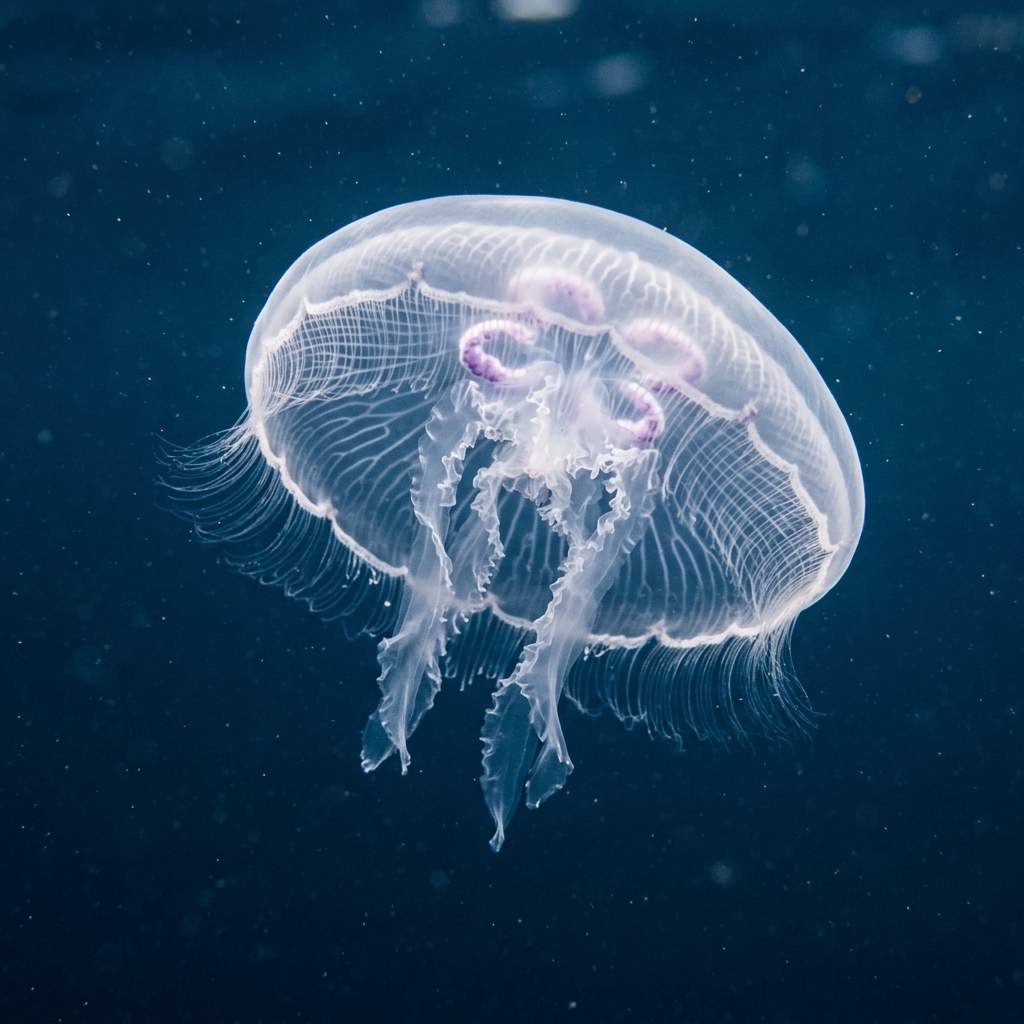
StatusLeast Concern
Primary HabitatOpen ocean
Ecosystem RolePelagic predator
Human ImpactPopulations exploding due to overfishing of predators
Adaptability
95
Mussel
C
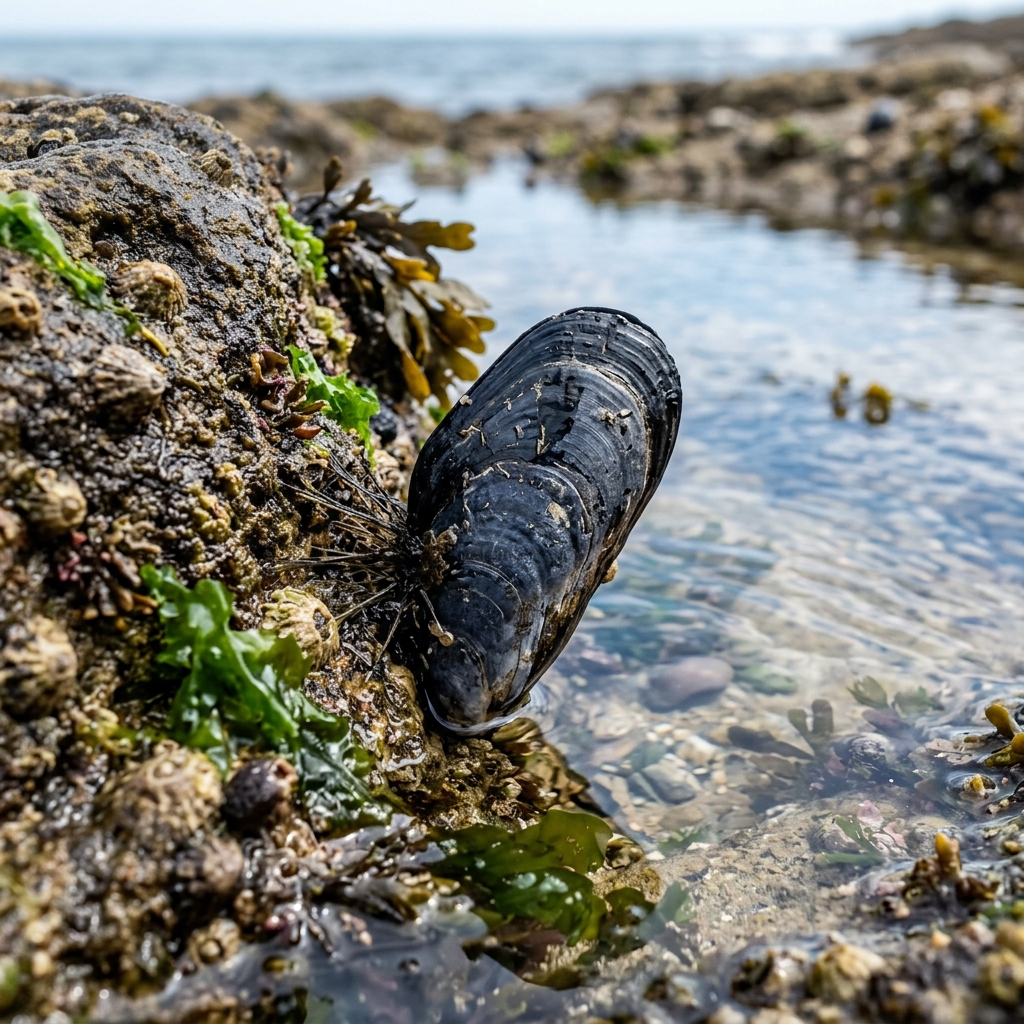
StatusLeast Concern
Primary HabitatRocky shores
Ecosystem RoleWater filterer
Human ImpactMicroplastic accumulation
Adaptability
80
Firefly
C
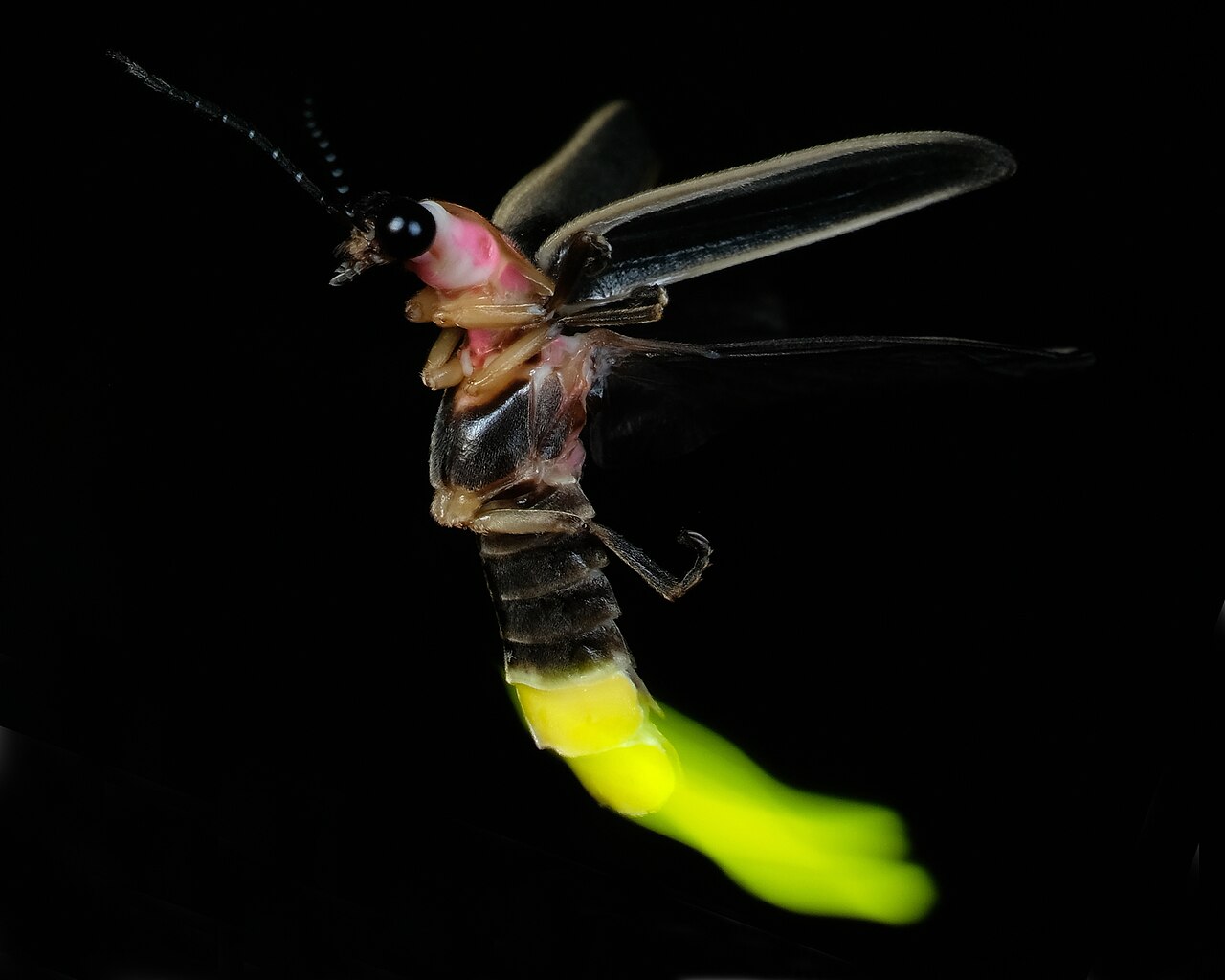
StatusDeclining
Primary HabitatMeadows and woodland
Ecosystem RolePredatory beetle; larvae control snails and slugs
Human ImpactLight pollution prevents them finding mates
Adaptability
30
Slug
C
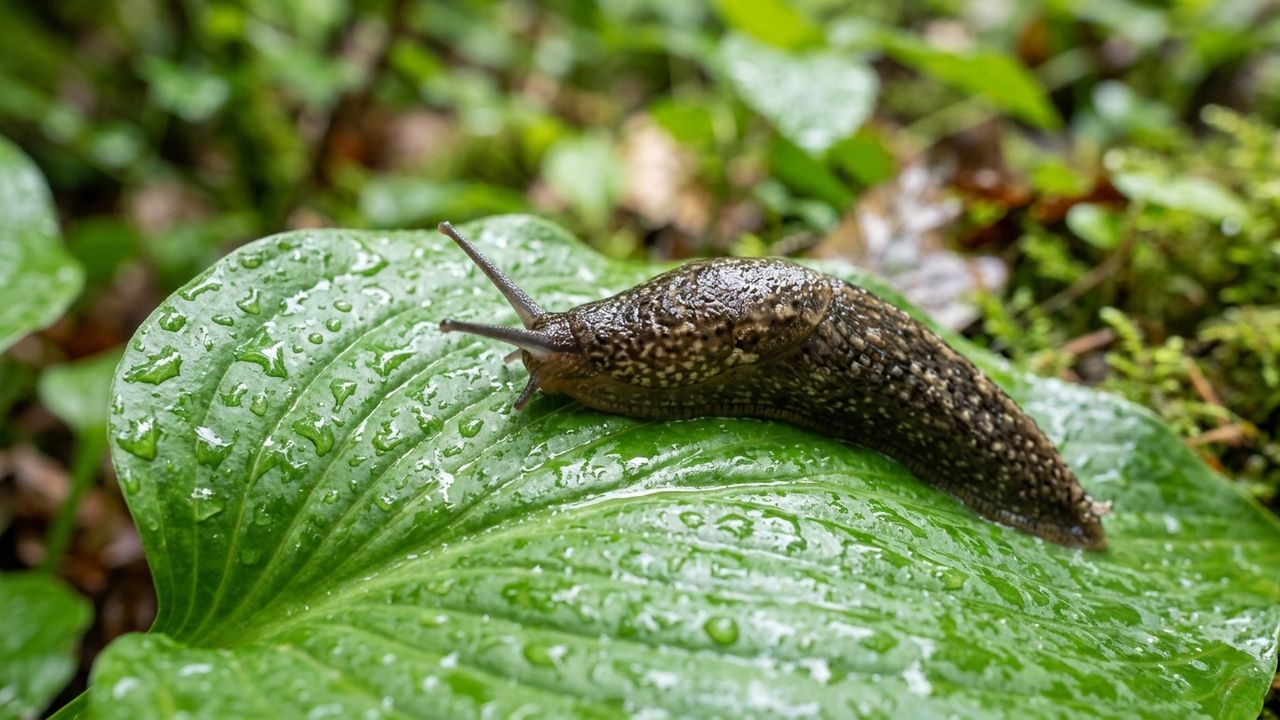
StatusLeast Concern
Primary HabitatGardens and woodland
Ecosystem RoleDecomposer
Human ImpactTreated as a garden pest
Adaptability
85
Beetle
C
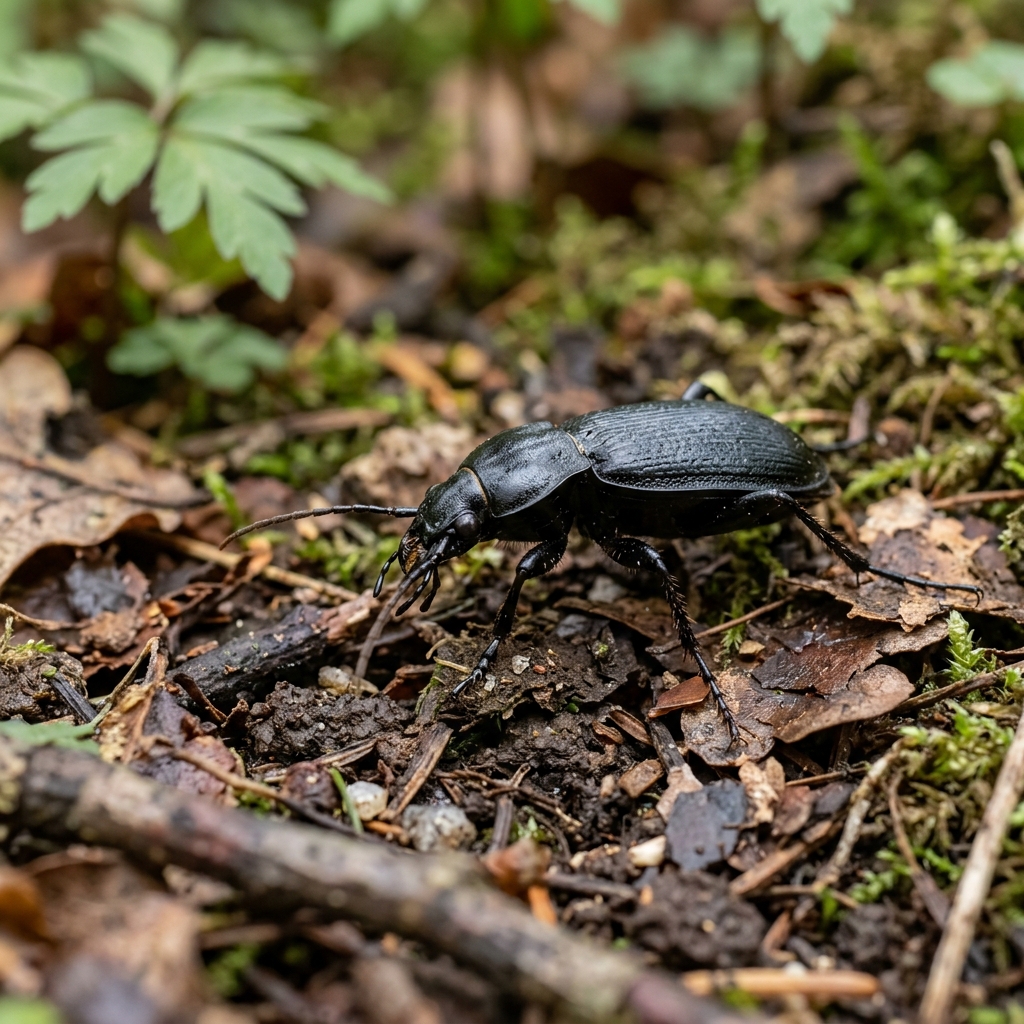
StatusLeast Concern
Primary HabitatWoodland and gardens
Ecosystem RolePredator of small insects
Human ImpactBeneficial to gardeners
Adaptability
90
Peppered Moth
C
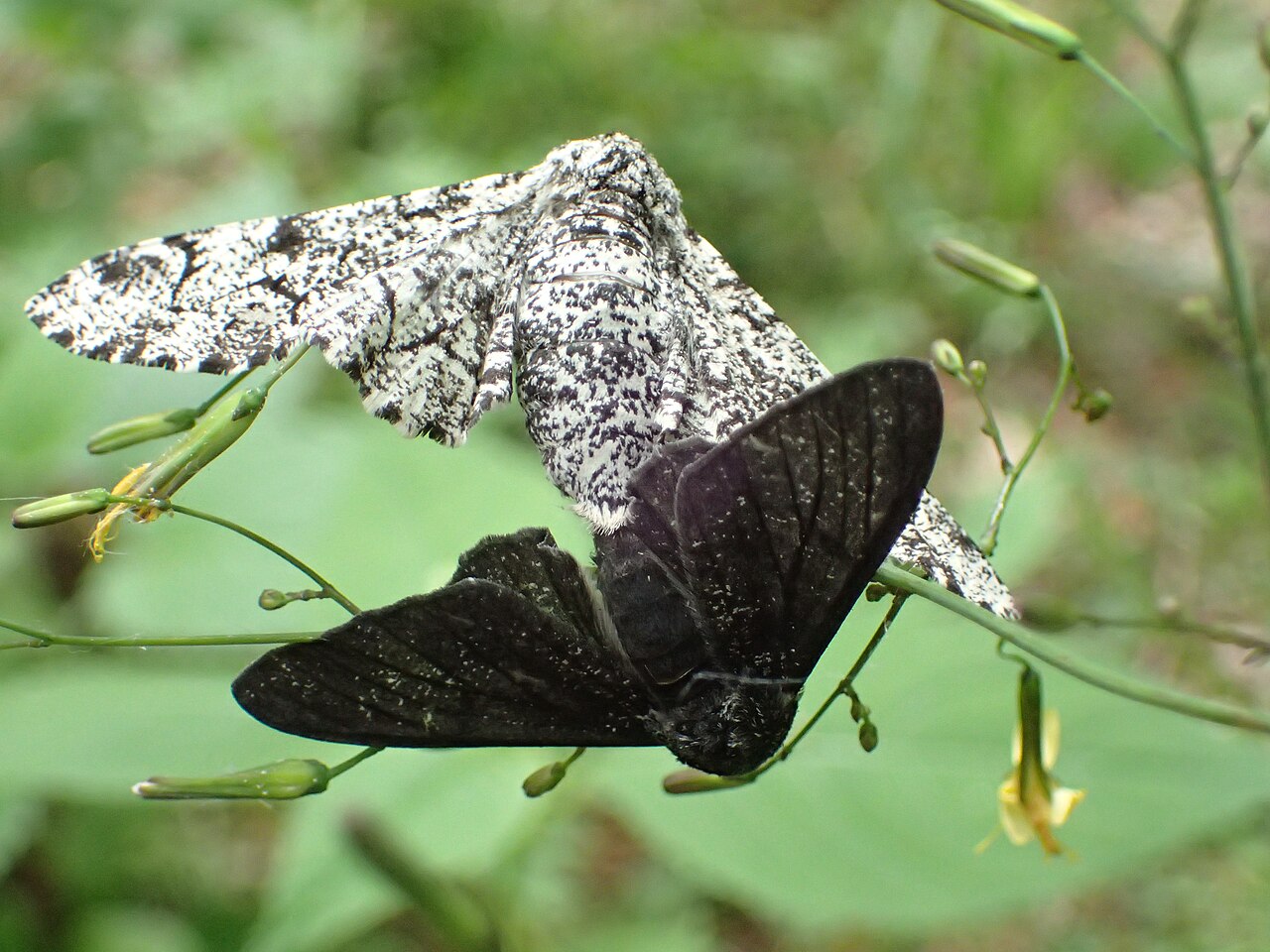
StatusLeast Concern
Primary HabitatWoodland
Ecosystem RolePollinator
Human ImpactFamous example of human-driven evolution
Adaptability
90
Glasswing Butterfly
C
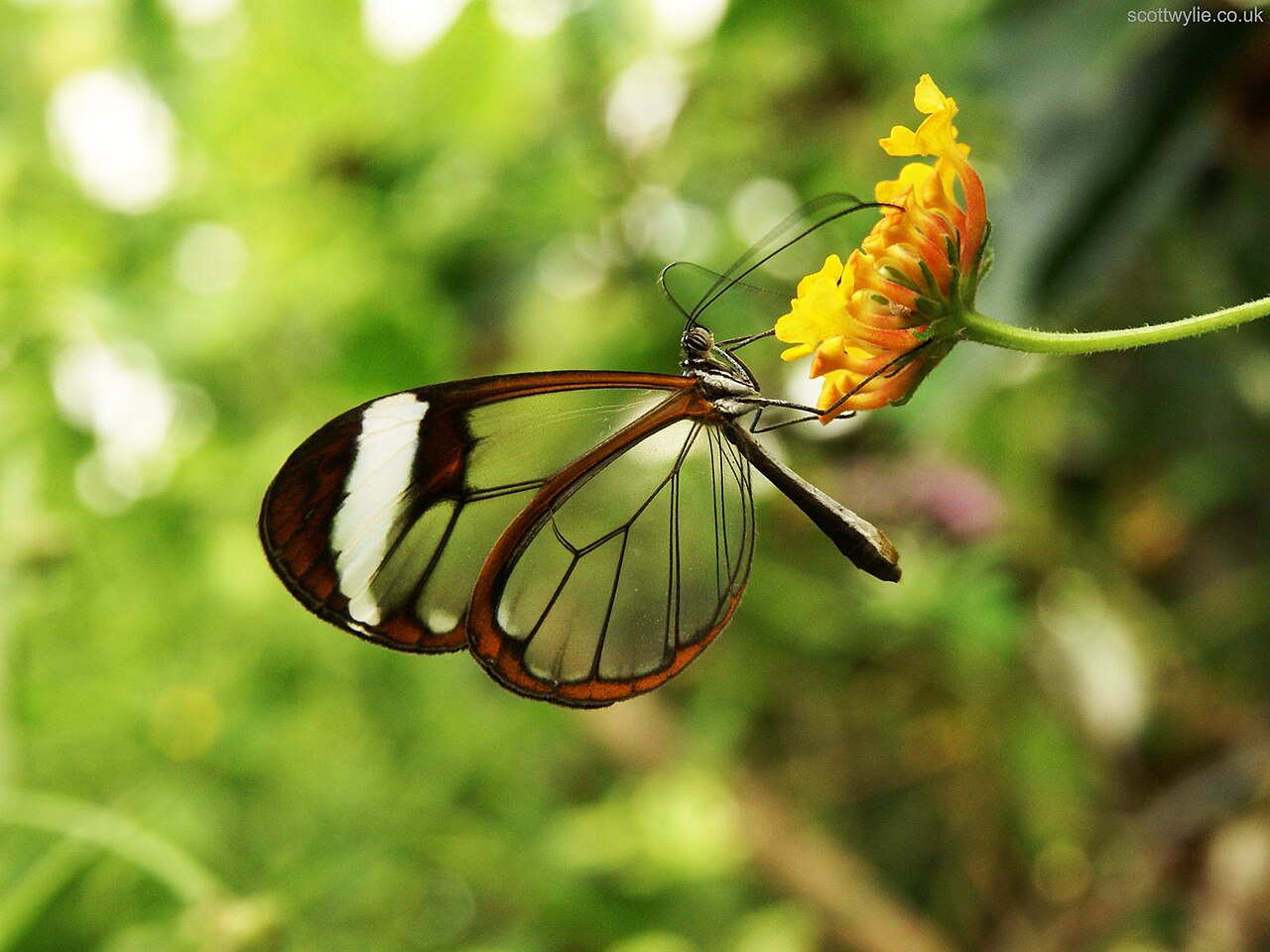
StatusNot Evaluated
Primary HabitatRainforests
Ecosystem RolePollinator
Human ImpactHabitat loss
Adaptability
50
Prawn
C
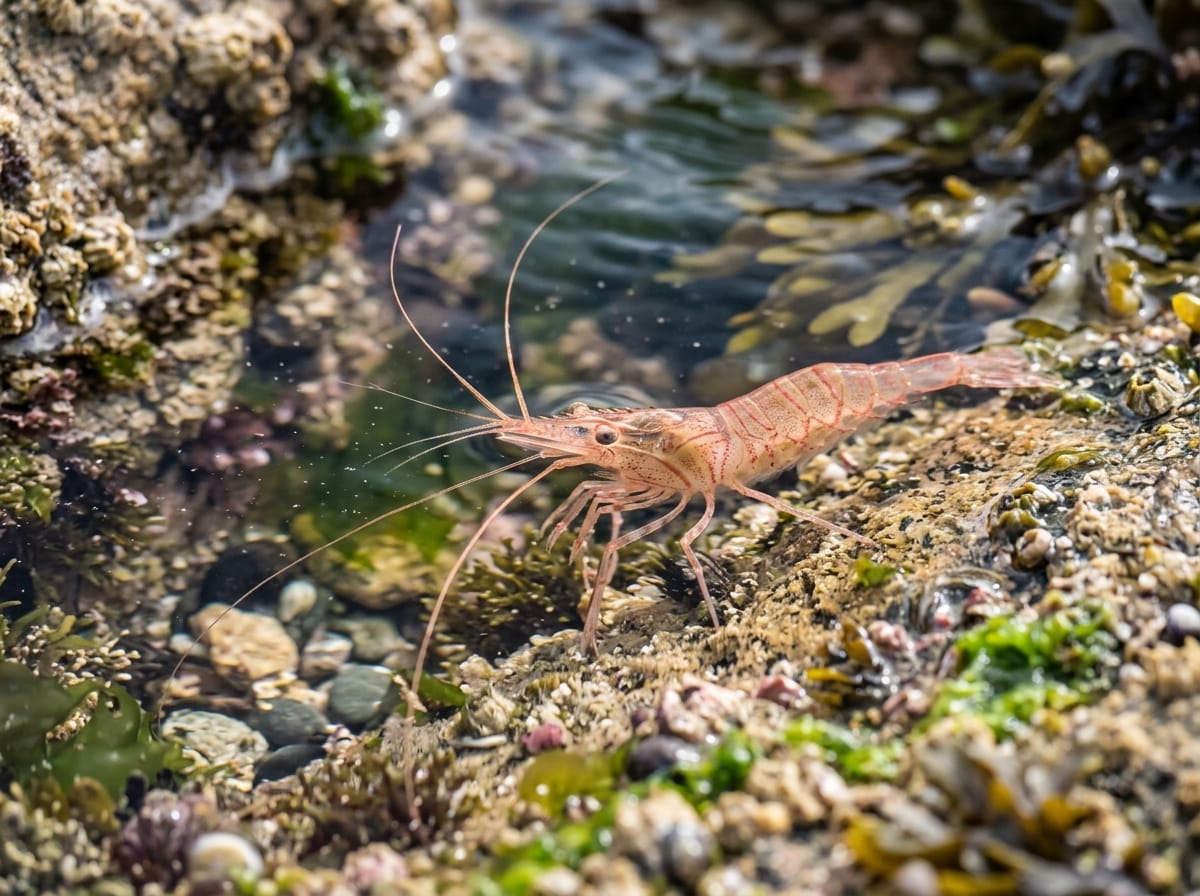
StatusNot evaluated — common and widespread
Primary HabitatRocky pools and shallow seas, among seaweed and crevices
Ecosystem RoleA scavenger that recycles scraps, and important prey for fish and other hunters
Human ImpactCaught in small numbers around south-west England, Wales and Ireland; most prawns eaten in the UK are larger warm-water prawns from far away
Adaptability
70