
reptiles - Conservation Pack
Print this page on A4 paper. Make sure "Background graphics" is enabled in your print dialog.
Sandfish skink
C
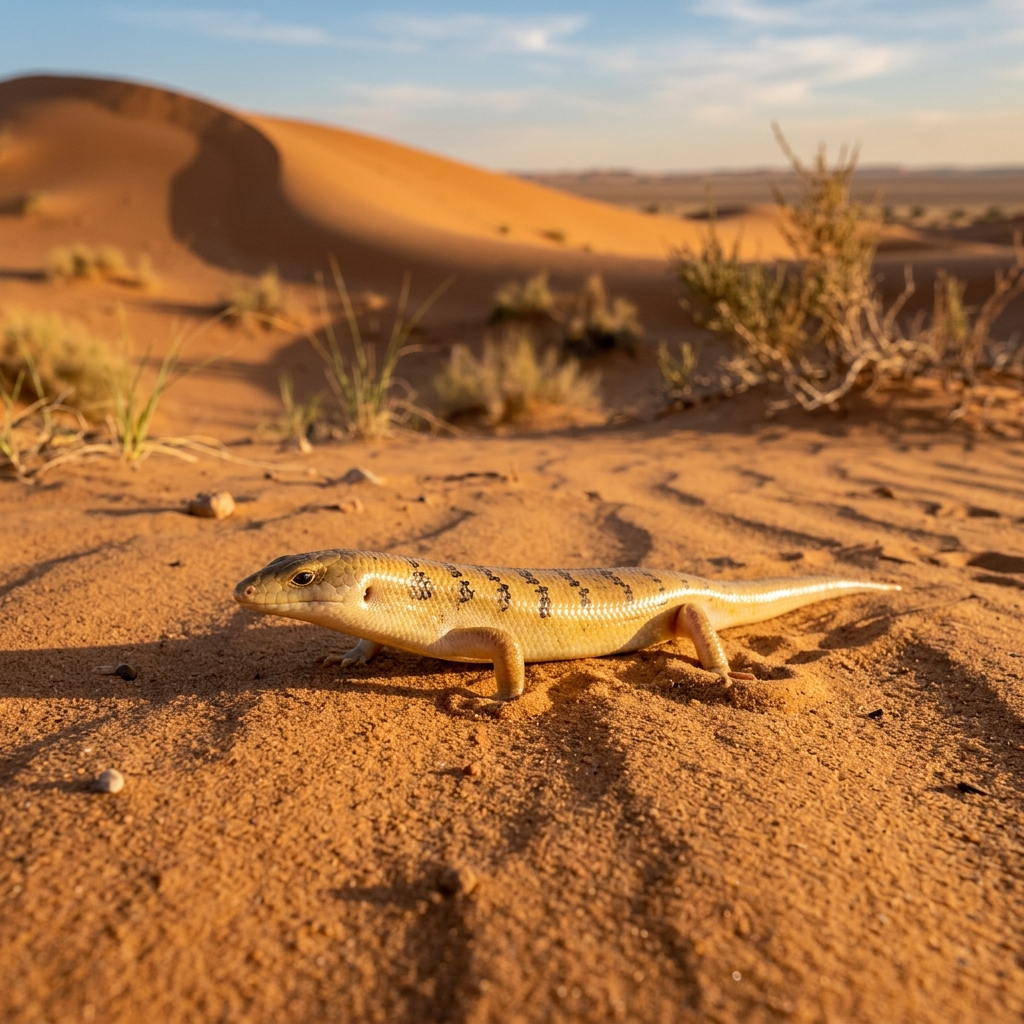
StatusLeast Concern
Primary HabitatDesert sand dunes
Ecosystem RoleInsectivore/Prey
Human ImpactHabitat destruction, pet trade
Adaptability
50
Thorny Devil
C
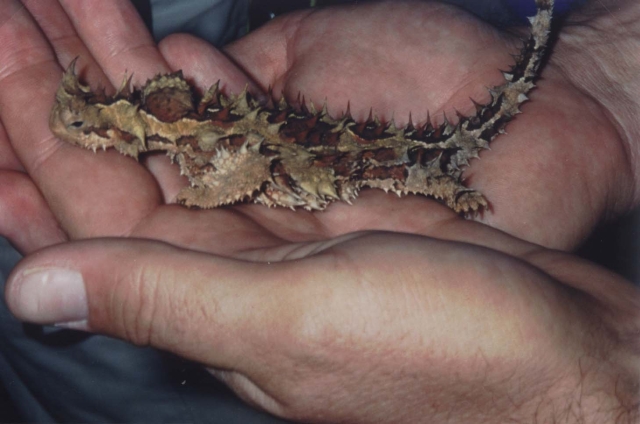
StatusLeast Concern
Primary HabitatAustralian deserts and scrub
Ecosystem RoleSpecialized ant predator
Human ImpactHabitat alteration
Adaptability
45
Sidewinder Rattlesnake
C
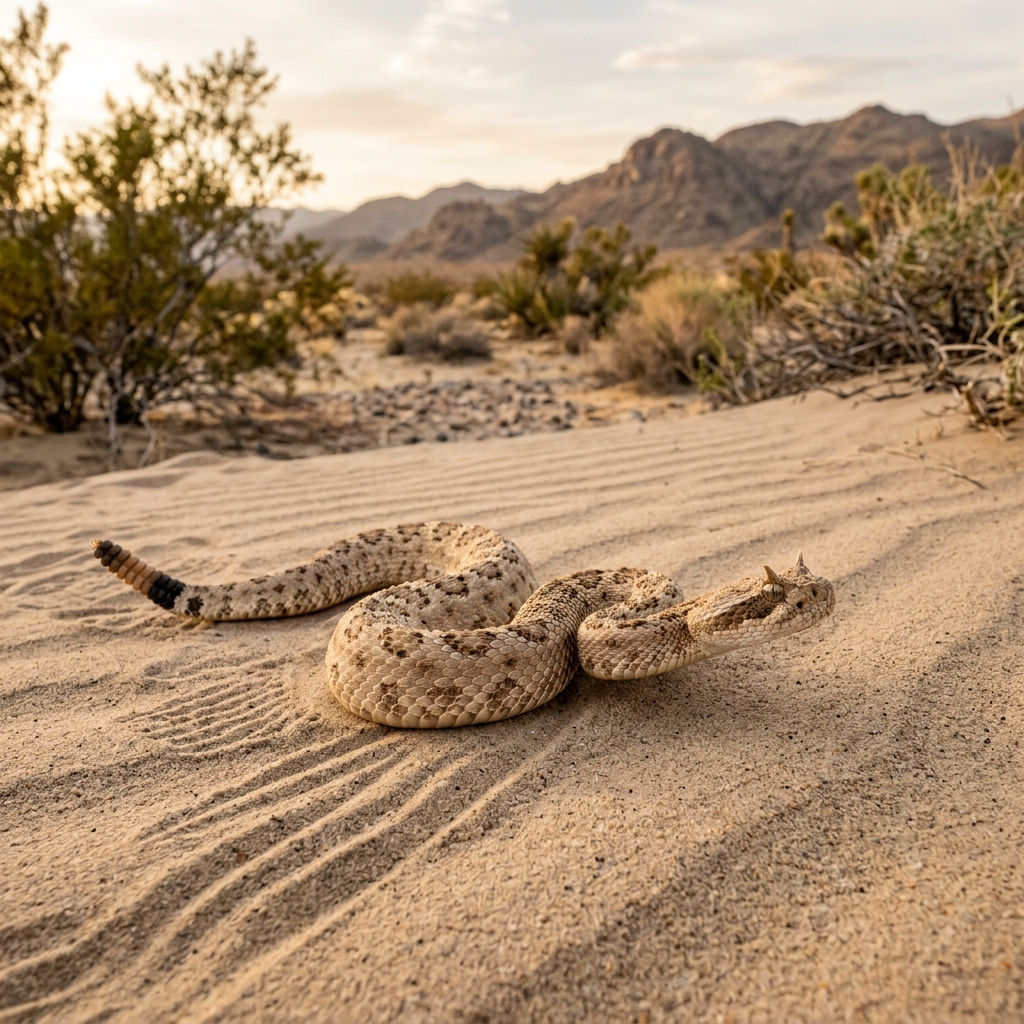
StatusLeast Concern
Primary HabitatSandy deserts
Ecosystem RolePredator
Human ImpactHabitat loss
Adaptability
60
Fringe-toed lizard
C
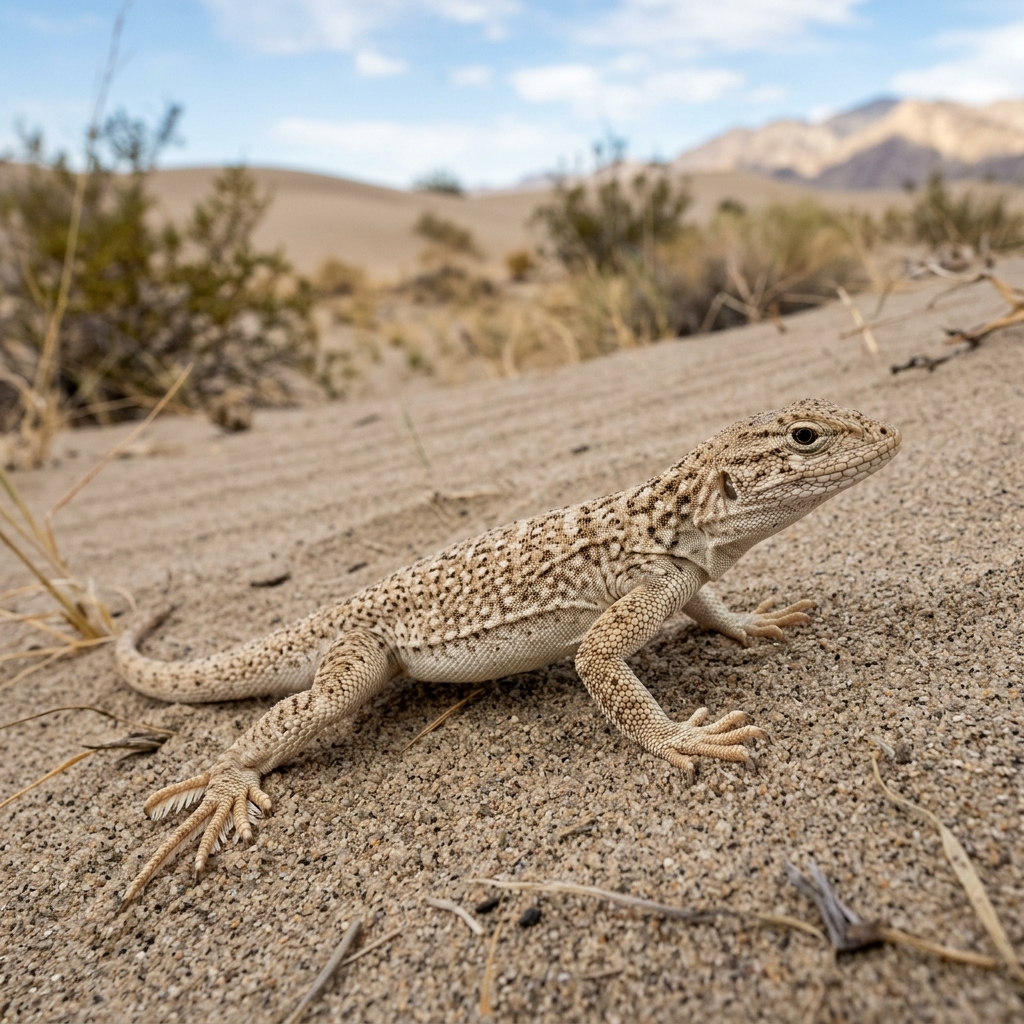
StatusLeast Concern
Primary HabitatSand dunes
Ecosystem RoleInsectivore
Human ImpactOff-road vehicles damaging habitat
Adaptability
40
Desert Tortoise
C
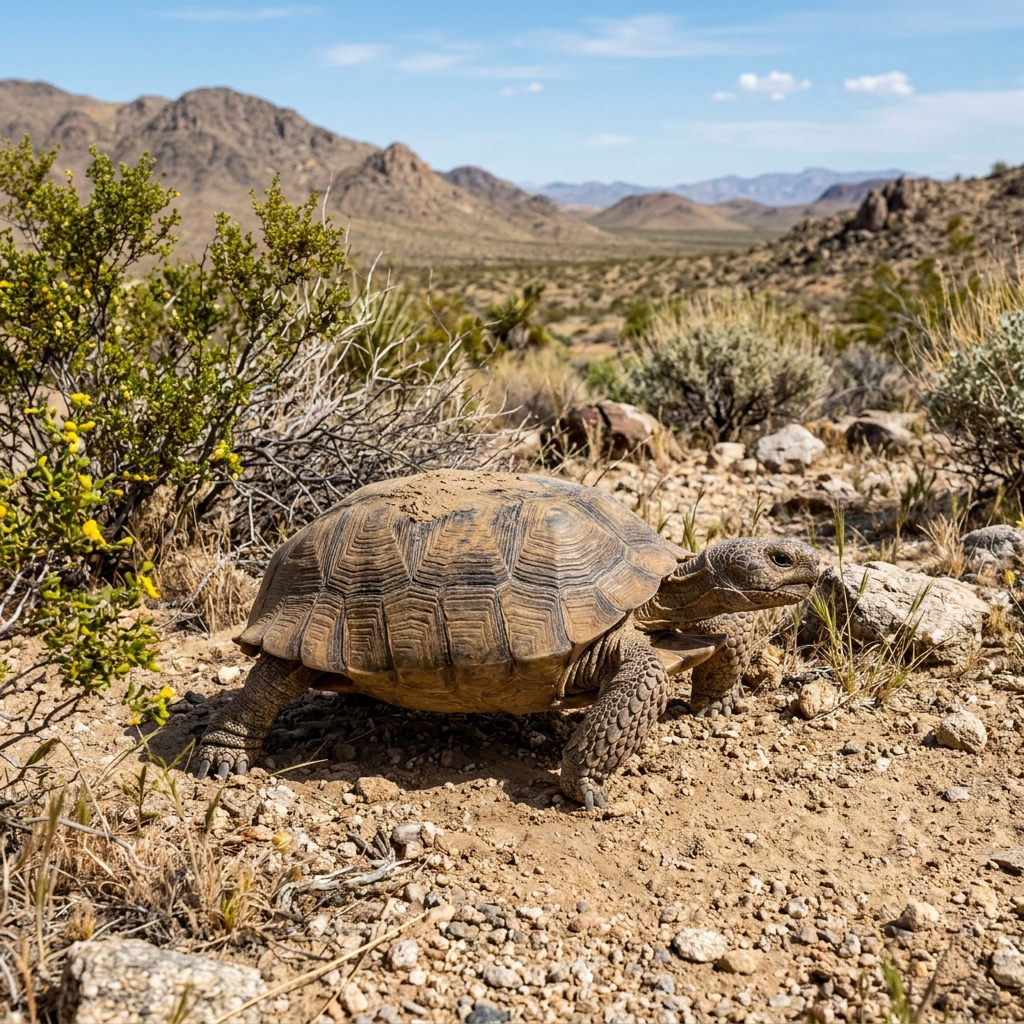
StatusVulnerable
Primary HabitatDesert
Ecosystem RoleHerbivore
Human ImpactHabitat destruction, collection
Adaptability
30
Gila monster
C
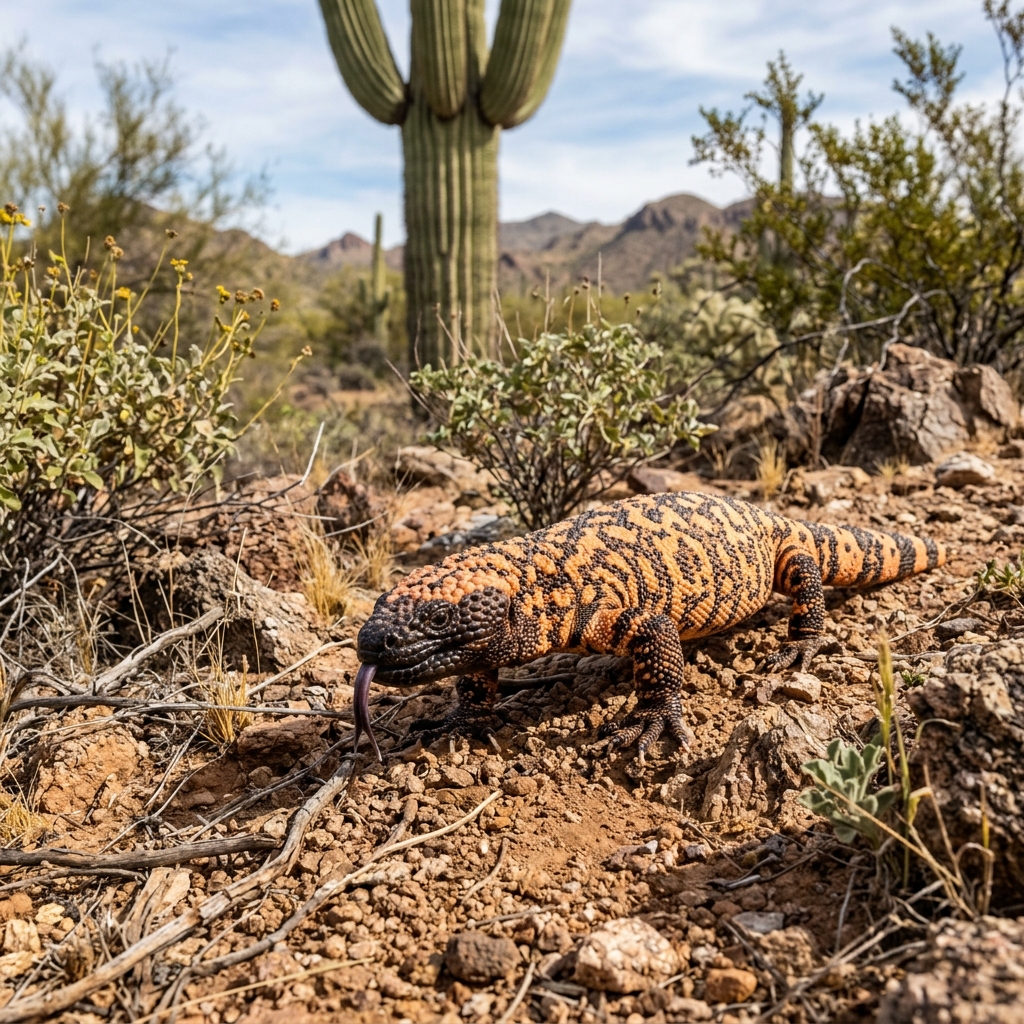
StatusNear Threatened
Primary HabitatDesert and scrubland
Ecosystem RolePredator
Human ImpactHabitat loss
Adaptability
40
Desert Iguana
C
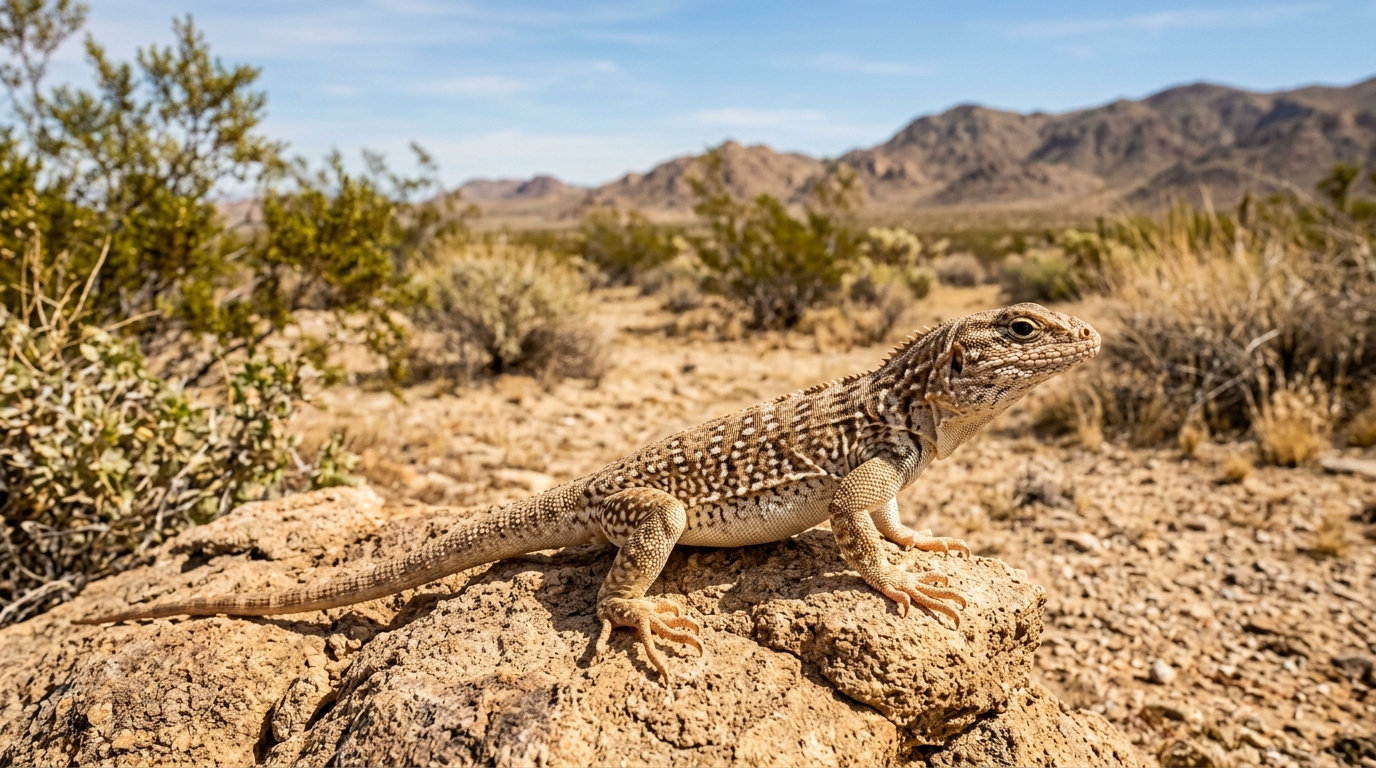
StatusLeast Concern
Primary HabitatDeserts
Ecosystem RoleHerbivore
Human ImpactThreatened by off-road vehicles damaging habitat
Adaptability
60
Green Turtle
C
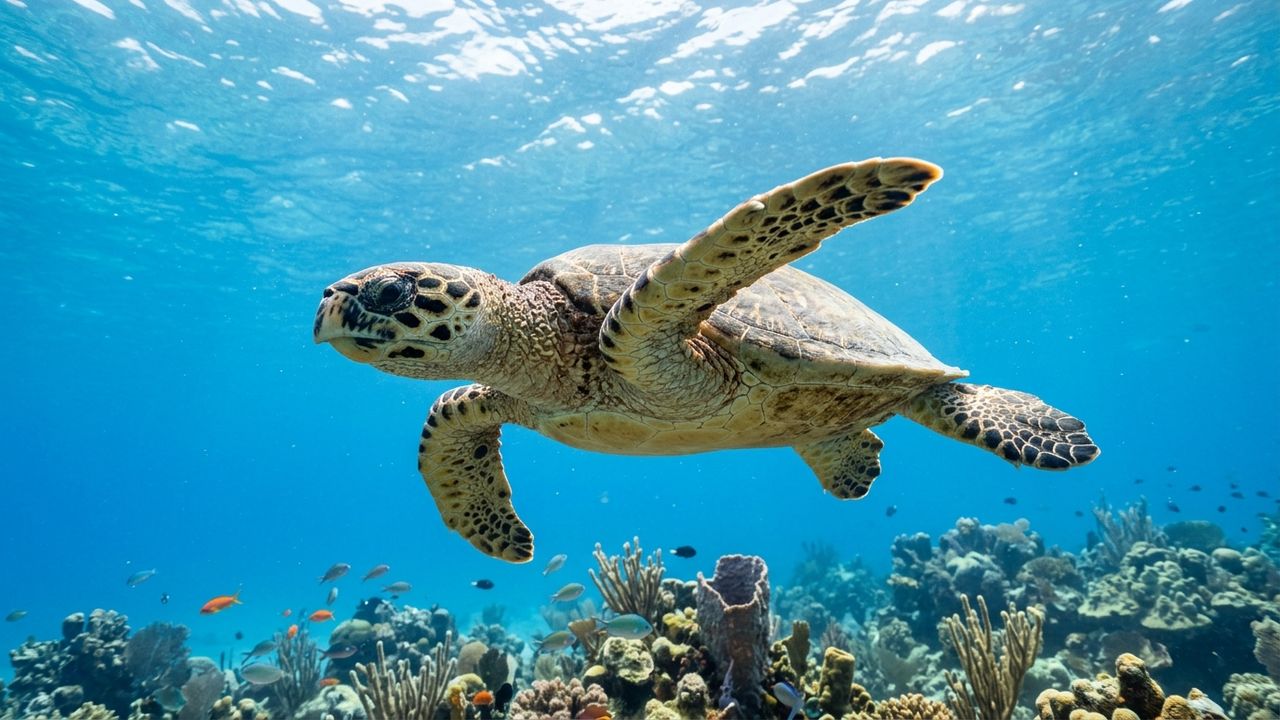
StatusEndangered
Primary HabitatOceans and coastal waters
Ecosystem RoleGrazer or Predator (depends on species)
Human ImpactPoaching, bycatch, and plastic pollution
Adaptability
30
Anaconda
C
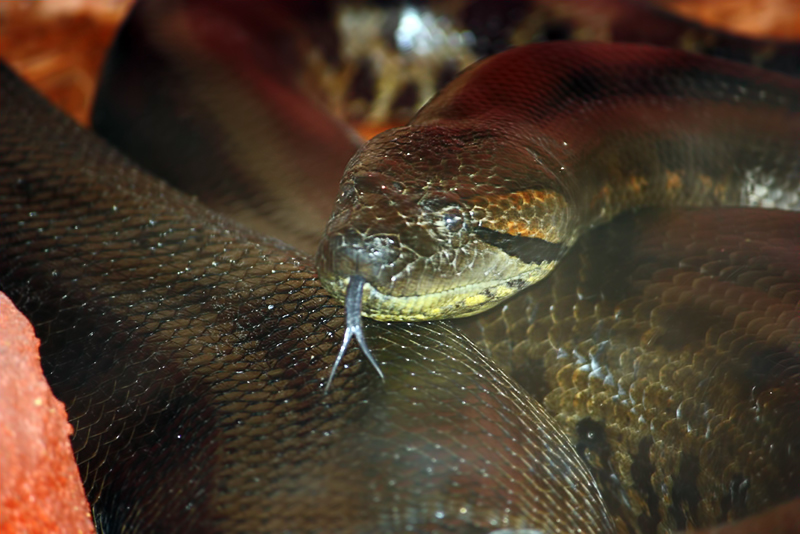
StatusLeast Concern
Primary HabitatSwamps, marshes, and slow-moving streams
Ecosystem RoleApex Predator
Human ImpactHunted out of fear, habitat loss
Adaptability
55
Leatherback Turtle
C
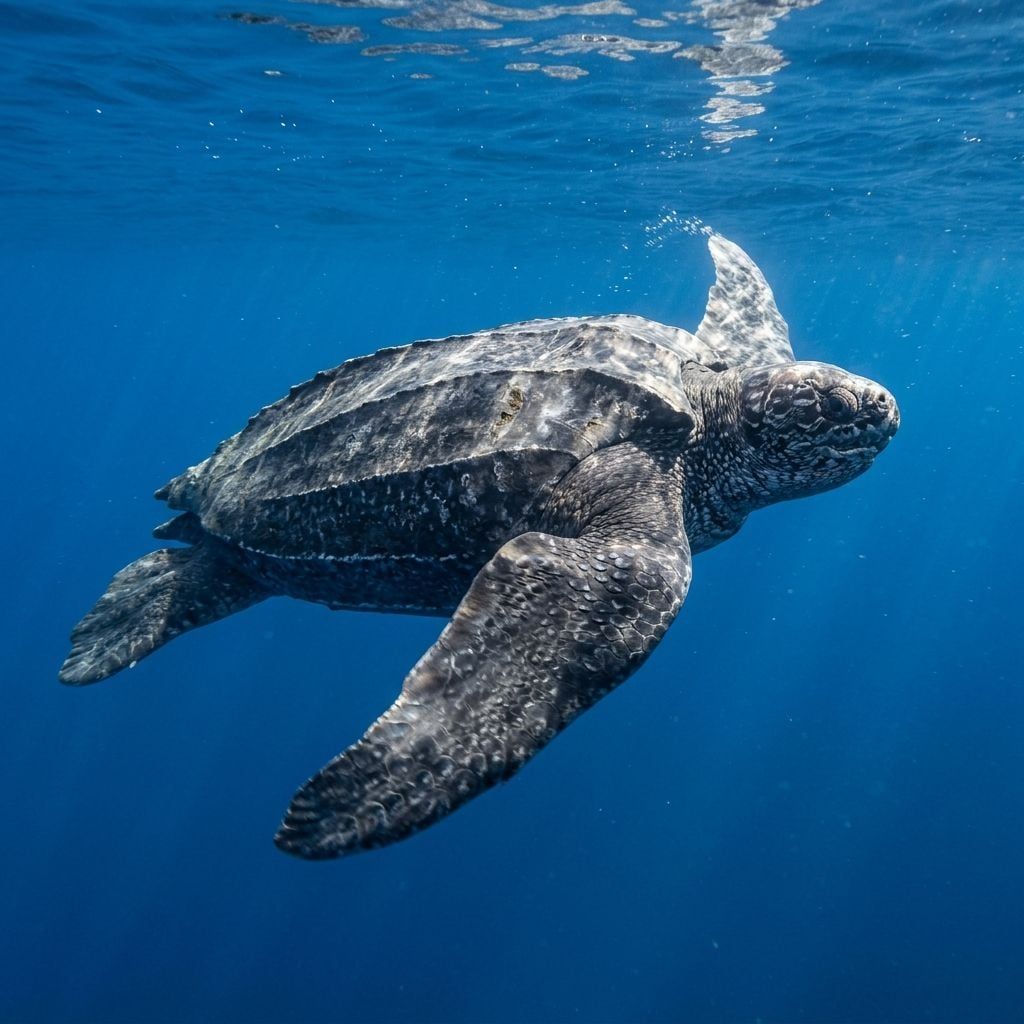
StatusVulnerable (IUCN global; several regional subpopulations are Critically Endangered)
Primary HabitatTropical to temperate open oceans worldwide; follows jellyfish into UK and Irish waters in summer
Ecosystem RoleMajor predator of jellyfish, helping keep their numbers in check
Human ImpactFisheries bycatch, egg harvesting, and plastic bags mistaken for jellyfish
Adaptability
45
Reticulated Python
C
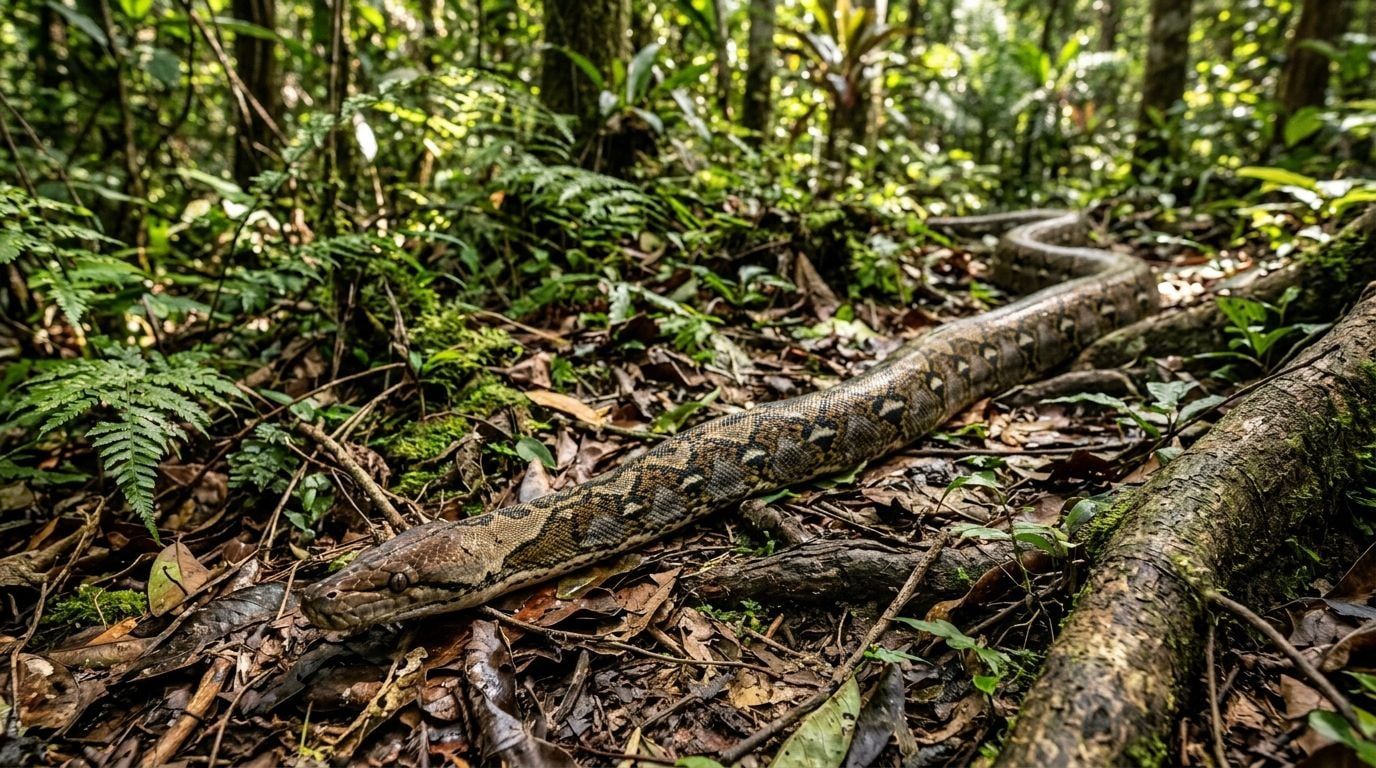
StatusLeast Concern
Primary HabitatRainforests, woodland and riverbanks of South-East Asia, often near water (not a UK species)
Ecosystem RoleApex predator that helps control populations of mammals and birds
Human ImpactHunted for its skin and for the pet trade; very rarely dangerous to people
Adaptability
75
Tortoise
C
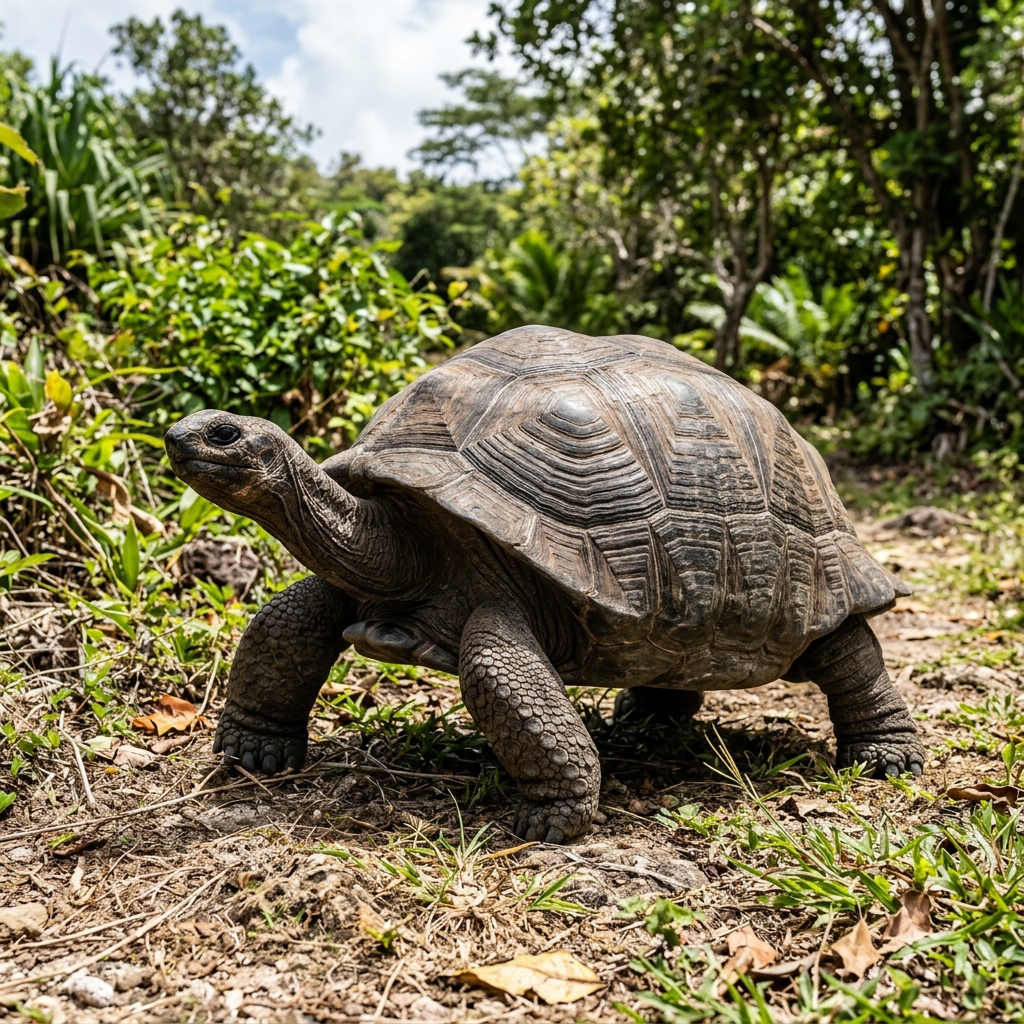
StatusVulnerable
Primary HabitatScrubland
Ecosystem RoleHerbivore
Human ImpactPet trade
Adaptability
40
Common Lizard
C
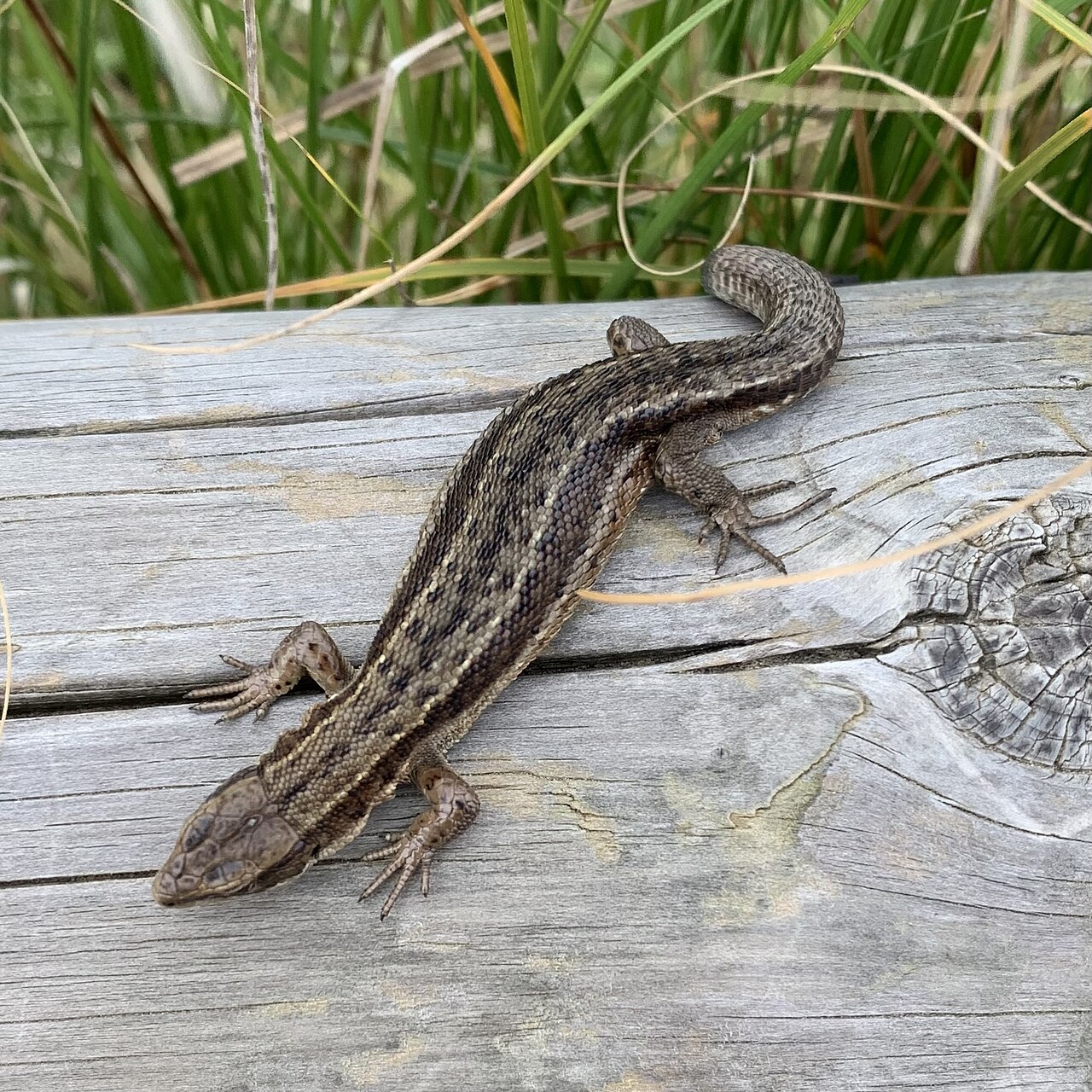
StatusLeast Concern
Primary HabitatHeathland and moors
Ecosystem RoleInsect predator
Human ImpactHabitat fragmentation
Adaptability
60
Slow Worm
C
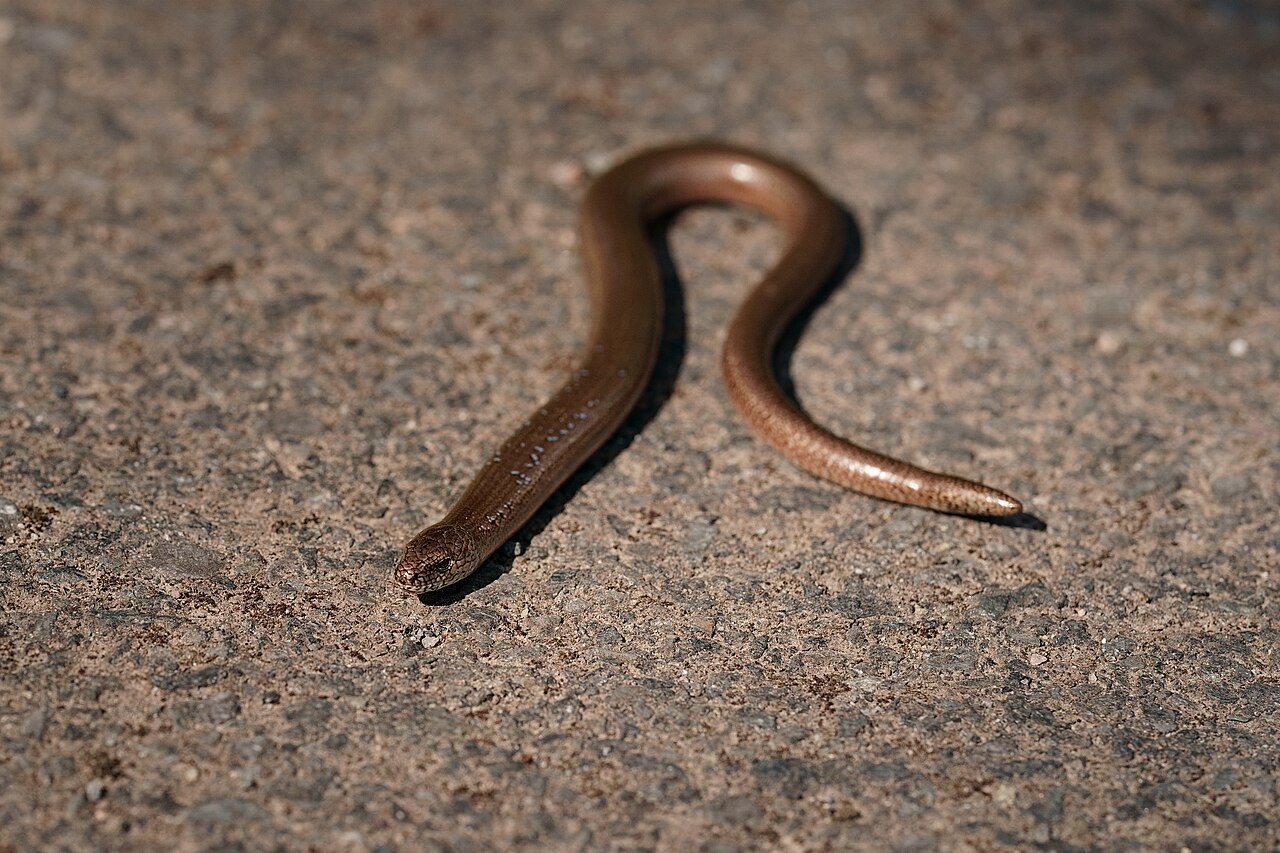
StatusLeast Concern
Primary HabitatGardens and meadows
Ecosystem RolePredator of slugs
Human ImpactProtected in the UK
Adaptability
65
Grass Snake
C
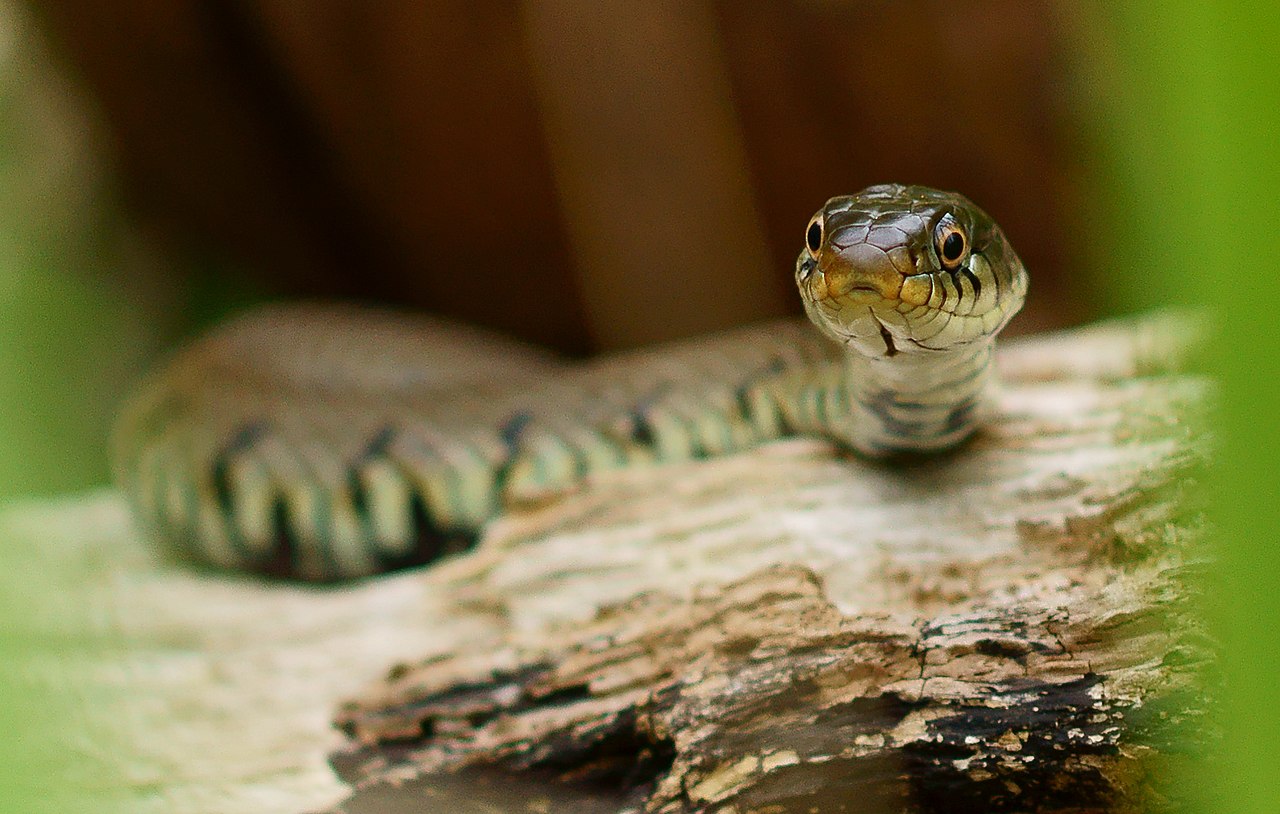
StatusLeast Concern
Primary HabitatWetlands and gardens
Ecosystem RoleAmphibian predator
Human ImpactOften killed out of fear, despite being harmless
Adaptability
60
Nile Crocodile
C
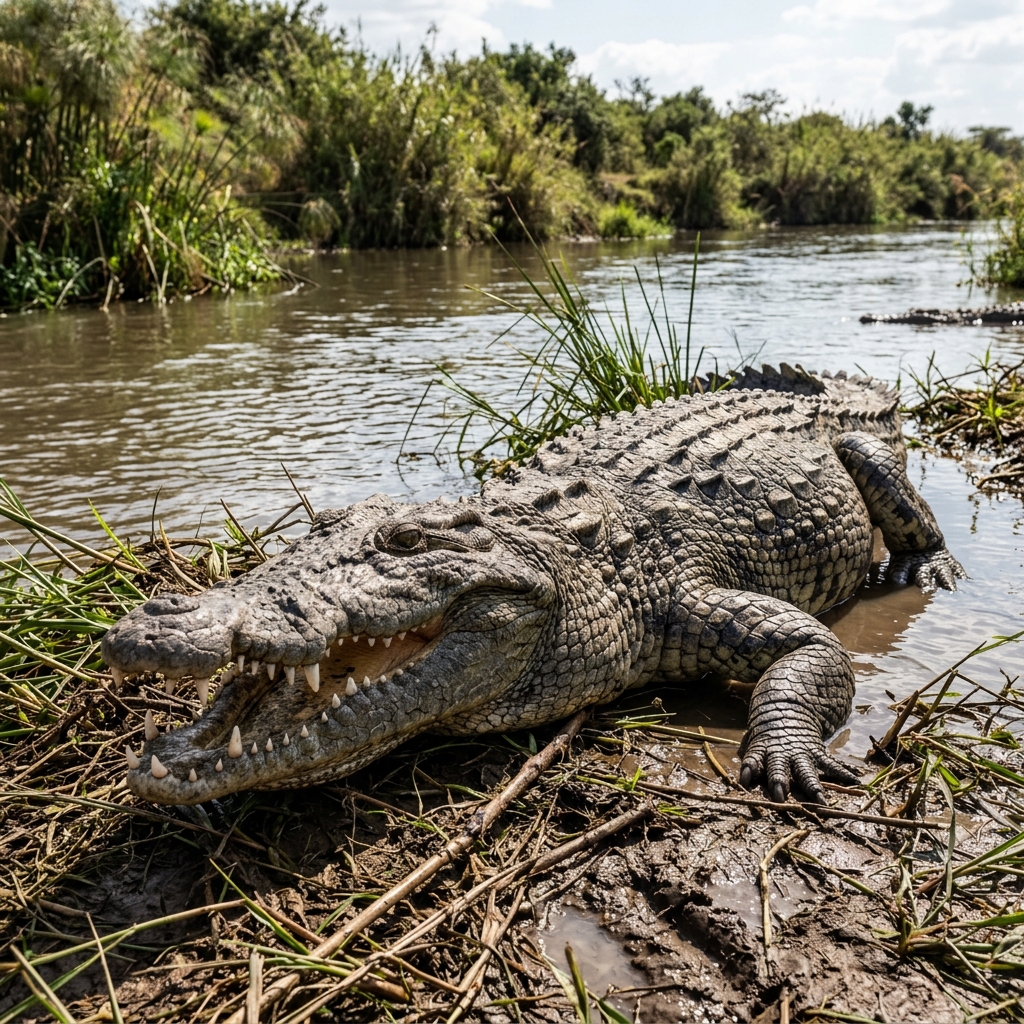
StatusLeast Concern
Primary HabitatRivers and swamps
Ecosystem RoleApex predator
Human ImpactHunted for skin
Adaptability
60
Gecko
C
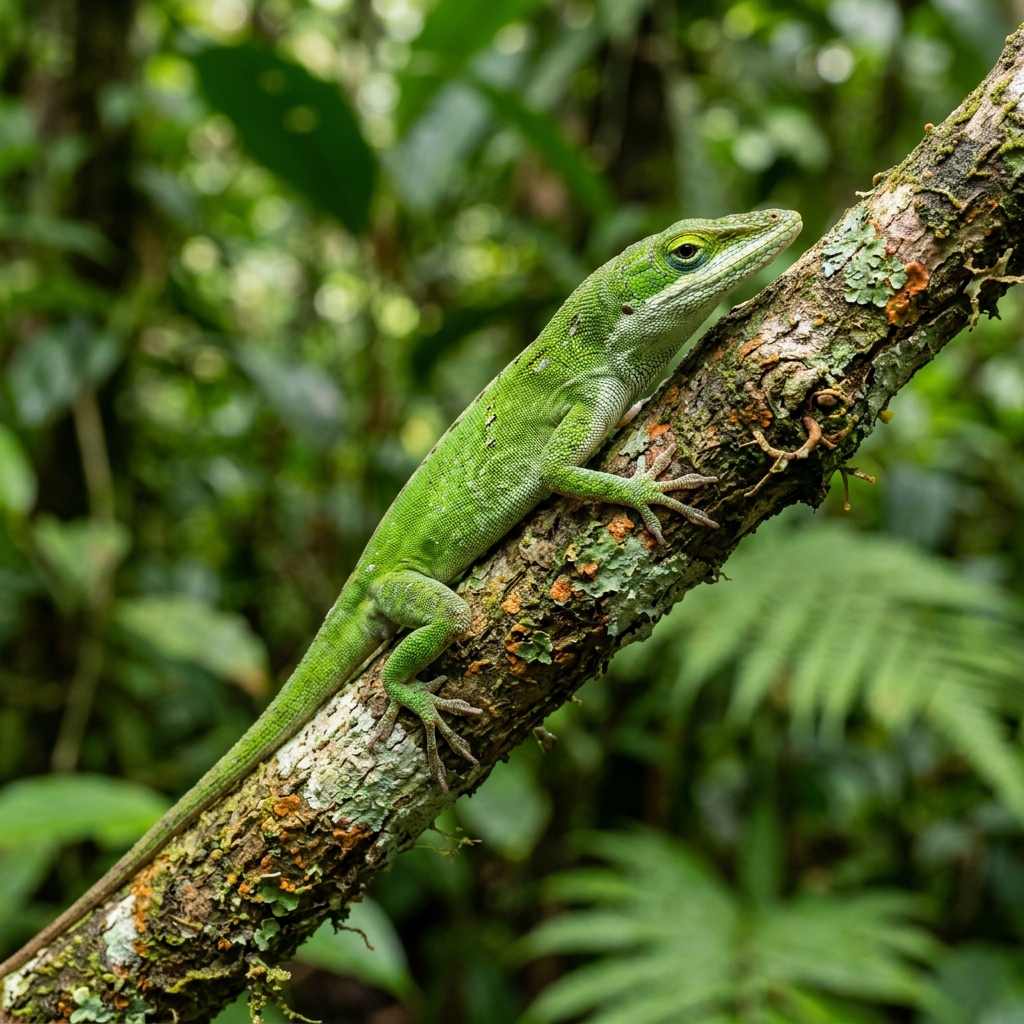
StatusLeast Concern
Primary HabitatTropical forests
Ecosystem RoleInsect predator
Human ImpactAdapted to live in human houses
Adaptability
90