Urban Garden 🏡
A man-made habitat full of fences, lawns, and flowerbeds that provides a surprising haven for wildlife in the middle of a city.
📄 Educational Handout Available
Download the printable infographic for this habitat.
Climate & Environment
Temperate, but often slightly warmer than the surrounding countryside because city buildings trap the sun's heat (the 'urban heat island' effect).
Key Plants
A mix of native weeds (like dandelions), planted ornamental flowers, lawn grass, and climbing ivy on fences.
💡 Fun Facts
- There are over 20 million gardens in the UK. If you put them all together, they would be a bigger habitat than all of the UK's nature reserves combined!
- Many animals have learned that human gardens are great places to find food, from bird feeders to compost bins.
Key Creatures
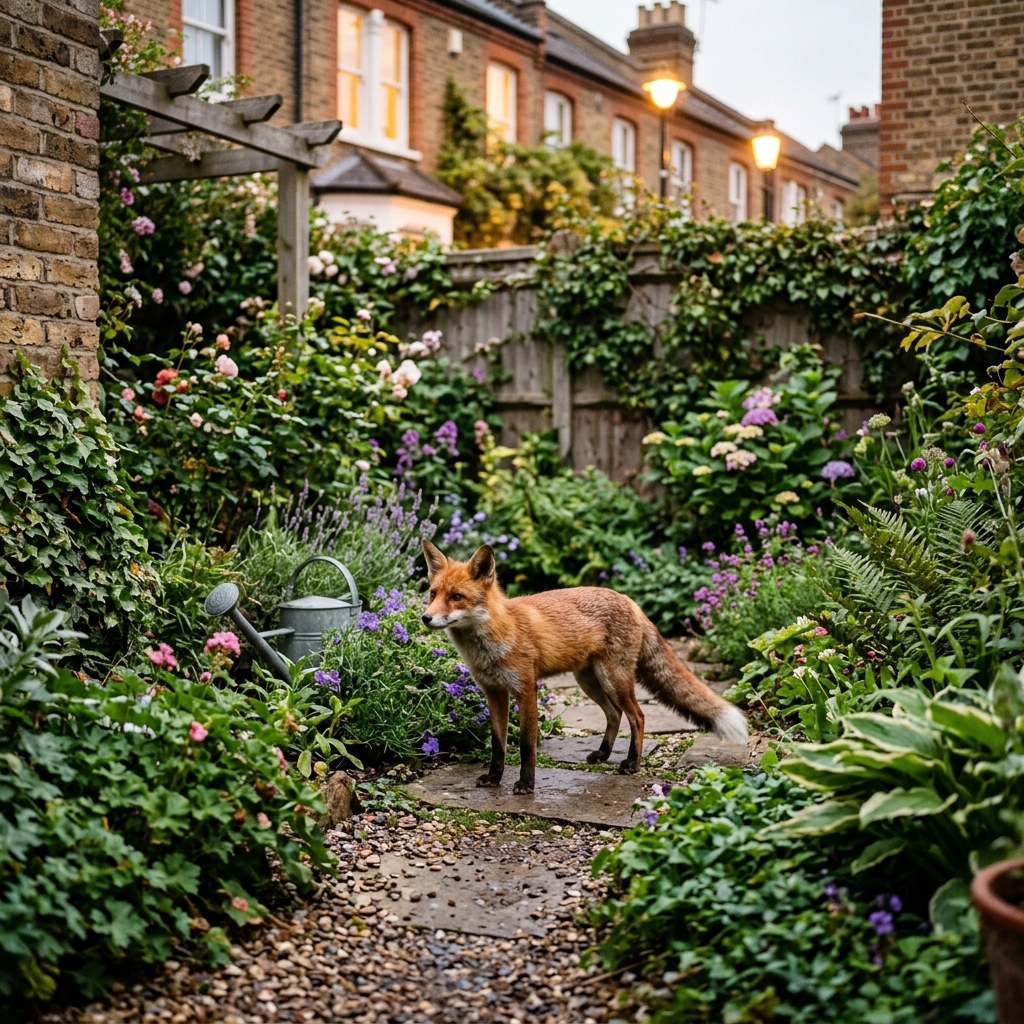
Urban Fox
How it survives here:
Highly adaptable and not a fussy eater; it will hunt mice, eat fallen fruit, or scavenge leftover takeaways from bins.
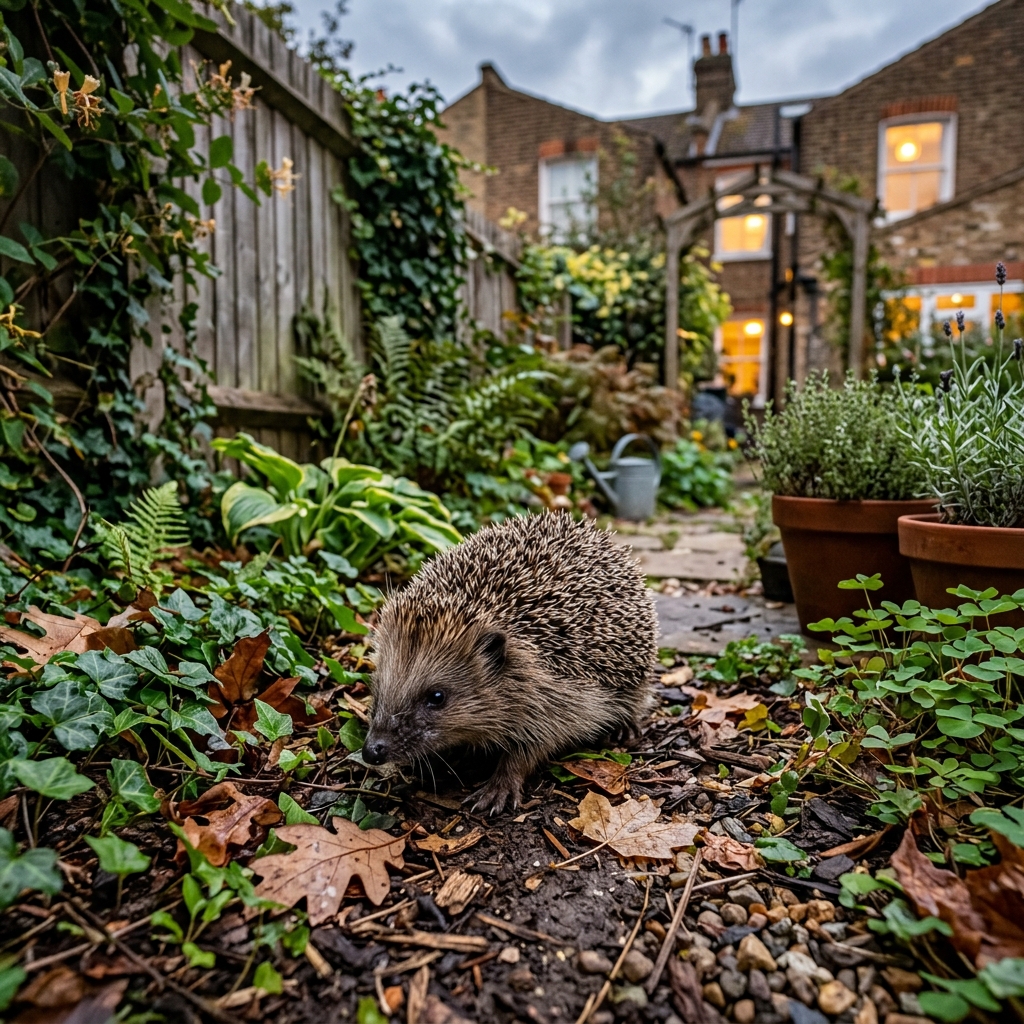
Hedgehog
How it survives here:
Travels through small holes in fences at night, eating slugs and snails from the flowerbeds to help the gardeners.
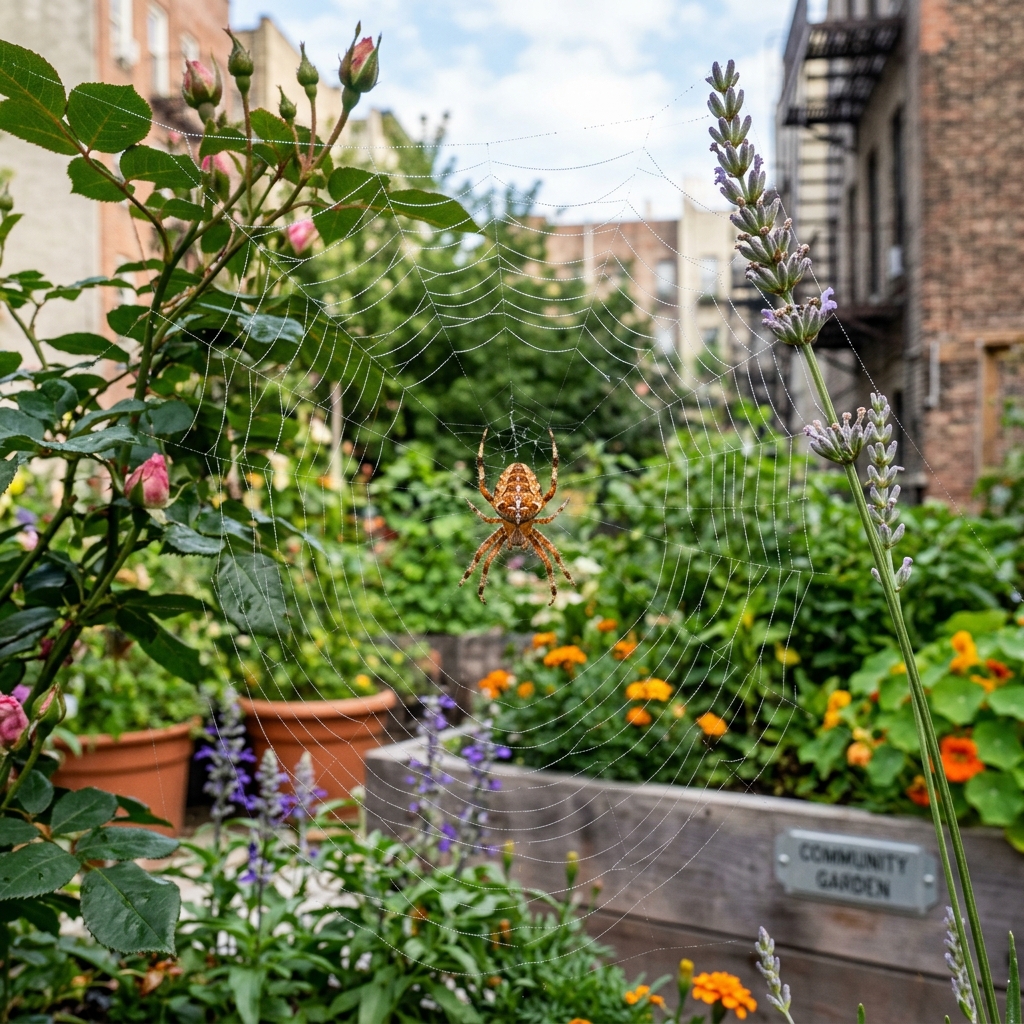
Garden Spider
How it survives here:
Spins large orb webs across gaps in fences or bushes to catch flying insects, rebuilding the web every single morning.
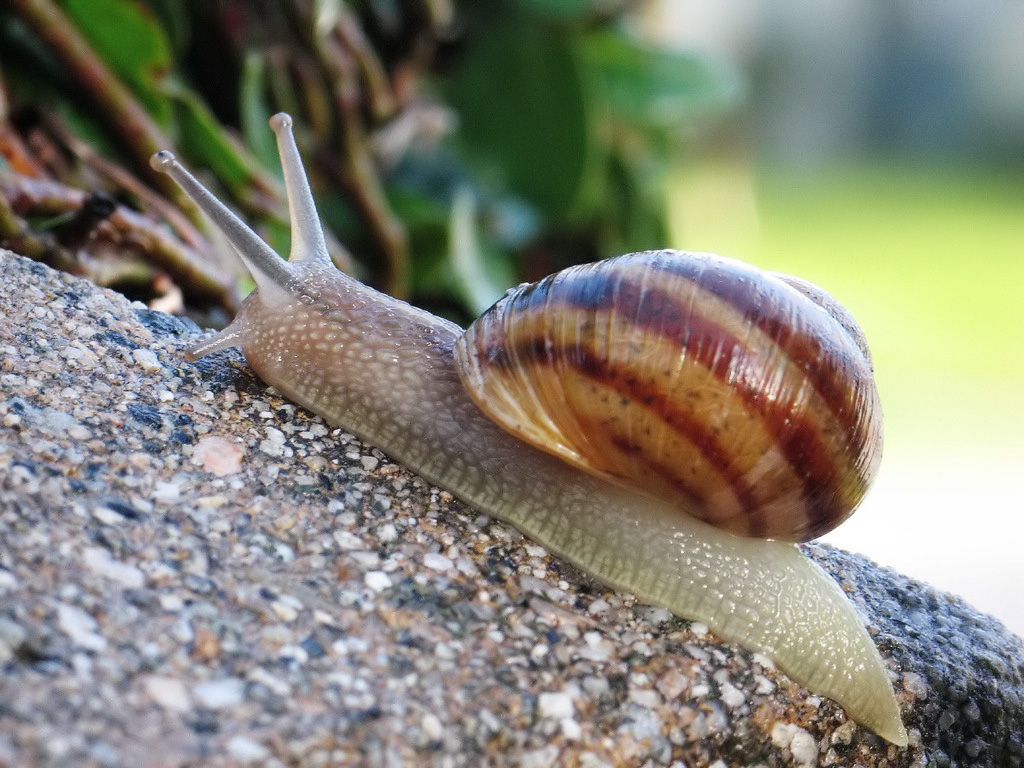
Snail
How it survives here:
Carries its protective shell wherever it goes and hides in damp spots during hot days.
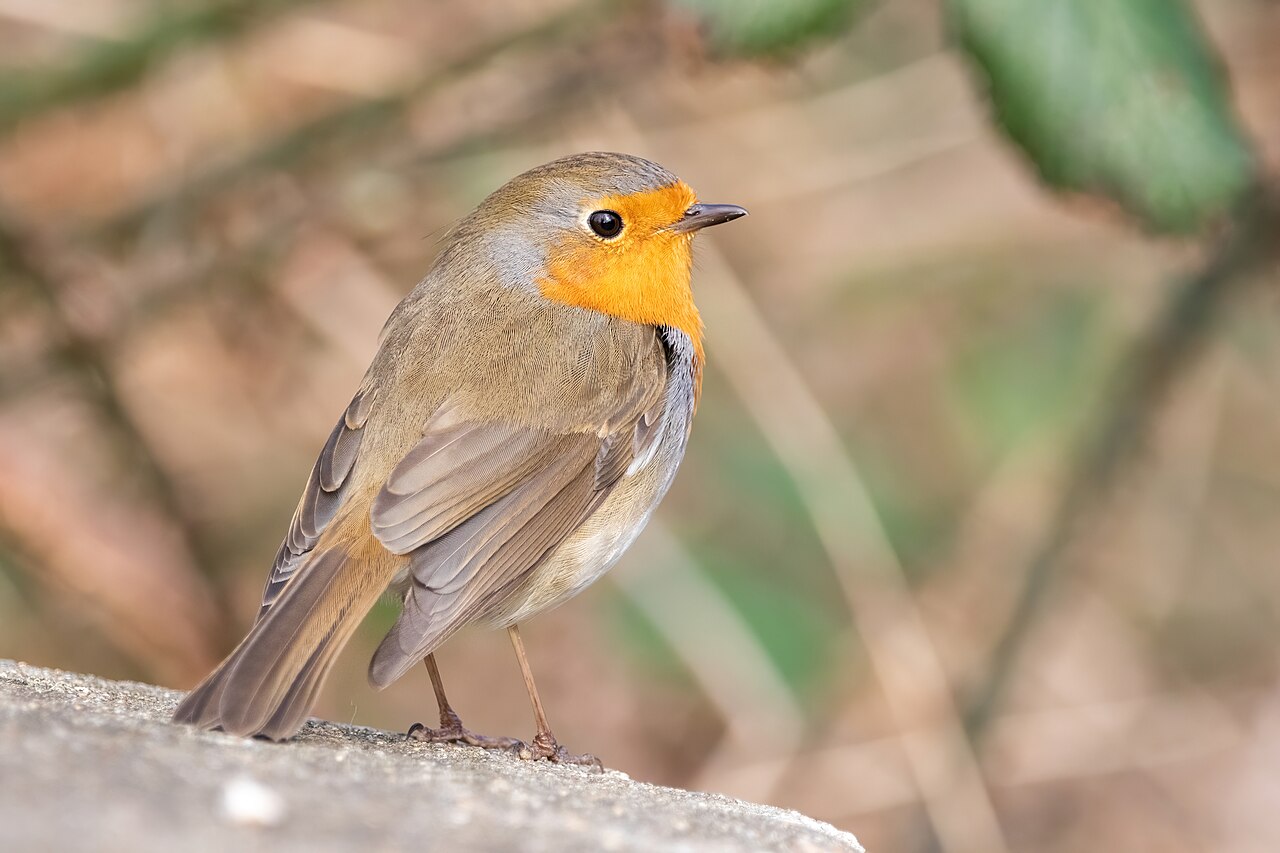
Robin
How it survives here:
Has adapted to live near humans, often following gardeners to snatch turned-up worms.