
Habitat Profile: Urban Garden
A man-made habitat full of fences, lawns, and flowerbeds that provides a surprising haven for wildlife in the middle of a city.
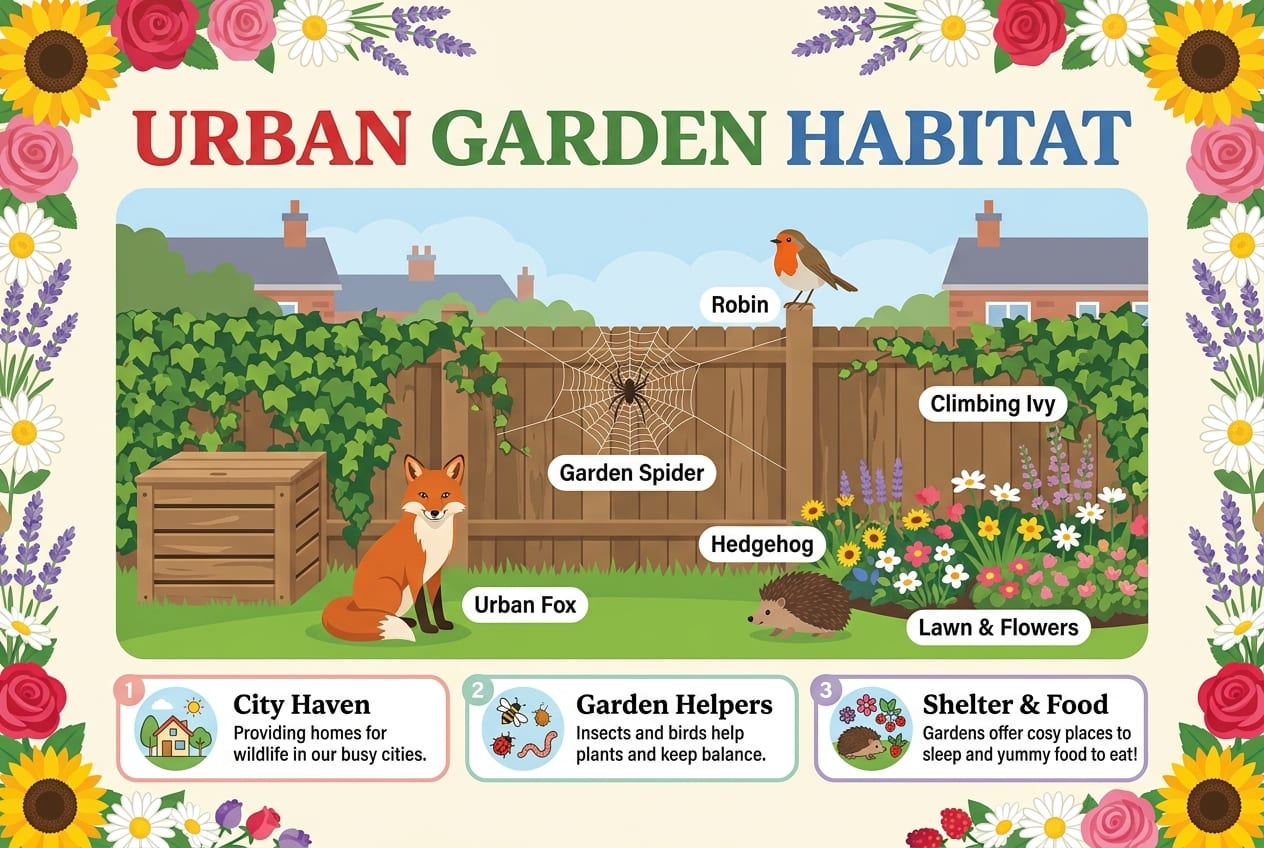
Minibeasts of this habitat
Tiny creatures that live among the leaves, flowerbeds and fruit of a garden.
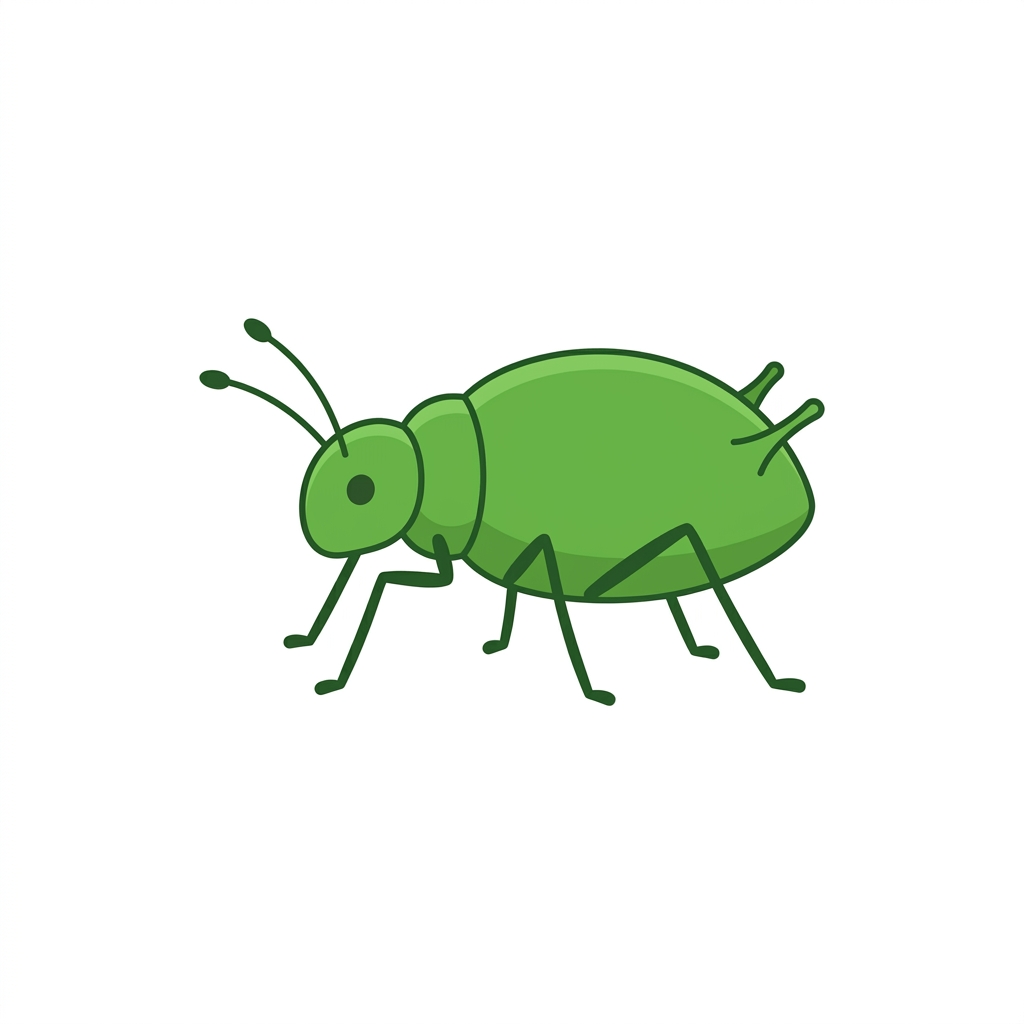
Aphid
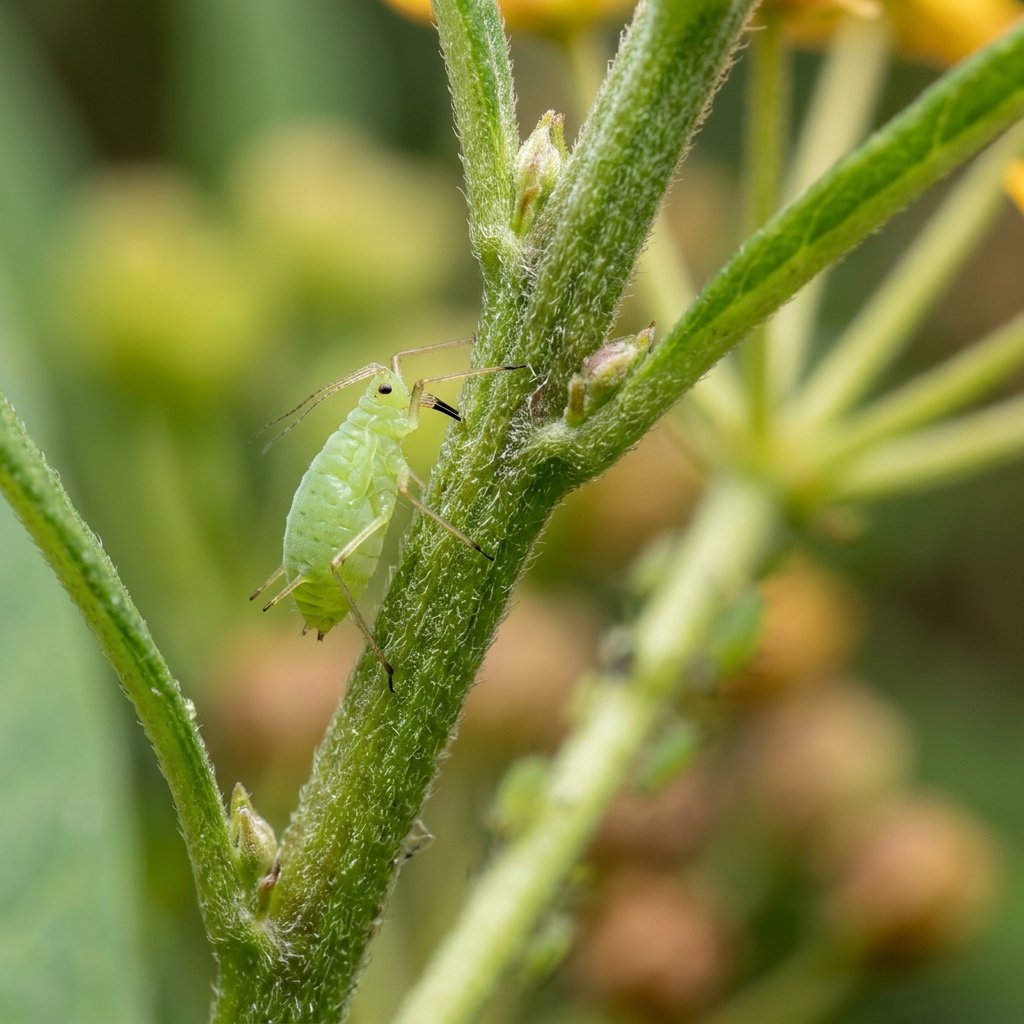
Aphids are tiny, soft-bodied insects that use piercing mouthparts to feed on nutrient-rich plant sap. Because they exist in massive numbers, they form a crucial part of the food web, providing meals for ladybirds, lacewings, and small birds, while also acting as "livestock" farmed by black ants!
💡 Fun Facts
- Aphids are tiny sap-sucking insects also known as greenfly or blackfly.
- They reproduce so quickly that a single aphid could have millions of descendants in one summer!
- They produce a sweet, sticky liquid called honeydew that ants love to drink.
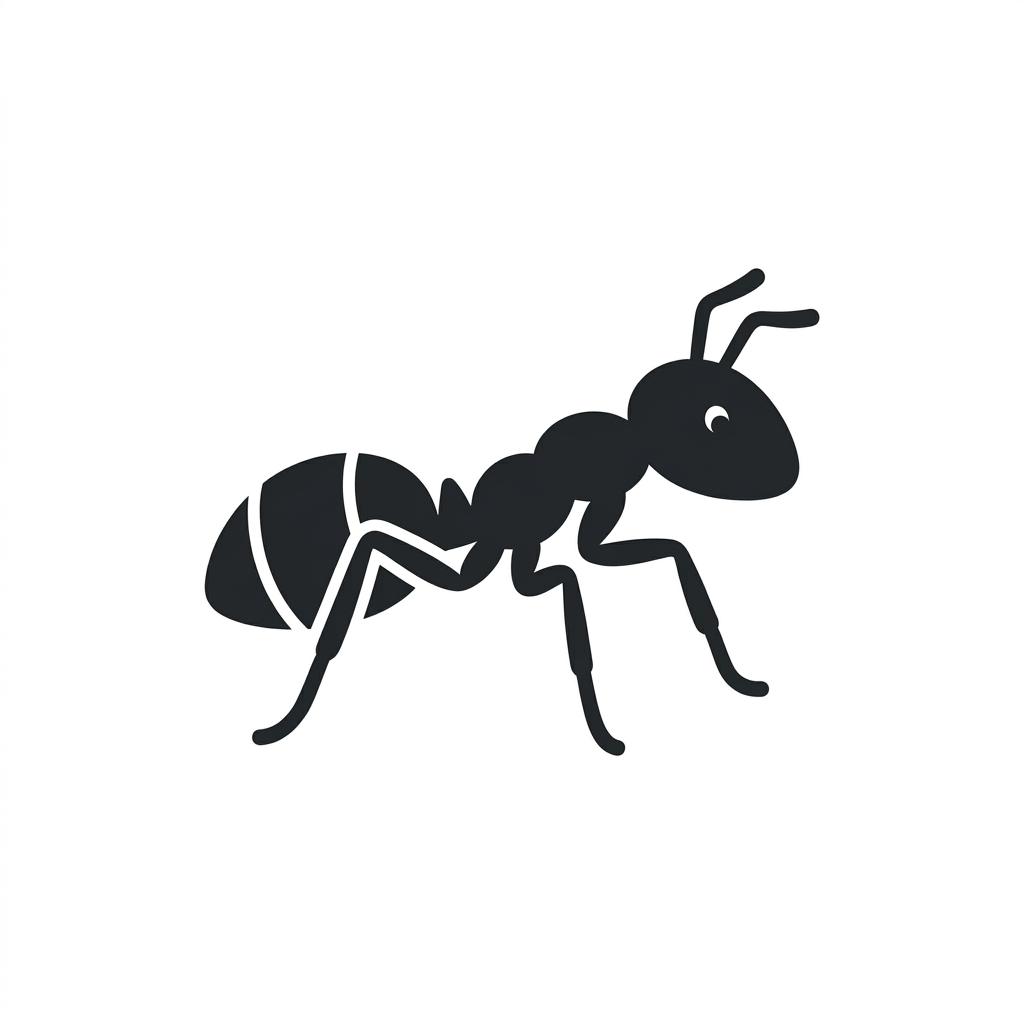
Black Ant
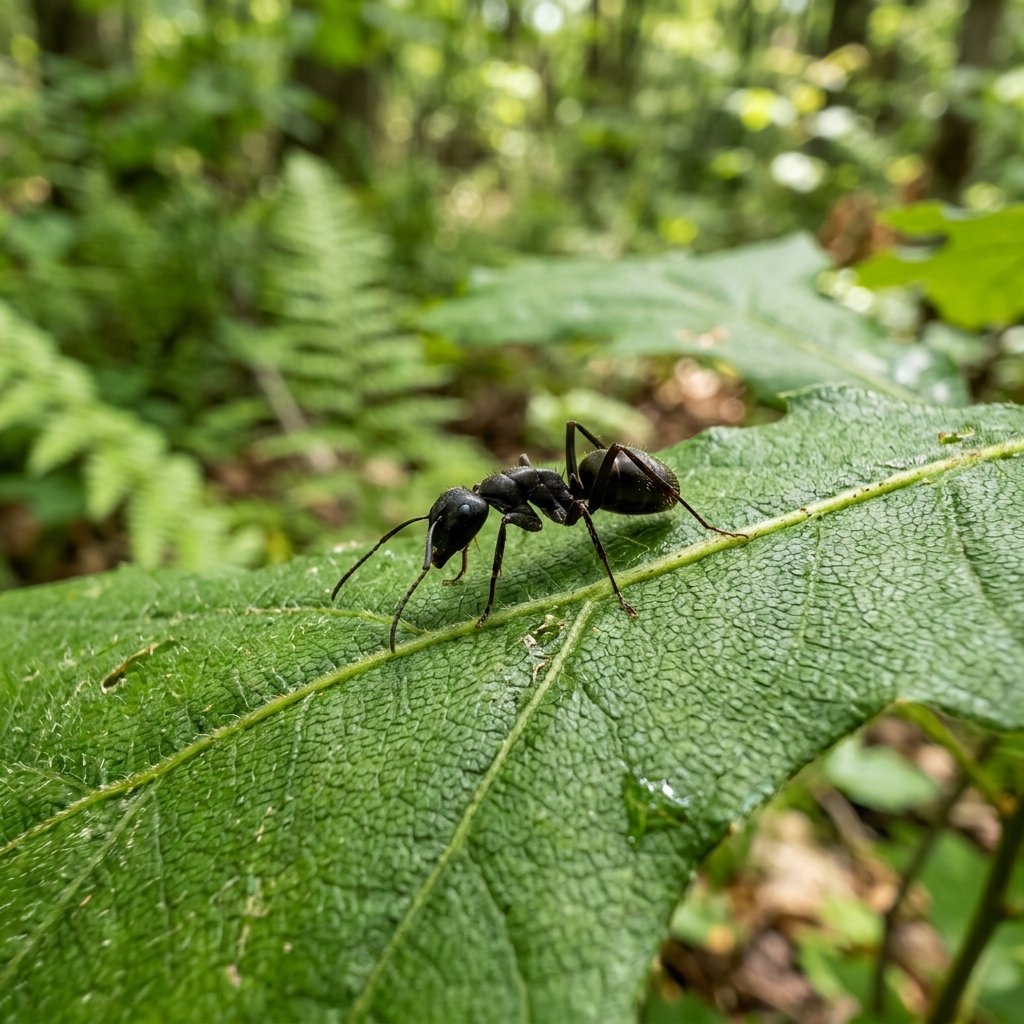
Social insects that live in large, highly organized colonies.
Black ants are incredibly strong for their size and live in large, organized colonies.
💡 Fun Facts
- They live in large colonies with a single queen who lays all the eggs.
- They often 'farm' aphids, protecting them from ladybirds in exchange for sweet honeydew.
- They can lift things that are many times heavier than their own body weight!
Lasius niger
means “the black Lasius ant”
What does its name mean?
- Lasius — an old genus name, perhaps 'hairy/shaggy'Greek lasios 'hairy, shaggy' (the derivation is debated)
- niger — blackLatin niger 'black'
This little patio ant has a name that is half-certain, half-mystery. The second word, niger, simply means 'black' — exactly what the ant is. The first word, Lasius, is an old name for its group that may come from a Greek word for 'hairy', though no one is quite sure.
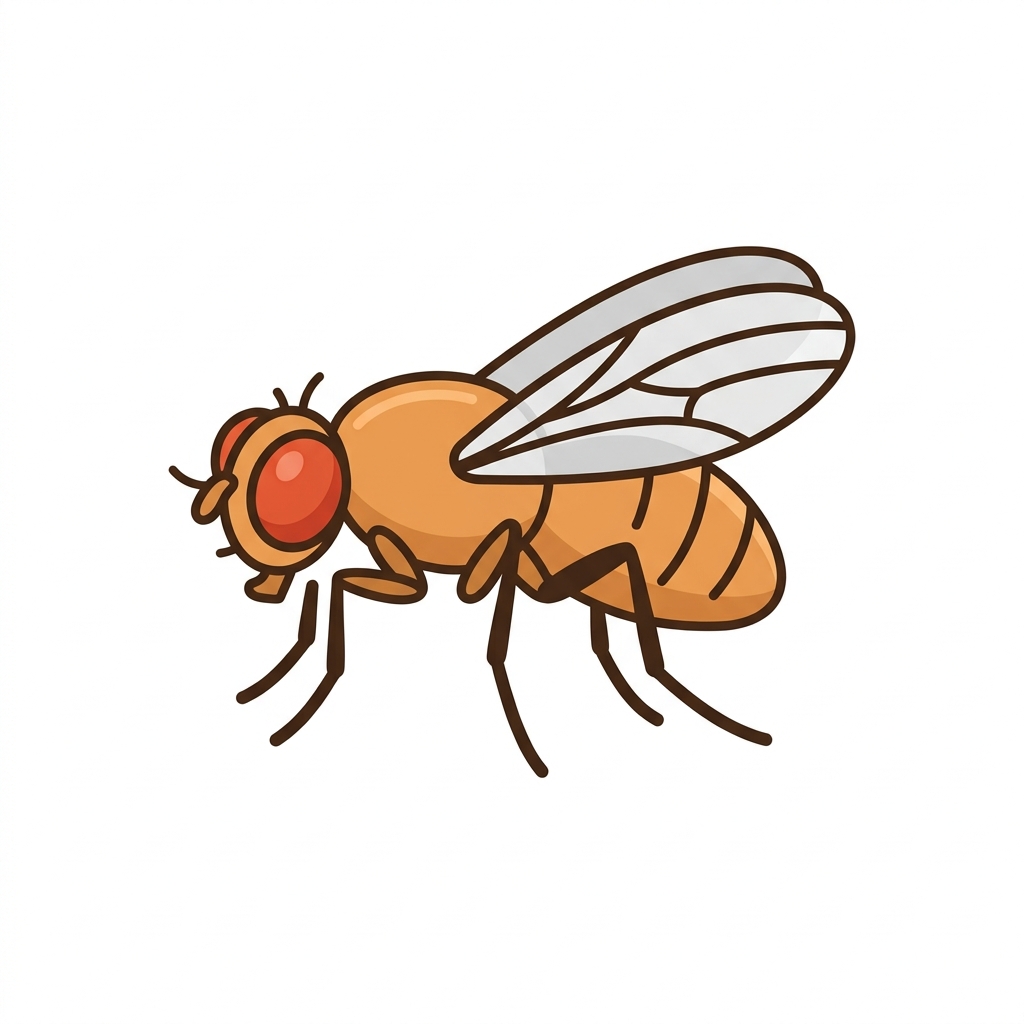
Fruit Fly
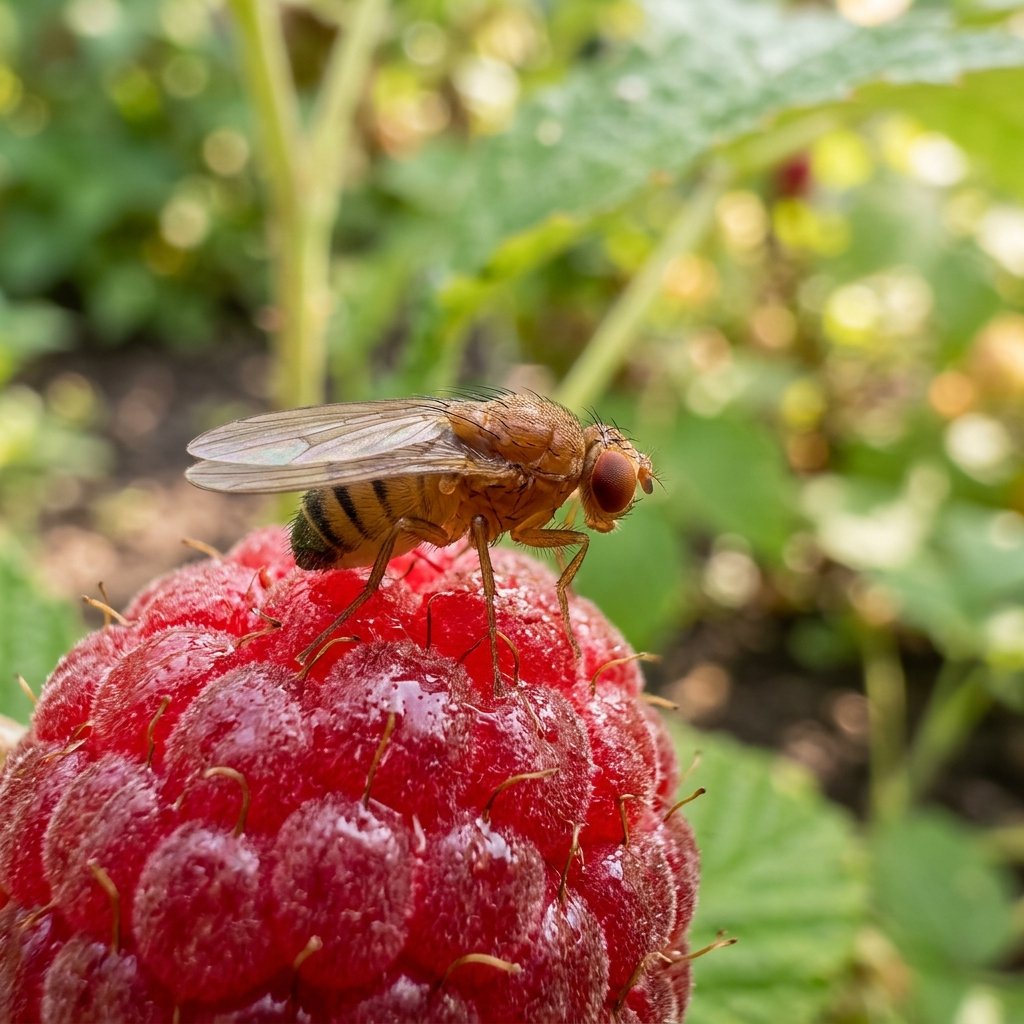
Tiny flies drawn to the smell of ripening fruit.
Fruit flies are tiny insects that are often found hovering around ripe or decaying fruit.
💡 Fun Facts
- They are tiny flies drawn to the smell of ripening or rotting fruit.
- Some species are bred to be flightless so they can be fed to small pet frogs and spiders.
- They reproduce very quickly, making them one of the most studied animals in science!
Drosophila melanogaster
means “the dew-loving fly with a black belly”
What does its name mean?
- Drosophila — dew-lovingGreek (drosos, 'dew' + philos, 'loving')
- melanogaster — black-belliedGreek (melas, 'black' + gastēr, 'belly')
This tiny fly, so often met hovering over a fruit bowl, carries the lovely name "dew-lover" and a dark patch on its tail-end that really does look like a black belly — and it has become the most studied little animal in the whole science of how living things pass on their features.