
Cock's-foot
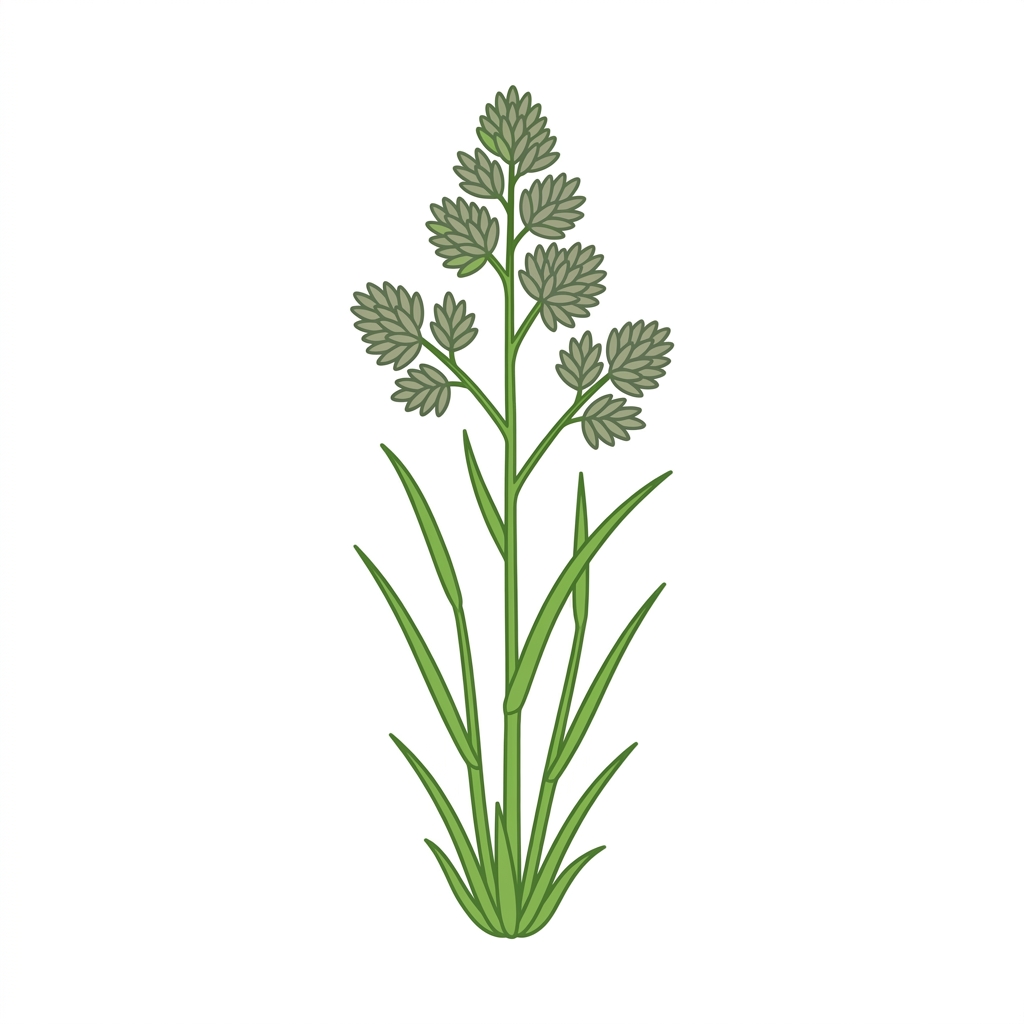
Cock's-foot
Grass
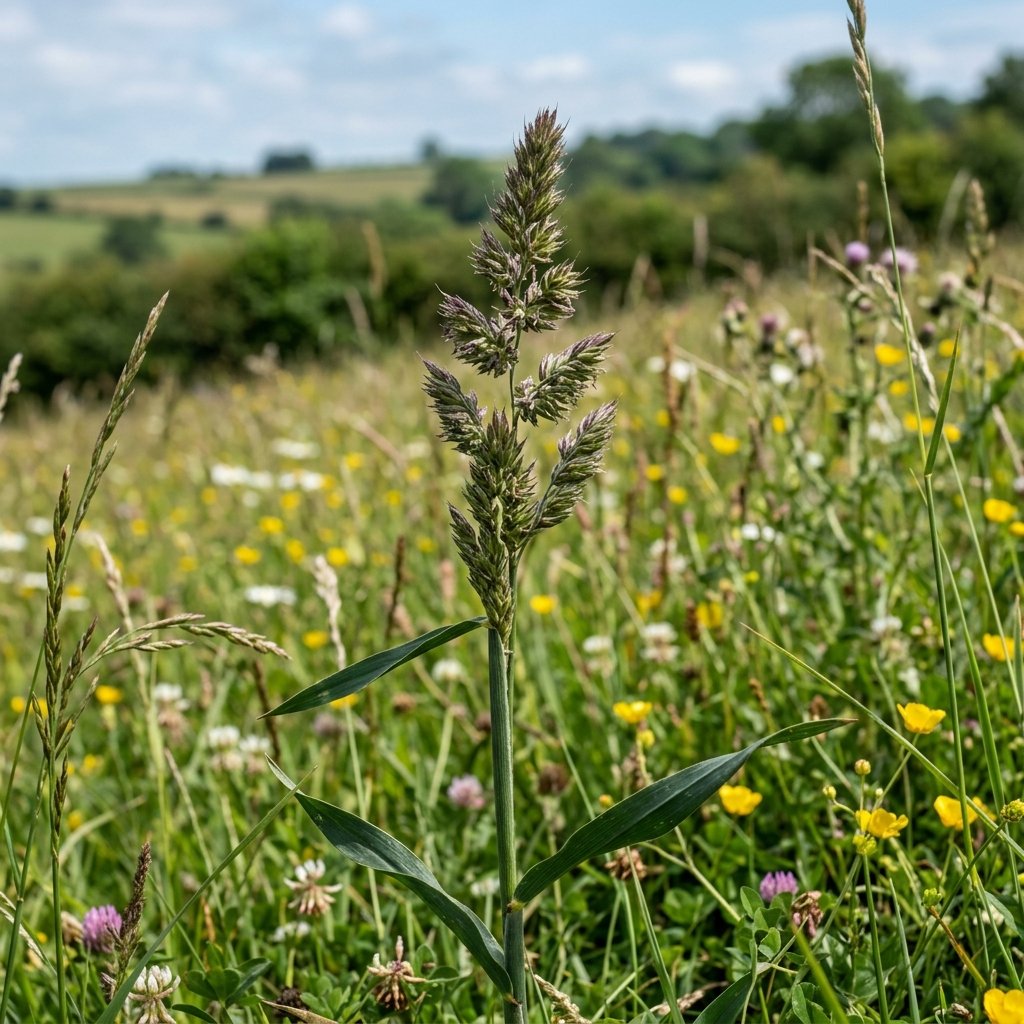
A coarse, tussocky meadow grass named for its splayed, clumped flower head — and a vital food plant for skipper butterfly caterpillars.
💡 Fun Facts
- This common meadow grass is named after its flower head, which is clumped and splayed like a cockerel's foot.
- It grows in tough tussocks with roots reaching about a metre down, so it keeps going even in a drought.
- Its leaves are the main food for the caterpillars of the Large Skipper butterfly.
📅 Through the Year
- Flowering:June to August
- Fruiting:July to September
Name Story
Dactylis glomerata
means “the finger-grass with clustered heads”
What does its name mean?
- Dactylis — fingerGreek daktylos ‘finger’
- glomerata — gathered into a ball, clusteredLatin glomerare ‘to wind into a ball’
‘Finger’ and ‘clustered into a ball’ together describe the stiff, knobbly seed-heads, which bunch up along short branches. The whole shape looks just like a bird’s splayed foot — which is exactly what the English name ‘cock’s-foot’ records too.