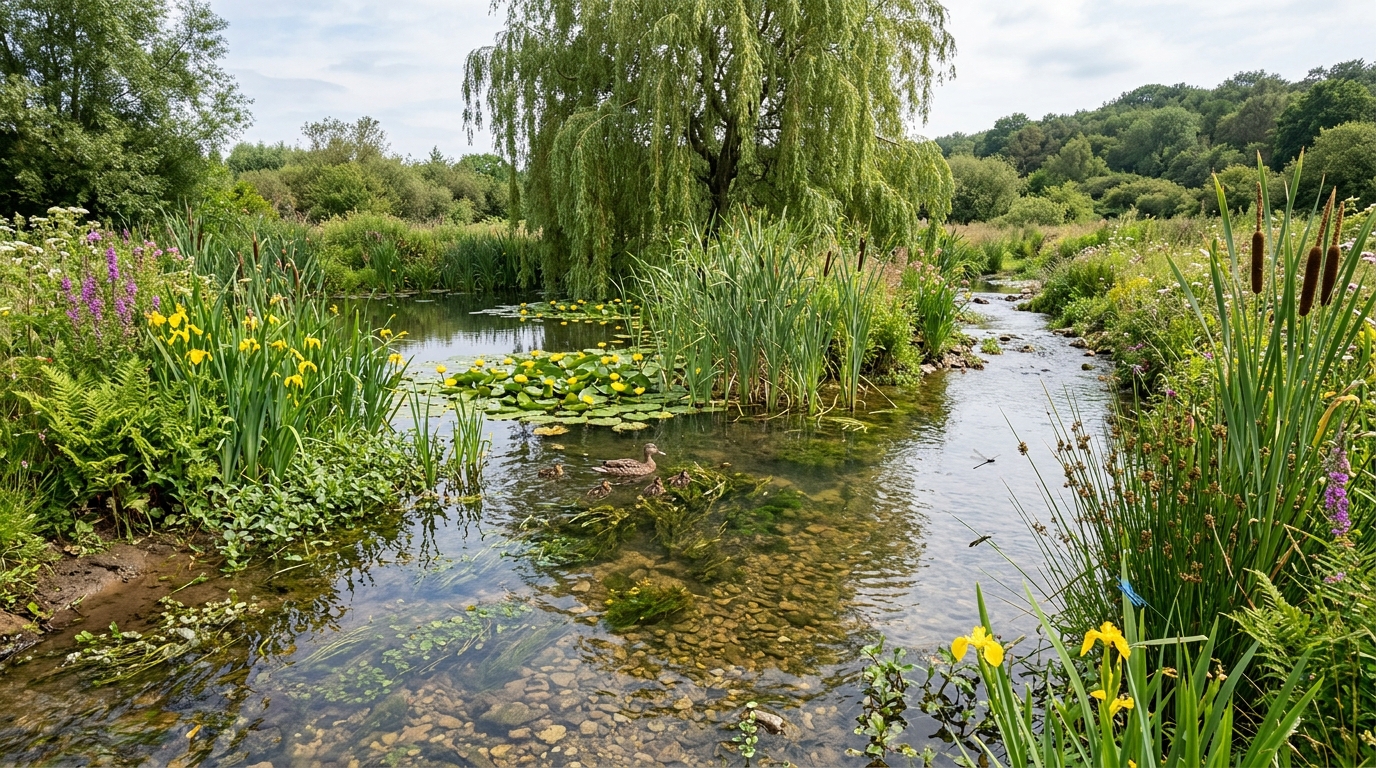
Ponds, rivers, and streams teem with aquatic life. This page is part of our GCSE Natural History preparation, focusing specifically on UK native species and environments.
Wildlife in this Habitat
From local UK ponds to global rainforest rivers, freshwater habitats support incredible diversity.
UK Waterfowl & Birds
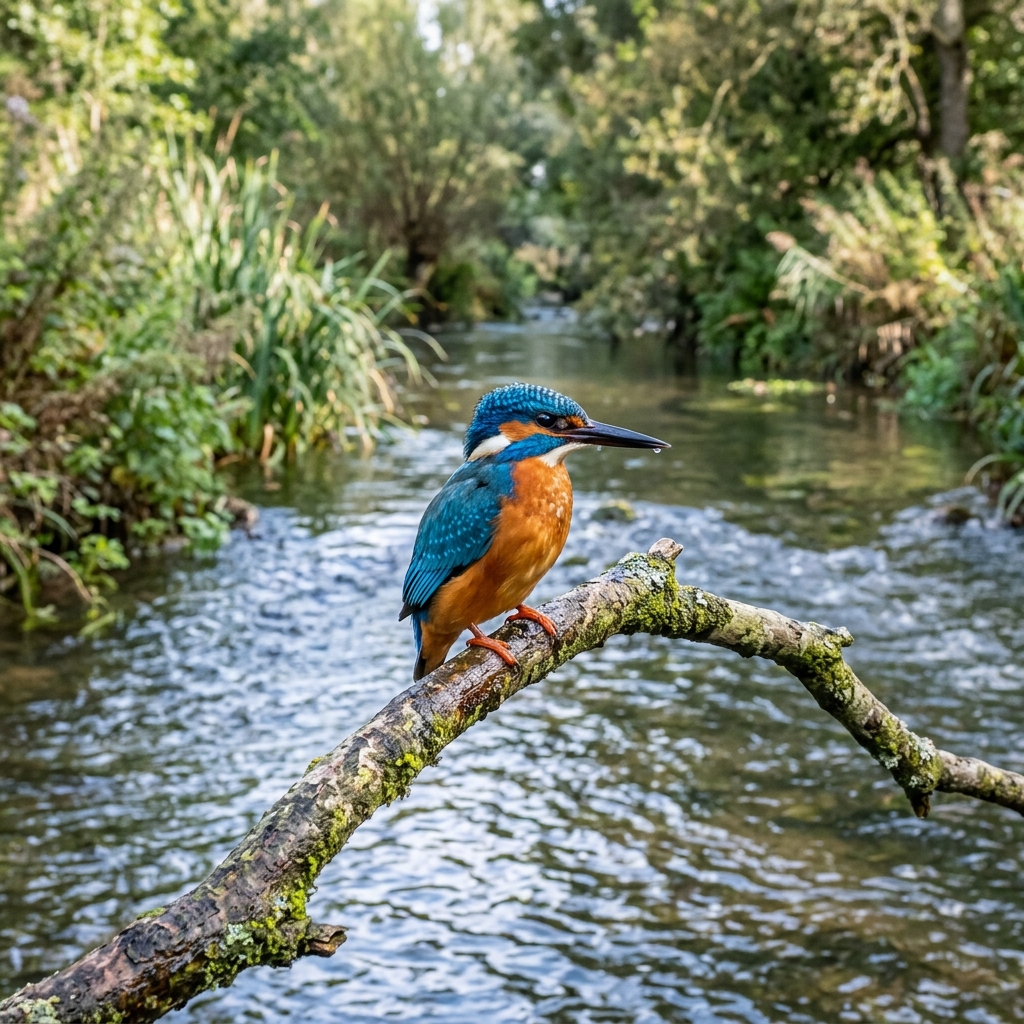
Kingfisher
Brilliant blue-and-orange birds that dive for small fish.
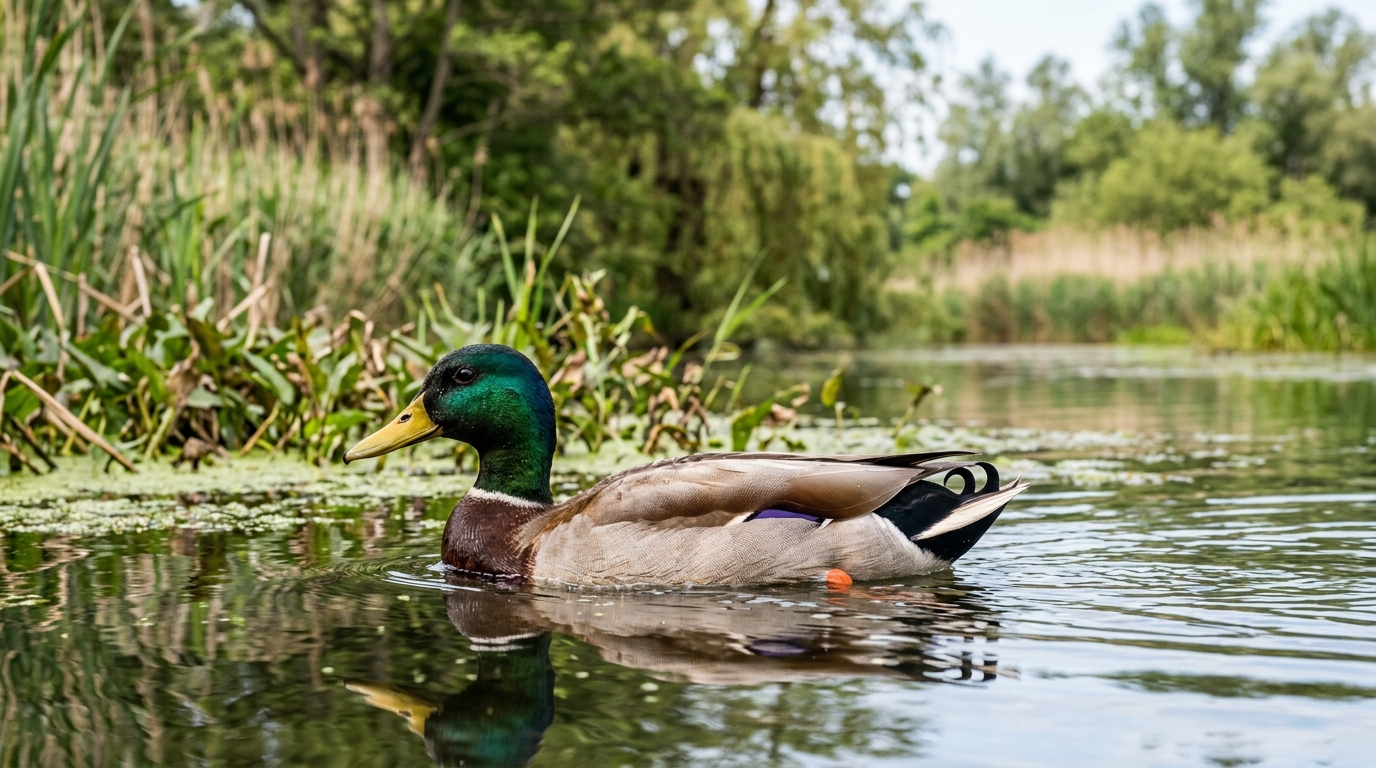
Mallard duck
The most common dabbling duck; males have distinctive glossy green heads.
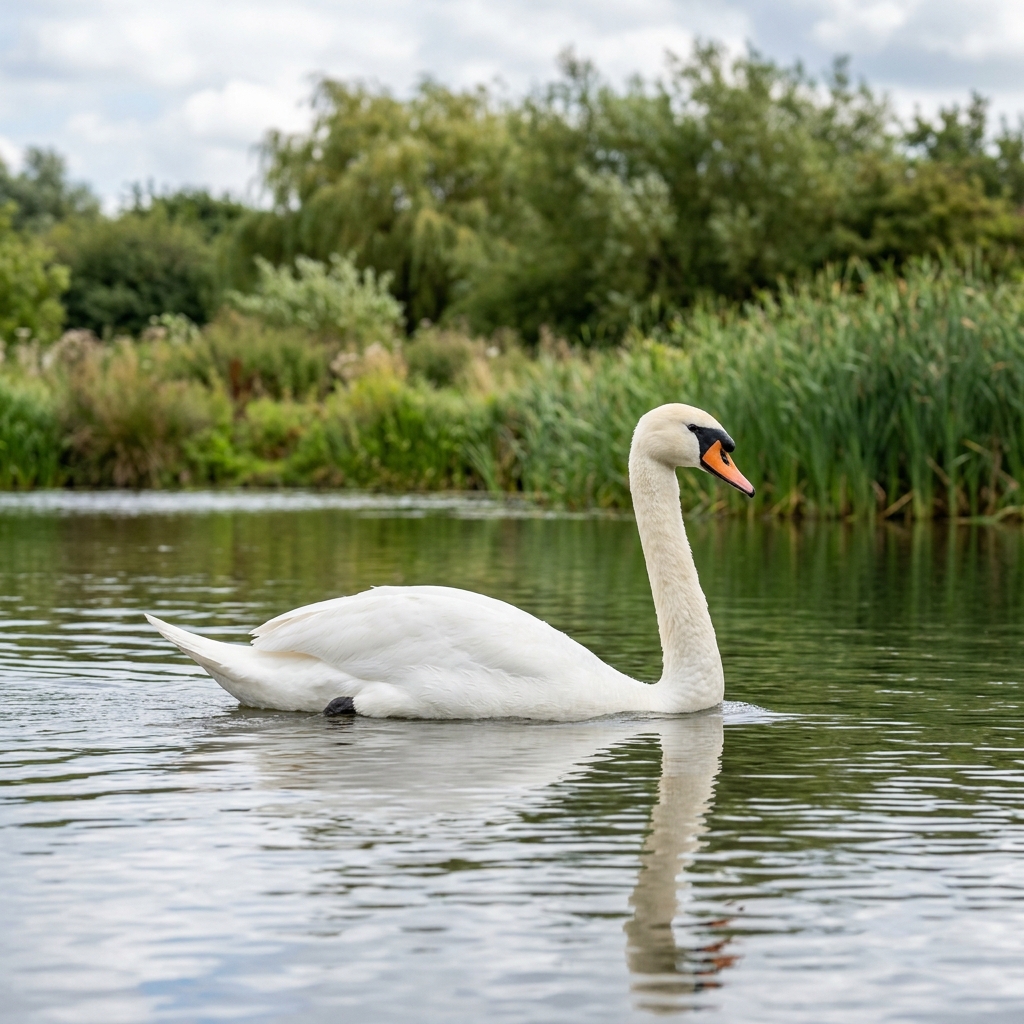
Swan
Huge, elegant white birds that glide gracefully along rivers and lakes.
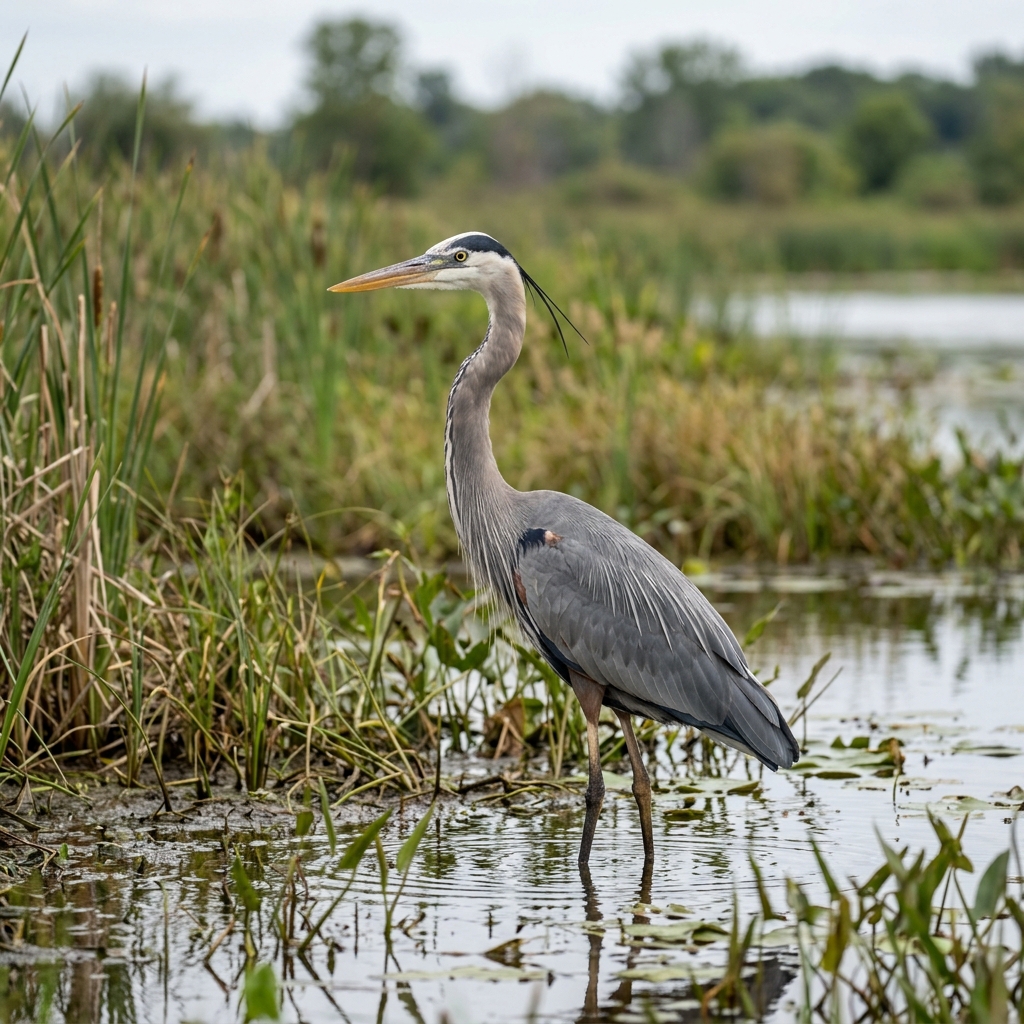
Grey Heron
Tall, patient wading birds that stand still as statues waiting for fish.
UK Native Fish & Amphibians
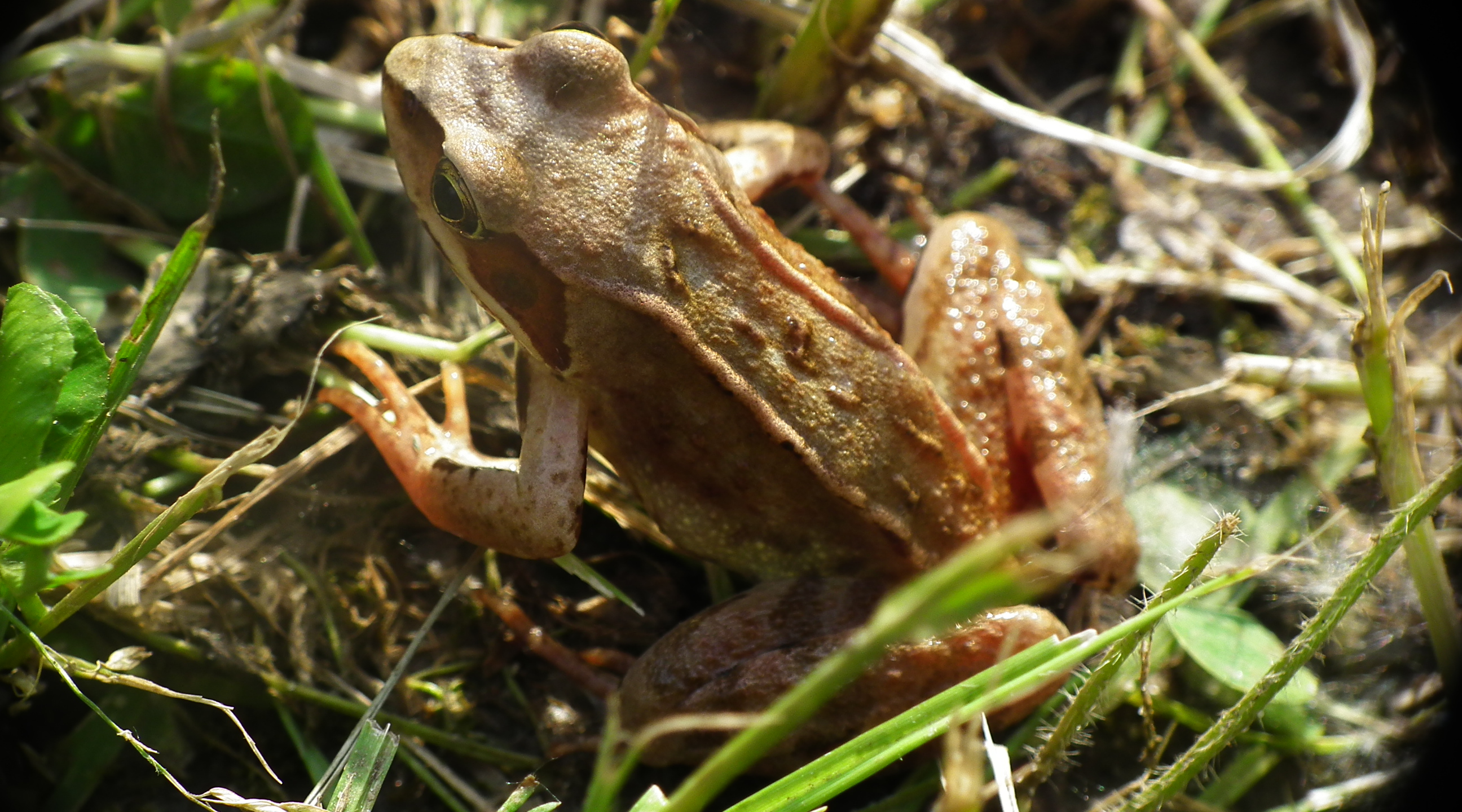
Common frog
Amphibians that begin their life as tadpoles in ponds.
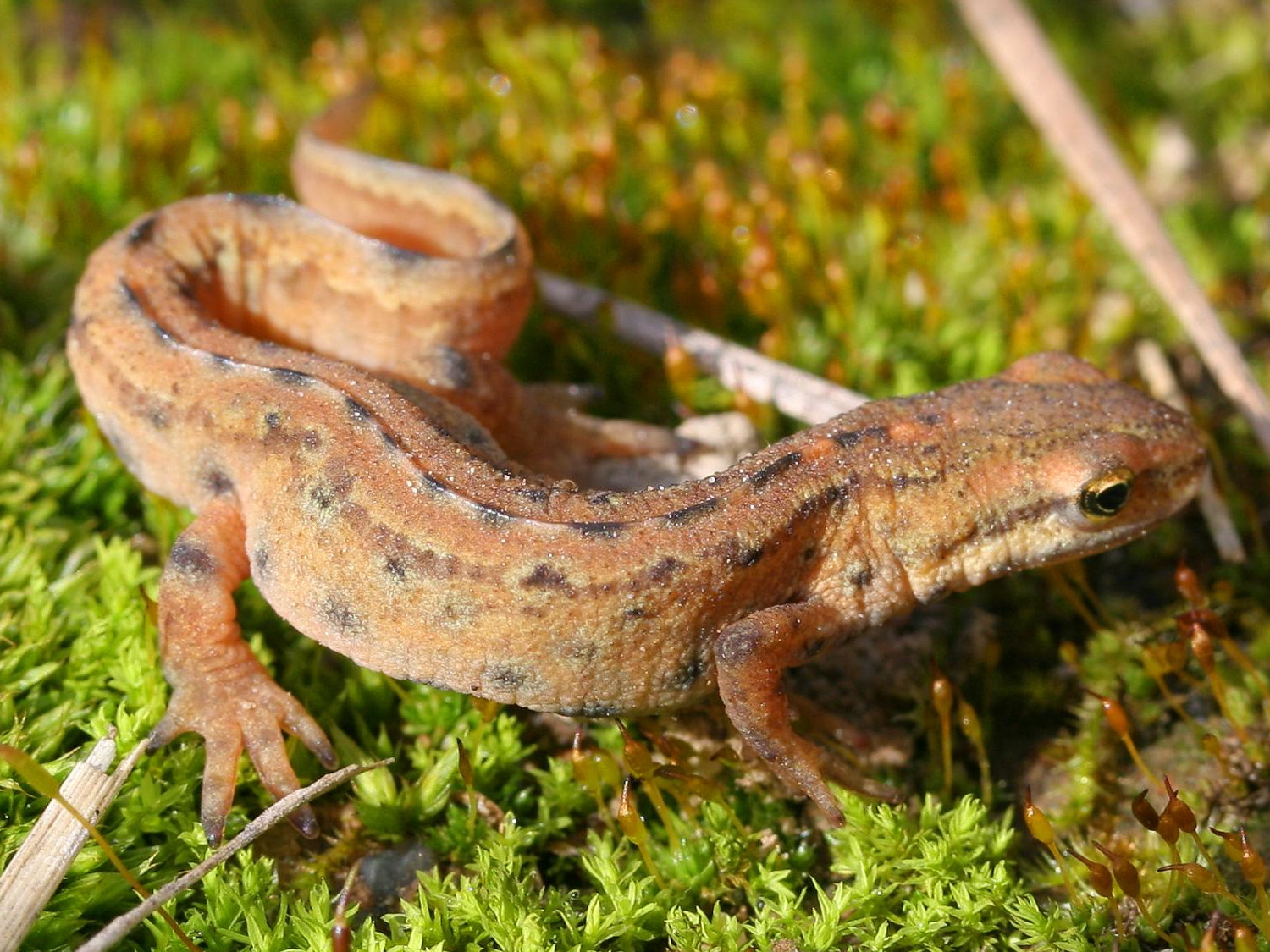
Smooth newt
Small amphibians with a yellow-orange belly that return to ponds to breed.
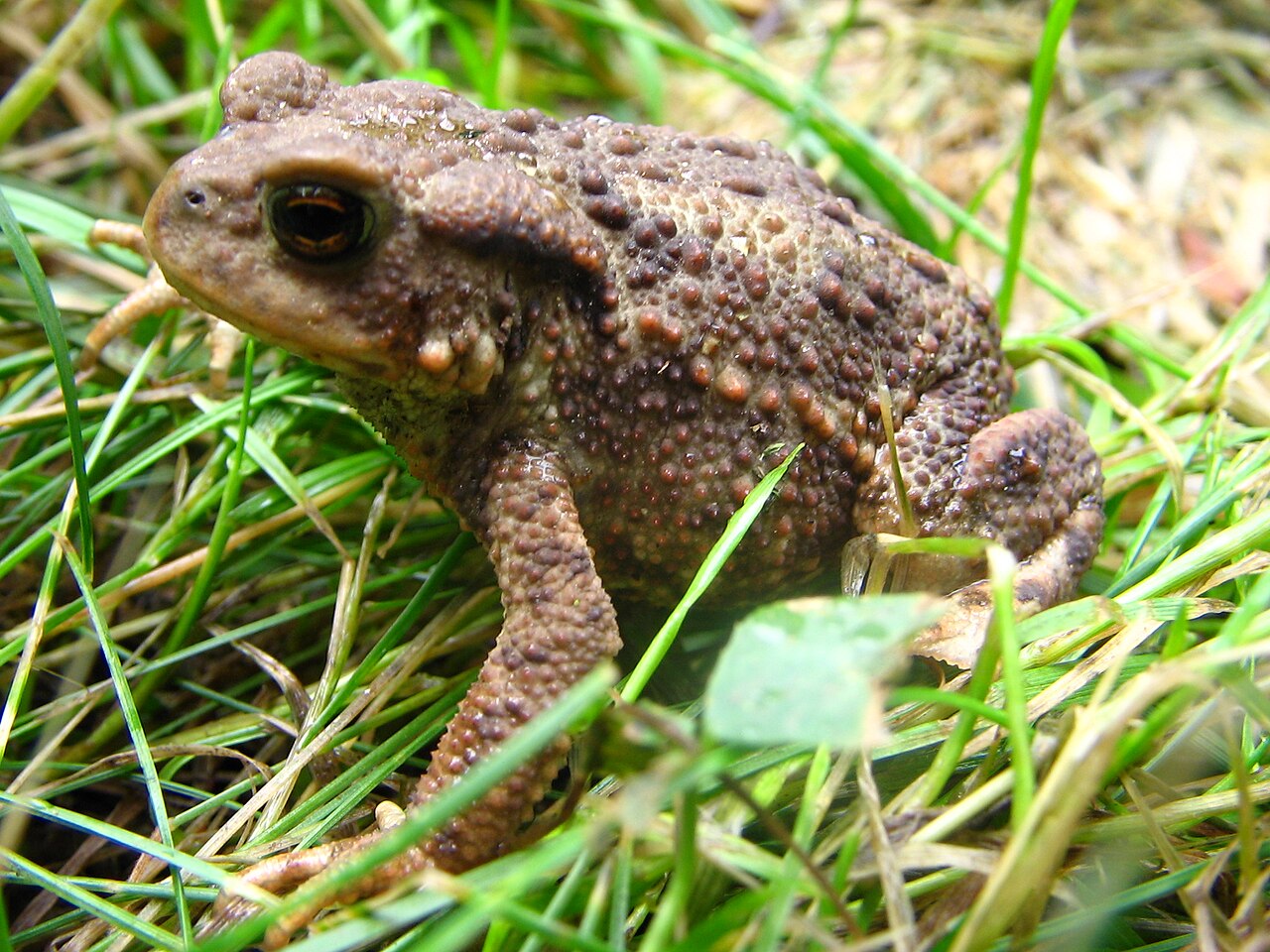
Common Toad
Warty, crawling amphibians that prefer walking to hopping.
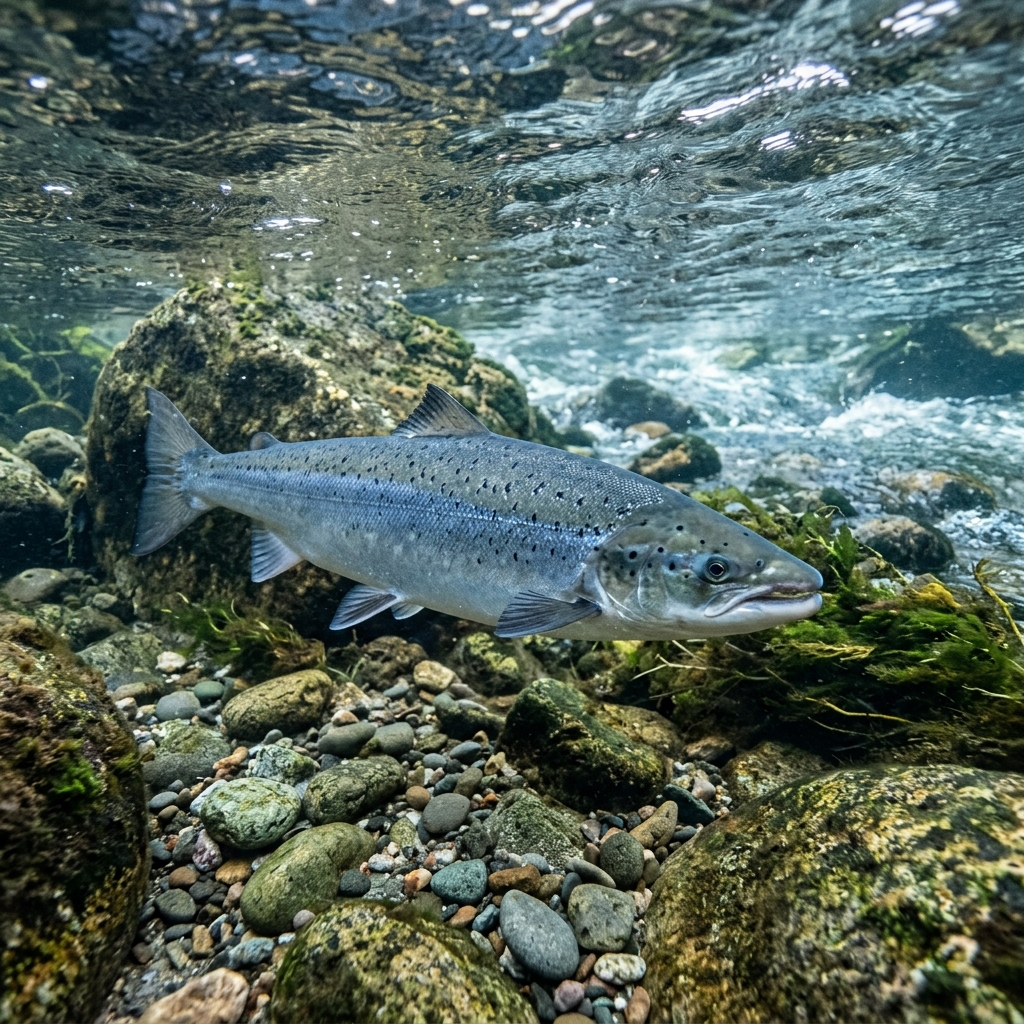
Atlantic Salmon
Incredible fish that migrate from the ocean up freshwater rivers to spawn.
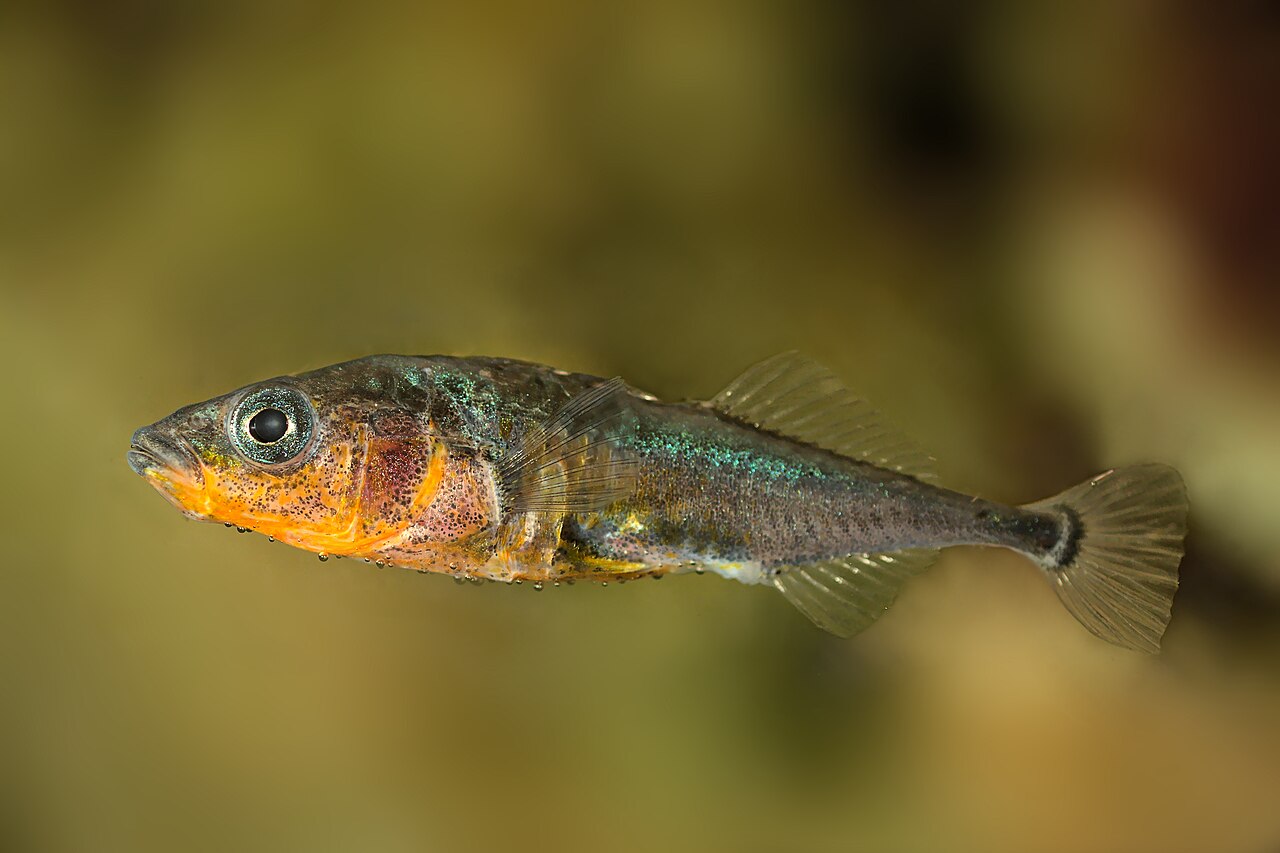
Stickleback
Tiny, fierce fish with sharp spines on their backs.
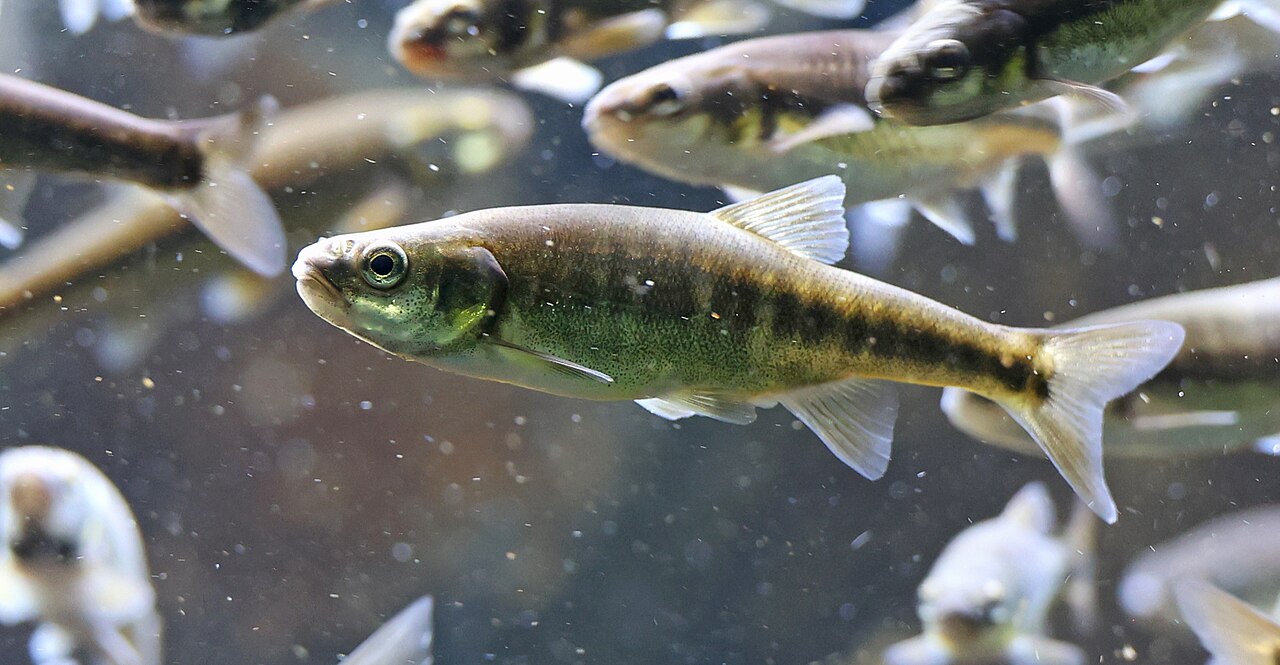
Minnow
Small schooling fish that dart together in clear, shallow streams.
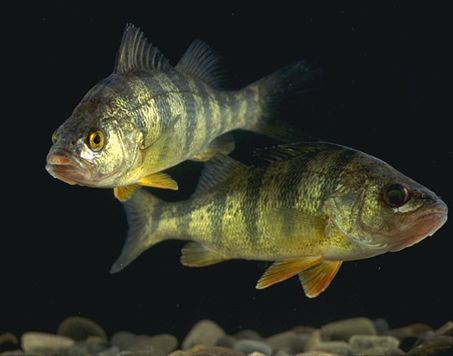
Perch
Predatory fish with dark vertical stripes and bright red fins.
UK Freshwater Mammals & Reptiles
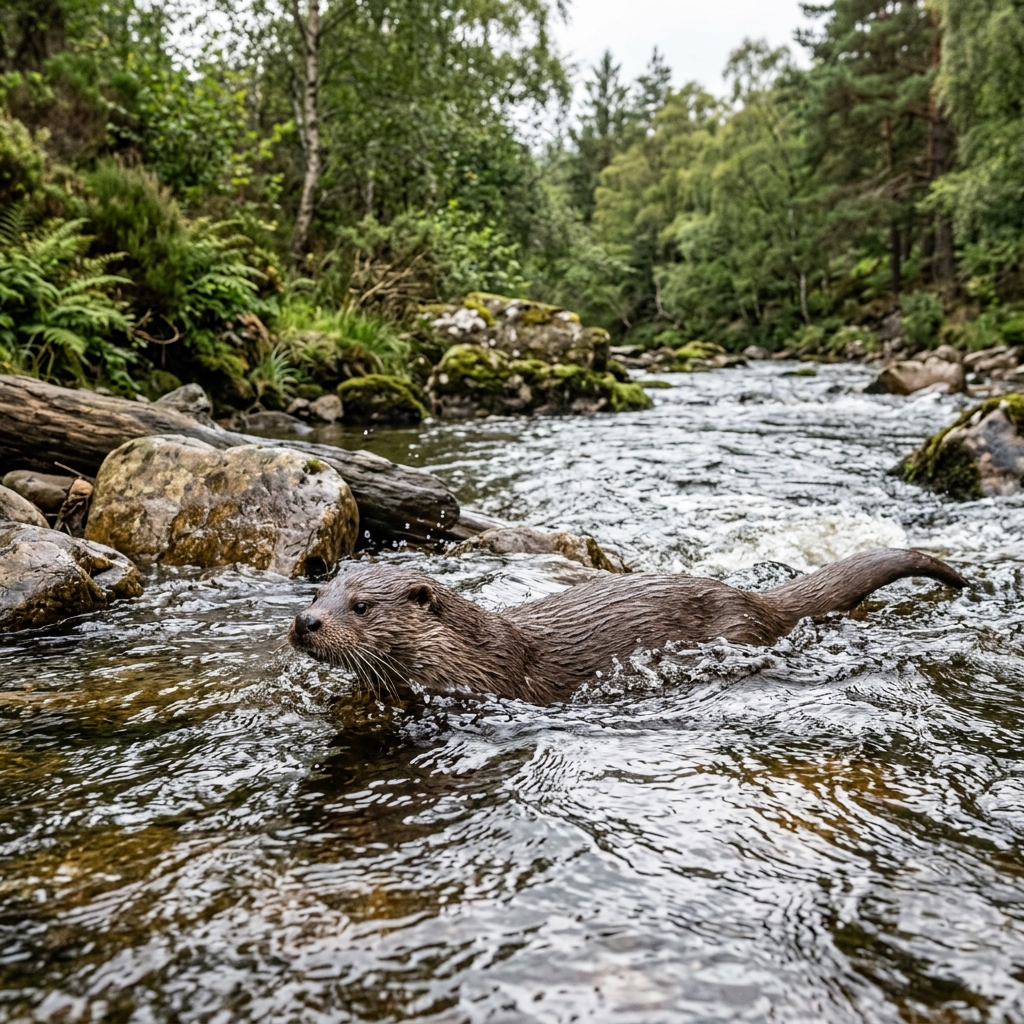
Eurasian Otter
Playful and elusive fish-hunters found in clean rivers.
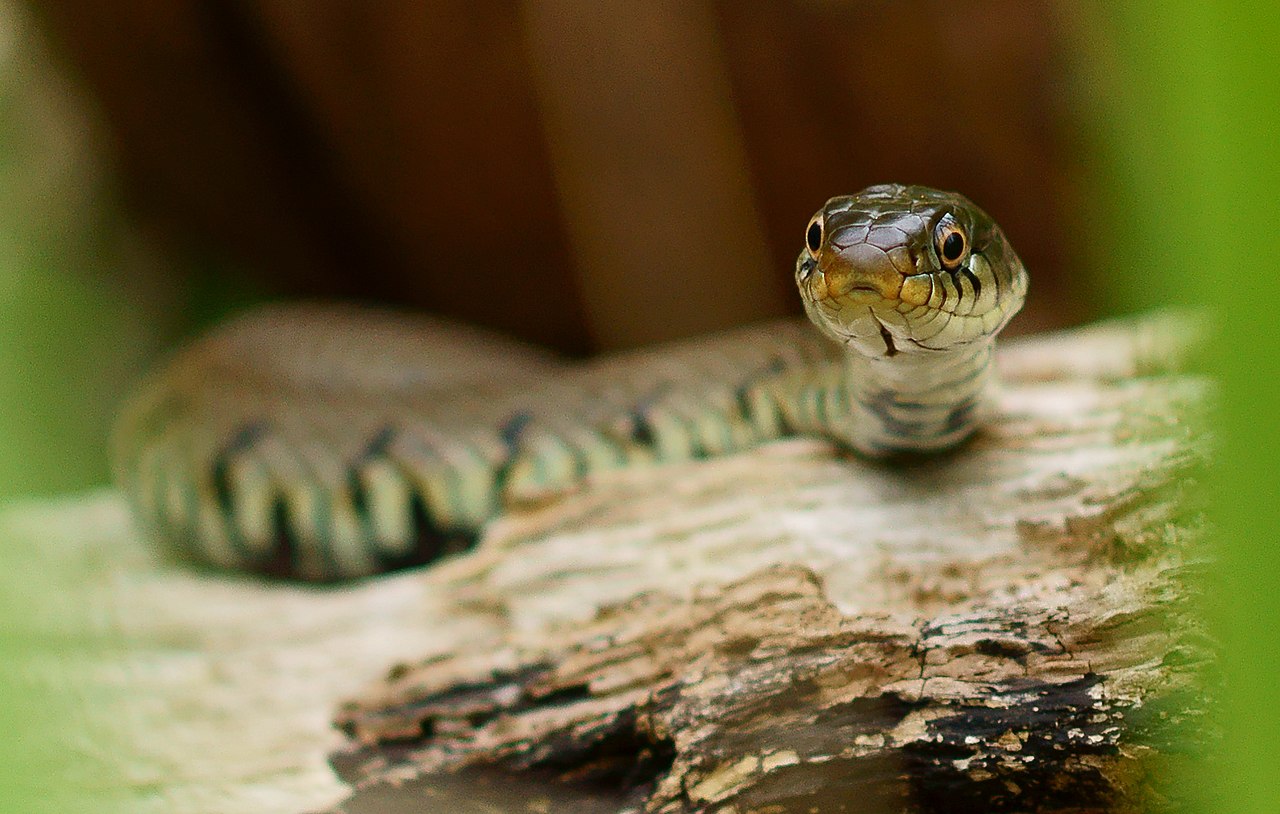
Grass Snake
Excellent swimmers and the UK's longest snake, feeding mainly on amphibians.
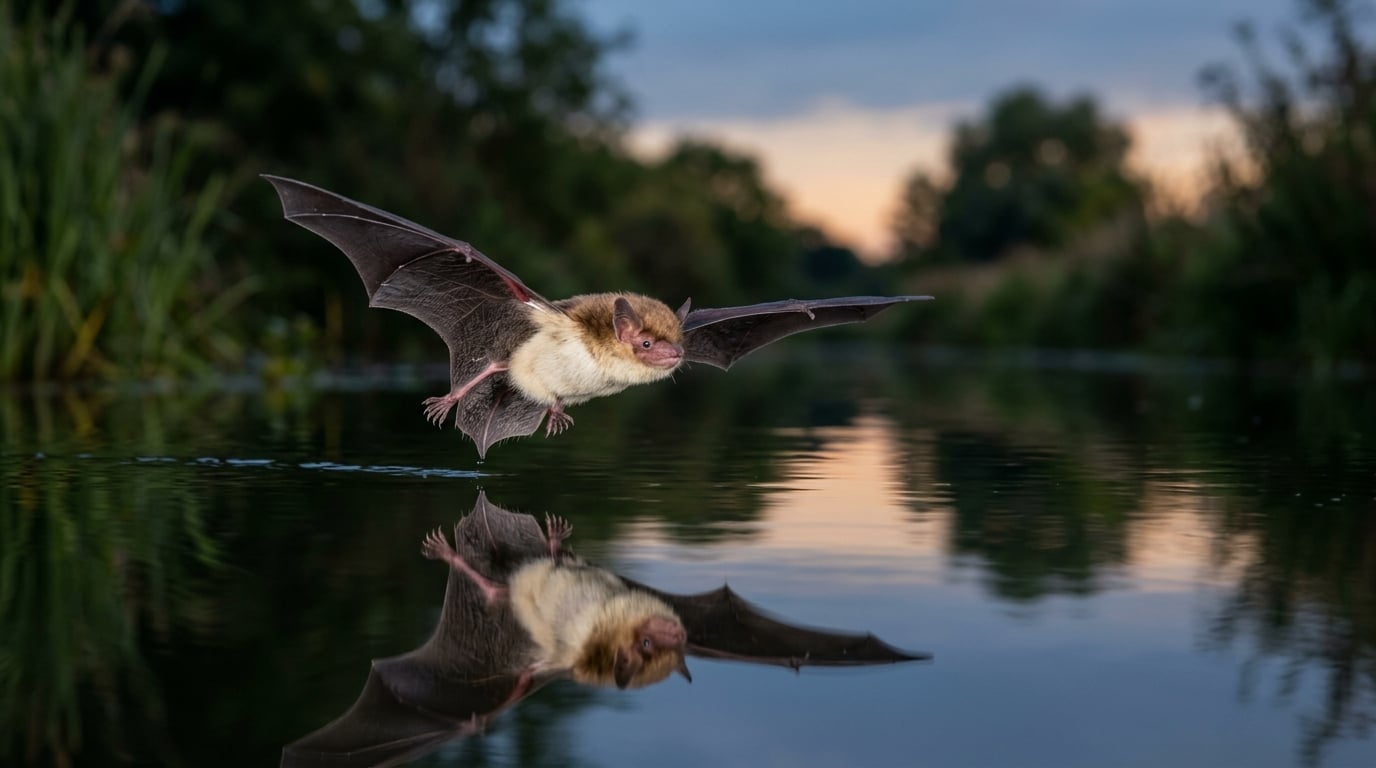
Daubenton's Bat
Myotis daubentonii
The 'water bat', skimming low over rivers and ponds to scoop up insects with its big feet.
Pond Minibeasts & Invertebrates
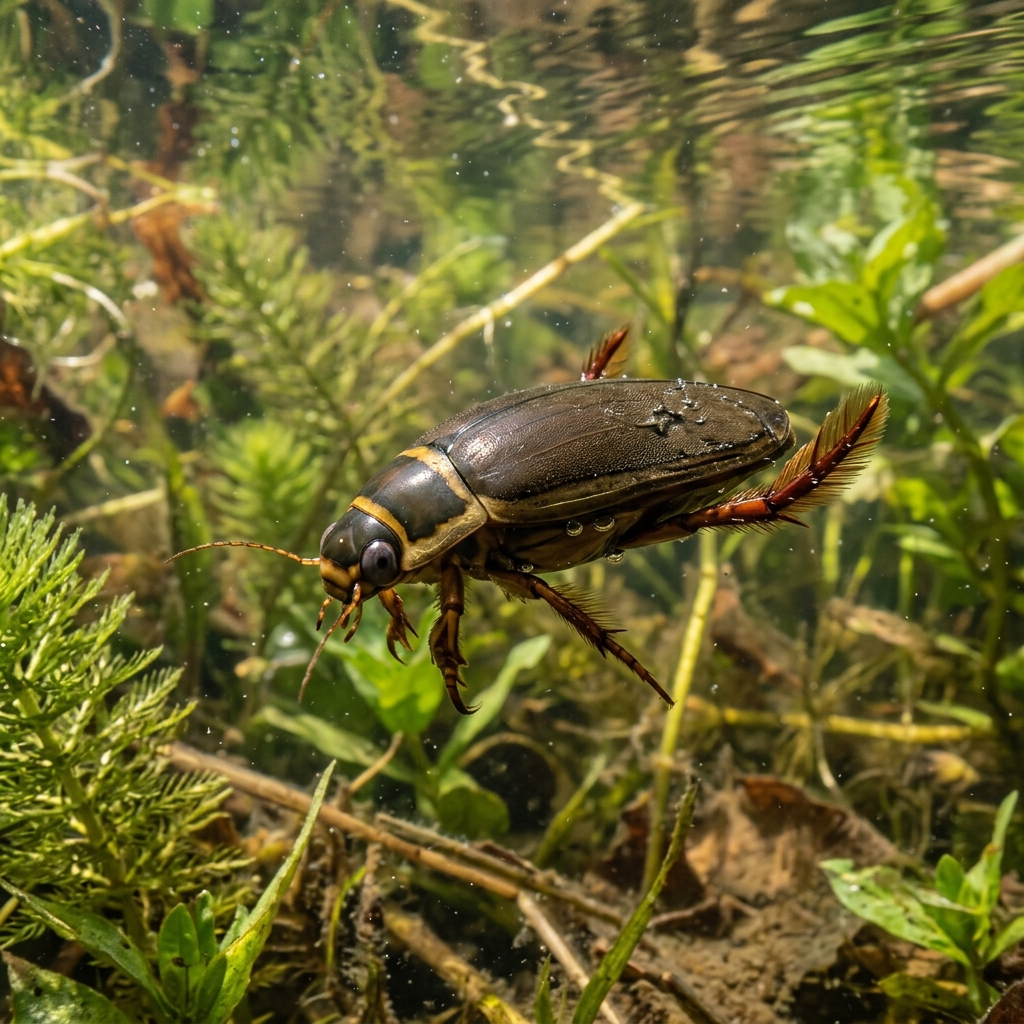
Great diving beetle
Large, fierce aquatic insects that hunt tadpoles and small fish.
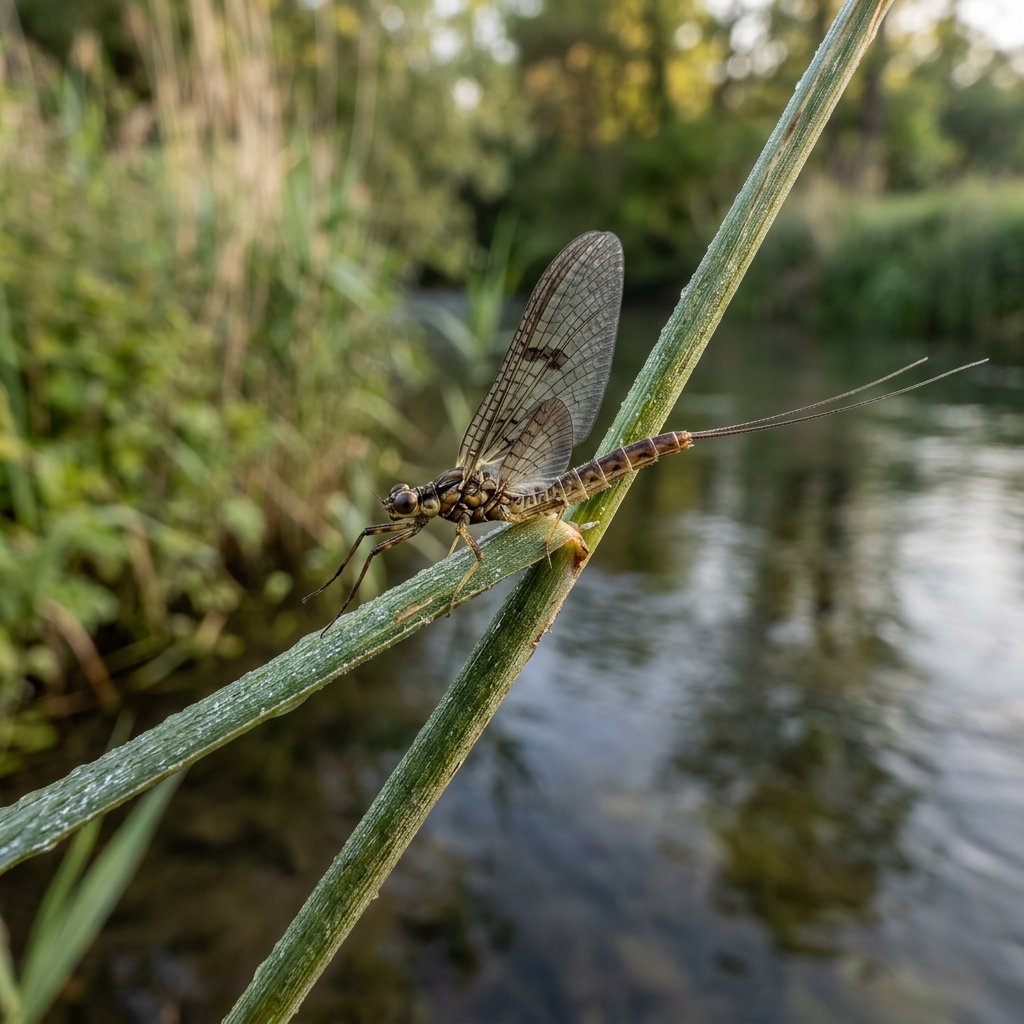
Mayfly
Delicate insects whose adults live for only a single day.
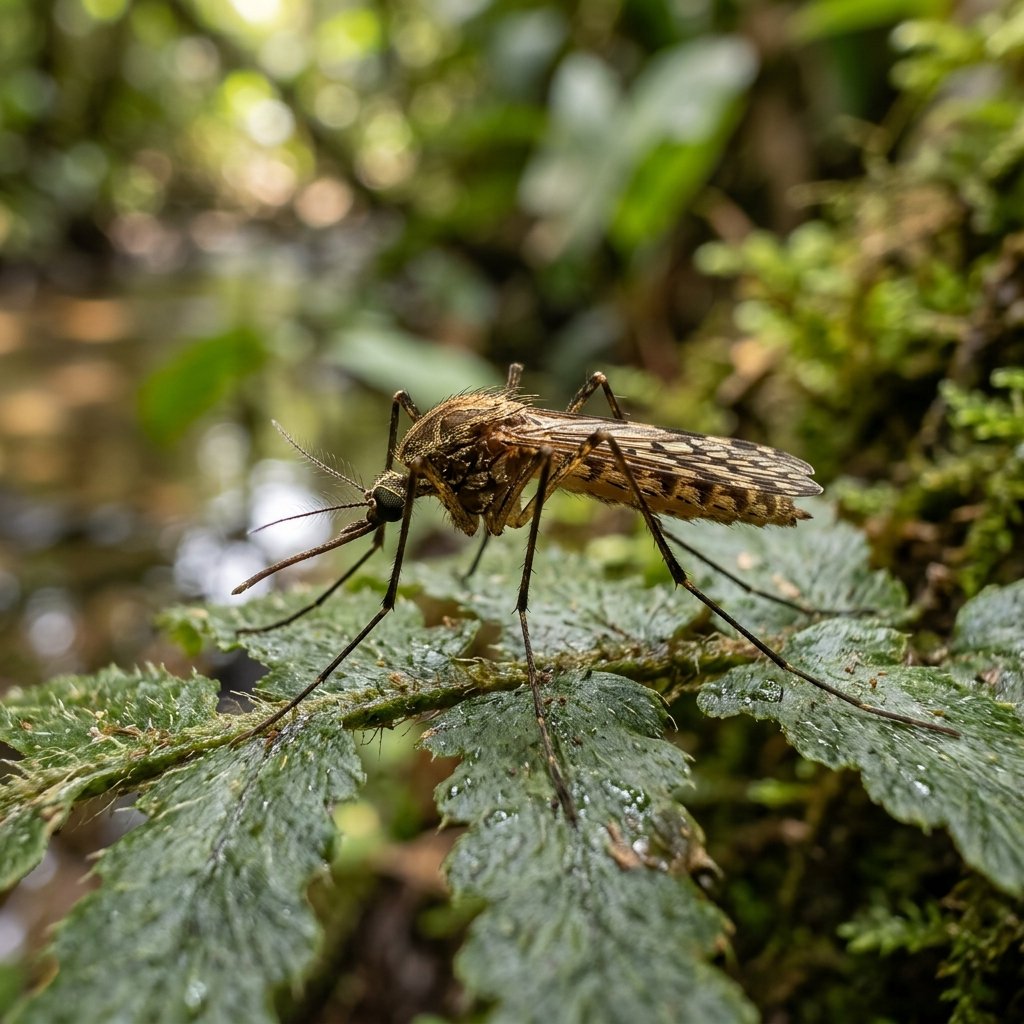
Mosquito
Insects whose aquatic larvae wriggle in stagnant water before taking flight.
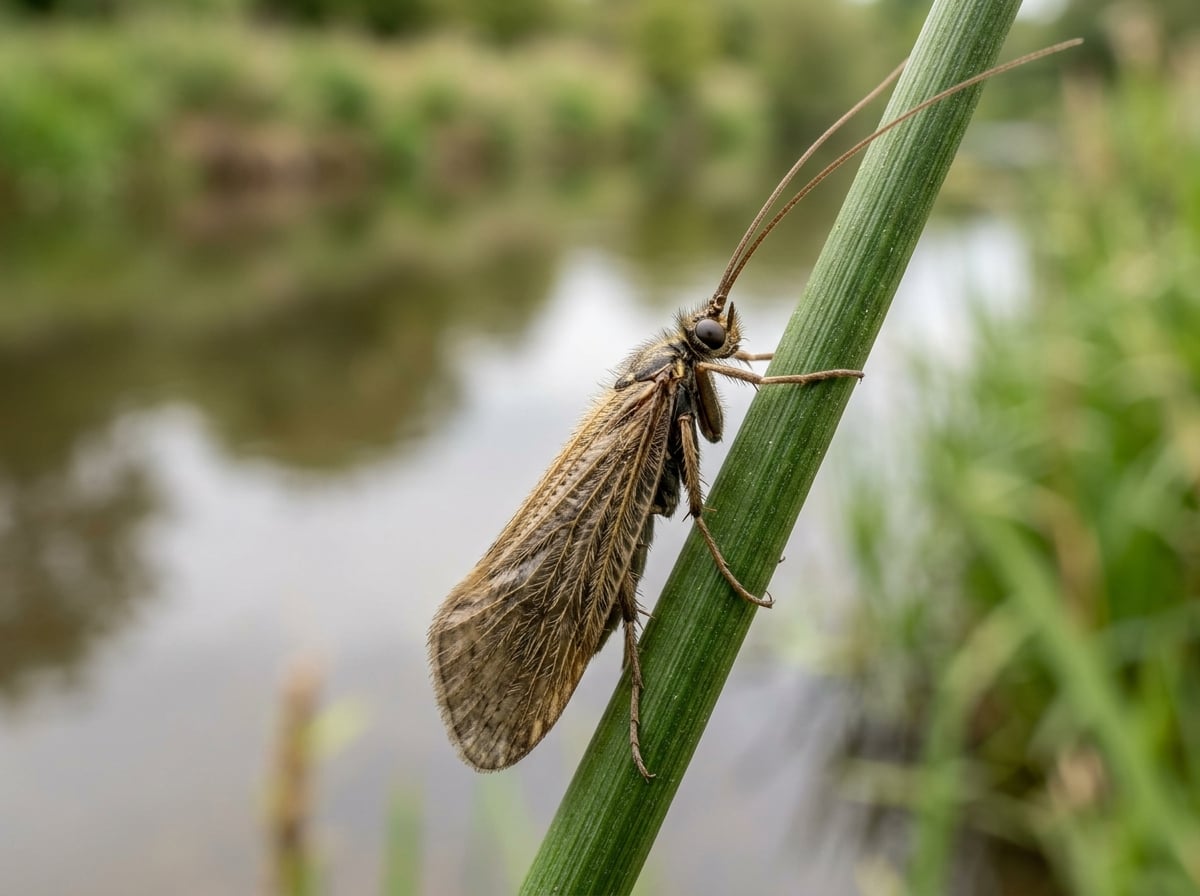
Caddisfly
Limnephilus
Insects whose underwater young build tiny armoured cases from sand and twigs.
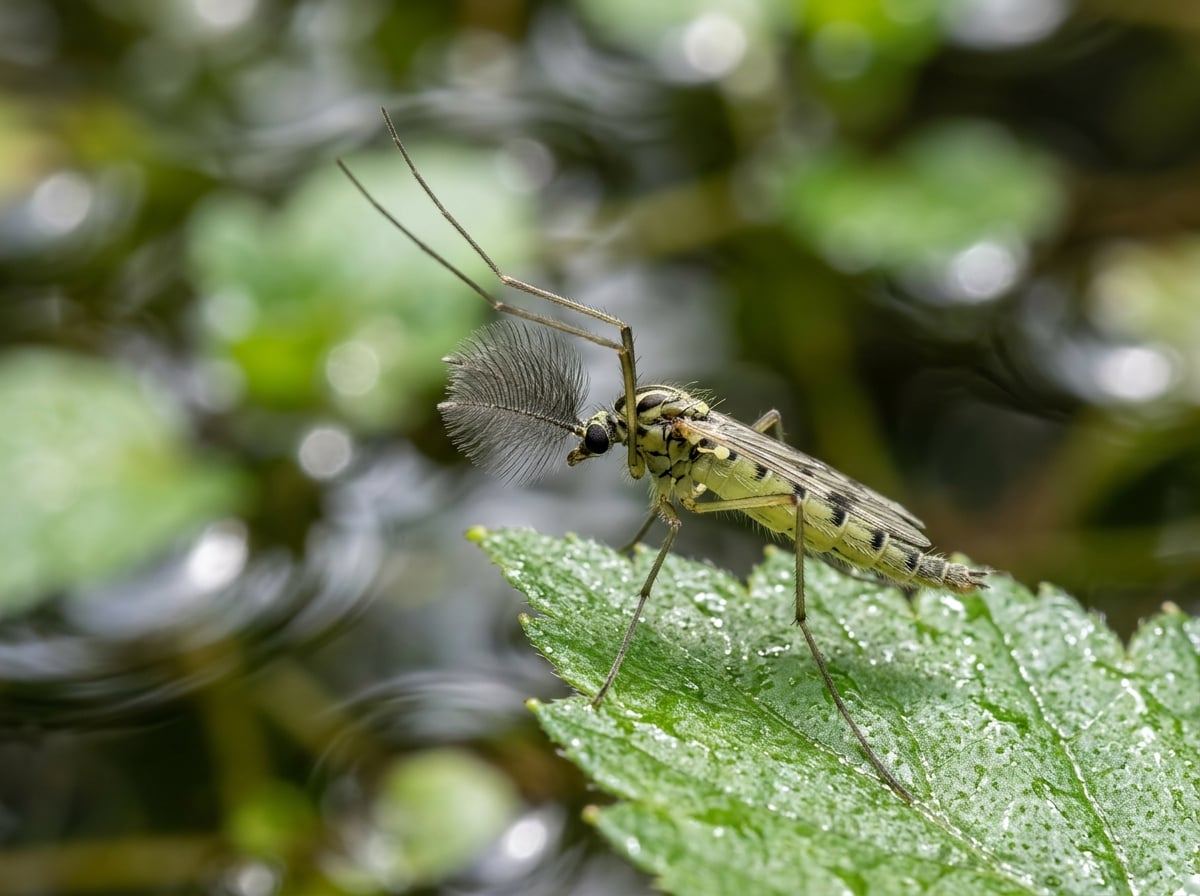
Midge
Chironomidae
Tiny flies that dance in clouds over the water at dusk — a feast for bats and fish.
Global Freshwater Examples
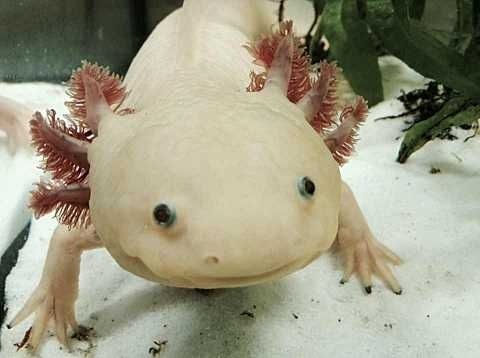
Axolotl
A unique salamander that stays in its aquatic larval form its entire life.
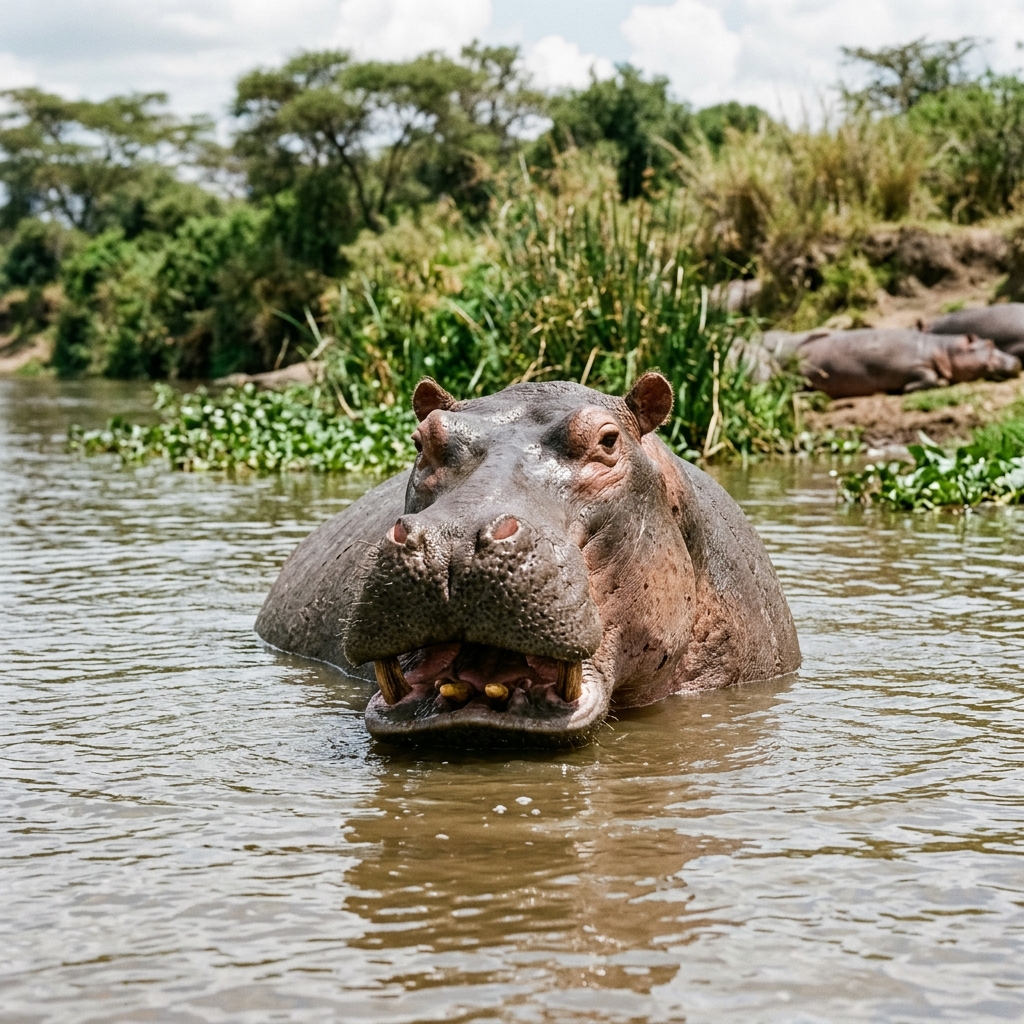
Hippopotamus
Massive African mammals that spend their days submerged to keep cool.
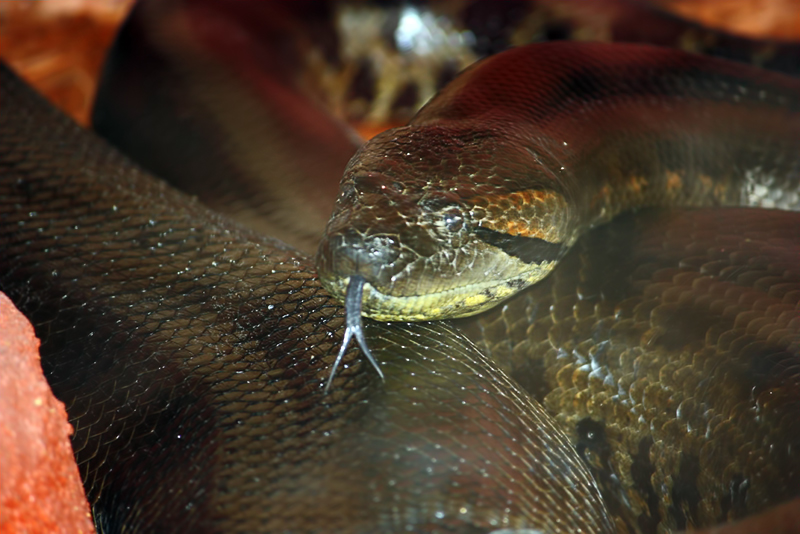
Anaconda
Giant South American constrictor snakes that hunt in murky swamps.
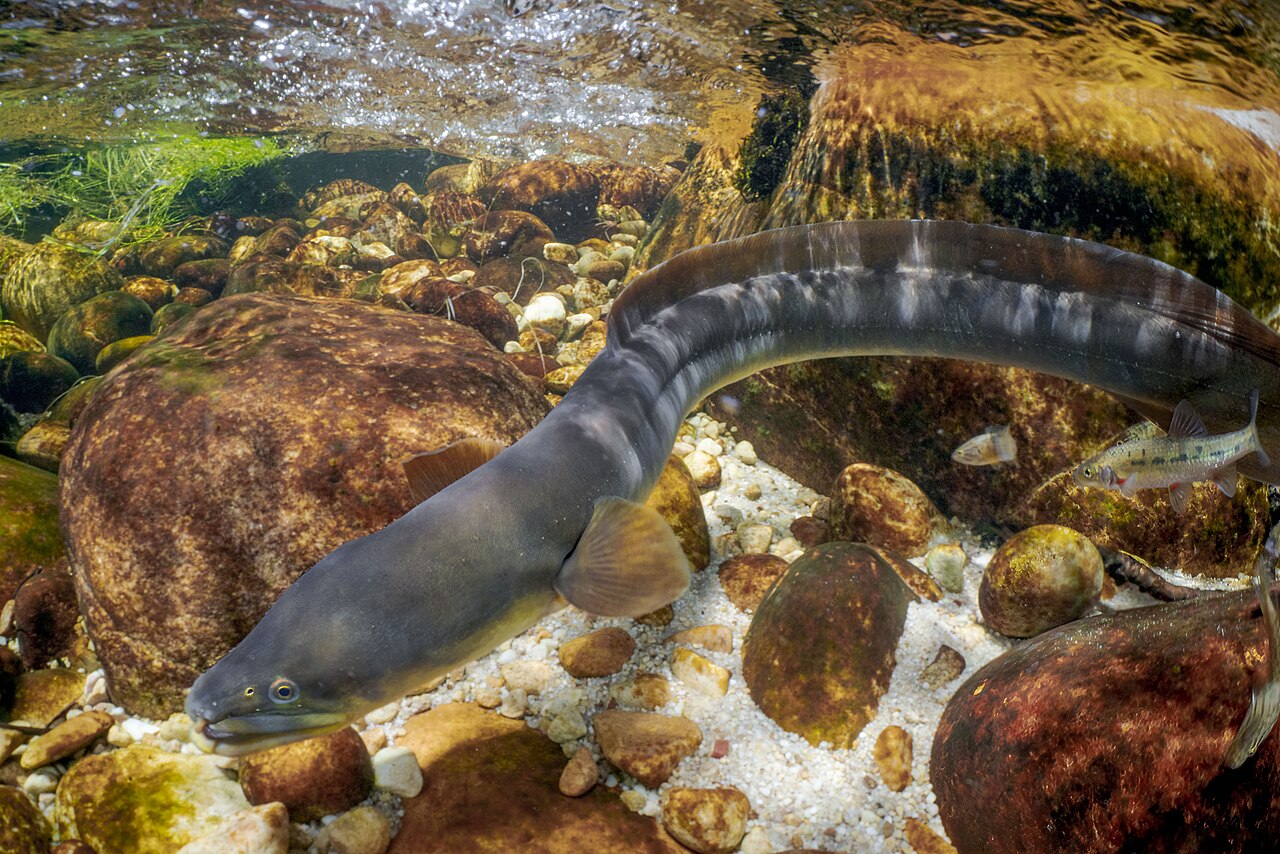
Electric Eel
Fascinating Amazonian fish that can generate powerful electrical shocks.
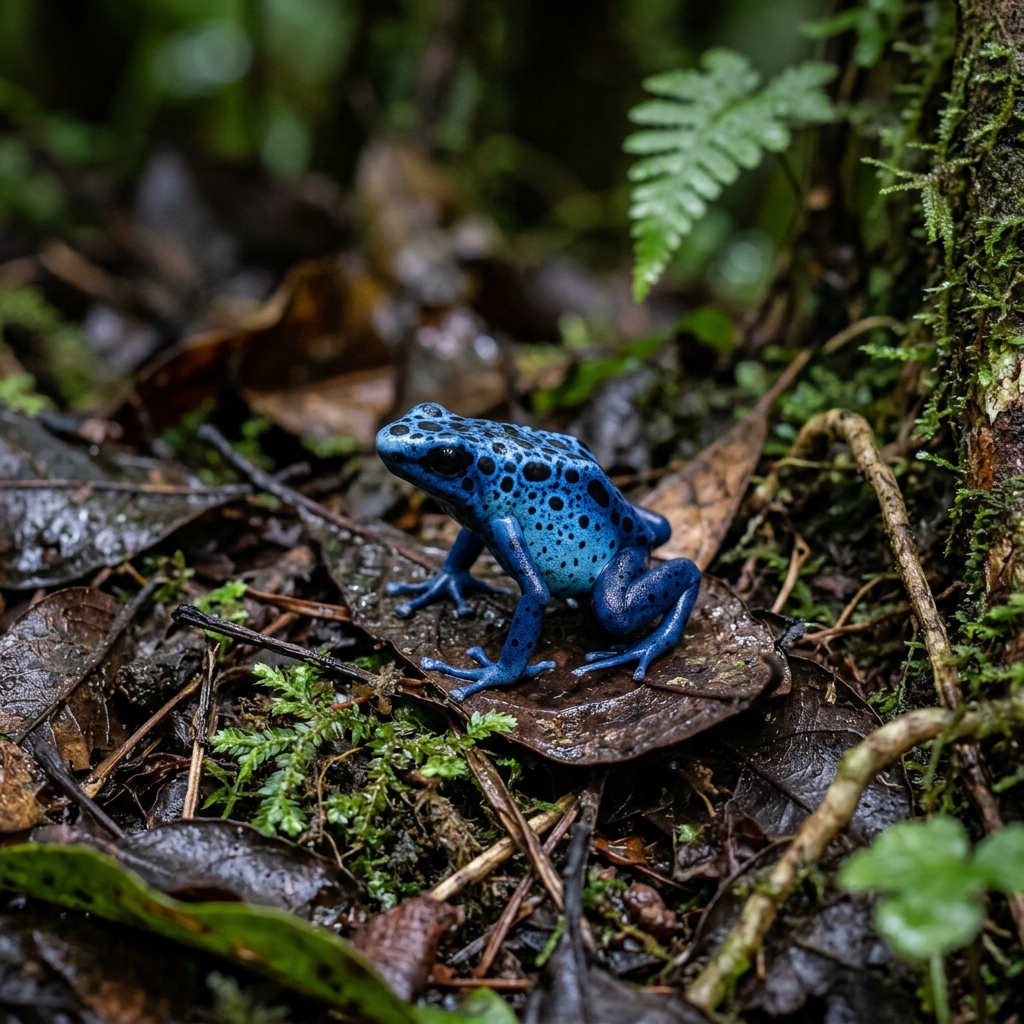
Poison Dart Frog
Brightly coloured rainforest amphibians that carry a deadly defense.
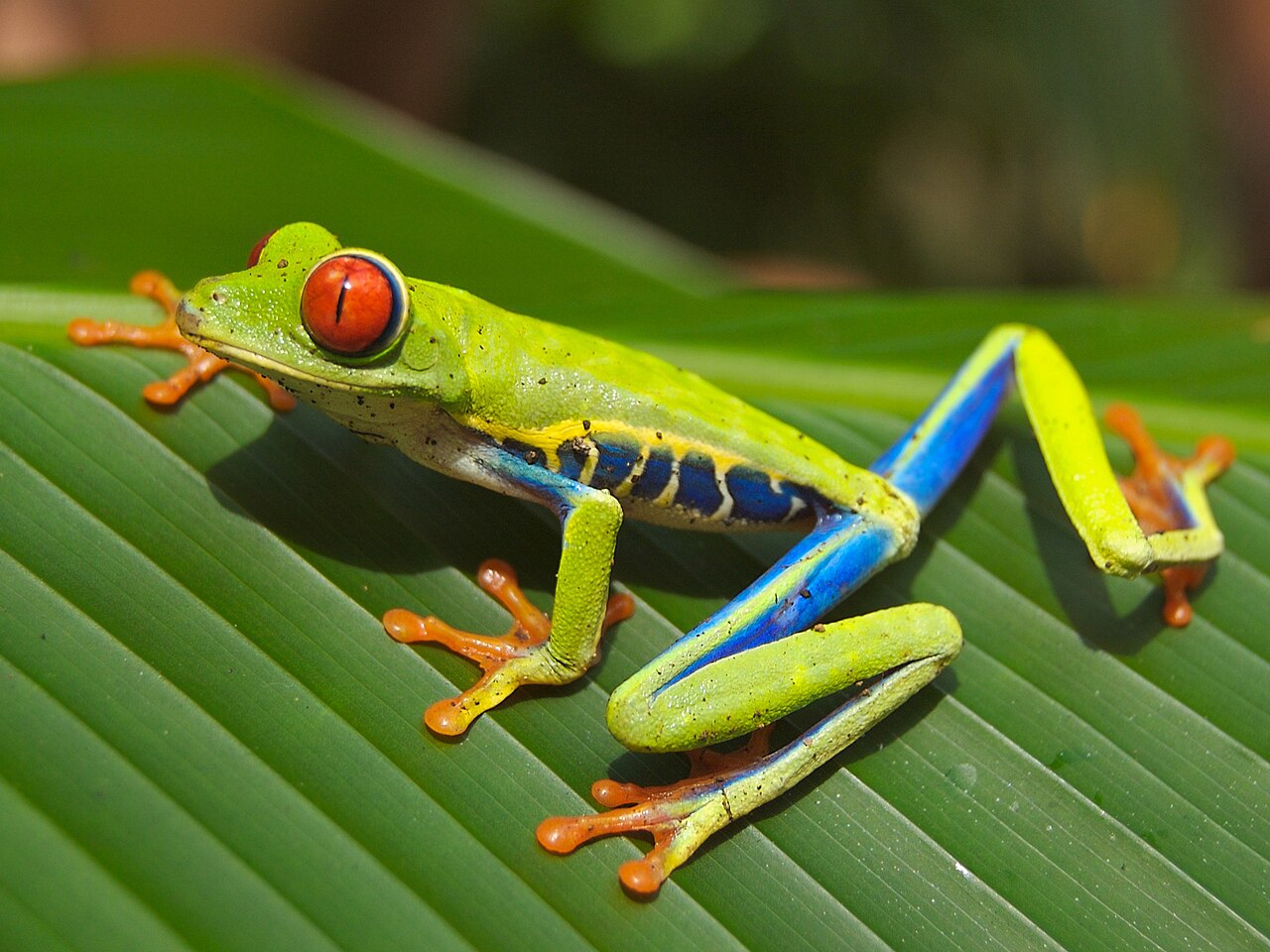
Red-eyed tree frog
Iconic jungle frogs with flashing red eyes that startle predators.
International Examples: High-Altitude Lakes
While most of our focus is on UK species, freshwater habitats around the world hold extraordinary specialists. For example, in the high-altitude canals of Lake Xochimilco in Mexico, you can find the:
Plants of the freshwater
Ponds, rivers, and boggy ground are home to special plants — some float, some stand in the shallows, and some even catch insects. Here are some to find.
Water and wetland plants
Plants that grow in the water or in the wet ground at the edge.
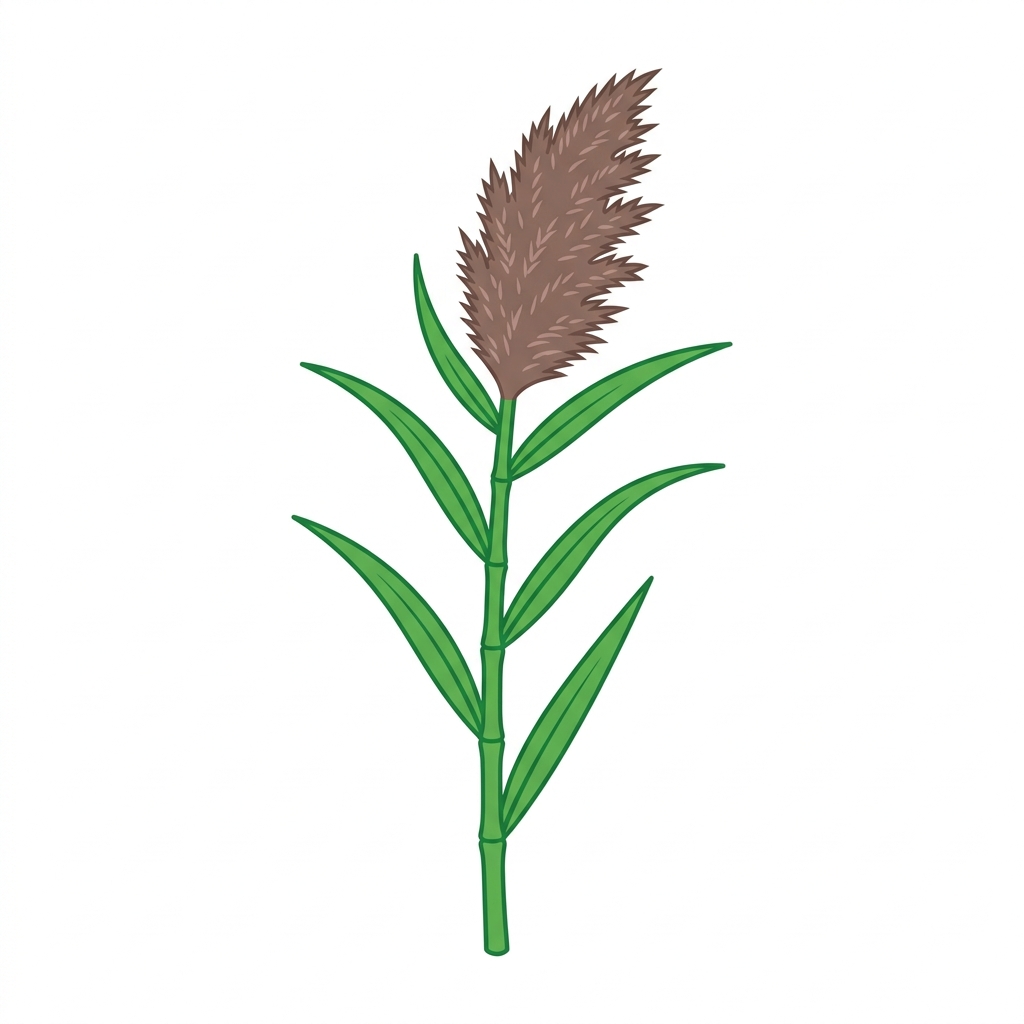
Common Reed
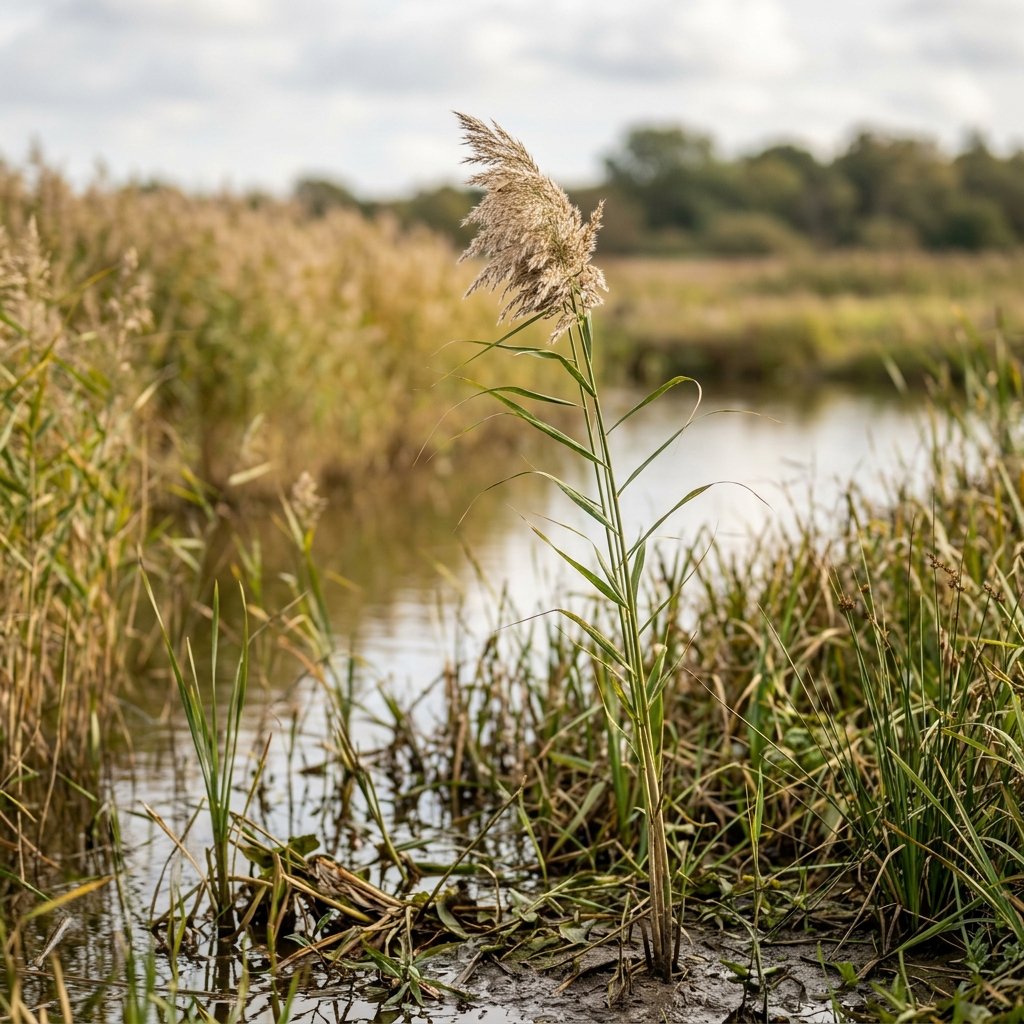
Britain's tallest grass — the plant that builds reedbeds. Hidden air channels let it breathe in waterlogged mud, and it may have the widest range of any flowering plant on Earth.
💡 Fun Facts
- This is the tallest grass in Britain, growing taller than an adult — up to about three and a half metres.
- It builds reedbeds: whole watery forests of reed that are home to birds like the booming bittern.
- It may have the widest spread of any flowering plant on Earth, growing on every continent except Antarctica.
📅 Through the Year
- Flowering:August to October
- Fruiting:September to November
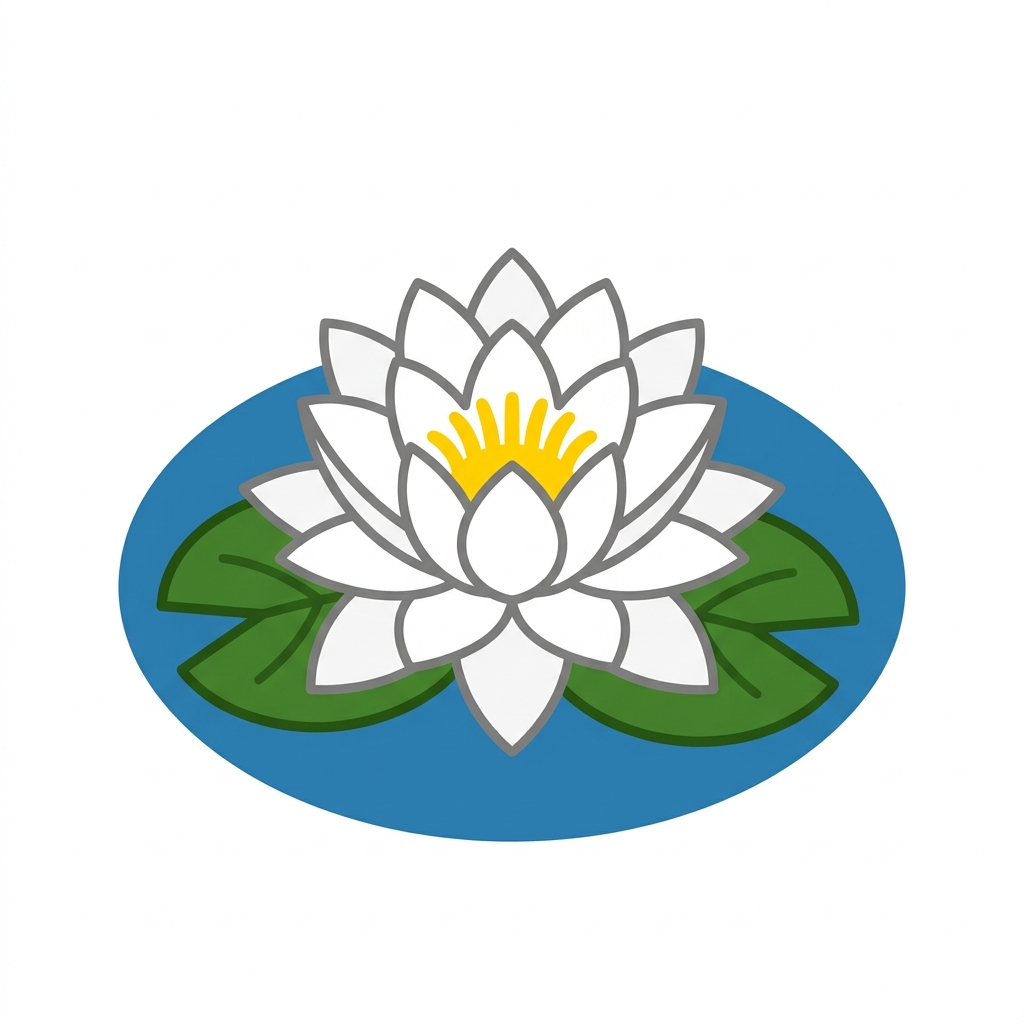
White Water-lily
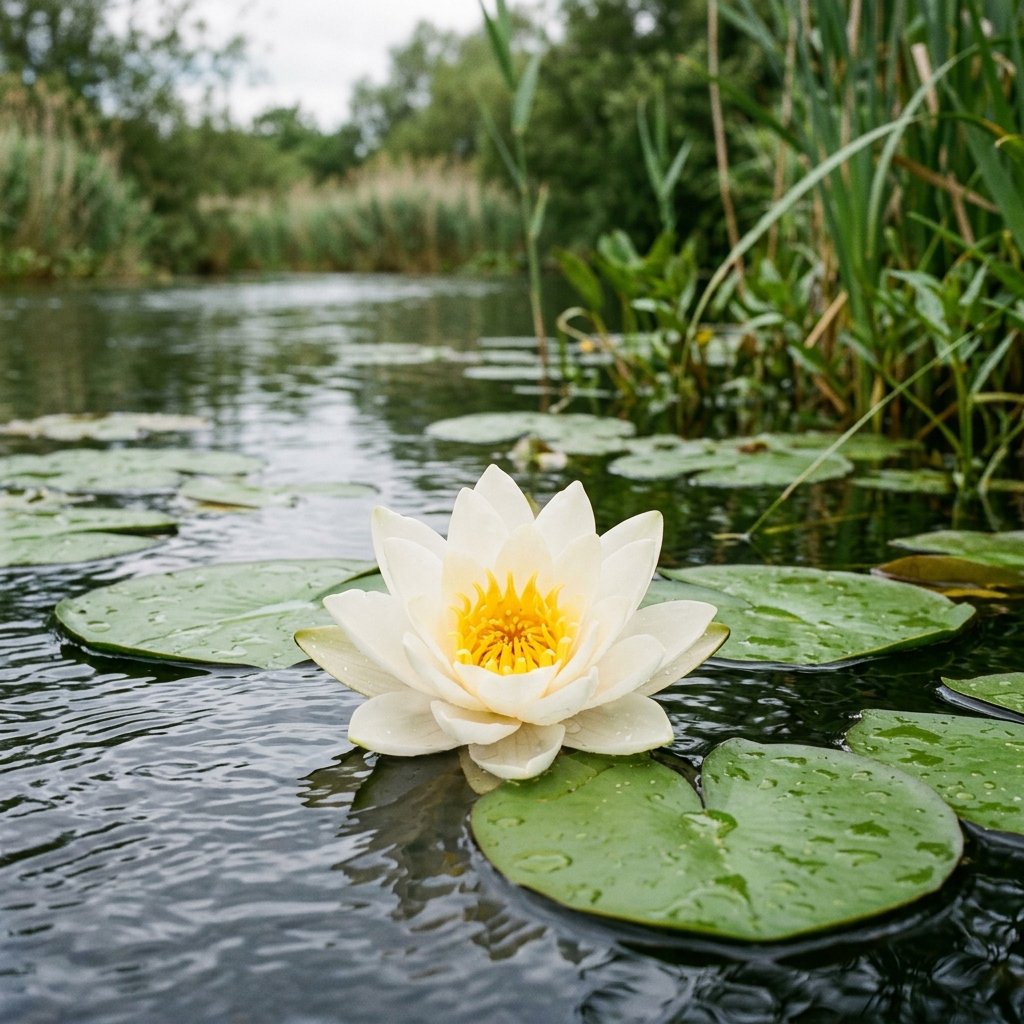
Britain's only native water-lily — big white flowers and round floating leaves, rooted in the mud but reaching all the way up to the surface of still, deep water.
💡 Fun Facts
- This is Britain's only wild water-lily, with big round leaves that float like green plates on the water.
- Its flowers are the biggest of any wild flower in Britain — up to the width of a side plate.
- It roots in the mud at the bottom and sends its leaves all the way up to the surface, through water that can be deeper than a grown-up is tall.
📅 Through the Year
- Flowering:June to September
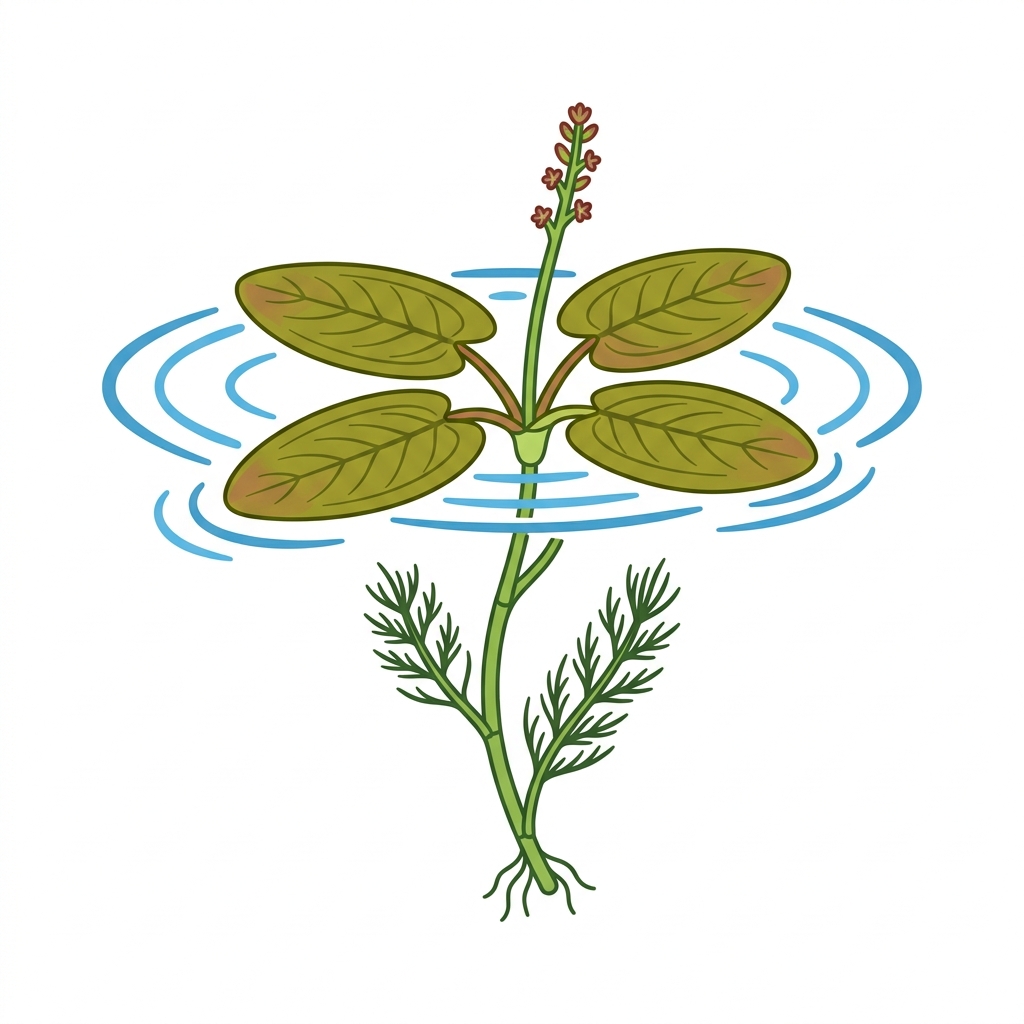
Broad-leaved Pondweed
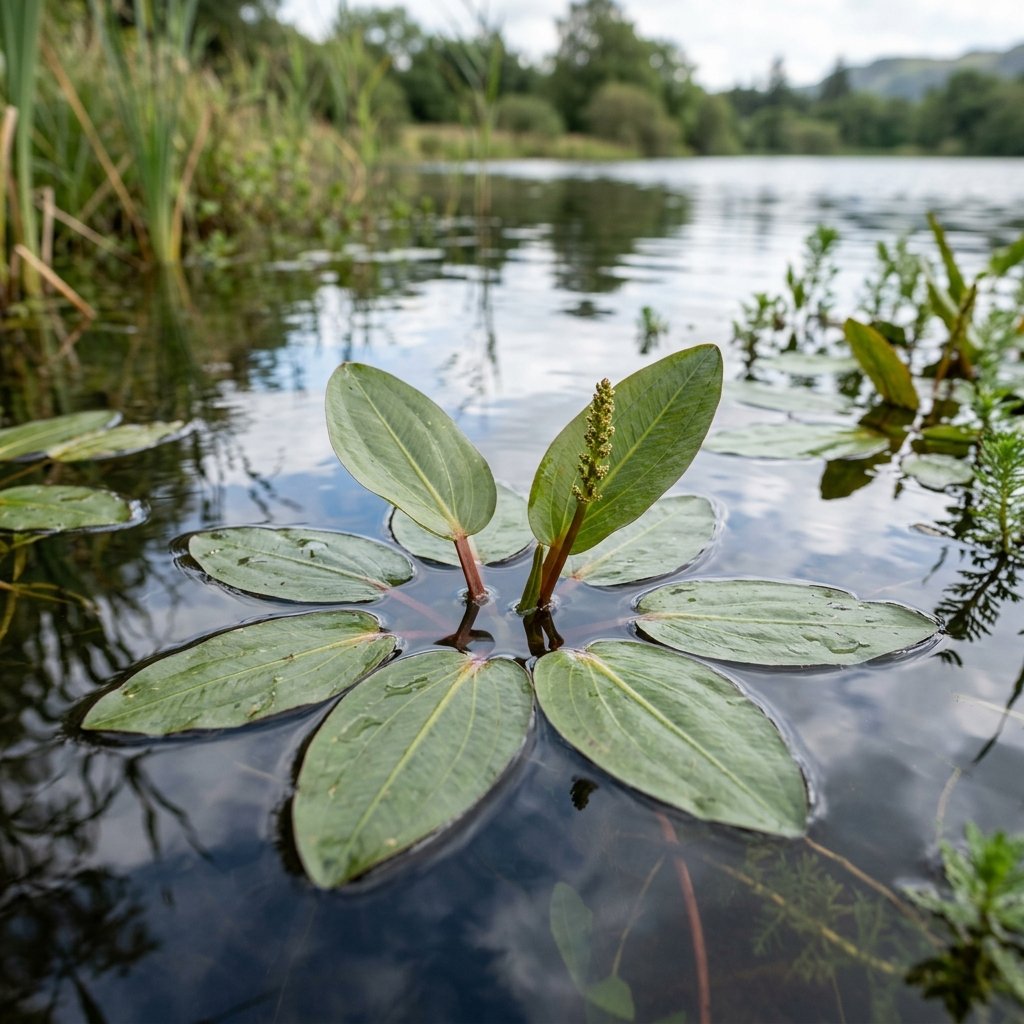
One of Britain's commonest pondweeds, with leathery oval leaves that float on the surface — a favourite food of ducks and swans.
💡 Fun Facts
- This is one of the commonest pondweeds in Britain, with oval leaves that float flat on the water like little leather boats.
- It grows two completely different kinds of leaf — floating oval ones on top, and narrow stalk-like ones below the surface.
- Ducks and swans love it — they eat the leaves and gobble up the little seeds.
📅 Through the Year
- Flowering:May to September
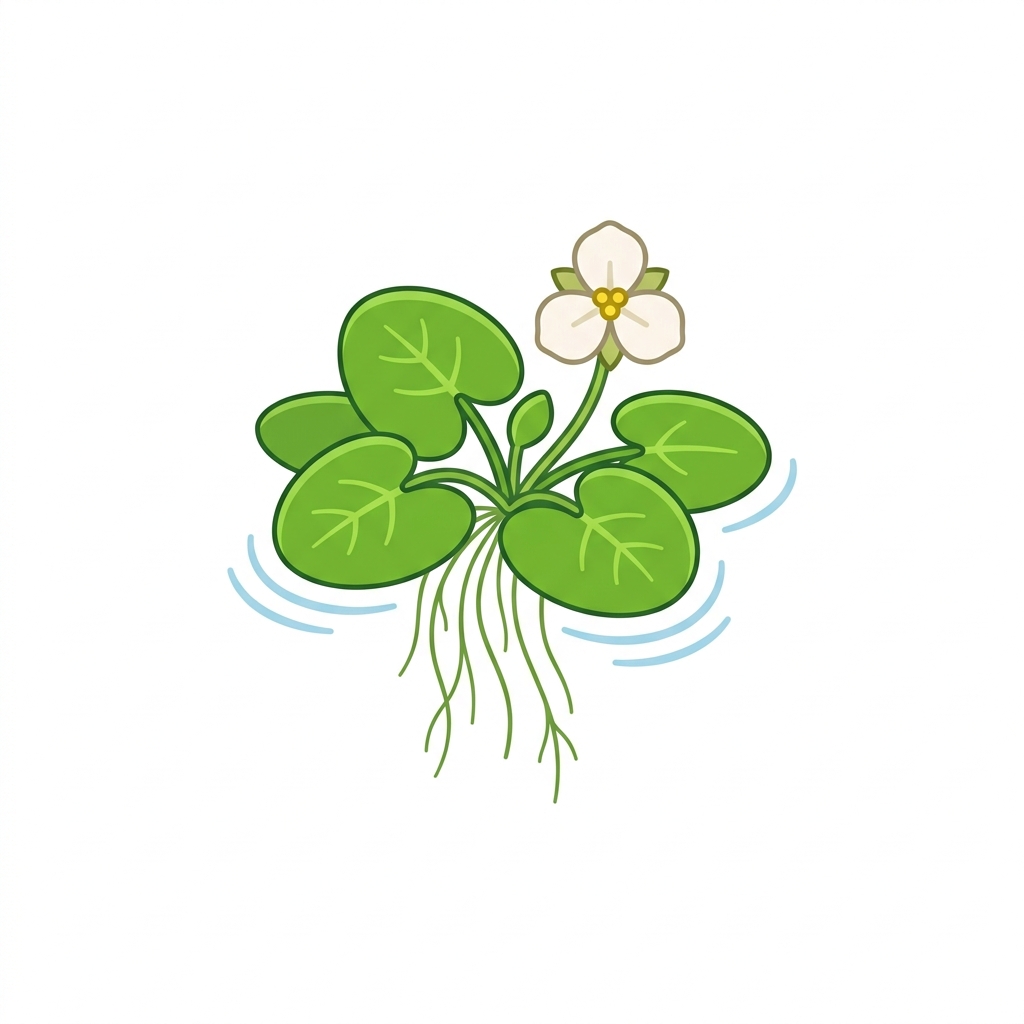
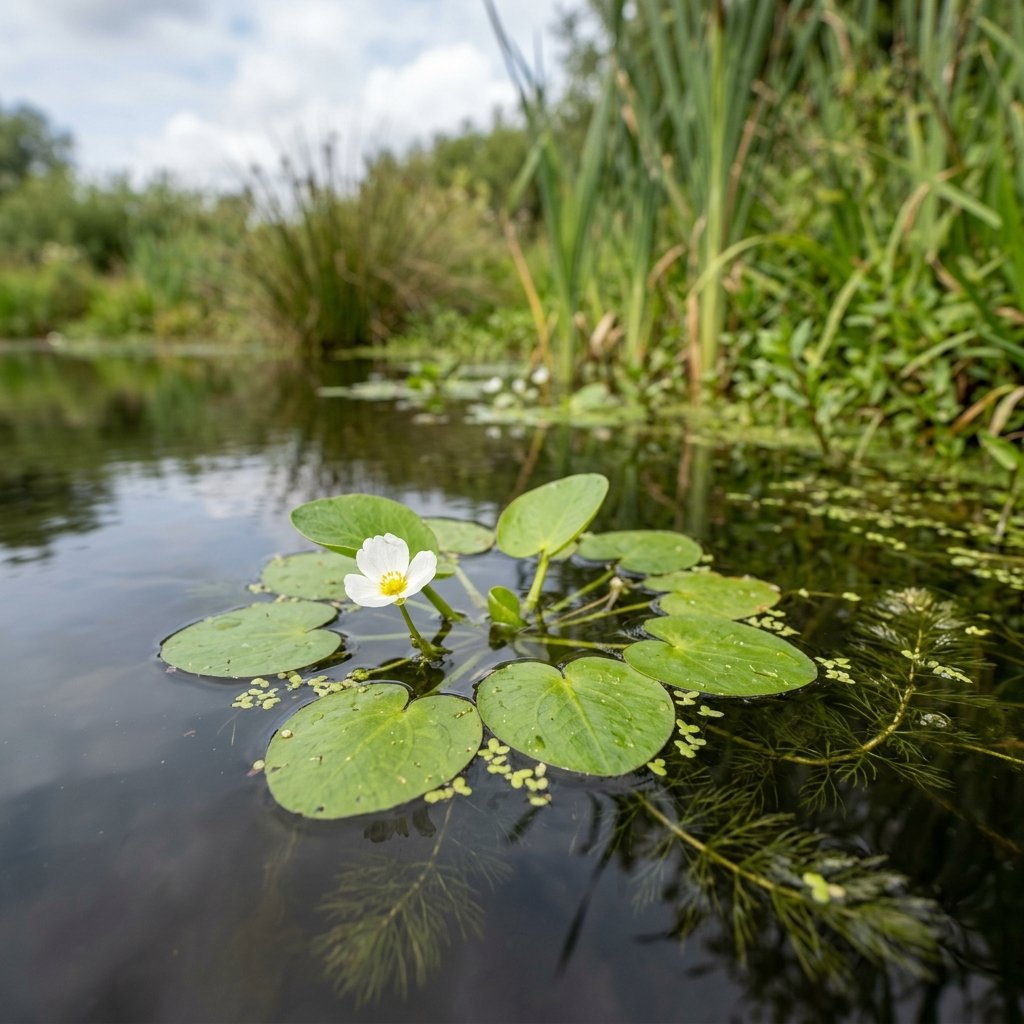
Frogbit
A tiny, free-floating plant that looks like a miniature water-lily — kidney-shaped leaves and small white flowers drifting on still water.
💡 Fun Facts
- Frogbit looks like a tiny water-lily, but it floats free on the surface instead of rooting in the mud.
- Its little leaves grow in rosettes, each one shaped like a small kidney, with a pretty white three-petalled flower.
- In autumn it makes special buds that sink to the bottom to spend the winter, then float back up and sprout again in spring.
📅 Through the Year
- Flowering:July to August
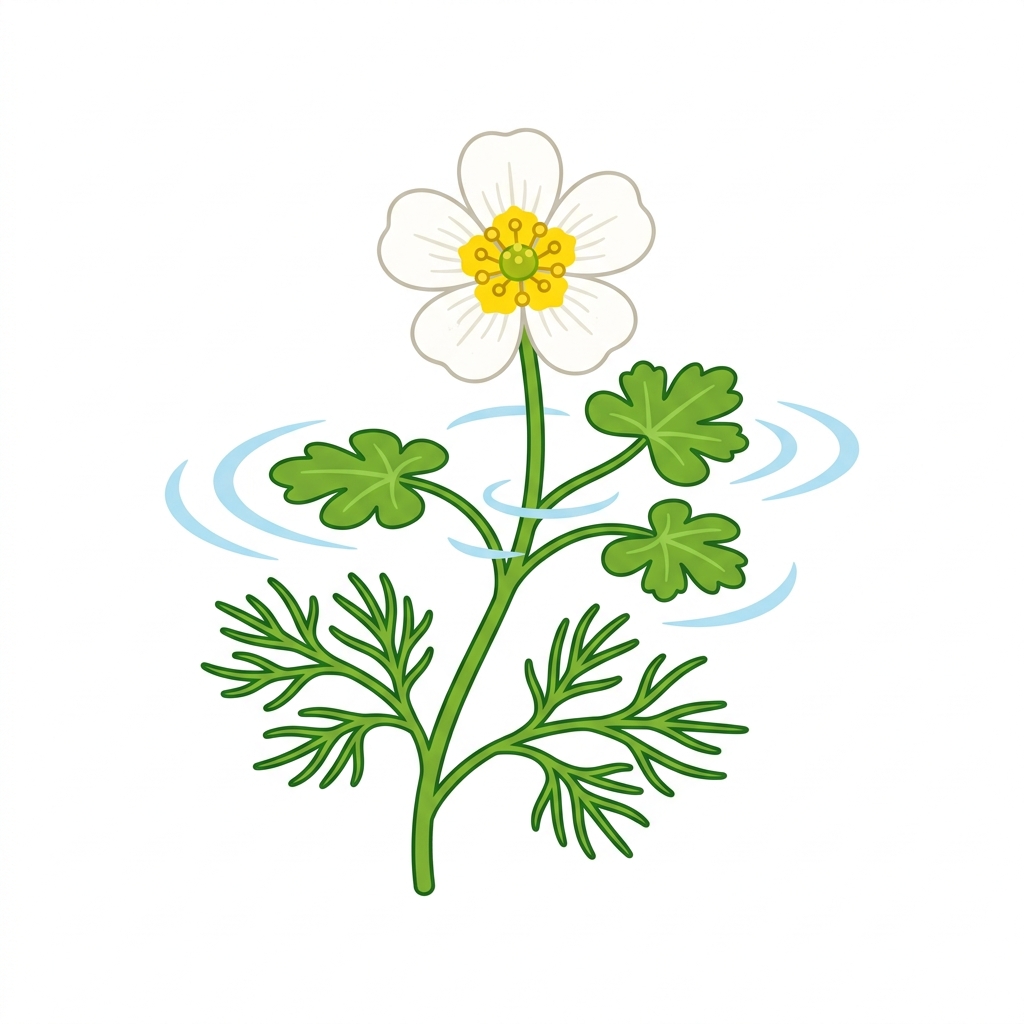
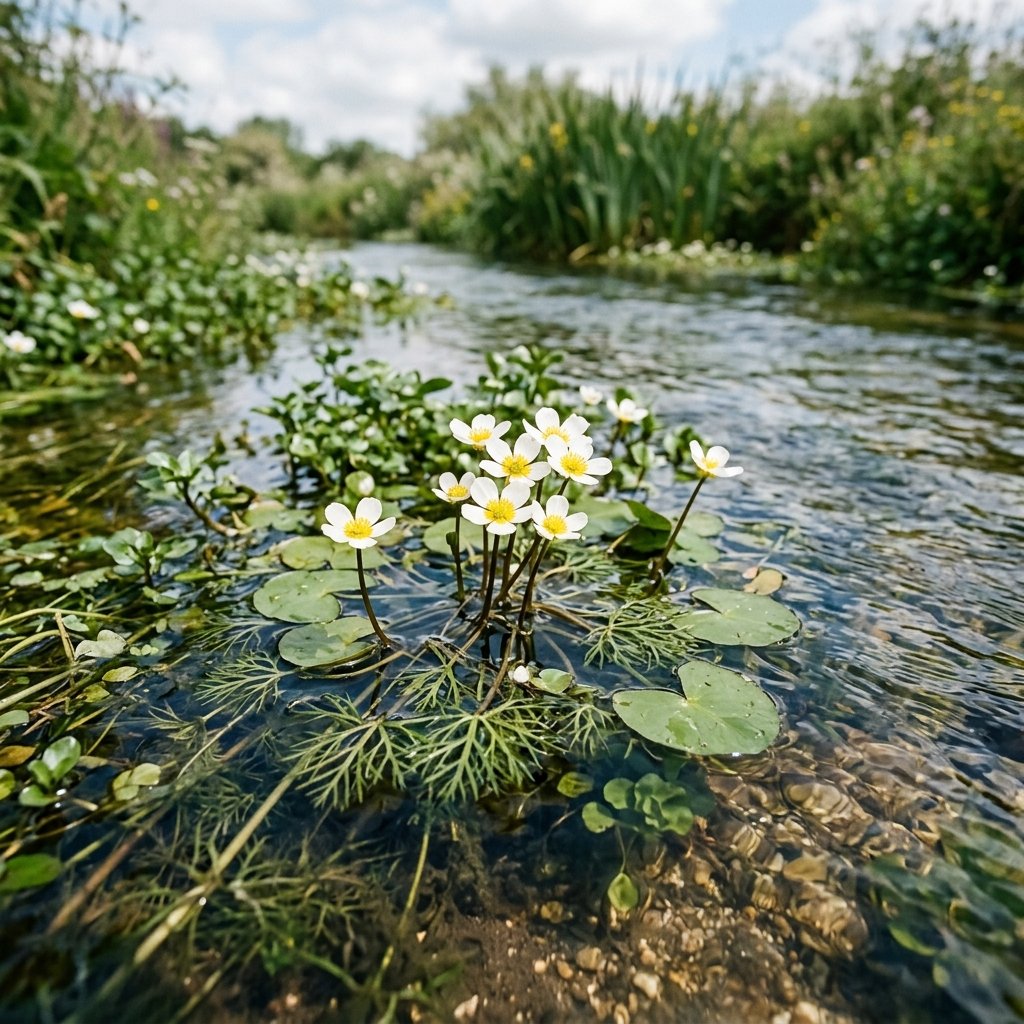
Common Water-crowfoot
A water buttercup that carpets ponds and slow streams with little white flowers — with floating leaves above and feathery, thread-like leaves below.
💡 Fun Facts
- This is a buttercup that lives in the water, with little white flowers that pop up just above the surface in early summer.
- It has two kinds of leaf — rounded ones that float, and feathery, thread-like ones that stream out underwater.
- A patch of water-crowfoot can cover a pond or a slow stream with a carpet of white flowers.
📅 Through the Year
- Flowering:May to June
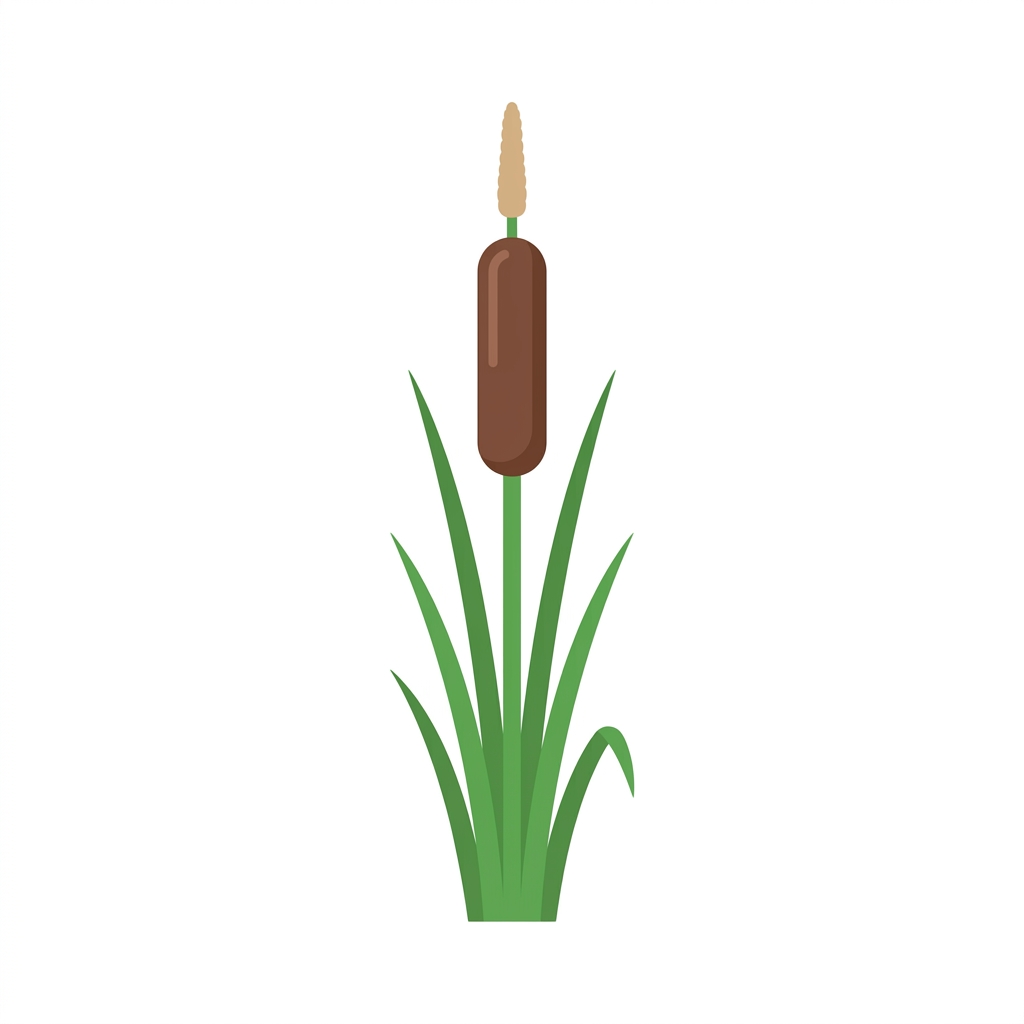
Reedmace
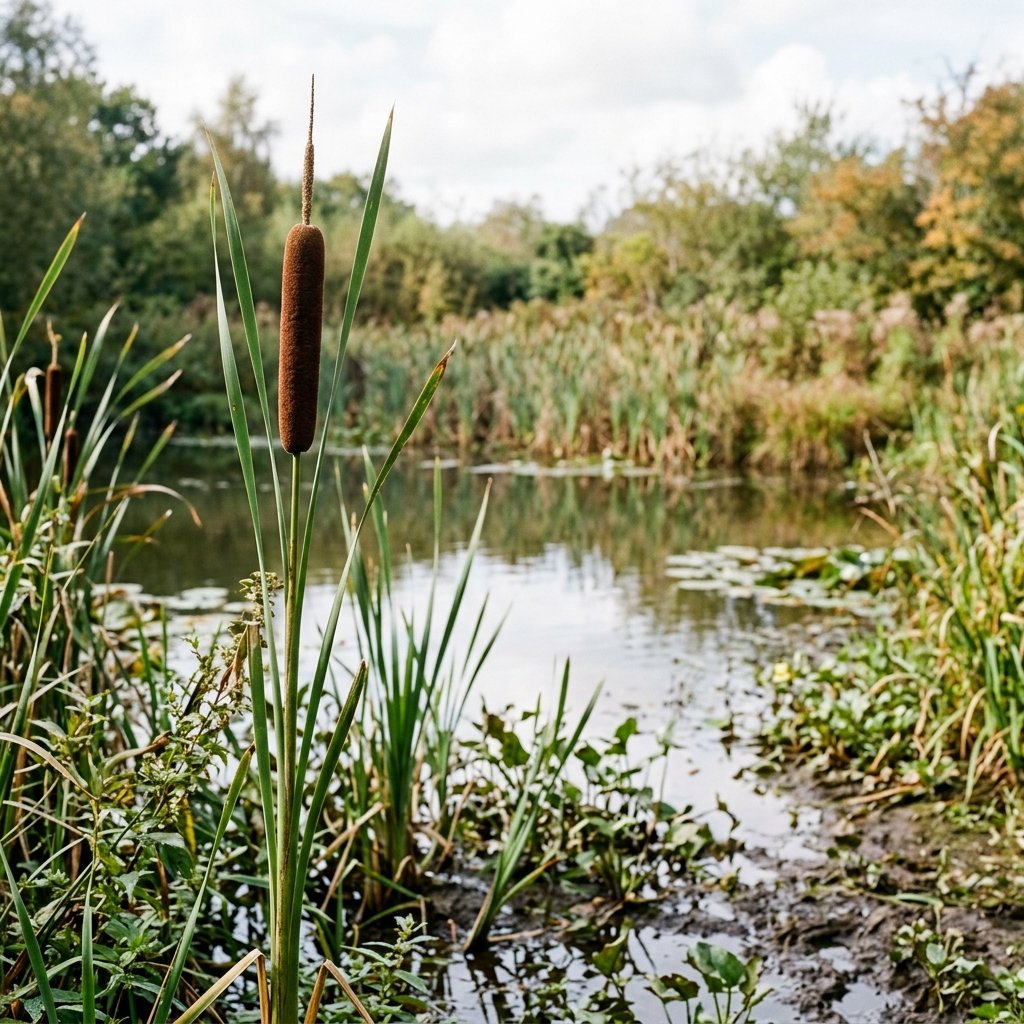
The tall waterside plant with brown, sausage-shaped seed-heads — often called bulrush — that bursts into clouds of fluffy, wind-blown seeds.
💡 Fun Facts
- Reedmace is the tall marsh plant with the brown, sausage-shaped heads that look a bit like hot dogs on sticks.
- Each brown head is packed with a huge number of tiny seeds — when it bursts, they float away on little parachutes of fluff.
- It is sometimes called bulrush, and it grows in thick stands at the edges of ponds and lakes.
📅 Through the Year
- Flowering:June to July
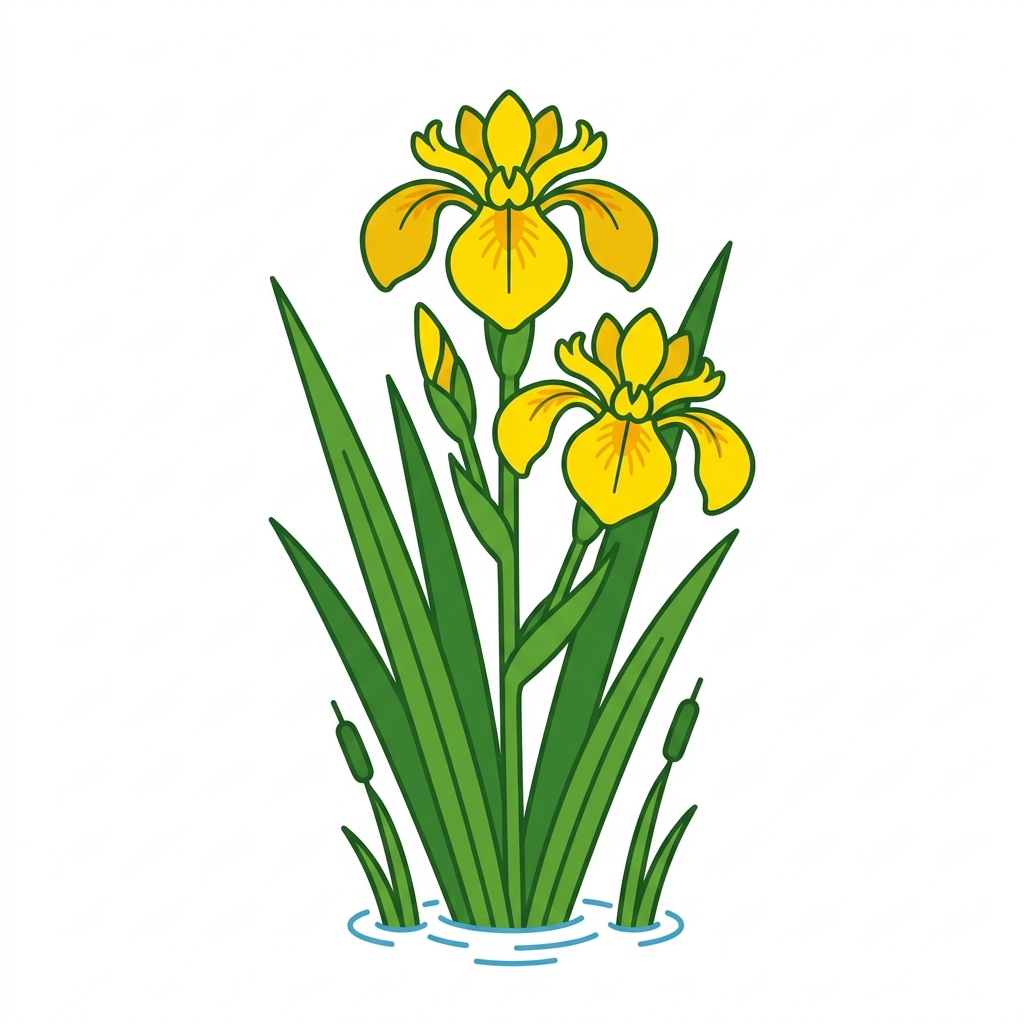
Yellow Flag Iris
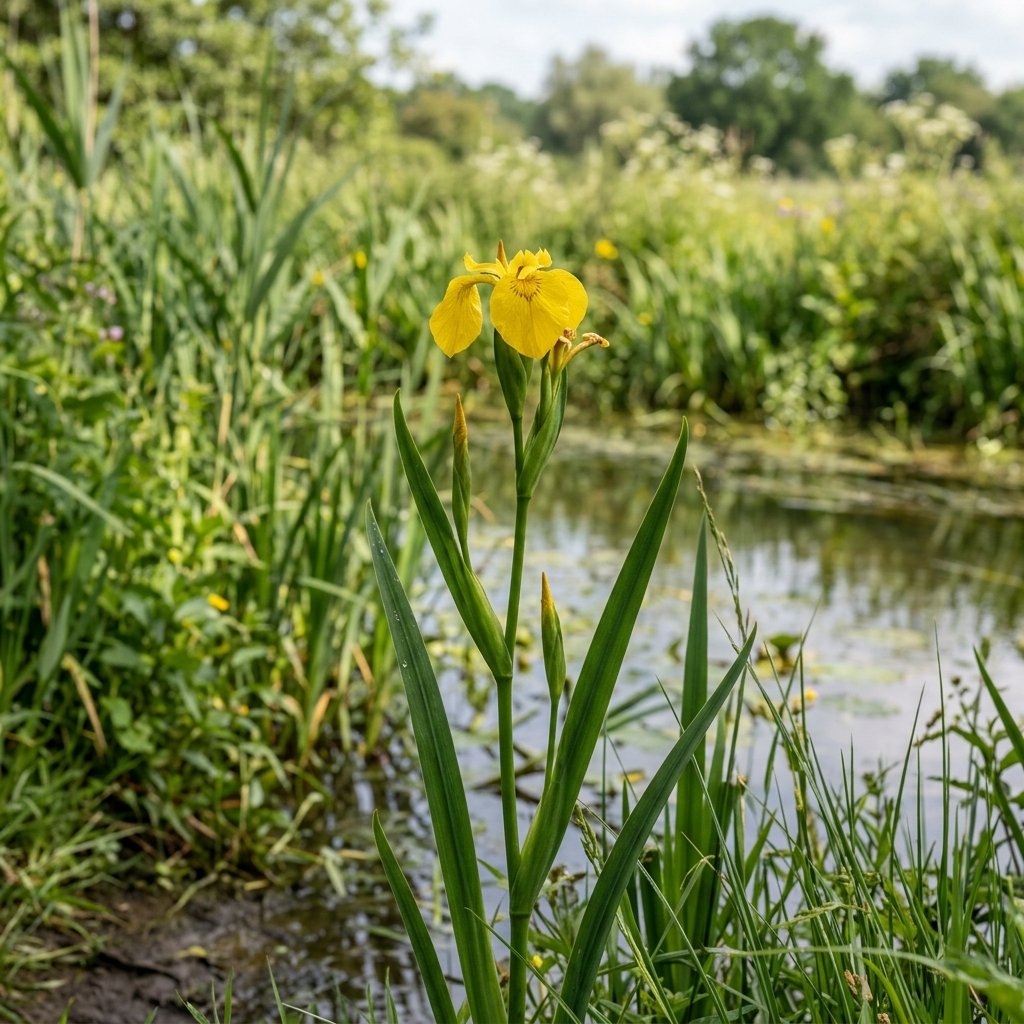
Britain's native wild iris of pond and river edges — tall, bright yellow flowers above sword-shaped leaves, and poisonous enough that grazing animals leave it alone.
💡 Fun Facts
- This is Britain's only wild iris with bright yellow flowers, standing tall at the edge of ponds and rivers in early summer.
- It has flat, sword-shaped leaves that point straight up out of the water.
- Almost nothing eats it — the whole plant is poisonous, so grazing animals like cattle and ponies leave it well alone.
📅 Through the Year
- Flowering:May to July
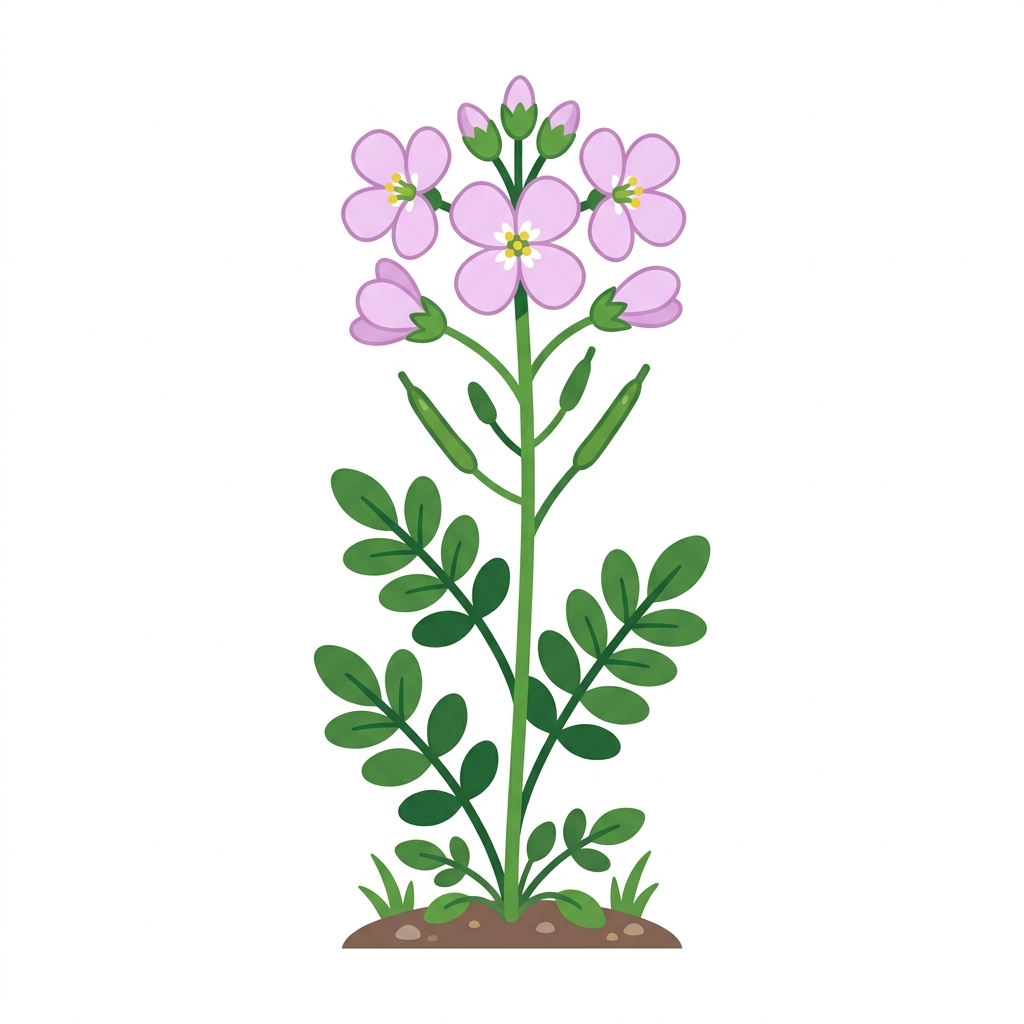
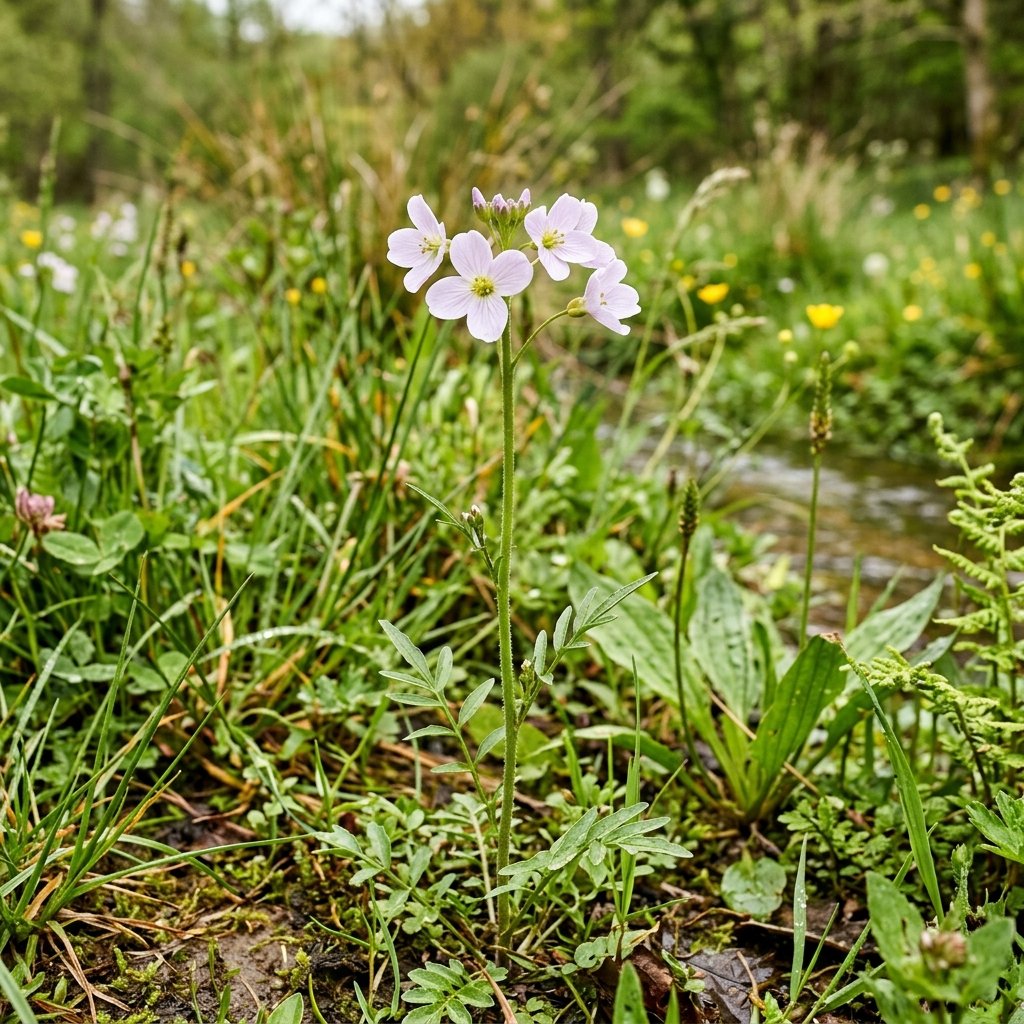
Cuckooflower
A pale-lilac flower of damp spring meadows — blooming as the first cuckoo calls, and a key foodplant for the orange-tip butterfly.
💡 Fun Facts
- Its pale lilac flowers open in spring just as the first cuckoos begin to call.
- It is also called lady's smock and grows best in damp meadows and beside streams.
- The orange-tip butterfly lays its eggs on the flower stalks, and its caterpillars eat the seed pods.
📅 Through the Year
- Flowering:April to June
Carnivorous bog plants
Extraordinary plants that trap and eat tiny insects to get the goodness they need.
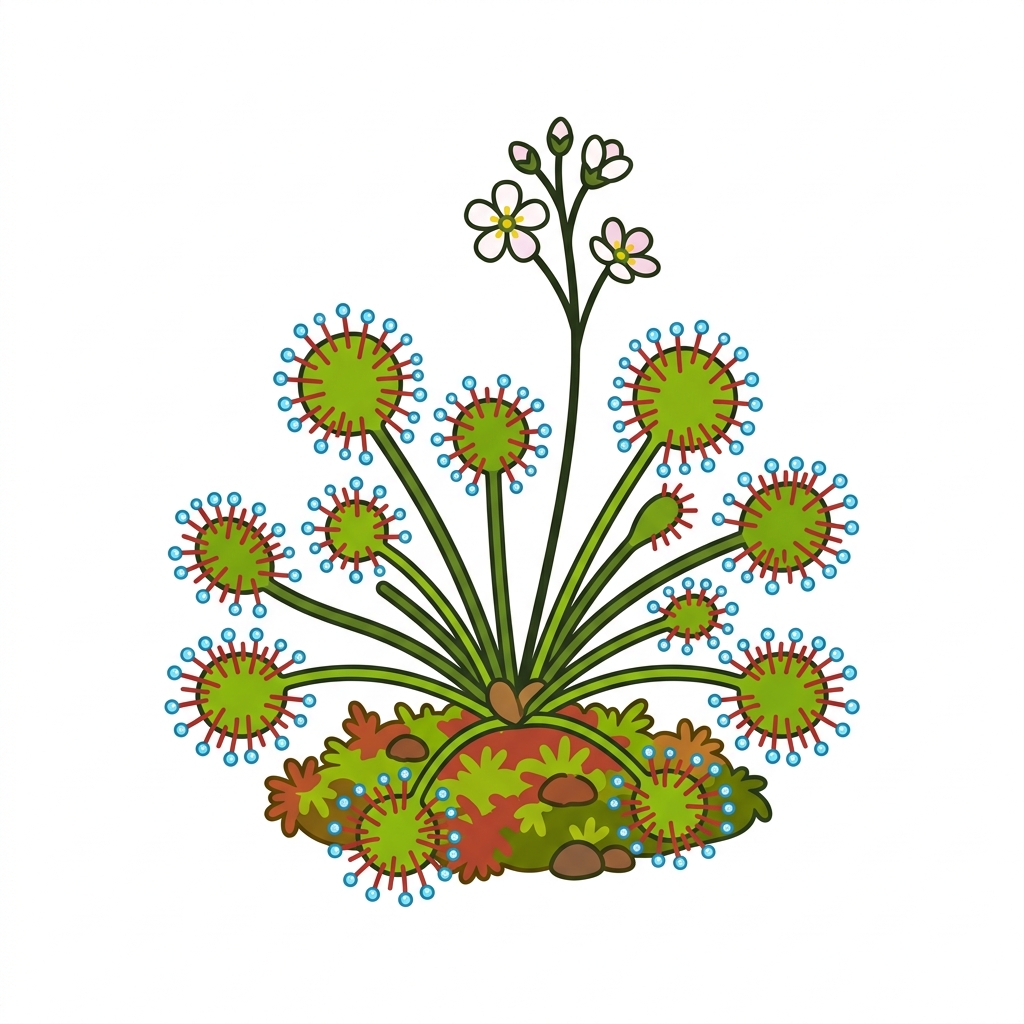
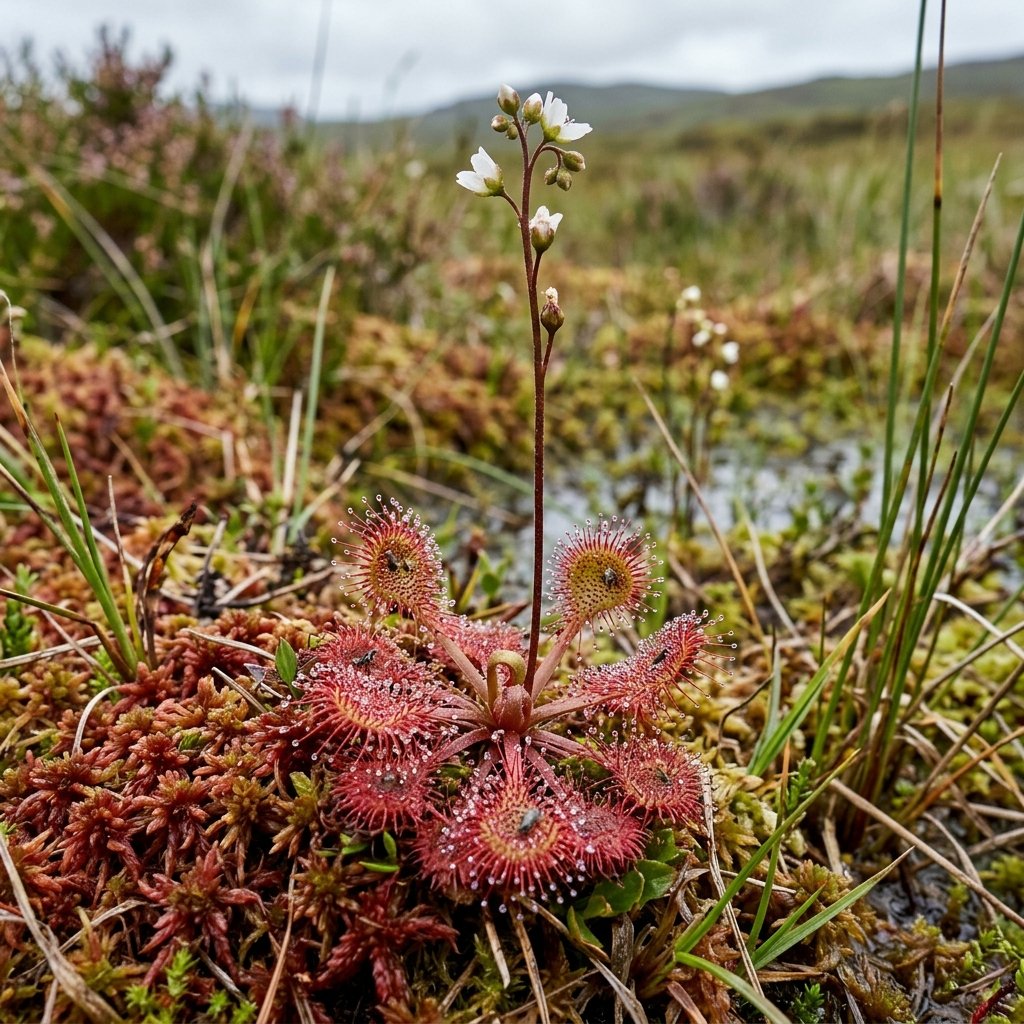
Round-leaved Sundew
A tiny bog plant whose leaves glisten with sticky 'dew' — a glue that traps small flies so the plant can digest them to survive in soil too poor to feed it.
💡 Fun Facts
- Each tiny leaf is covered in red hairs tipped with glistening droplets that look like morning dew — but the 'dew' is sticky glue that traps small flies and midges.
- Once an insect is stuck, the hairs slowly curl over it and the leaf dissolves its catch to feed on it, because the boggy soil it lives in is far too poor to live on alone.
- It is one of only a handful of carnivorous plants that grow wild in Britain, and a whole plant is often no bigger than a 2p coin.
📅 Through the Year
- Flowering:June to August
- Dormant:November to March
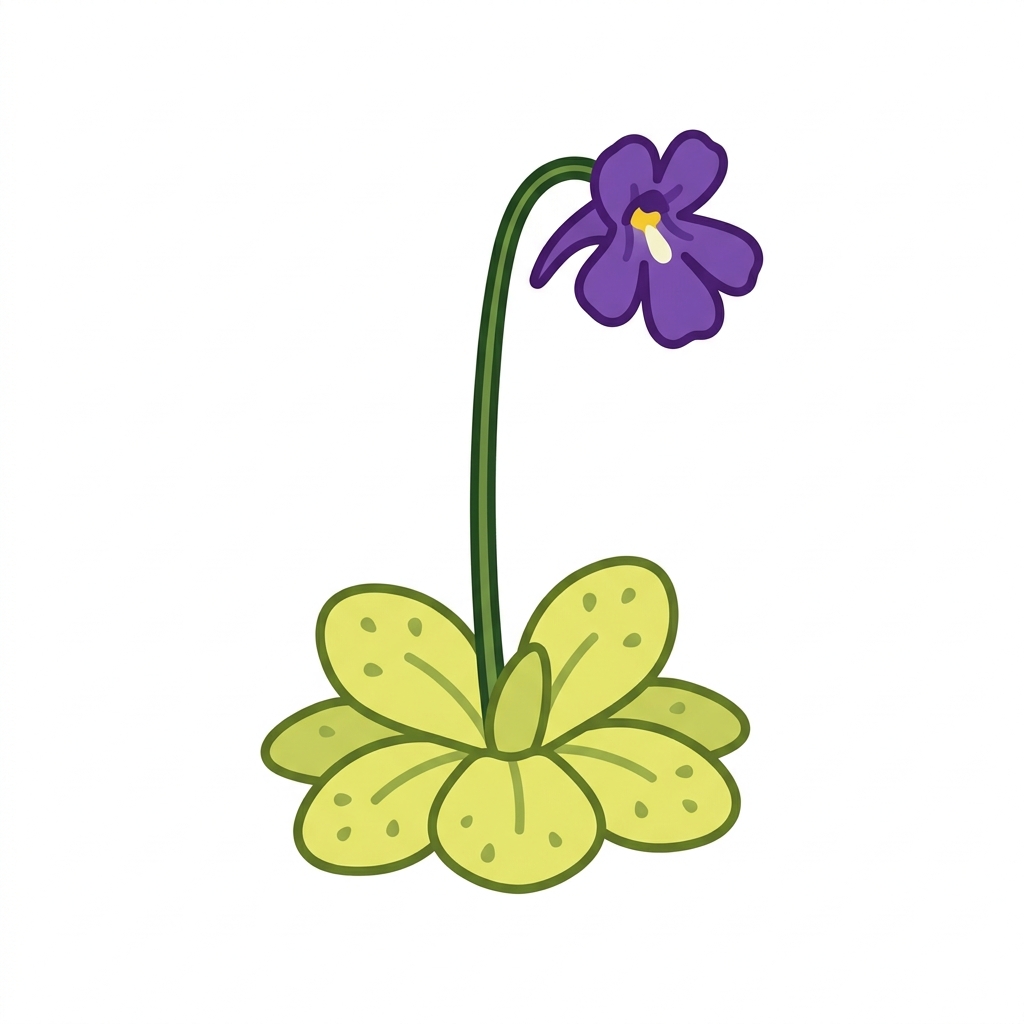
Common Butterwort
A bog plant with greasy, 'buttery' leaves that work like sticky flypaper — catching small flies and slowly curling over them to digest a meal the poor soil cannot provide.
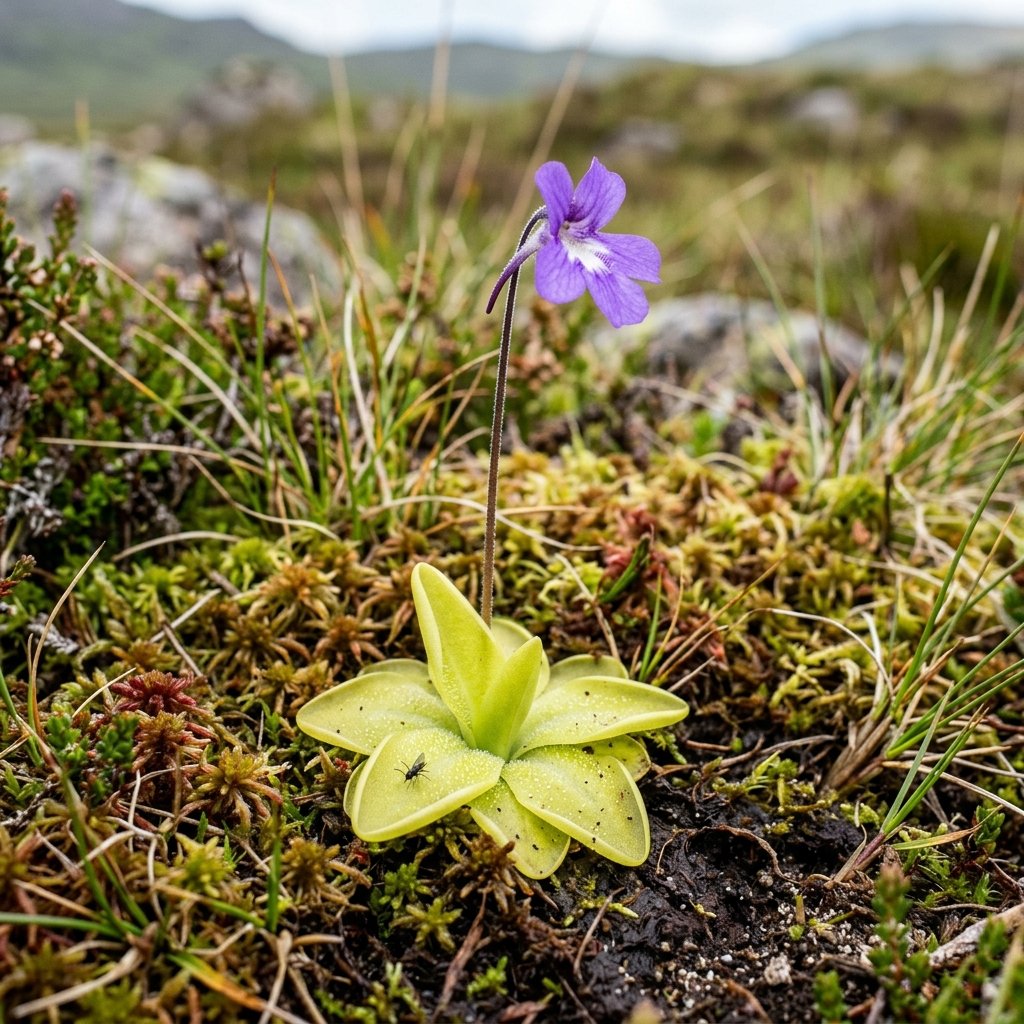
💡 Fun Facts
- Its flat, yellow-green leaves feel greasy and buttery — which is how it got its name — and that greasy sheen is really a sticky glue for catching small flies.
- When an insect lands and gets stuck, the edges of the leaf slowly roll inwards over it, trapping it while the leaf digests its meal.
- It grows a pretty violet flower on a tall stalk, kept well above the deadly leaves so that the bees pollinating it do not get caught.
📅 Through the Year
- Flowering:May to July
- Dormant:October to March
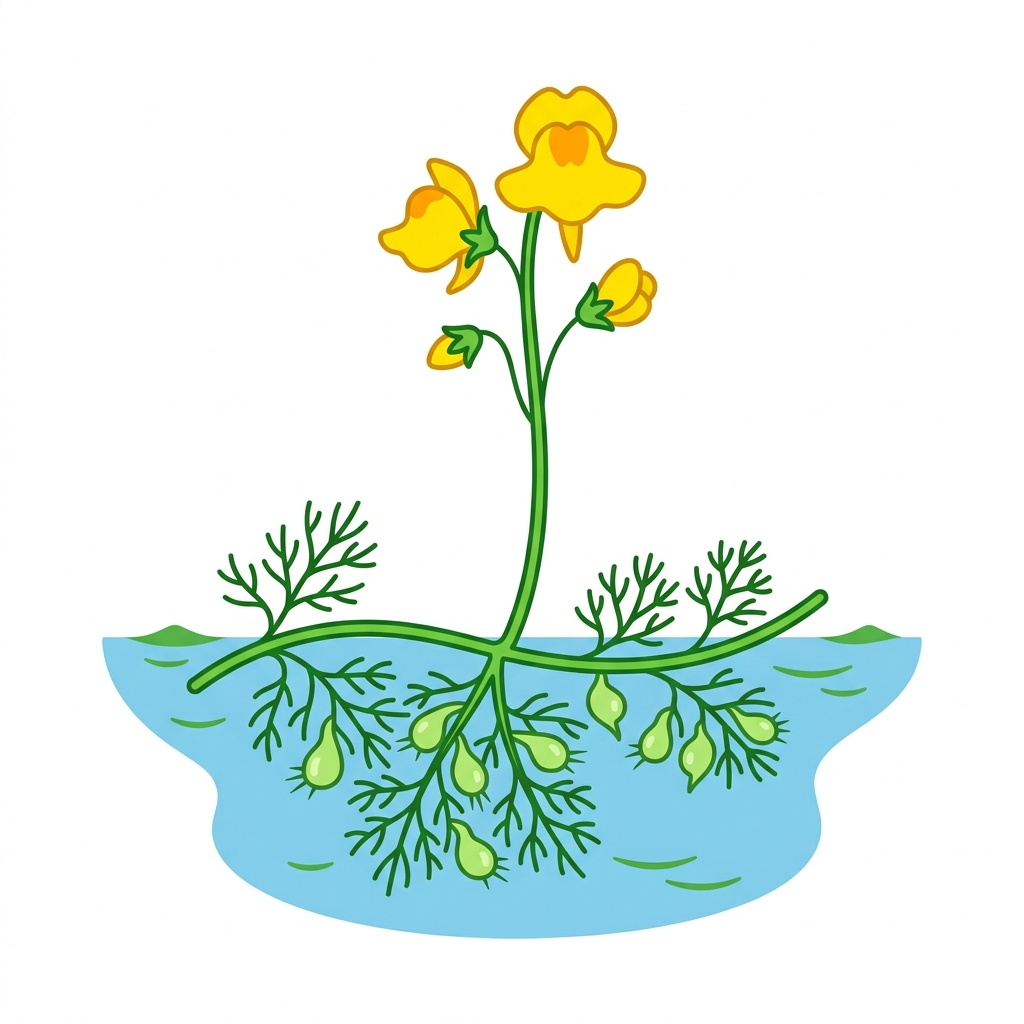
Greater Bladderwort
A rootless plant that floats in ponds, its feathery stems studded with tiny suction traps that snap open in half a millisecond to catch water fleas — one of the fastest movements in the plant world.
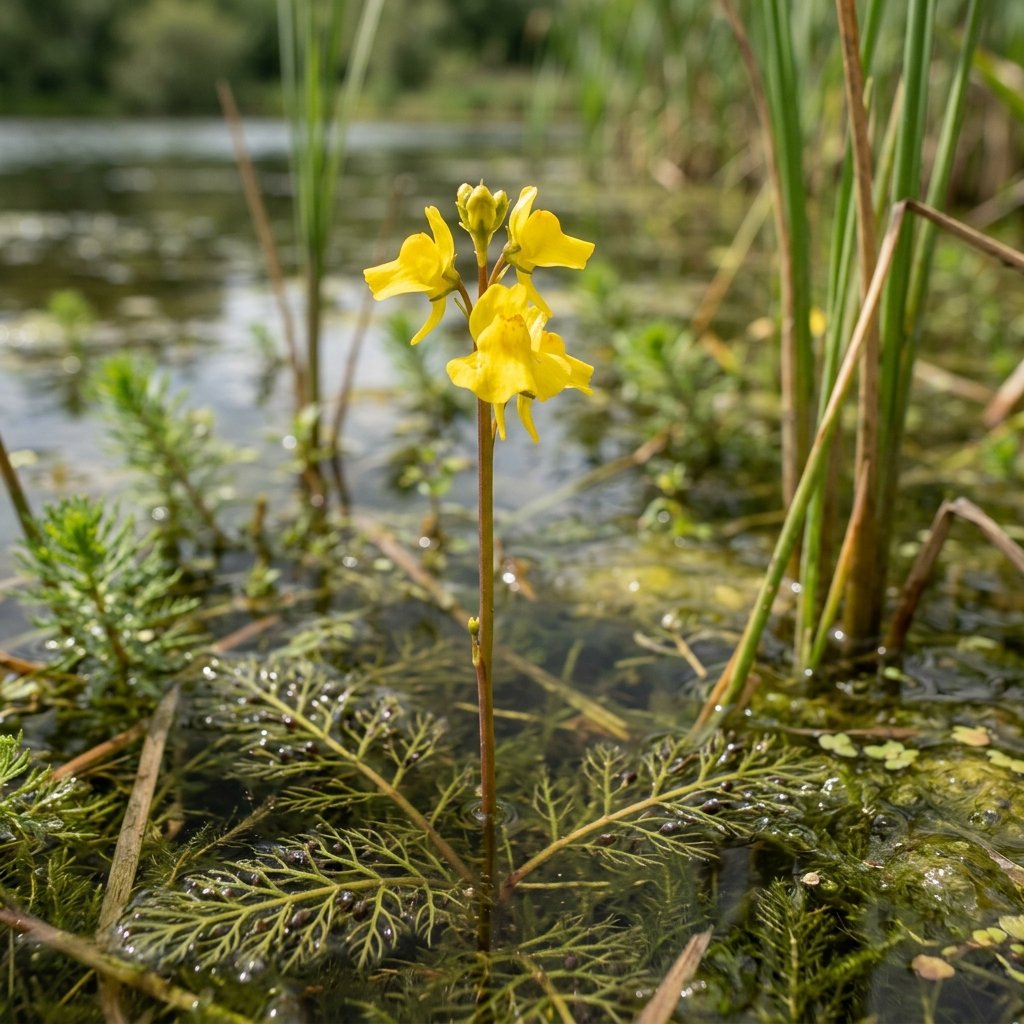
💡 Fun Facts
- This rootless plant floats freely in ponds and ditches, its feathery underwater stems dotted with hundreds of tiny see-through 'bladders' no bigger than a pinhead.
- Each bladder is a trap: when a water flea brushes its trigger hairs, the bladder snaps open and sucks the creature inside in about half a thousandth of a second — one of the fastest movements known in the whole plant world.
- In summer it pushes bright yellow, snapdragon-like flowers up above the water on wiry stalks, the only part of the plant most people ever see.
📅 Through the Year
- Flowering:June to August
- Dormant:November to March
Animals you might meet
A riverside mammal and two water birds to look out for.
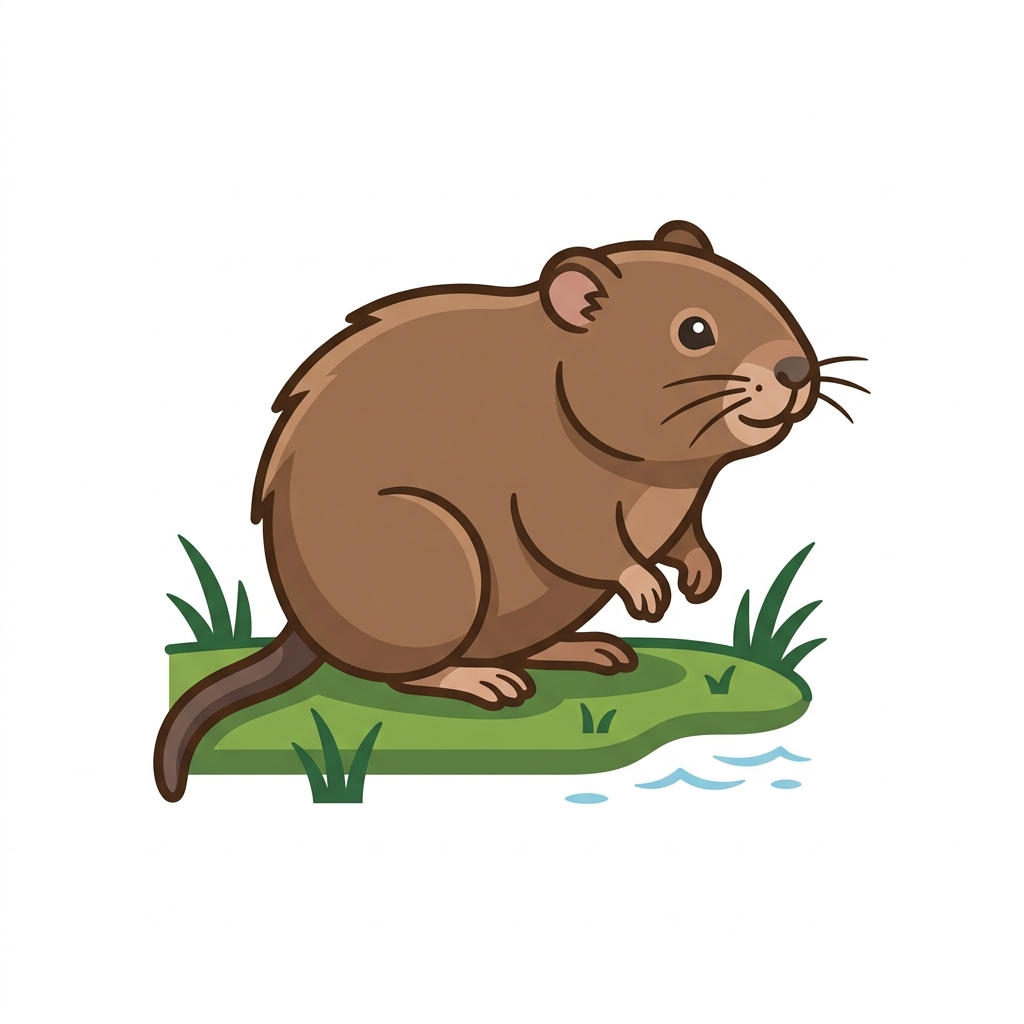
Water Vole
The water vole is a plump, chestnut-brown riverside mammal with a blunt nose and furry tail. Once common along Britain's waterways, it grazes on bankside plants and is now one of our most threatened mammals.
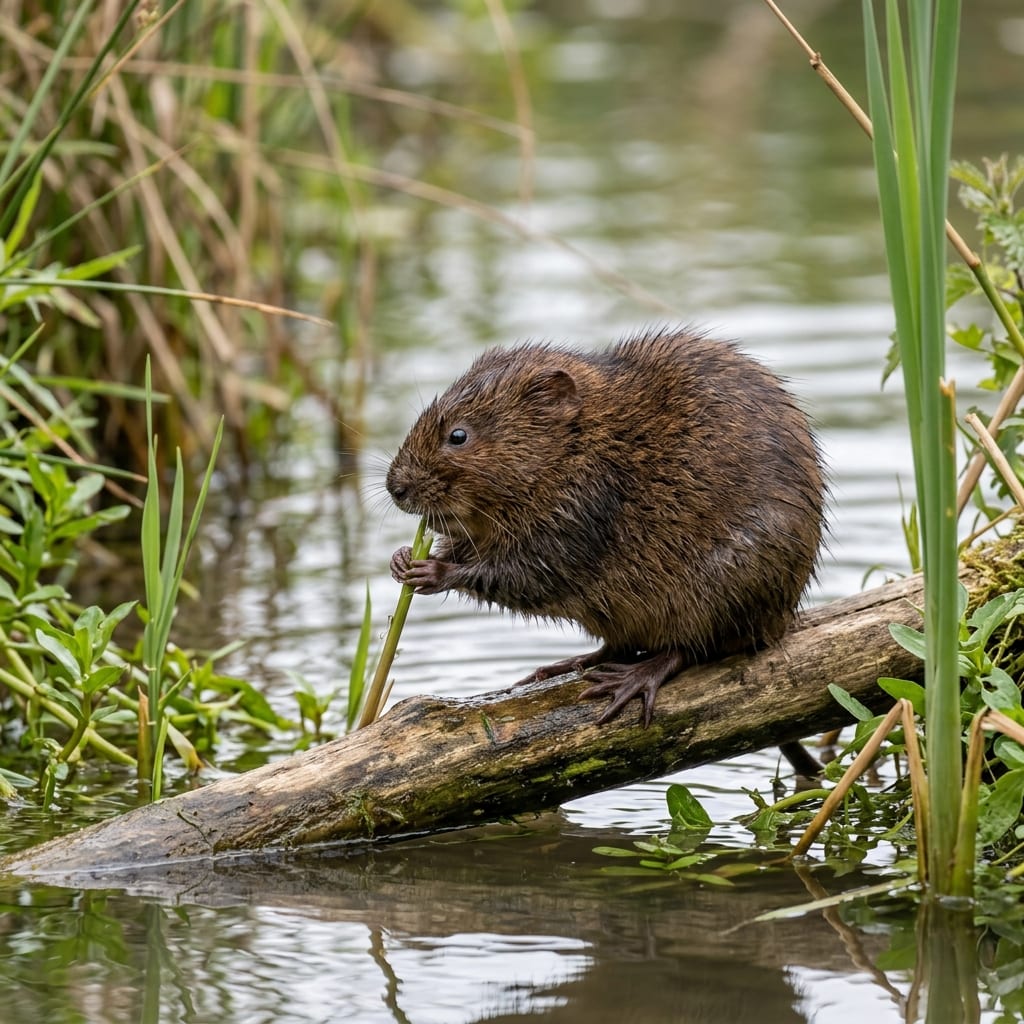
💡 Fun Facts
- The water vole is Britain's largest vole, with a blunt, rounded nose, chubby face and a furry tail — it is often mistaken for a small rat.
- This is the animal behind "Ratty" in the classic book The Wind in the Willows.
- Water voles dig burrows in the banks of rivers and ditches, and dive underwater with a distinctive "plop" when startled.
📅 Through the Year
- Breeding:April to September
- Active:March to October
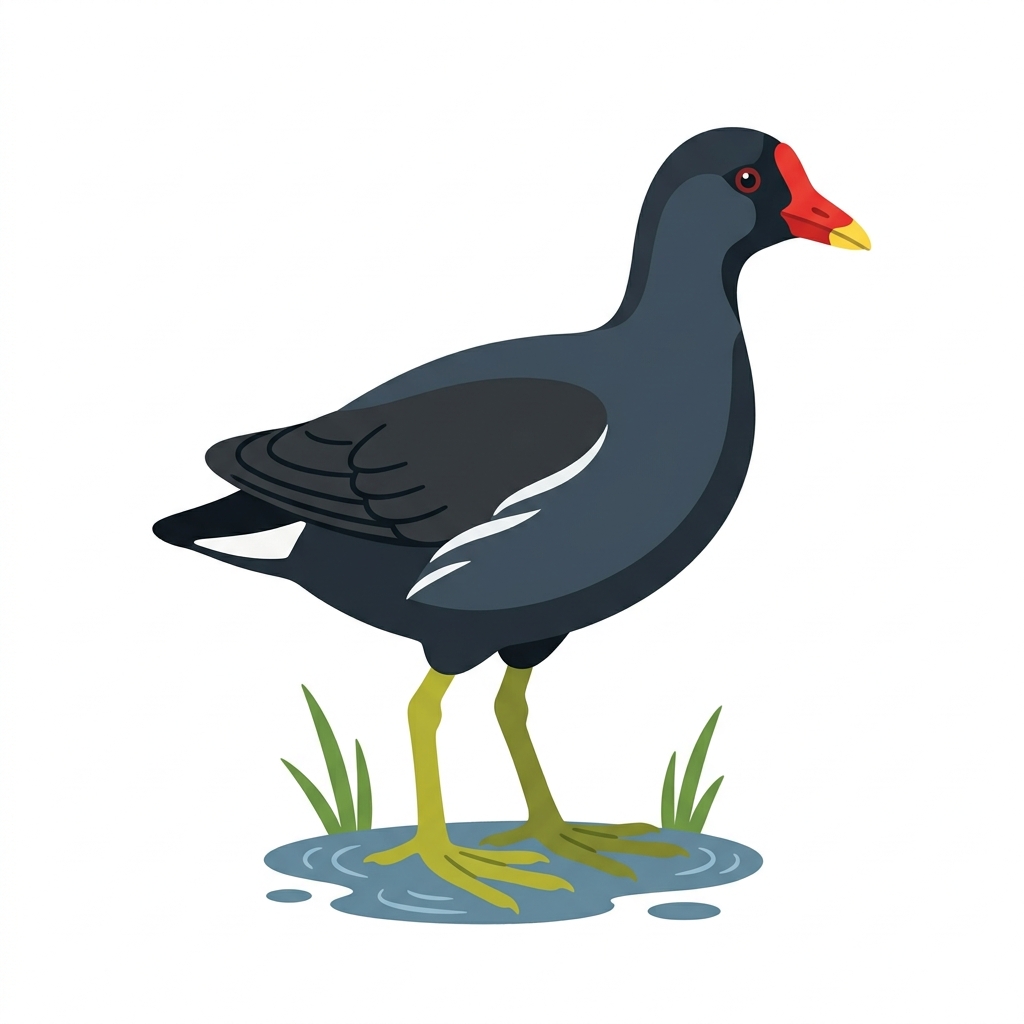
Moorhen
The moorhen is a familiar waterbird of ponds, lakes and rivers, easily known by its red beak and flicking white tail. It dabbles for plants and insects and picks its way nimbly across lily pads on its huge toes.
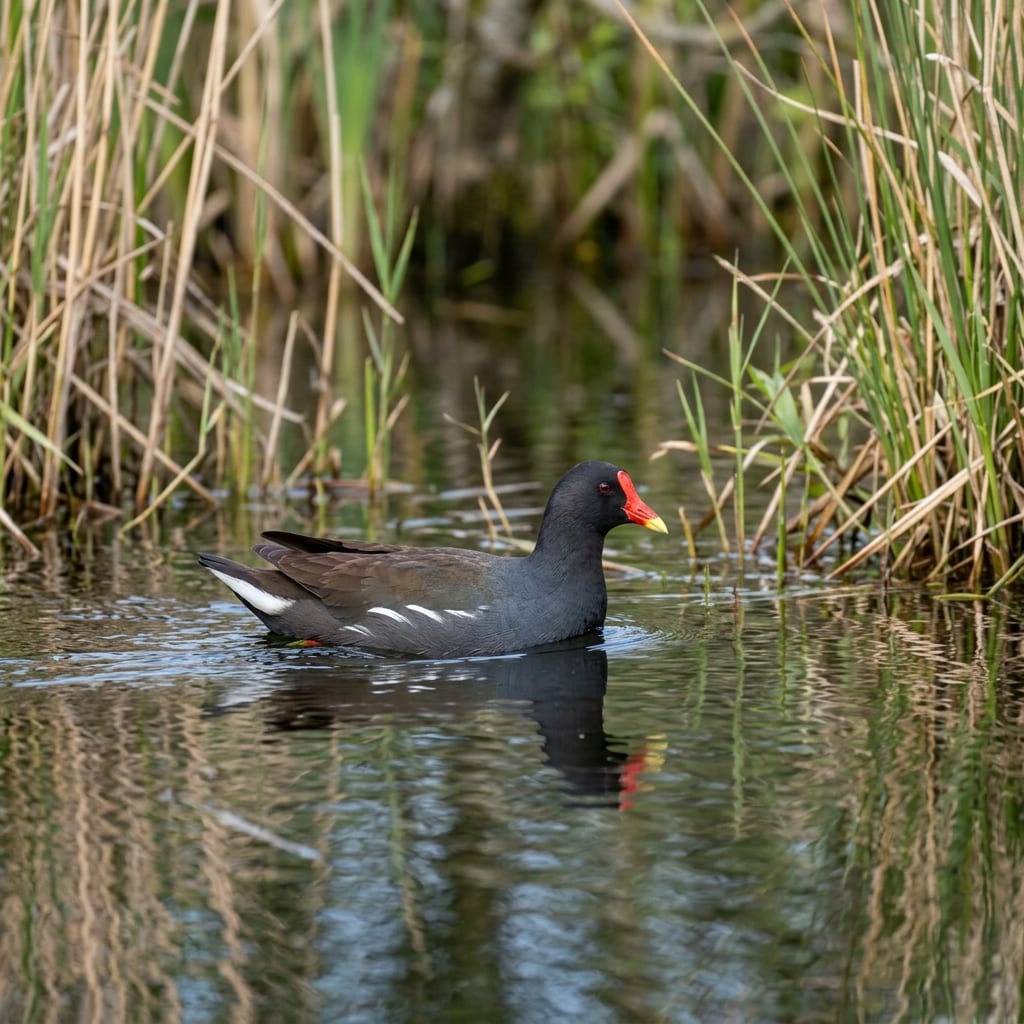
💡 Fun Facts
- The moorhen has a bright red-and-yellow beak and long green legs with enormous toes for walking on soft mud and floating plants.
- Unlike a duck, its feet are not webbed, yet it swims well — flicking its tail to show a flash of white as it goes.
- Young moorhens from an early brood often help their parents feed the next batch of chicks, like big brothers and sisters.
📅 Through the Year
- Breeding:March to August
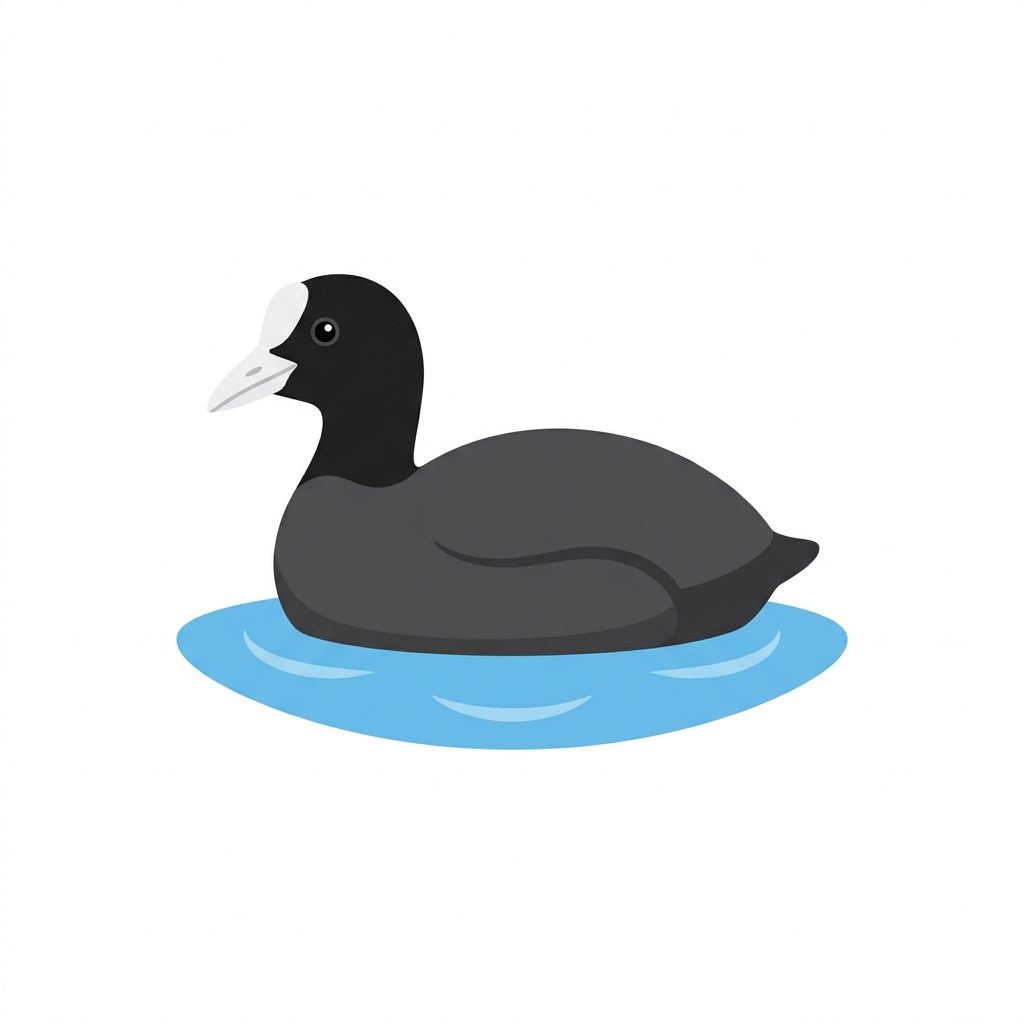
Coot
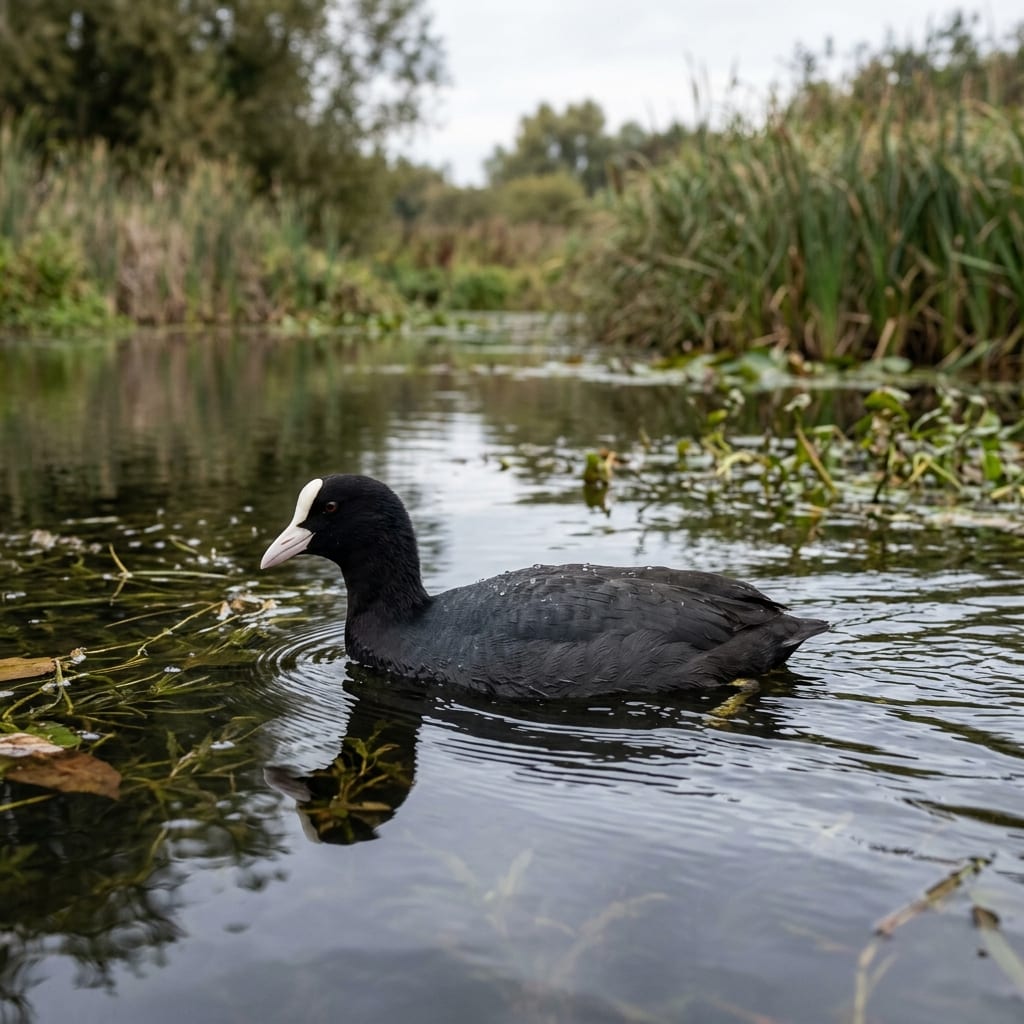
The coot is a rounded, slate-black waterbird with a striking white face shield. A strong swimmer with lobed, paddle-like toes, it dives for water plants and squabbles noisily with its neighbours.
💡 Fun Facts
- The coot is a sooty-black waterbird with a brilliant white beak and forehead — which gives us the old saying "as bald as a coot".
- Its toes have broad, lobed flaps of skin that work like paddles, making it a strong swimmer and diver.
- Coots are famously quarrelsome, splashing and charging at rivals across the water to defend their patch.
📅 Through the Year
- Breeding:March to August
Identification Activity
Spot the Freshwater Wildlife
Can you find three different types of plants or animals the next time you visit a Freshwater habitat? Record them in your Field Journal!
Outdoor Observation
10-Minute Freshwater Survey
Sit quietly in this habitat for 10 minutes. Write down everything you hear, see, and smell. What is the most abundant species?
Explore our specific Freshwater habitat profiles in the Habitats Directory.